Loading
by BlastRoom
Old and Middle Kingdom art: pyramid complexes, canon of proportions, royal sculpture, and tomb painting.
#us_hs_art_history
30 questions
One question set, multiple game modes. Tap any game to see it in action. Not sure which to pick?
Answer to place stones and capture territory.
Outrun the snow together.
Earn blasts, then hunt the other team.
Answer to earn energy, then climb.

The class blasts through walls together.
Bid on mystery lots. Most money wins.
Sell tours. Nice, standard, or a total scam.

Answer, restock, and serve the rush.
More correct answers pulls the rope your way.
Answer, then shoot down the alien wave.
Answer, then tap to leap the frozen ridge.
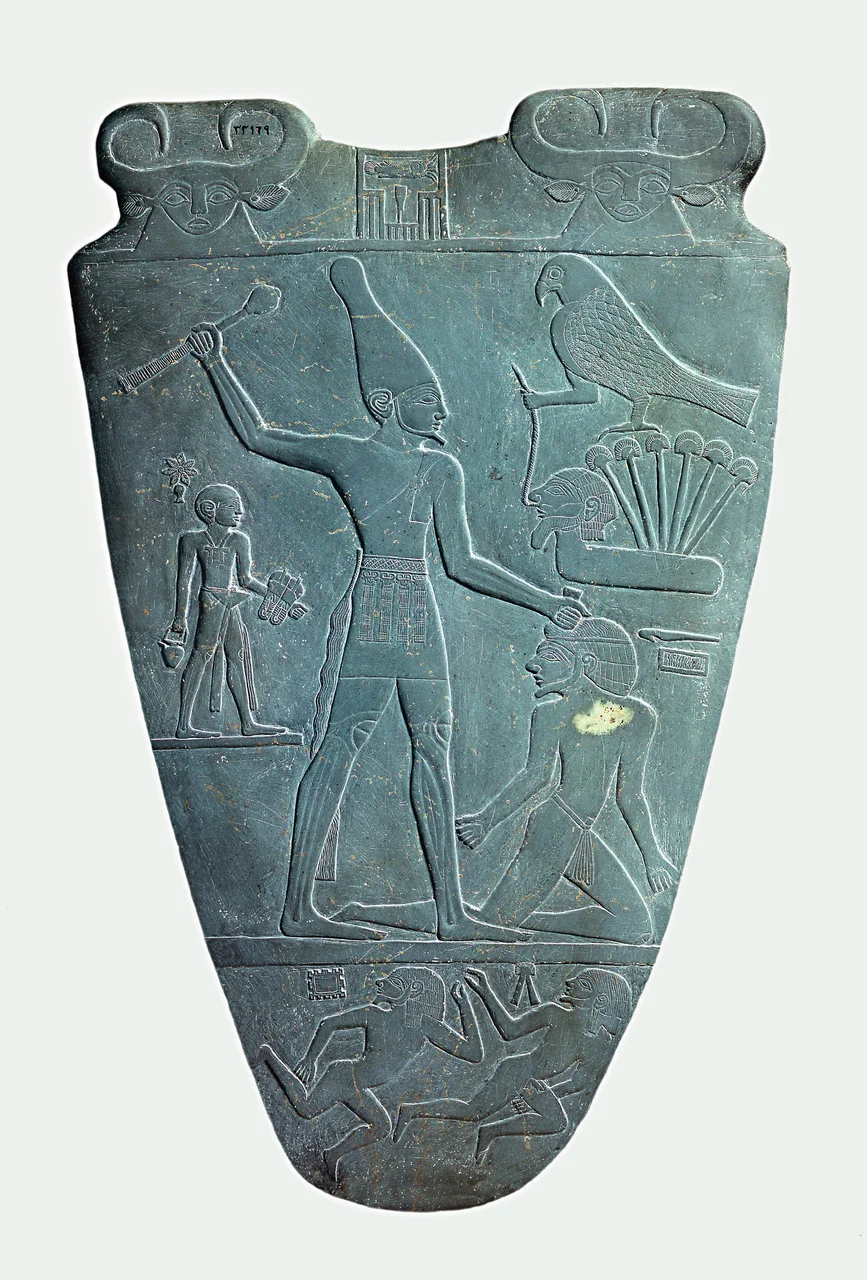
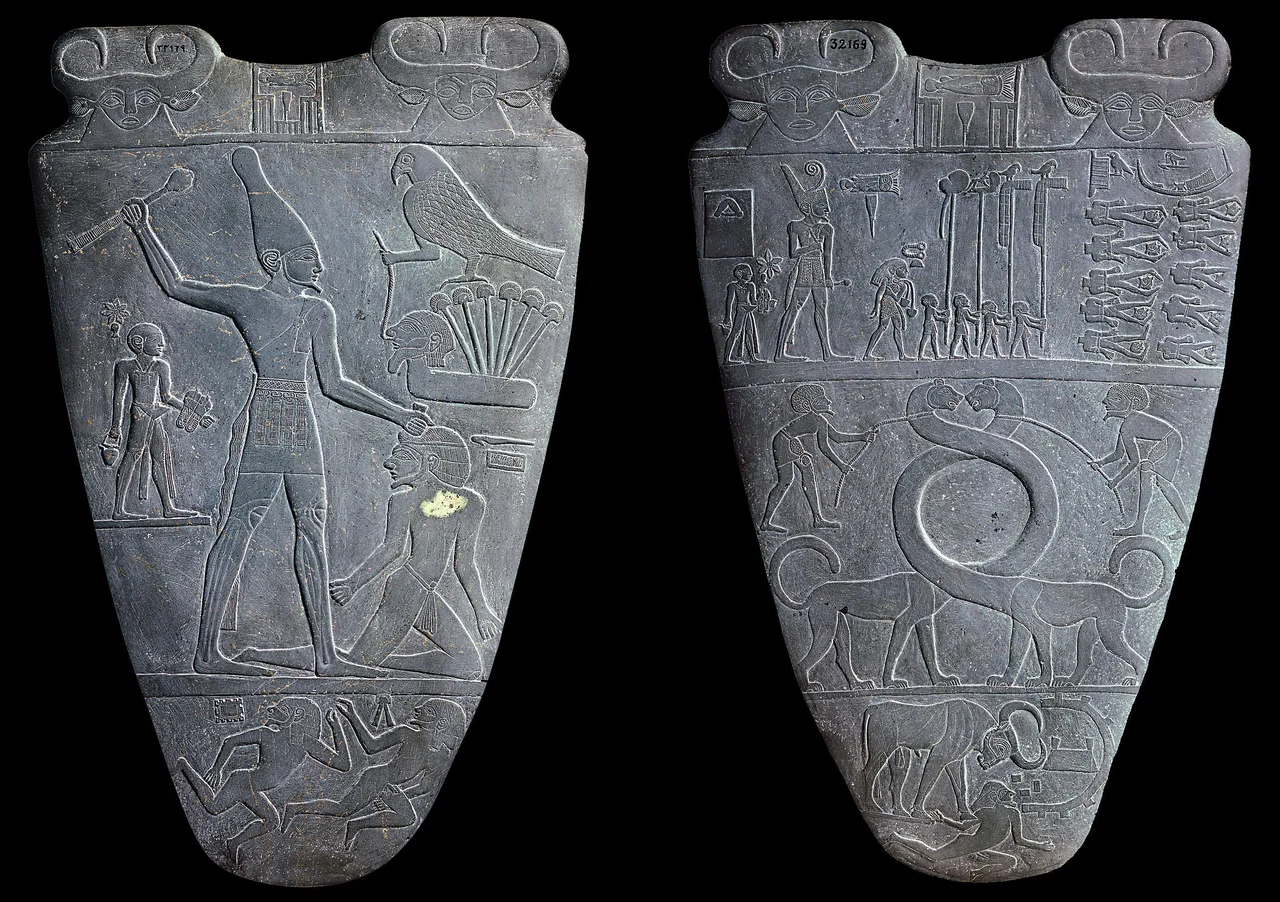
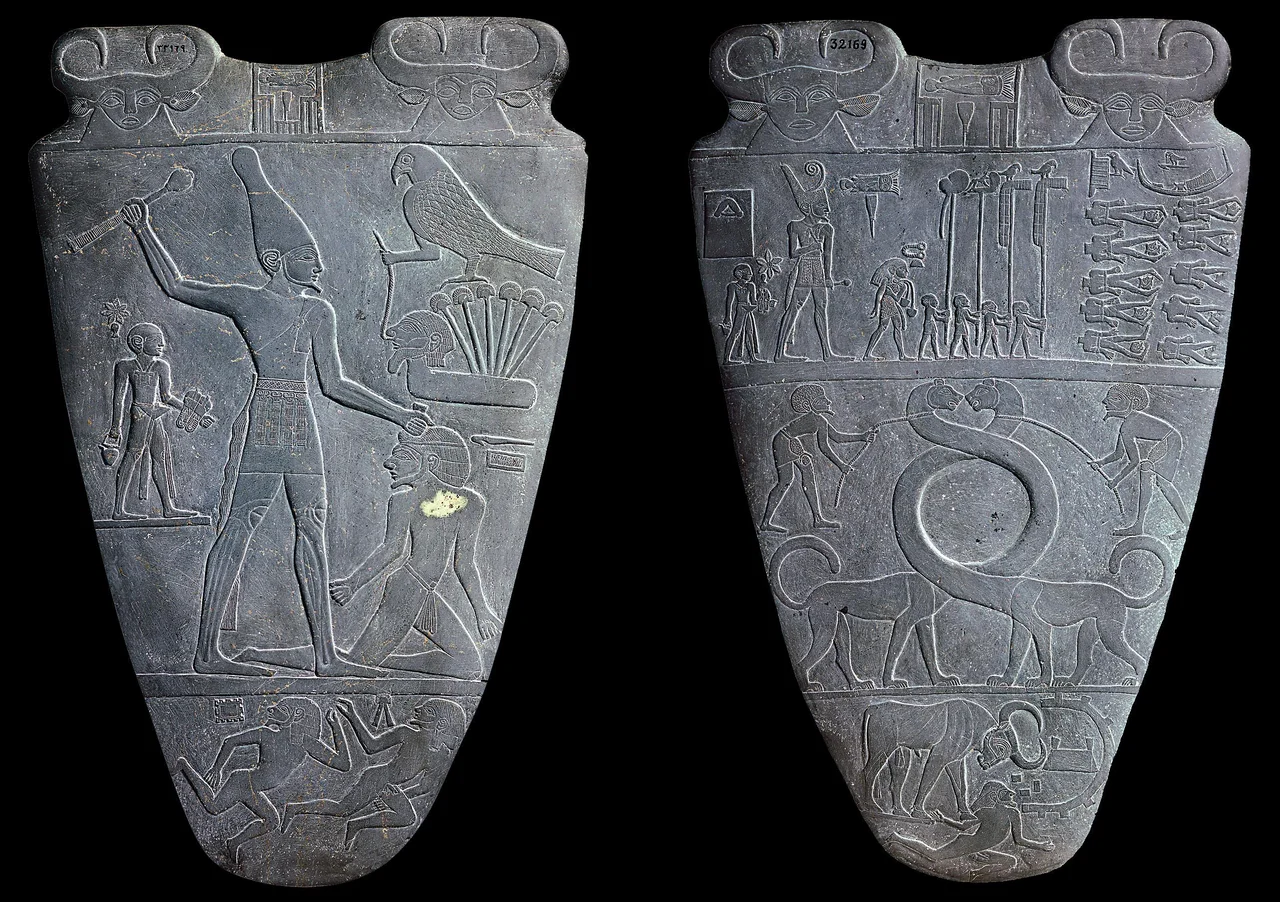
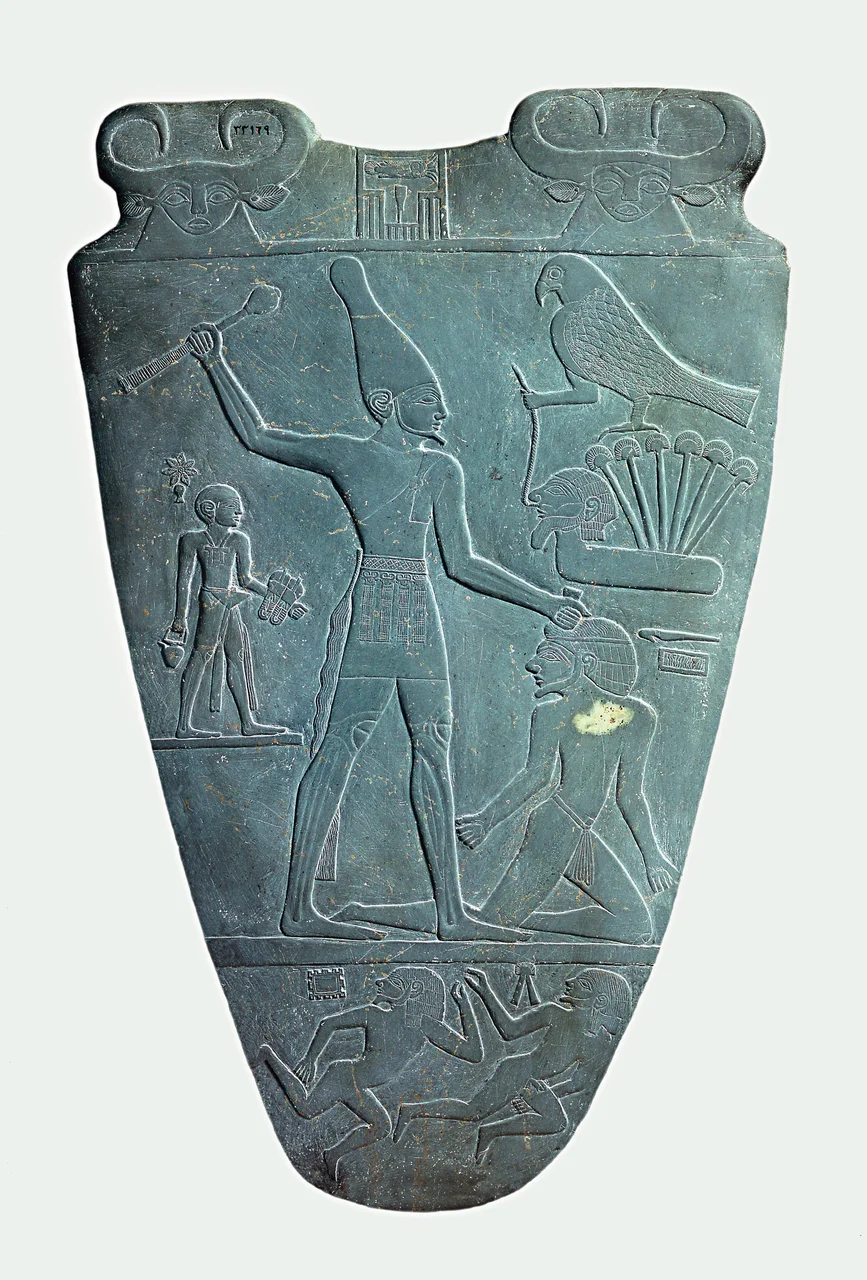
On the Palette of King Narmer, the king’s head and legs are in profile while his shoulders face forward. Why combine these viewpoints?
Egyptian workshops drew a grid of equal squares before carving a royal figure, fixing where the knees, waist and shoulders fell. Why use the grid?
On the Narmer Palette, the ruler is much larger than attendants and defeated enemies. What does this difference in scale communicate?
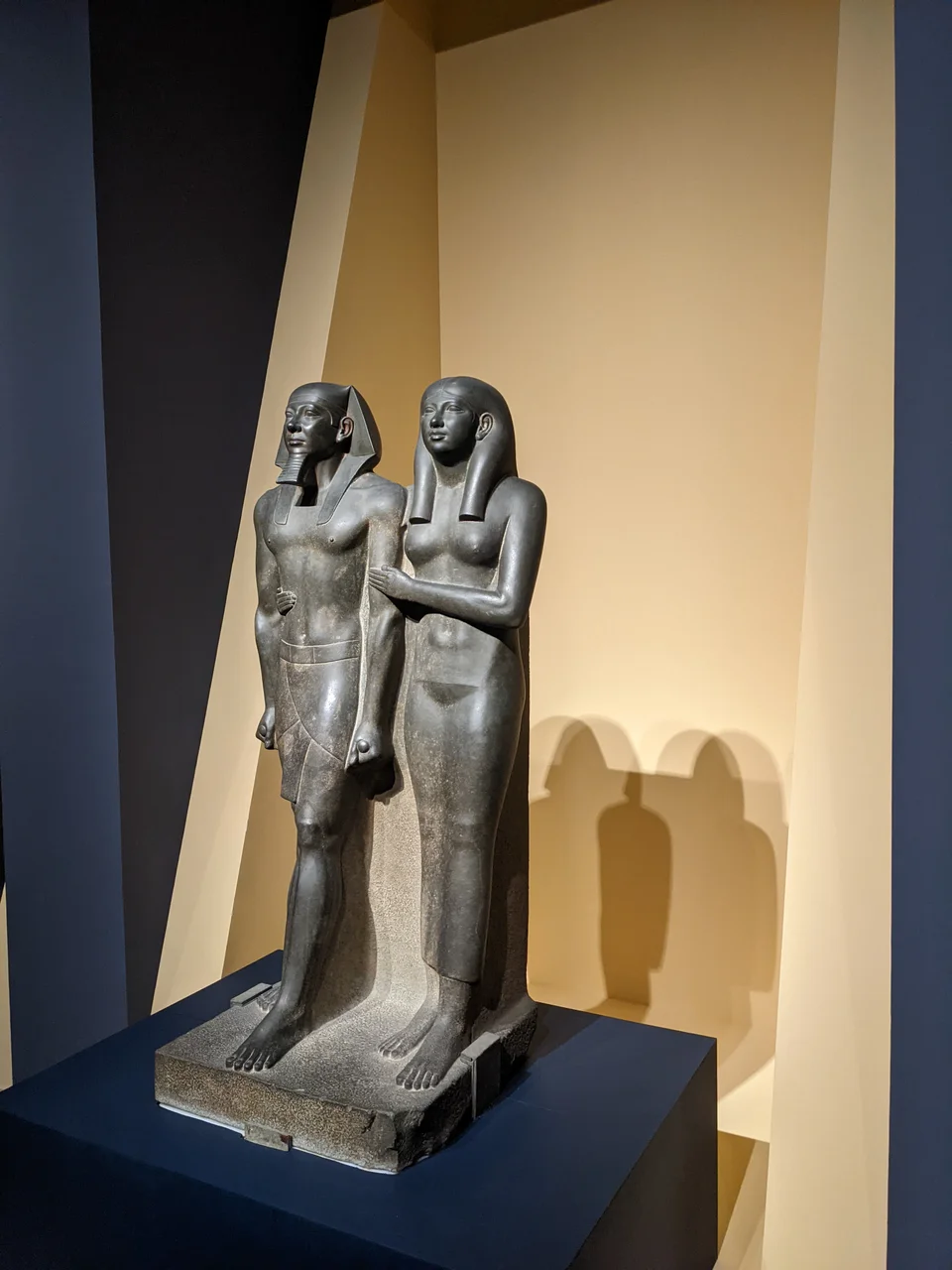
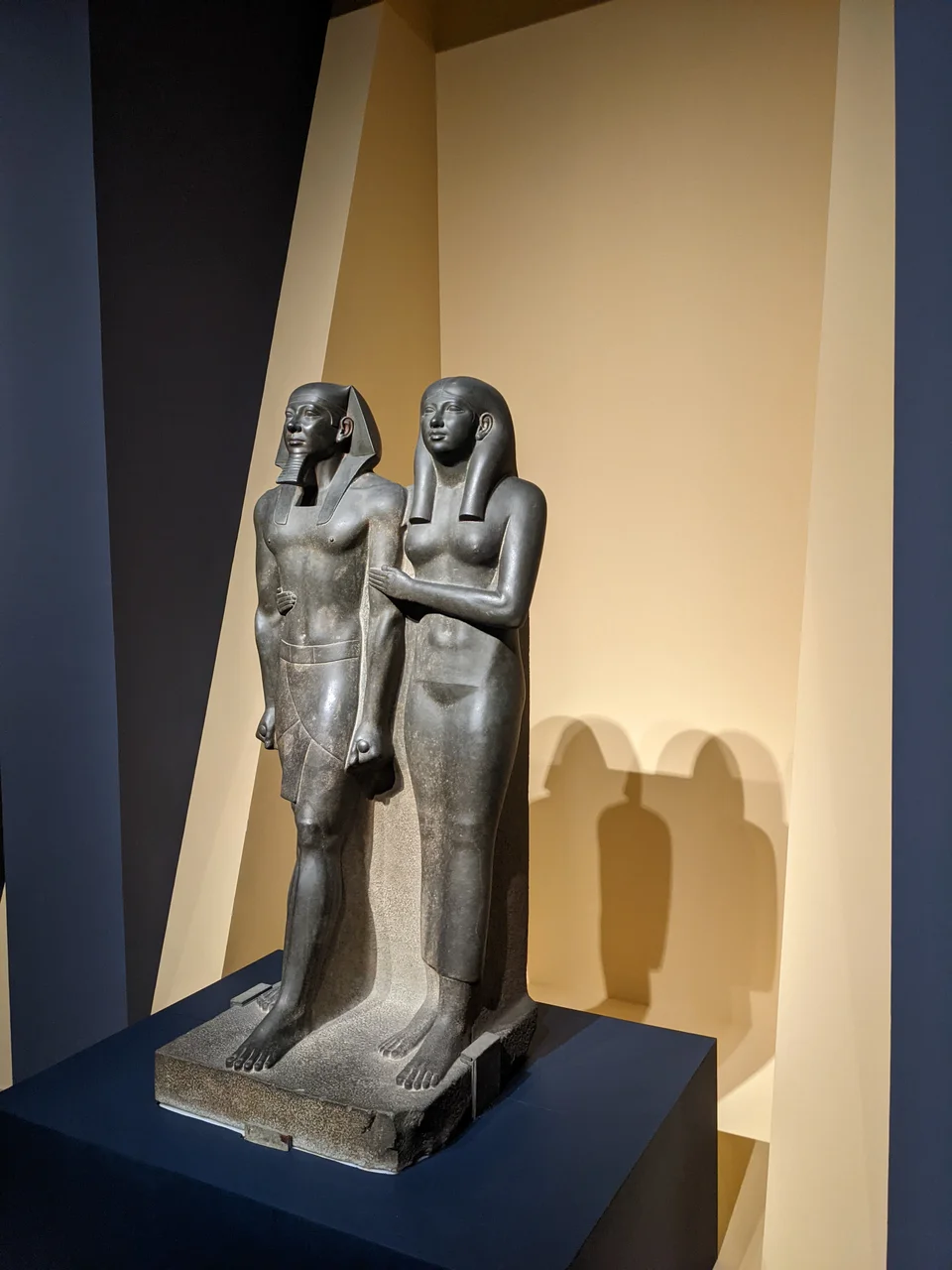
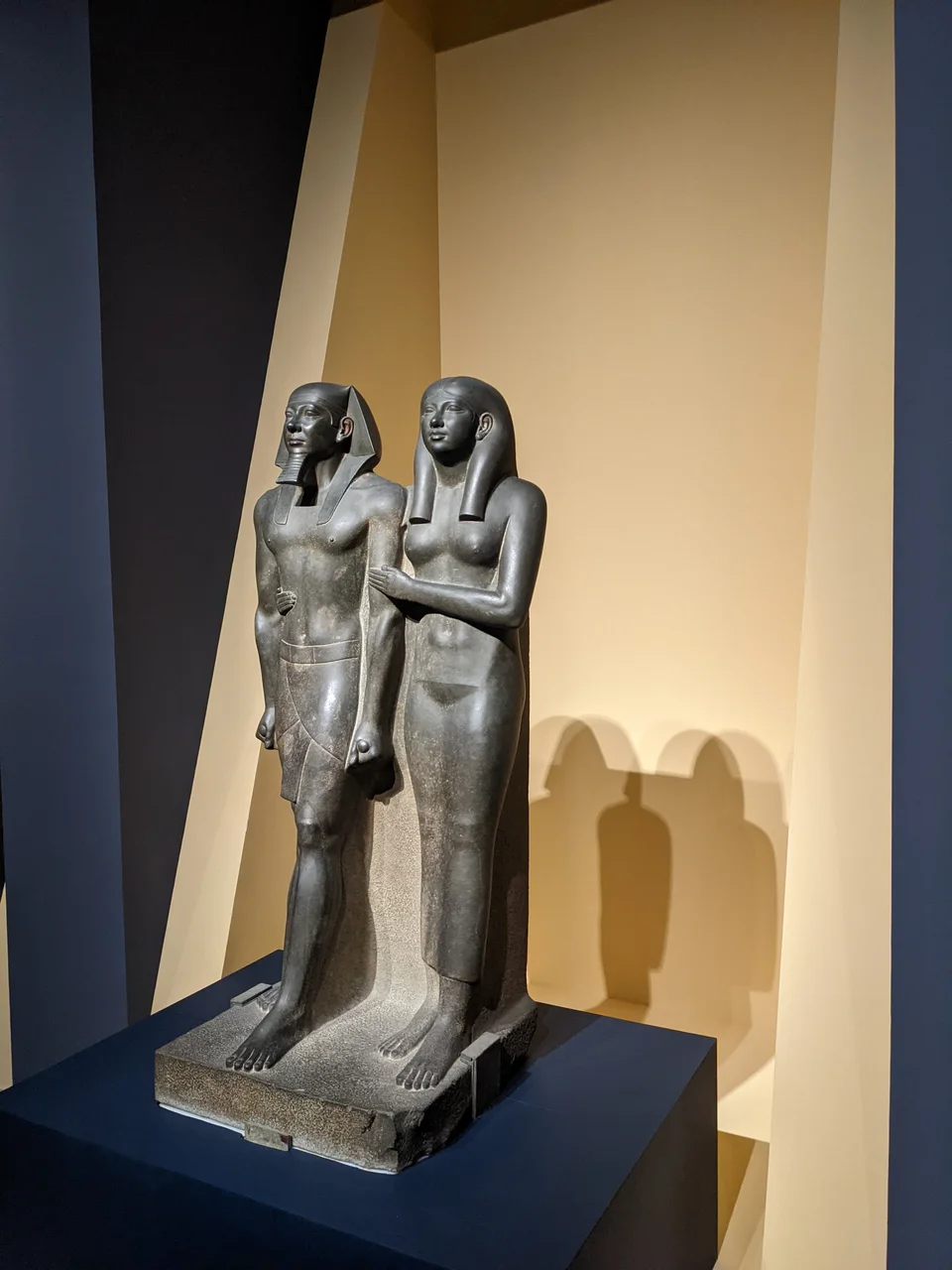
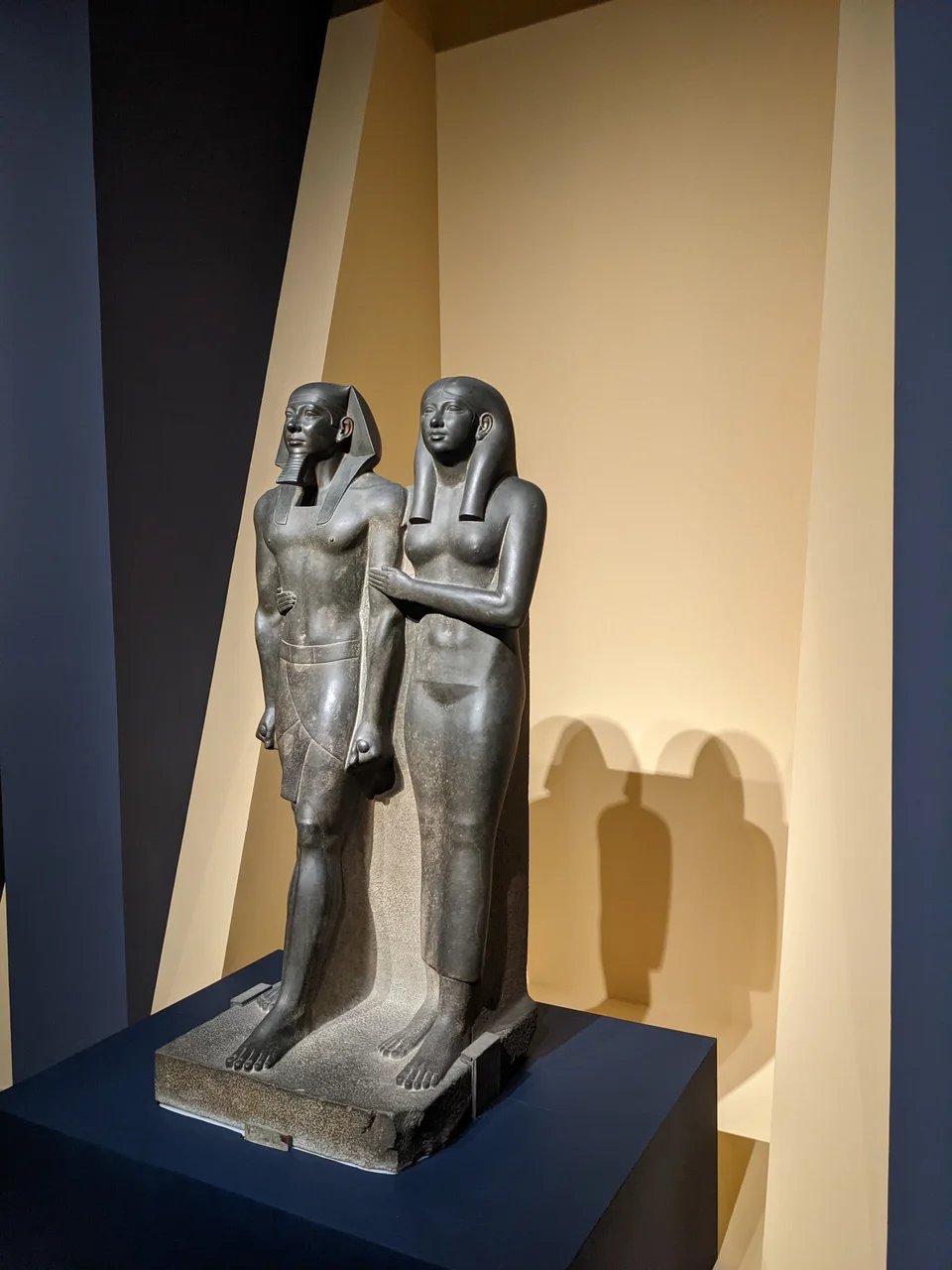
Menkaure and a queen shows the royal pair at nearly the same height despite obvious differences in real bodies. What convention is at work?
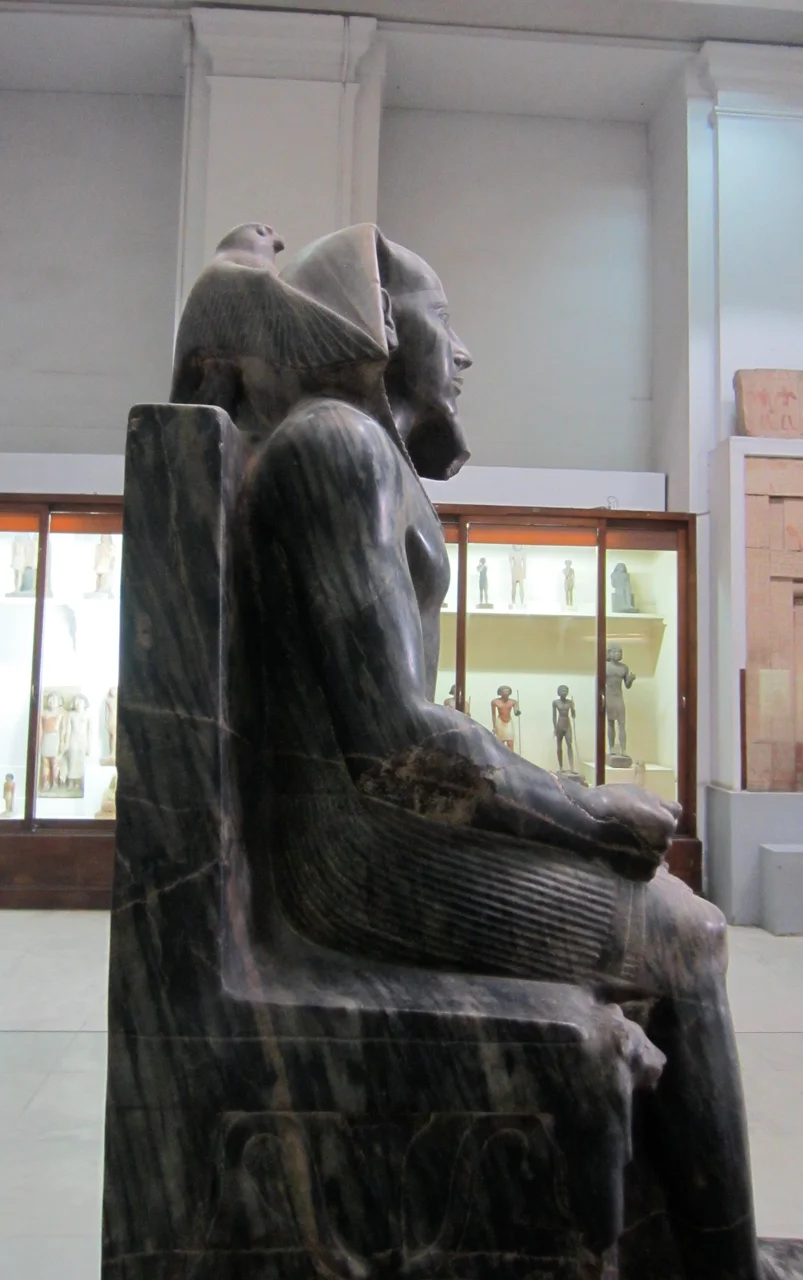
A seated Old Kingdom ruler faces front, sits rigidly upright, and has a calm idealized face. Why was this pose effective for royal statuary?
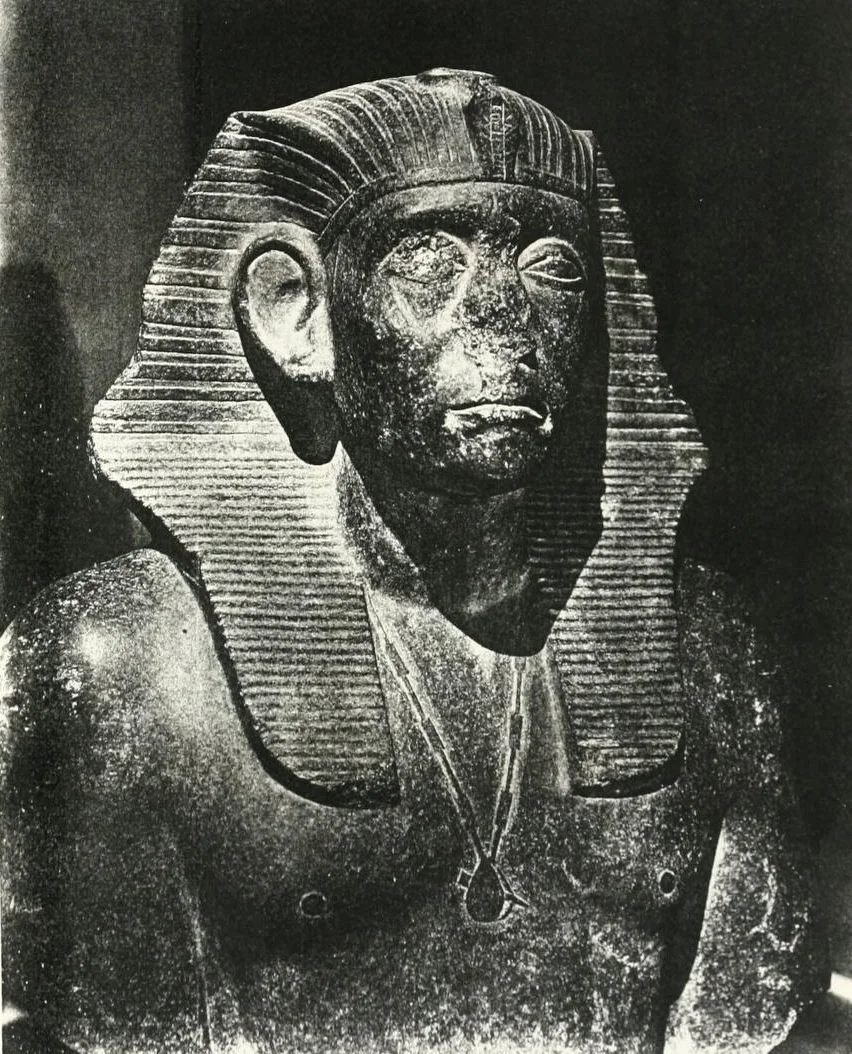
Portrait heads of Senusret III show heavy eyelids, furrowed brows, and downturned mouths. What new idea about kingship do these features emphasize?
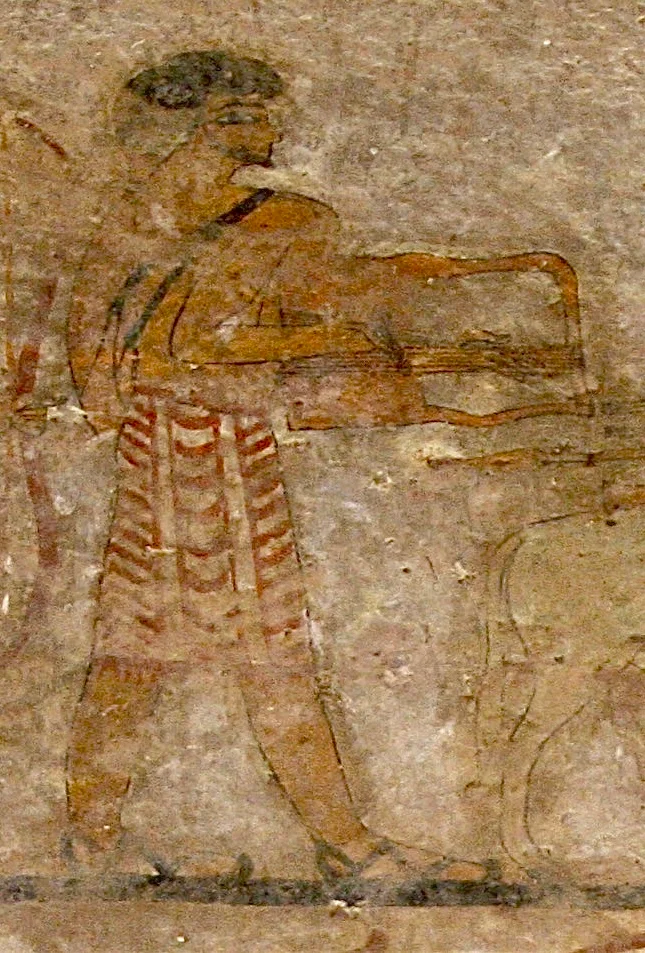
In painted scenes from the rock-cut tombs at Beni Hasan, figures often combine profile heads with frontal torsos. How does this convention help the narrative?
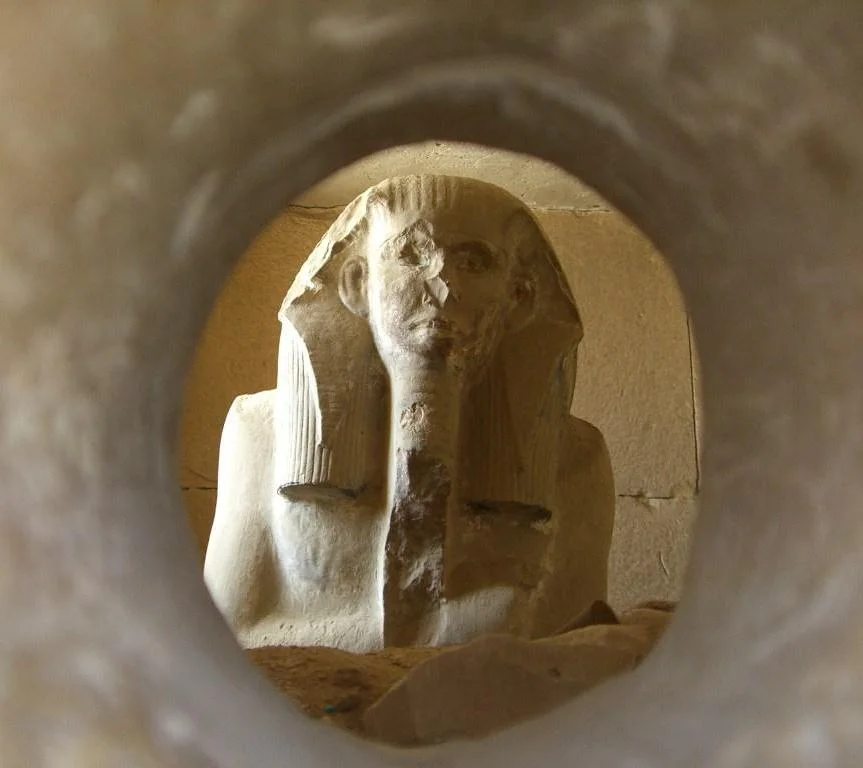
Djoser’s life-size statue was enclosed in a serdab with eye holes facing the ritual area. What was the arrangement intended to support?
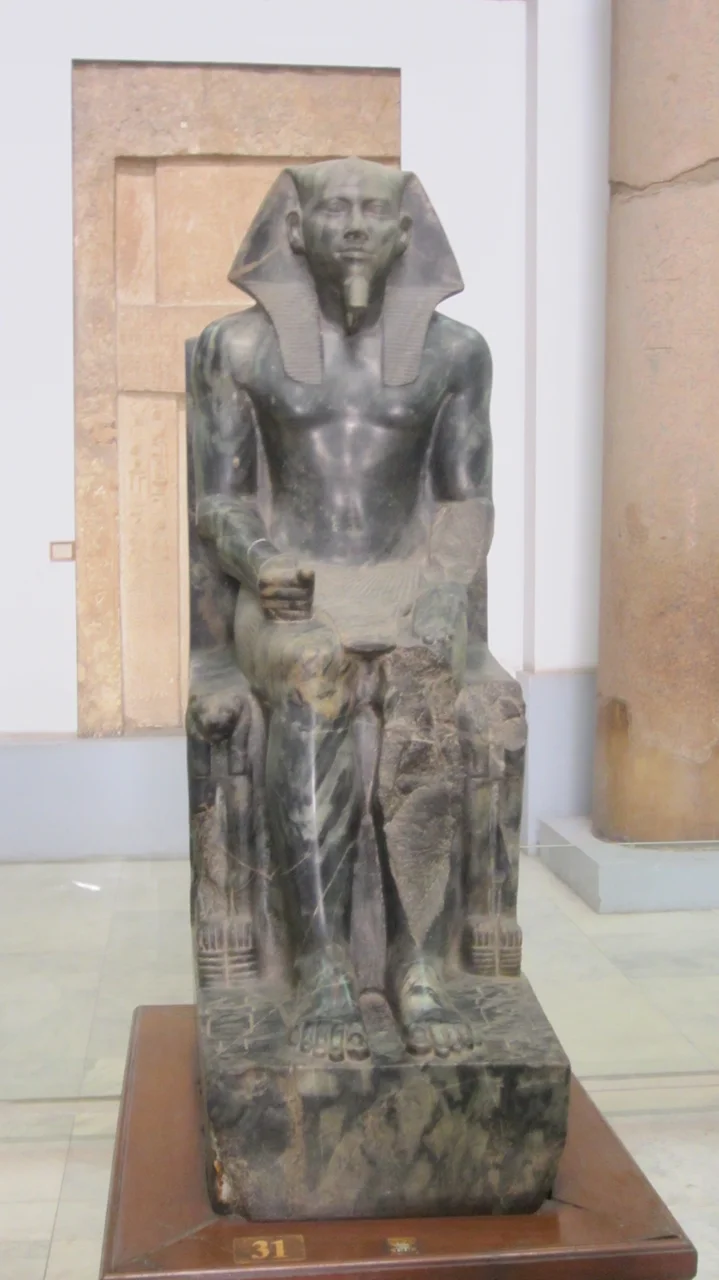
Khafre Enthroned was placed in a pyramid complex rather than a private home. What was a principal function of such a royal image?
Why would a royal group statue such as Menkaure and a queen be installed in a temple attached to a pyramid complex?
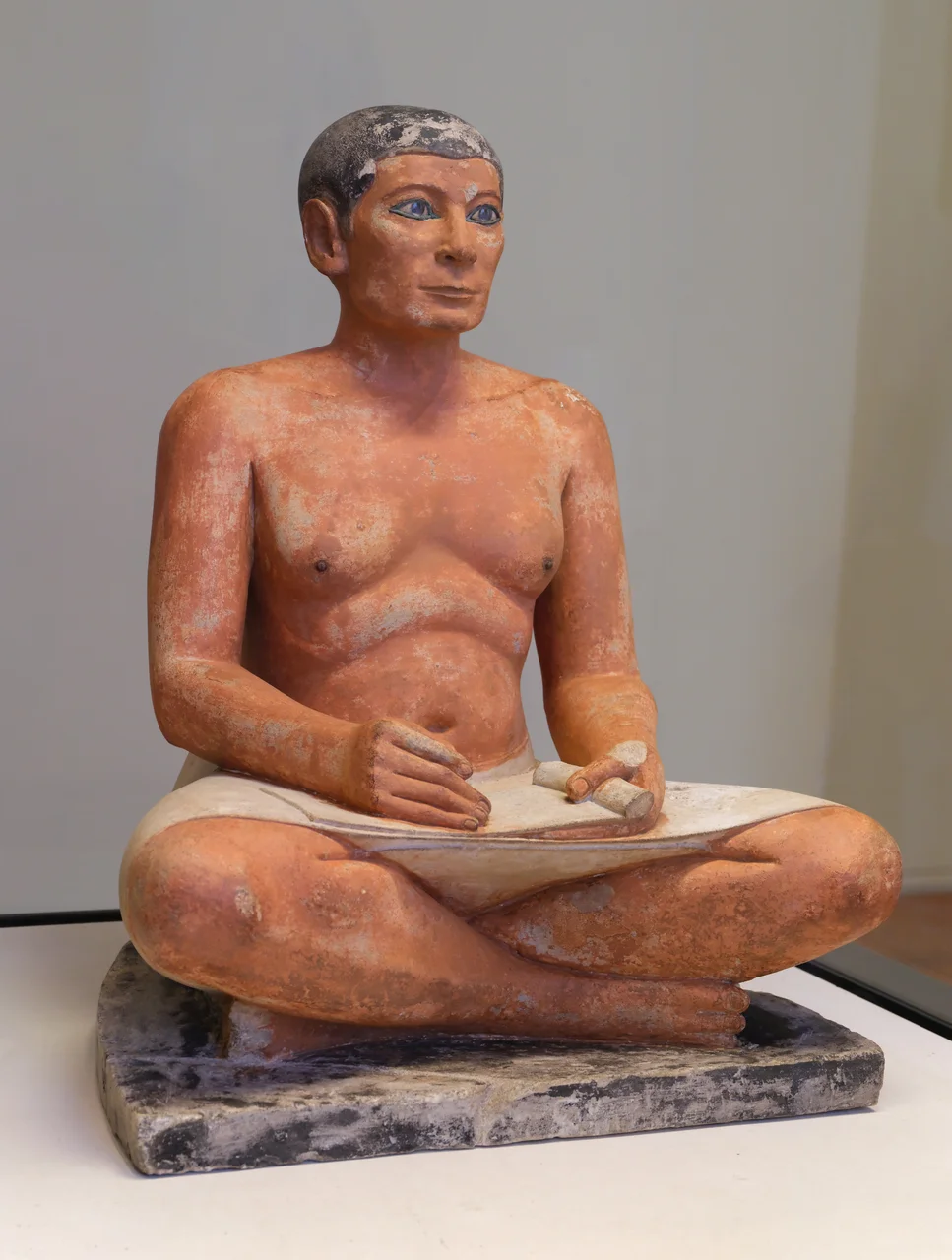
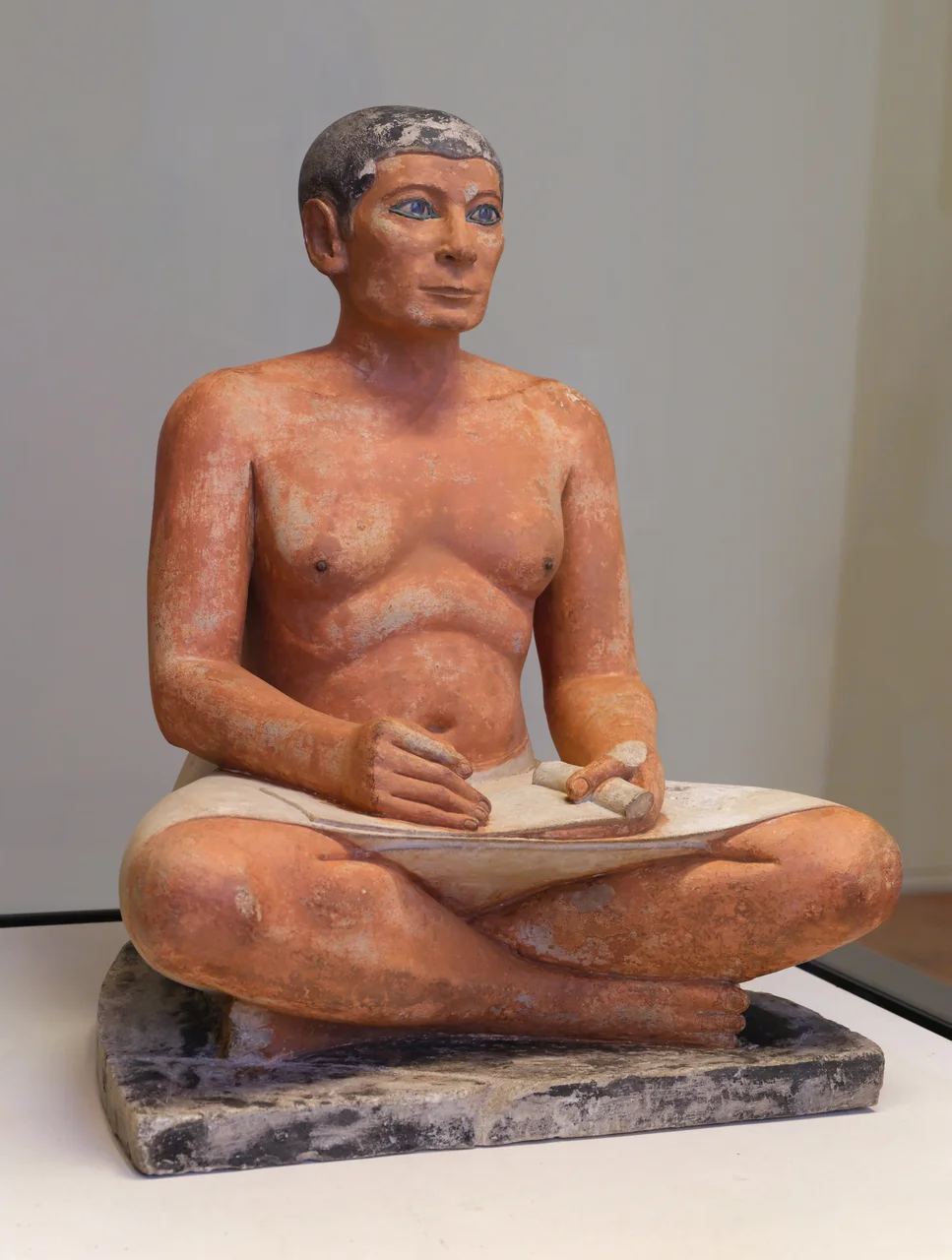
The Seated Scribe holds an unrolled papyrus on his lap, his writing hand ready. In a tomb context, what did this image help preserve for the deceased?
A Middle Kingdom block statue encloses the seated person in a compact, cube-like cloak. Why was this form well suited to a temple setting?
A statue of Senusret III stood at the temple of Mentuhotep II. In that sacred setting, what did the royal statue allow?
Old Kingdom royal tombs began as a low rectangular structure with sloping sides and a flat roof, built over a burial shaft. What is this tomb type called?
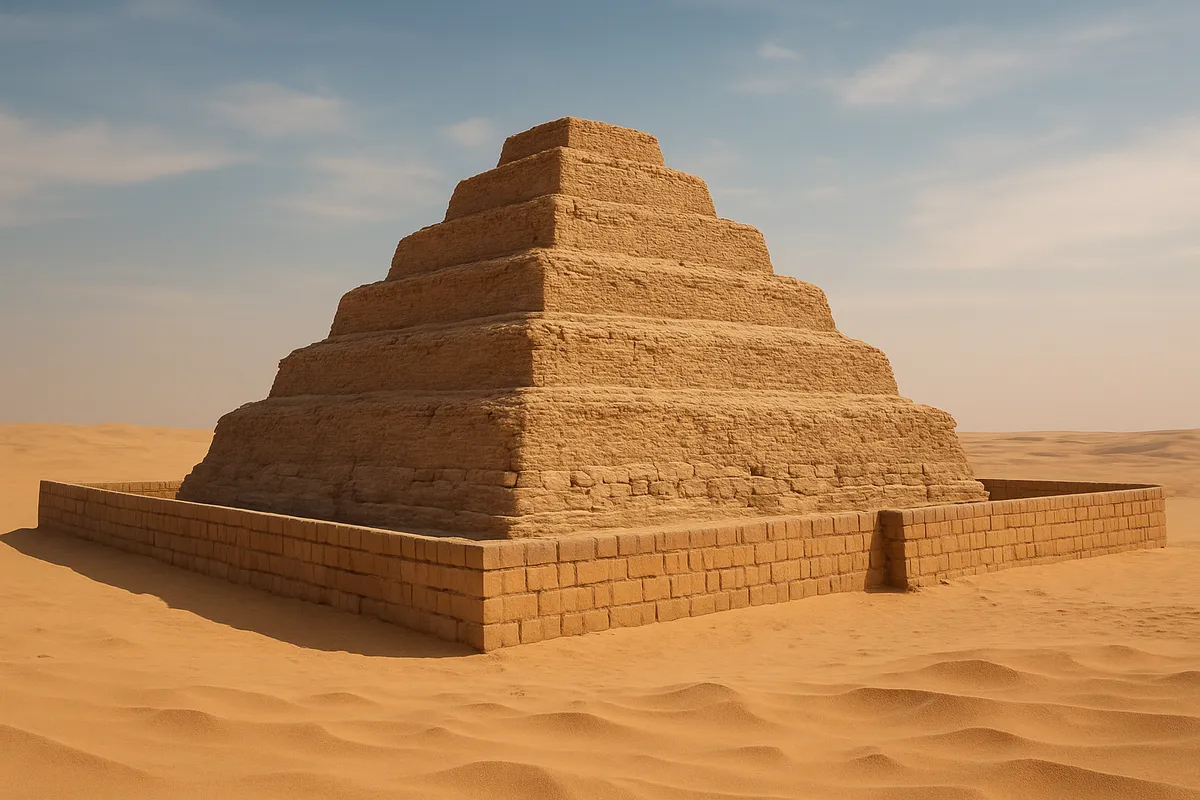
Djoser’s monument rises as a stack of diminishing rectangular levels. What does this shape show about its development?
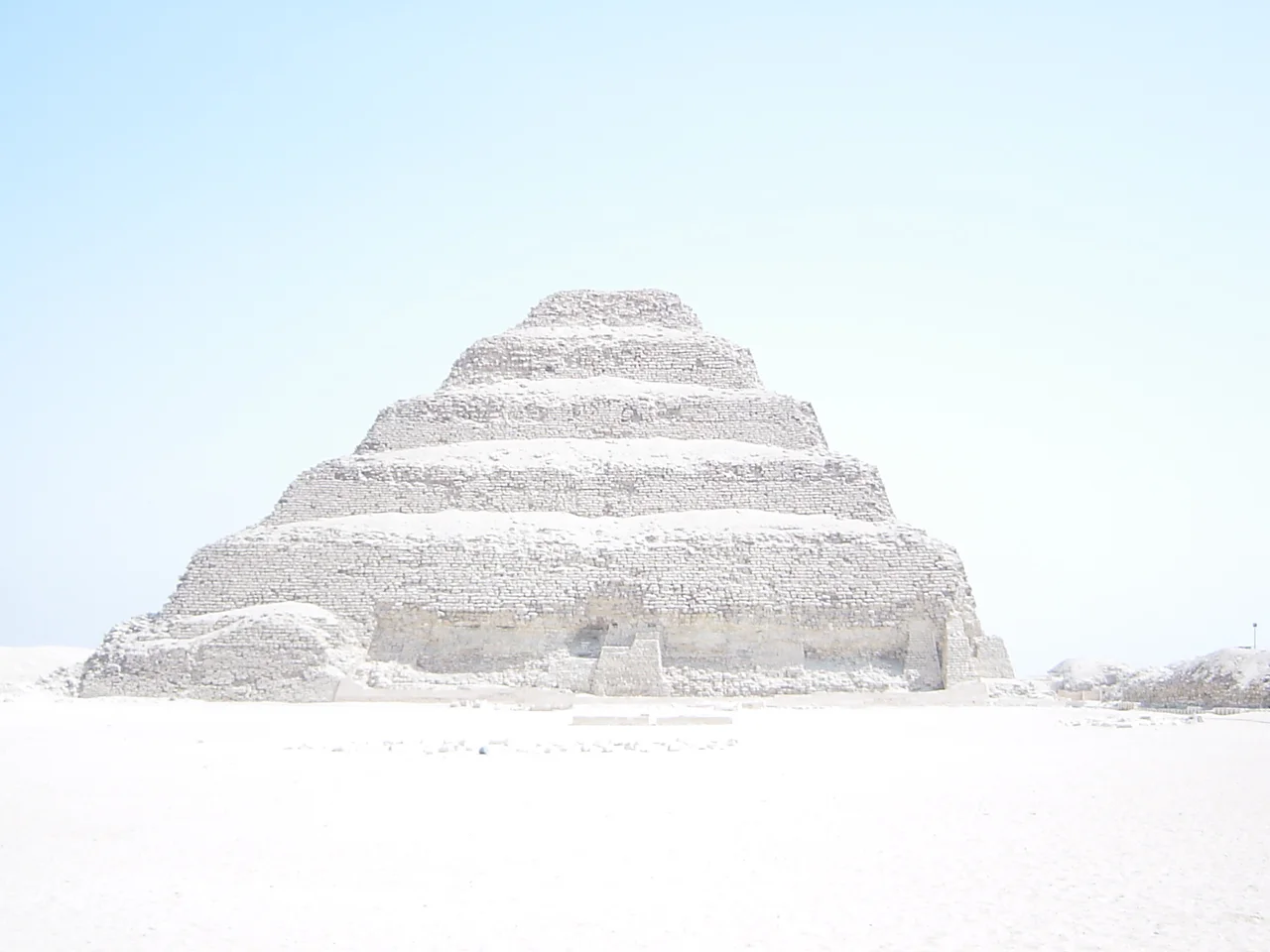
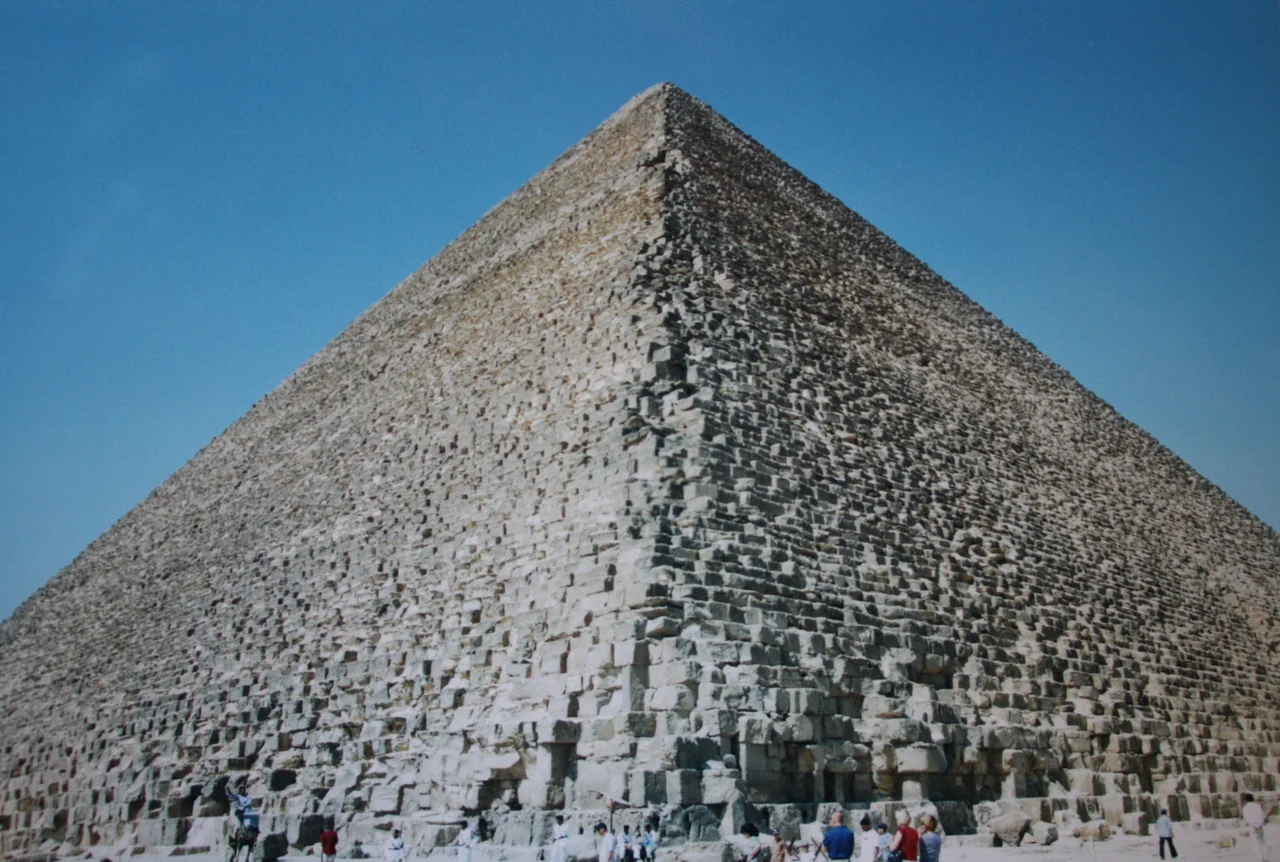
Compared with Djoser’s stepped monument, the Great Pyramid has continuous sloping sides. What architectural change produced that visual effect?
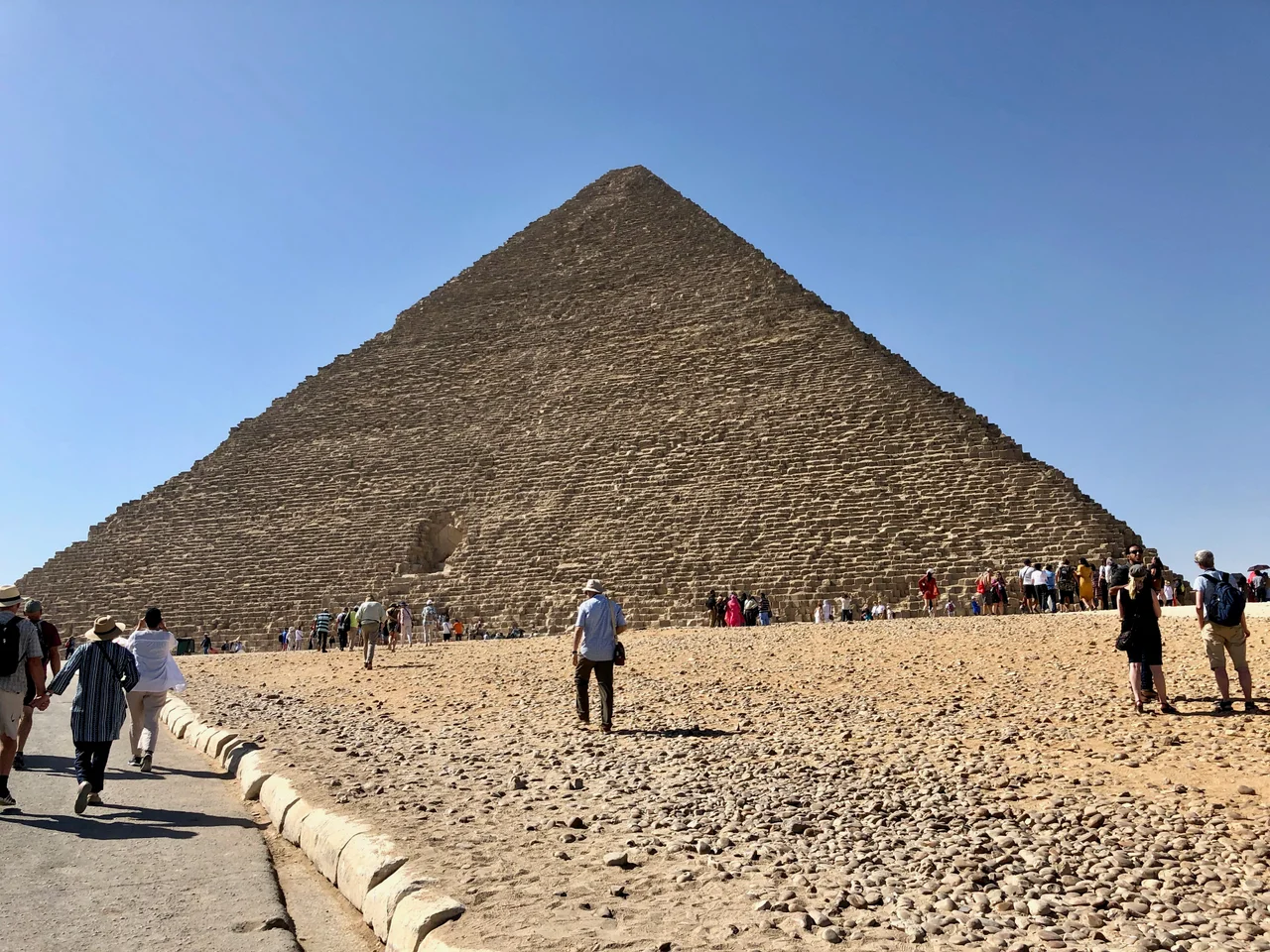
Why have many Middle Kingdom pyramids survived less well than the Old Kingdom limestone pyramids at Giza?
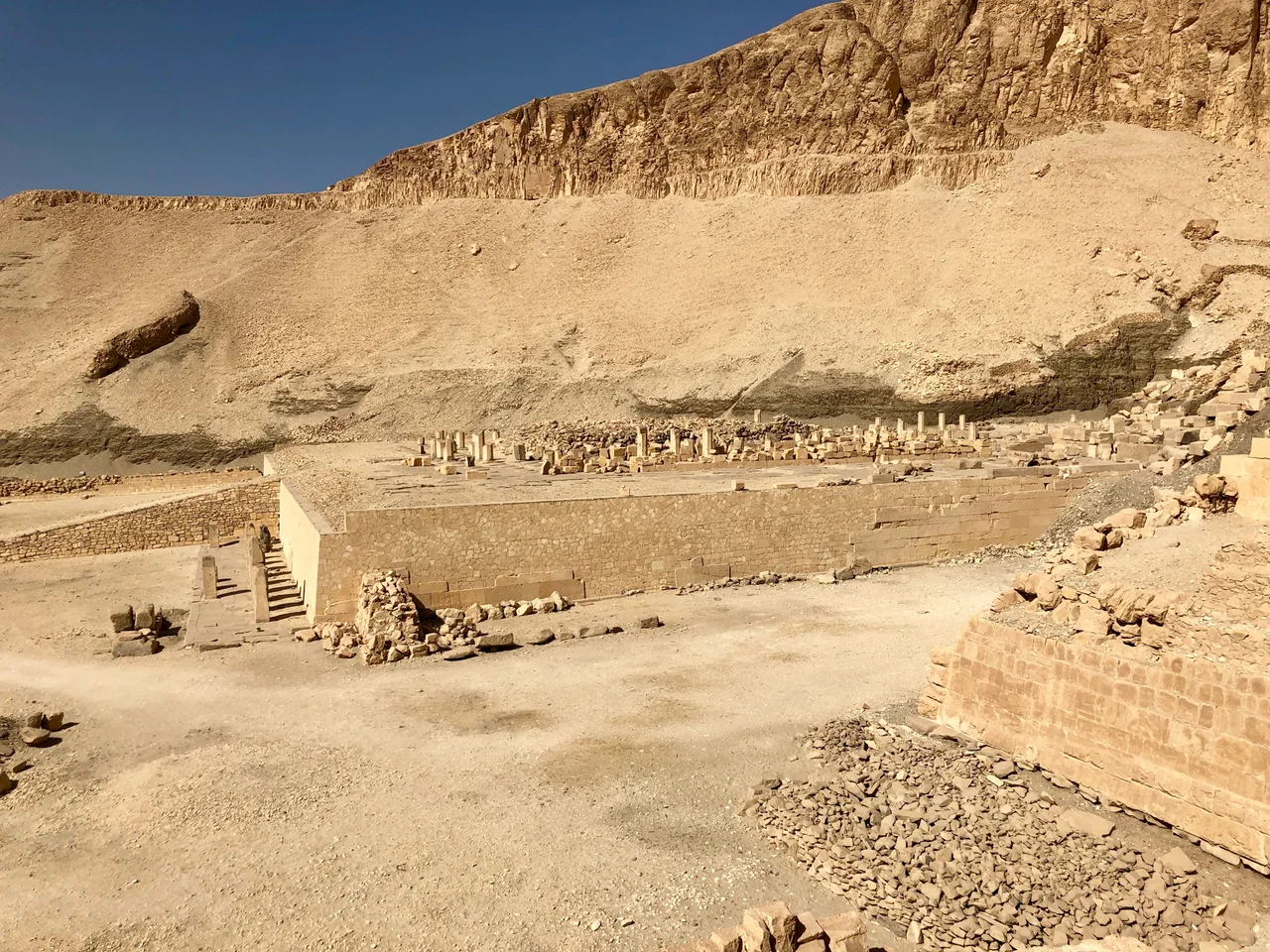
Mentuhotep II’s mortuary complex at Deir el-Bahri uses terraces set against steep cliffs. What does this design reveal about Middle Kingdom royal building?
Menkaure and a queen was carved from greywacke, and stone remains between the figures and behind them. Why was that stone retained?
Khafre Enthroned is carved from very hard diorite, with a compact body and substantial throne. How do material and form work together?
The Seated Scribe is painted limestone with carefully inlaid eyes. What advantage did limestone offer the sculptor?
The Great Pyramids at Giza are massive limestone tomb monuments. Why was stone important to their intended message?
Narmer wears one crown on one side of his palette and another crown on the other. What claim does this make?
Behind Khafre’s head, a falcon spreads its wings around the king. What does this imagery proclaim?
Narmer raises a mace over a captive while wearing royal regalia. How does the scene define his role?
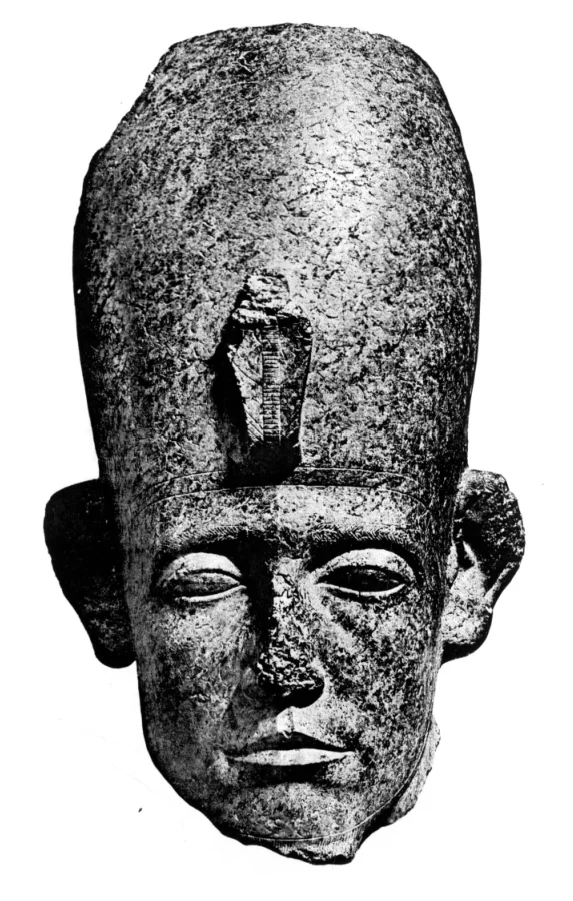
A royal portrait head wears a cobra rising from the brow of its headdress. What does that cobra identify?
In Menkaure and a queen, the king advances one foot while remaining frontal and supported by a back slab. What does this combination achieve?
The Step Pyramid complex at Saqqara was built for Djoser, and later Egyptians honored its designer as a god. Who was the designer?
Which ruler reunified Egypt and commissioned the terraced mortuary complex at Deir el-Bahri that inaugurated the Middle Kingdom?
Which ruler commissioned the largest pyramid at Giza, a culmination of Old Kingdom smooth-sided pyramid building?
Crack the passcode before the zombies get in.
Answer, then swat bugs for bonus points.
Race through questions at your own speed.
Same question on every screen. Fastest wins.

Pick a tile, answer, hit bonuses and steals.
Aegean Art: Cycladic, Minoan and Mycenaean
25 questions