Loading
by BlastRoom
Identify Greek orders, temple parts, plans, refinements, and sculptural placement.
#us_hs_art_history
30 questions
One question set, multiple game modes. Tap any game to see it in action. Not sure which to pick?
Answer to place stones and capture territory.
Outrun the snow together.
Earn blasts, then hunt the other team.
Answer to earn energy, then climb.

The class blasts through walls together.
Bid on mystery lots. Most money wins.
Sell tours. Nice, standard, or a total scam.

Answer, restock, and serve the rush.
More correct answers pulls the rope your way.
Answer, then shoot down the alien wave.
Answer, then tap to leap the frozen ridge.
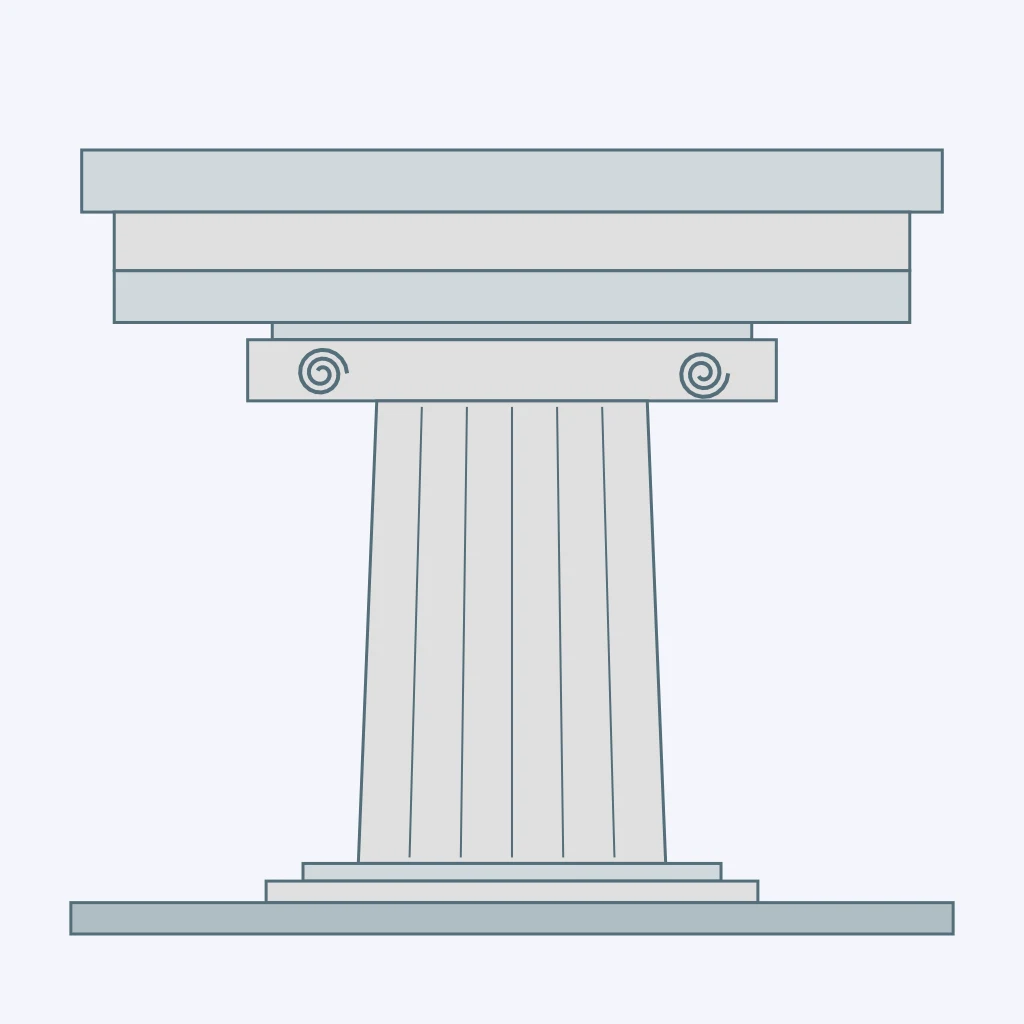
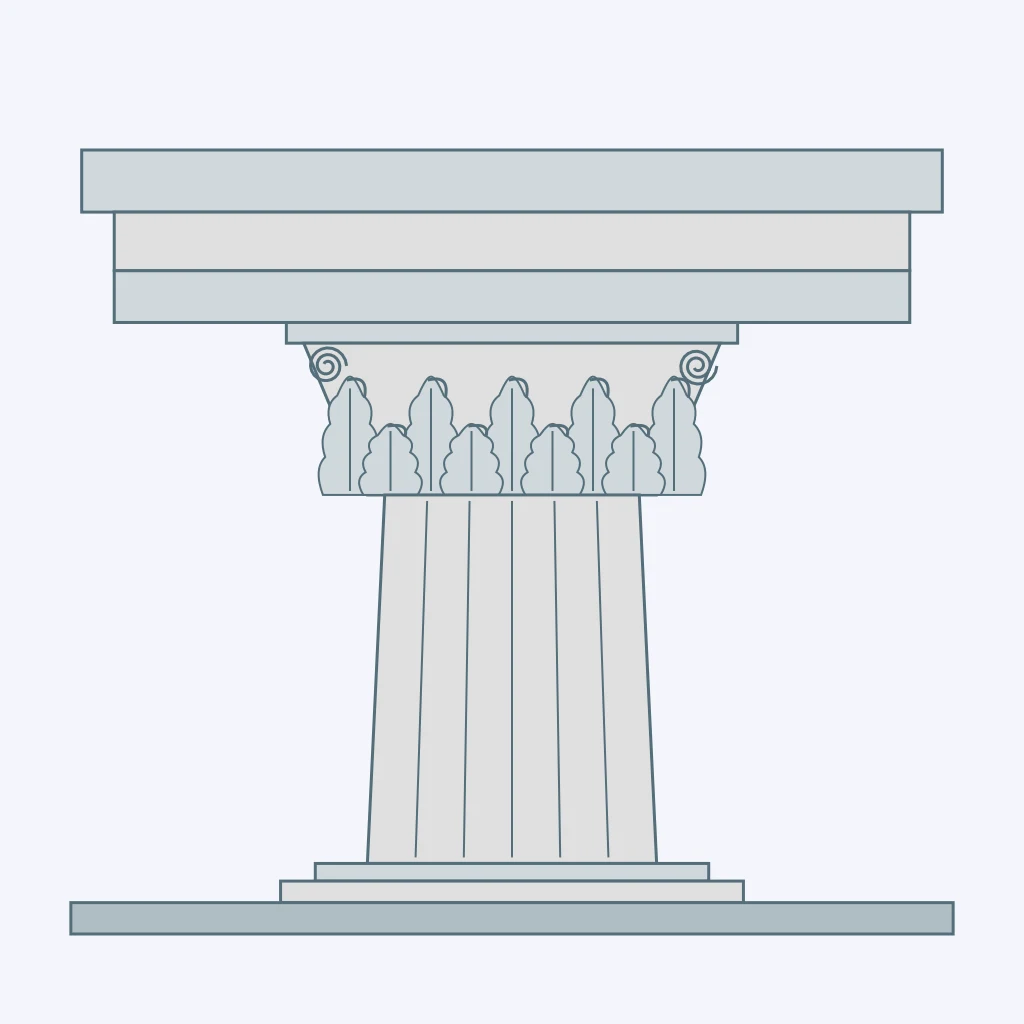
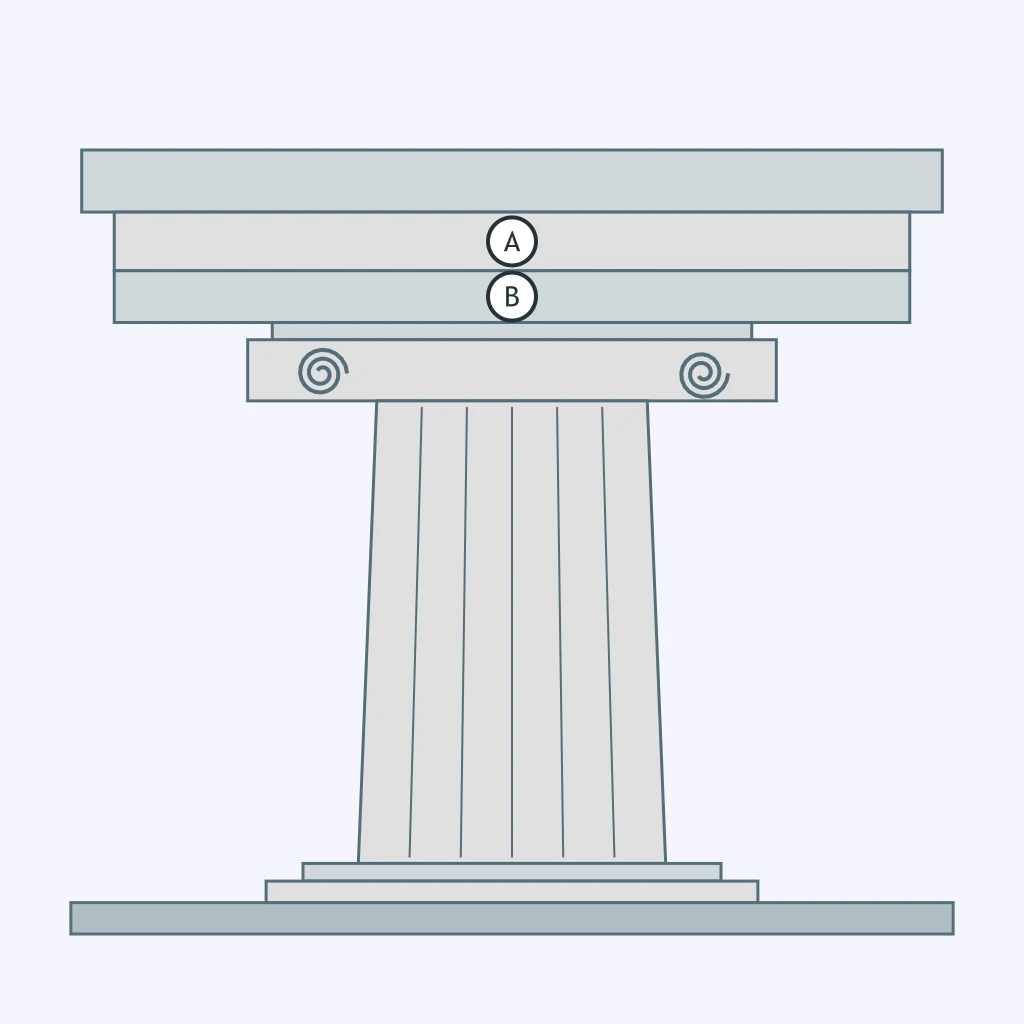
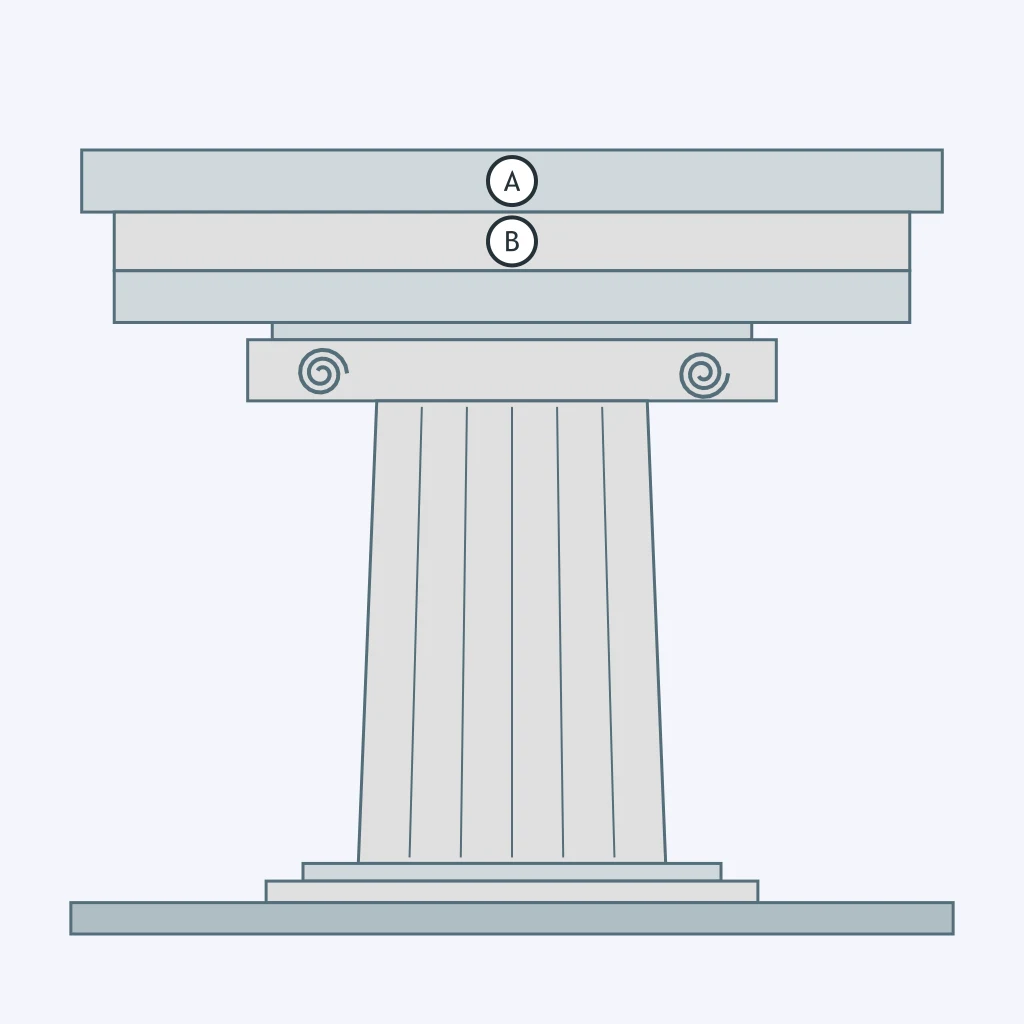
The figure shows a fluted column on a molded base whose capital ends in two tight spirals. Which Greek order is shown?
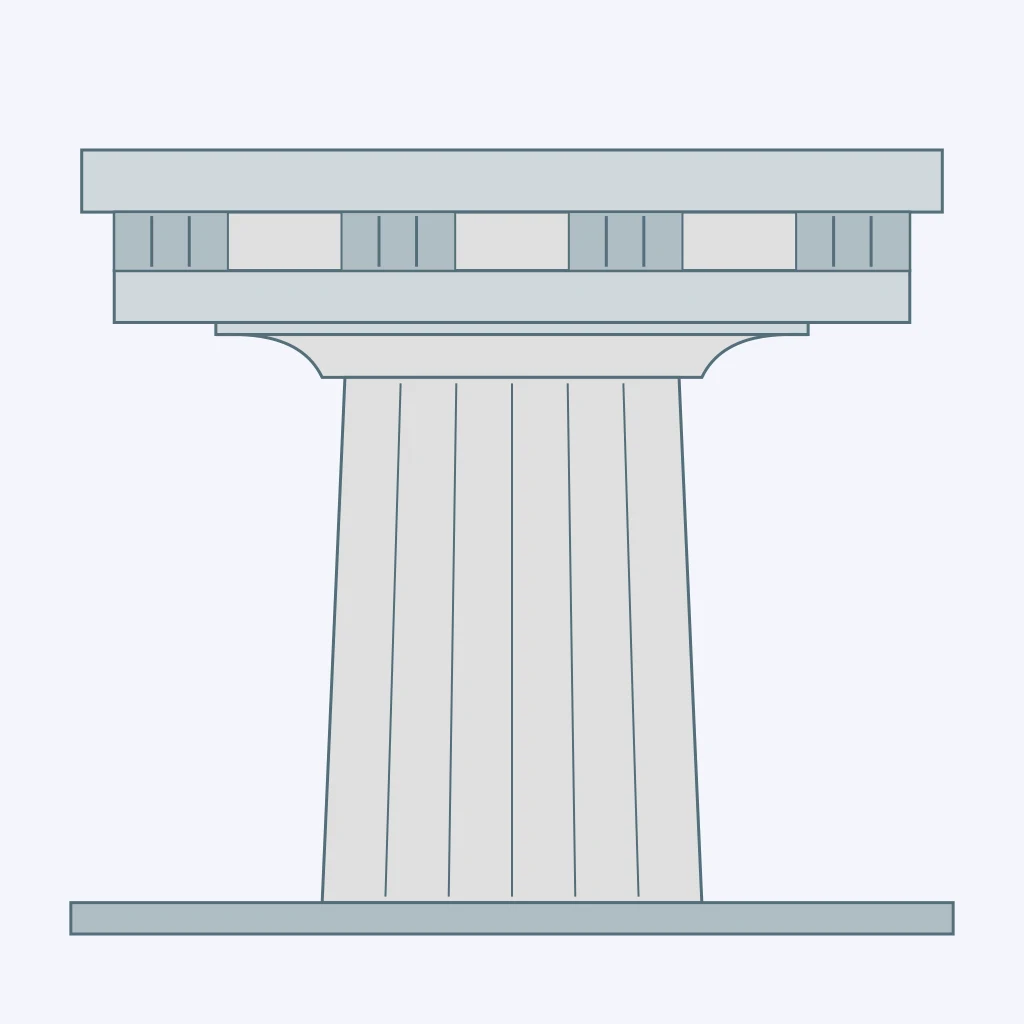
This column rises directly from the stylobate without a molded base and has a simple capital. Which Greek order does it represent?
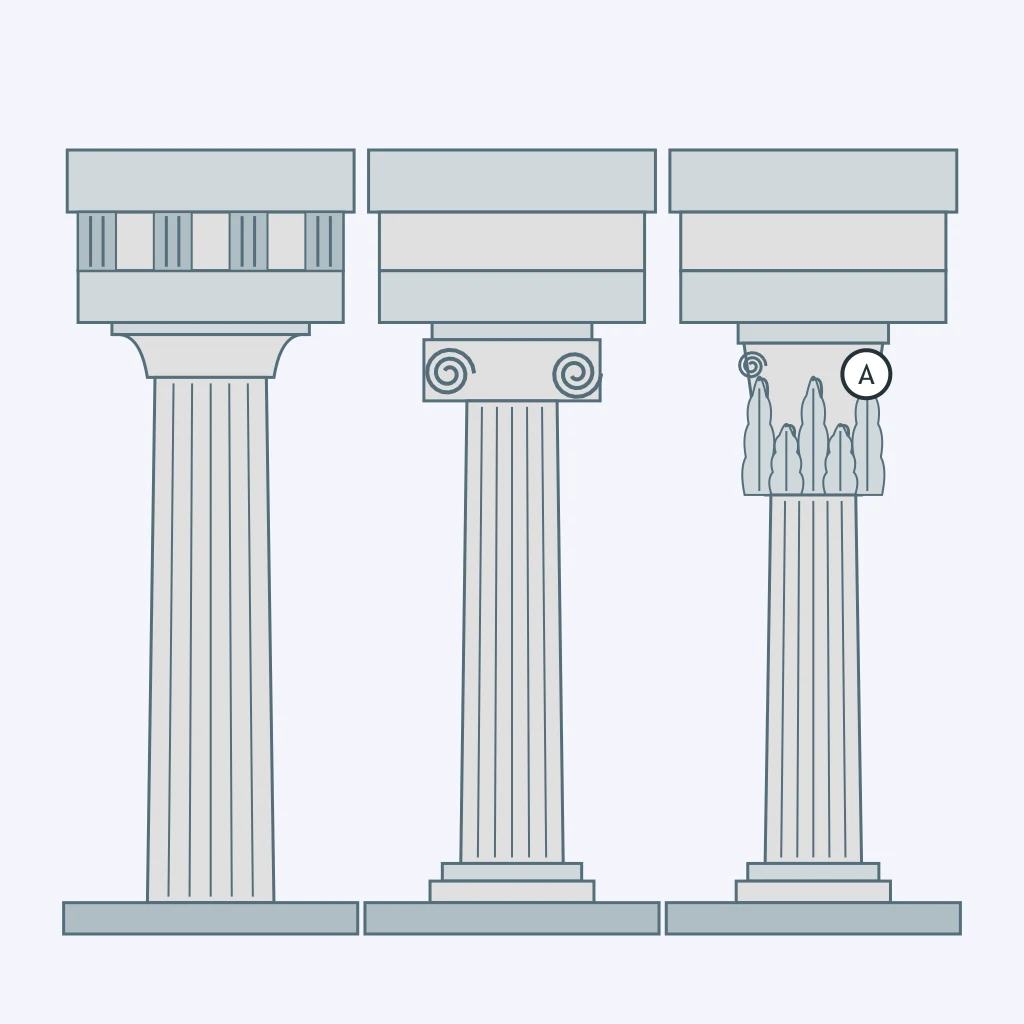
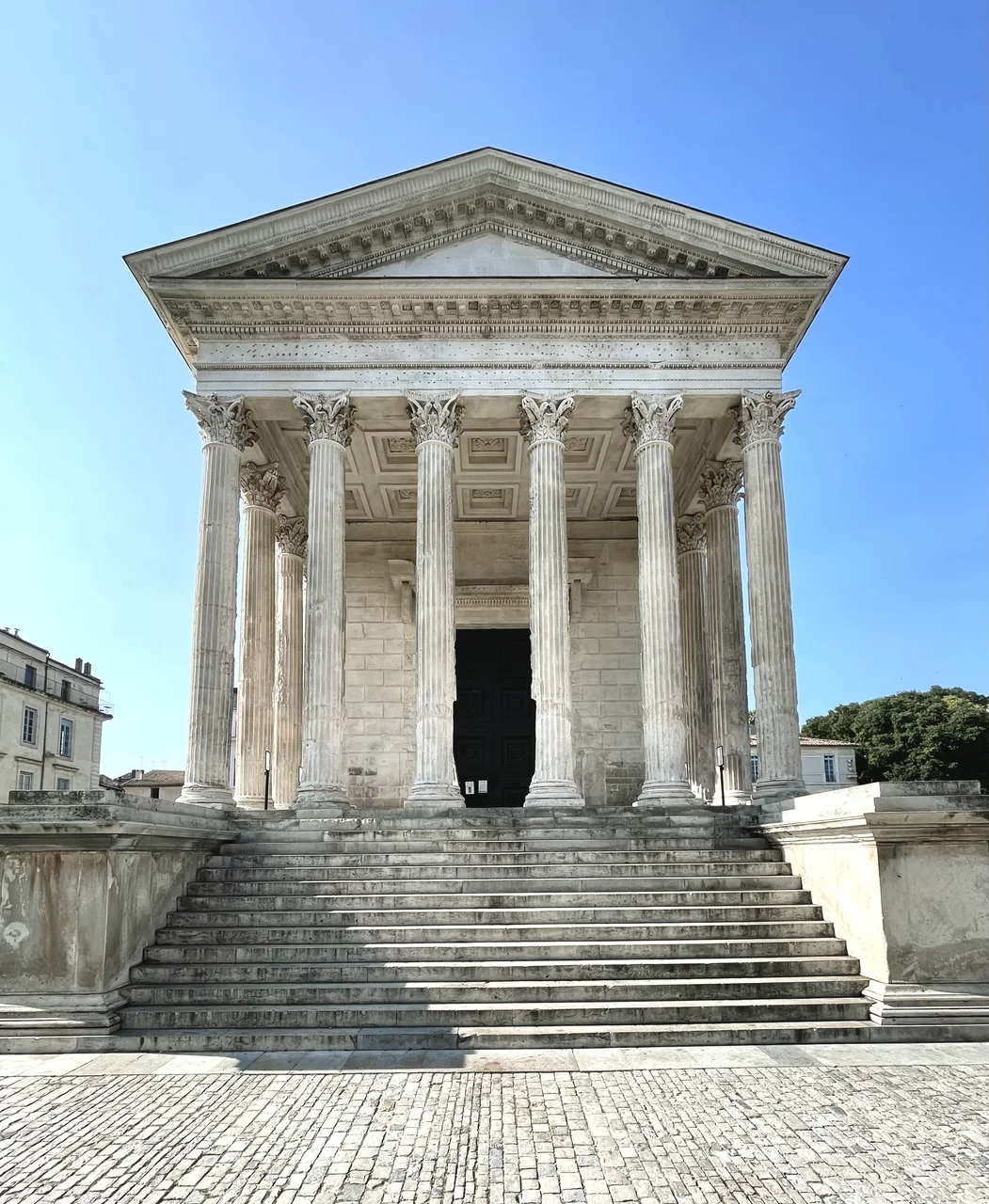
The capital in the figure forms a leafy bell around the top of the shaft. Which order is being identified?
An architect wants the order with a plain capital and a frieze divided into triglyphs and metopes. Which order should be selected?
Which order, shown in the figure, became especially common in Hellenistic and Roman architecture after developing in late Classical Greece?
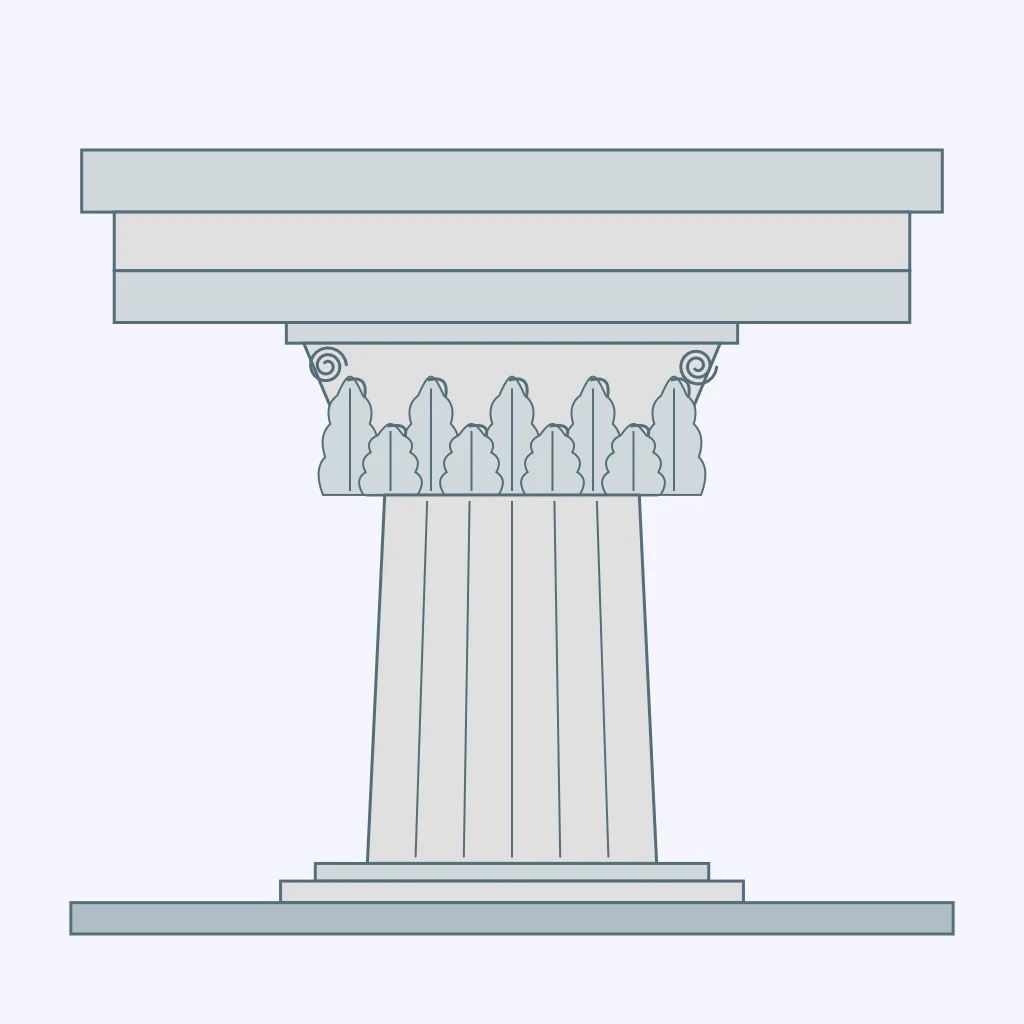
The labeled band is continuous rather than divided into triglyphs and metopes. This entablature convention most strongly signals which order?
In the figure, A marks a capital carved with curling leaves. Which plant do these carved leaves represent?
In the figure, A marks the plain horizontal band resting directly on the capitals. What is this lowest member of the entablature called?
The band labeled A lies above the architrave and below the projecting top molding. What part of the entablature is A?
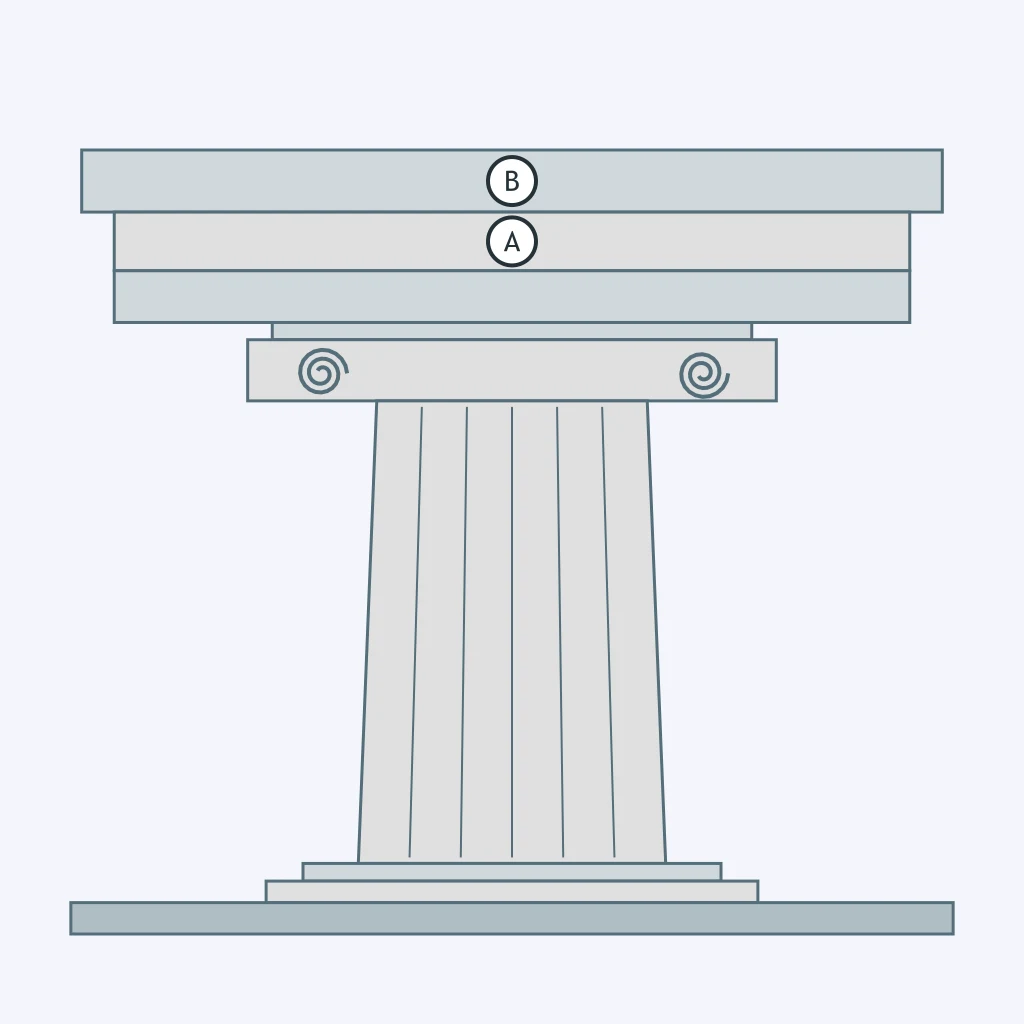
On the column-order figure, A points to the projecting top molding that crowns the entablature. What is this member called?
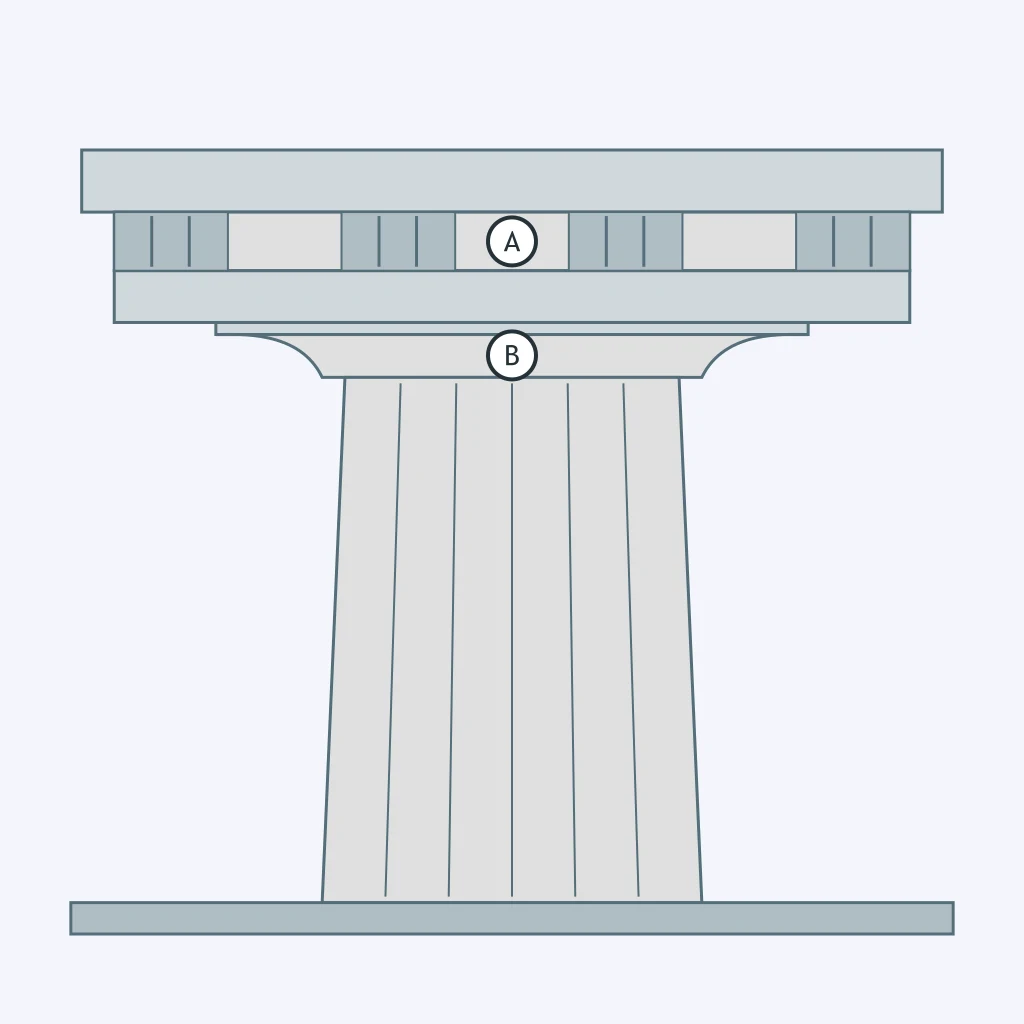
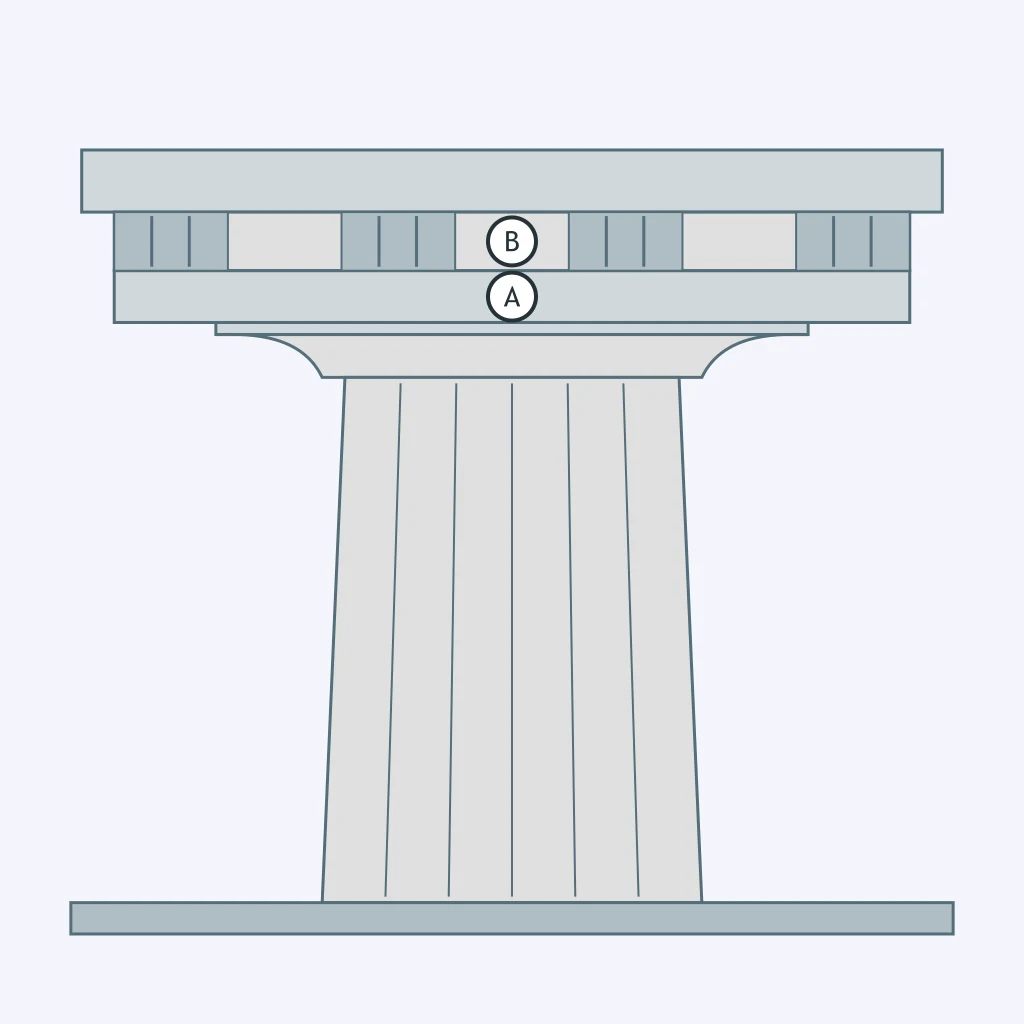
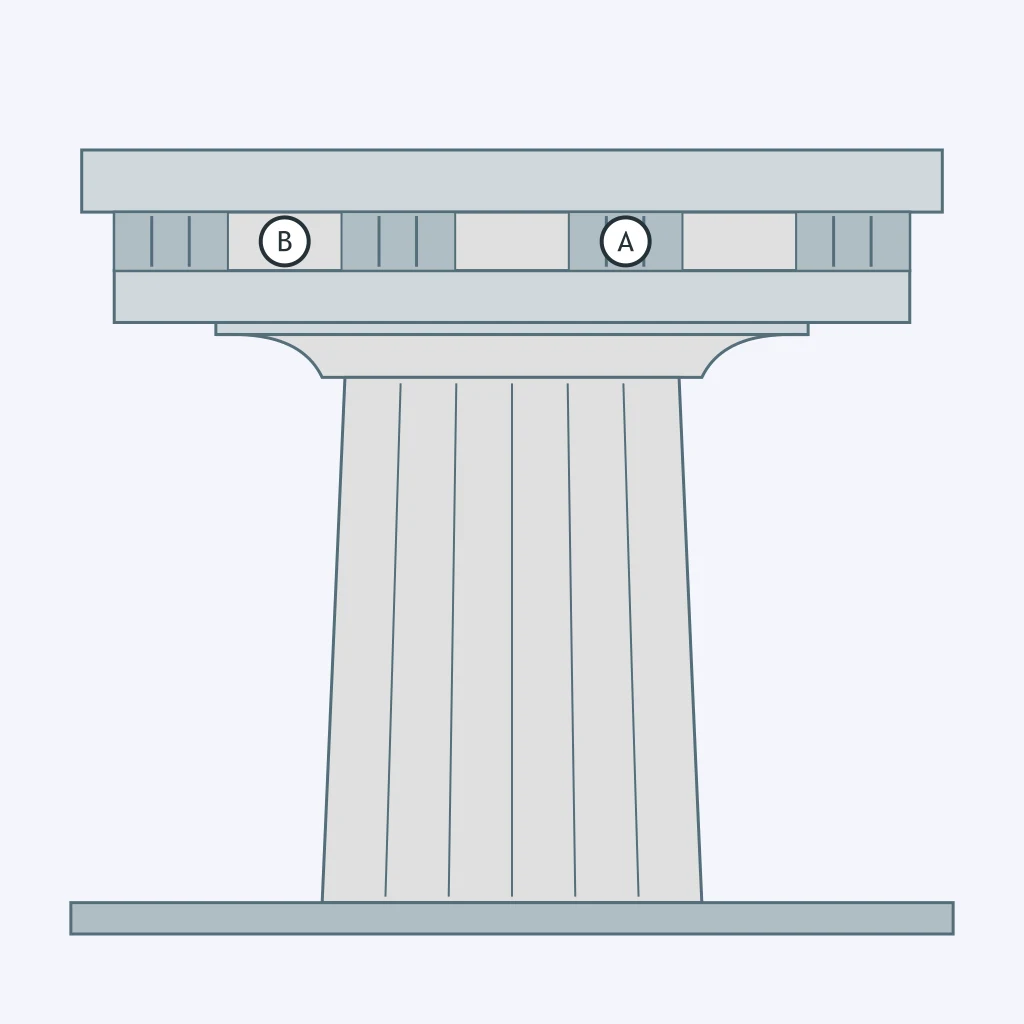
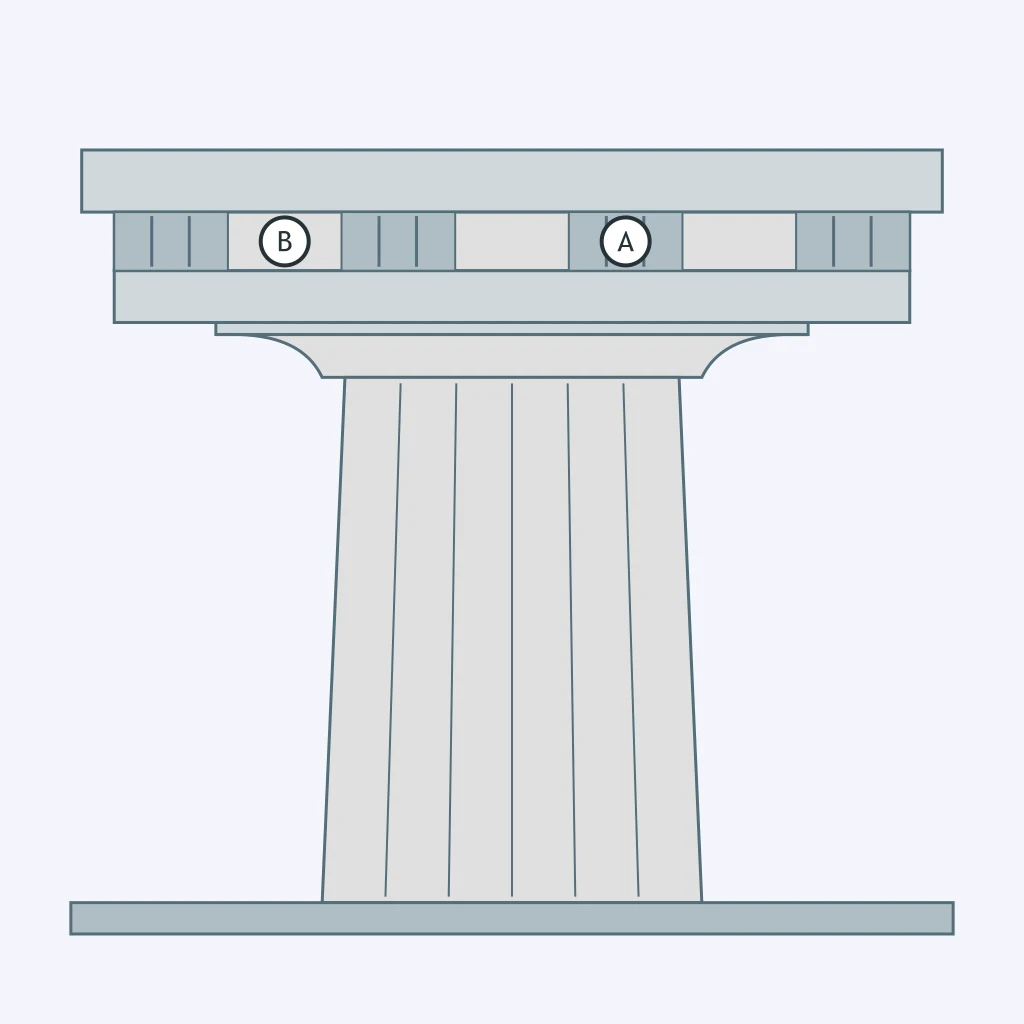
A marks a vertically grooved block in a Doric frieze. What is the architectural term for that block?
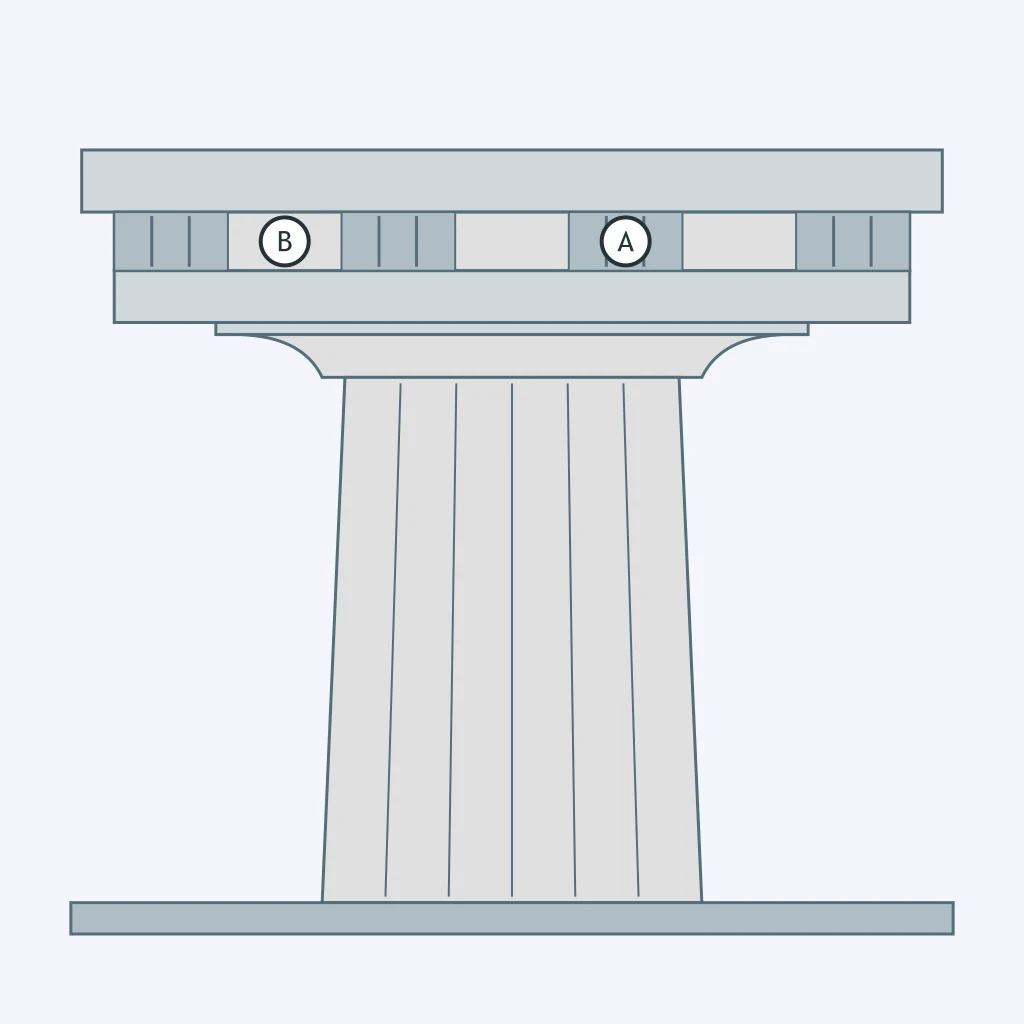
In the Doric frieze, B identifies the square panel between two grooved blocks. What is B called?
Look at the temple front. What is the triangular field enclosed by the sloping rooflines at the end of the building called?
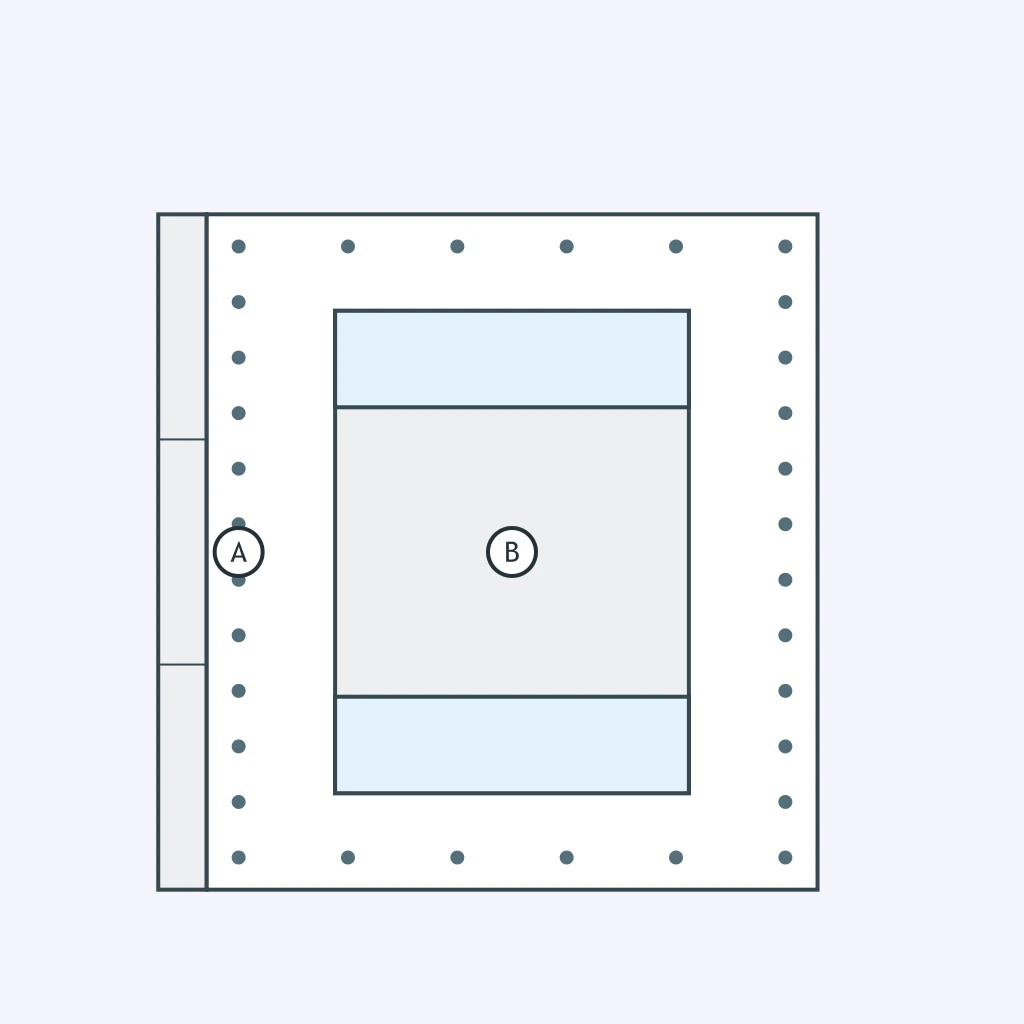
The plan shows one continuous row of columns surrounding all four sides of the enclosed temple room. What type of temple plan is this?
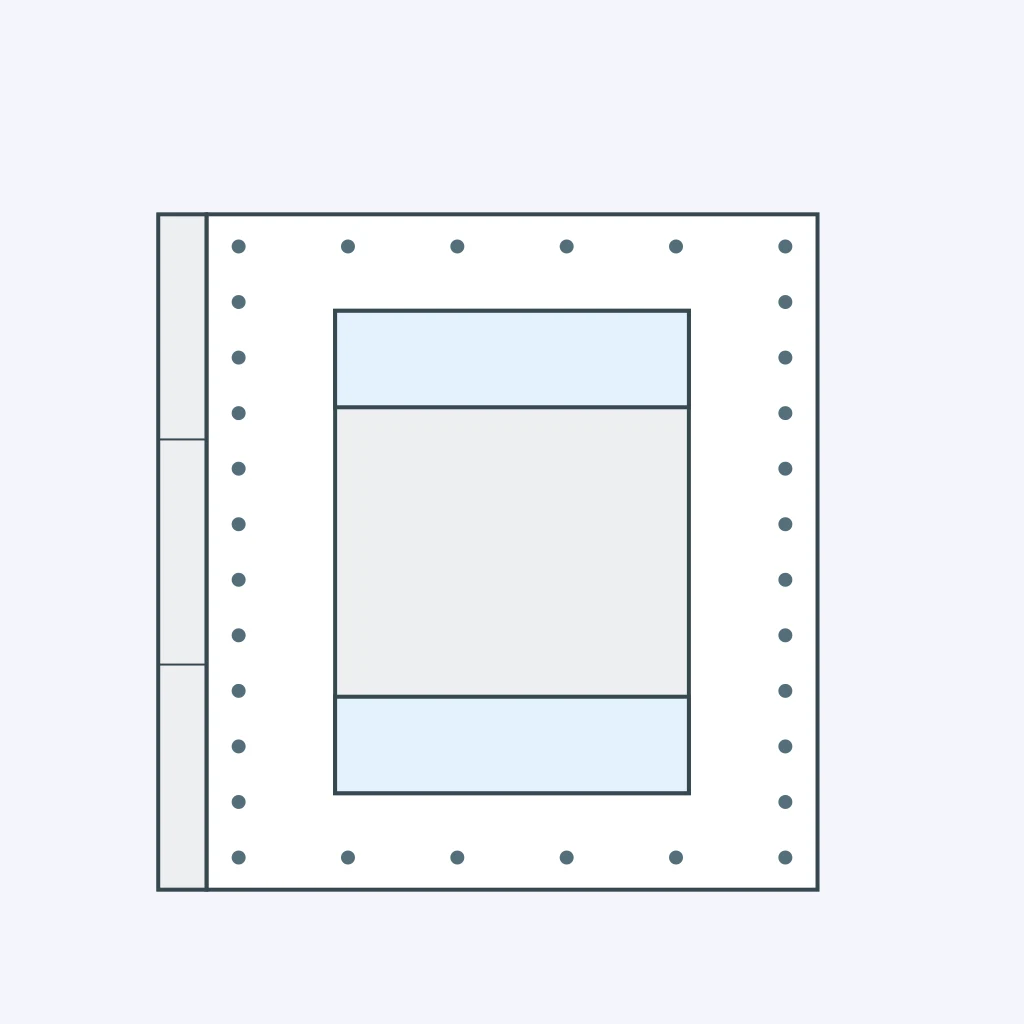
On the temple plan, A marks the inner shrine where the cult statue stood. What is this room called?
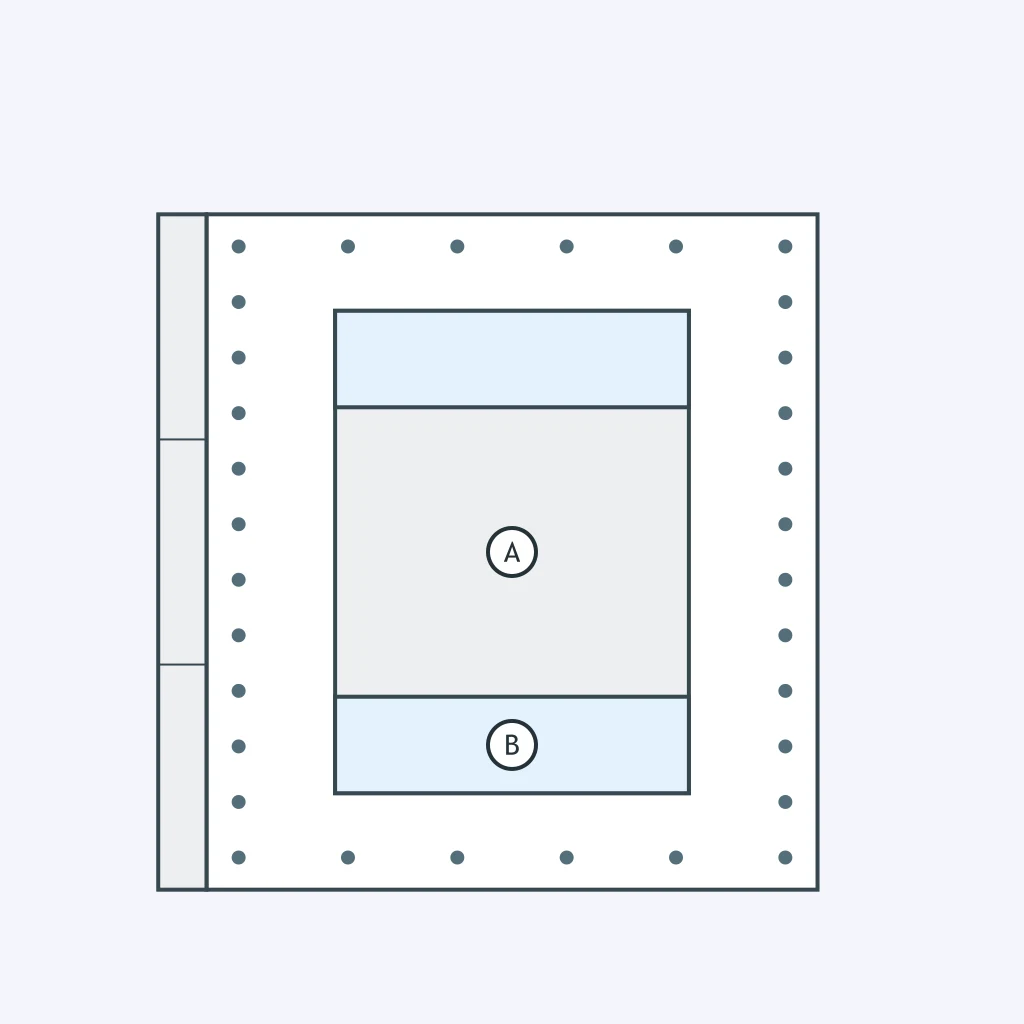
A is the front porch leading into the inner shrine on this temple plan. Which term names that space?
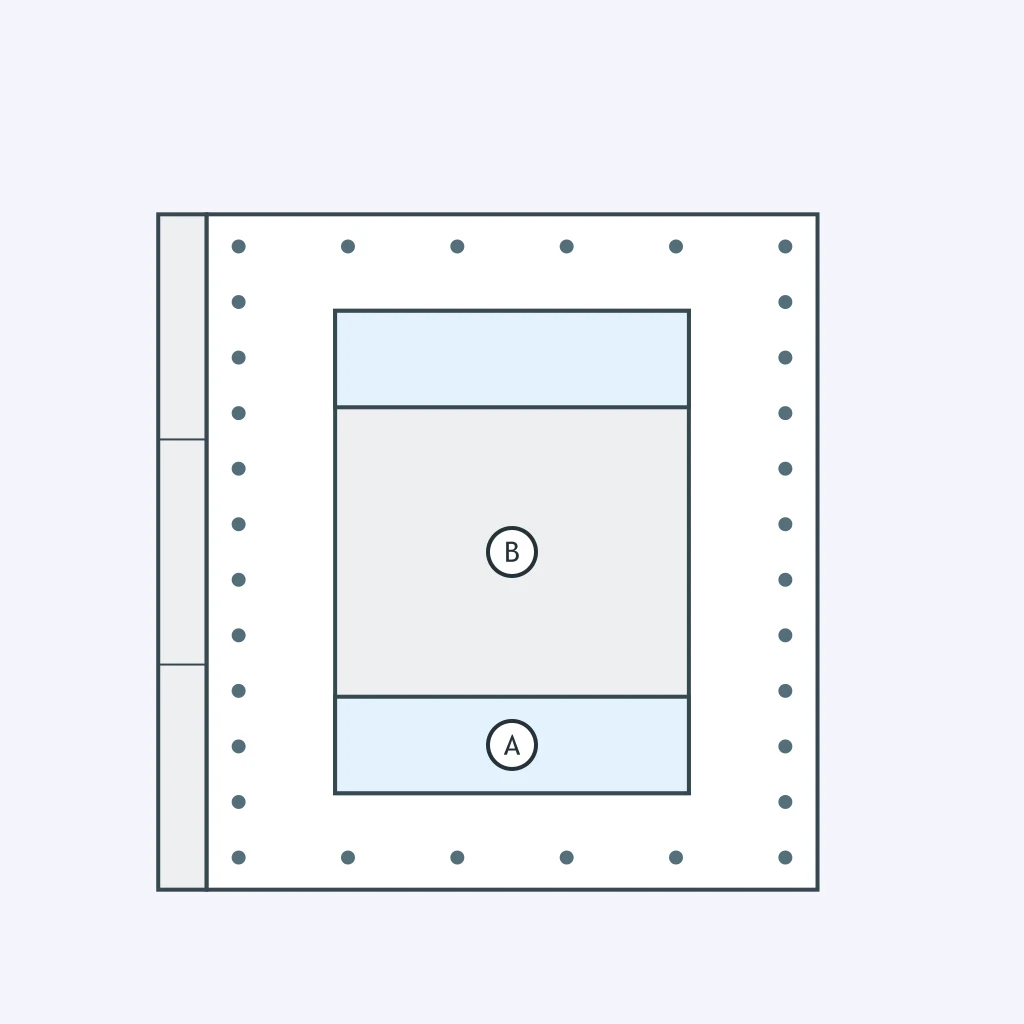
The label A marks the rear porch behind the cella rather than the temple entrance. What is its name?
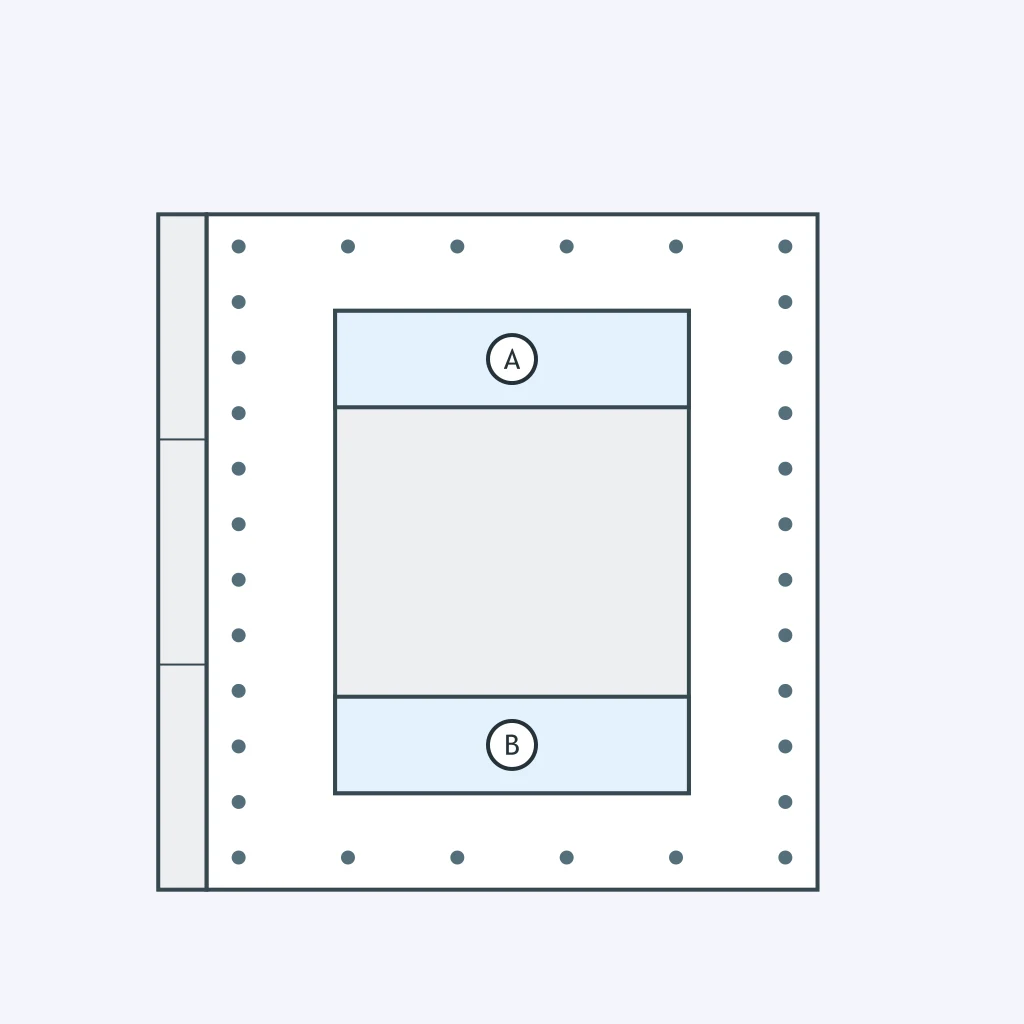
In the plan, A points to the colonnaded walkway surrounding the cella. What is this surrounding colonnade called?
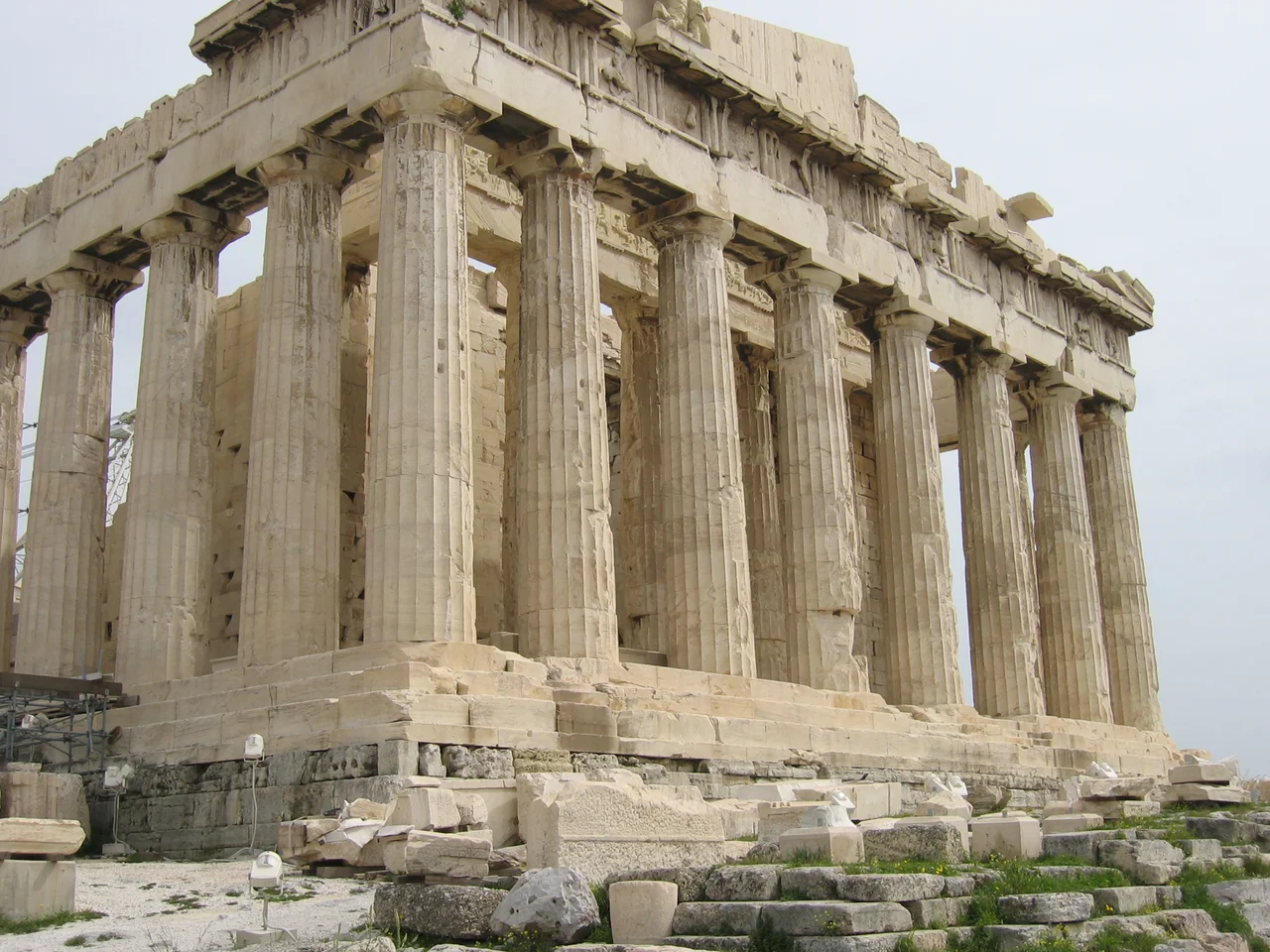
Parthenon columns swell slightly toward the middle instead of tapering in a perfectly straight line. What visual problem was this refinement meant to correct?
The Parthenon's stylobate rises slightly at the center rather than lying perfectly flat. What was the primary visual purpose of this curvature?
What is the term for the slight outward swelling in the middle of a Greek column shaft?
The slight rise at the center of the Parthenon's stylobate also creates what practical effect?
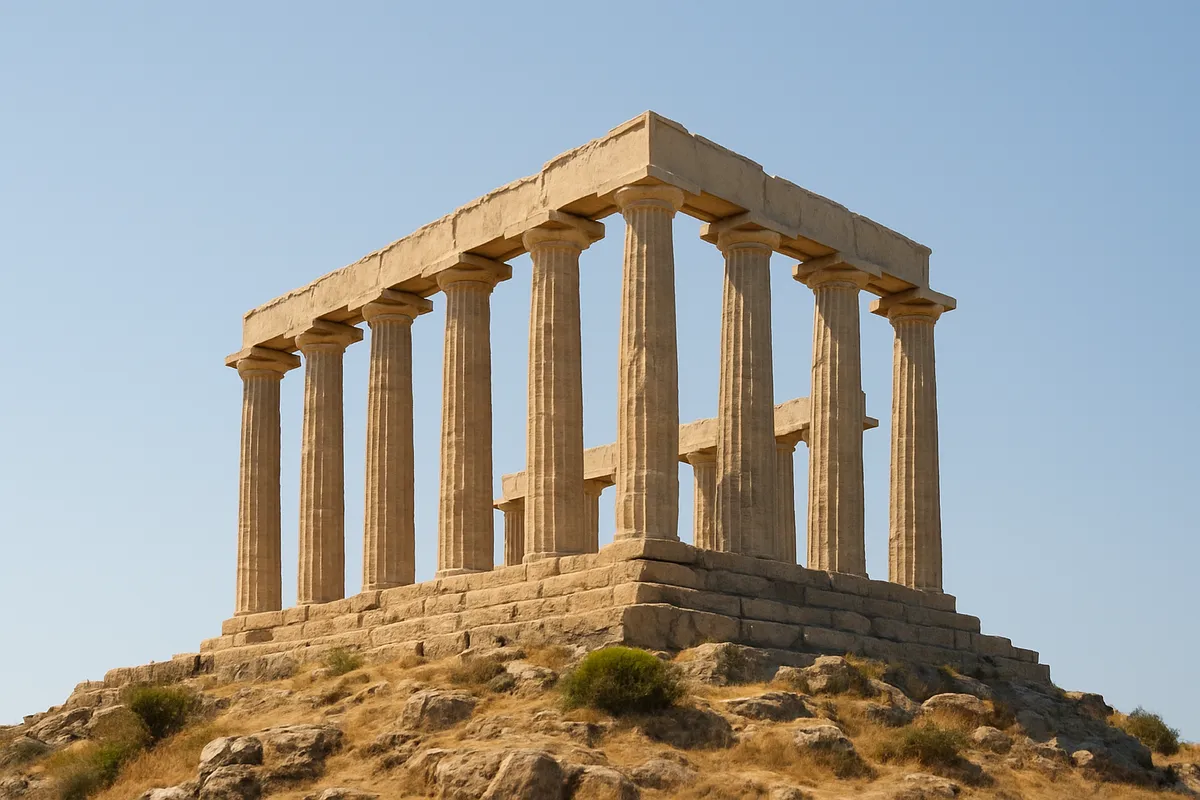
The building shown is the Parthenon. Its exterior colonnade belongs primarily to which Greek order?
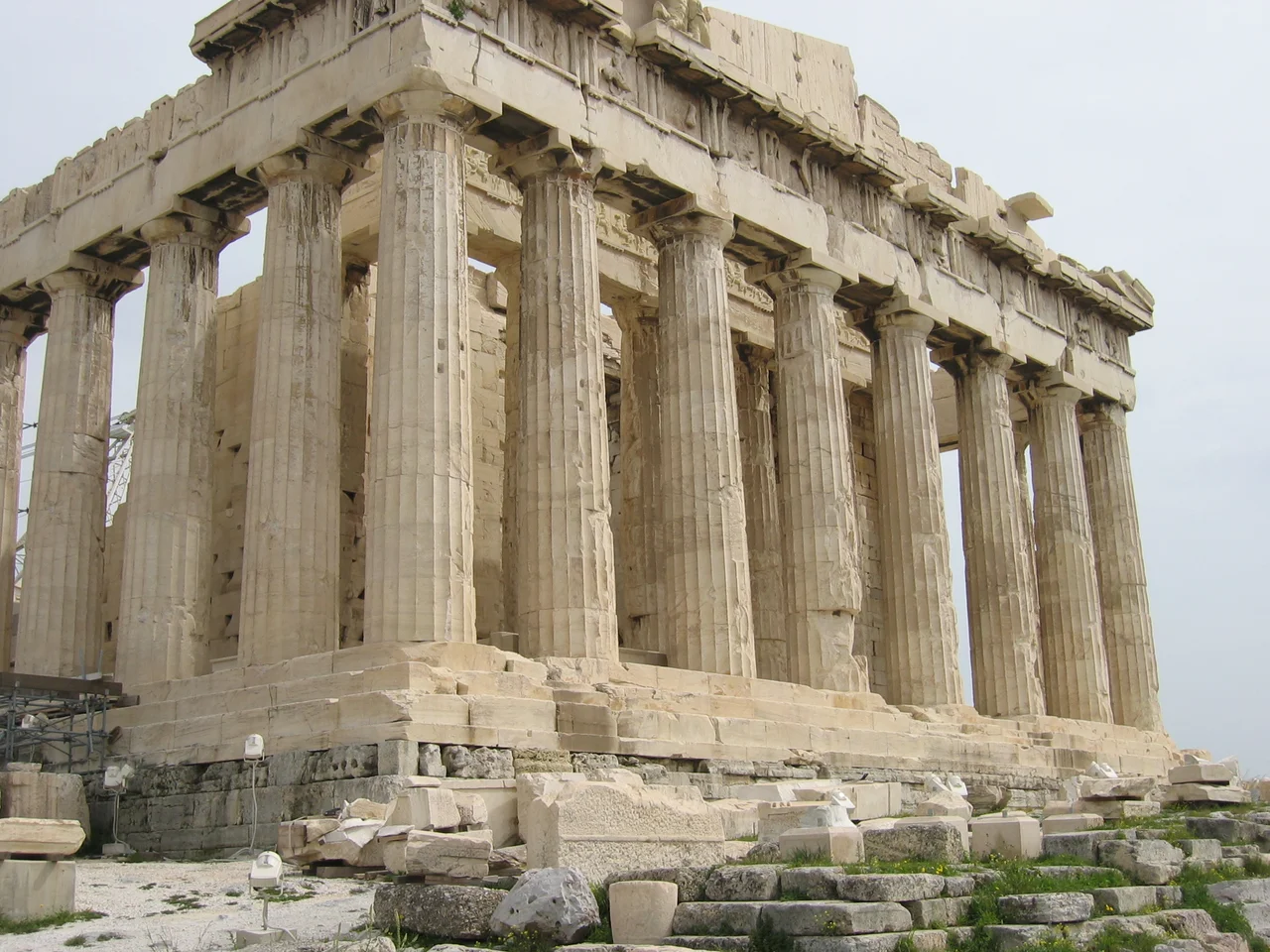
The Parthenon combines a Doric exterior with a continuous sculpted band running around the inner building. That continuous band follows which order's convention?
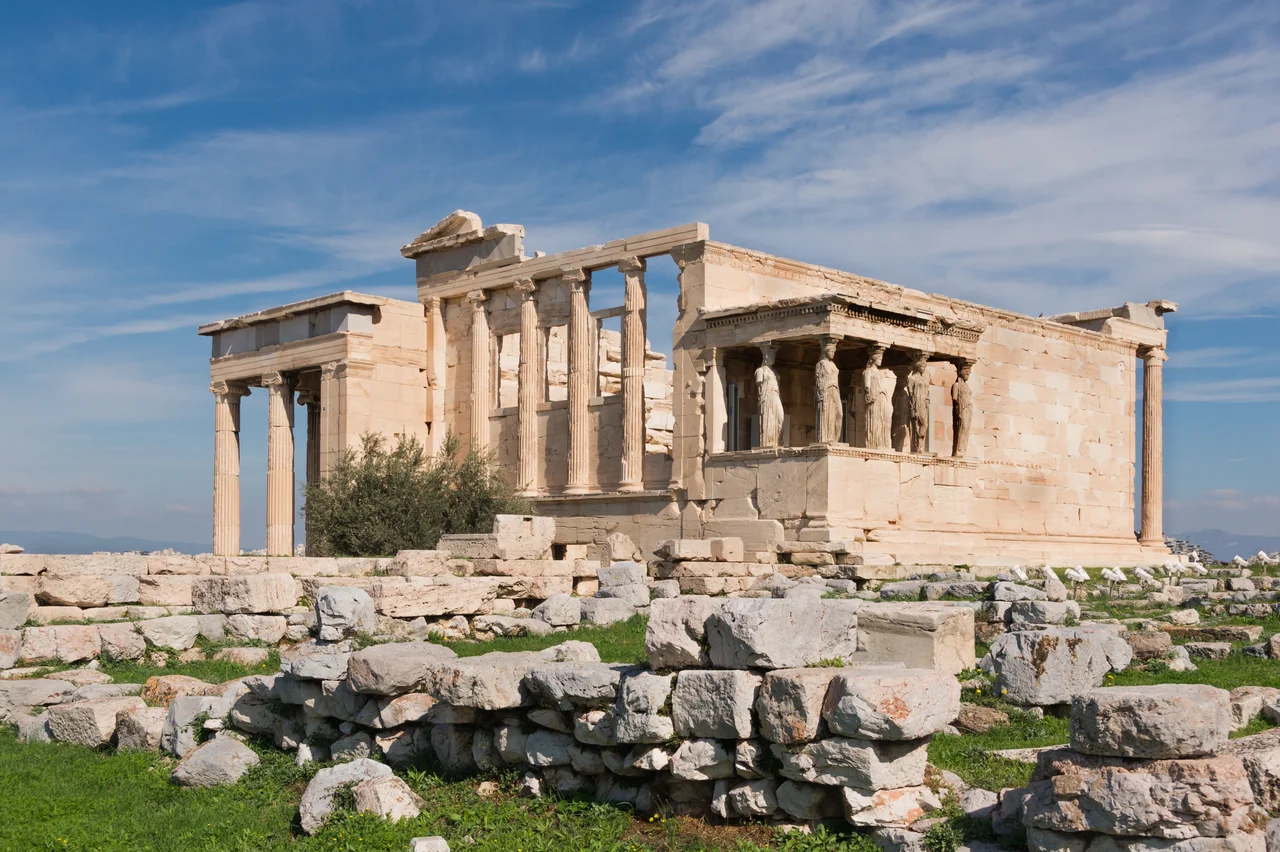
The Erechtheion, shown here, stands on the Athenian Acropolis. Which Greek order do its north porch and main building use?
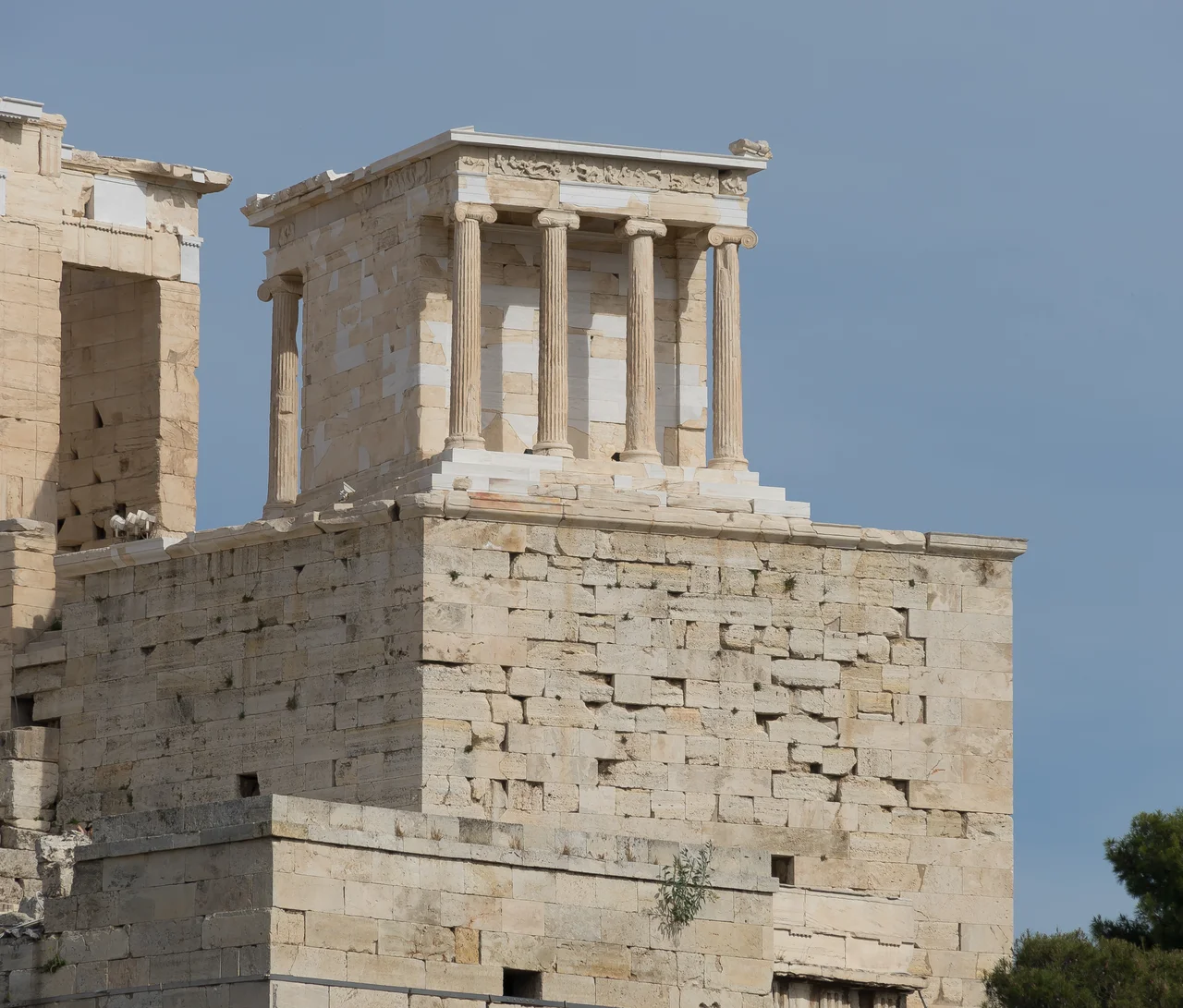
The small Temple of Athena Nike on the Athenian Acropolis is shown. Which order do its columns use?
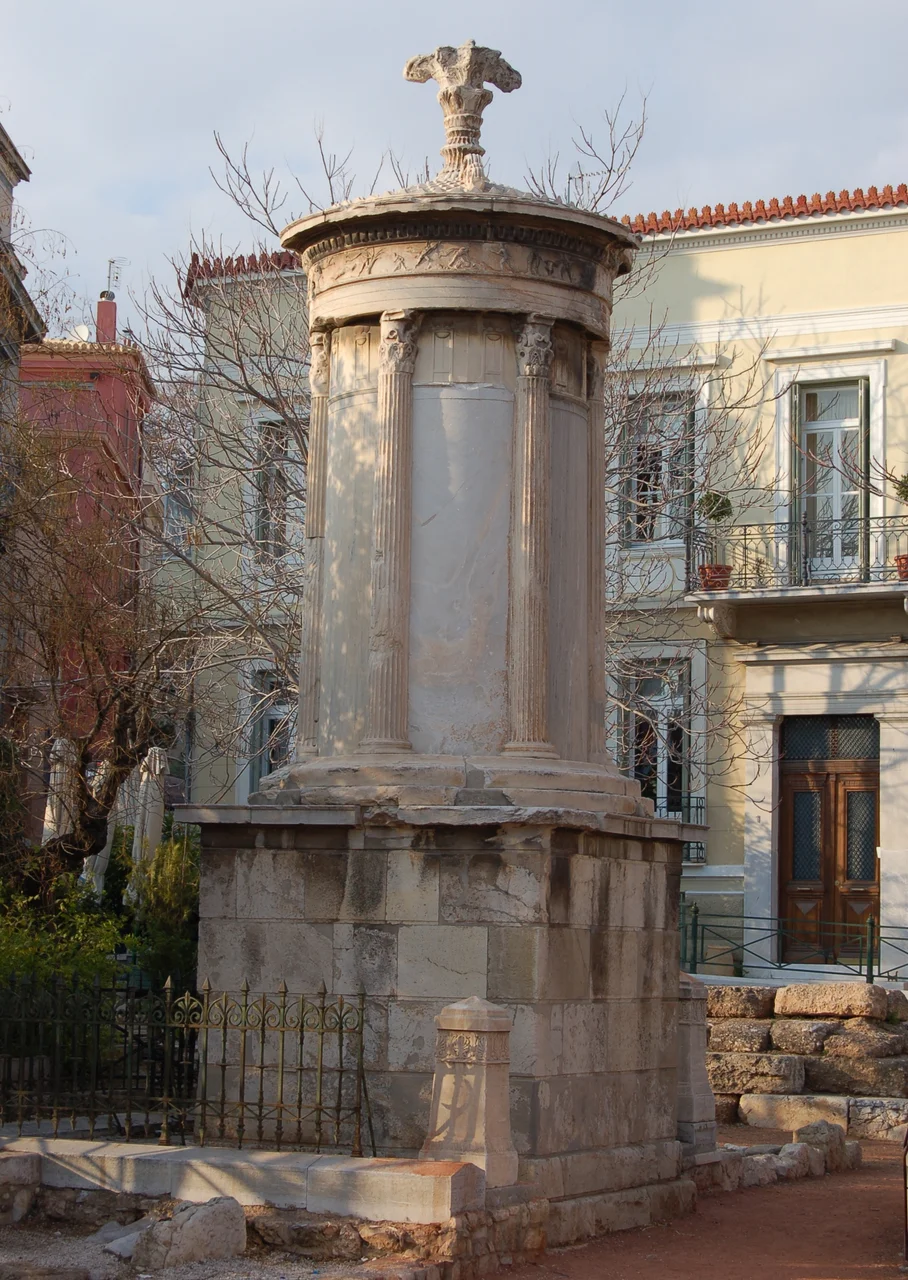
The Choragic Monument of Lysicrates in Athens, shown here, is one of the earliest buildings to use which order on its exterior?
In the Doric figure, B marks a carved panel between two triglyphs. On the Parthenon, which subject appears in panels like this?
Sculptors had to fit a whole group of figures into a temple pediment's triangular field. How did they usually fill its low corners?
The Parthenon's Panathenaic procession was carved as a continuous band around the building inside the outer colonnade. What architectural zone held it?
Crack the passcode before the zombies get in.
Answer, then swat bugs for bonus points.
Race through questions at your own speed.
Same question on every screen. Fastest wins.

Pick a tile, answer, hit bonuses and steals.
Greek Pottery
25 questions