Loading
by BlastRoom
The campaigns of 1861-1865 and what each turning point decided.
#united_states_history
40 questions
One question set, multiple game modes. Tap any game to see it in action. Not sure which to pick?
Answer to place stones and capture territory.
Outrun the snow together.
Earn blasts, then hunt the other team.
Answer to earn energy, then climb.

The class blasts through walls together.
Bid on mystery lots. Most money wins.
Sell tours. Nice, standard, or a total scam.

Answer, restock, and serve the rush.
More correct answers pulls the rope your way.
Answer, then shoot down the alien wave.
Answer, then tap to leap the frozen ridge.
In April 1861 Confederate guns opened fire on a federal fort in Charleston Harbor. Its garrison surrendered after about 34 hours of bombardment and Lincoln then called out 75,000 militia. Which fort was it?
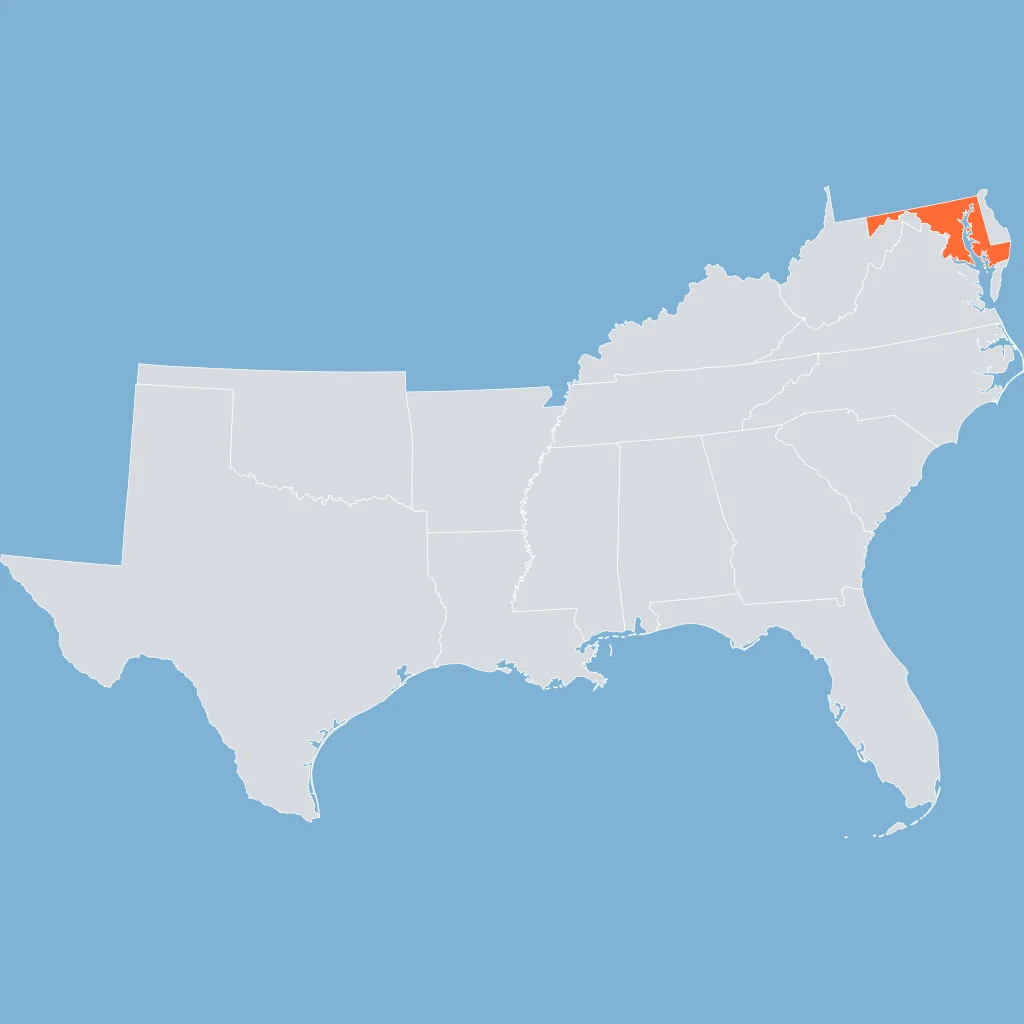
On 17 September 1862 Lee's first invasion of the North was stopped in a single day's fighting in the highlighted state, and he withdrew across the Potomac. Which battle was fought there?
What did Lincoln's call for 75,000 volunteers after Fort Sumter bring about?
In July 1861 the two armies met near Manassas Junction in northern Virginia. Congressmen and civilians rode out to watch, and the Union force broke and fled back toward Washington. Which battle was it?
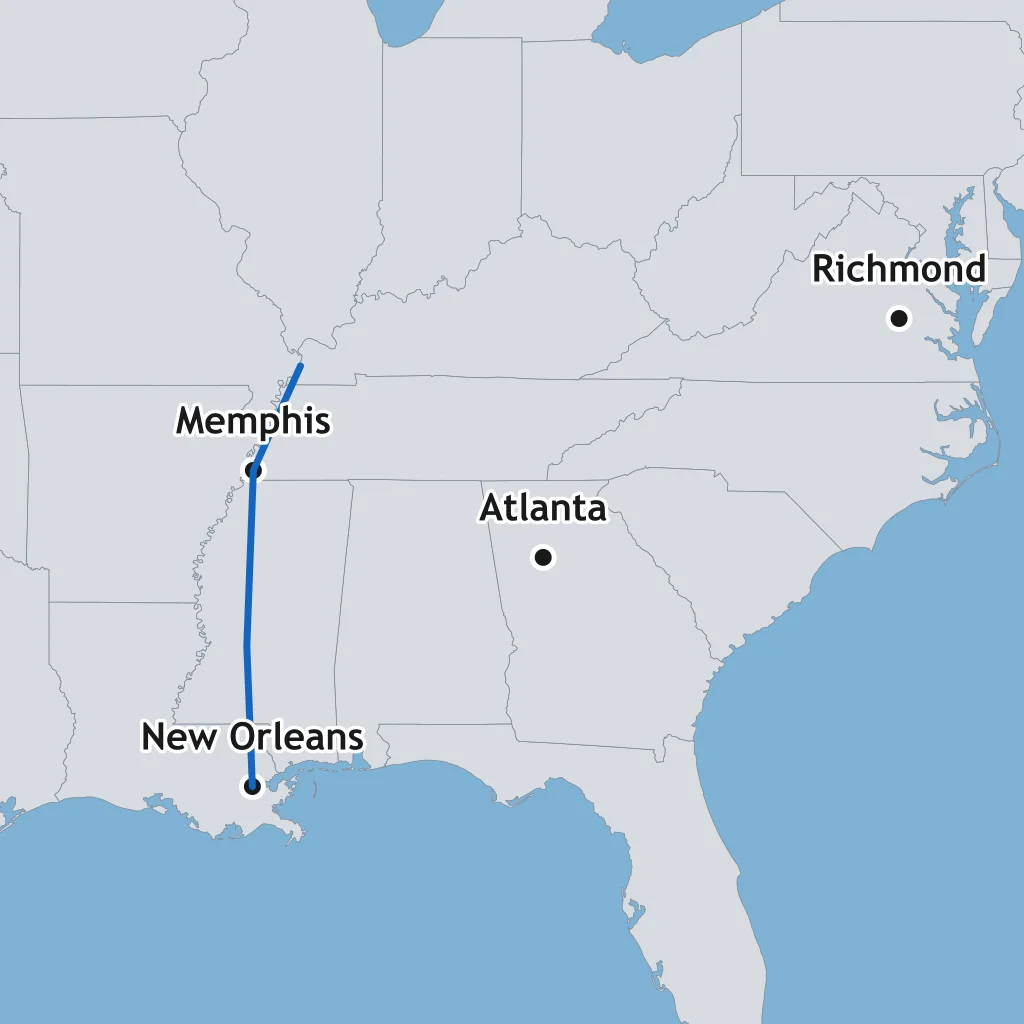
Look at the map. The blue line marks the river Union armies and gunboats fought to control from 1862 to 1863. Which river is it?
What did the fighting at Bull Run in July 1861 show both governments?
In February 1862 a Union commander answered a request for terms at a fort on the Cumberland River with "No terms except an unconditional and immediate surrender can be accepted." Which fort surrendered to him?
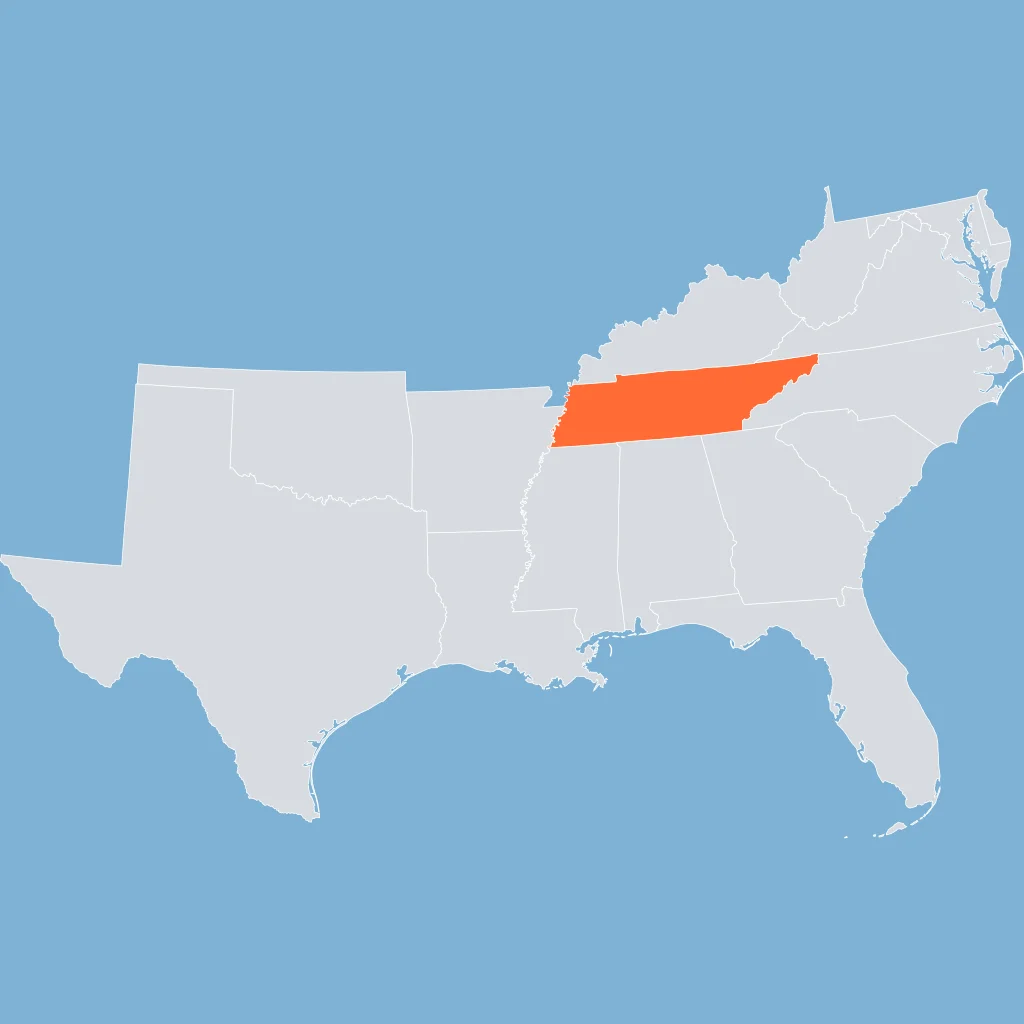
In April 1862 a Confederate attack at dawn caught Grant's army near a small log church by the Tennessee River; the Union line held overnight and counterattacked the next day. Which battle was fought in the highlighted state?
Where did the Monitor and the Virginia fight each other to a draw in March 1862, the first battle between ironclad warships?
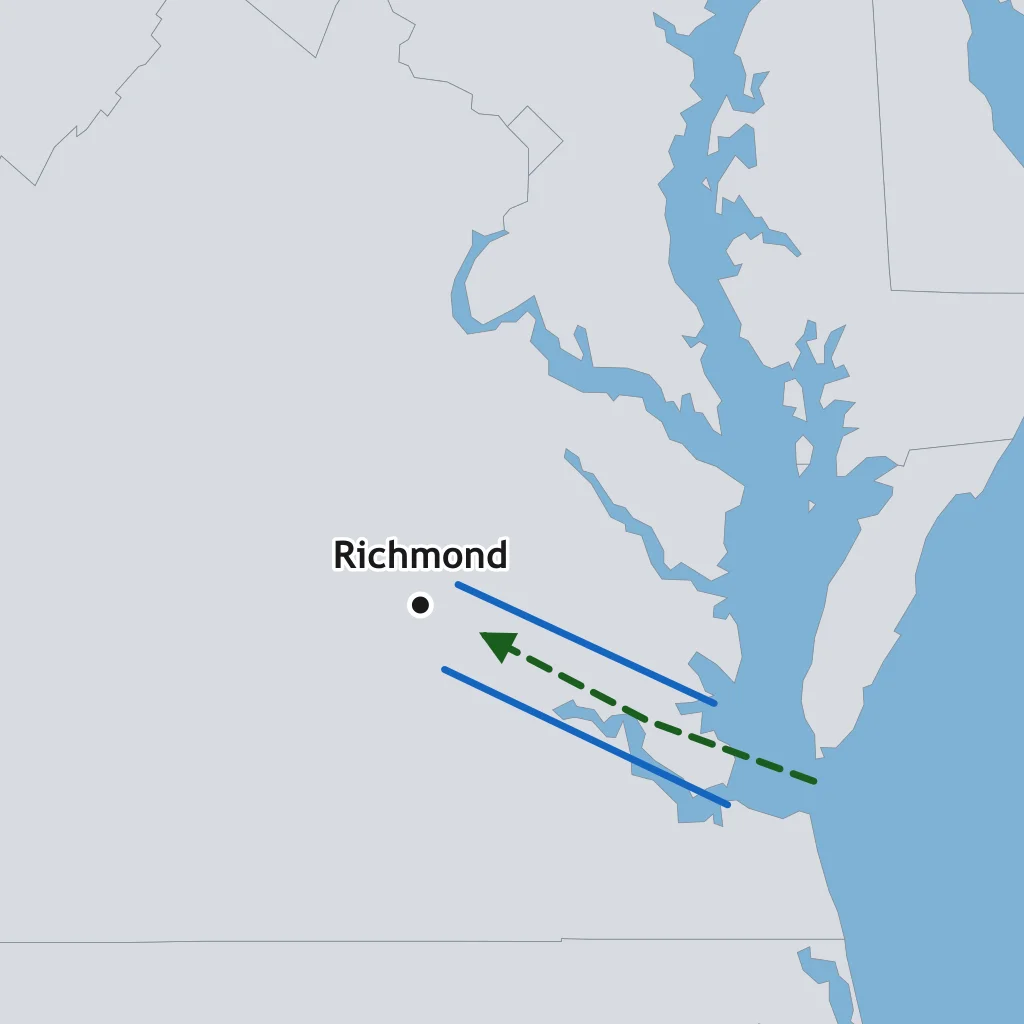
The map shows a Union army landing on the coast in spring 1862 and pushing up the neck of land between two rivers toward the marked Confederate capital. Which campaign is being shown?
In December 1862 Burnside sent wave after wave of infantry across open ground against Confederates behind a stone wall on Marye's Heights, and lost about 12,600 men. Which battle was it?
What opening did the outcome at Antietam give Lincoln?
In May 1863 Lee divided his outnumbered army and sent Jackson's corps on a long march around the Union right. The attack rolled up the flank, but Jackson was shot by his own men that night. Which battle was it?
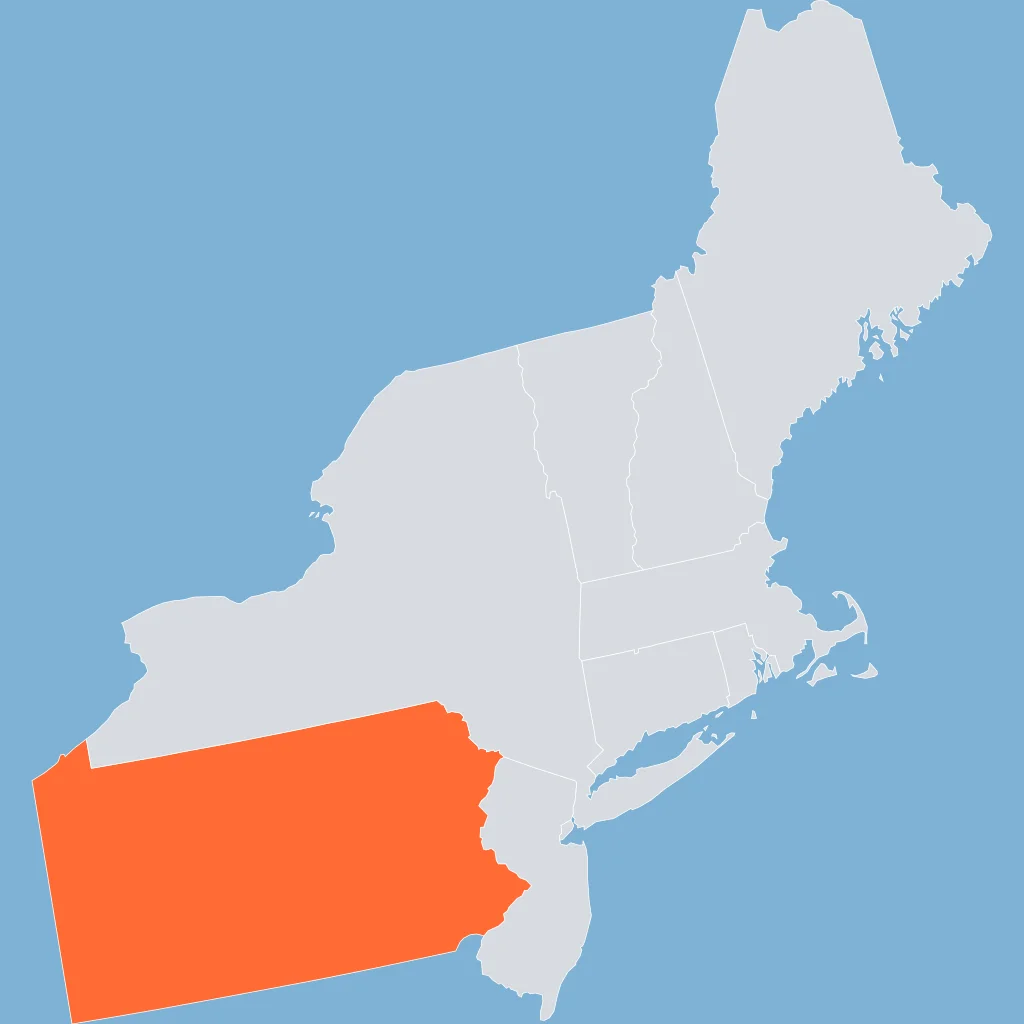
In July 1863 Lee's second invasion of the North ended after three days of fighting in the highlighted state, and his army never invaded the North again. Which battle was fought there?
Who commanded the Union Army of the Potomac at Gettysburg, three days after taking charge of it?
A Union siege of six weeks ended on 4 July 1863 with the surrender of a fortified town on a bluff above the Mississippi, in the highlighted state. Which town was it?
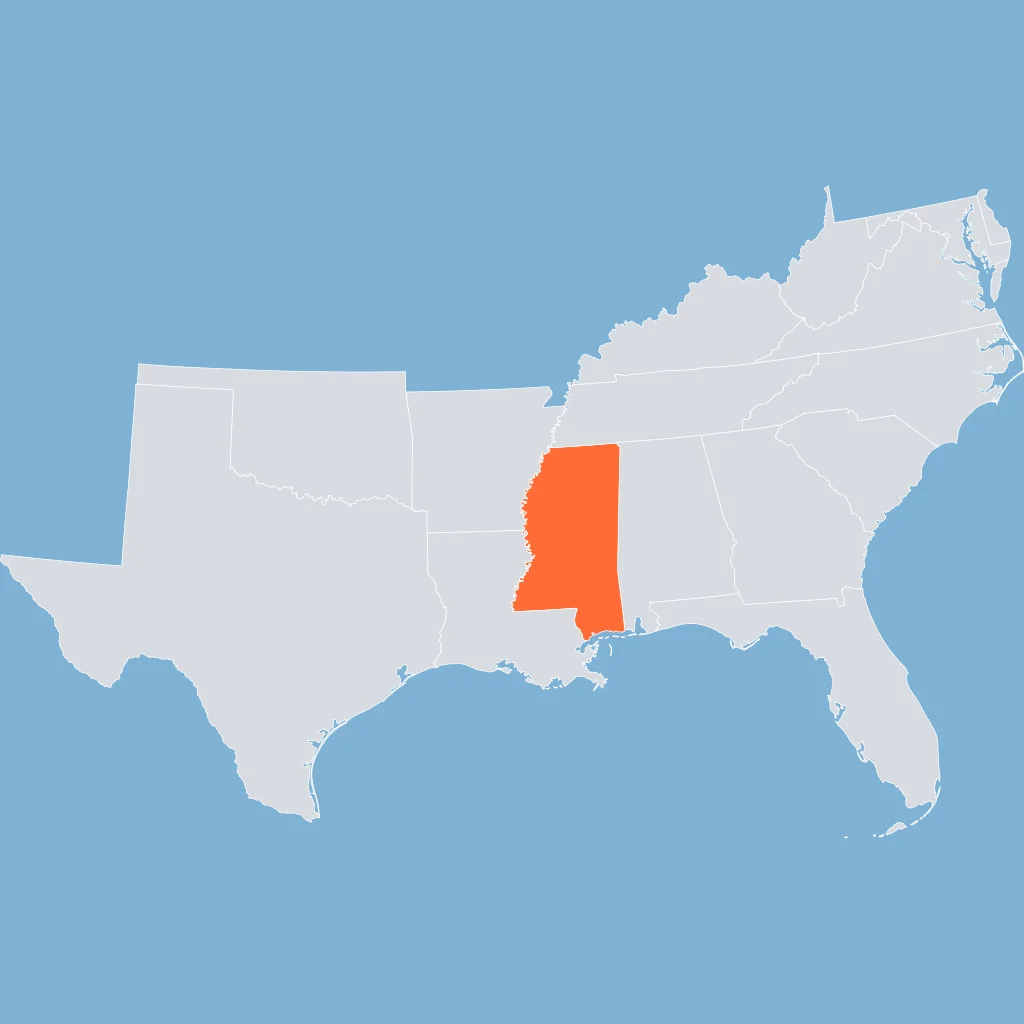
Which Union commander's army took Vicksburg on 4 July 1863?
Port Hudson, Louisiana, surrendered five days after Vicksburg fell. What did the Union gain from the two surrenders together?
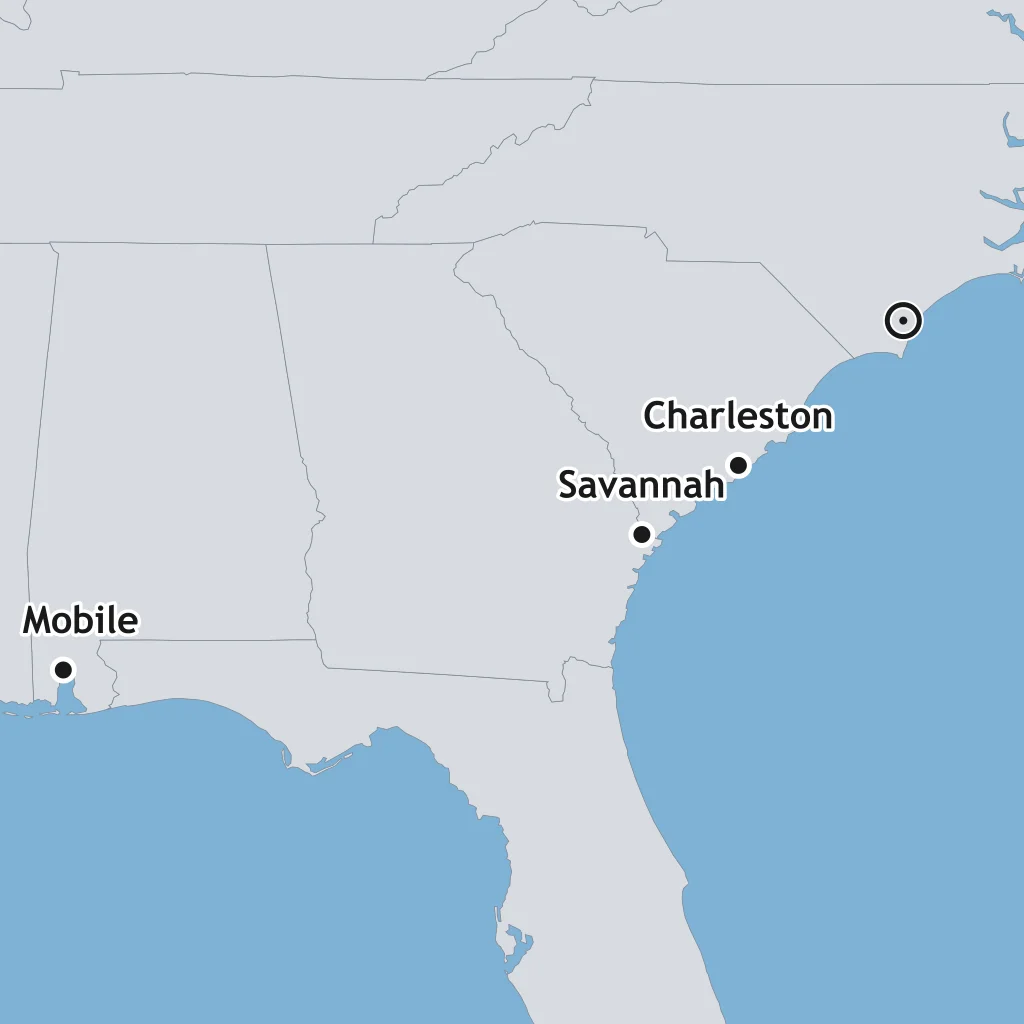
Look at the map. Four ports are shown on the Confederate coast. The pin marks the one that stayed open to blockade runners longest on the Atlantic side, closing only when its guardian fort fell in January 1865. Which port is it?
In 1861 Winfield Scott proposed closing the southern ports with the navy while an army worked its way down the Mississippi. Newspapers nicknamed it the Anaconda Plan and mocked it as slow. What was it meant to accomplish?
The Confederacy withheld cotton from Britain and France early in the war and pressed them for recognition. Why did that policy fail?
What changed in the Union war effort after the Emancipation Proclamation took effect on 1 January 1863?
Both governments turned to conscription: the Confederacy in April 1862 and the Union under the Enrollment Act of 1863, which let a drafted man pay $300 for exemption. What did that provision produce?
The Union had about 22 million people, most of the country's factories and roughly two thirds of its railroad mileage; the Confederacy had about 9 million, over a third of them enslaved. What did that mean for the war?
Soldiers on both sides carried rifled muskets firing the minie ball, accurate several times farther than the smoothbore muskets of earlier wars. How did that change the fighting?
Why did armies on both sides fight so hard for places like Corinth, Chattanooga, Atlanta and Petersburg?
In November 1863 Union troops stormed Missionary Ridge and broke the Confederate hold on the heights above a Tennessee rail center, opening the road into Georgia. Which city was it?
In May and June 1864 Grant lost about 55,000 men in the Wilderness, at Spotsylvania and at Cold Harbor, yet after each battle he moved south instead of retreating. Where did that campaign end up?
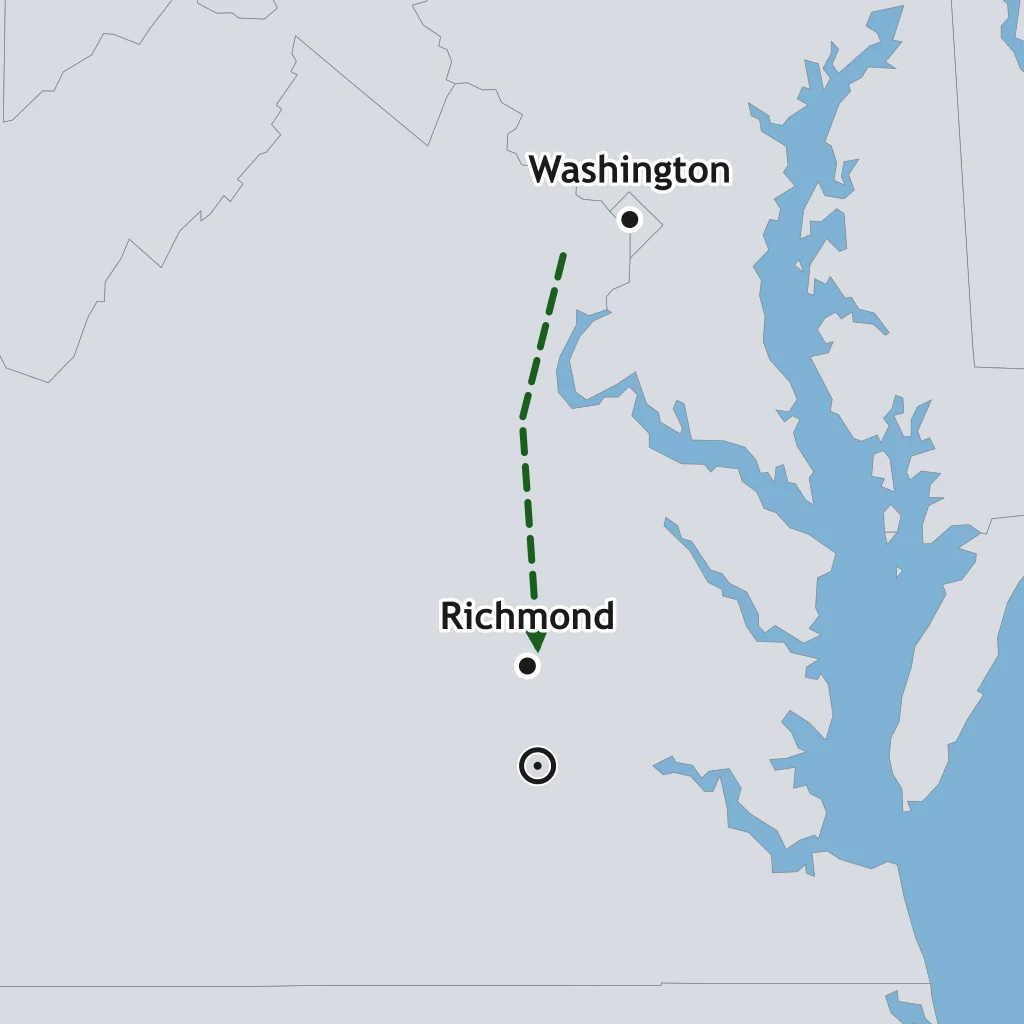
The arrow on the map shows Grant's line of advance in May and June 1864. It ends at the pin, on the rail junction just south of the marked Confederate capital. Which place did that siege center on?
Sherman took Atlanta on 2 September 1864, after a summer in which Northern newspapers had written that Lincoln could not be reelected. What followed in November?
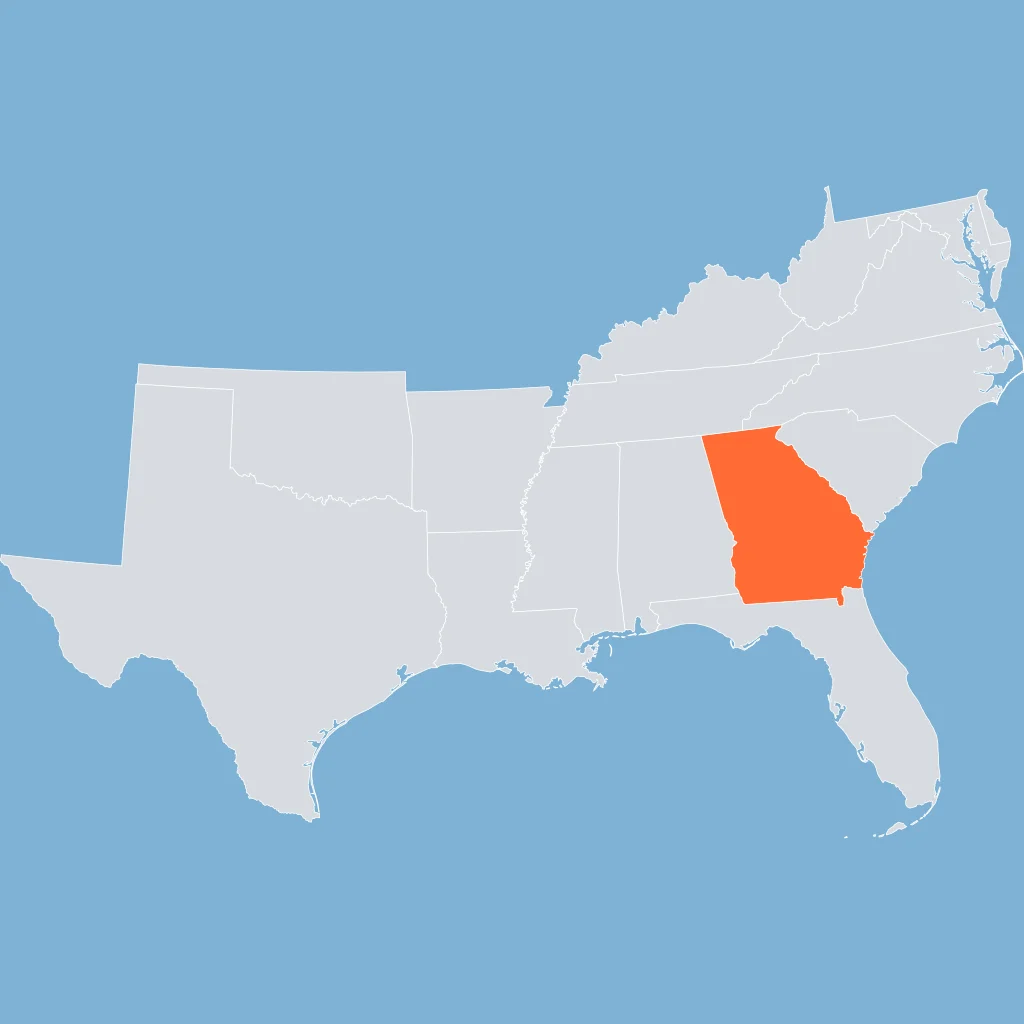
Look at the map. In late 1864 an army marched from the captured rail hub across the state to the coast, wrecking railroads and farms on the way. Which port did it reach in December?
Sherman's men tore up rail lines, burned mills and took or destroyed food and livestock along a wide corridor. What was this way of making war meant to achieve?
On 2 April 1865 the Union broke through the lines at Petersburg after nine months of siege. What happened next?
Which commander led the Confederate Army of Northern Virginia from June 1862 until its surrender in April 1865?
At Appomattox Court House on 9 April 1865 the terms of surrender let Confederate soldiers go home on parole, keep their horses for spring plowing, and face no prosecution. What were those terms meant to do?
The highlighted state was where Lee's army surrendered on 9 April 1865, ending the war in the east. Which state is it?
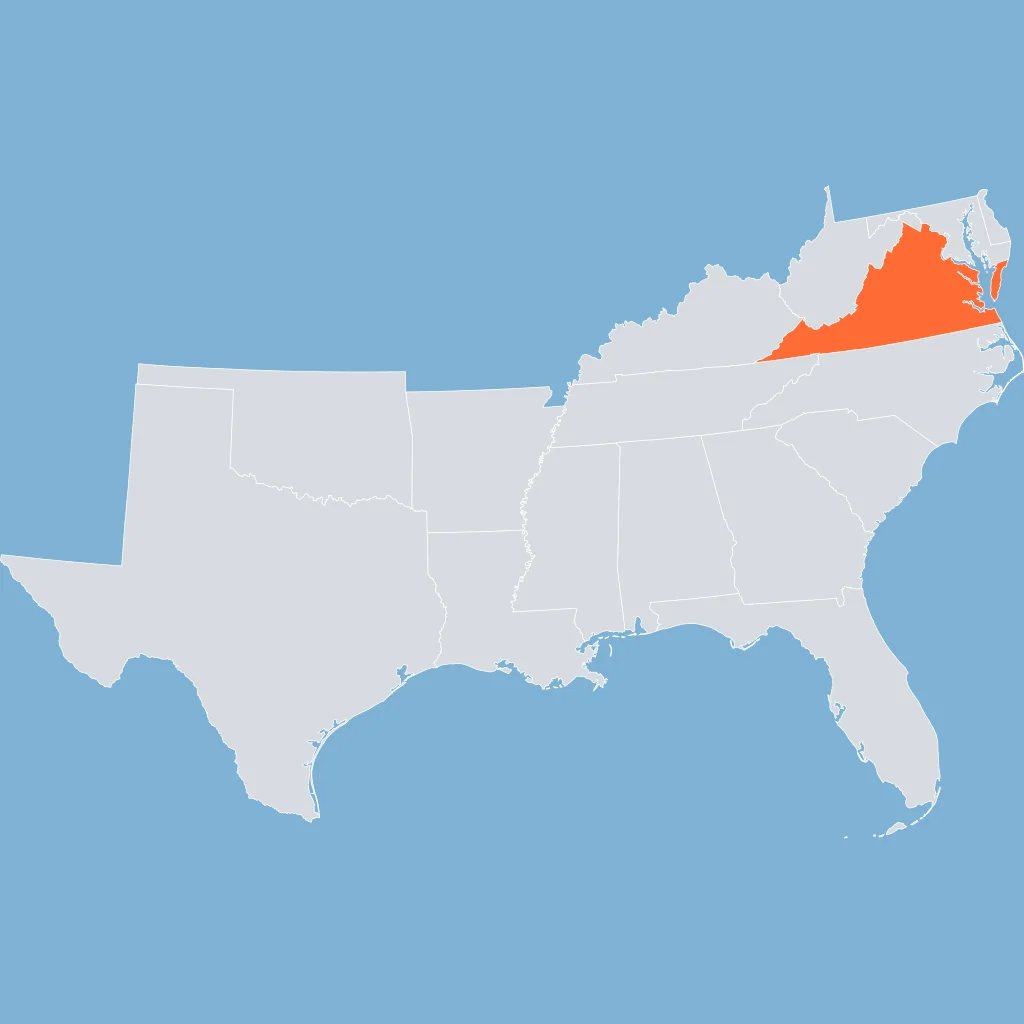
Put these in the order they happened: the surrender at Appomattox Court House; the firing on Fort Sumter; the Battle of Gettysburg; the fall of Atlanta.
Put these western campaigns in order: the siege of Vicksburg; the Battle of Shiloh; the fall of Atlanta; the storming of Missionary Ridge at Chattanooga.
Put these in order: the March to the Sea; the start of the siege of Petersburg; the Battle of the Wilderness; the surrender of Lee's army.
Put these in order: the Emancipation Proclamation takes effect; the first battle between ironclad warships; the reelection of Lincoln; the fall of Richmond.
Crack the passcode before the zombies get in.
Answer, then swat bugs for bonus points.
Race through questions at your own speed.
Same question on every screen. Fastest wins.

Pick a tile, answer, hit bonuses and steals.
The Underground Railroad and Resistance to Slavery
25 questions