Loading
by BlastRoom
The cotton economy, the codes that enforced it, and the people who resisted.
#united_states_history
30 questions
One question set, multiple game modes. Tap any game to see it in action. Not sure which to pick?
Answer to place stones and capture territory.
Outrun the snow together.
Earn blasts, then hunt the other team.
Answer to earn energy, then climb.

The class blasts through walls together.
Bid on mystery lots. Most money wins.
Sell tours. Nice, standard, or a total scam.

Answer, restock, and serve the rush.
More correct answers pulls the rope your way.
Answer, then shoot down the alien wave.
Answer, then tap to leap the frozen ridge.
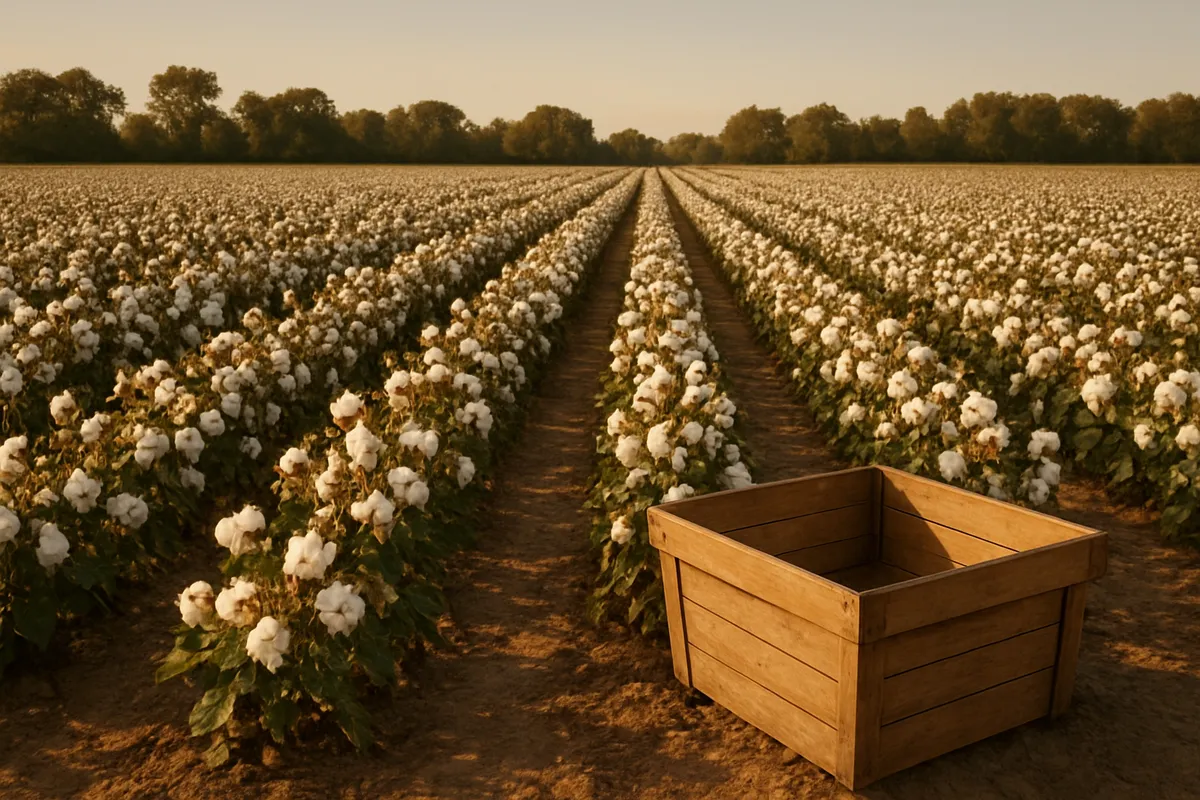
A machine patented in 1793 cleaned about fifty pounds of fiber a day, work that had taken a person a day to do for one pound. Cotton plantations then spread inland across Georgia, Alabama and Mississippi. What was the machine?
One variety of cotton grew only on the sea islands and a narrow coastal strip. Another had seeds that clung to the fiber but would grow across the upland South once a machine could clean it. Which variety spread inland after 1793?
In the Louisiana parishes along the Mississippi, enslaved crews cut stalks in a race against the first frost and fed them into mills and boiling houses that ran day and night. Which crop was grown and processed this way?
Planters concentrated on a belt of dark, fertile soil running across central Alabama and into Mississippi, and cotton output and the enslaved population there rose faster than anywhere else. What was this soil region called?
Between 1790 and 1860 traders moved roughly a million enslaved people from Virginia, Maryland and the Carolinas to the cotton and sugar states, by ship along the coast and in chained overland marches. What was this business called?
On a large cotton plantation the owner hired a white manager to run the place, and also appointed an enslaved man to set the pace of the field gang and answer for its work. What was the enslaved man called?
Owners in Richmond and Baltimore rented enslaved workers by the year to ironworks, shipyards and tobacco factories. The worker lived away from the owner and did skilled labor, but the wages went to the owner. What was this arrangement called?
Southern law required white men of military age to serve on mounted patrols that rode the roads at night, stopped Black travelers, demanded a written pass and whipped those who had none. What were these bodies called?
Southern statutes limited when enslaved people could gather, including for worship, and after 1831 several states also barred Black men from preaching. What did these laws require of a religious meeting?
A white overseer beat an enslaved woman in front of several enslaved witnesses. In a southern court of the 1840s, what did the law say about what those witnesses could do?
A child was born to an enslaved mother and a free father. Under the rule southern colonies and states had followed since the 1600s, what was the child's legal status?
Under the law of the antebellum southern states, a marriage between two enslaved people was a binding contract that a court would enforce.
A federal law of 1850 let an appointed commissioner decide a claim without a jury, barred the accused person from testifying, and made citizens of free states liable to a fine for refusing to help capture the accused. Which law was this?
In August 1831 an enslaved preacher led a rising in Southampton County, Virginia that killed about sixty white people over two days before the militia broke it up. He was captured in October and hanged. Who led it?
Denmark Vesey, a free Black carpenter in Charleston who had bought his own freedom, was accused in 1822 of organizing a rising. Authorities learned of the plan from informers before any attack took place.
In 1800 an enslaved blacksmith near Richmond planned to march on the city and seize the armory. A torrential storm washed out the roads on the night set for it, informers gave up the plan, and he and about twenty-five others were hanged. Who was he?
After the Southampton rising of 1831, the Virginia House of Delegates spent weeks in January 1832 debating a plan for gradual emancipation. What did the legislature do?
Enslaved workers broke hoes, let livestock stray, feigned illness at harvest and worked at a pace slower than the overseer demanded, without ever leaving the plantation. Historians classify these acts as which kind of resistance?
A woman escaped from Dorchester County, Maryland in 1849 and then returned to the Eastern Shore about thirteen times, guiding roughly seventy people north along the routes of the Underground Railroad. Who was she?
Congress banned bringing enslaved people into the country from abroad in 1808, yet the enslaved population rose from about 1.2 million then to about 3.95 million in 1860. What accounts for that increase?
By the 1820s tobacco had exhausted much of the soil of Virginia and Maryland, while cotton planters in Alabama and Mississippi were paying high prices for field workers. What followed in the Upper South?
Louisiana sugar planters bought large numbers of young men from the traders every year rather than relying on the growth of the population already on their estates. What accounts for that pattern of buying?
In 1845 an escaped man published a narrative naming the owners, overseers and Maryland places of his enslavement. What followed for him within the next two years?
A Boston pamphlet of 1829 urging enslaved people to resist reached southern ports, and the Southampton rising alarmed whites two years later in 1831. How did southern legislatures respond?
In 1860 raw cotton made up roughly three-fifths of the value of everything the United States exported. What does that figure show about the economy outside the South?
By 1860 the market value of the enslaved people of the United States was greater than the combined value of the country's railroads and factories. What followed from that concentration of southern wealth?
Traders working the routes to the Deep South bought mainly people between about fifteen and thirty and sold them one at a time rather than in family groups. What explains that buying pattern?
In 1860 about one in four white families in the South held people in slavery, and a far smaller group held twenty or more. How did the great majority of white southern households make a living?
On the rice estates of coastal South Carolina a worker finished an assigned task and the rest of the day was his own; on the cotton plantations a gang worked in line under a driver from sunup to sundown. What is the difference between them?
In Richmond and Charleston enslaved people were hired to workshops, ran errands across the city and boarded away from an owner's house. On a cotton plantation the same people would have worked and slept under an overseer's eye. What was the difference?
Crack the passcode before the zombies get in.
Answer, then swat bugs for bonus points.
Race through questions at your own speed.
Same question on every screen. Fastest wins.

Pick a tile, answer, hit bonuses and steals.

The Civil War: Battles and Turning Points
40 questions