Loading
by BlastRoom
Escape routes, conductors, safe houses, revolts and the people who ran them.
#united_states_history
25 questions
One question set, multiple game modes. Tap any game to see it in action. Not sure which to pick?
Answer to place stones and capture territory.
Outrun the snow together.
Earn blasts, then hunt the other team.
Answer to earn energy, then climb.

The class blasts through walls together.
Bid on mystery lots. Most money wins.
Sell tours. Nice, standard, or a total scam.

Answer, restock, and serve the rush.
More correct answers pulls the rope your way.
Answer, then shoot down the alien wave.
Answer, then tap to leap the frozen ridge.
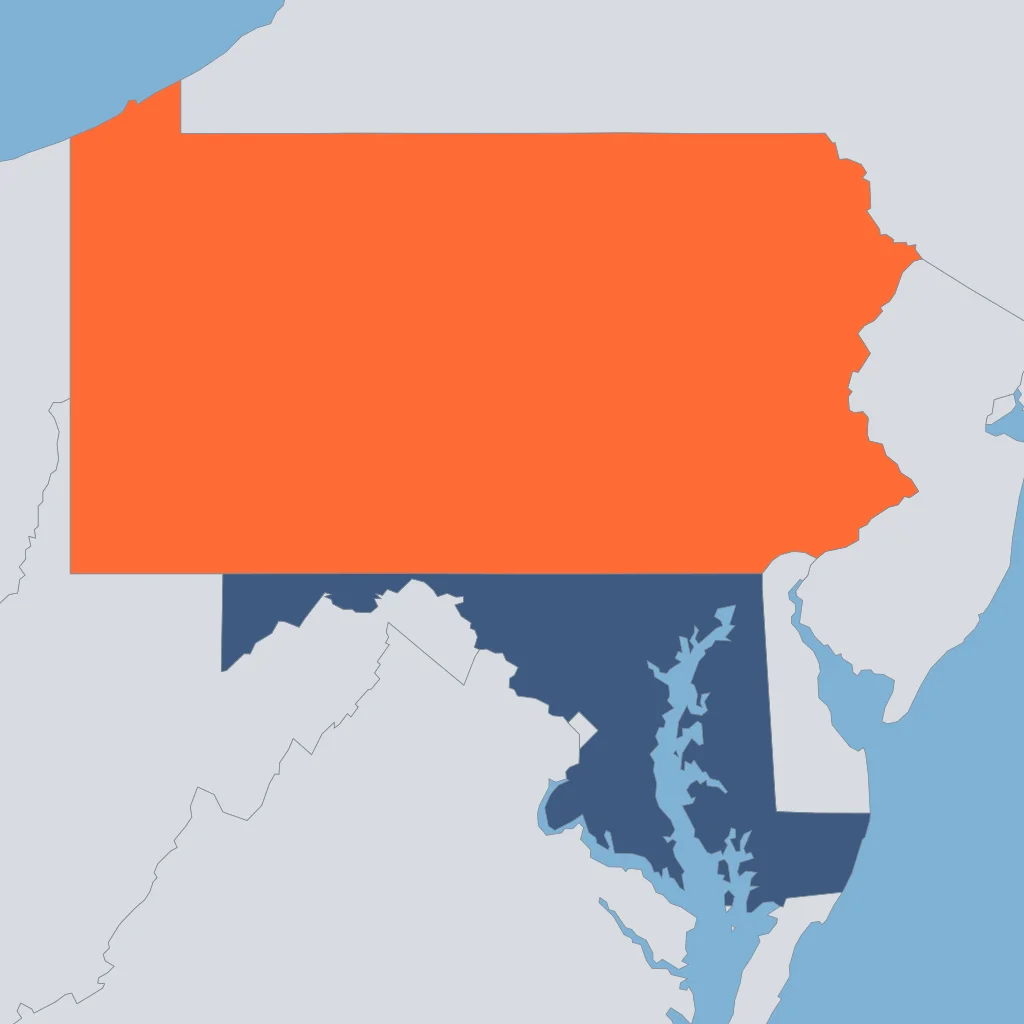
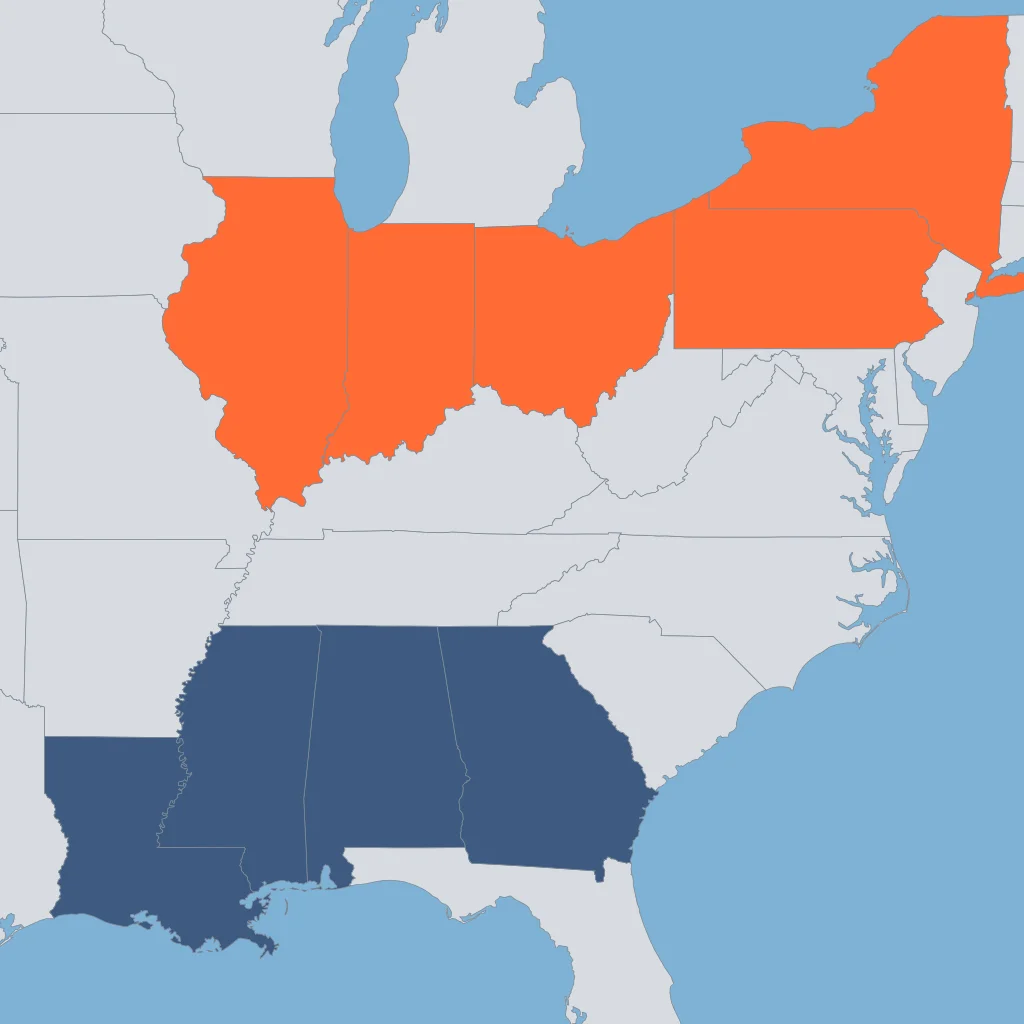
The map shades free Pennsylvania against slave Maryland. What was the surveyed boundary between them called, the line that came to stand for the division between free and slave soil?
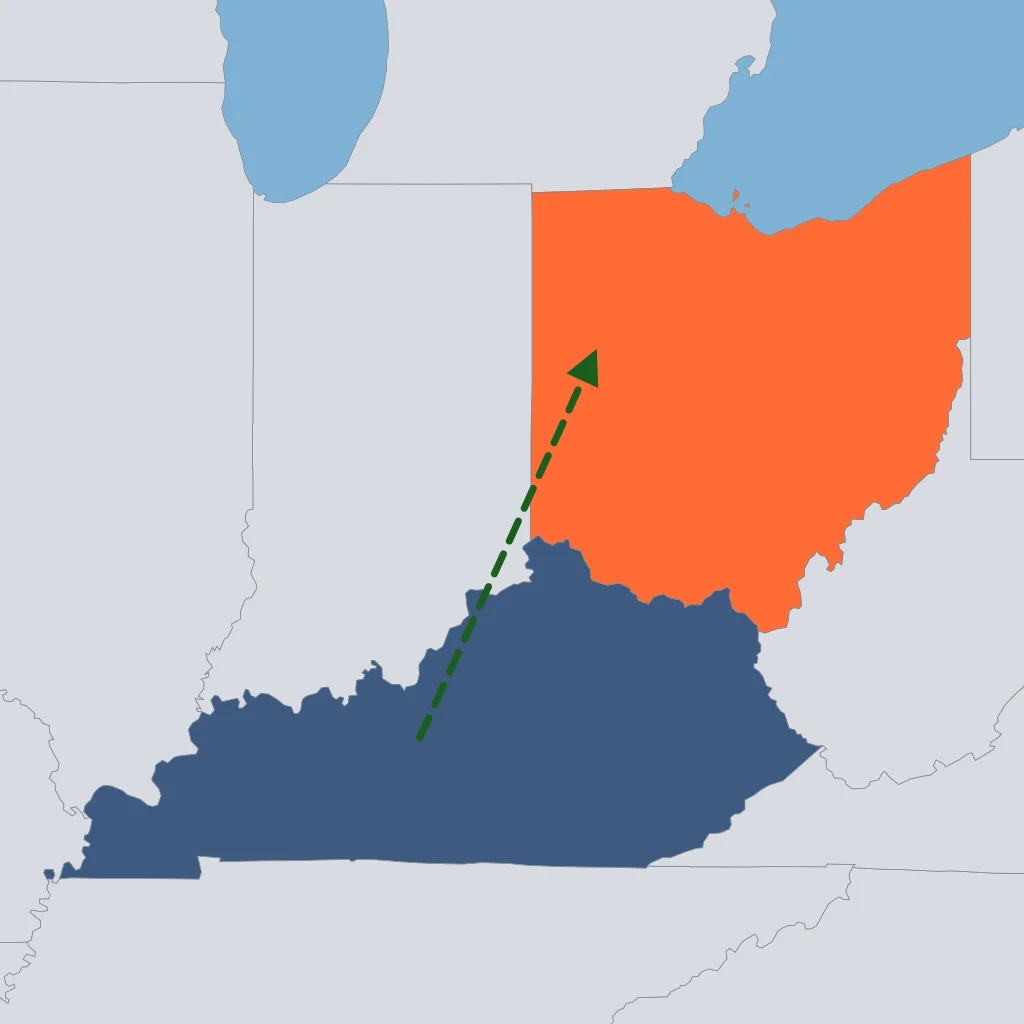
The map shades slave Kentucky against free Ohio, with an escape route crossing between them. Which river did a freedom seeker leaving Kentucky have to cross to stand on free soil?
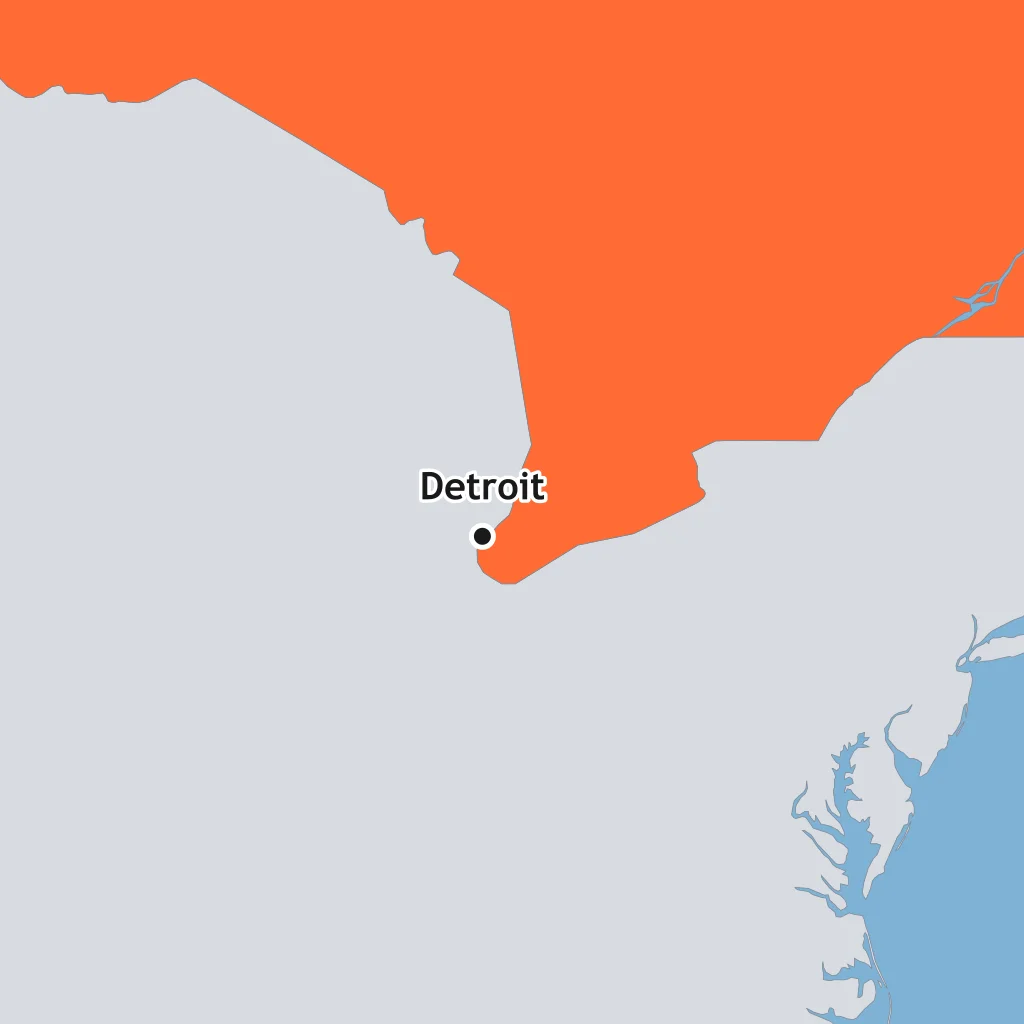
The map shades Canada, the destination of many routes after 1850. Why did so many freedom seekers keep going instead of stopping in a free northern state?
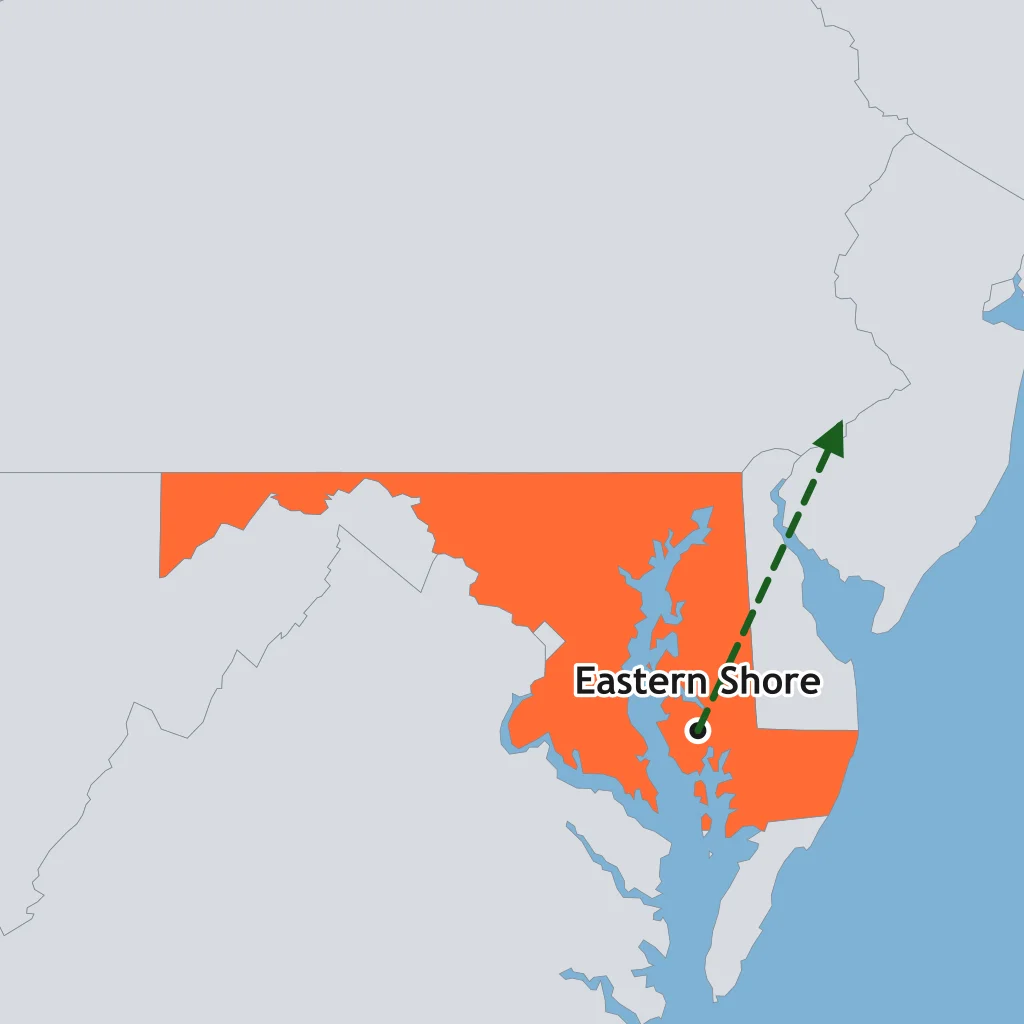
The map traces a route from the Eastern Shore of Maryland, where Harriet Tubman was born and enslaved, to the free city she reached when she escaped in 1849. Which city was it?
In the network's code language, safe houses were called stations and the people sheltered there were called passengers. What was a conductor?
The map shades the free states against the states of the Deep South. What does the distance between them help explain about escape from slavery?
In June 1863 a former Maryland conductor guided three Union gunboats up the Combahee River in South Carolina, past the mines in the channel, and more than 700 enslaved people left the rice plantations with the boats. Who is described?
This free Black clerk ran the Philadelphia Vigilance Committee, interviewed the people who reached the city and wrote down their names, owners and routes, then published the records in 1872 as The Underground Rail Road. Who is described?
A Quaker merchant in Newport, Indiana, turned his eight-room brick house into a station that sheltered about 2,000 people over twenty years. Slave hunters called him the president of the Underground Railroad. Who is described?
A free Black carpenter in Charleston, South Carolina, who had bought his freedom with lottery winnings, organized a large uprising for 1822. Informers betrayed the plan before it began, and he and dozens of others were hanged. Who is described?
On September 3, 1838, a man escaped Baltimore by train dressed as a sailor and carrying a free Black seaman's protection papers. In 1847 he founded an antislavery newspaper, The North Star, in Rochester, New York. Who is described?
In March 1849 a Richmond tobacco worker had himself nailed into a wooden crate about three feet long and shipped by wagon, steamboat and railroad to the Pennsylvania Anti-Slavery Society, arriving 27 hours later. Who is described?
In September 1851 a Maryland slaveholder came to a Pennsylvania farm with a federal warrant to seize four men. Neighbors answered a horn, the slaveholder was killed, and 41 men were later charged with treason. Which event is described?
The Fugitive Slave Act of 1850 set a fine of up to $1,000 and up to six months in jail for feeding, hiding or rescuing an escaped person, and required bystanders to help marshals on demand. What did this do in the free states?
Northern legislatures passed personal liberty laws guaranteeing an accused fugitive a jury trial, barring state officers from enforcing the federal law and closing state jails to slave catchers. How did slaveholding states answer?
Nat Turner's revolt in Southampton County, Virginia, in August 1831 killed about 55 white people before militia and mobs put it down and killed many Black people who had no part in it. What did southern legislatures then do?
In 1841 the Supreme Court freed the Africans who had seized the schooner Amistad, with John Quincy Adams arguing their case. The ruling turned on how they had reached Cuba, not on slavery itself. On what ground were they freed?
After 1850 the northern free states were no longer a safe place to stop, and thousands of freedom seekers went on across the border. Why could Canada offer a protection that Ohio and Pennsylvania could not?
The Fugitive Slave Act of 1850 gave a person accused of being an escaped slave the right to a jury trial.
The Underground Railroad worked as many small local groups who knew only the next station, rather than as one organization with a roster of members. What did that arrangement prevent?
Enslaved people who could not escape resisted in smaller ways every day. Which of these was one of those forms of resistance?
Southern states made it a crime to teach an enslaved person to read, yet some learned in secret from other enslaved people or from a white child. Why did slaveholders treat literacy as a danger?
Enslaved people held wedding ceremonies and kept family ties across neighboring plantations, but southern law did not recognize a marriage between enslaved people. What did that mean in practice?
An enslaved person leaving the plantation was expected to carry a written pass from the owner, and armed slave patrols rode the roads stopping anyone without one. What did that system force on an escape?
Most enslaved people who escaped successfully to free soil left from the border states of the Upper South, such as Maryland, Delaware and Kentucky, rather than from the Deep South.
Crack the passcode before the zombies get in.
Answer, then swat bugs for bonus points.
Race through questions at your own speed.
Same question on every screen. Fastest wins.

Pick a tile, answer, hit bonuses and steals.
Settling the West: Homesteads, Railroads and Cattle
30 questions