Loading
by BlastRoom
Land, rails and cattle - who went west, what pulled them, and what it cost.
#united_states_history
30 questions
One question set, multiple game modes. Tap any game to see it in action. Not sure which to pick?
Answer to place stones and capture territory.
Outrun the snow together.
Earn blasts, then hunt the other team.
Answer to earn energy, then climb.

The class blasts through walls together.
Bid on mystery lots. Most money wins.
Sell tours. Nice, standard, or a total scam.

Answer, restock, and serve the rush.
More correct answers pulls the rope your way.
Answer, then shoot down the alien wave.
Answer, then tap to leap the frozen ridge.
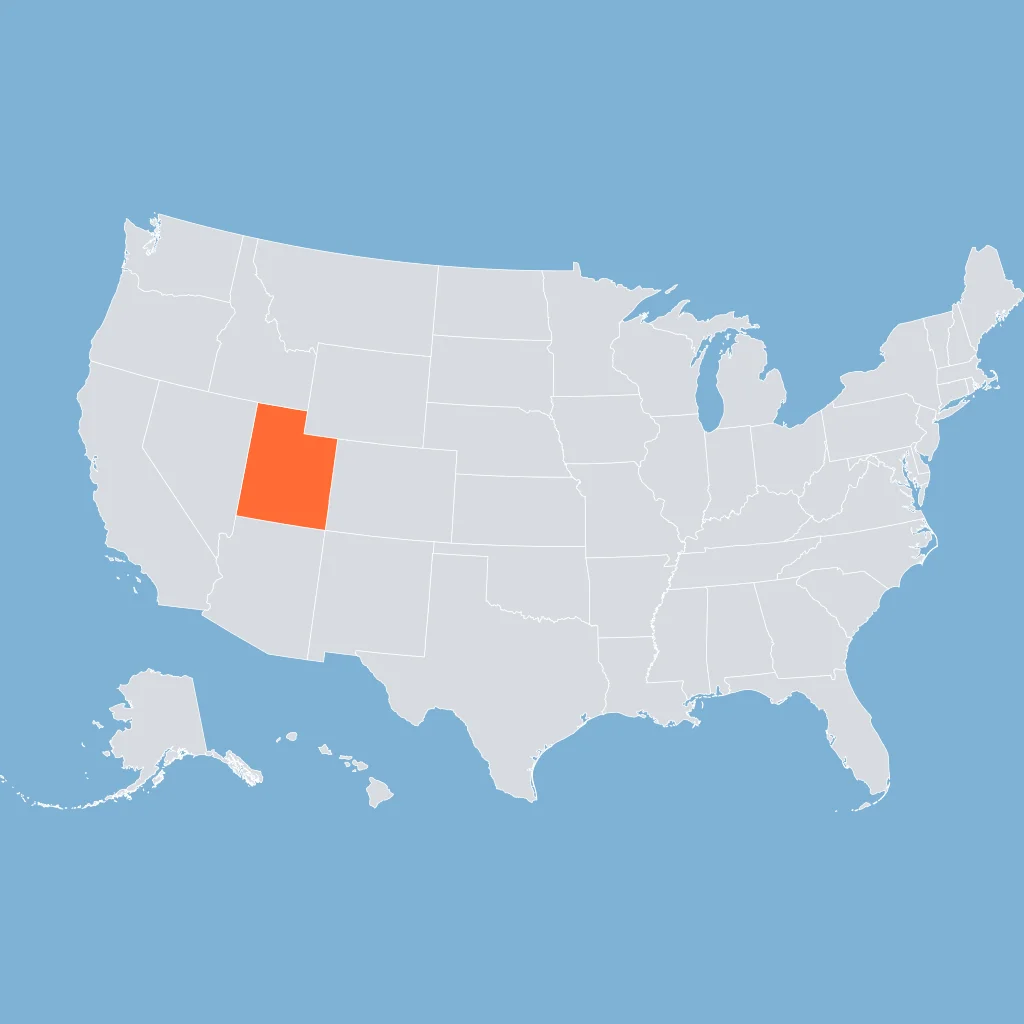
The highlighted state is where the two halves of the first transcontinental railroad were joined at Promontory Summit in May 1869. Which state is highlighted?
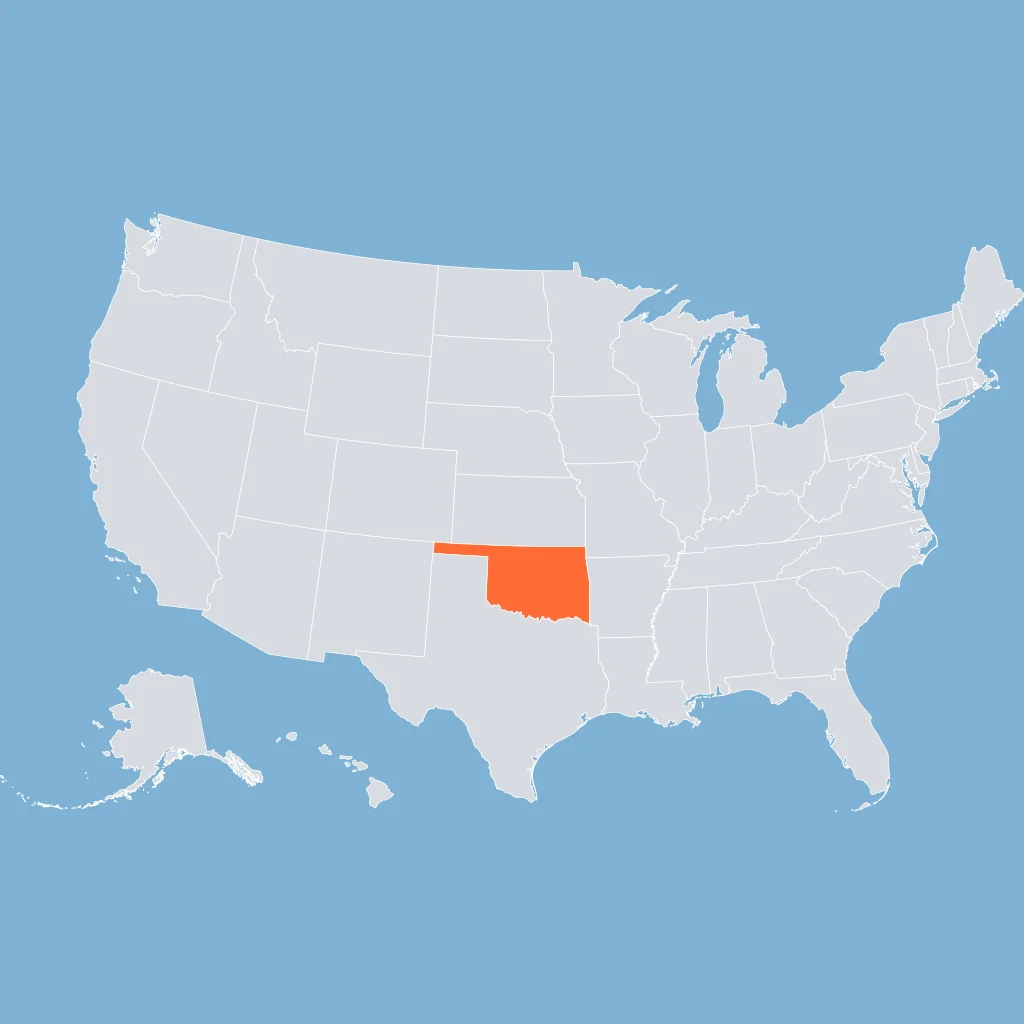
The highlighted area was opened to homestead settlers by land runs beginning in April 1889, when tens of thousands raced across the line to stake claims in a single day. Which present-day state is it?
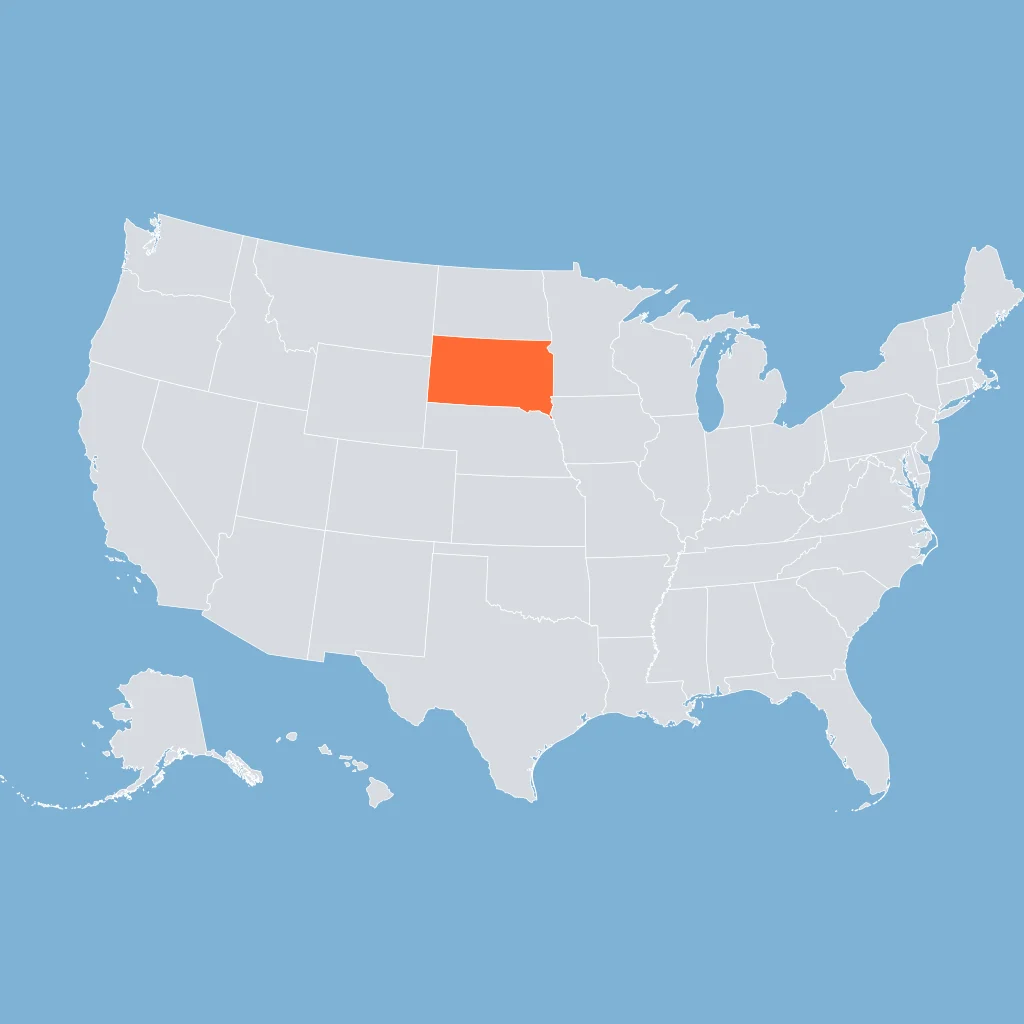
Gold found in the Black Hills in 1874 drew thousands of miners into the highlighted area, then part of Dakota Territory, and built the boomtown of Deadwood. Which present-day state is highlighted?
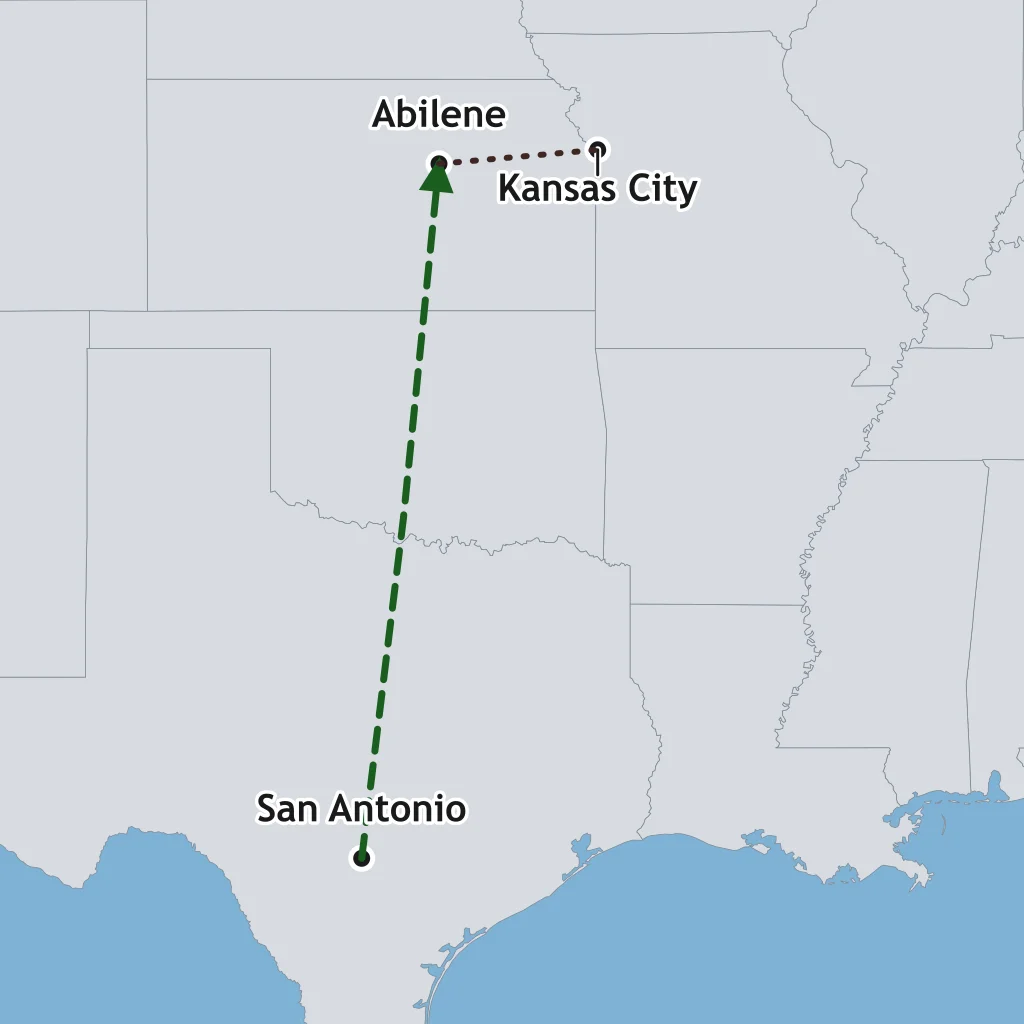
Use the map. The dashed route runs from south Texas ranch country to the Kansas railhead marked on the rail line. Which cattle trail is drawn?
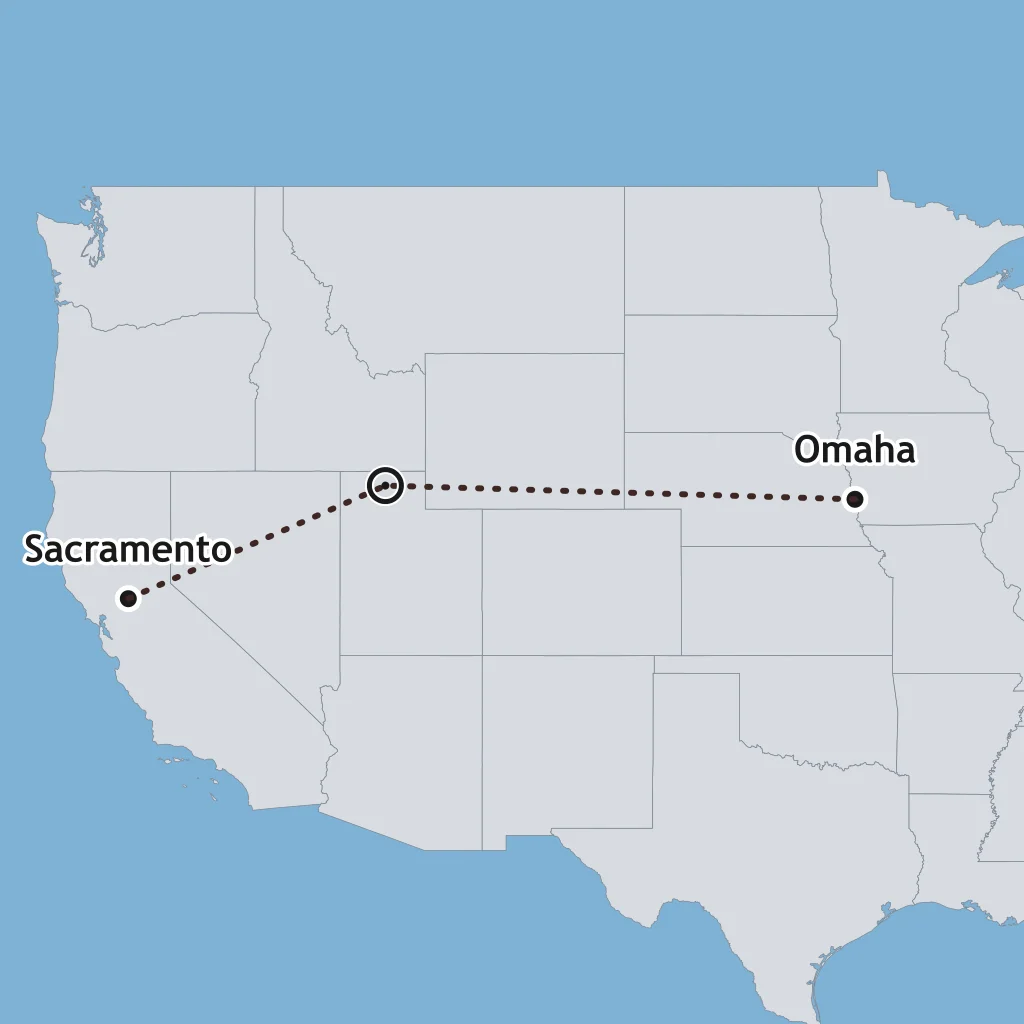
Use the map. Two companies built the first transcontinental line toward the marked meeting point. Which company built east from the western terminus shown?
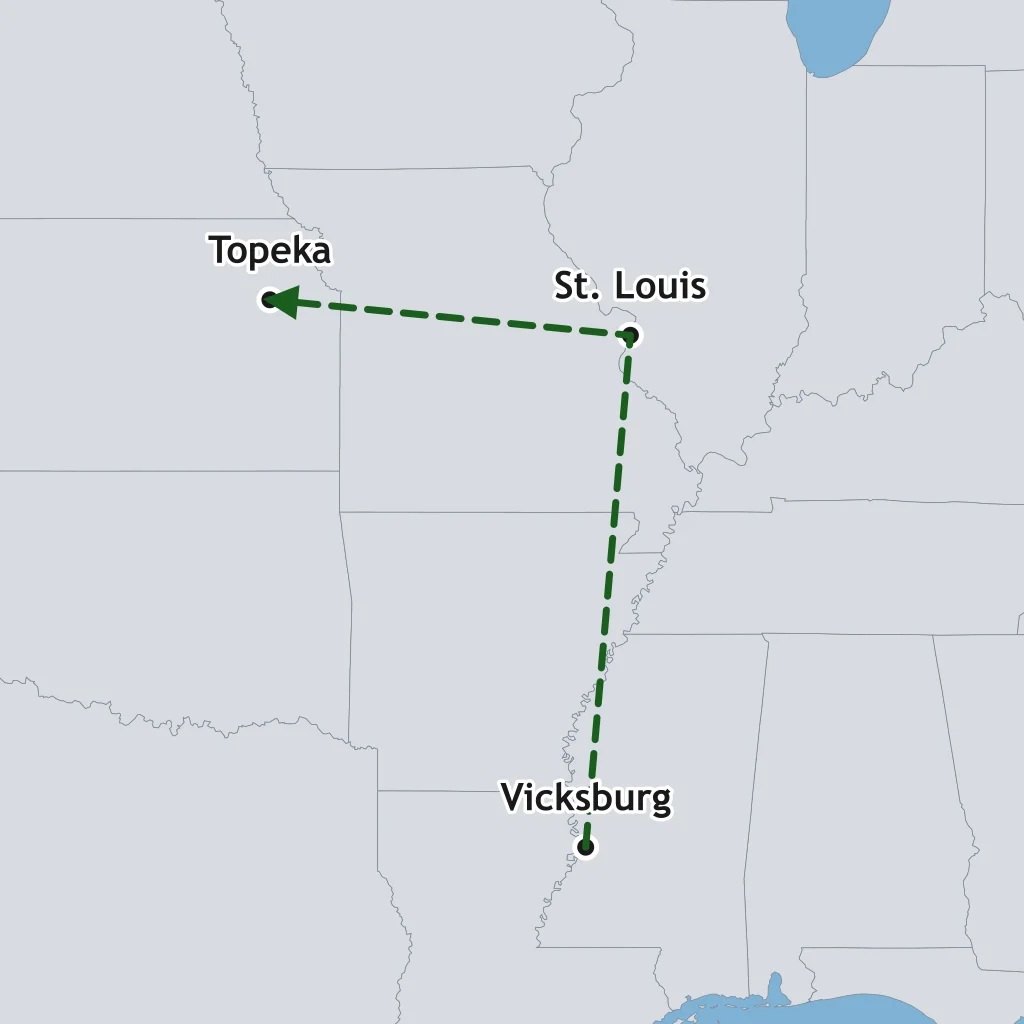
Use the map. In 1879 thousands of Black families known as Exodusters left the Deep South along the arrow shown, seeking homestead land and an escape from Redemption-era violence. Which state did the arrow reach?
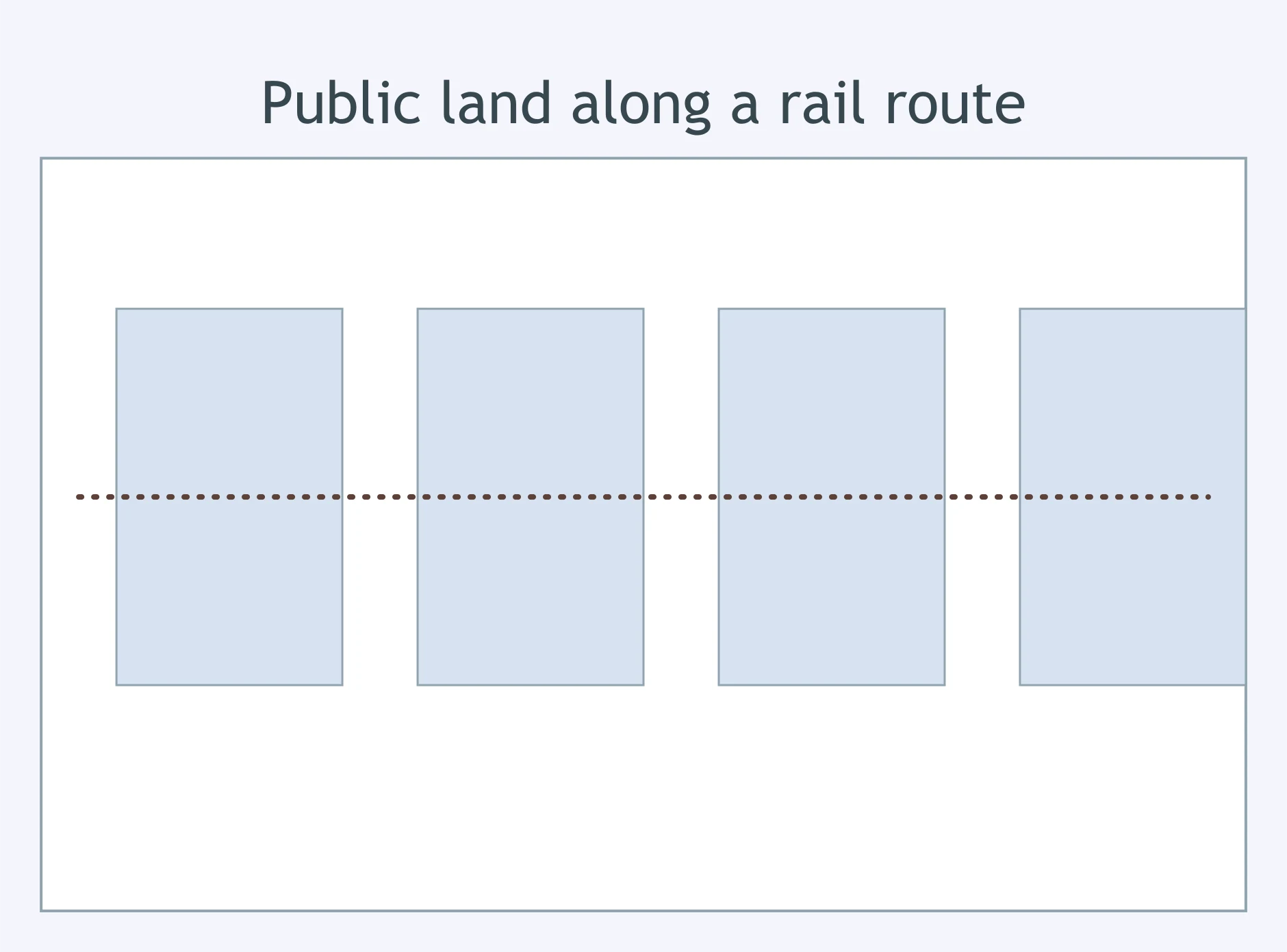
Use the map. The shaded blocks are sections of public land that alternate along the route of a new western rail line. Why did Congress lay them out that way?
A federal law of 1862 offered any head of household 160 acres of surveyed public land for a small filing fee, on condition of living on the claim and improving it for five years. Which law is described?
Another 1862 law gave each state a block of public land to sell, with the proceeds endowing colleges teaching agriculture and the mechanic arts. Which law is described?
This 1862 law chartered a corporation to build west from the Missouri River, authorized a California company to build east, and paid both in government bonds and public land for every mile of track. Which law is it?
Joseph Glidden patented a cheap product in 1874 that let a farmer enclose a field on treeless plains where split-rail and board fencing were impossible. What was it?
Prairie sod was so tough and sticky that cast-iron plow blades clogged and had to be scraped clean every few feet. Which tool solved that and let farmers break the sod quickly?
An 1873 law let a settler claim a further 160 acres of public land at no purchase price if the settler planted and kept trees on part of it for a term of years. Which law is described?
Which group made up the large majority of the crews who graded, blasted and tunneled the transcontinental line through the Sierra Nevada in the 1860s?
A silver strike brings 5,000 people to a Nevada canyon in a single season. Saloons, a bank and a newspaper open within months, and rents run higher than in San Francisco. What is such a settlement called?
Homesteaders reaching the central plains found almost no timber for miles in any direction. What did most of them build their first house out of?
A plains claim often had no stream on it, and water lay hundreds of feet down. Which technology let a family lift that water day after day without hired labor?
West of about the 100th meridian, average rainfall runs under 20 inches a year, too little for eastern methods. Which farming practice did plains homesteaders adopt in response?
A plains family in the 1870s had no woodlot and could not afford hauled coal. What did they most often burn to cook and to get through winter?
In 1874 swarms of Rocky Mountain locusts darkened the sky from Dakota to Texas and stripped fields bare in hours. What did many plains homesteaders do in the year that followed?
Kansas farmers blamed Texas longhorns for carrying a tick fever that killed local cattle, and the legislature kept pushing the quarantine line farther west. How did the cattle trade respond?
Through the 1870s wheat prices fell while railroads charged more to haul a bushel from an isolated plains depot than from a competitive junction. What did plains farmers do about it?
As ranchers strung barbed wire across the open range in the early 1880s, some fences enclosed water holes and blocked public roads. How did small ranchers and drovers shut out by the wire respond?
Congress set the homestead claim at 160 acres, an ample farm in Ohio. Why did that same acreage defeat so many families on the high plains?
By the 1890s Texas beef no longer walked hundreds of miles to a Kansas railhead. What had replaced the long drive?
Overstocked ranges, a scorching summer, then the blizzards of the winter of 1886-87 killed cattle by the hundreds of thousands on the northern plains. What did the surviving ranchers change?
A western mining district usually began with individuals panning and sluicing surface gravels. What normally happened to the district a few years on?
By the mid-1880s the great bison herds were gone, shot out by commercial hide hunters shipping hides east by rail. What took their place on the same grass?
The 1890 census reported a change in the map of settlement that Frederick Jackson Turner built his 1893 essay on. What did it report?
After 1870 the gang plow, the seed drill, the harvester and the steam thresher spread across plains wheat country. What did that mechanization change about the farms themselves?
Crack the passcode before the zombies get in.
Answer, then swat bugs for bonus points.
Race through questions at your own speed.
Same question on every screen. Fastest wins.

Pick a tile, answer, hit bonuses and steals.
The Second Industrial Revolution and Big Business
30 questions