Loading
by BlastRoom
Follow the experimental evidence that changed the model of the atom over time.
#us_grade_8_science
20 questions
One question set, multiple game modes. Tap any game to see it in action. Not sure which to pick?
Answer to place stones and capture territory.
Outrun the snow together.
Earn blasts, then hunt the other team.
Answer to earn energy, then climb.

The class blasts through walls together.
Bid on mystery lots. Most money wins.
Sell tours. Nice, standard, or a total scam.

Answer, restock, and serve the rush.
More correct answers pulls the rope your way.
Answer, then shoot down the alien wave.
Answer, then tap to leap the frozen ridge.
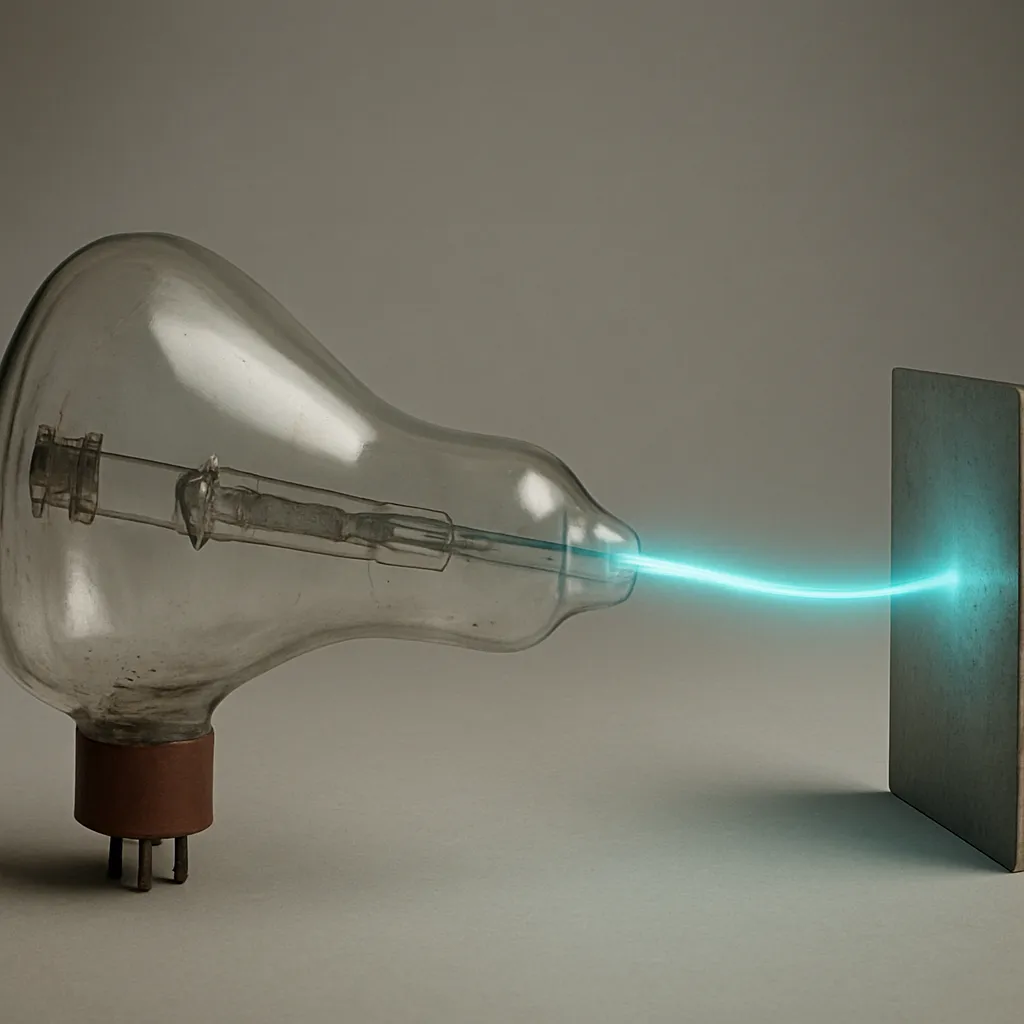
In an evacuated glass tube, a beam leaving the negative electrode bends toward a positively charged plate. The same beam appears no matter which metal the electrode is made of. What does this show?
Fast-moving positive particles were fired at gold foil only a few atoms thick. Almost all of them passed straight through without changing direction. What does that part of the result show about the atom?

In that same foil experiment, roughly one particle in several thousand rebounded sharply back toward the source. What does that rare result show?
When two elements combine, they always do so in fixed whole-number mass ratios and never in smoothly varying amounts. What does this evidence support about matter?
Samples of one element were found with the same chemical behavior and the same nuclear charge, but with different masses. What did this force scientists to add to the model of the atom?
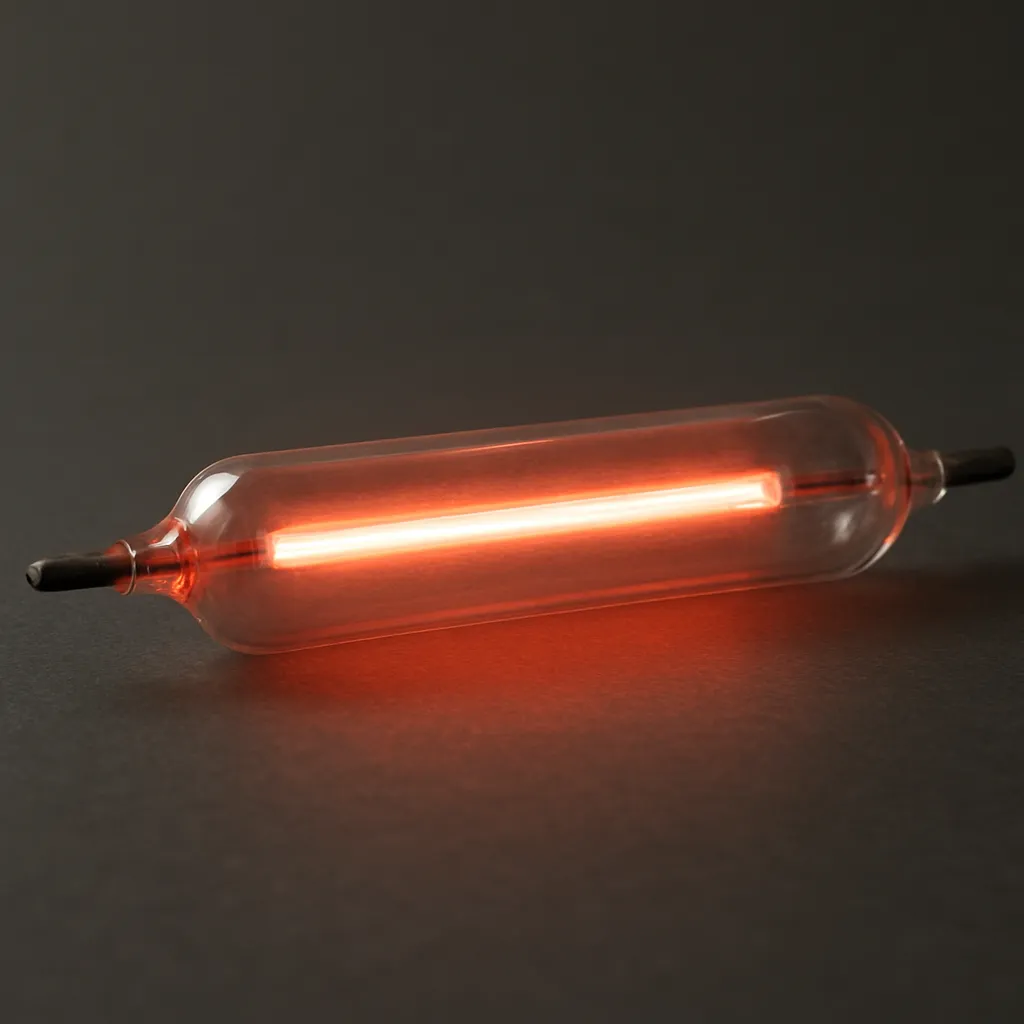
Hydrogen gas in a discharge tube glows and gives off only a few sharp colors of light rather than a continuous rainbow. What does this show about the atom's electrons?
Listed by increasing atomic mass, a few elements landed in groups whose reactivity did not fit. Listing them by nuclear charge instead corrected every one of those cases. What does this show?
A beam of electrons sent through a thin crystal made a pattern of rings on a screen, the kind of pattern waves produce. What does this show about electrons in atoms?

A model puts nearly all of an atom's mass and all of its positive charge in a tiny central region, with the negative particles moving through the mostly empty space around it. Which model is described?
One model keeps each electron on a fixed circular path at a set energy, allowing jumps from one path to another but no energies in between. Which model is described?
In one model no electron has a definite path. Each one is described only by a region around the nucleus where it is likely to be found. Which model is described?
An early model treated atoms as the smallest possible pieces of matter, identical for a given element and with nothing inside them. Which model is described?
Which model was the first to place negatively charged particles inside the atom, holding them in a spread-out positive material that filled the whole atom?
In the model of the atom accepted today, where are the protons and neutrons, and where are the electrons?
A widely taught picture of the atom is set aside and a different one is taught instead. In science, what brings that about?
Which observation could the model of negative particles held in a spread-out positive material NOT account for?
What can the current model of the atom explain that the solid indivisible sphere model cannot?
The current picture of the atom explains every result scientists have collected so far. Why is it still called a model?
Each new model of the atom threw out every idea from the model that came before it.
Elements in the same column of the periodic table react in similar ways. Which feature of the current atomic model accounts for that similarity?
Crack the passcode before the zombies get in.
Answer, then swat bugs for bonus points.
Race through questions at your own speed.
Same question on every screen. Fastest wins.

Pick a tile, answer, hit bonuses and steals.

Physical and Chemical Changes
40 questions