Loading
by BlastRoom
Track atoms through chemical reactions to show that mass is conserved.
#us_grade_8_science
40 questions
One question set, multiple game modes. Tap any game to see it in action. Not sure which to pick?
Answer to place stones and capture territory.
Outrun the snow together.
Earn blasts, then hunt the other team.
Answer to earn energy, then climb.

The class blasts through walls together.
Bid on mystery lots. Most money wins.
Sell tours. Nice, standard, or a total scam.

Answer, restock, and serve the rush.
More correct answers pulls the rope your way.
Answer, then shoot down the alien wave.
Answer, then tap to leap the frozen ridge.
In the reaction 2 H2O2 gives 2 H2O + O2, count the hydrogen atoms. How many are on each side of the arrow?
Methane burns: CH4 + 2 O2 gives CO2 + 2 H2O. How many oxygen atoms are in the products?
Ammonia forms as N2 + 3 H2 gives 2 NH3. Counting hydrogen atoms, what does each side of the arrow hold?
Potassium chlorate decomposes: 2 KClO3 gives 2 KCl + 3 O2. Which side of the arrow holds more oxygen atoms?
Propane burns: C3H8 + 5 O2 gives 3 CO2 + 4 H2O. How many hydrogen atoms sit on each side of the arrow?
A model of a reaction starts with 4 nitrogen spheres and 12 hydrogen spheres, which all combine into ammonia molecules. How many hydrogen spheres are in the products?
Magnesium burns: 2 Mg + O2 gives 2 MgO. Counting every atom, how many atoms are on the right side of the arrow?
Zinc reacts with acid: Zn + 2 HCl gives ZnCl2 + H2. What makes this equation balanced for chlorine?
In the equation 2 H2O gives 2 H2 + O2, there are 4 hydrogen atoms before the arrow and 4 hydrogen atoms after it.
Limestone decomposes when heated: CaCO3 gives CaO + CO2. How many oxygen atoms are there after the arrow?
In a sealed flask, 4 g of hydrogen reacts completely with 32 g of oxygen, and water is the only product. What mass of water forms?
In a sealed container, 12 g of carbon burns completely in 32 g of oxygen, forming only carbon dioxide. What mass of carbon dioxide is produced?
In a sealed vessel, 16 g of methane burns in oxygen. The products are 44 g of carbon dioxide and 36 g of water. What mass of oxygen reacted?
A sealed tube holds 14 g of iron filings and 8 g of sulfur. Heating them makes iron sulfide, the only product. What is its mass?
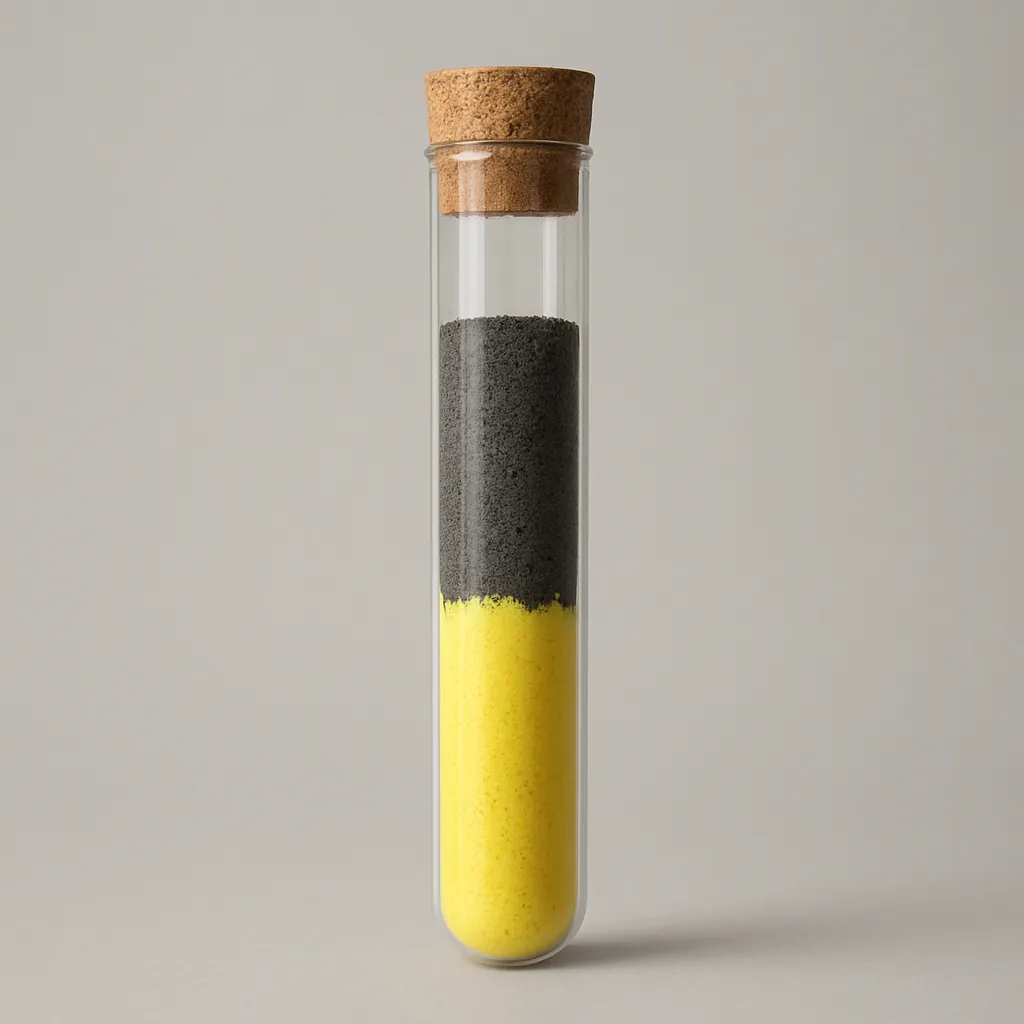
In a sealed vessel, 50 g of calcium carbonate is heated until it fully decomposes into 28 g of calcium oxide and carbon dioxide gas. What mass of carbon dioxide forms?
A stoppered flask holds 120 g of one solution. Another 80 g of solution is added and a precipitate forms. What is the total mass of the flask's contents afterward?
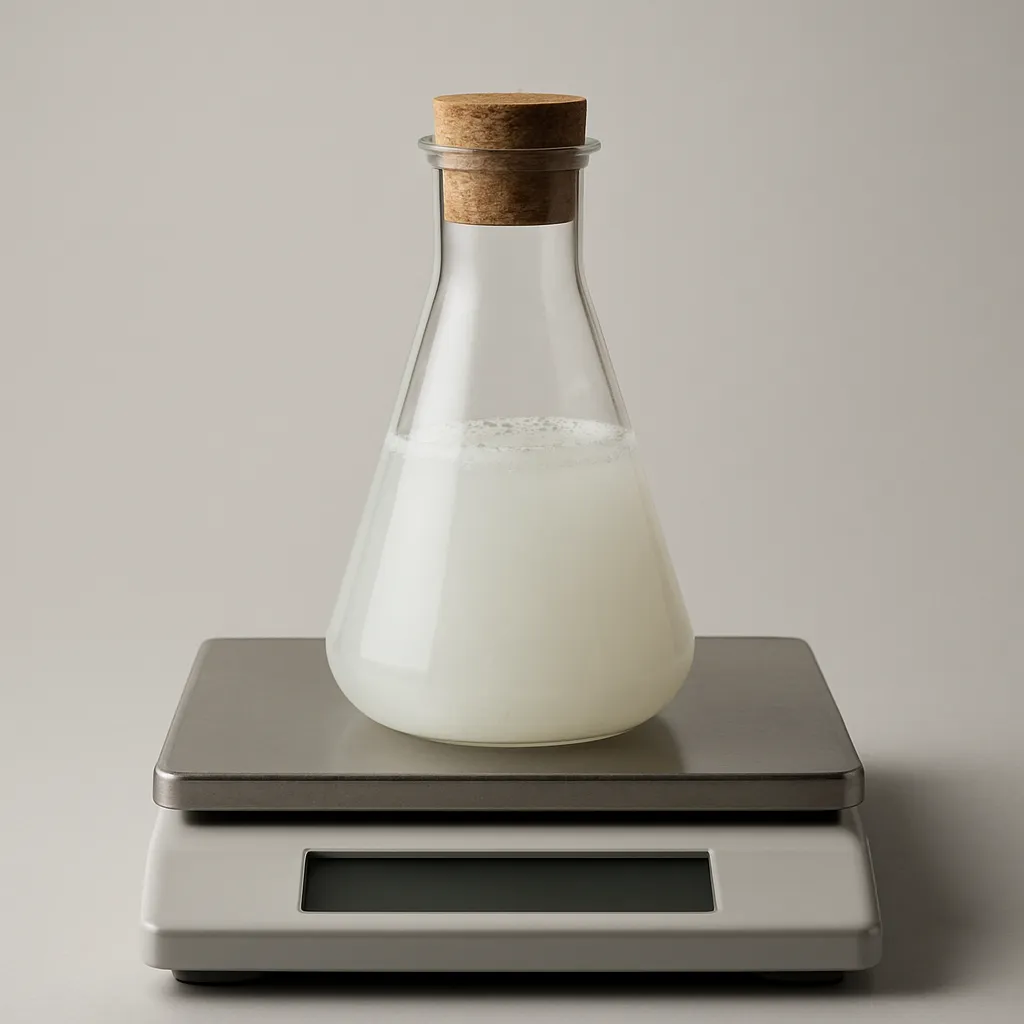
Inside a sealed container, 24 g of magnesium burns using 16 g of oxygen, and magnesium oxide is the only product. What mass of magnesium oxide forms?
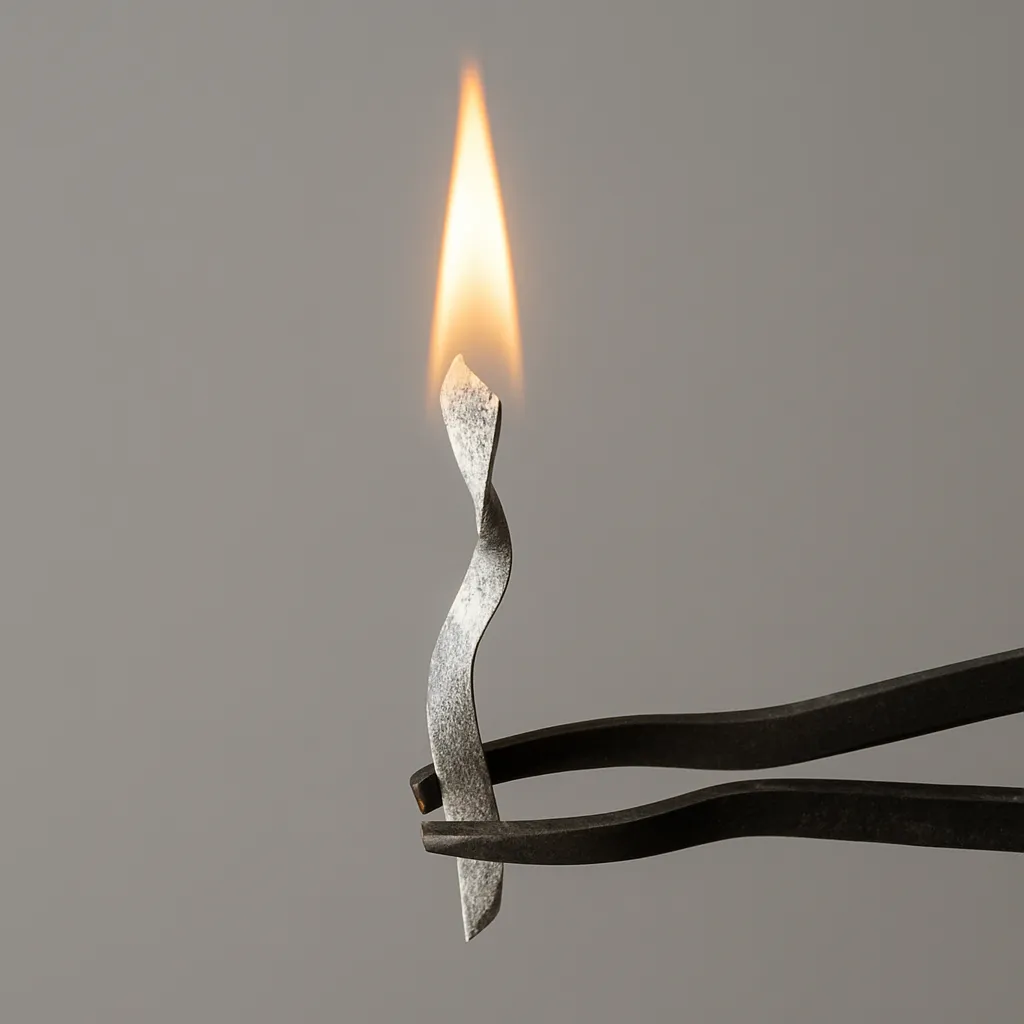
In a sealed reactor, 2 g of hydrogen reacts completely with 71 g of chlorine to make hydrogen chloride only. What mass of hydrogen chloride is made?
Electricity breaks down 36 g of water in a closed cell into hydrogen and oxygen gas. The hydrogen collected masses 4 g. What mass of oxygen was collected?
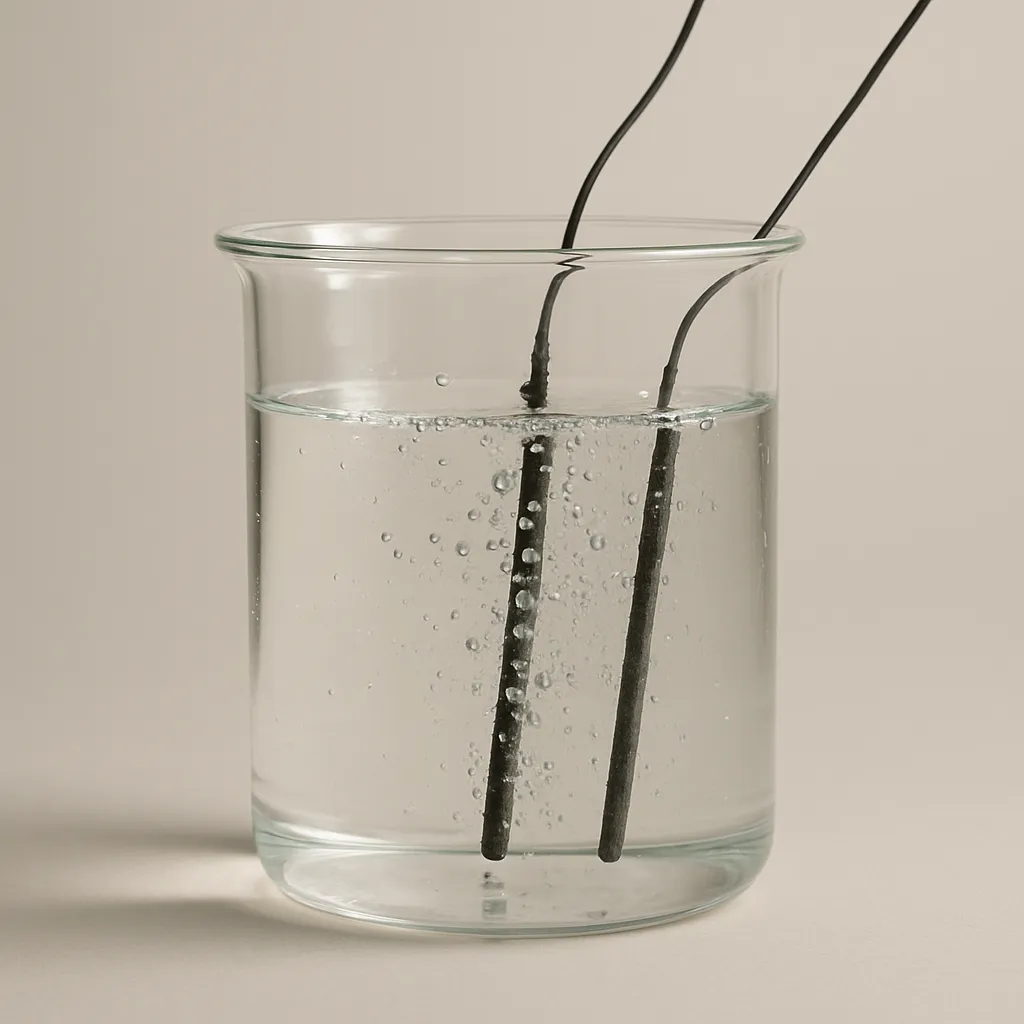
A sealed bag holds 8 g of baking soda and 92 g of vinegar. After reacting, the liquid and solid left in the bag mass 96 g. What mass of gas is in the bag?
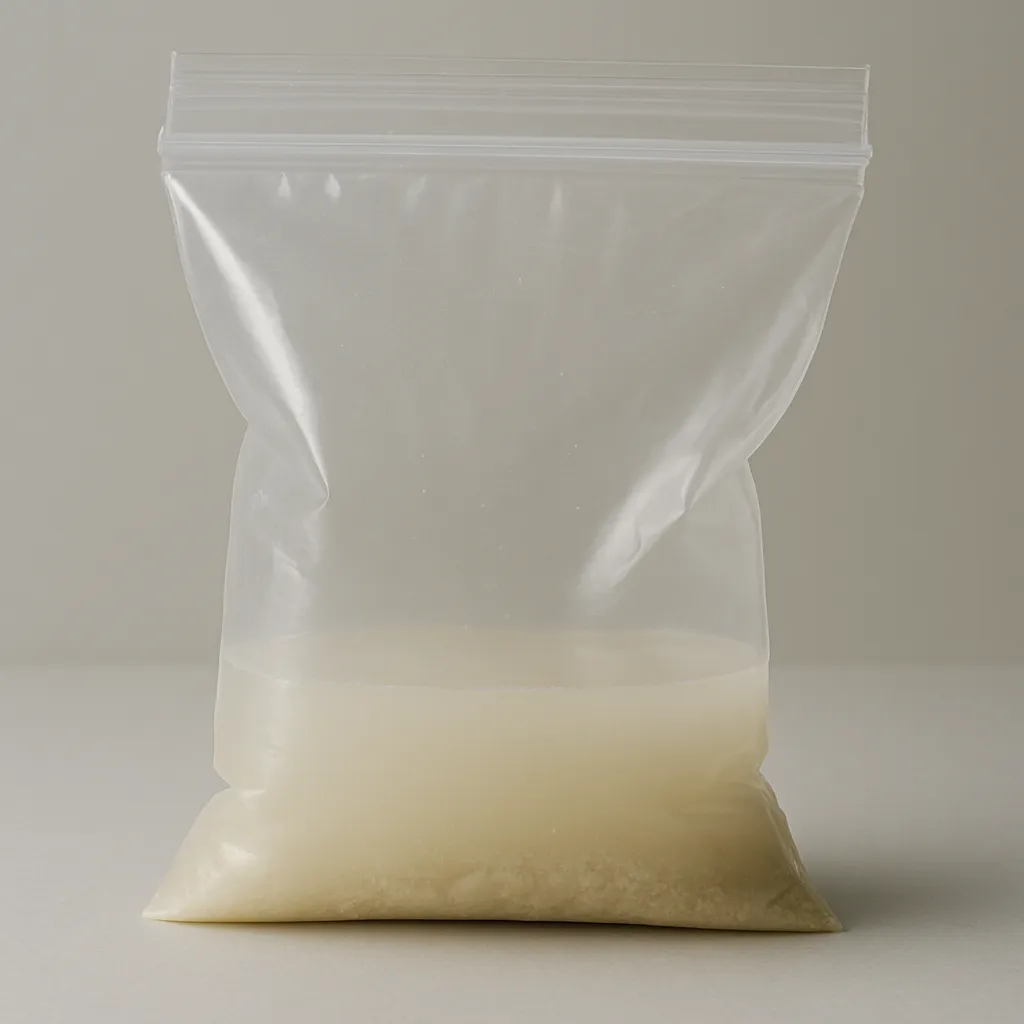
In a sealed vessel, 84 g of baking soda is heated and breaks down into 53 g of sodium carbonate, 22 g of carbon dioxide, and water vapor. What mass of water vapor forms?
Steel wool massing 5 g is sealed in a flask with 2 g of oxygen and heated until both react completely. What is the mass of the solid product?
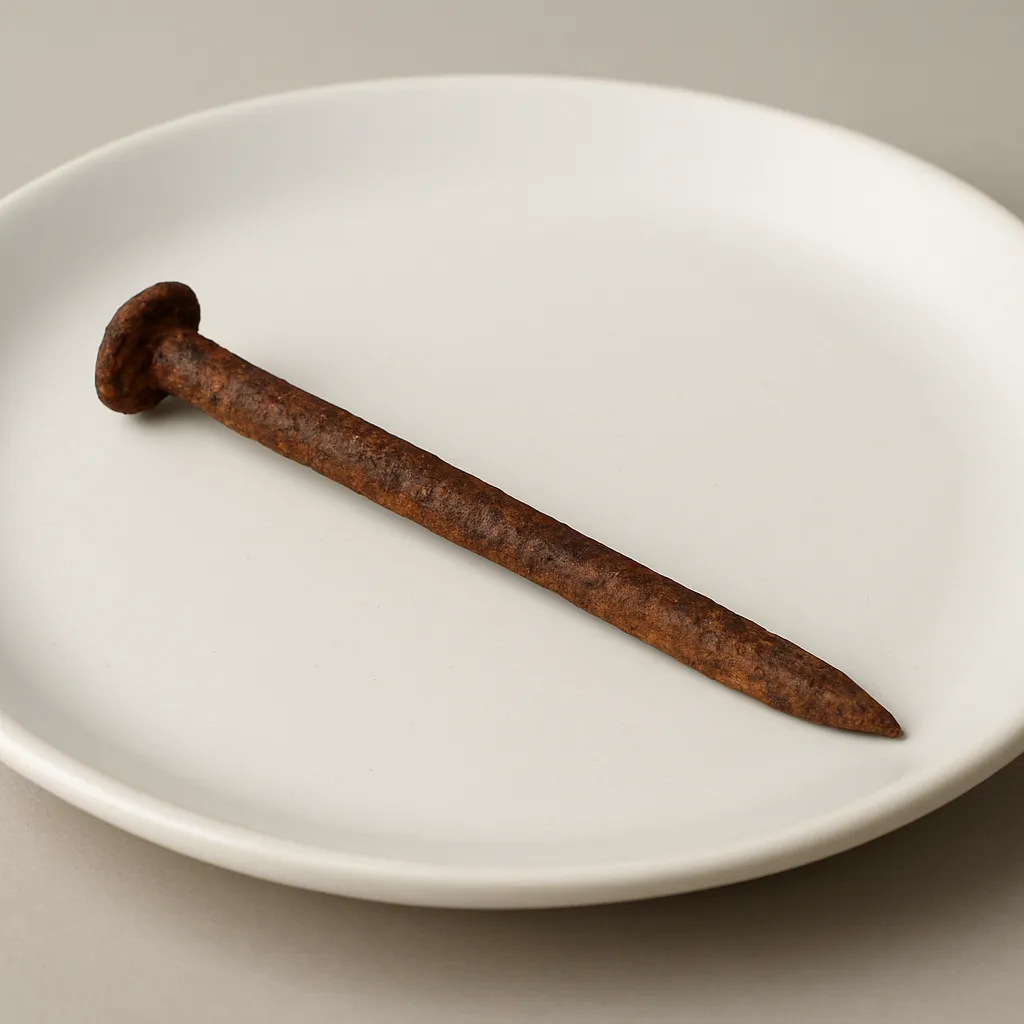
An iron nail is weighed, left in damp air for two weeks, then weighed again with all its rust. Its mass has increased. What accounts for the gain?
Baking soda is added to vinegar in an open beaker on a balance. The mixture fizzes and the reading drops. What accounts for the loss?
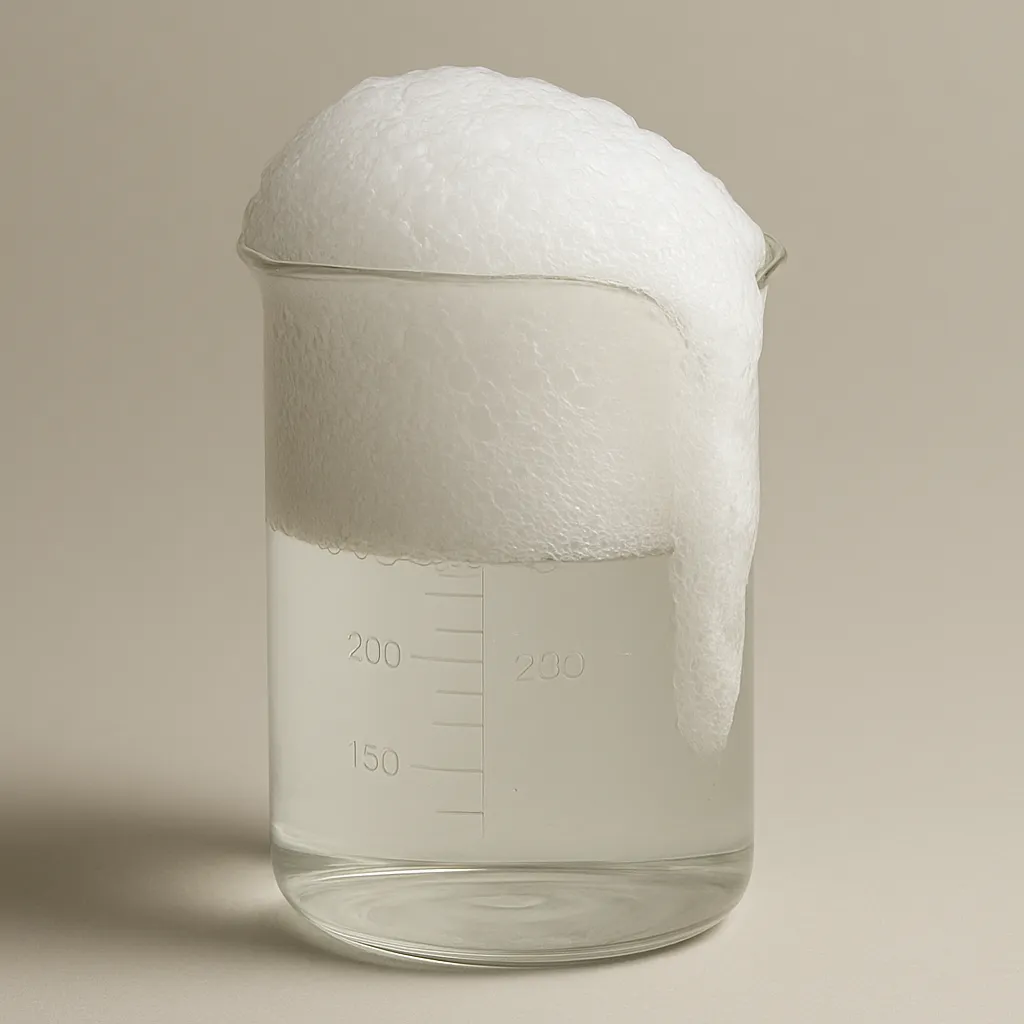
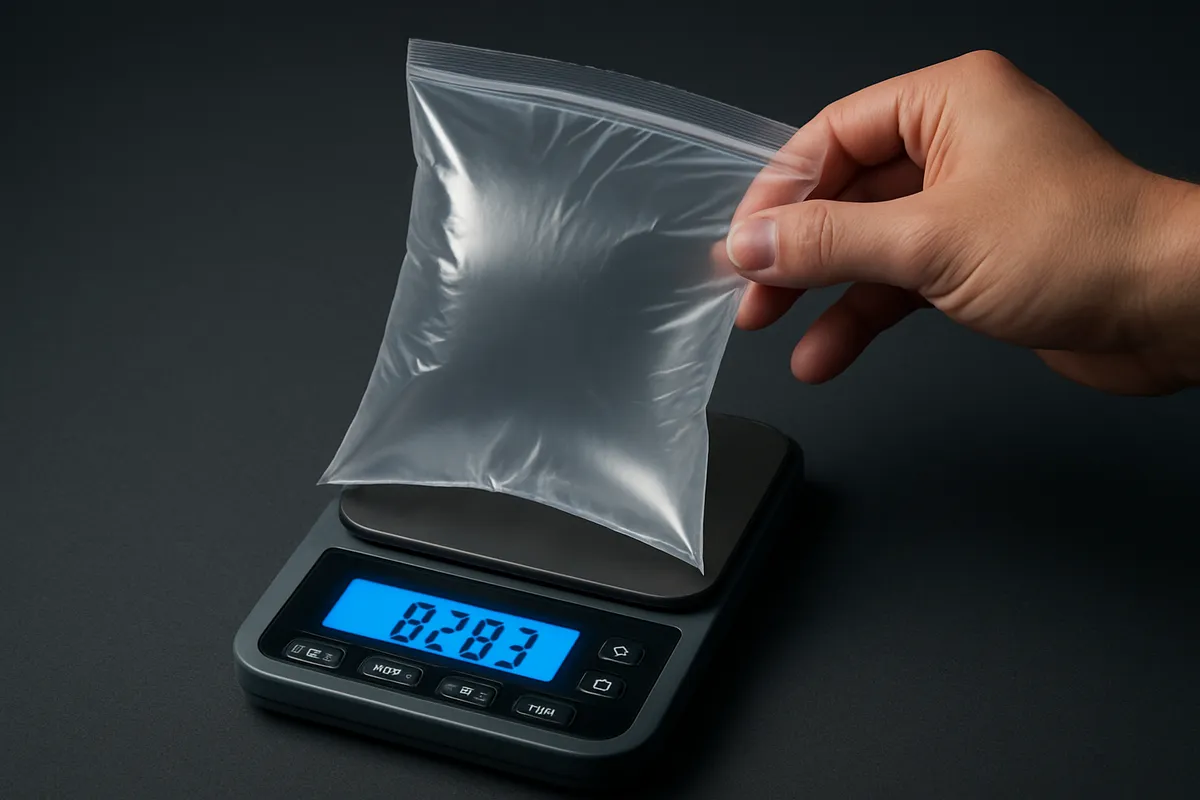
The same baking soda and vinegar react inside a sealed plastic bag on a balance. The bag puffs up, but the reading does not change. Why not?
A candle burns for an hour in an open room. The candle and holder are weighed before and after, and the mass is lower. Where did the missing mass go?
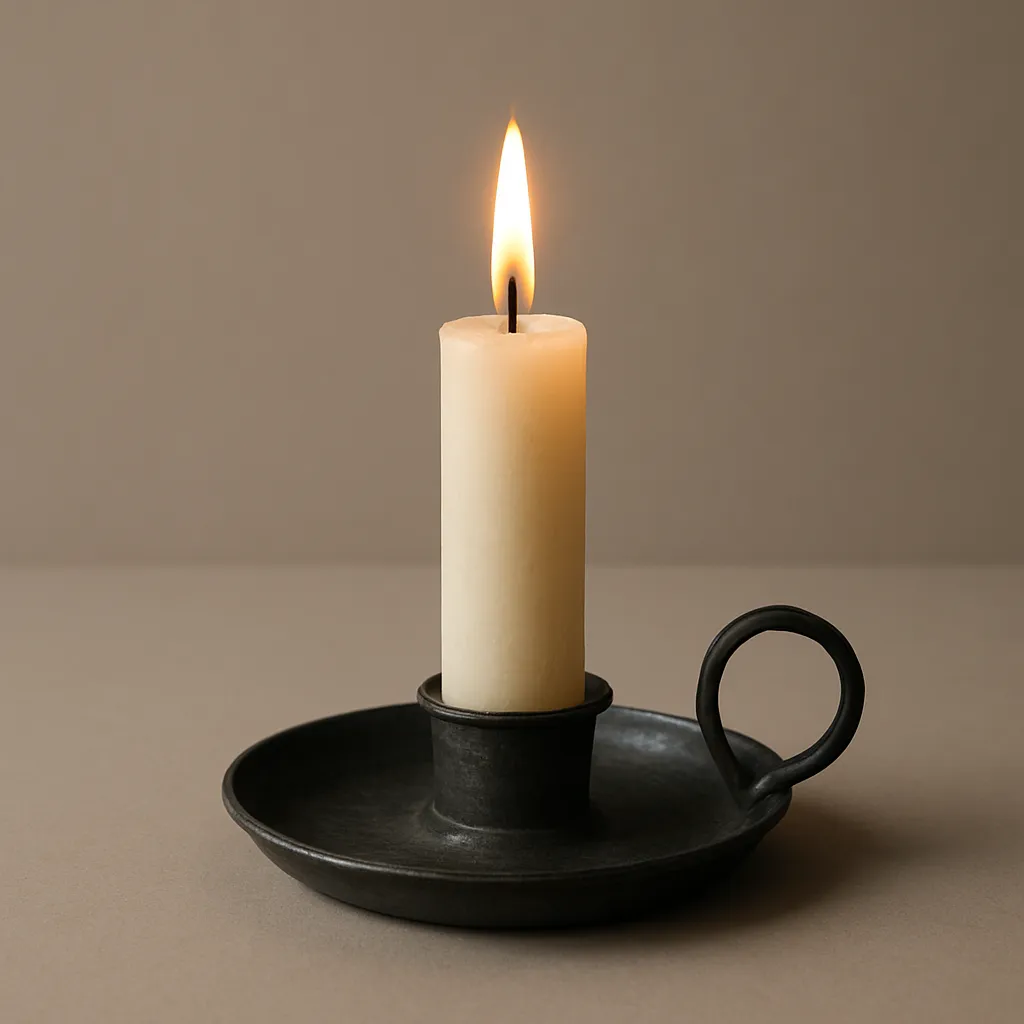
A student claims burning destroys matter, since a candle grows lighter as it burns. Which investigation result argues against that claim?
Two clear solutions are mixed in a stoppered flask and a solid precipitate appears. The balance reading does not change. What accounts for this?
Zinc is dropped into acid in an open flask on a balance. Bubbles stream up, nothing spills, and the reading falls. What accounts for the drop?
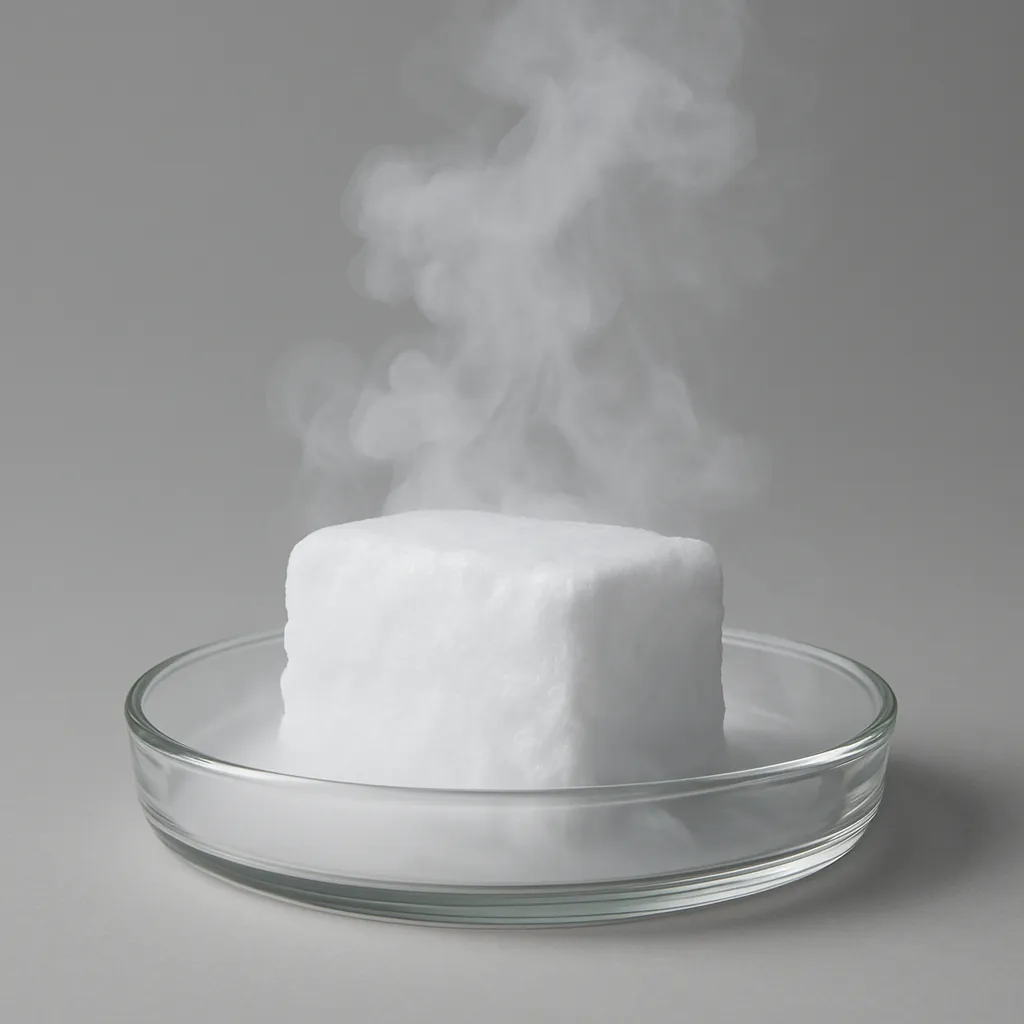
A block of dry ice sits in an open dish on a balance. It smokes, gets smaller, and the reading falls steadily. What happened to the missing mass?
Burning a sheet of paper in an open dish destroys some of the paper's atoms.
A student burns paper in an open dish and finds the ash weighs far less than the paper did. What should be measured to test whether mass was conserved?
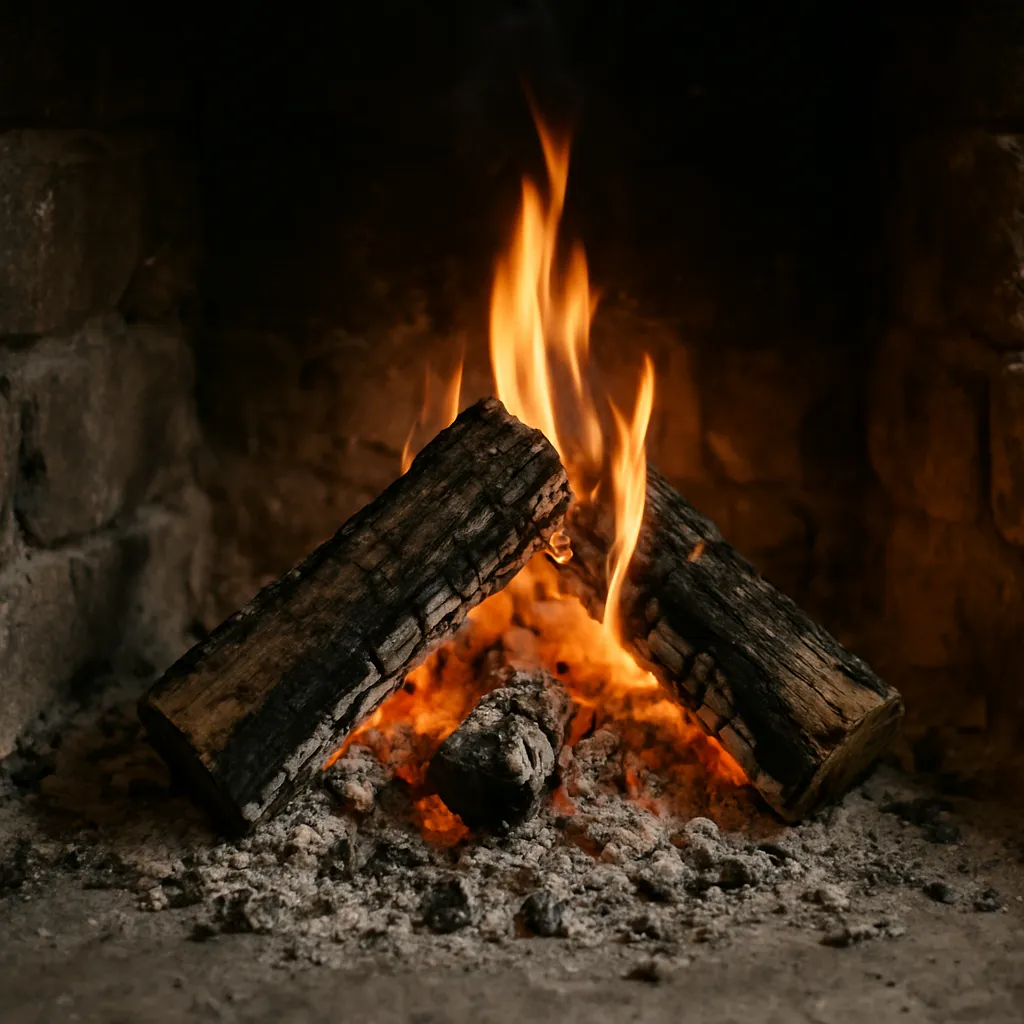
Wood burns in a fireplace until only a small heap of ash is left, weighing far less than the wood did. What happened to the atoms that were in the wood?
A silver spoon left out for months develops a black coating and weighs slightly more than before. What happened to the silver atoms at the surface?
A tree gains hundreds of kilograms of wood over its life while the soil around it barely changes mass. Where do most of the carbon atoms in the wood come from?
A car burns a full tank of gasoline and the tank empties. What happened to the carbon and hydrogen atoms that were in the fuel?
Hydrogen peroxide left in an open bottle slowly bubbles, and the liquid left behind is water. What happened to the oxygen atoms that are not in that water?
Inside a sealed bottle, yeast turns sugar into alcohol and carbon dioxide. What happened to the carbon atoms that were in the sugar?
Electricity splits water in a cell, and hydrogen and oxygen gases collect above the two electrodes. What happened to the atoms that made up the water?
When methane burns completely, the hydrogen atoms from the fuel end up in the carbon dioxide that is produced.
Crack the passcode before the zombies get in.
Answer, then swat bugs for bonus points.
Race through questions at your own speed.
Same question on every screen. Fastest wins.

Pick a tile, answer, hit bonuses and steals.
Temperature and Reaction Rate
20 questions