Loading
by BlastRoom
Decide from the evidence observed whether a change in matter is physical or chemical.
#us_grade_8_science
40 questions
One question set, multiple game modes. Tap any game to see it in action. Not sure which to pick?
Answer to place stones and capture territory.
Outrun the snow together.
Earn blasts, then hunt the other team.
Answer to earn energy, then climb.

The class blasts through walls together.
Bid on mystery lots. Most money wins.
Sell tours. Nice, standard, or a total scam.

Answer, restock, and serve the rush.
More correct answers pulls the rope your way.
Answer, then shoot down the alien wave.
Answer, then tap to leap the frozen ridge.
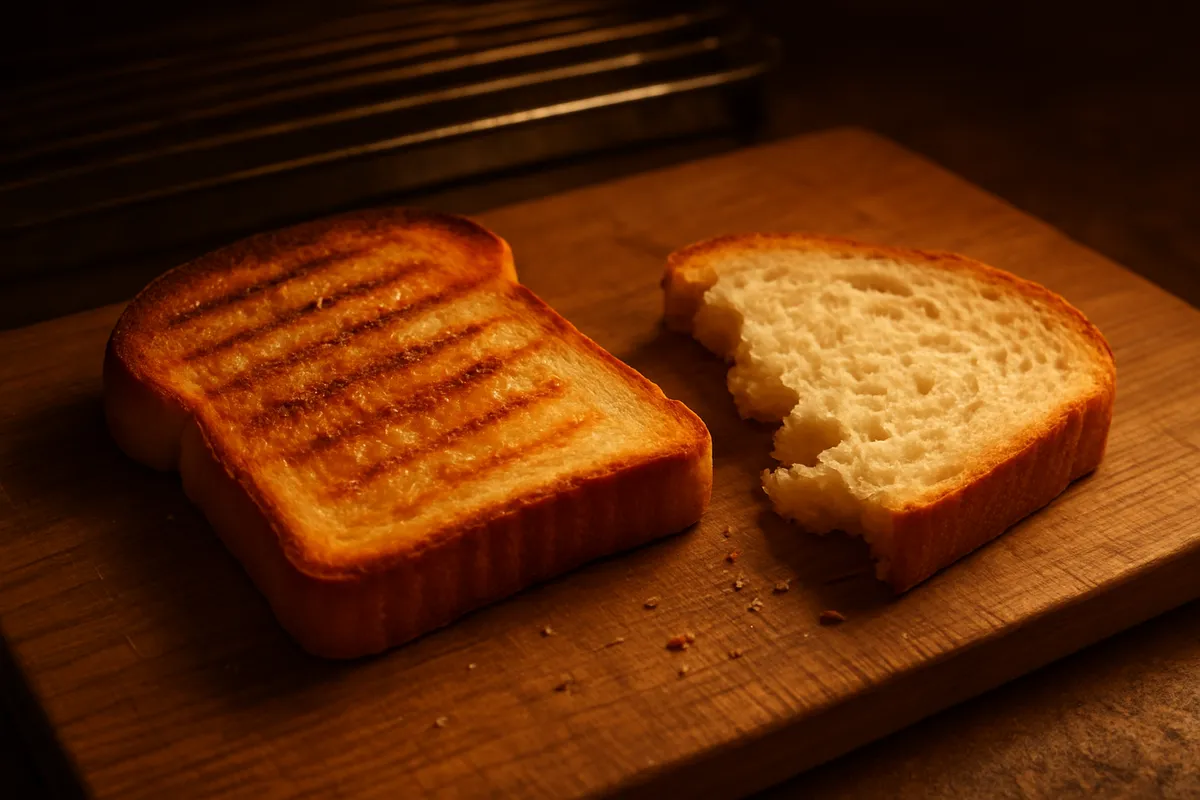
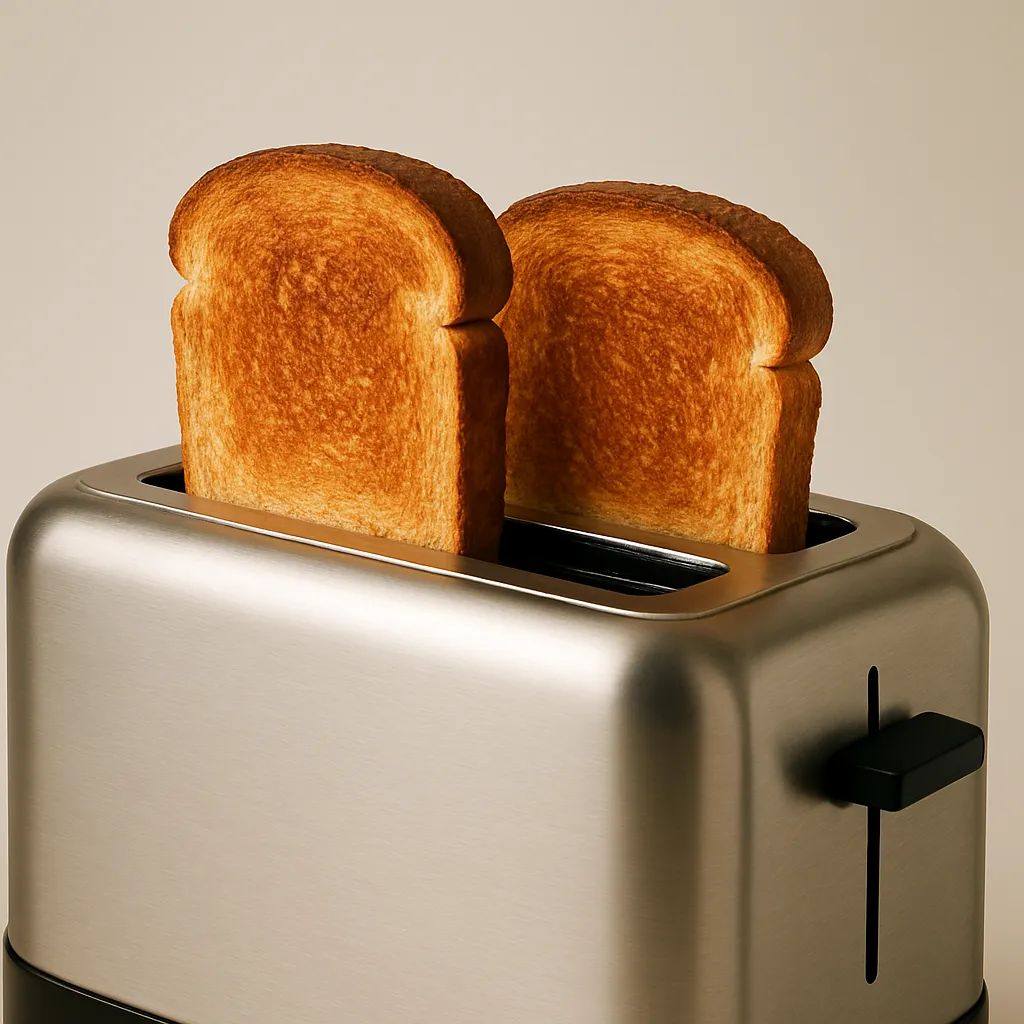
A slice of white bread is put in a toaster. It comes out brown and smells nutty, and the brown surface cannot be scraped back into white bread. What kind of change happened?
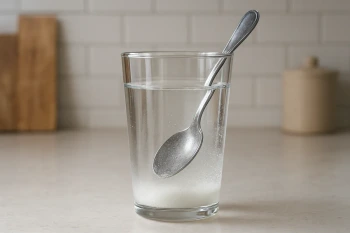
A spoonful of sugar is stirred into warm water until it disappears. The water now tastes sweet, and boiling the water away leaves white sugar crystals behind. Which kind of change was the dissolving?
Milk left out of the refrigerator for three days turns thick and sour and smells bad. Chilling it again does not make it fresh milk. What kind of change happened in the milk?
A square of aluminum foil is crumpled into a tight ball and then smoothed flat again. It is still shiny, bendable foil. What kind of change did the foil go through?
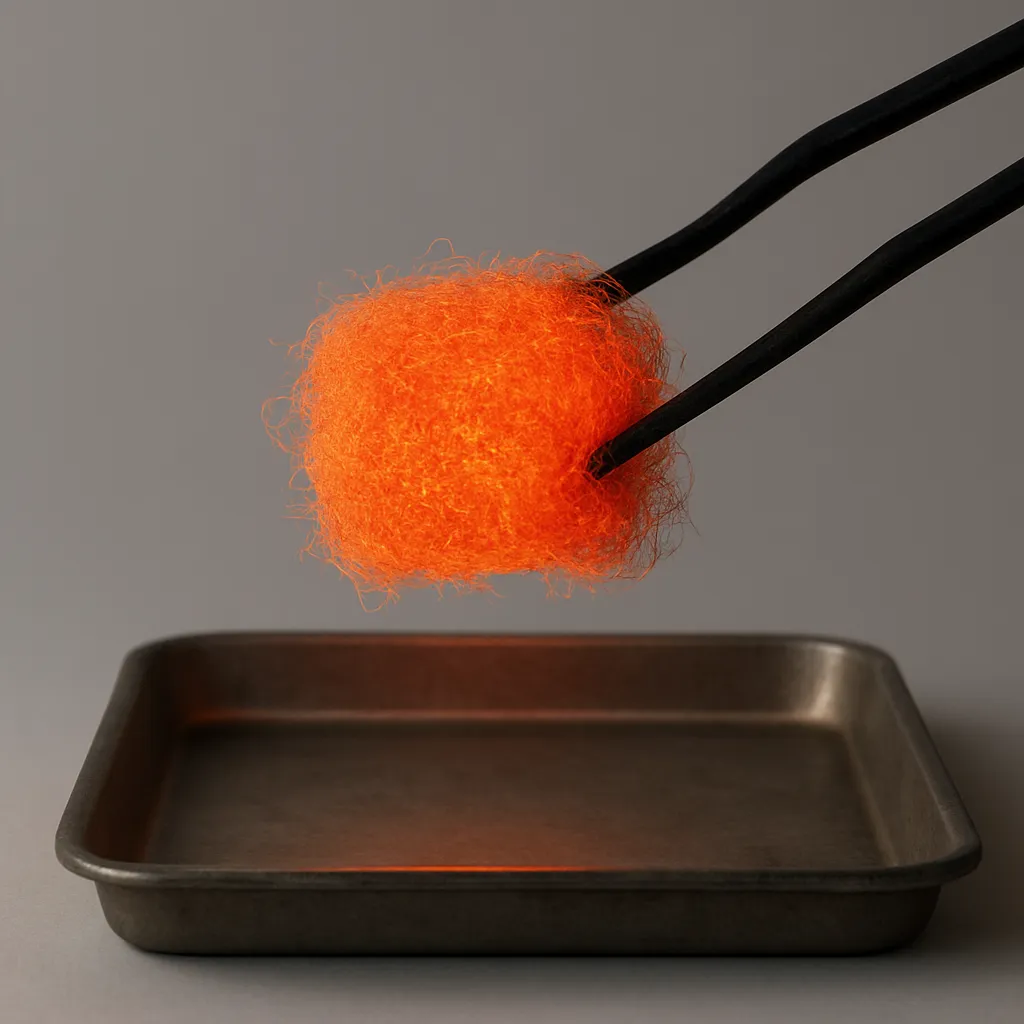
A pad of steel wool is held in a flame. It glows orange, and the black crumbly solid left behind has a greater mass than the pad did. What kind of change is this?
A block of dry ice sits on a table, slowly shrinking and giving off white fog until nothing is left. Dry ice is solid carbon dioxide. What kind of change is this?
A copper roof installed thirty years ago is no longer shiny orange-brown. It is covered in a green layer that polishing will not remove. What kind of change has the copper undergone?
A stick of white chalk is ground into fine powder. The powder still writes on a chalkboard and still fizzes in vinegar, just as the stick did. What kind of change is grinding?
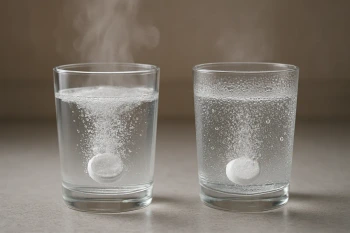
An antacid tablet is dropped into a glass of water. It fizzes for a minute, the tablet disappears, and the gas cannot be pressed back into a tablet. What kind of change is this?
Melting butter in a warm pan is a chemical change.
A cut apple left on the counter for an hour turns brown on the cut surface, and rinsing it does not bring back the white color. What kind of change happened at that surface?
A glass bottle is knocked off a bench and shatters on the floor. Every piece is still hard, clear glass with the same density. What kind of change is this?
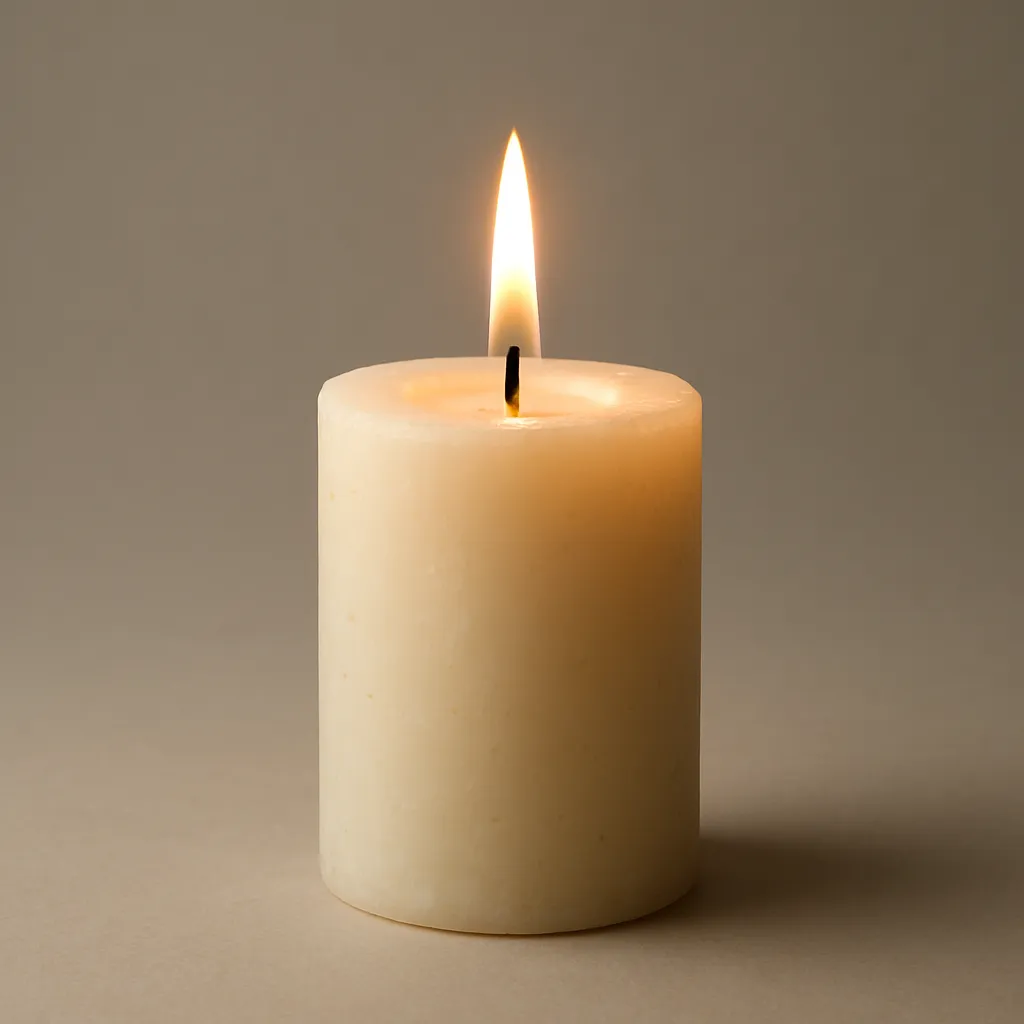
A candle burns for an hour. Wax near the wick turns to clear liquid, while at the flame the wick blackens and gas and soot rise from it. How should these two changes be classified?
A raw egg white is clear and runny. After a few minutes in a hot pan it is white and firm, and cooling it does not make it runny again. What kind of change is this?
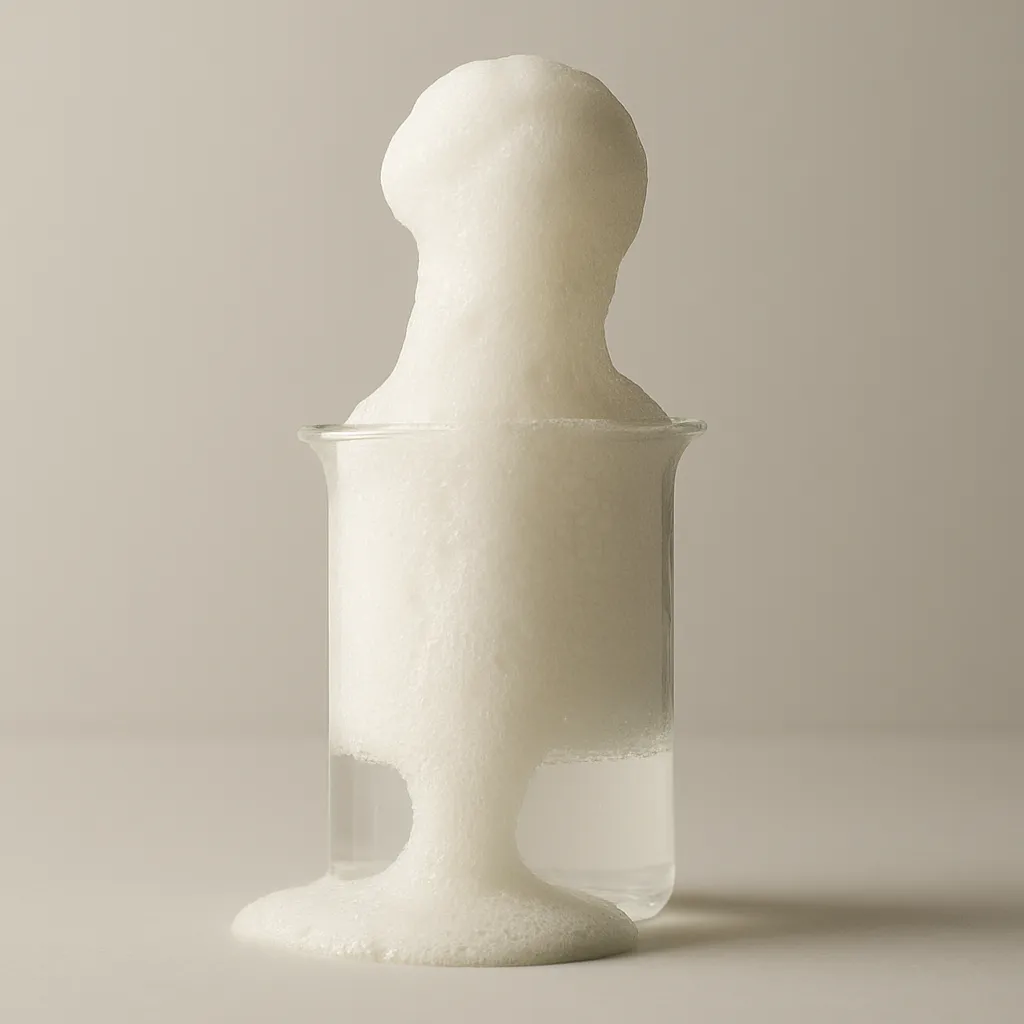
Baking soda is stirred into vinegar. The mixture bubbles hard, the beaker feels cold, and the gas given off puts out a lit splint. Which particle-level statement explains the bubbling?
Salt stirred into water disappears from sight. The water tastes salty and still passes through filter paper without leaving grains. Which particle-level statement explains what happened?
Bright iron shavings left on a damp windowsill turn orange-brown and crumbly over two weeks. Which particle-level statement explains what happened to the iron?
Water in a kettle boils and steam rises from the spout. The steam lands on a cold lid and drips back down as liquid water. Which statement describes the particles correctly?
A camping stove burns propane. The flame heats a pot, and droplets collect on the cold underside of the pot. Which particle-level statement explains the burning?
Two liquids are mixed in a sealed flask. A gas forms inside, and the total mass of the sealed flask is the same before and after. Which statement explains the unchanged mass?
A sheet of notebook paper is torn into small strips that still burn, tear, and soak up water the way the whole sheet did. Which statement about the particles explains why this is a physical change?
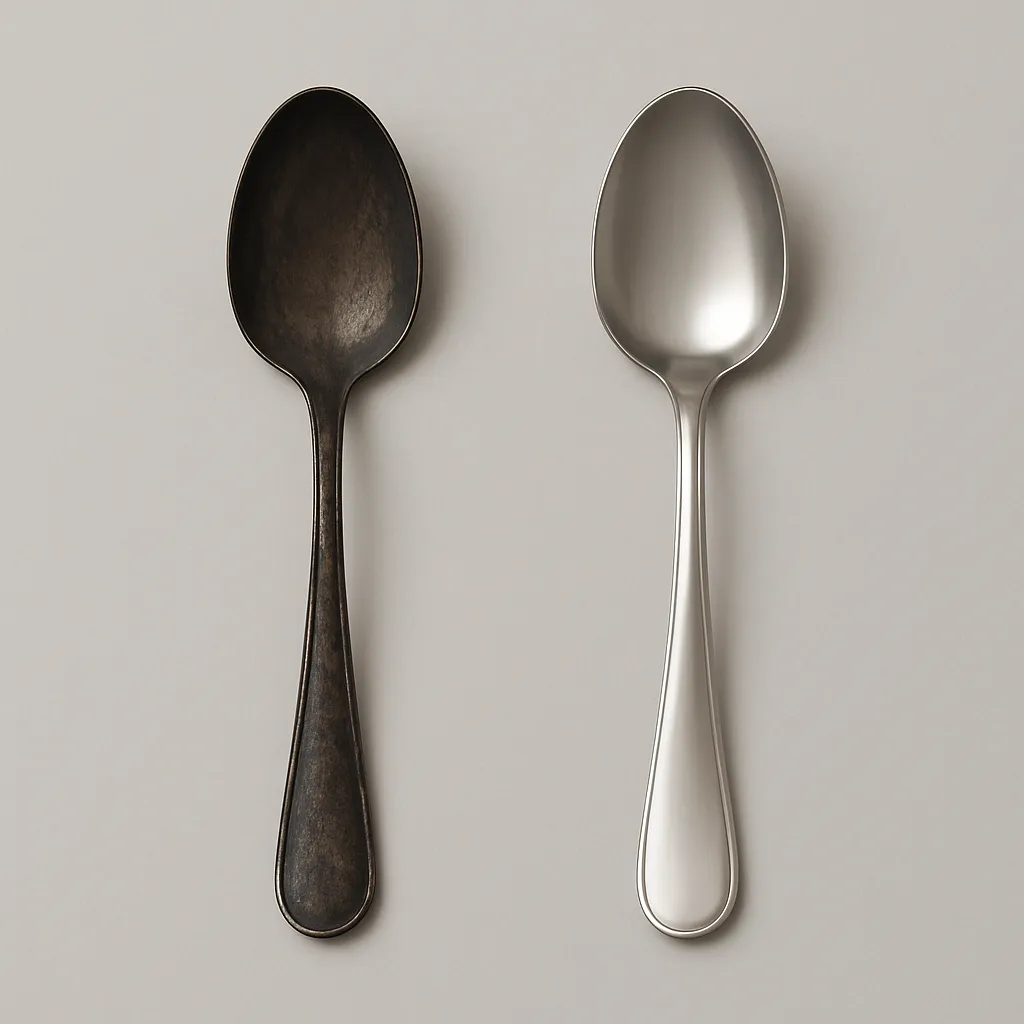
A silver spoon left in a drawer for a year develops a black film that only hard polishing removes. Which particle-level statement explains the black film?
Sugar heated in a pan turns golden, then dark brown, then black, giving off steam and a burnt smell. Which particle-level statement explains the black solid left in the pan?
When liquid water freezes into ice, the water particles stop moving completely.
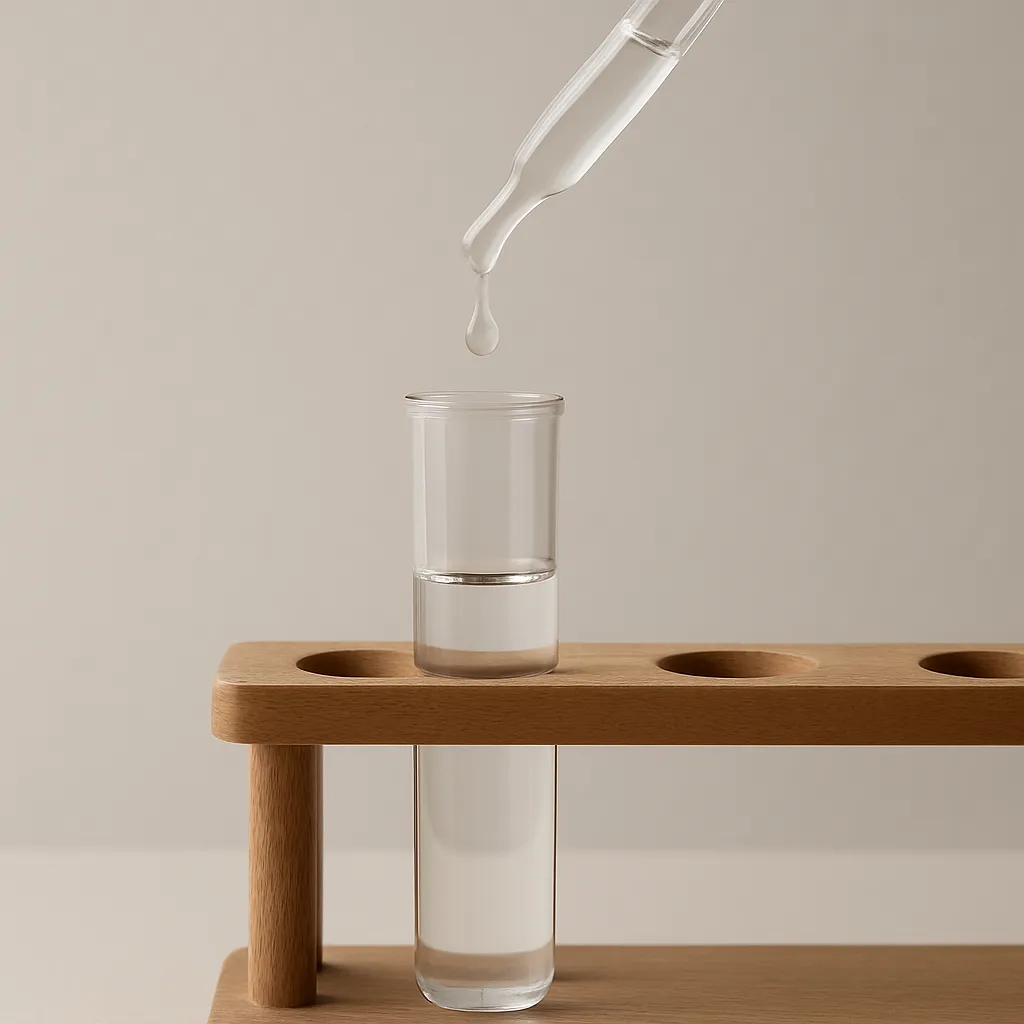
A student adds drops of one clear solution to another clear solution in a test tube at room temperature. Which observation would best show that a new substance formed?
A student mixes two white powders in water and collects the gas that bubbles off. Which result would be the deciding evidence that a chemical change occurred?
A white solid is melted in a crucible and then left to cool until it is solid again. Which observation would show that only a physical change took place?
Look at the table of properties measured before and after a magnesium ribbon was heated in air. Which entry is the strongest evidence that a new substance formed?
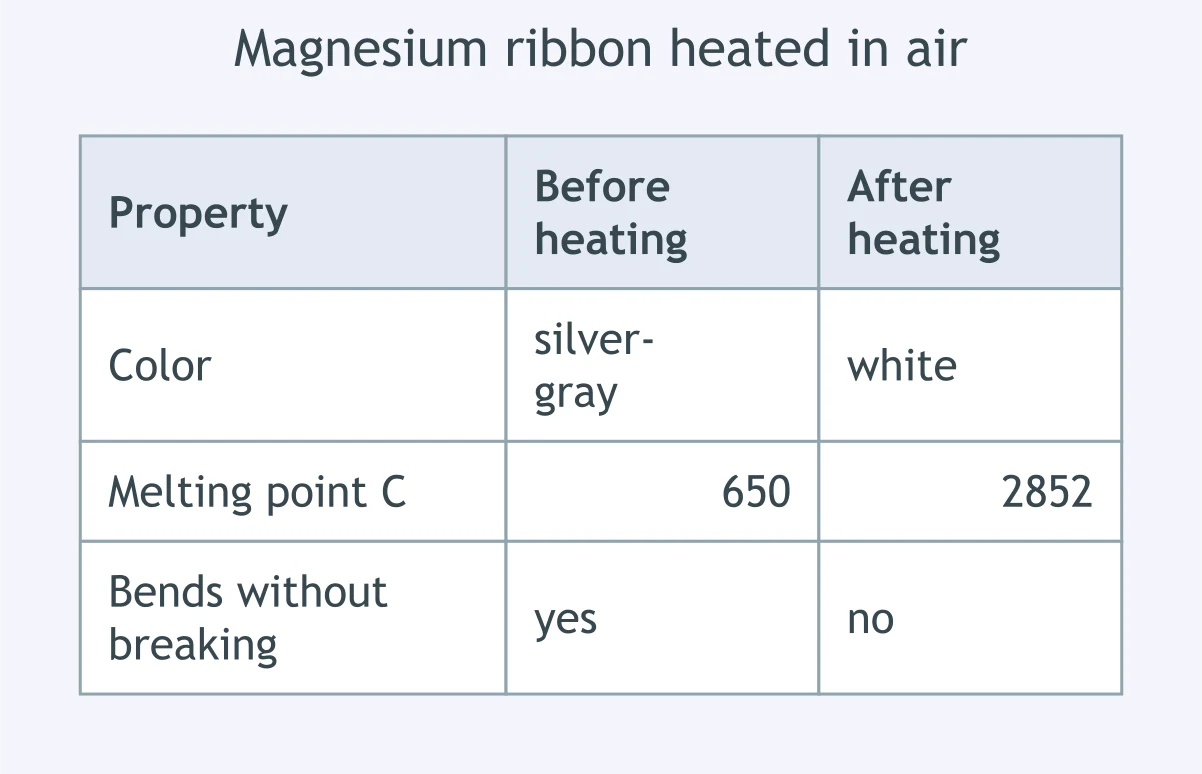
A cold metal spoon is held in a candle flame for a few seconds and then pulled out. Which observation is the deciding evidence that burning produced a new substance?
Two students each report a color change. One stirred red food coloring into water. The other toasted a marshmallow until its outside turned brown. Whose color change is evidence of a chemical change?
A student claims that any temperature rise proves a chemical change. Which physical change gives off heat and shows the claim is wrong?
Bubbles rising through water that is boiling on a stove are evidence that a chemical change is happening.
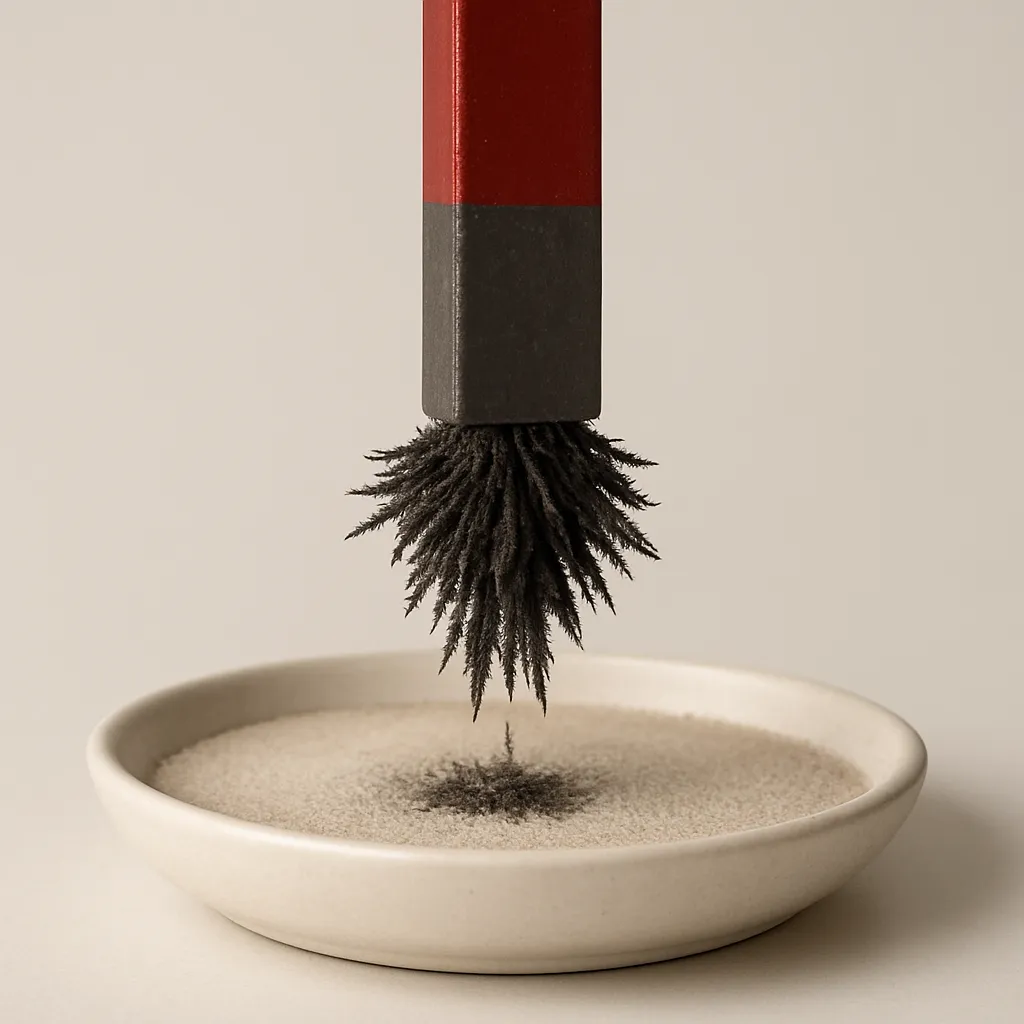
A magnet pulls iron filings back out of a dish of sand, but no magnet can pull iron out of a flake of rust. Which conclusion does this comparison support?
A frozen juice pop melts in the sun and is refrozen in the freezer. The refrozen pop tastes the same and freezes at the same temperature as before. What does this show about the melting?
Sand stirred into water can be poured through filter paper, leaving damp sand on the paper and clear water below. What does this successful separation show?
A burned match is cold, black, and crumbly. Why can no amount of cooling or pressing turn it back into an unburned match?
Ice can be warmed back into liquid water, but water that has been split into hydrogen and oxygen gas cannot be joined again by cooling. What does this difference show?
A physical change can usually be undone by a physical method such as melting, freezing, filtering, or evaporating.
A thick copper wire is pulled through a die until it is thin enough to bend by hand. It still conducts electricity and has the same reddish color and density. What do these kept properties show?
A student cuts a bar of soap in half. Both halves float, smell the same, and lather in water just as the whole bar did. What do these kept properties show?
Crack the passcode before the zombies get in.
Answer, then swat bugs for bonus points.
Race through questions at your own speed.
Same question on every screen. Fastest wins.

Pick a tile, answer, hit bonuses and steals.
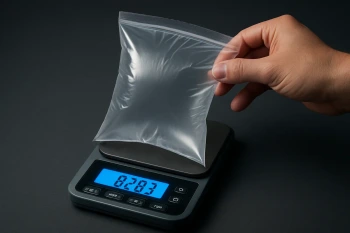
Conservation of Mass and Rearranging Atoms
40 questions