Loading
by BlastRoom
Predict, read from data, and explain at the particle level how temperature changes the speed of a chemical reaction.
#us_grade_8_science
20 questions
One question set, multiple game modes. Tap any game to see it in action. Not sure which to pick?
Answer to place stones and capture territory.
Outrun the snow together.
Earn blasts, then hunt the other team.
Answer to earn energy, then climb.

The class blasts through walls together.
Bid on mystery lots. Most money wins.
Sell tours. Nice, standard, or a total scam.

Answer, restock, and serve the rush.
More correct answers pulls the rope your way.
Answer, then shoot down the alien wave.
Answer, then tap to leap the frozen ridge.
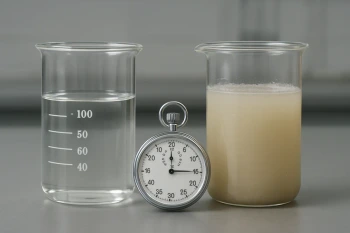
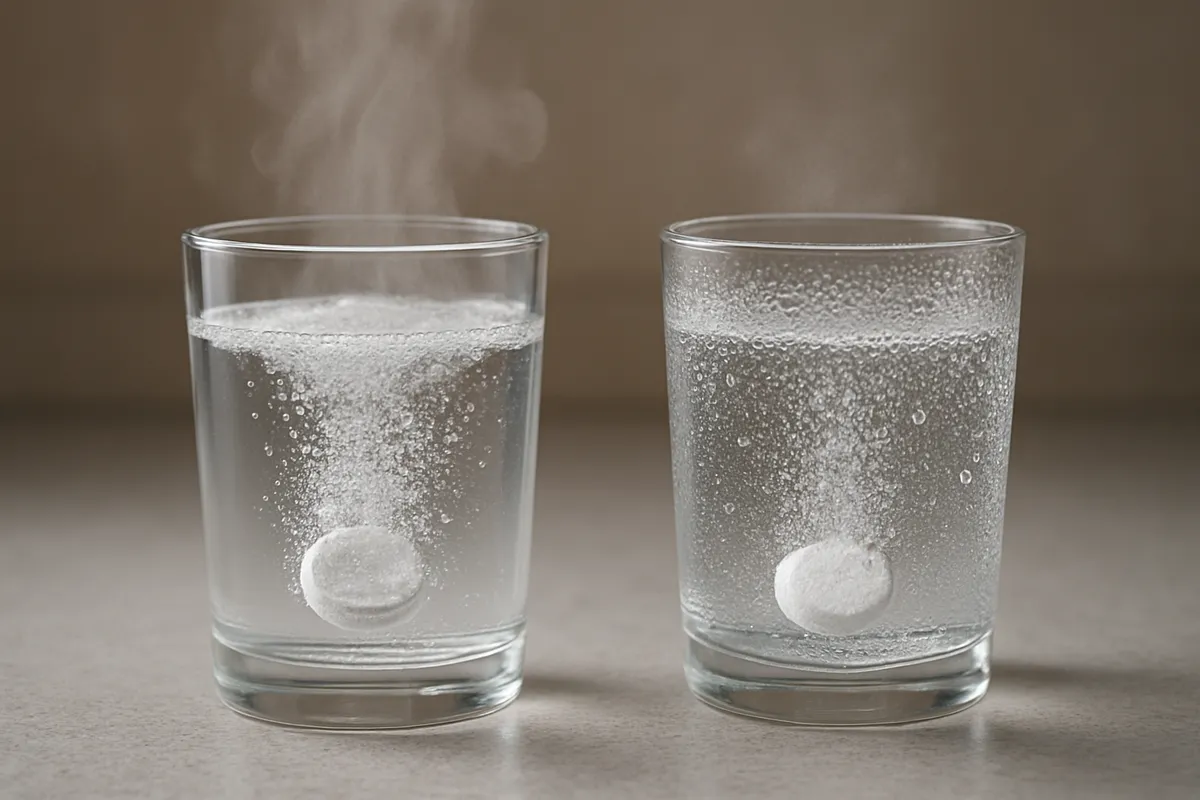
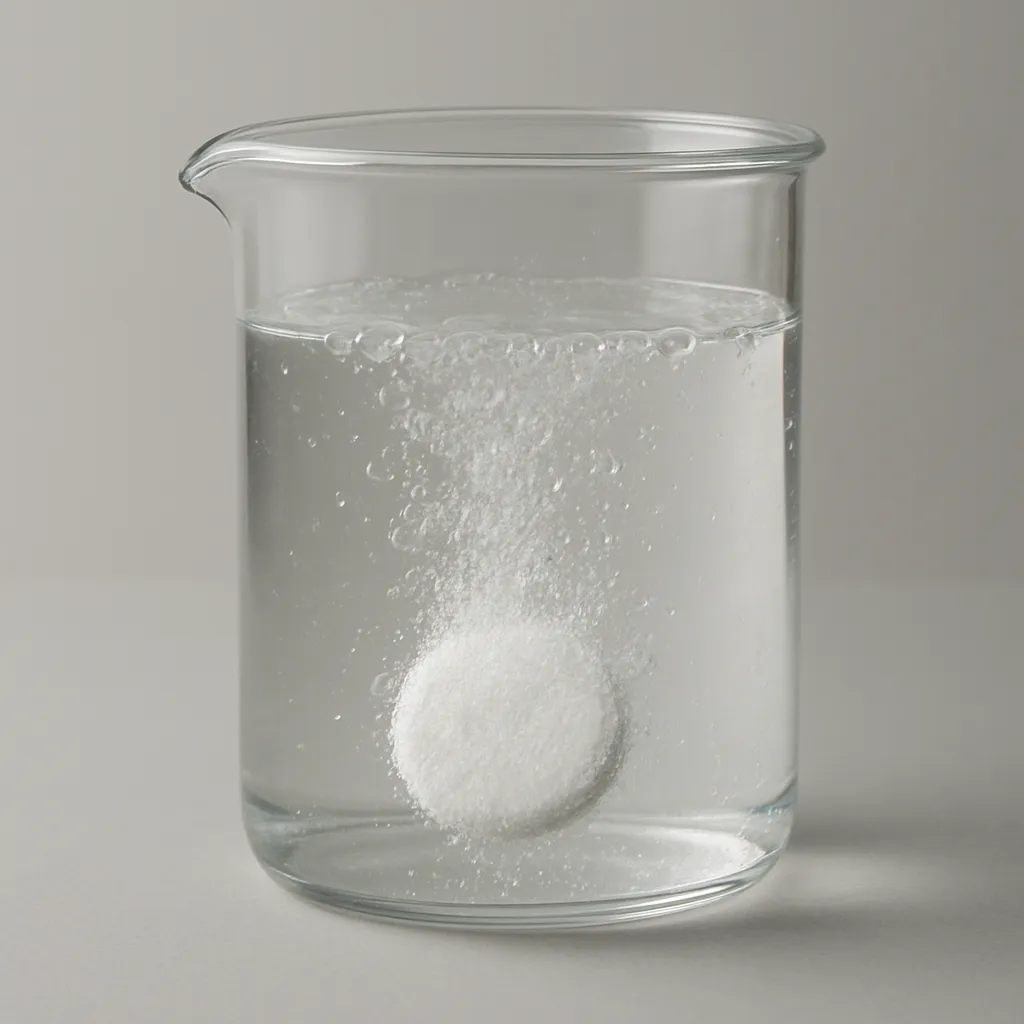
A student drops one effervescent tablet into 100 mL of water at 5 degrees C and an identical tablet into 100 mL of water at 50 degrees C. What will she most likely observe?
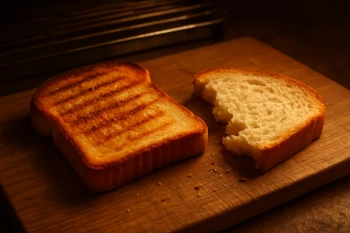
Bread dough rises because yeast gives off gas. A baker puts one bowl of dough in a warm room and an identical bowl in the refrigerator. Predict what happens over the next two hours.
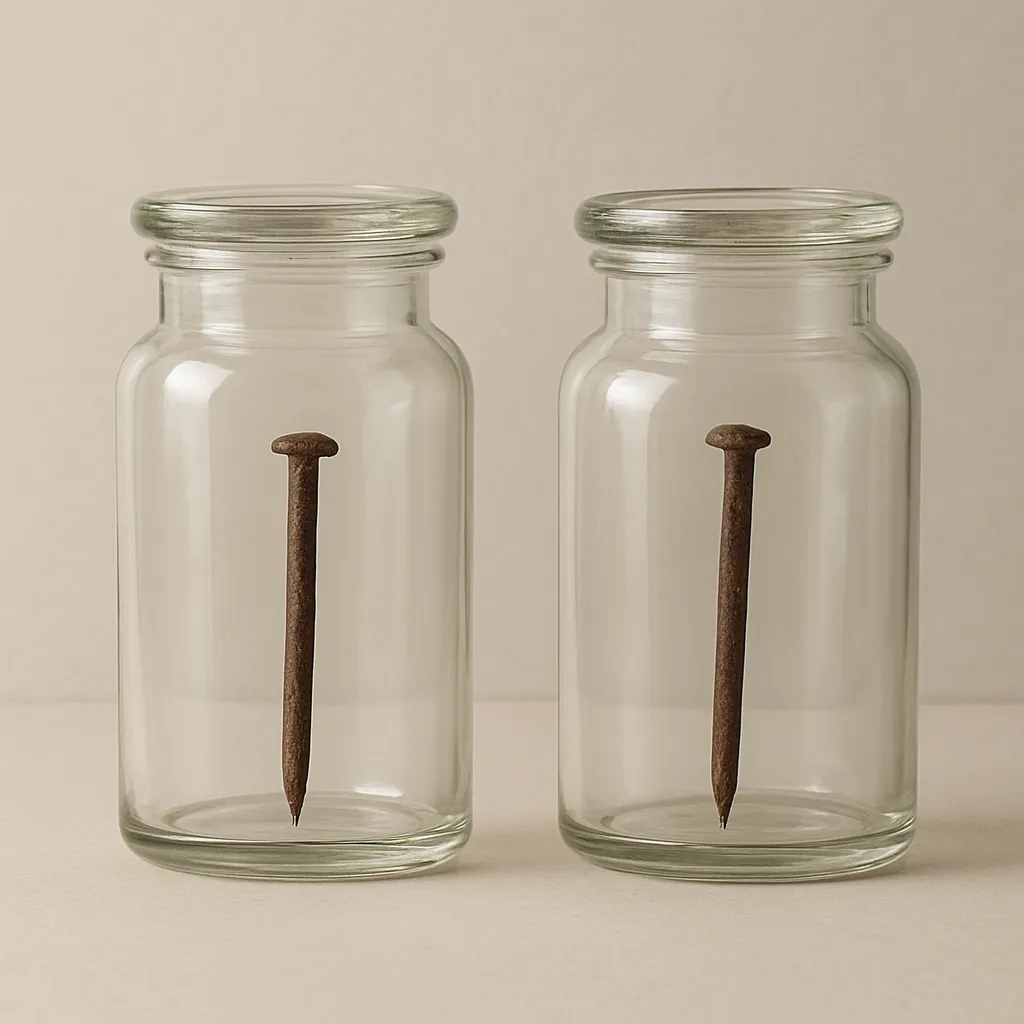
Two identical moist iron nails are sealed in separate jars of air, one kept at 30 degrees C and one at 5 degrees C. After one week, which prediction about rusting is best?
A student needs a lab reaction to finish sooner, but she may not change the chemicals or their amounts. Which change to her setup should she make?
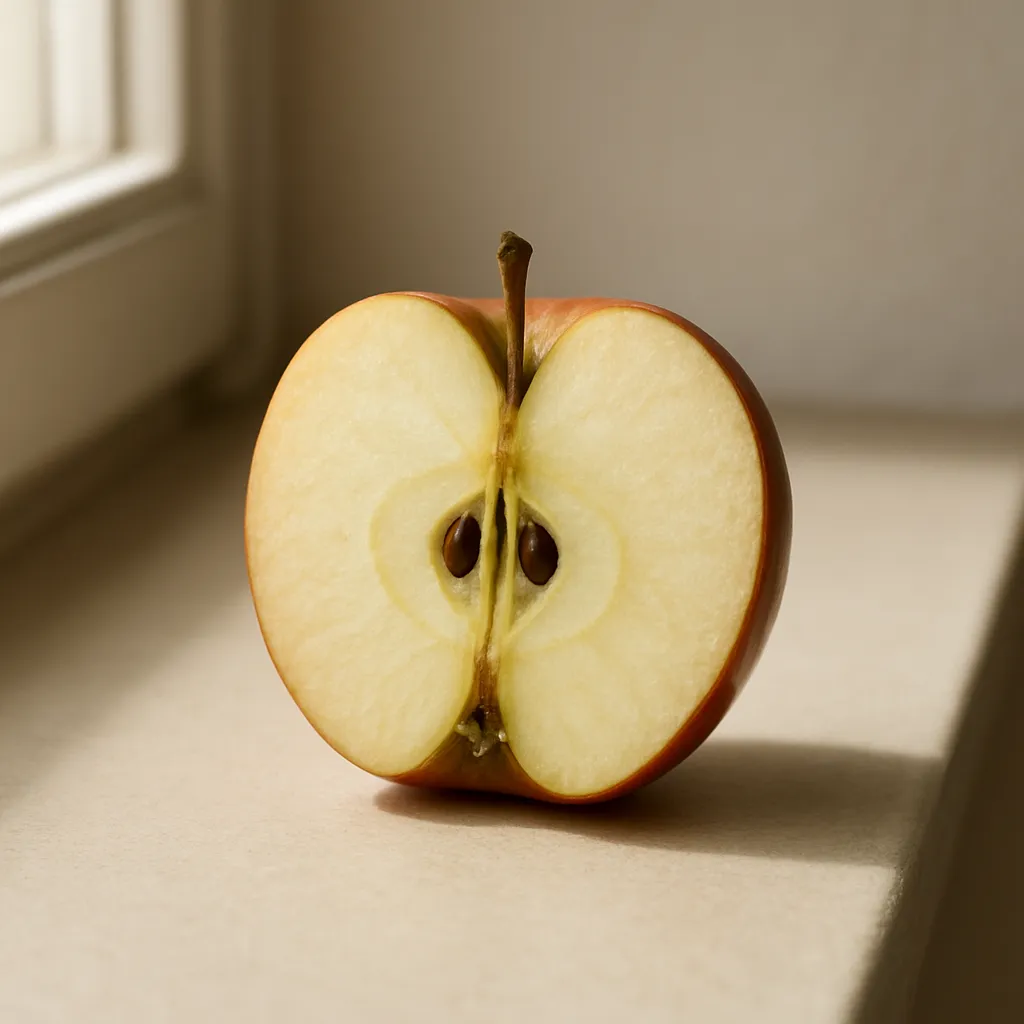
An apple is cut in half. One half is left on a warm windowsill and the other is put in the refrigerator. Predict the browning of the two halves after three hours.
Hydrogen peroxide slowly breaks down into water and oxygen gas. A pharmacy stores one bottle in a cool cupboard and an identical bottle beside a warm radiator. Which bottle keeps its peroxide longer?
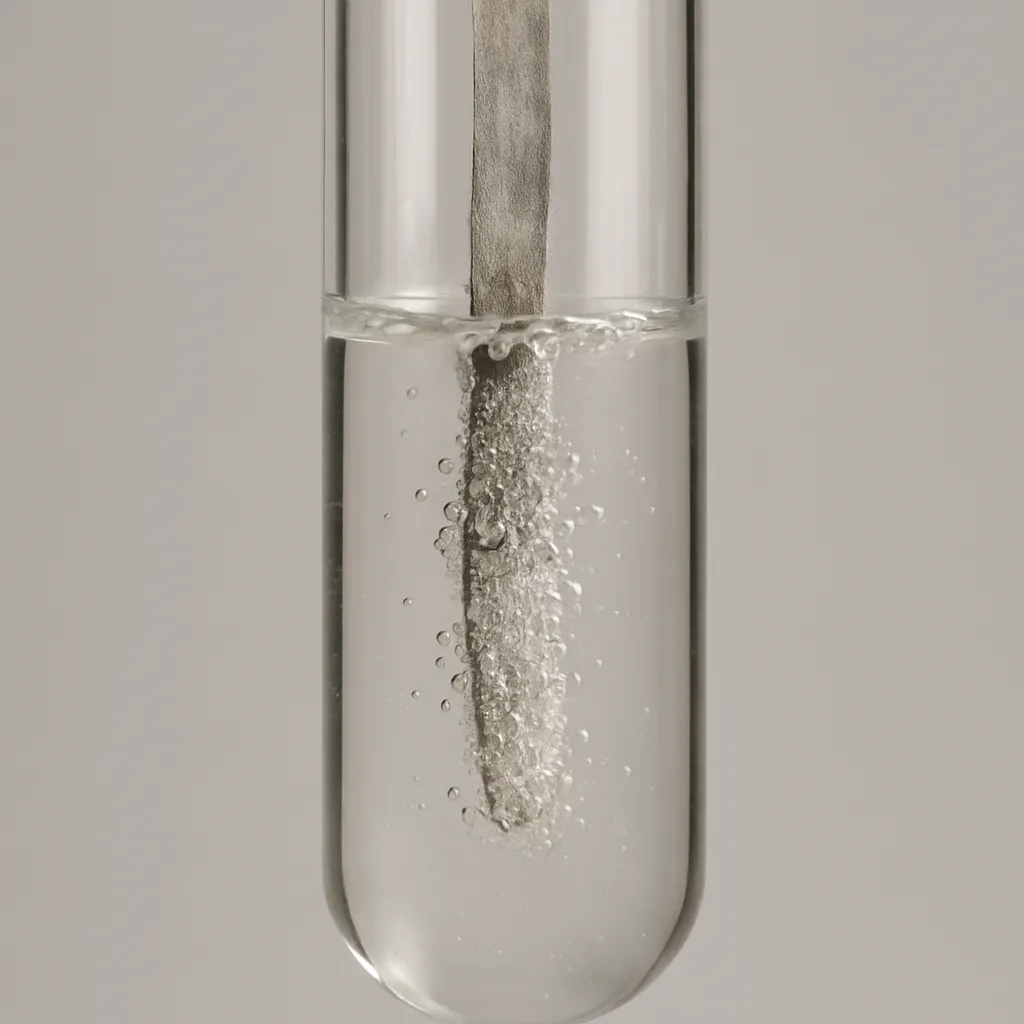
The same mass of magnesium ribbon is added to the same volume of acid, once at 20 degrees C and once at 40 degrees C. Predict how the two runs compare.
A teacher wants a demonstration reaction to last through a long class period. Predict what happens if she stands the flask in an ice water bath instead of leaving it at room temperature.
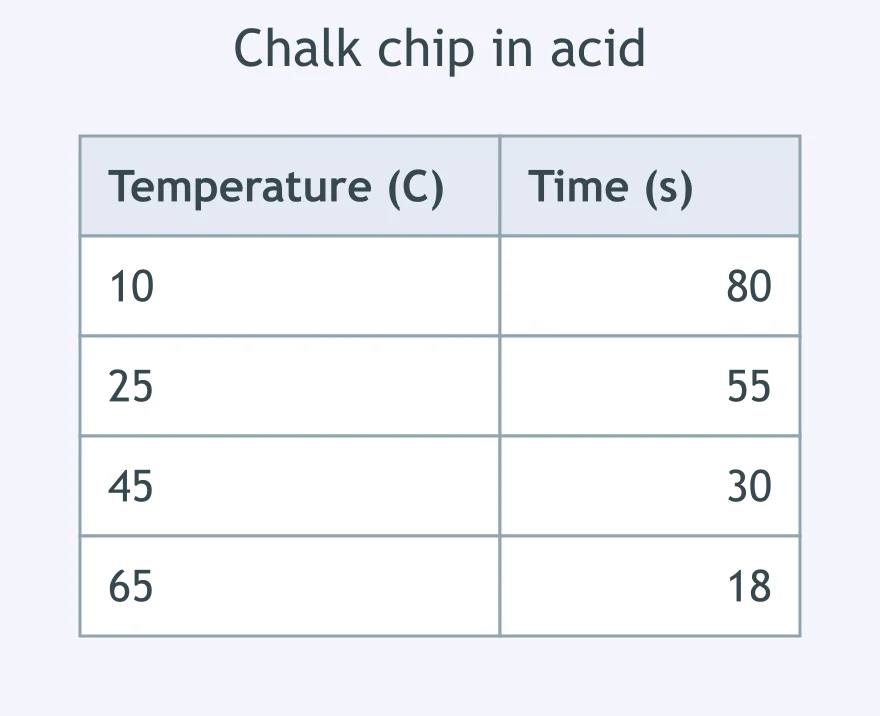
Use the table. Identical chalk chips were dropped into the same acid at four temperatures, and the time until bubbling stopped was recorded. Which statement about these data is accurate?
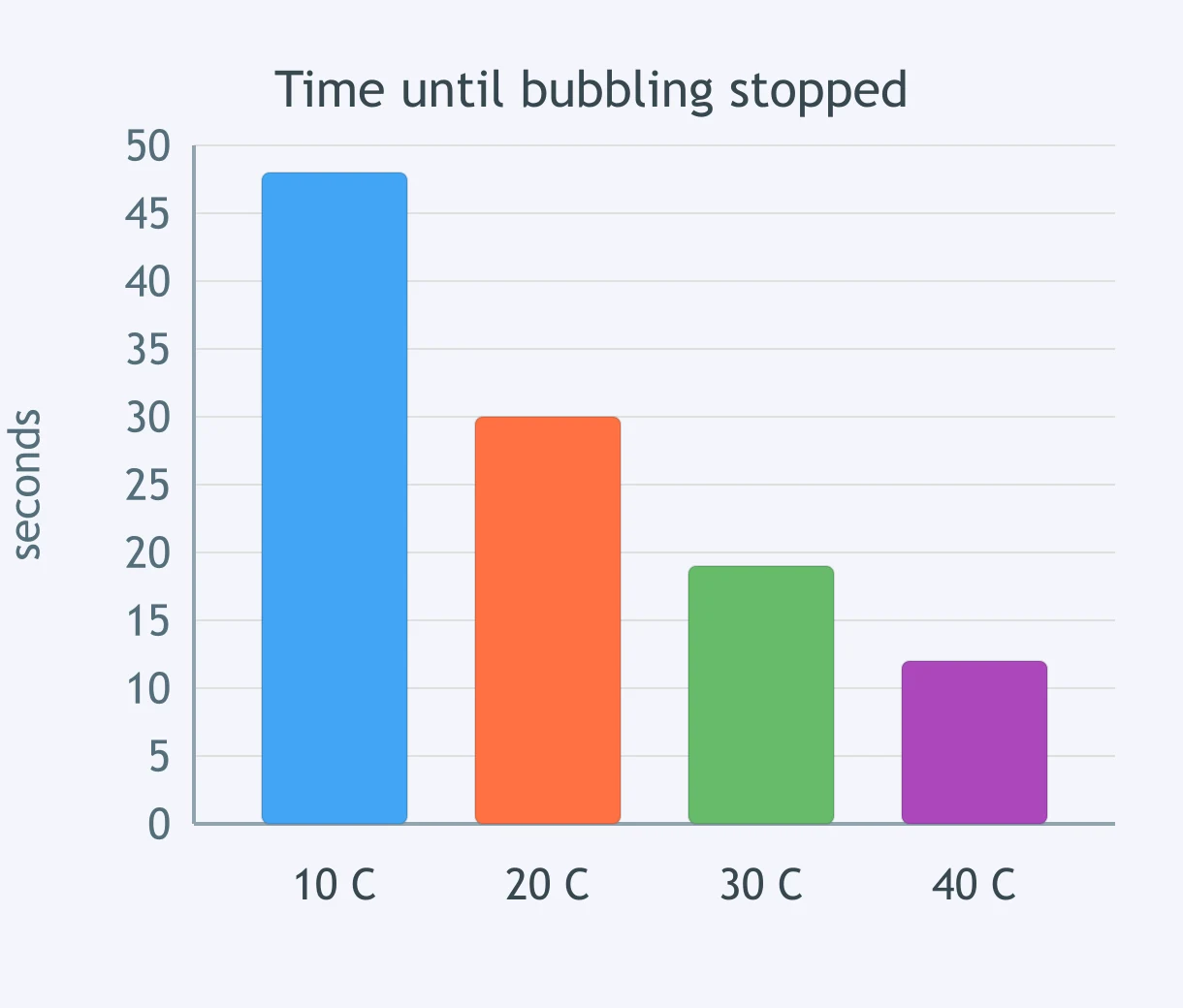
Use the bar graph. It shows how long an identical chalk chip took to stop bubbling in acid at four temperatures. About how much longer did the reaction take at 10 degrees C than at 40 degrees C?
A student timed a fixed mass of zinc dissolving in acid: 240 s at 15 degrees C, 120 s at 25 degrees C, and 60 s at 35 degrees C. What pattern do these data show?
Two groups ran the same reaction with the same amounts. Group A worked at 20 degrees C and recorded 96 s. Group B worked at 60 degrees C and recorded 24 s. Which claim do these results support?
Use the graph. It plots how long the same reaction took to finish at five different temperatures. At which temperature did the reaction take the longest time?
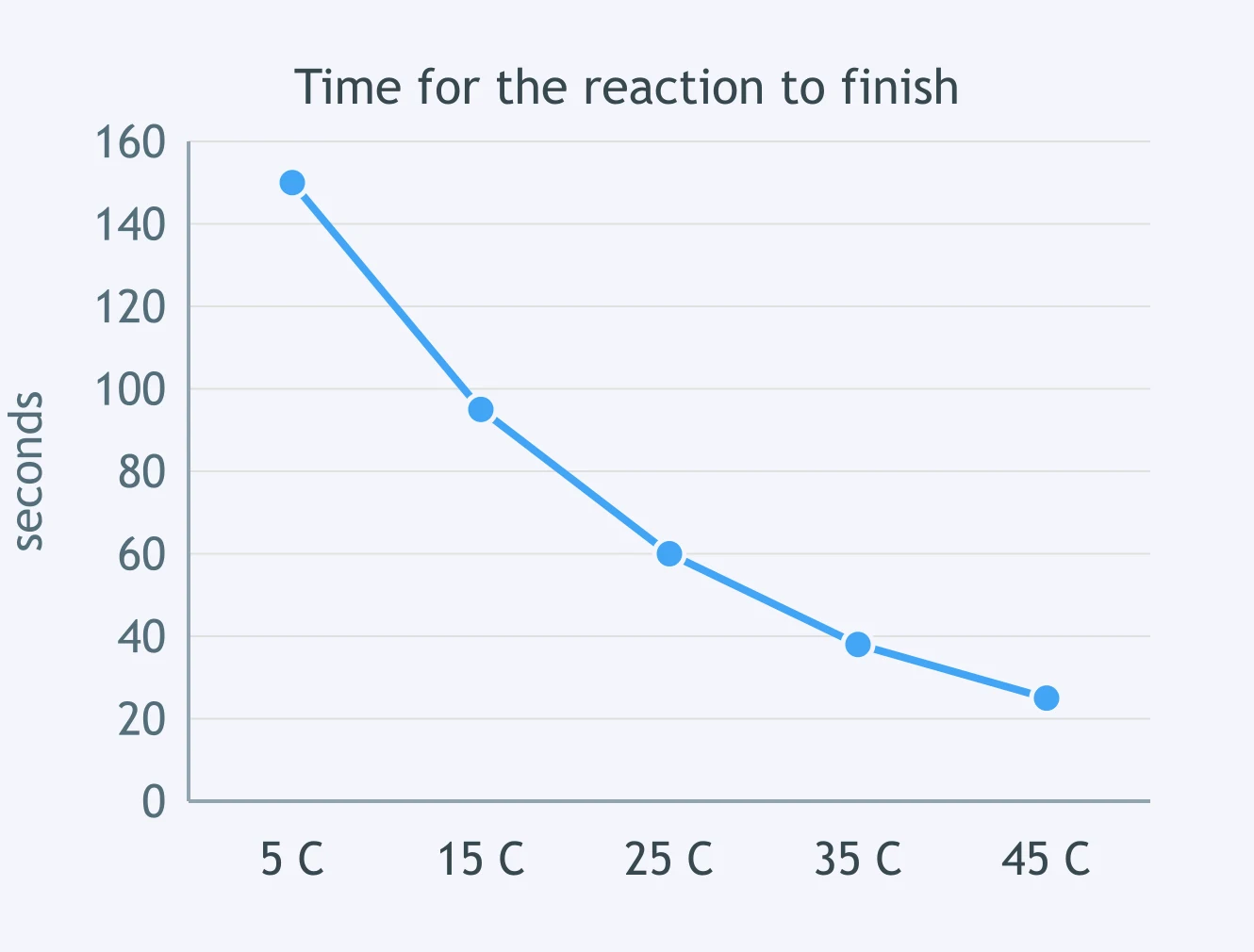
A student ran one reaction at five rising temperatures and timed it: 100 s, 78 s, 55 s, 81 s, 30 s. Which trial should she repeat before she reports a trend?
The same reaction is run in hot water and in cold water, and the hot run finishes first. Which statement about the particles accounts for that difference?
Eggs left on a warm counter spoil within days, while eggs kept at 4 degrees C stay good for weeks. What accounts for this difference at the particle level?
A student claims a chilled reaction is slow because cold squeezes the particles so close together that they jam. What is wrong with this reasoning?
Particles must collide with enough energy to react, and heating a mixture makes a larger share of its collisions that energetic.
Two beakers hold identical chalk chips and acid, one at 20 degrees C and one at 50 degrees C. Both give off the same total gas, but the warm one finishes first. Which particle explanation fits?
Cooling milk in a refrigerator stops every chemical change in it completely.
Crack the passcode before the zombies get in.
Answer, then swat bugs for bonus points.
Race through questions at your own speed.
Same question on every screen. Fastest wins.

Pick a tile, answer, hit bonuses and steals.
Chemical Reactions: Key Terms in Use
20 questions