Loading
by BlastRoom
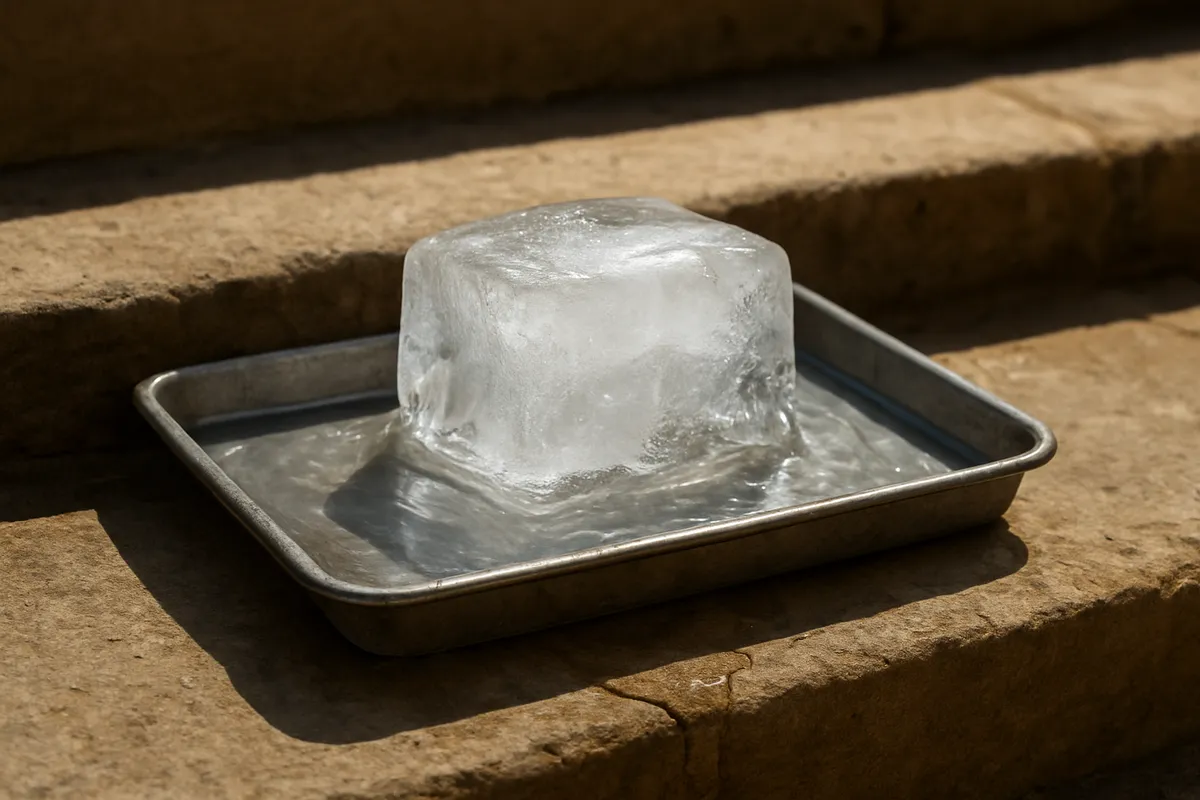
Predict how the motion, spacing and state of particles change as thermal energy is added or removed.
#us_grade_8_science
40 questions
One question set, multiple game modes. Tap any game to see it in action. Not sure which to pick?
Answer to place stones and capture territory.
Outrun the snow together.
Earn blasts, then hunt the other team.
Answer to earn energy, then climb.

The class blasts through walls together.
Bid on mystery lots. Most money wins.
Sell tours. Nice, standard, or a total scam.

Answer, restock, and serve the rush.
More correct answers pulls the rope your way.
Answer, then shoot down the alien wave.
Answer, then tap to leap the frozen ridge.
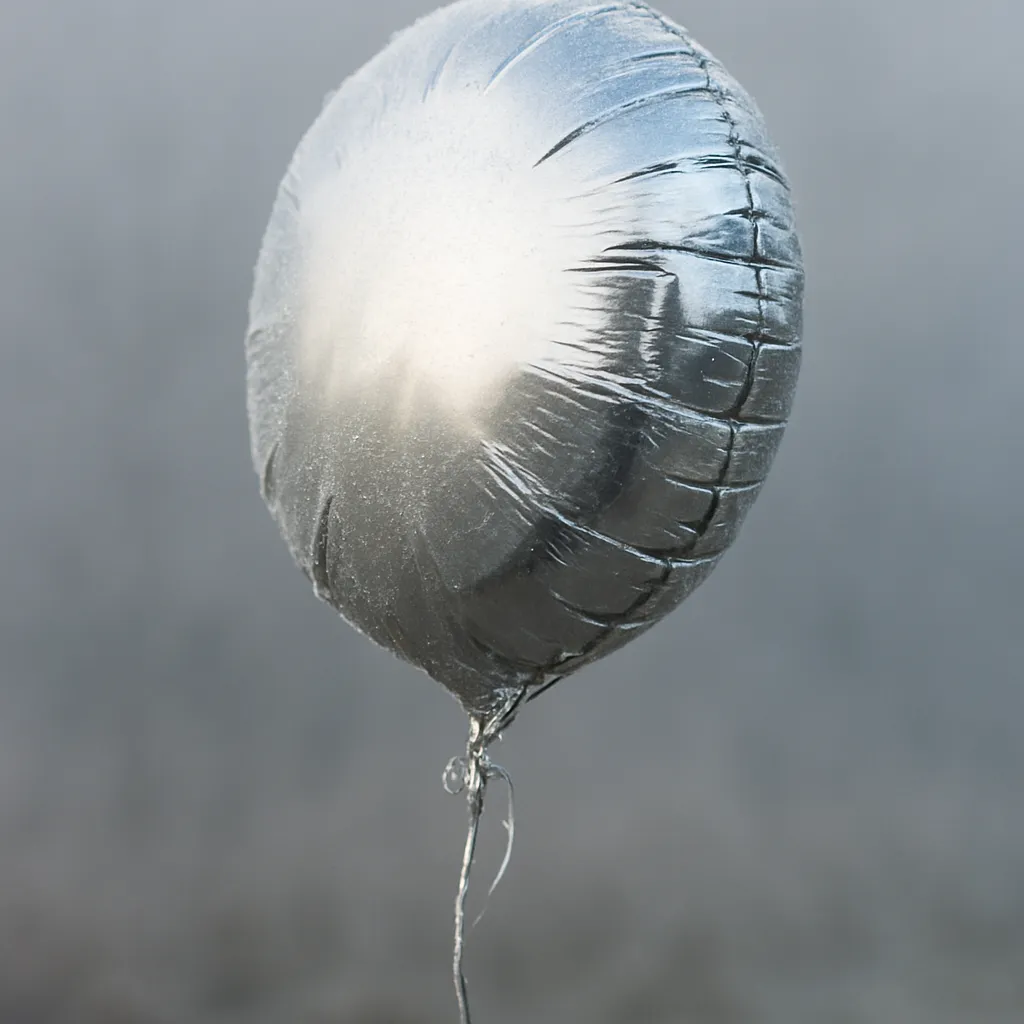
A sealed foil balloon of pure helium is carried from a warm room out into freezing air, and it visibly shrinks. What has happened to the helium particles inside it?
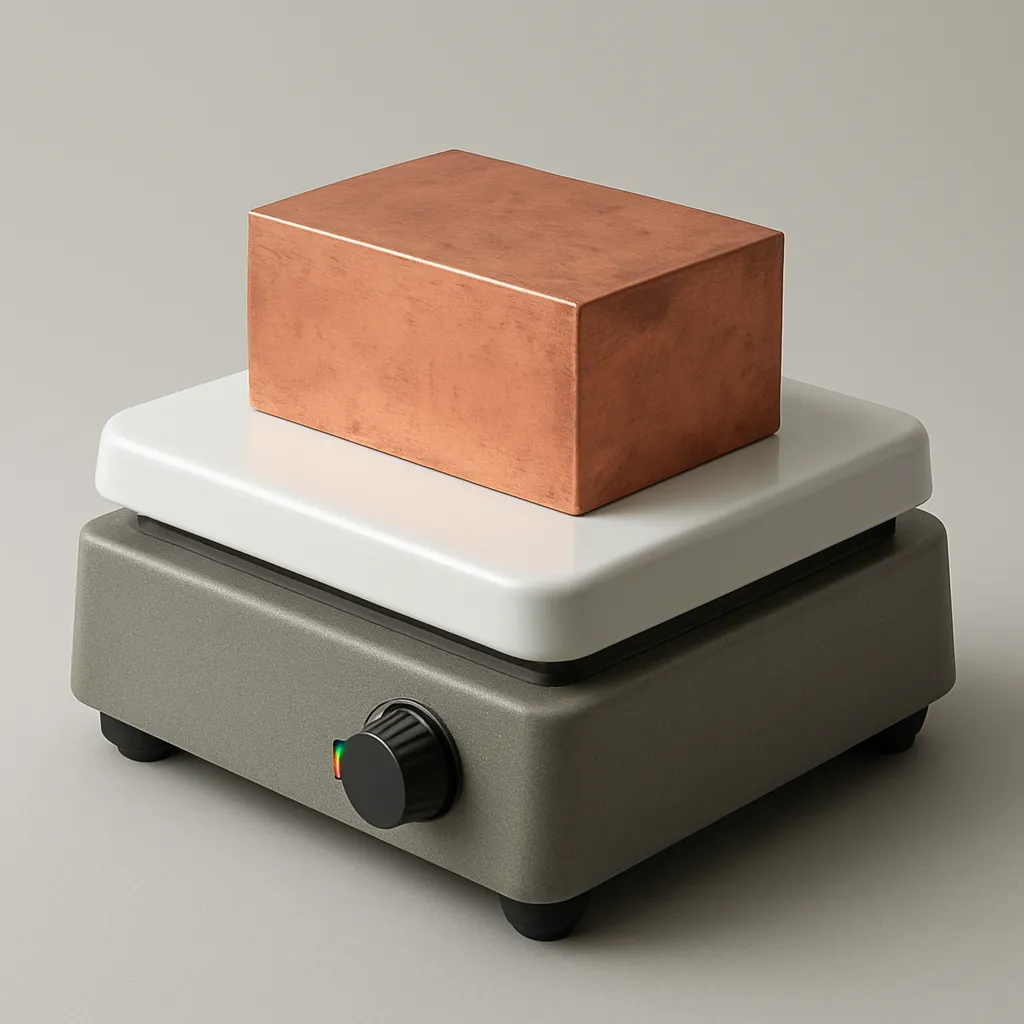
A copper block is heated on a hotplate and becomes slightly longer, though it stays solid throughout. What are the copper particles doing?
Water at 25 degrees C in a beaker is warmed to 60 degrees C and stays liquid the whole time. How has the motion of the water particles changed?
A rigid steel cylinder holding pure oxygen gas is heated. The cylinder's volume cannot change. What happens to the gas inside it?
Thermal energy is removed from liquid mercury in a sealed tube, but the mercury stays liquid. What change happens to its particles?
Adding thermal energy to a sample of gas increases the average speed of its particles.
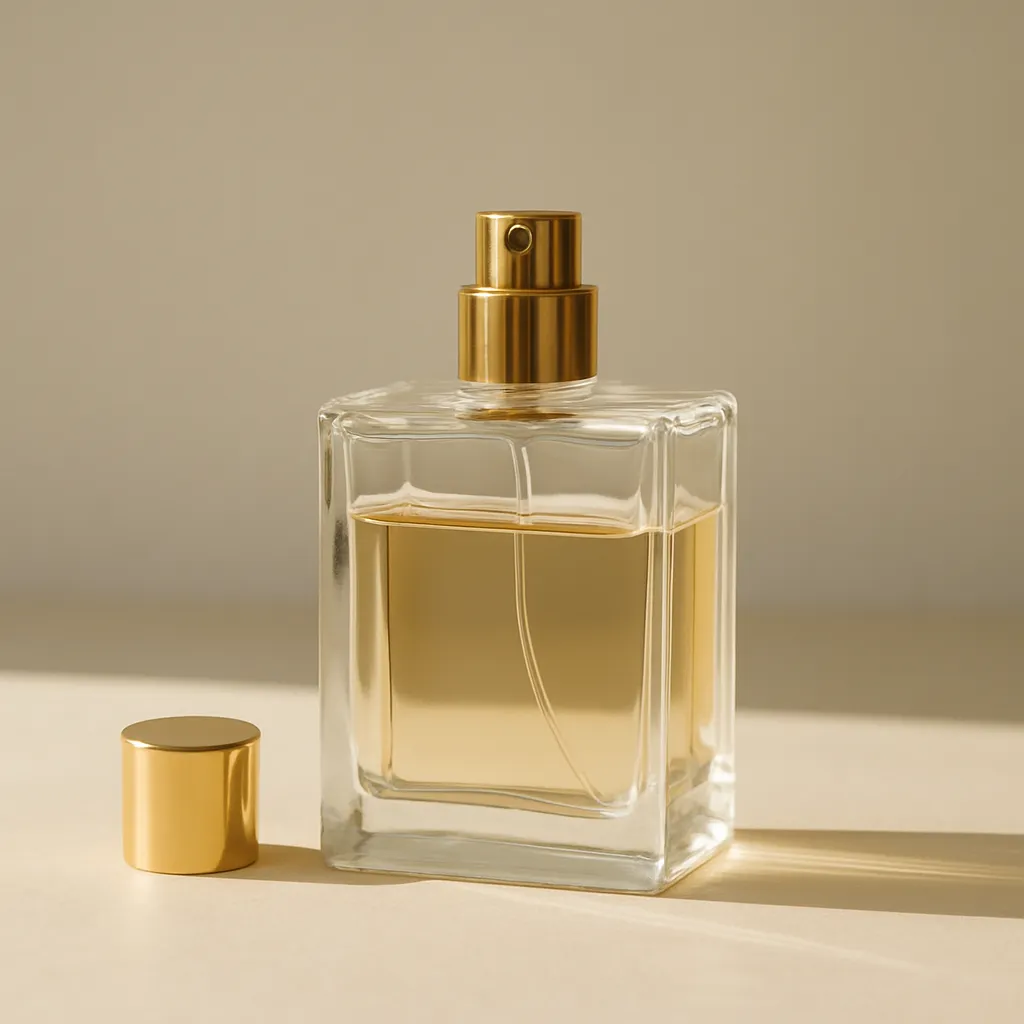
A bottle of perfume is opened in a warm room, and the smell reaches the back of the room much faster than it did when the same room was cold. Why?
A sealed flexible bag of pure nitrogen gas is placed in warm water and puffs up. What is happening to the nitrogen particles?
A bathtub of warm water and a cup of hot tea sit in the same room. Which holds more thermal energy?
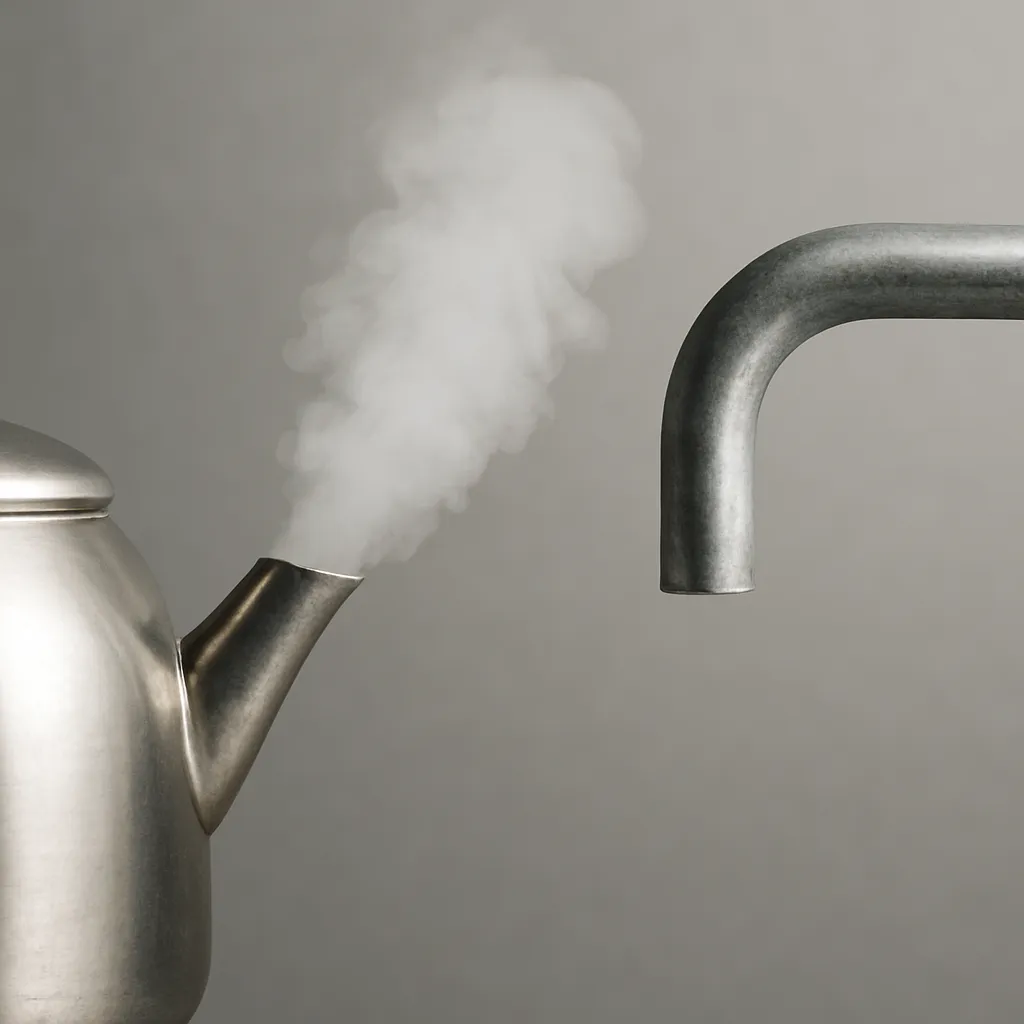
Steam from a kettle is passed through a cold metal pipe, and liquid water runs out of the far end. What has happened to the water particles?
An iron nail is moved from a warm bench into a freezer for an hour. What happens to the iron particles?
The particles of a pure substance stop moving completely as soon as the substance freezes.
In a sealed jar, particles locked in a fixed pattern begin breaking loose and sliding past one another while staying in contact, as heating continues. Which change is taking place?
Particles that were moving freely through a whole flask slow down, gather at the bottom, and begin sliding past one another while touching. Which change is this?
As a dish of melted wax cools, its particles slow until each one is held vibrating in a fixed position. Which change has occurred?
In an open dish of water at room temperature, single particles break away from the surface into the air, and the water never bubbles. Which change is this?
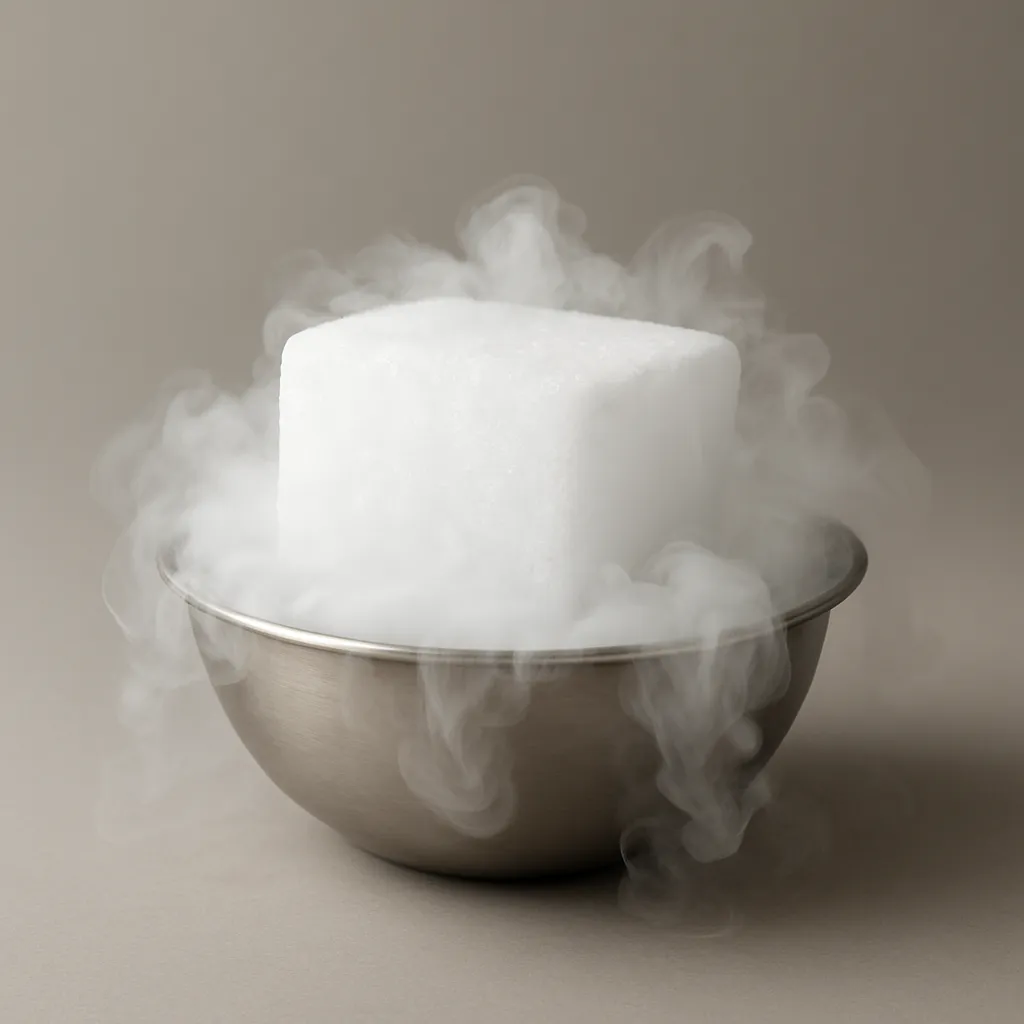
A block of dry ice sits in a bowl. Particles leave the solid directly and move freely through the air, and no puddle ever forms. Which change is taking place?
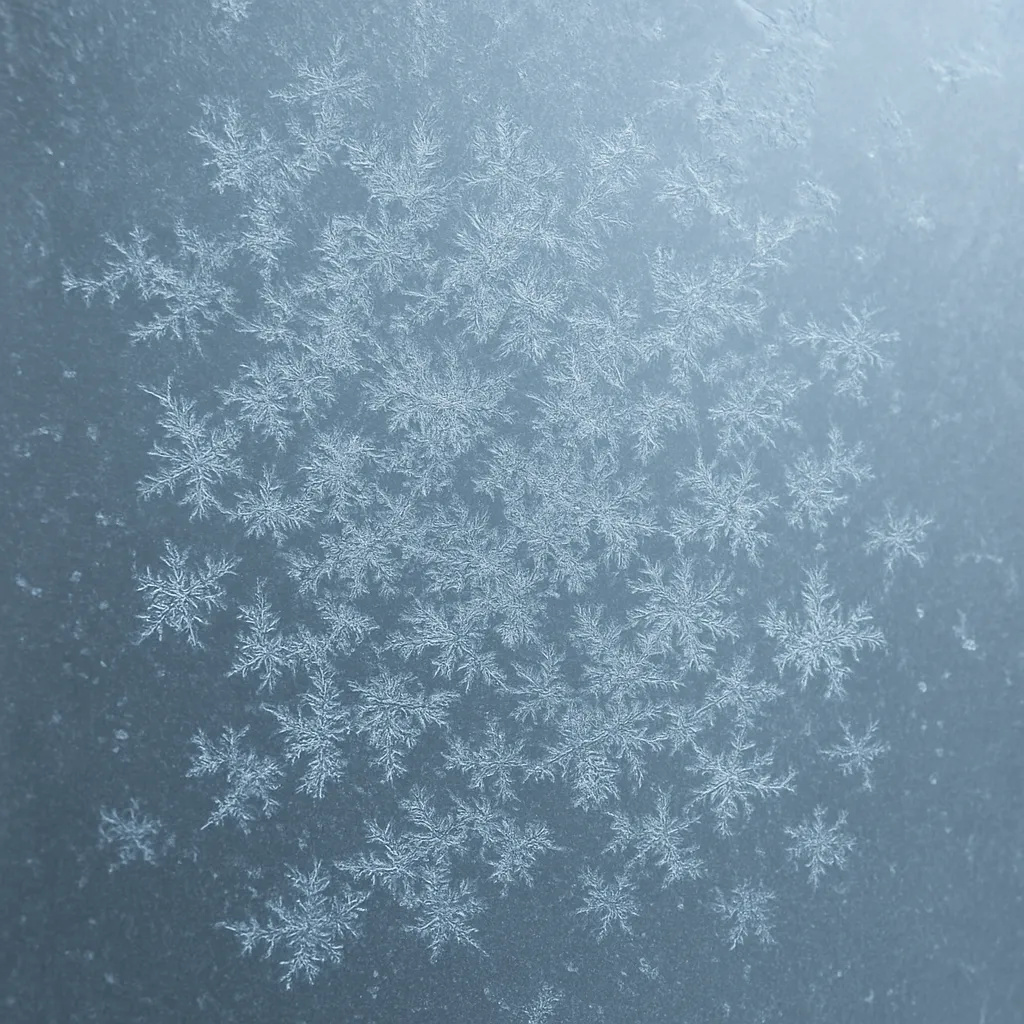
On a freezing night, water vapor particles in the air slow near a cold window and attach directly into a fixed, ordered pattern of frost. Which change is this?
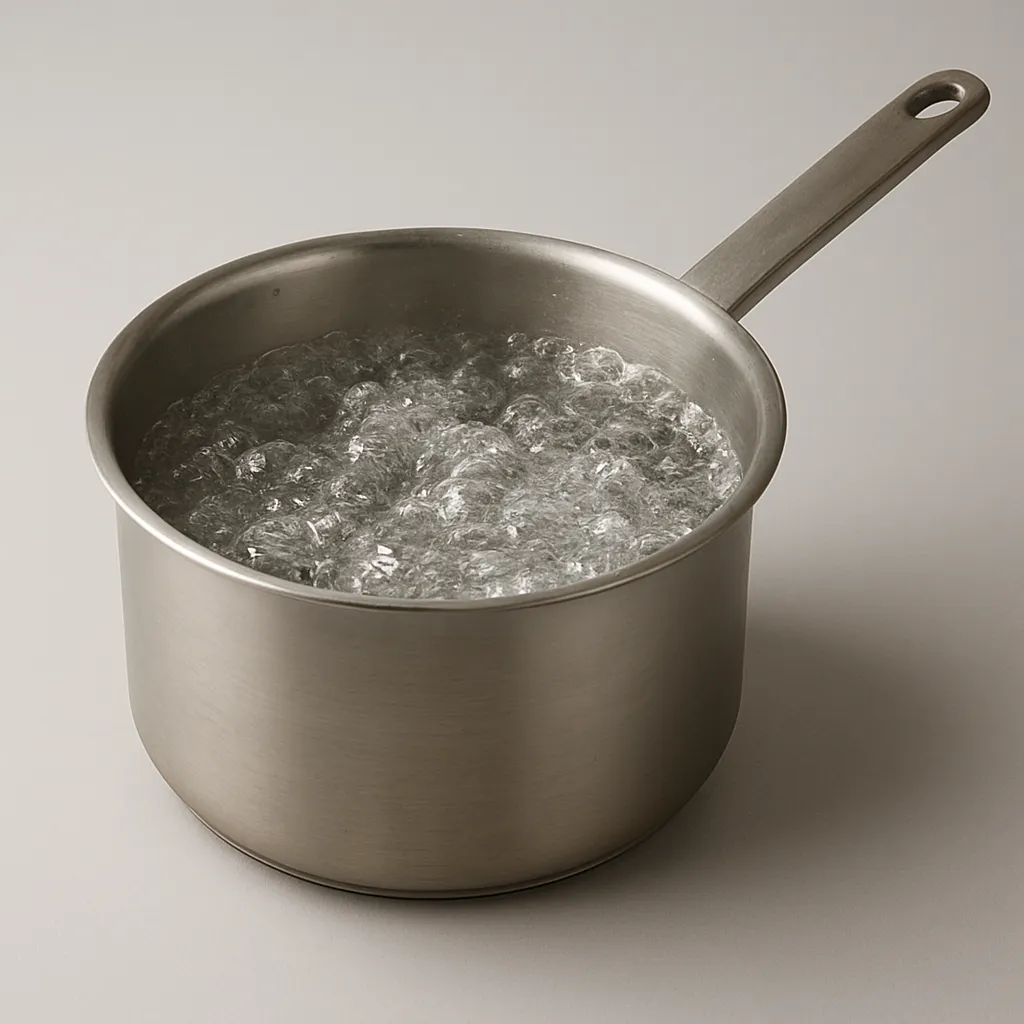
Bubbles form throughout a pan of pure water, and particles break free from inside the liquid rather than only at its surface. Which change is happening?
Naphthalene crystals in a warm jar turn straight into vapor, and no liquid ever appears. Name the change, and say whether thermal energy is being added or removed.
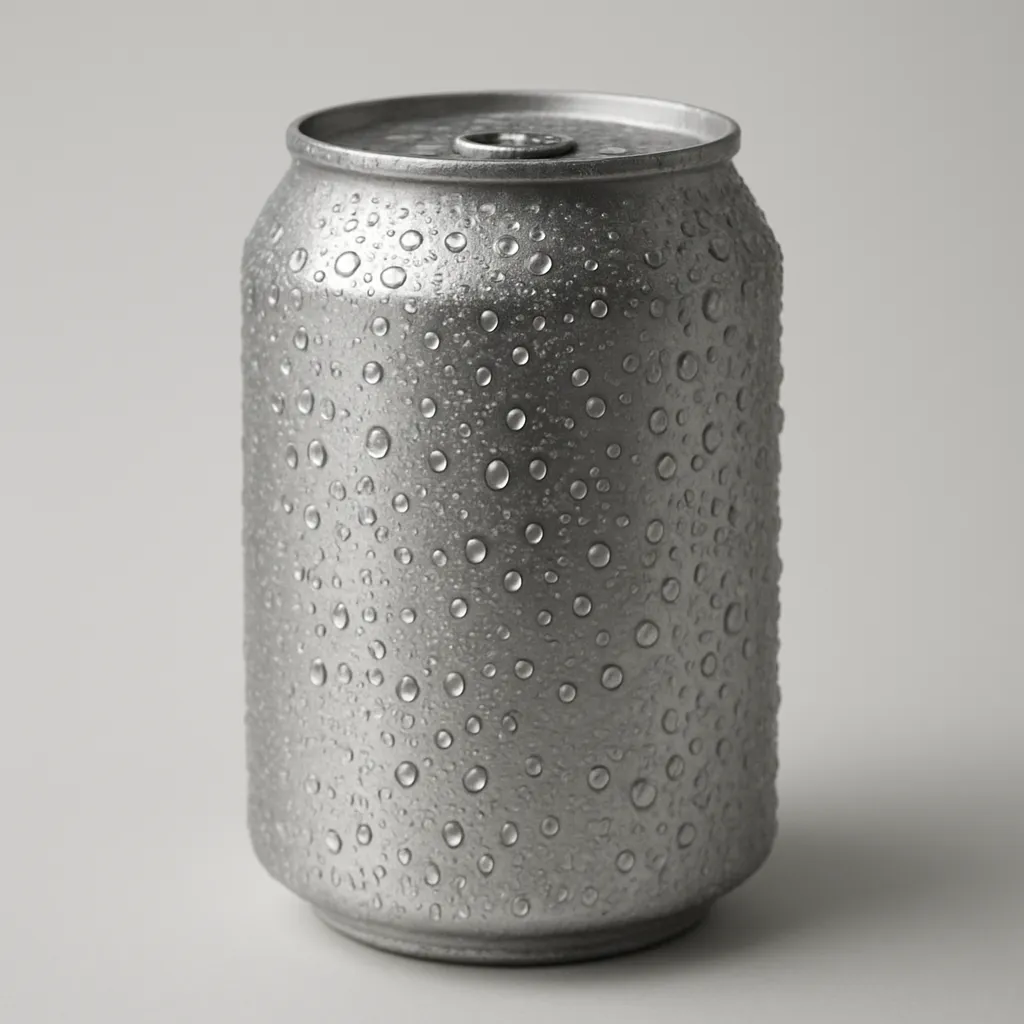
Warm, moist air touches a chilled can and droplets appear on the outside of it. Name the change, and say whether the water particles gained or lost energy.
A student says a puddle drying on a warm sidewalk shows that the water has disappeared. Which particle description corrects that claim?
Pure solid lauric acid is heated steadily. Its temperature rises to 44 degrees C, holds there for several minutes while heating continues, then rises again. What happens while it holds steady?
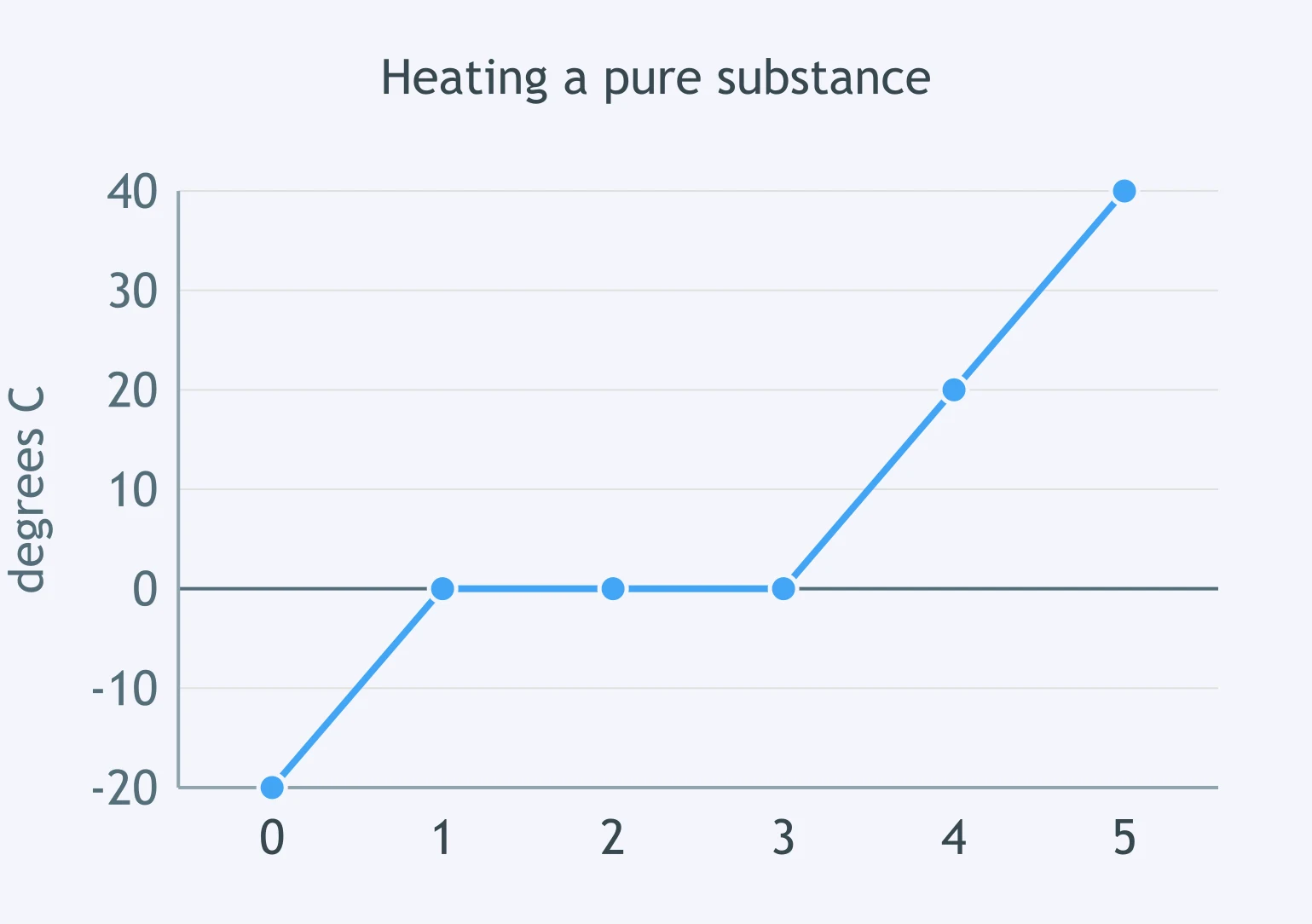
Look at the heating curve for a pure substance heated steadily. At what temperature does this substance melt?
A pure liquid is cooled steadily. Its temperature falls, then stays at 69 degrees C for several minutes, then falls again. What is the sample doing while it stays at 69 degrees C?
A heating curve for a pure substance heated steadily from solid to gas has two flat sections. What does the higher flat section represent?
On a heating curve, the temperature rises steadily along the sloping section between the two flat sections. What are the particles doing there?
While a pure substance is boiling, its temperature keeps rising for as long as heating continues.
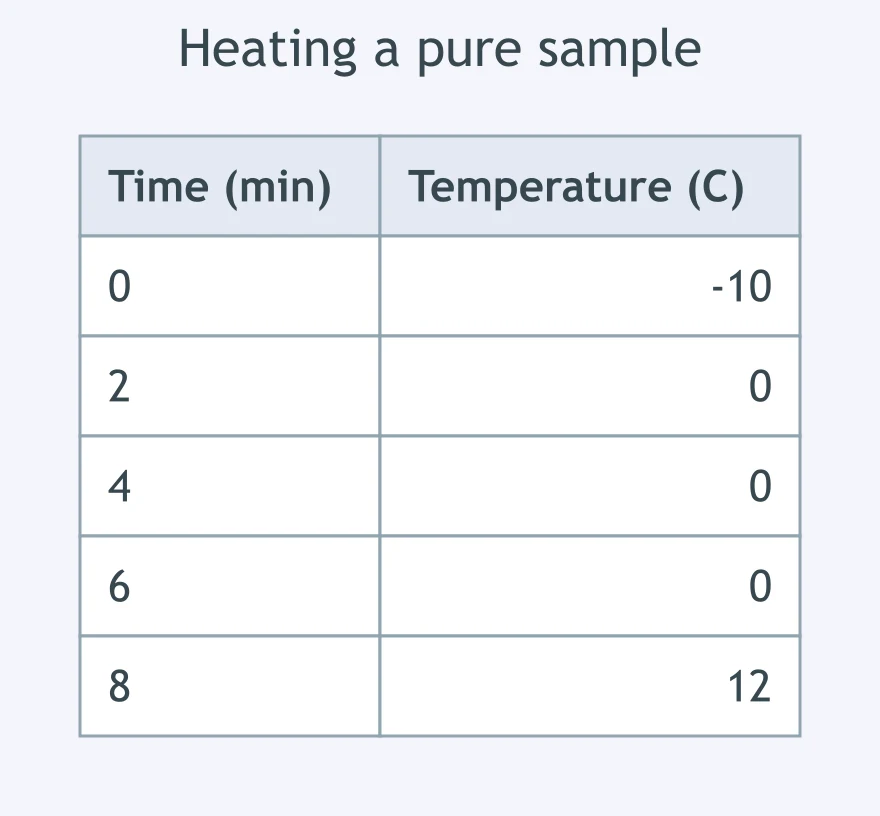
Use the table of temperature readings taken as a pure sample is heated steadily. Between which readings is the sample melting?
As a pure substance is cooled steadily, its temperature drops, holds steady, drops, holds steady at a lower value, then drops again. What is the sample after the second flat section?
A student watching a steady heating curve says the flat section means the hotplate lost power. Which reading of that flat section is correct?
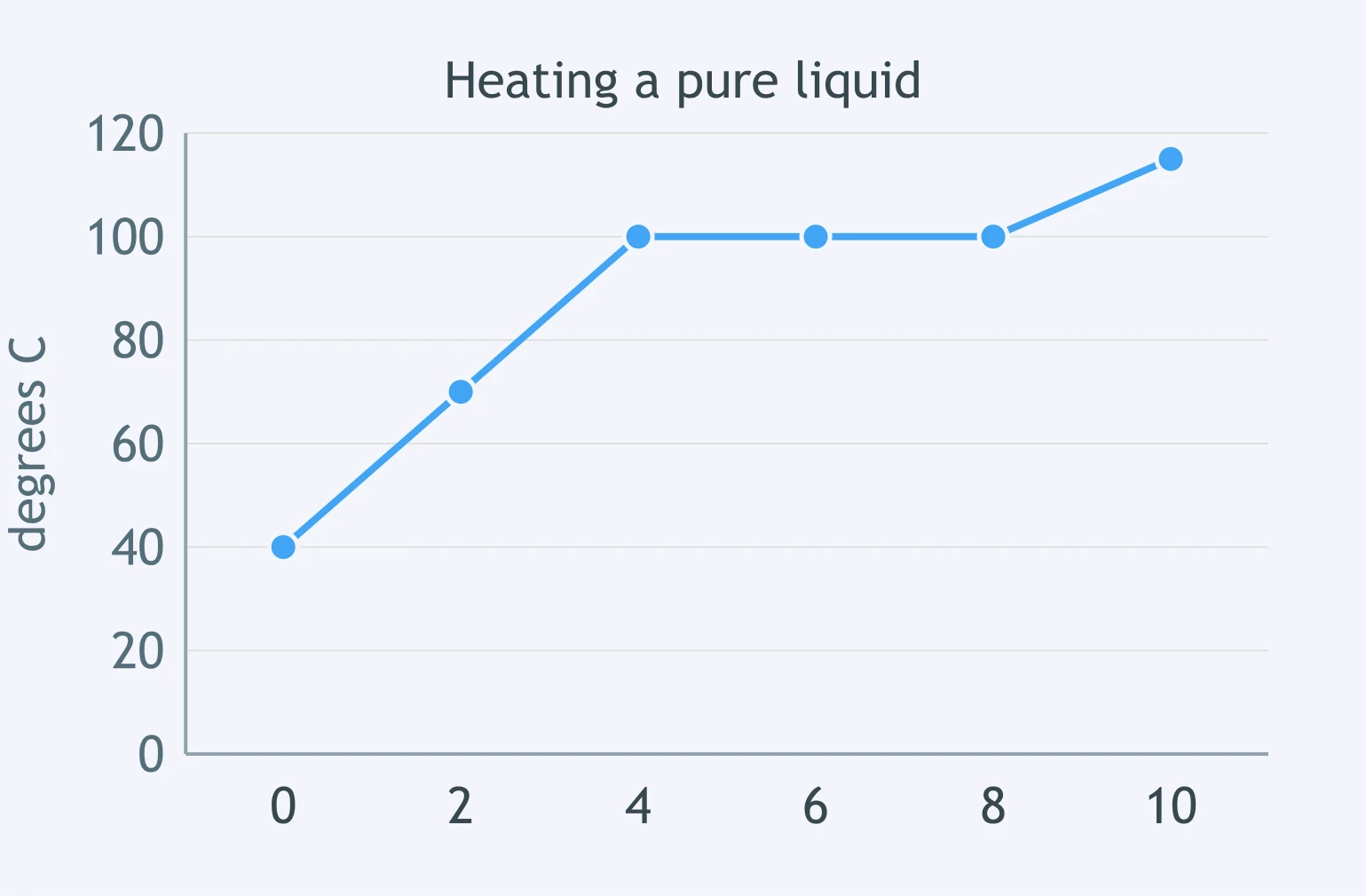
Look at the graph of temperature against time as a pure liquid is heated steadily. At what temperature does this liquid boil?
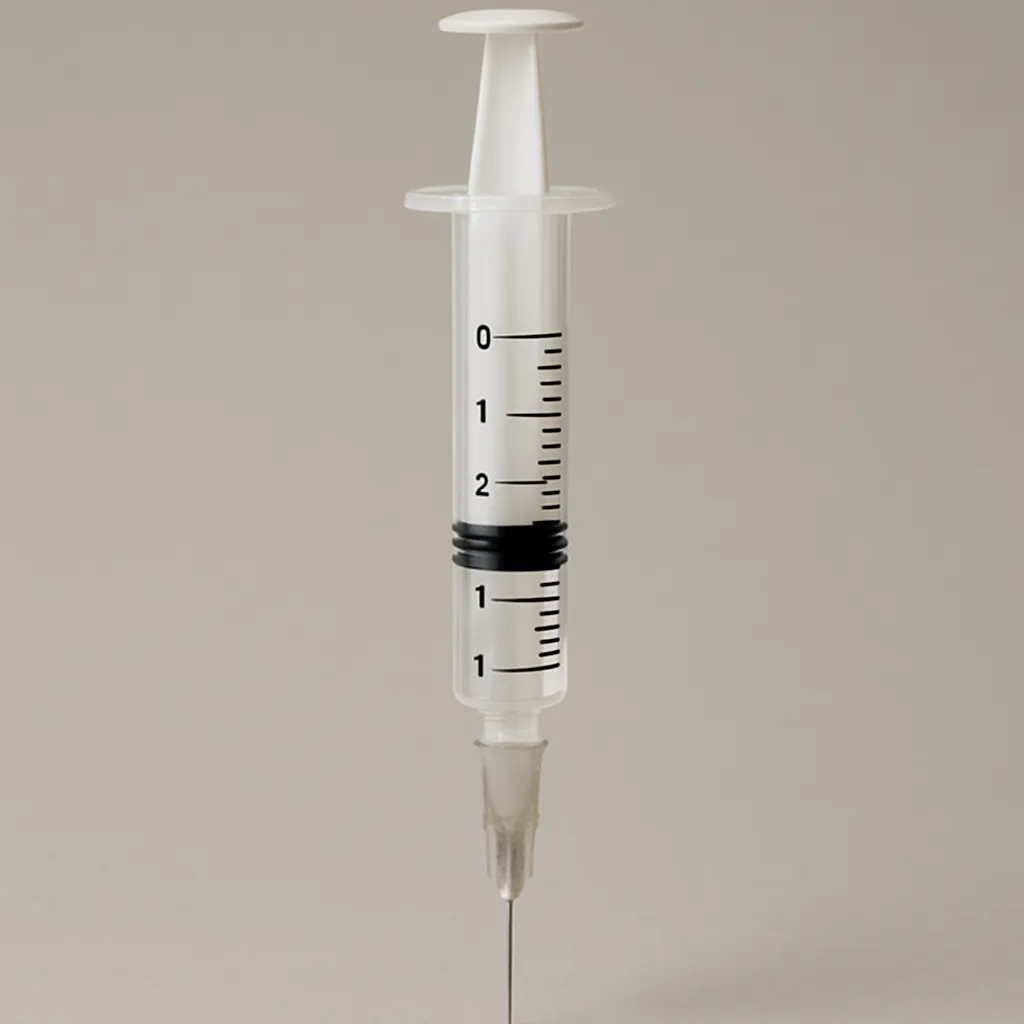
A sealed syringe of air can be pushed halfway in, but a sealed syringe of water barely moves. Which difference in the particles accounts for this?
An ice cube keeps its own shape on a plate, but the same water as a liquid spreads out to fit the plate. Which difference in particle arrangement explains this?
A little ammonia gas released in one corner of a sealed room is soon detectable everywhere in it. Which property of gas particles accounts for this?
A gas pushes on the inside walls of its closed container, but a solid block resting in a box does not push on the box's walls. Why?
A liquid poured from a tall jar into a wide dish takes the dish's shape but keeps the same volume. Which particle description explains both of those facts?
One gram of water as steam fills a far larger space than one gram of liquid water. Which difference in the particles explains the larger volume?
The particles in a liquid are much farther apart than the particles of the same substance as a solid.
A steel spoon can be dented only by a strong force, but the same steel as a molten liquid pours easily. Which difference in arrangement explains this?
Crack the passcode before the zombies get in.
Answer, then swat bugs for bonus points.
Race through questions at your own speed.
Same question on every screen. Fastest wins.

Pick a tile, answer, hit bonuses and steals.

Speed, Velocity and Acceleration
40 questions