Loading
by BlastRoom
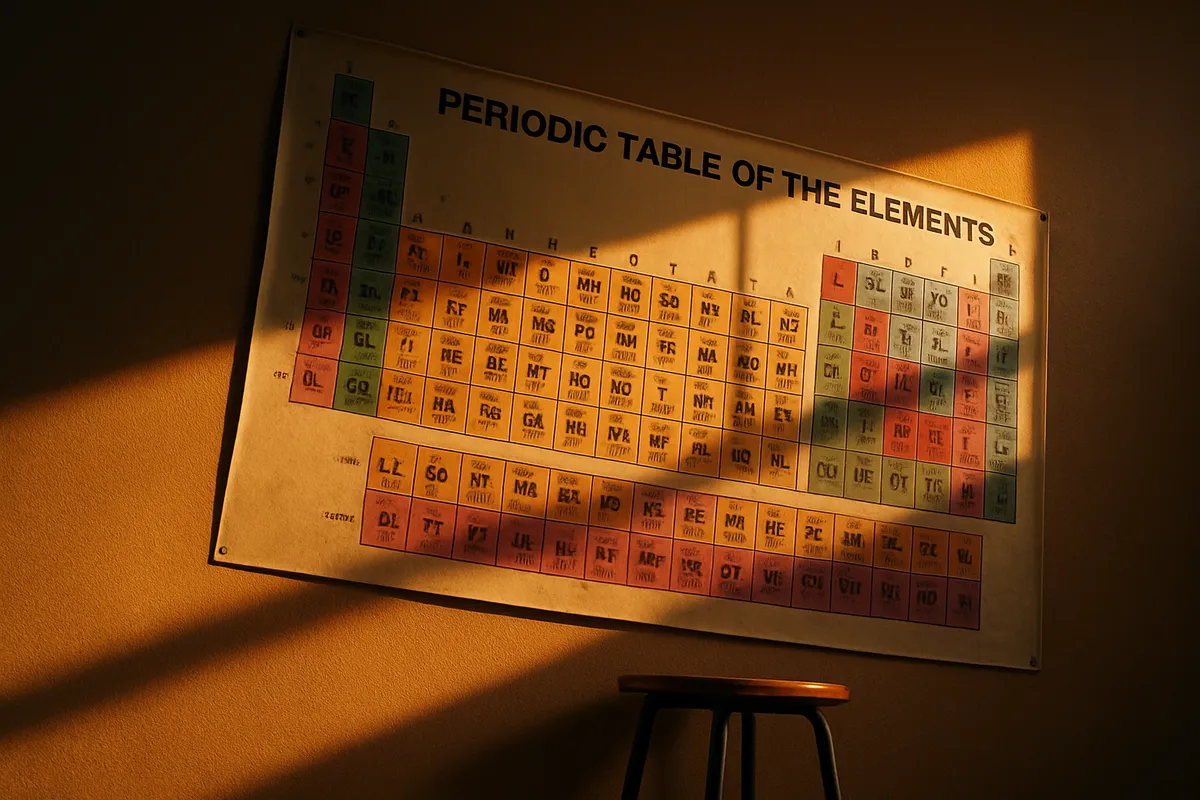
Use groups, periods and atomic numbers to work out what the periodic table tells you about an element.
#us_grade_8_science
40 questions
One question set, multiple game modes. Tap any game to see it in action. Not sure which to pick?
Answer to place stones and capture territory.
Outrun the snow together.
Earn blasts, then hunt the other team.
Answer to earn energy, then climb.

The class blasts through walls together.
Bid on mystery lots. Most money wins.
Sell tours. Nice, standard, or a total scam.

Answer, restock, and serve the rush.
More correct answers pulls the rope your way.
Answer, then shoot down the alien wave.
Answer, then tap to leap the frozen ridge.
The periodic table box for carbon shows the symbol C with 6 above it and 12.01 below it. How many protons and electrons does a neutral carbon atom have?
A sodium atom has an atomic number of 11 and a mass number of 23. How many neutrons are in its nucleus?
Look at any element's box on the periodic table. Which number in that box tells you how many protons one atom of the element has?
Four boxes read: F with 9, S with 16, Cl with 17, and Ar with 18. A neutral atom of one of these elements has 17 electrons. Which element is it?
The helium box shows He with 2 above the symbol and 4.00 below it. How many electrons does one neutral helium atom have?
Potassium's box shows K with 19 above the symbol and 39.10 below it. How many protons are in one potassium atom?
An iron atom has 26 protons and a mass number of 56. How many neutrons and how many electrons does this neutral atom have?
An element's atomic number counts one kind of particle. Which particle does it count, and where in the atom is that particle found?
An aluminum atom contains 13 protons and 14 neutrons. What is the mass number of this atom?
Neon's box shows Ne with 10 above the symbol and 20.18 below it. Which number would you use to find how many electrons a neutral neon atom has?
Calcium sits in the second column from the left of the periodic table and in the fourth row down. Which position does calcium have?
Chlorine's box shows the symbol Cl. Which symbol marks the box for sodium?
Carbon sits in group 14, period 2. Which element sits directly below carbon in the same column?
On the periodic table, a period is a horizontal row and a group is a vertical column.
Oxygen is in group 16, period 2. Sulfur sits directly below oxygen. What are sulfur's group and period?
Sodium, magnesium and chlorine all sit in the same period of the periodic table. What do their atoms share because of that?
Helium is in group 18 and period 1. Where on the periodic table do you look to find its box?
An element sits in group 1 and period 4 of the periodic table. Which element is it?
Neon and argon share group 18, but neon is in period 2 and argon is in period 3. What does that difference in period tell you?
Consider sodium, sulfur, calcium and fluorine. Which of these four elements sits in period 4 of the periodic table?
Lithium and sodium sit in the same column of the periodic table. A small piece of each one fizzes and skids across water when dropped in. Which feature of their atoms best explains the matching behavior?
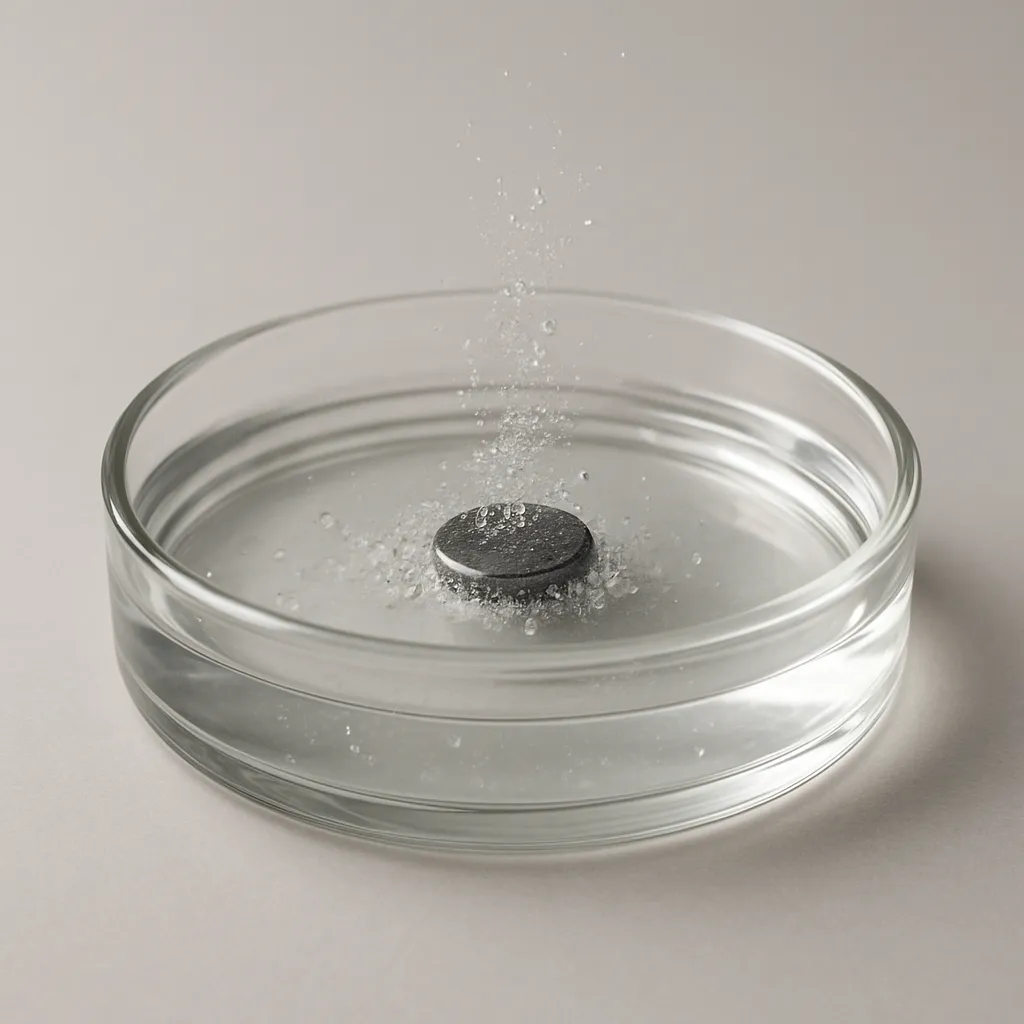
Fluorine and chlorine both react with sodium metal to form a white crystalline salt. What do their atoms have in common that explains this shared behavior?
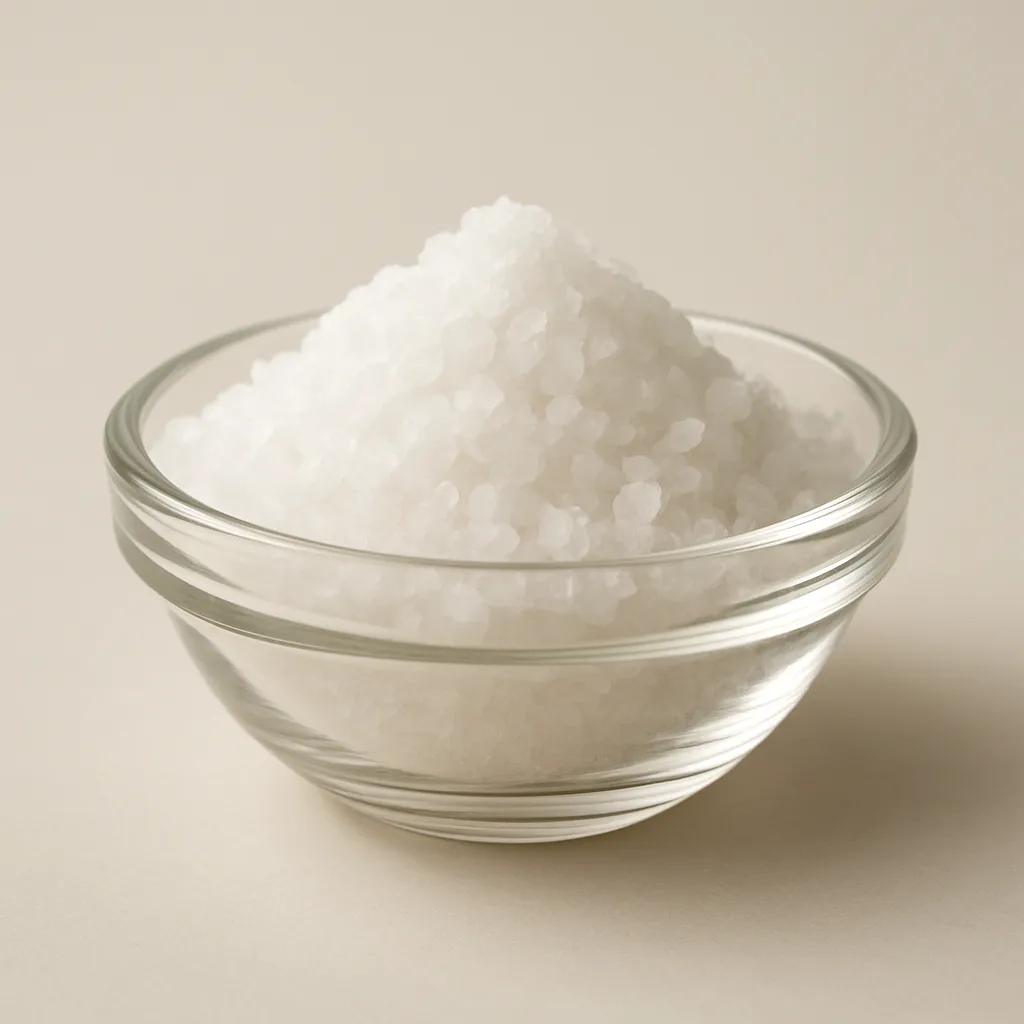
Helium, neon and argon sit in the last column of the periodic table and take part in almost no chemical reactions. What best explains this lack of reactivity?
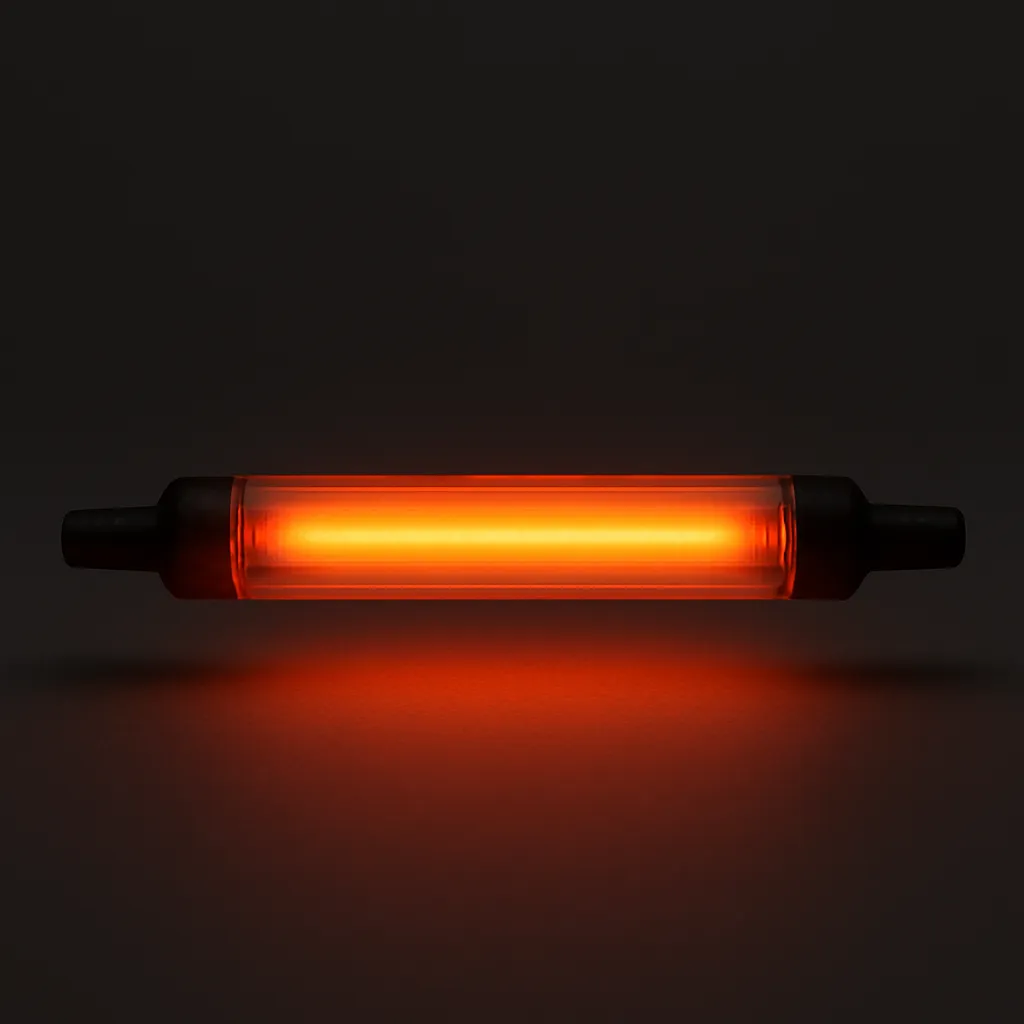
Magnesium and calcium each lose two electrons when they react, forming ions with a 2+ charge. Which position on the periodic table do these two elements share?
A student has never seen rubidium, but she knows it sits in group 1 directly below potassium. What should she expect when a piece of it is dropped into water?
Four elements are offered: bromine, argon, sodium and sulfur. Which one should behave most like chlorine in a chemical reaction?
Sodium and chlorine sit in the same period of the periodic table, yet they behave very differently in reactions. What best explains that difference?
A teacher drops equal-sized pieces of sodium and of potassium into separate water troughs. The potassium reacts far more violently. What does this show about group 1?
Elements in one column of the periodic table react in similar ways. Which part of the atom is most responsible for how an element reacts?
Neon sits in group 18, and like sodium it fizzes violently when a sample is dropped into water.
Aluminum sits in group 13 of the periodic table. How many valence electrons does one aluminum atom have?
Oxygen and sulfur each combine with two hydrogen atoms, making water and hydrogen sulfide. What does this matching ratio show about elements in one column?
A student hammers a copper rod into a thin flat sheet. The sheet stays shiny and still conducts electricity. Which class of element does copper belong to?
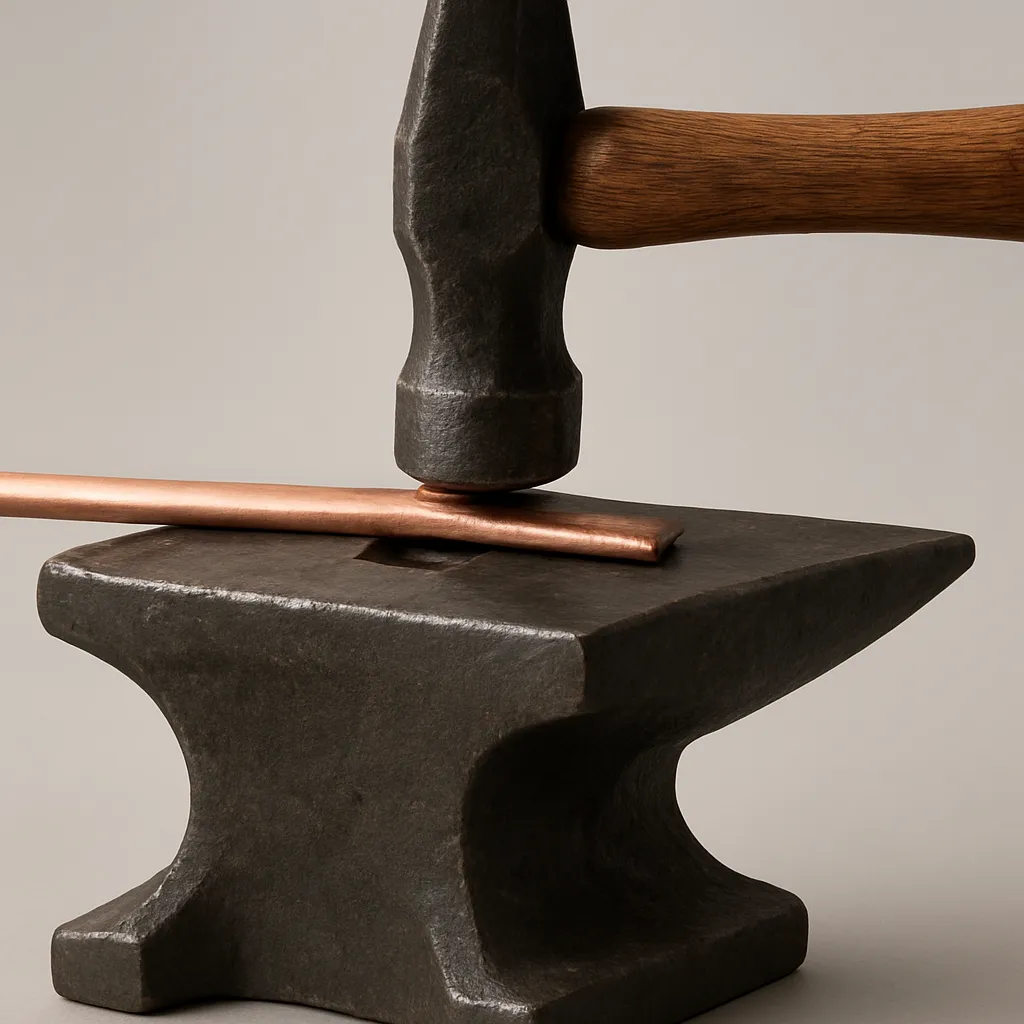
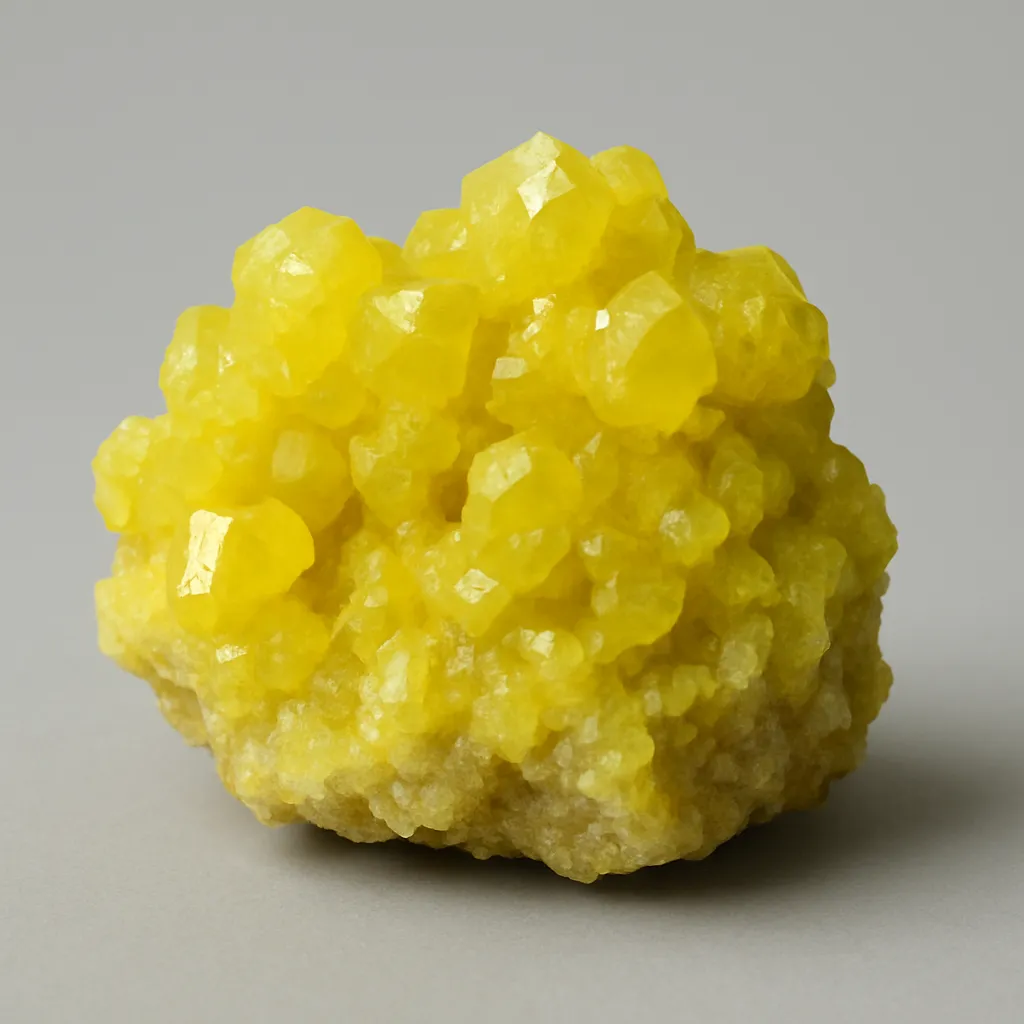
A bright yellow solid element crumbles to powder when struck and does not conduct electricity. In which region of the periodic table does it sit?
A zigzag stair-step line runs down the right side of the periodic table. Which elements lie along that line?
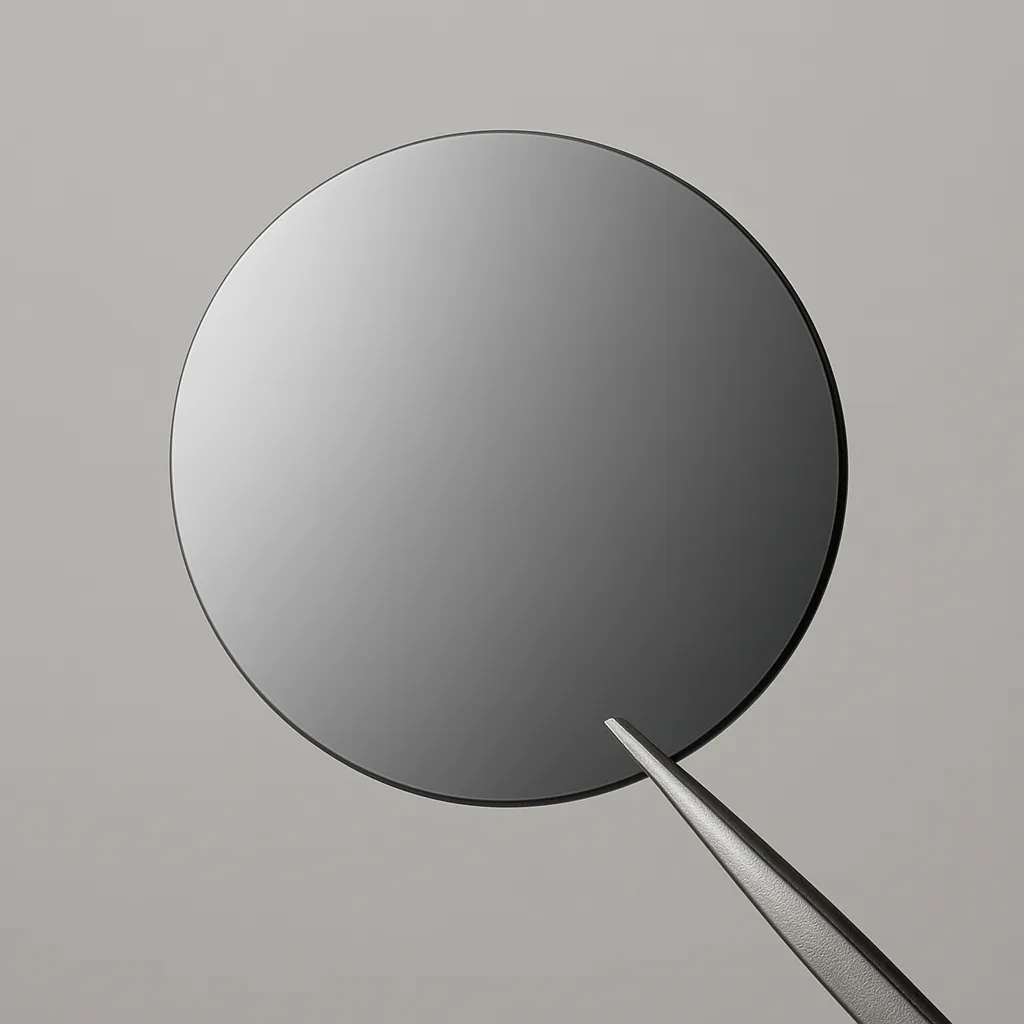
Silicon is a metalloid, so it conducts electricity better than sulfur does but not as well as copper does.
Counting every box on the periodic table, most of the elements fall into one class. Which class is it?
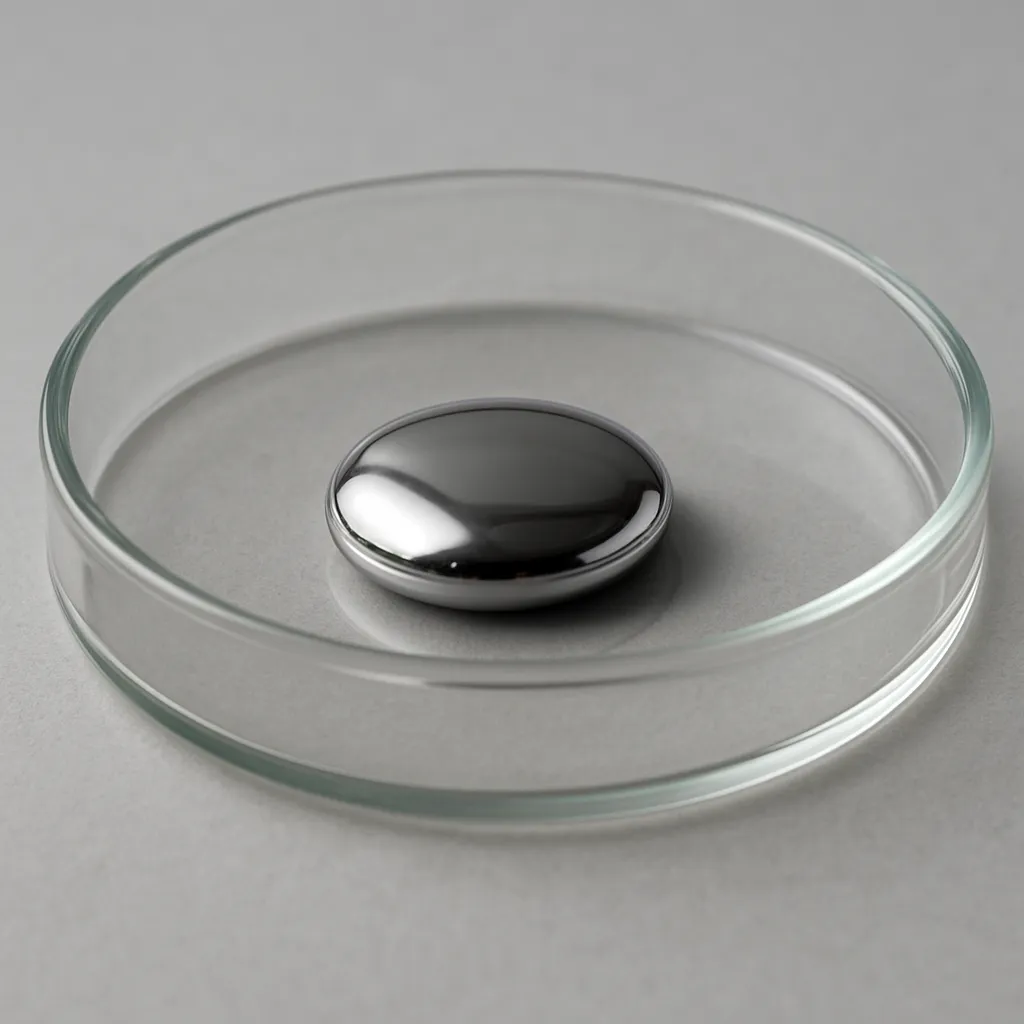
Mercury is a shiny liquid at room temperature that conducts electricity. A student says it cannot be a metal because metals are solids. Why is the student wrong?
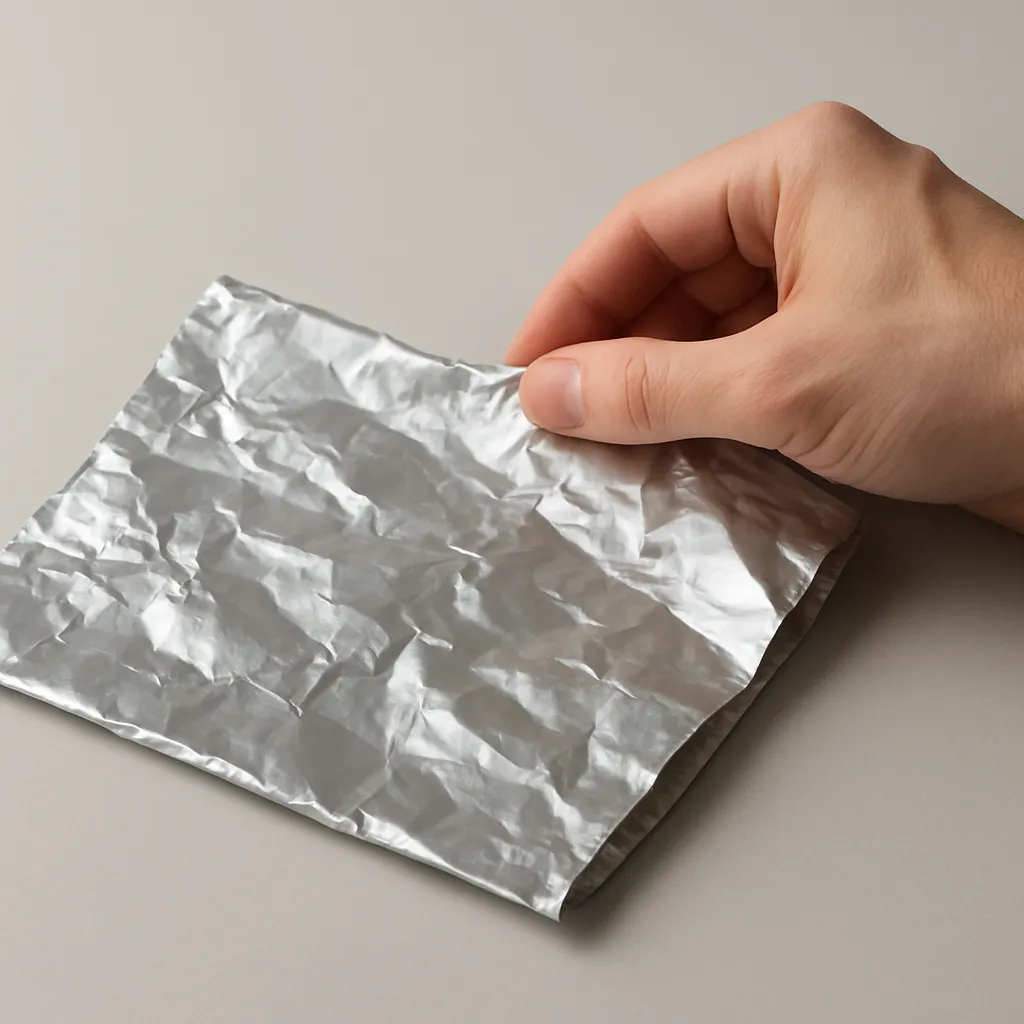
A sheet of aluminum foil folds flat without breaking, while a stick of carbon graphite snaps in two. Which general property does this comparison show?
Hydrogen sits at the top of group 1, above lithium, but it is a colorless gas that does not conduct electricity. Which class of element is hydrogen?
Crack the passcode before the zombies get in.
Answer, then swat bugs for bonus points.
Race through questions at your own speed.
Same question on every screen. Fastest wins.

Pick a tile, answer, hit bonuses and steals.
Atoms and the Periodic Table: Key Terms in Use
20 questions