Loading
by BlastRoom
Development as a relationship between countries rather than a ladder each climbs alone.
#us_hs_human_geography
35 questions
One question set, multiple game modes. Tap any game to see it in action. Not sure which to pick?
Answer to place stones and capture territory.
Outrun the snow together.
Earn blasts, then hunt the other team.
Answer to earn energy, then climb.

The class blasts through walls together.
Bid on mystery lots. Most money wins.
Sell tours. Nice, standard, or a total scam.

Answer, restock, and serve the rush.
More correct answers pulls the rope your way.
Answer, then shoot down the alien wave.
Answer, then tap to leap the frozen ridge.
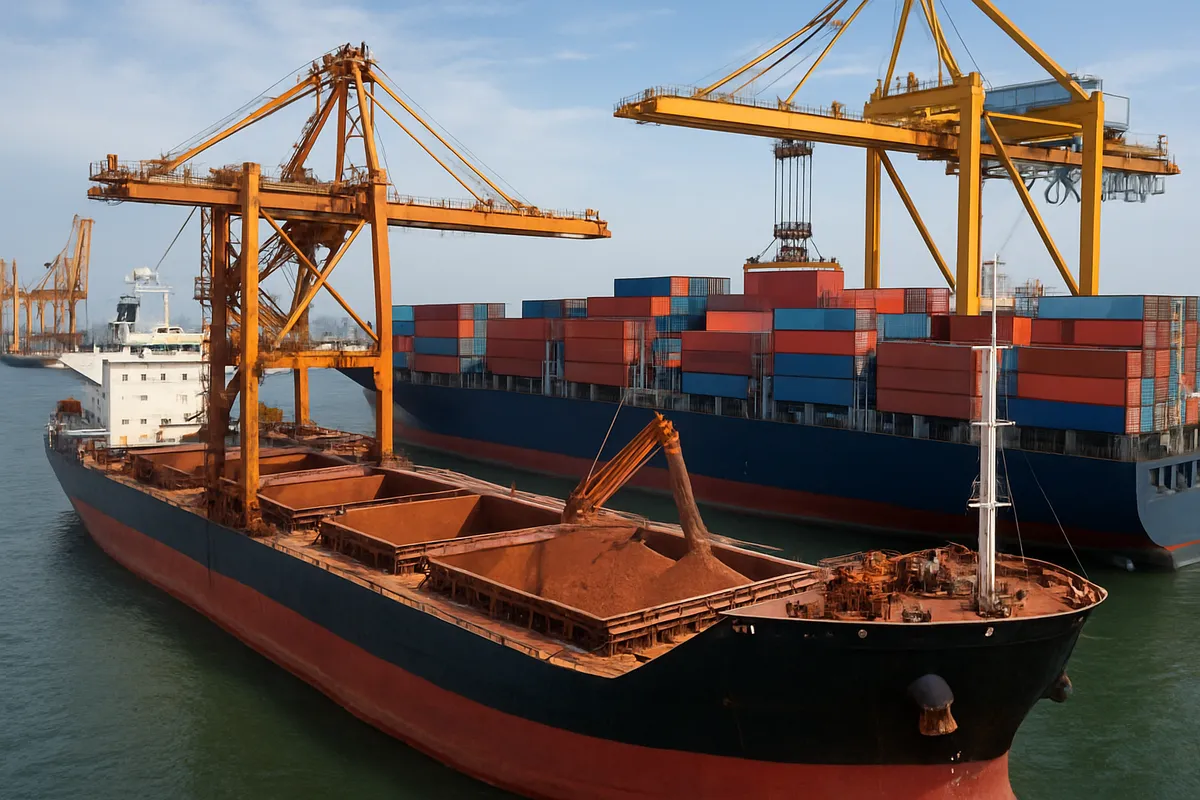
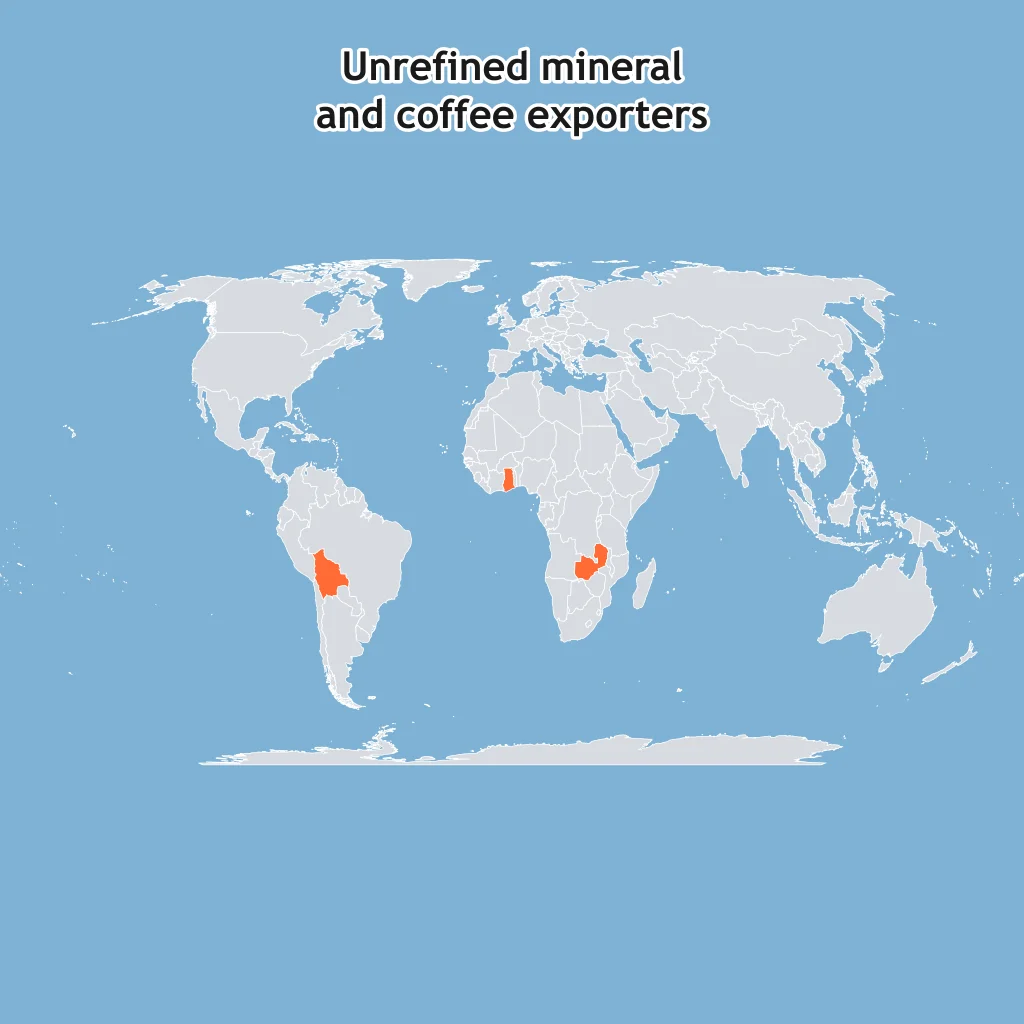
A country exports unrefined minerals and coffee, imports machinery, and hosts foreign-owned mines with little local processing. Which Wallerstein tier fits this profile?
A state exports assembled electronics and refined fuels, imports advanced patents and finance, and has both factories and large poor regions. How would world-systems theory classify it?
A country exports aircraft, pharmaceuticals, and financial services, while many of its firms own factories abroad. What position does this show in the core-periphery model?
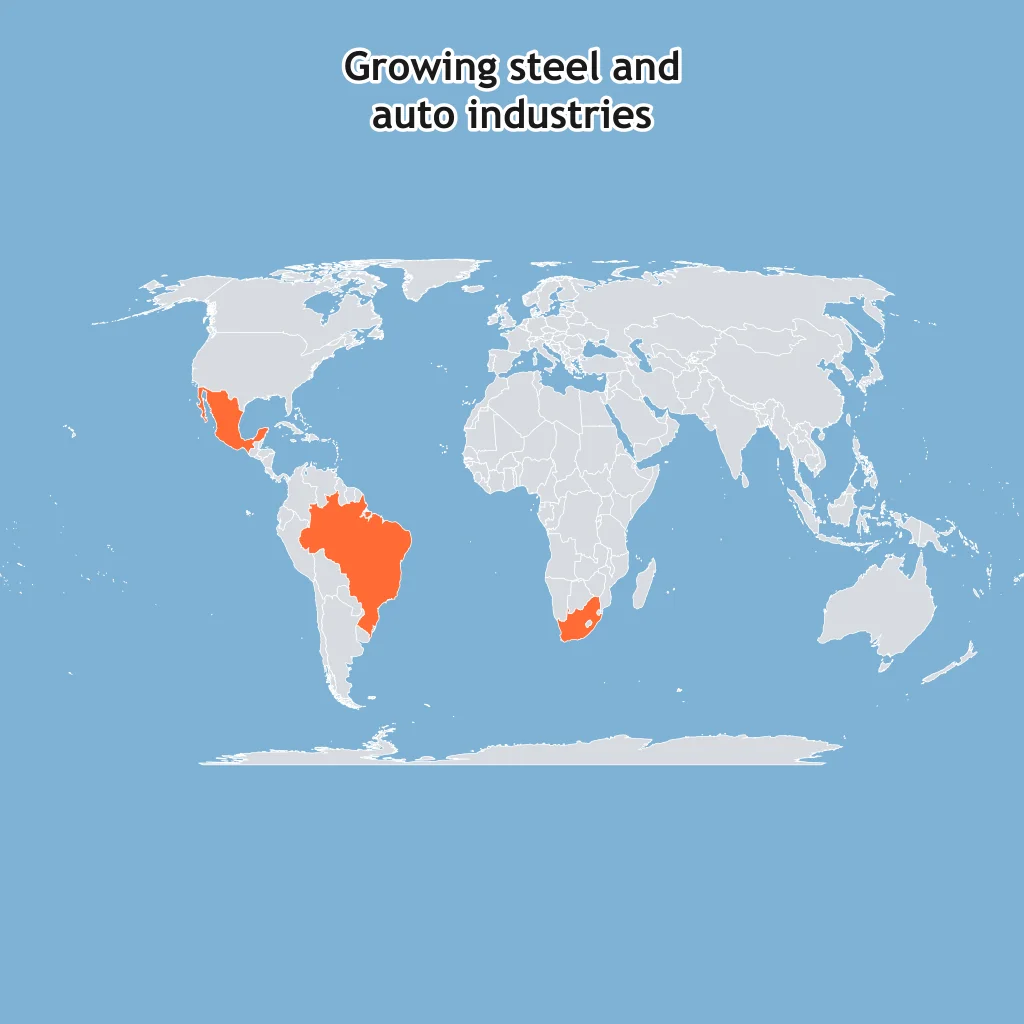
A country has growing steel and auto industries, exports some minerals and manufactured goods, and still depends on core countries for advanced machinery. Which tier is most likely?
Most exports are raw cotton, crude oil, and copper ore, while most finished consumer goods are imported. Which world-systems position best matches the country?
A state houses major banks, research labs, and firms that set global production standards, while importing food and minerals. Which tier does this describe?
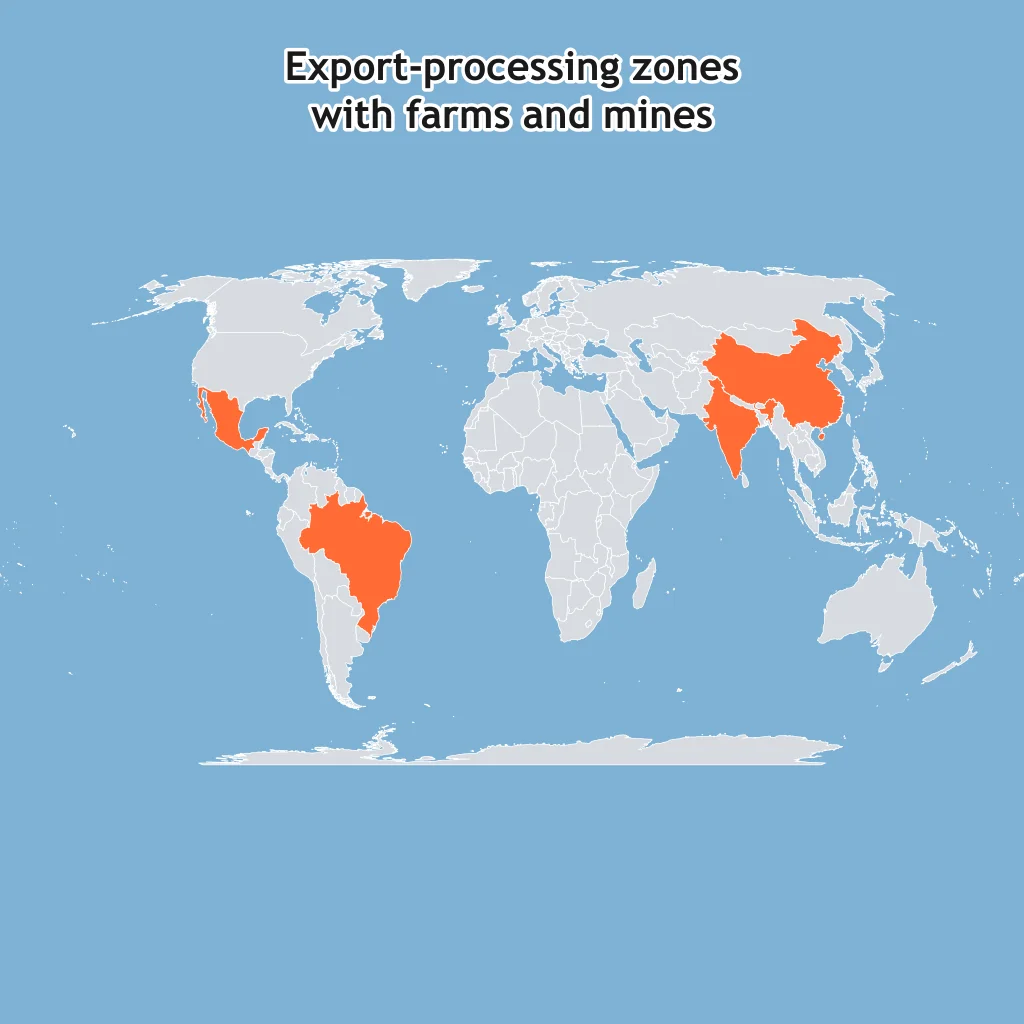
A country still has many farms and mines, but export-processing zones assemble phones and appliances for foreign brands. Which tier best describes this mixed role?
Foreign firms own plantations and mines, and the country ships raw crops and ores abroad with little processing. What tier is indicated?
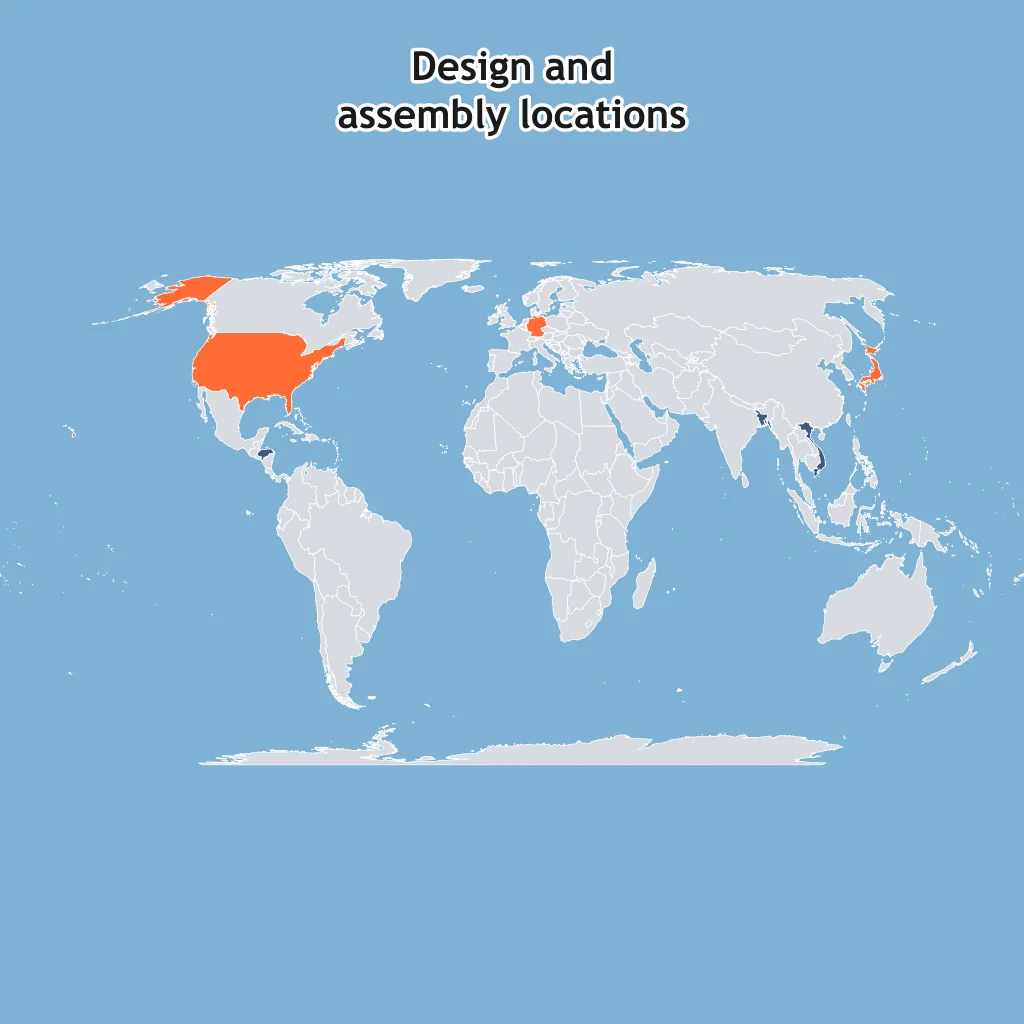
High incomes, patents, finance, and quaternary services are concentrated in one country, while assembly is outsourced abroad. Which position is this?
A country sells auto parts and clothing to world markets, buys advanced core machinery, and has firms investing in poorer neighbors. Which tier is most likely?
A clothing brand designs and markets shirts in a high-income country but contracts sewing to low-wage factories abroad. What does this arrangement show?
Cobalt is mined in a poorer country, then refined, patented, and sold as branded batteries by firms in rich countries. Where does the greatest value tend to accumulate?
Tropical fruit is grown on contract farms in low-income countries, but supermarket chains abroad control shipping, branding, and shelf prices. What relationship is shown?
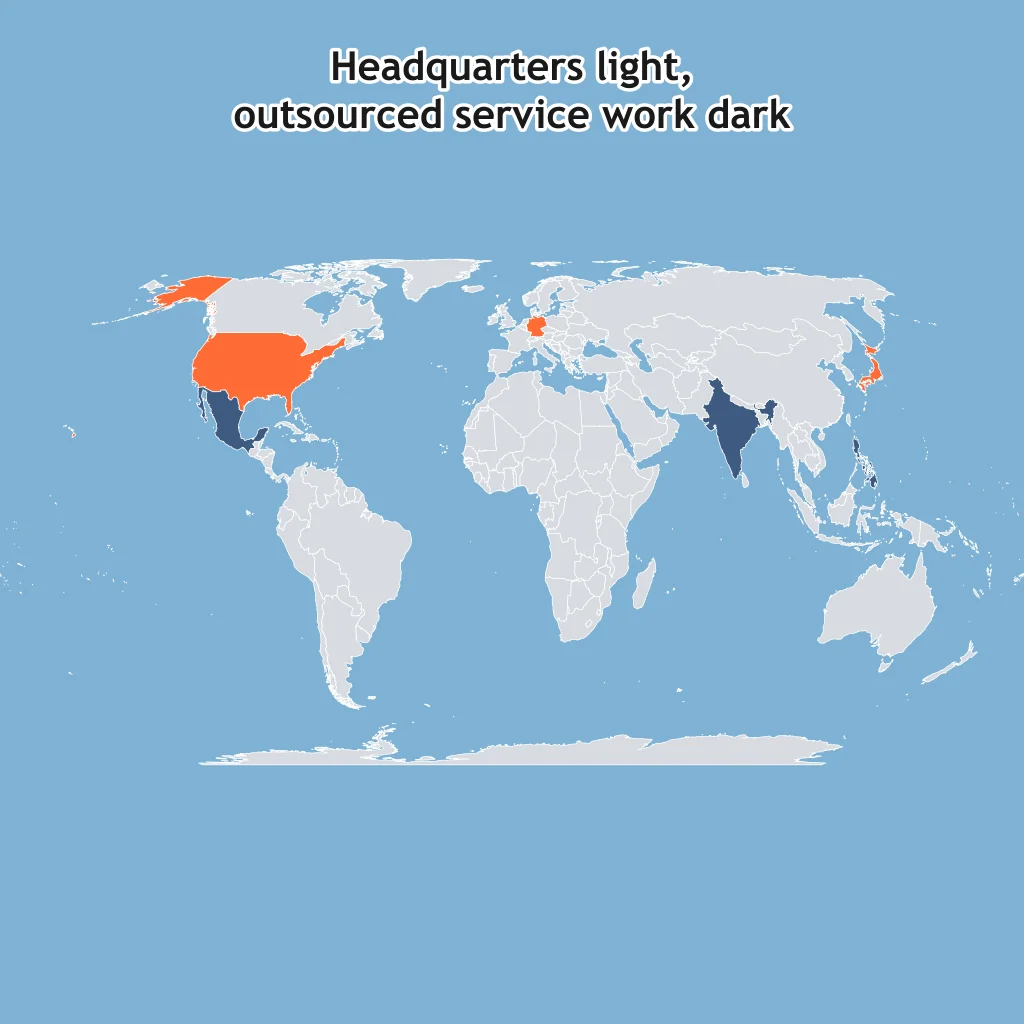
A platform company keeps patents and data systems at headquarters, while customer service is moved to a lower-wage country. What is the world-systems interpretation?
An automaker based in a core country sources parts from semi-periphery plants and assembles cars in a periphery country. Which functions does it usually keep in the core?
Raw cotton is grown in poorer countries, but fashion labels in wealthy countries set styles, prices, and advertising. Which step would most help a cotton-growing country capture more of the chain's value?
A software firm in a core city hires low-wage data labelers abroad while keeping algorithms and revenue platforms at home. What is the best interpretation?
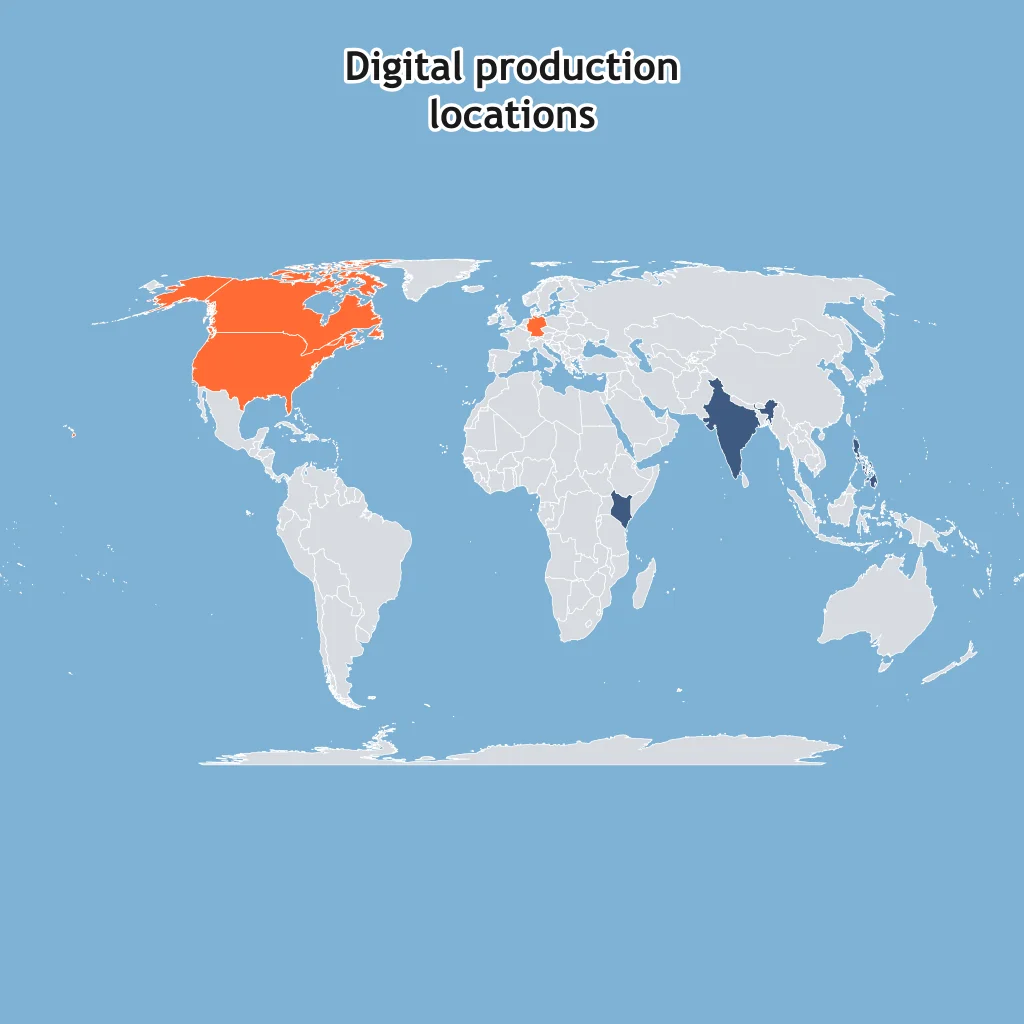
An export-processing zone assembles phones for a foreign brand. In world-systems terms, what does the host country mainly gain?
A former colony still sells most cocoa to processors in its former ruler's country and borrows from banks there. Which concept names this continuing tie?
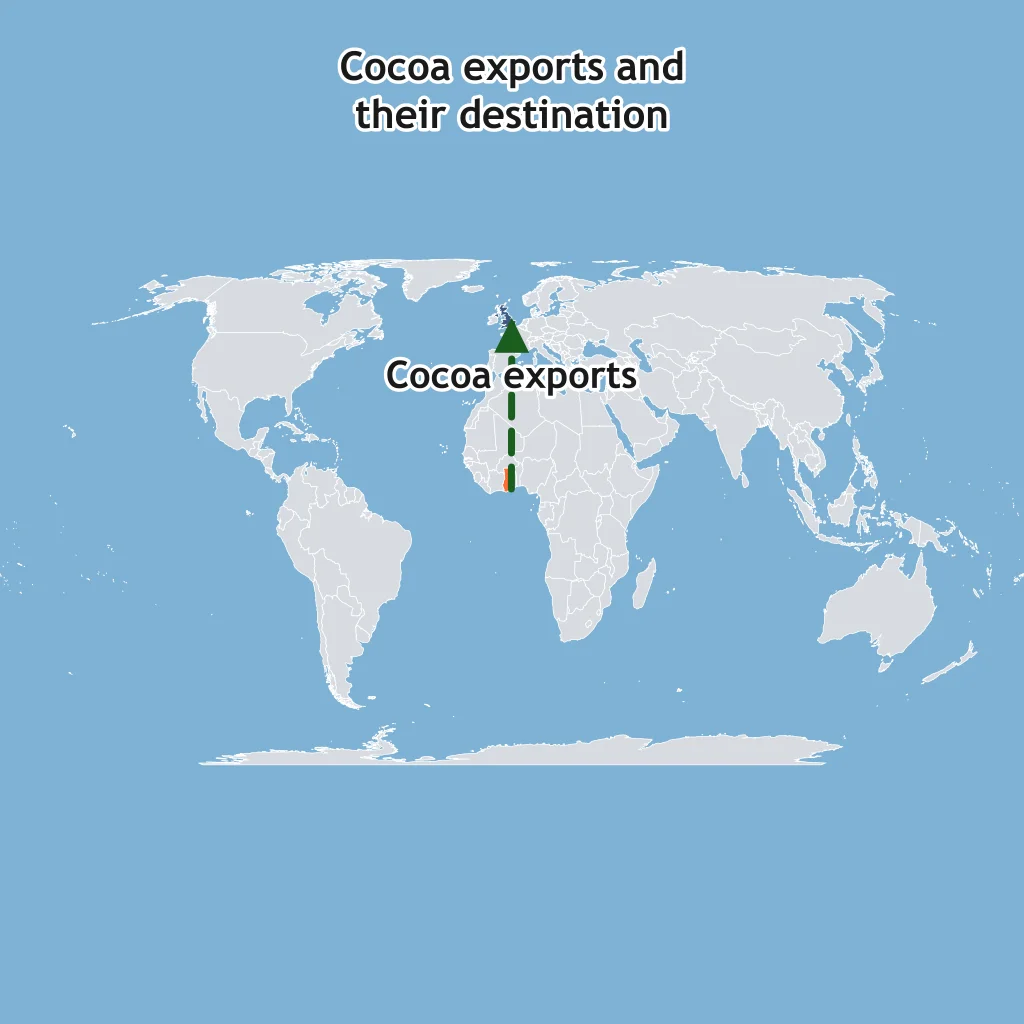
A railroad and port built to export one crop to a colonial metropole still channel most exports to that same market. What relationship is being described?
Mining concessions are controlled by firms from a former colonizer, and export taxes repay loans from banks in that country. Which concept best fits?
A former colony pegs its currency to its former ruler's currency and relies on that country for aid, loans, and export markets. What does this show?
A plantation economy still sends crops to overseas refiners and shipping firms based in the former empire. Which term best names the pattern?
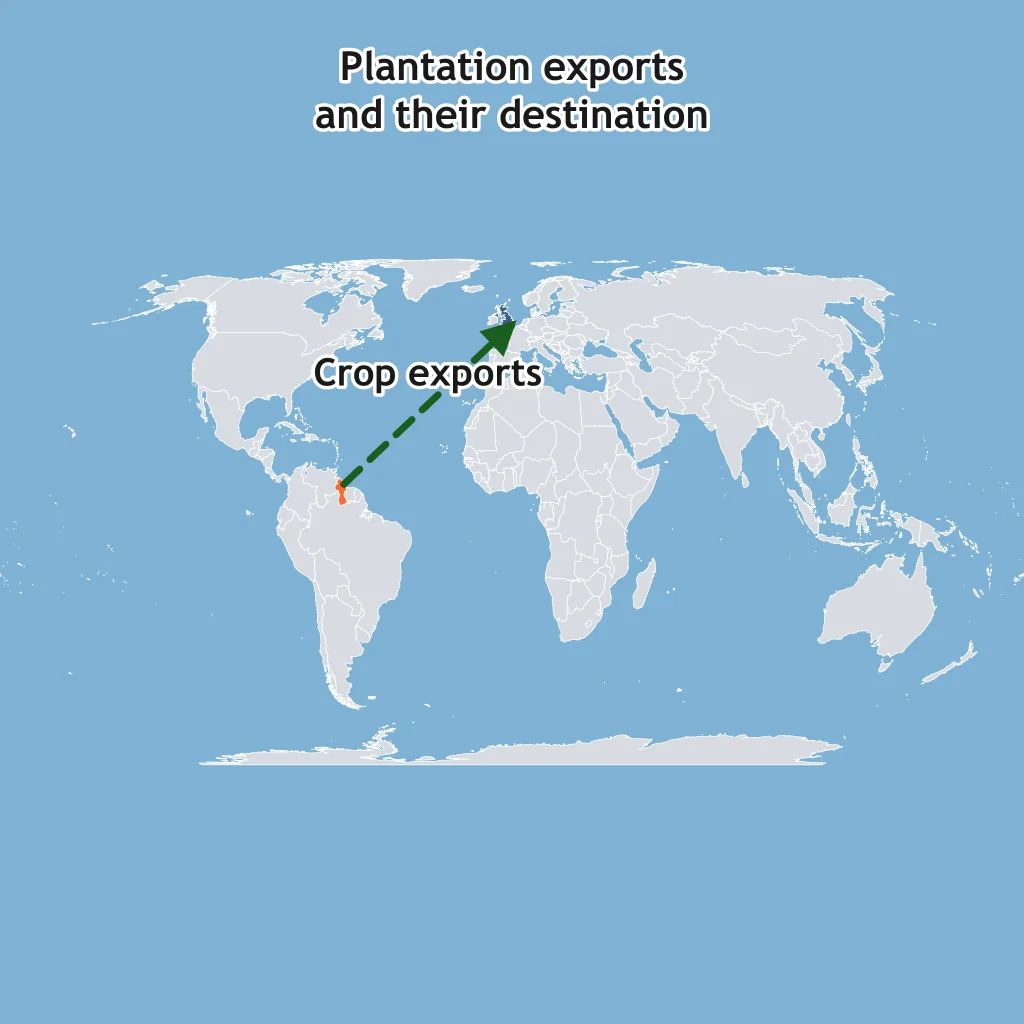
A former colony exports raw ore to its former ruler and imports expensive finished goods made from that ore. Which concept best describes the exchange?
A country's budget depends on commodity prices set in distant core markets and on loans with outside conditions. Which theory focuses on this constraint?
A beach resort area is run by companies from a former colonial power. Most of the money it earns leaves the country, and local people mostly work low-wage service jobs. What is the best label?
Rostow and Wallerstein disagree about the main unit to analyze. Which statement captures the contrast?
A teacher asks whether development problems come mainly from internal savings and investment or from a country's position in global capitalism. Which pairing is correct?
Rostow says every country can eventually reach high mass consumption. Why does Wallerstein's theory doubt that all countries can become core at the same time?
A policy adviser says any poor country can industrialize by raising savings and investment and following the path that rich countries took. Which theory is this closest to?
Which statement best contrasts how Rostow and Wallerstein view history?
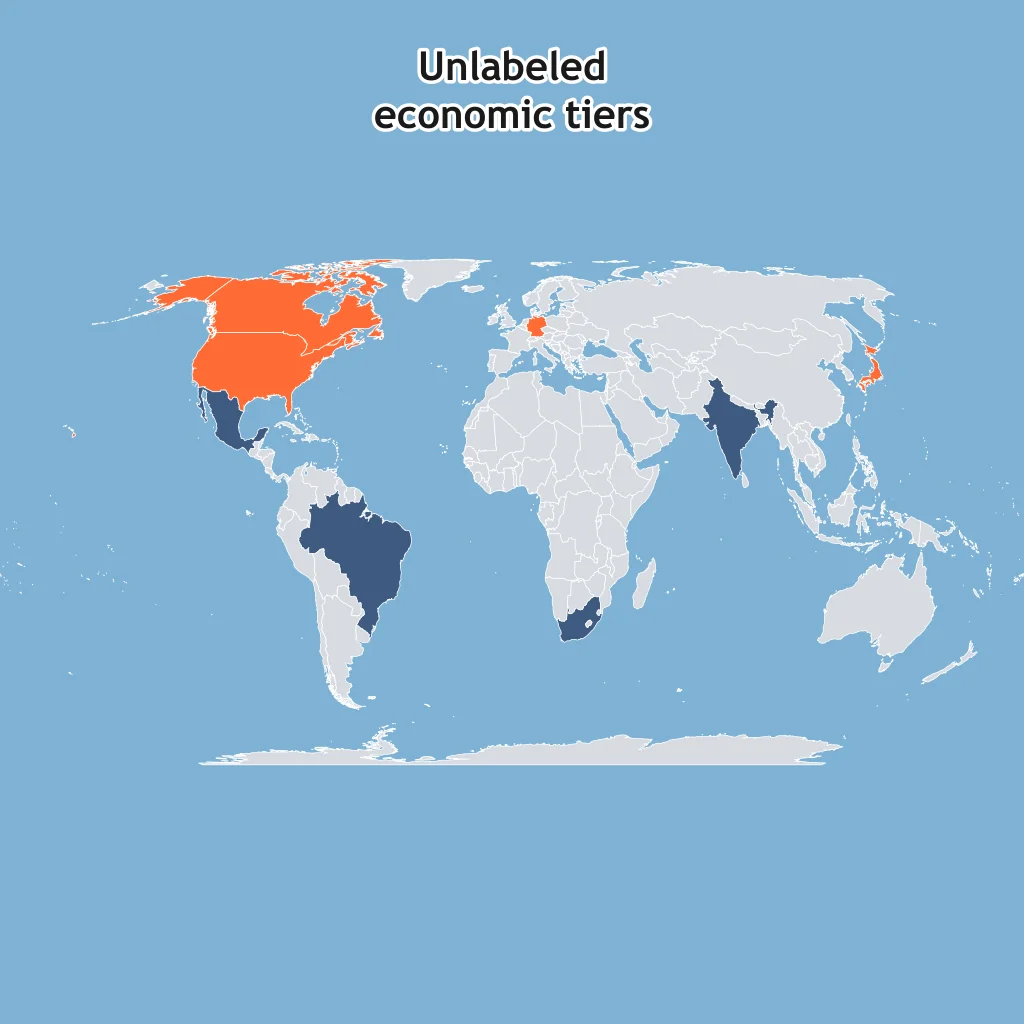
On the tier map, the shaded group containing the United States, Germany, Japan, and Canada is being identified. Which tier is that group?
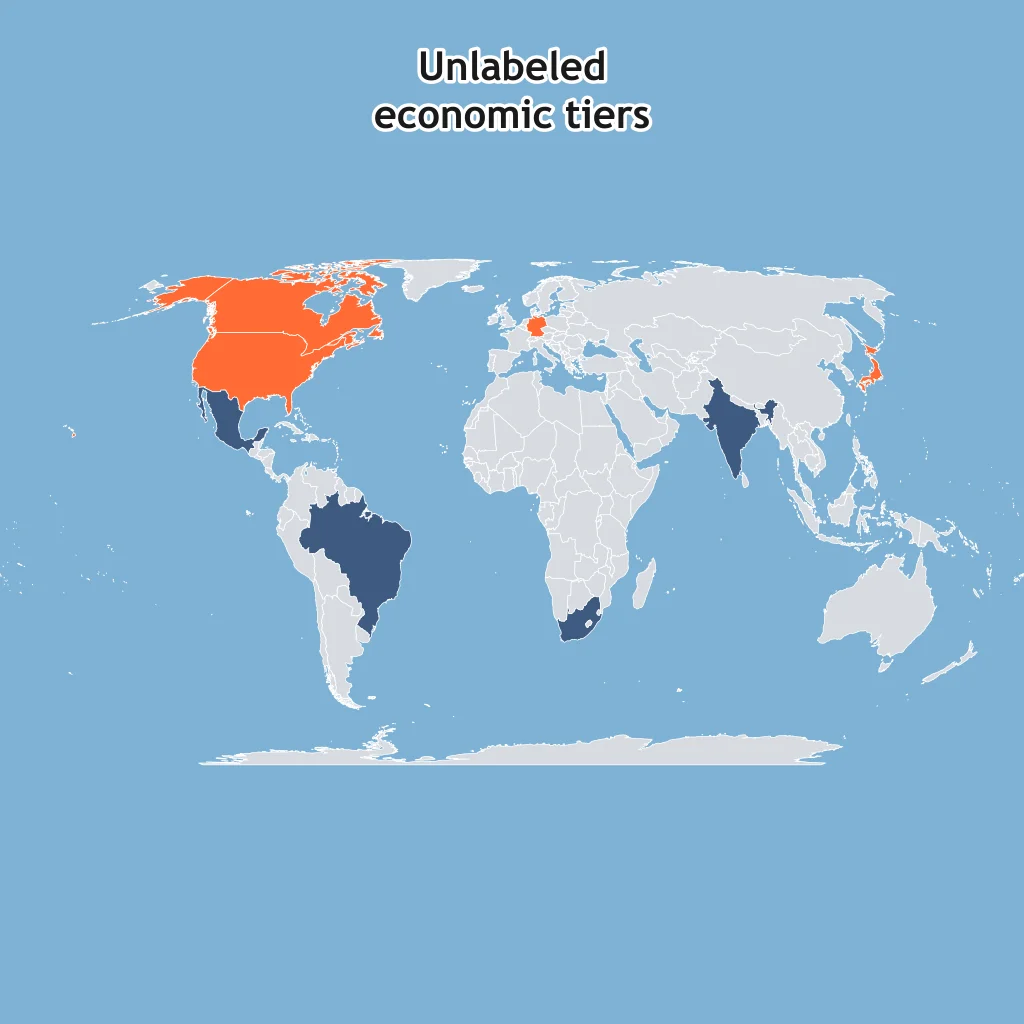
On the unlabeled tier map, one shade covers Brazil, India, Mexico, and South Africa. Which world-systems tier does that shade represent?
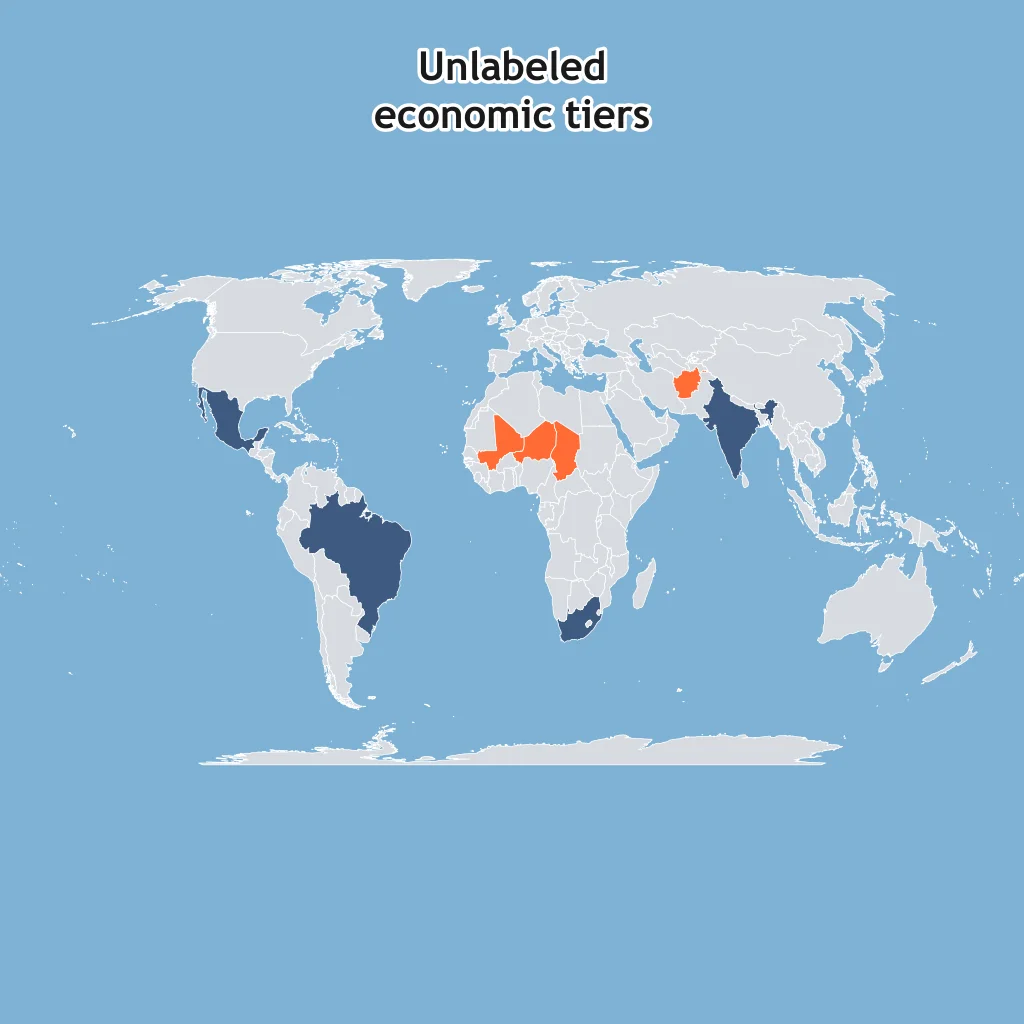
The map's shaded group includes Niger, Chad, Mali, and Afghanistan. In Wallerstein's framework, which tier is being shown?
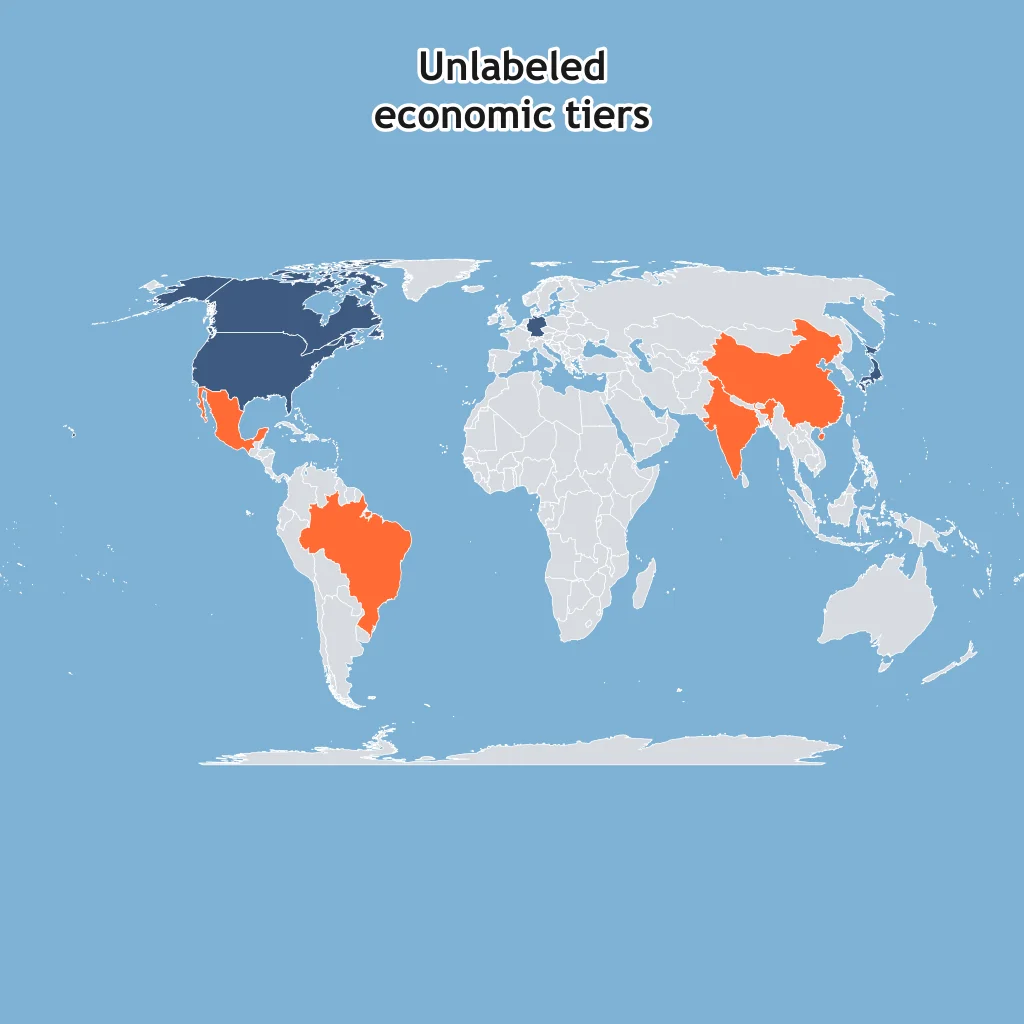
A map shade covers China, India, Brazil, and Mexico rather than the high-income core group. Which tier is that shade most likely marking?
Agglomeration, Break-of-Bulk and Deindustrialization
30 questions
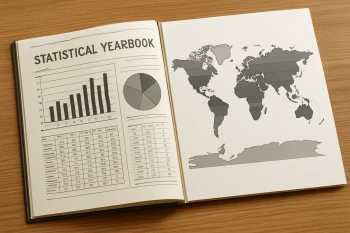
Measures of Development: GDP, GNI, HDI and Sectoral Structure
35 questions
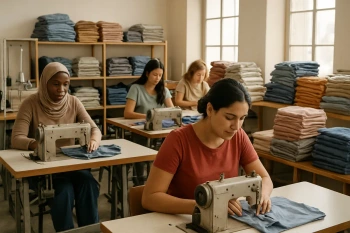
Measuring Gender Inequality: GII, Gini and Women in Development
30 questions
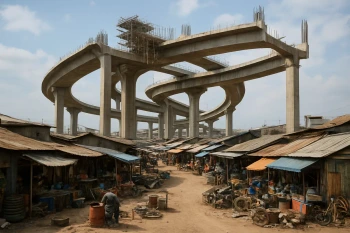
Rostow's Stages of Economic Growth
25 questions
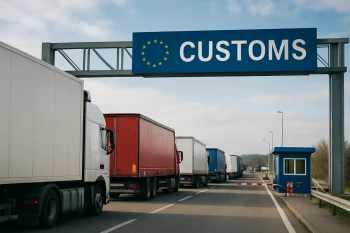
Trade and the World Economy: Comparative Advantage and Trade Blocs
35 questions
Crack the passcode before the zombies get in.
Answer, then swat bugs for bonus points.
Race through questions at your own speed.
Same question on every screen. Fastest wins.

Pick a tile, answer, hit bonuses and steals.