Loading
by BlastRoom
Why countries trade what they trade, and what a trade bloc changes.
#us_hs_human_geography
35 questions
One question set, multiple game modes. Tap any game to see it in action. Not sure which to pick?
Answer to place stones and capture territory.
Outrun the snow together.
Earn blasts, then hunt the other team.
Answer to earn energy, then climb.

The class blasts through walls together.
Bid on mystery lots. Most money wins.
Sell tours. Nice, standard, or a total scam.

Answer, restock, and serve the rush.
More correct answers pulls the rope your way.
Answer, then shoot down the alien wave.
Answer, then tap to leap the frozen ridge.
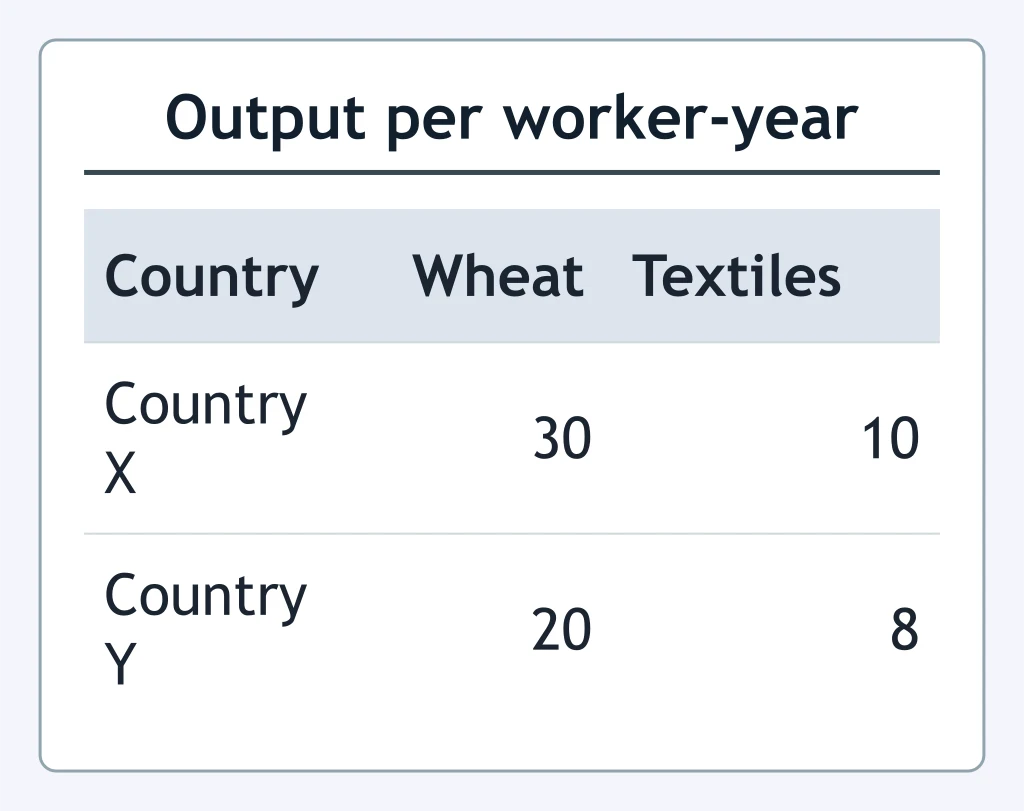
Use the table. Which country has the comparative advantage in textiles?
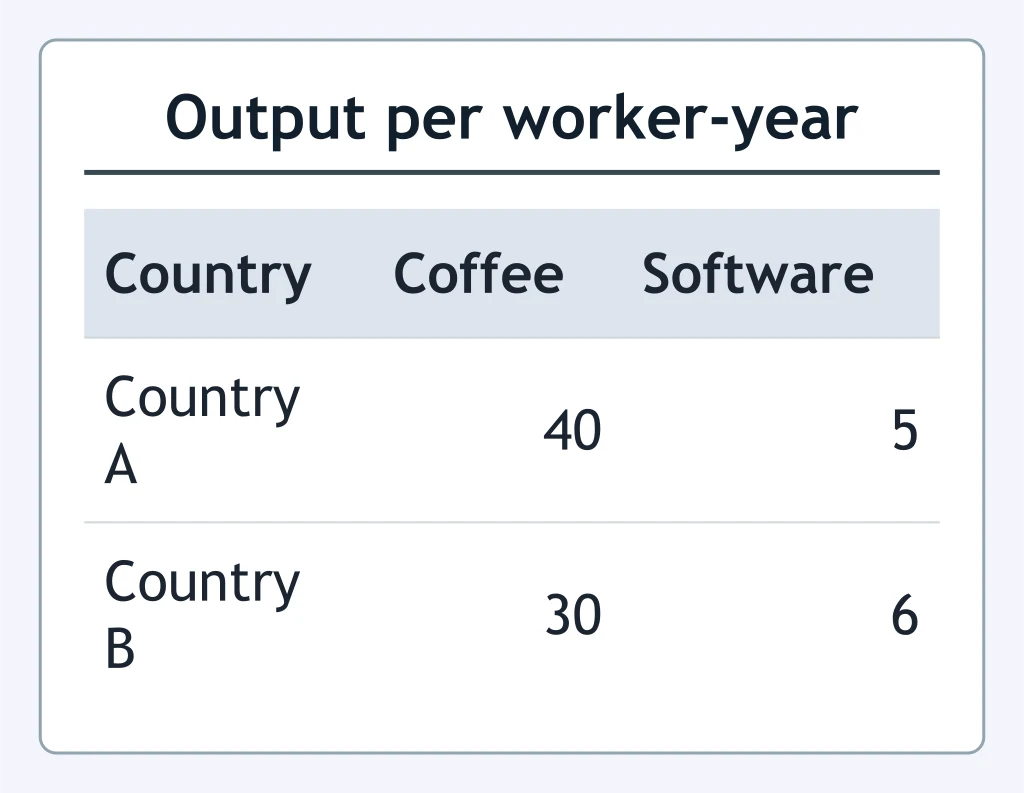
From the table, which country should specialize in coffee under comparative advantage?
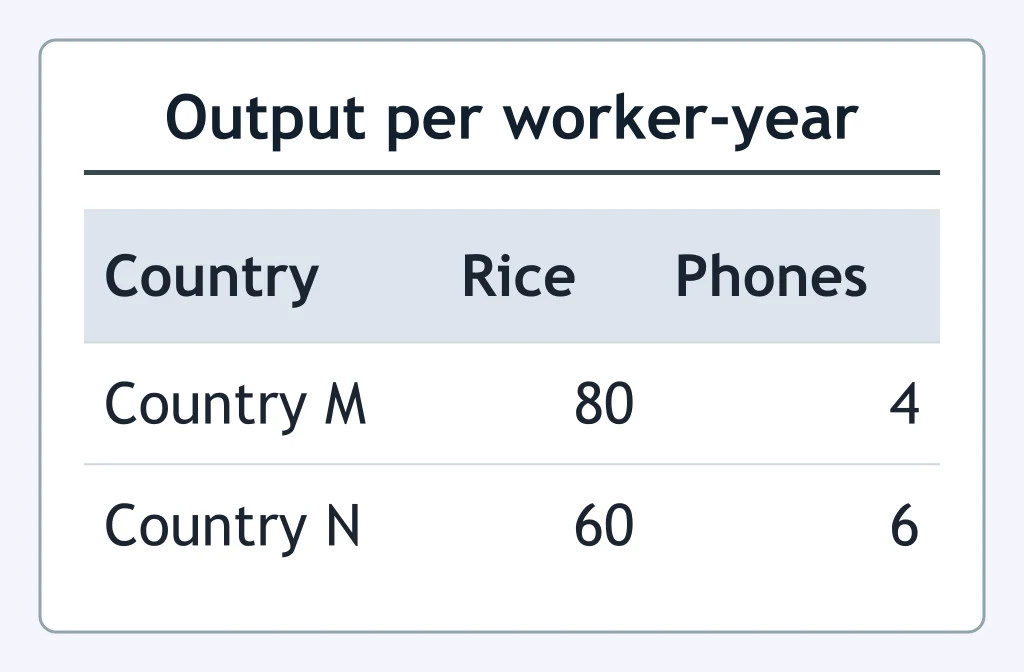
Read the output table. Which country has the comparative advantage in phones?
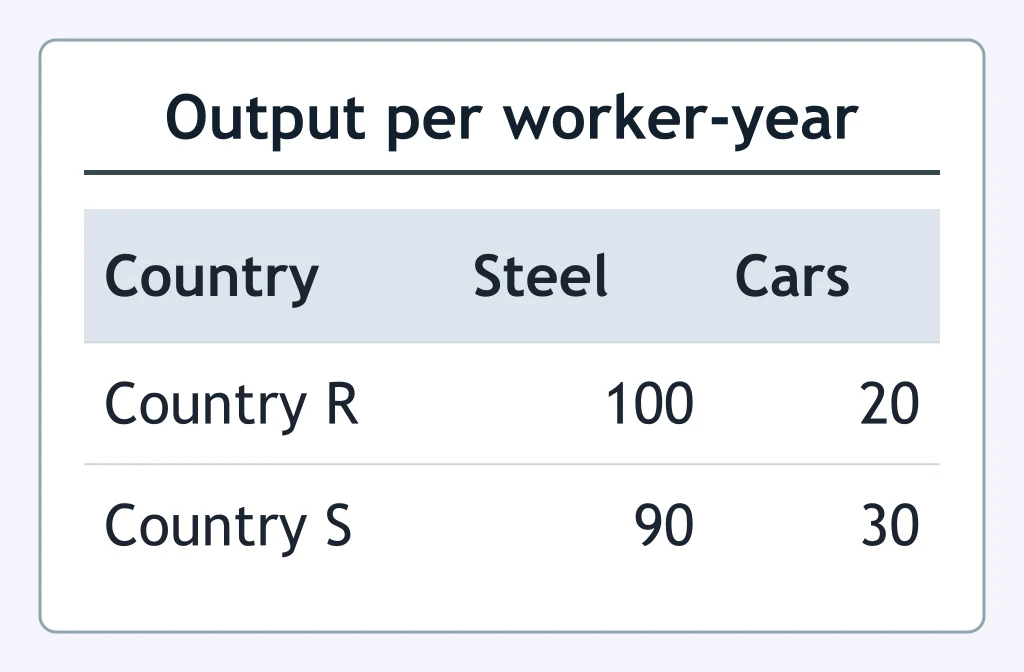
The table shows possible output from the same labor. Which country has the comparative advantage in steel?
Using the table, which country has the lower opportunity cost for computers?
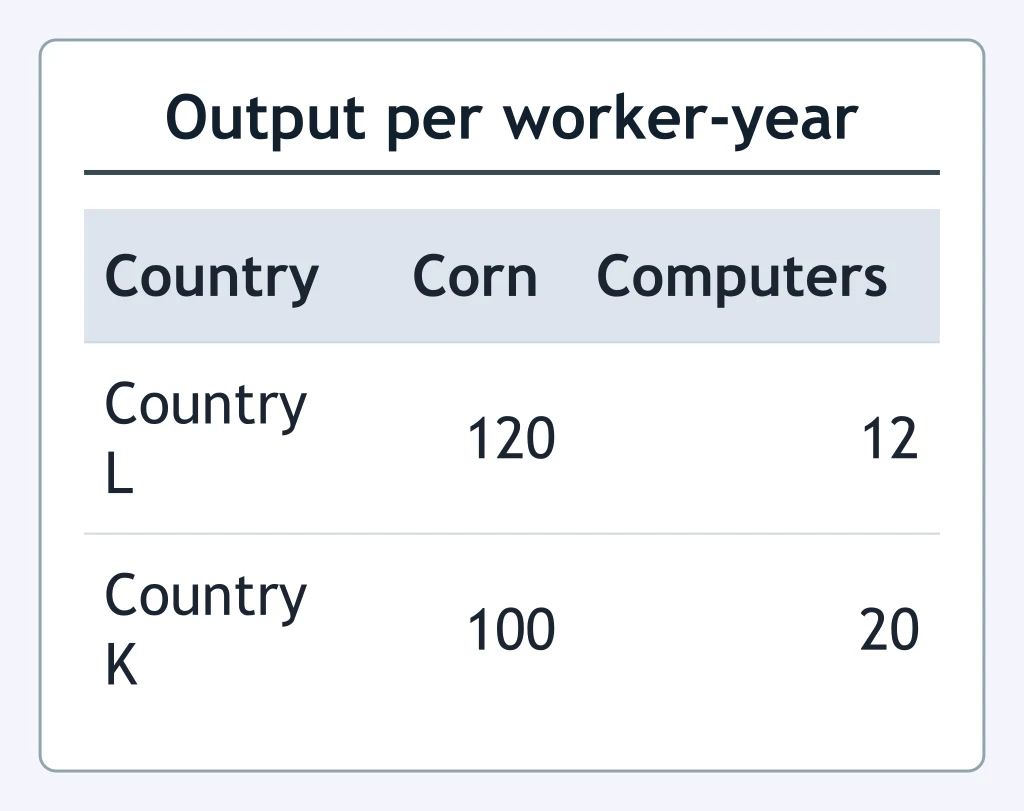
Which country should specialize in lumber if trade follows comparative advantage?
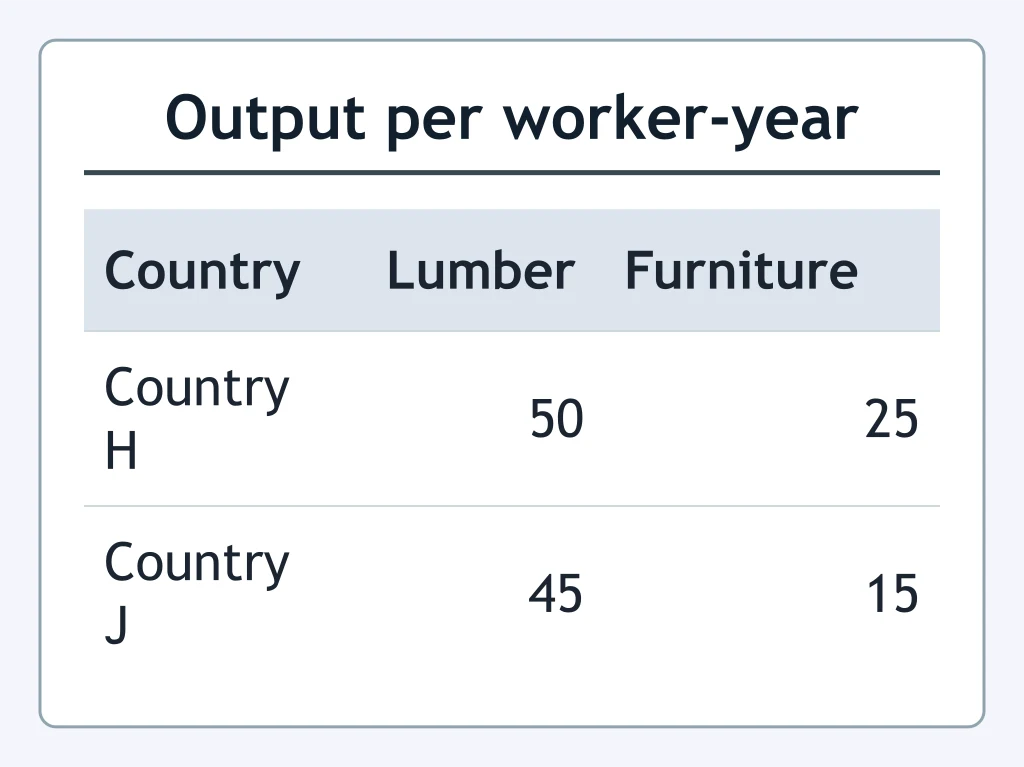
Study the table. Which country has the comparative advantage in boats?
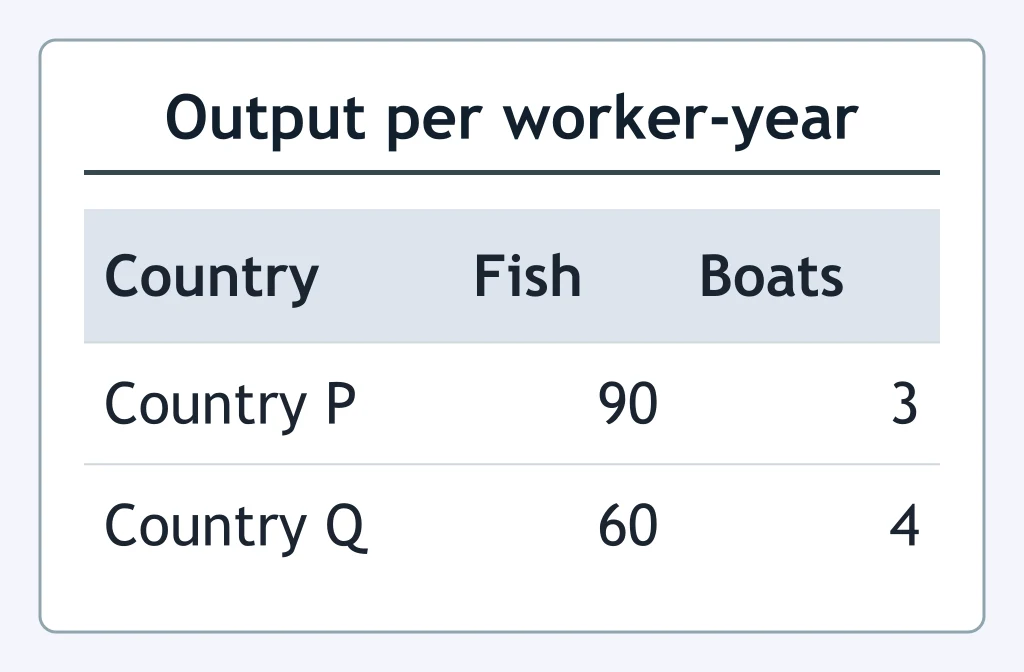
From these production possibilities, which country has the comparative advantage in cloth?
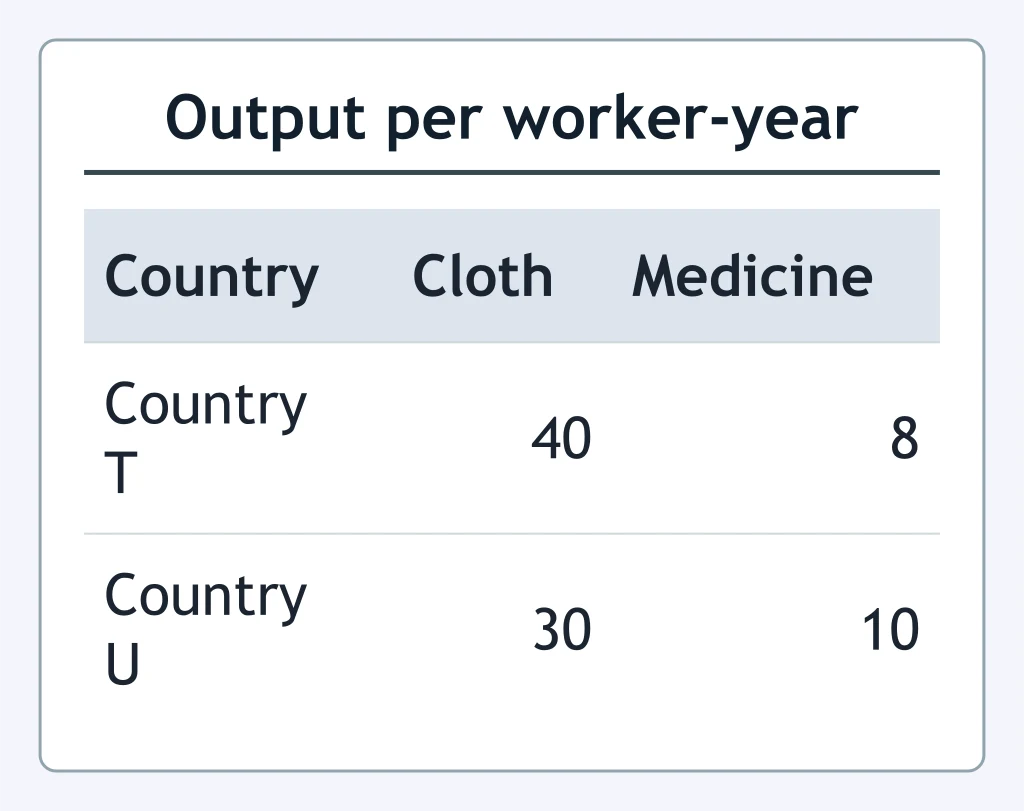
Use the table to decide specialization. Which country has the comparative advantage in wheat?
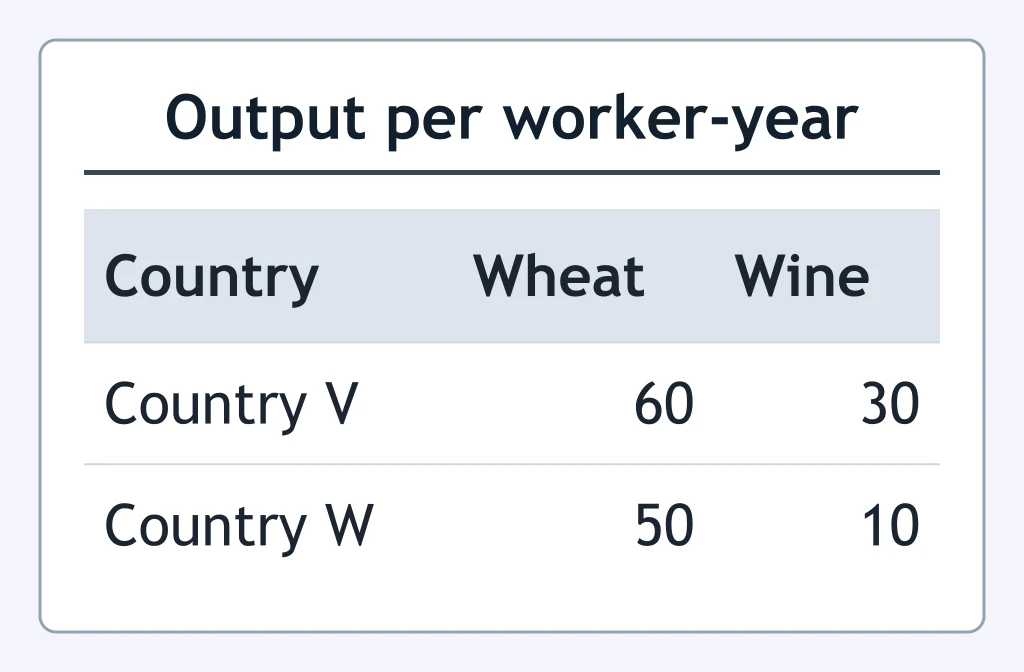
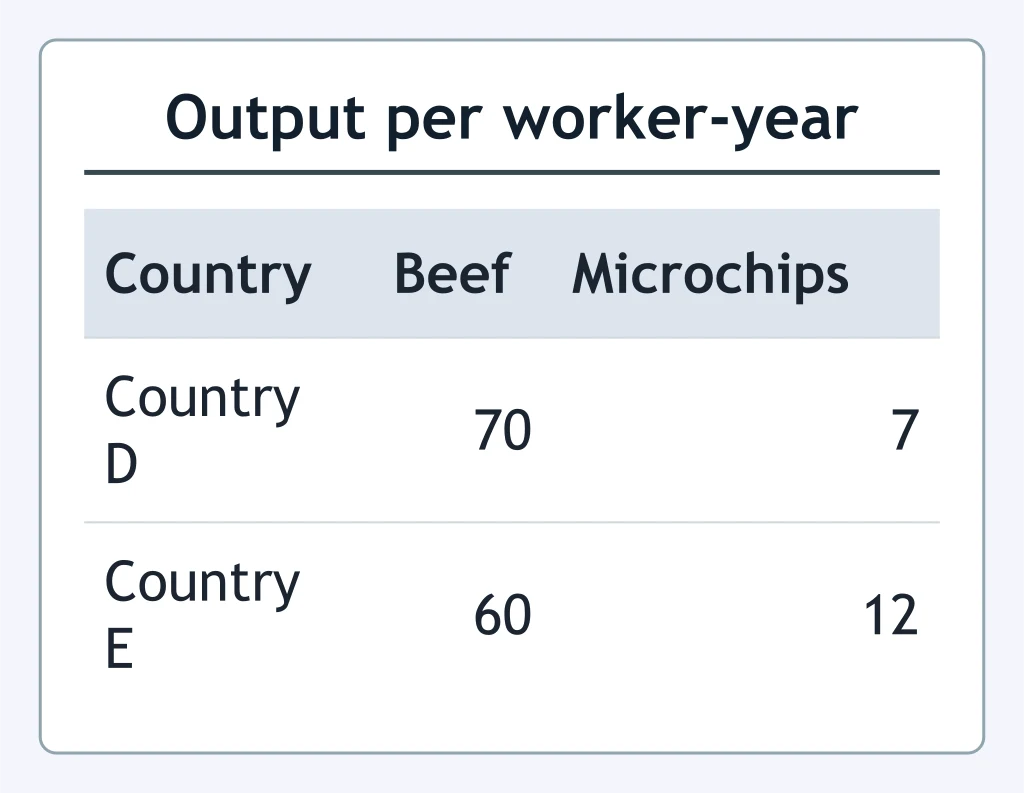
According to the table, which country should specialize in microchips?
Country North gives up 2 sacks of grain for one shirt; Country South gives up 5 sacks for one shirt. If trade opens, what pattern is predicted?
A coastal economy gives up little fish output to make circuit boards; an inland partner gives up little board output to produce fish. After trade opens, what should happen?
Factory A uses fewer labor hours for every good, but its opportunity cost is lowest in machinery; Factory B's is lowest in food. What does trade theory predict?
After transport costs fall, the economy with lower opportunity cost in shoes expands shoe output. What is the likely response of its trading partner?
Island A gives up 1 ton of bananas for each tourism hour, while Island B gives up 3 tons for each tourism hour. Ferries lower trade costs. What is expected?
Two countries have identical opportunity costs in wheat and textiles. What does comparative advantage alone predict after trade opens?
A region entering a larger market has low opportunity cost in auto parts and high opportunity cost in fruit. Its partner is the reverse. What pattern follows?
Members removed many internal barriers, apply many common rules, allow workers to move freely, and many share the euro. Which organization matches this deep integration?
The map highlights the members of a trade bloc that lowers many tariffs but lacks a common currency or full labor mobility. Which bloc is it?
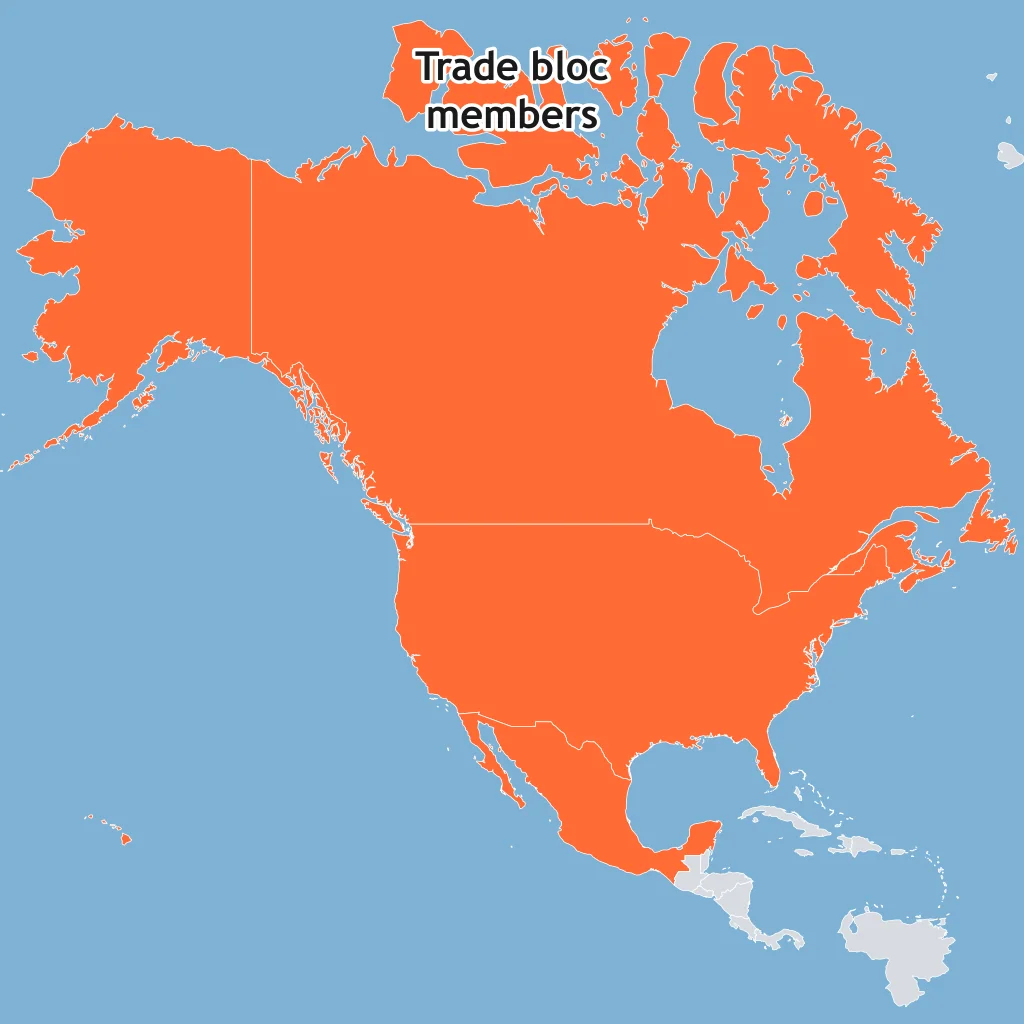
The map highlights the founding members of a customs union with a common external tariff. Which bloc is it?
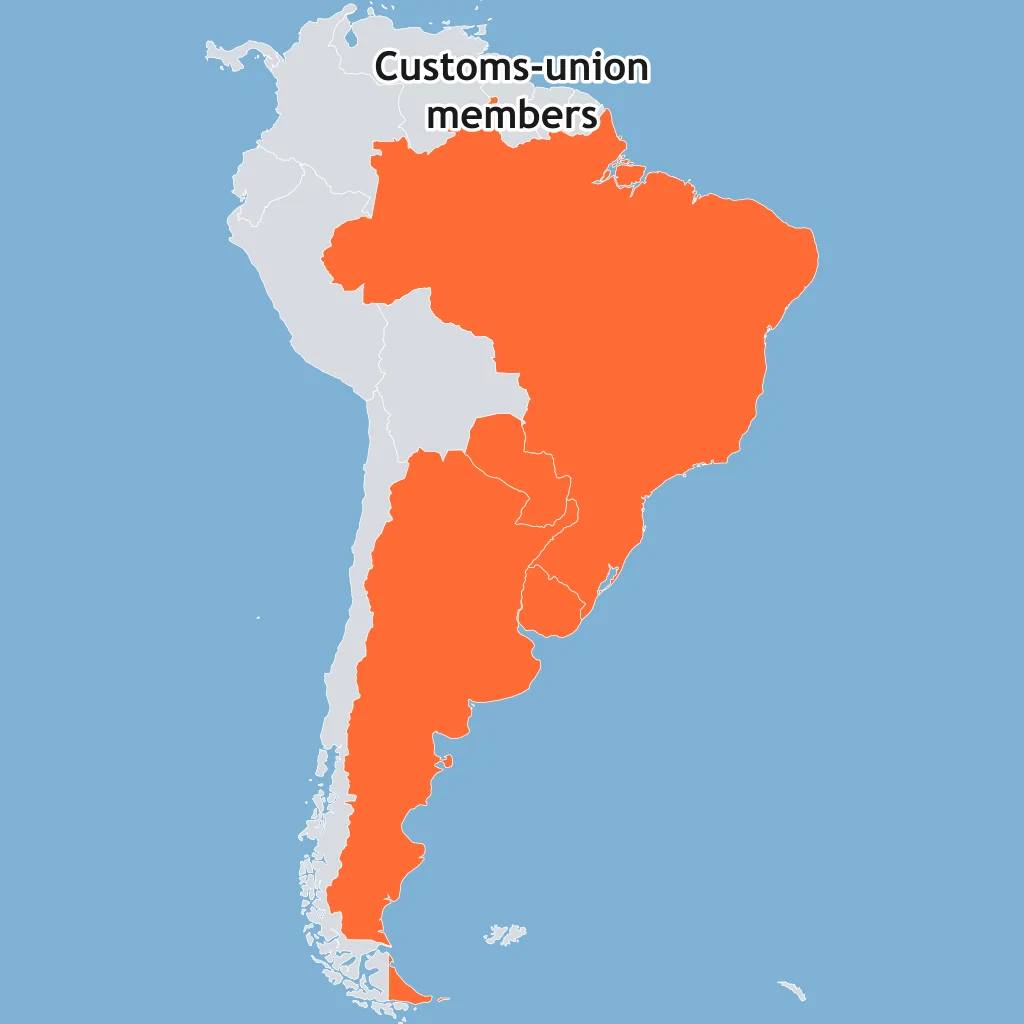
A bloc that includes Indonesia, Vietnam, and Thailand promotes tariff reduction through its free trade area but has not adopted a single currency or EU-style labor market. Which bloc is it?
A bloc removes tariffs among members but lets each member set its own tariff rates on outside countries. What depth of integration is this?
A group eliminates internal tariffs and agrees on one tariff schedule for imports from nonmembers, but it does not guarantee free labor movement. What is it?
A bloc removes internal tariffs, uses a common external tariff, and allows workers and capital to move across member borders. What depth is this?
Member states share a market and coordinate major economic policies; several also use a common currency managed by a shared central bank. What stage is this?
Before 2020, the United States, Canada, and Mexico belonged to a trade pact that cut many tariffs without a common external tariff. Which agreement was it?
An agreement open to all African Union members aims to lower tariffs across nearly the whole continent while members keep their own currencies. Which bloc is it?
A 25% duty on imported steel lets domestic mills charge more. Carmakers using steel face higher input costs and lose foreign sales. What effect is shown?
A quota caps imported sugar below normal demand. Sugar prices rise, and candy makers reduce production. What is the direct effect?
An import tariff makes foreign clothing more expensive. Domestic clothing firms hire more workers, but shoppers pay higher prices. What trade-off is shown?
After Country A taxes imported aluminum, Country B answers with a tax on Country A's farm exports. Farmers in A lose orders. What chain is this?
A port requires lengthy certification only for imported electronics. Shipments wait, importers pay storage fees, and local producers gain sales. What barrier is operating?
A government pays its wheat farmers for each ton they sell abroad, letting them price below cost. Foreign farmers say prices are artificially low. What effect is this?
A country bans exports of rare minerals during a shortage. Domestic processors get cheaper inputs, but foreign buyers scramble for substitutes. What effect is shown?
A high tariff on imported laptops cuts imports, raises consumer prices, and brings the government tariff revenue. What effect does this trace?
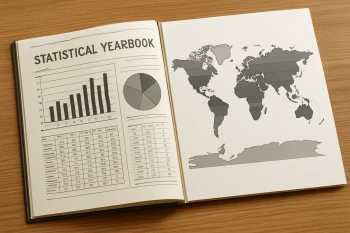
Measures of Development: GDP, GNI, HDI and Sectoral Structure
35 questions
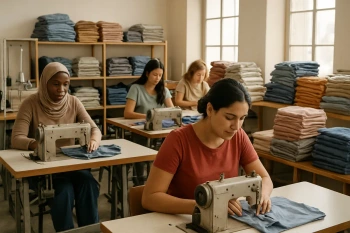
Measuring Gender Inequality: GII, Gini and Women in Development
30 questions
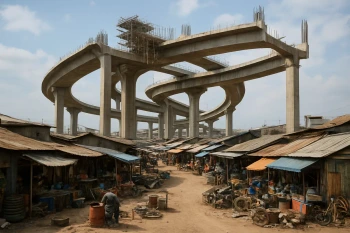
Rostow's Stages of Economic Growth
25 questions
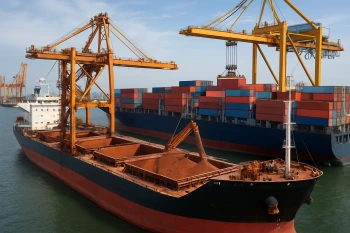
World-Systems Theory, Dependency Theory and Core-Periphery
35 questions

Outsourcing, Special Economic Zones, Post-Fordism and the New International Division of Labor
Crack the passcode before the zombies get in.
Answer, then swat bugs for bonus points.
Race through questions at your own speed.
Same question on every screen. Fastest wins.

Pick a tile, answer, hit bonuses and steals.
35 questions