Loading
by BlastRoom
Why industry clusters, where it transfers, and what is left when it leaves.
#us_hs_human_geography
30 questions
One question set, multiple game modes. Tap any game to see it in action. Not sure which to pick?
Answer to place stones and capture territory.
Outrun the snow together.
Earn blasts, then hunt the other team.
Answer to earn energy, then climb.

The class blasts through walls together.
Bid on mystery lots. Most money wins.
Sell tours. Nice, standard, or a total scam.

Answer, restock, and serve the rush.
More correct answers pulls the rope your way.
Answer, then shoot down the alien wave.
Answer, then tap to leap the frozen ridge.
Twelve robotics suppliers share a district with trained welders, prototype labs, and freight brokers. What location factor best explains why they locate together?
A film-production neighborhood contains camera rental houses, editing studios, acting schools, and casting agencies. Why does the location attract more production firms?
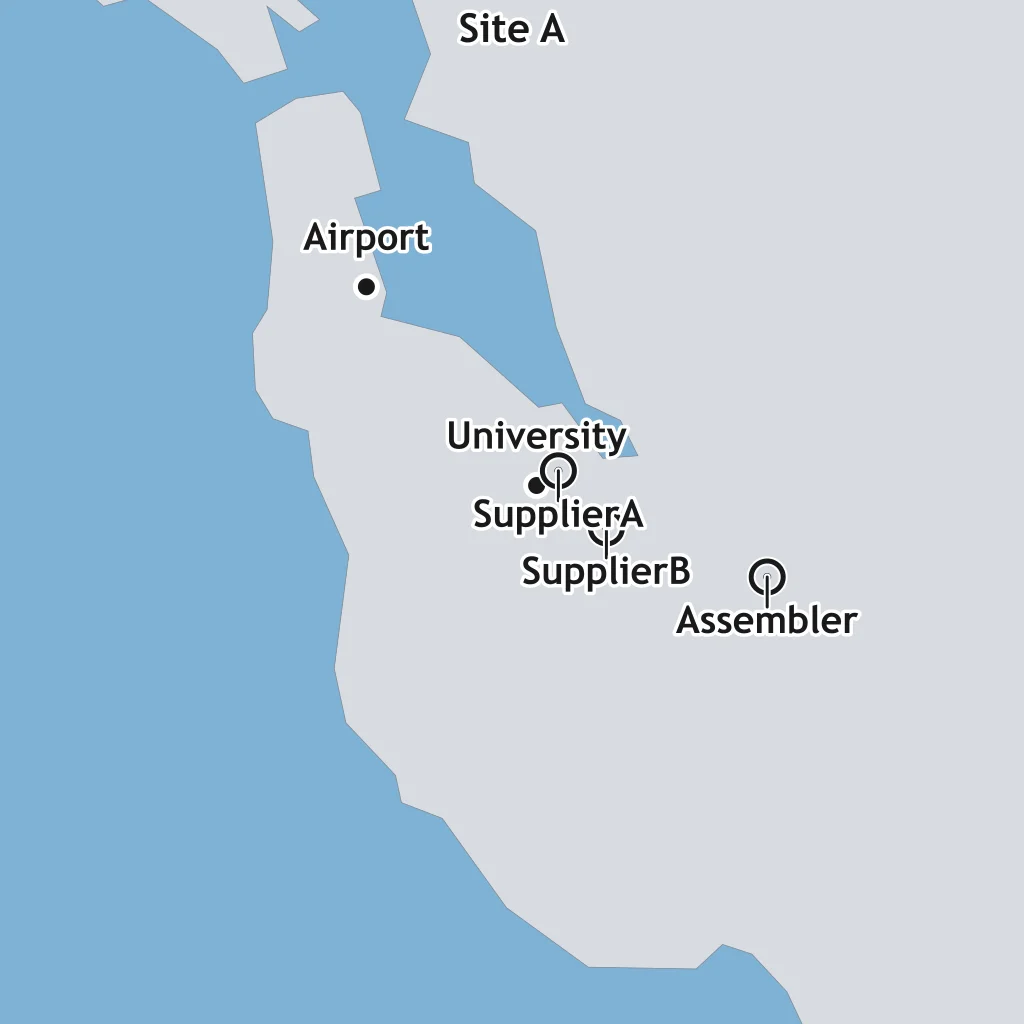
Use the map. Electronics firms are considering the marked group of suppliers, a university, and an airport. What location factor does the pattern show?
A biotech corridor has labs, patent lawyers, venture capital offices, and specialized cold-chain carriers within a few miles. Which location factor is strongest?
A furniture district keeps growing because cabinet shops can hire finishers quickly and buy hardware from nearby wholesalers. What explains this local advantage?
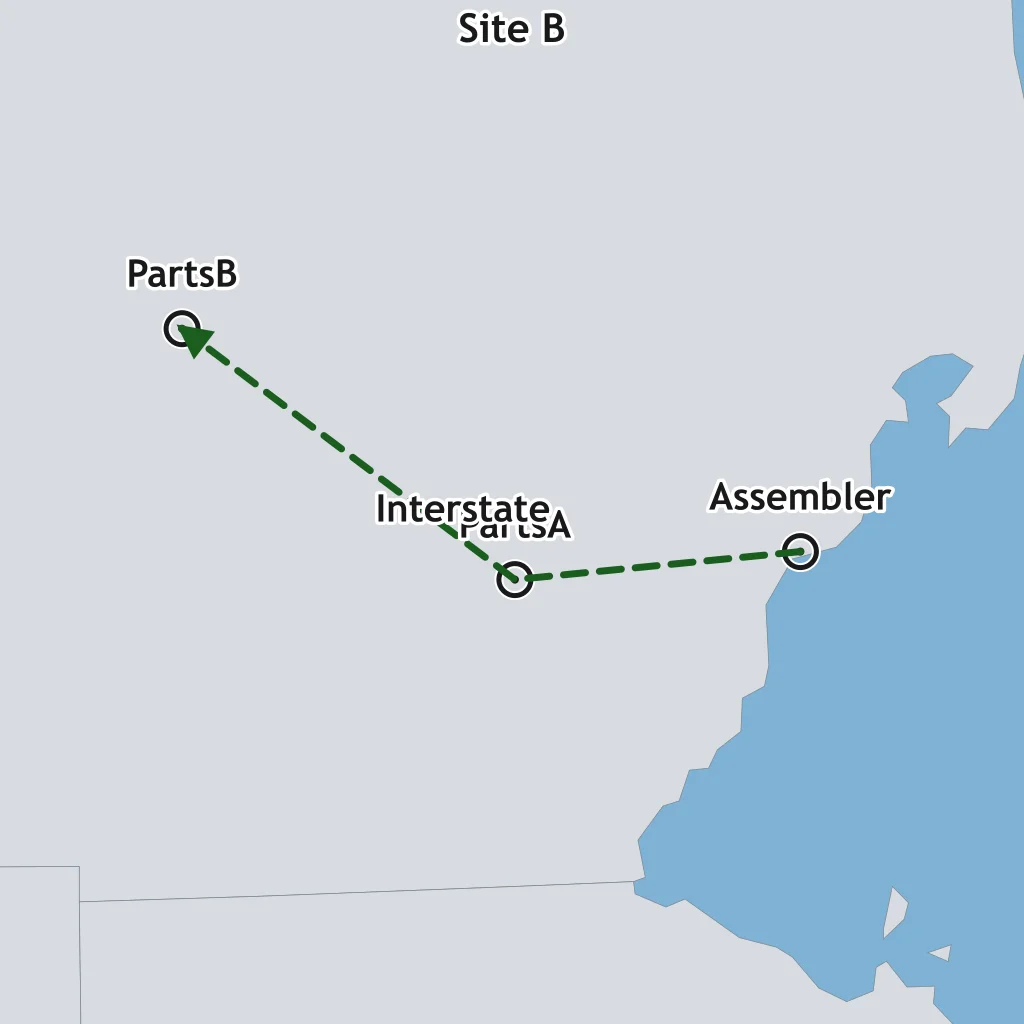
Use the map. A vehicle assembler would save coordination time by locating near the mapped parts plants and route network. What factor is being used?
Four craft breweries locate on the same former warehouse street, sharing bottle suppliers, repair technicians, and a trained workforce. What process makes the street attractive?
A medical device startup chooses a city block with sterilization firms, engineers, and calibration services already nearby. What location factor is it using?
After years of growth in a garment district, traffic delays, high rents, and wage competition push several factories to smaller cities. What process is illustrated?
A mature tech hub loses hardware manufacturers after office rents triple and engineers become too expensive. What best names the movement away from the hub?
In a crowded port-side industrial zone, land prices and congestion charges rise, so metal fabricators relocate inland. What is this cost-driven shift?
A plastics cluster once lowered costs, but scarce warehouse space and higher wages now outweigh the benefits. Firms begin dispersing. What happened?
When suppliers packed into one district, delivery times first improved, but later jams and rent hikes made firms leave for cheaper suburbs. What concept fits the later stage?
Use the map. A steel service center is choosing the marked dock site. What advantage does the site offer?
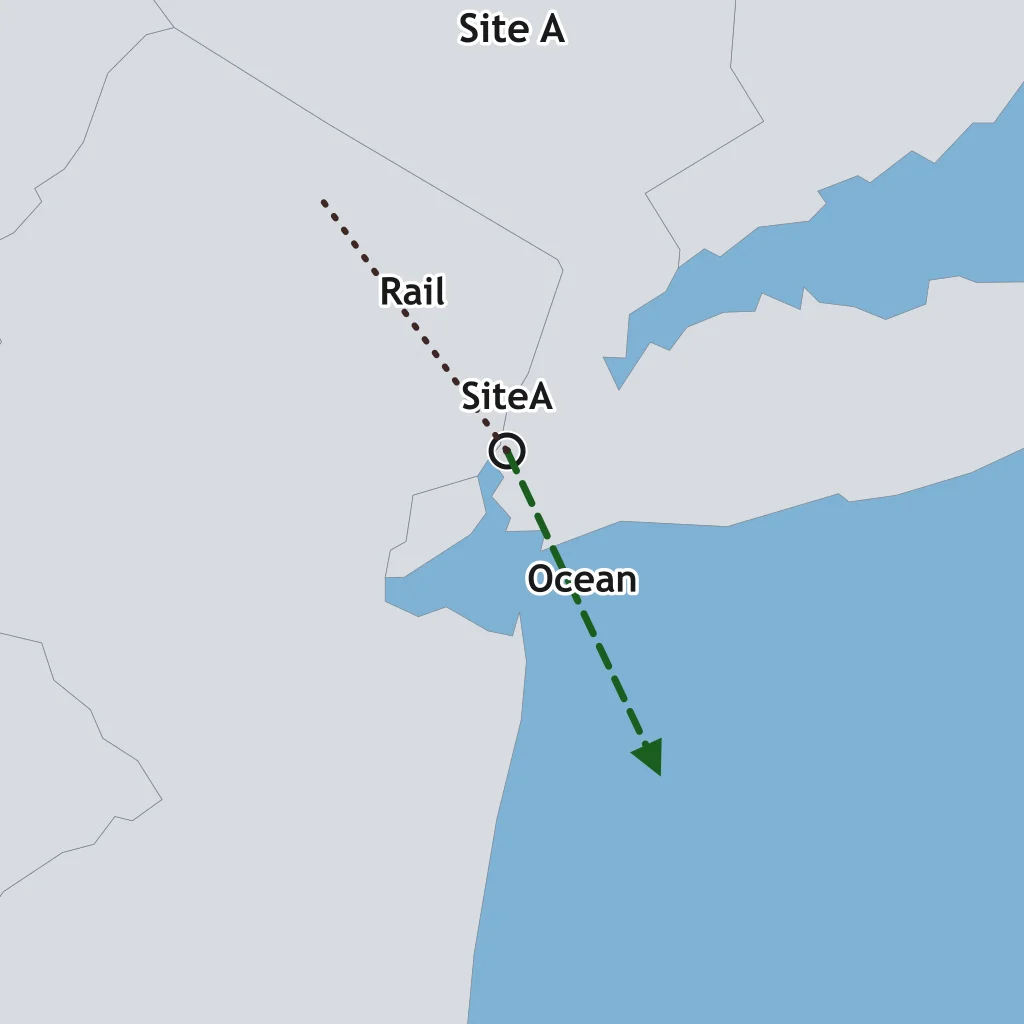
Use the map. A grain elevator is planned for Site A. Why would this location reduce shipping costs?
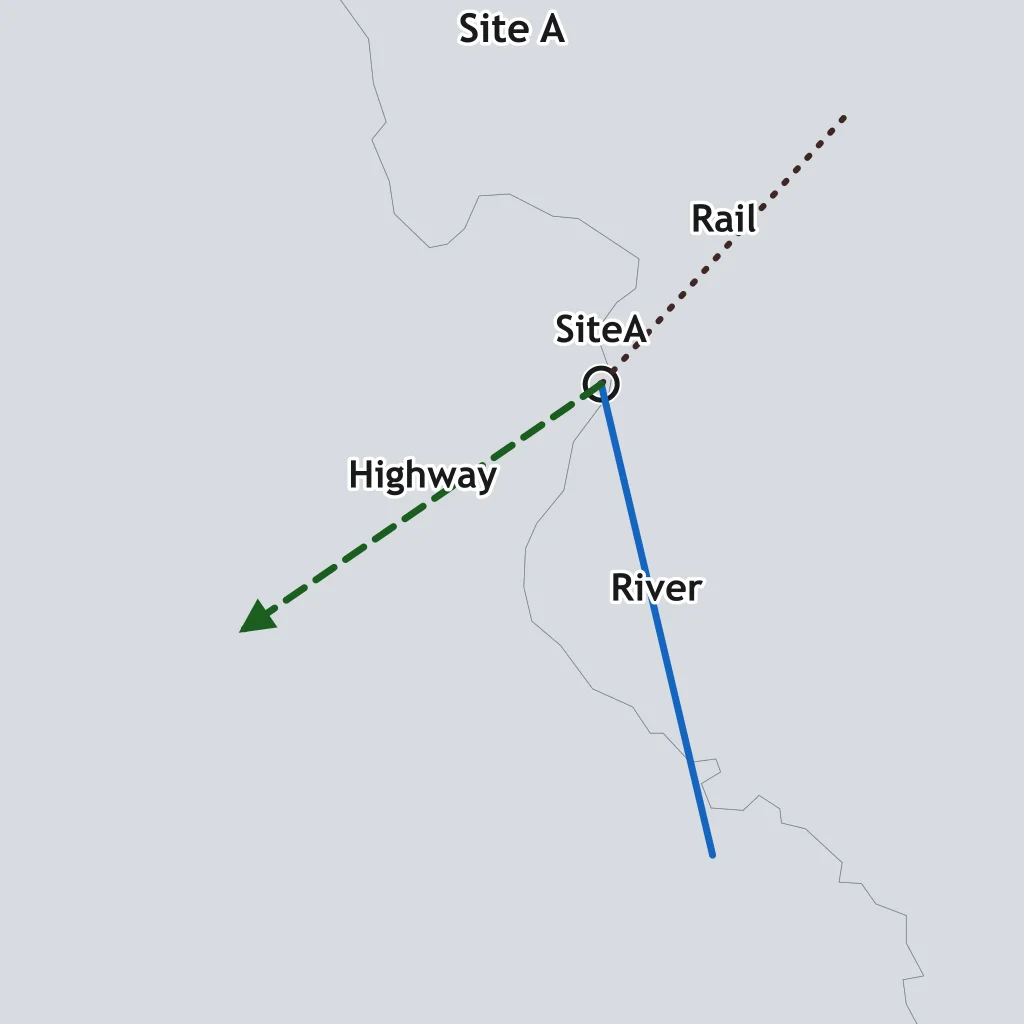
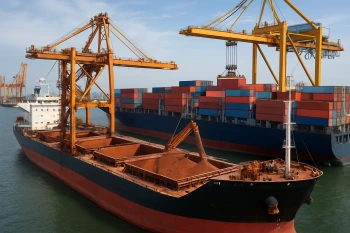
Use the map. A container warehouse is choosing the marked coastal site. Which location factor is most important there?
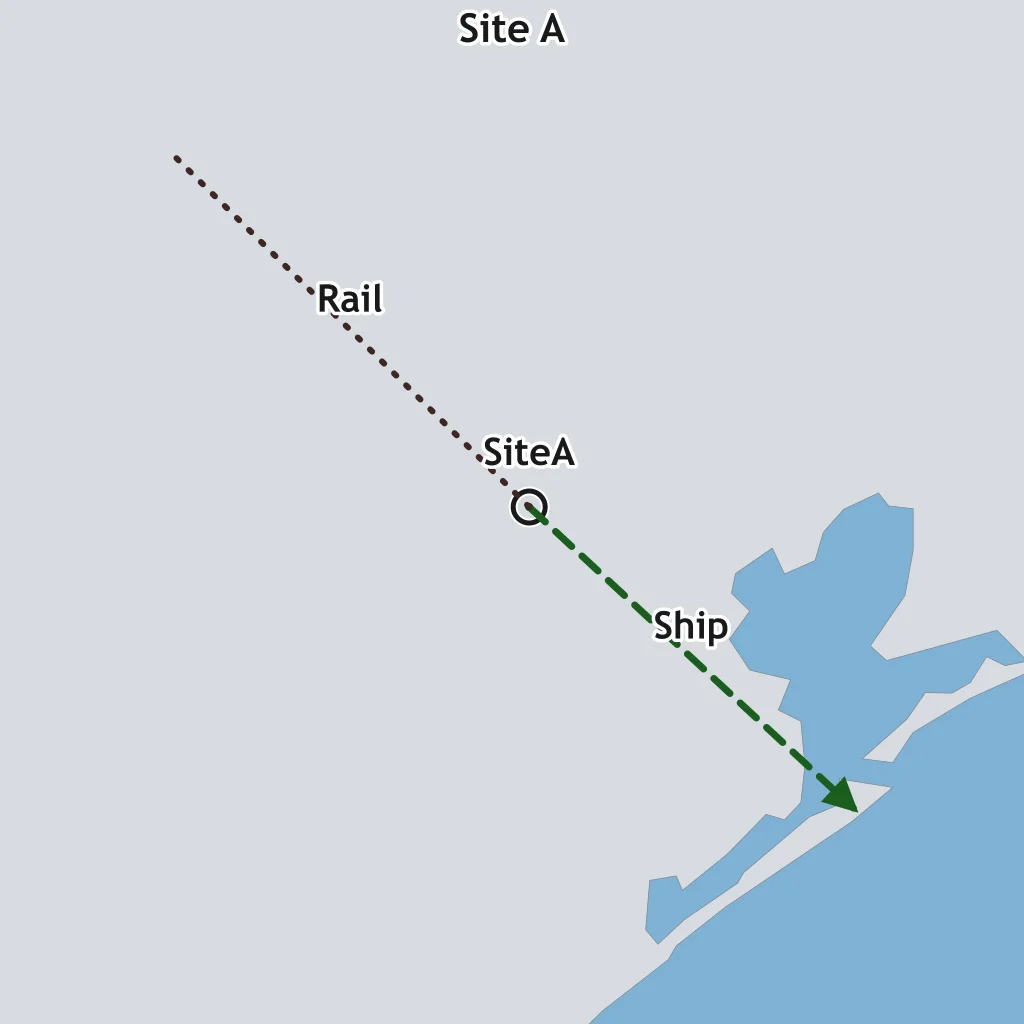
Use the map. A processor of imported metal chooses Site A. What locational advantage does Site A offer?
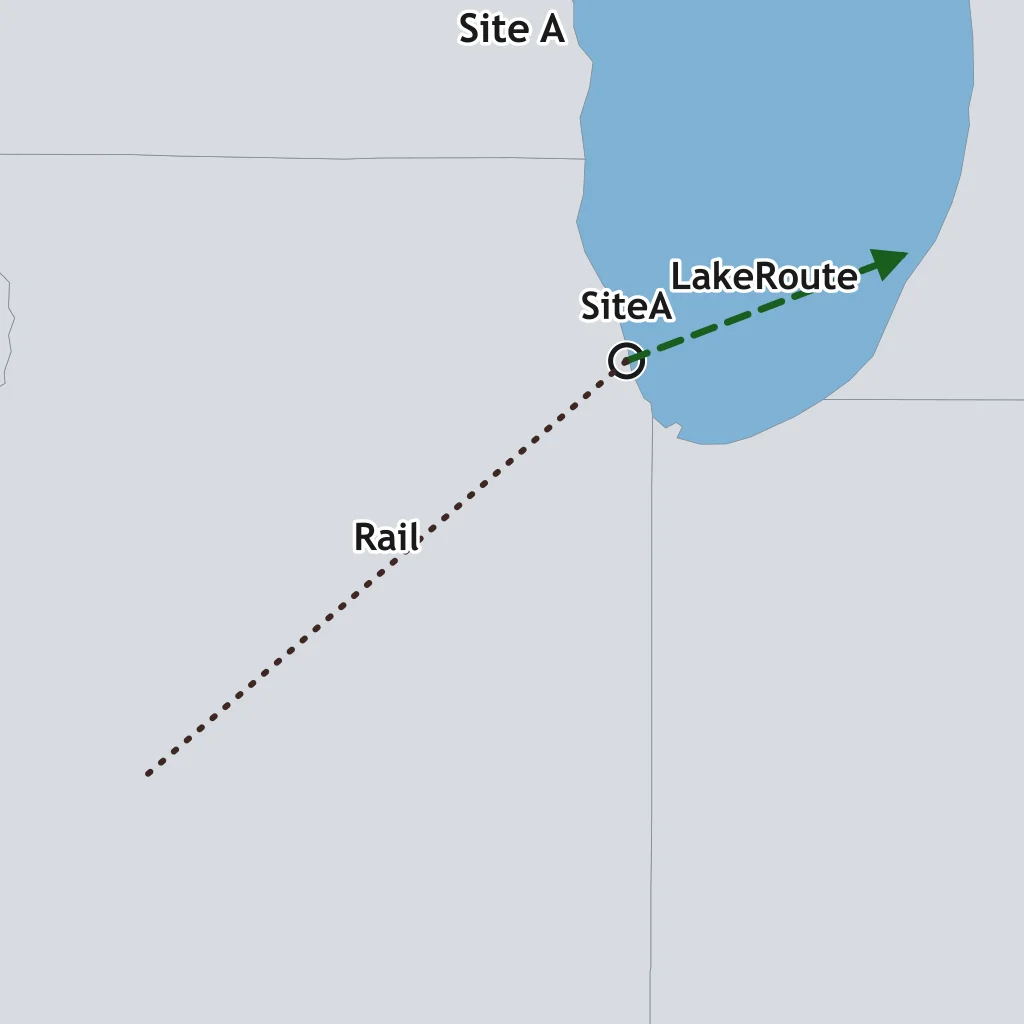
Use the map. A distributor plans Site A for heavy machinery parts. What logistics advantage does the location show?
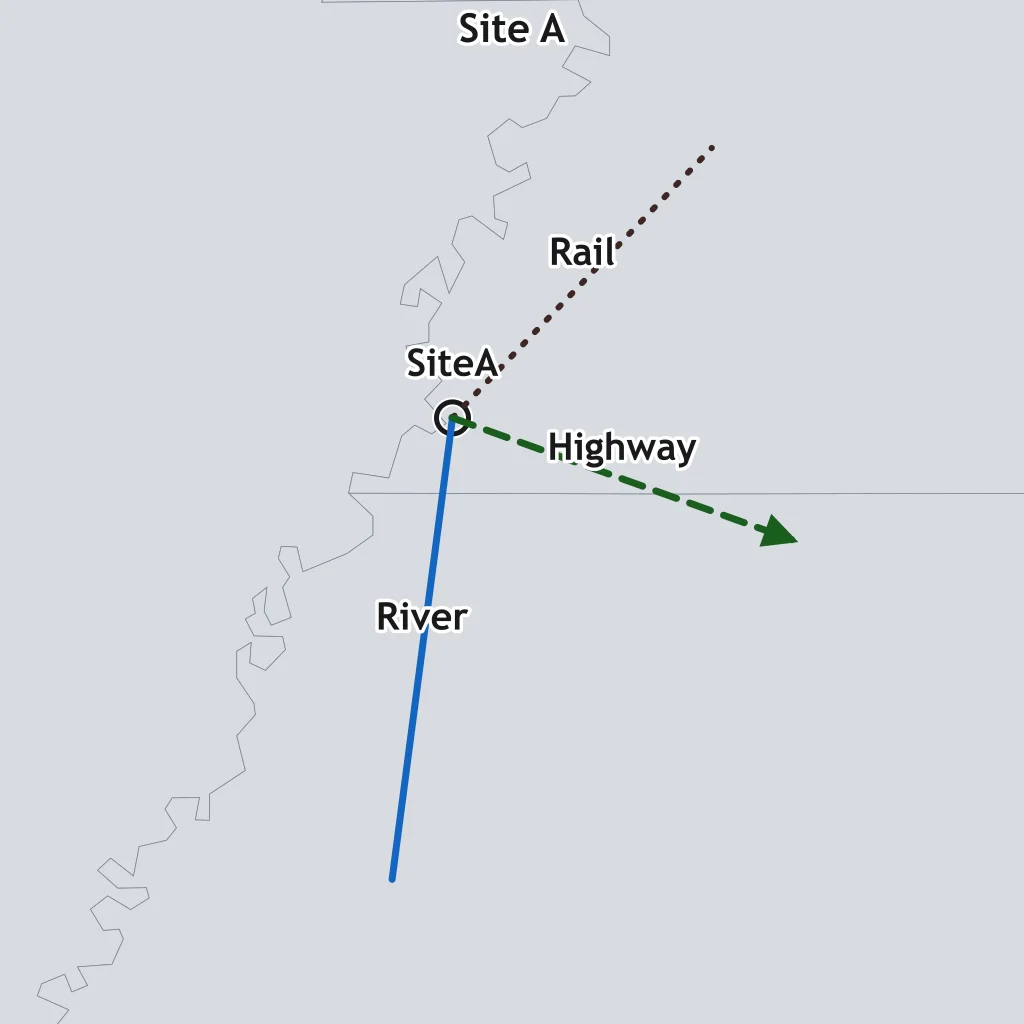
Use the map. Imported parts arrive at Site A and then move inland. What makes the site valuable for final-assembly supply chains?
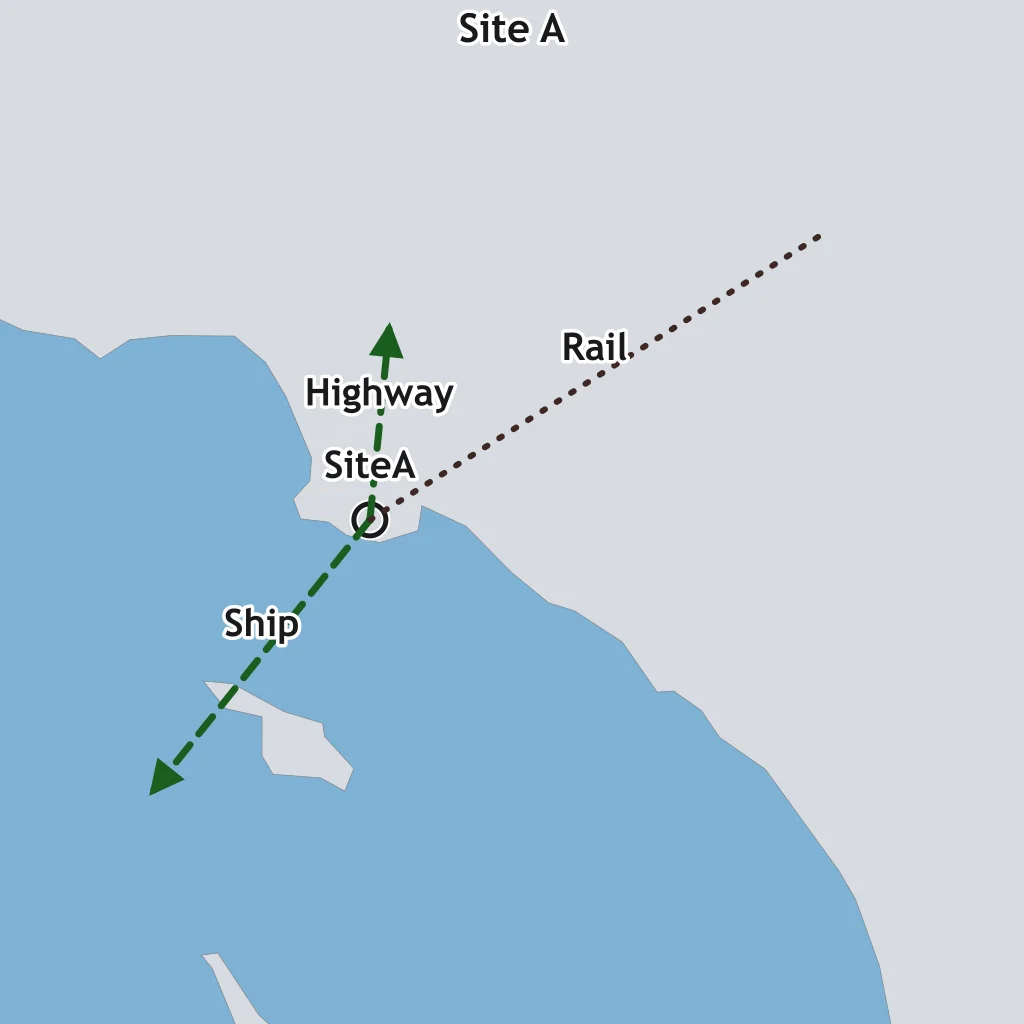
Use the map. A flour mill at Site A can receive wheat and ship flour by different routes. What location advantage is shown?
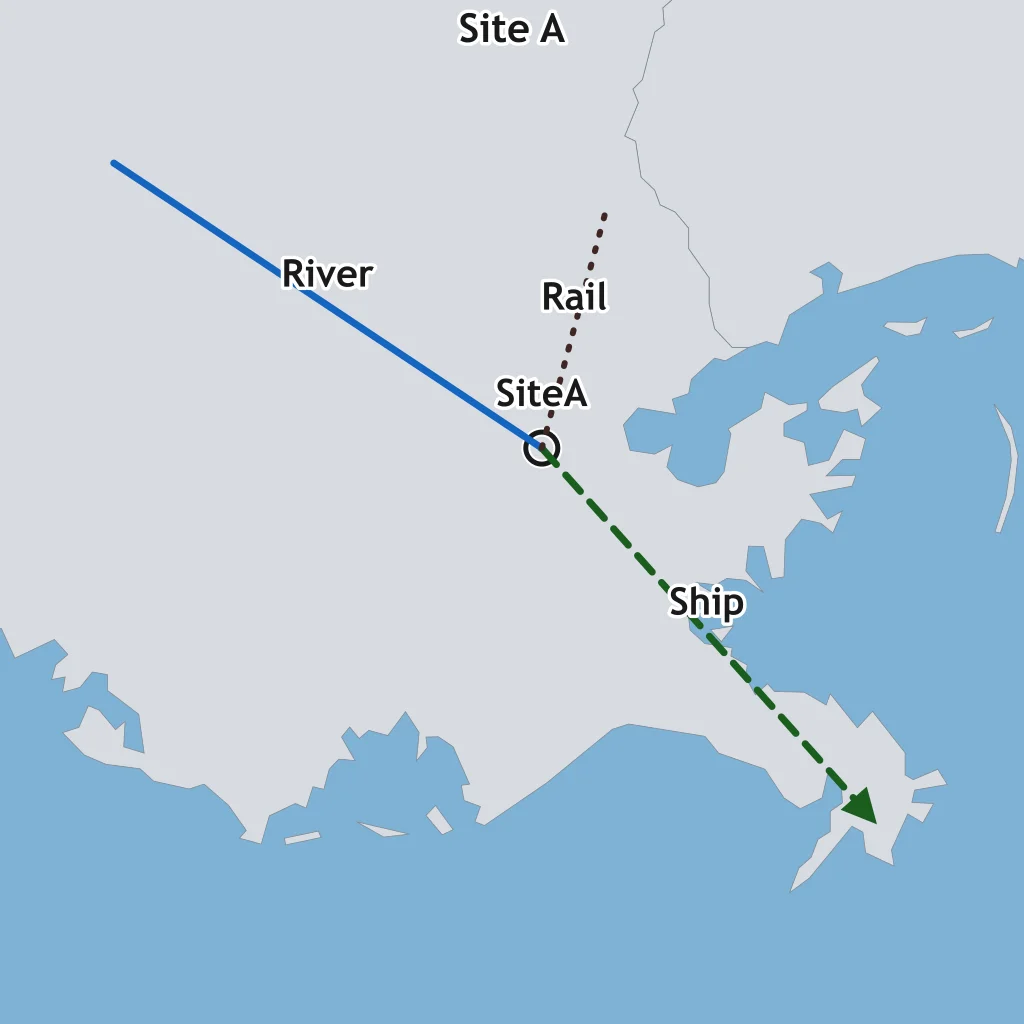
Use the map. A cold-storage firm chooses Site A beside the airport and land routes. What advantage matters most?
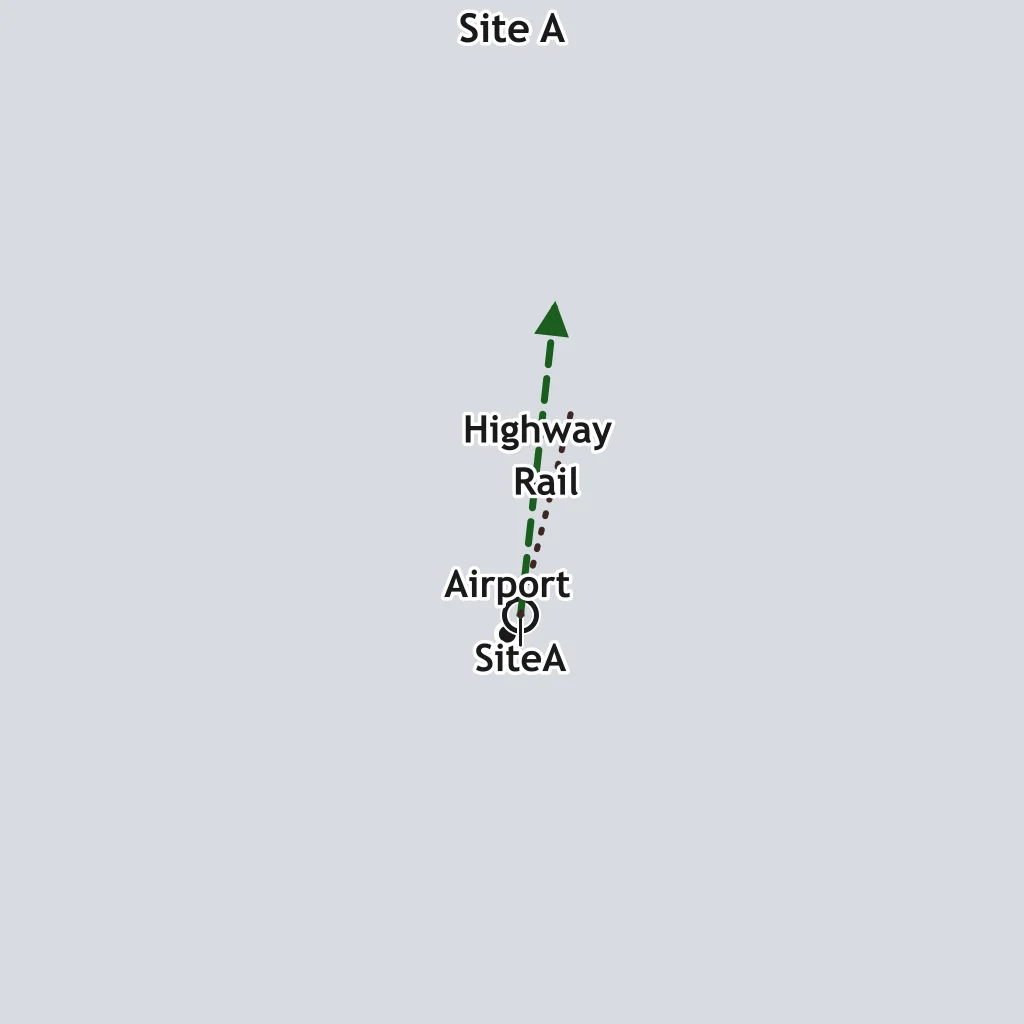
An auto plant shuts, and over the next decade nearby stores close, vacant lots spread, and many manufacturing workers leave. What process does this describe?
A steel district loses mills, union jobs fall, and tax revenue drops as buildings sit empty. What urban-economic process is occurring?
In a Rust Belt neighborhood, machine shops close and younger residents move away for service-sector jobs elsewhere. What larger change is shown?
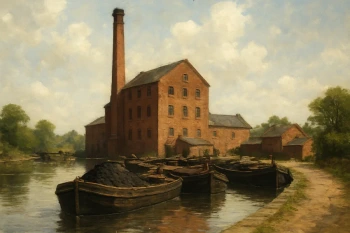
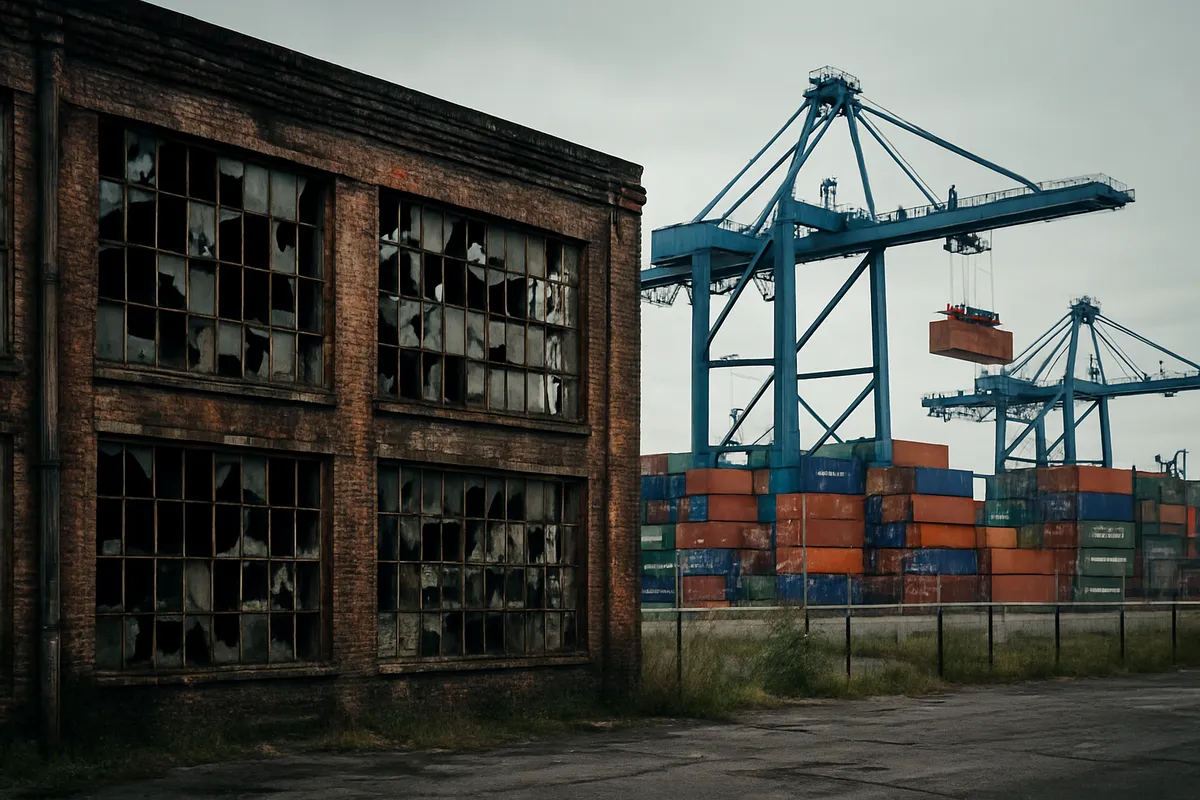
A waterfront once lined with factories now has abandoned warehouses after production moved away. What process created this industrial landscape?
A city's share of jobs in manufacturing falls while health care, education, and finance grow in the same labor market. What shift is occurring?
After a tire factory closes, local suppliers lose orders, unemployment rises, and houses near the plant are boarded up. What concept best fits these effects?
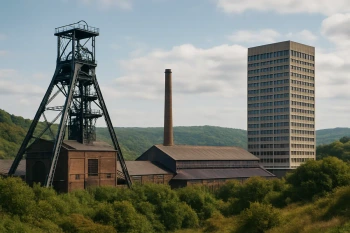
A former textile town has empty mills, lower population, and fewer blue-collar jobs after its factories shut. What process is at work?
City leaders convert an idle rail yard and factory blocks into apartments after decades of manufacturing decline. What earlier process left the industrial land unused?
A census tract near an old mill loses factory wages, residents, and small businesses after the mill closes. What process does the sequence show?
Crack the passcode before the zombies get in.
Answer, then swat bugs for bonus points.
Race through questions at your own speed.
Same question on every screen. Fastest wins.

Pick a tile, answer, hit bonuses and steals.
Measuring Gender Inequality: GII, Gini and Women in Development
30 questions