Loading
by BlastRoom
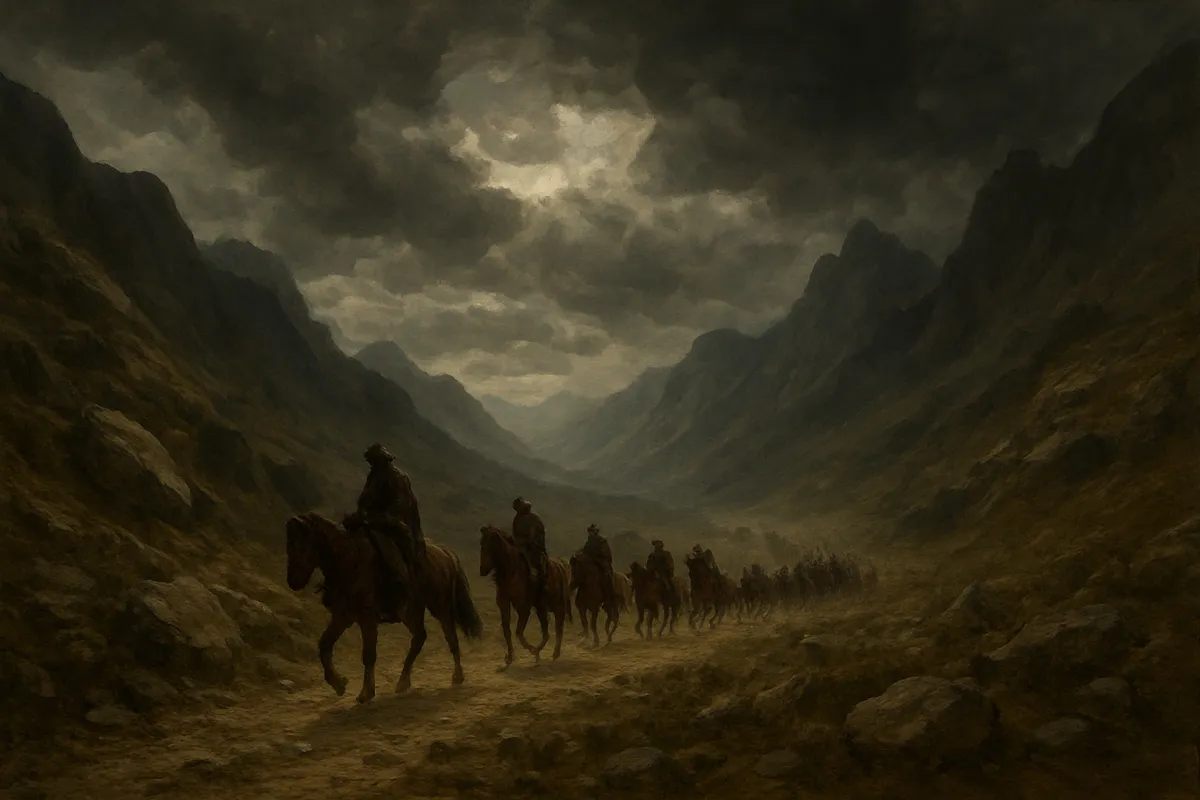
Colonies across Latin America break from Spain and Portugal.
#world_history
25 questions
One question set, multiple game modes. Tap any game to see it in action. Not sure which to pick?
Answer to place stones and capture territory.
Outrun the snow together.
Earn blasts, then hunt the other team.
Answer to earn energy, then climb.

The class blasts through walls together.
Bid on mystery lots. Most money wins.
Sell tours. Nice, standard, or a total scam.

Answer, restock, and serve the rush.
More correct answers pulls the rope your way.
Answer, then shoot down the alien wave.
Answer, then tap to leap the frozen ridge.
In Spanish America, men of Spanish descent born in the colonies could own mines and estates but were often barred from the highest offices. What were they called?
Spanish-born officials appointed by the king held many top posts in colonial government and church administration. Which social rank was this?
Colonial records often used a caste label for people of mixed Spanish and Indigenous ancestry. Which label fits that position in the hierarchy?
In Spanish American caste categories, people of mixed European and African ancestry ranked below Spanish-born and colonial-born Spaniards. Which term was used?
French armies captured the Spanish royal family in 1808 and Joseph Bonaparte was put on the throne. What did many colonial elites do in response?
What name did Spanish-speaking colonists give to the local governing councils formed during the crisis of royal authority?
The Cádiz Cortes debated reform while Spain fought France, but European Spaniards kept control and rejected key colonial demands. What effect did that have?
When Fernando VII returned in 1814, he dissolved the Cortes, rejected the 1812 Constitution, and sent troops to America. How did patriots respond?
Saint-Domingue was France's richest Caribbean sugar colony. The revolt that began there in August 1791 was launched mainly by which group?
Toussaint Louverture was arrested by the French in 1802. After Napoleon's forces were beaten, who declared Haiti independent in 1804?
Which outcome made the Haitian Revolution especially different from the Spanish American revolutions led mostly by creole elites?
After Haiti's success, many white creoles in Spanish America feared a mass uprising by people of African, Indigenous, and mixed ancestry. What was one result?
An army crossed the Andes from Argentina into Chile in 1817; after victories there, the same commander carried the war north to Peru. Which leader led that strategy?
After exile in Jamaica and support from Haiti, this Venezuelan leader rebuilt his forces, won at Boyacá in 1819, and helped create Gran Colombia. Who was he?
At Ayacucho in December 1824, a patriot commander defeated a larger royalist army and captured the viceroy of Peru. Which commander won there?
A creole priest issued the Grito de Dolores on September 16, 1810, calling peasants and miners to overthrow New Spain's viceroyal government. Who was he?
After Hidalgo's execution, a mestizo priest organized the southern Mexican revolt, called a congress at Chilpancingo, and wrote Sentiments of the Nation. Who was he?
In 1821 a former royalist officer allied with Vicente Guerrero, proclaimed the Plan de Iguala, and commanded the Army of the Three Guarantees. Who was he?
Portugal's court had ruled from Rio de Janeiro; in 1822 the prince regent stayed in Brazil and broke with Lisbon. What kind of state emerged?
The Plan de Iguala promised independence, Catholicism, and equality while protecting conservative interests. What was Mexico's first independent government?
Buenos Aires formed a patriot movement in 1810, but Paraguay and Uruguay rejected its control. What did the Tucumán congress declare in 1816?
In 1811 Paraguay rejected both Spain and the Buenos Aires-based government; its new politics soon centered on José Gaspar Rodríguez de Francia. What followed?
After Spanish American armies defeated royalists, which colonial pattern most clearly continued in many new republics?
In many new republics, regional military strongmen built armies and allied with landowning elites. What were such rulers commonly called?
Gran Colombia's leaders promised liberty, but the Cúcuta Congress limited voting to property-owning men and made abolition gradual. What does this show?
Crack the passcode before the zombies get in.
Answer, then swat bugs for bonus points.
Race through questions at your own speed.
Same question on every screen. Fastest wins.

Pick a tile, answer, hit bonuses and steals.
The Industrial Revolution
50 questions