Loading
by BlastRoom
Why industrialization began in Britain and which inventions transformed production.
#world_history
50 questions
One question set, multiple game modes. Tap any game to see it in action. Not sure which to pick?
Answer to place stones and capture territory.
Outrun the snow together.
Earn blasts, then hunt the other team.
Answer to earn energy, then climb.

The class blasts through walls together.
Bid on mystery lots. Most money wins.
Sell tours. Nice, standard, or a total scam.

Answer, restock, and serve the rush.
More correct answers pulls the rope your way.
Answer, then shoot down the alien wave.
Answer, then tap to leap the frozen ridge.
Britain had coal and iron near waterways. What additional condition helped entrepreneurs build new mills?
A British employer facing high wages and cheap coal had what incentive compared with many rivals?
Enclosure and improved farming raised food output while many rural people sought work. How did that help early industry?
Coal was bulky, and early roads were slow. Which transport advantage helped Britain use coal cheaply?
An inventor needed investors and legal protection for a new machine. Which British feature helped?
Textile makers wanted raw cotton and buyers for finished cloth. Which connection supplied both?
Before about 1780, handmade Indian cotton cloth sold cheaply in Europe and competed with British cloth. Why could Indian makers sell it so cheaply?
Coal, iron, skilled mechanics, capital, and markets came together in Britain. What does this combination explain?
A loom using hand-carried thread needed extra labor for broad cloth. Which invention let one weaver send the carrier quickly across the warp?
Weavers after Kay could work faster, so mills needed far more yarn. Which 1760s device let one worker draw out several threads at once?
A cotton maker needed stronger yarn for the lengthwise threads of cloth and a machine driven by a waterwheel. Which invention fit that job?
At Cromford, production gathered machines and workers in one building under an owner's rules. Which entrepreneur built that model?
A machine combined rollers with a moving carriage to make fine cotton yarn in large amounts. Which device was it?
Spinning inventions increased yarn output, but hand weaving became the slow step. Which machine mechanized weaving in the 1780s?
Short-staple cotton took time to clean by hand before it could feed mills. Which invention separated seeds from fibers?
Early spinning jennies were small, cheap, and turned by hand. Where were many of them used at first?
British weavers often used linen for the lengthwise threads of cloth because cotton yarn was too weak. What did Arkwright's water frame make possible?
Samuel Crompton could not afford a patent for his spinning mule. What happened to the machine as a result?
Mine owners needed to drain deeper shafts before more coal could be mined. Which engine first solved that problem practically in 1712?
An older steam engine wasted fuel by heating and cooling the same cylinder. Which improvement kept the cylinder hot while condensing steam elsewhere?
Watt needed capital and Birmingham workshops to sell engines widely. Which manufacturer partnered with him in the 1770s?
Ironmakers were running short of charcoal. Which change let Abraham Darby smelt iron with a coal-derived fuel in 1709?
Cast iron was brittle, while rails, tools, and machinery needed workable wrought iron. Which process helped convert pig iron into wrought iron?
A contest in 1829 tested locomotives for the Liverpool and Manchester Railway. Which entry proved most successful?
Merchants wanted a fast link between a cotton-manufacturing city and its Atlantic port. Which line opened in 1830?
Before railways, a duke's canal carried coal from Worsley to Manchester and cut prices. What was the main economic effect?
Under putting-out, a family worked at home and was paid by the piece. In a mill, what changed most directly?
A single waterwheel or steam engine could turn many machines through shafts and belts. What organization did this encourage?
Arkwright's early machines were costly and used water power. Why did that pull work out of cottages?
In cottage industry, workers controlled many pauses and the pace of tasks. In many early factories, what controlled the day?
As mills clustered in towns such as Manchester, many workers moved from rural villages. What term names this growth of city life?
A cloth mill separated carding, drawing, spinning, and weaving into repeated tasks. What change in labor did this show?
On the continent, one early industrial region had coal, iron, and textile centers around Liège and Charleroi. Which country industrialized first?
British mechanics and machines moved into Liège-area workshops after 1807. Which family helped transfer textile and iron technology to Belgium?
A mechanic memorized Arkwright-style machinery and worked for Moses Brown in Pawtucket. Who helped launch the first successful U.S. water-powered cotton spinning mill?
At Waltham in 1814, one company put cotton-to-cloth production under one roof and recruited young women. What system grew from this model?
For decades, Britain banned skilled mechanics from emigrating and limited the export of textile machinery. What was the purpose of those policies?
German states formed a customs union in 1834 that reduced internal trade barriers. Which institution helped industrial growth there?
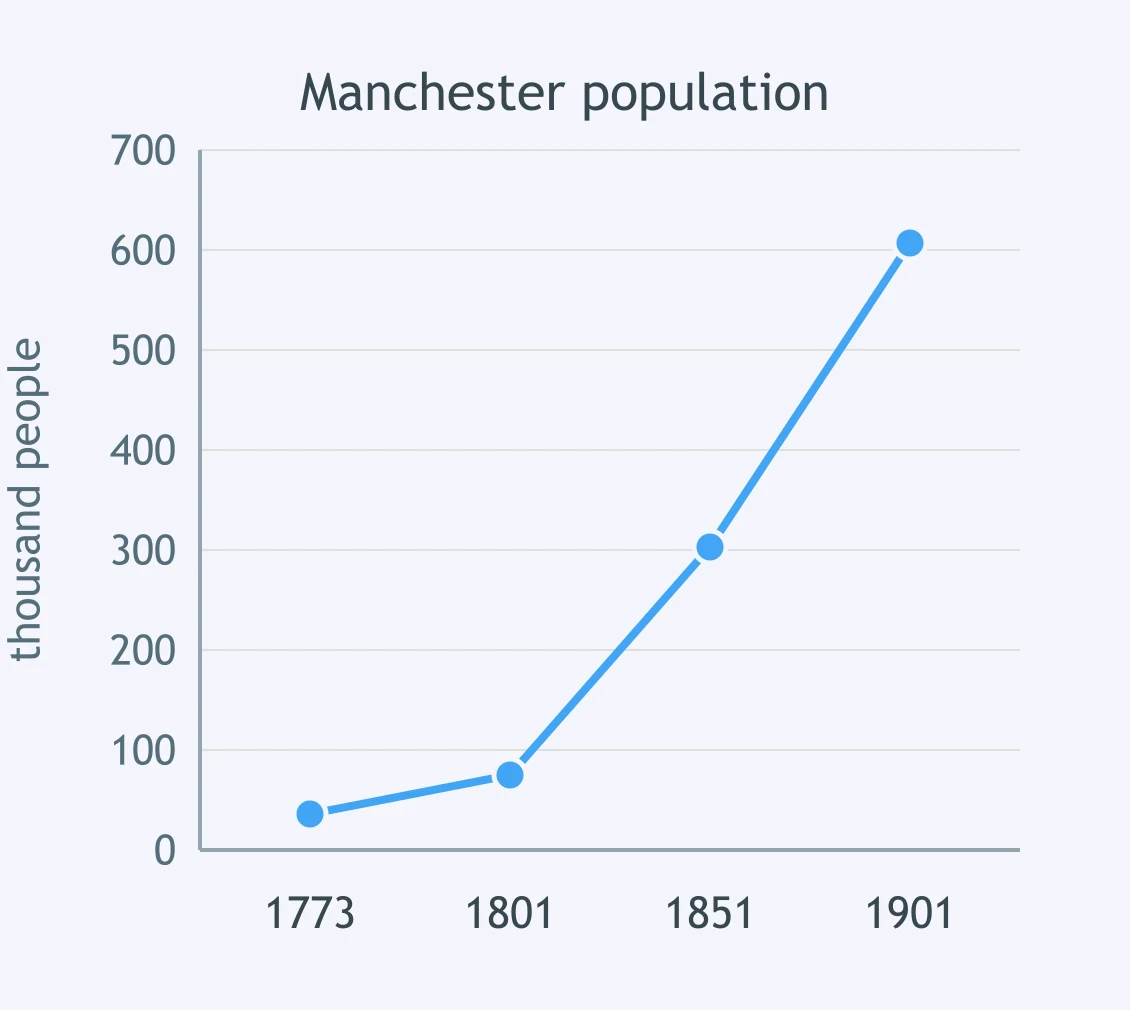
Read the line graph of Manchester's population. About how did the city change from 1801 to 1851?
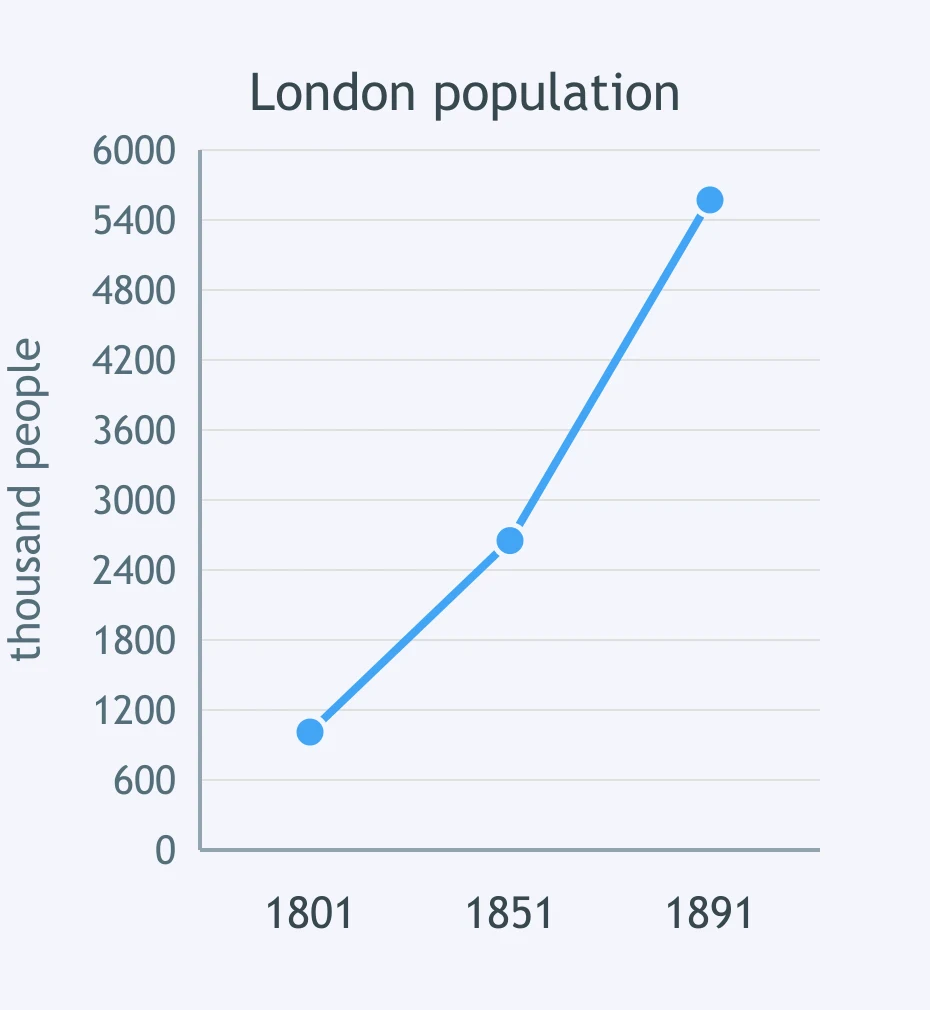
Use the London population graph. Which statement best describes the trend from 1801 to 1891?
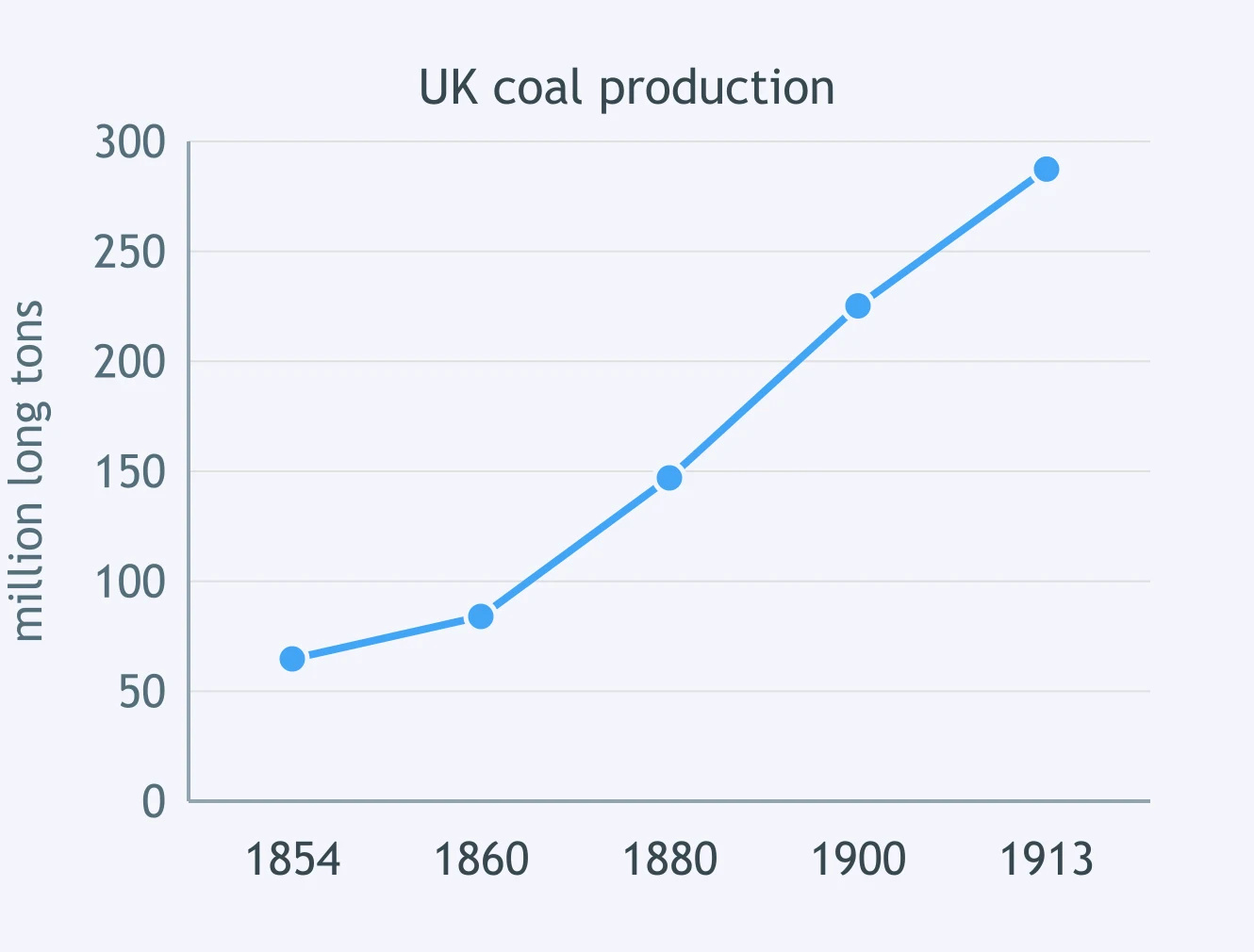
According to the coal-output graph, about how much coal did the United Kingdom produce in 1900?
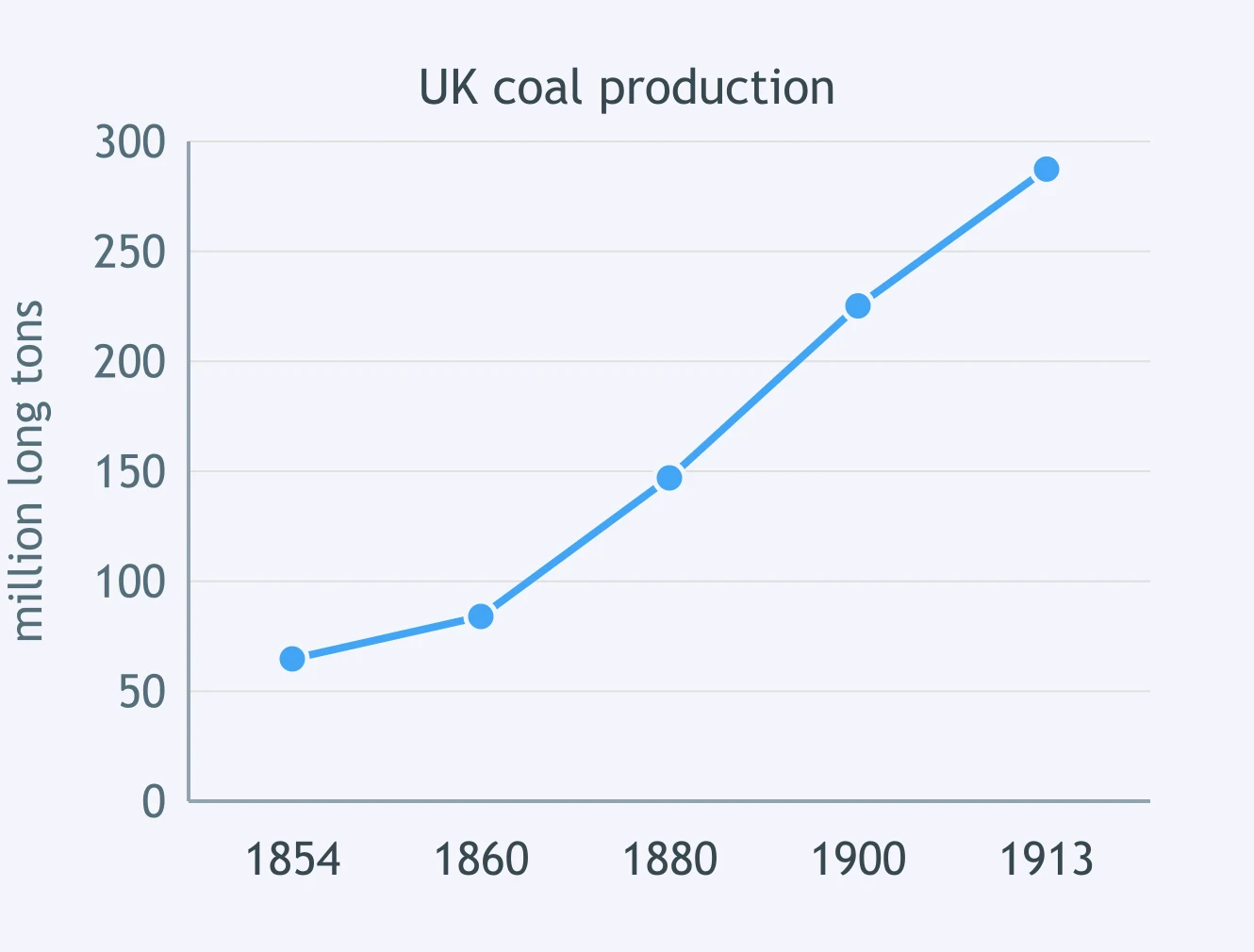
Which interval on the coal-output graph shows the largest rise?
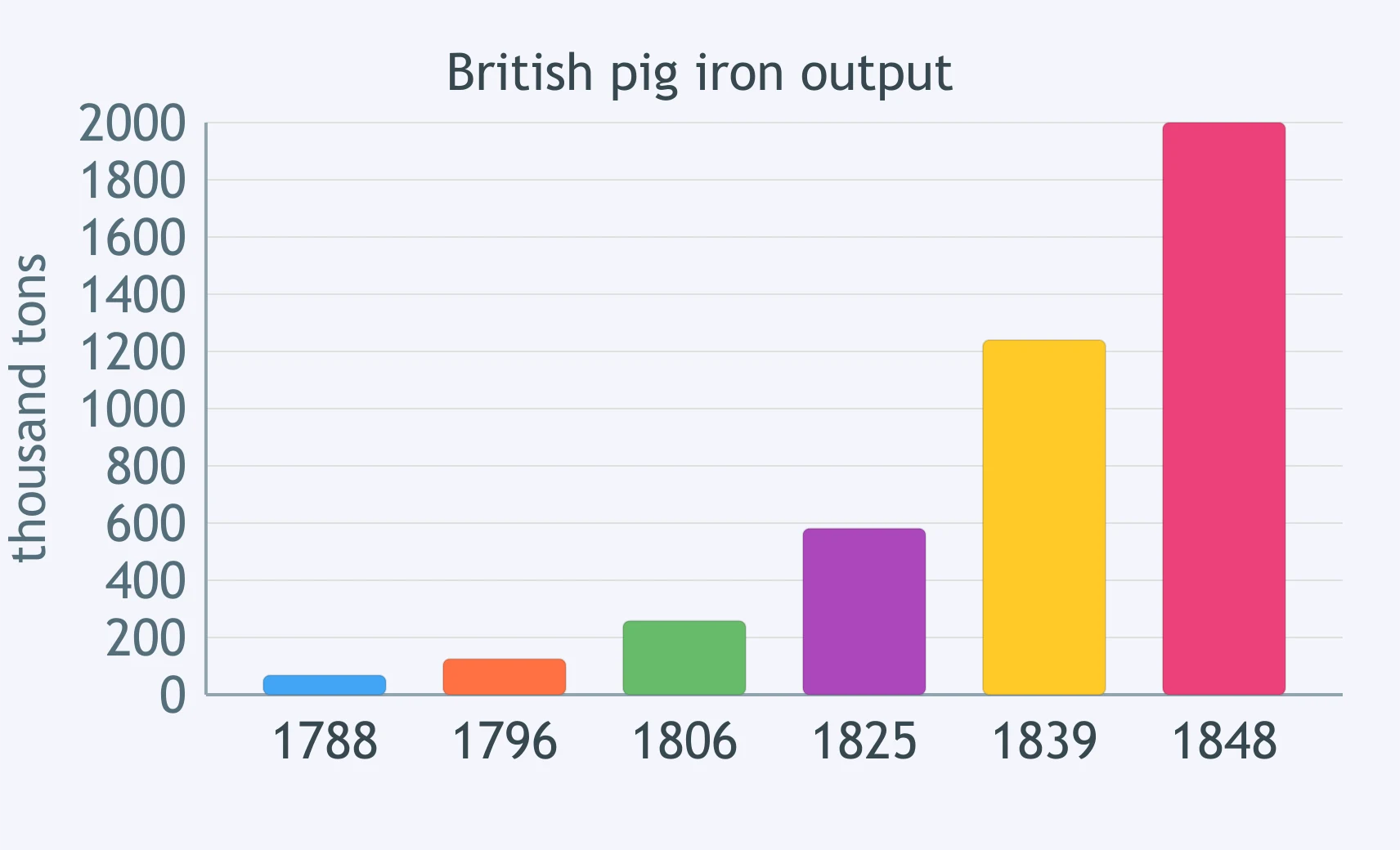
Read the pig iron output graph. What is the bar for 1839 closest to?
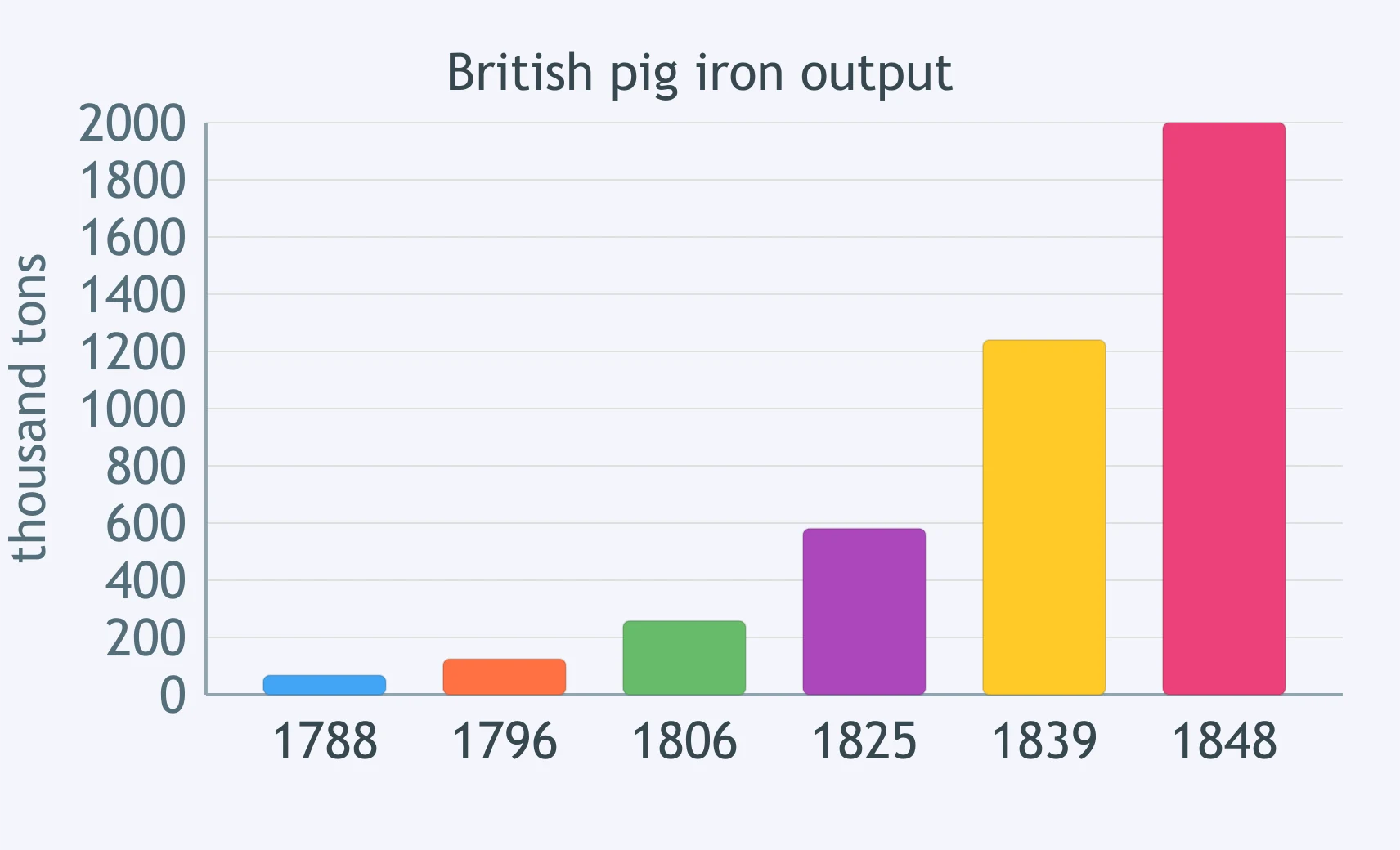
Compare the 1788 and 1848 bars for British pig iron. Which statement matches the graph?
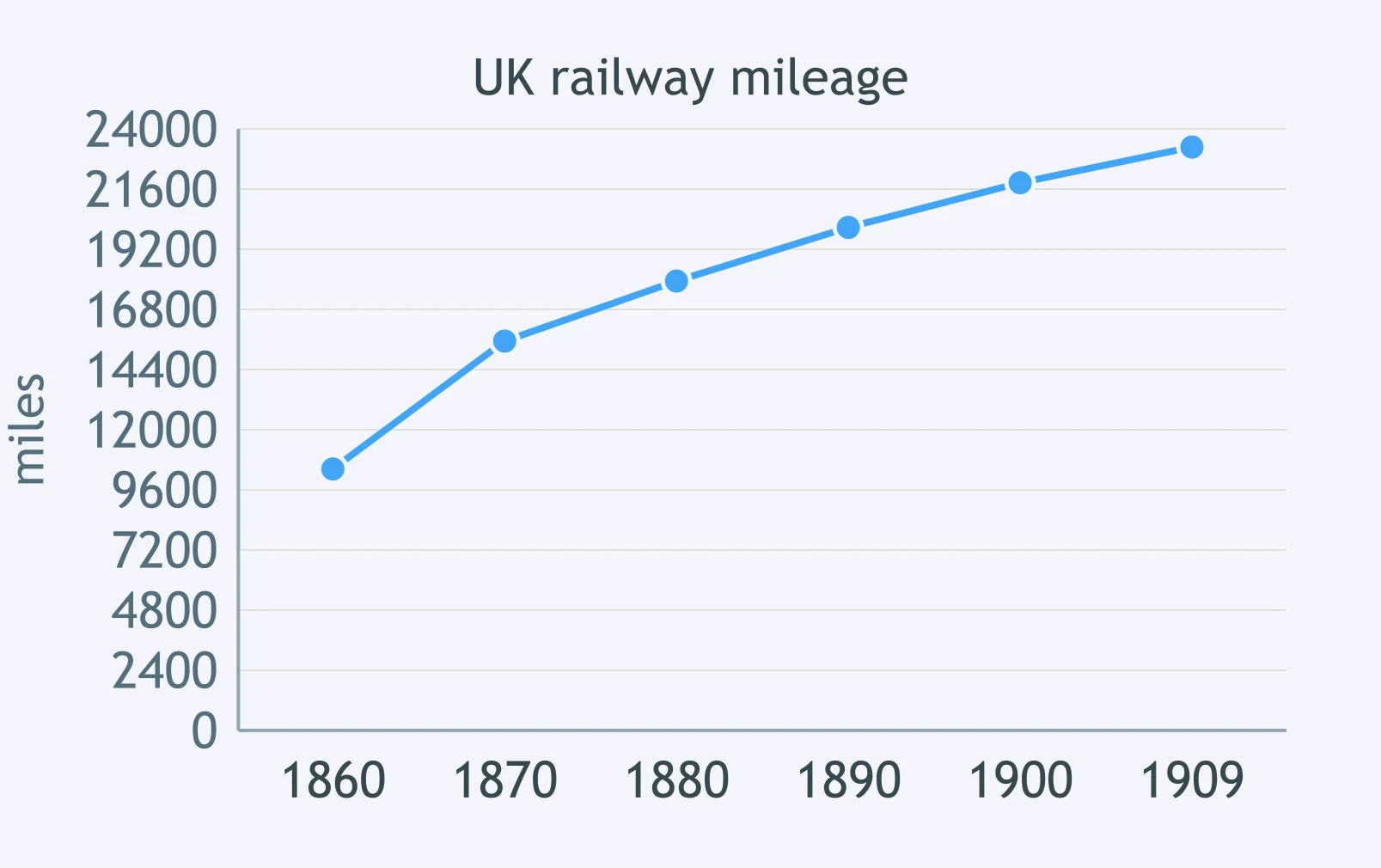
Read the railway-mileage graph. About how many miles were open in the United Kingdom in 1900?
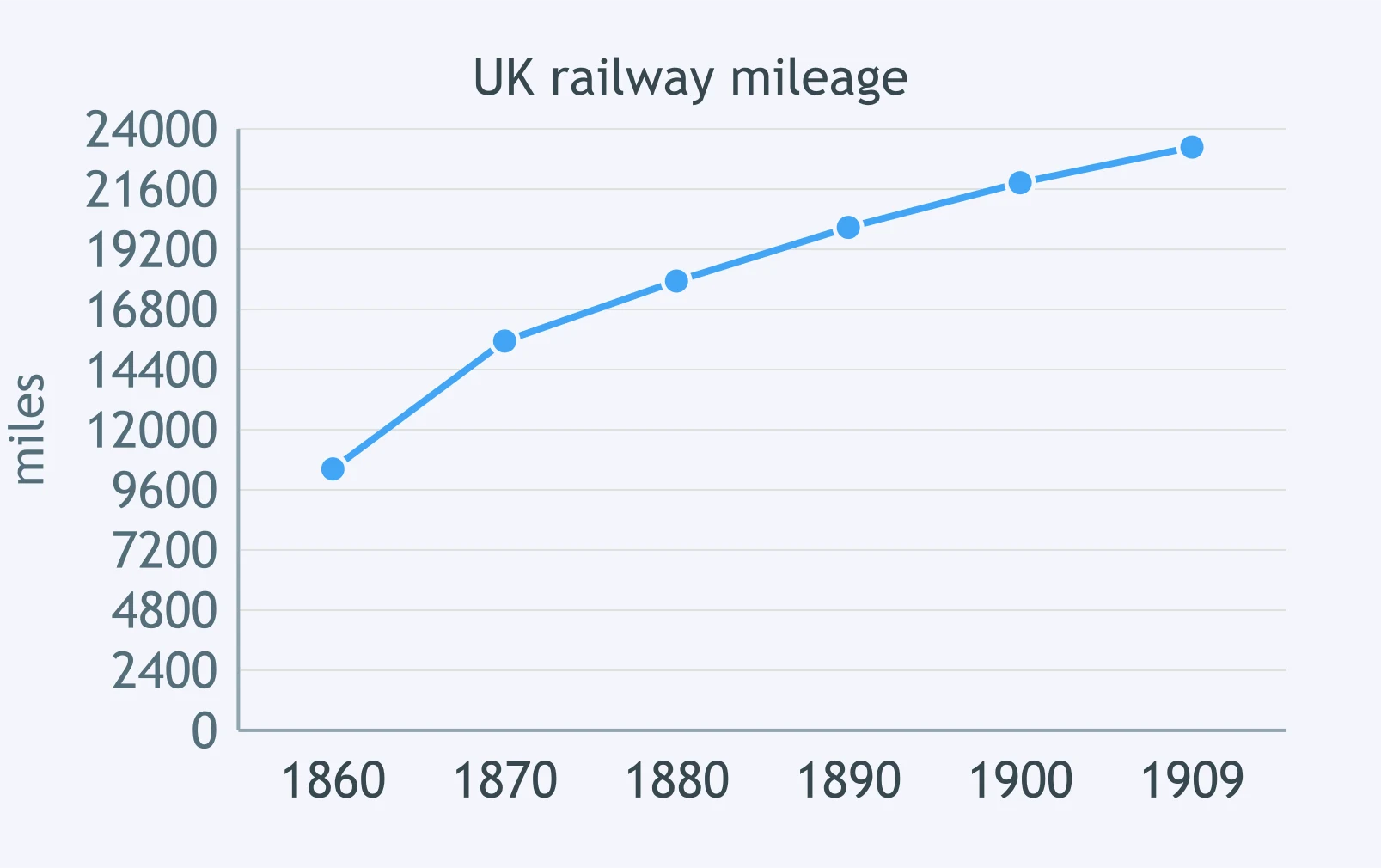
Which period shows the steepest rise on the railway-mileage graph?
Use the table. Which statement best compares UK and Belgian coal output in 1850?
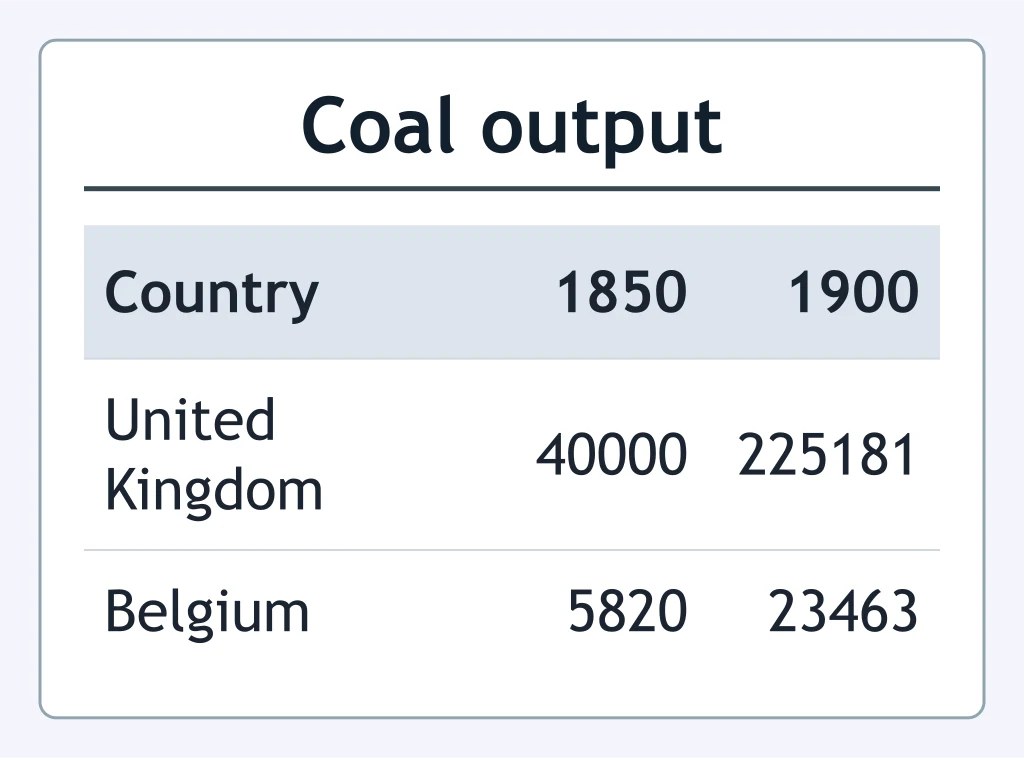
Use the table comparing coal output. In 1900, about how did UK output compare with France's?
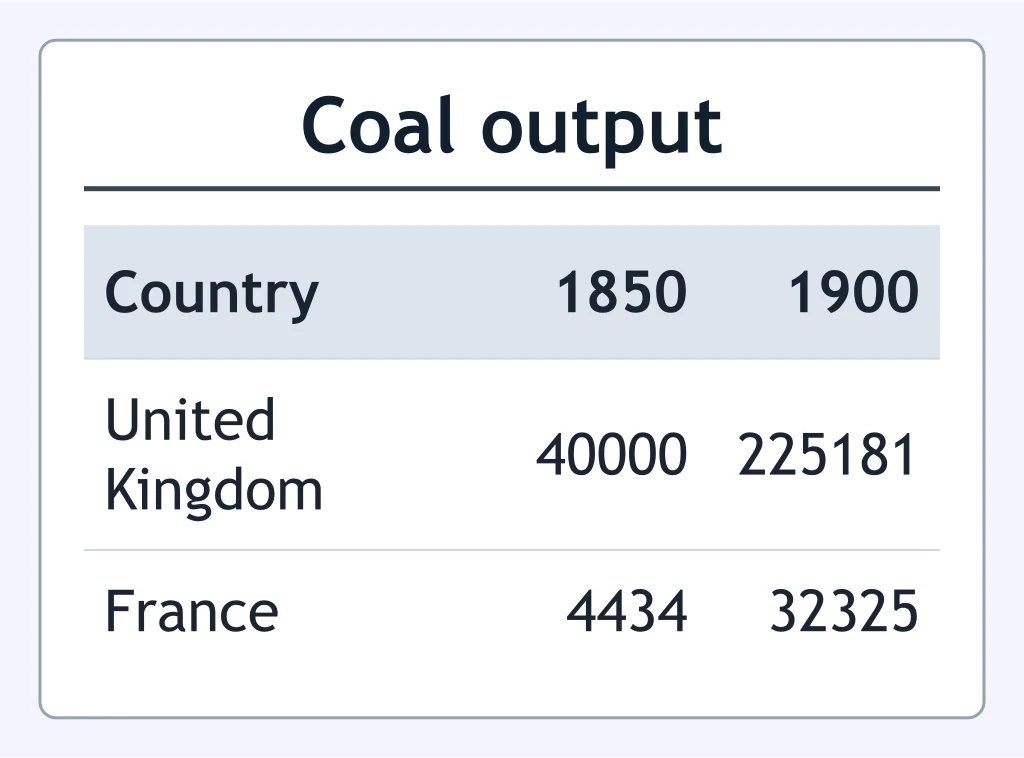
Use the table. Which statement about German Empire coal output is supported?
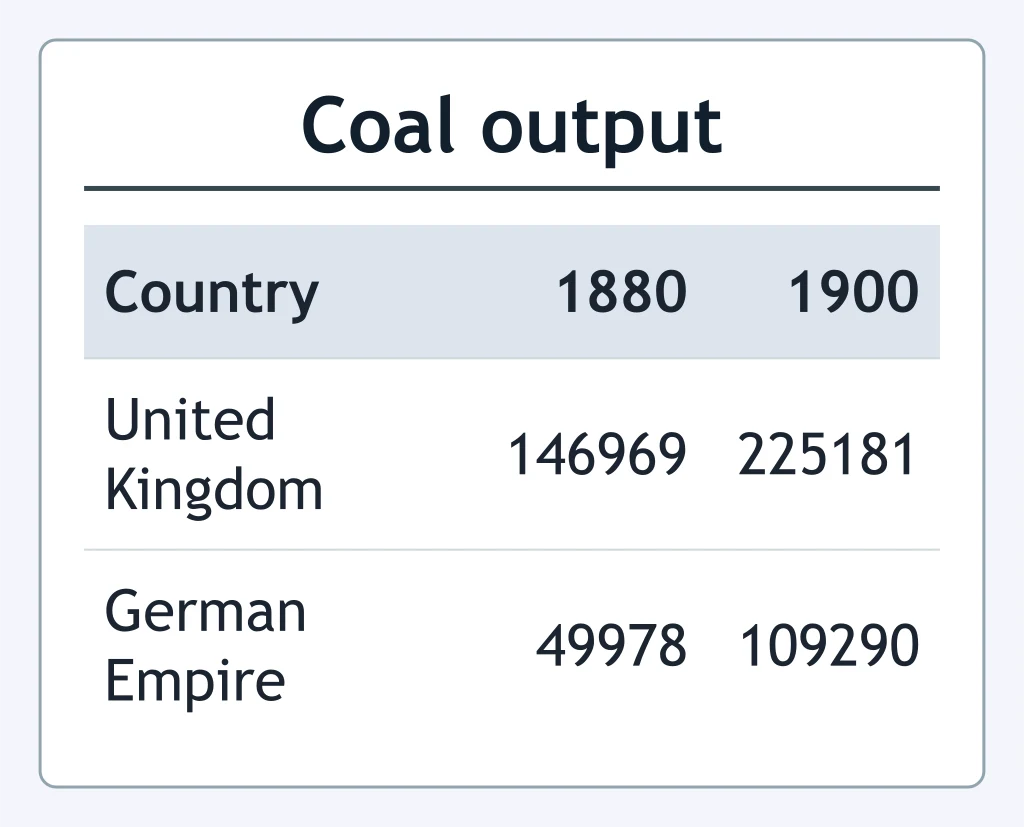
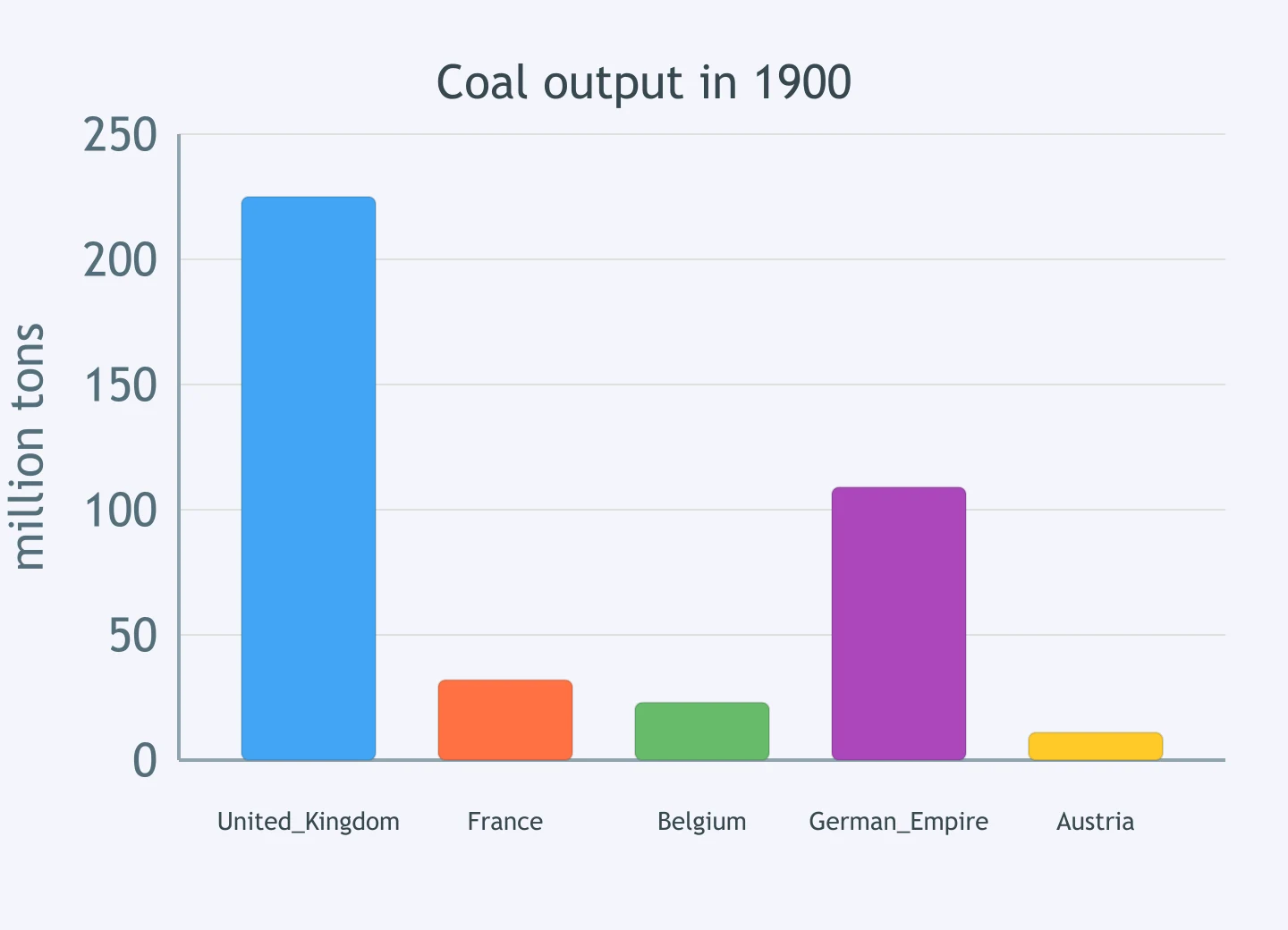
Read the 1900 coal-output bar graph. Which country had the second-largest output?
Crack the passcode before the zombies get in.
Answer, then swat bugs for bonus points.
Race through questions at your own speed.
Same question on every screen. Fastest wins.

Pick a tile, answer, hit bonuses and steals.
Capitalism, Socialism and Communism
30 questions