Loading
by BlastRoom
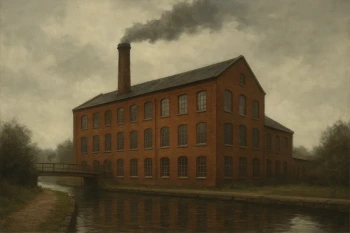
Industrial cities brought crowded housing, long factory hours, child labor, disease, and new class divisions.
#world_history
30 questions
One question set, multiple game modes. Tap any game to see it in action. Not sure which to pick?
Answer to place stones and capture territory.
Outrun the snow together.
Earn blasts, then hunt the other team.
Answer to earn energy, then climb.

The class blasts through walls together.
Bid on mystery lots. Most money wins.
Sell tours. Nice, standard, or a total scam.

Answer, restock, and serve the rush.
More correct answers pulls the rope your way.
Answer, then shoot down the alien wave.
Answer, then tap to leap the frozen ridge.
In an 1830s textile mill, the bell kept operatives at machines through most daylight hours. Which schedule best fits common factory work before stronger reform?
A Lancashire cotton-mill owner in 1834 hired a 10-year-old piecer. Under the 1833 Factory Act, what limit applied to that child?
A mill owner in 1834 wanted young people under 18 to tend looms after 9 p.m. to finish an order. What did the 1833 Factory Act say?
A boy was ordered to wipe cotton machinery while belts and shafts were still moving. Which later factory rule directly addressed that danger?
The Ten-Hour Movement gained support in textile districts where women and young people worked exhausting shifts. What change did it seek?
A single engine drove many looms, workers tended one repeated task, and owners enforced rules by the clock. What system is being described?
Reports described cotton workers in hot, dusty rooms where accidents happened often. Which was a direct workplace consequence?
Manchester and Leeds expanded as rural families came looking for mill jobs. Which larger change does that movement show?
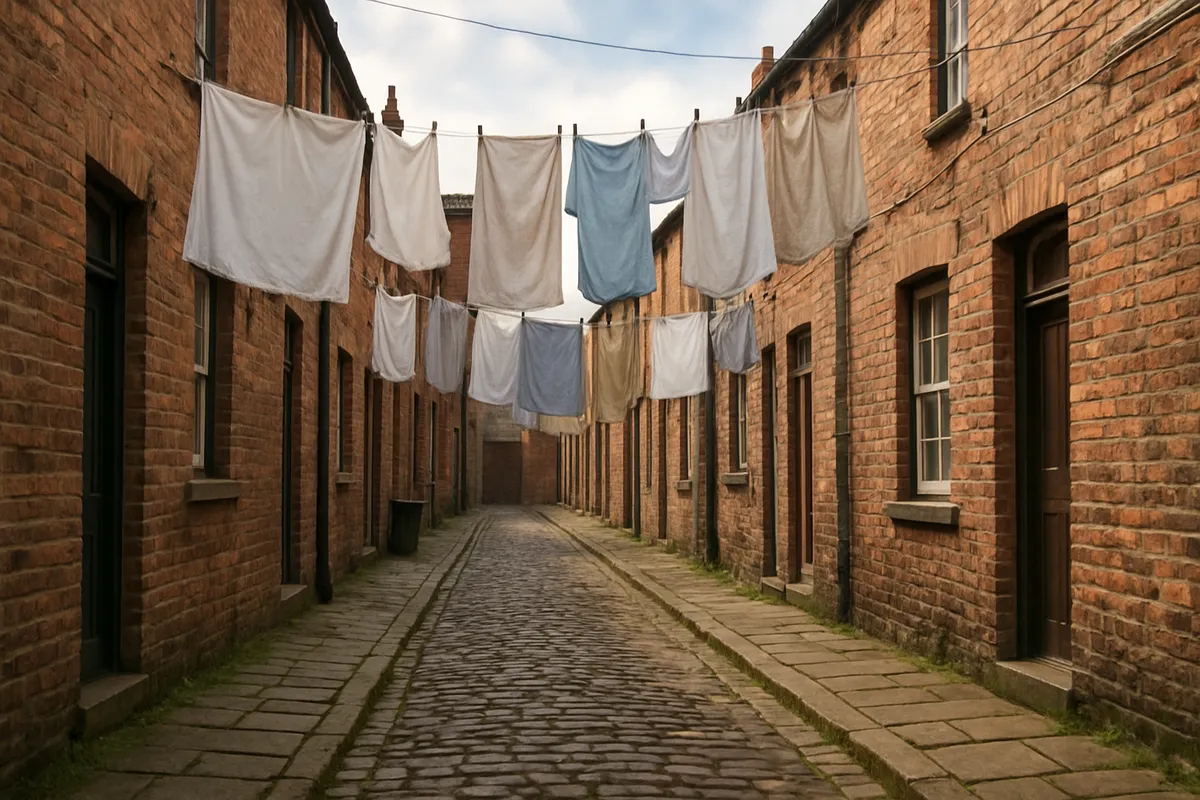
Rows of workers' houses shared rear or side walls and opened onto enclosed courts. What did that layout usually mean inside?
Several hundred people in one court shared a standpipe and one or two privies. Which condition did this create?
Poor families often rented cellars because they were cheapest, even when waste seeped up through floors. What condition does this detail show?
New York reformers found crowded rental buildings with fire, disease, little clean water, and poor air. What did the 1879 Tenement Act require?
Railway lines and commercial projects demolished cheap housing, while renters received no compensation. What happened to many poor families?
Edwin Chadwick's 1842 sanitation inquiry studied high death rates in poor districts. What cause did it emphasize?
As cholera threatened Britain again in 1848, Parliament accepted a new role in public health. What did the Public Health Act create?
A court's privy overflowed and waste reached the water pump used by nearby families. Which disease threat was most closely tied to that water problem?
In 1854 John Snow plotted cholera deaths around Soho addresses and interviewed households. What source did his evidence identify?
By the 1870s, public health reform went beyond voluntary local boards. What did the 1872 and 1875 Public Health Acts require?
A street had no regular rubbish removal, no drains, and privies that overflowed into the court. What public response targeted this problem?
A mill-town family in the 1830s depended on wages from anyone old enough to work. Why might parents send a child to the mill?
Owners hired children as piecers and scavengers around textile machines. Why were children useful for those jobs?
An orphan was sent far from home by Poor Law authorities to work in a cotton mill. What status best describes that child?
A 10-year-old textile worker remained employed after the 1833 law took effect. What additional requirement did the law include?
A child called a scavenger crawled near moving cotton machinery during the workday. What task was that child doing?
The 1833 Act created only four factory inspectors for thousands of mills, and many owners evaded limits. What was the consequence?
Factory owners, bankers, engineers, and merchants gained wealth in the new industrial town. Which class term best fits this rising group?
Machine tenders, spinners, and dock laborers sold their work for wages and usually owned no factory property. Which class term fits them?
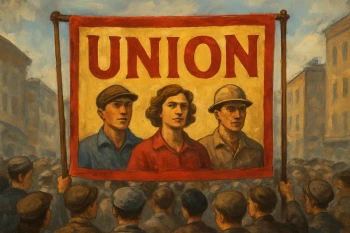
Workers facing long hours and fines sometimes joined organizations and stopped work together to demand change. What were they using?
A successful engineer moved from the smoky center to a garden suburb, while mill hands remained in courts near factories. What change does this show?
A shopkeeper could keep children in school, while a laborer's family needed children's wages and risked illness if a parent lost work. What did industrial towns reveal?
Crack the passcode before the zombies get in.
Answer, then swat bugs for bonus points.
Race through questions at your own speed.
Same question on every screen. Fastest wins.

Pick a tile, answer, hit bonuses and steals.
Reform, Unions and Labor Movements
25 questions