Loading
by BlastRoom
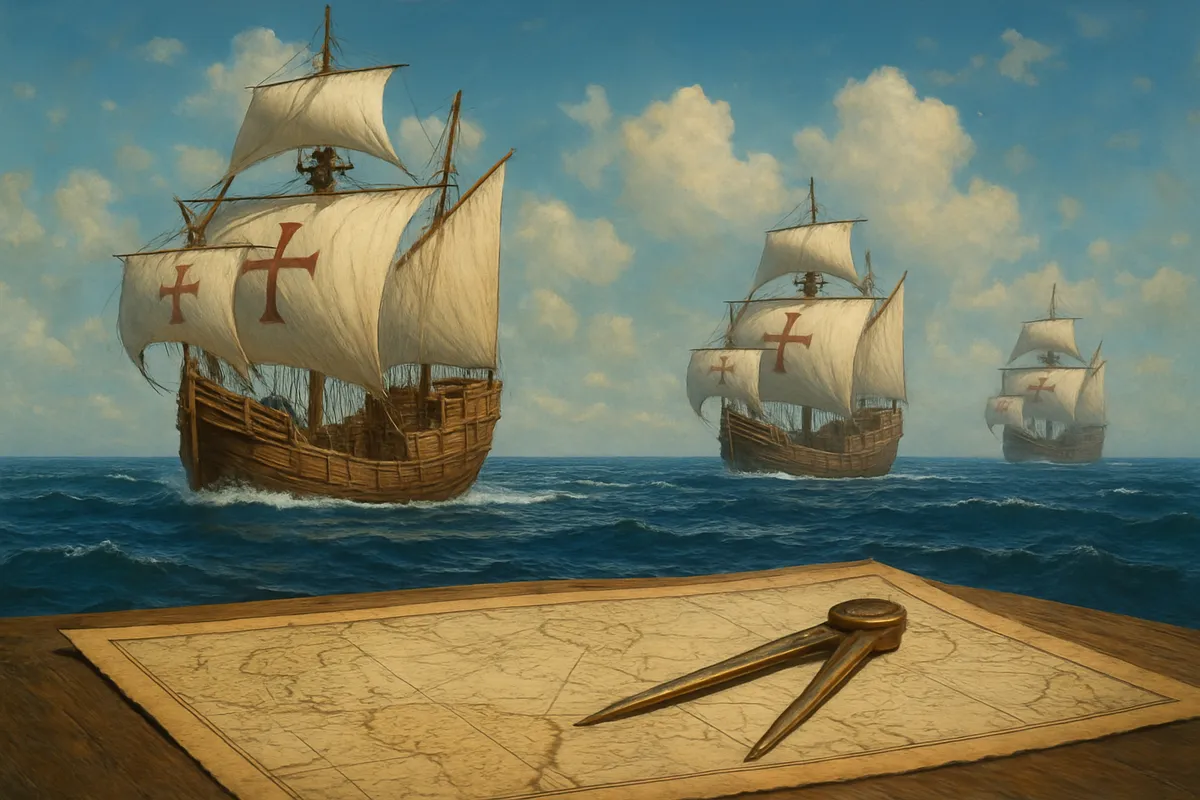
Identify motives, routes, technologies, and consequences of European exploration.
#world_history#us_grade_7_social_studies
40 questions
One question set, multiple game modes. Tap any game to see it in action. Not sure which to pick?
Answer to place stones and capture territory.
Outrun the snow together.
Earn blasts, then hunt the other team.
Answer to earn energy, then climb.

The class blasts through walls together.
Bid on mystery lots. Most money wins.
Sell tours. Nice, standard, or a total scam.

Answer, restock, and serve the rush.
More correct answers pulls the rope your way.
Answer, then shoot down the alien wave.
Answer, then tap to leap the frozen ridge.
Portuguese rulers funded voyages to reach Asian spices without overland middlemen. What motive is shown?
Spain's rulers backed Columbus's westward voyage because they hoped to reach the spice and silk markets of the Indies. What motive is shown?
Reports of gold and silver encouraged Spanish expeditions into the Americas. What motive is shown?
Missionaries traveled with some European voyages to baptize and teach Indigenous peoples. What motive is shown?
Kings competed to claim distant lands before rival European powers could take them. What motive is shown?
Prince Henry of Portugal is known as "the Navigator." What was his main role in exploration?
Portugal wanted an all-water route to India's spice markets. Which route did Portuguese ships use?
Spain supported overseas expansion partly to convert newly contacted peoples to the Catholic faith. What motive is shown?
Spain and Portugal competed for new lands. In 1494, which treaty drew a line dividing their claims?
Before the new sea routes, merchants from which city controlled most of the spice trade between Asia's Mediterranean ports and Europe?
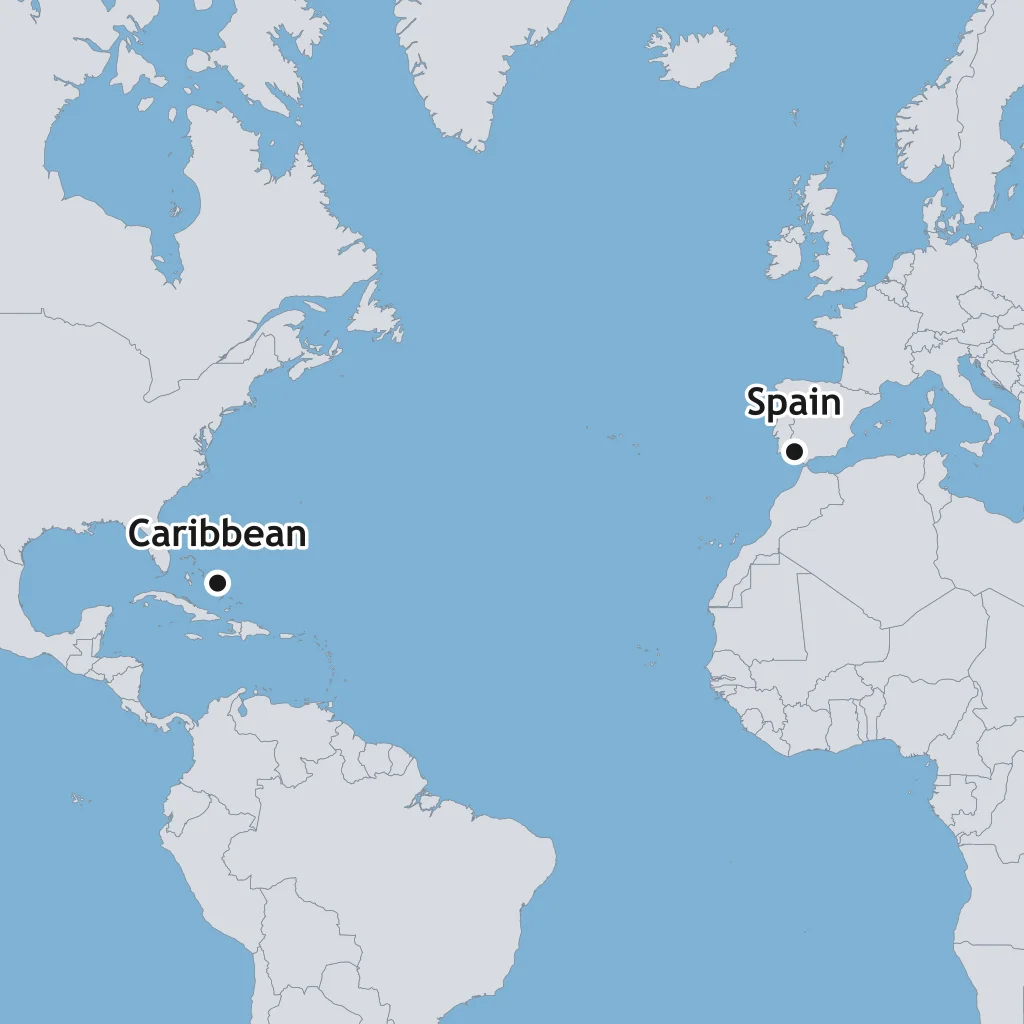
In 1492, this sailor crossed the Atlantic for Spain and reached the Caribbean while seeking Asia. Who is described?
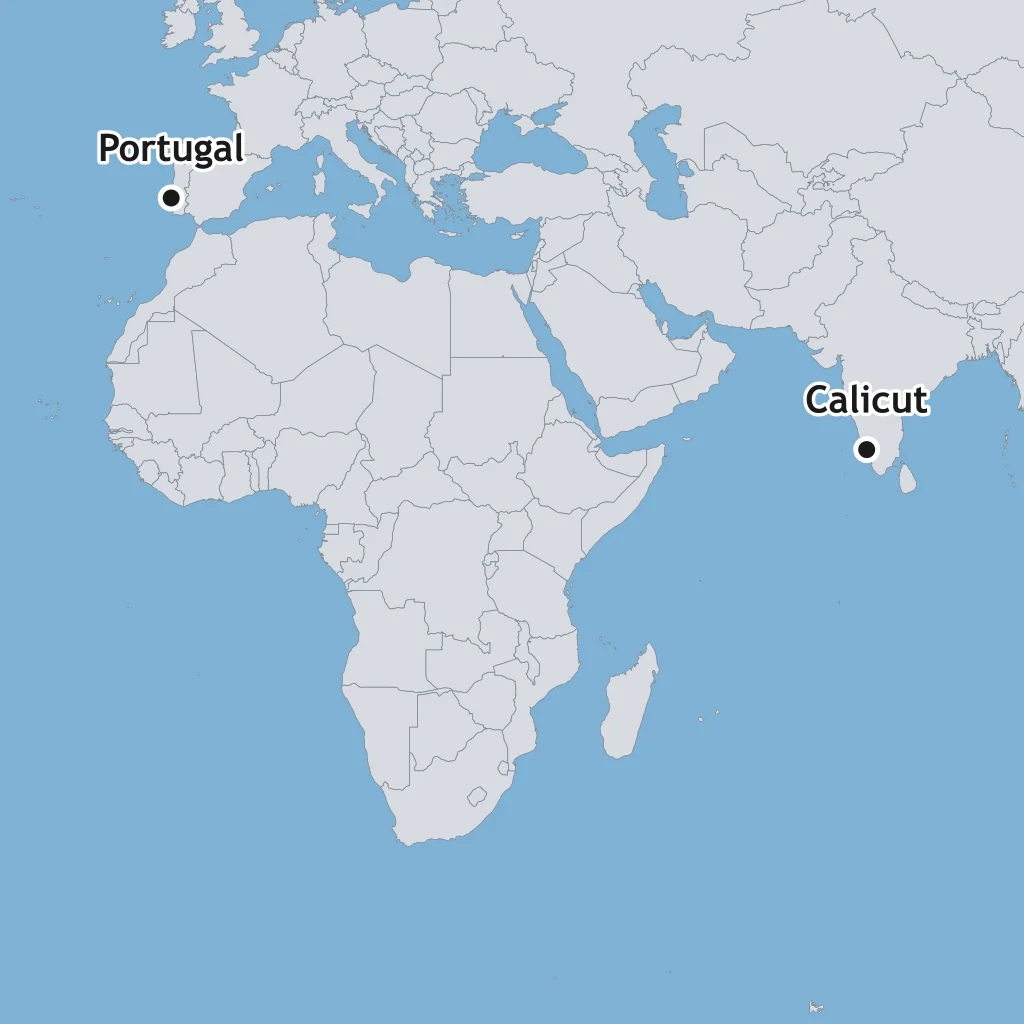
This Portuguese sailor rounded southern Africa and reached Calicut, India, in 1498. Who is described?
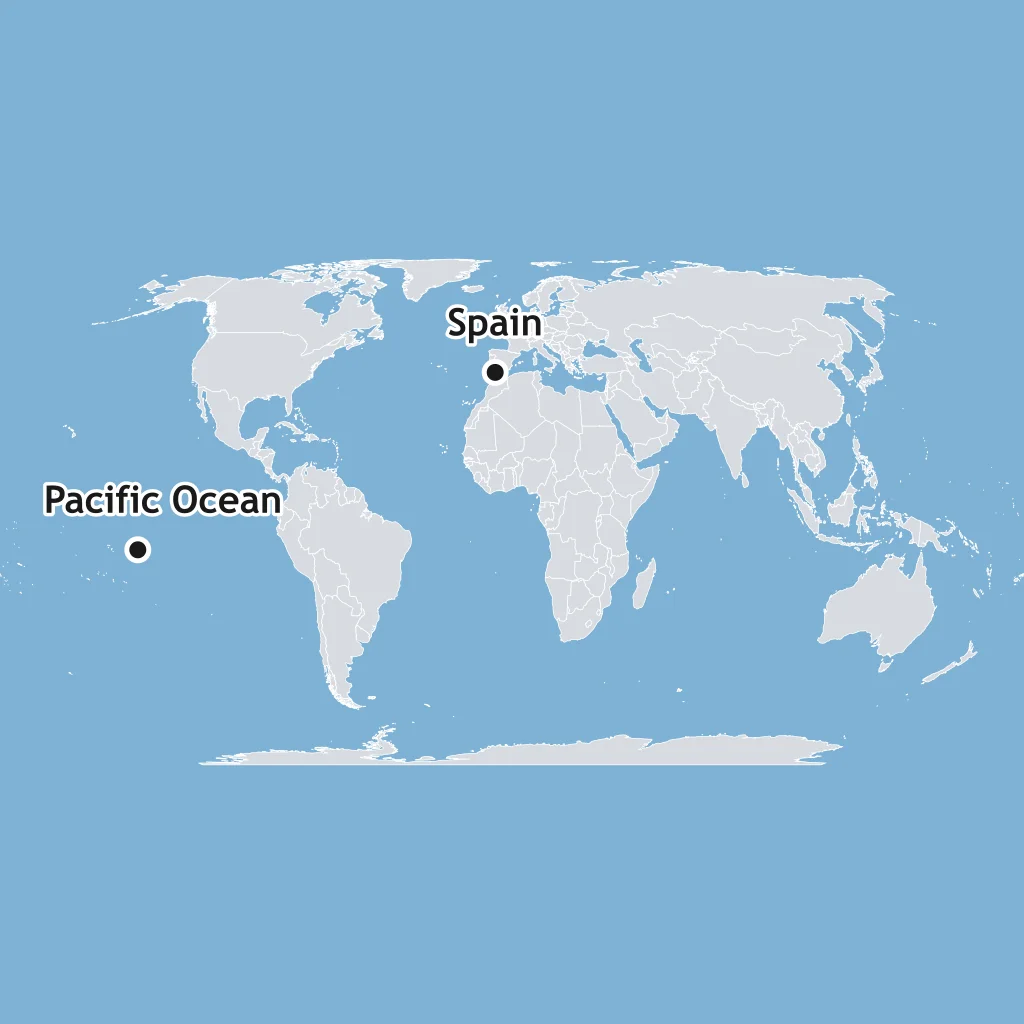
His expedition left Spain in 1519, crossed the Pacific, and completed the first circumnavigation after his death. Who is described?
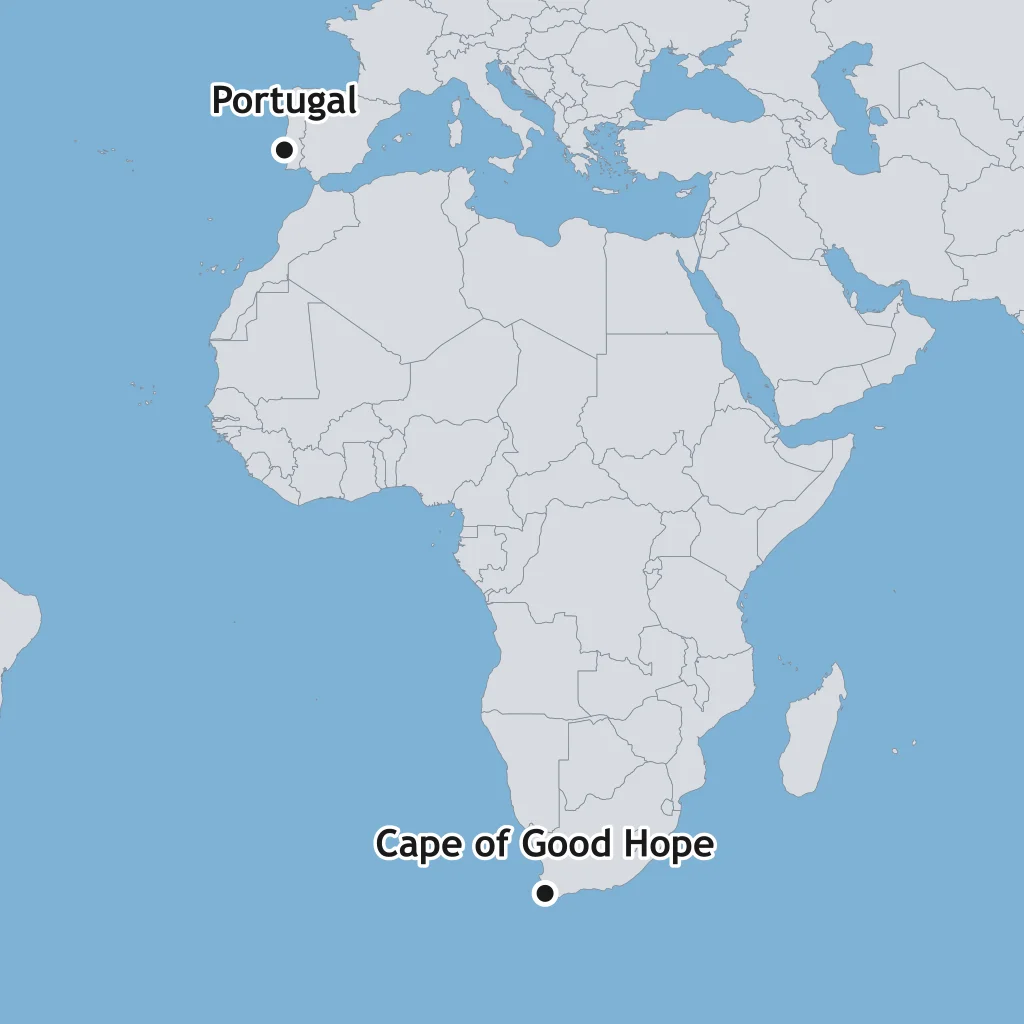
This Portuguese explorer reached the Cape of Good Hope in 1488 but did not continue to India. Who is described?
This Italian sailor explored the North Atlantic coast for England in 1497. Who is described?
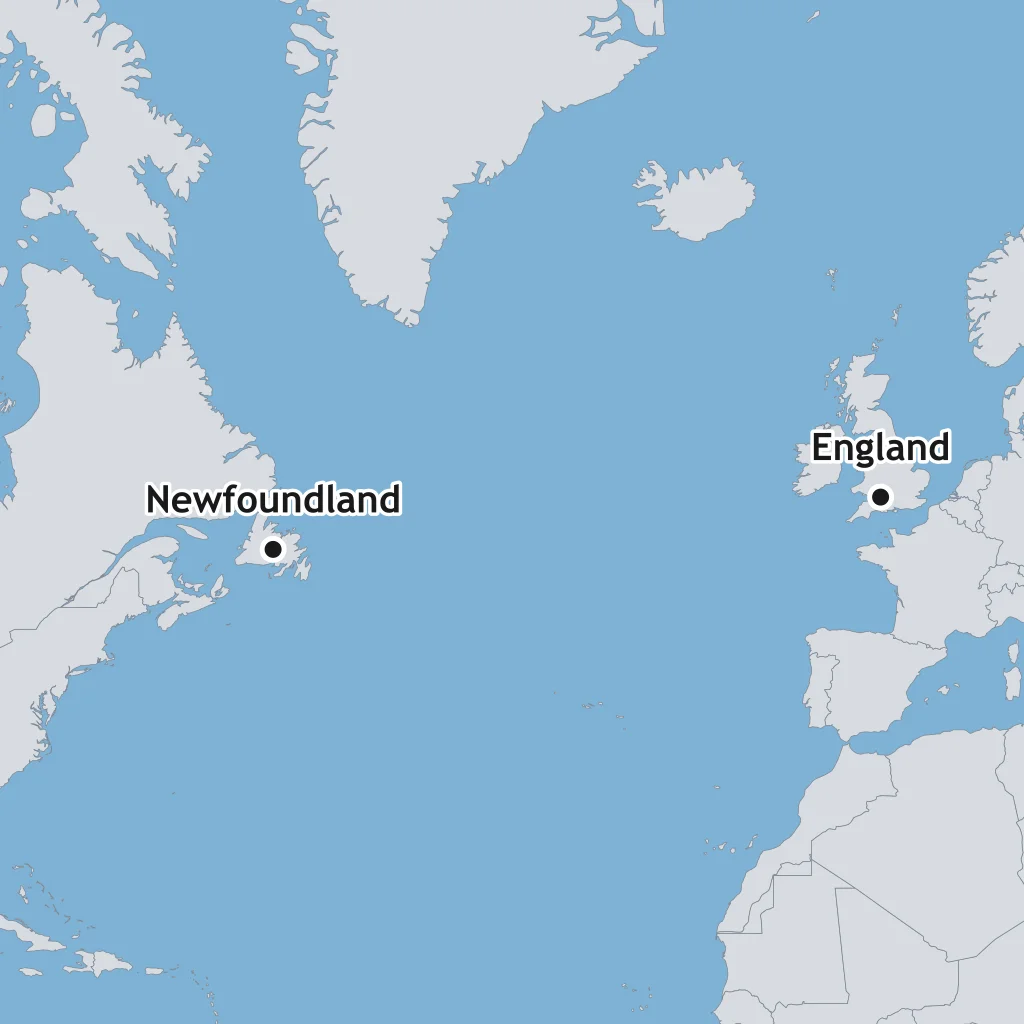
This explorer’s accounts helped Europeans understand that South America was not part of Asia. Who is described?
This Portuguese captain reached Brazil in 1500 while sailing on a route toward India. Who is described?
This explorer’s fleet passed through the strait at South America’s southern end before crossing the Pacific. Who is described?
This explorer sailed up the St. Lawrence River in the 1530s while searching for a passage to Asia. Who is described?
This navigator sailed for Dutch and English backers and explored the river and bay that bear his name. Who is described?
This Spaniard led an expedition across Panama in 1513 and became the first European to see the Pacific from the Americas. Who is described?
This conquistador led the Spanish expedition that defeated the Aztec Empire in Mexico. Who is described?
Sailors used a magnetic needle to keep direction when clouds hid the stars. What tool helped them navigate?
Navigators measured the Sun’s or North Star’s height to estimate latitude at sea. What tool helped them?
A small, fast Portuguese ship with lateen sails could travel along coasts and into ocean winds. What design helped exploration?
Mapmakers drew coastlines and compass lines on charts used by Mediterranean and Atlantic sailors. What helped voyages?
Sailors counted knots on a rope dropped behind a ship to estimate speed. What tool is described?
Triangular sails let ships tack and make progress against the wind. What technology is described?
A navigator used a quarter-circle instrument to measure a star's altitude above the horizon. What tool is described?
Captains recorded direction, speed, weather, and daily progress during long voyages. What practice helped navigation?
Crops, animals, people, and diseases moved between the Americas, Europe, and Africa after 1492. What consequence is shown?
Why did smallpox and other European diseases kill so many Indigenous people in the Americas after 1492?
Spain claimed American lands and forced many Indigenous people to work under colonial systems. What consequence is shown?
Enslaved Africans were forced across the Atlantic to work on plantations. Where were most of them taken?
Portugal built forts and trading posts around Africa and the Indian Ocean. How was its empire different from Spain's empire in the Americas?
Silver mined in the Americas traveled to Europe and Asia, linking distant markets. What consequence is shown?
European mapmakers added new coastlines and ocean routes after explorers returned from voyages. What consequence is shown?
European settlers claimed territory in the Americas, and many Indigenous communities lost land. What consequence is shown?
Missionaries and colonists introduced Christianity and European languages in many colonies. What consequence is shown?
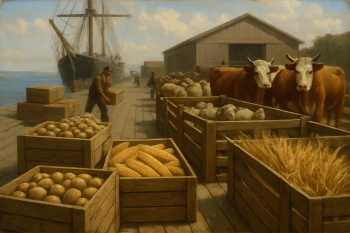
Potatoes, maize, and tomatoes became important foods in Europe, Africa, and Asia after 1492. What consequence is shown?
Crack the passcode before the zombies get in.
Answer, then swat bugs for bonus points.
Race through questions at your own speed.
Same question on every screen. Fastest wins.

Pick a tile, answer, hit bonuses and steals.
Enlightenment Thinkers and Ideas About Government
30 questions