Loading
by BlastRoom
Practice matching Enlightenment thinkers to civic ideas and later constitutional influences.
#world_history#us_grade_7_social_studies
30 questions
One question set, multiple game modes. Tap any game to see it in action. Not sure which to pick?
This thinker argued that government should protect life, liberty, and property. Which Enlightenment thinker is described?
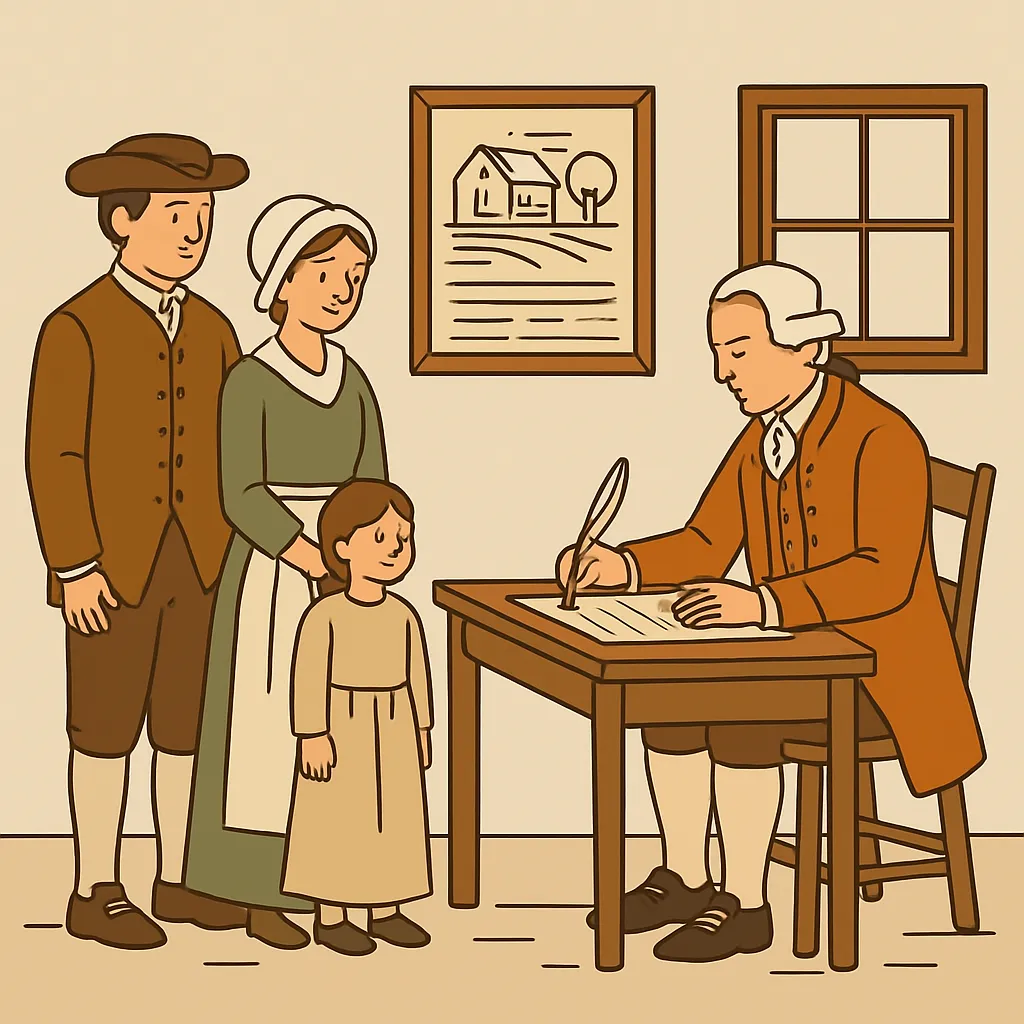
This thinker argued that liberty is safer when lawmaking, enforcing, and judging powers are divided. Which writer is most associated with this idea?
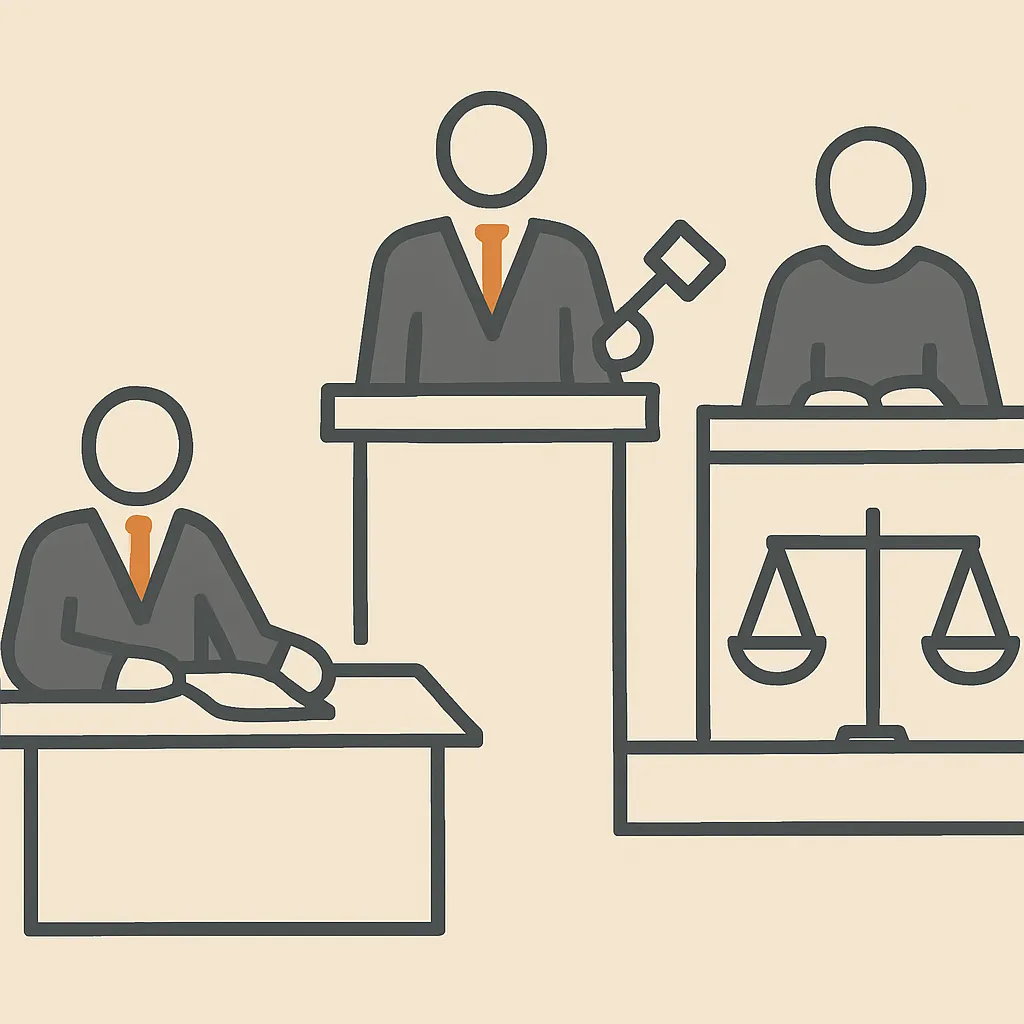
This thinker linked legitimate law to the general will of the people. Whose political theory matches this description?
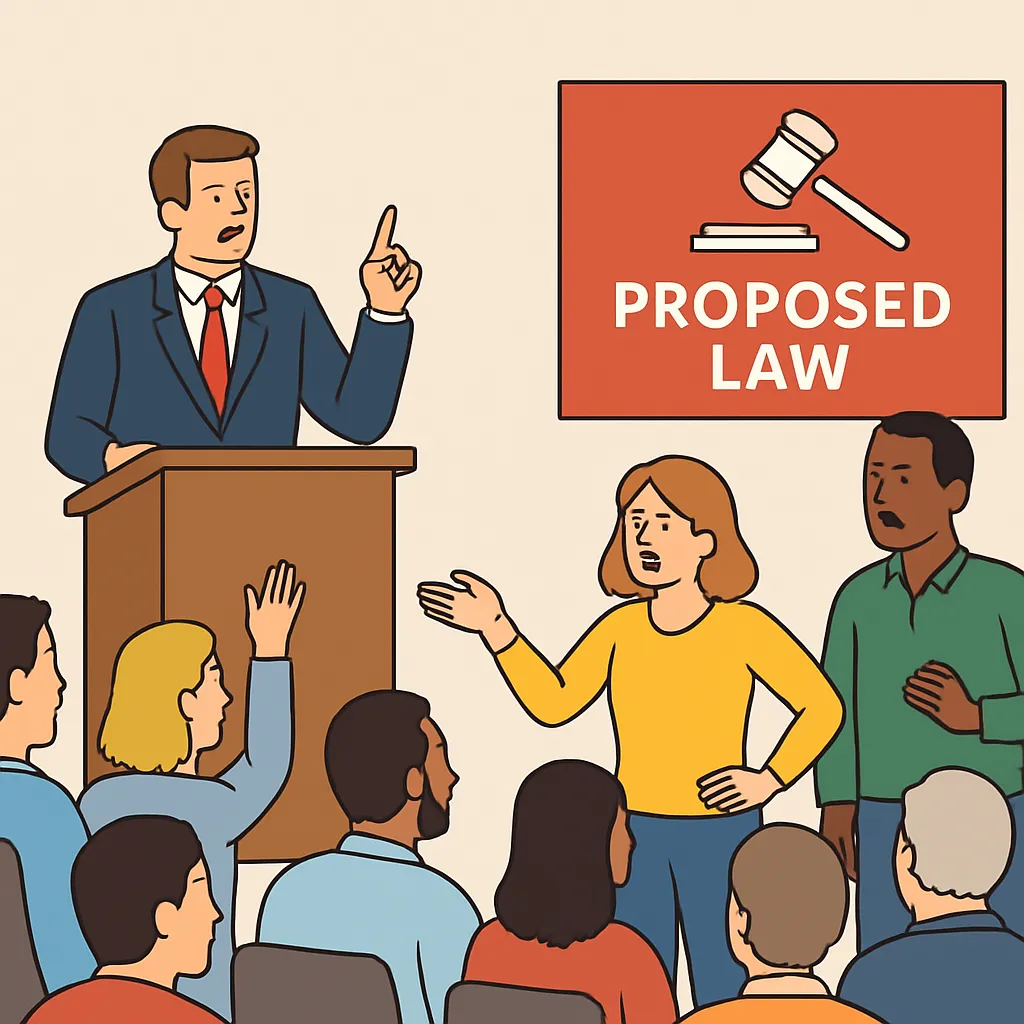
This thinker defended religious toleration and criticized censorship. Which Enlightenment writer is described?
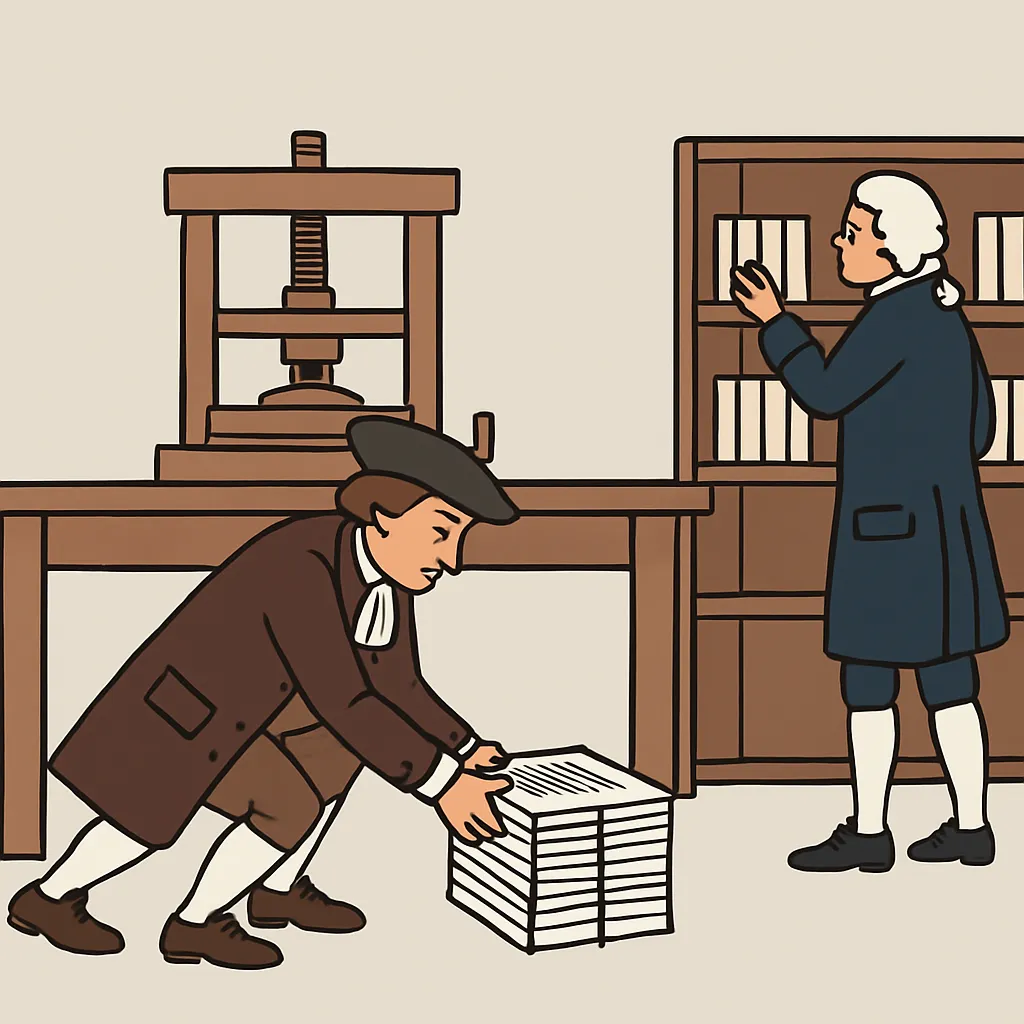
This thinker said people may replace a government that fails to protect their rights. Who argued this?
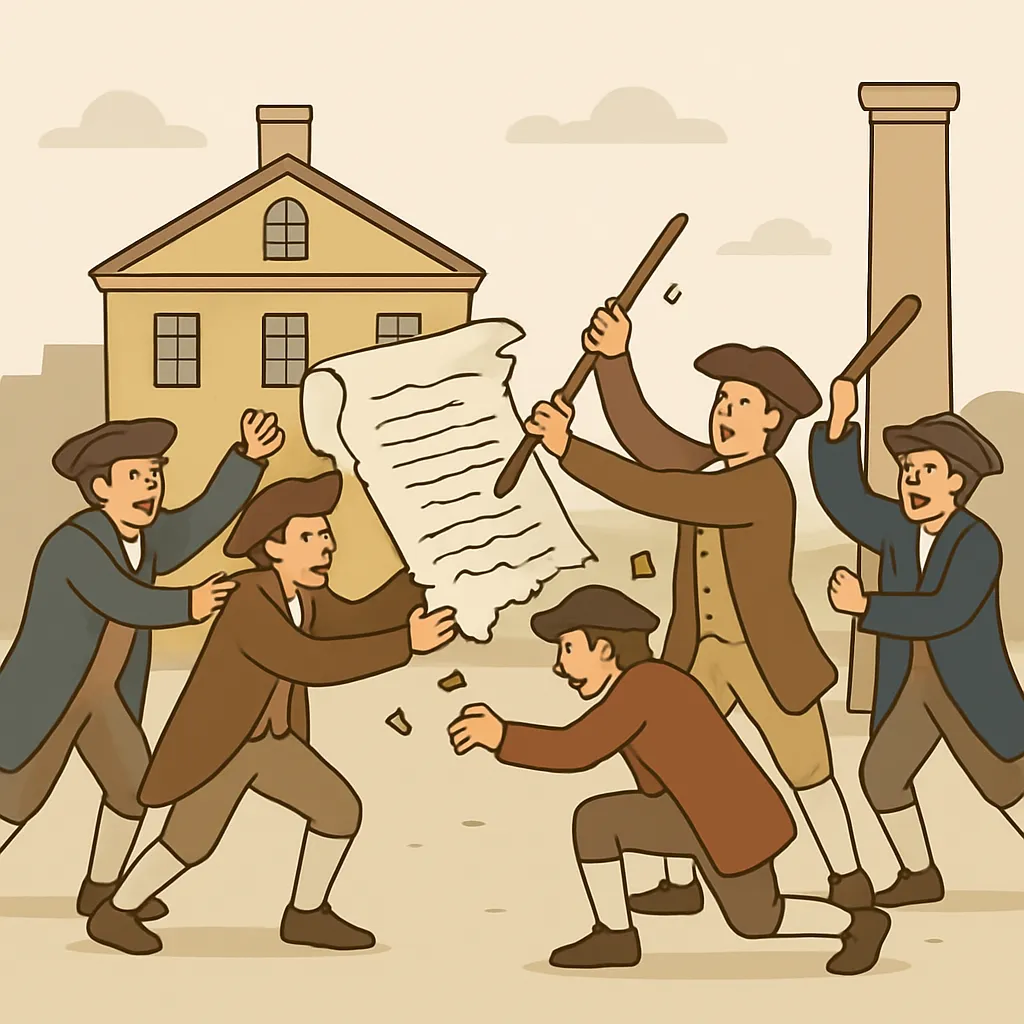
This thinker argued that independent courts help prevent rulers from abusing power. Which thinker fits this idea?
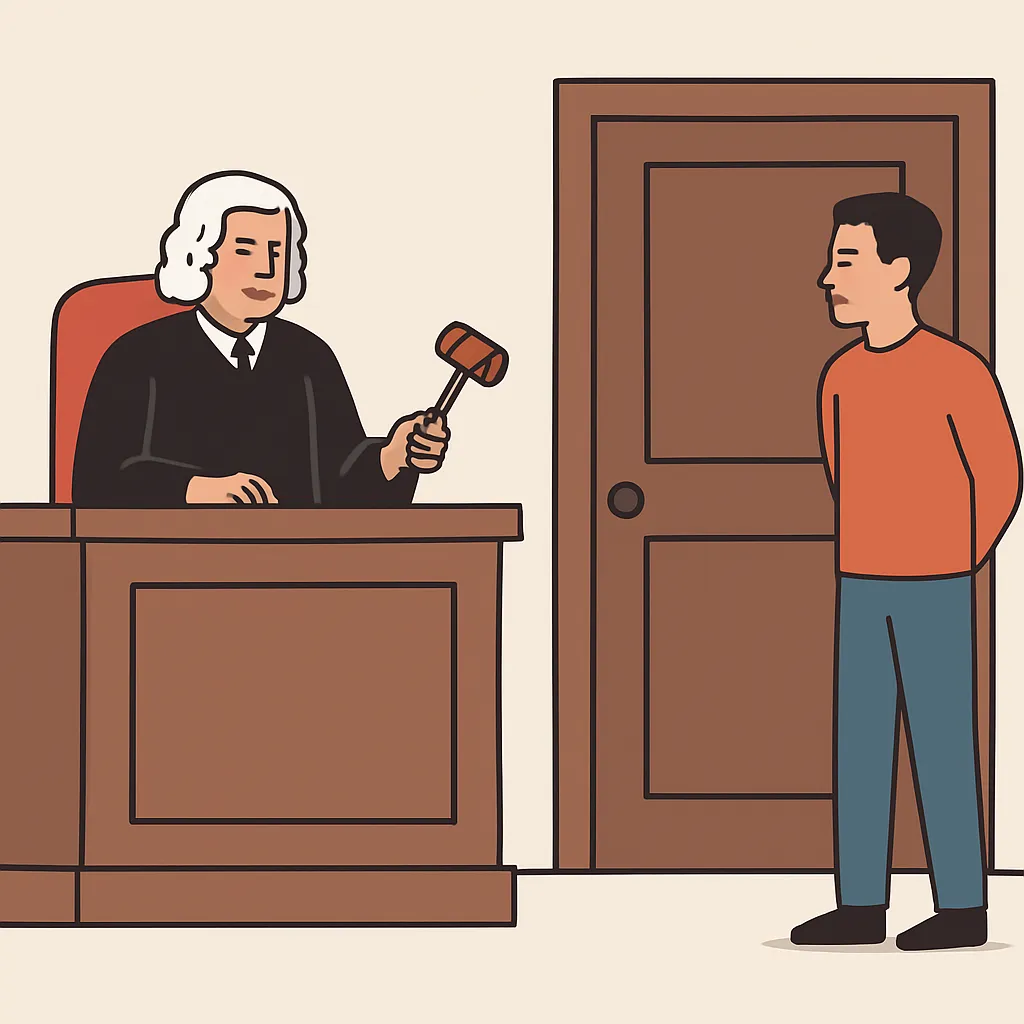
Rousseau's book about the general will opens with the line "Man is born free, and everywhere he is in chains." What is the book?
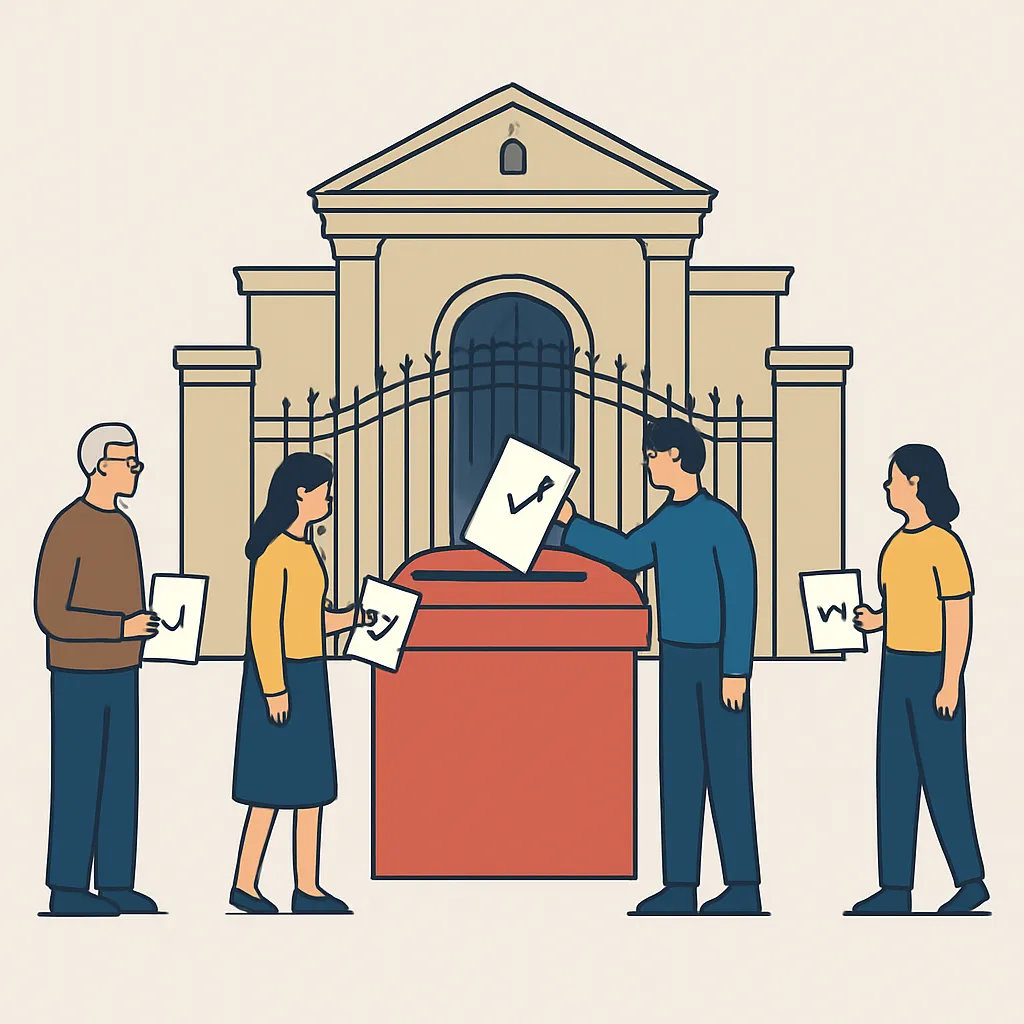
John Locke argued that government exists to protect natural rights, including property. In which work did he make this argument?
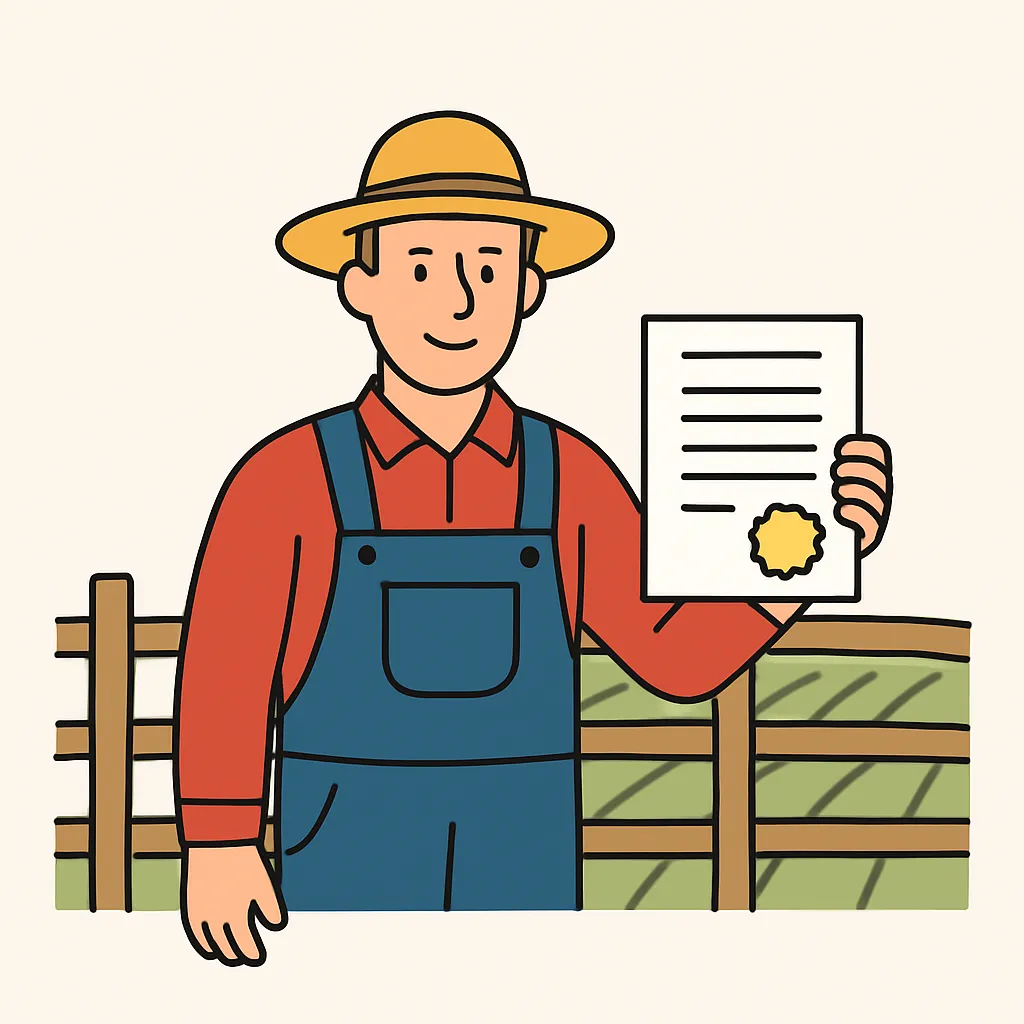
Montesquieu warned that one person or body holding all political power leads to tyranny. In which 1748 book did he make this argument?
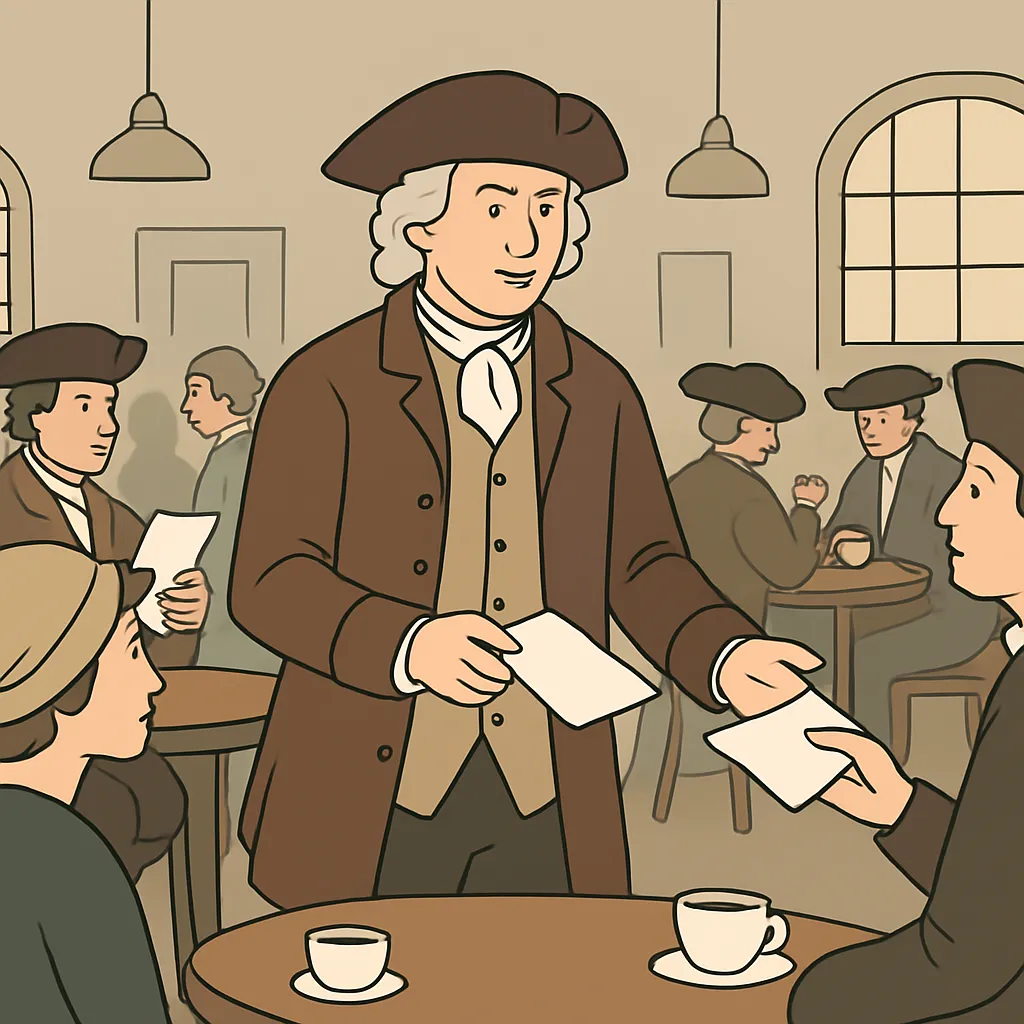
Voltaire defended free expression and religious toleration. Which part of the U.S. Constitution most clearly reflects these ideas?
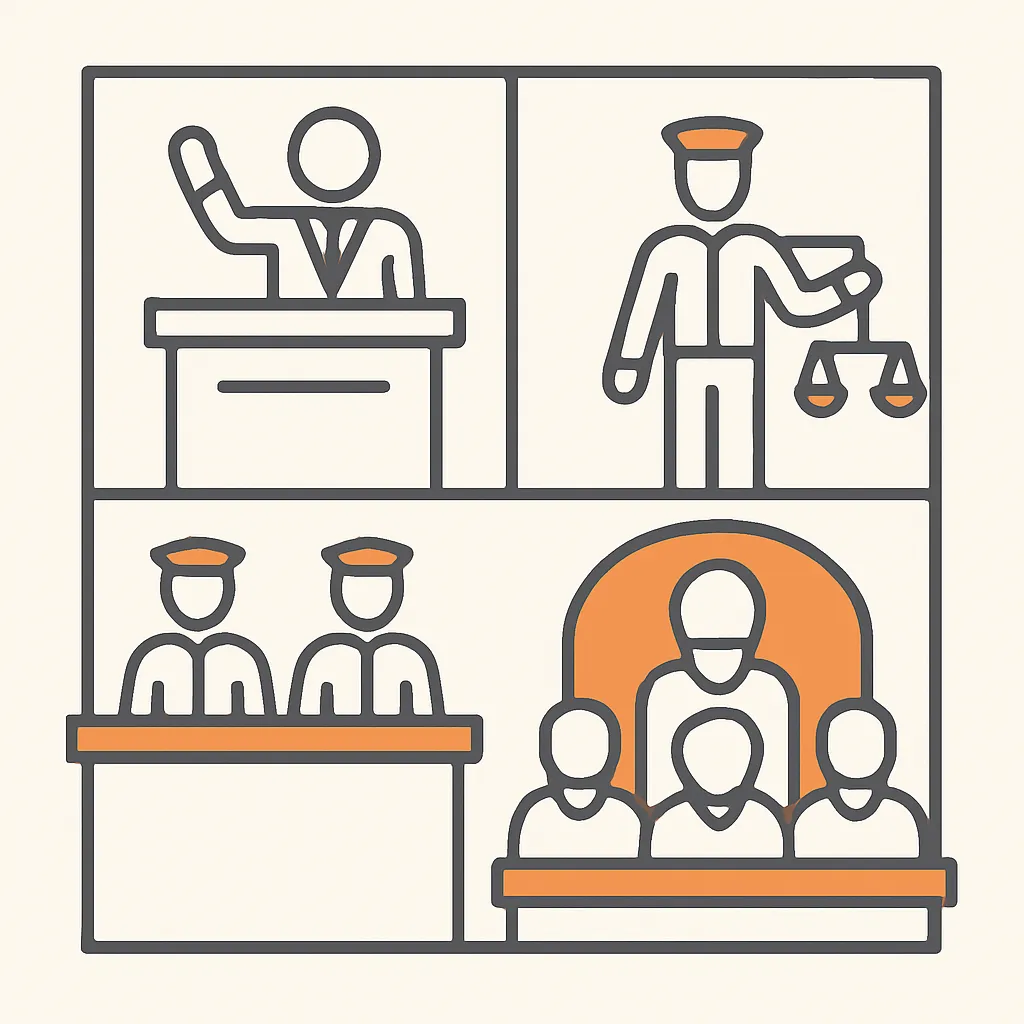
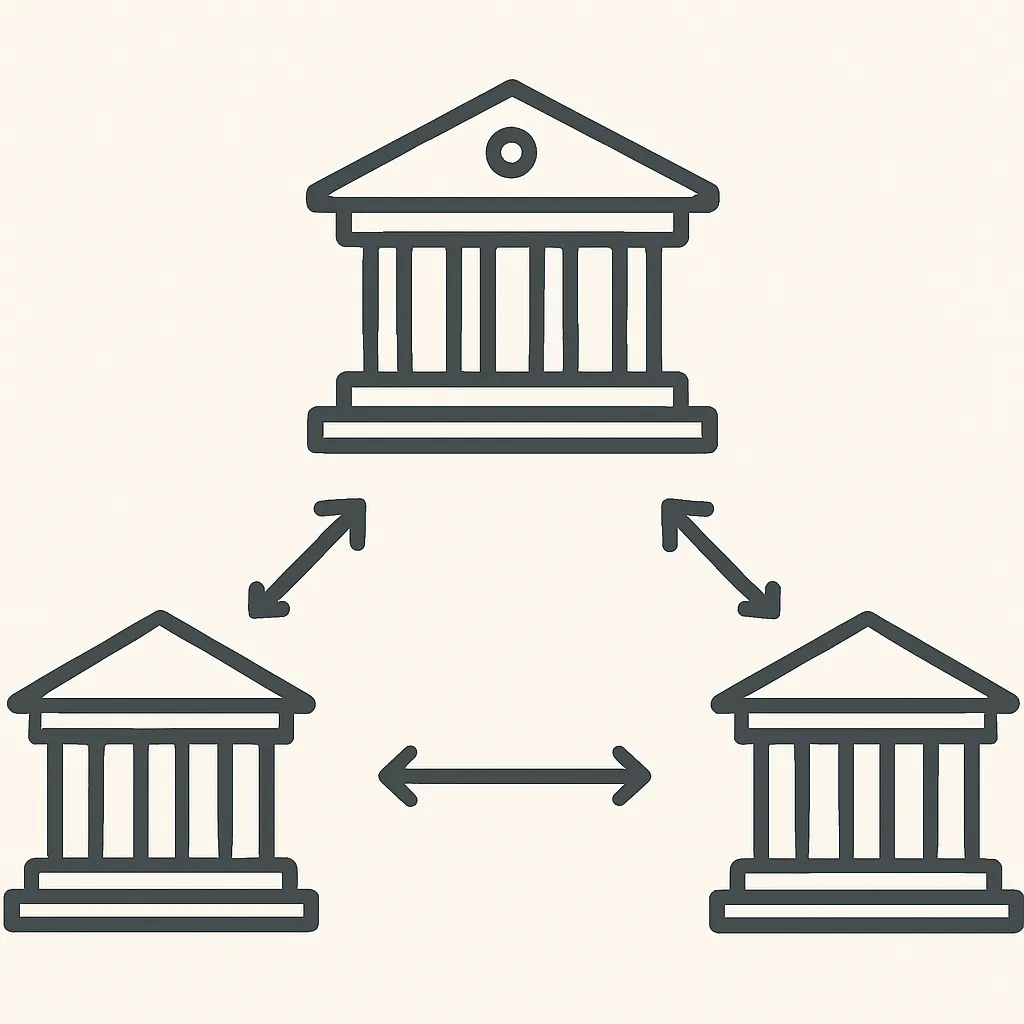
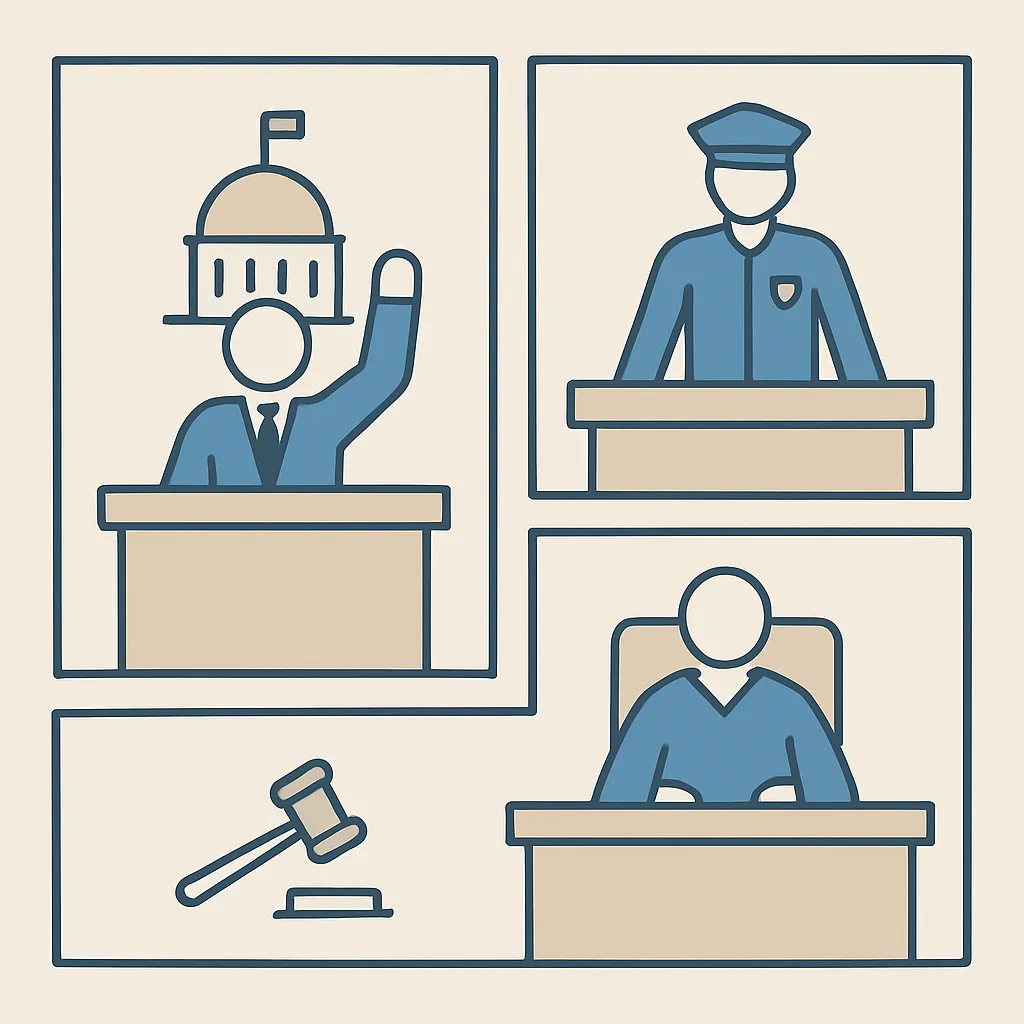
A constitution gives lawmaking, enforcing, and judging to different branches. What principle is shown?
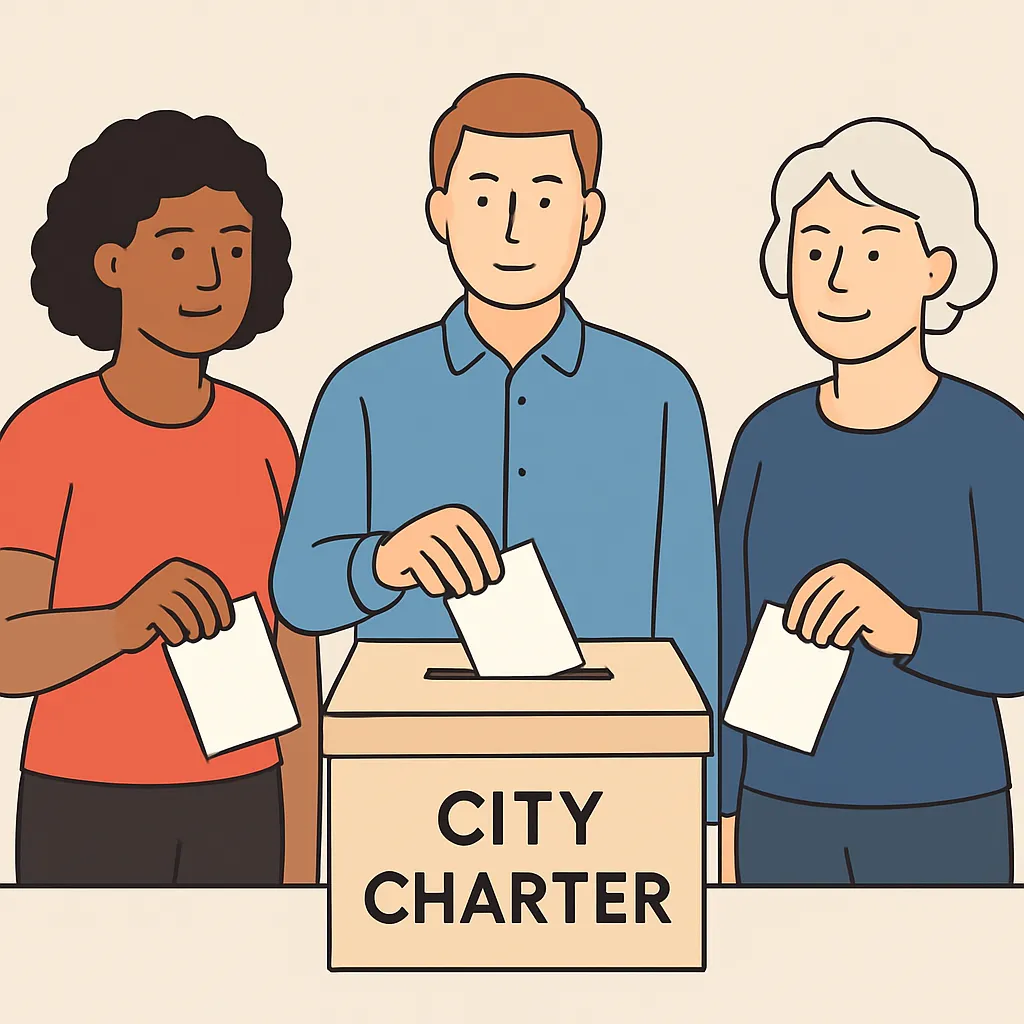
Residents vote on a new city charter, and officials gain power after voters approve it. What principle is shown?
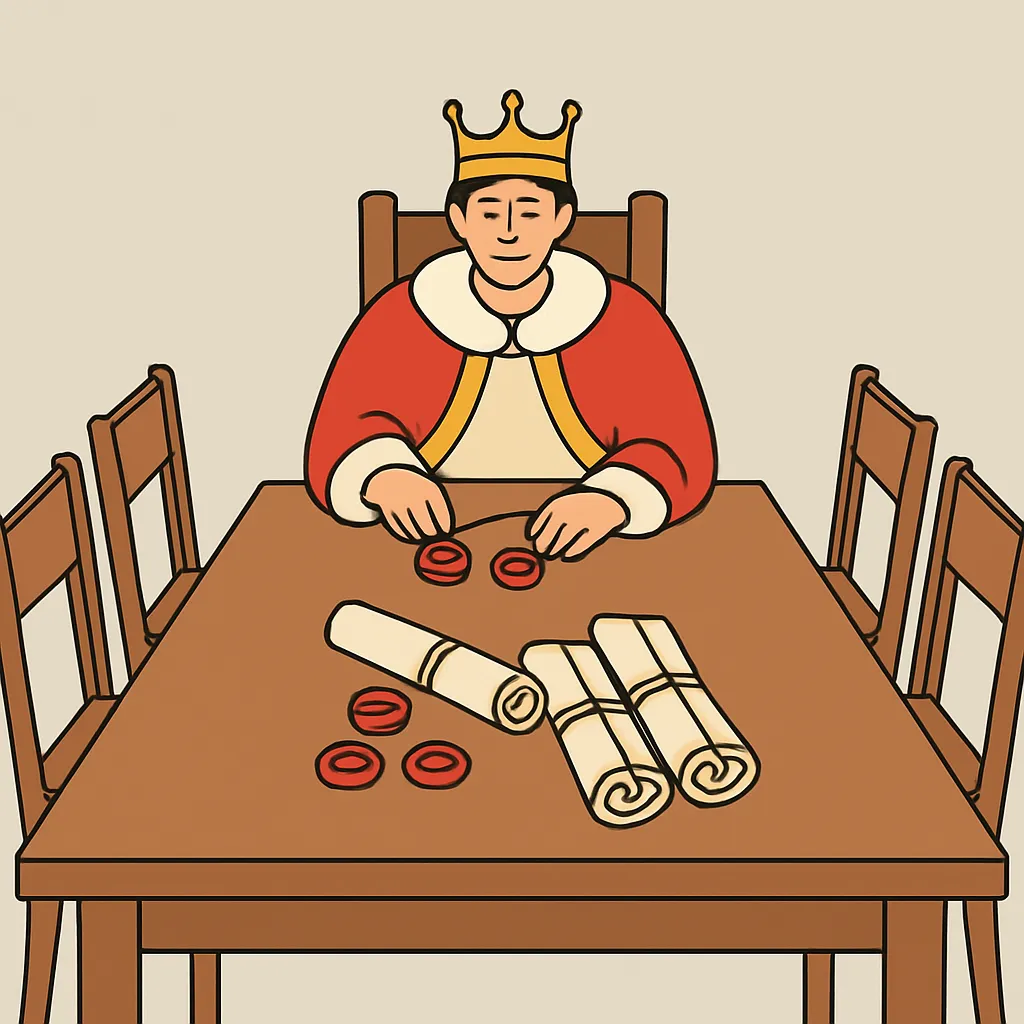
A state constitution says leaders may not close churches or take people's homes, no matter who is in power. What principle limits these leaders?
A mayor who breaks the law must face the same court process as any citizen. What principle is shown?
Families agree to create a local council and give it power to enforce rules for protection. What principle is shown?
Congress can override a veto, and courts can strike down laws that violate a constitution. What principle is shown?

Colonists argue taxes require approval from representatives chosen by the people. What principle are they using?
A law lets people worship peacefully in different religions without state punishment. What Enlightenment principle appears?
Revolutionaries say people are born with freedoms that kings did not create and may not remove. What Enlightenment idea supports that claim?
The U.S. Constitution has voters elect members of the House of Representatives every two years. Which Enlightenment idea does this reflect?
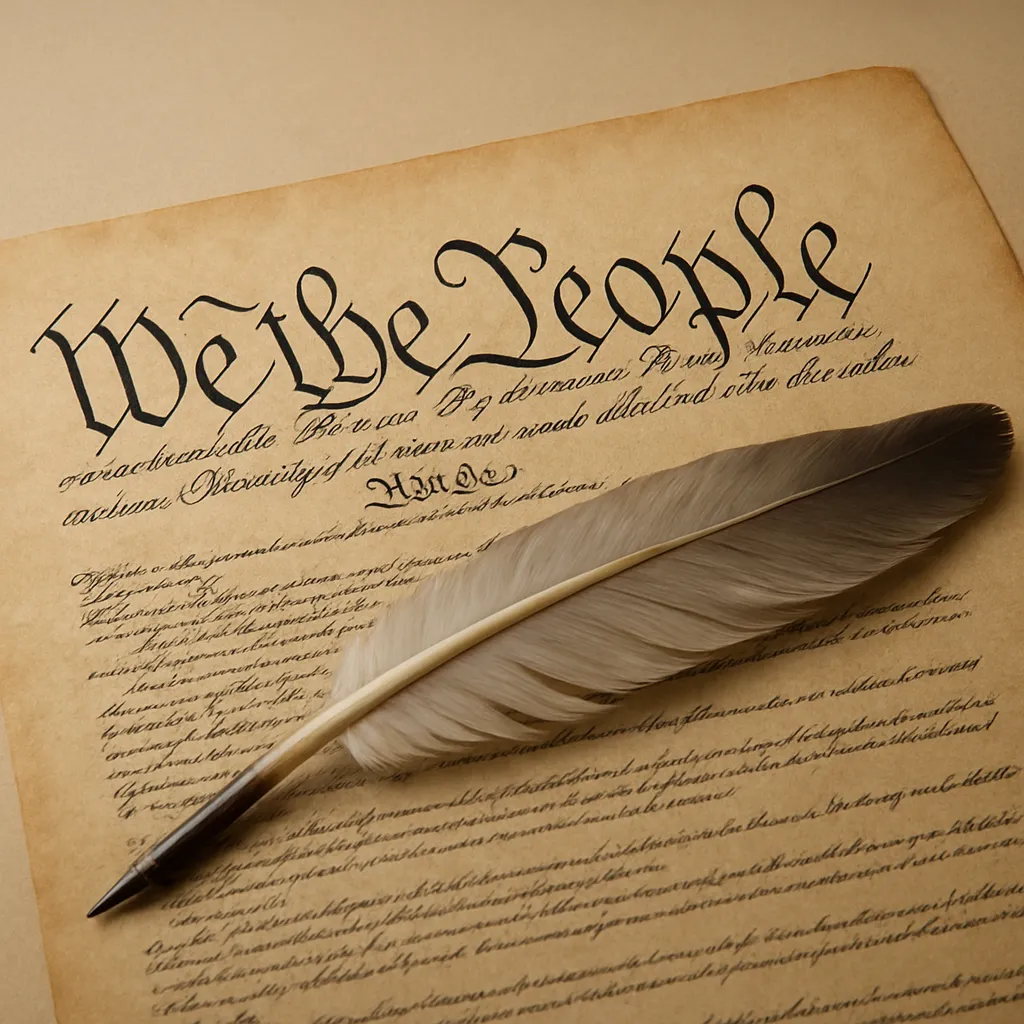
The opening words "We the People" present the people as the source of government authority. Which idea does this show?
A bill of rights lists freedoms that government must protect. Which Enlightenment idea most directly influenced that feature?
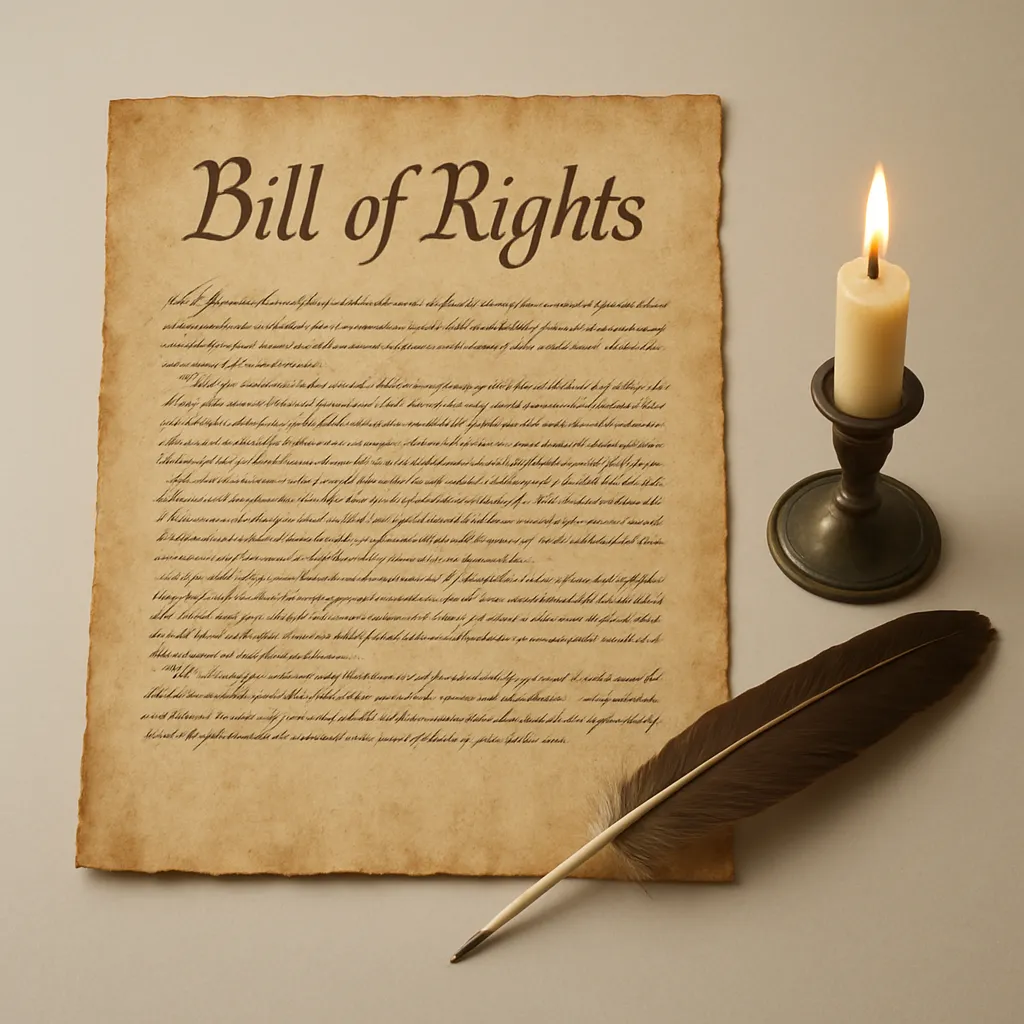
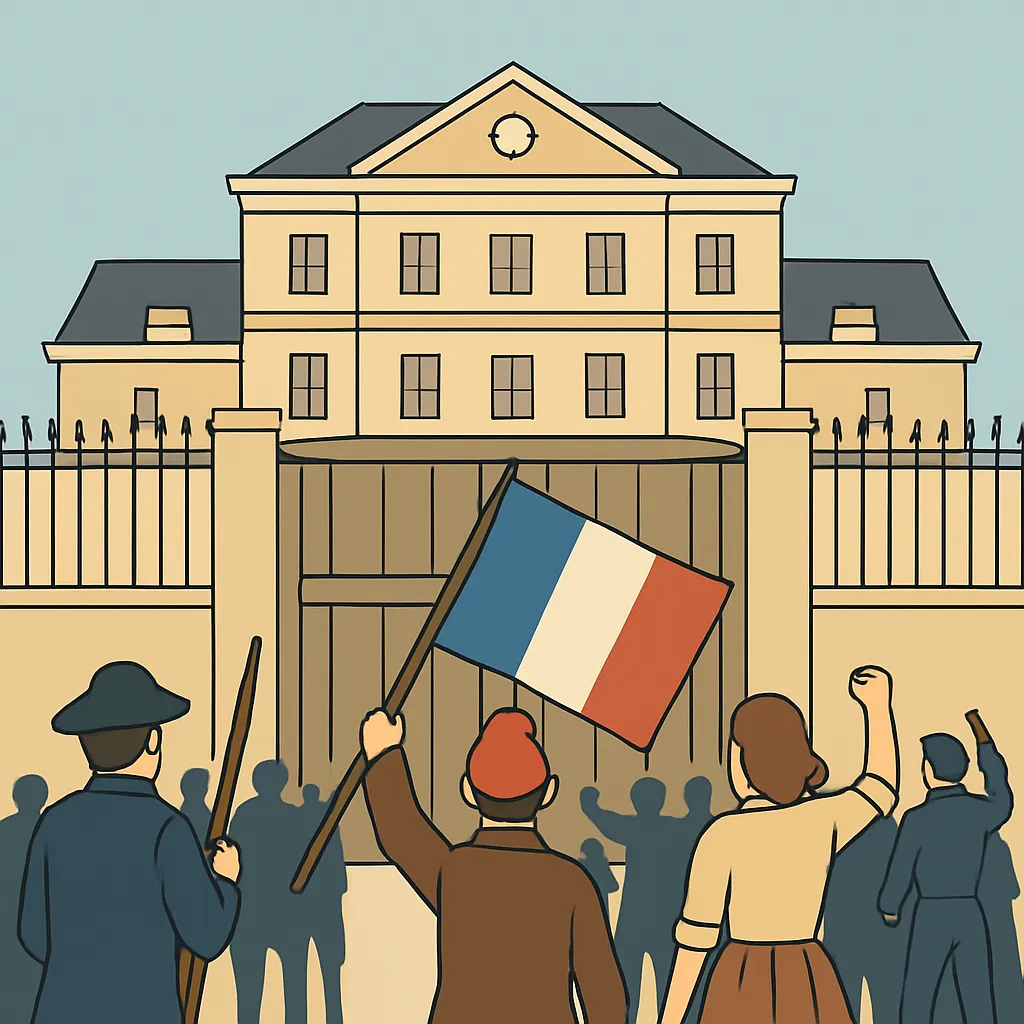
French revolutionaries claimed sovereignty belonged to the nation rather than to a monarch. Which Enlightenment idea influenced that argument?
Separation of powers gives each branch its own job. What do checks and balances add to that design?
Written constitutions bind leaders to published laws instead of personal commands. Which Enlightenment idea supports this limit?
This thinker said life without government would be 'nasty, brutish, and short,' so people should obey a strong ruler. Who is described?
A president refuses to sign a bill passed by Congress and sends it back. Which check on Congress is the president using?

Under separation of powers, what is the main job of the courts?
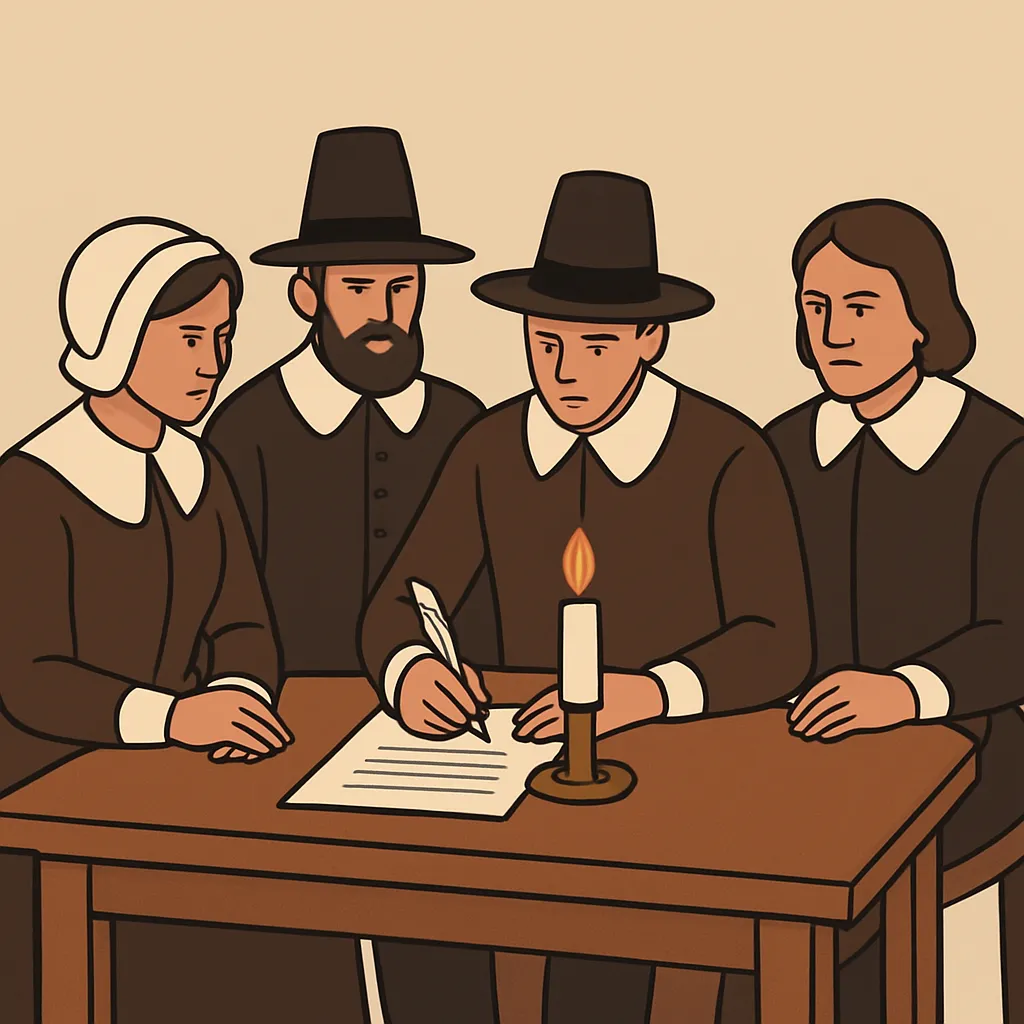
In 1620, the Pilgrims signed the Mayflower Compact, agreeing to form a government and obey its laws. Which idea does this agreement show?
Which document says people are 'endowed by their Creator with certain unalienable Rights'?
Crack the passcode before the zombies get in.

Pick a tile, answer, hit bonuses and steals.
Foundational Political Concepts
20 questions