Loading
by BlastRoom
Explore the scientists, evidence, tools, and methods that changed early modern science.
#world_history#us_grade_7_social_studies
30 questions
One question set, multiple game modes. Tap any game to see it in action. Not sure which to pick?
Answer to place stones and capture territory.
Outrun the snow together.
Earn blasts, then hunt the other team.
Answer to earn energy, then climb.

The class blasts through walls together.
Bid on mystery lots. Most money wins.
Sell tours. Nice, standard, or a total scam.

Answer, restock, and serve the rush.
More correct answers pulls the rope your way.
Answer, then shoot down the alien wave.
Answer, then tap to leap the frozen ridge.
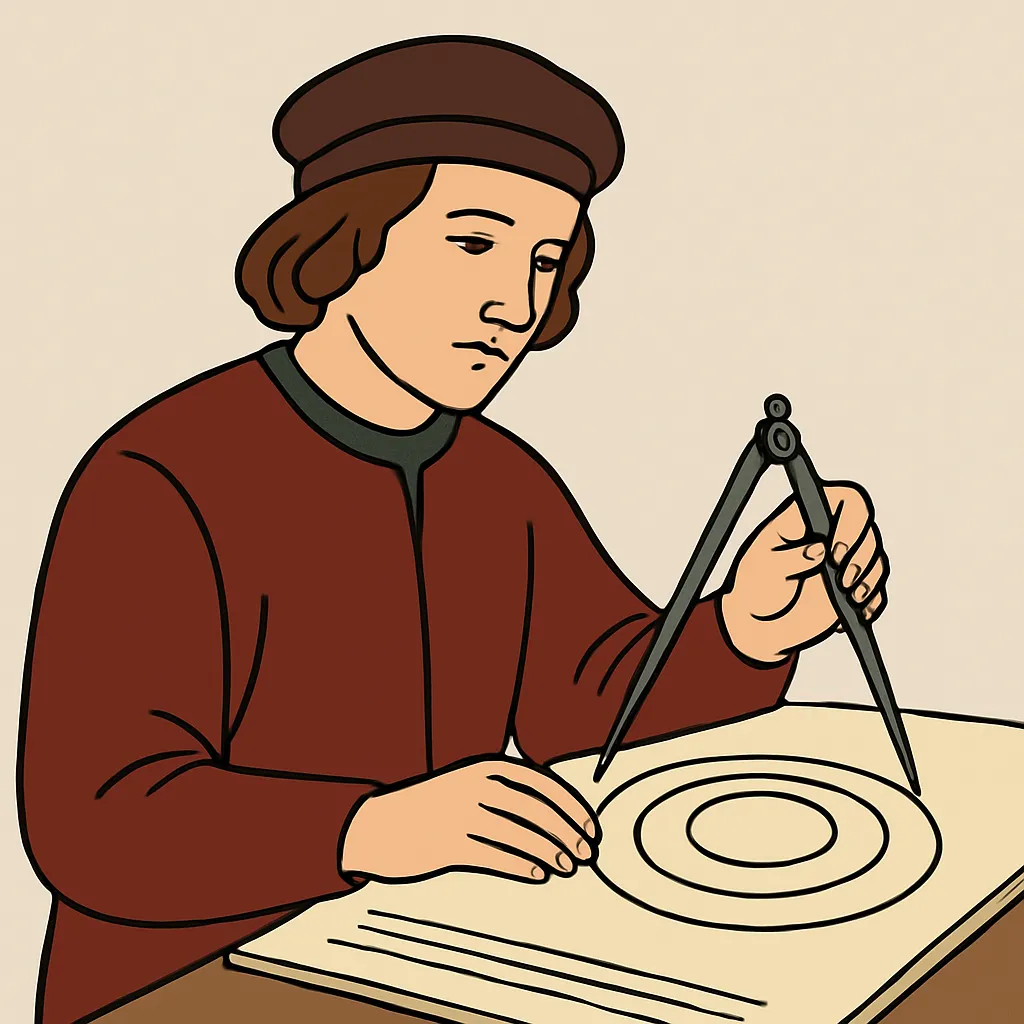
This astronomer argued in On the Revolutions that Earth and other planets move around the sun. Who is described?
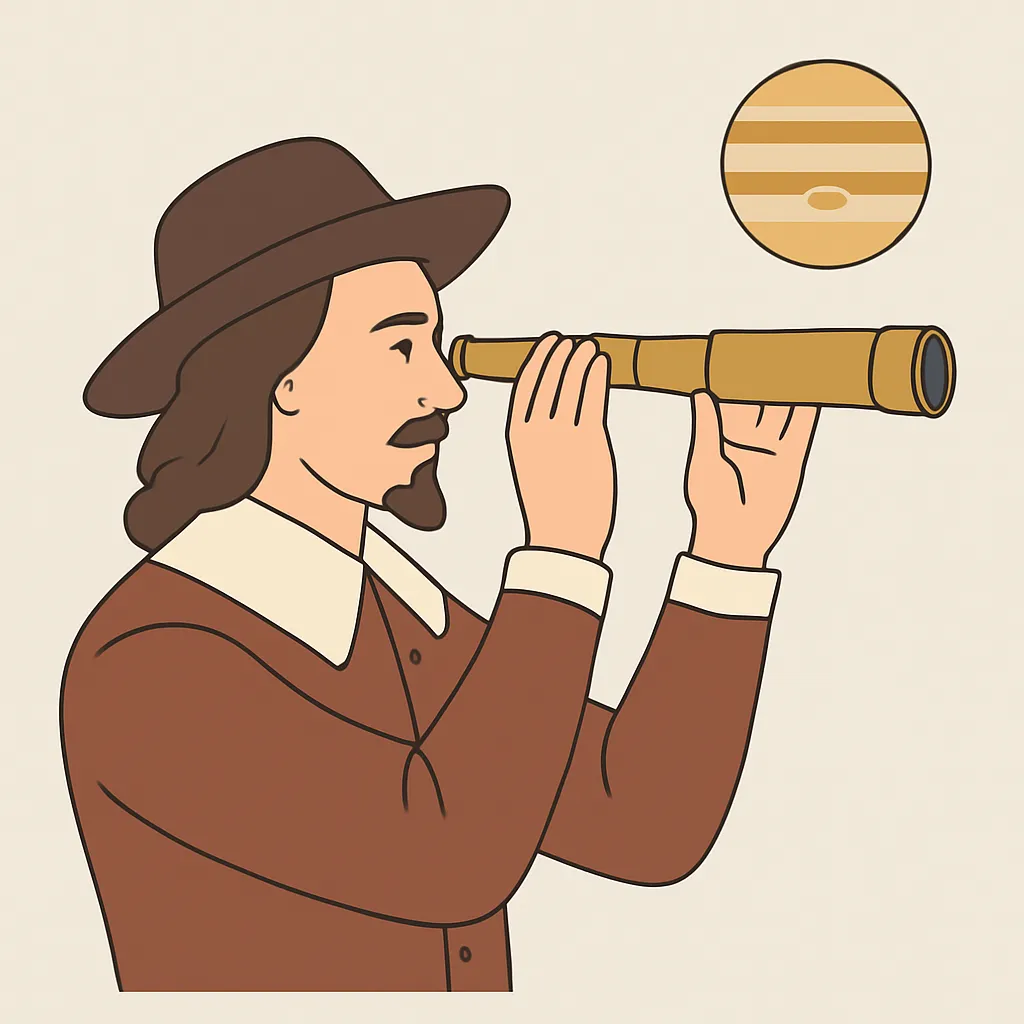
This scientist used a telescope to observe Jupiter's moons and the phases of Venus. Who is described?
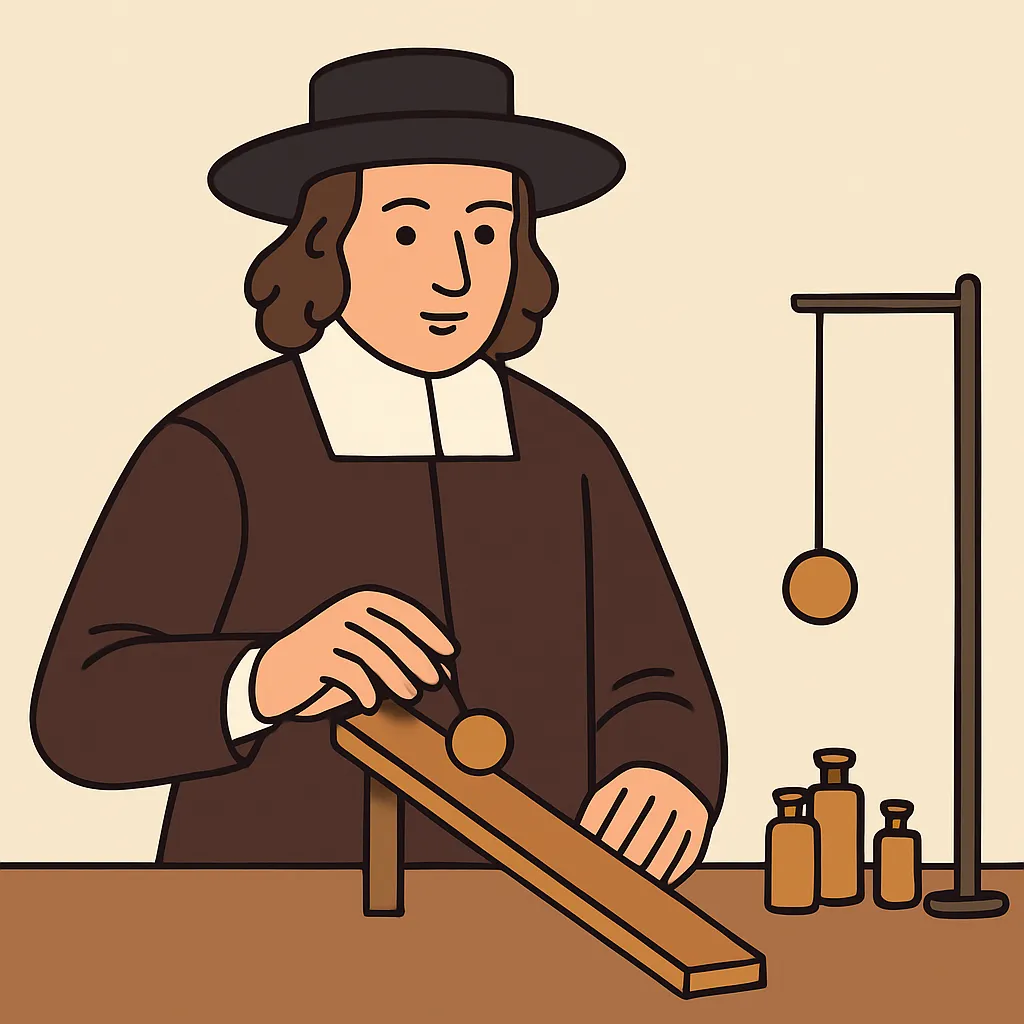
This mathematician explained the laws of motion and universal gravitation in Principia. Who is described?
This astronomer showed that planets move in ellipses instead of perfect circles. Who is described?
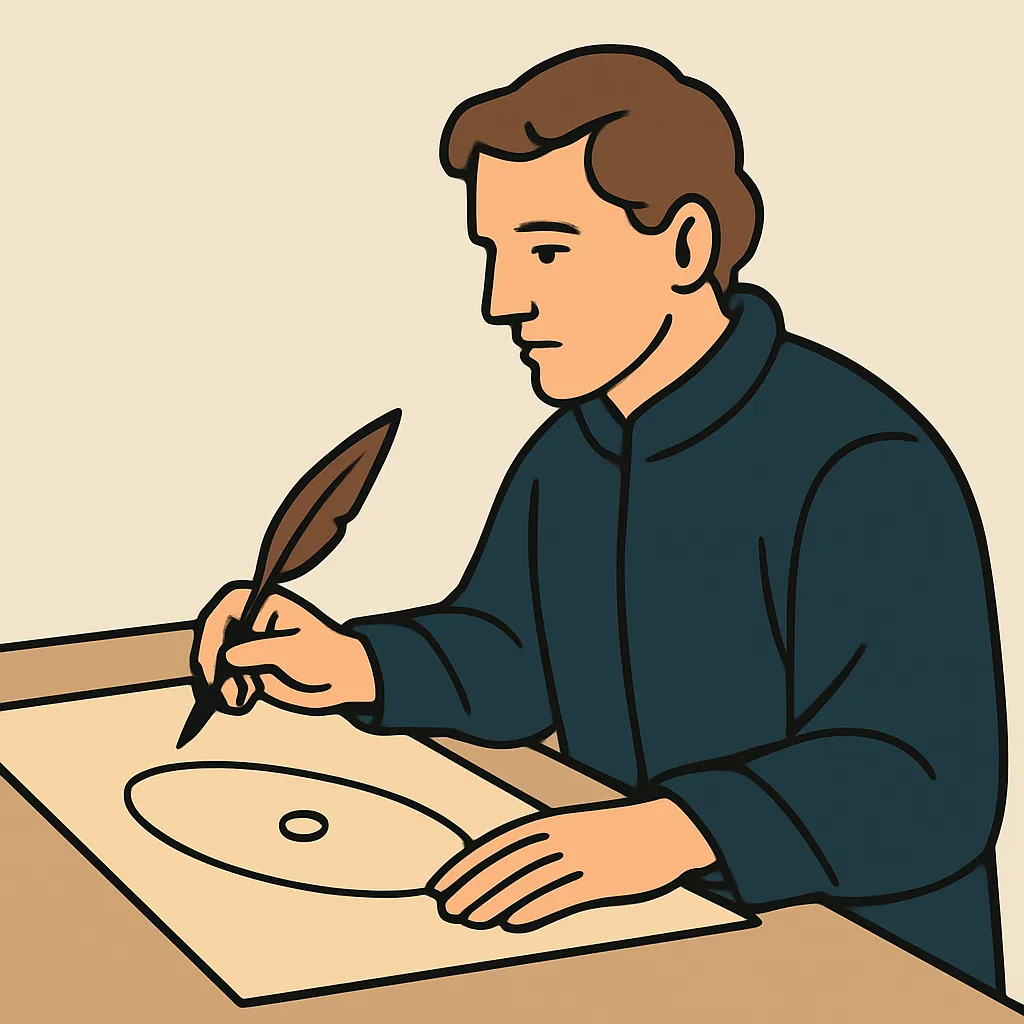
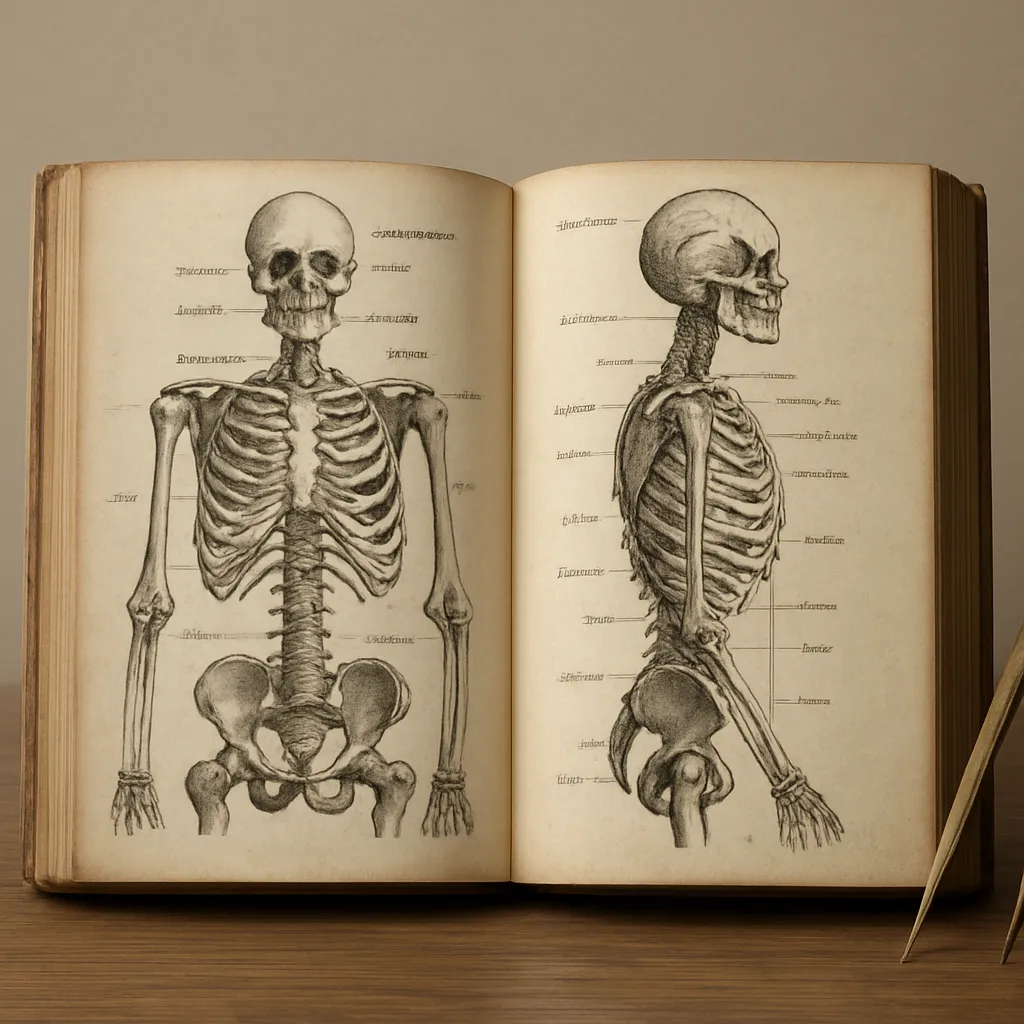
This physician published detailed human anatomy based on dissections in On the Fabric of the Human Body. Who is described?
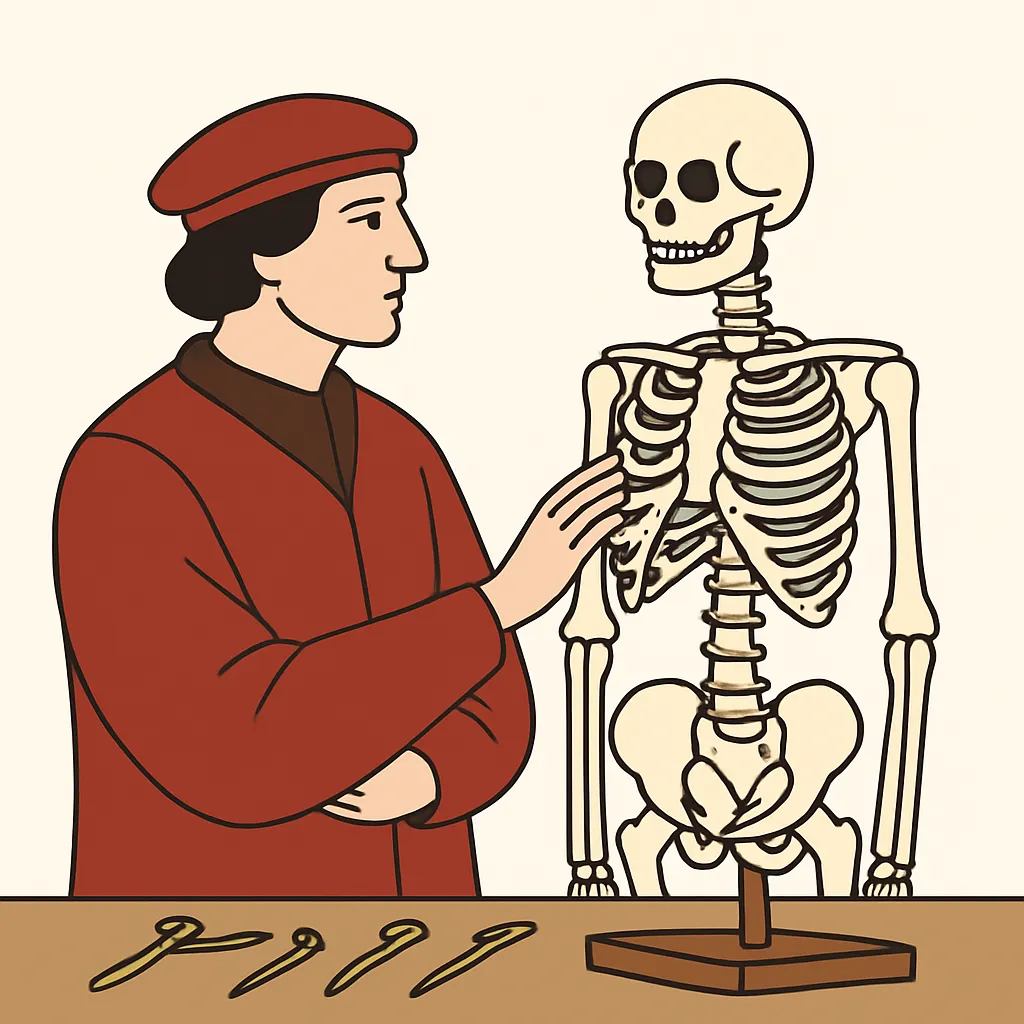
This chemist studied gases and described the relationship between gas pressure and volume. Who is described?
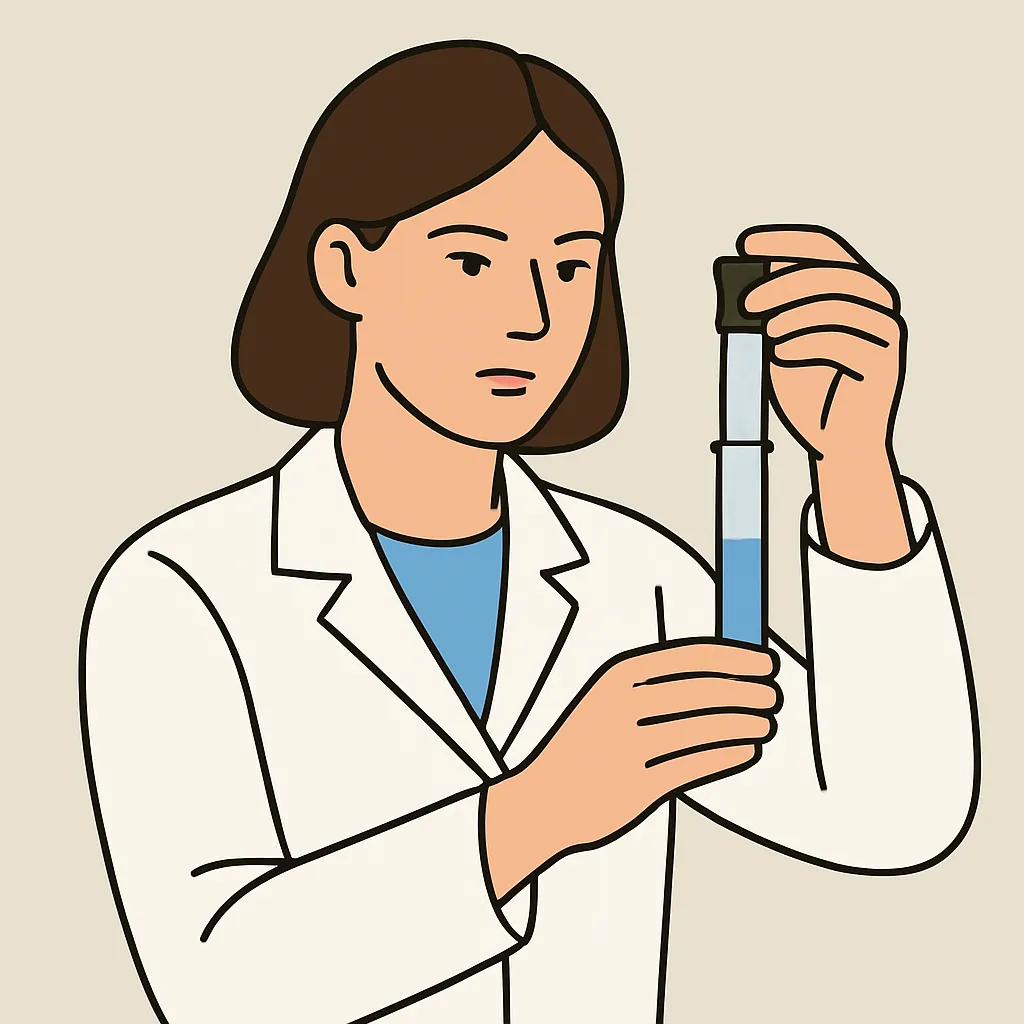
This physician explained that the heart pumps blood through a circulating system. Who is described?
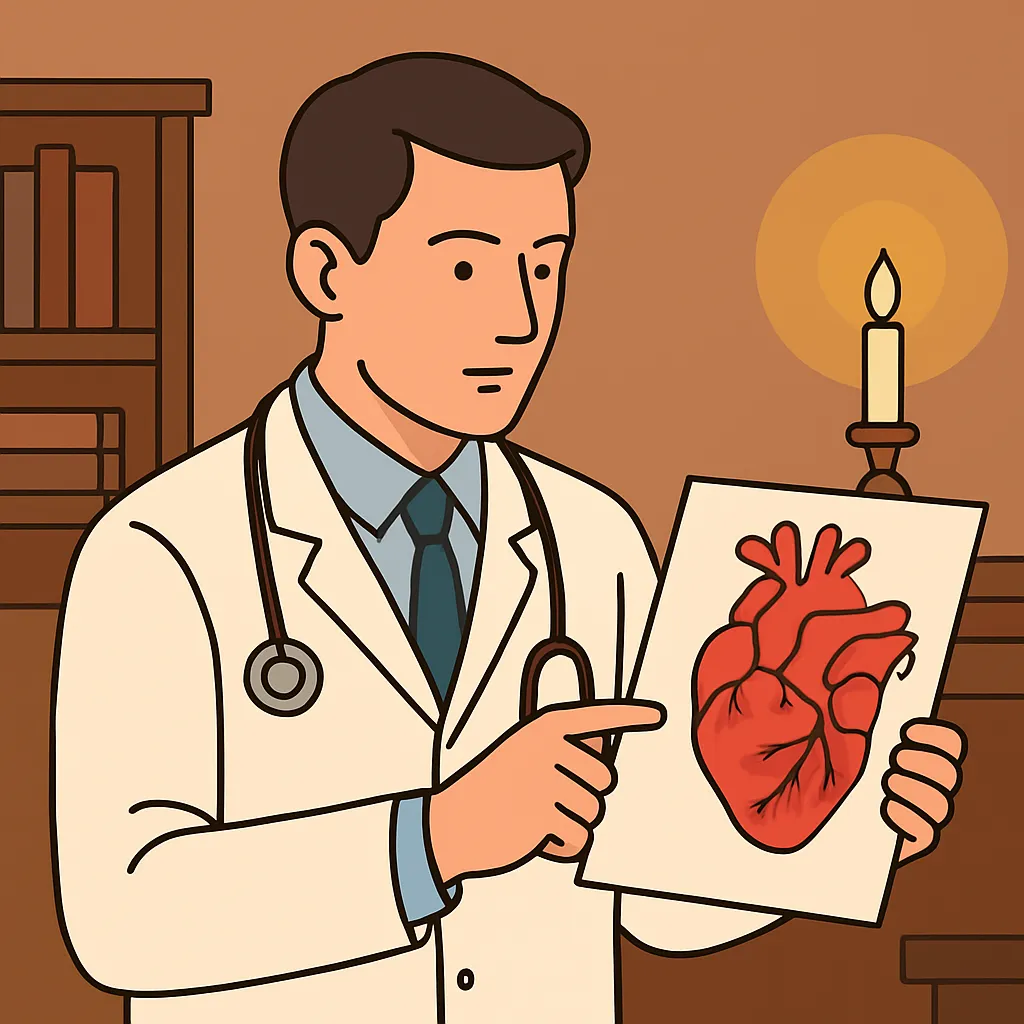
This astronomer made precise naked-eye records of planetary positions that Kepler later used. Who is described?
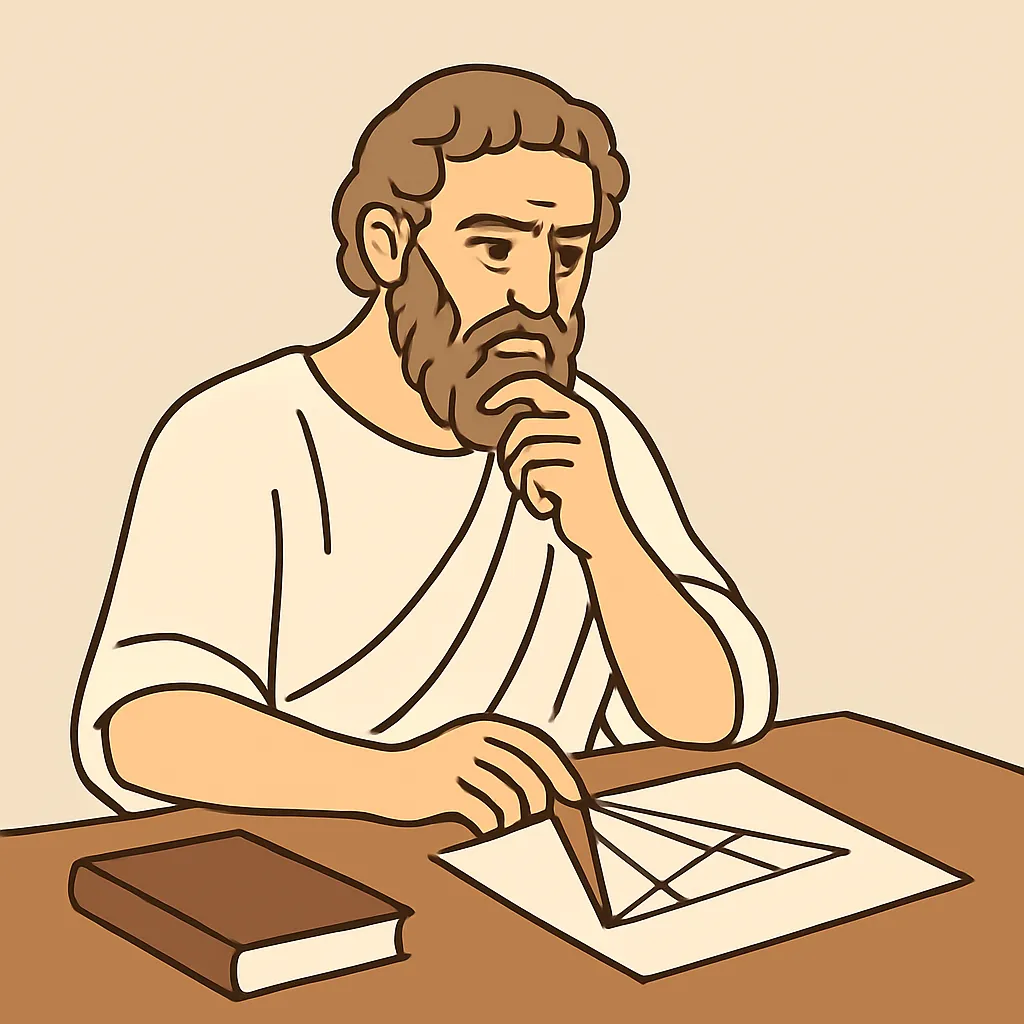
This thinker wrote Novum Organum and promoted learning from observation and experiments. Who is described?

This philosopher-mathematician wrote Discourse on Method and stressed reason and mathematics in building knowledge. Who is described?
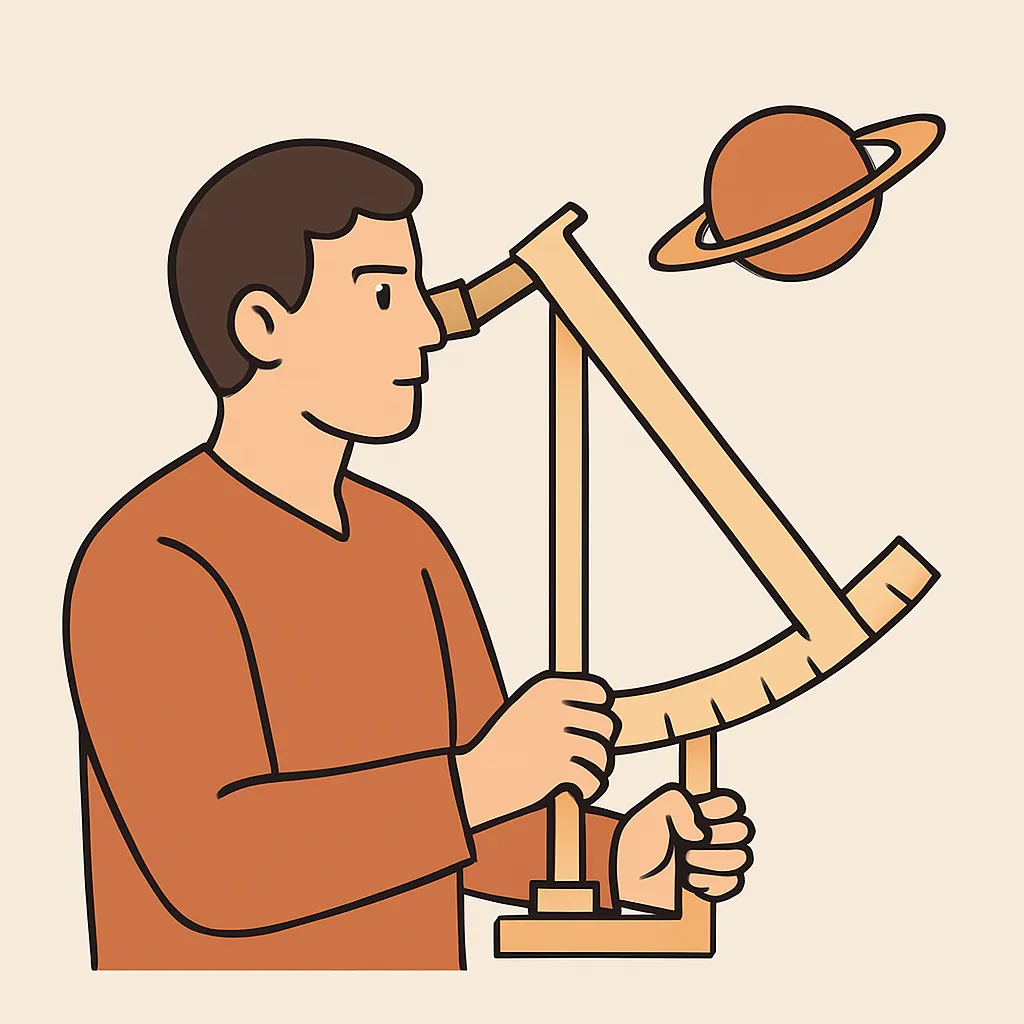
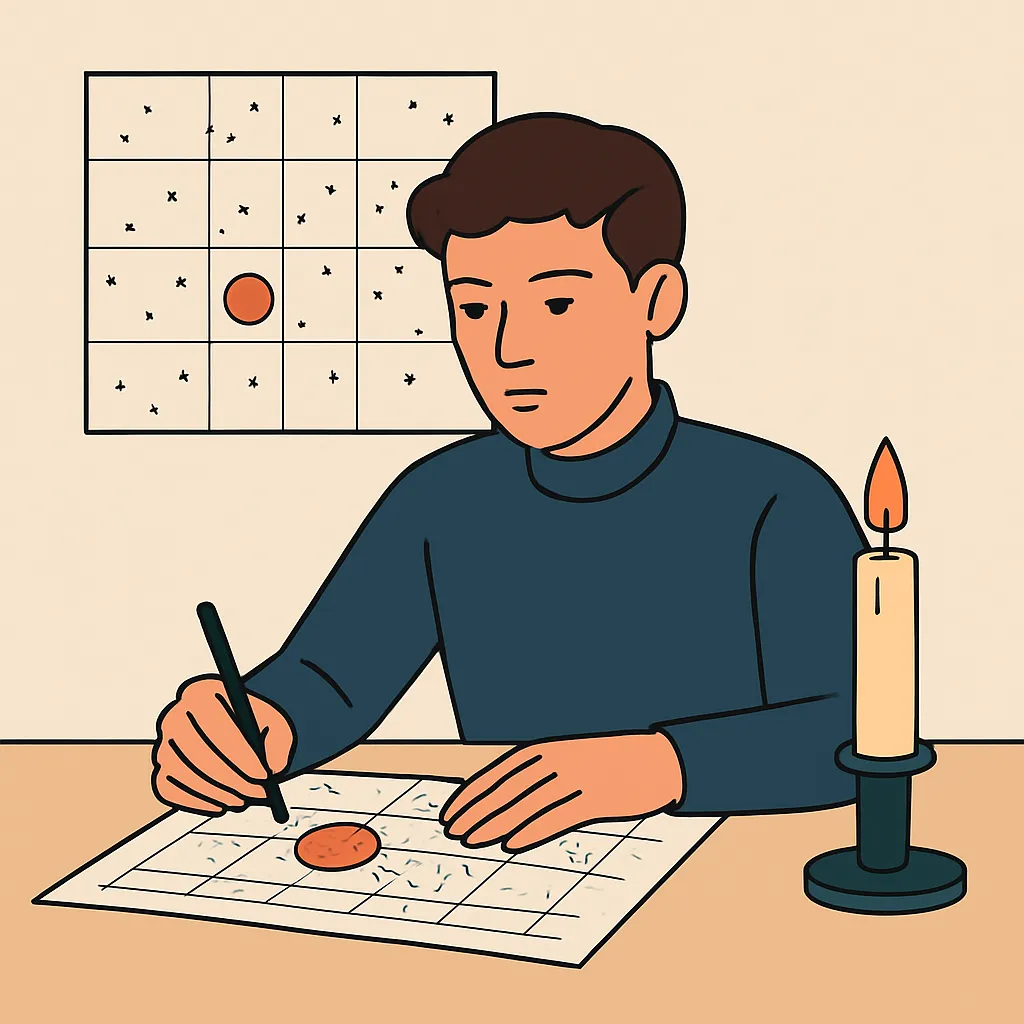
An astronomer notices that Mars changes position against the stars over many nights. What scientific method step is shown?
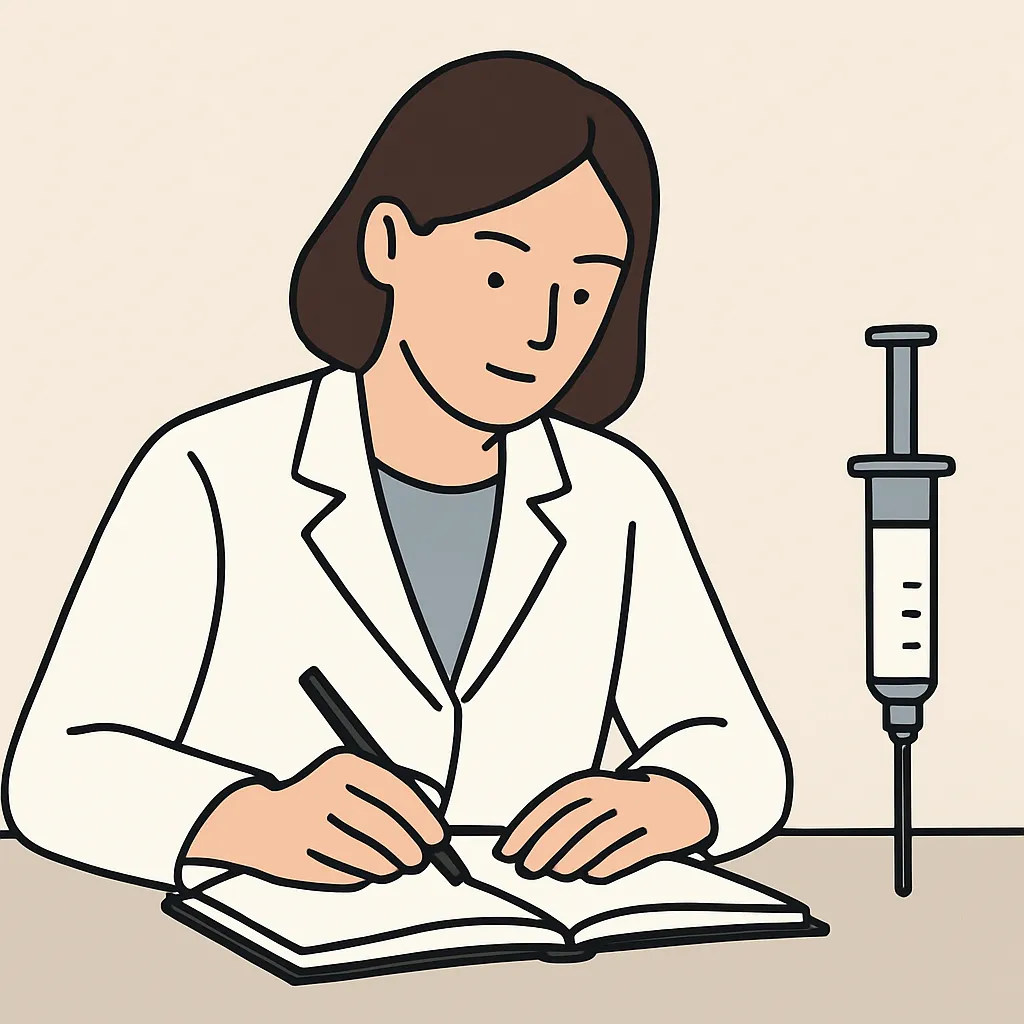
A researcher predicts that gas volume will shrink when pressure increases. What part of scientific inquiry is this?
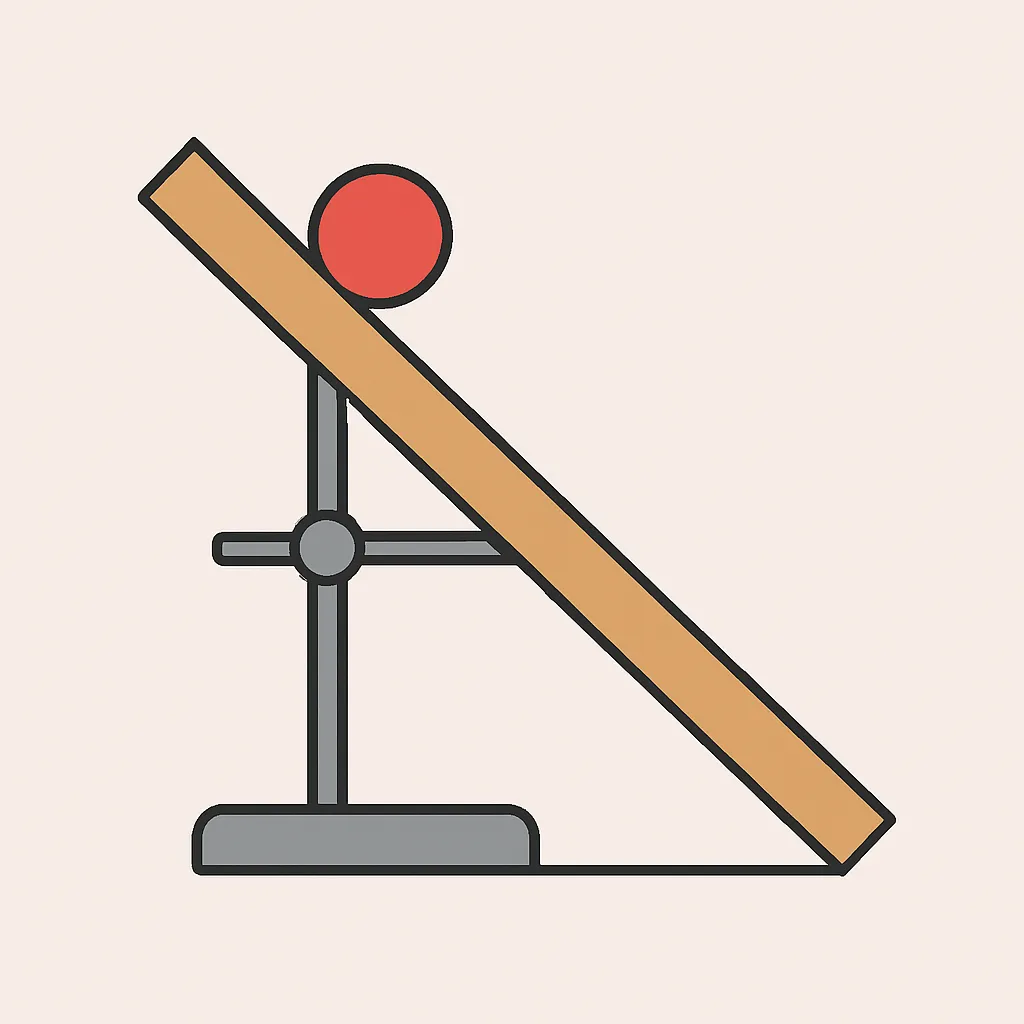
A scientist changes only the ramp angle and measures how far a ball rolls. What step is shown?
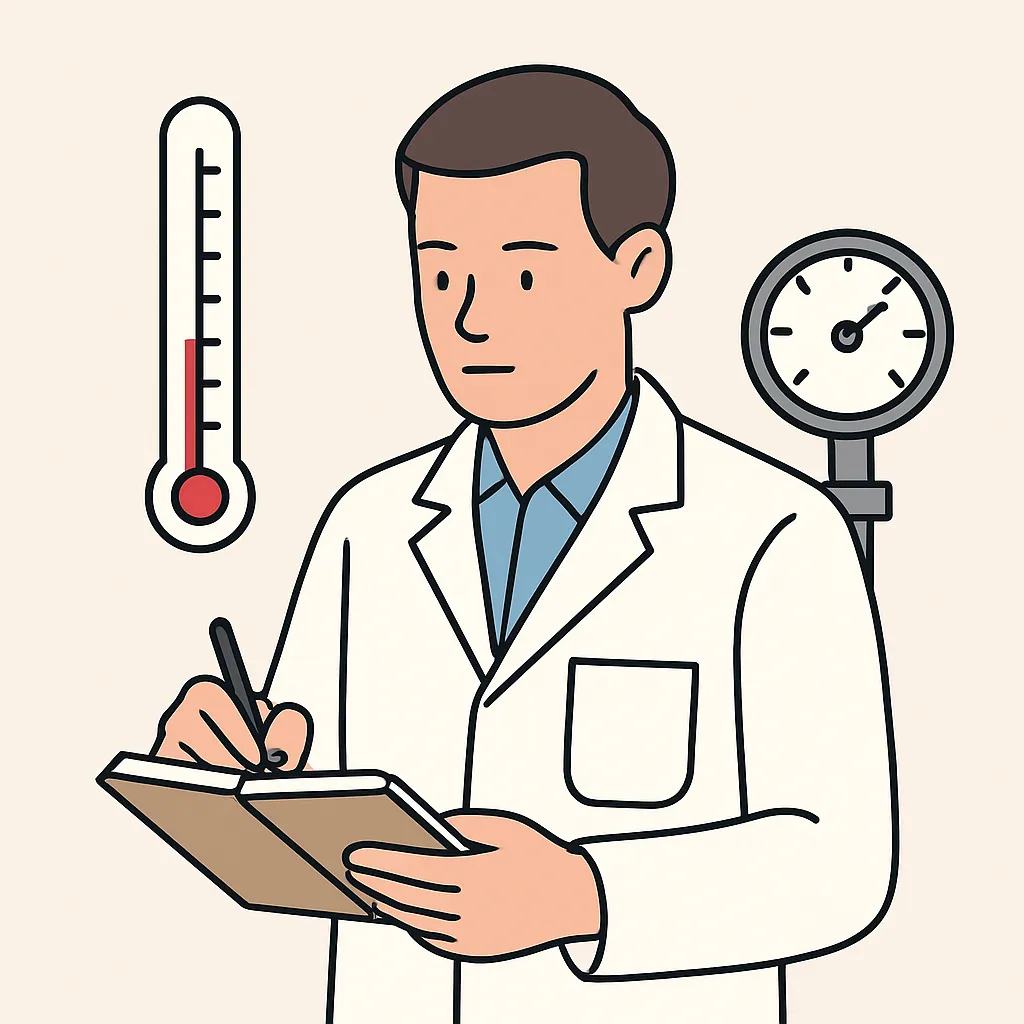
A lab worker writes each trial's temperature and pressure in a table before interpreting the results. What habit is shown?
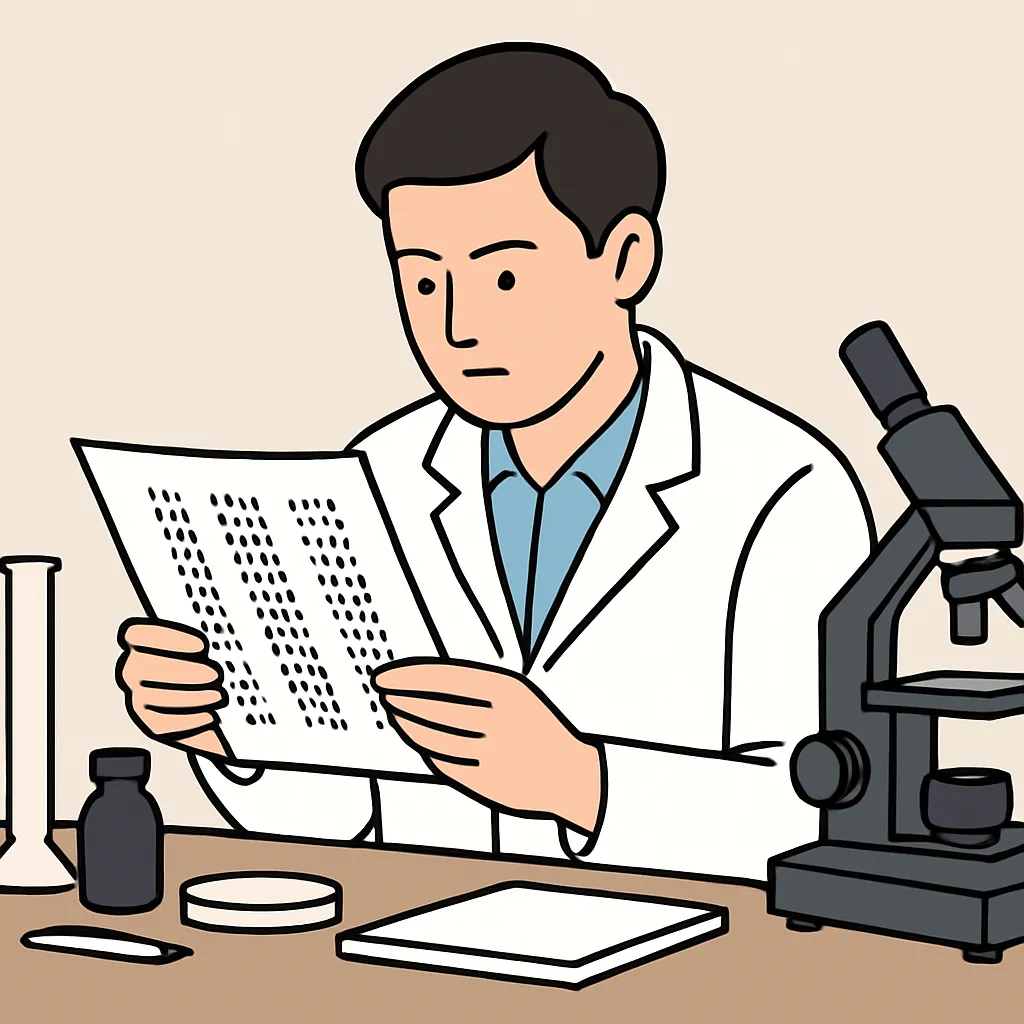
A researcher compares several trials and looks for a pattern in the numbers. What part of the method is shown?
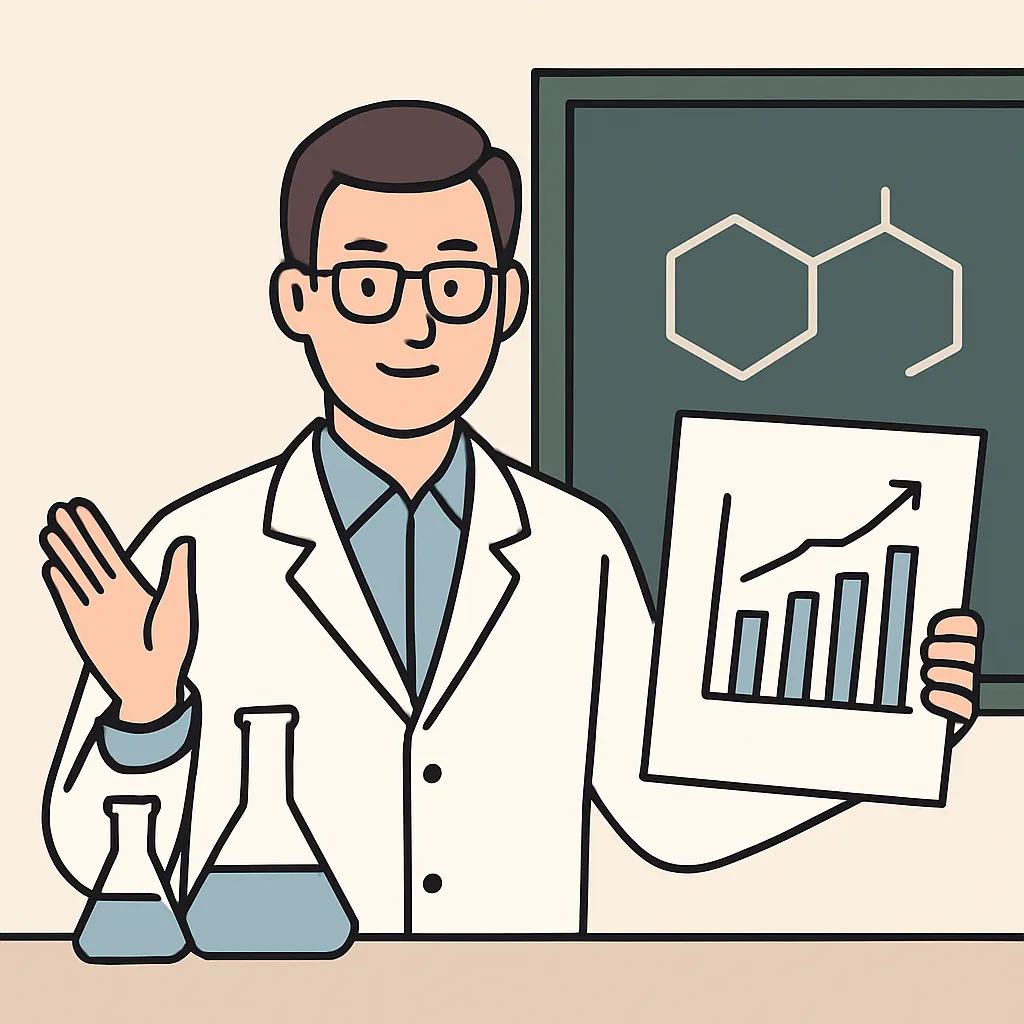
After tests support a prediction, a scientist states what the evidence shows. What step is shown?
New telescope data conflict with an old model, so scientists change the explanation. What scientific habit is shown?
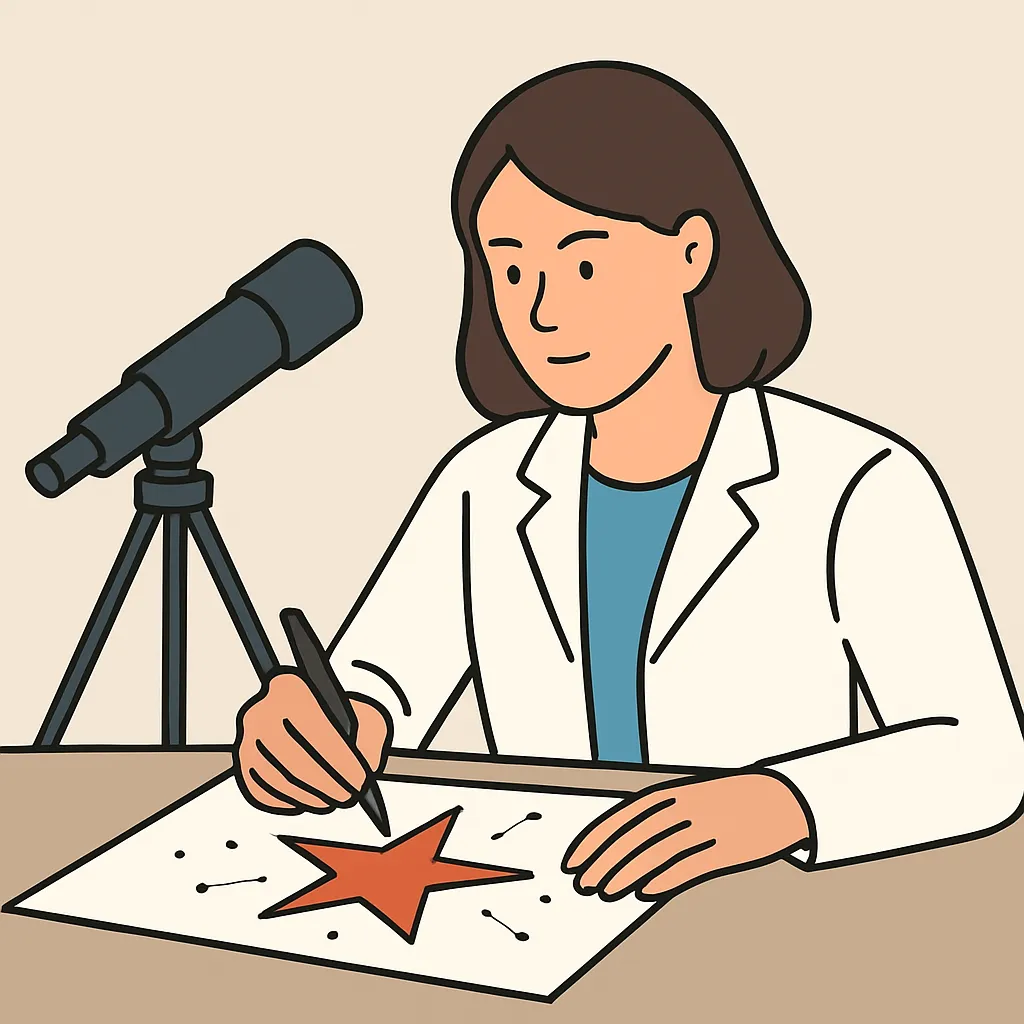
Another team repeats Boyle's gas test to see whether the same relationship appears. What scientific habit is shown?
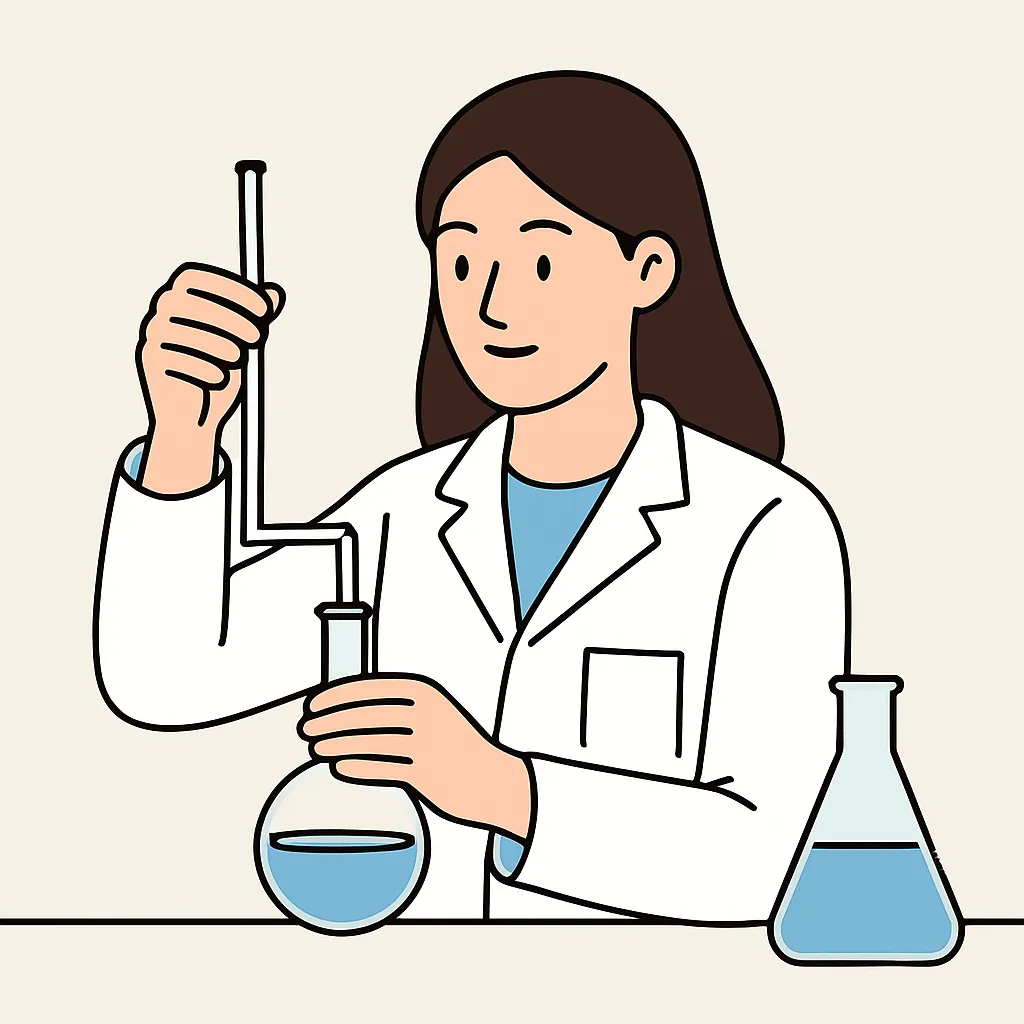
Researchers accepted a claim about falling bodies after repeated measurements, not because Aristotle wrote it. What shift is shown?
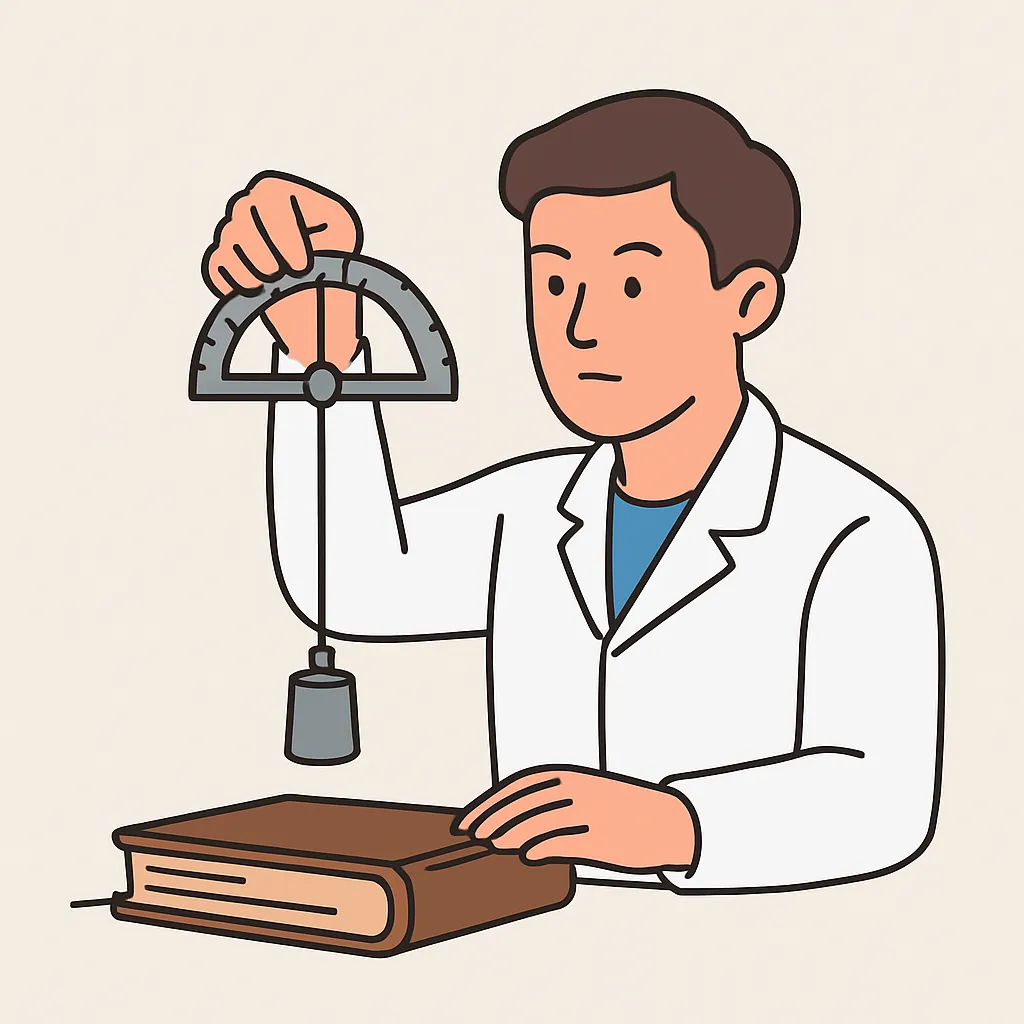
Copernicus placed the sun near the center of the universe instead of Earth. What did his model say about Earth?
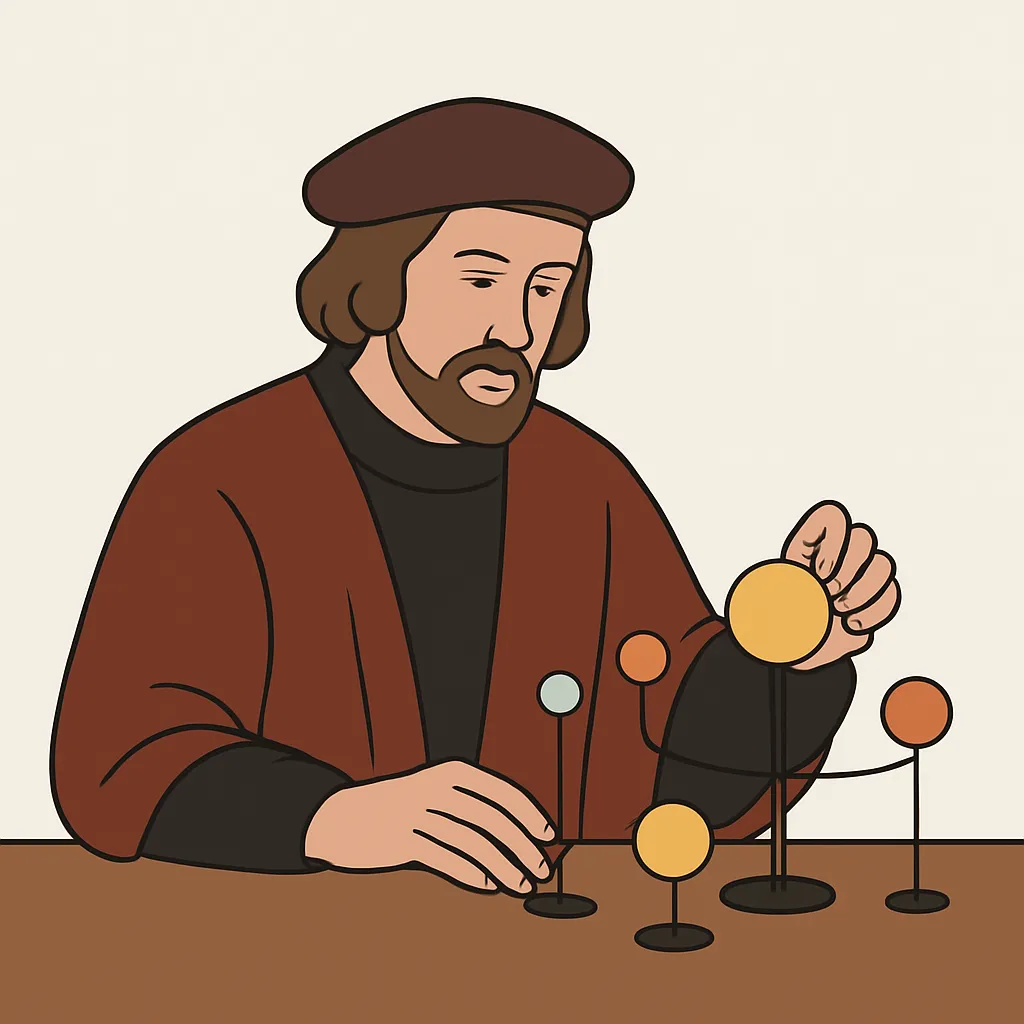
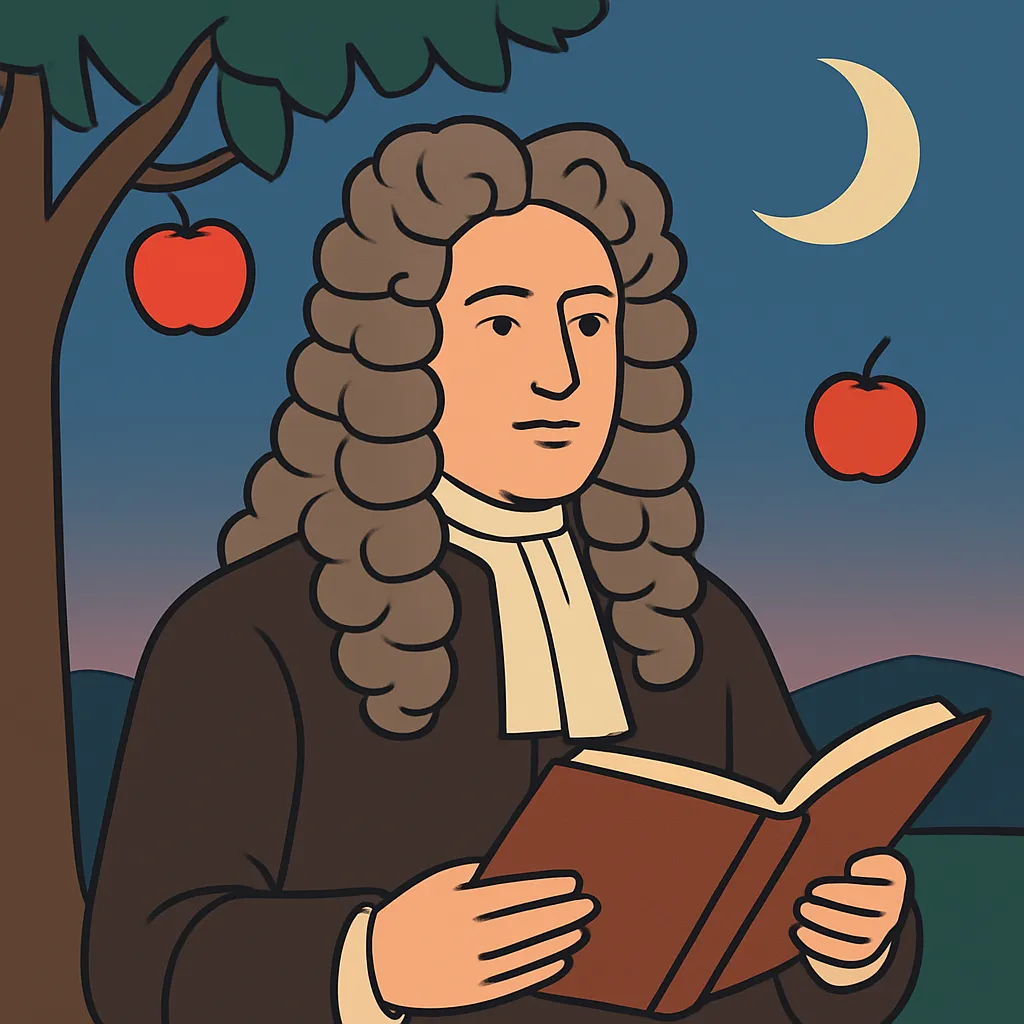
Newton showed that the same force that pulls an apple to the ground also keeps the moon in orbit. What idea did this support?
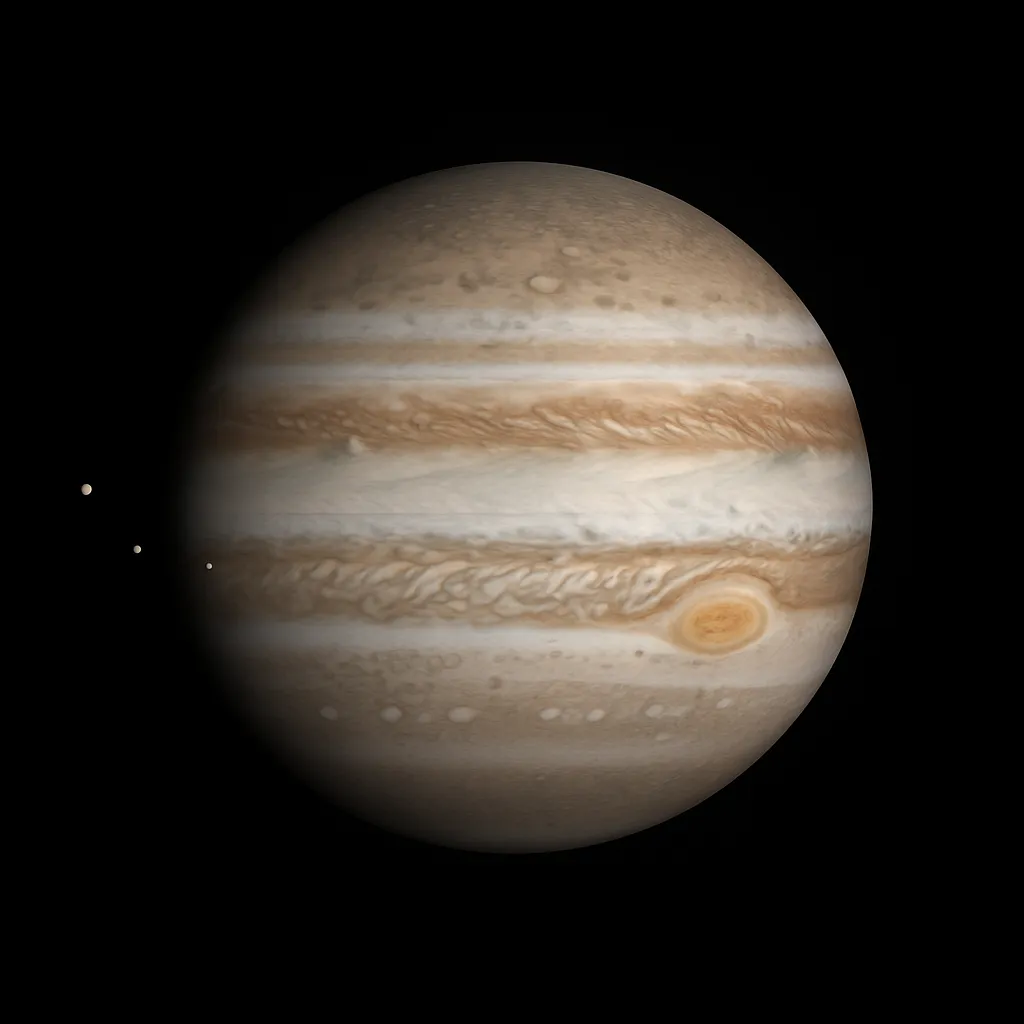
Galileo's observations of Jupiter's moons showed that some bodies orbited something besides Earth. What shift did this support?
Scholars invited others to repeat tests and inspect data instead of accepting claims from status alone. What standard grew?

Vesalius found that many claims of this ancient Greek physician came from dissecting animals, not humans. Who was this physician?
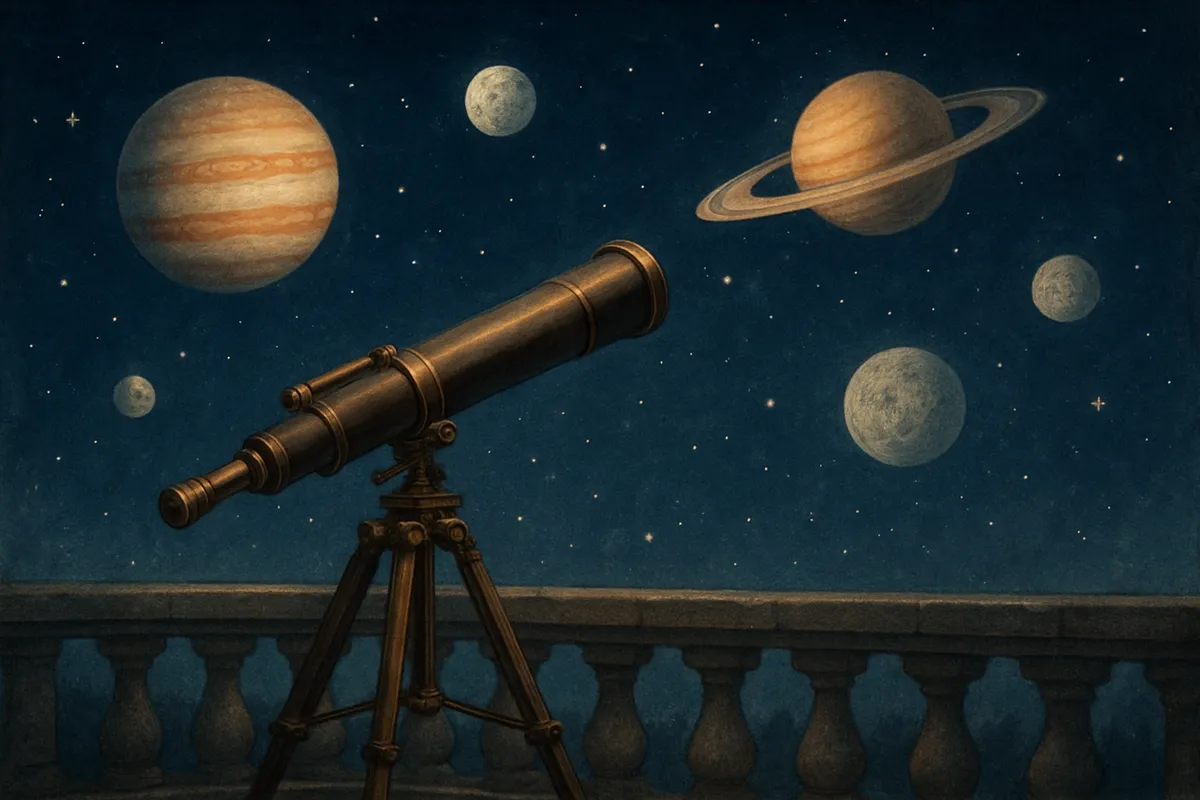
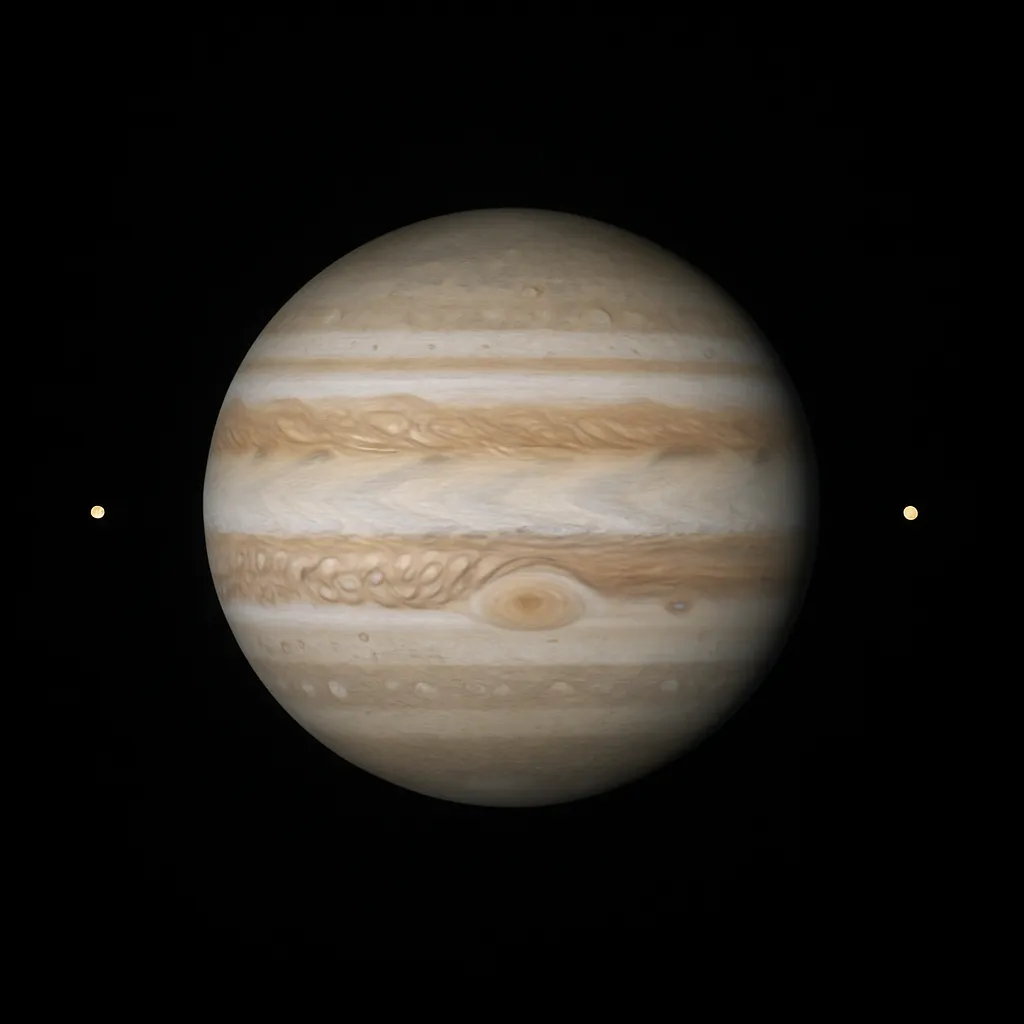
Galileo used this instrument to magnify the sky and study Jupiter's moons. What tool was it?
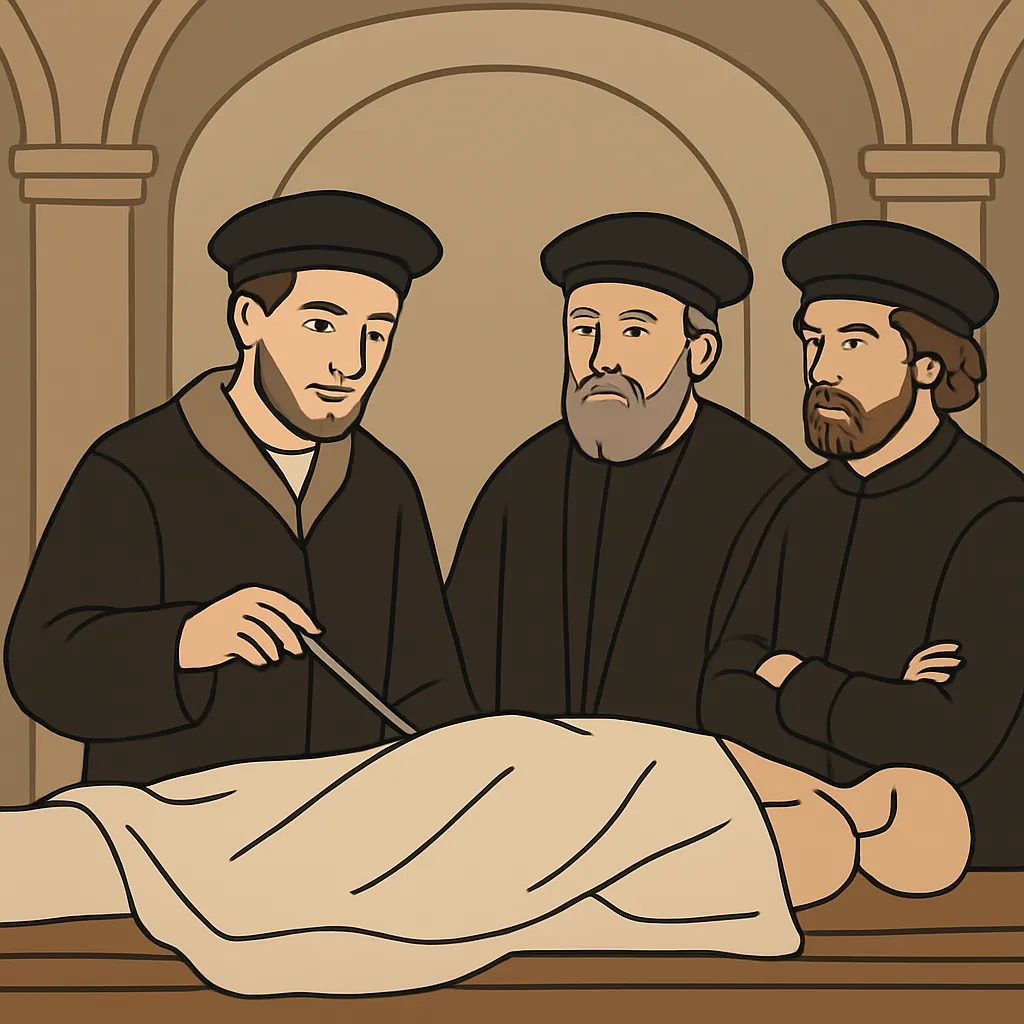
Vesalius corrected ancient anatomy by studying bodies in this way. What evidence source did he use?
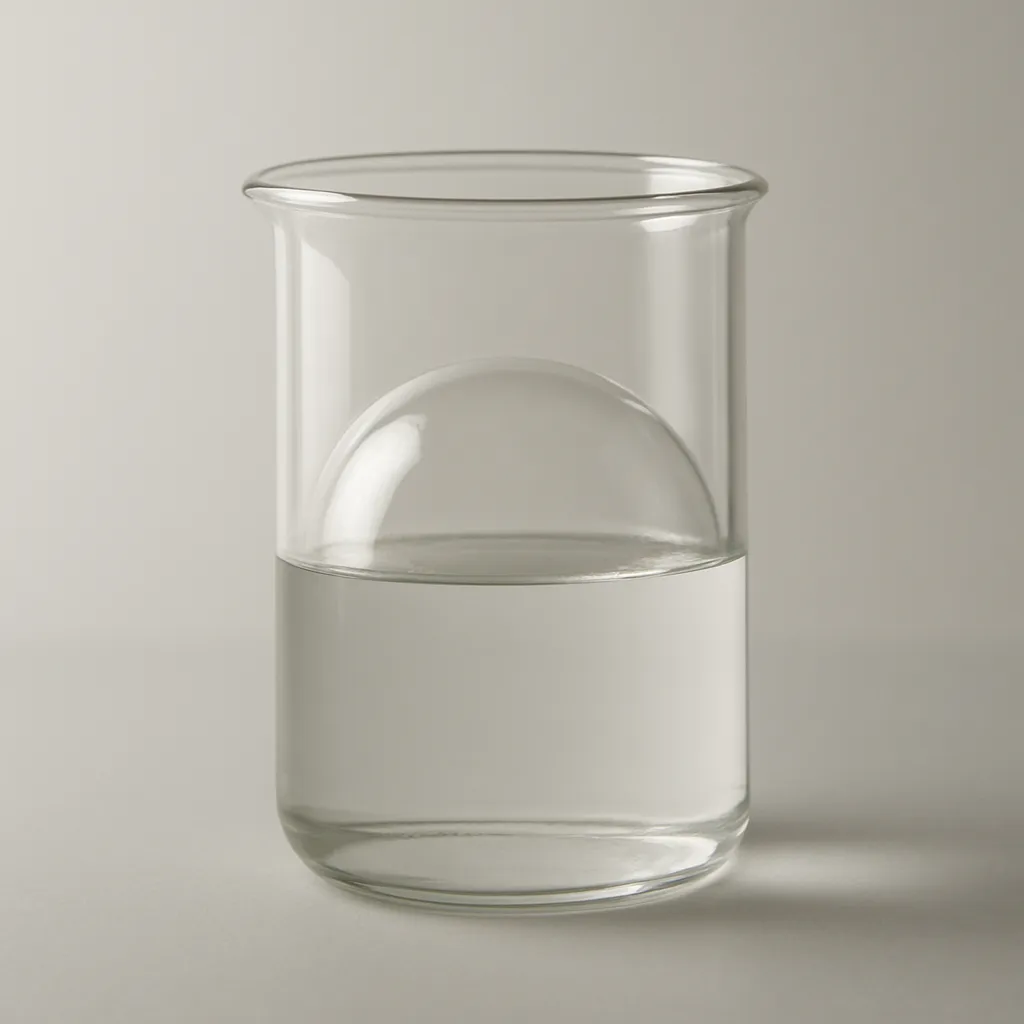
Boyle studied air pressure by creating a vacuum and testing trapped air. What tool helped make this possible?
Scientific books and diagrams spread more widely after this machine made copies faster. What tool was it?
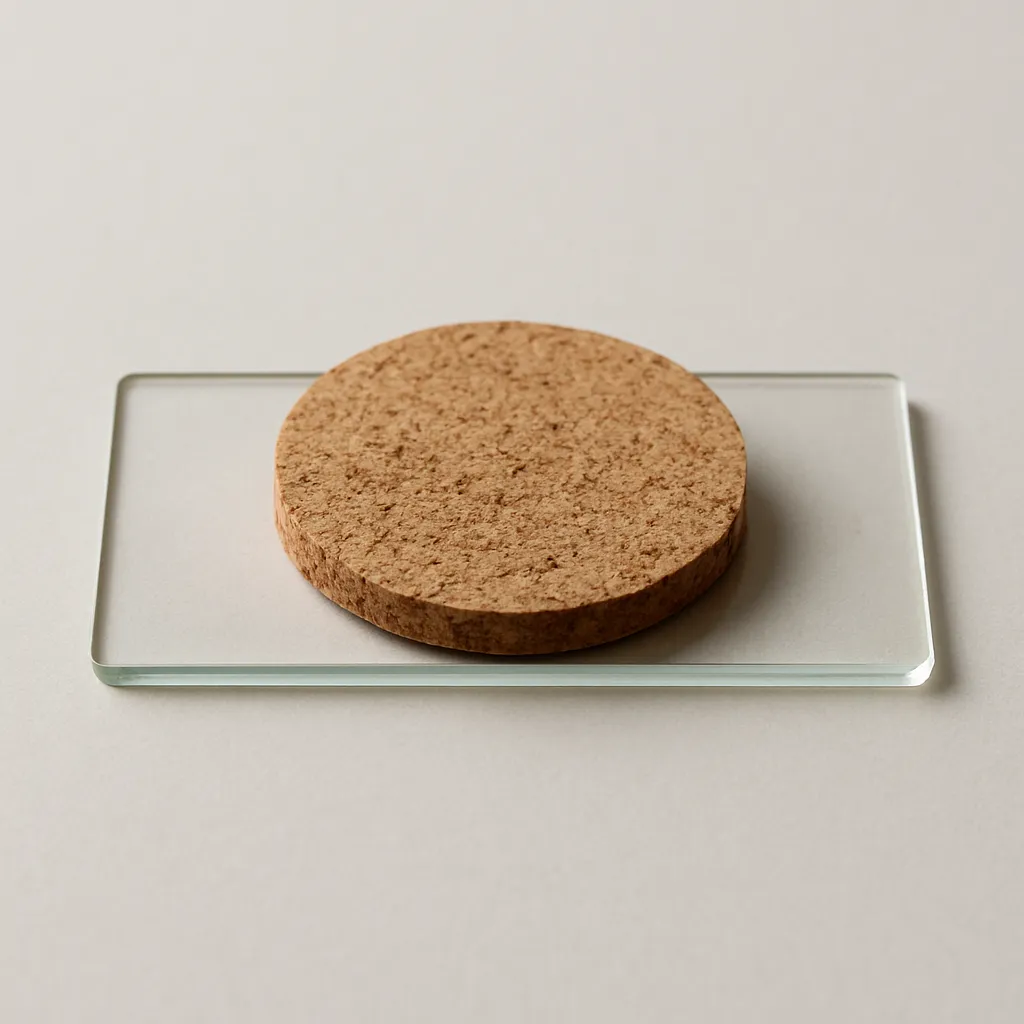
Robert Hooke described cells after viewing thin cork through this instrument. What tool did he use?
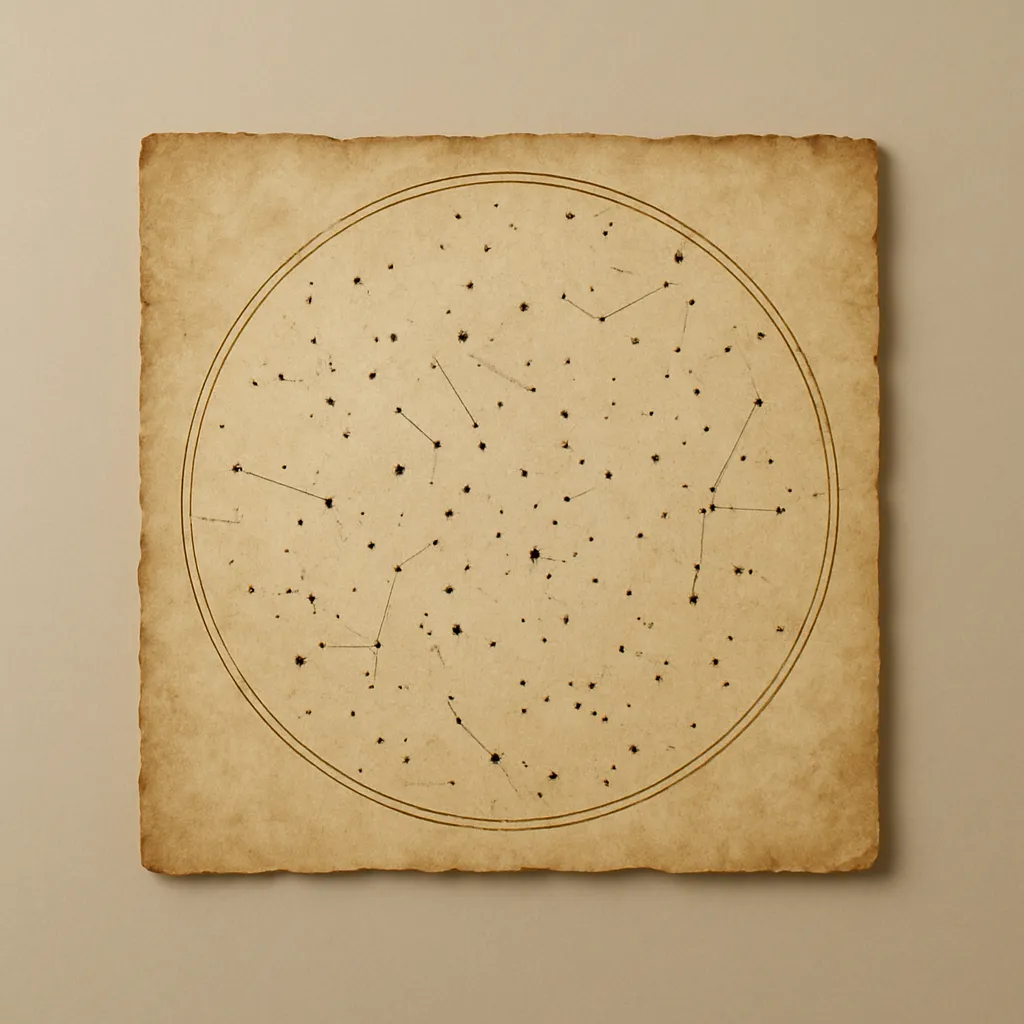
Kepler used Tycho Brahe's records to show that a planet's orbit is an ellipse. Which planet's puzzling orbit did he study most closely?
Crack the passcode before the zombies get in.
Answer, then swat bugs for bonus points.
Race through questions at your own speed.
Same question on every screen. Fastest wins.

Pick a tile, answer, hit bonuses and steals.
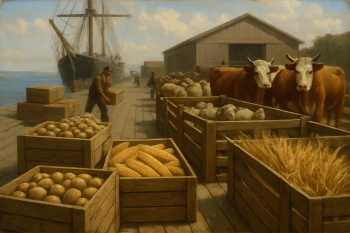
The Columbian Exchange
40 questions