Loading
by BlastRoom
Explore how Gutenberg's printing press helped ideas and literacy spread in Renaissance Europe.
#world_history#us_grade_7_social_studies
20 questions
One question set, multiple game modes. Tap any game to see it in action. Not sure which to pick?
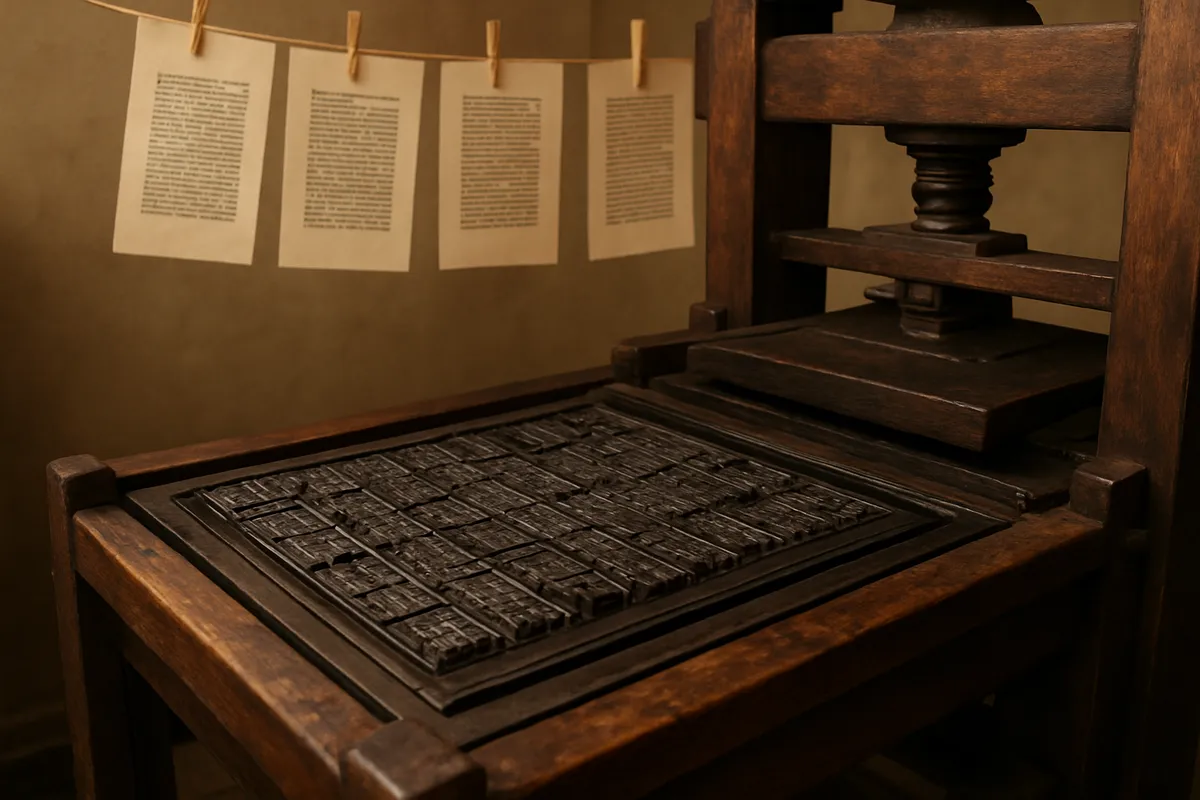
In the mid-1400s, a German printer in Mainz used movable metal type to make books faster. Who is described?
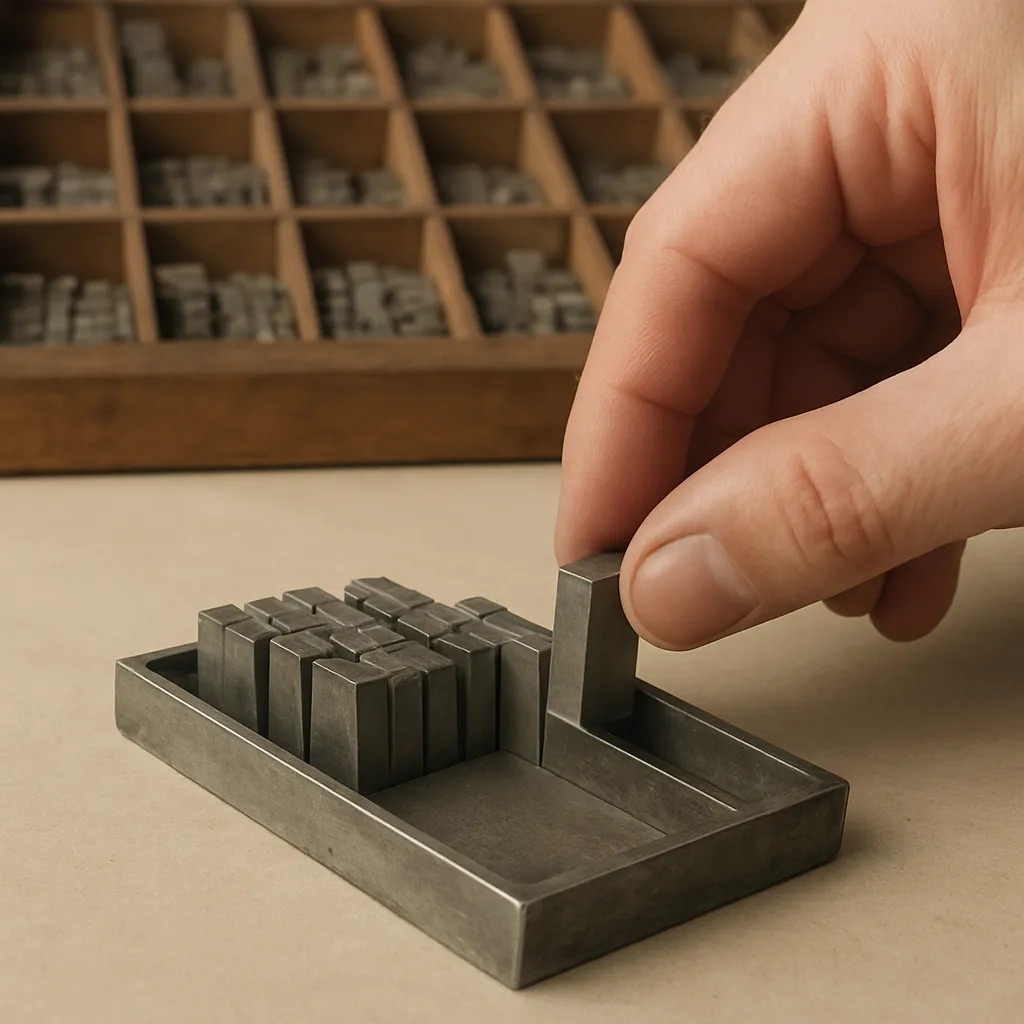
Reusable metal letters, oil-based ink, and a screw-driven machine helped produce pages quickly in Renaissance Europe. What invention used these features?
Around 1455, Johannes Gutenberg's workshop in Mainz finished printing its most famous book. What was that book?

Parchment was made from animal skins, while rag paper was made from recycled cloth and cost much less. Which material did Gutenberg mainly print his pages on?

Centuries before Gutenberg, a craftsman named Bi Sheng made movable type from baked clay. In which country did he live?
In 1476, which merchant set up the first printing press in England and printed books in English?

What key innovation made Gutenberg's press more efficient than copying books by hand?
Printers made many copies of a book, reducing the time and cost per copy. What communication effect followed?

When printers issued works in English, French, German, and Italian, how did that affect readers?
Which Dutch humanist's printed books, such as The Praise of Folly, made him one of the best-selling authors of the early 1500s?
As printed books spread new religious ideas, the Catholic Church published a list of books Catholics were forbidden to read. What was this list called?
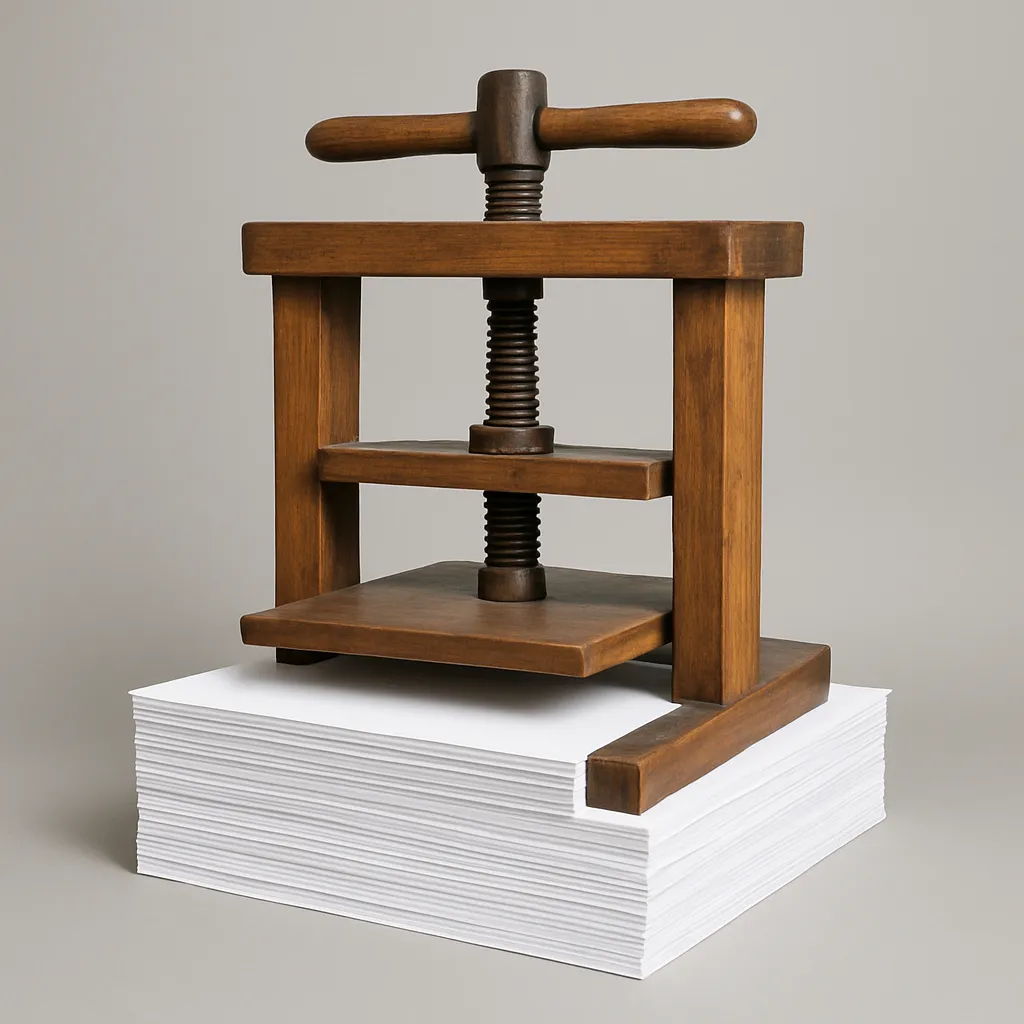
Printed books were sold by merchants at fairs and shops across Europe. What did that network encourage?

Schools and families could obtain more printed primers and books. What long-term ability grew among laypeople?
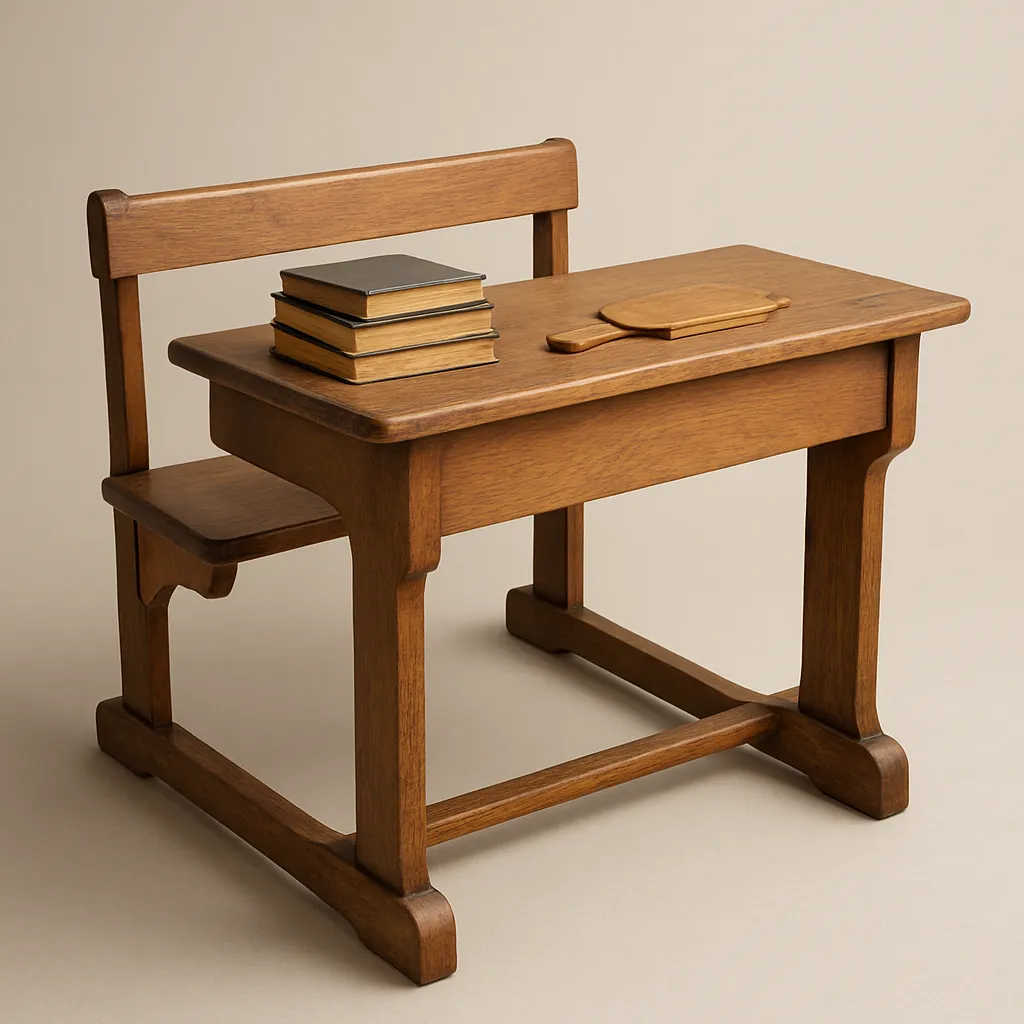
Identical printed copies could be checked against each other by scholars in different places. What did this improve?
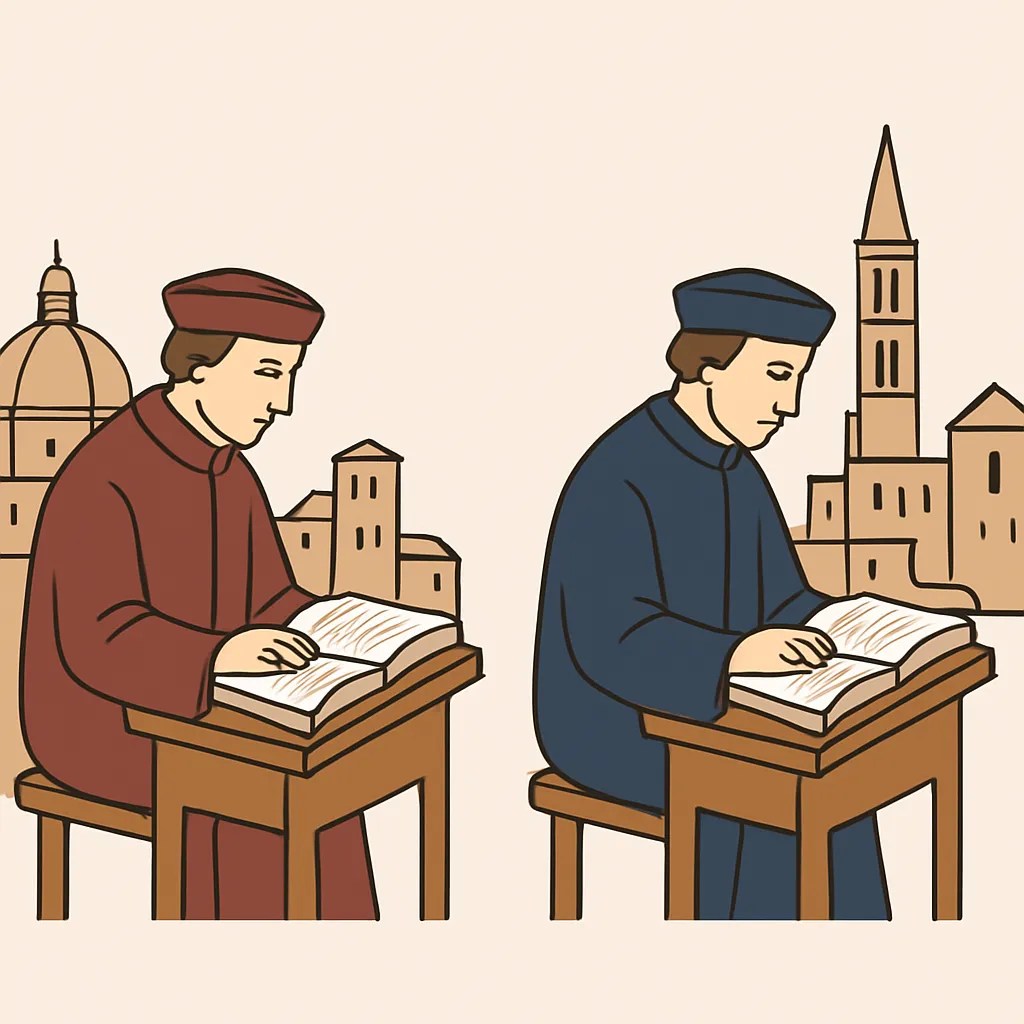
Renaissance scholars recovered Greek and Roman writings, and printers made many copies. What broader effect did printing have?
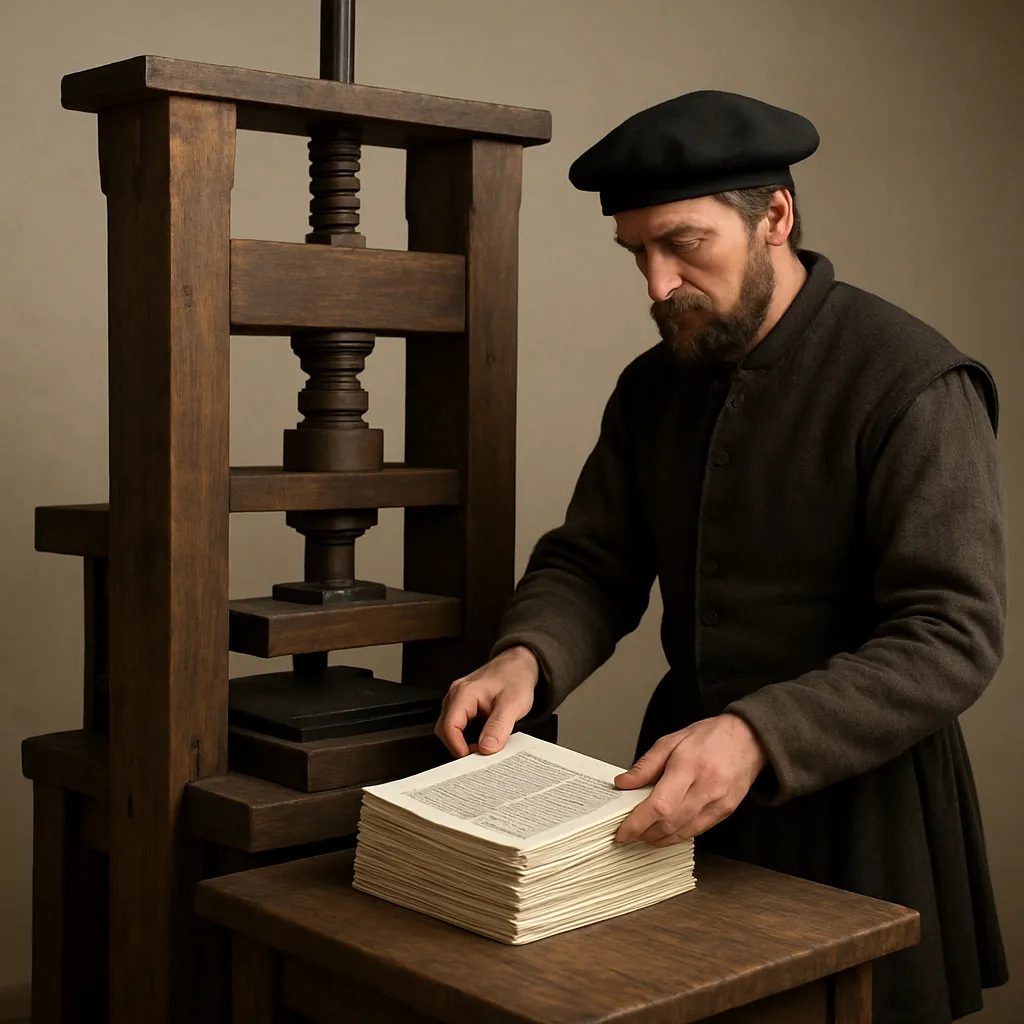
Martin Luther's writings were printed in thousands of copies after 1517. What effect did printing have on the Reformation?
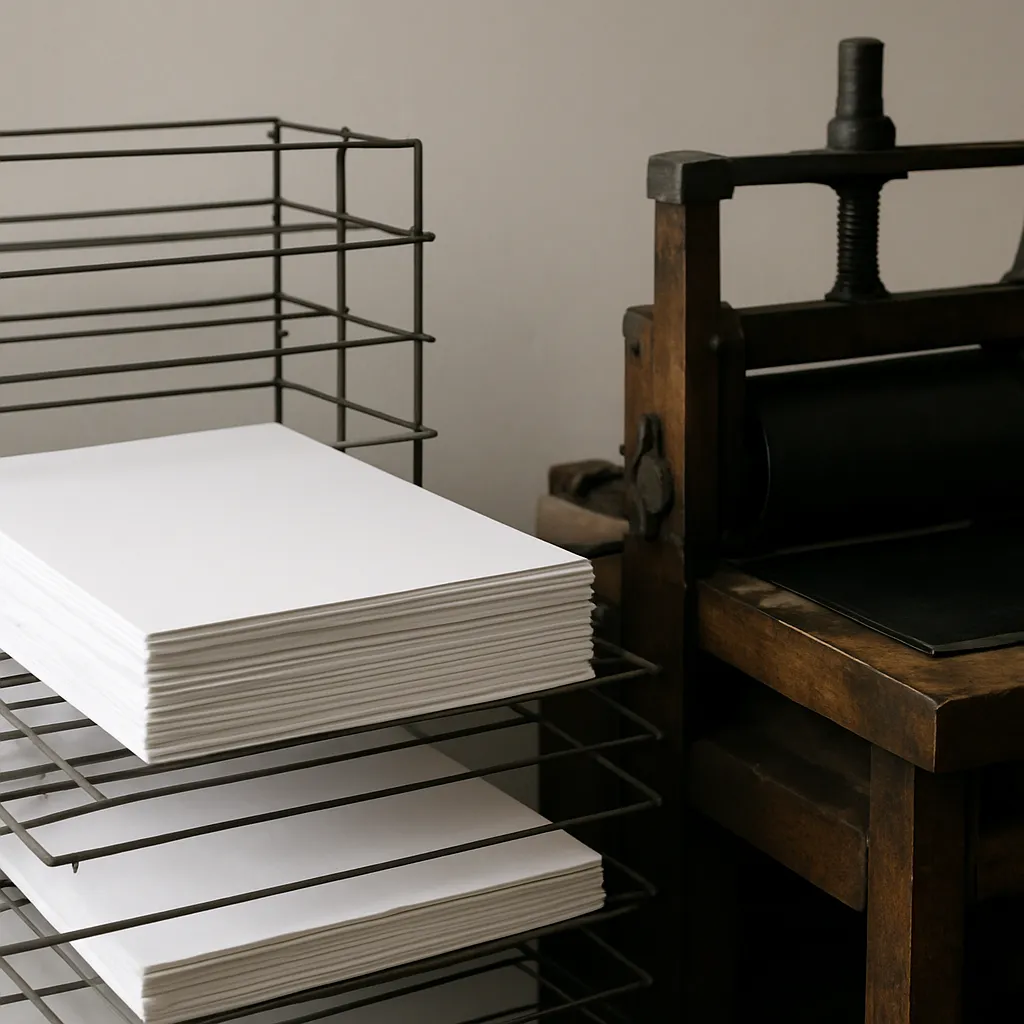
Scientists printed diagrams and observations in books that other scholars could read. What effect did this have?

Printed maps and travel accounts circulated among Europeans in the Renaissance. What broader change did this support?
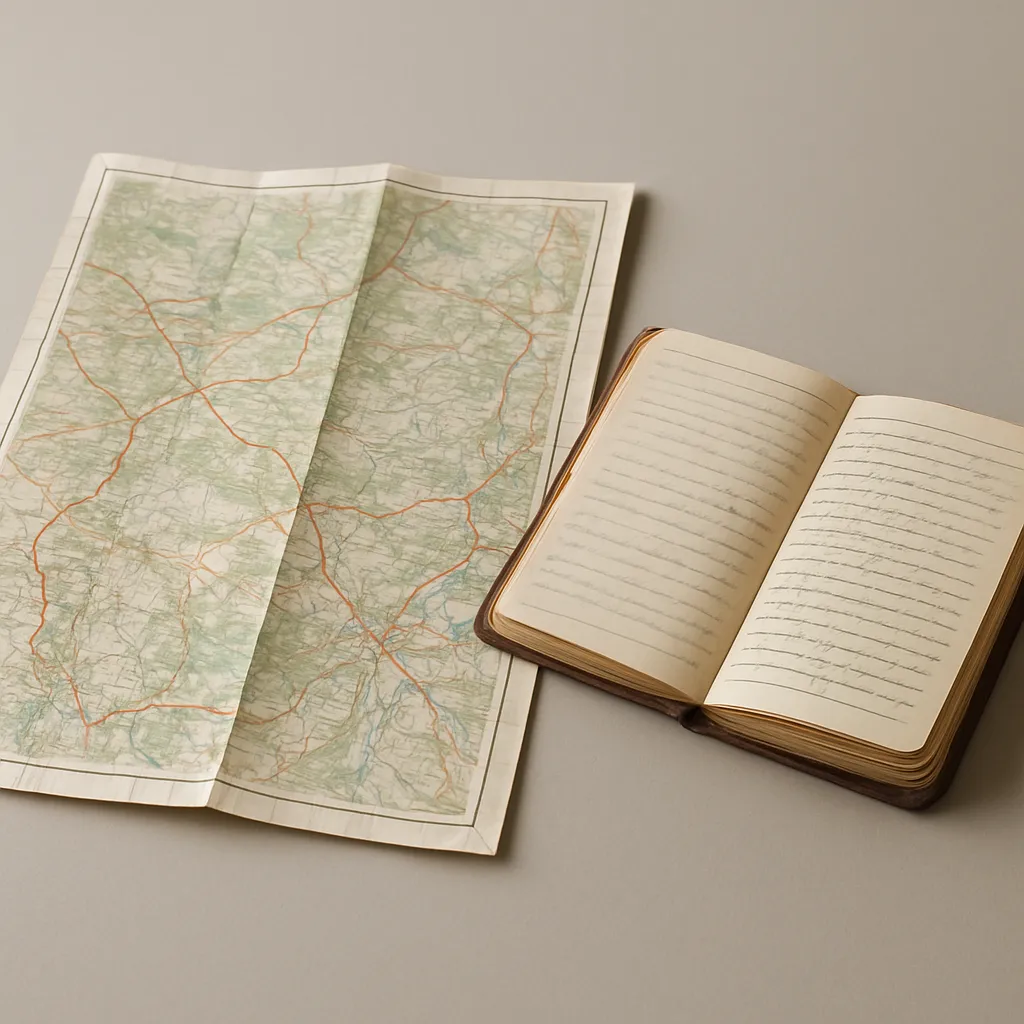
More readers could compare printed arguments about religion, politics, and learning. What broader effect resulted?
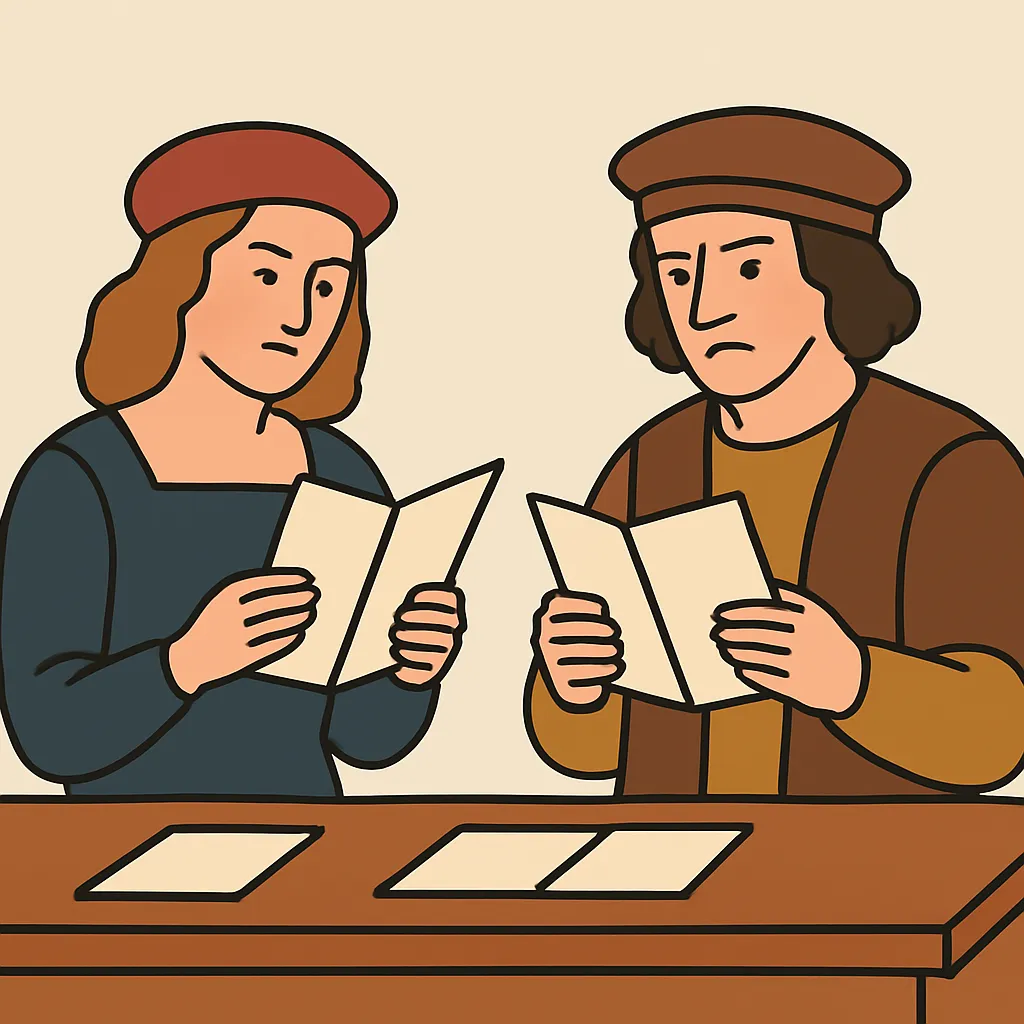
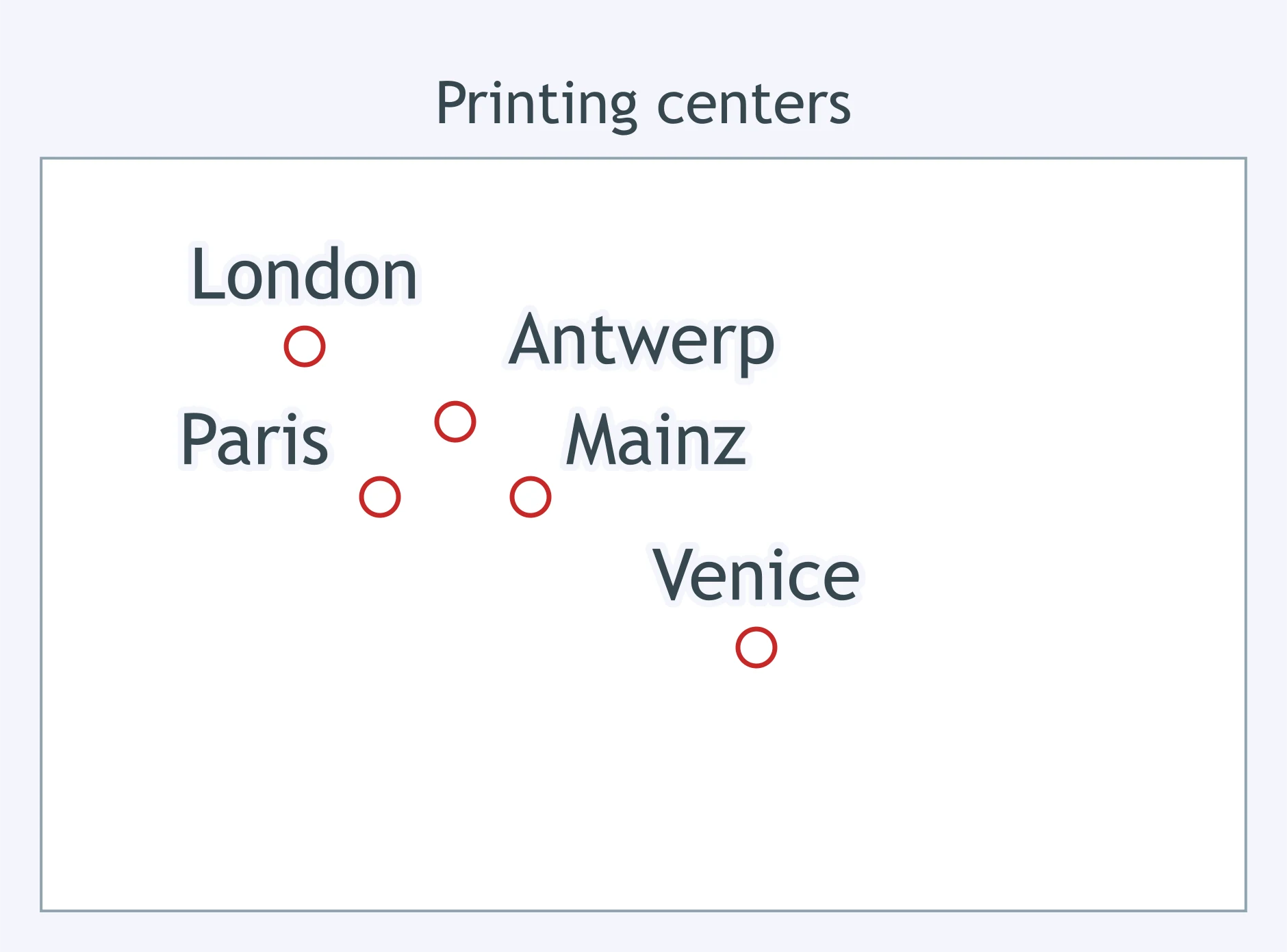
By the 1500s, printing centers operated in many European cities. What did this change mean for culture?
Crack the passcode before the zombies get in.

Pick a tile, answer, hit bonuses and steals.
The Spread of Protestantism and the Counter-Reformation
20 questions