Loading
by BlastRoom
Malthus's argument, what actually happened, and what his critics say instead.
#us_hs_human_geography

30 questions
One question set, multiple game modes. Tap any game to see it in action. Not sure which to pick?
Answer to place stones and capture territory.
Outrun the snow together.
Earn blasts, then hunt the other team.
Answer to earn energy, then climb.

The class blasts through walls together.
Bid on mystery lots. Most money wins.
Sell tours. Nice, standard, or a total scam.

Answer, restock, and serve the rush.
More correct answers pulls the rope your way.
Answer, then shoot down the alien wave.
Answer, then tap to leap the frozen ridge.
Writing in 1798, Malthus connected population growth to the food supply. What core relationship did he claim would create crisis?
Malthus contrasted two growth patterns. In his argument, what pattern described population increase?
In Malthus's model, what pattern described the increase of food supply?
Malthus used the term positive checks for events that raise death rates when population pressure becomes severe. What is an example?
Malthus also described preventive checks. What action best matches that part of his argument?
Malthus argued that food supply could not keep pace with population. What did he see as the main reason harvests could grow only slowly?
What outcome did Malthus expect if population growth remained unchecked?
Since 1798, world population has grown greatly while food output per person also rose. What development most directly challenged Malthus's forecast?
Many countries have moved through the demographic transition since Malthus wrote. What change weakened his assumption of endlessly rapid population growth?
A later record shows both rapid population growth and rising food production. What is the best evaluation of Malthus's original prediction?
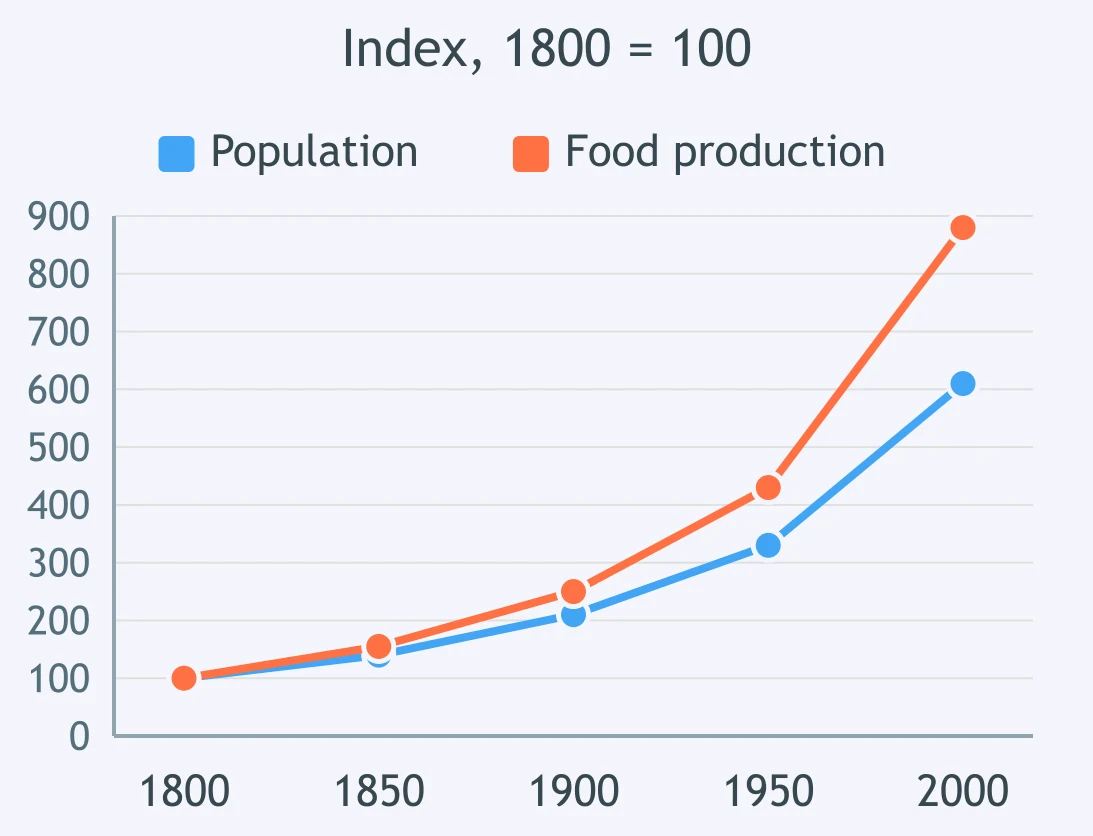
Modern famines often occur even when enough food exists globally. What factor does that record add to evaluating Malthus?
The Green Revolution spread high-yield seeds, irrigation, and fertilizers in many regions. What Malthusian expectation did it undercut?
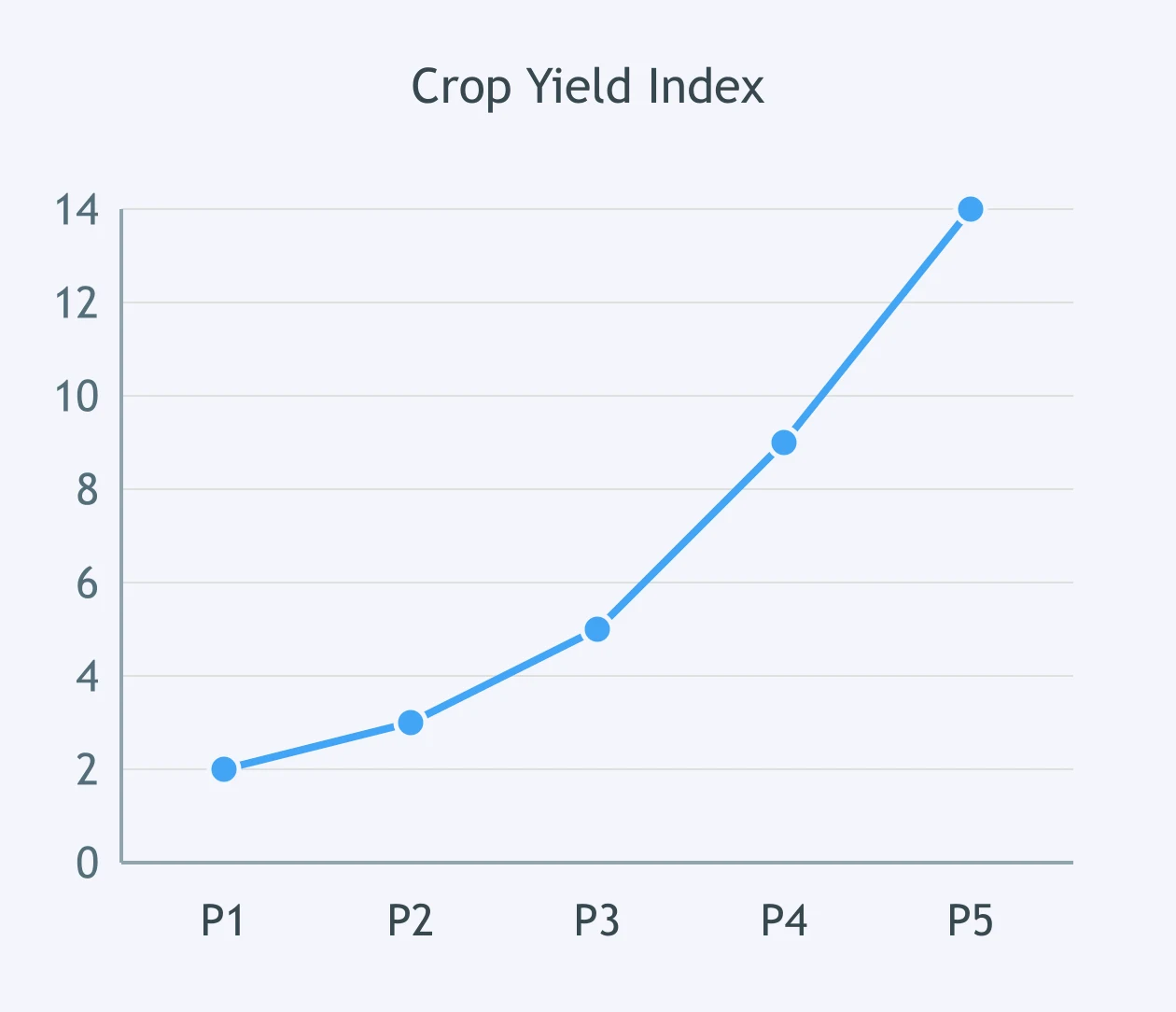
Some high-income countries now have very low natural increase rates. What part of Malthus's model does this record challenge?
A fair evaluation of Malthus notes that global food per person rose, but hunger persists in some places. What conclusion fits that evidence?
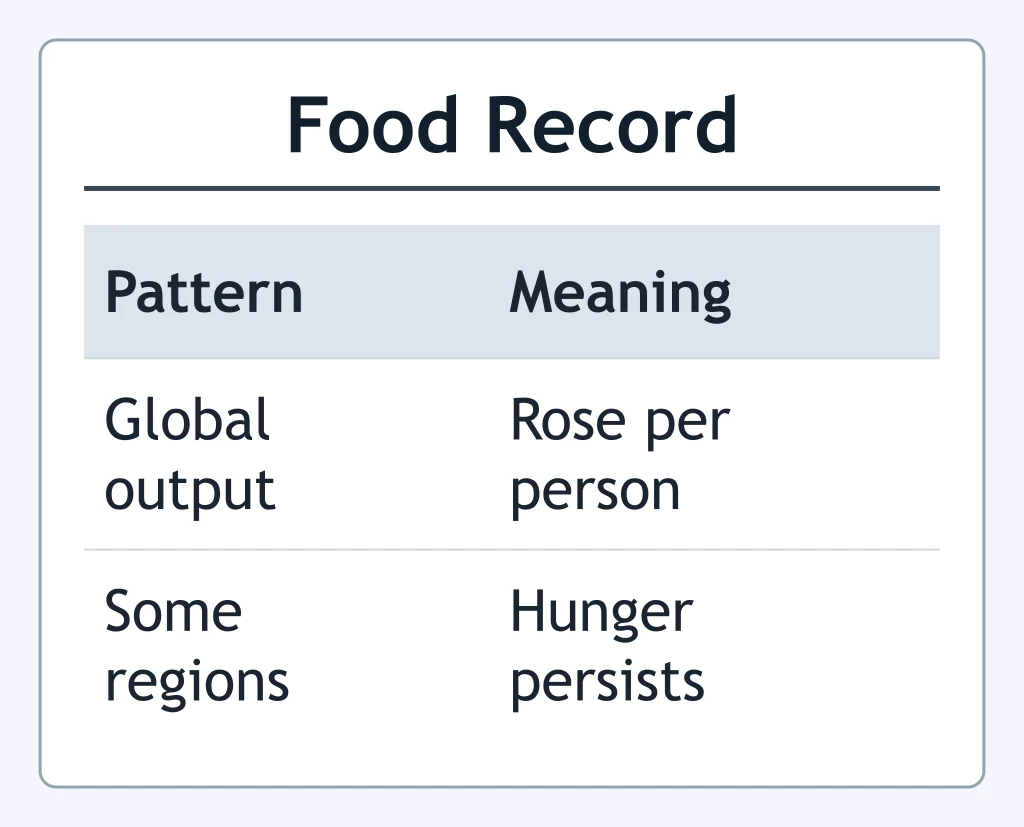
A writer argues that rapid population growth will strain fresh water, forests, and fossil fuels, not just food. What school of thought is this?
What is the main neo-Malthusian update to the 1798 argument?
A policy memo warns that high fertility plus rising consumption will increase pollution and resource depletion. What label best fits the memo's logic?
Neo-Malthusians often cite a 1968 book called The Population Bomb, which warned of mass famine from rapid growth. Who wrote it?
A government adopts antinatalist policies because leaders fear resource exhaustion from rapid growth. What argument most likely supports the policy?
A neo-Malthusian report says the largest danger is not only more people, but more resource use per person. Which countries does this view point to as using the most resources per person?
Ester Boserup argued against Malthus using evidence from farming societies. What did she claim rising population pressure can do?
A village facing land scarcity builds terraces, irrigates fields, and plants more often. Which thinker's argument does this example support?
Cornucopians criticize Malthusian pessimism. What do they argue will help societies avoid resource crisis?
In 1980, Julian Simon bet Paul Ehrlich on the prices of five metals over the next ten years. What did Simon predict, and what happened?
Boserup described farming as more intensive when land is planted more often. What did she say happens to fallow periods as population pressure rises?
A critic says rising resource prices encourage conservation, substitution, and invention. What school of thought is being used?
Look at the growth curve that rises as a straight line. In Malthus's argument, what does that curve represent?
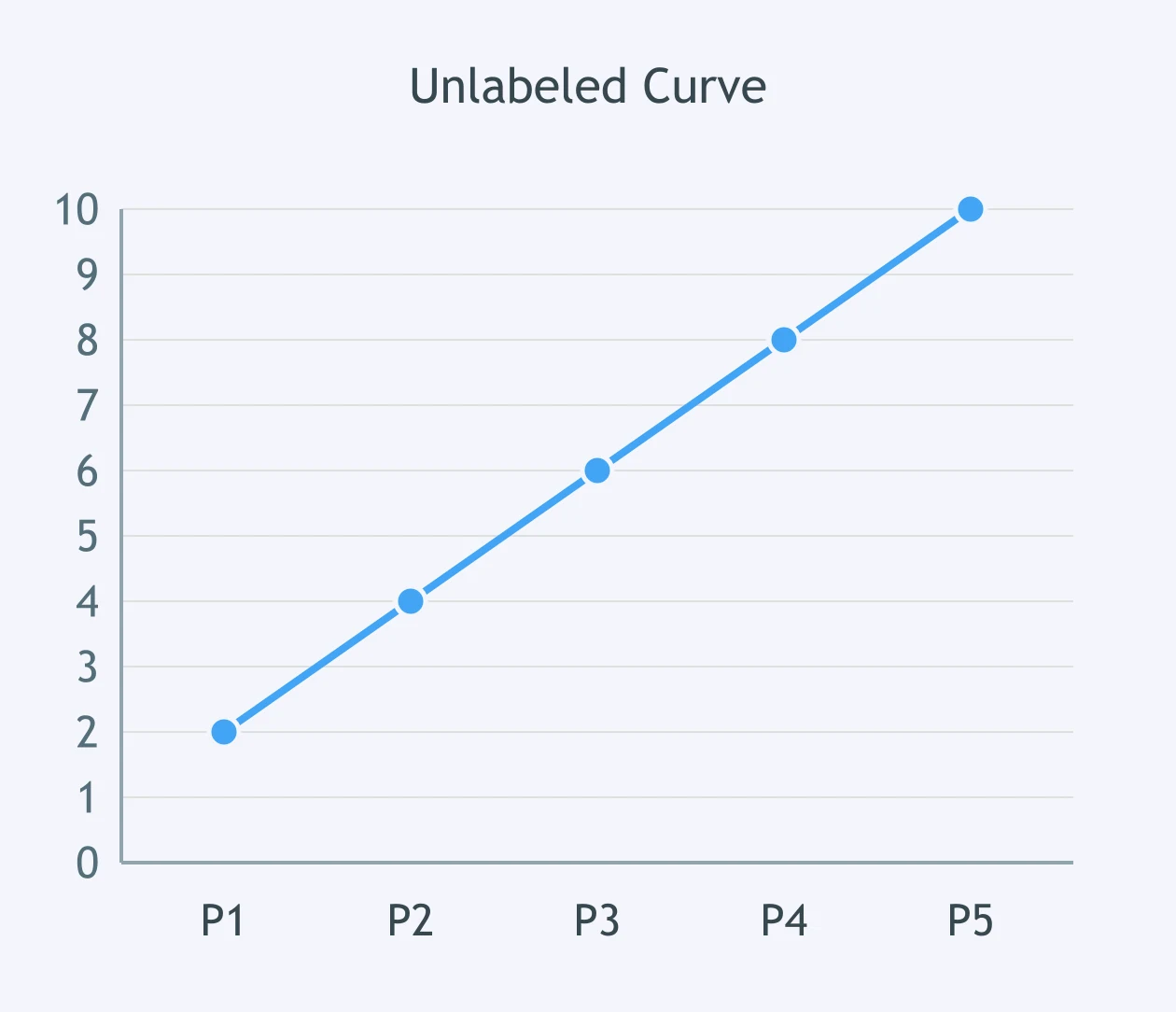
Look at the curve that bends upward more steeply over time. In Malthus's argument, what does that curve represent?
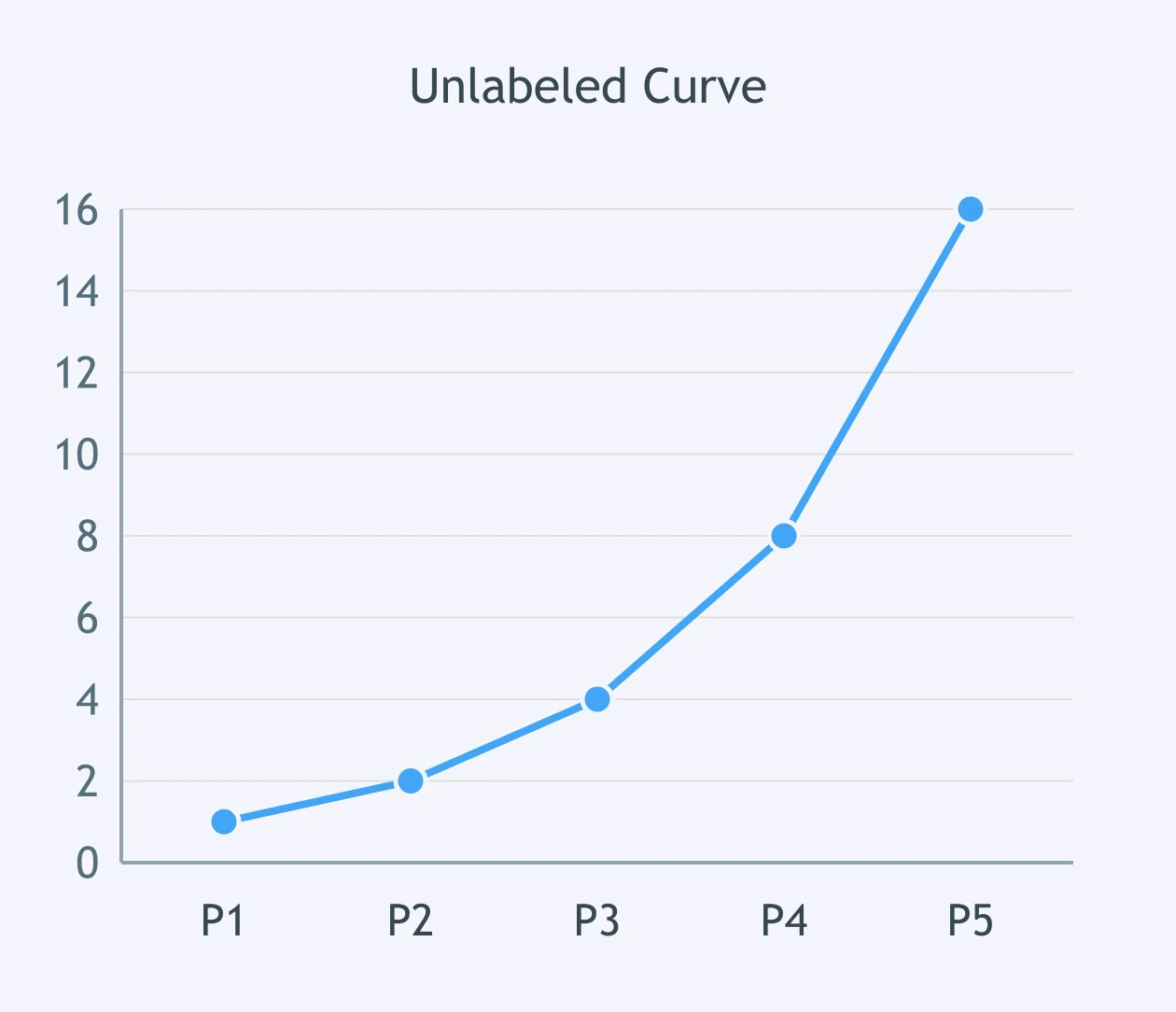
The plotted curve adds the same amount during each time interval. What growth pattern is shown?
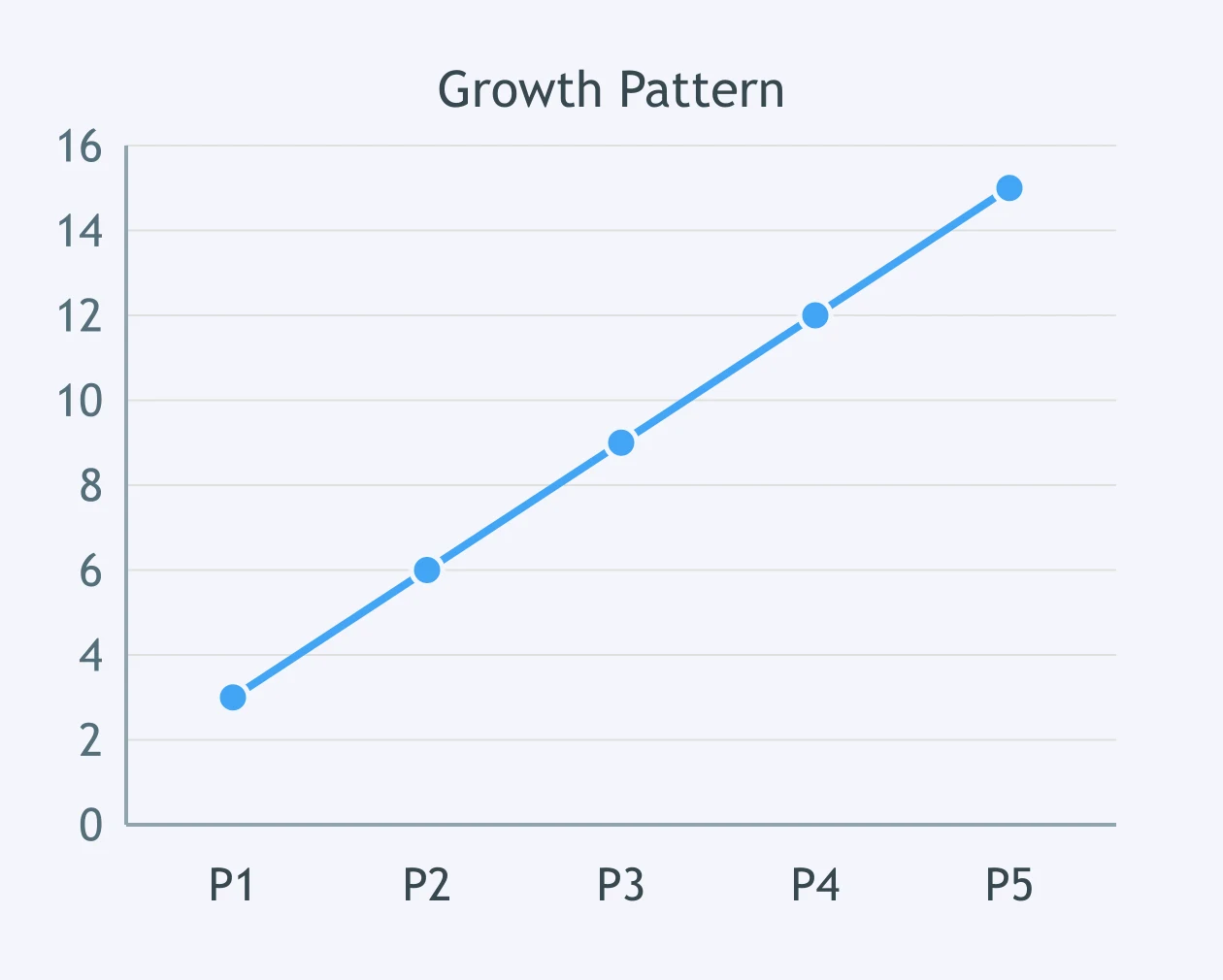
The plotted curve multiplies rapidly, with each interval much larger than the last. What growth pattern is shown?
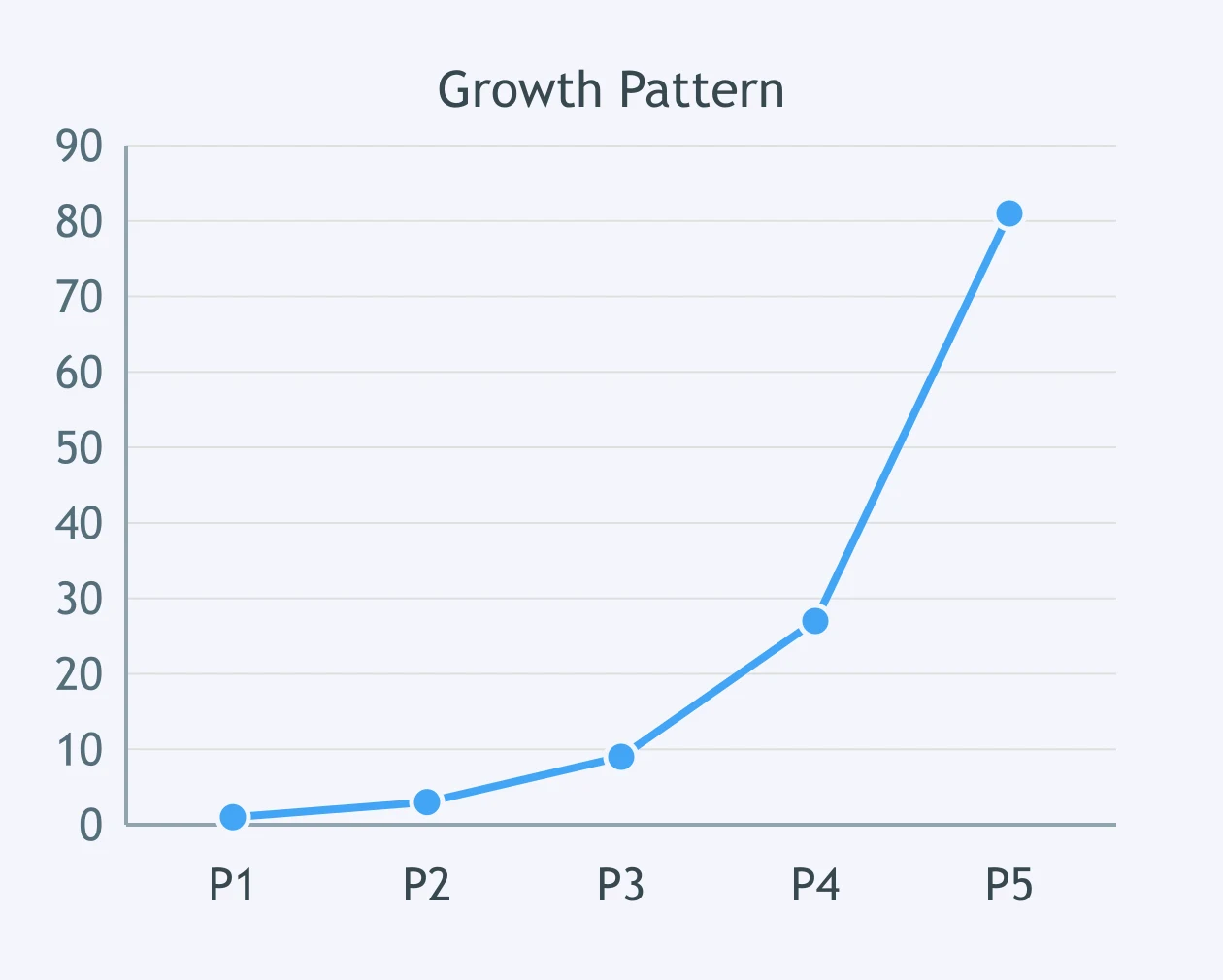
Crack the passcode before the zombies get in.
Answer, then swat bugs for bonus points.
Race through questions at your own speed.
Same question on every screen. Fastest wins.

Pick a tile, answer, hit bonuses and steals.

Women, Aging and Demographic Change
35 questions