Loading
by BlastRoom
Grade 5 questions on what drives evaporation, condensation, precipitation, and runoff as water moves among the ocean, atmosphere, and land.
#water_cycle#us_grade_5_science
20 questions
One question set, multiple game modes. Tap any game to see it in action. Not sure which to pick?
Answer to place stones and capture territory.
Outrun the snow together.
Earn blasts, then hunt the other team.
Answer to earn energy, then climb.

The class blasts through walls together.
Bid on mystery lots. Most money wins.
Sell tours. Nice, standard, or a total scam.

Answer, restock, and serve the rush.
More correct answers pulls the rope your way.
Answer, then shoot down the alien wave.
Answer, then tap to leap the frozen ridge.
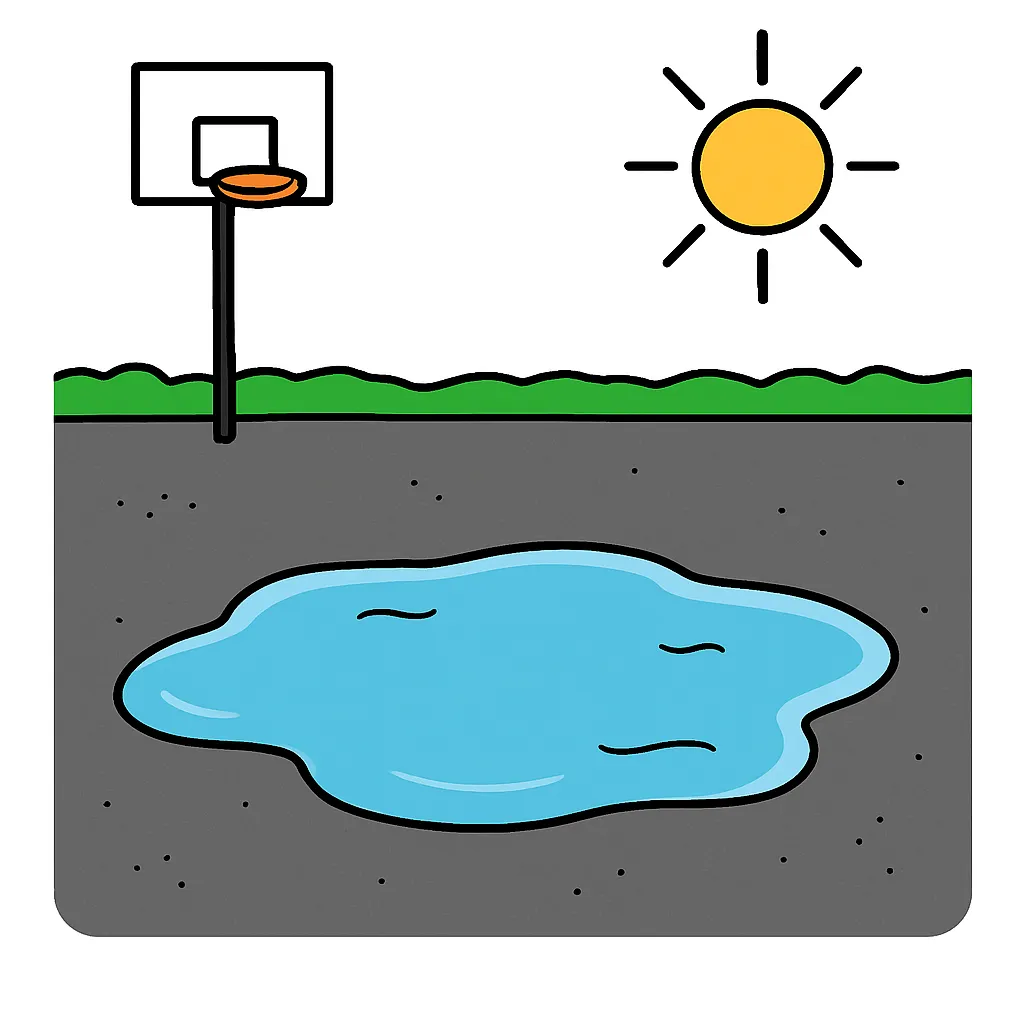
A rain puddle on the school blacktop is gone by lunchtime on a clear, sunny day. The water changed into a gas and moved into the air. What supplied the energy for that change?
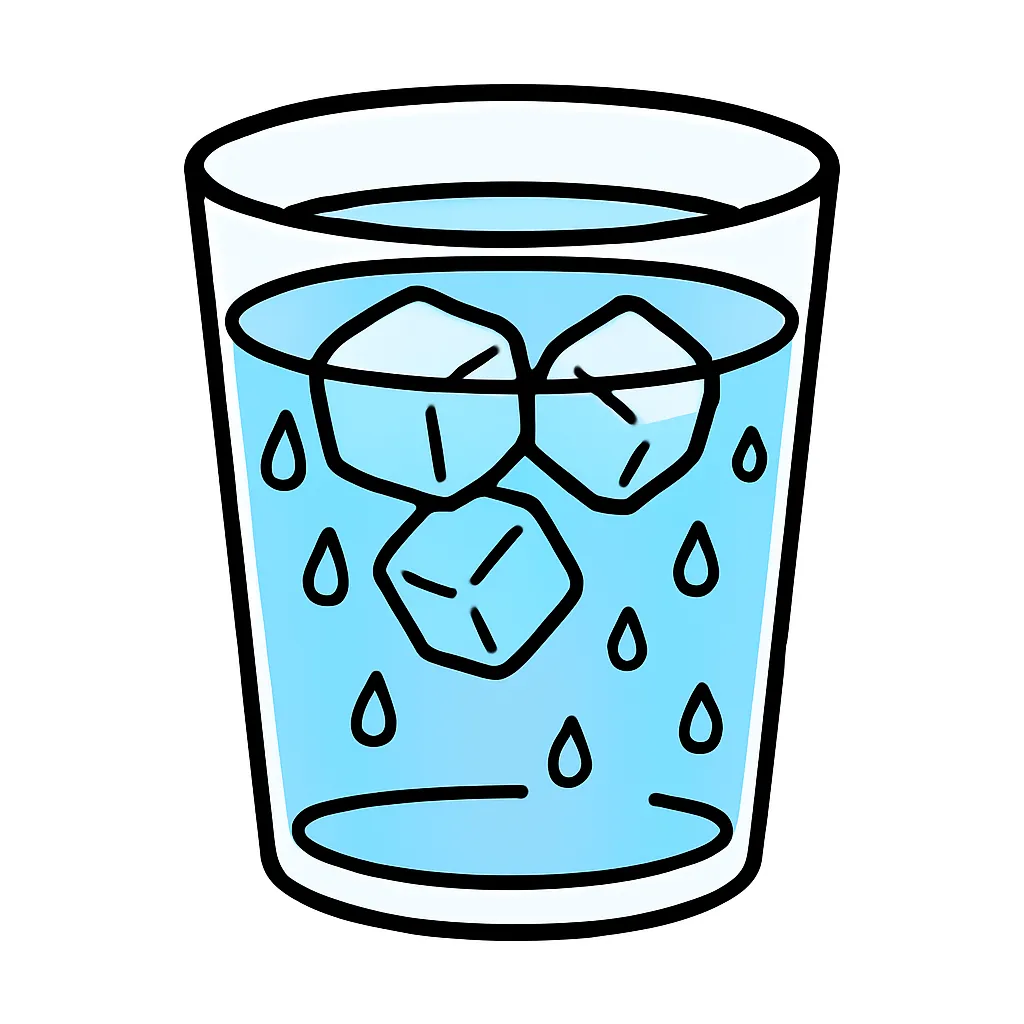
Marcus fills a glass with ice water and sets it on the table. Ten minutes later the outside of the glass is covered with small drops, but nothing spilled. Where did those drops come from?
Warm, damp air near the ground rises high into the sky, and a cloud forms where the sky had been clear. What change in the rising air causes water vapor to condense?

Inside a cloud, tiny droplets bump together and grow until they are too heavy to stay up. What pulls those drops down to Earth as precipitation?
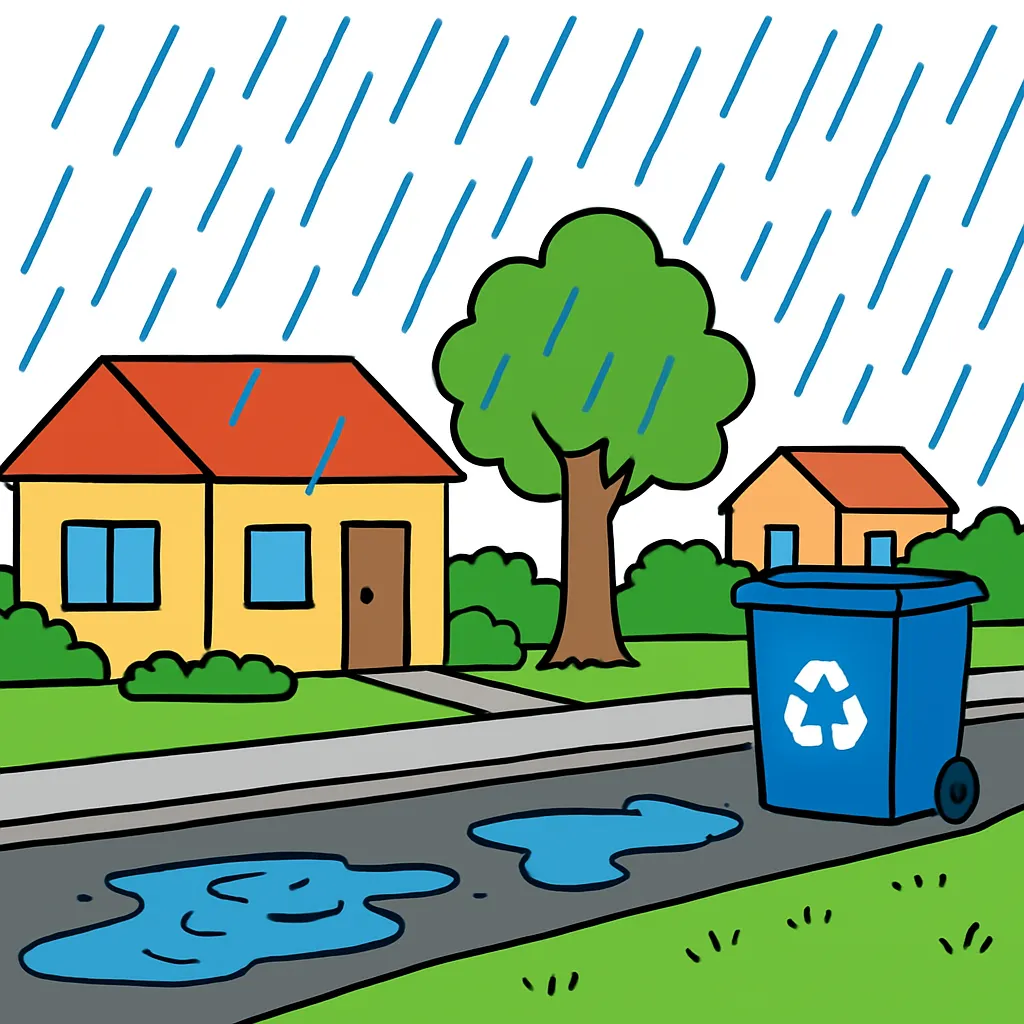
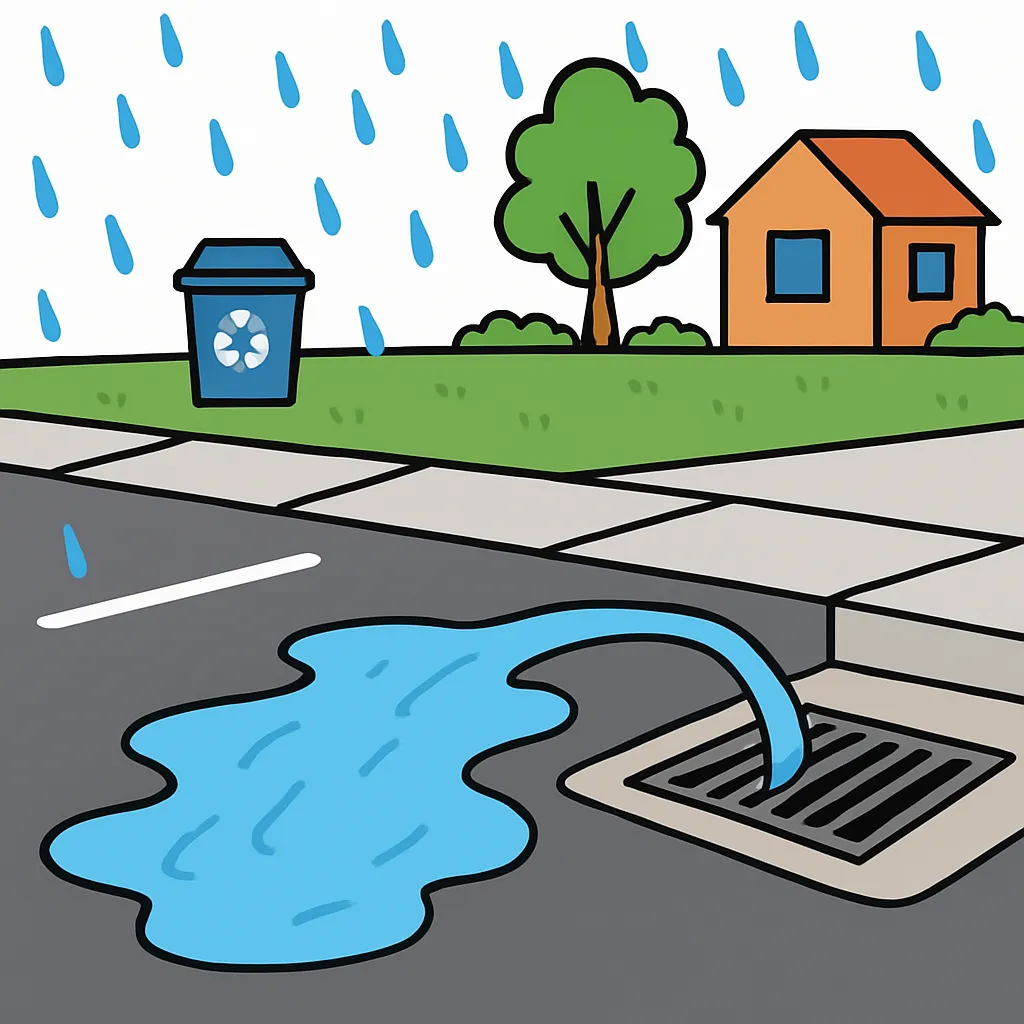
A heavy rain falls on a paved parking lot. Almost no water soaks in, and sheets of water move across the pavement toward a storm drain. Why does almost none of this rain soak into the ground here?
The same storm drops rain on a grassy meadow beside the parking lot. Most of that water soaks down and collects in spaces in the soil and rock underground. What is this underground water called?
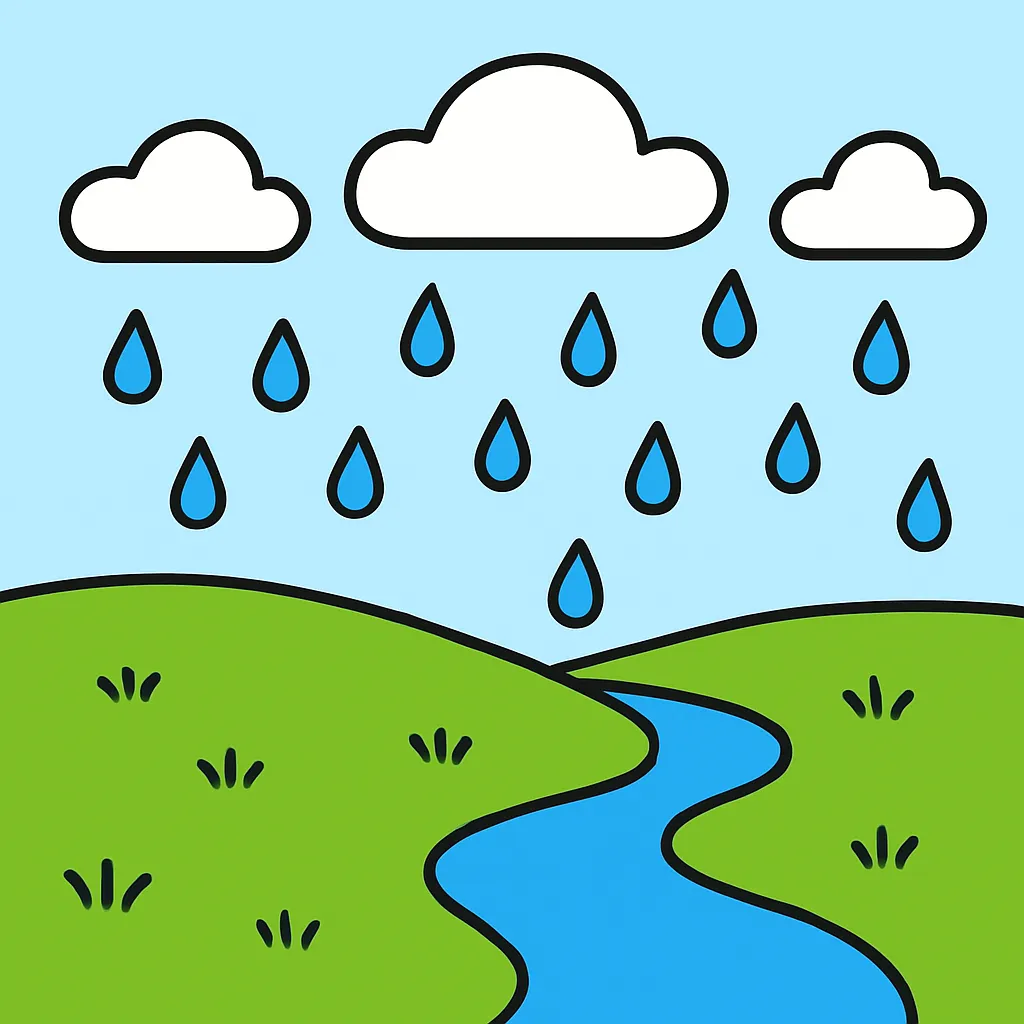
Water keeps moving around Earth over and over. One thing lifts water into the air, and another brings it back down. Which pair does that work?
Most of the water vapor that enters Earth's atmosphere evaporated from the ocean.
Ocean water is salty, but the rain that falls from clouds formed over the ocean is fresh water. What happens to the salt when ocean water evaporates?
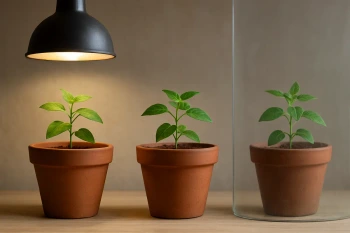
A class poured 100 mL of water into each of two identical dishes. After two days, the dish on the sunny windowsill held 62 mL and the dish in a shaded cabinet held 91 mL. What do the results show?
Two identical pans of water sit outside, one in warm sunshine and one in a cool, shady spot. Neither gets hot enough to boil, but after a few hours the sunny pan has lost much more water. Where did that missing water go?
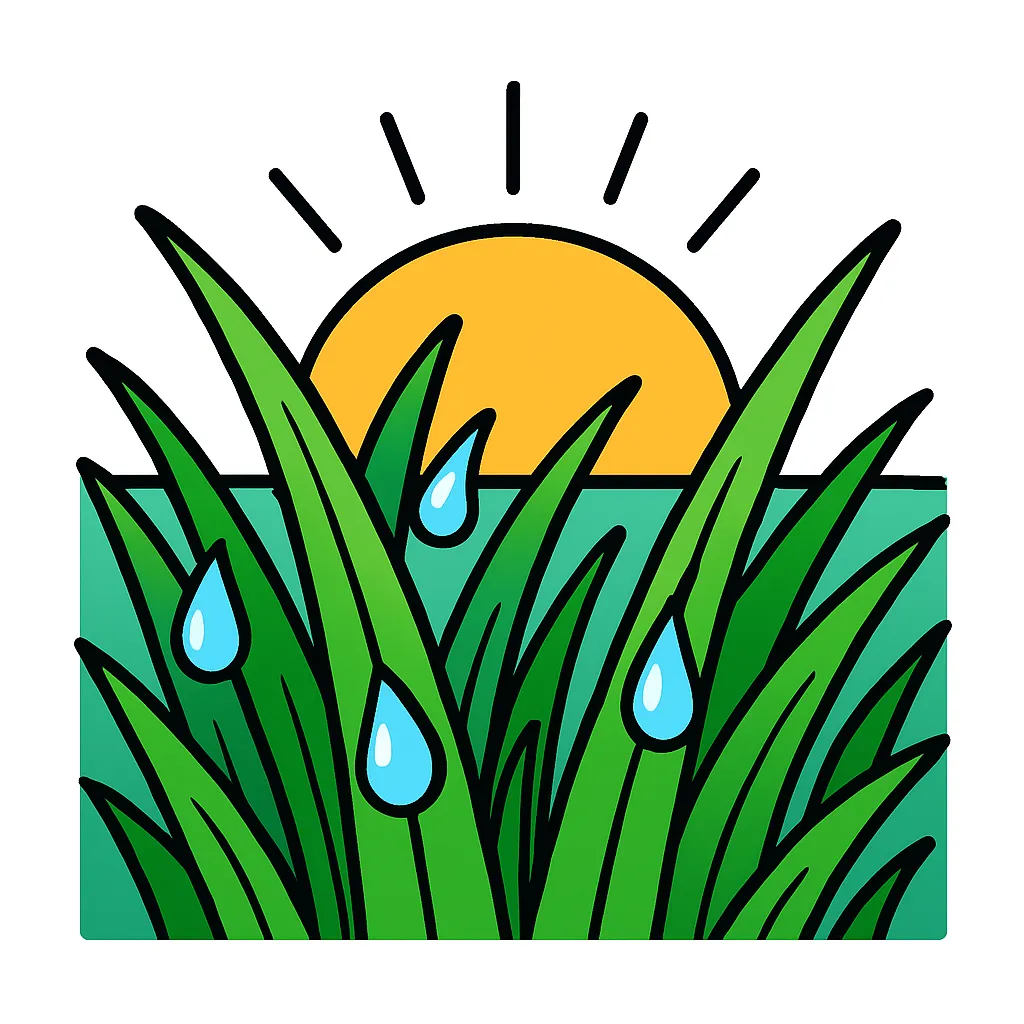
Grass is dry at sunset, but before sunrise it is covered with tiny drops. No rain fell during the night. What caused the drops?
Water rests in many places between trips through the water cycle. Which of Earth's reservoirs holds by far the most water?
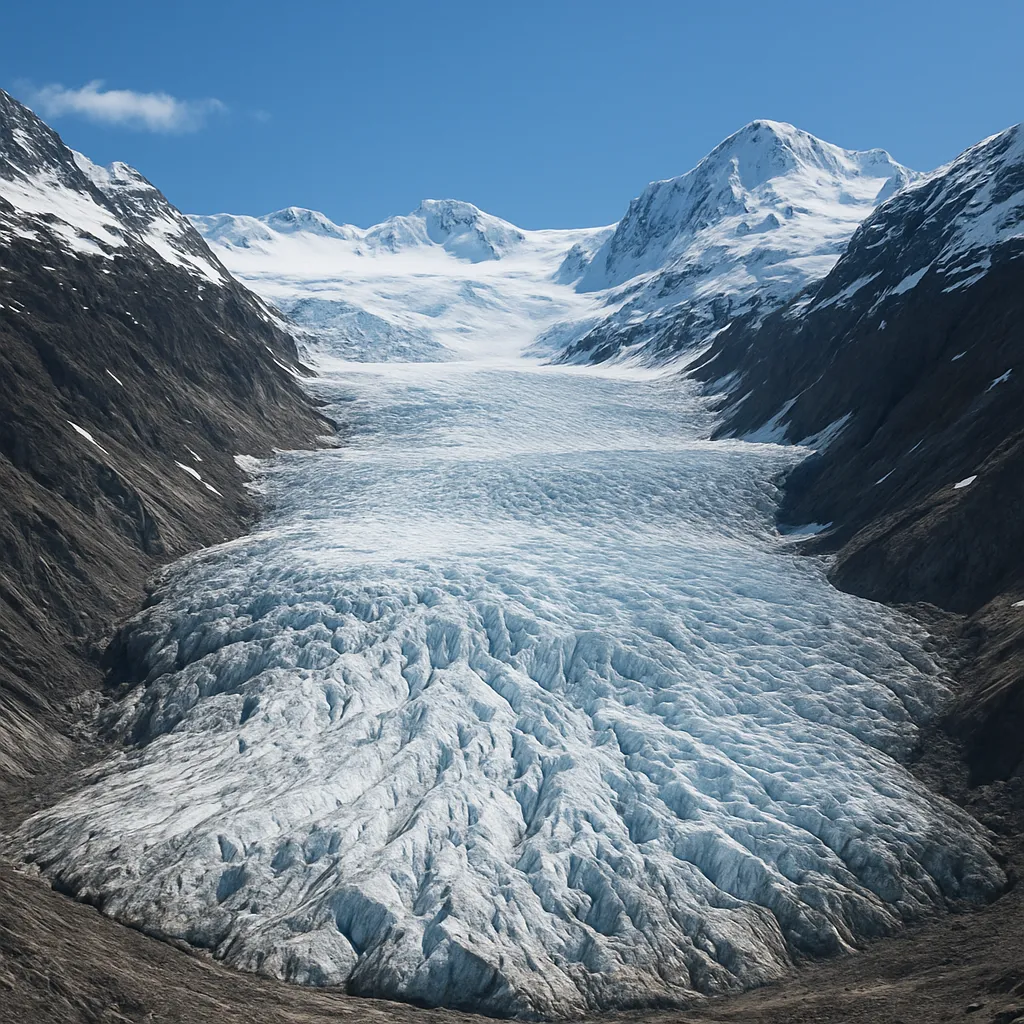
Snow that falls high on a mountain can pack into a glacier and stay frozen for hundreds of years before it melts. What does this show about the water cycle?
On a very cold day, water falls from clouds as snow rather than rain. What mainly decides whether precipitation reaches the ground as snow or as rain?

After a summer rainstorm, the creek beside a school rises quickly and turns muddy. Which claim does that observation best support?
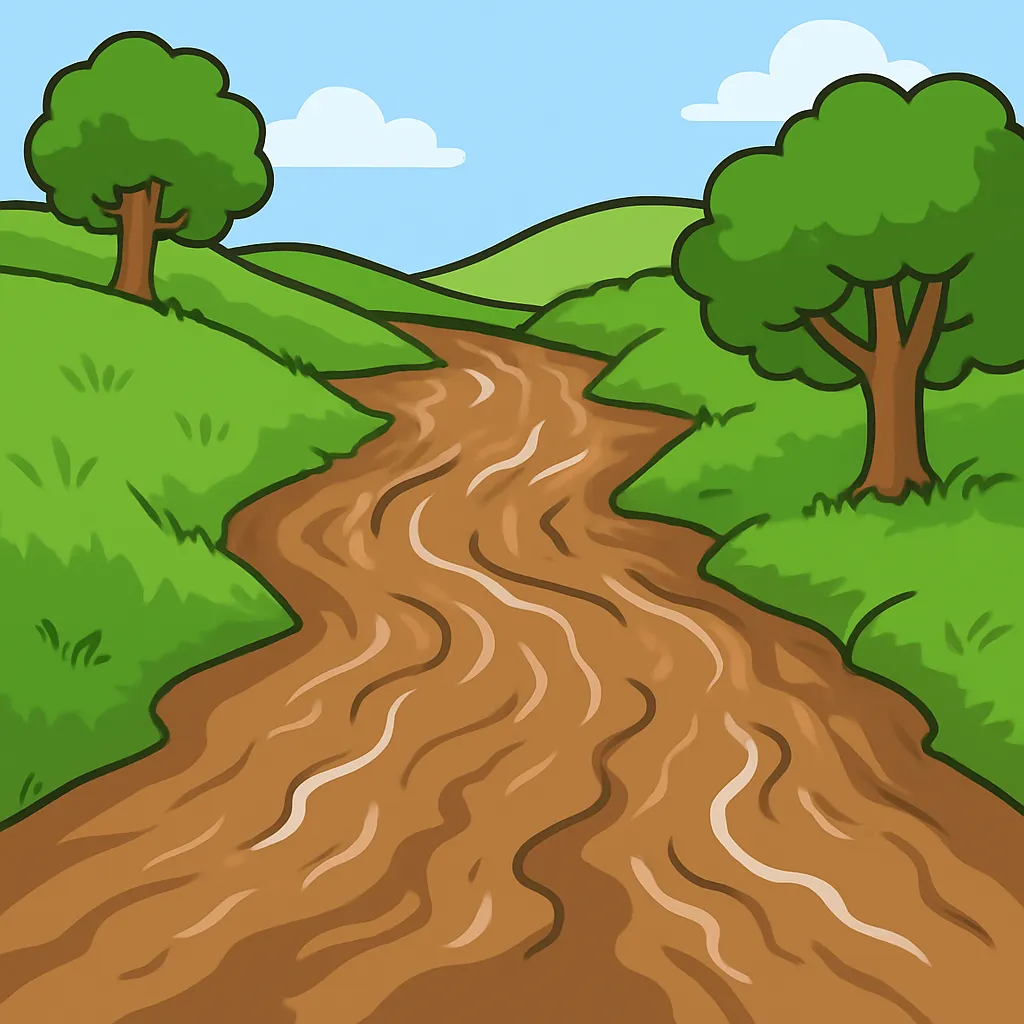
Water in a covered pot is heated until steam rises, and drops form on the cool underside of the lid. In a model of the water cycle, the drops on the lid stand for which step?
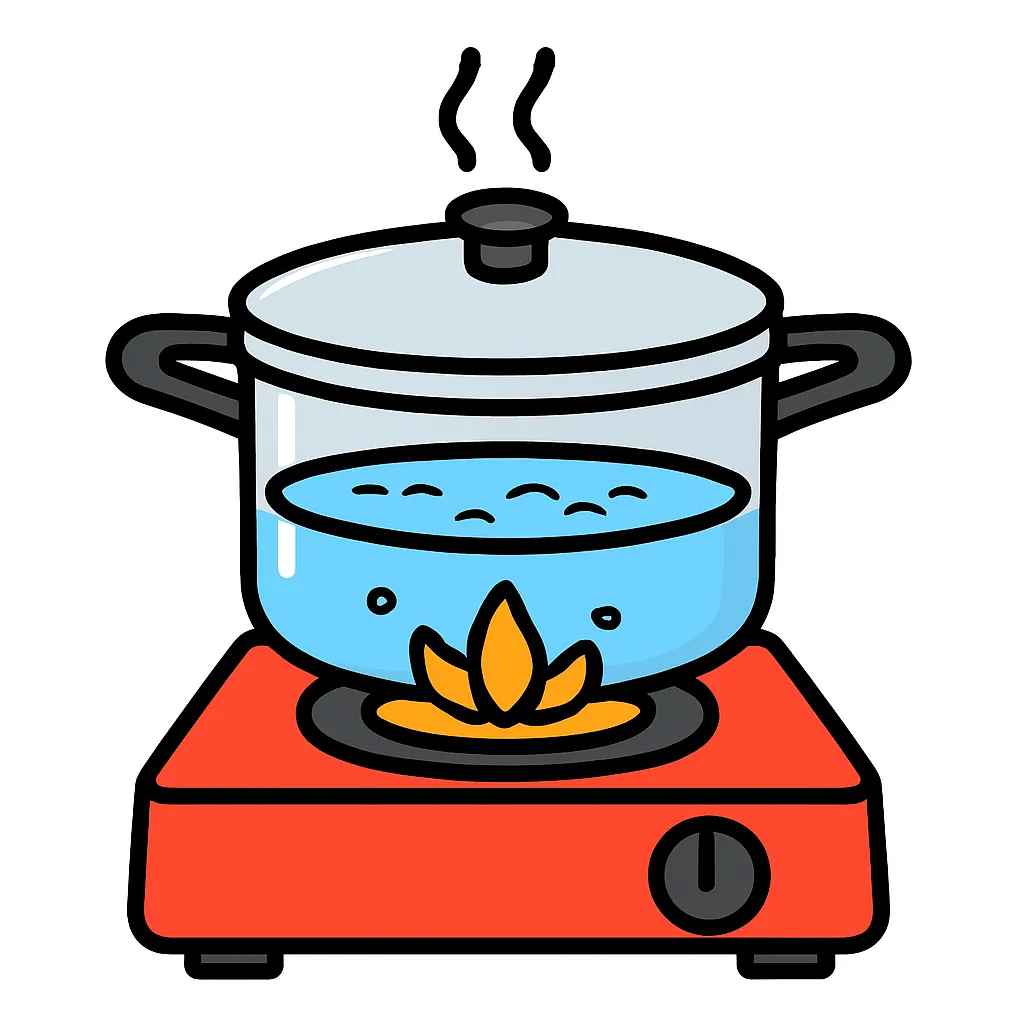
Rain soaks into the soil near a park and disappears from the surface. A student says that water is now gone from the water cycle forever. What is the best correction to that claim?
During a long, hot, dry summer, the level of a town's lake drops even though no water is pumped out of it. What best explains the drop?
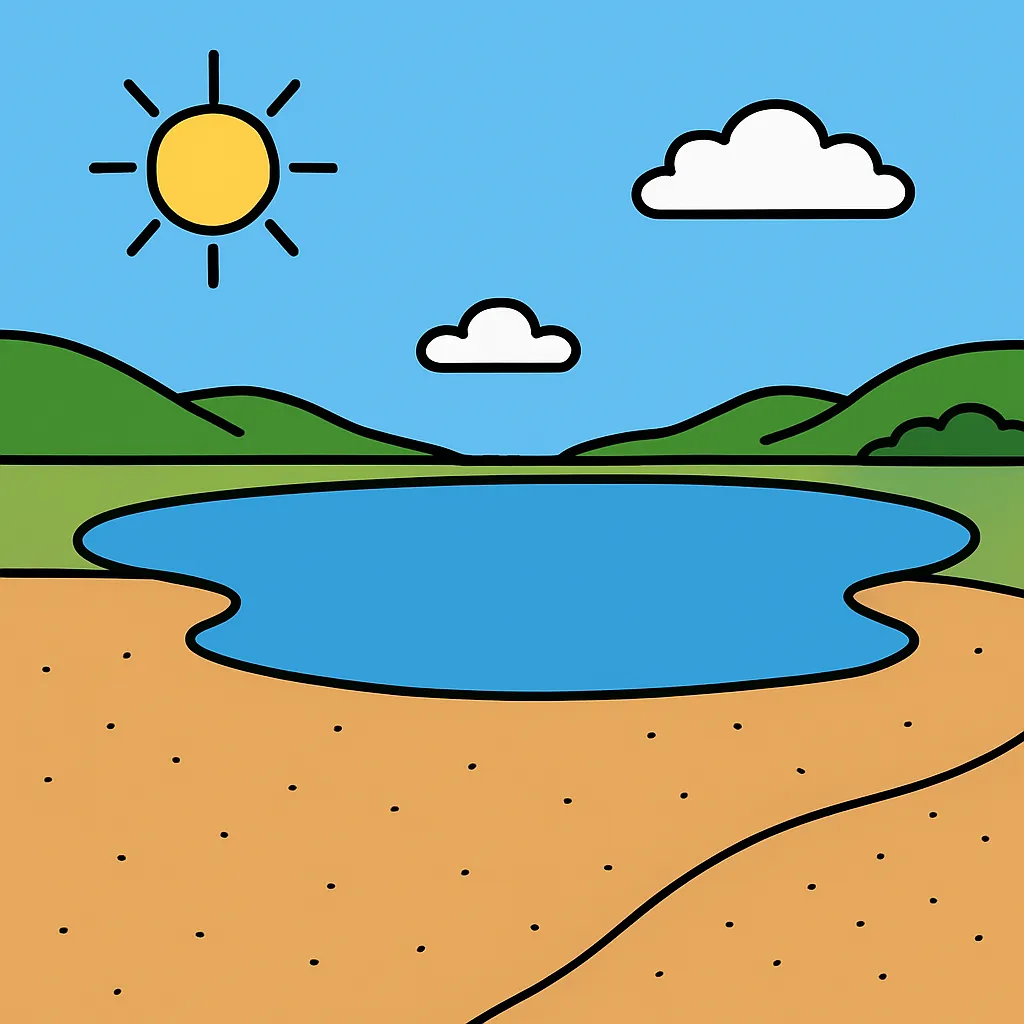
Rain that falls on hills runs into creeks, and the creeks flow into rivers. Where does most of that water finally arrive as the cycle continues?
Crack the passcode before the zombies get in.
Answer, then swat bugs for bonus points.
Race through questions at your own speed.
Same question on every screen. Fastest wins.

Pick a tile, answer, hit bonuses and steals.
Food Webs: Connected Food Chains
20 questions