Loading
by BlastRoom
Trace energy and matter through connected food chains and predict what happens when a population changes.
#food_webs#us_grade_5_science
20 questions
One question set, multiple game modes. Tap any game to see it in action. Not sure which to pick?
Answer to place stones and capture territory.
Outrun the snow together.
Earn blasts, then hunt the other team.
Answer to earn energy, then climb.

The class blasts through walls together.
Bid on mystery lots. Most money wins.
Sell tours. Nice, standard, or a total scam.

Answer, restock, and serve the rush.
More correct answers pulls the rope your way.
Answer, then shoot down the alien wave.
Answer, then tap to leap the frozen ridge.
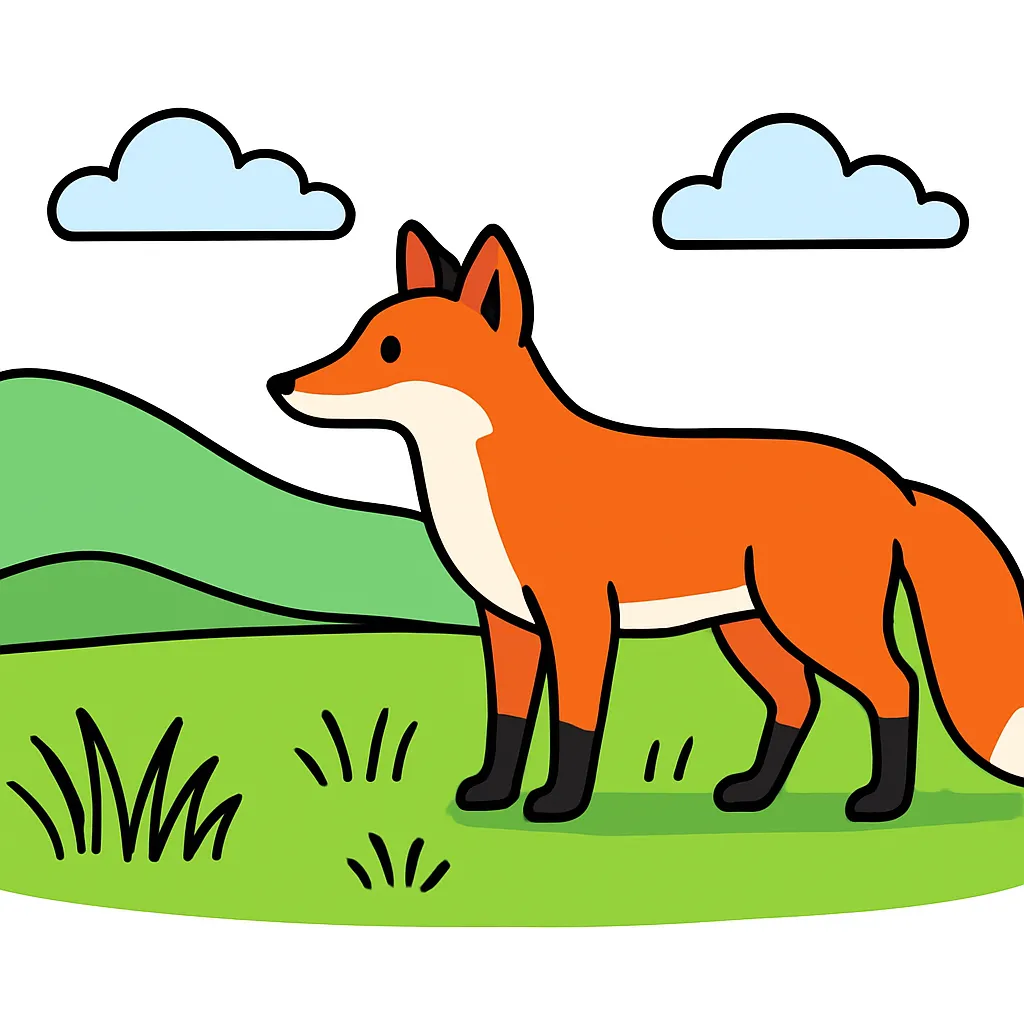
In a meadow, grass is eaten by grasshoppers and rabbits. Mice eat seeds, hawks eat mice, and foxes eat both rabbits and mice. What makes this a food web instead of a single food chain?
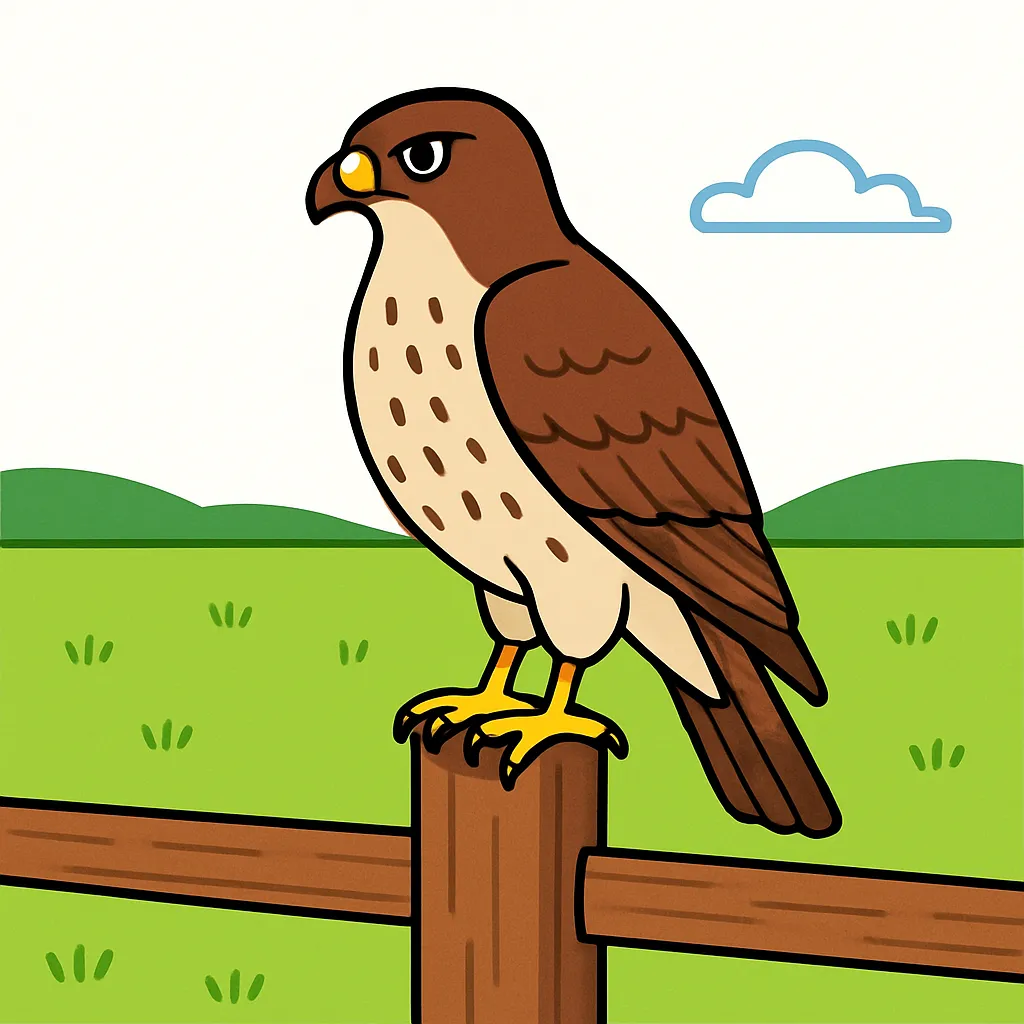
A hawk eats a mouse. The mouse had eaten grasshoppers, and the grasshoppers had eaten grass. Where did the energy in the hawk's meal originally come from?
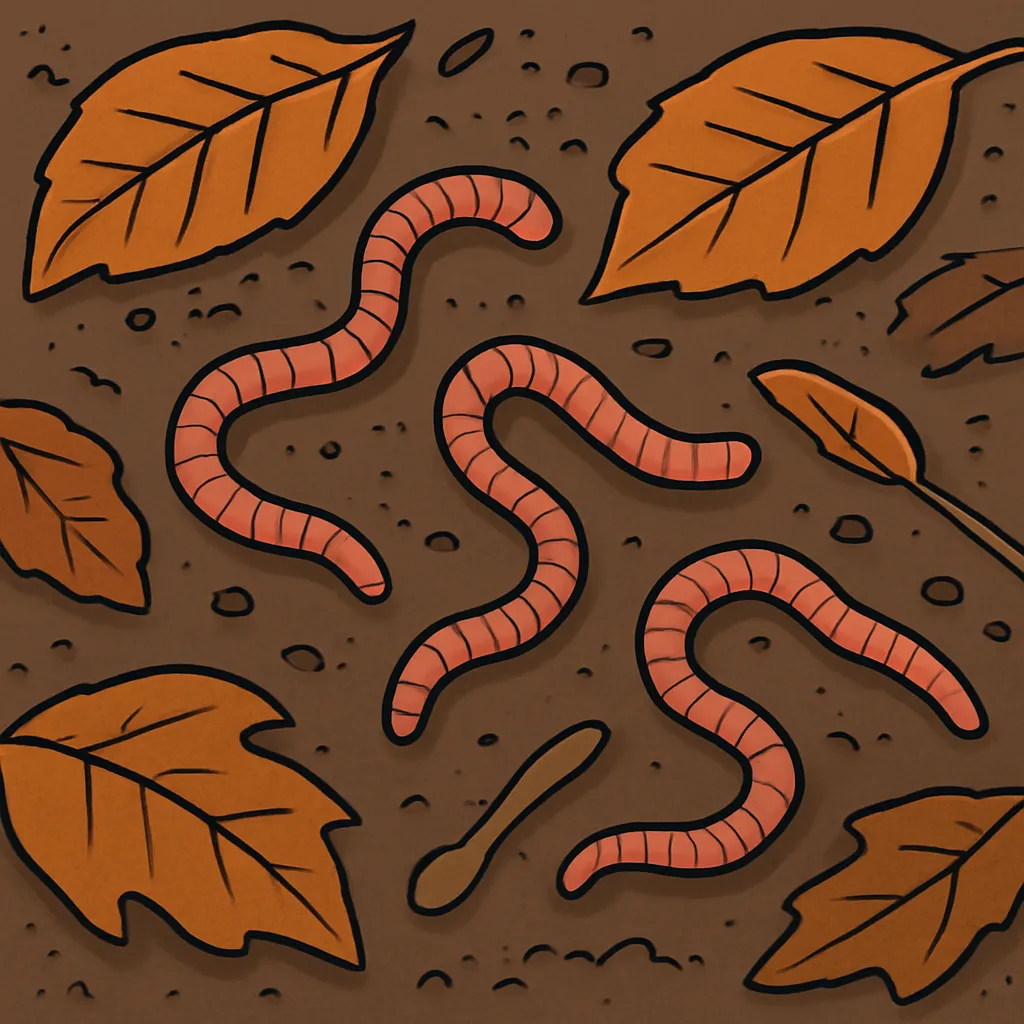
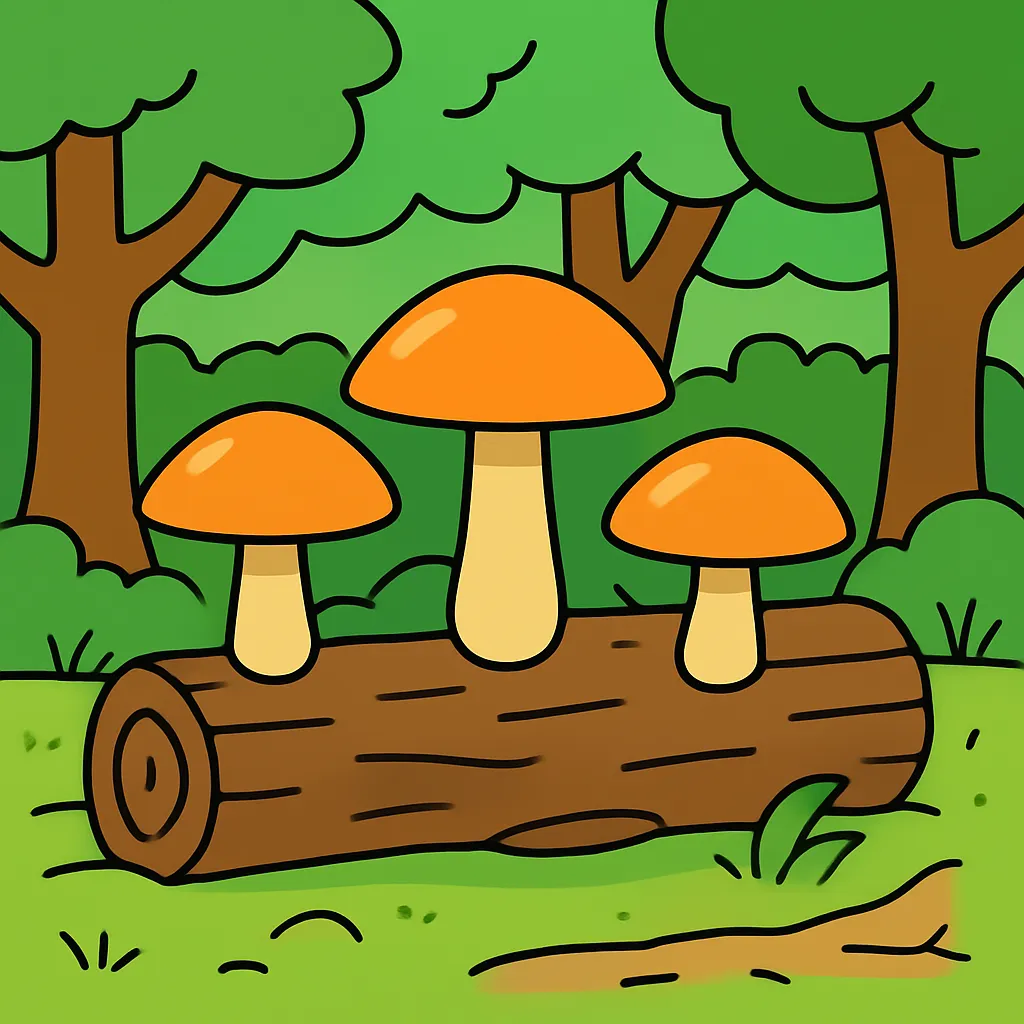
Dead leaves fall onto a forest floor. Over the winter, worms, insects, and tiny living things break the leaves down until they can no longer be seen. Where does the matter from those leaves go next?
A student says the energy in a dead fox goes back into the grass so the grass can use it again. Where does the grass actually get its energy, and what happens to the nutrients from the fox instead?
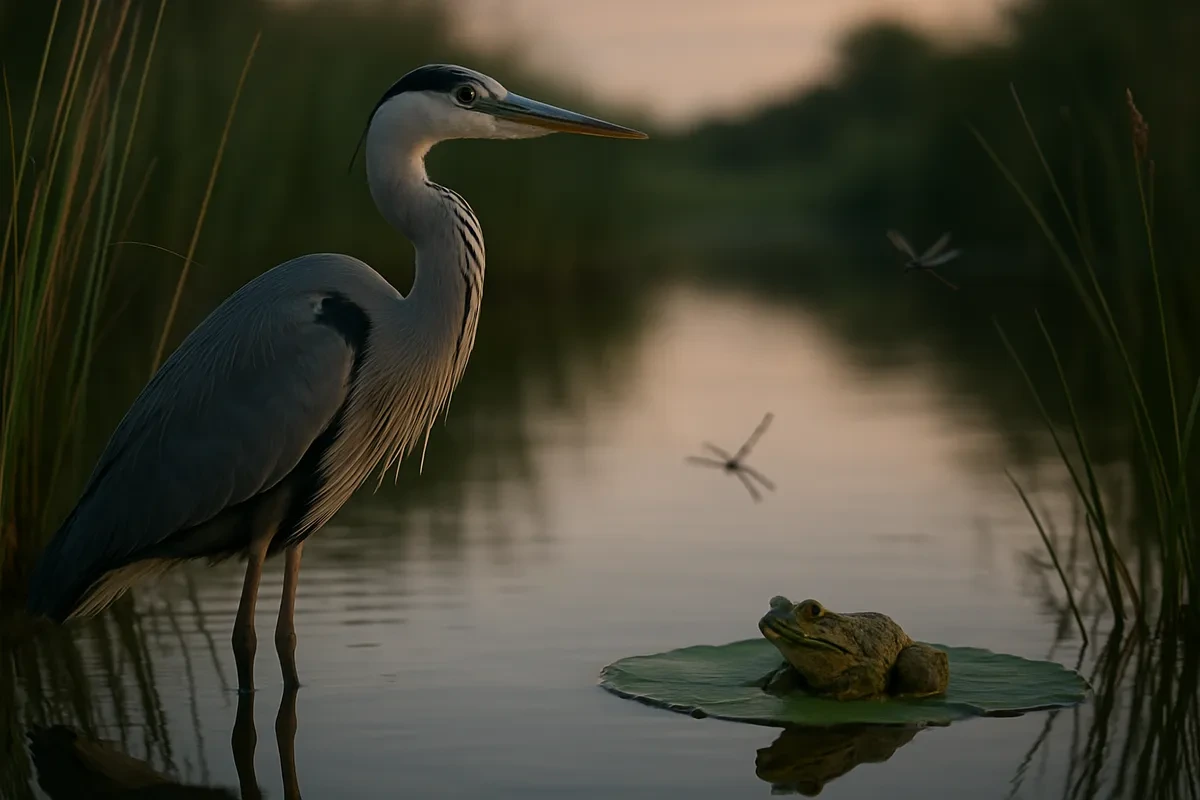
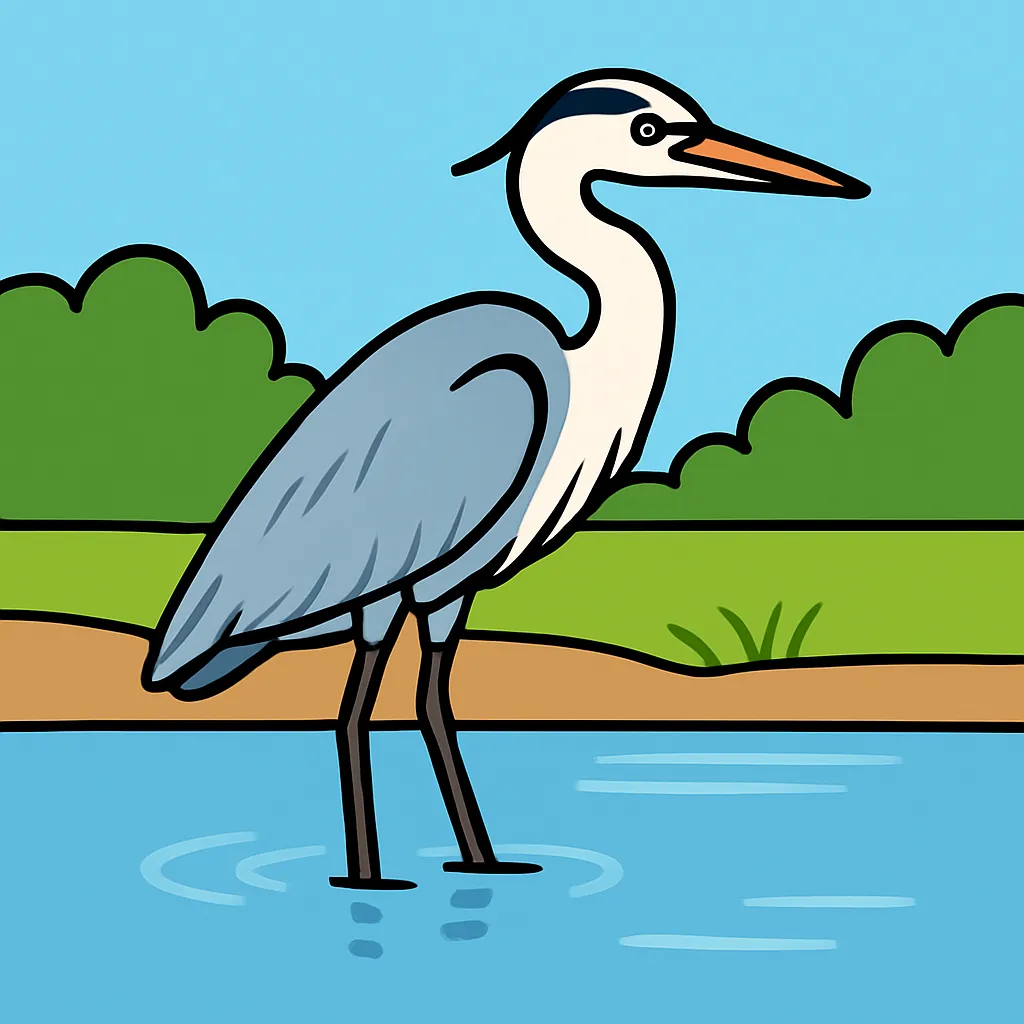
In a pond, algae are eaten by insect larvae. Small fish and frogs both eat the larvae, and herons eat the small fish and the frogs. A cold spring kills most of the insect larvae. Which populations drop first?
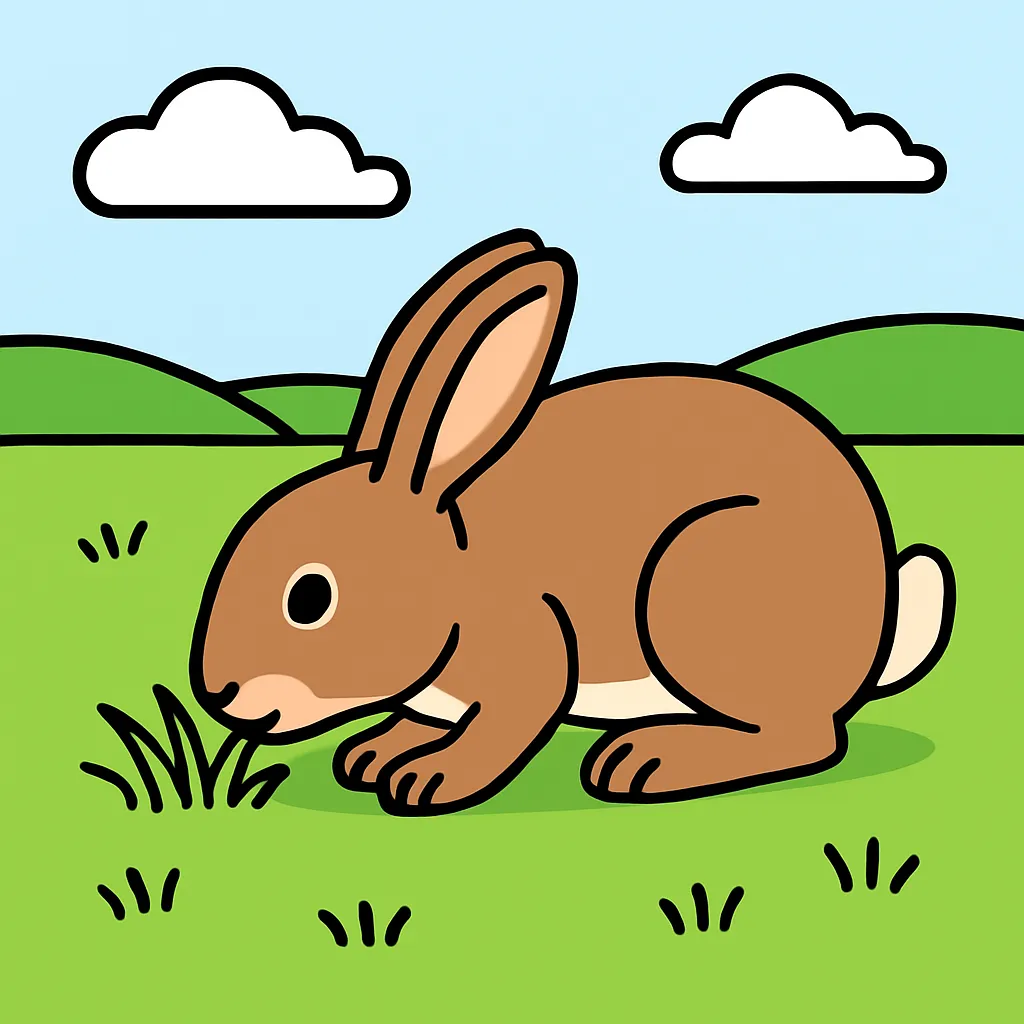
In a grassland, grass is eaten by mice and by rabbits. Hawks eat both mice and rabbits, and snakes eat mice as well. If all the hawks leave the area, what is most likely to happen over the next few seasons?
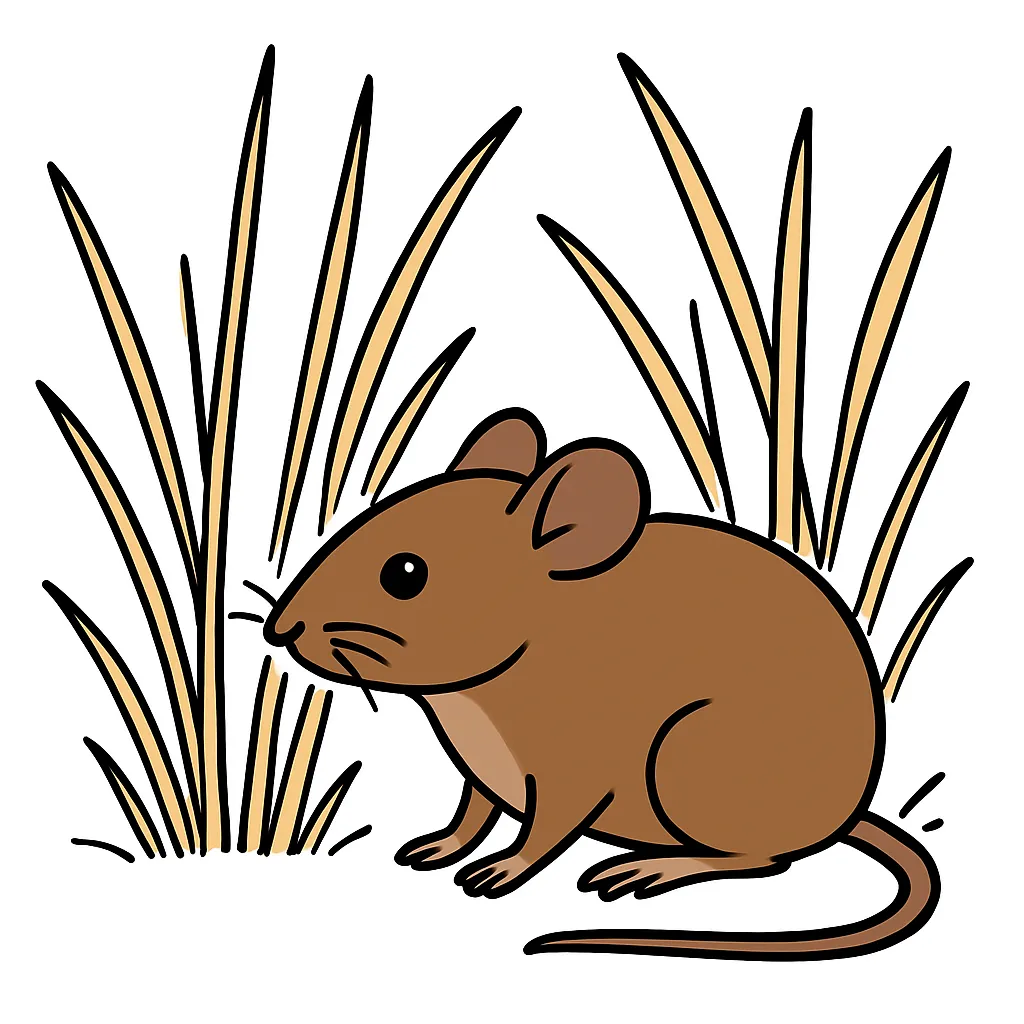
A disease kills most of the rabbits in a field where foxes eat rabbits and mice, and rabbits eat grass. What happens to the foxes and the grass?
In a forest, all the decomposers are removed from a small study plot. What would scientists most likely observe in that plot after a year?
In a pond, algae are eaten by insect larvae and by small fish. Frogs eat insect larvae, and herons eat both frogs and small fish. What role does the frog play in this web?
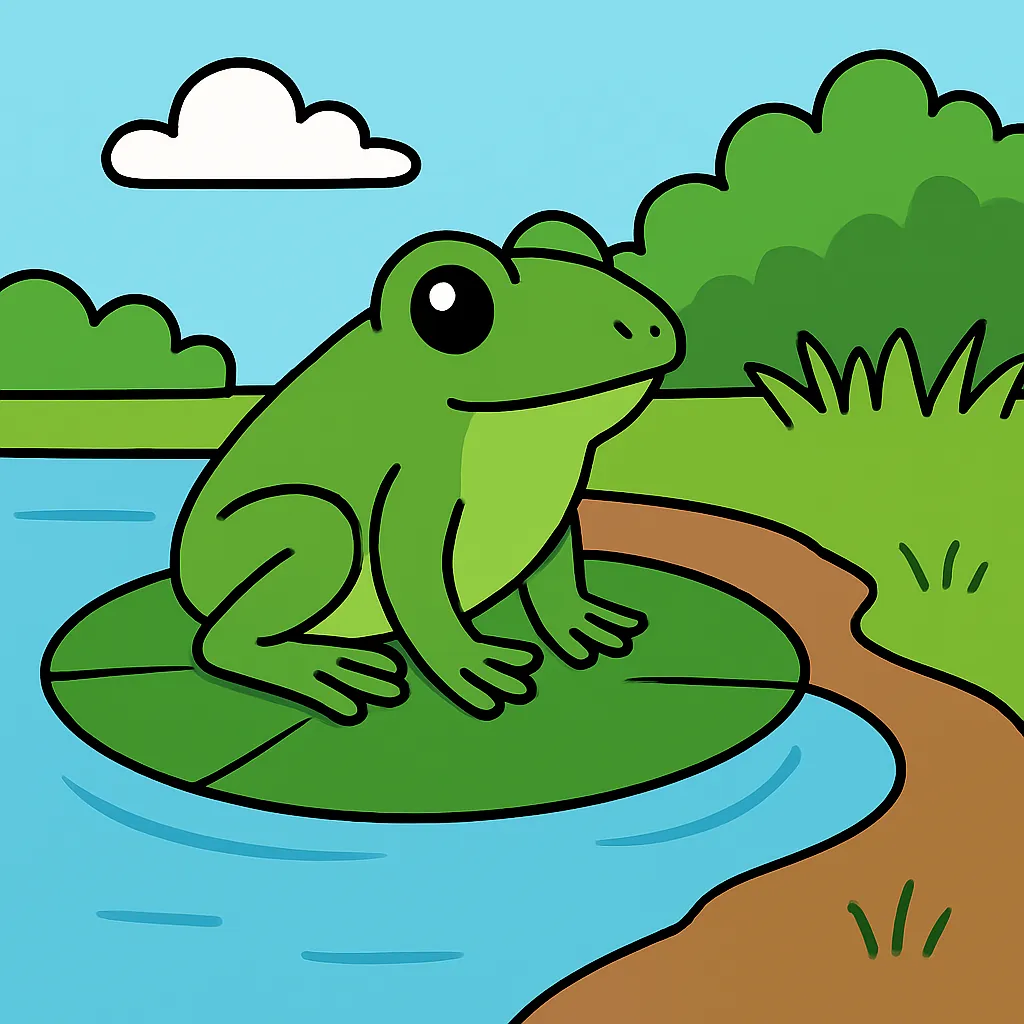
Grass in a meadow grows all summer without anyone feeding it. Where does the food the grass uses for growth come from?
In a food web, energy moves from the Sun to producers and then on to the consumers that eat them.
Removing one population from a food web changes only the animals that ate that population.
Two rainy summers in a row make the grass in a prairie grow much thicker than usual. What is the most likely effect on the grasshoppers and the mice that eat grass seeds?
A fox in a field eats both rabbits and mice. A long drought sharply reduces the number of mice. What is the most likely effect on the rabbits?
A drought killed most of the grass in a meadow. Over the next year, scientists counted fewer grasshoppers, fewer mice, and fewer hawks. Which claim does this evidence best support?
A snake that eats mice is released into a grassland where hawks also eat mice. Predict the effect on the hawks.
A mouse eats seeds all summer and then dies in a field. No animal eats the body. What happens to the matter that was in the mouse?
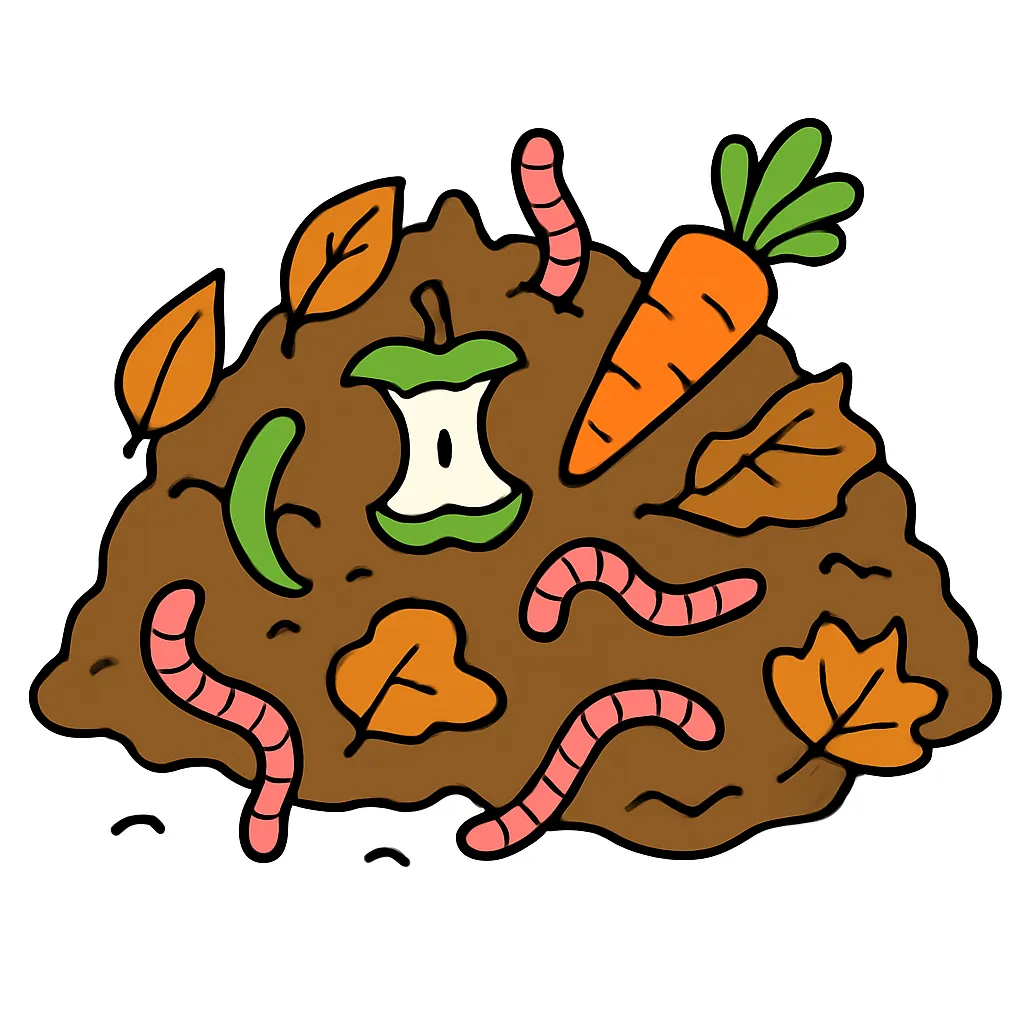
Worms, beetles, and tiny living things in a compost pile turn dead leaves and vegetable scraps into dark, crumbly soil. What is their role in a food web?
A teacher draws only one chain from a meadow: grass, then grasshopper, then mouse, then hawk. Why does this single chain give an incomplete picture of the meadow?
Matter such as nutrients can cycle through a food web many times, while the energy in that web has to be replaced by sunlight.
Crack the passcode before the zombies get in.
Answer, then swat bugs for bonus points.
Race through questions at your own speed.
Same question on every screen. Fastest wins.

Pick a tile, answer, hit bonuses and steals.
The Sun-Earth-Moon System
20 questions