Loading
by BlastRoom
Structural and behavioral adaptations and how each one helps an organism survive in its environment.
#adaptations#us_grade_5_science
20 questions
One question set, multiple game modes. Tap any game to see it in action. Not sure which to pick?
Answer to place stones and capture territory.
Outrun the snow together.
Earn blasts, then hunt the other team.
Answer to earn energy, then climb.

The class blasts through walls together.
Bid on mystery lots. Most money wins.
Sell tours. Nice, standard, or a total scam.

Answer, restock, and serve the rush.
More correct answers pulls the rope your way.
Answer, then shoot down the alien wave.
Answer, then tap to leap the frozen ridge.
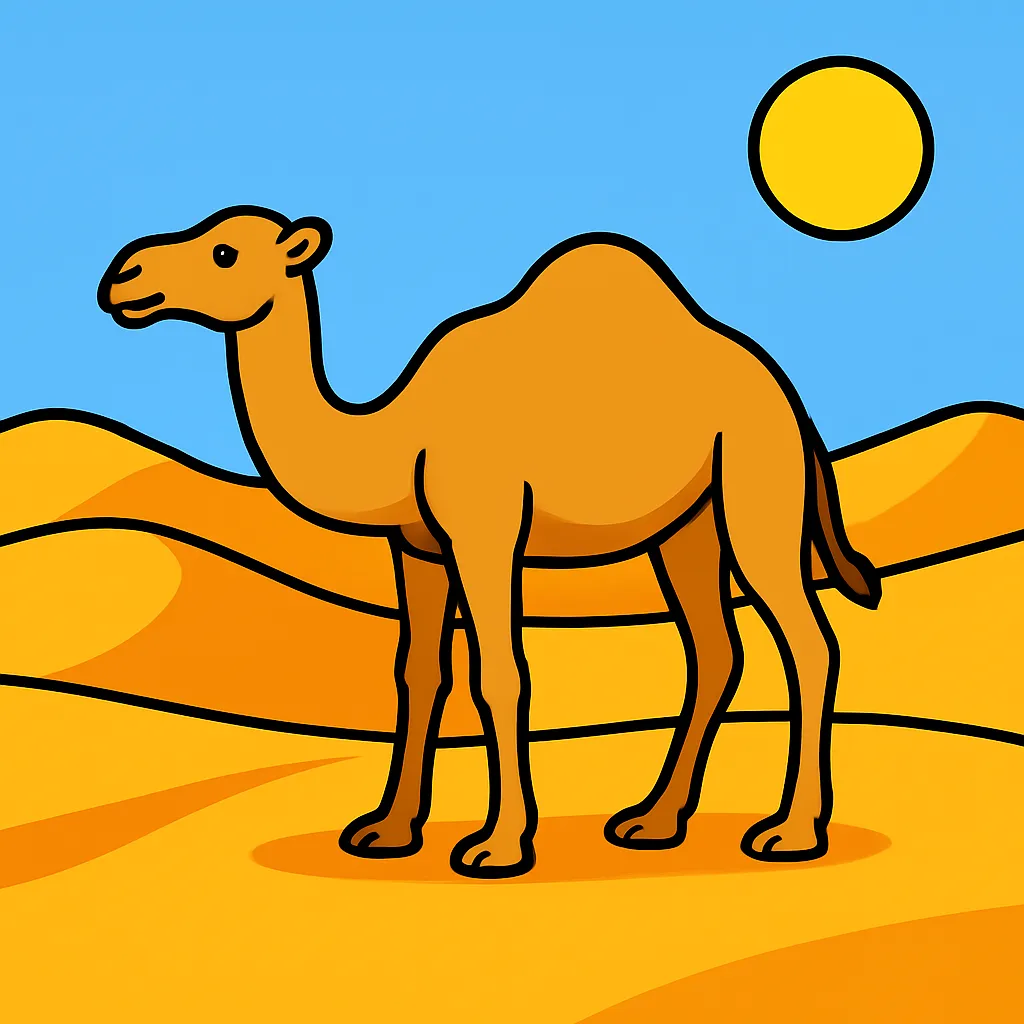
A camel that lives in a hot, sandy desert has two rows of long, thick eyelashes above each eye. How does this structure help the camel survive?
In winter an arctic fox has thick white fur, and in summer its fur is thinner and grayish brown. How does this seasonal fur best help the fox survive?
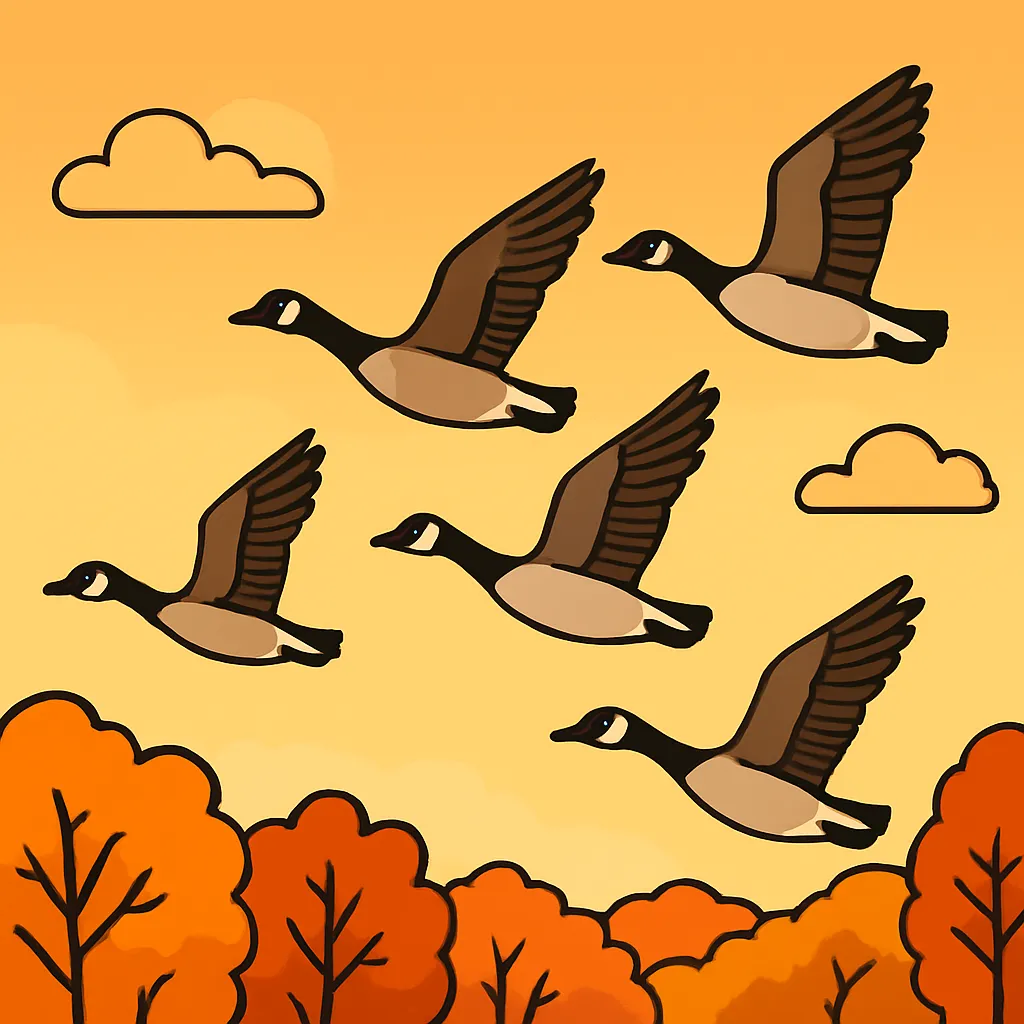
Each fall, flocks of geese leave the freezing northern lakes and fly south, then return north in spring. This yearly journey is an example of what, and why?
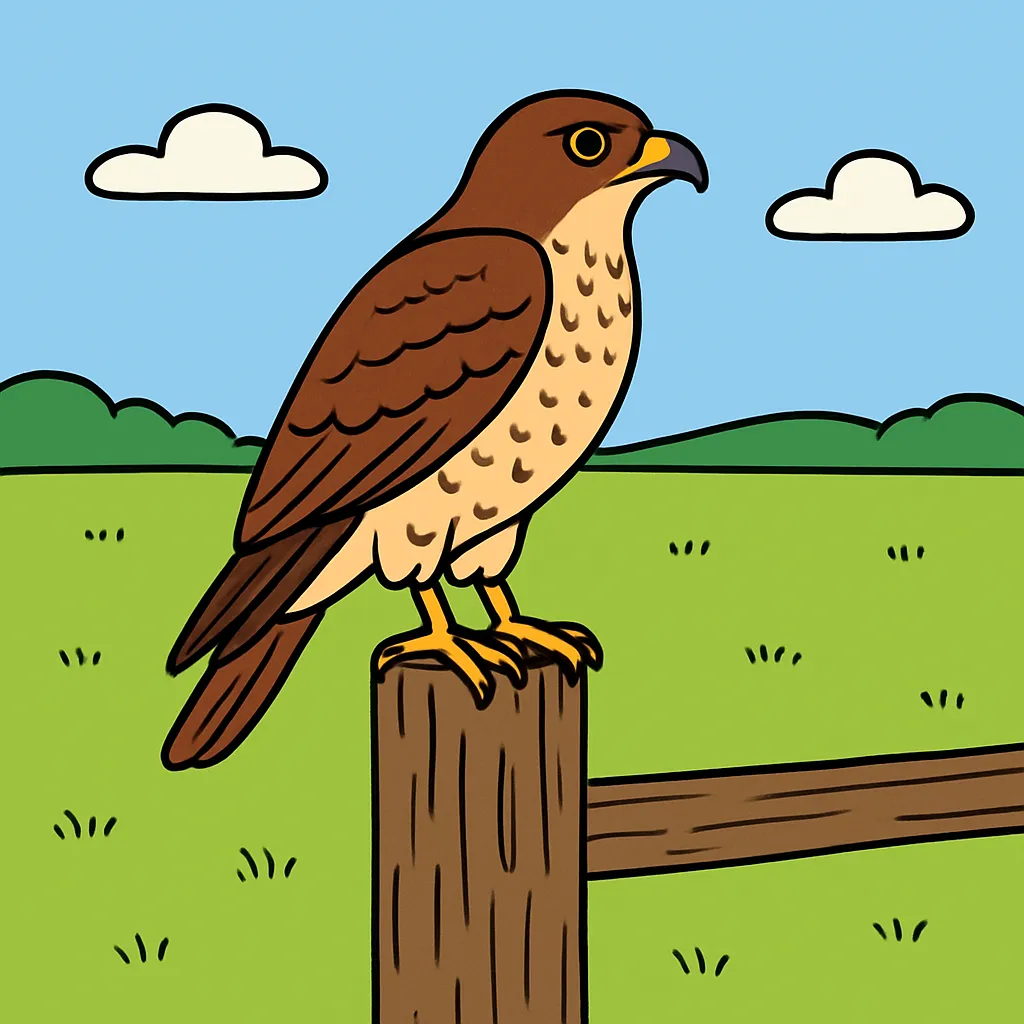
A hawk hunts mice in an open field, where prey can spot it coming and dash for cover. The hawk has sharp curved claws on its feet and a hooked beak. How do these structures help the hawk survive there?
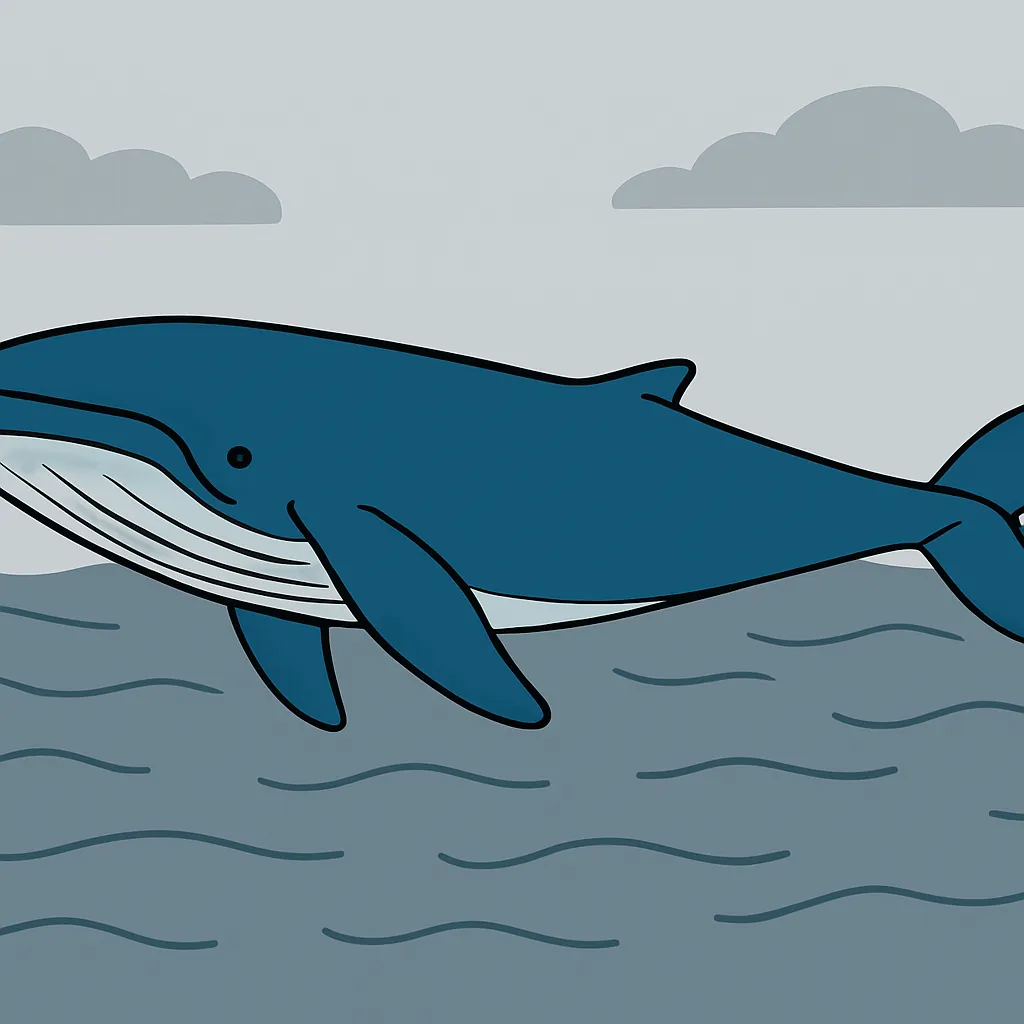
A whale swims in near-freezing ocean water all year. Under its skin lies a thick layer of fat called blubber. What does this layer do for the whale?
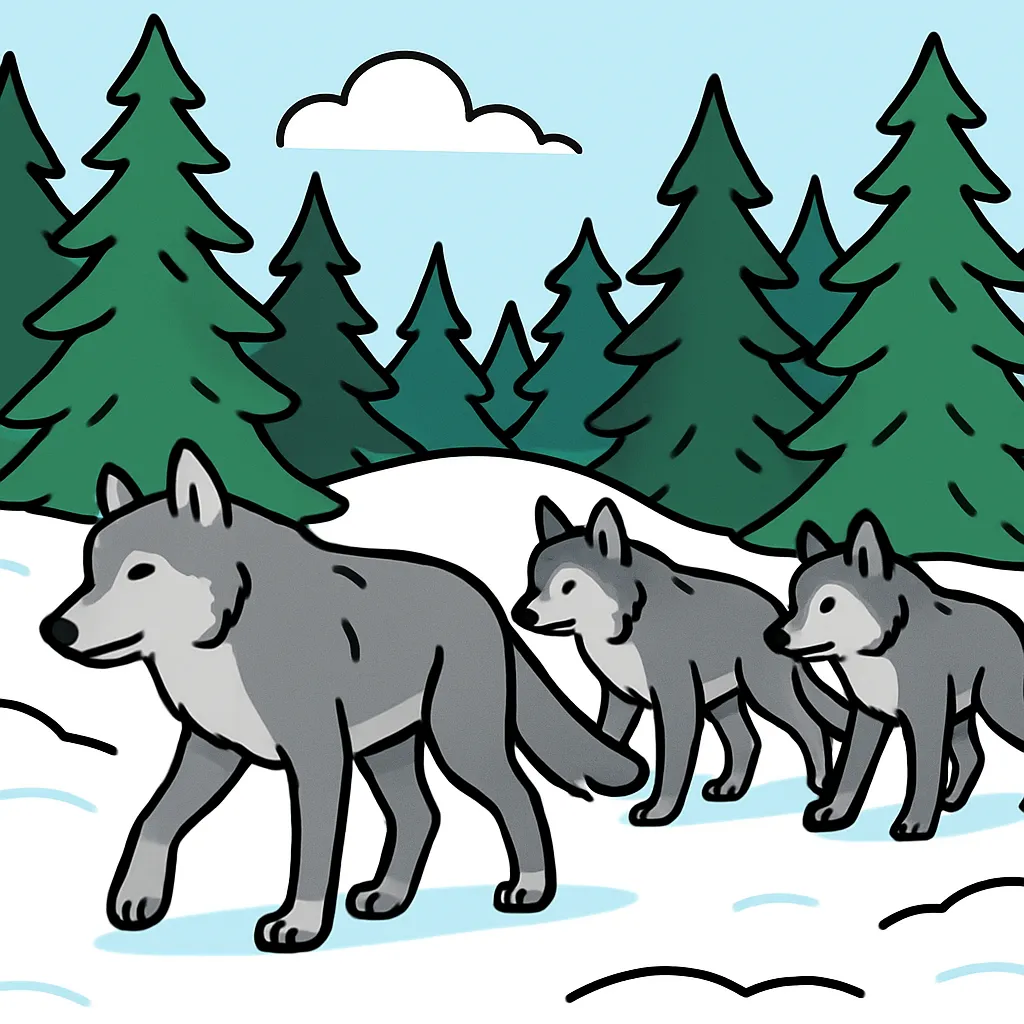
In a cold northern forest, the only large prey wolves can find in winter is elk. Wolves there hunt together in a group rather than alone. How does hunting in a group help the wolves survive in that forest?
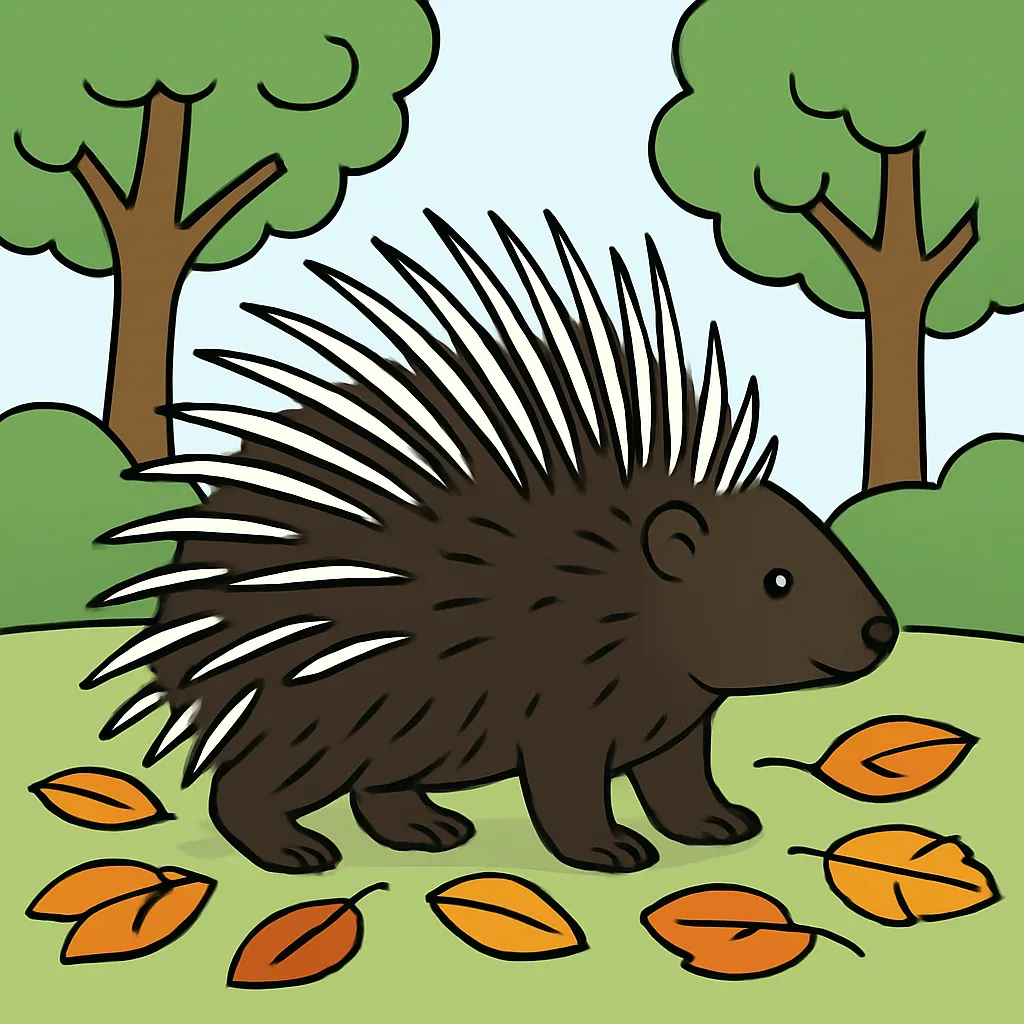
A porcupine lives in a woodland where foxes and coyotes hunt. Stiff sharp quills cover its back and tail. How do the quills help it survive there?
A walking stick insect lives on the twigs of a shrub, where birds hunt by looking for prey. Its body is long, thin, and brown. How does this body shape help the insect survive there?
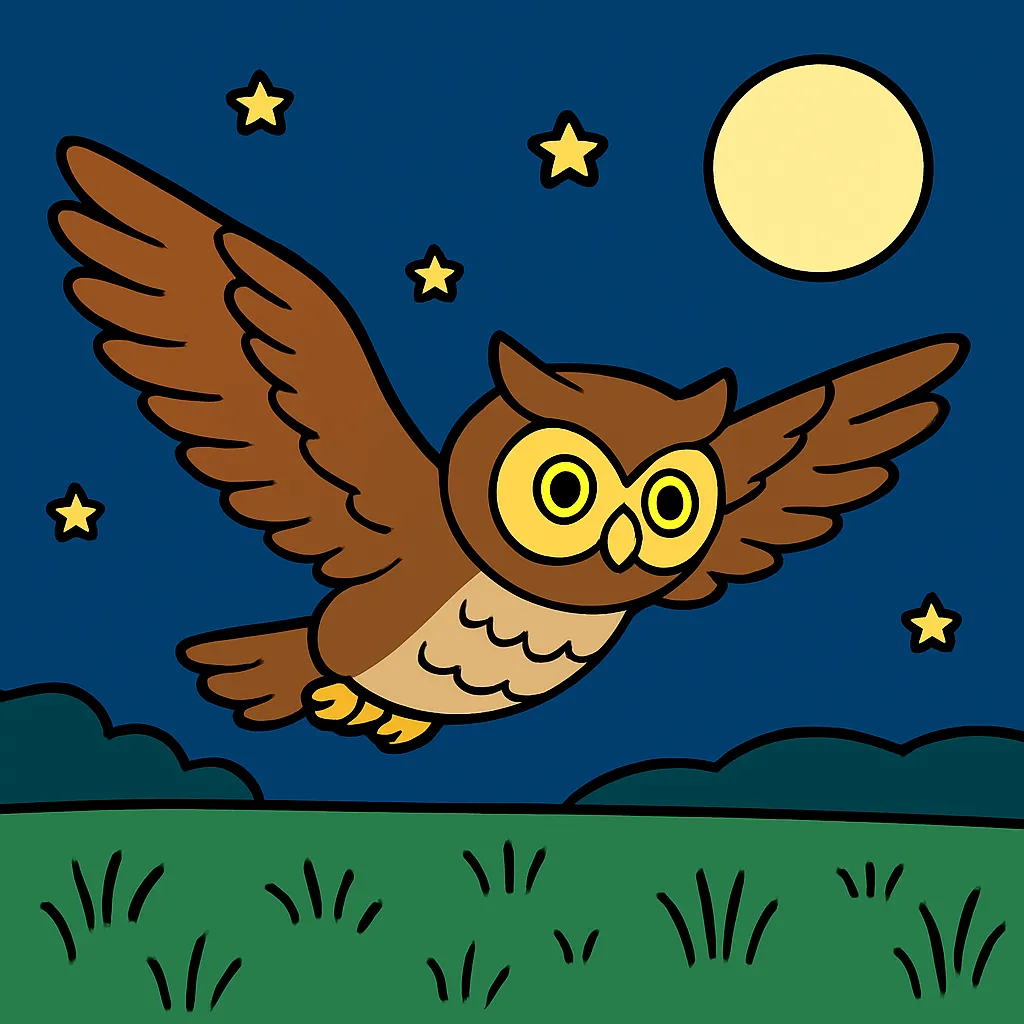
An owl hunts at night. Its huge eyes gather faint light, and the soft edges of its feathers muffle the sound of its wings. Which problem do the soft feathers solve?
A fish lives its whole life in a pond, where it can never breathe air. Behind its head are feathery gills. How do the gills help the fish survive there?
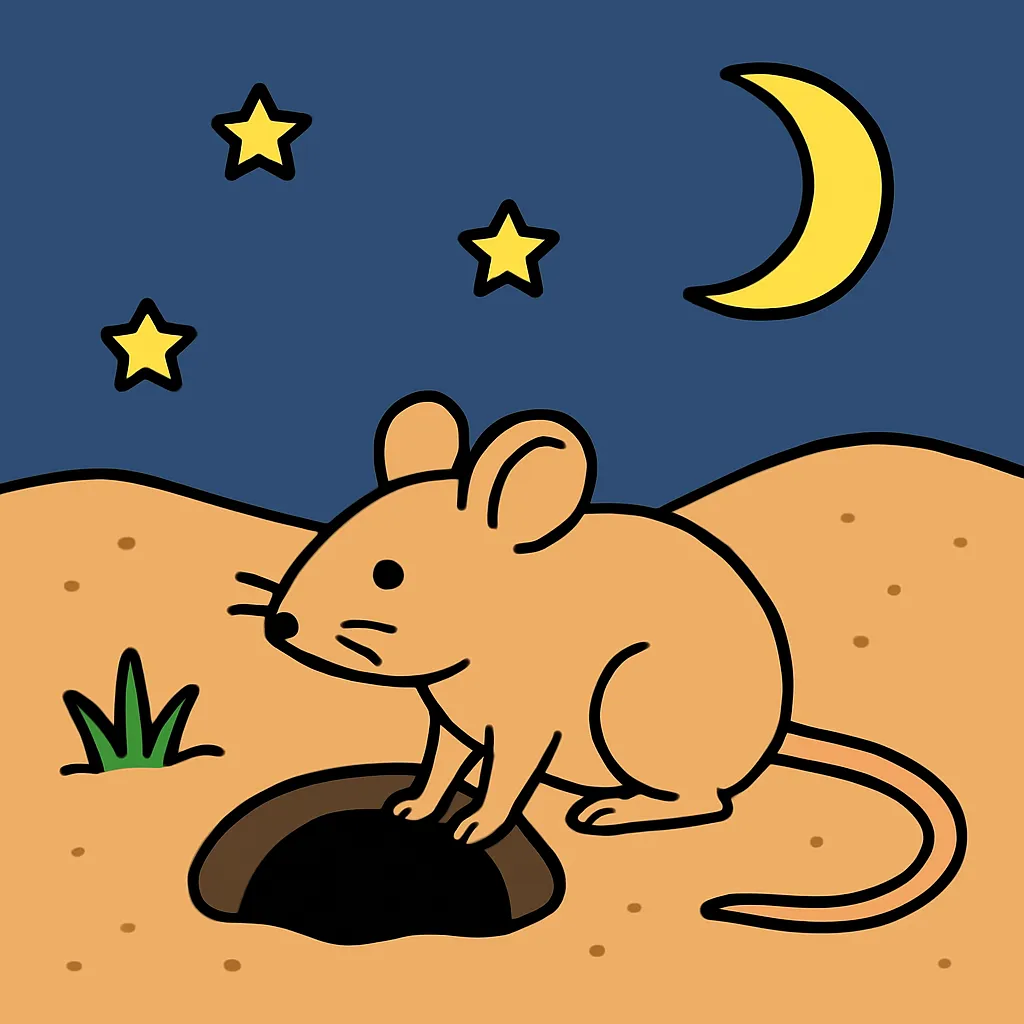
In a hot desert, many small mammals stay in underground burrows all day and come out to look for food only after dark. How does this behavior help them survive?
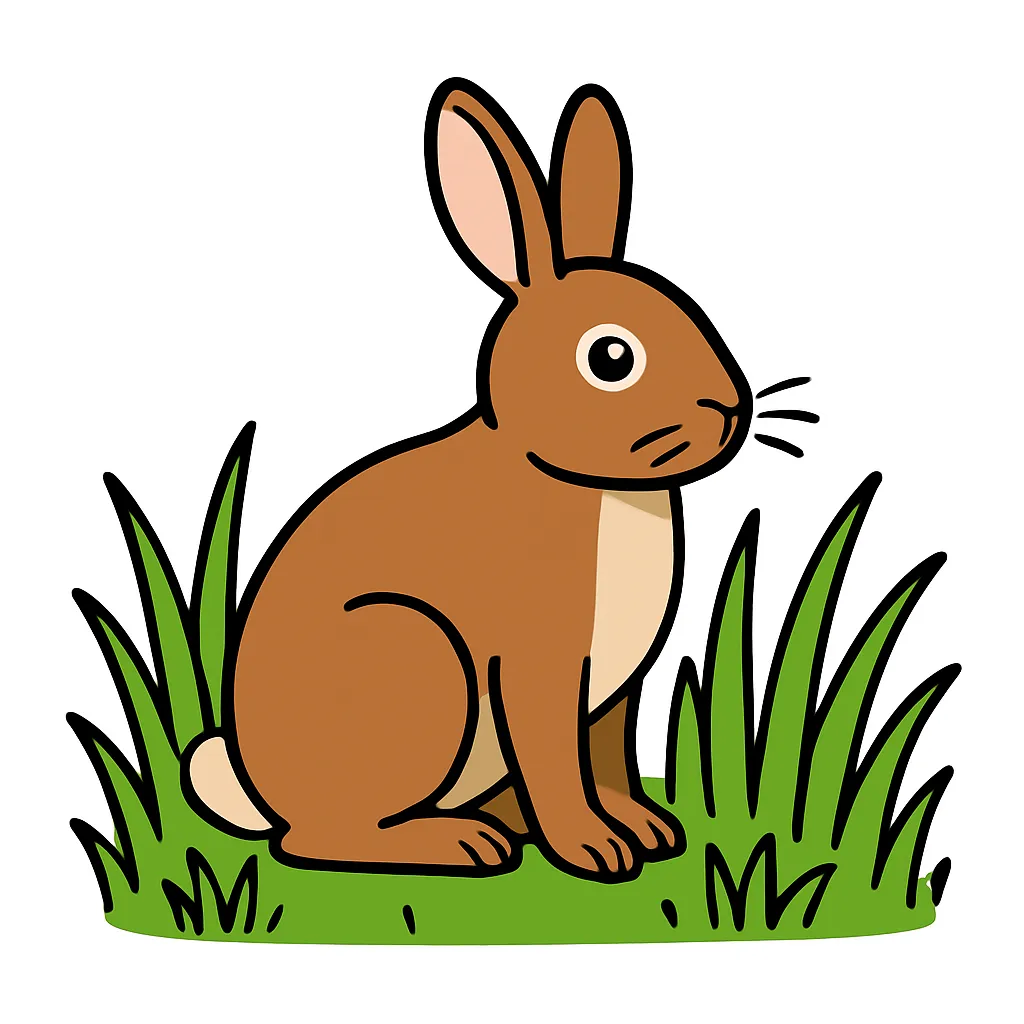
A rabbit thumps a back foot hard on the ground to warn nearby rabbits that a fox is coming. Is thumping a structural or a behavioral adaptation, and why?
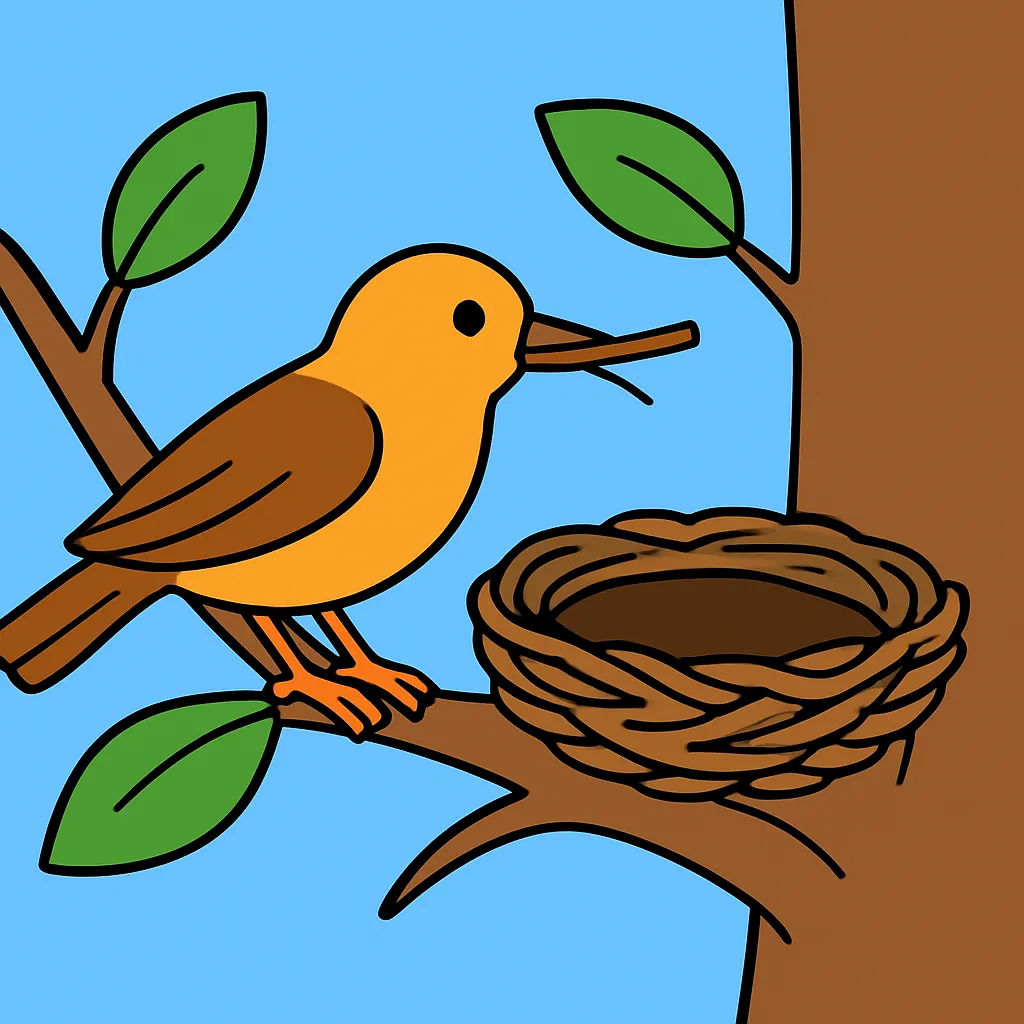
A bird gathering twigs and grass to build a nest for its eggs is showing a behavioral adaptation.
Over many generations, frogs near a pond that dries up became likely to have longer back legs, since those frogs could hop farther to find water. Can one frog alive today grow longer legs during its own lifetime to survive a drought?
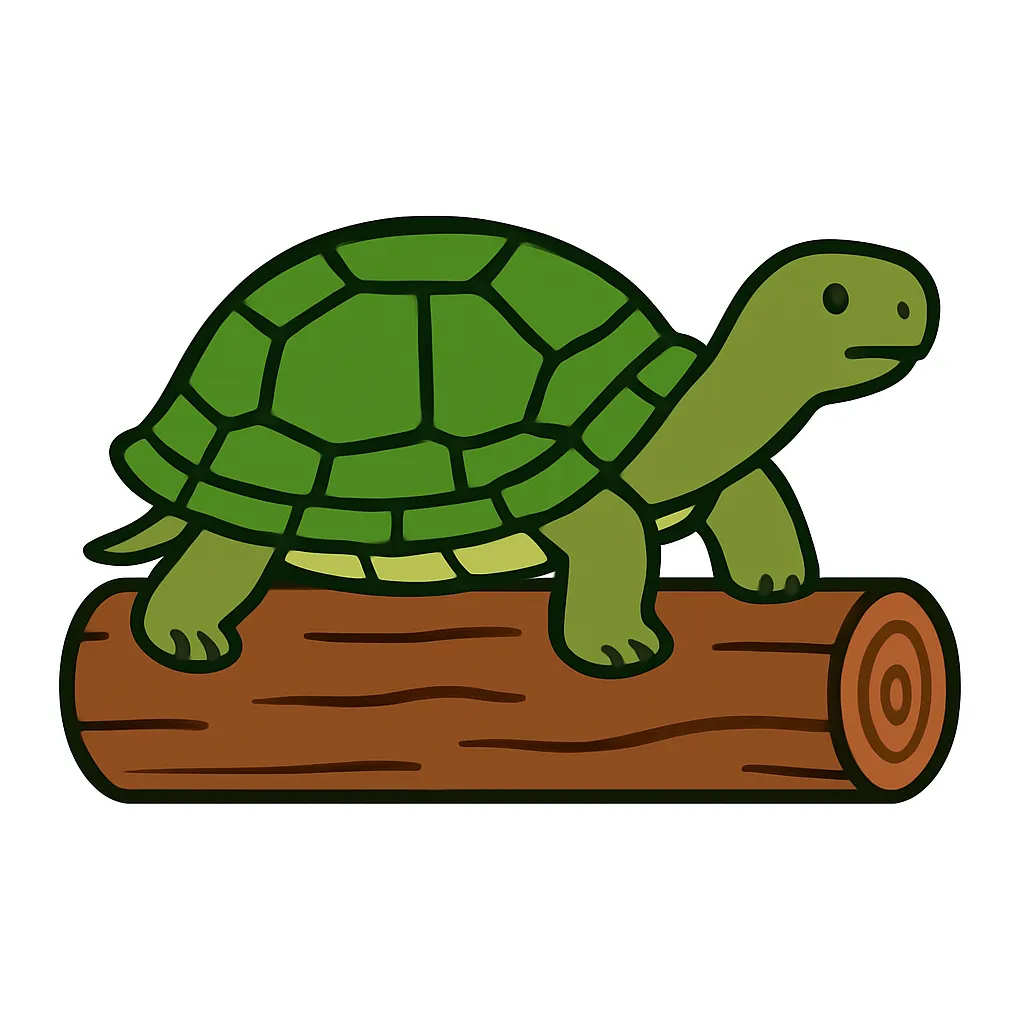
A turtle's hard shell is a structural adaptation because it is a body part the turtle is born with.
A finch lives in a dry grassland where most of the food it can find is hard-shelled seeds. Its beak is short, thick, and shaped like a cone. How does that beak help it survive there?
A tree that grows where winters are long, cold, and windy has narrow waxy needles instead of broad flat leaves. How do the needles help the tree survive?
A brown beetle lives on the brown forest floor, where birds hunt by looking for prey. How does the beetle's brown color help it survive there?
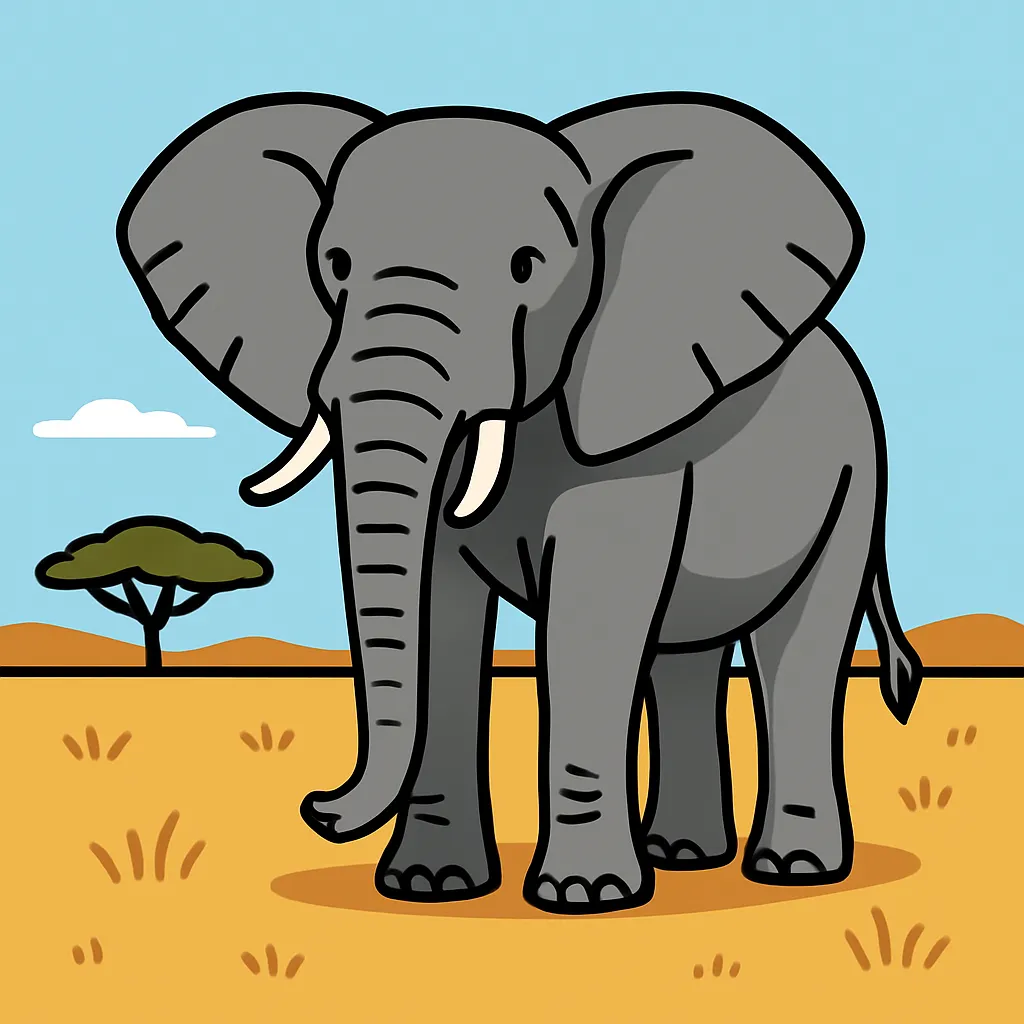
An elephant on a hot, open plain flaps its very large, thin ears back and forth. How does this help the elephant survive the heat?
In late summer a squirrel gathers acorns and buries them in many spots around the forest. How does this behavior help it survive?
Crack the passcode before the zombies get in.
Answer, then swat bugs for bonus points.
Race through questions at your own speed.
Same question on every screen. Fastest wins.

Pick a tile, answer, hit bonuses and steals.
Sound: Vibration, Pitch, and Volume
20 questions