Loading
by BlastRoom
Grade 5 questions on Earth's rotation and revolution, the seasons, and the Moon's phases.
#sun#earth#and_moon#us_grade_5_science
20 questions
One question set, multiple game modes. Tap any game to see it in action. Not sure which to pick?
Answer to place stones and capture territory.
Outrun the snow together.
Earn blasts, then hunt the other team.
Answer to earn energy, then climb.

The class blasts through walls together.
Bid on mystery lots. Most money wins.
Sell tours. Nice, standard, or a total scam.

Answer, restock, and serve the rush.
More correct answers pulls the rope your way.
Answer, then shoot down the alien wave.
Answer, then tap to leap the frozen ridge.
Each day the Sun appears low in the sky, climbs higher, and then drops out of sight. What motion of Earth causes this daily pattern of day and night?
Earth takes about 365 days to travel one complete path around the Sun. Which motion of Earth is being described?
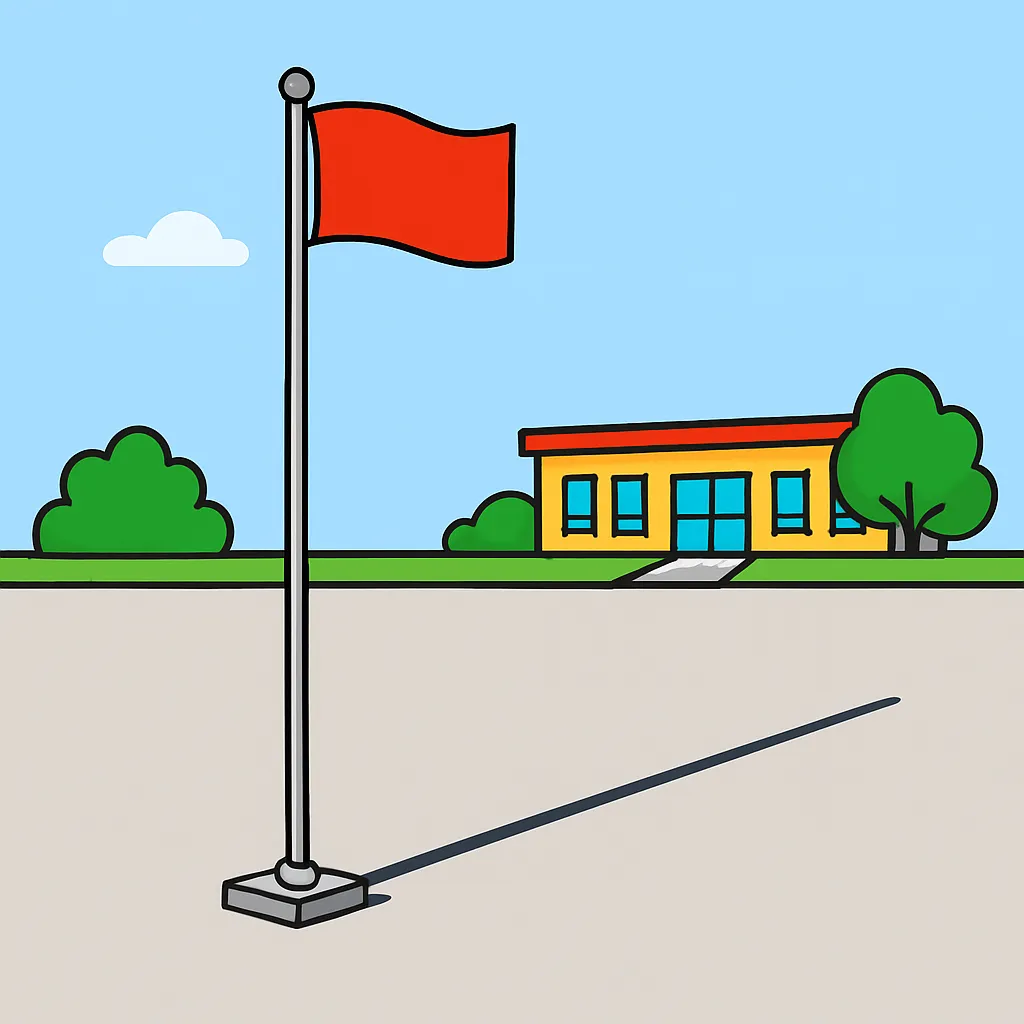
A student marks a flagpole's shadow at 8 a.m., at noon, and again at 4 p.m. The shadow is long in the morning, shortest near noon, and long again in the afternoon. Which motion of Earth makes the shadow change this way in one day?
Texas is much warmer in June than in December, even though Earth's distance from the Sun barely changes during the year. What best explains the difference?
Sunlight always lights up one half of the Moon. Why, then, does the Moon appear to change shape over the course of a month?
About how long does the Moon take to go through its whole cycle of phases, from one full moon to the next full moon?
A student draws the Moon every clear night for a month. The drawings show the Moon growing from a thin sliver to a full circle and then shrinking away again. What are the phases called while the lit part is shrinking?
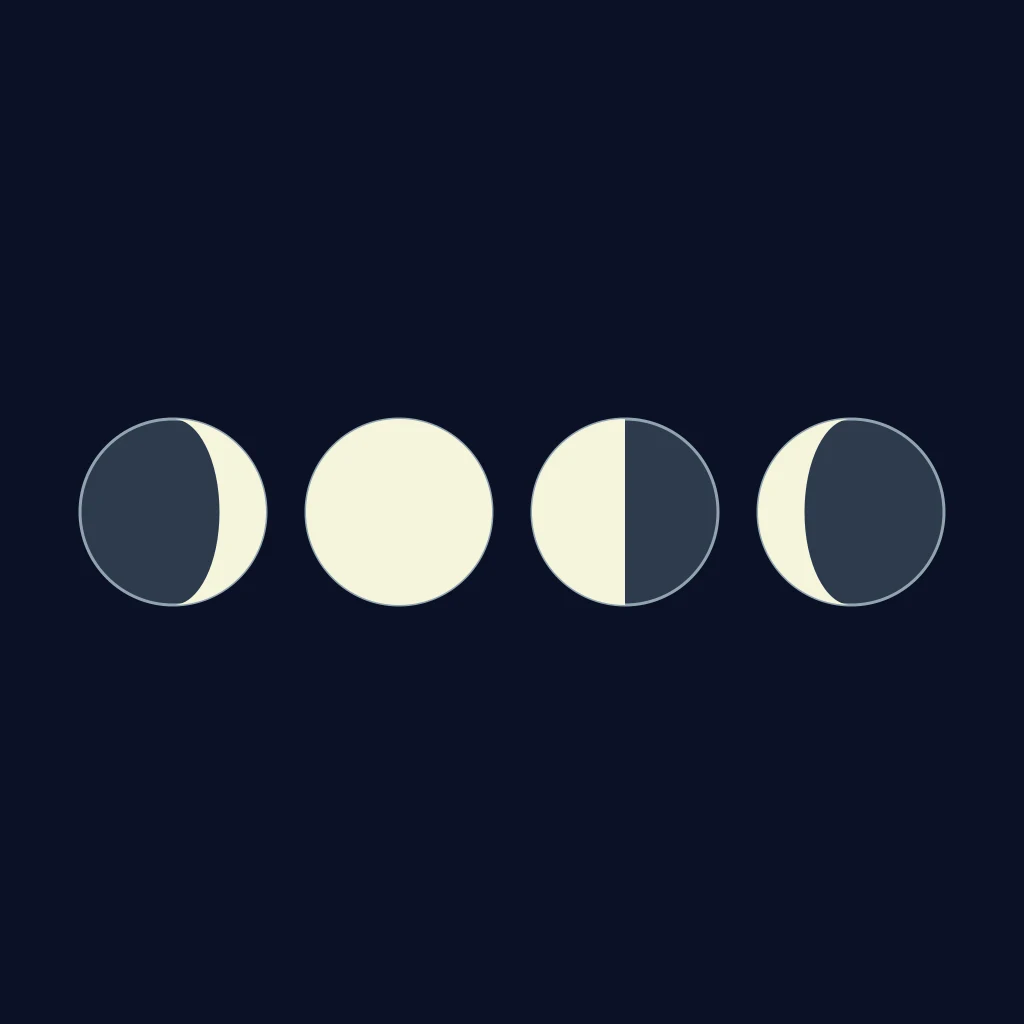
For several nights in a row, a student sees a thin crescent Moon that looks a little bigger each night. Which phase should the student expect to see next?
During one phase, the side of the Moon that faces Earth gets almost no sunlight, so the Moon is very hard to see from the ground. What is this phase called?
A class watches one constellation for three hours and sees it slide slowly across the night sky. What causes this apparent movement?
In Texas, daylight lasts about 14 hours in June but only about 10 hours in December, even though Earth's distance from the Sun barely changes during the year. What causes day length to change through the year?
A group uses a lamp as the Sun and a globe as Earth to model one day passing. What should the group do with the globe?

People in Texas see the Sun appear on one side of the sky each morning and disappear on the other side each evening, day after day. Which claim does this evidence best support?
Over about a month, the lit part of the Moon that faces Earth grows from nothing until the whole face looks bright. Which list gives the order of the phases as the lit part grows?
Earth completes one full rotation on its axis in about how much time?
When students in Texas are enjoying summer in June, students in Australia are wearing coats for winter, even though Earth's distance from the Sun barely changes during the year. What explains this difference?
Some constellations fill the night sky in winter but cannot be seen at all in summer. What causes this yearly change in the night sky?
A student measures a pole's shadow three times: 120 cm at 9 a.m., 40 cm at noon, and 110 cm at 3 p.m. At which time was the Sun highest in the sky?
At full moon, an observer on Earth sees the whole lit half of the Moon. Where is the Moon at that time?
A calendar printed years ahead of time can already show the date of every full moon. What does this tell you about the Moon's phases?
Crack the passcode before the zombies get in.
Answer, then swat bugs for bonus points.
Race through questions at your own speed.
Same question on every screen. Fastest wins.

Pick a tile, answer, hit bonuses and steals.
Light: Reflection and Absorption
20 questions