Loading
by BlastRoom
Locate major Indigenous nations and culture regions of North America and see how those nations govern themselves today.
#indigenous_peoples#us_grade_5_social_studies
40 questions
One question set, multiple game modes. Tap any game to see it in action. Not sure which to pick?
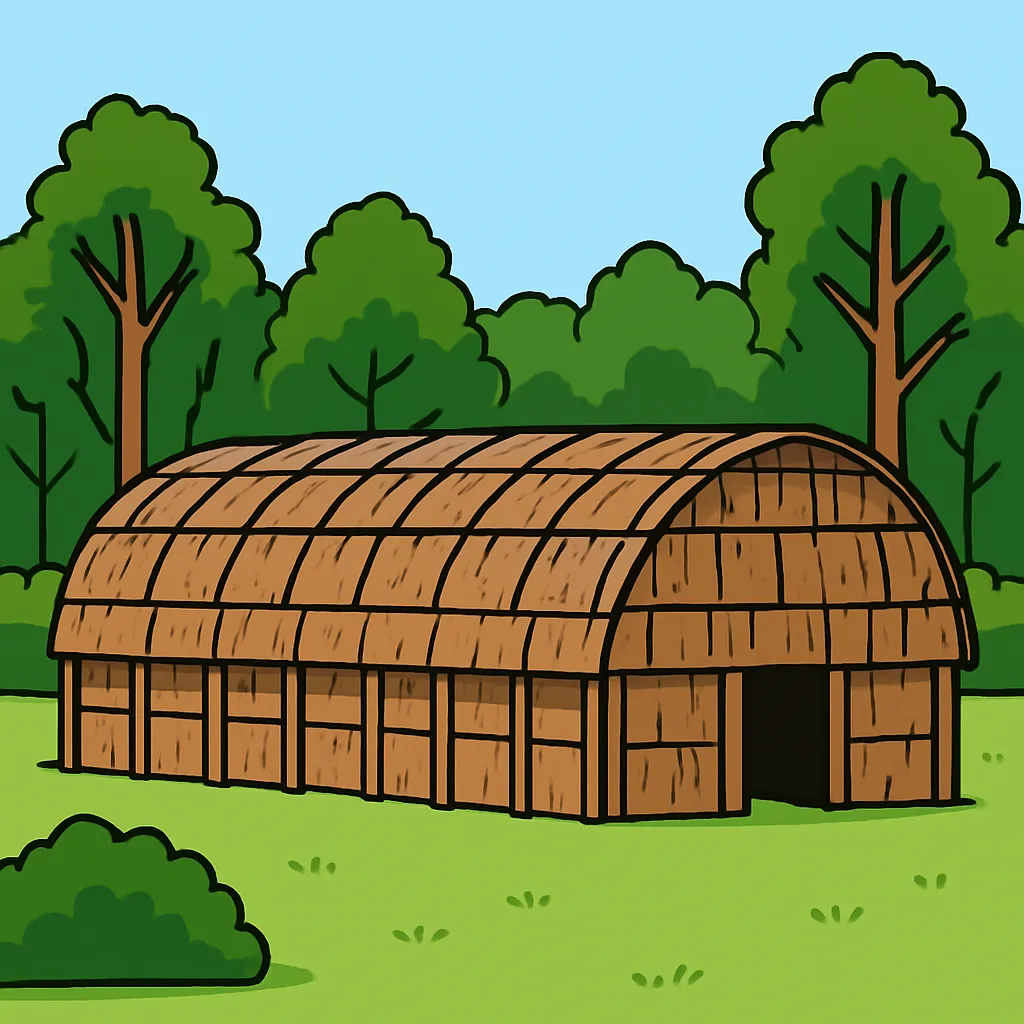
The Haudenosaunee (Iroquois) lived among thick forests and built long bark-covered houses where several related families shared one roof. In which culture region did they live?
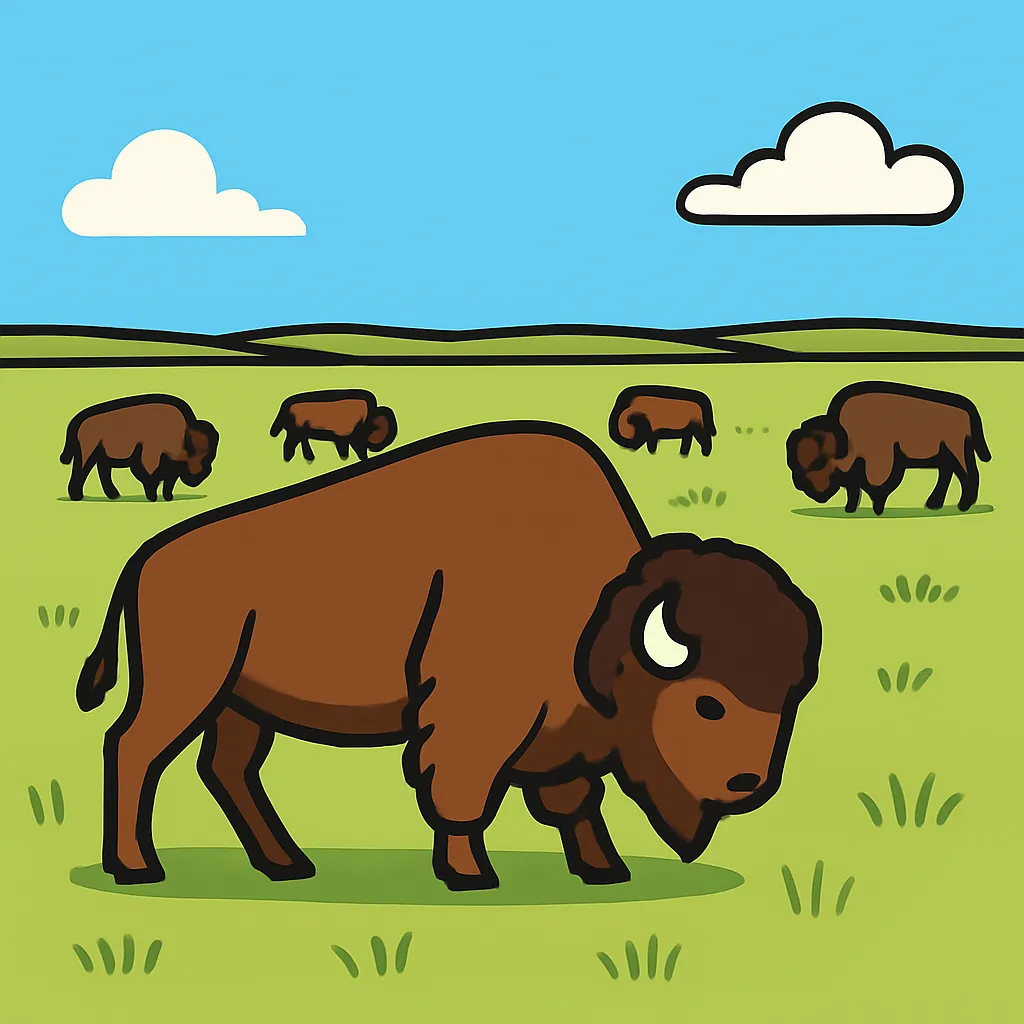
Lakota families on the Great Plains moved with the herds of one large grazing animal that supplied them with meat, hides for shelter, and bone for tools. Which animal was it?
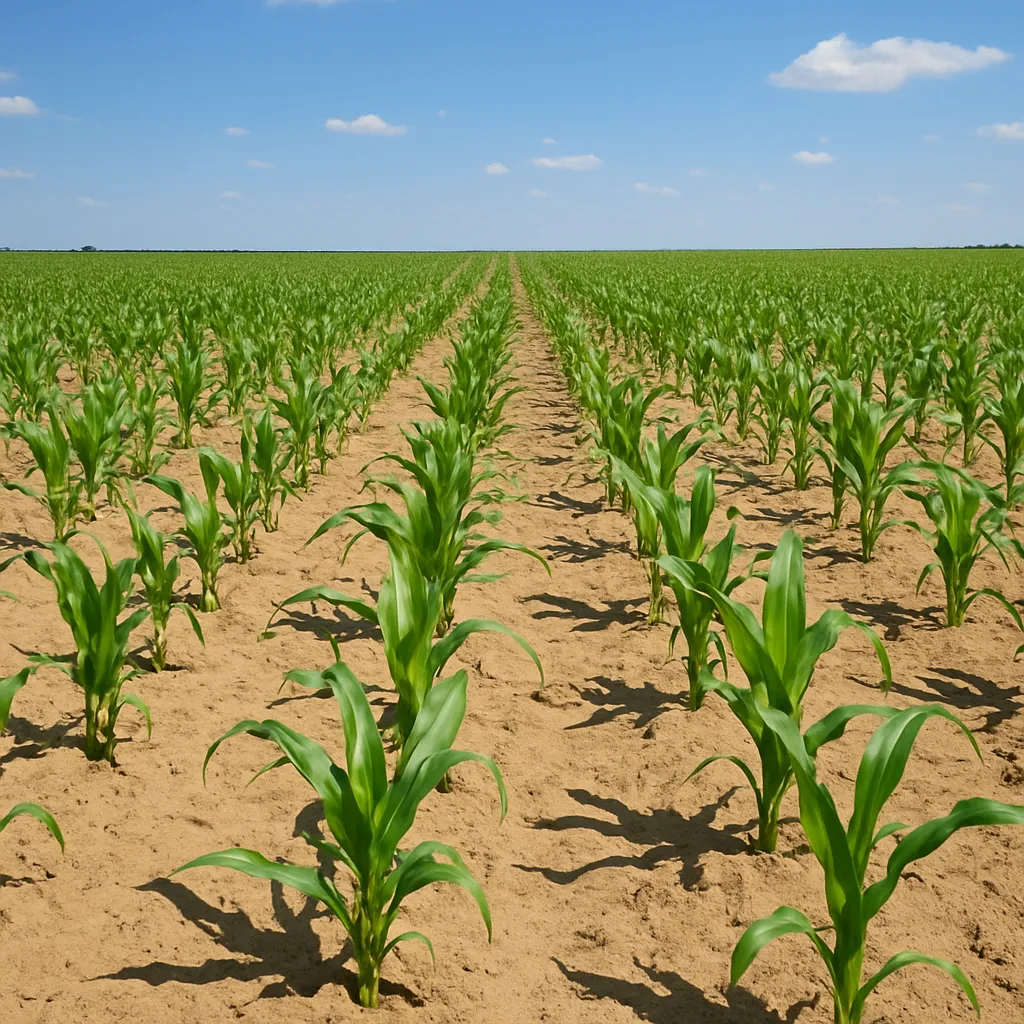
Which crop was the most important food for Hopi and Zuni farmers in the dry Southwest?
Each year, Tlingit and Haida families of the Pacific Northwest caught and dried huge numbers of one fish that swam up the rivers. Which food did they store for winter?
The Arctic homeland of the Inuit has long, freezing winters and almost no trees. Which foods did Inuit hunters depend on most?
Chumash and Pomo peoples of the California culture region gathered a staple food from the trees in their valleys, leached out its bitterness, and ground it into flour. Which food was it?
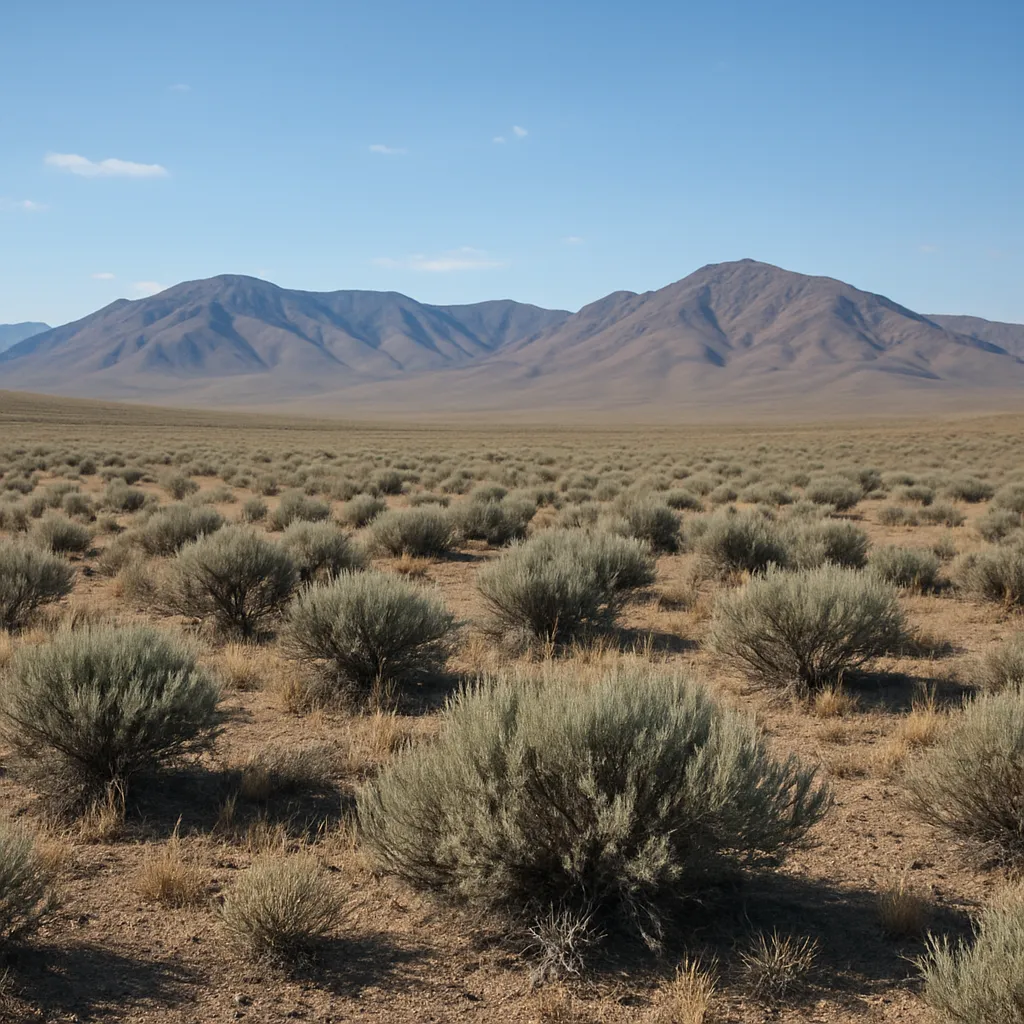
The Great Basin is a dry region of sagebrush and little rainfall, lying between the Sierra Nevada and the Rocky Mountains. How did Shoshone and Paiute families mainly get their food there?
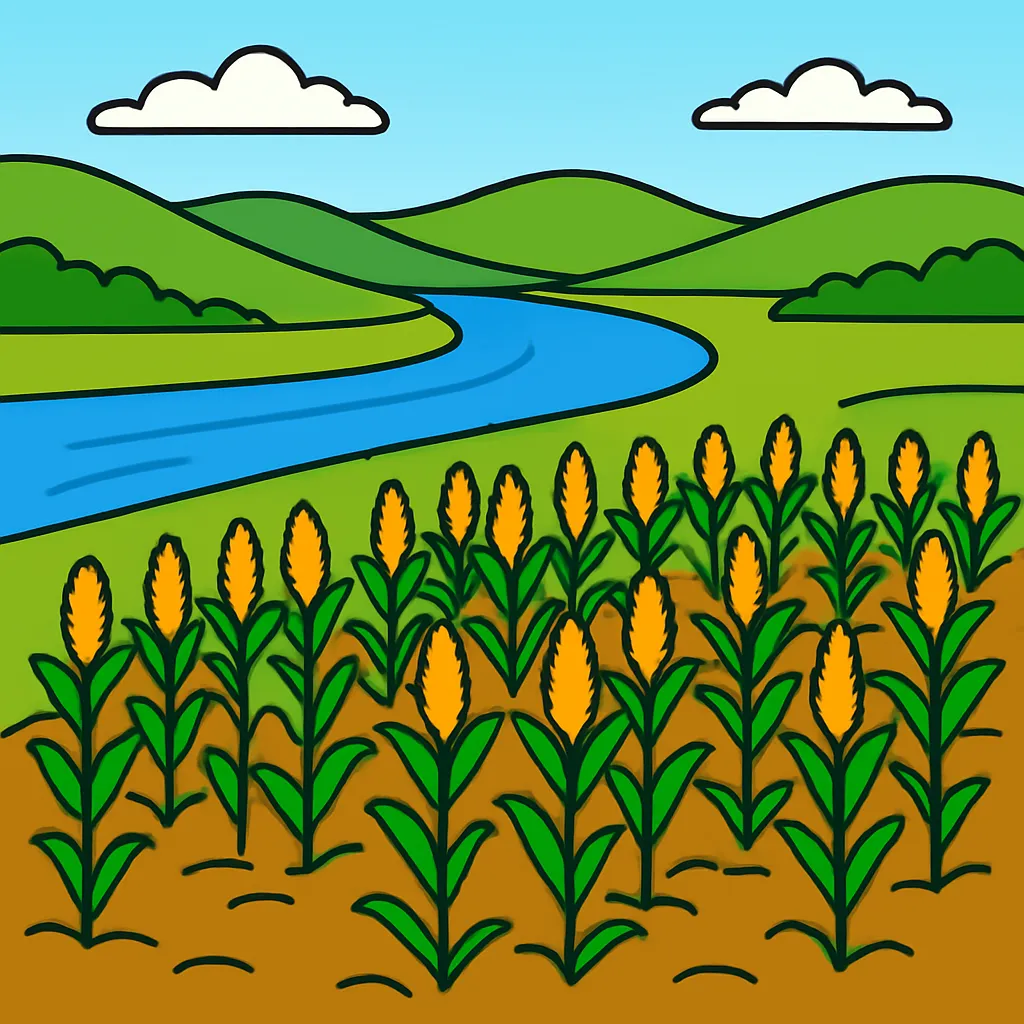
The Southeast culture region has a long warm growing season and rich soil along its rivers. How did this shape life for Cherokee and Muscogee (Creek) peoples?
During the last ice age, sea levels dropped and uncovered a wide stretch of dry land joining Siberia and Alaska. What name do scientists give this land?
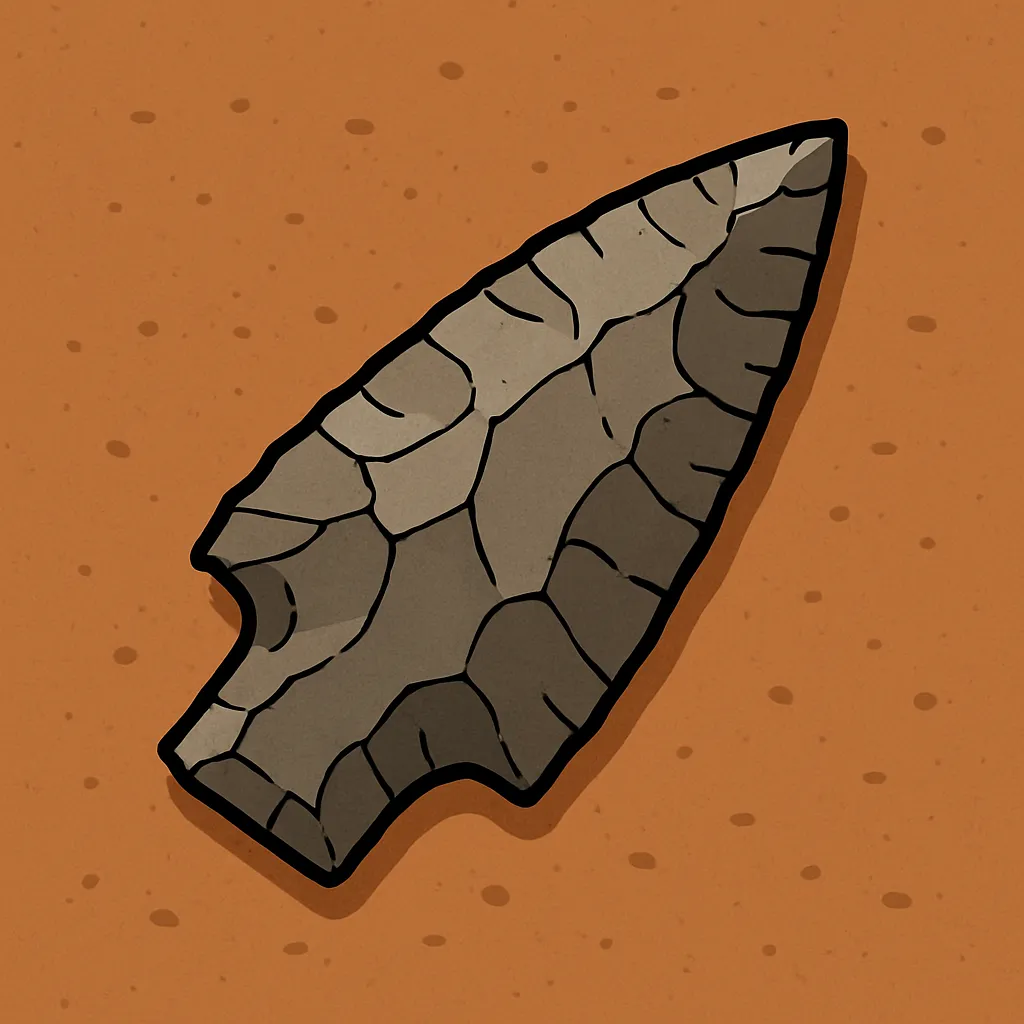
Archaeologists dig at an ancient campsite and find a chipped stone spear point left behind by people long ago. What do we call an object like this?
Many Indigenous nations kept knowledge of their past by telling accounts aloud and passing them from elders to younger generations. What is this kind of evidence called?
The Haudenosaunee Confederacy first united five nations: the Mohawk, Oneida, Onondaga, Cayuga, and Seneca. Which nation joined later, making the confederacy six nations?
The Navajo Nation today has its own elected president, its own council, and its own courts.
The Cherokee Nation runs its own government, schools, and health clinics today from Tahlequah, Oklahoma. Before removal, Cherokee people lived in which culture region?
The Hopi village of Oraibi, in Arizona, has been lived in for hundreds of years, since long before Europeans arrived.
Long before Europeans arrived, people built a large city of huge flat-topped earthen mounds near the Mississippi River, in what is now Illinois. What is this site called?
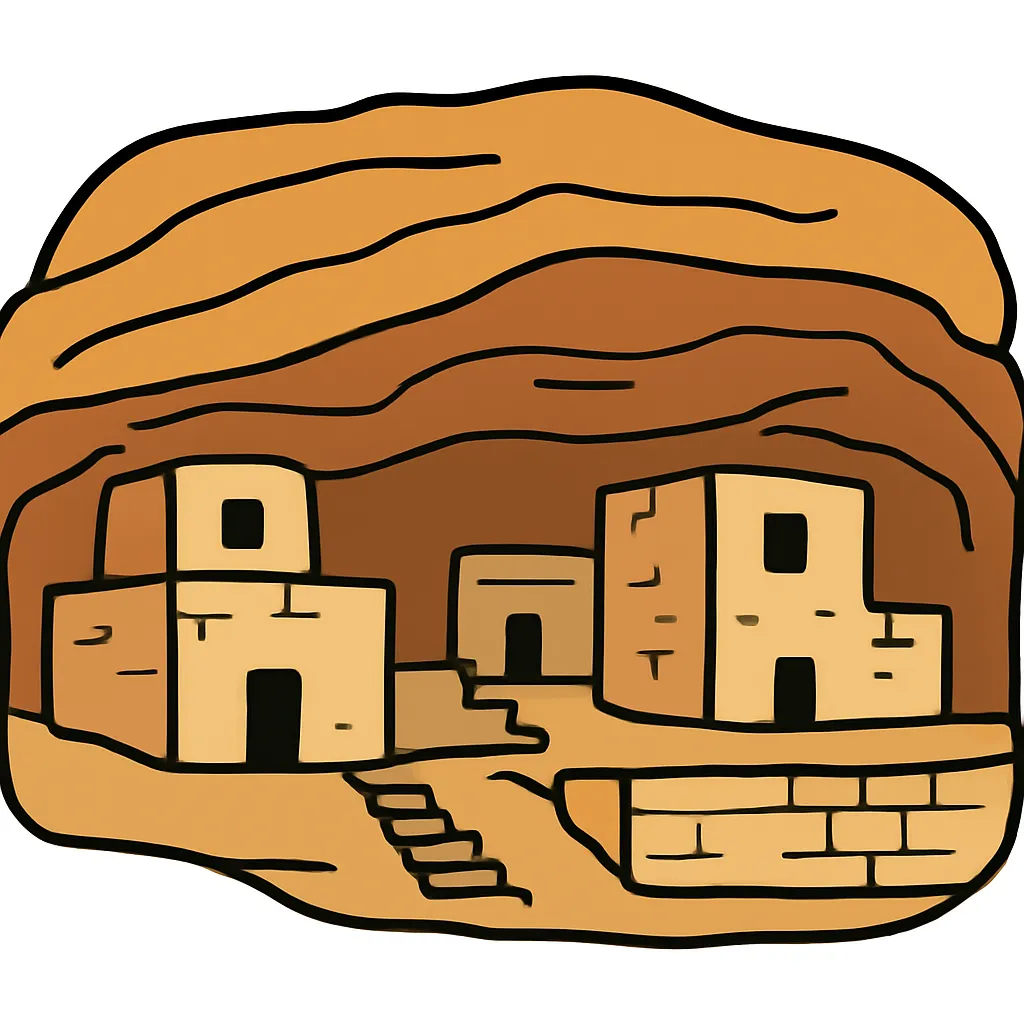
Ancestral Puebloan people built stone villages tucked under sandstone cliffs at Mesa Verde, in what is now Colorado. Which culture region includes this site?
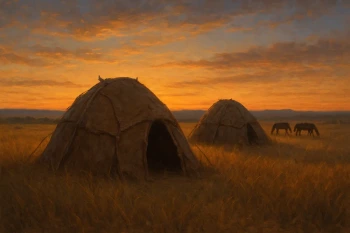
Lakota and Cheyenne families of the Great Plains moved camp often to follow the bison. Which shelter fit that way of living best?
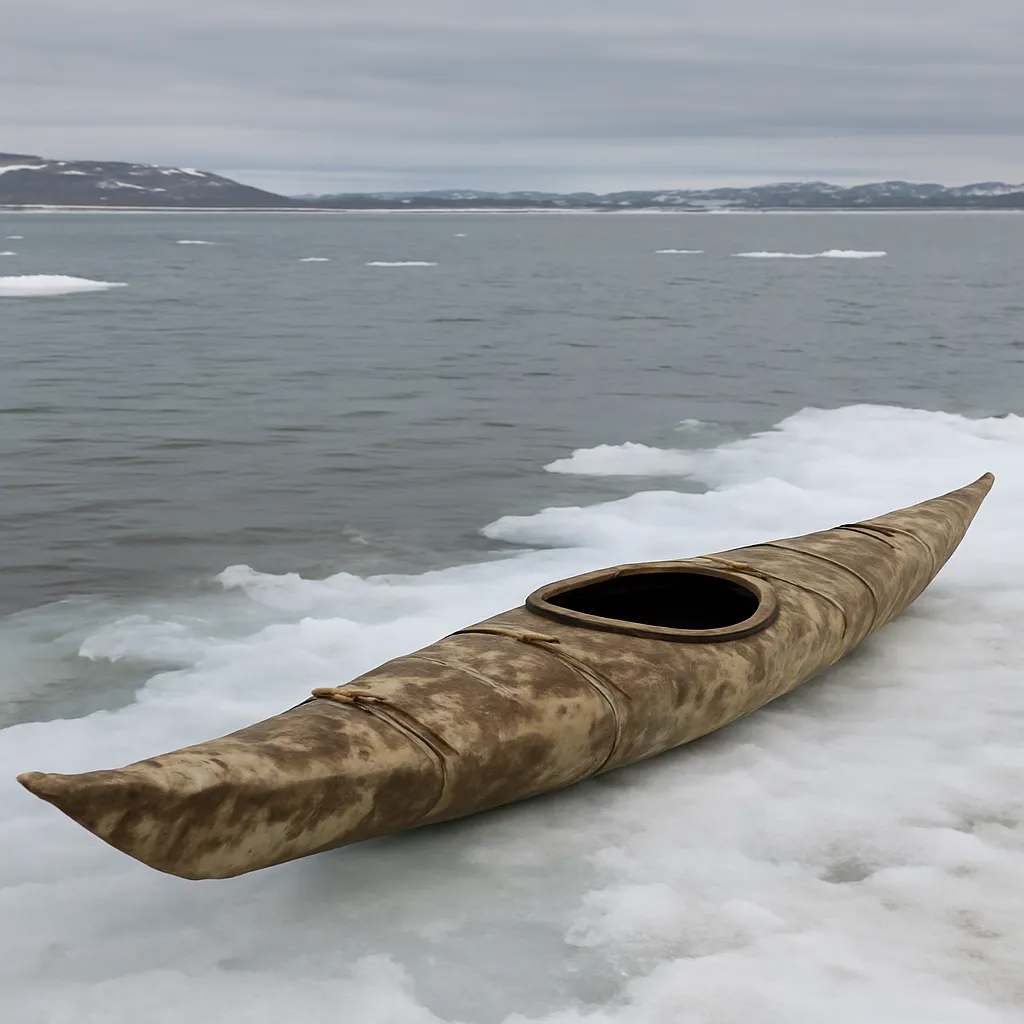
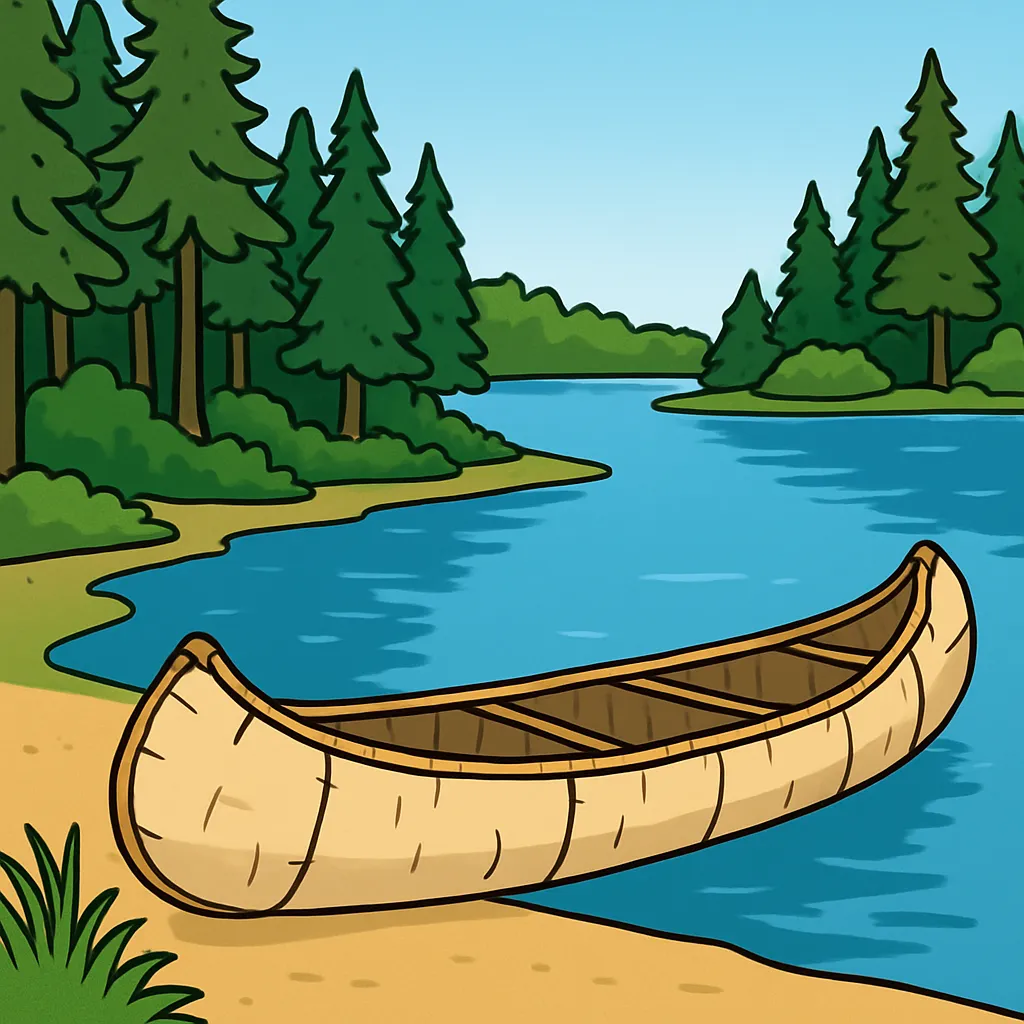
The Subarctic is a land of thick northern forest cut by many rivers and lakes. Cree families needed a canoe light enough to carry between waterways. Which material did they build it from?
Haudenosaunee leaders made belts of purple and white shell beads to record agreements and treaties and to help speakers recall them. What are these belts called?
What is an Indigenous culture region?
Why did Indigenous peoples in different regions build different kinds of homes?
Some Inuit families built winter shelters from blocks of packed snow, since the Arctic has almost no trees. What is this kind of shelter called?
In the Northwest Coast region, why was cedar important?
Which home style is most closely connected with Hopi and Zuni peoples of the Southwest?
Lakota record keepers painted one picture for each year on a bison hide to remember their history. What is this kind of record called?
Many Lenape and Wampanoag families built their homes, canoes, and tools from wood and bark. Which feature of their homeland best explains this?
The “Three Sisters” usually refers to which crops grown by many Indigenous peoples?
True or False: All Indigenous peoples of North America had the same language, homes, foods, and traditions.
Archaeologists have found tools, shells, and other goods far from where they were originally made at ancient Indigenous village sites across North America. What does this evidence best show about Indigenous trade networks before European colonization?
Why were canoes important in many regions with rivers, lakes, or coasts?
When Plains families moved camp, they loaded tipi poles and covers onto a frame of two poles dragged behind a dog or horse. What was this frame called?
Which region is most associated with totem poles, cedar plank houses, and rich salmon resources?
Shoshone and Paiute families of the Great Basin built small cone- or dome-shaped shelters from brush, grass, and willow poles. What were these shelters called?
Which practice helped some Southwest communities grow crops in dry areas?
True or False: Indigenous peoples and nations still live throughout North America today.
Northwest Coast nations such as the Kwakwaka'wakw held large feasts where the hosts gave many gifts to their guests to mark important events. What was this kind of gathering called?
What is one reason historians avoid saying an entire culture region was exactly the same everywhere?
What is an example of how environment shaped technology?
Why is it important to use the names of specific Indigenous nations, such as Haudenosaunee, Diné, Lakota, or Hopi, when possible?
How Environment Shaped Indigenous Ways of Life
40 questions
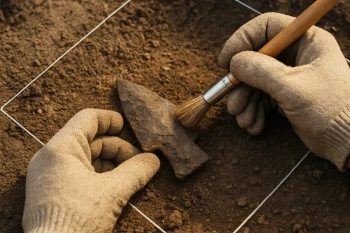
Early Peopling of the Americas: Migration and Archaeological Evidence
40 questions
Motives, Powers, and Explorers of the Age of Exploration
40 questions
Navigation, Routes, and Maritime Technology
40 questions
Consequences of Contact: Multiple Accounts
20 questions
Crack the passcode before the zombies get in.

Pick a tile, answer, hit bonuses and steals.