Loading
by BlastRoom
Examine the evidence for how people first spread across the Americas and how archaeologists read and revise that evidence.
#history#us_grade_5_social_studies
40 questions
One question set, multiple game modes. Tap any game to see it in action. Not sure which to pick?
During the last Ice Age, huge ice sheets covered much of the far north. Why did a wide stretch of dry land appear between Asia and North America?
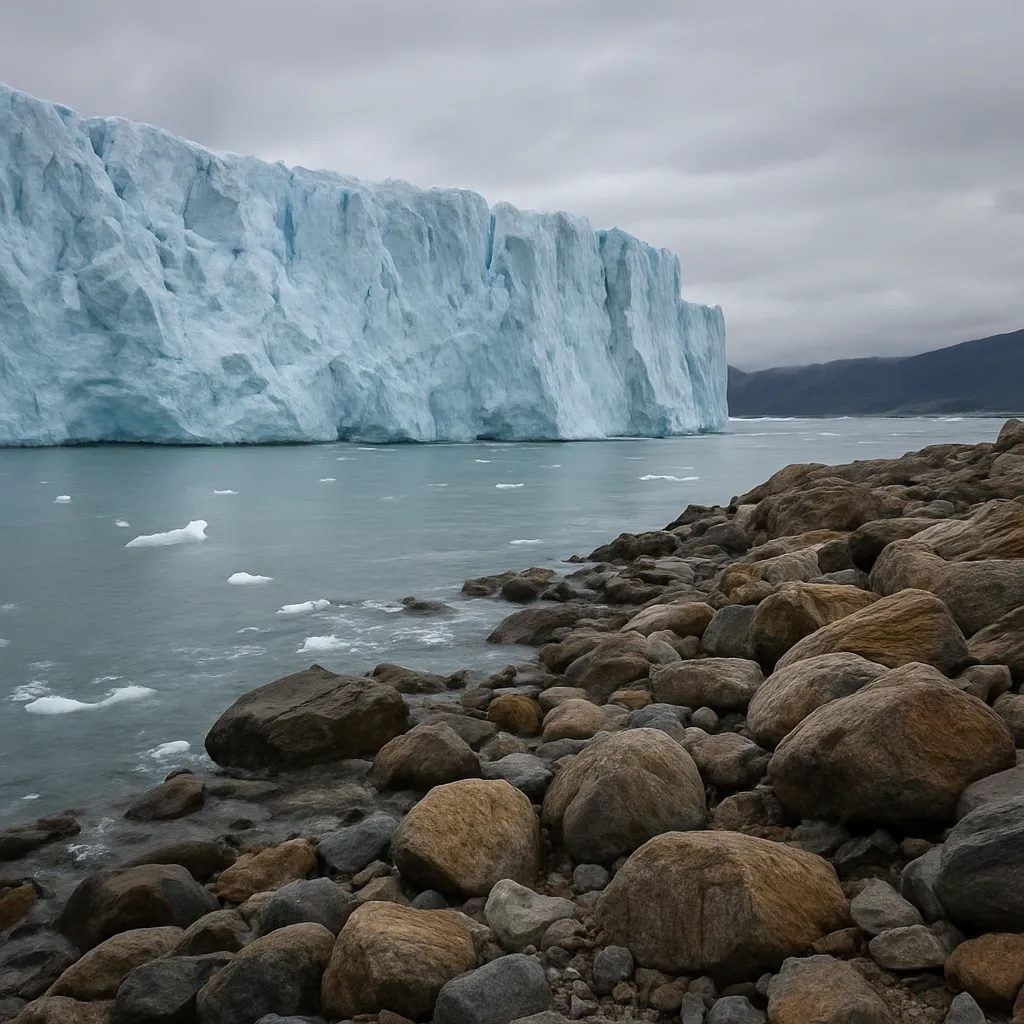
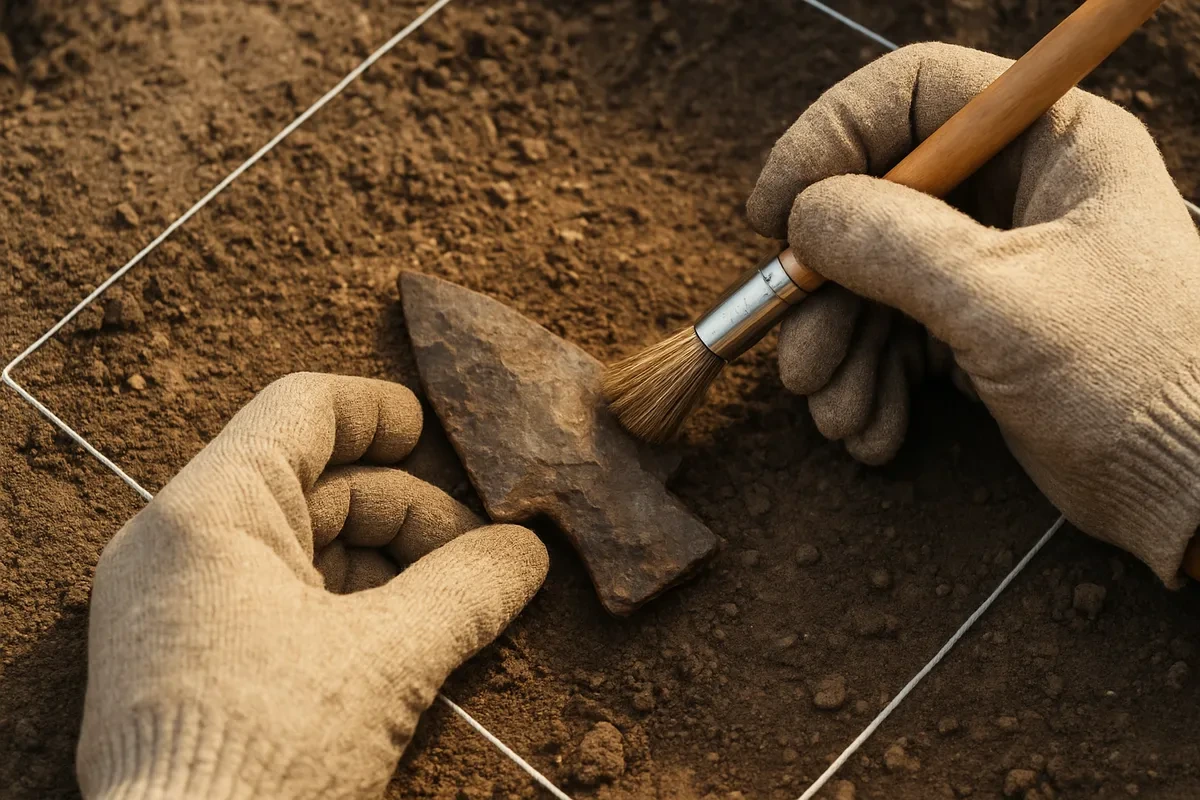
Archaeologists study artifacts to learn about people who left no written records. What is an artifact?
At an undisturbed dig site, archaeologists find stone tools in one soil layer and more tools in a layer below it. What does the position of the layers usually tell them?
Radiocarbon dating gives the age of material that was once alive. At an early campsite, which find could archaeologists date this way?
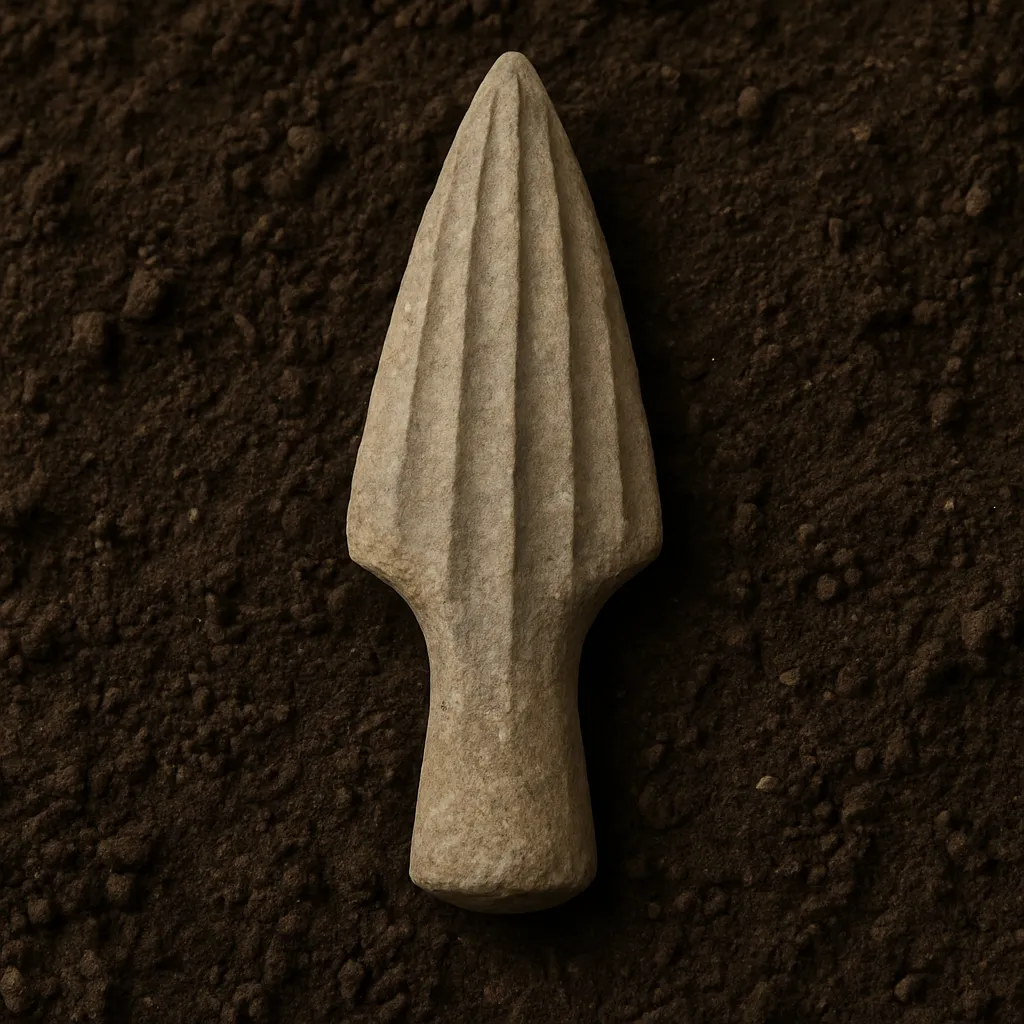
Fluted stone points of the Clovis style are found across North America, often lying among the bones of mammoths and other large animals. What does that pairing best support?
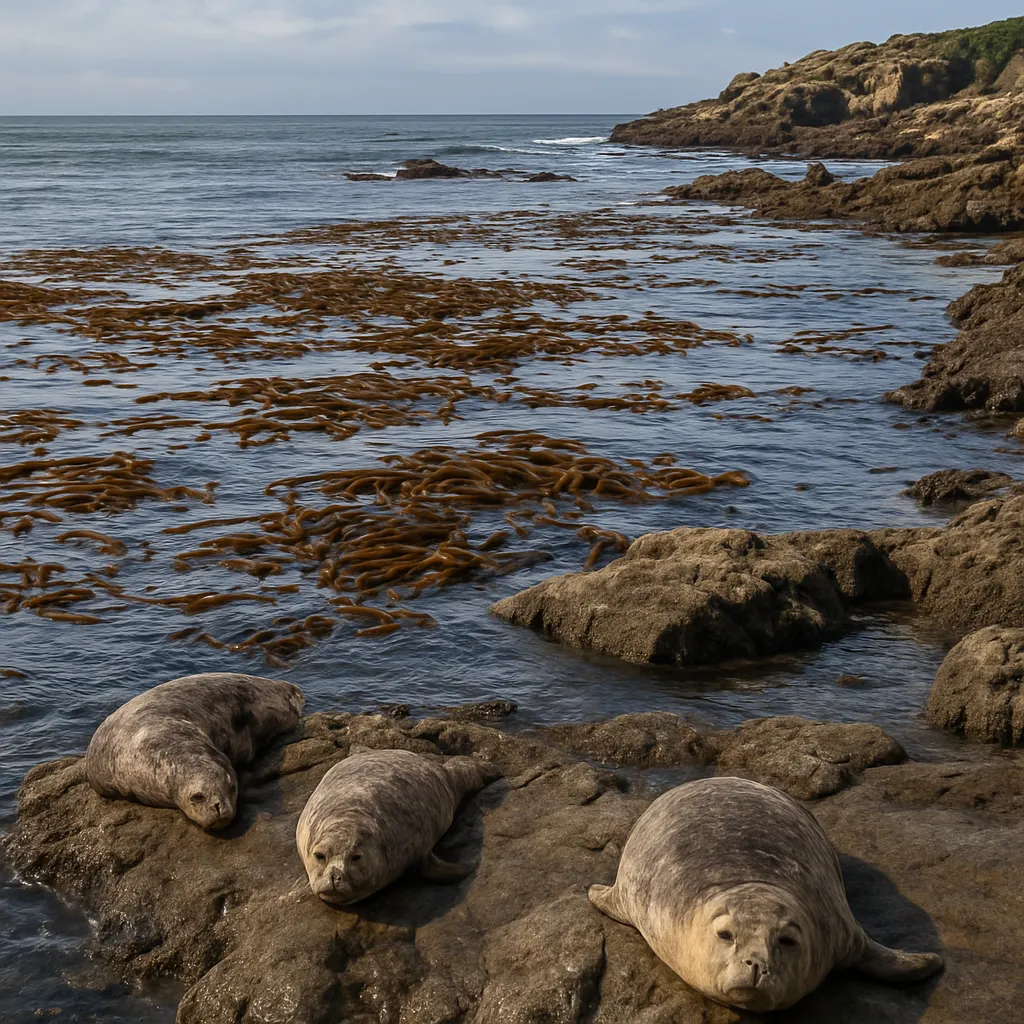
One explanation for how people first spread into the Americas is the coastal route. What does this explanation say people did?
Fossilized human footprints have been found in the dried lakebed at White Sands, New Mexico. What can this evidence best tell archaeologists?
For many years, most archaeologists thought the makers of Clovis points were the first people in the Americas. Why did they think so at first?
Northwest Coast nations keep oral histories telling of a time when the sea rose and drowned an old village site. Geologists later found evidence of that flooding. What does the pair of sources show?
Indigenous nations, including the Cherokee Nation and the Navajo Nation, have citizens living in the United States today.
Archaeologists still disagree about exactly when people first reached the Americas.
At an undisturbed site, stone tools are found in a soil layer that lies beneath a layer dated to about 15,000 years ago. Which claim does this evidence best support?
Over thousands of years, people spread into the Arctic, the Great Plains, and the Southwest. What best explains why their ways of life became so different?
Beringia was the broad stretch of land uncovered when Ice Age sea levels fell. Which two continents did it join?
During a dig, archaeologists write down the exact spot and soil layer where each artifact is found. Why does that record matter?
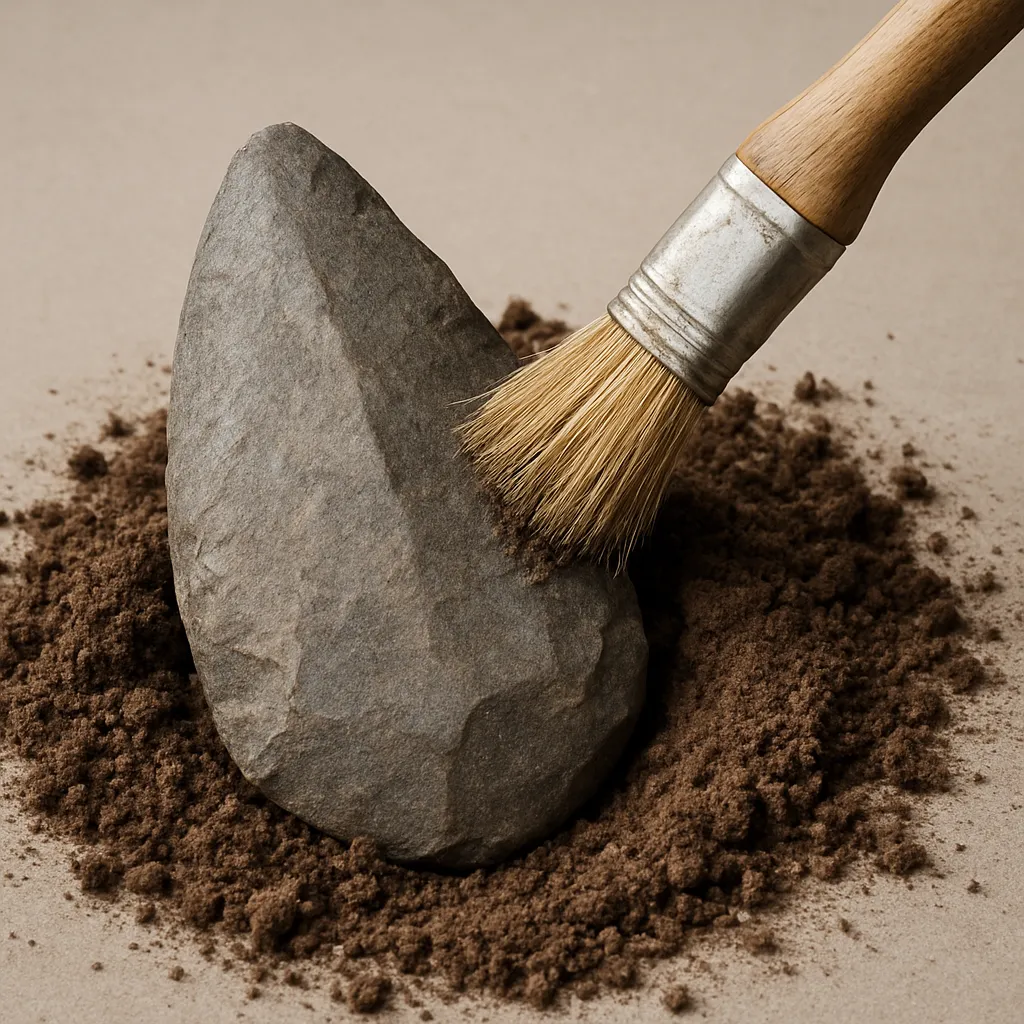
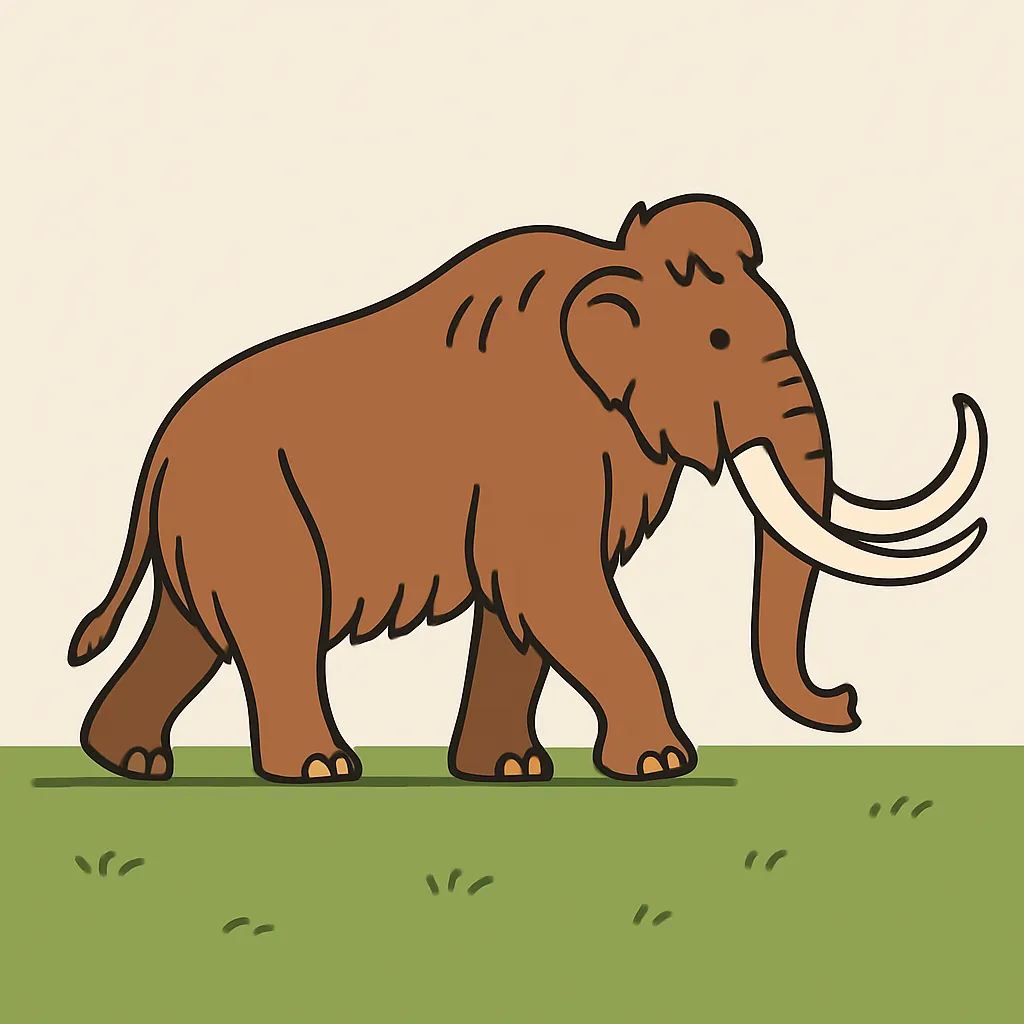
Early hunters in North America used almost every part of a mammoth they killed. Besides meat, what could a mammoth give them?
Beringia was the land that once connected Asia and North America. Part of which present-day US state was once part of Beringia?
When the last Ice Age ended, the huge ice sheets melted. What happened to the land bridge between Asia and North America?
Which statement best describes how the first people reached the Americas?
What is archaeology?
Which item is an artifact?
Which example is most likely a feature at an archaeological site?
At a dig, archaeologists shake the soil they remove through a wire screen. Why do they do this?
True or False: Archaeologists should record an artifact’s exact location before removing it from the ground.
What does stratigraphy help archaeologists understand?
Which dating method can help estimate the age of once-living materials such as charcoal or bone?
At a dig site in Arizona, archaeologists found spear points, butchered mammoth bones, and charcoal from old campfires. Besides hunting, what does the charcoal suggest people did there?
A likely reason some early people moved into new areas was to
What were Paleo-Indians?
Which tool would have helped early hunters most directly?
True or False: Early peoples of the Arctic and of the dry Southwest built the same kinds of homes.
How did people living near coasts likely use the environment?
What is one reason coastal migration is harder for archaeologists to study?
Which animal was important to some early peoples of North America and is now extinct?
True or False: Finding one stone point is enough for archaeologists to describe how a whole group of people lived.
Why do archaeologists work carefully with Native American communities today?
Many Indigenous nations pass down their history as oral history. What is an oral history?
Scientists once thought the Clovis people, from about 13,000 years ago, were the first in the Americas. Footprints at White Sands, New Mexico were dated to about 21,000-23,000 years old. What does this mean for the old Clovis-first idea?
Which choice shows a responsible way to treat an archaeological site?
True or False: Archaeologists can learn how early people lived from campfire charcoal, animal bones, and tool chips, not only from finished tools.
Indigenous Nations and Culture Regions of North America
40 questions
How Environment Shaped Indigenous Ways of Life
40 questions
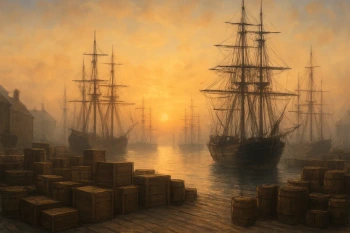
Motives, Powers, and Explorers of the Age of Exploration
40 questions
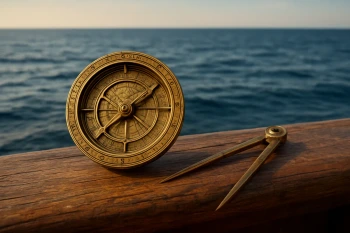
Navigation, Routes, and Maritime Technology
40 questions
Consequences of Contact: Multiple Accounts
20 questions
Crack the passcode before the zombies get in.

Pick a tile, answer, hit bonuses and steals.

The Columbian Exchange
40 questions