Loading
by BlastRoom
Compare the housing, food, clothing, tools, transportation, and trade of Indigenous culture regions across North America.
#indigenous_peoples#us_grade_5_social_studies
40 questions
One question set, multiple game modes. Tap any game to see it in action. Not sure which to pick?
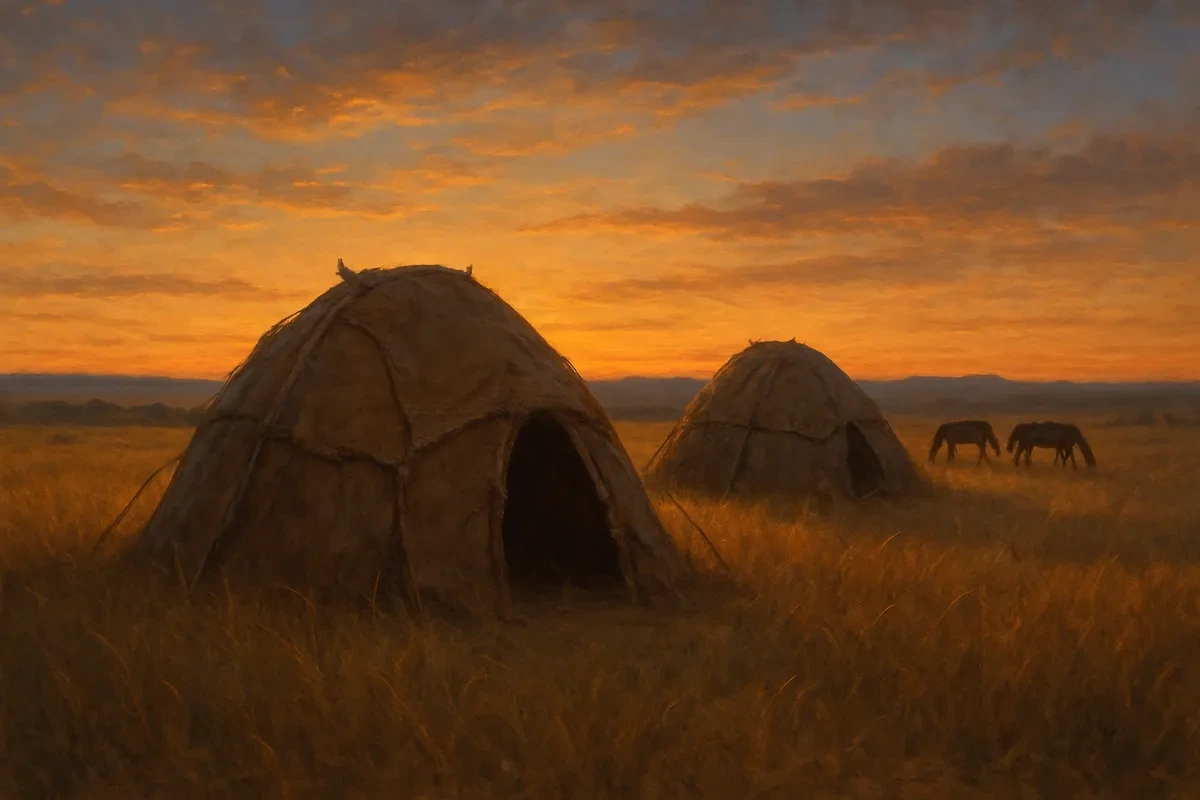
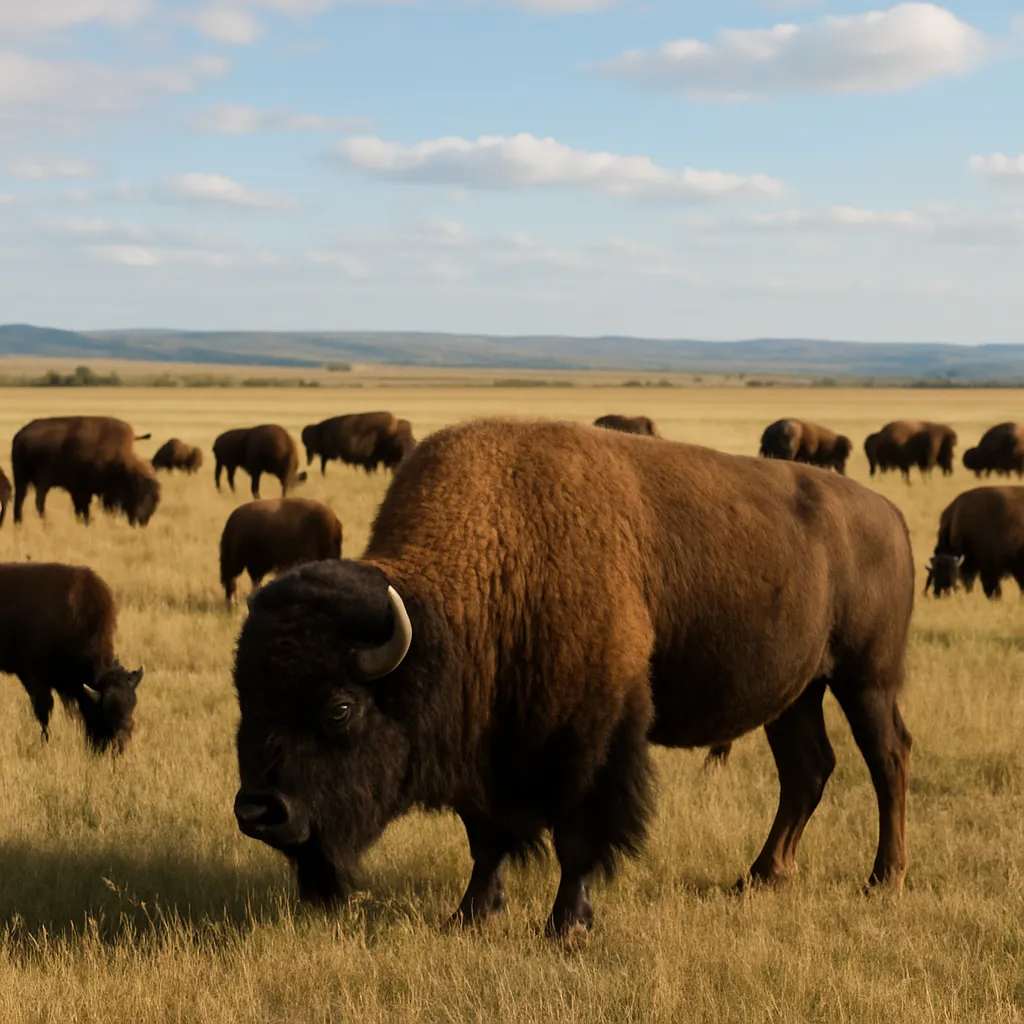
The Great Plains had few trees and huge bison herds that moved long distances, and Plains nations followed the herds. What kind of home suited that way of life?
Haudenosaunee families lived in the Northeast Woodlands, among thick hardwood forests, in long buildings that housed several related families. What were these longhouses mainly built from?
Farmers in the Northeast Woodlands planted three crops together in the same mound so the plants would help one another grow. What three crops were they?
Pueblo peoples such as the Hopi and Zuni lived in a hot, dry Southwest region with very little timber. What were their village homes built from?
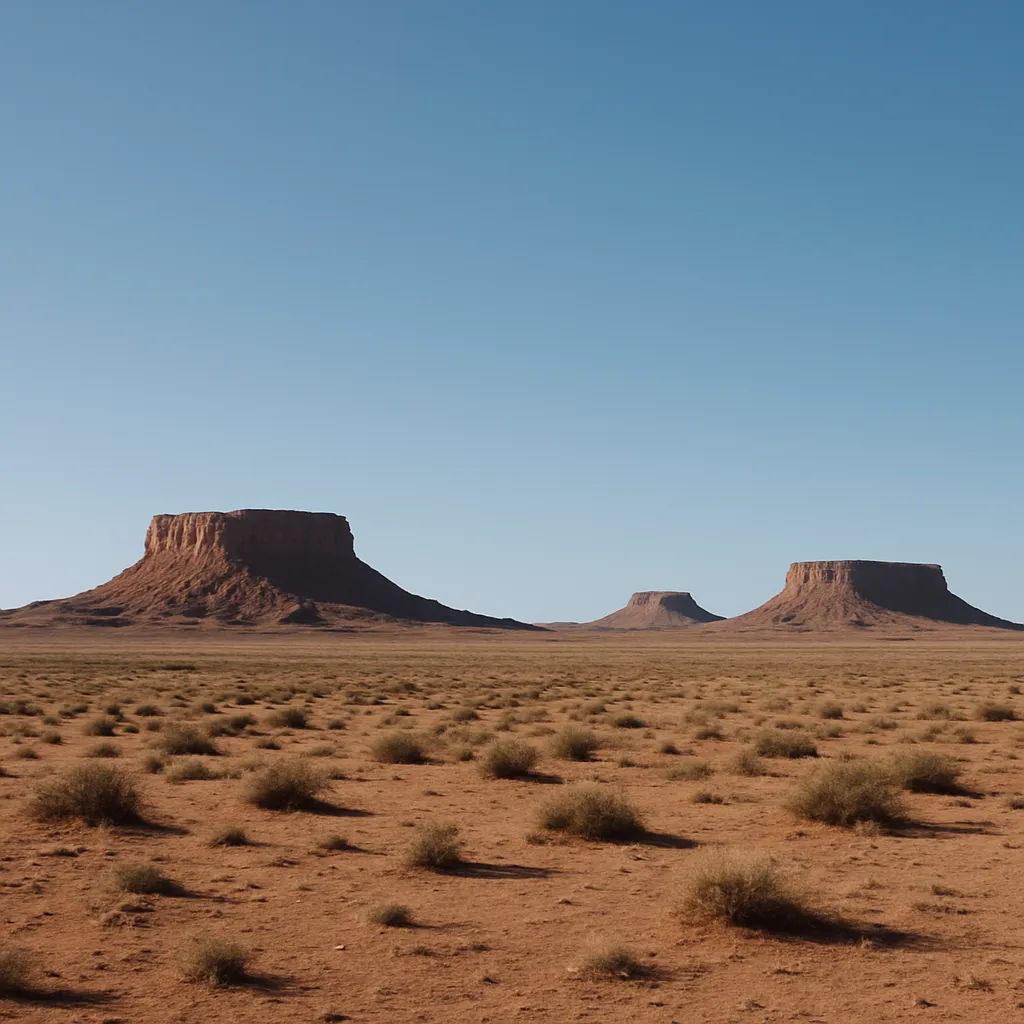
Farmers in the Southwest dug ditches to carry water from rivers to their maize fields. Why was that work necessary there?
Nations of the Pacific Northwest built their villages beside rivers and the ocean. What food did they catch in huge numbers, then dry and store for the winter?
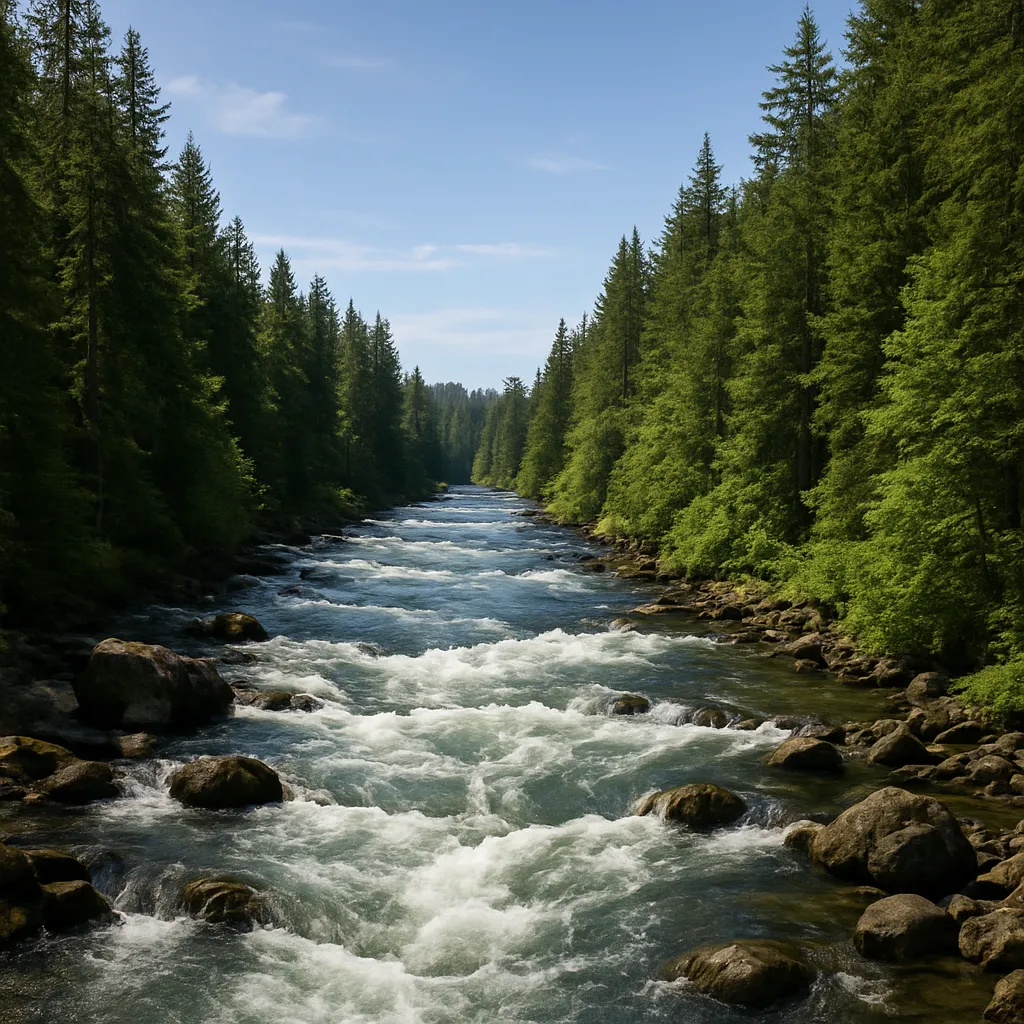
Northwest Coast nations traveled and hunted on the ocean in large canoes. What were these canoes made from?
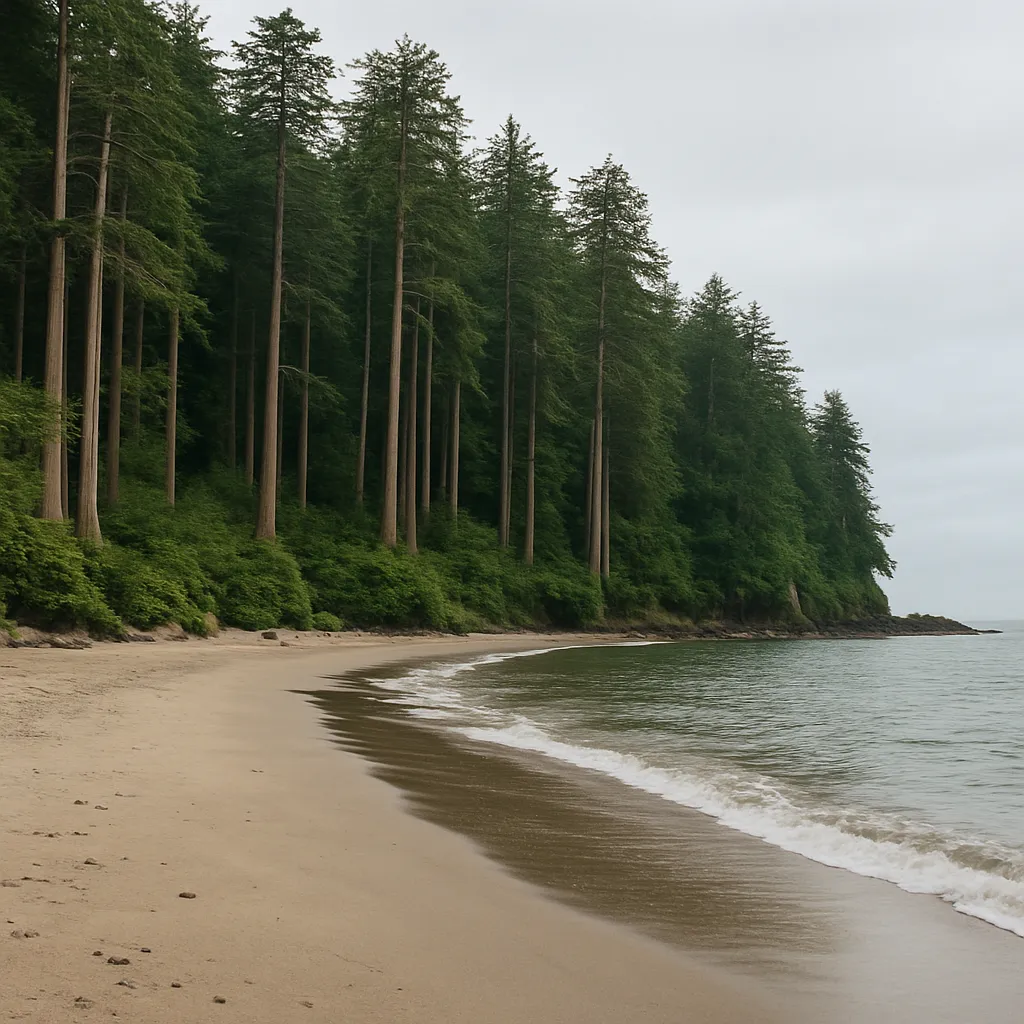
The Arctic has long freezing winters and no forests. What did Inuit families make their warm winter clothing from?
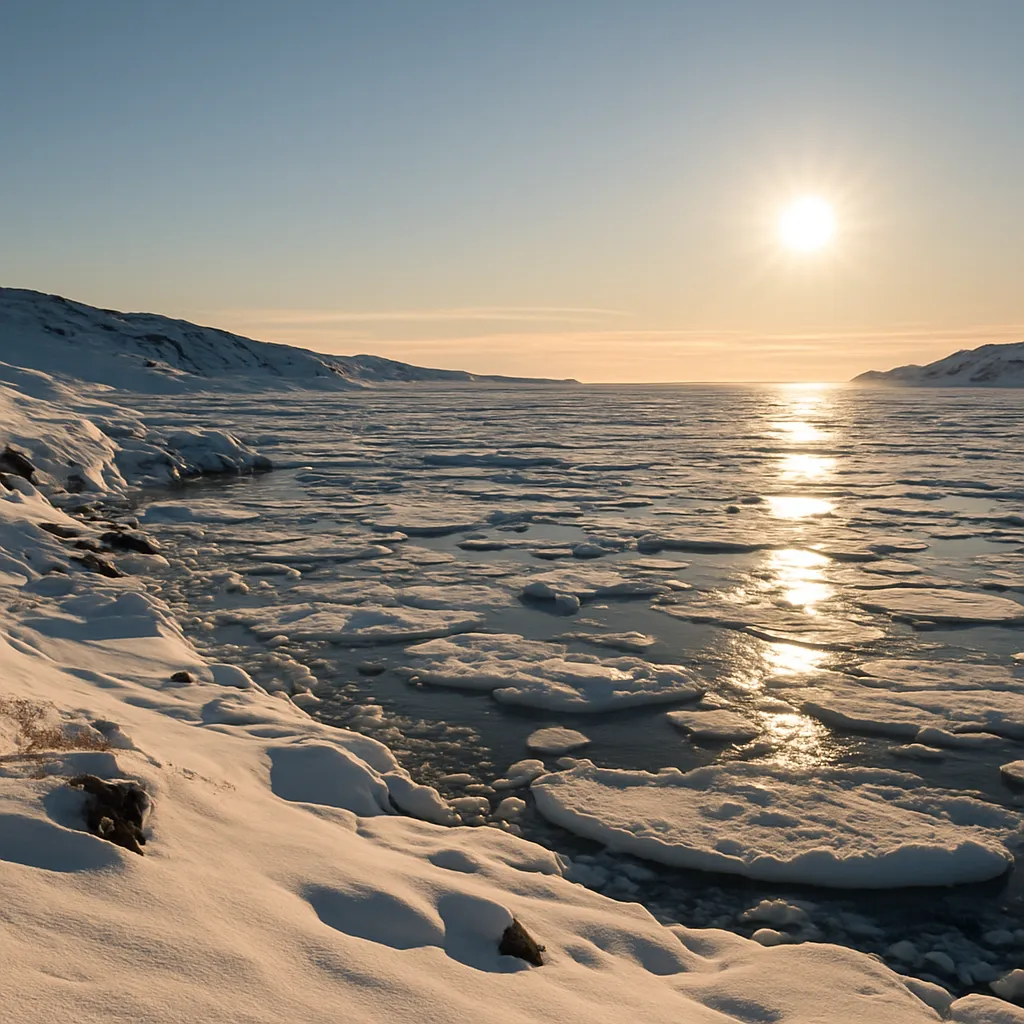
In winter, Inuit hunters had to move heavy loads across frozen land and sea ice. What did they use to haul those loads?
Subarctic peoples hunted in forests buried under deep snow for much of the year. What did they wear on their feet to spread their weight so they did not sink?
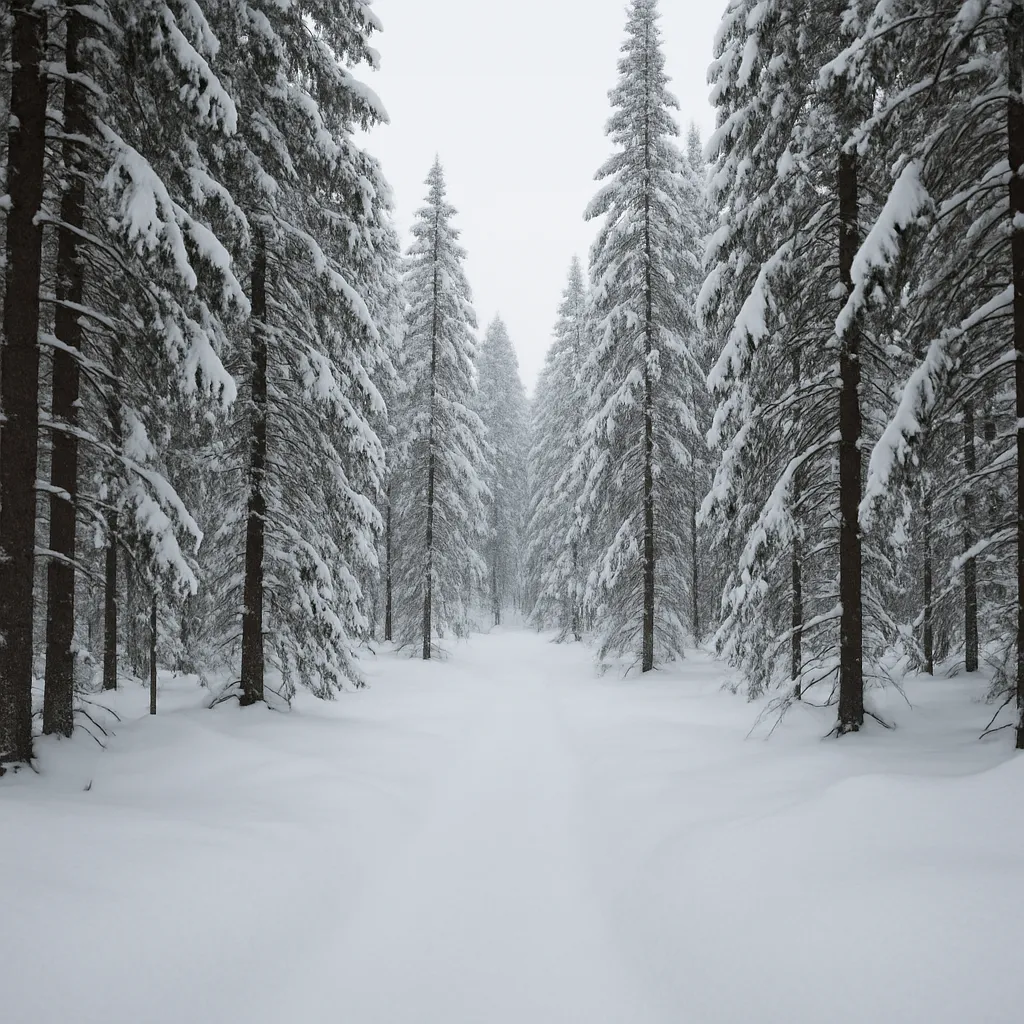
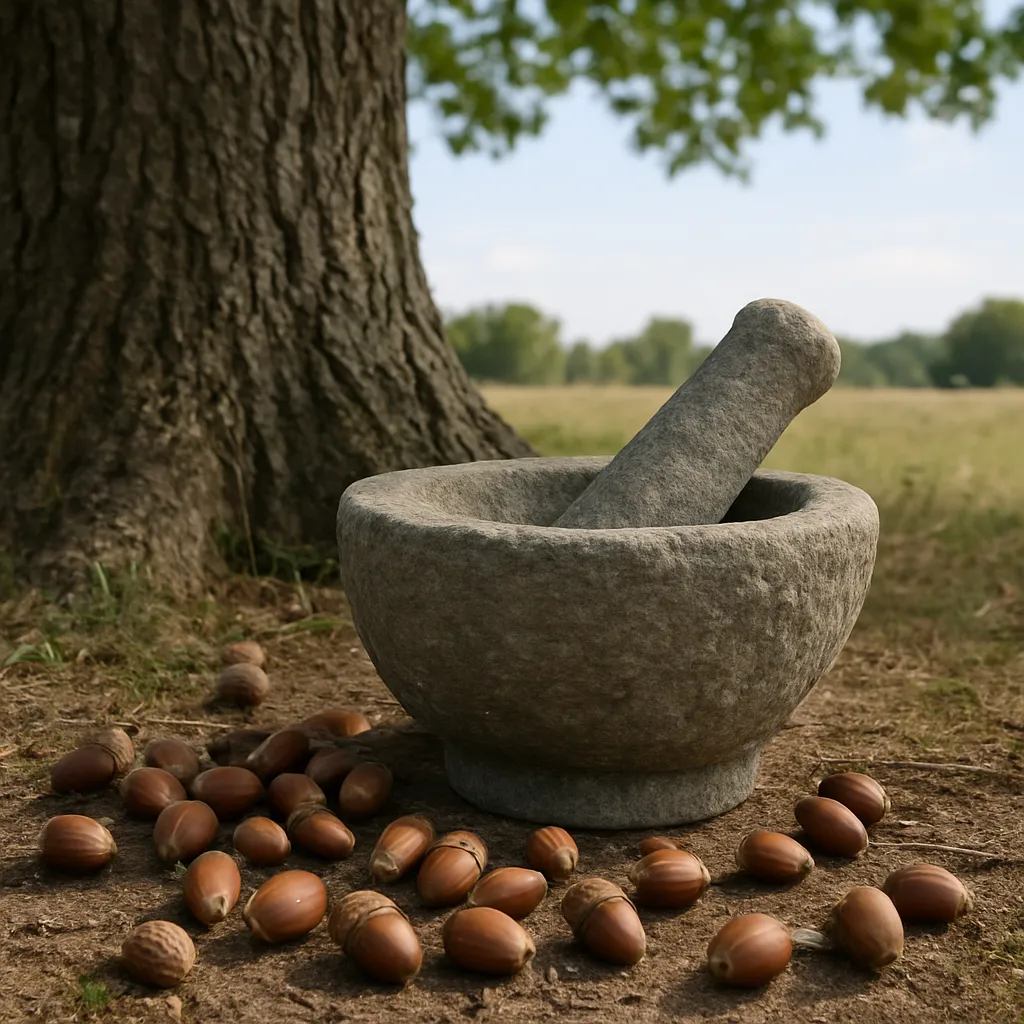
Acorns were a staple food for many California nations. After grinding acorns into flour, why did cooks rinse the flour with water many times?
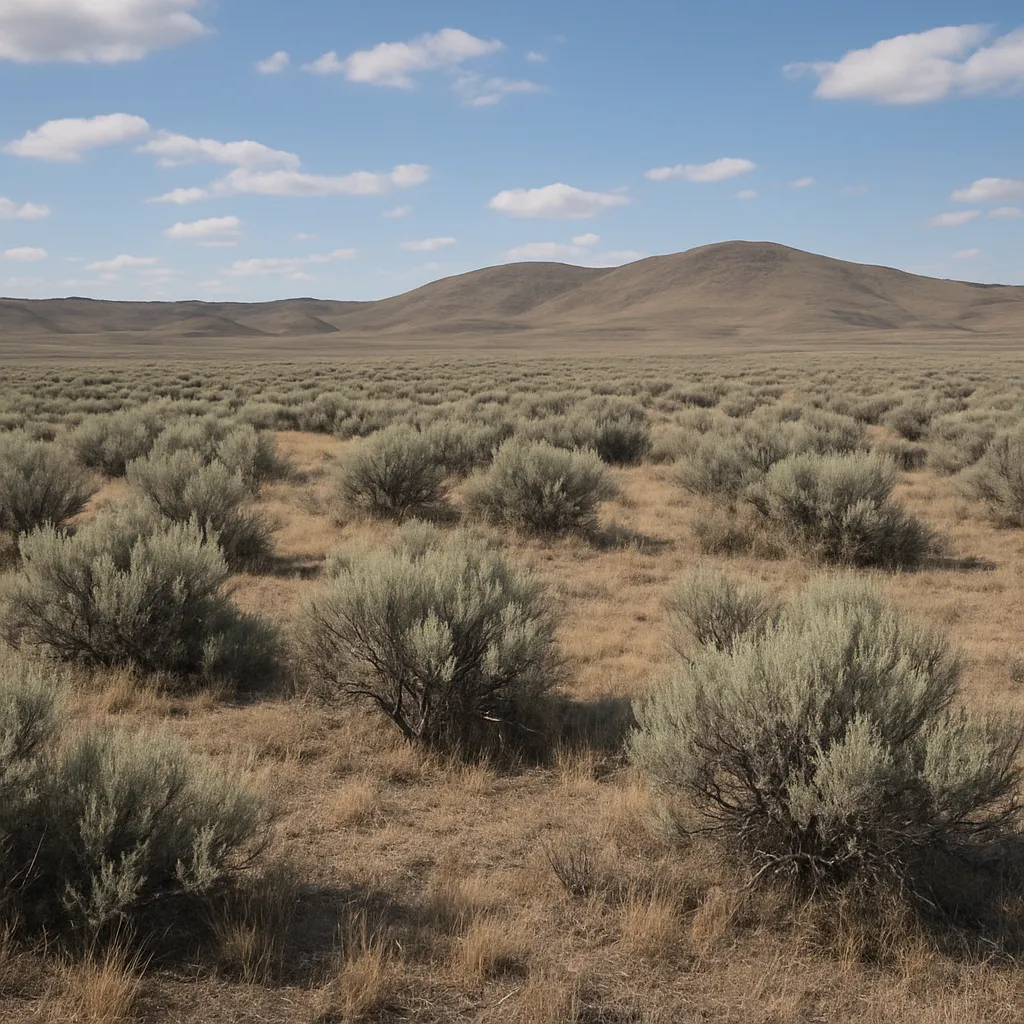
The Great Basin is dry, with thin plant cover and few large animals. How did nations such as the Shoshone and Northern Paiute get most of their food?
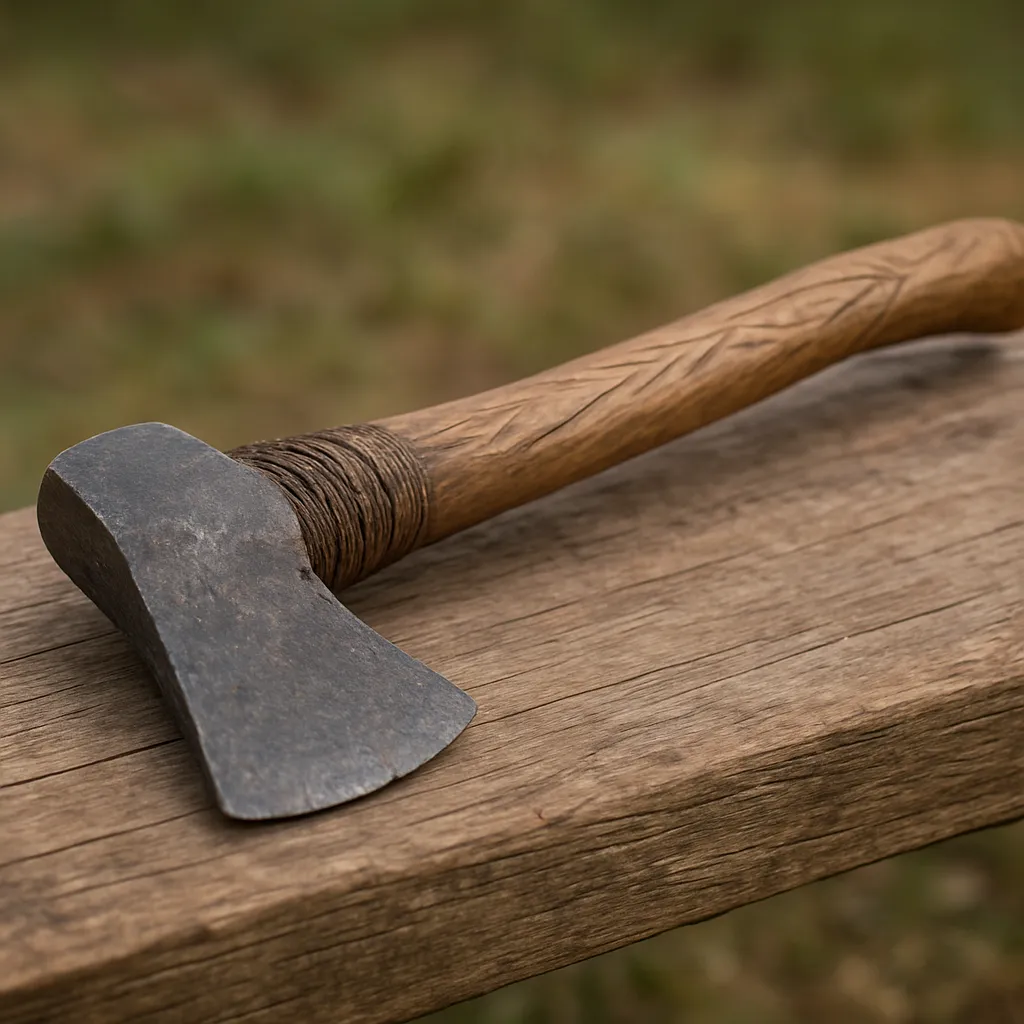
Northwest Coast woodworkers used adzes and wedges made of stone, shell, and antler. What was the main job these tools did?
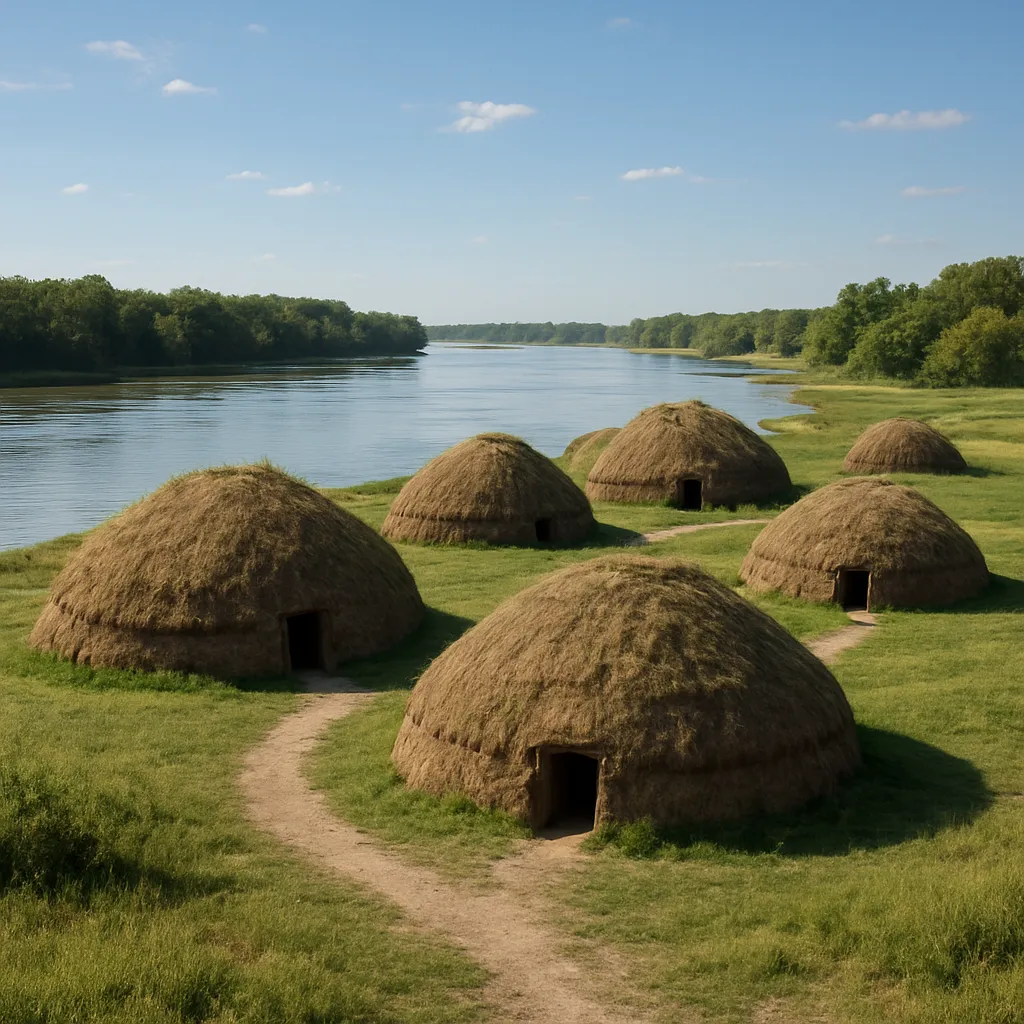
Mandan and Hidatsa farmers grew corn in earth-lodge villages along the Missouri River. Nomadic Plains hunters came to those villages to trade. What did the hunters bring?
Dentalium shells grow only in Pacific coastal waters, yet archaeologists dig them up at sites far inland on the Plains. What does that evidence show?

The Southeast has rich soil and a growing season many months long. What did Cherokee and Choctaw towns rely on for most of their food?
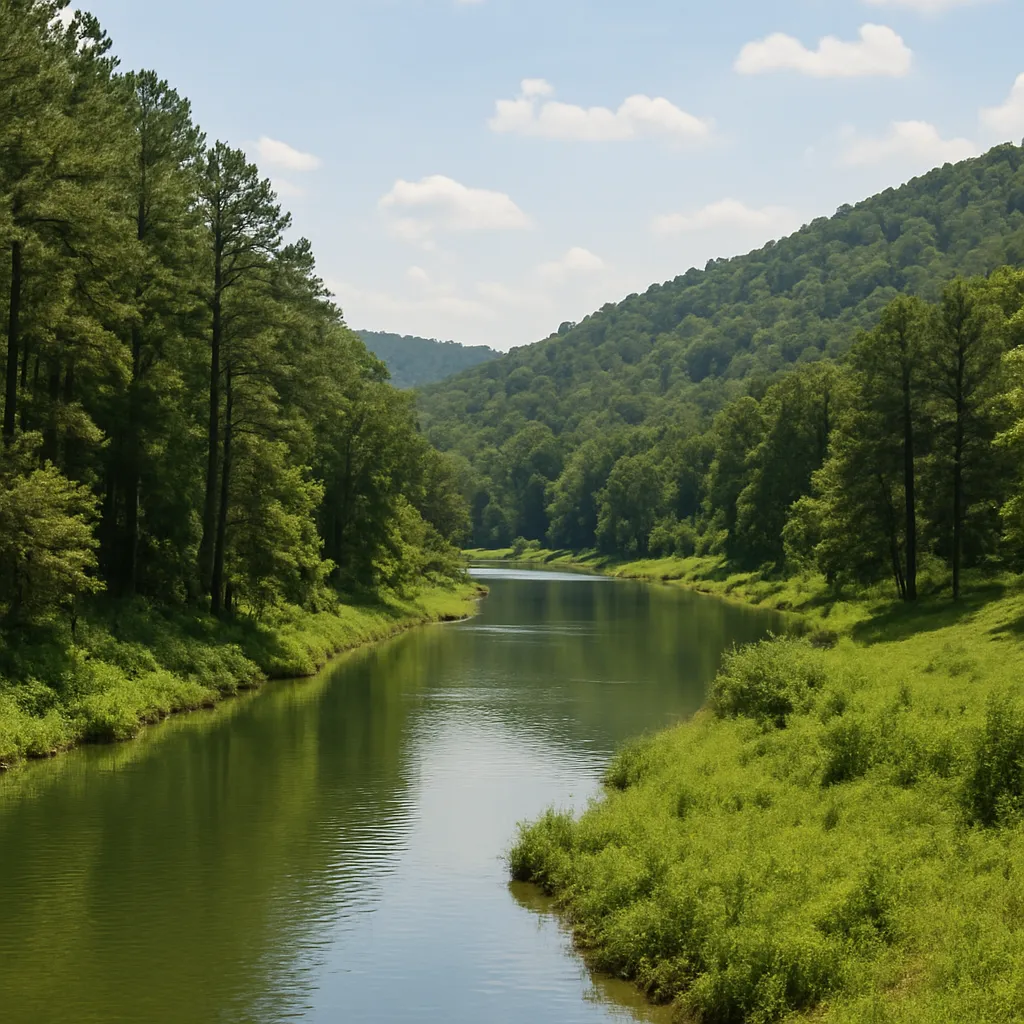
Many scientists think the first people reached the Americas from Asia near the end of the last ice age. In that theory, what was Beringia?
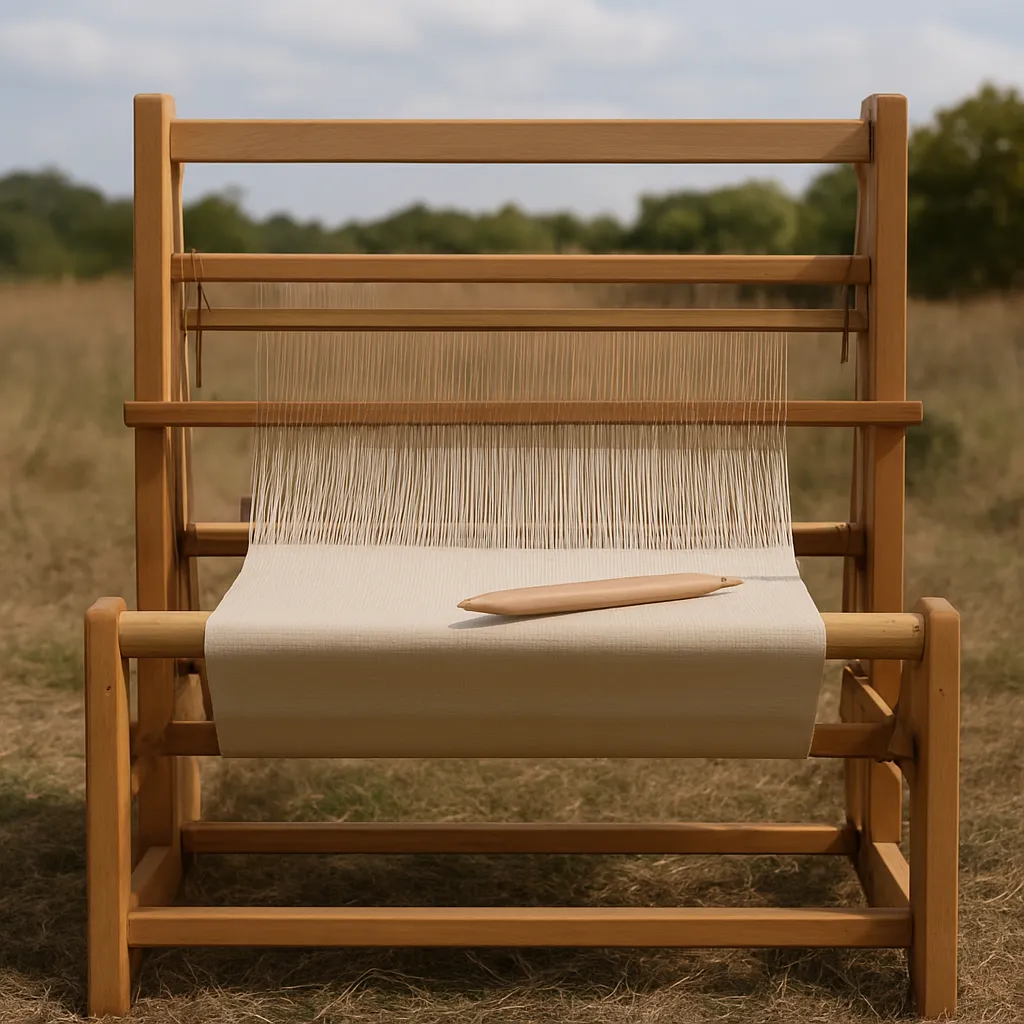
Pueblo farmers in the Southwest were the only people north of Mexico to grow a plant they spun and wove into cloth. Which plant was it?
Indigenous nations in North America still have their own communities and governments today.
Plains nations and Northwest Coast nations built their homes from the same materials.
Why did many Native peoples of the Northwest Coast build homes and canoes from cedar trees?
On the Great Plains, why was the buffalo especially important to many Native peoples?
California's oak woodlands provided plenty of acorns, which had to be ground and then rinsed to remove bitterness. What tool did many California Indigenous peoples use to grind acorns into flour?
Pueblo homes in the Southwest had thick adobe walls. How did those thick walls help people in the desert climate?
Northwest Coast nations caught and stored so much salmon each year that they did not have to move to find food. How did that rich food supply shape where they lived?
How did the cold Arctic environment shape Inuit life?
Great Plains winters were cold. Why did many Plains peoples make winter clothing mainly from buffalo hide and fur?
How did forests shape life in the Eastern Woodlands?
Which choice best explains why many early settlements grew near coasts or rivers?
How could mountains affect people’s lives in the past?
Southeastern peoples lived among many rivers and swamps. Why did dugout canoes become an important way to travel there?
Ancestral Pueblo people at Mesa Verde built stone villages high in canyon walls. What natural feature did they build them in?
In early spring, Haudenosaunee (Iroquois) families of the Northeast Woodlands collected sap from the forest's maple trees. What did they make from it?
Florida's Seminole people lived among hot, wet swamps. What kind of home did they build to stay dry and cool?
The Arctic coast had little wood or soil, but plenty of snow and ice. Which tool did Inuit hunters use to cut blocks of hard-packed snow for shelter?
Great Basin families such as the Shoshone and Paiute moved often to find scattered food. What kind of shelter suited that way of life?
Why did port cities often become centers of trade?
Early North American peoples often built homes and tools from the stone, wood, or clay found in their local surroundings, rather than materials that were not available nearby. What is the term for changing ways of living to fit the local environment?
True or False: The same natural resource can affect housing, transportation, and work.
Across early North America, communities built different kinds of homes, ate different foods, and traveled in different ways depending on where they lived. What is the main reason for these differences?
Indigenous Nations and Culture Regions of North America
40 questions
Early Peopling of the Americas: Migration and Archaeological Evidence
40 questions
Motives, Powers, and Explorers of the Age of Exploration
40 questions

Navigation, Routes, and Maritime Technology
40 questions
Consequences of Contact: Multiple Accounts
20 questions
Crack the passcode before the zombies get in.

Pick a tile, answer, hit bonuses and steals.