Loading
by BlastRoom
Grade 5 students plan, critique, and improve fair tests by deciding what to change, what to keep the same, and what the data show.
#science_practices#us_grade_5_science
20 questions
One question set, multiple game modes. Tap any game to see it in action. Not sure which to pick?
A class tests whether sugar dissolves faster in hot water than in cold water. They stir one cup of hot water and one cup of cold water. What must they keep the same in both cups?

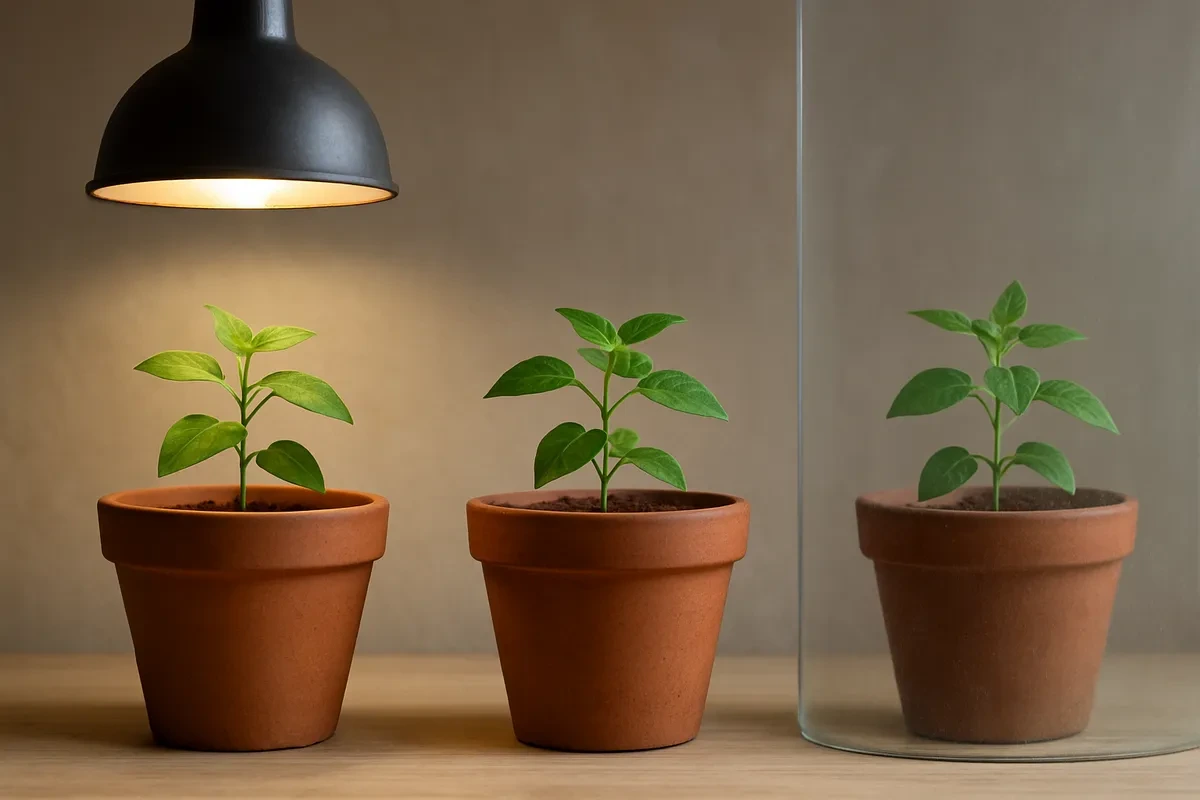
Ana wants to know if extra light makes bean plants grow taller. She puts one plant near a bright lamp and waters it daily, and puts the other in a dim corner and waters it weekly. What is wrong with her test?
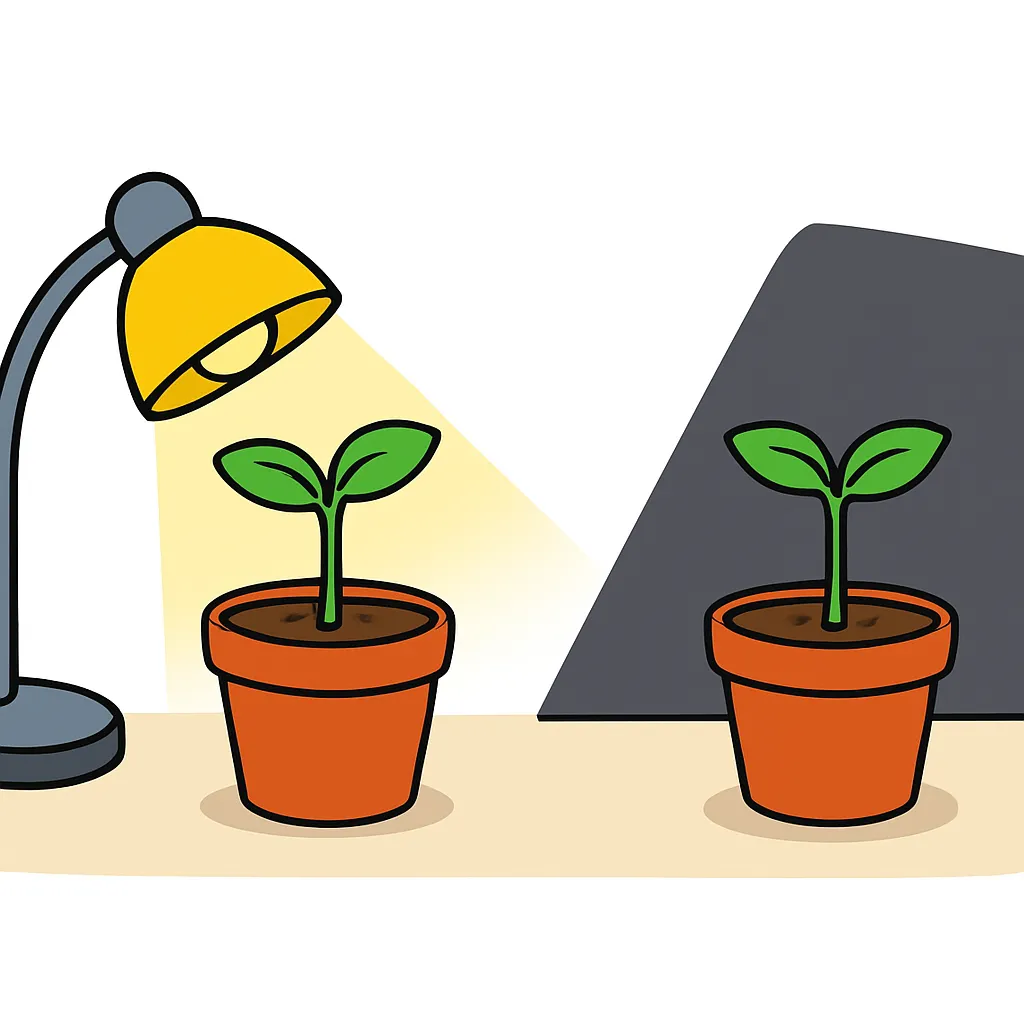
Two students argue about whether a taller stick makes a longer shadow. They stand a short stick and a tall stick outside and measure both shadows. Why must they measure at the same time of day?
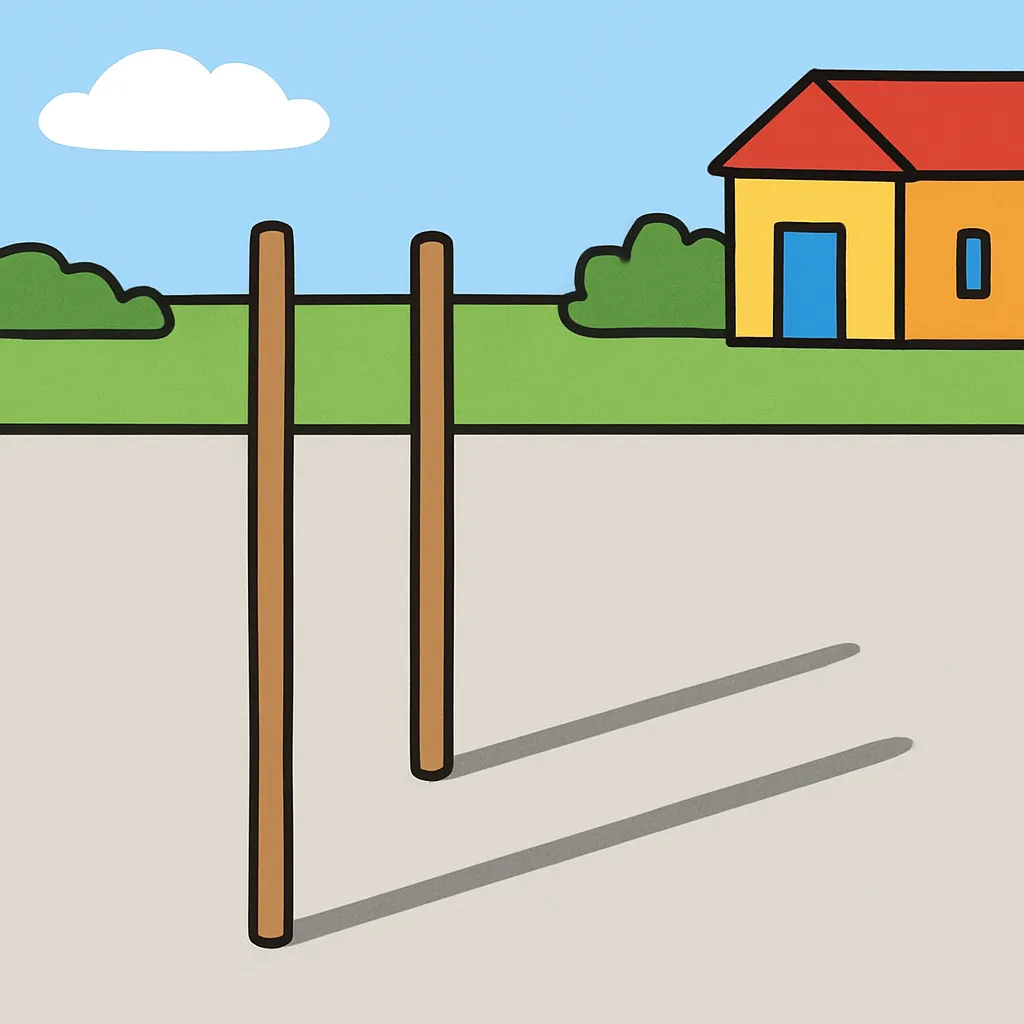
In a fair test, the scientist changes only one variable at a time and keeps the other conditions the same.
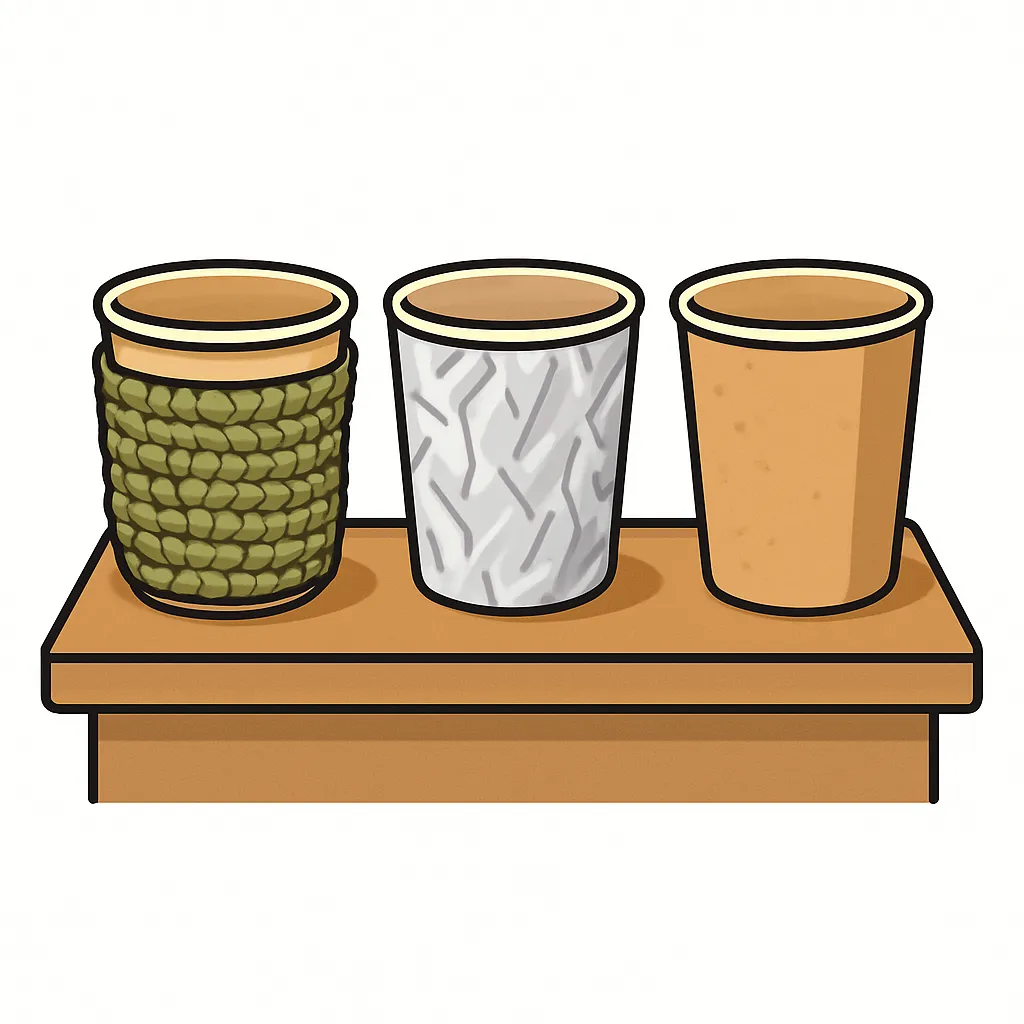
A team tests which wrap keeps warm water warm the longest. They wrap identical cups in wool, foil, and paper, and start each cup with water at the same temperature. What is the variable they are changing?
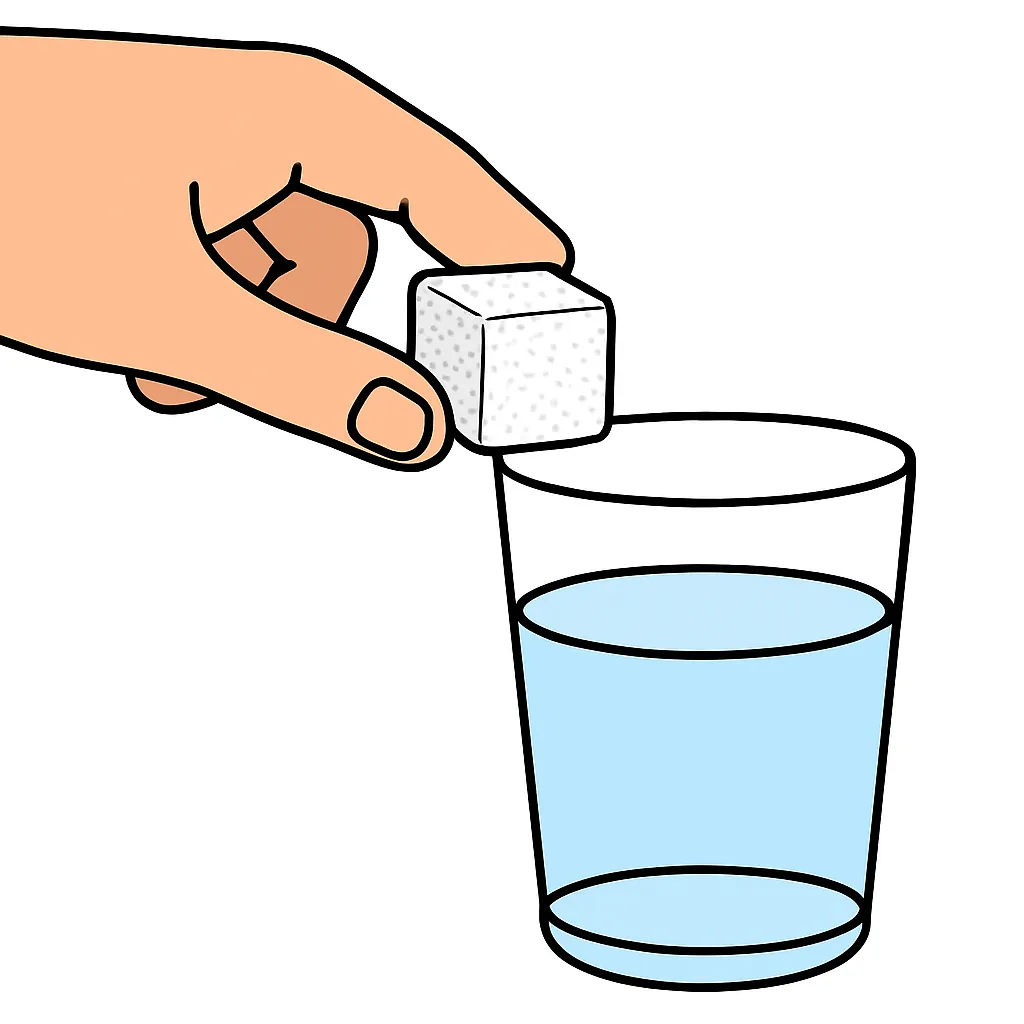
A student times how long a sugar cube takes to dissolve and gets one result. Why should the student repeat the trial several more times before making a claim?
A class stirs the same amount of salt into water at different temperatures and records the time to dissolve: 10 C took 95 seconds, 25 C took 60 seconds, 40 C took 32 seconds. What pattern do the data show?
A student claims that a paper towel brand soaks up more water than another brand. Which observation is the best evidence for that claim?
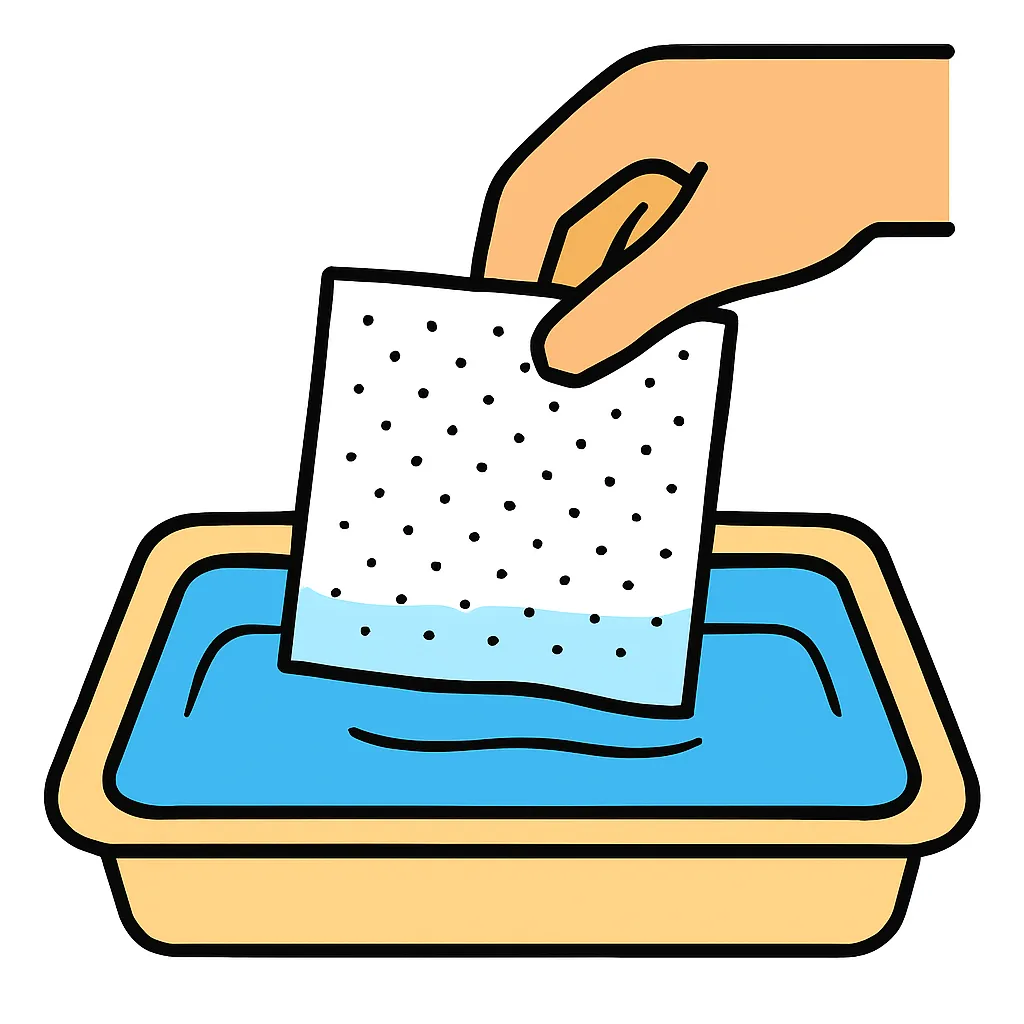
A group wants to investigate paper towels. Why is "Which paper towel is the prettiest?" not a testable question for a science investigation?
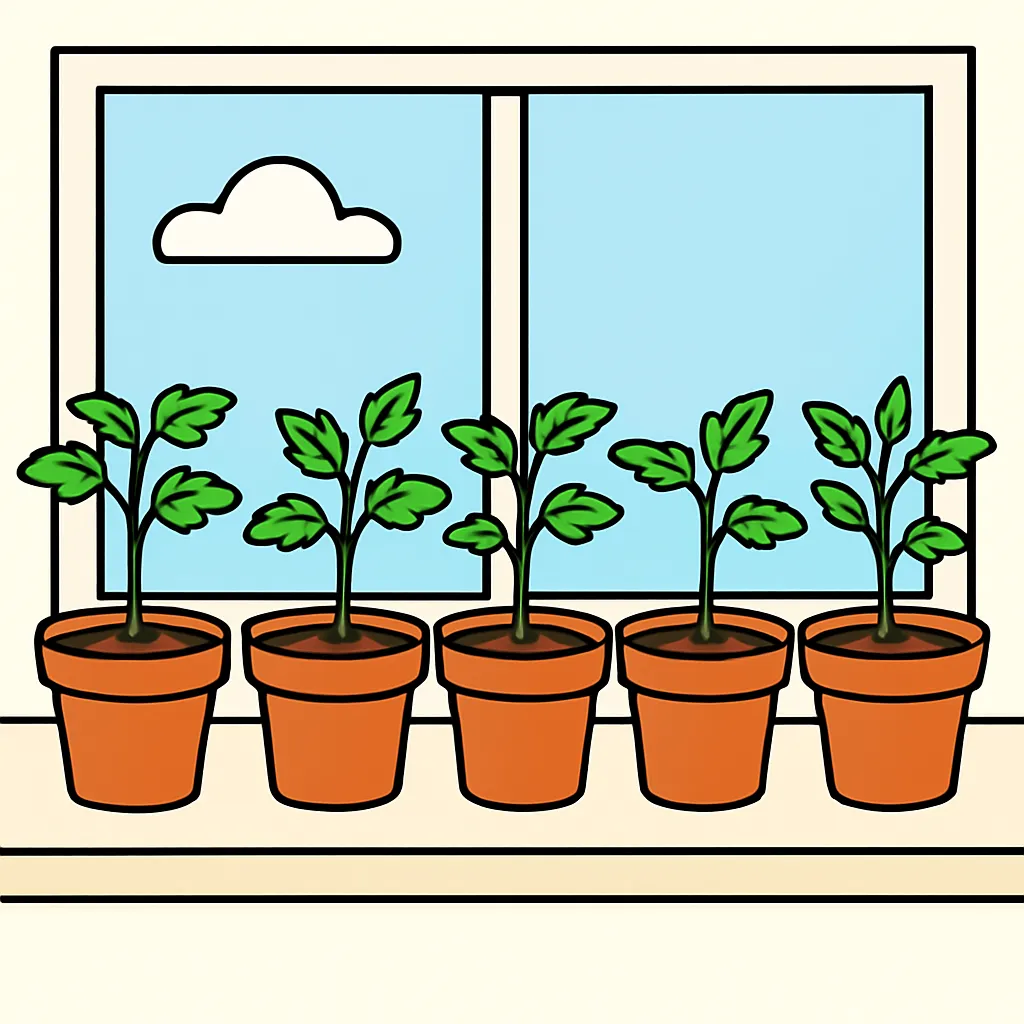
Marco tests plant food on tomato seedlings. He gives plant food to four pots and gives none to a fifth pot, treating all five the same otherwise. Why does he keep that fifth pot?
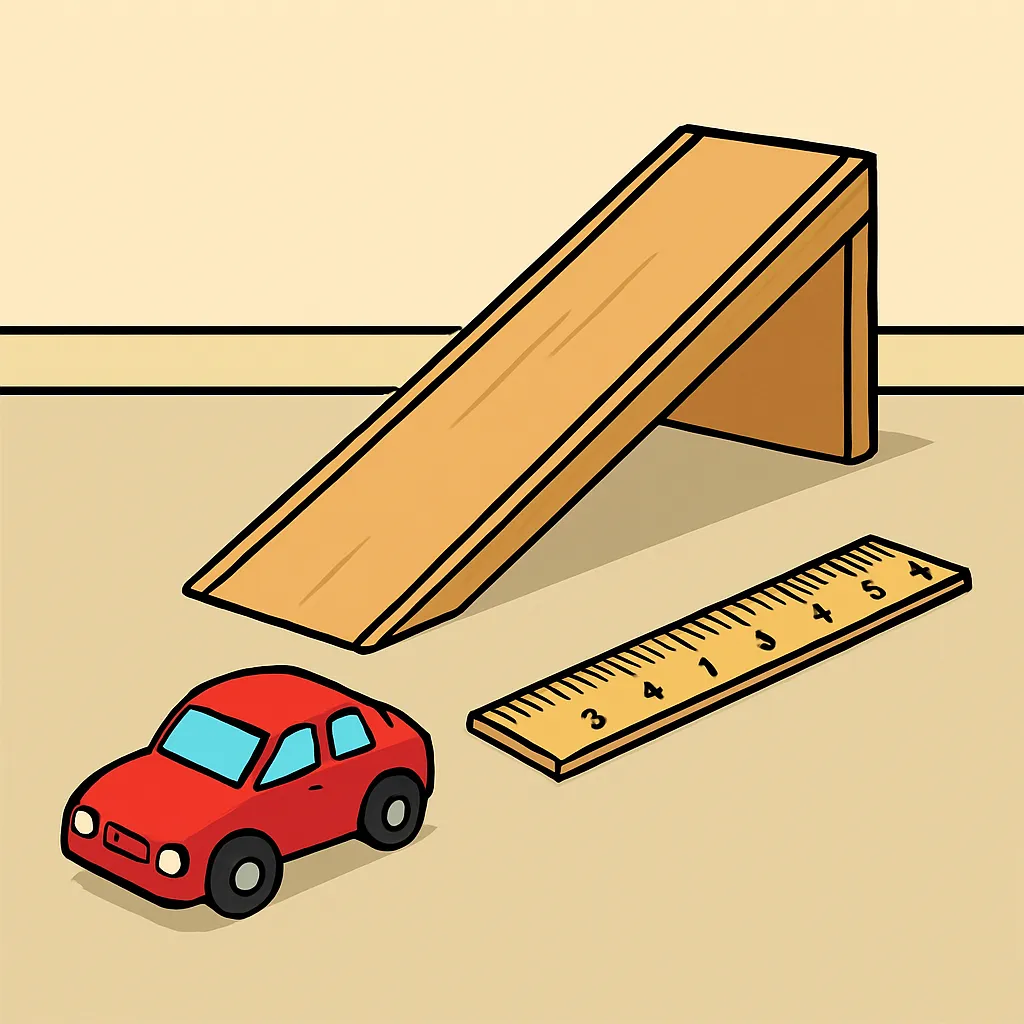
Two partners test how far a toy car rolls from a ramp. One partner measures with a meter stick and the other paces the distance in footsteps. Why does this weaken their test?
To find out which paper airplane flies farther, Mia throws the wide-wing plane hard while standing on a chair and throws the narrow-wing plane gently while kneeling on the floor. Her results show which wing shape makes a plane fly farther.
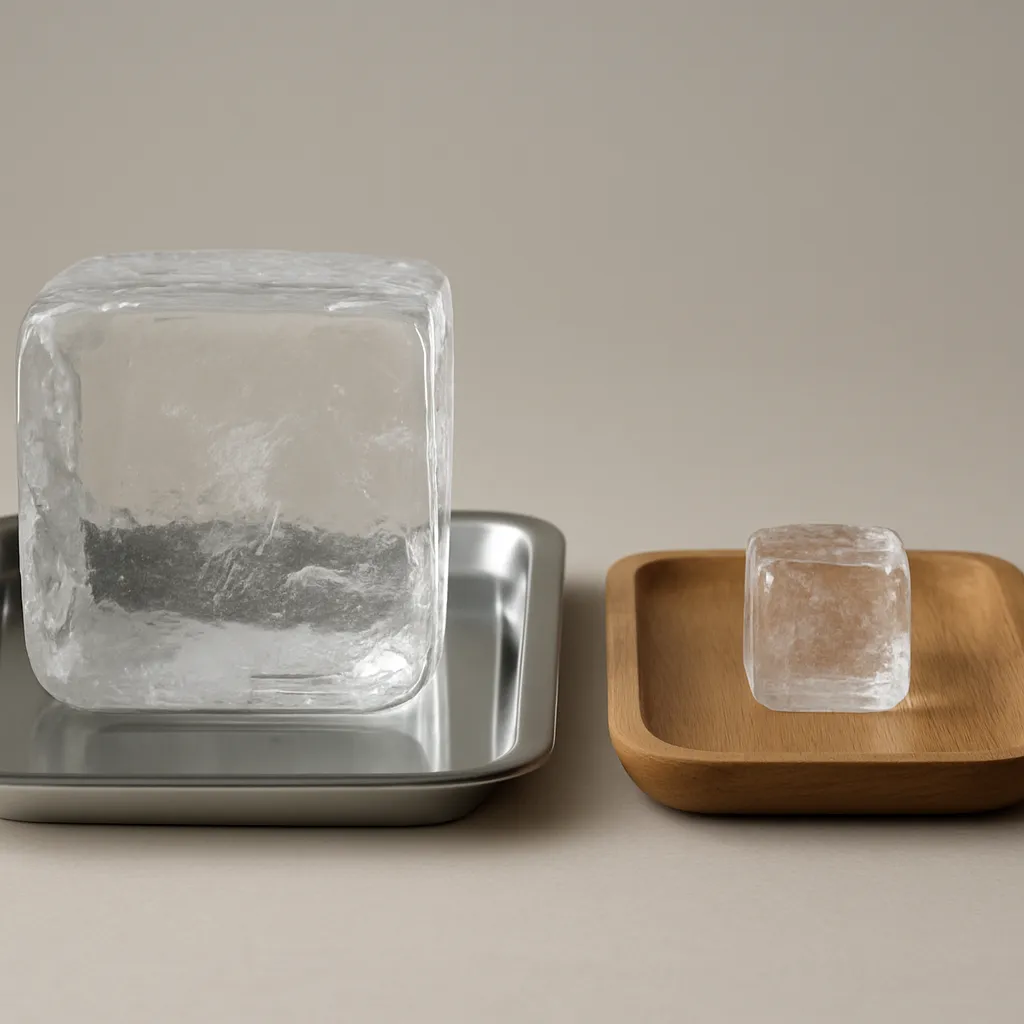
A class tests whether ice melts faster on metal or on wood. They place a large ice cube on the metal tray and a small ice cube on the wooden tray. What should they change about the plan?
An engineering team is testing two paper airplane designs to see which flies farther. What makes their test fair?

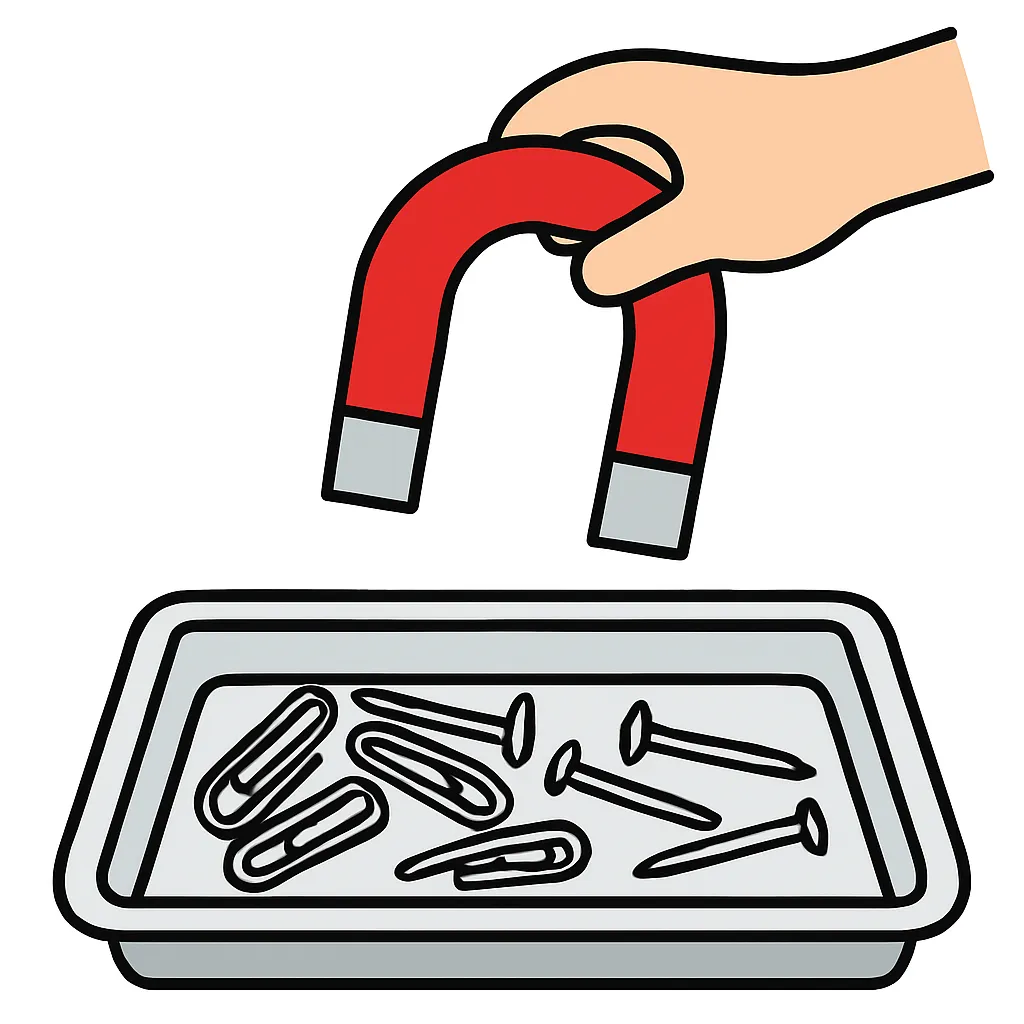
A student tests which classroom objects a magnet attracts. She uses a small weak magnet for the paper clips and a large strong magnet for the nails. What error did she make?
During an investigation, why should a group write each measurement in a data table right when it is taken?
Students build a small model of a stream running over sand to study how flowing water shapes land. What is the main reason to use a model here?

Two students disagree about which soil drains water faster, sandy soil or clay soil. What evidence would best settle the argument?
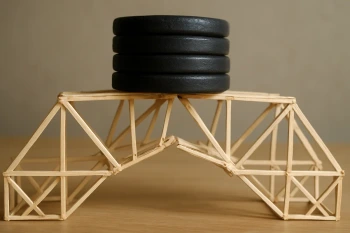
A team's cardboard bridge bent in the middle and dropped after 8 blocks, so they added an extra layer of cardboard down the middle. When they test the strengthened bridge, what must stay the same as in the first test?

Plants near a sunny window grew taller than plants in a closet, though both got the same water and soil. One student claims sunlight caused the difference; another claims the soil brand did. Which claim does the evidence support?
Crack the passcode before the zombies get in.

Pick a tile, answer, hit bonuses and steals.
Science Practices: Evaluating Competing Claims
20 questions