Loading
by BlastRoom
Grade 5 engineering scenarios about planning fair tests, controlling variables, and using failure points to improve a design.
#engineering_design#us_grade_5_science
20 questions
One question set, multiple game modes. Tap any game to see it in action. Not sure which to pick?
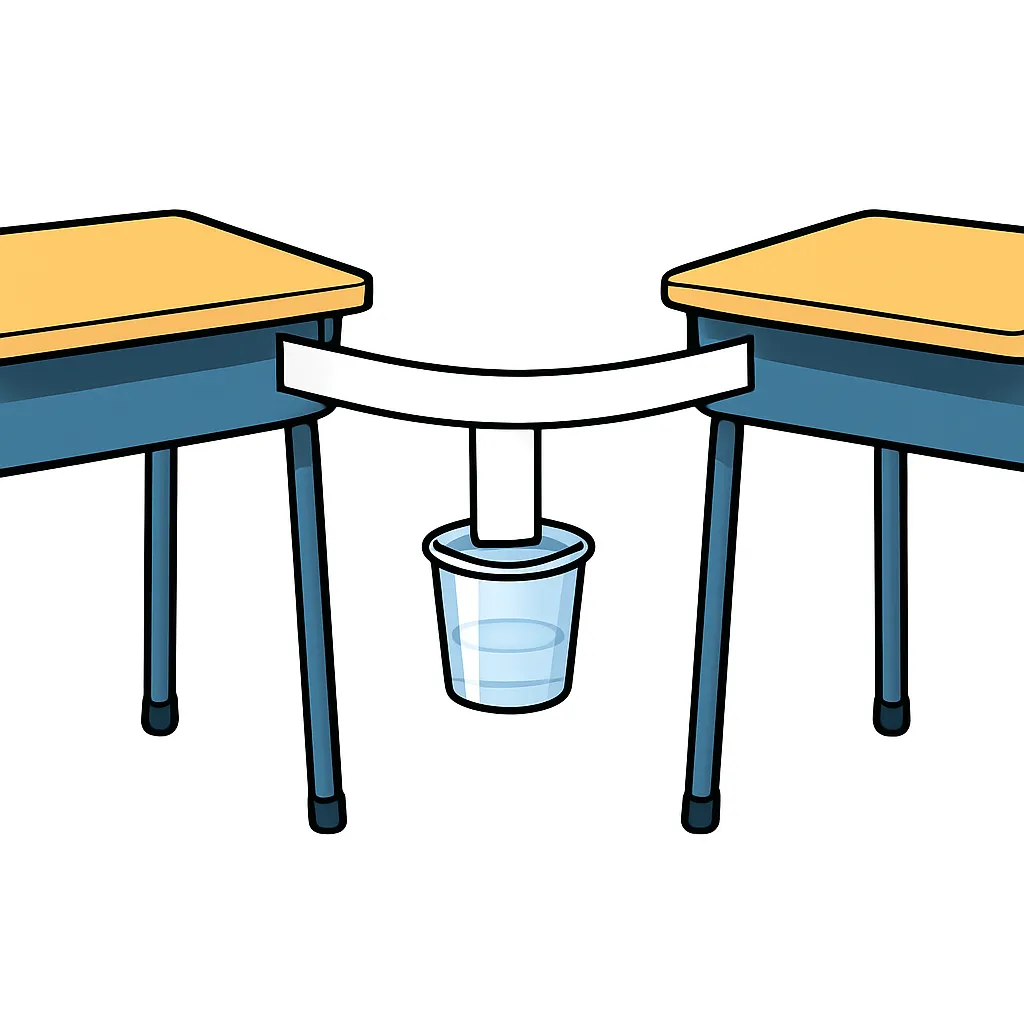
Maya's team tested two paper bridges. For the second bridge she used thicker paper and also made the gap between the desks shorter. The second bridge held more weight. Why can't the team trust this result?
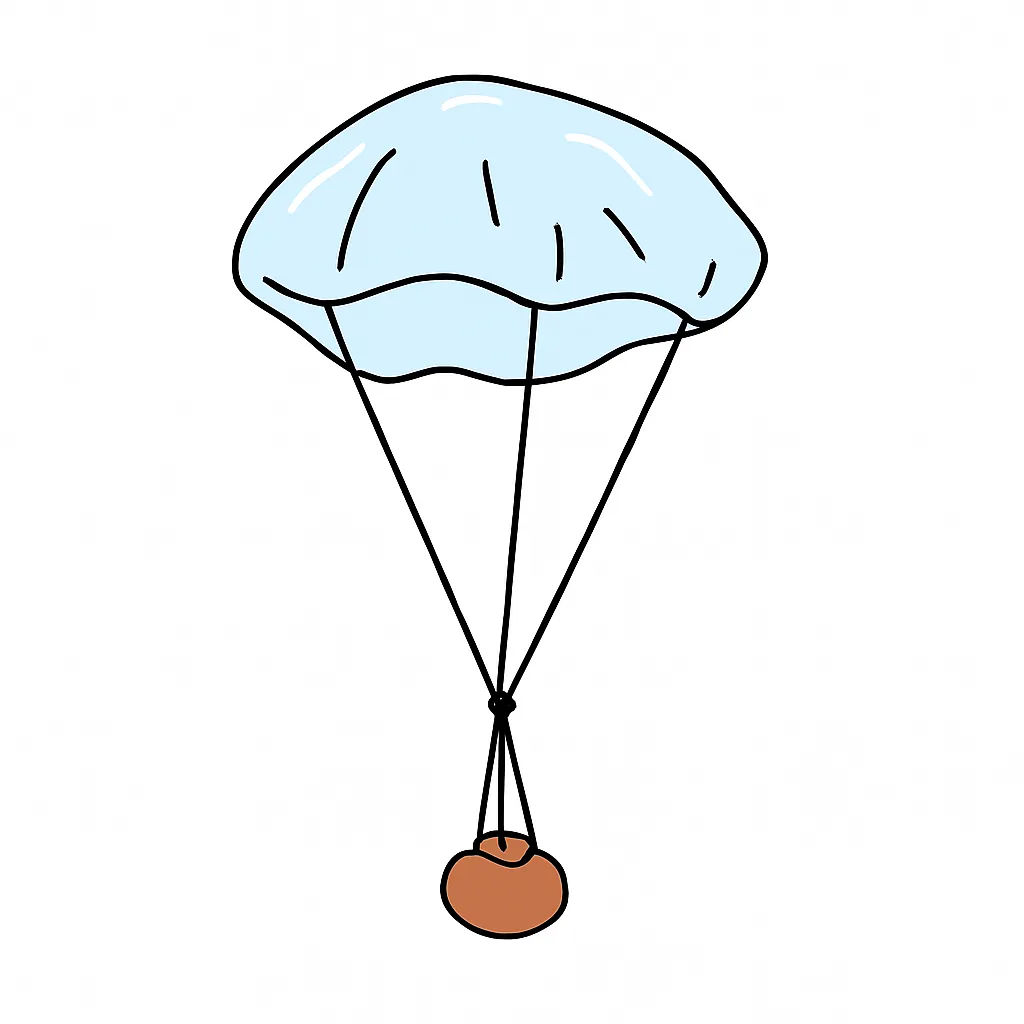
A team is testing which canopy material makes a parachute fall the slowest. They drop each parachute and time the fall. What must stay the same for every drop?
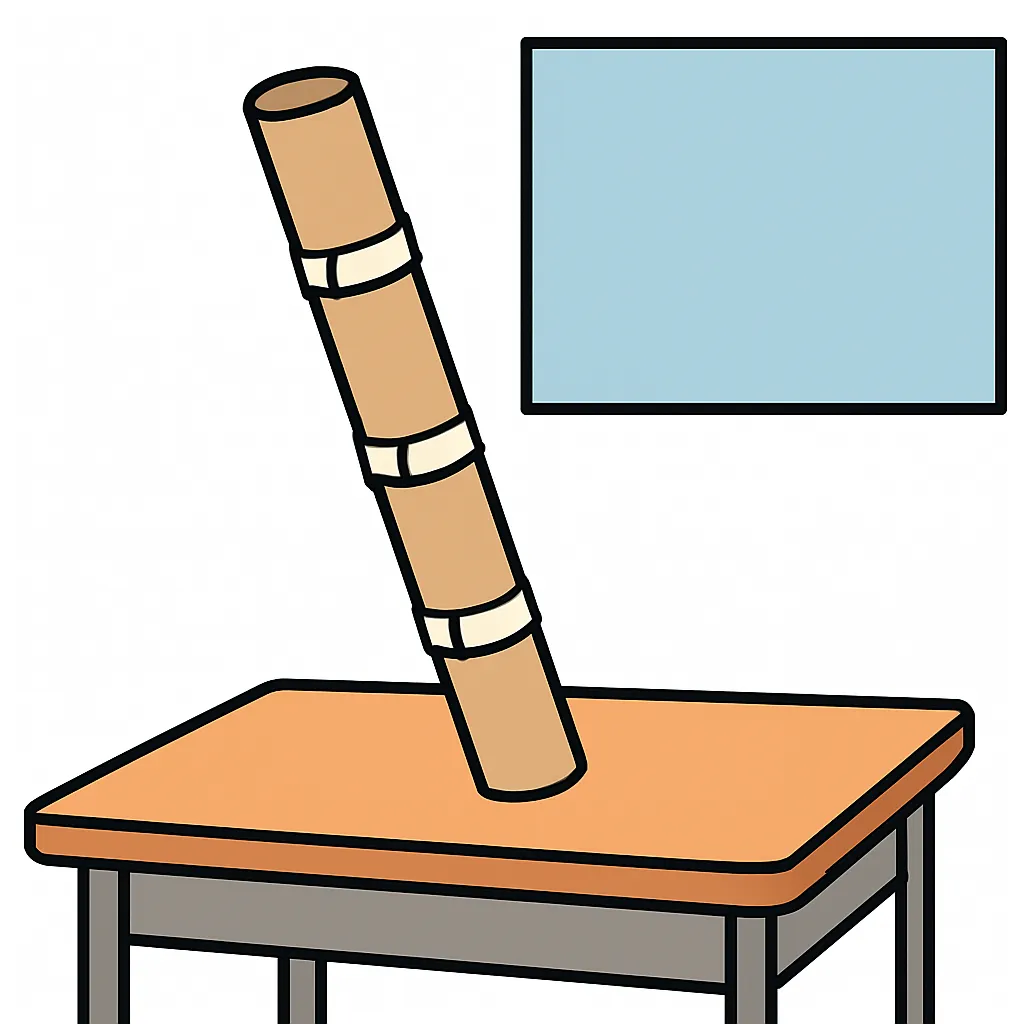
A team's cardboard tower keeps collapsing, and every time it breaks at the same taped joint where the legs meet the base. What is the best next step for improving the design?
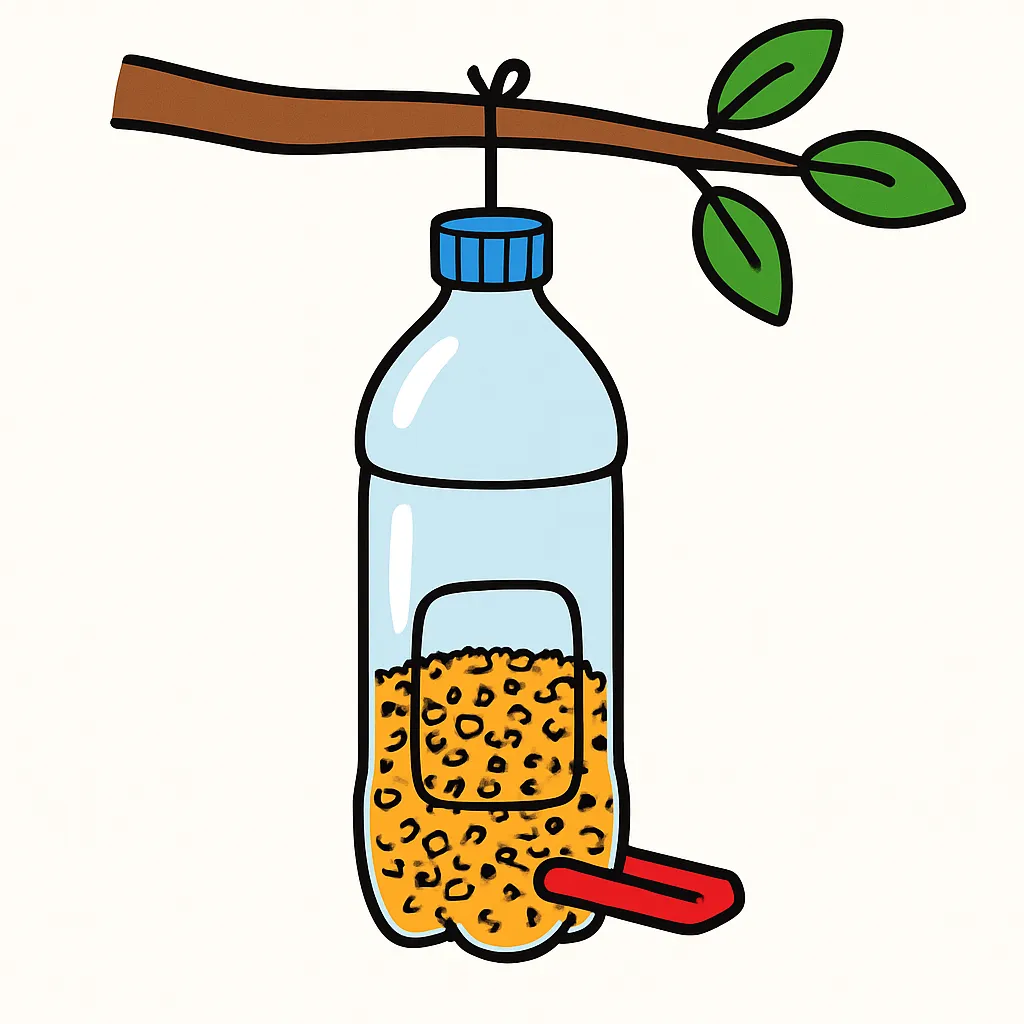
A class must design a bird feeder that holds 500 milliliters of seed, hangs from a branch, and costs under five dollars. One feeder holds 750 milliliters and hangs well, but it costs eight dollars. What is wrong with it?
Engineers are asked to design a lunchbox that keeps food cold for four hours, carries two sandwiches, has a handle a child can grip, and is made only from recycled materials. Which part of that request is a constraint?
Two teams rolled the same toy car down the same ramp. Team A timed one run and recorded it. Team B timed five runs and compared them. Why is Team B's result more trustworthy?

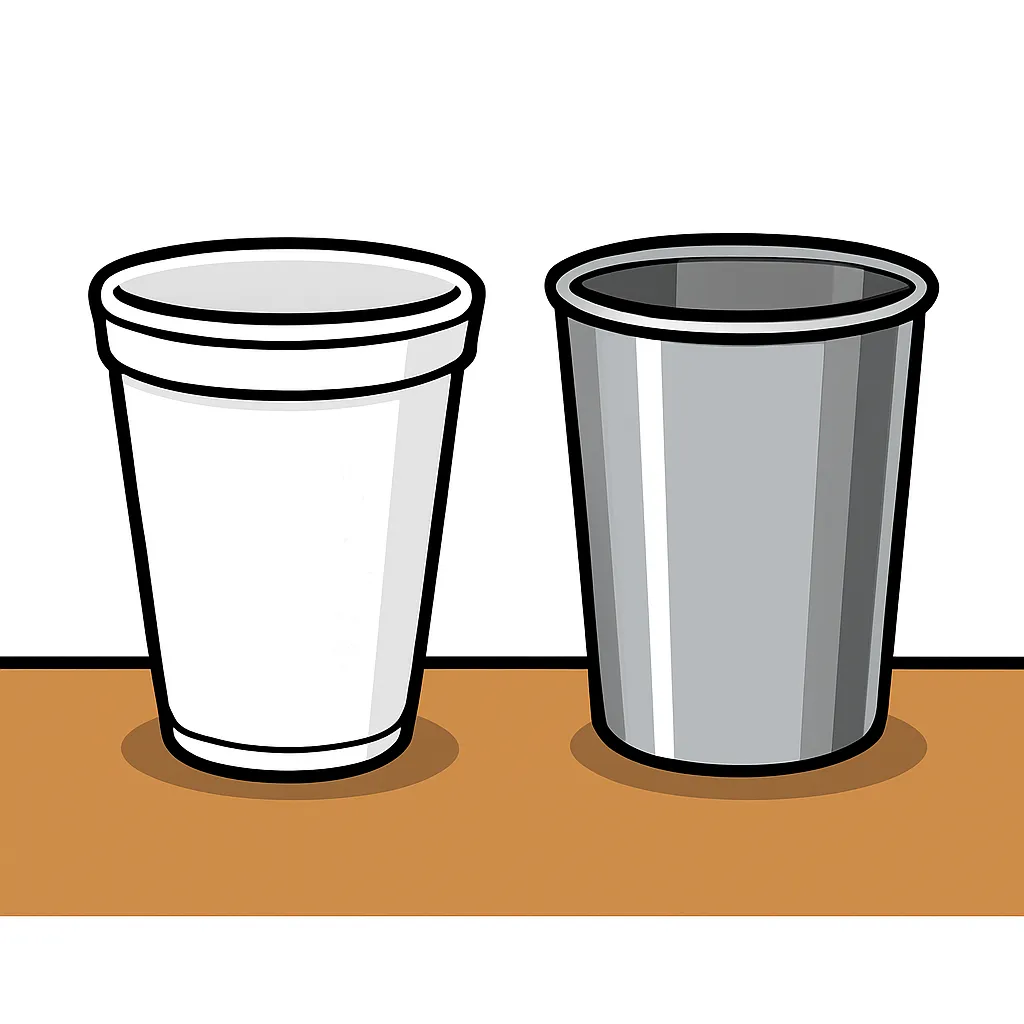
To find out which cup keeps water warm longest, a team pours the same amount of hot water into a foam cup and a metal cup, leaves both in the same room, and checks the temperature every ten minutes. What did they change on purpose?
In a fair test, only one thing is changed while everything else is kept the same.
A team designs a plant pot that must be made only from recycled material and must hold at least 500 milliliters of soil. Their finished pot holds 750 milliliters but is made from new plastic instead of recycled material. Is this acceptable?
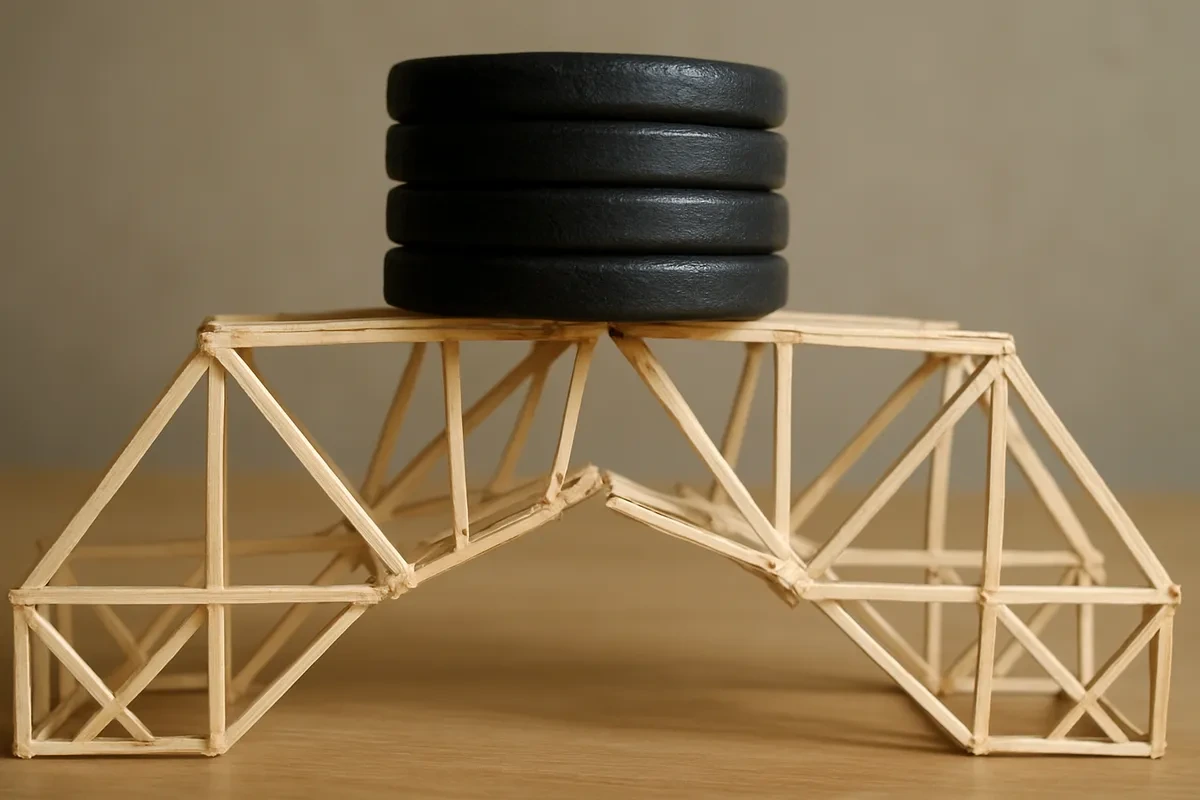
A team's cardboard bridge broke right where the deck met the left support post. Before the next test the team made the deck longer and left that joint exactly as it was. This change fixes the failure point the test found.
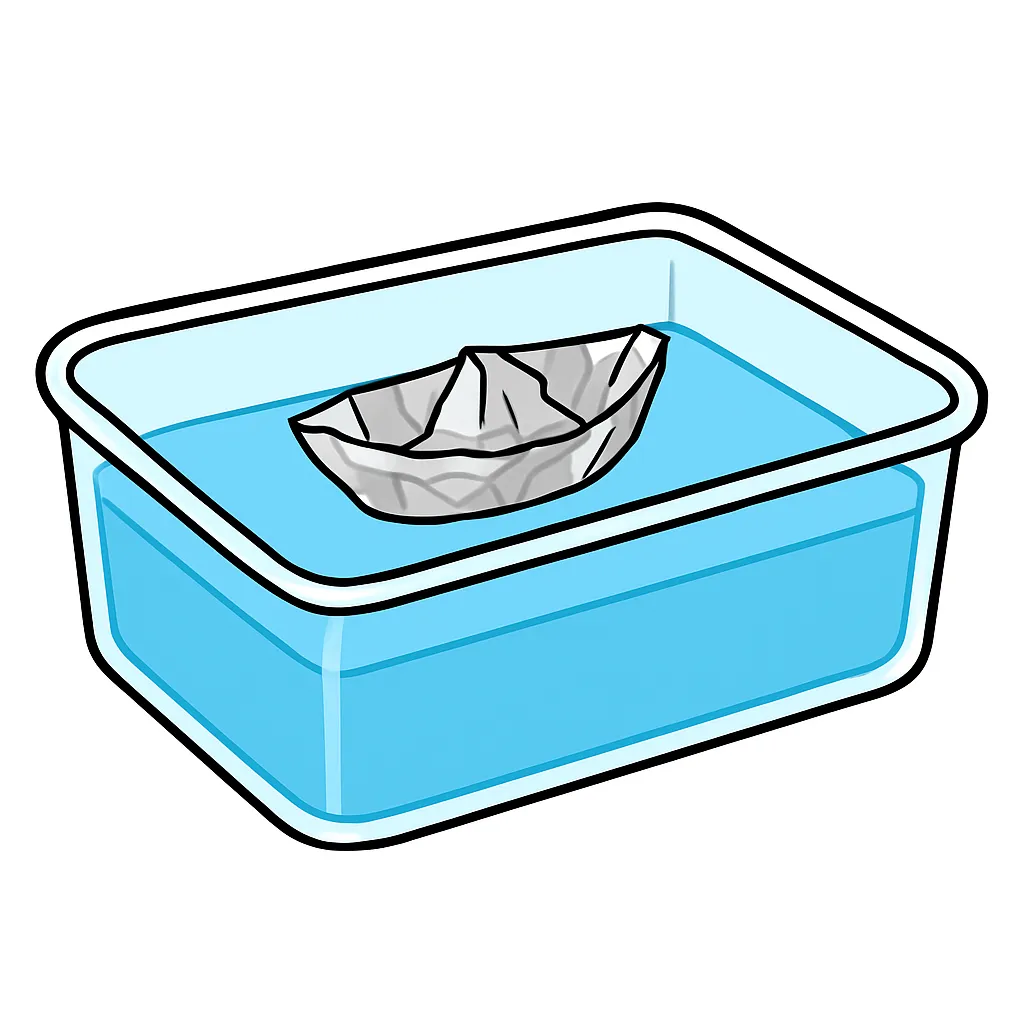
A team built a model boat, Boat X, that must carry twenty pennies and be finished in one class period. Boat X carried thirty pennies, but the team needed two class periods to build it. What does this show?
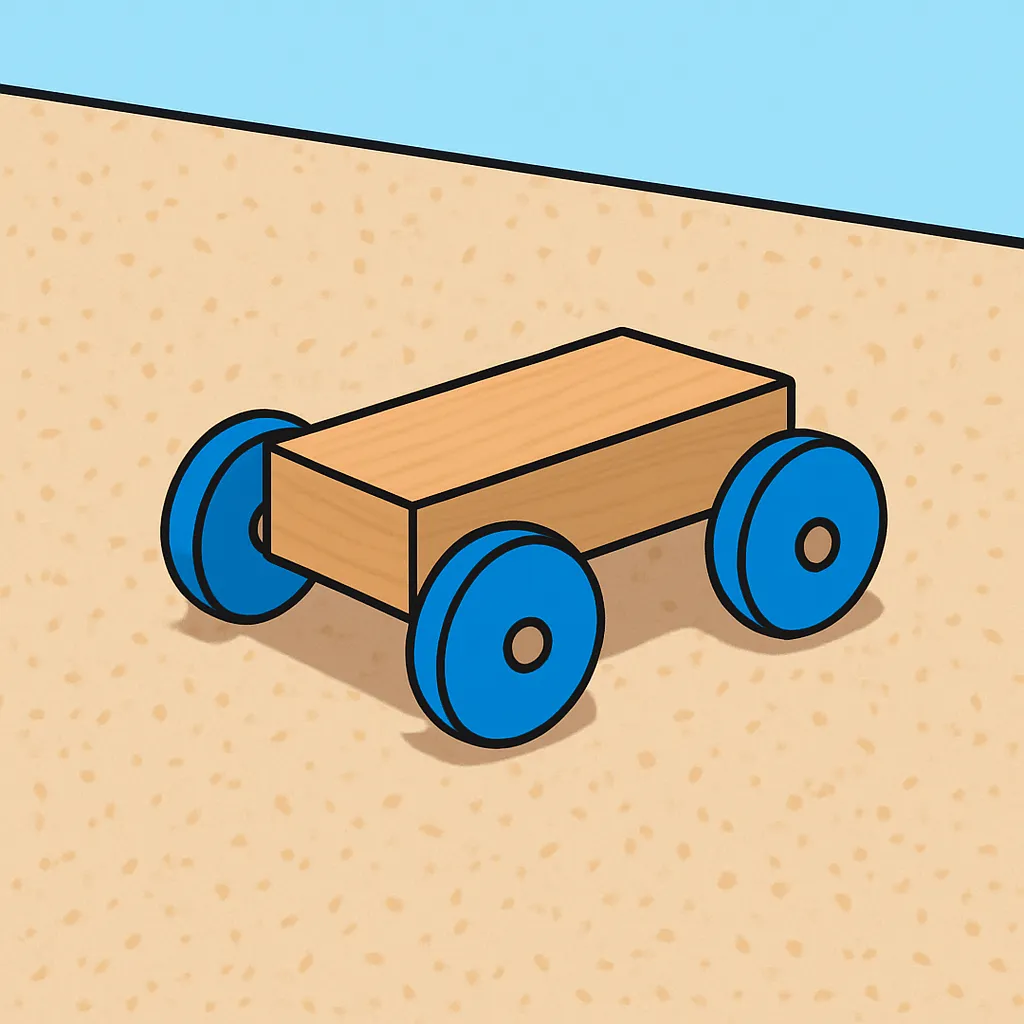
A team's model car rolls straight across smooth tile, but on carpet it veers left every single time. What should the team examine first to improve the car?
Before building a full-size shade for the playground, a team builds a small model from straws and cloth and tests it under a bright lamp. Why build the small model first?

A team tested three glues on the same kind of joint, using the same amount of glue and the same drying time. Glue B held the most weight before the joint came apart. What claim does this evidence support?
A team wants to know whether adding a second rubber band makes their rubber-band car travel farther. Besides the number of rubber bands, what should be kept the same in both runs?
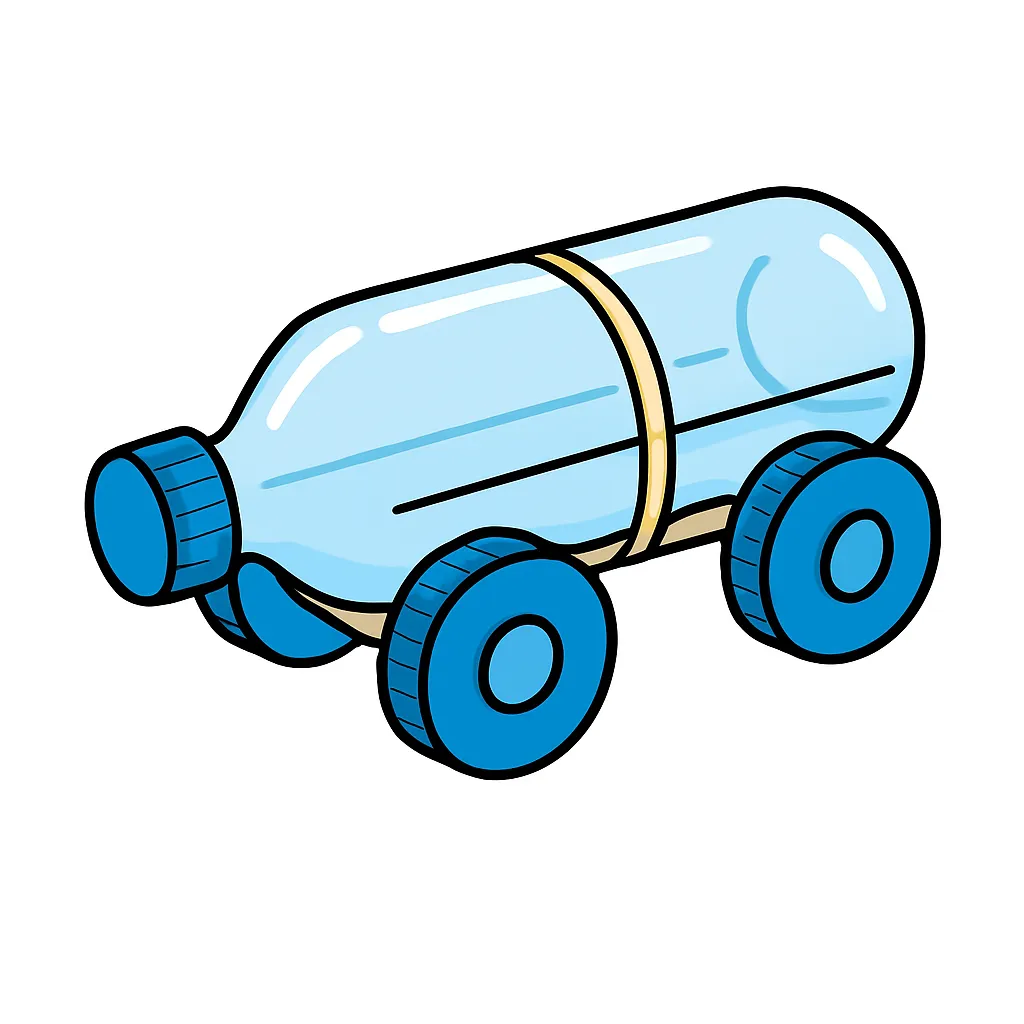
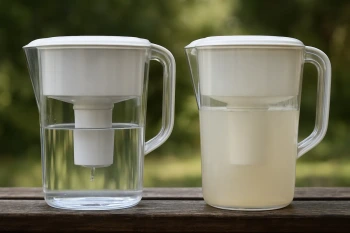
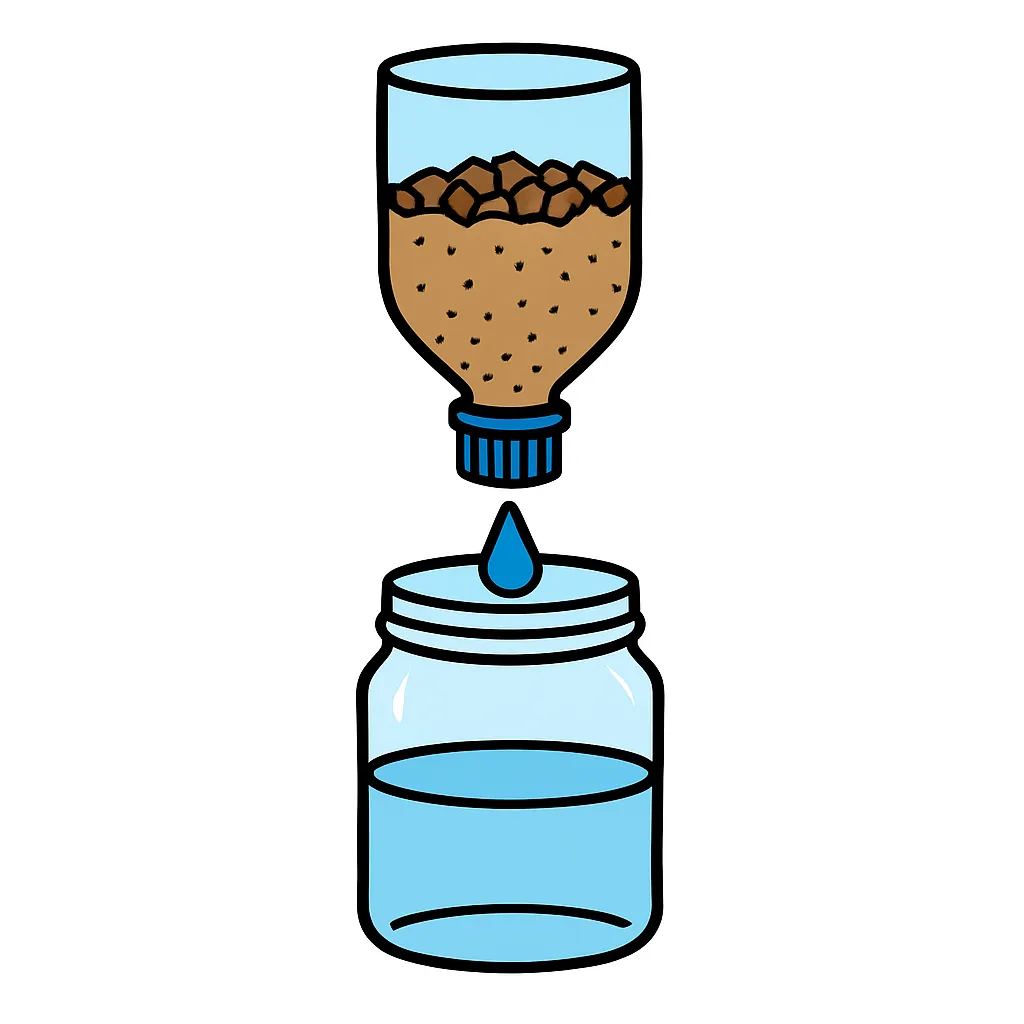
A team tested a bottle water filter. On the second test they added more sand and also poured the water in more slowly. The water came out clearer. What should they do next?
A school wants a way to keep hallway noise down while classes are working. What is a good criterion for judging the teams' designs?
Every time a team tests its paper airplanes outdoors, a gusty wind pushes each plane a different way. What is the best fix so the planes can be compared fairly?

A team's craft-stick bridge held weight well until the roadway sagged in the middle and the load slid off. Which change best uses what the team learned?

Two teams designed a phone stand that must be built in fifteen minutes or less. Design 1 is sturdier but takes thirty minutes to build. Design 2 is a little weaker and takes ten minutes. Which design meets the time constraint?
Crack the passcode before the zombies get in.

Pick a tile, answer, hit bonuses and steals.
Science Practices: Fair Tests and Controlling Variables
20 questions