Loading
by BlastRoom
Grade 5 scenarios in which students sort out the criteria for success and the constraints that limit a design problem.
#engineering_design#us_grade_5_science
20 questions
One question set, multiple game modes. Tap any game to see it in action. Not sure which to pick?
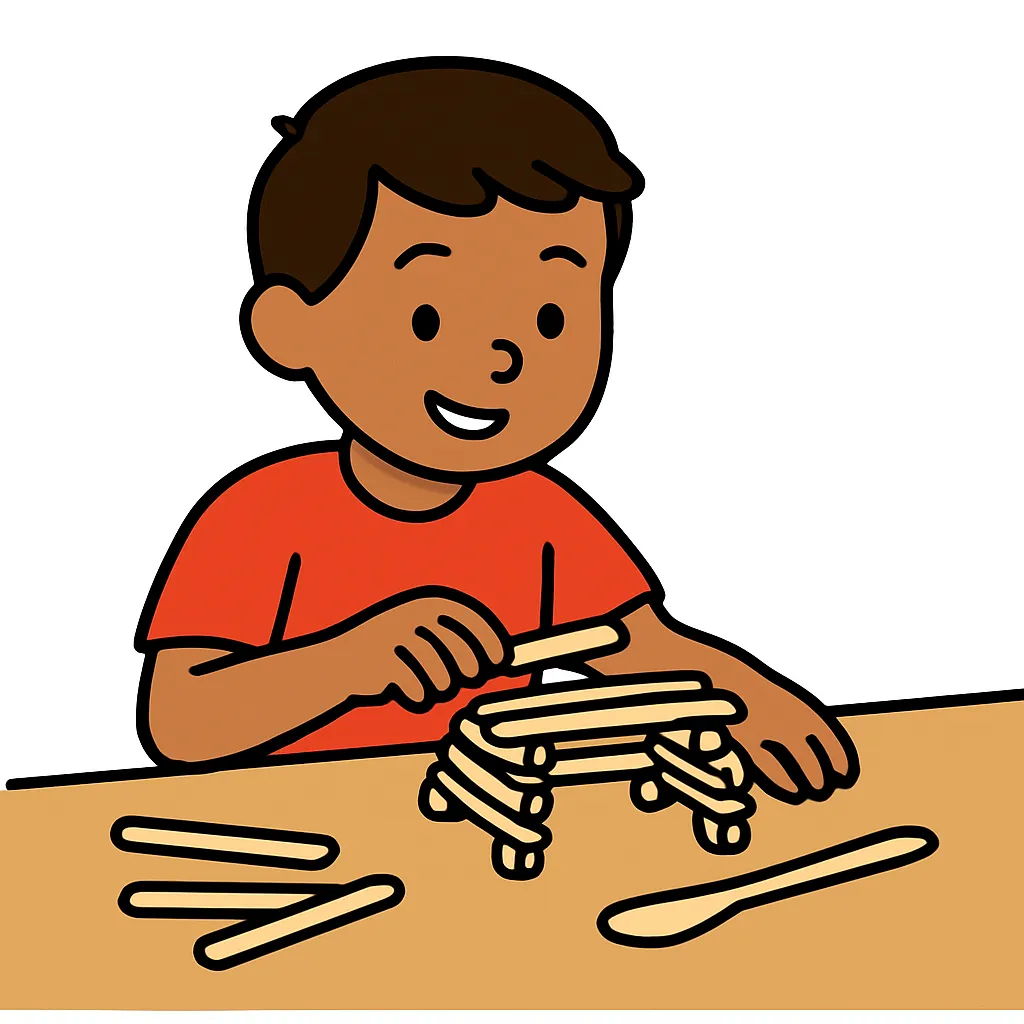
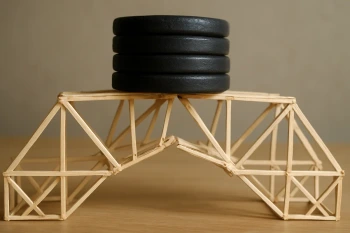
A team must build a craft-stick bridge that holds a 2-kilogram weight. The rules allow only 30 sticks and one class period. Which part of this design problem is a constraint the team must work within?
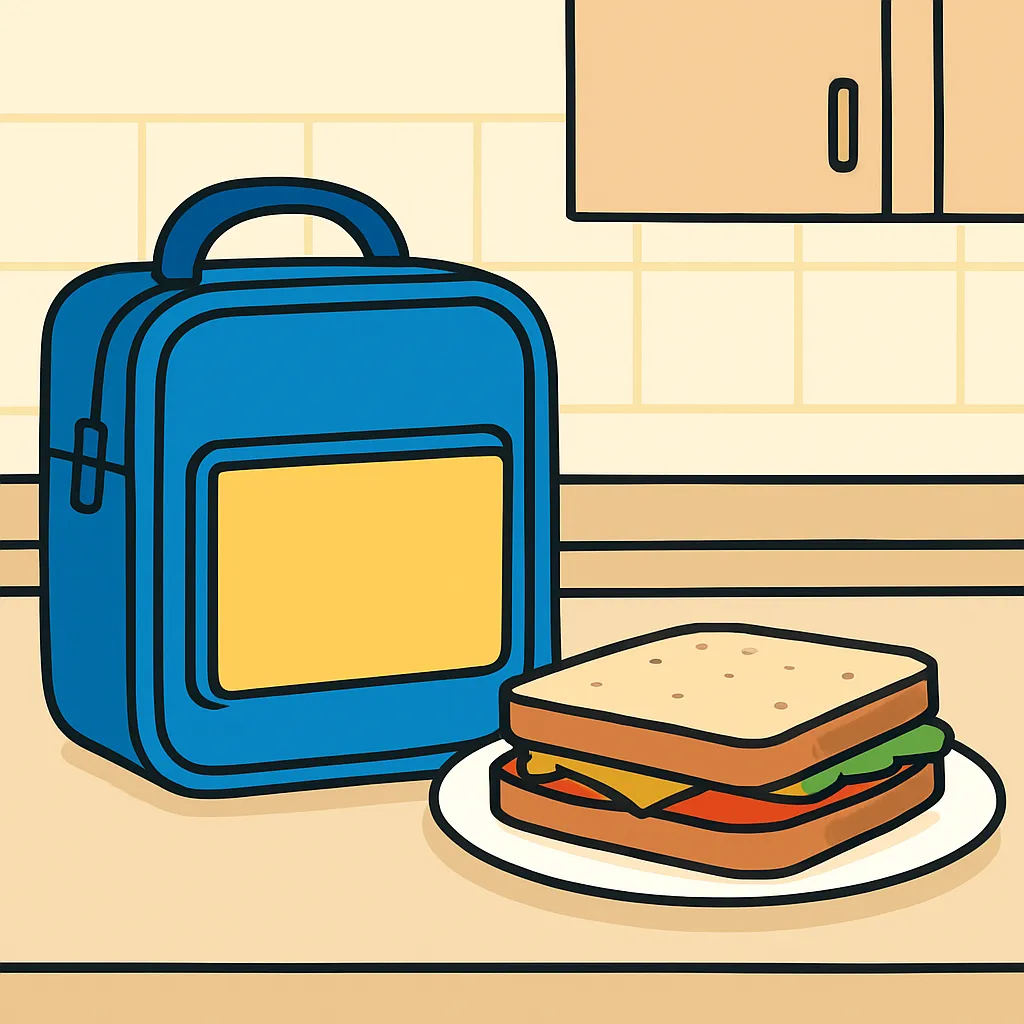
A team designs a lunch bag with three limits: five dollars, one hour to build, and only recycled materials. The finished bag must also keep a sandwich cold until noon. What is the criterion for success here?
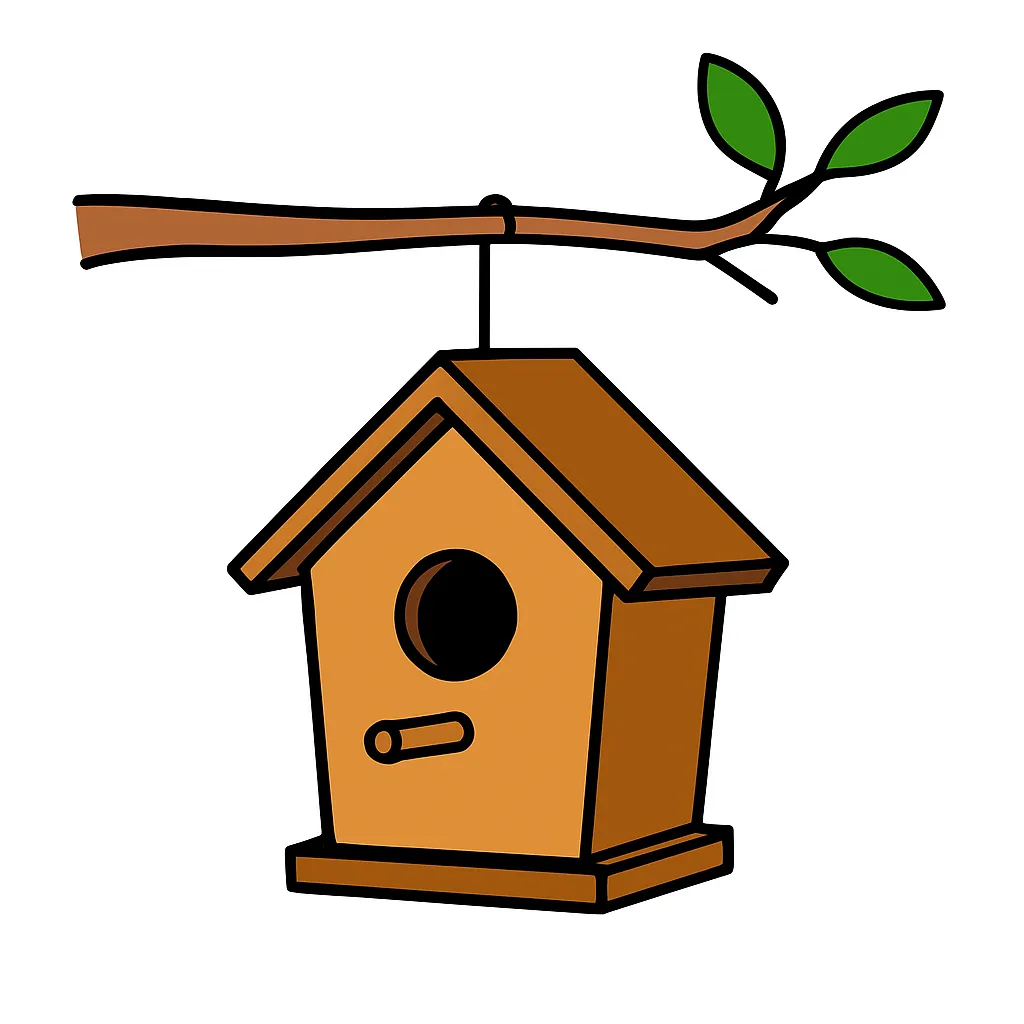
A team must design a birdhouse that keeps a nest dry and hangs from a thin branch, so it must weigh less than one kilogram. Which design must the team reject even though it keeps the nest dry?
Before building, a team writes that their water filter must remove sand from the water and must be made using only the cups and cloth on the supply table. Writing both of these helps define the design problem.
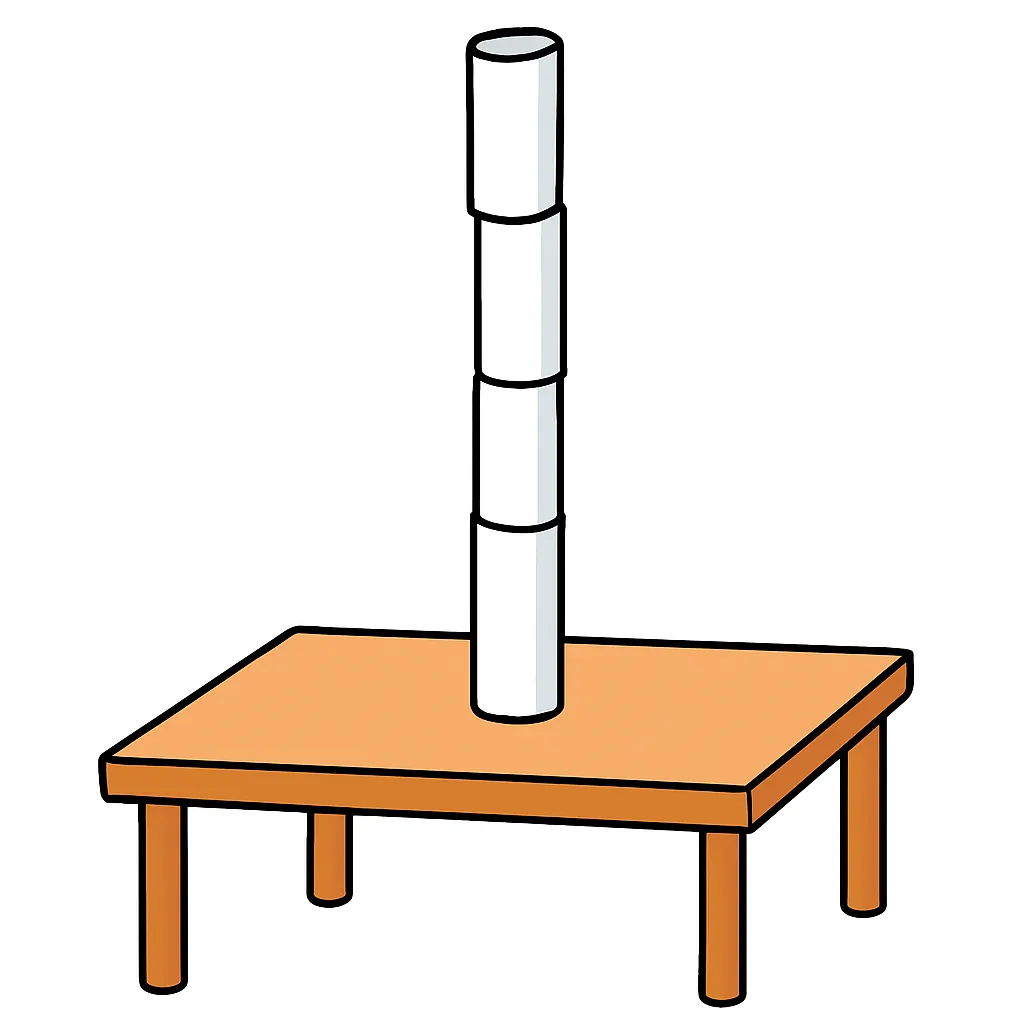
A team's paper tower stands for six seconds and then folds over at the same spot near the bottom in every test. What should the team do with this information?
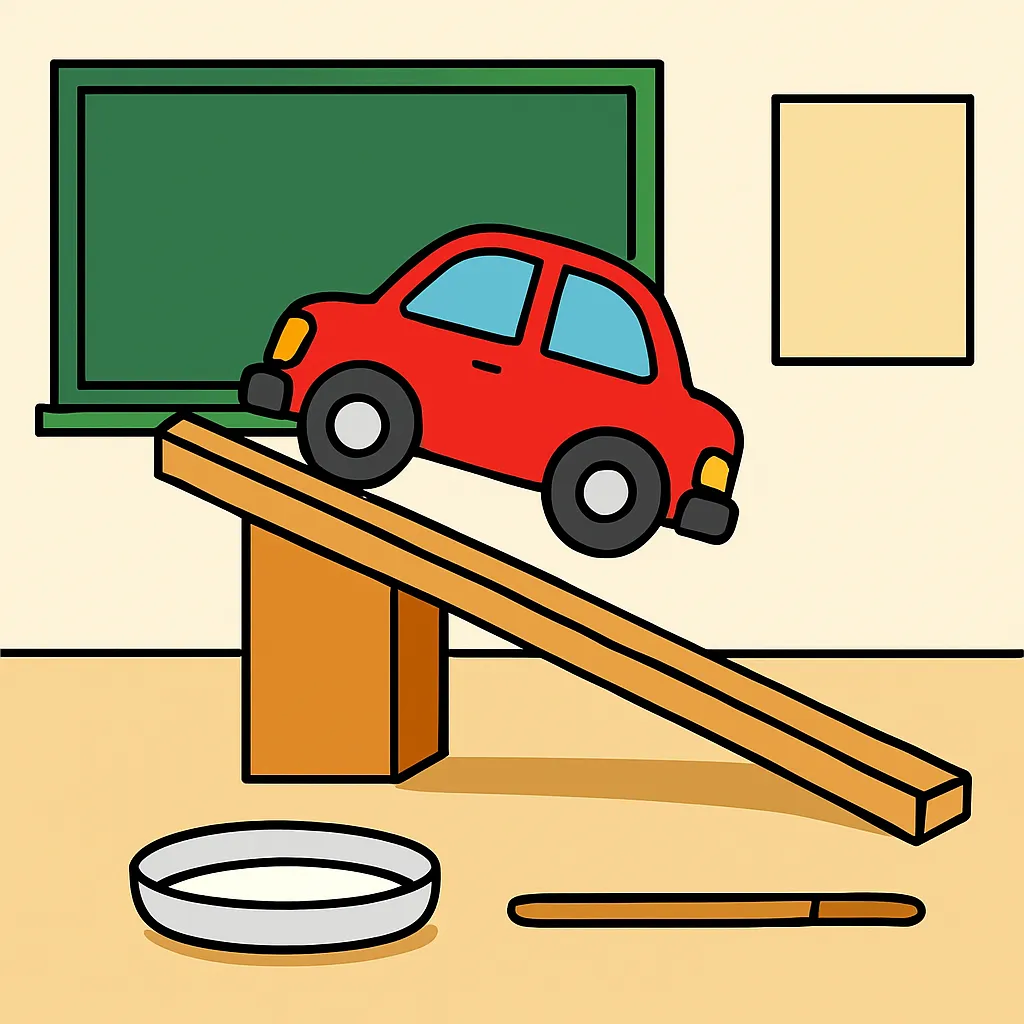
Two teams test model cars to see which wheels roll farther. One team rolls both cars down the same ramp from the same height. The other team makes one ramp steeper to save time. What is wrong with the second test?
A team needs a stand that holds a tablet upright and costs under two dollars. Design A holds it upright for one dollar. Design B holds it upright for four dollars. Which reason best explains choosing Design A?

A team writes two goals for a pencil holder: "It should look nice" and "It should hold at least ten pencils without tipping over." Which goal can the team actually test?
A team building a model wind turbine may use only the straws and the single roll of tape in their kit. How does the amount of tape act in this design problem?
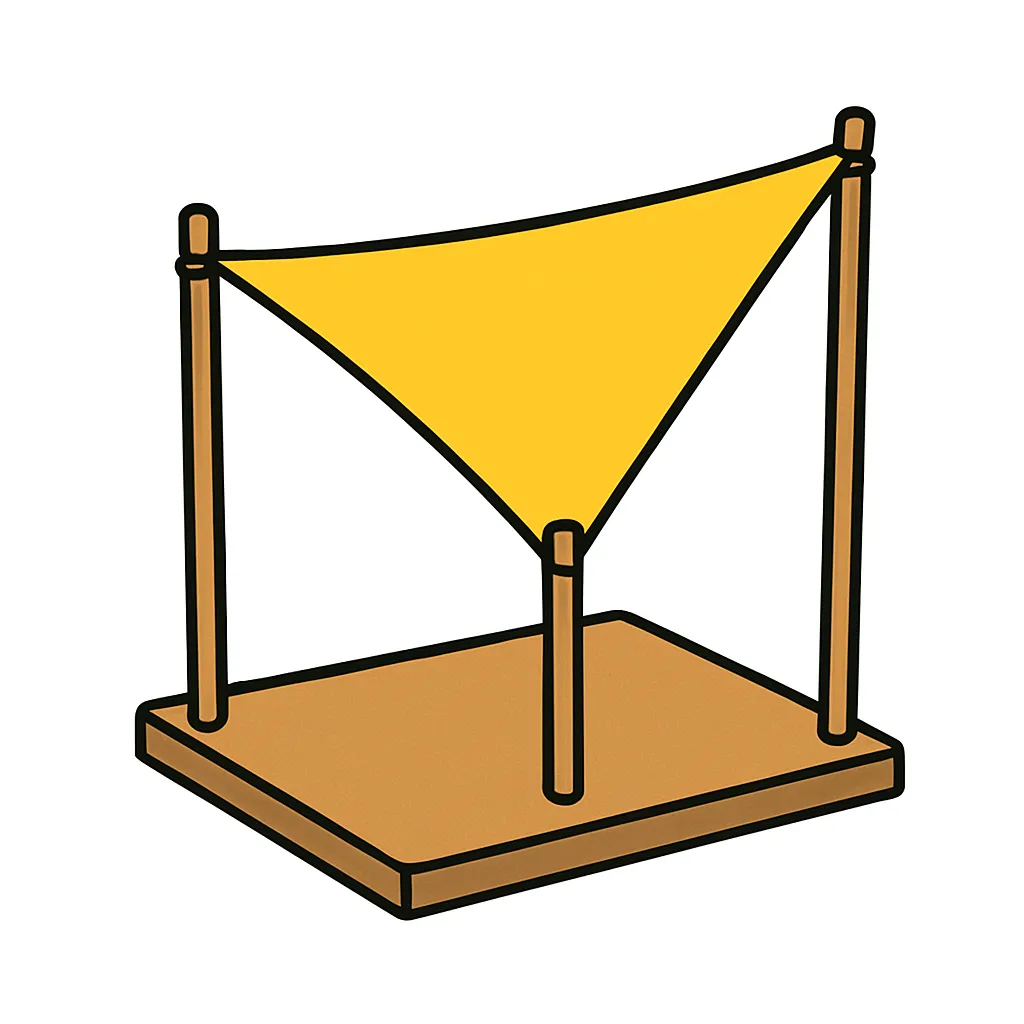
Before a full-size playground shade sail is made, a team builds a small version out of cloth and sticks and tries it outside. Why do engineers build a small model like this first?
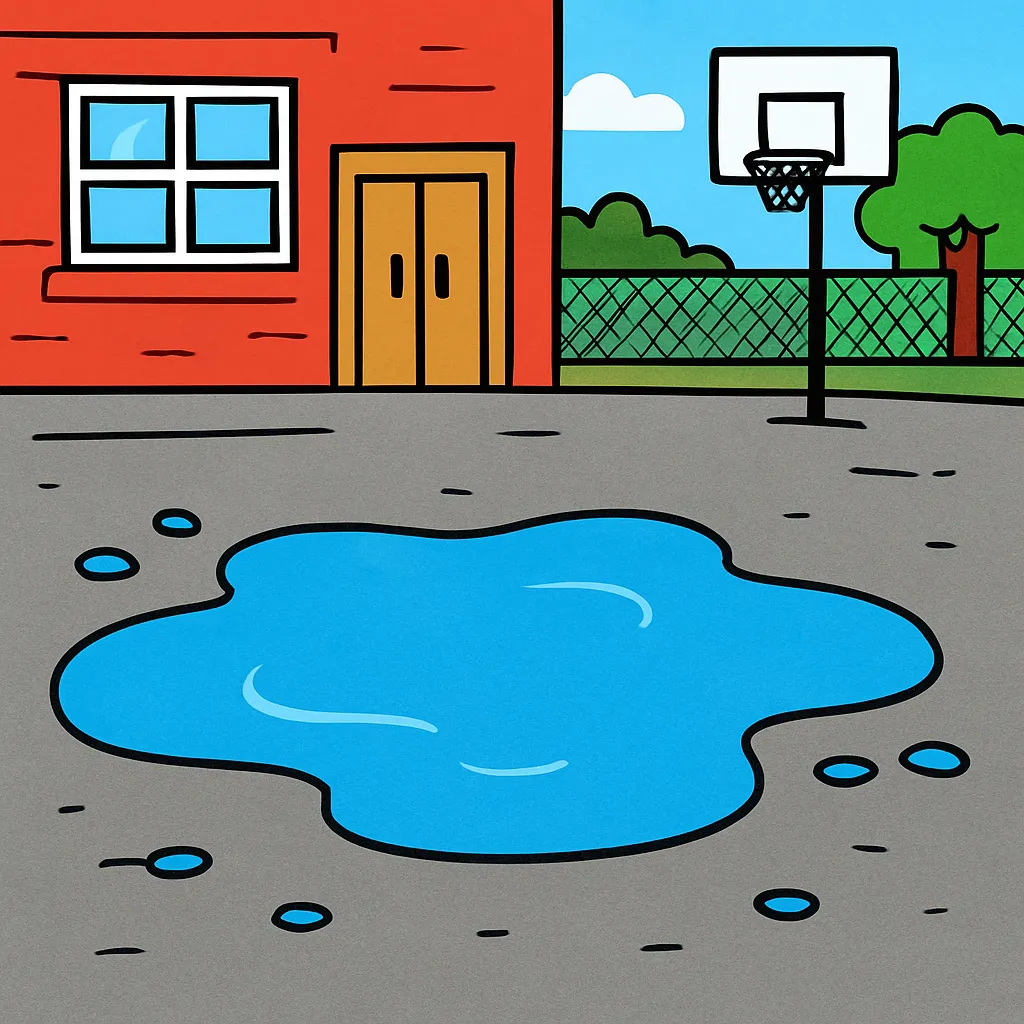
A school's fix for playground puddles must fit between the fence and the court, use only the gravel on site, and finish before the rainy season. What must actually happen for the design to count as a success?
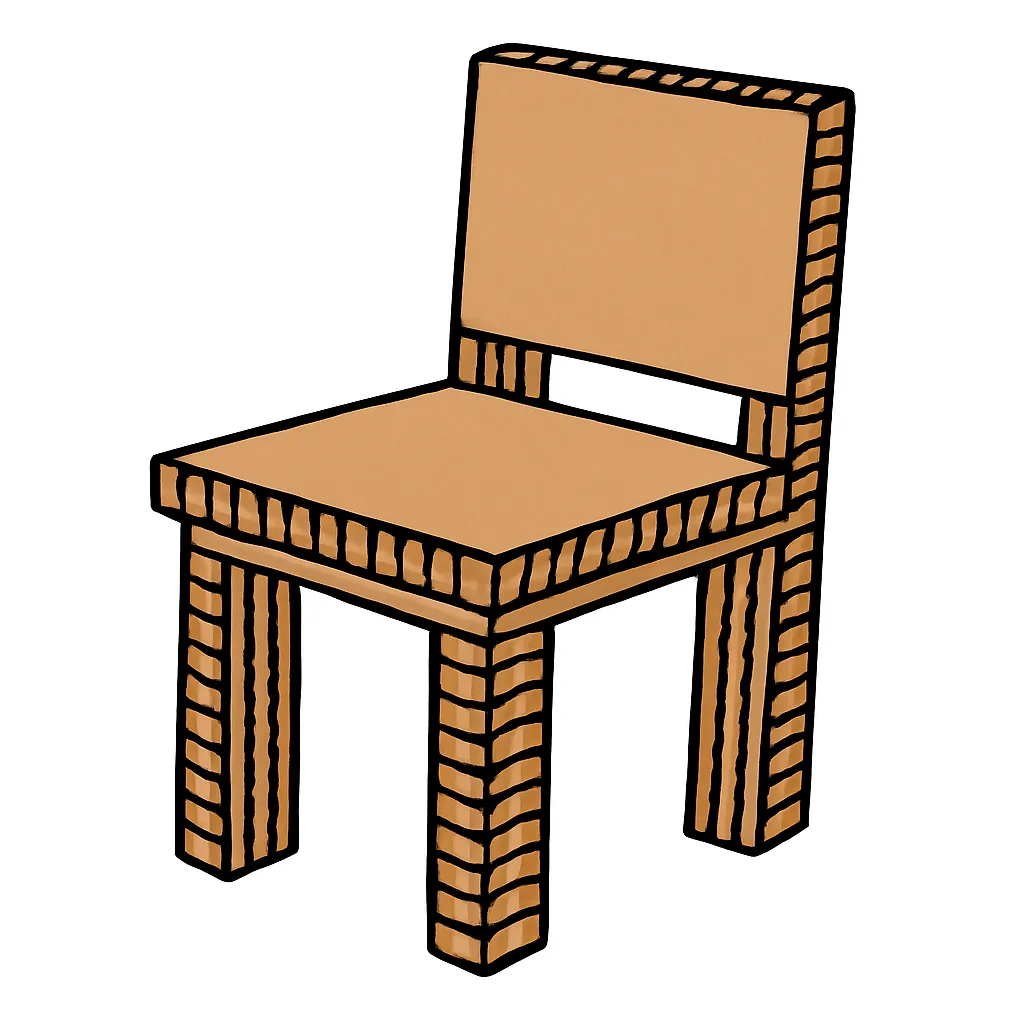
After testing, a team finds their cardboard chair holds a backpack but bends when a student sits down. The rules say the chair must hold a student and use only cardboard. What is the team's best next step?
A team's model boat must carry ten marbles and cost under three dollars. A foam hull carries the marbles but costs five dollars. A foil hull costs one dollar but sinks early. What should the team do next?
Two teams test insulated cups the same way. In three tries, the water in Team A's cup stays warm longer than the water in Team B's cup. Which claim does this evidence best support?
A team compares two parachute designs by dropping them and timing the fall. To be sure the canopy size is what changed the fall time, what must the team keep the same?
A team designing a classroom nightlight is told that nothing in the design may plug into a wall outlet. What does this rule do to the design problem?
A team tests which of two wheel materials rolls farther. They test each material only one time and record that single result as the final answer. What is wrong with this test?
Two teams are given the same design problem, the same list of goals, and the same limits on time and materials. Their finished solutions may still look different from each other.
A team must design a ramp for a small robot, and the rules allow a ramp no longer than one meter. Their best ramp lets the robot climb, but it measures 1.4 meters. What should the team do?
A principal asks a team to design a bike rack that holds at least eight bikes and fits along the wall by the gym. What has the principal given the team?
Crack the passcode before the zombies get in.

Pick a tile, answer, hit bonuses and steals.
Engineering Design: Fair Tests and Failure Points
20 questions