Loading
by BlastRoom
The whole unit: thresholds, the senses, and how the brain organizes what they send.
#psychology

40 questions
One question set, multiple game modes. Tap any game to see it in action. Not sure which to pick?
Answer to place stones and capture territory.
Outrun the snow together.
Earn blasts, then hunt the other team.
Answer to earn energy, then climb.

The class blasts through walls together.
Bid on mystery lots. Most money wins.
Sell tours. Nice, standard, or a total scam.

Answer, restock, and serve the rush.
More correct answers pulls the rope your way.
Answer, then shoot down the alien wave.
Answer, then tap to leap the frozen ridge.
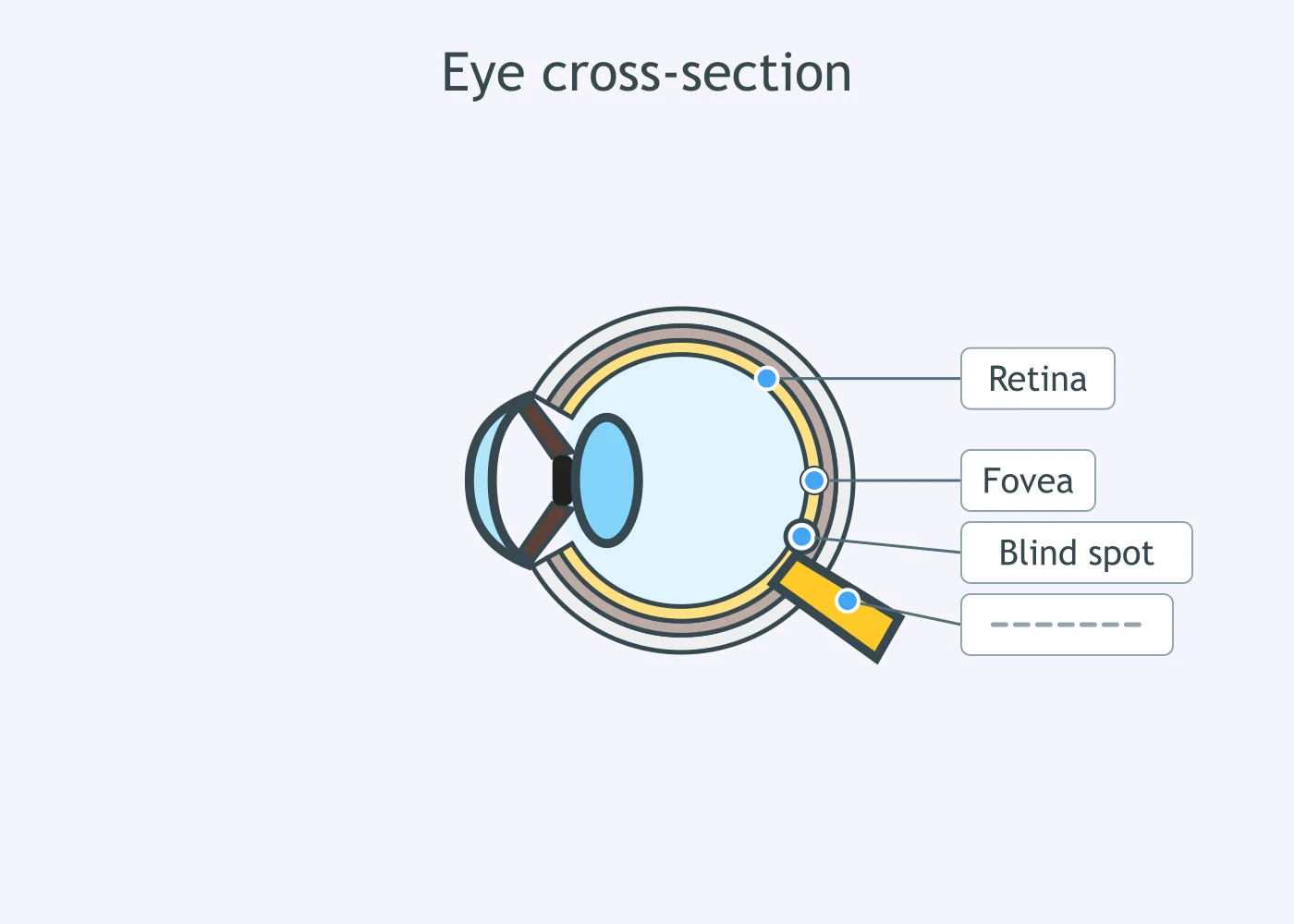
In the eye diagram, the transparent front covering marked [blank] begins bending incoming light. It is the
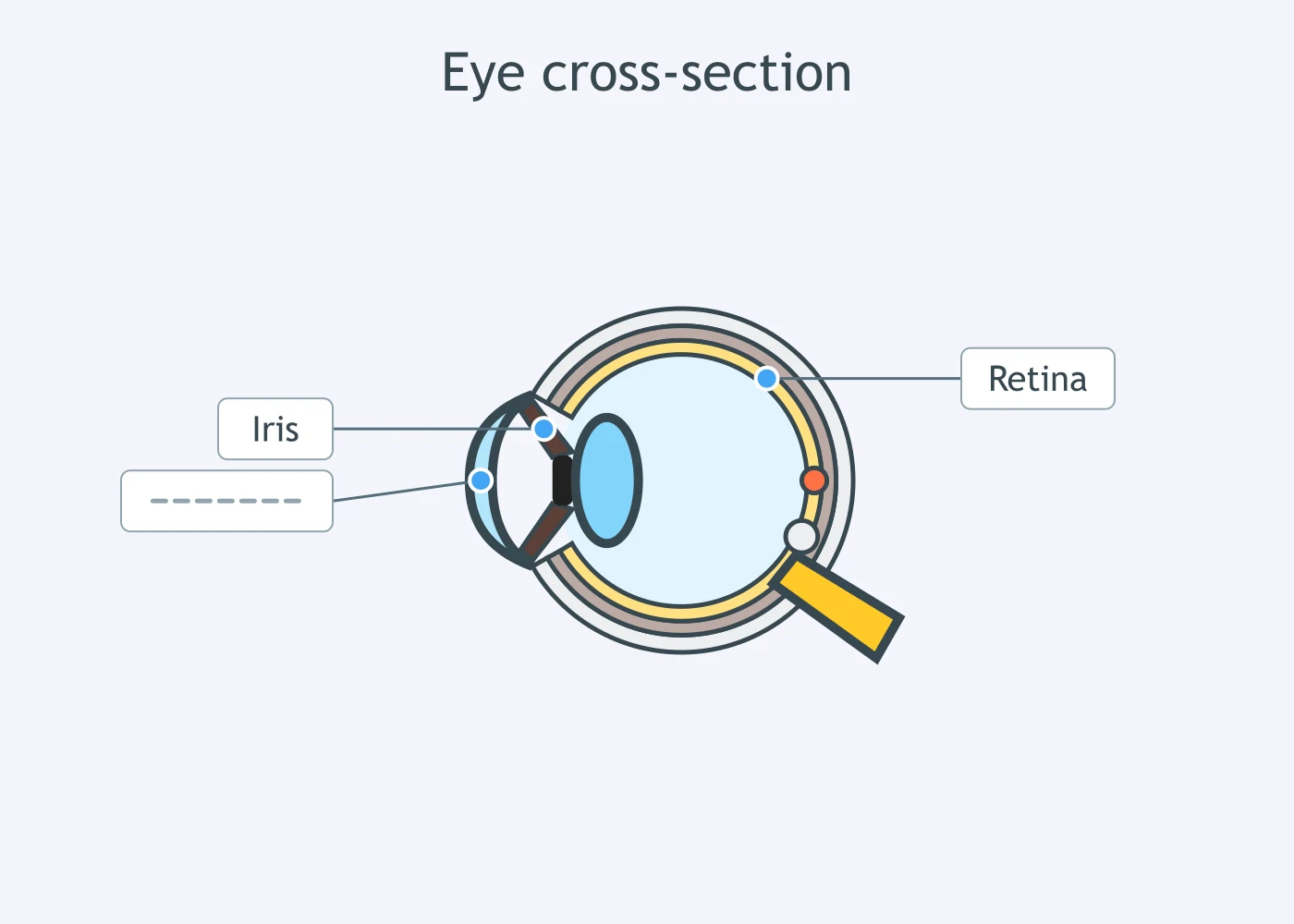
In the eye diagram, the structure marked [blank] adjusts pupil size and gives the eye its color. It is the
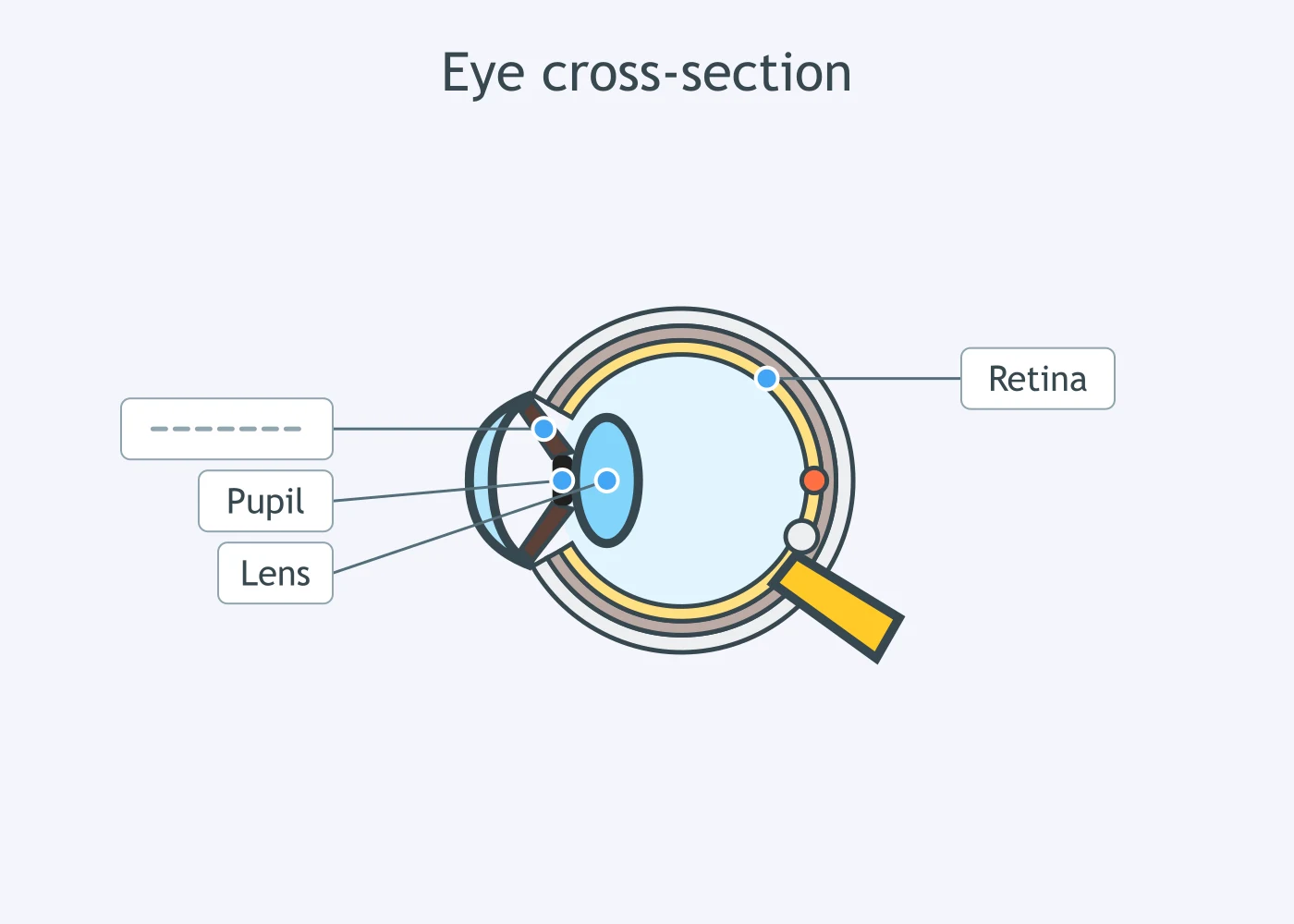
In the eye diagram, the light-sensitive layer marked [blank] lines the back of the eye. It is the
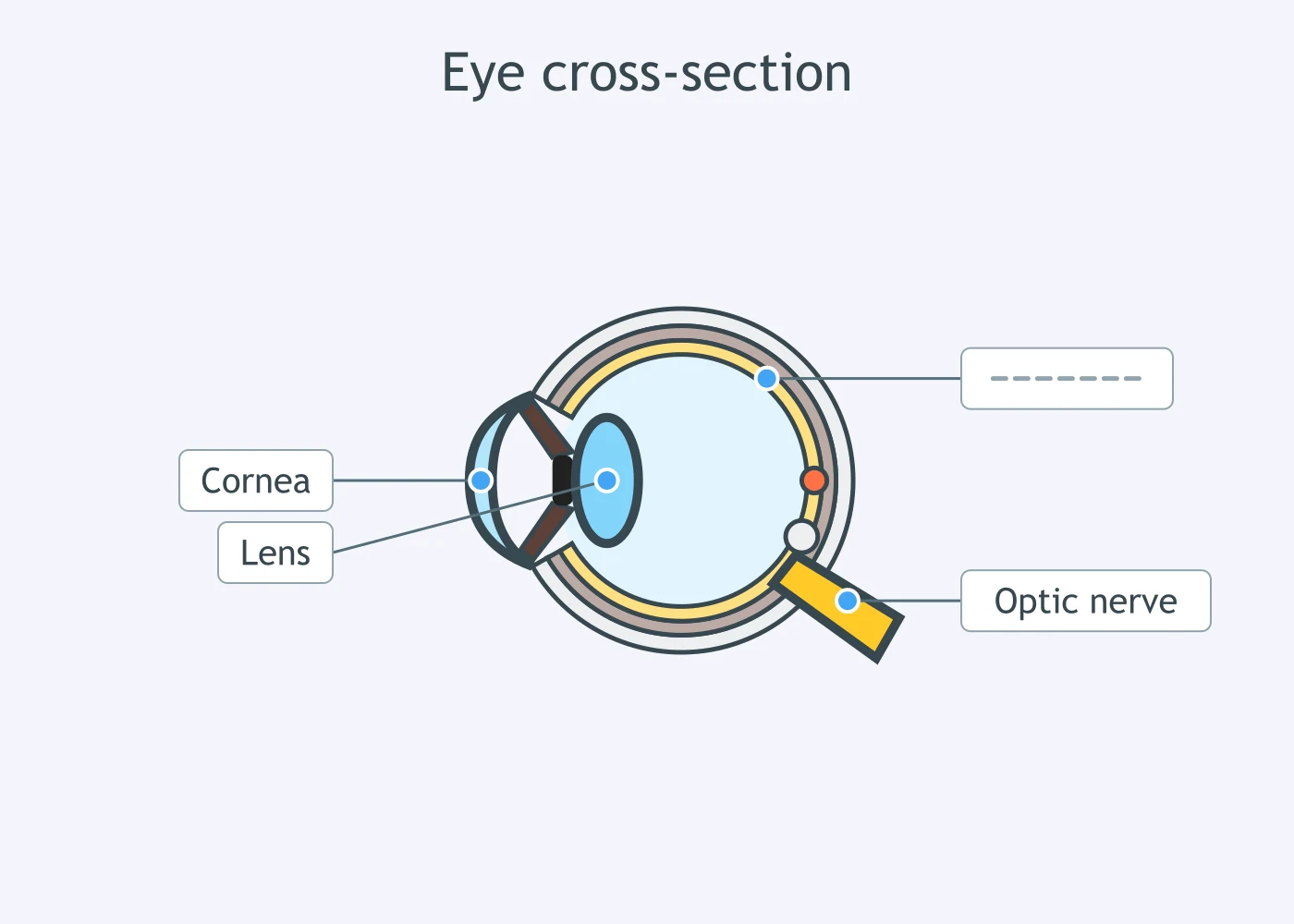
In the eye diagram, the bundle marked [blank] leaves the retina and carries visual signals toward the brain. It is the
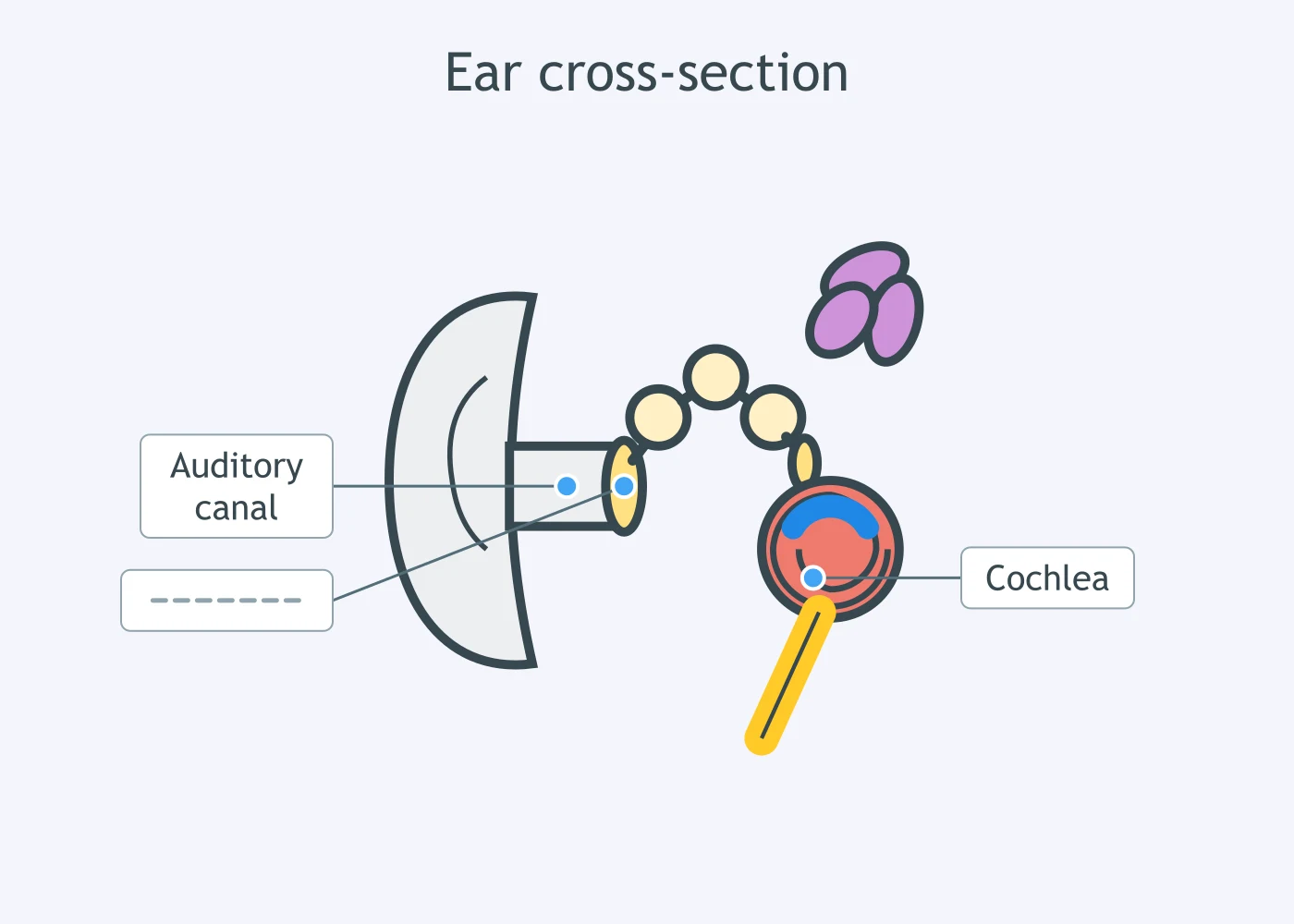
In the ear diagram, the membrane marked [blank] vibrates when sound waves reach the end of the auditory canal. It is the
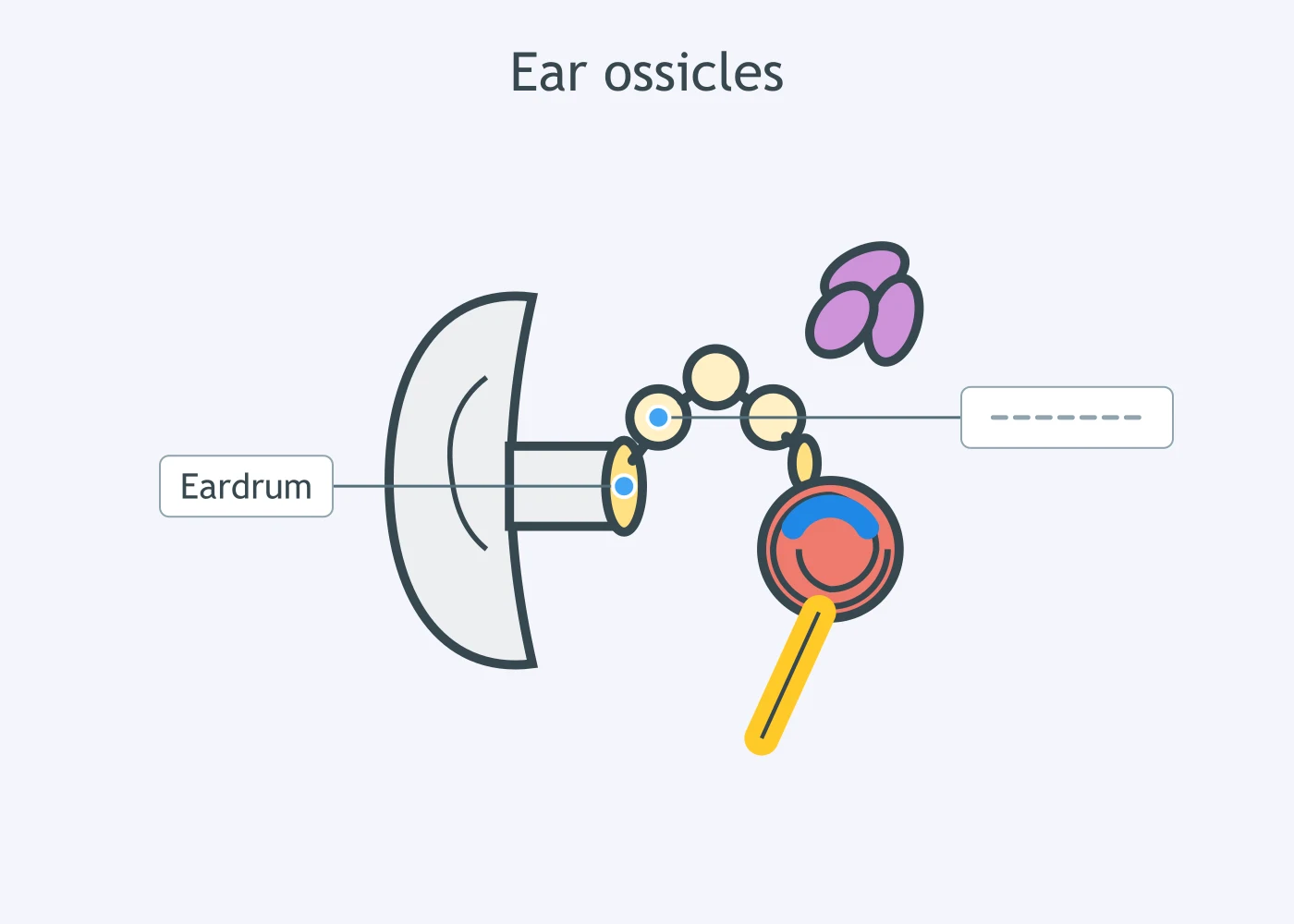
In the ear diagram, the tiny bone marked [blank] touches the eardrum and moves first in the ossicle chain. It is the
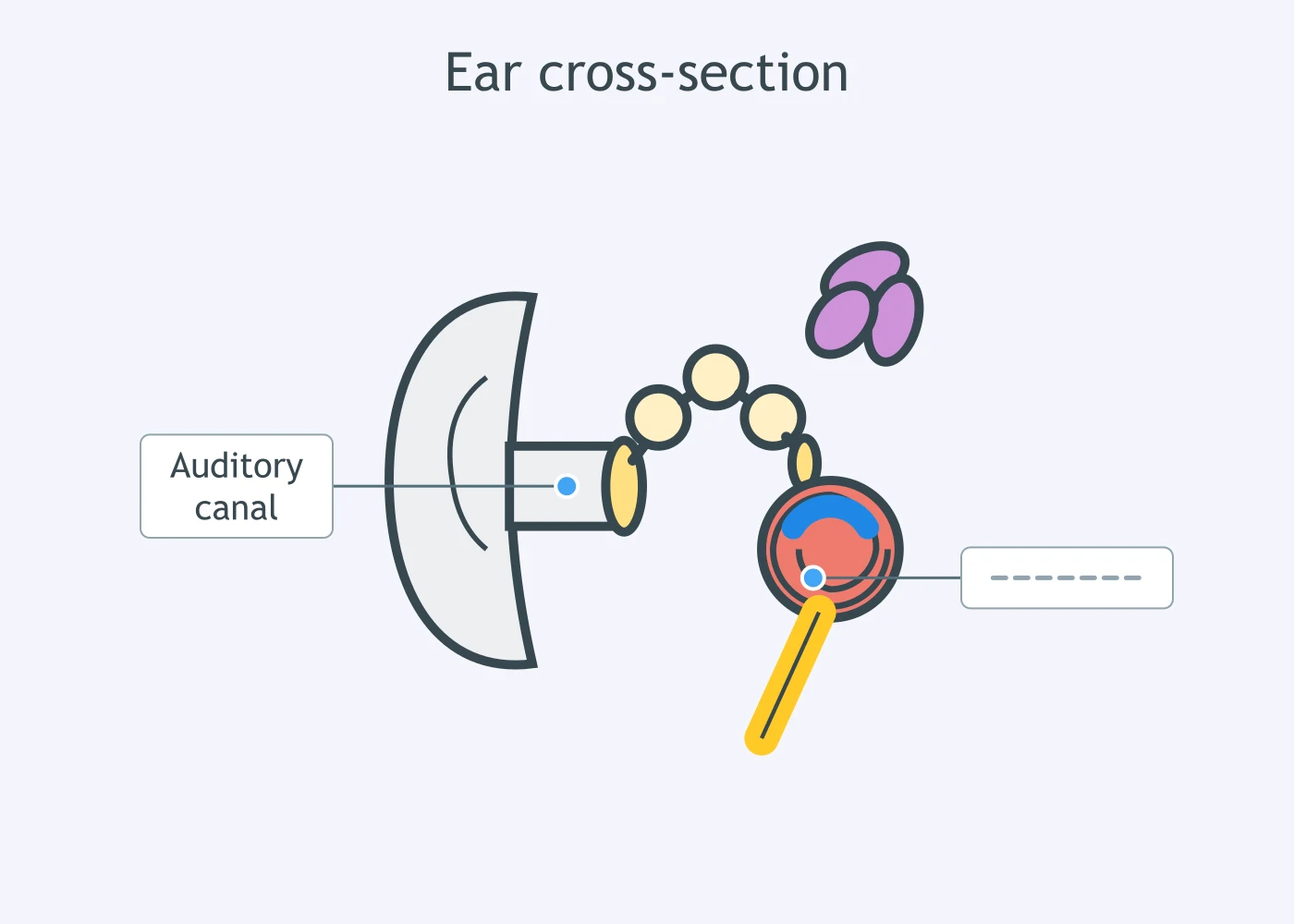
In the ear diagram, the fluid-filled spiral marked [blank] contains hair cells that transduce vibrations. It is the
The figure has gaps, but viewers tend to see one complete shape. Which Gestalt principle explains this?

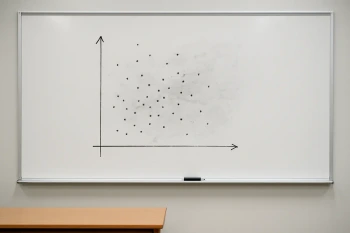
In the figure, identical dots are perceived as groups because some dots sit closer together. Which Gestalt principle is shown?

The figure can be seen as a shape in front of a background, depending on what part stands out. Which Gestalt principle is shown?

Hearing the faintest tick of a clock in a quiet room 50% of the time is an example of which threshold?
A student notices a music player became louder only after the volume changed from 20 to 22, not from 20 to 21. The smallest detectable change is the
Weber's law predicts which weight change is easier to notice: adding 1 kg to a 5 kg bag or adding 1 kg to a 50 kg bag?
When light hits rods and cones, they convert it into neural signals the brain can use. This conversion is called
After a few minutes in a pool, the water no longer feels cold even though its temperature did not change. This is
At airport security, a screener must decide whether a faint blur on a monitor is a real object or random noise. This illustrates
A word flashed too quickly to report later influences a student's choice of a related word. The flashed word is best described as
Seeing a masked brand name makes a student faster to recognize the same brand later, even without conscious recall. This effect is
A student detects red light striking cones in the retina. This first registration of stimulus energy is
A driver sees red lights and understands they mean a brake light ahead. This organization and interpretation of sensory input is
A teacher reads a messy word because the sentence makes one meaning likely. This use of expectations is
Identifying an unfamiliar letter by first analyzing its lines, angles, and curves is
After rods and cones fire, visual information travels through the optic nerve to the thalamus and then mainly to the
Problems with red-green color vision at the receptor level are best explained by
Staring at a red image and then seeing a green afterimage on white paper is best explained by
Different high tones stimulate hair cells at different points along the basilar membrane, and the brain reads pitch from which point responds most. This is
For low pitches, groups of auditory neurons firing in rhythm with a sound wave support
Rubbing a bumped shin can reduce pain because touch signals in the spinal cord block some pain signals from reaching the brain. This is
A cold makes food seem bland because smell contributes to flavor along with gustation. The sense of smell is called
After spinning, a student feels the room move because inner-ear balance receptors signal head motion. This sense is
A dancer knows her arm position without looking. This body-position sense is
A 3D movie gives each eye a slightly different image, and the brain uses the difference to judge depth. The cue is
Railroad tracks seem to meet in the distance, so a viewer judges the far end as farther away. The monocular cue is
A branch partly covers a bird, so a viewer perceives the branch as closer than the bird. The depth cue is
Pebbles on a beach look densely packed and less detailed in the distance. The monocular depth cue is
A road's painted line is perceived as one smooth path even where a parked car hides part of it. The Gestalt principle is
The same mark is read as B in A _ C but as 13 in 12 _ 14. This is
A door is still perceived as rectangular even when its retinal image becomes a trapezoid as it opens. This is
A student expecting a text about food reads a blurred word as soup when it could also be soap. This expectation is
While concentrating on a friend's voice at a loud game, a student misses other announcements. This best illustrates
Crack the passcode before the zombies get in.
Answer, then swat bugs for bonus points.
Race through questions at your own speed.
Same question on every screen. Fastest wins.

Pick a tile, answer, hit bonuses and steals.
Learning
40 questions