Loading
by BlastRoom
Predict how meeting air masses change temperature, humidity, precipitation, and wind.
#weather#us_grade_6_science
20 questions
One question set, multiple game modes. Tap any game to see it in action. Not sure which to pick?
Answer to place stones and capture territory.
Outrun the snow together.
Earn blasts, then hunt the other team.
Answer to earn energy, then climb.

The class blasts through walls together.
Bid on mystery lots. Most money wins.
Sell tours. Nice, standard, or a total scam.

Answer, restock, and serve the rush.
More correct answers pulls the rope your way.
Answer, then shoot down the alien wave.
Answer, then tap to leap the frozen ridge.
A weather station reports a large body of air stretching hundreds of kilometers with nearly the same temperature and humidity throughout. What is this body of air called?

An air mass sits for days over a warm ocean before moving inland. What temperature and humidity will it most likely carry onto the land?

An air mass forms over a cold, dry region far inland during winter, then moves toward a city. What weather change should the forecaster expect in that city?

Two air masses with very different temperatures and humidity meet, and the weather changes sharply along the boundary between them. What is that boundary called?
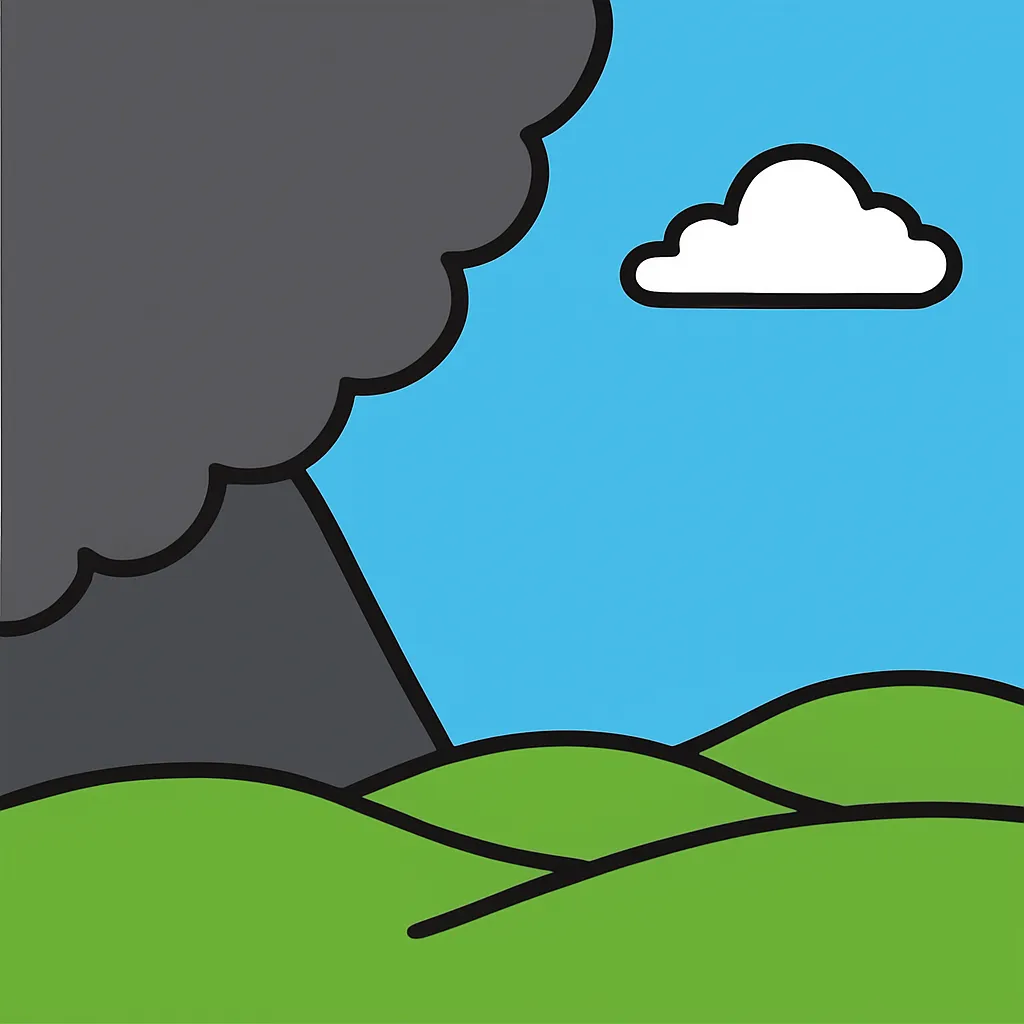
A cold air mass pushes into a region held by warm, humid air. Because cold air is denser, what happens at the boundary?
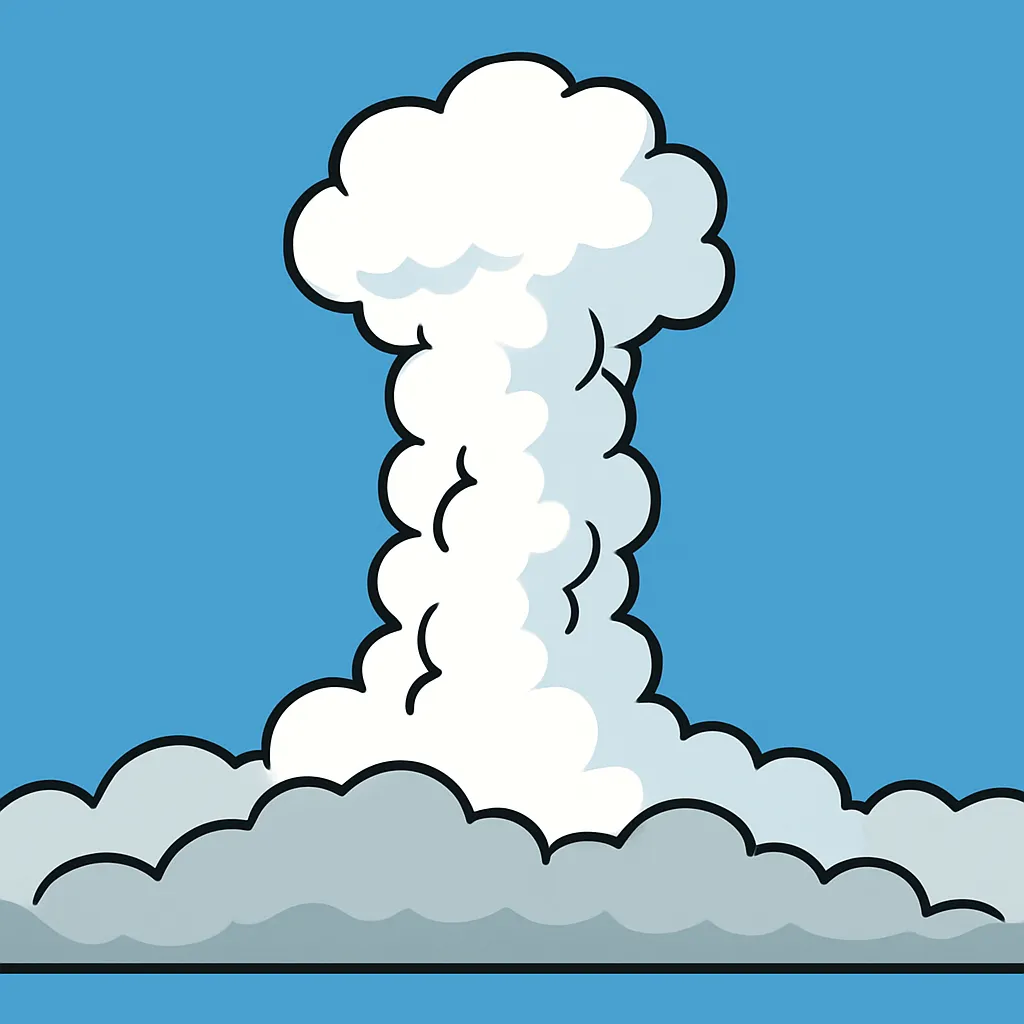
Warm, humid air is lifted upward along a front. Why does precipitation often follow?
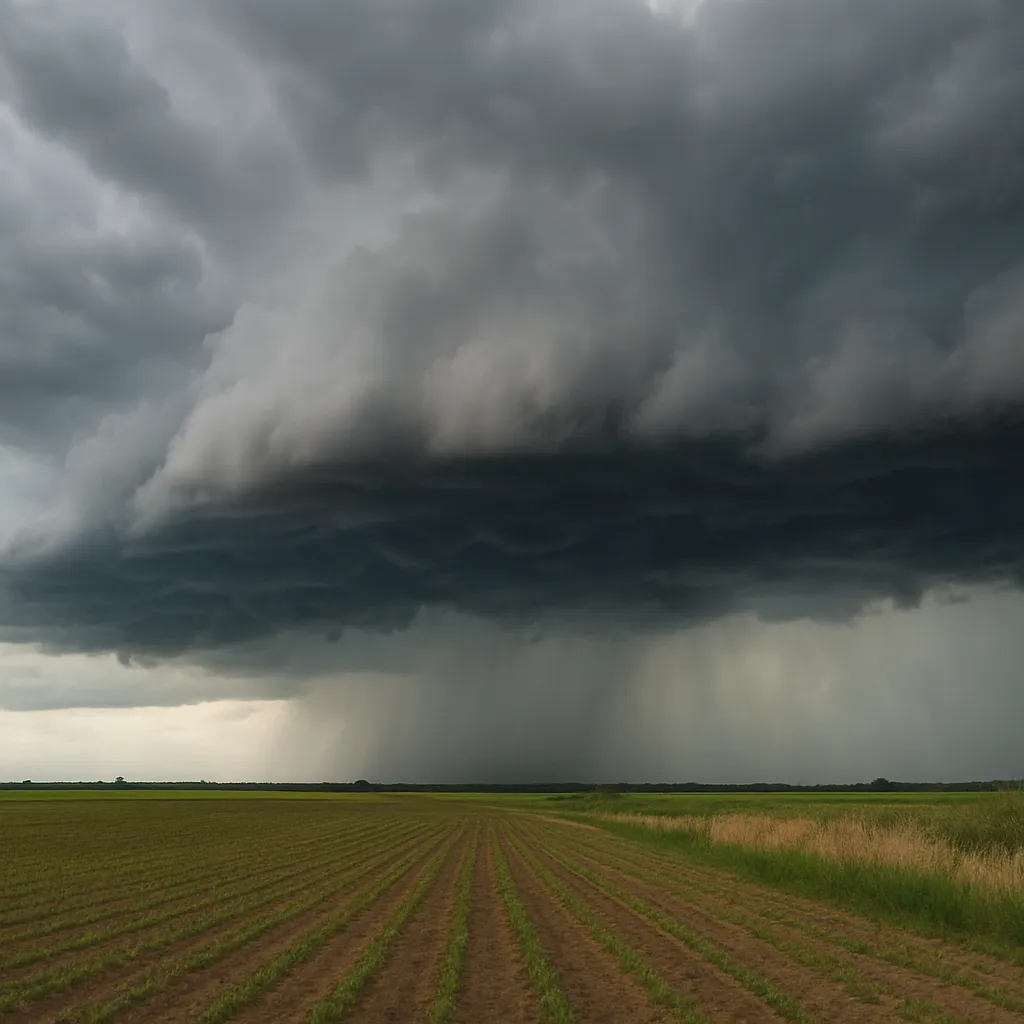
A barometer at a school reads 1016 hPa at 9 a.m., 1009 hPa at noon, and 1002 hPa at 3 p.m. What is the most reasonable forecast for that evening?

A weather club records humidity of 45 percent, then 58 percent, then 72 percent over six hours while the temperature holds steady. What does this trend most likely show?
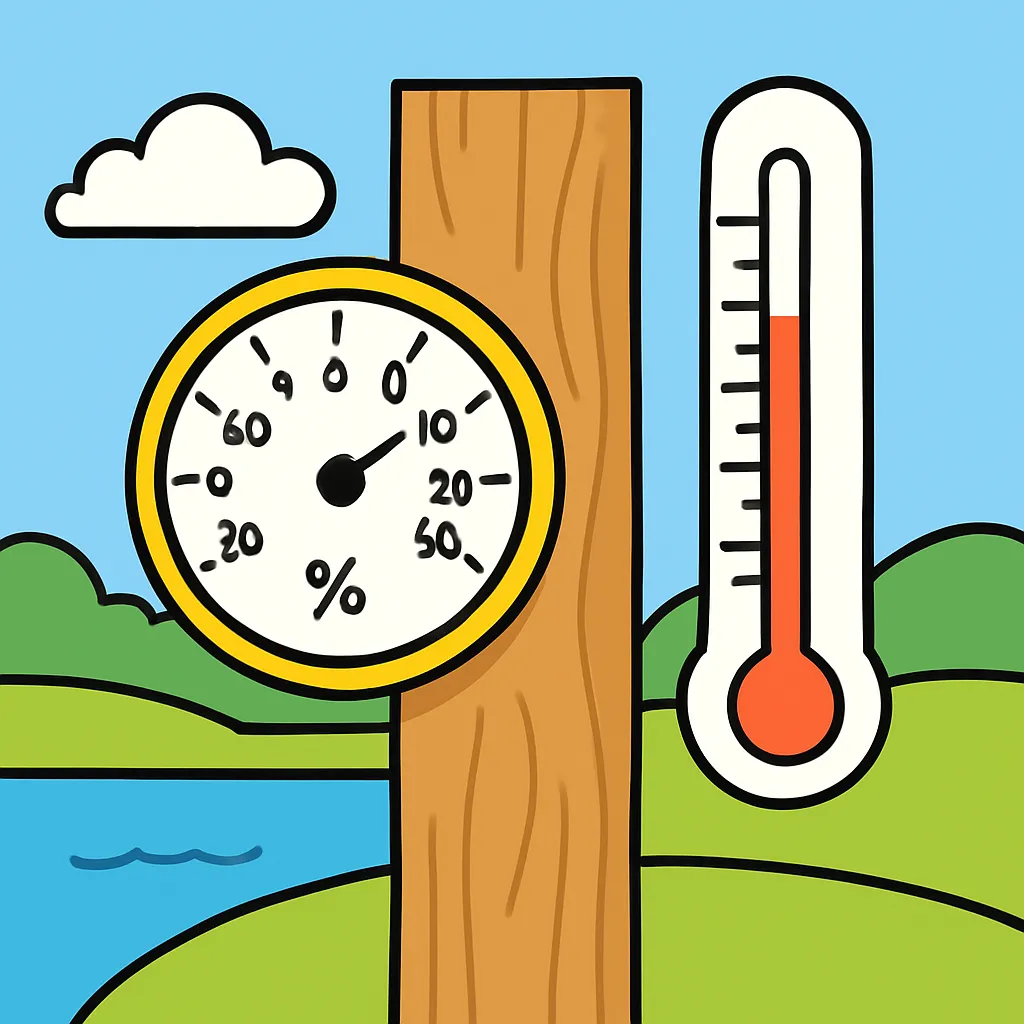
In a region with no mountains nearby, air near the ground moves away from an area of 1024 hPa toward an area of 1004 hPa. What is this moving air called, and which way does it go?

A station records a light breeze all morning, then much stronger wind as a front arrives. What best explains the stronger wind?
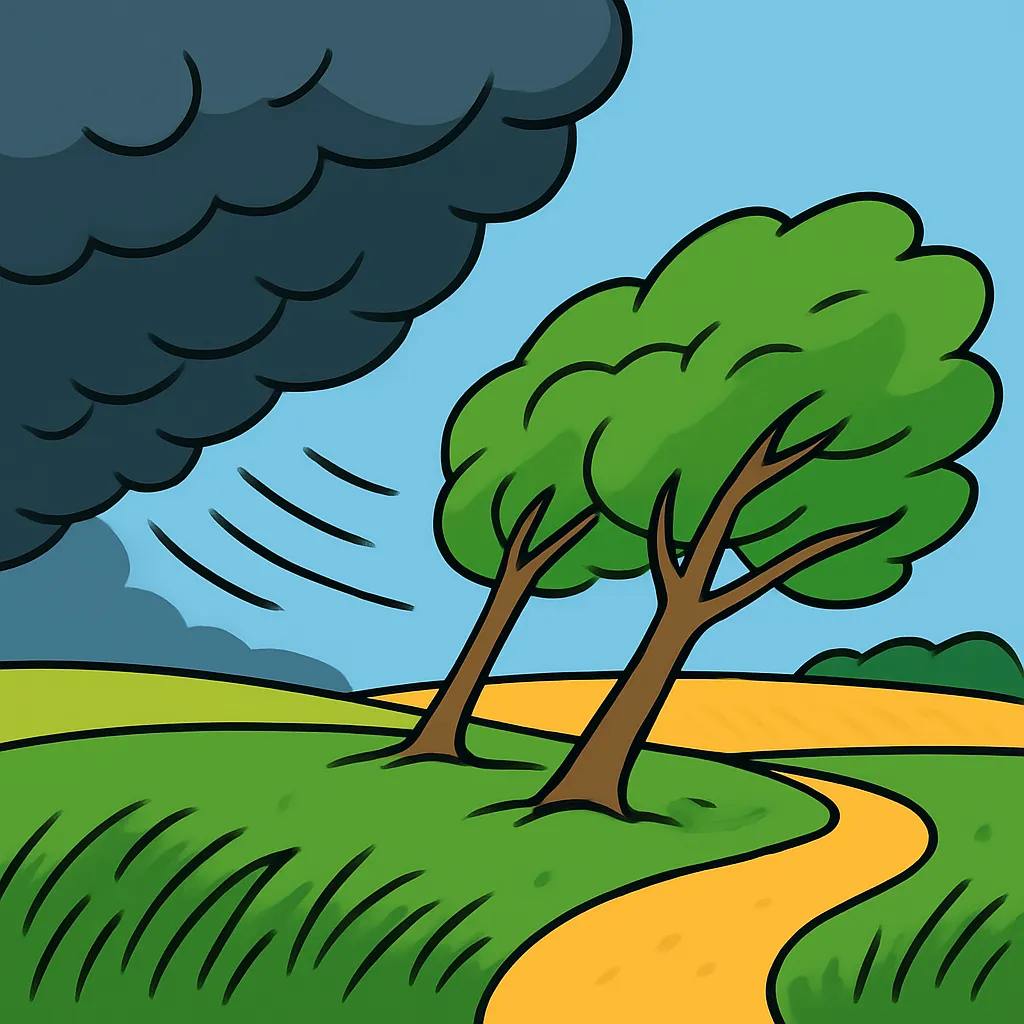
Before a front passed, a town recorded 27 degrees Celsius and 85 percent humidity. Two hours after it passed, the readings were 16 degrees Celsius and 40 percent humidity. Which air mass moved in?

After a cold front passes a weather station, the air pressure begins to rise steadily and the wind shifts direction. What weather usually follows over the next day?

A warm air mass slides slowly up and over a cold air mass that is already in place. Compared with a fast cold front, what precipitation pattern is likely?
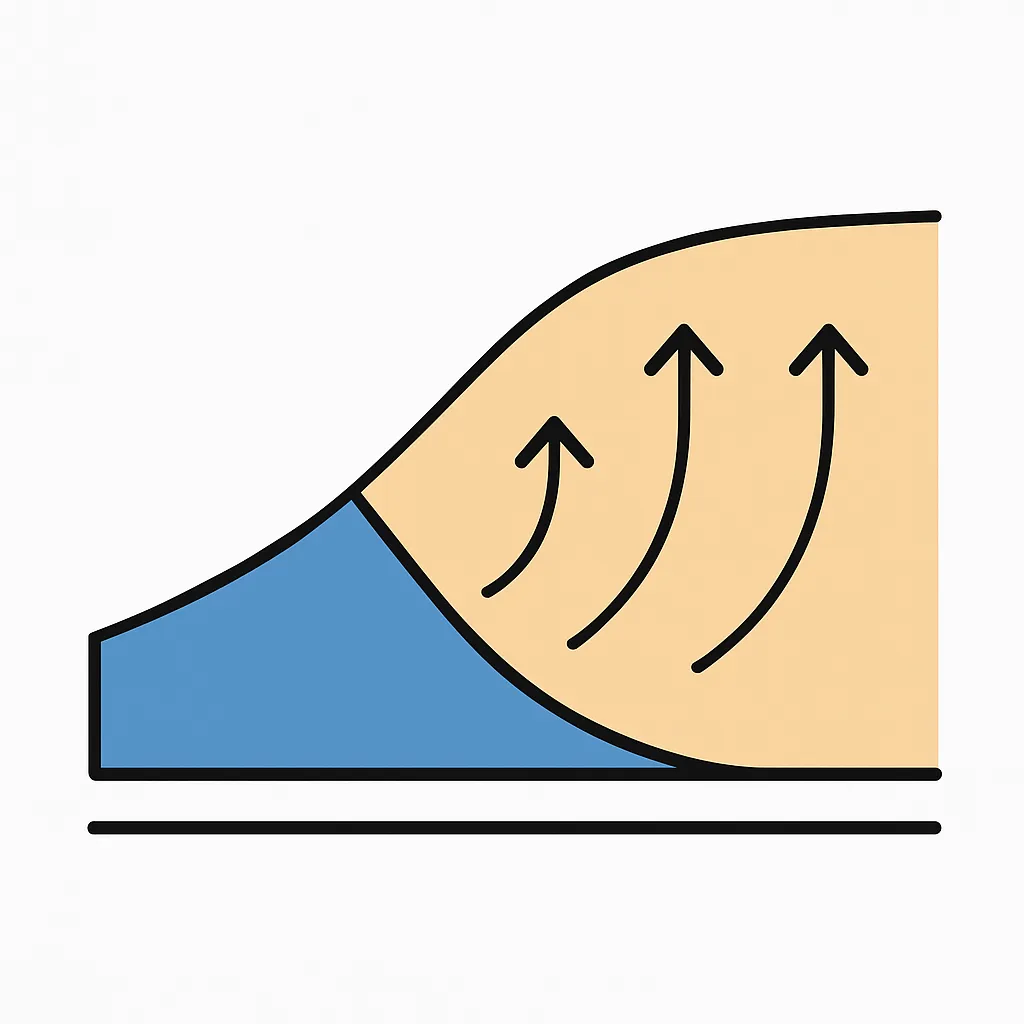
A boundary between a cool air mass and a warm air mass stops moving and stays over a valley for three days. What weather is most likely there during those days?
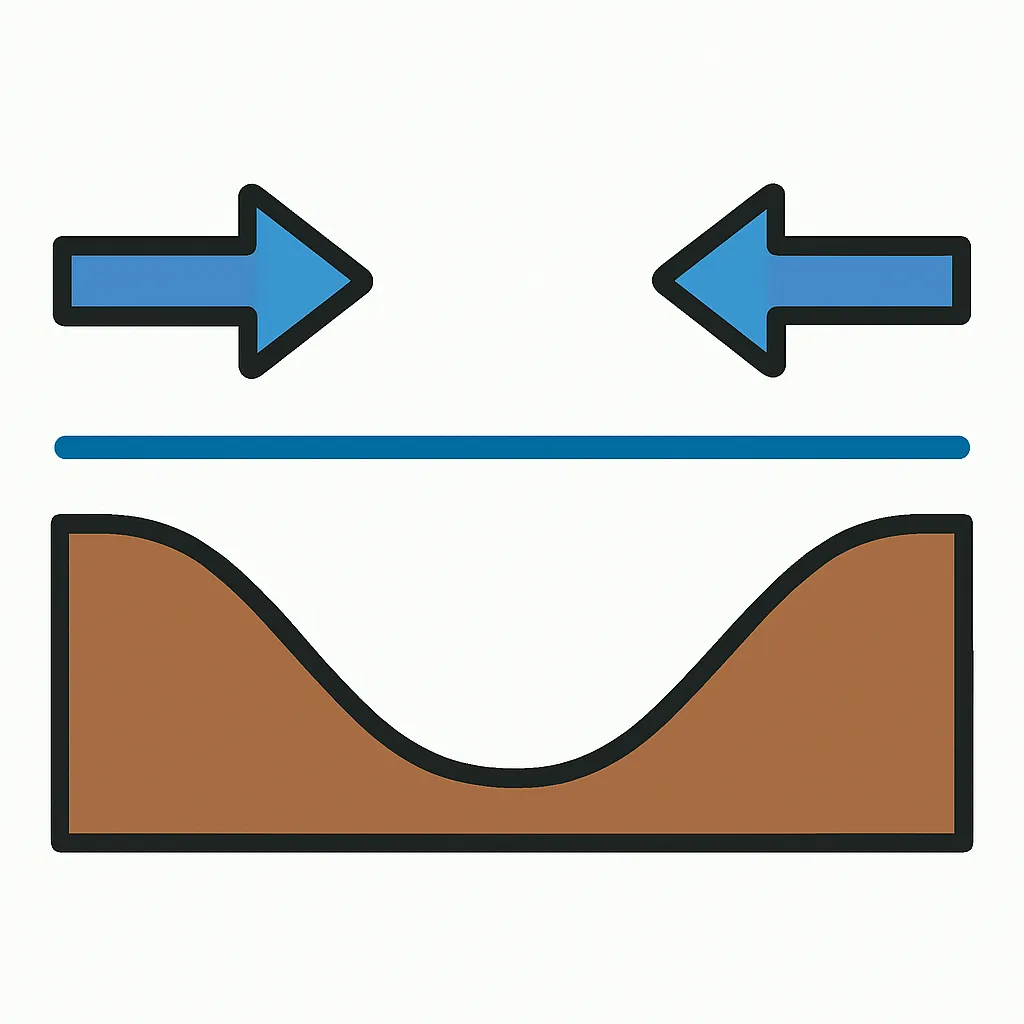
A meteorologist tracks a humid air mass drifting toward a city, though it may slow down or shift course before it arrives. How should tomorrow's forecast be worded?

Forecasters release weather balloons that carry instruments high into the sky. What do these instruments measure to help track air masses?

Two students argue about a forecast. One says the temperature will drop because a cold air mass is approaching. Which evidence would best support that claim?
Humidity is one property used to describe an air mass. What does a humidity reading actually tell you about the air?
An air mass rests over a cold ocean current for several days before drifting onto the coast. It arrives cold and humid. True or False?
At a weather station the air pressure has risen steadily for six hours. What does this trend most likely indicate?
Crack the passcode before the zombies get in.
Answer, then swat bugs for bonus points.
Race through questions at your own speed.
Same question on every screen. Fastest wins.

Pick a tile, answer, hit bonuses and steals.
Atmospheric and Oceanic Circulation Patterns
20 questions