Loading
by BlastRoom
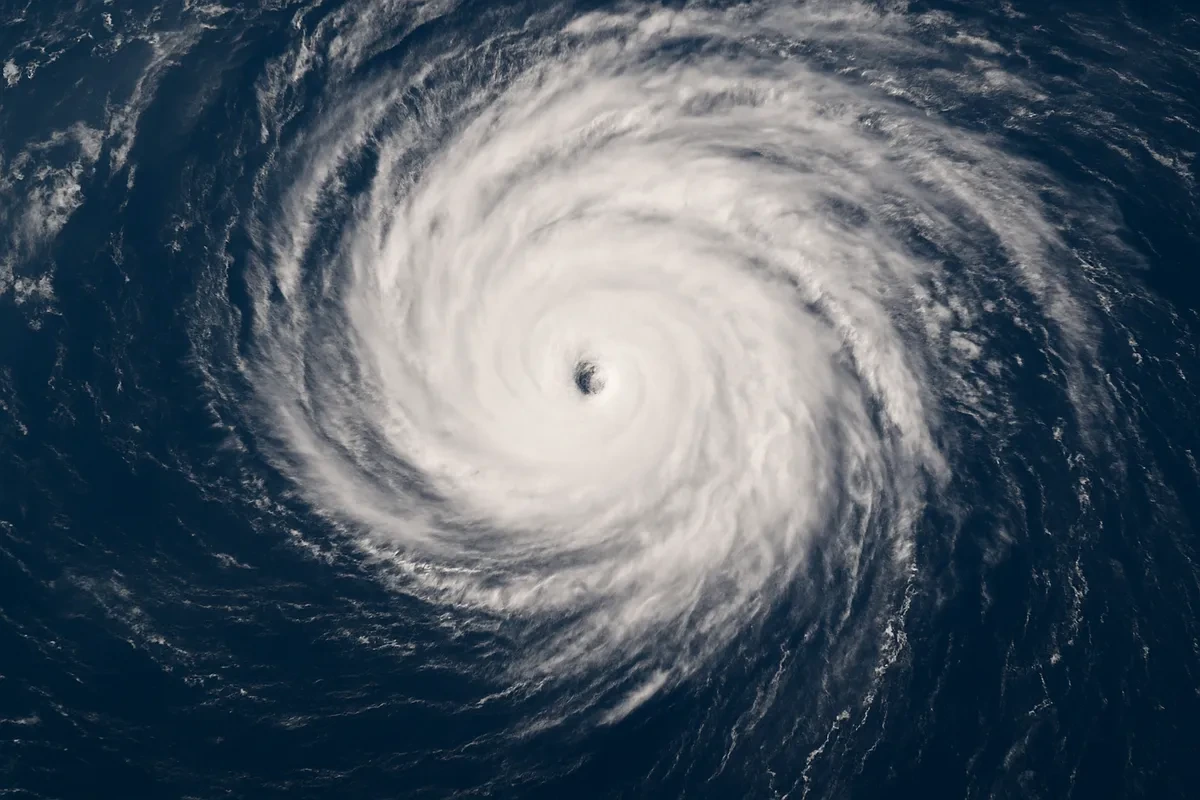
Unequal heating, Earth's rotation, prevailing winds and ocean currents shape regional climate.
#circulation_and_climate#us_grade_6_science
20 questions
One question set, multiple game modes. Tap any game to see it in action. Not sure which to pick?
Sunlight strikes Earth almost straight down near the equator but at a low slanting angle near the poles. What does this unequal heating set in motion?
On a sunny afternoon the sand at a beach reaches 38 degrees Celsius while the seawater stays near 21 degrees Celsius. Which way does the wind most likely blow at the shore?
A band of moving air in the Southern Hemisphere travels away from the equator. Because Earth rotates, the Coriolis effect bends the path of that moving air in which direction?
Air is heated most at the equator and least at the poles, yet prevailing winds do not blow in one straight line from the equator to the poles. What explains the curved wind bands instead?
Surface water in the open ocean moves in large steady currents rather than sitting still. What sets most of these surface ocean currents in motion?
Two coastal cities sit at the same latitude. A warm ocean current flows past City A, and a cold ocean current flows past City B. What winter difference is most likely?
Three cities all lie near sea level. City X near the equator averages 27 degrees Celsius, City Y at middle latitude averages 14 degrees Celsius, and City Z near the Arctic averages 3 degrees Celsius. What pattern do the data show?
A town sits high in the mountains, and another town at the same latitude sits at sea level nearby. What is the most likely difference in their mean temperatures?
Two cities share the same latitude and altitude. The coastal city ranges from 8 to 22 degrees Celsius across the year, while the inland city ranges from minus 6 to 30 degrees Celsius. What explains the inland city's wider range?
A class heats one end of a long tank of water and adds dye to watch the water move in a loop. What does this model show well?

Near the equator, warm air rises and cools as it moves higher into the atmosphere. What weather does this rising, cooling air most likely produce in that region?
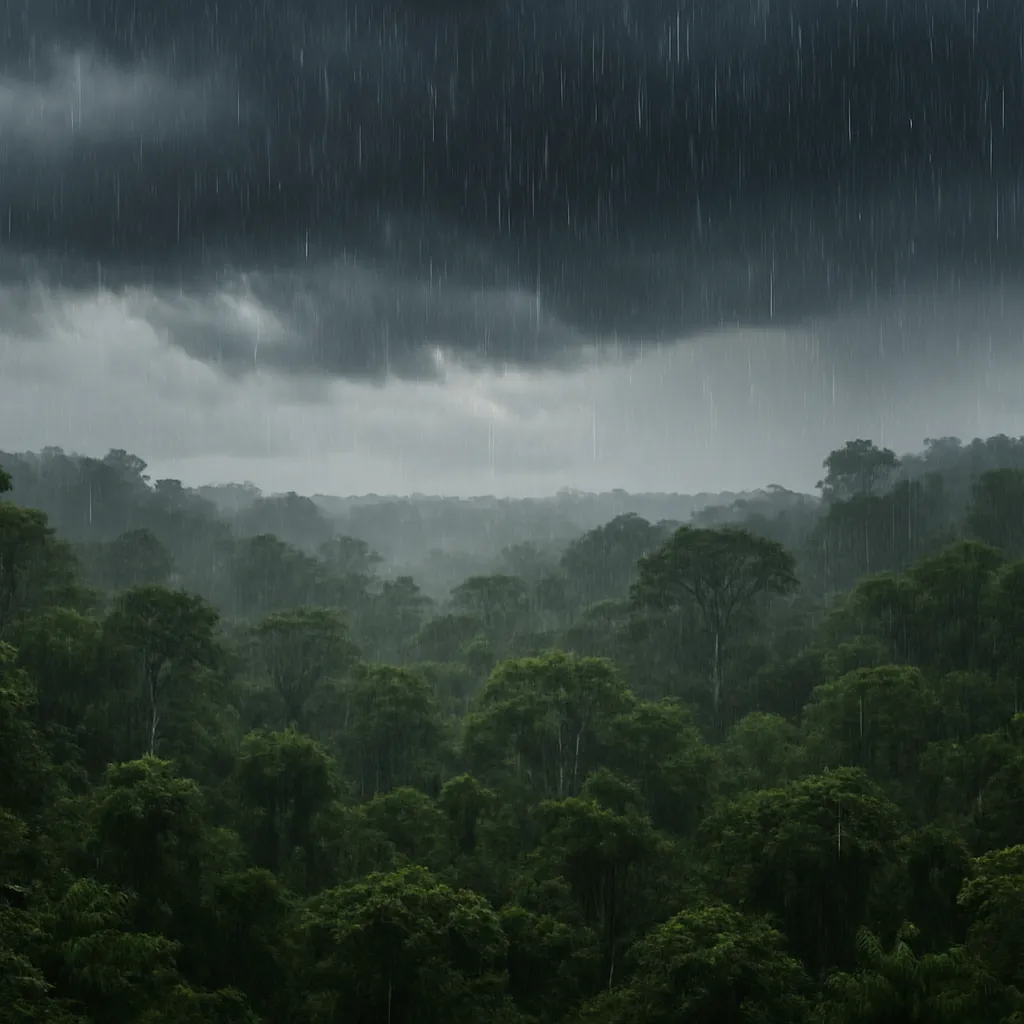
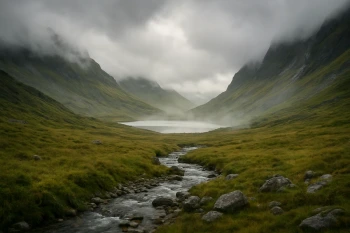
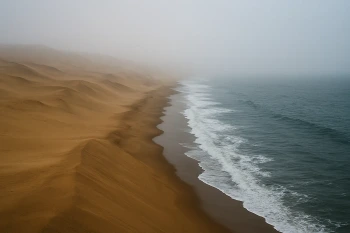
The land shown here lies near 30 degrees latitude and is dry all year. Which air motion helps create this climate?

Ocean currents carry thermal energy from low latitudes toward higher latitudes.
The Coriolis effect comes from Earth's rotation. What does this effect actually change the path of?
Storms crossing North America near 40 degrees north latitude usually travel from west to east. What best explains this steady direction of travel?
Wind bands in the atmosphere and currents at the ocean surface both keep moving year after year. What is the original source of the energy that keeps them moving?

In the Northern Hemisphere, the Coriolis effect deflects moving air and ocean water to the right of their direction of travel.
Near Greenland, very cold and salty surface water sinks deep into the ocean and then flows slowly toward the equator. Why does this water sink?
A student claims that ocean currents change the climate of nearby land. What evidence would best support that claim?
A class rotates a globe under a lamp to model why prevailing winds curve. What can this model NOT show?

Crack the passcode before the zombies get in.

Pick a tile, answer, hit bonuses and steals.
Monitoring and Minimizing Human Impact
20 questions