Loading
by BlastRoom
Read carbon dioxide, methane and temperature records and sort human activities from natural processes.
#climate_change#us_grade_6_science
20 questions
One question set, multiple game modes. Tap any game to see it in action. Not sure which to pick?
Answer to place stones and capture territory.
Outrun the snow together.
Earn blasts, then hunt the other team.
Answer to earn energy, then climb.

The class blasts through walls together.
Bid on mystery lots. Most money wins.
Sell tours. Nice, standard, or a total scam.

Answer, restock, and serve the rush.
More correct answers pulls the rope your way.
Answer, then shoot down the alien wave.
Answer, then tap to leap the frozen ridge.
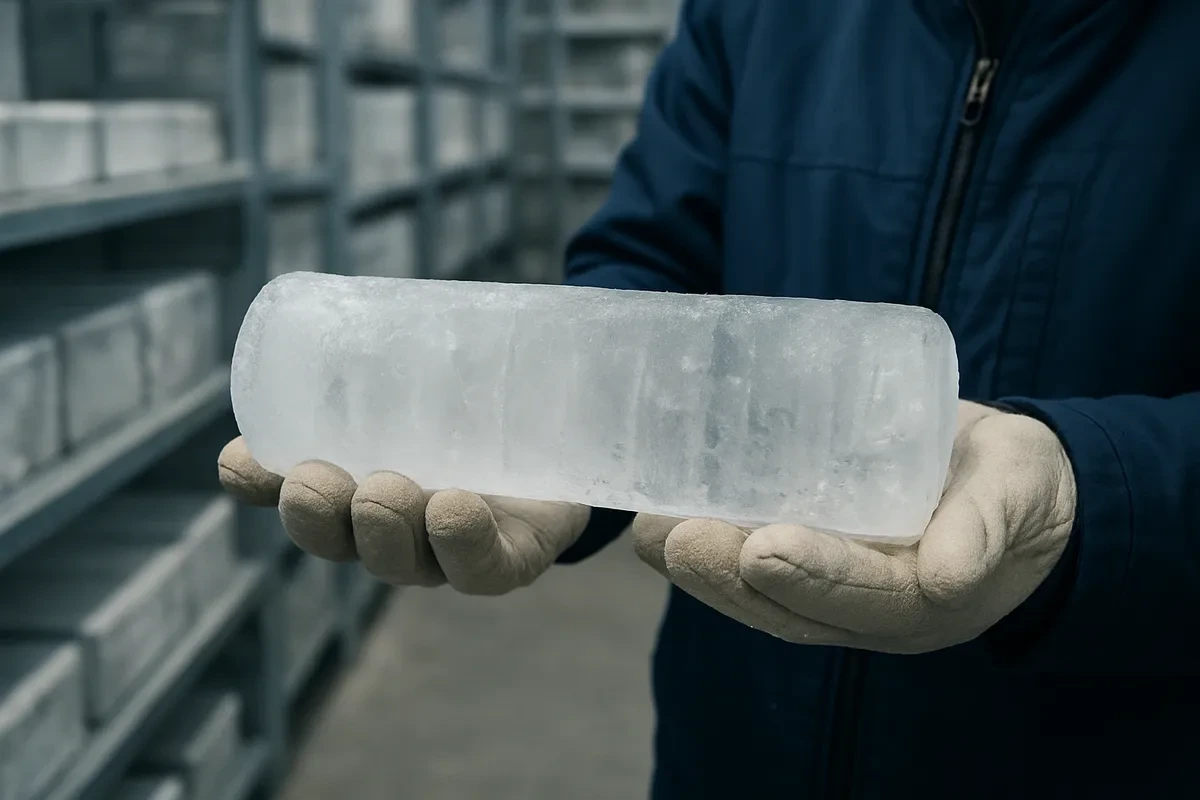
Scientists drill deep into a glacier and lift out a long cylinder of ice. Trapped inside the ice are tiny bubbles of old air. What evidence do those bubbles give scientists?

Air trapped in glacier ice shows carbon dioxide near 280 parts per million before the year 1800. A monitoring station measured about 415 parts per million in 2020. What do the two measurements together show?
A class sorts causes of rising atmospheric carbon dioxide into a human activity column and a natural process column. Which cause belongs in the human activity column?

Methane is a gas that traps heat in the atmosphere. A team lists four sources of methane in one region. Which source comes from human activity?
Weather describes the conditions in one place over hours or days, while climate describes the average pattern of those conditions over many years.
A city records its coldest week in 20 years. A student claims this one cold week shows that global temperatures are not rising. Why is that claim weak?

Global average temperature, compared with the 1951 to 1980 average, was about 0.0 degrees Celsius in the 1960s, plus 0.3 in the 1980s, plus 0.6 in the 2000s, and plus 0.9 in the 2010s. What does this record show?
A station in Hawaii has measured carbon dioxide in the air since 1958. Each May reading is higher than the May before, and each year the level drops from May to September, then climbs again. What shape does this record have?
Two records covering 1960 to 2020 show atmospheric carbon dioxide rising and global average temperature rising. What do these two records on their own establish?
Scientists compare the warming of the past 100 years against what natural factors alone would produce. What do the records show is the major cause of that warming?

Tide gauges at harbors and satellites above the ocean both record ocean height, and both show the ocean has risen over the past century. Which explanation fits a warming Earth?

Photographs and measurements of one mountain glacier show that its front edge now sits about 700 meters further up the valley than it did in 1900. What conclusion do these measurements support?

Carbon dioxide and methane are both gases in the atmosphere that trap heat near Earth's surface.
One unusually hot summer day in a town is enough evidence on its own to show that Earth's climate is warming.
An ice core from Antarctica holds air from layers laid down over the past 800,000 years. What can this core NOT tell scientists?
A large area of forest is cleared and the cut wood is burned so the land can be farmed. How does this human activity change atmospheric carbon dioxide?
Climate scientists use ice cores, ocean buoys, ground weather stations and satellites together rather than relying on one kind of record. Why does using several independent records help?

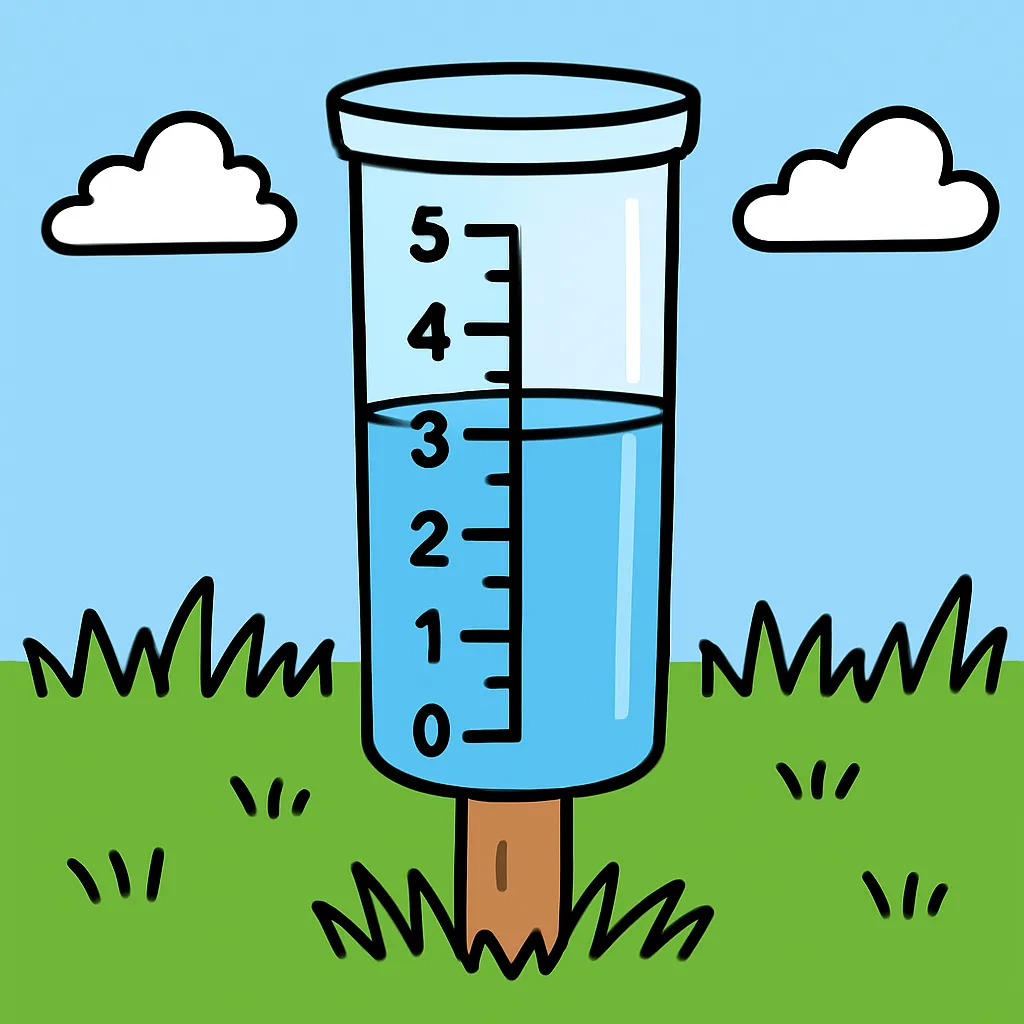
A town's rainfall records show one very wet year in 1998 and a slow decrease in yearly rainfall from 1970 to 2020. Which part of the record describes the town's climate?
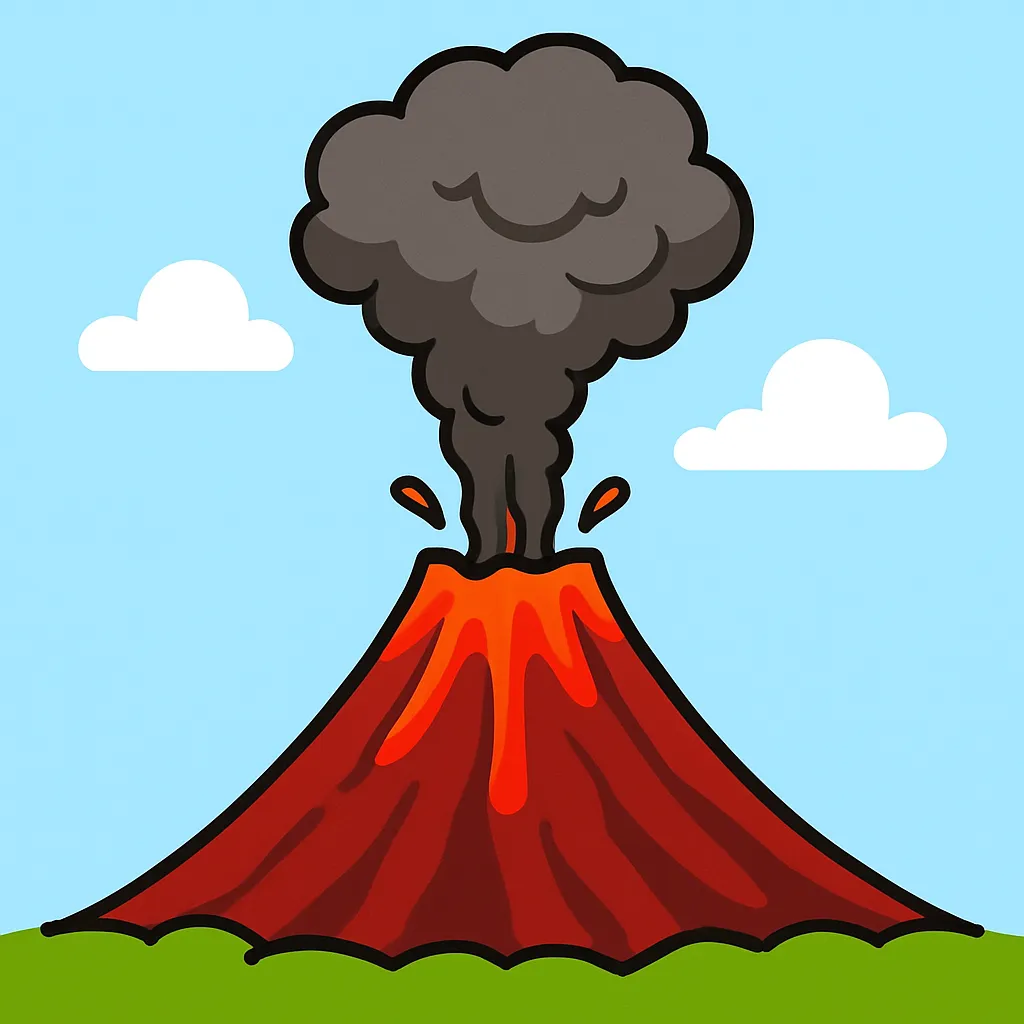
A very large volcano erupts and sends ash and gas high into the atmosphere. Global average temperature dips slightly for the next two years, then returns to its earlier upward trend. What does this record show about the eruption?
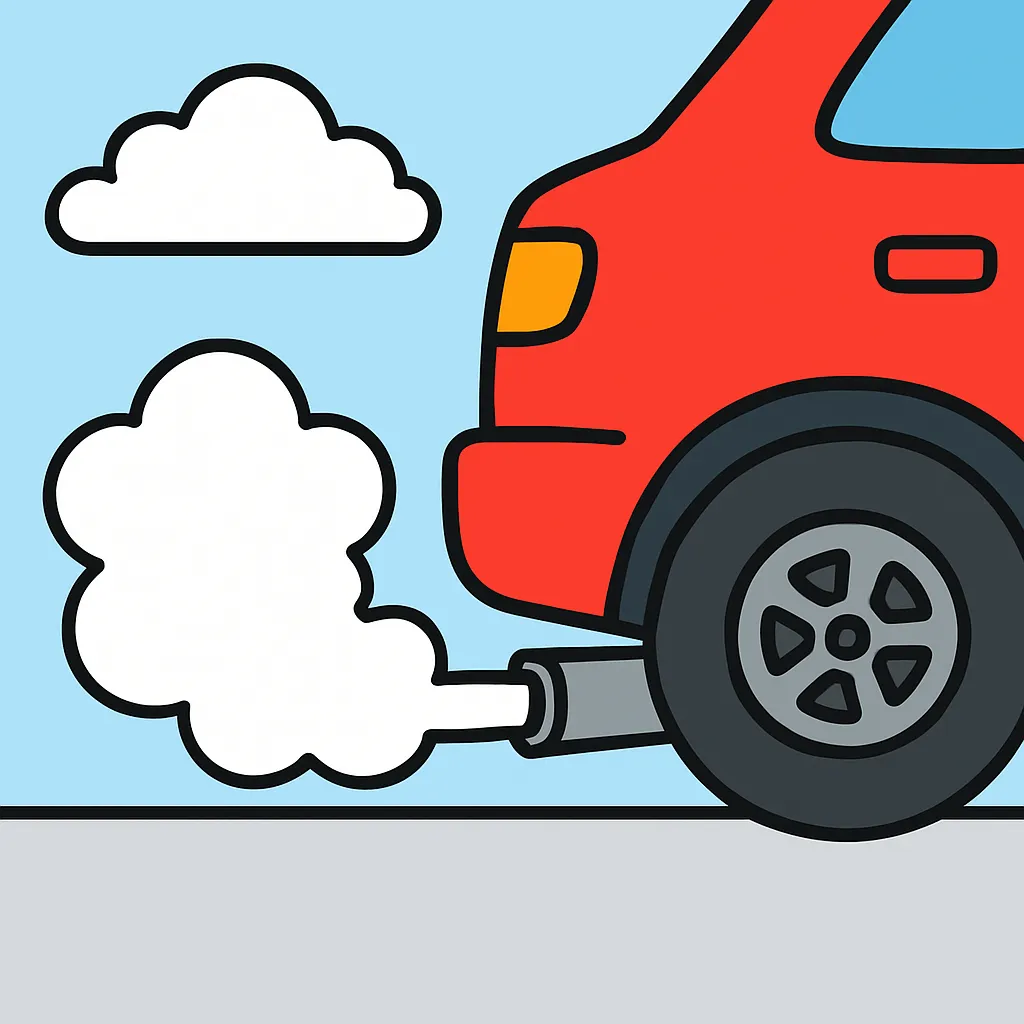
Burning gasoline in cars, coal in power plants and natural gas in furnaces all release the same gas. Which gas is it?
Crack the passcode before the zombies get in.
Answer, then swat bugs for bonus points.
Race through questions at your own speed.
Same question on every screen. Fastest wins.

Pick a tile, answer, hit bonuses and steals.
Daily, Spring, and Neap Tides
20 questions