Loading
by BlastRoom
Grade 6 questions on how heat, pressure, melting, cooling, weathering, and compaction change one rock type into another.
#earth_systems#us_grade_6_science
20 questions
One question set, multiple game modes. Tap any game to see it in action. Not sure which to pick?
Answer to place stones and capture territory.
Outrun the snow together.
Earn blasts, then hunt the other team.
Answer to earn energy, then climb.

The class blasts through walls together.
Bid on mystery lots. Most money wins.
Sell tours. Nice, standard, or a total scam.

Answer, restock, and serve the rush.
More correct answers pulls the rope your way.
Answer, then shoot down the alien wave.
Answer, then tap to leap the frozen ridge.
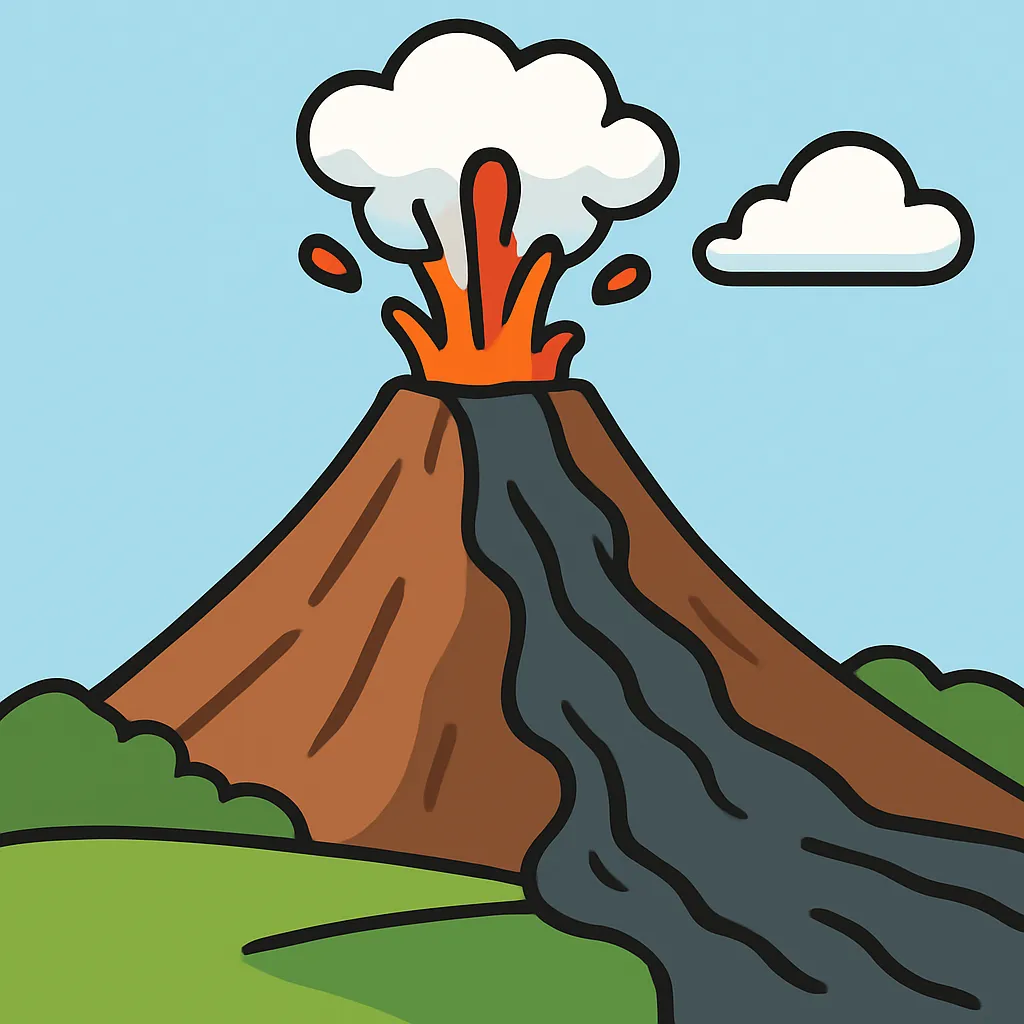
A volcano sends lava down its side. The lava cools and hardens into solid rock within a few days. Which rock type formed?
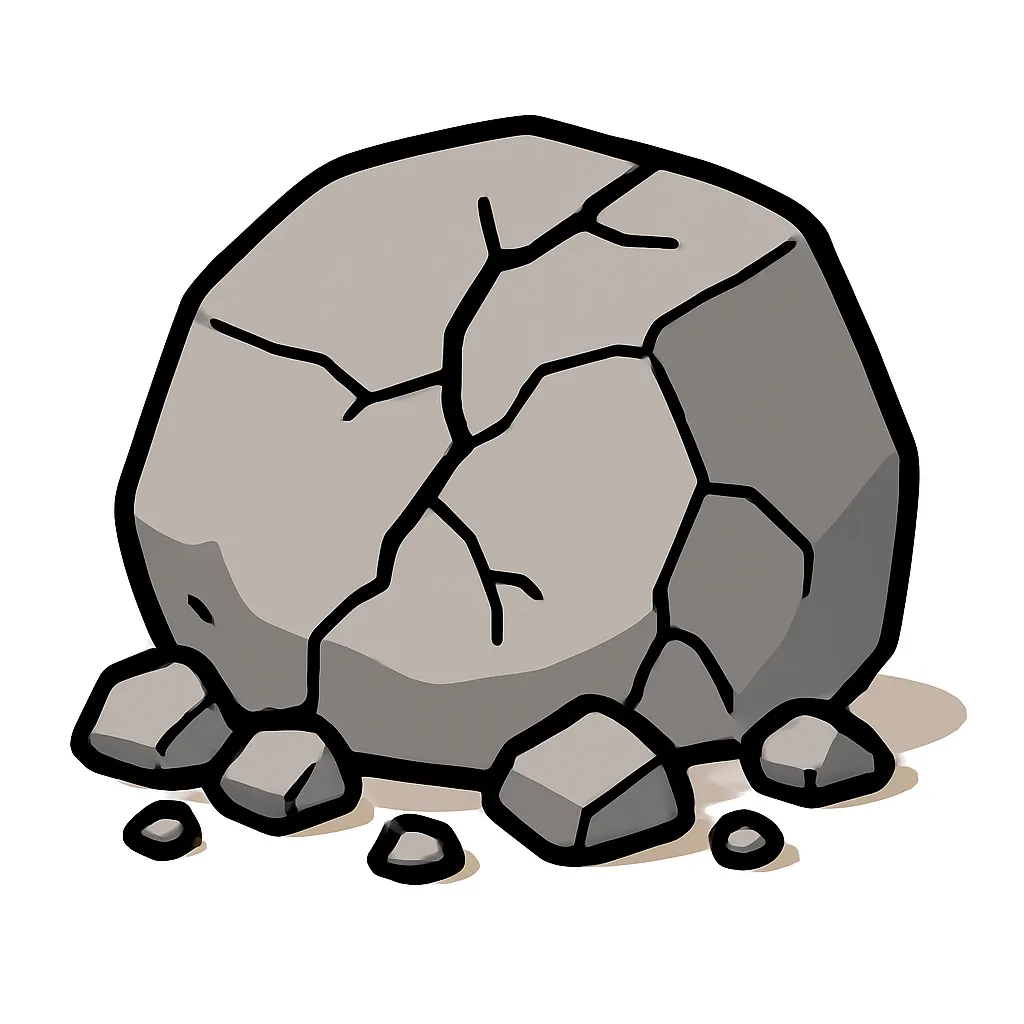
Water freezes inside a crack in a boulder each night and splits small pieces off the boulder, which stay in a pile at its base. Name the process that broke the rock apart.
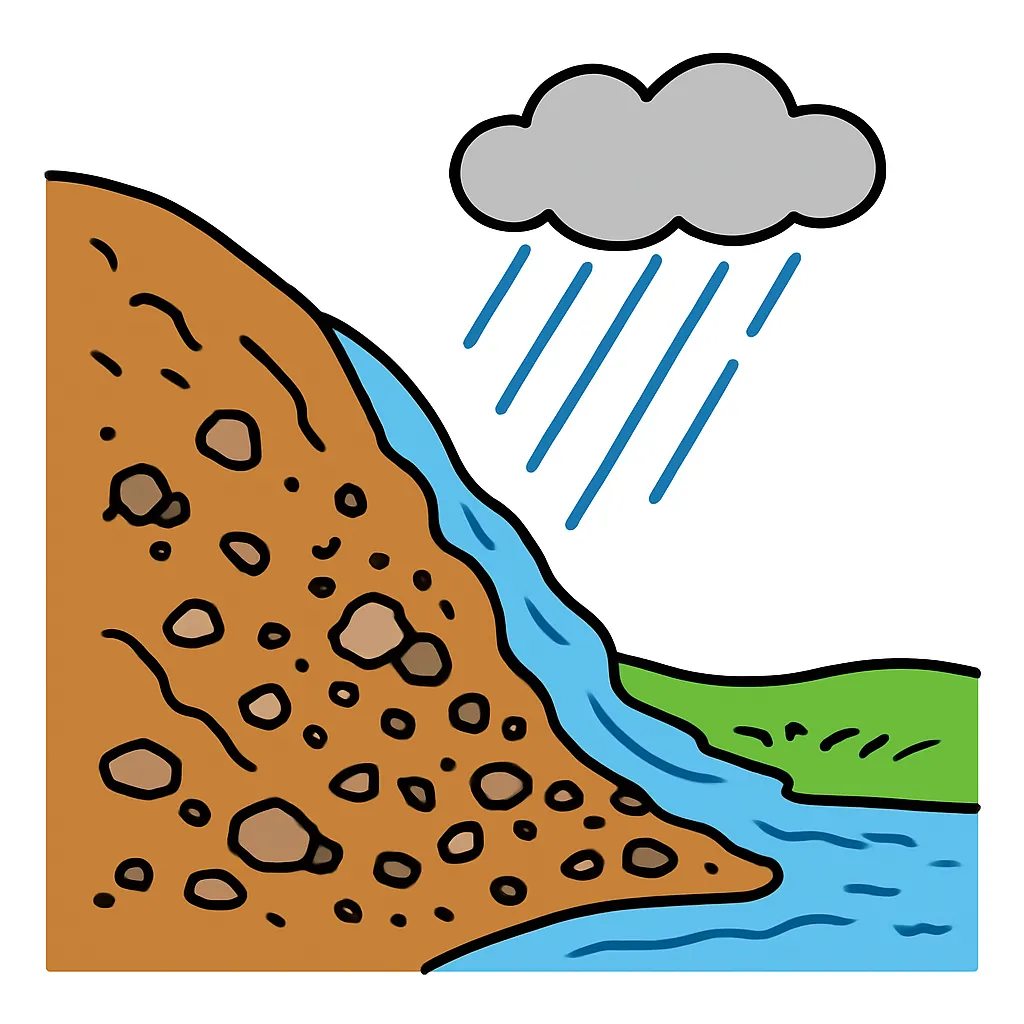
Heavy rain washes broken rock pieces off a hillside and carries them into a stream far below. Name the process that moved the pieces.
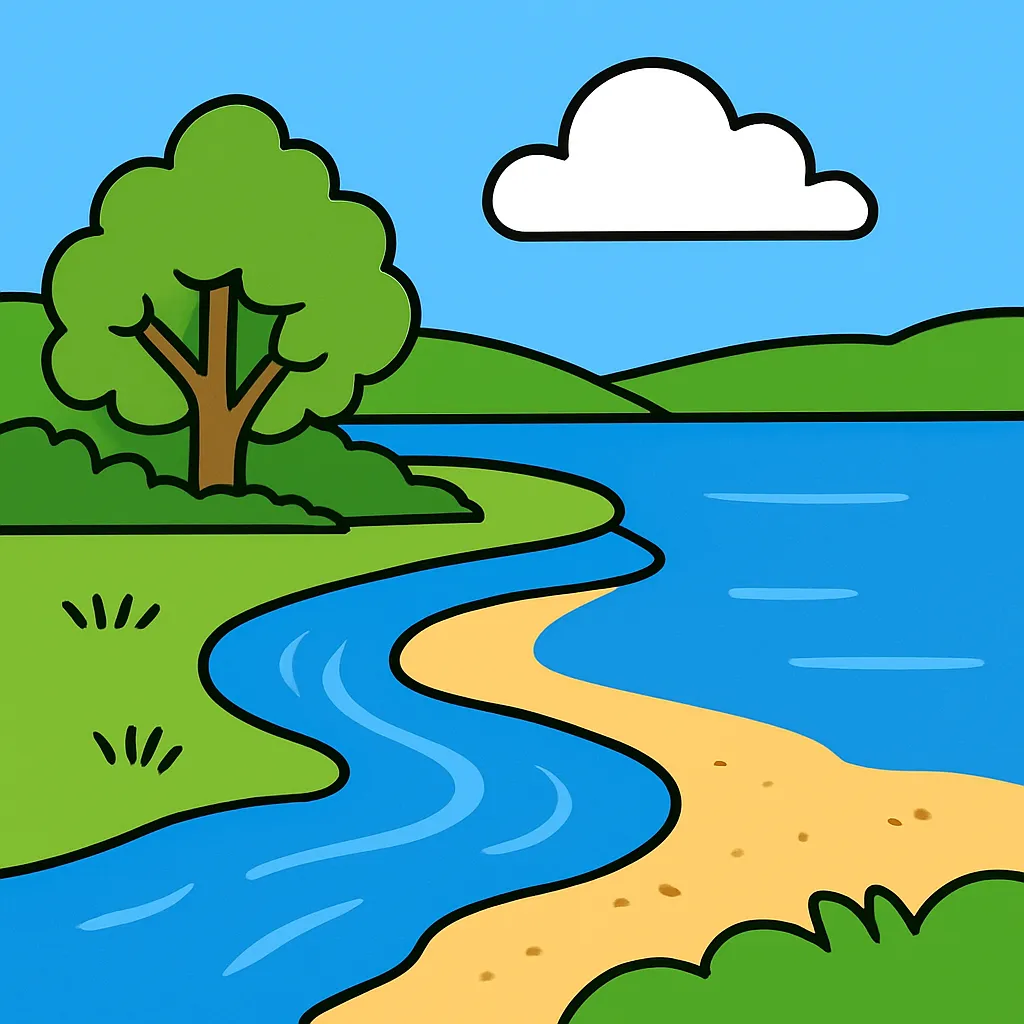
A fast stream slows down where it enters a calm lake, and the sand it was carrying settles onto the lake bottom. Name the process that laid down the sand.
Weathering breaks rock apart while the pieces stay where they are, and erosion carries those pieces to a new place.
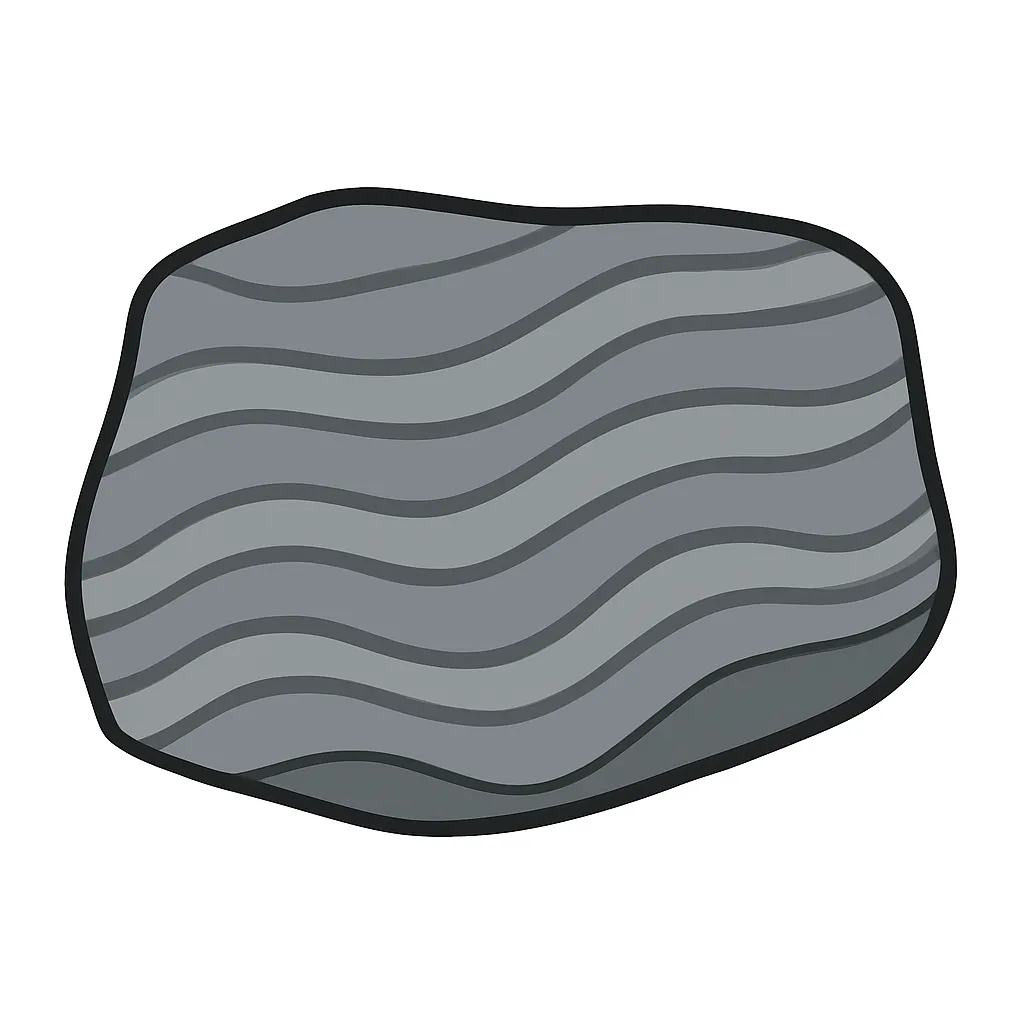
A rock sample is buried deep in the crust for thousands of years. Its minerals are squeezed into flat bands, but it never melts. Which rock type is the sample now?
Deep inside Earth, rock melts into magma or is changed by heat and pressure. What energy source drives these parts of the rock cycle?
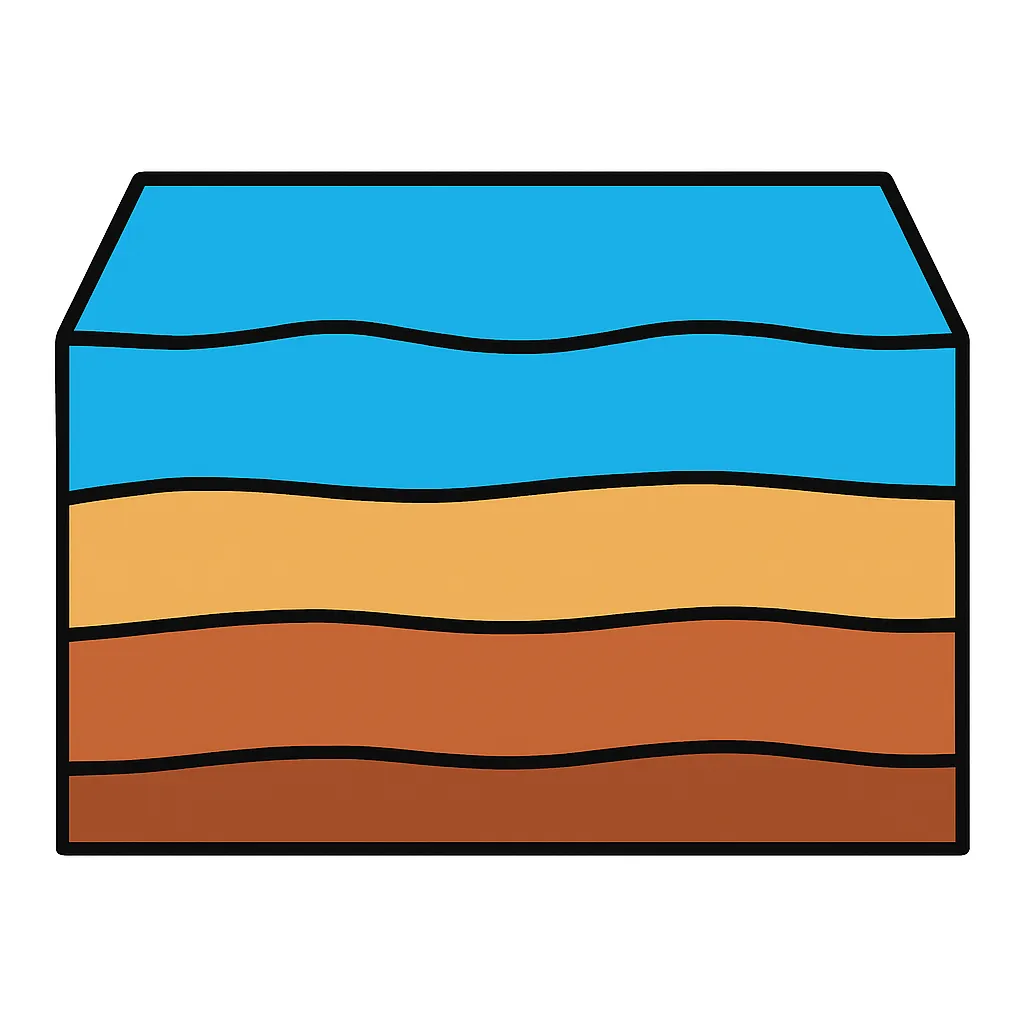
Layers of sand and mud at the bottom of a sea are buried by more layers. The weight presses the grains tightly together until they form solid rock. Name the process doing the pressing.
Magma stays deep underground and hardens into rock with large, interlocking crystals. Which rock type formed, and why are the crystals large?
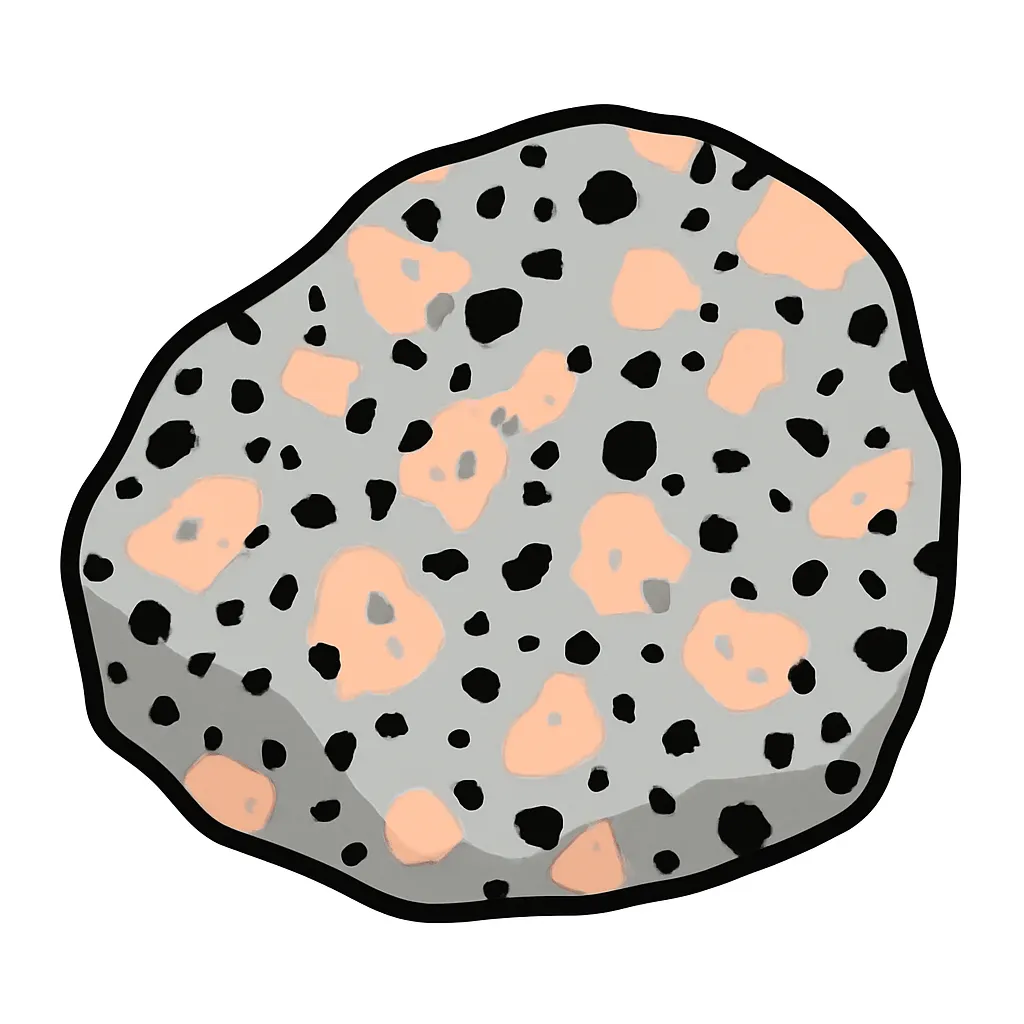
A metamorphic rock is pushed so deep that it melts completely into magma. The magma later rises, cools, and hardens. The rock that results is igneous.
A student's rock cycle model shows sedimentary rock as the only rock that can become metamorphic rock. What correction should the student make?
A class shakes chalk pieces in a sealed jar of water for five minutes. The pieces come out smaller and rounder, with grit in the water. Which rock cycle process does this model?

To model rock formation, a class puts damp sand in a cup and presses down hard with a heavy weight until the sand holds together. What does the pressing represent?

A poster draws the rock cycle as one arrow loop: igneous to sedimentary to metamorphic and back to igneous, in that order only. What is the best reason to revise this model?
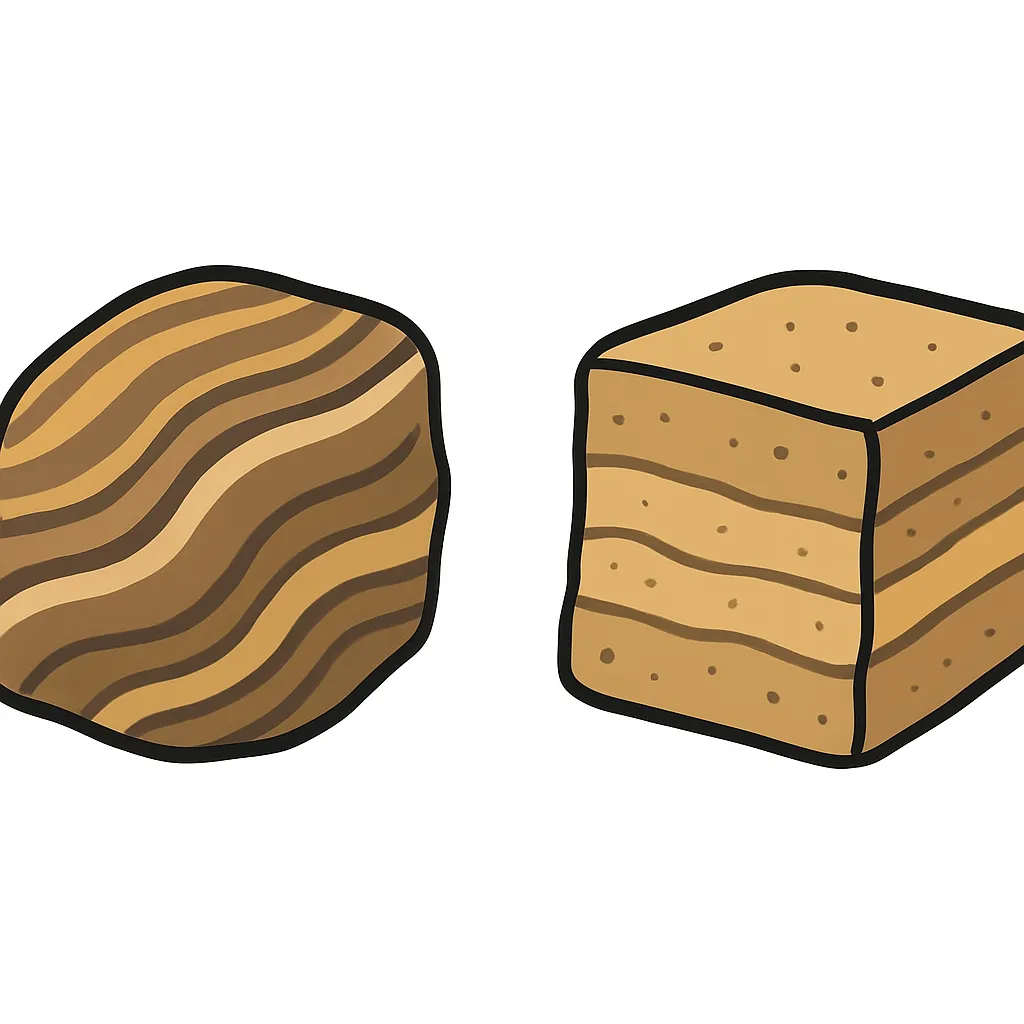
Sample A shows flat bands of squeezed crystals. Sample B shows rounded grains cemented in visible layers, with a shell piece inside. Which naming is correct?
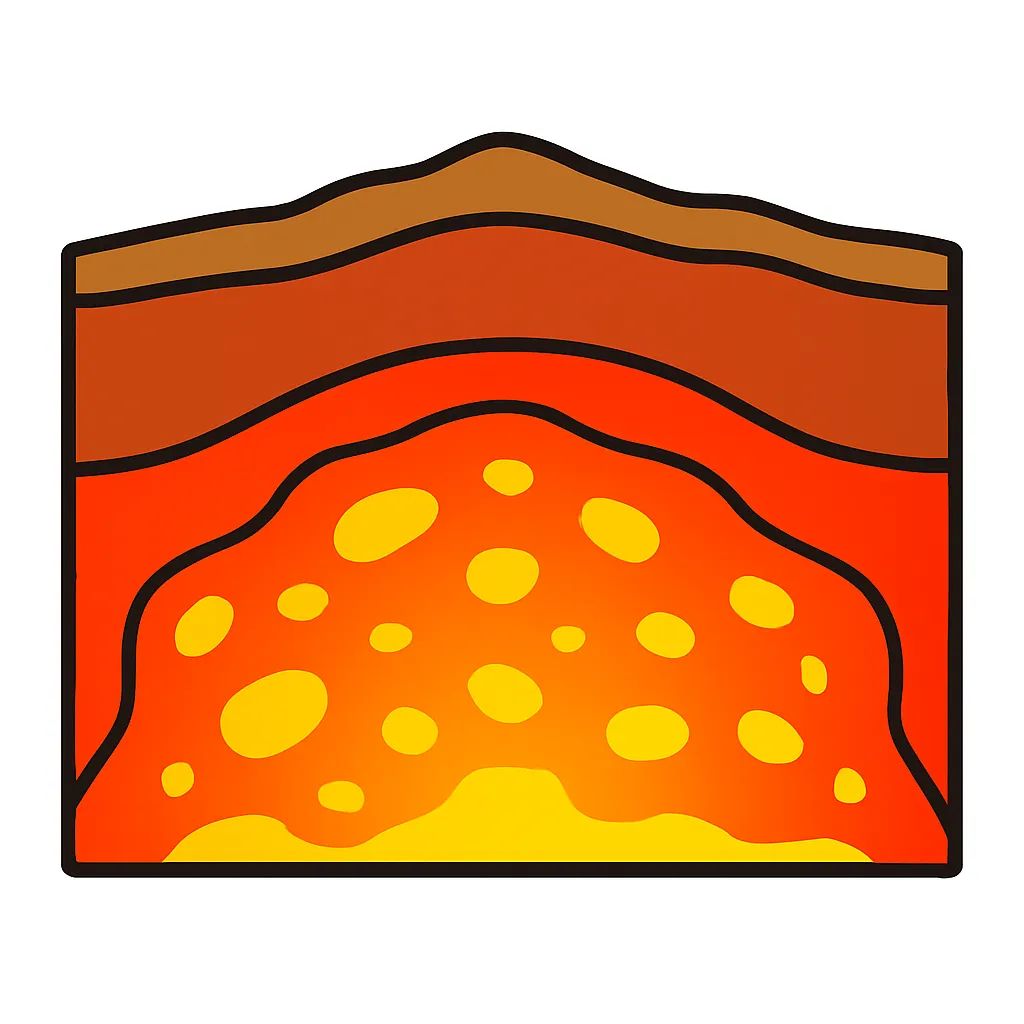
Rock deep inside Earth is heated until it melts all the way through. What is the melted material called before it cools again?
Melted rock can cool into igneous rock with either large crystals or small crystals. Which factor decides the crystal size?
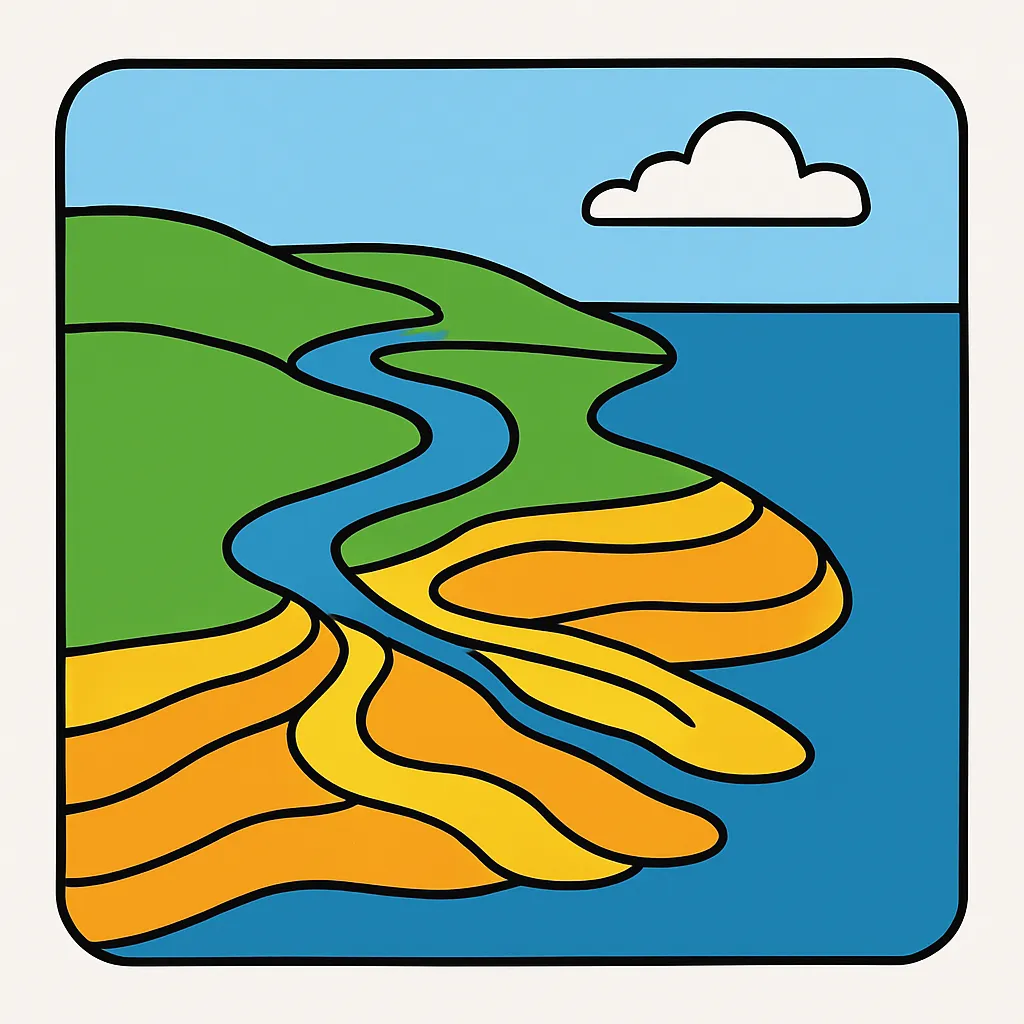
Sediment dropped at a river mouth piles up in thick layers over many years. What must happen to those layers for sedimentary rock to form?
A student claims a rock sample formed from cooling magma. Which observation best supports that claim?
Two rock samples are buried deep in the crust and both are heated under high pressure. Sample X melts completely into magma and later cools into new rock. Sample Y is heated and squeezed but never melts. What does each sample become?
Crack the passcode before the zombies get in.
Answer, then swat bugs for bonus points.
Race through questions at your own speed.
Same question on every screen. Fastest wins.

Pick a tile, answer, hit bonuses and steals.
Resource Management, Conservation, and Efficiency
20 questions