Loading
by BlastRoom
Explore what temperature really measures and which way thermal energy moves between objects.
#thermal_energy#us_grade_6_science
20 questions
One question set, multiple game modes. Tap any game to see it in action. Not sure which to pick?
Answer to place stones and capture territory.
Outrun the snow together.
Earn blasts, then hunt the other team.
Answer to earn energy, then climb.

The class blasts through walls together.
Bid on mystery lots. Most money wins.
Sell tours. Nice, standard, or a total scam.

Answer, restock, and serve the rush.
More correct answers pulls the rope your way.
Answer, then shoot down the alien wave.
Answer, then tap to leap the frozen ridge.
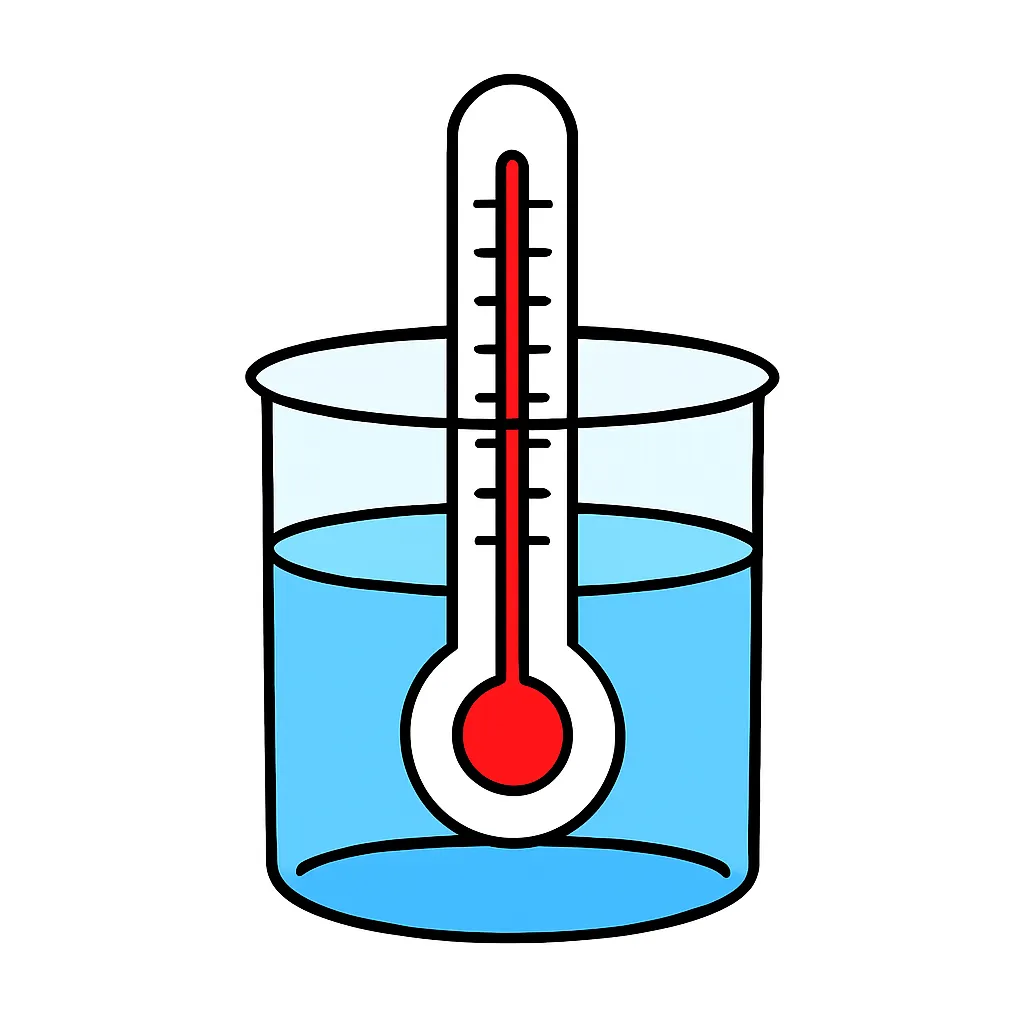
A class measures the temperature of a beaker of water. What does that temperature reading tell them about the water?
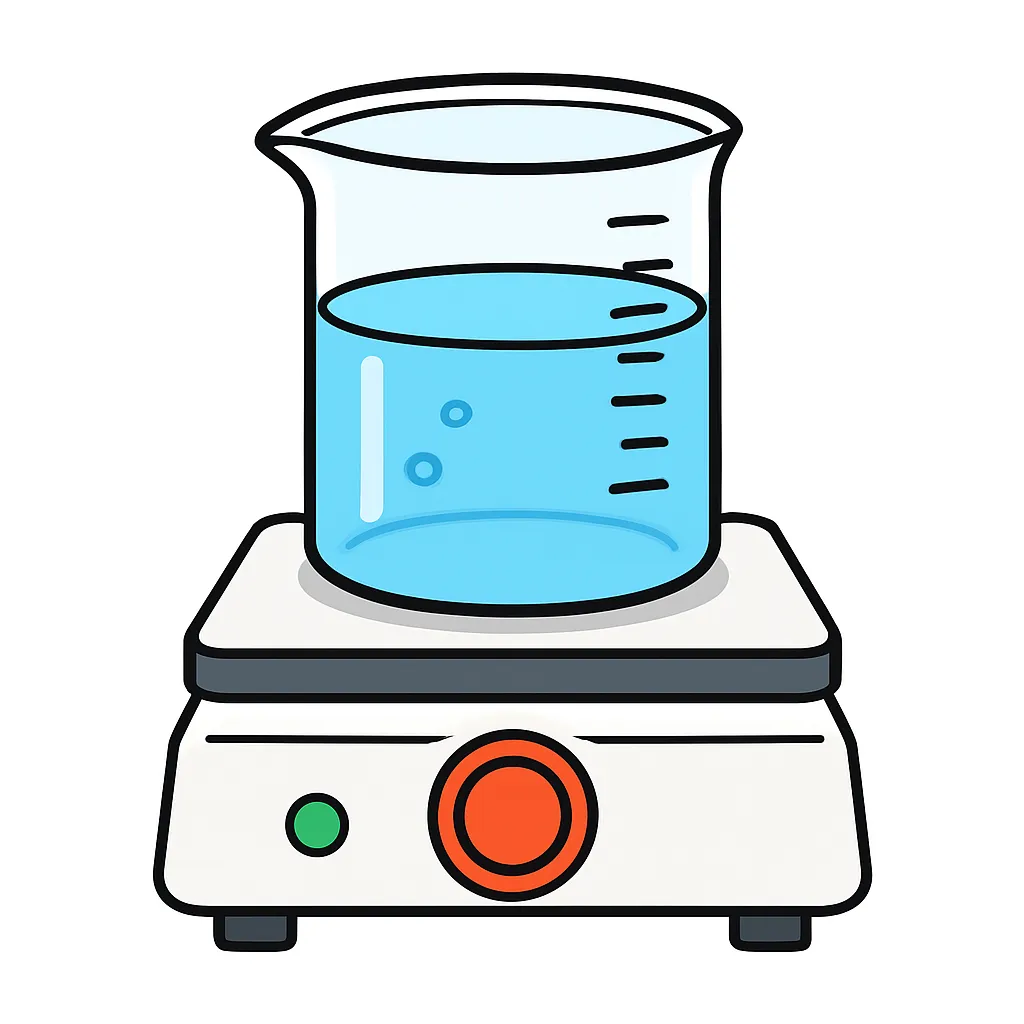
A cup of water is heated on a hot plate from 20 degrees Celsius to 60 degrees Celsius. What happens to the water particles as the temperature rises?
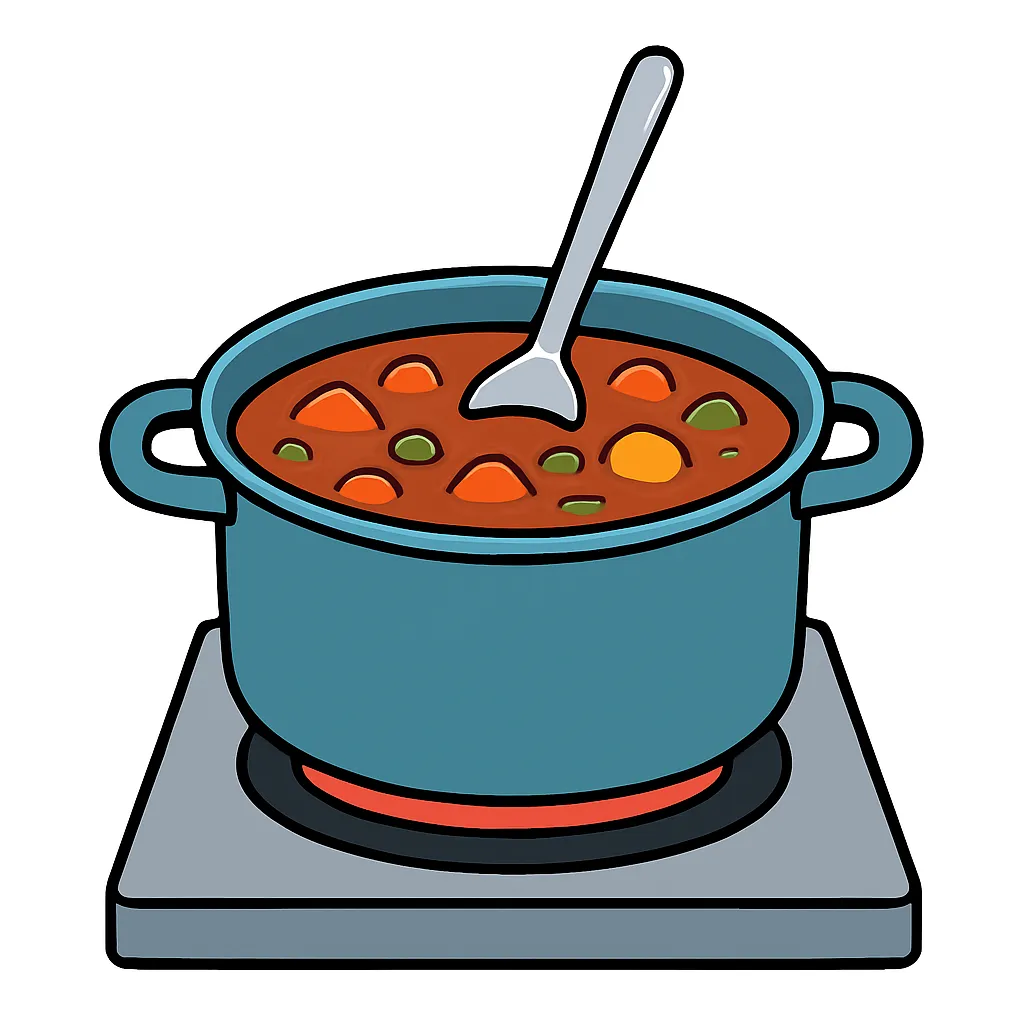
A metal spoon at 22 degrees Celsius is placed in a bowl of soup at 75 degrees Celsius. What happens next?

A tub holds 20 liters of water at 25 degrees Celsius. A cup holds 200 milliliters of water at 70 degrees Celsius. In which sample do the particles have the greater average kinetic energy?
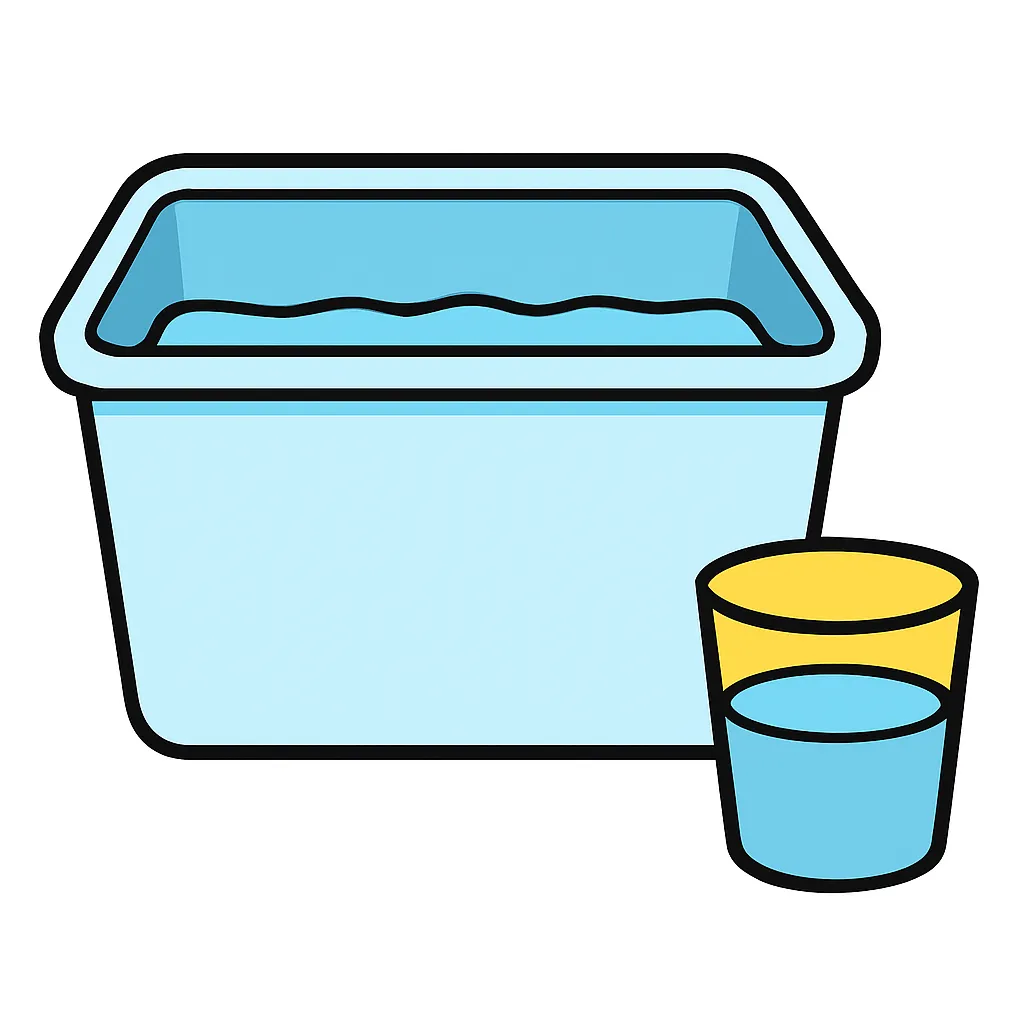
A tub holds 20 liters of water at 25 degrees Celsius. A cup holds 200 milliliters of water at 70 degrees Celsius. Which sample holds more total thermal energy?
A liquid thermometer rises when it warms because the particles of the liquid inside move faster and spread farther apart.
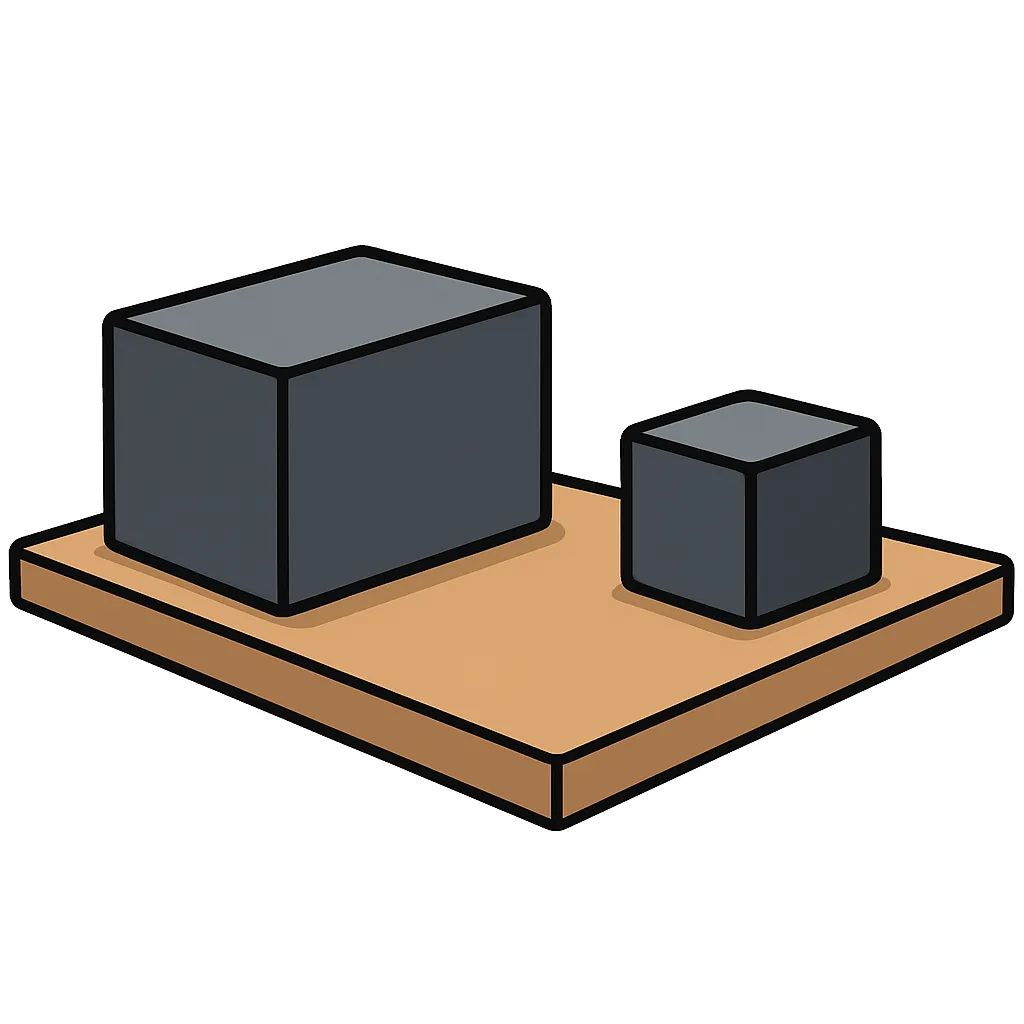
A 2 kilogram iron block and a 1 kilogram iron block have both been sitting in the same room. Both read 21 degrees Celsius. The 2 kilogram block has the higher temperature.
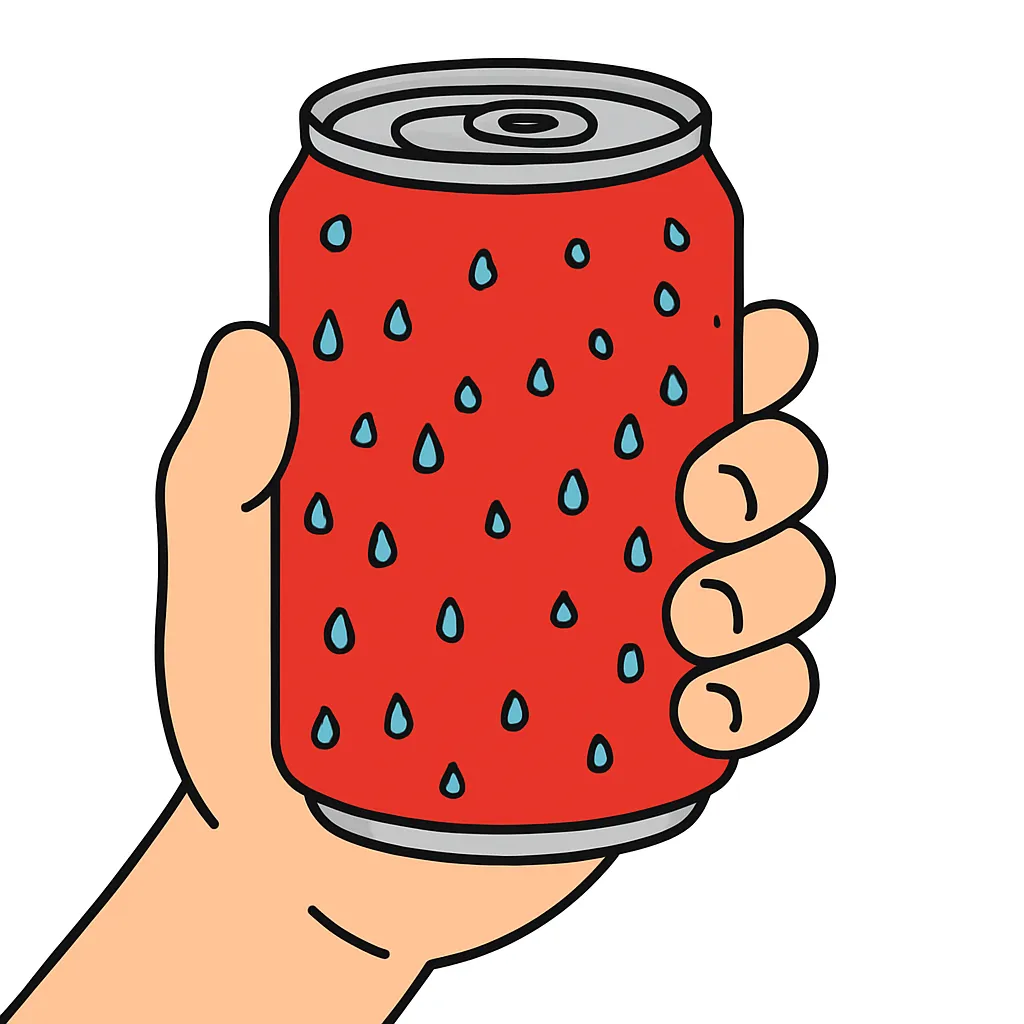
You hold a cold soda can. Your hand feels colder within seconds. What is actually happening?
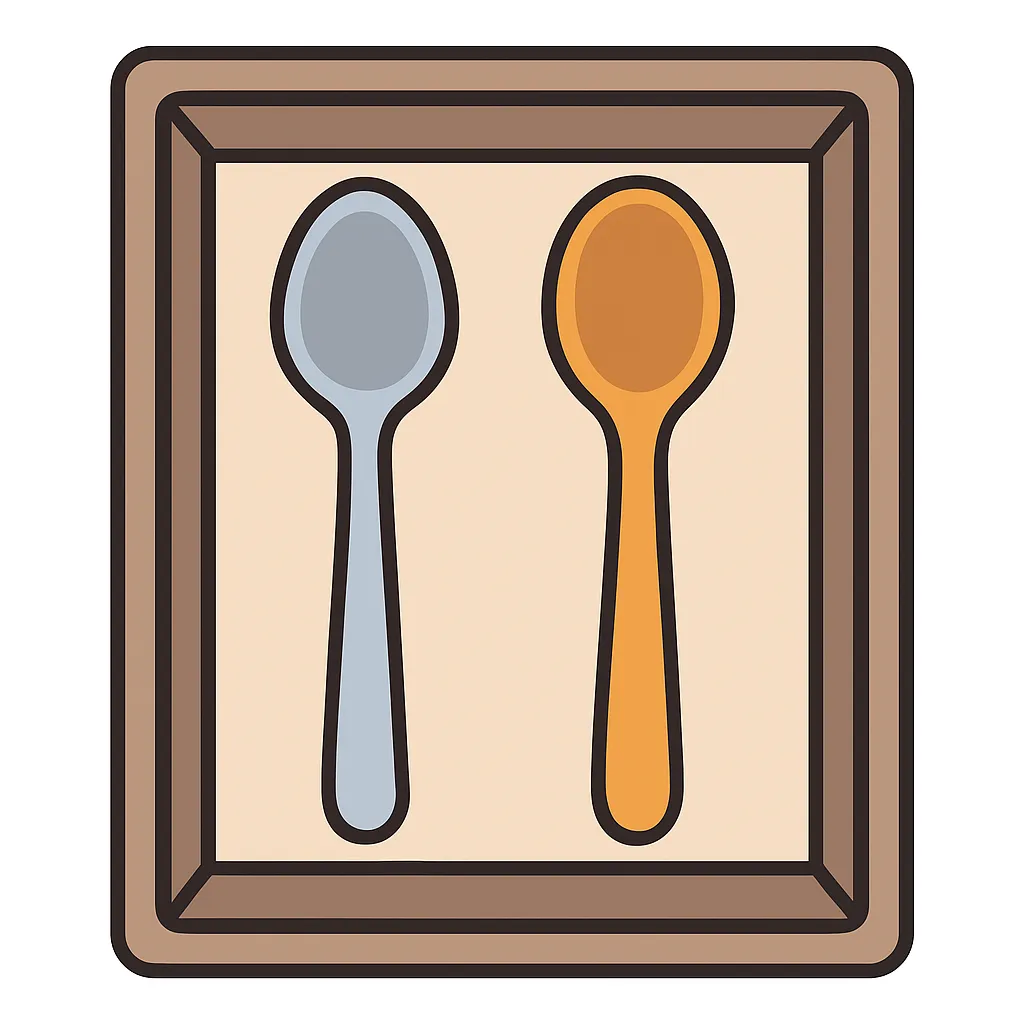
A metal spoon and a wooden spoon have sat in the same drawer all night. The metal spoon feels colder to the touch. Why?
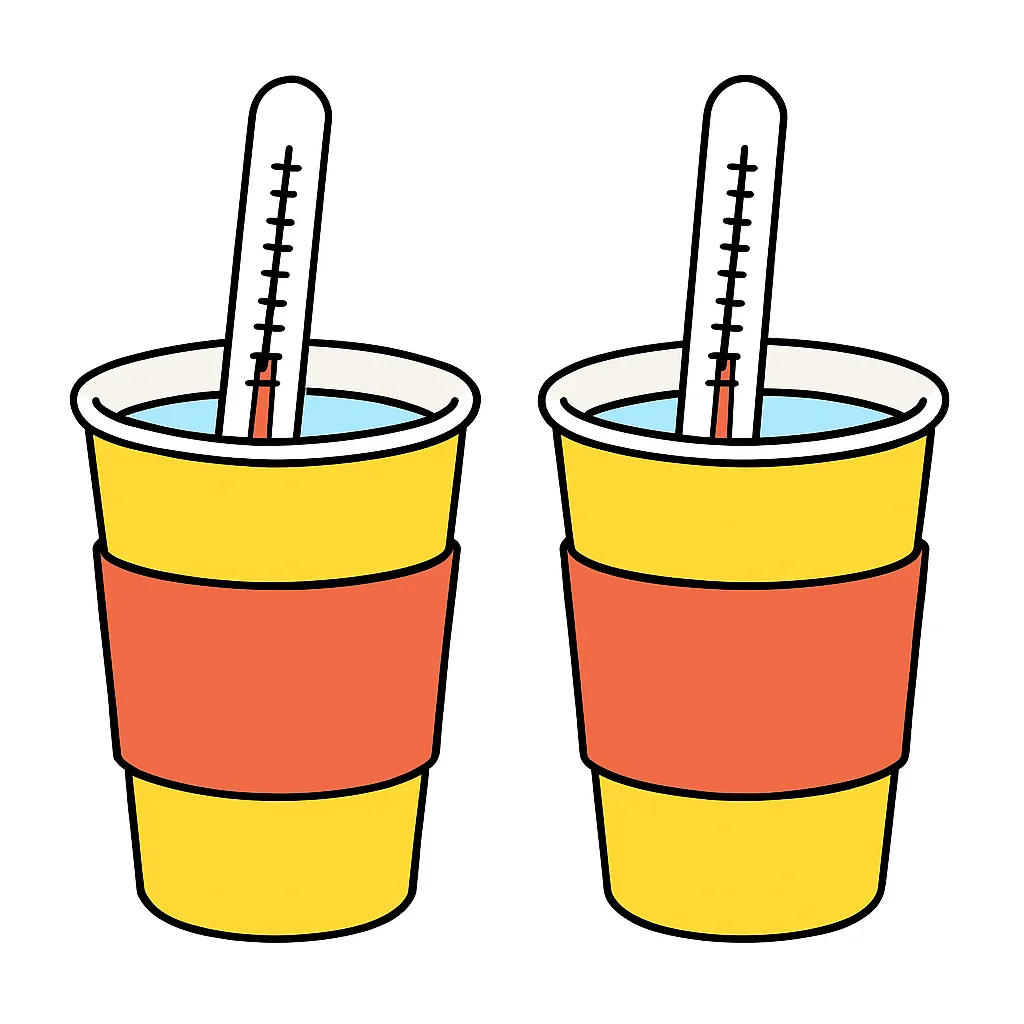
Two identical mugs of hot cocoa are poured. One is wrapped in a thick foam sleeve. Which mug will still be warmer after 20 minutes, and why?
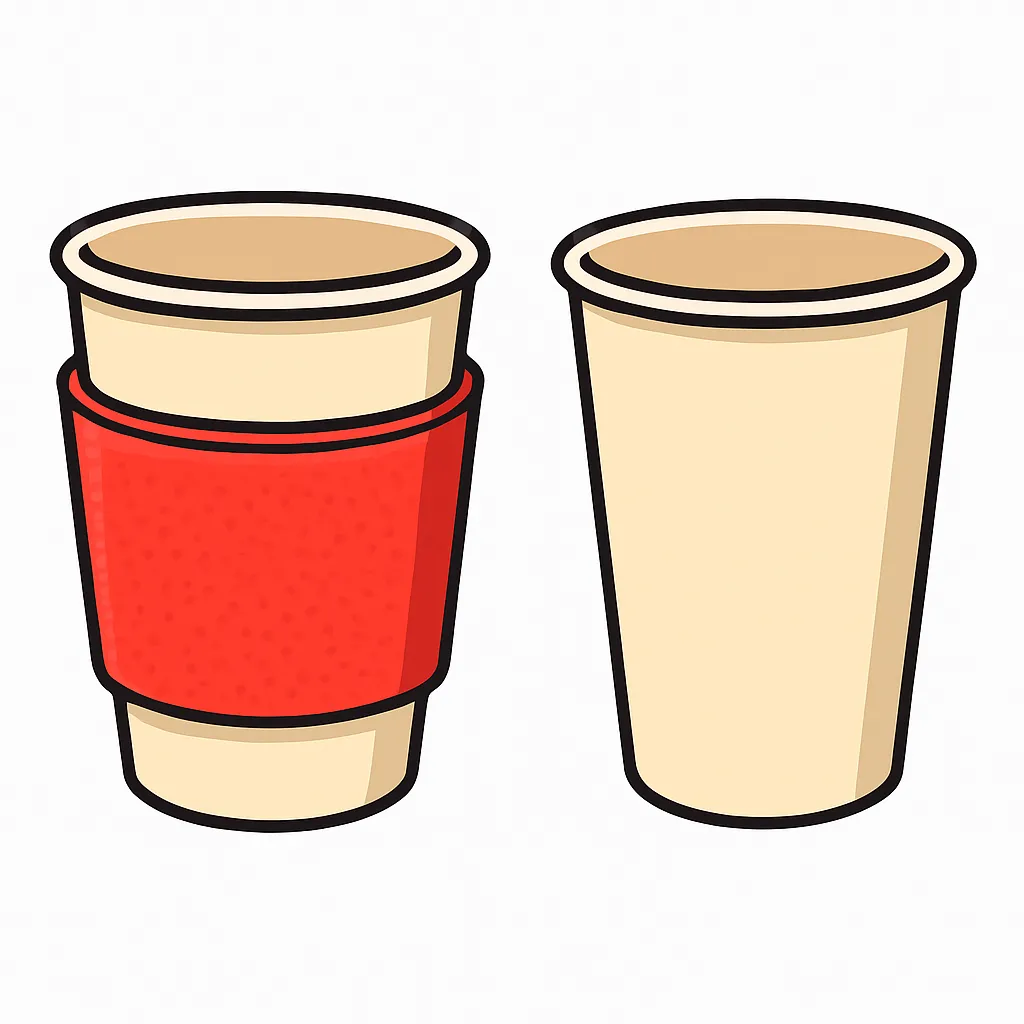
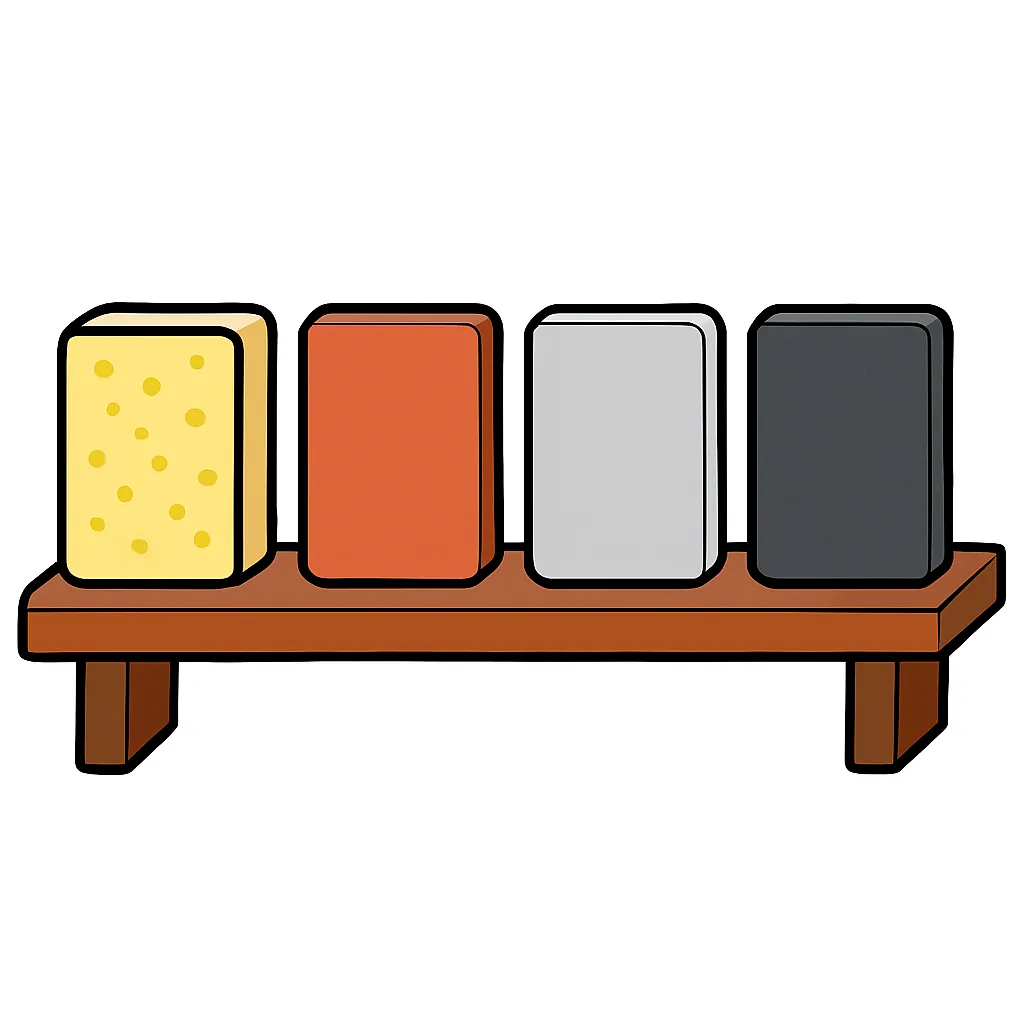
A student wants a material that will slow the transfer of thermal energy out of a hot drink. Which material is the best choice?
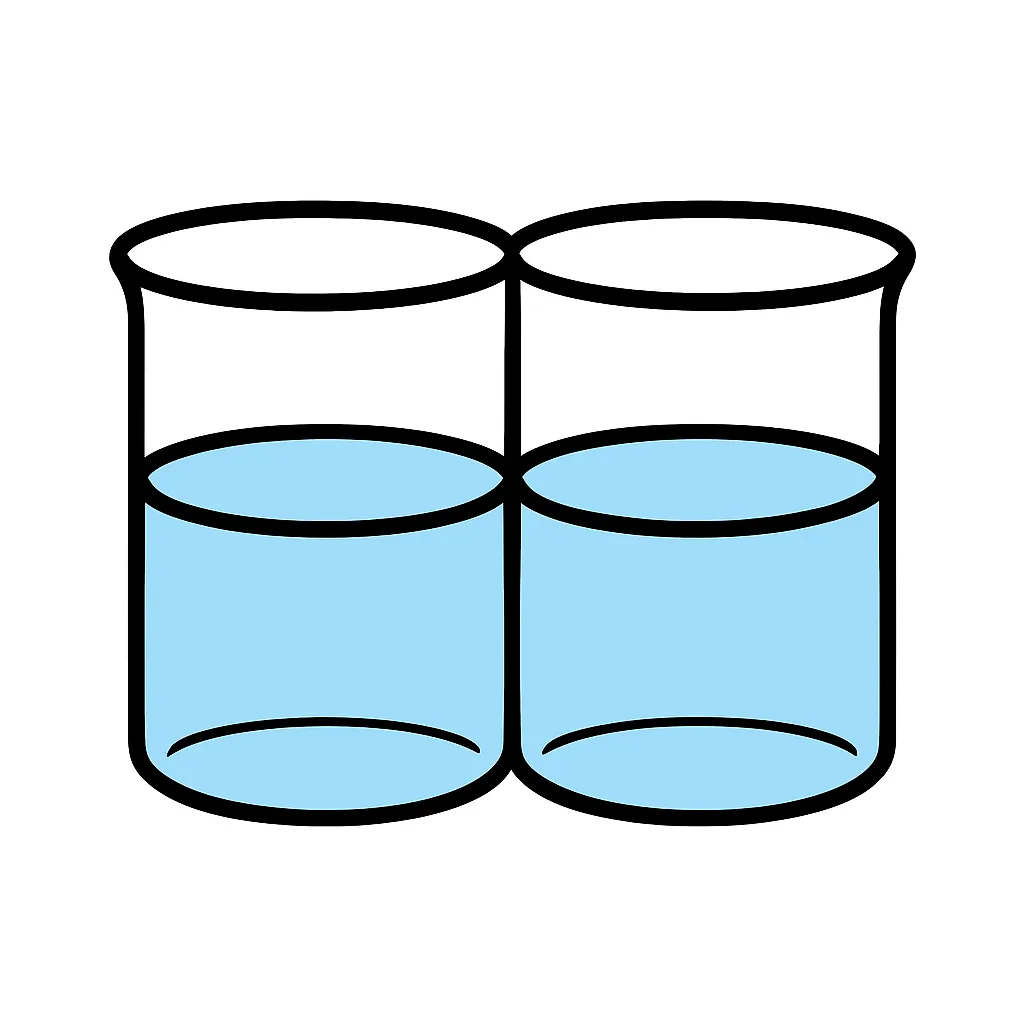
Two beakers of water touch on a lab bench. Beaker A starts at 80 degrees Celsius and Beaker B at 30 degrees Celsius. The room stays at 21 degrees Celsius. After several hours, what is most likely true?
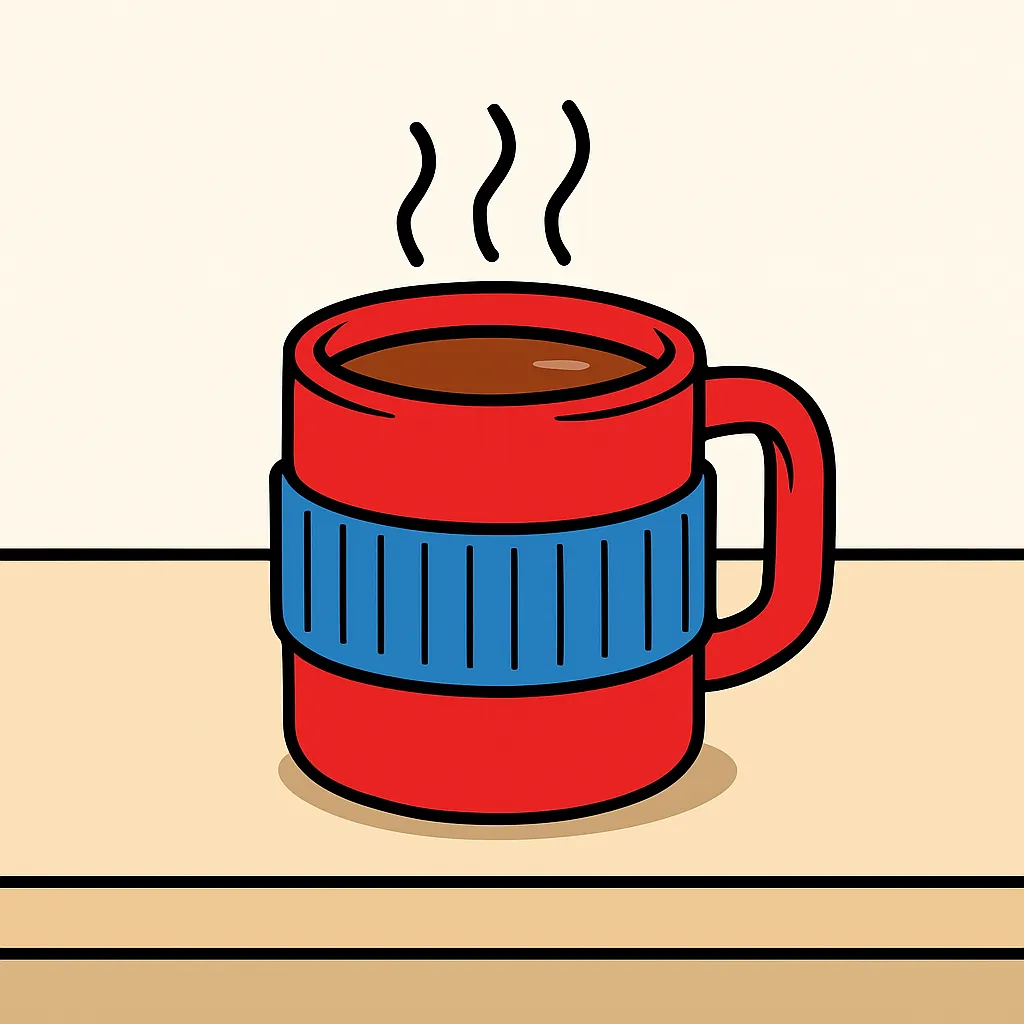
A mug of cocoa cools on a counter from 80 degrees Celsius to 40 degrees Celsius. What happened to the average kinetic energy of the cocoa particles?
Two water samples both read 30 degrees Celsius. One is a full bucket and one is a small glass. The bucket and the glass must contain the same total amount of thermal energy.
A group tests two cups. Cup A: 82, 74, 68 degrees Celsius over 10 minutes. Cup B: 82, 63, 51 degrees Celsius over the same time. Which cup had the better insulation?
A gas sample at 40 degrees Celsius and another at 20 degrees Celsius each have particles moving at a range of speeds. Which statement is true?
An ice cube is dropped into a glass of lemonade at 22 degrees Celsius. As the ice melts, what is happening to the energy?

A restaurant pours 300 grams of soup at 60 degrees Celsius into one bowl and 150 grams of the same soup at 60 degrees Celsius into another. Which bowl holds more total thermal energy?

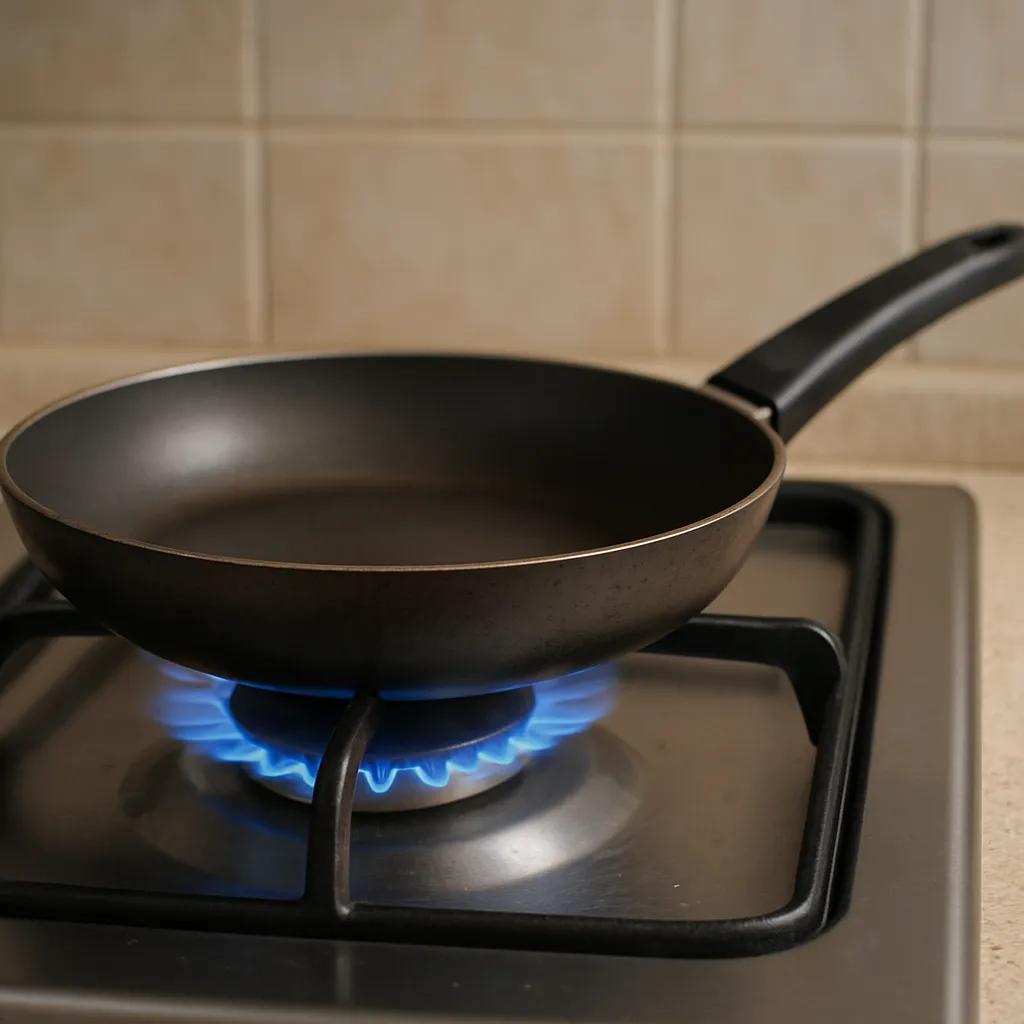
A cook needs a pan handle that stays comfortable to grip while the pan sits on a hot burner. Which handle material best meets that need?
A metal spoon is left standing in a pot of hot stew. Minutes later the end of the handle above the pot is warm too. What best explains this?
Crack the passcode before the zombies get in.
Answer, then swat bugs for bonus points.
Race through questions at your own speed.
Same question on every screen. Fastest wins.

Pick a tile, answer, hit bonuses and steals.
States of Matter and Particle Energy
20 questions