Loading
by BlastRoom
Classify described samples as pure substances, homogeneous mixtures, or heterogeneous mixtures using evidence rather than appearance alone.
#matter#us_grade_6_science
20 questions
One question set, multiple game modes. Tap any game to see it in action. Not sure which to pick?
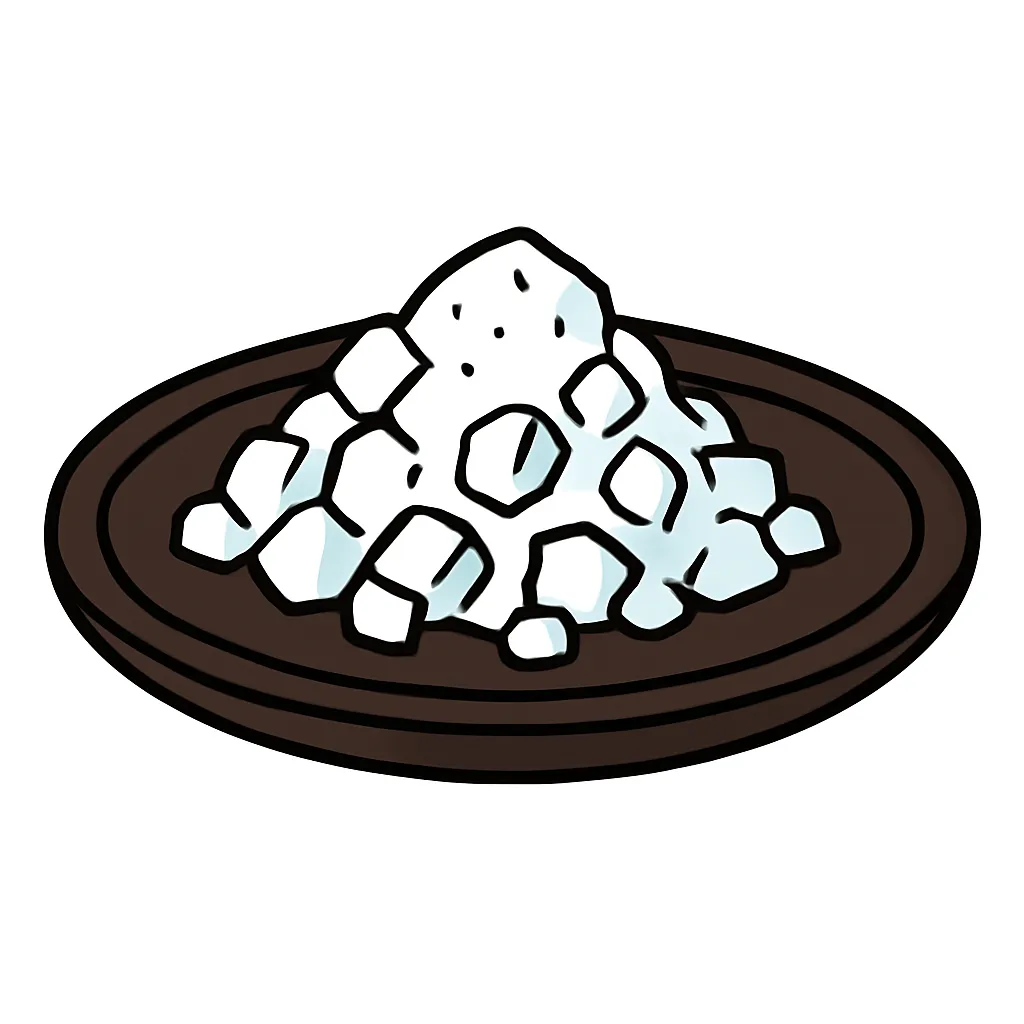
A student examines table salt from a sealed jar. Every part of the sample is the same material, and the whole sample melts at one fixed temperature. How should the sample be classified?
A teacher stirs salt into water until no grains are left. Samples taken from the top and the bottom of the beaker are both clear and equally salty. How is this sample best classified?

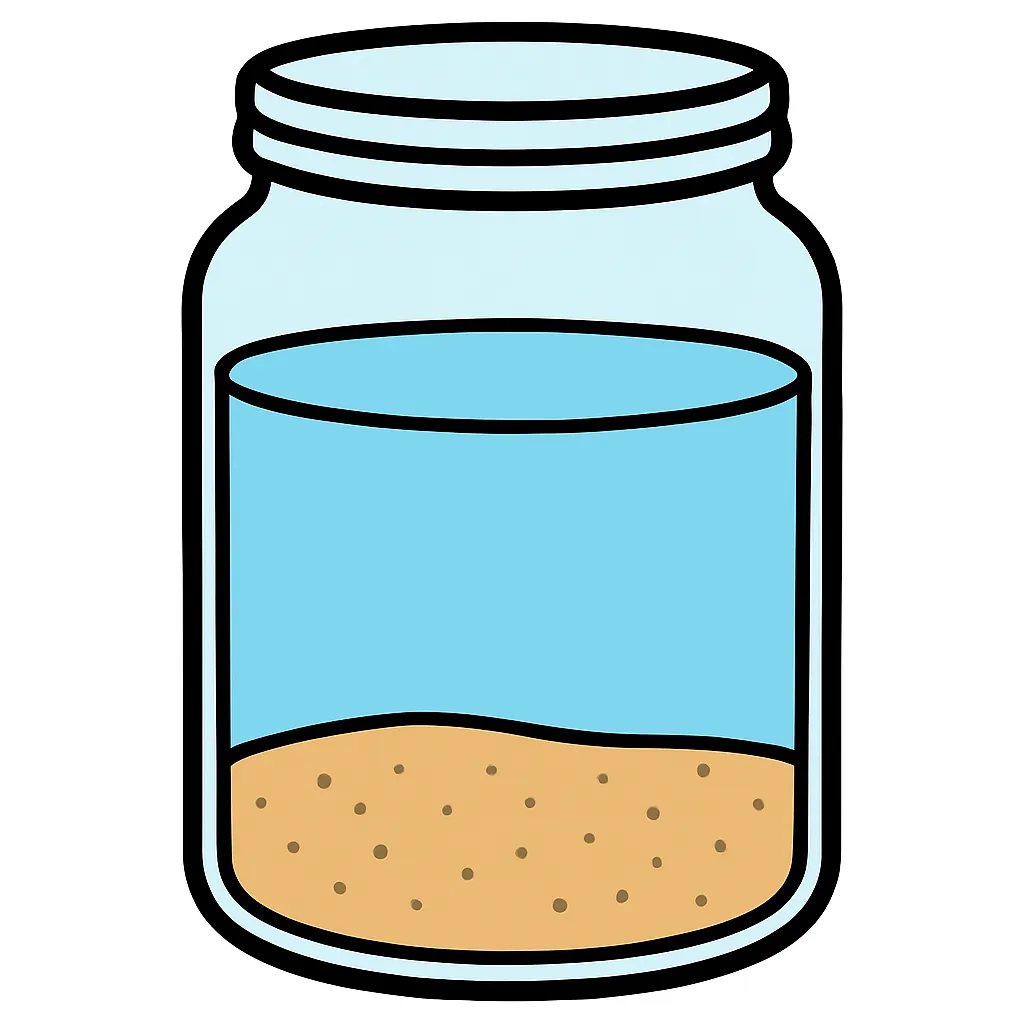
A student stirs a spoonful of sand into a jar of water. After a minute the sand settles at the bottom, and the water above it is clear. How should the contents of the jar be classified?
Dry air is made mostly of nitrogen and oxygen gases. A sample taken from the top of a classroom has the same makeup as a sample taken near the floor, and each gas keeps its own properties. How should dry air be classified?

A student takes three small samples from different parts of one sealed container. All three samples have the same makeup and the same properties. What can the student conclude from this evidence alone?

A student heats two clear liquids. Liquid A stays at one fixed temperature the whole time it boils. Liquid B's temperature keeps climbing while it boils. What do these results suggest?
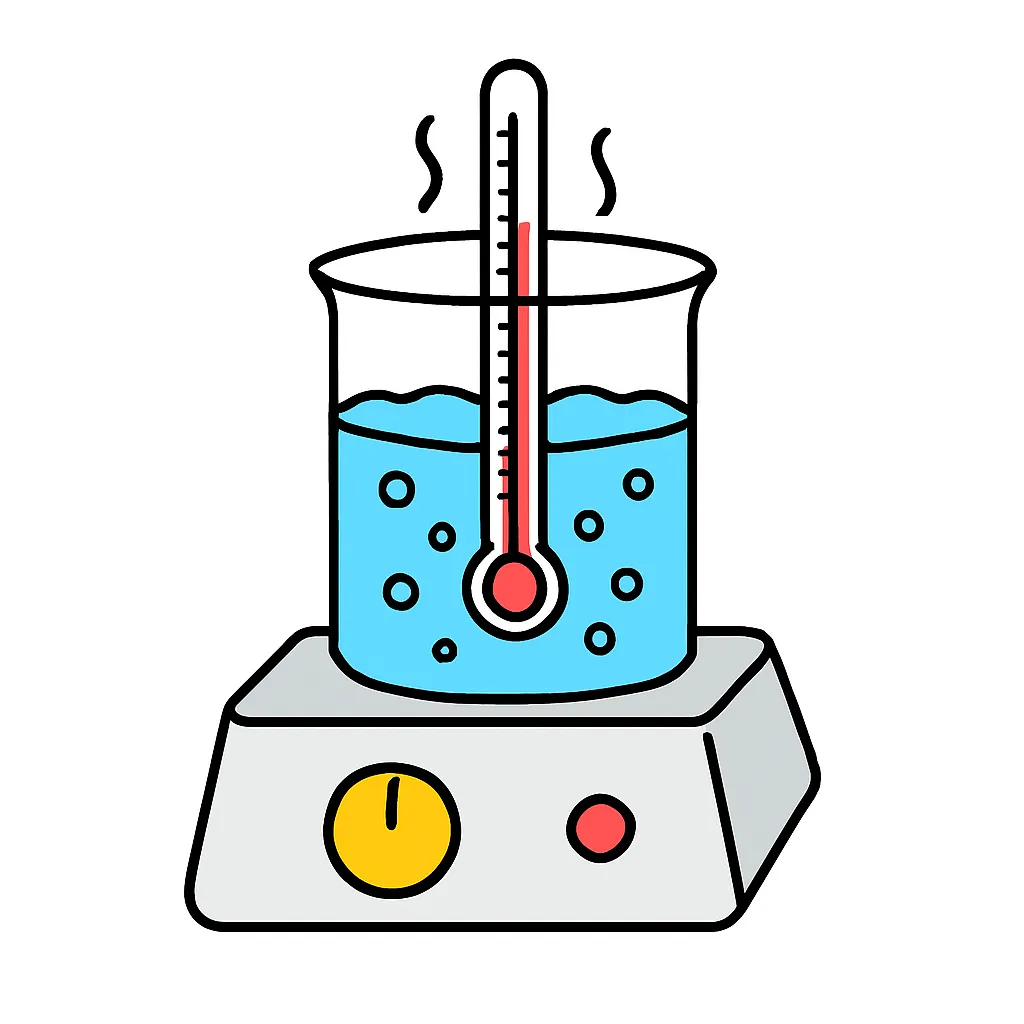
A class wants to get the salt back out of a beaker of salt water. Which plan will work, and why?

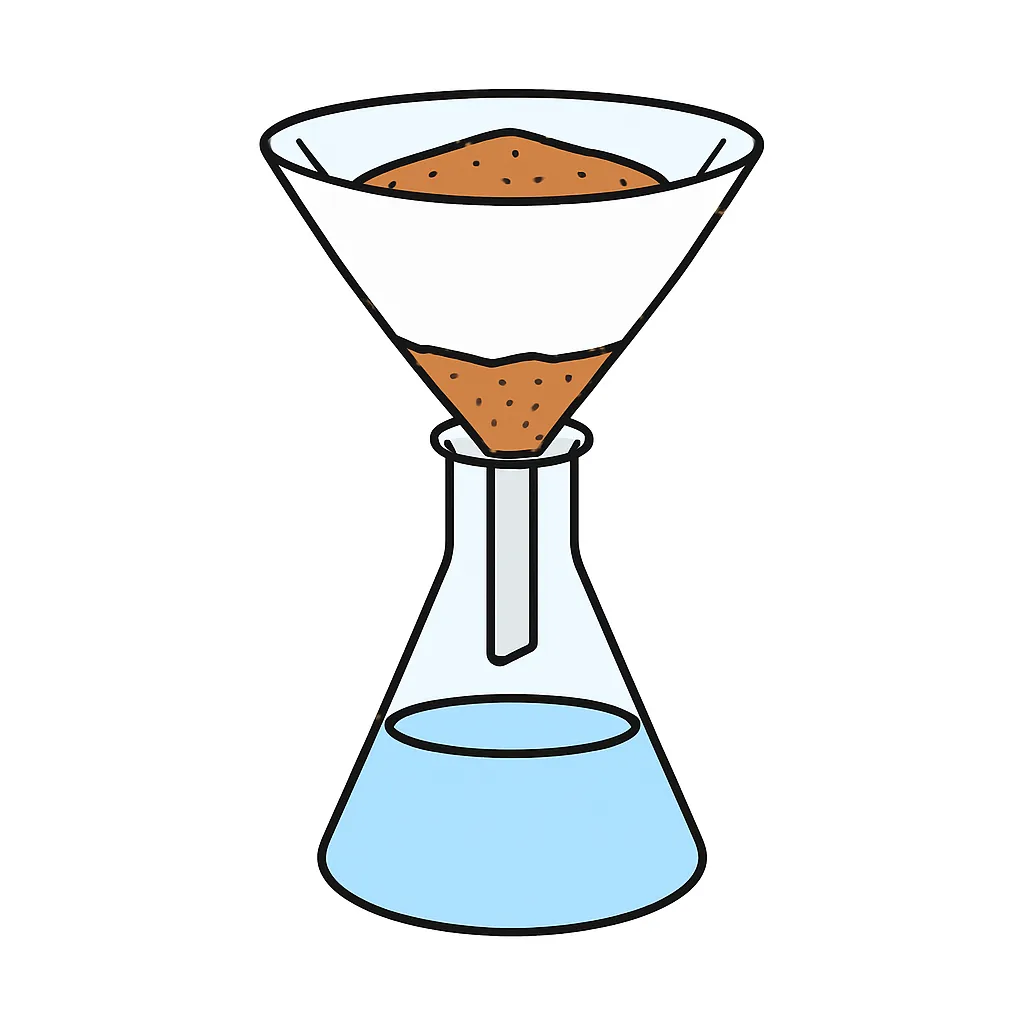
A student pours a jar of sandy water through filter paper. The sand stays on the paper and clear water passes through. Why does this method work on this sample?
Brass is made by melting copper and zinc together and letting the liquid cool. A brass spoon is the same color all the way through, and every part tested has the same properties. How is brass classified?

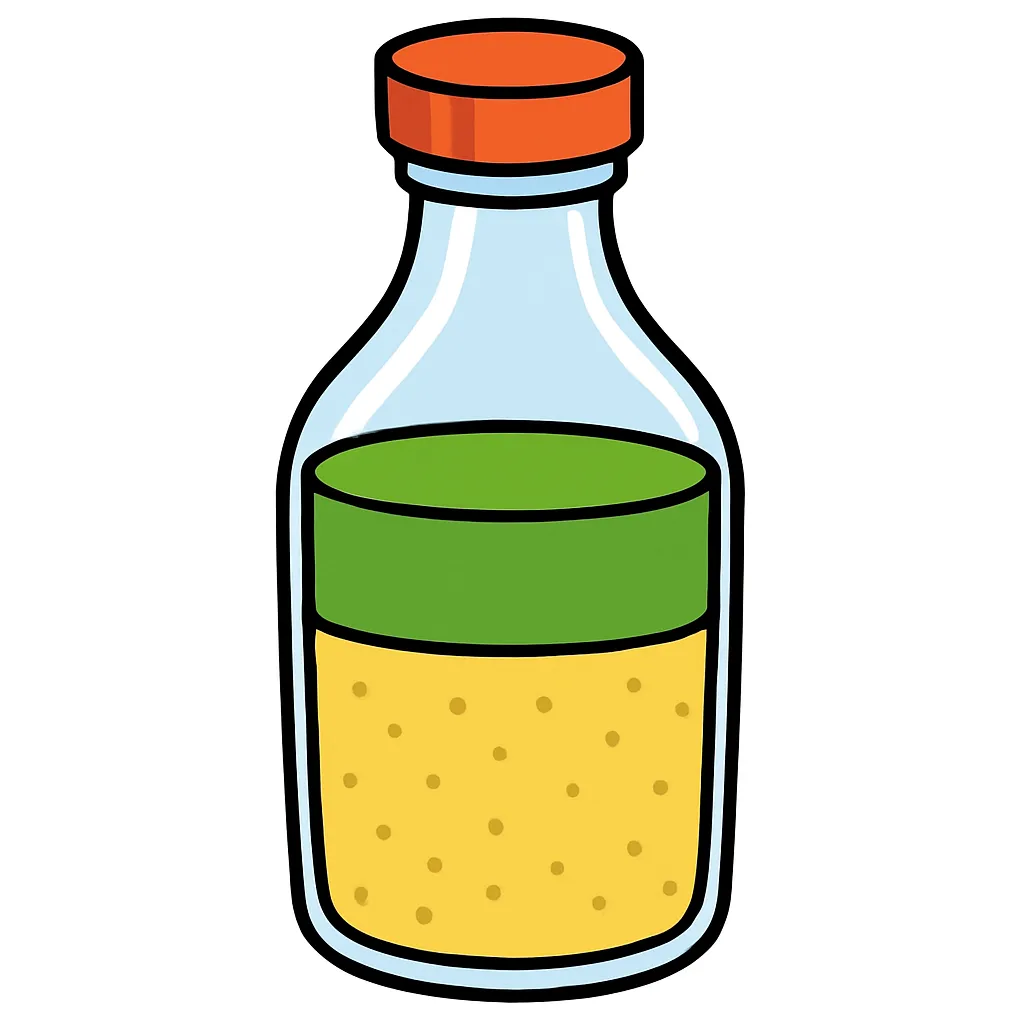
A bottle of oil-and-vinegar dressing is shaken, then set on the table. Within a minute the oil rises into a clear layer above the vinegar. How should the dressing be classified?
A length of copper wire is cut into pieces. Every piece bends the same way, has the same color, and melts at the same fixed temperature. How should the copper be classified?

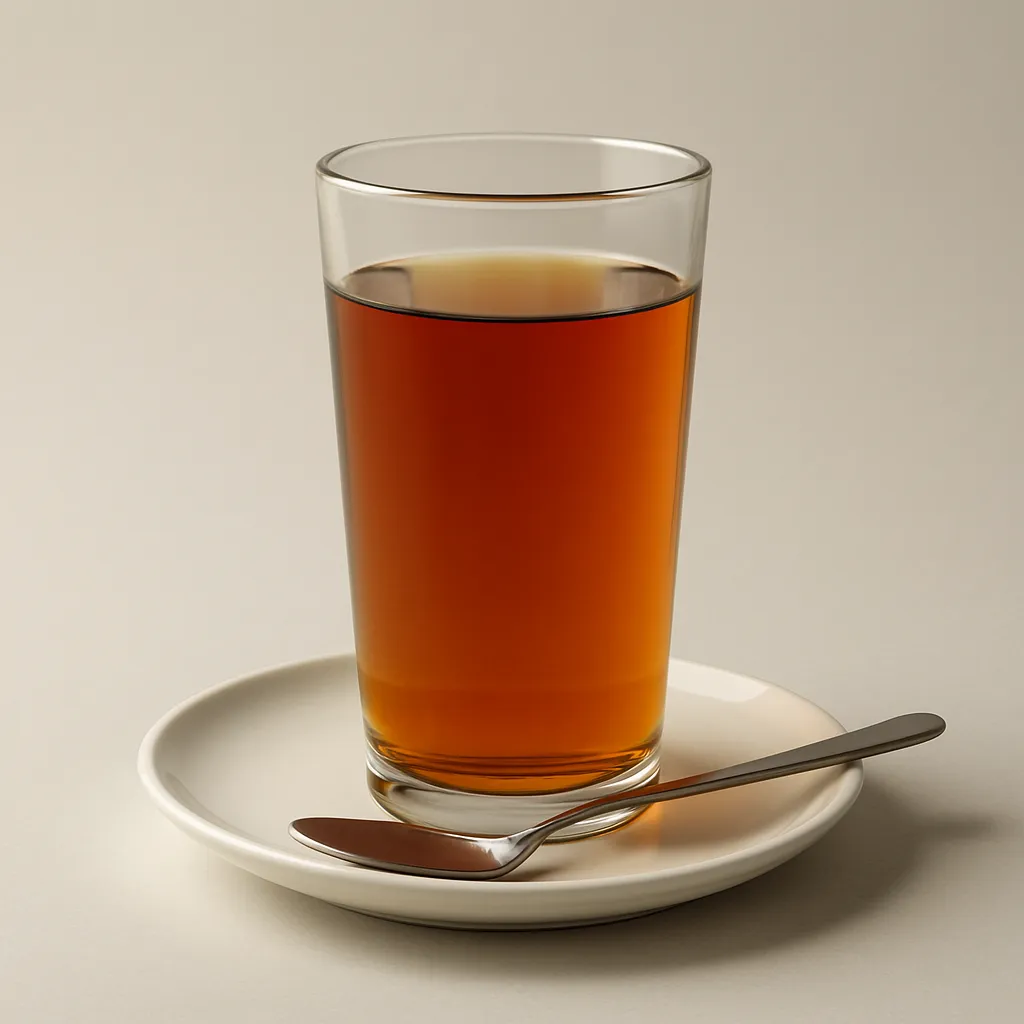
In a glass of sweet tea, the sugar cannot be seen and does not settle out or catch on a filter. Every sip tastes equally sweet. What is the best name for this sample?
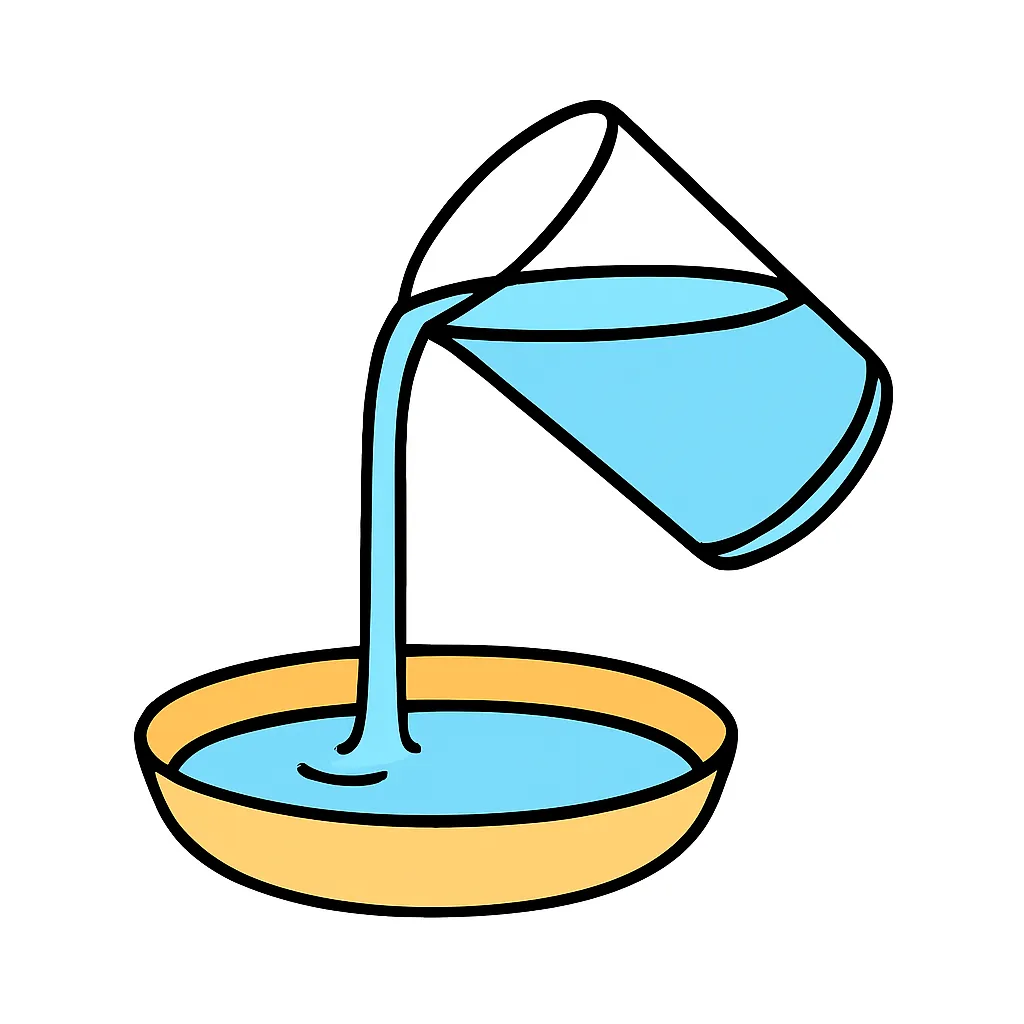
Sugar water is poured from a tall glass into a wide, shallow dish. What happens to the shape and the volume of the liquid?
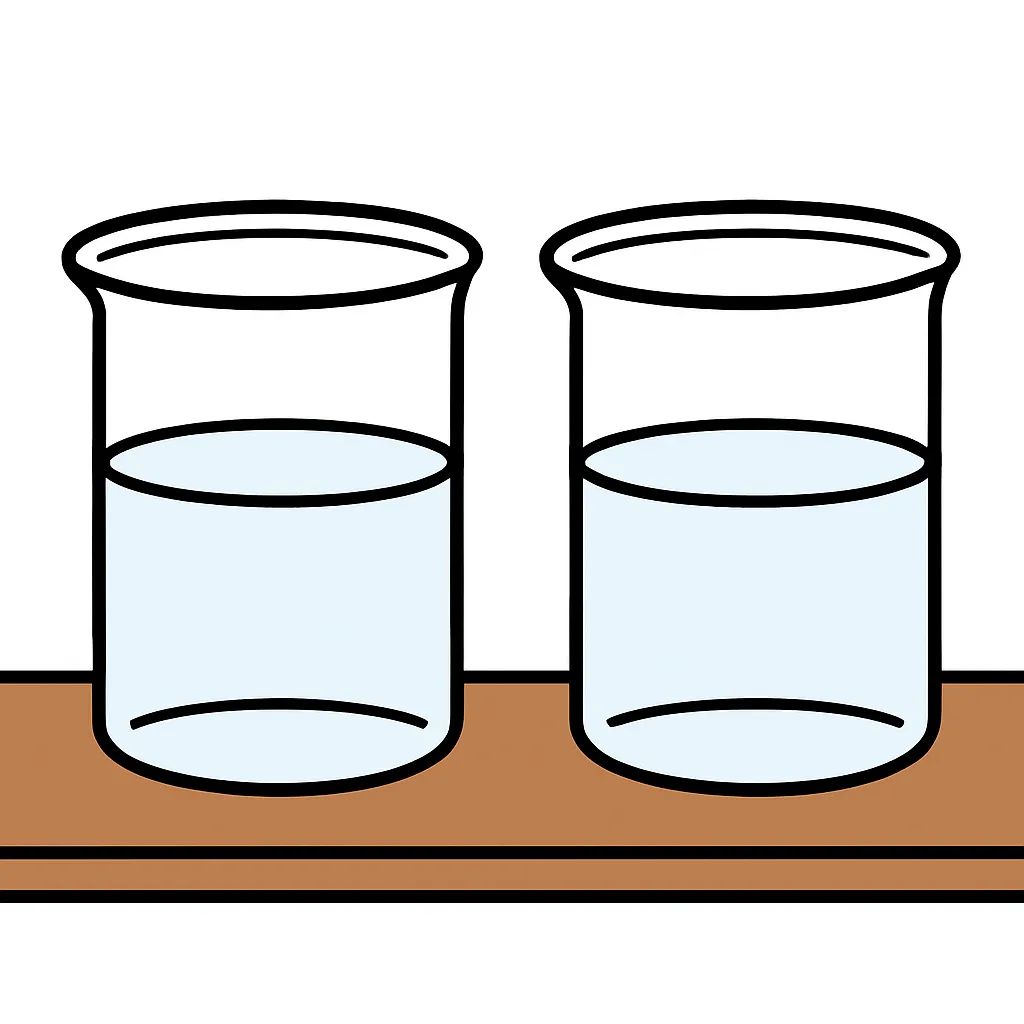
A student wants the strongest evidence that a sample is a mixture and not a pure substance. Which observation gives that evidence?
Two beakers hold clear colorless liquids. One is pure water and one is sugar water, and they look identical. Which test would tell the two apart?
A glass holds cold lemonade with ice cubes floating in it. How should the contents of the glass be classified?

A student says, "This apple juice must be a pure substance, because it is clear and looks the same all the way through." What is wrong with that reasoning?

The parts of a mixture keep their own properties because they are not joined into a new material.
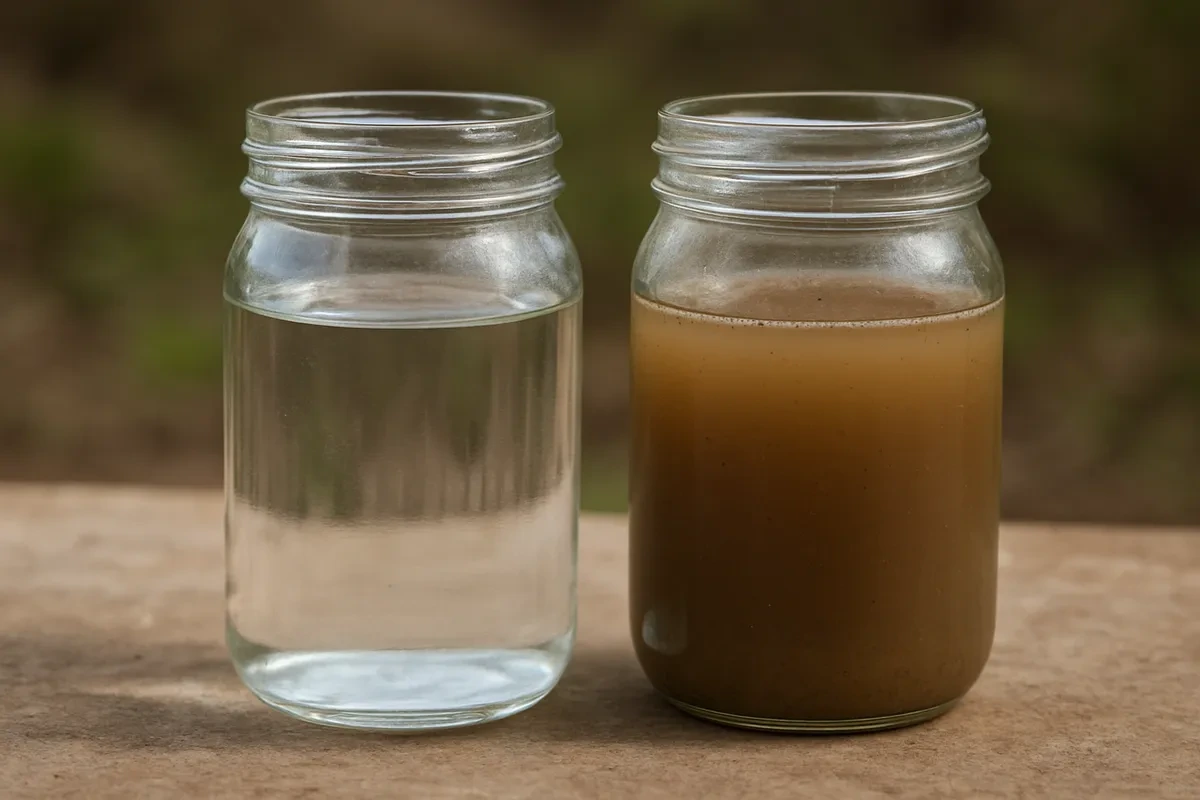
Muddy water is a heterogeneous mixture, and the soil particles settle to the bottom when the jar is left standing.
Mixing two pure substances always makes a homogeneous mixture.
Crack the passcode before the zombies get in.

Pick a tile, answer, hit bonuses and steals.
Density Relative to a Fluid
20 questions