Loading
by BlastRoom
Compare solids, liquids, and gases by shape, volume, particle arrangement, and particle energy.
#matter#us_grade_6_science
20 questions
One question set, multiple game modes. Tap any game to see it in action. Not sure which to pick?
Answer to place stones and capture territory.
Outrun the snow together.
Earn blasts, then hunt the other team.
Answer to earn energy, then climb.

The class blasts through walls together.
Bid on mystery lots. Most money wins.
Sell tours. Nice, standard, or a total scam.

Answer, restock, and serve the rush.
More correct answers pulls the rope your way.
Answer, then shoot down the alien wave.
Answer, then tap to leap the frozen ridge.
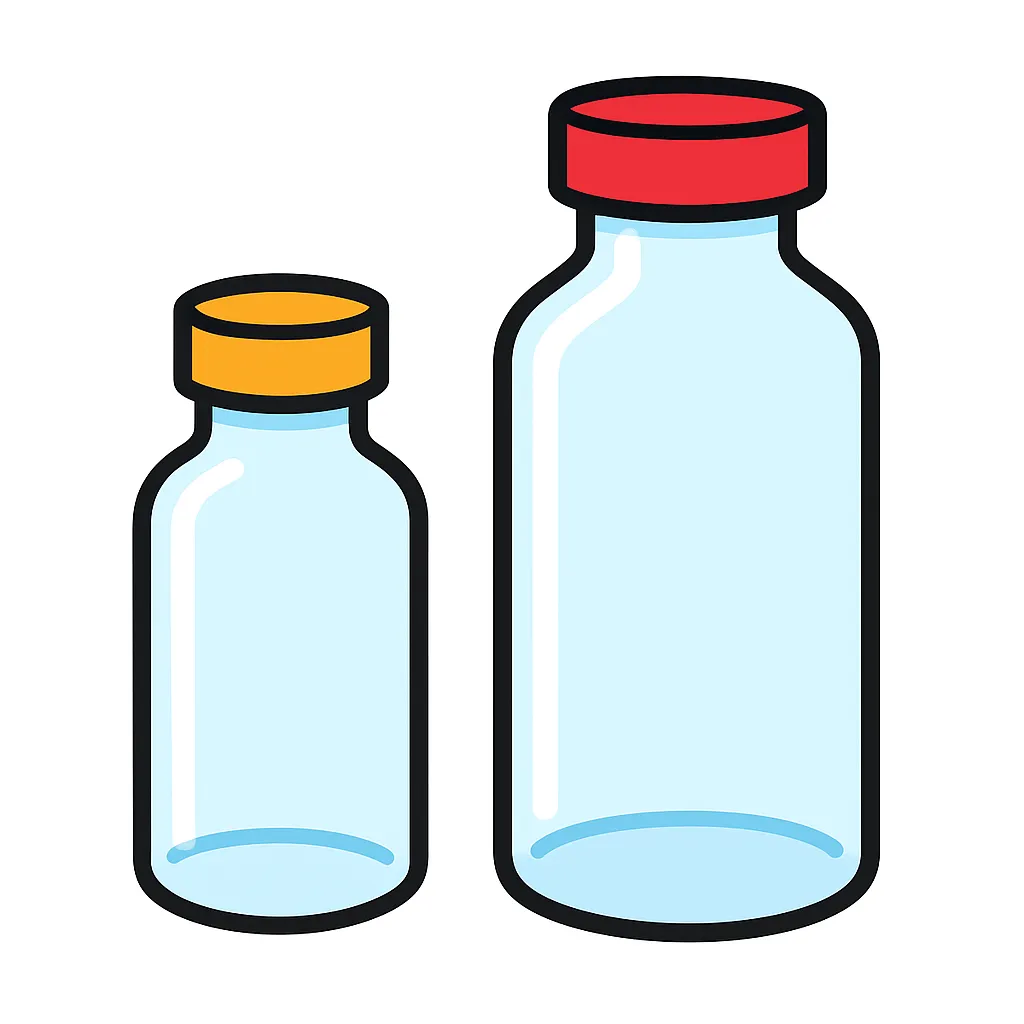
A helium sample is moved from a sealed 1-liter bottle into a sealed 3-liter bottle. It spreads evenly until it fills the larger bottle. How do the shape and volume of a gas behave?
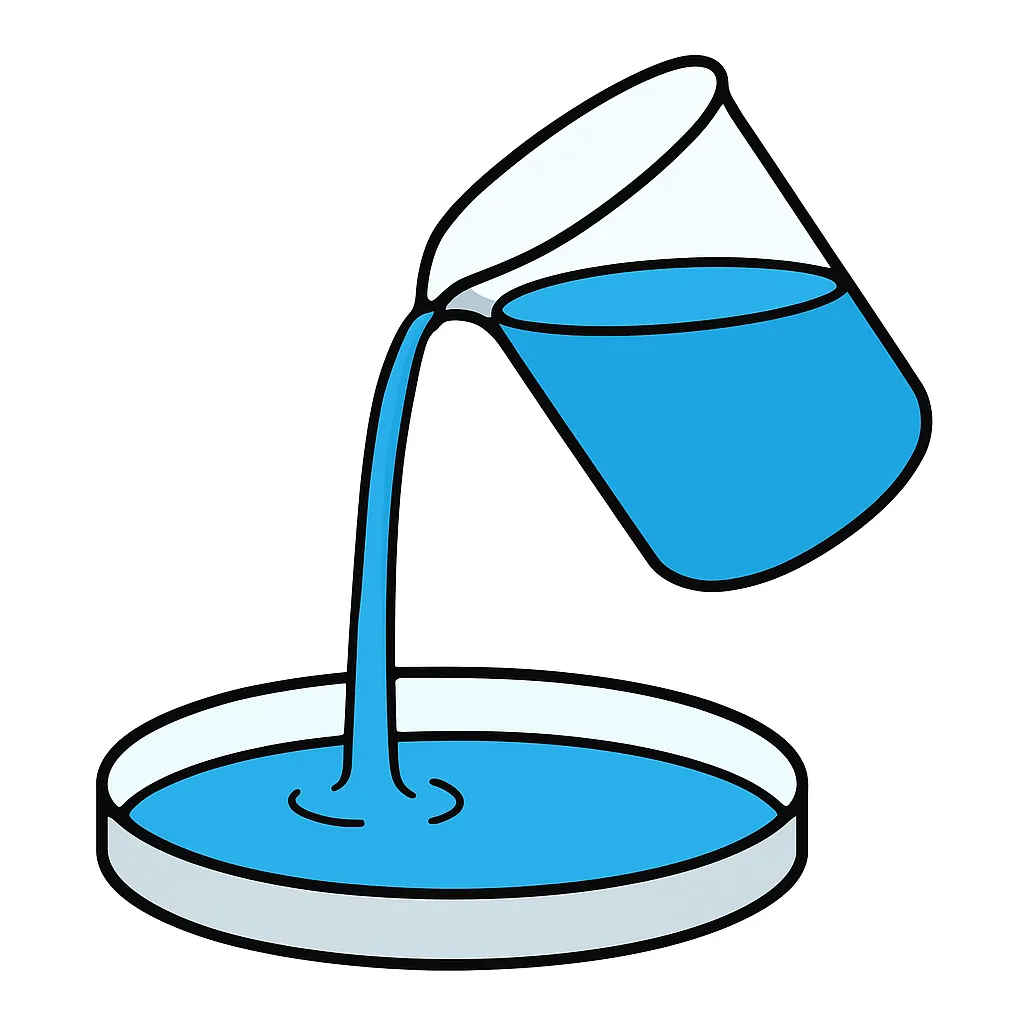
A student pours 250 milliliters of water from a tall beaker into a wide dish. The water spreads out flat, but the measured amount is still 250 milliliters. What does this show about a liquid?
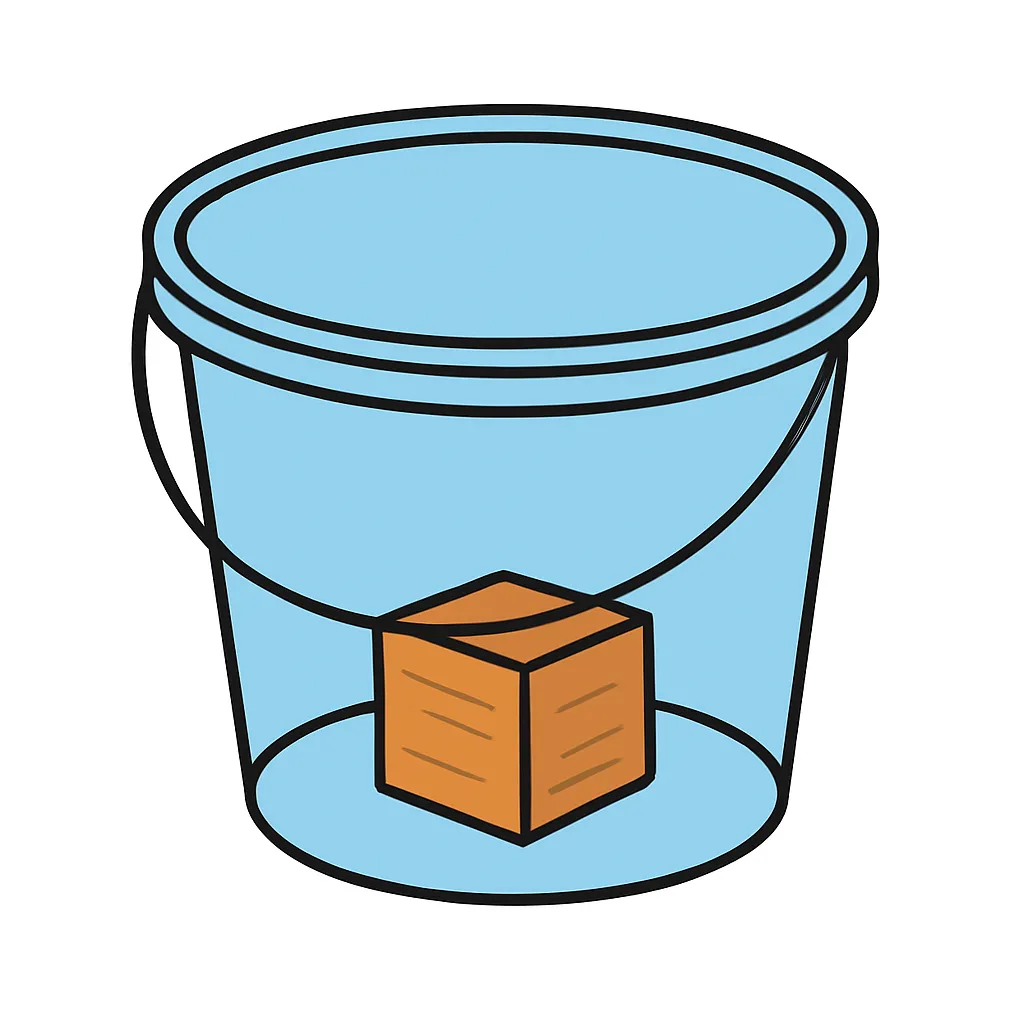
A wooden block with a volume of 40 cubic centimeters is moved from a small box into a large bucket. Its shape and size do not change at all. Which description fits a solid?
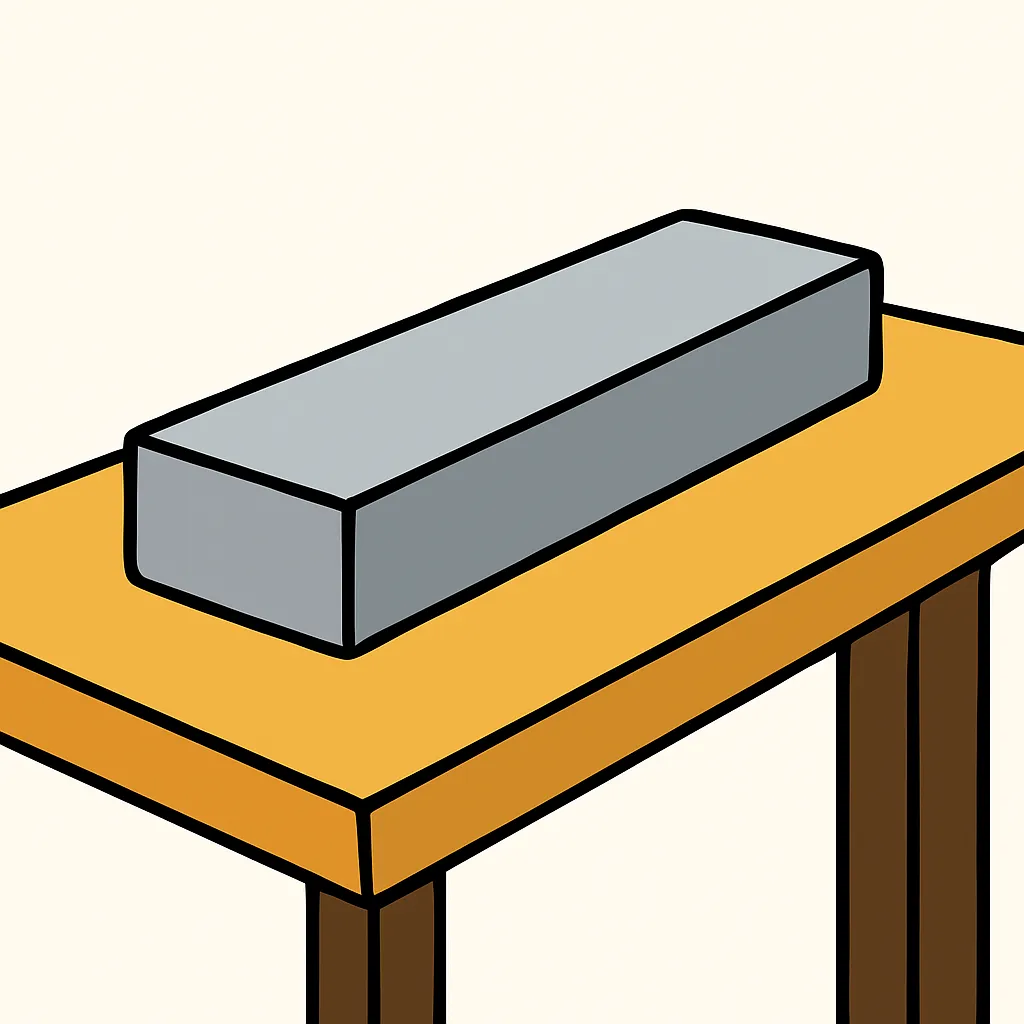
A class draws a particle model of a metal bar at room temperature. Which drawing of the particles is correct for a solid?
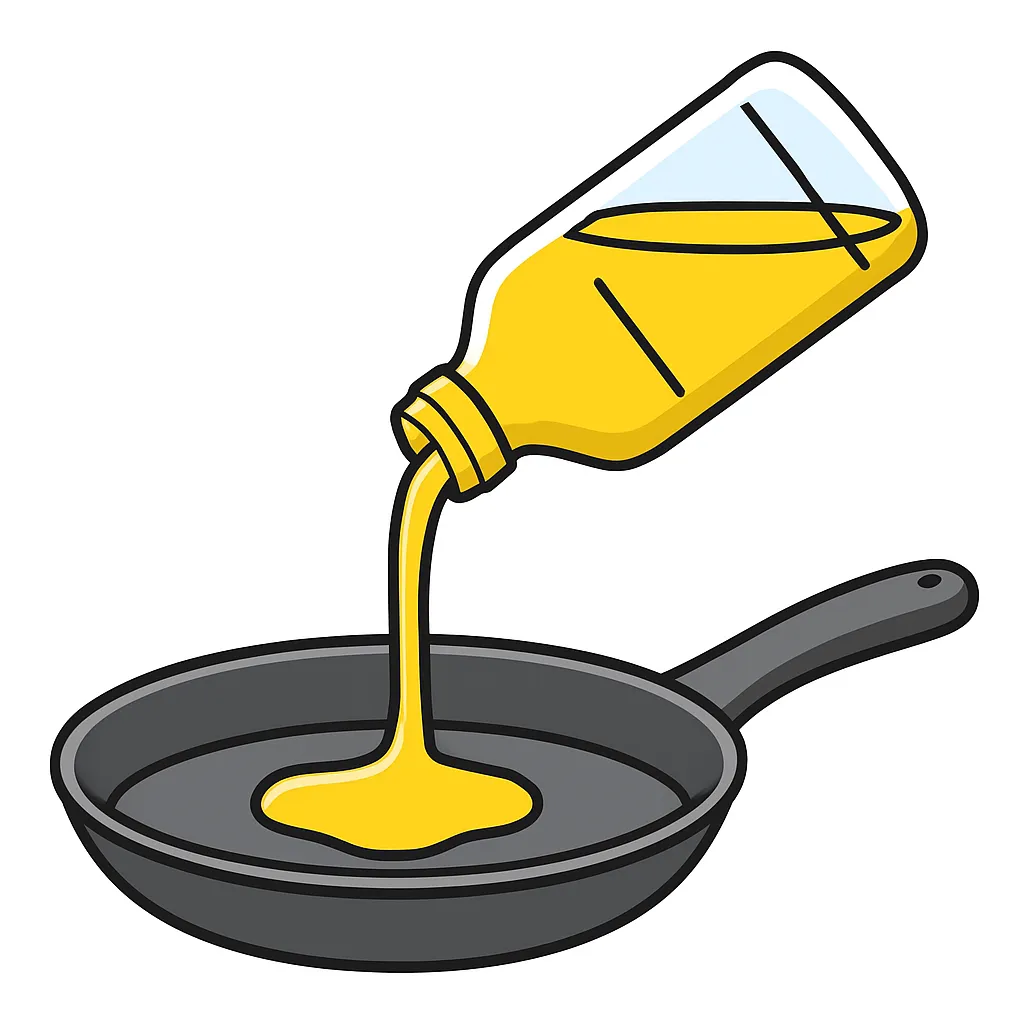
Cooking oil is poured from a bottle into a shallow pan, where it spreads into a thin layer. The amount of oil does not change. Which description of the oil's particles explains the spreading?
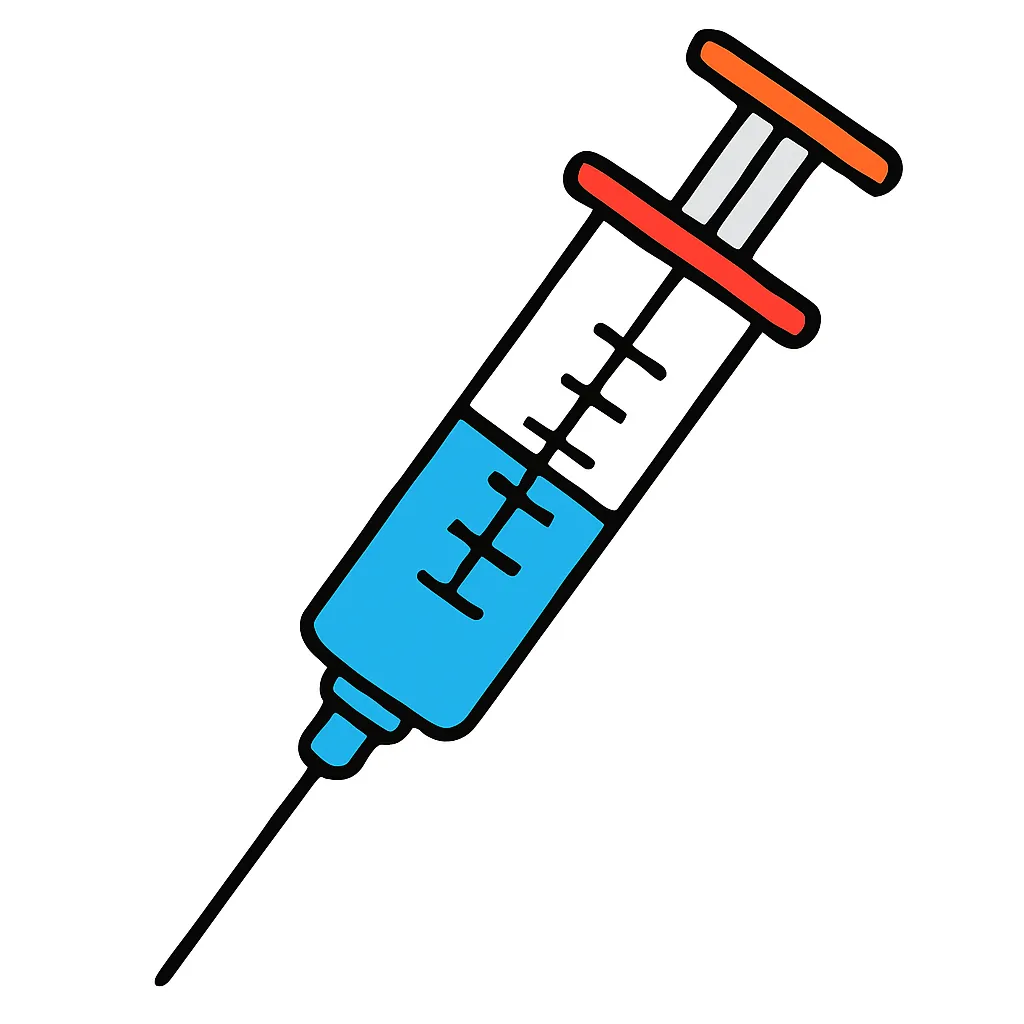
A sealed syringe holds air. With the tip blocked, the plunger can be pushed in and the air squeezes into a much smaller space. Water in the same syringe barely squeezes at all. Why?
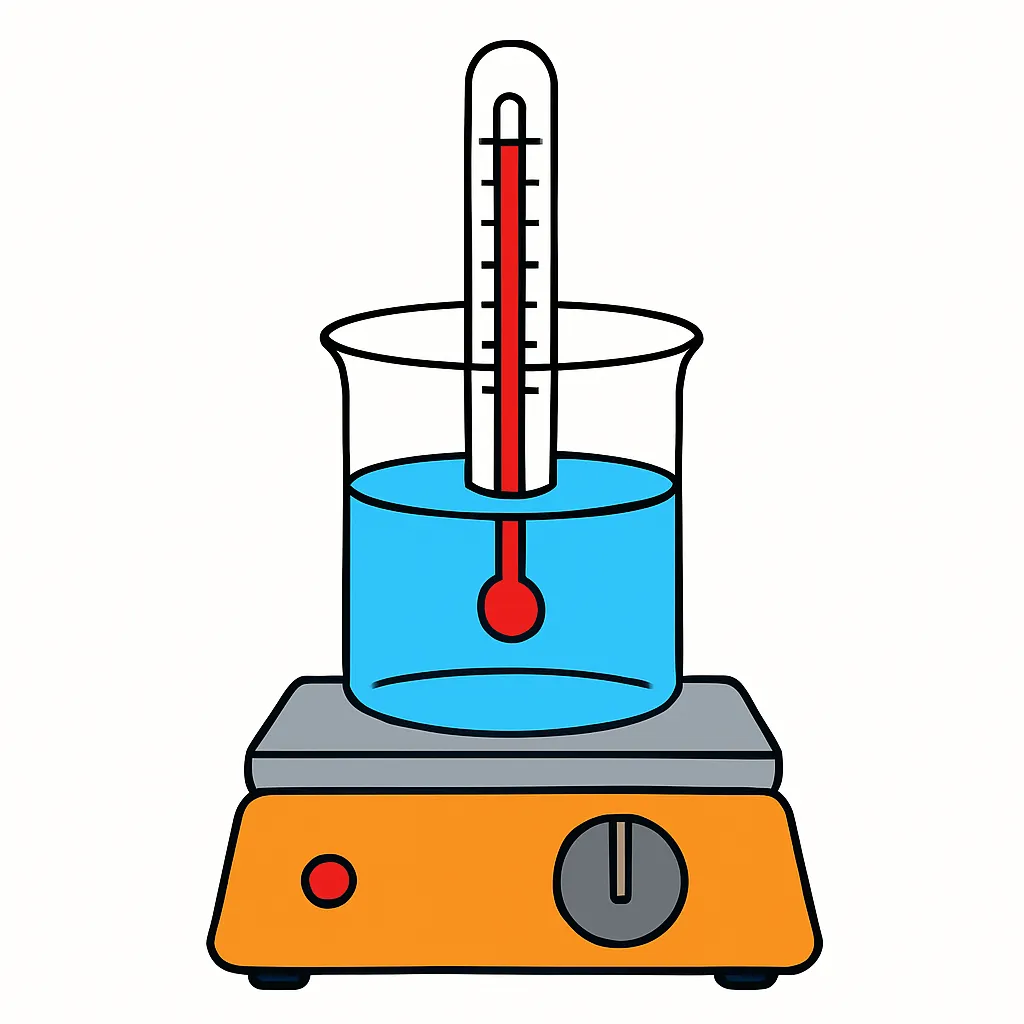
A student heats water in a beaker from 20 degrees Celsius to 60 degrees Celsius and stirs gently. What happens to the average kinetic energy of the water particles?
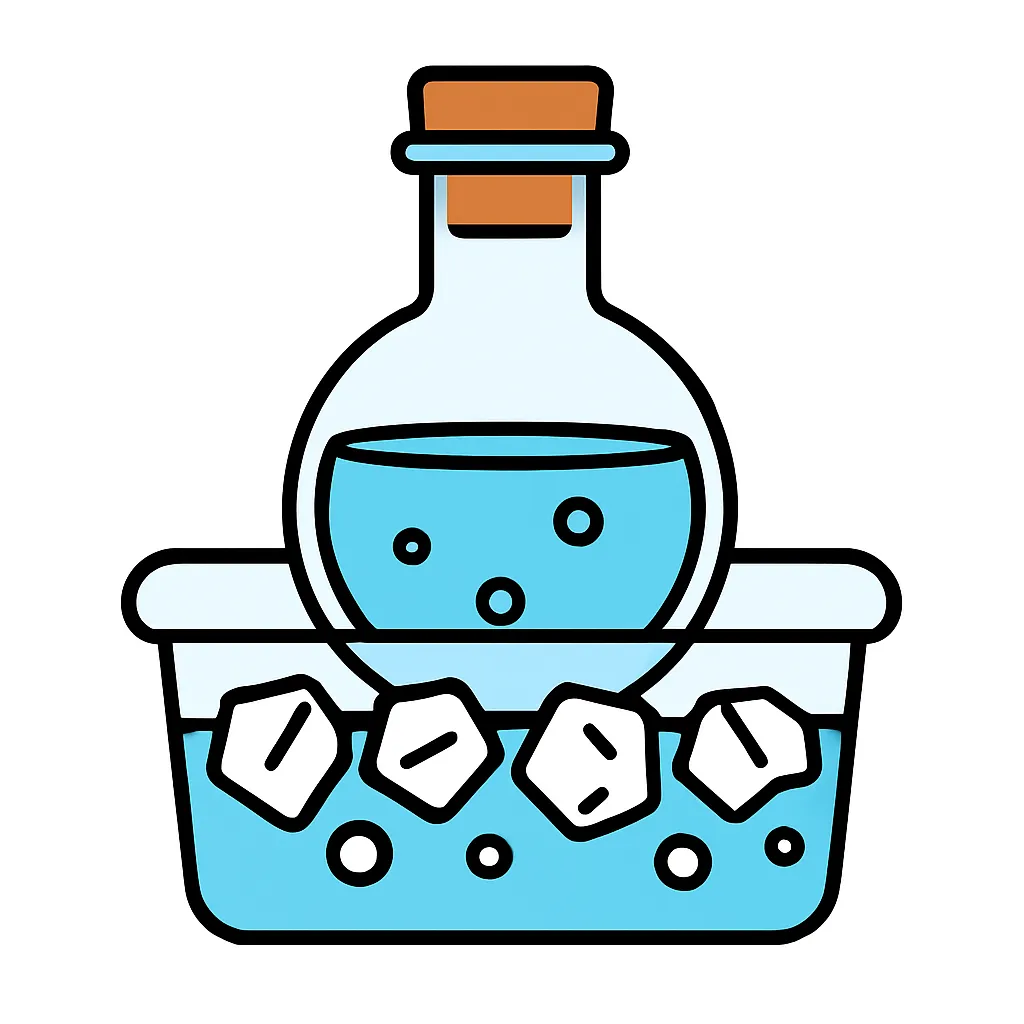
Air inside a sealed flask is cooled from 40 degrees Celsius to 5 degrees Celsius. What happens to the motion of the air particles inside the flask?
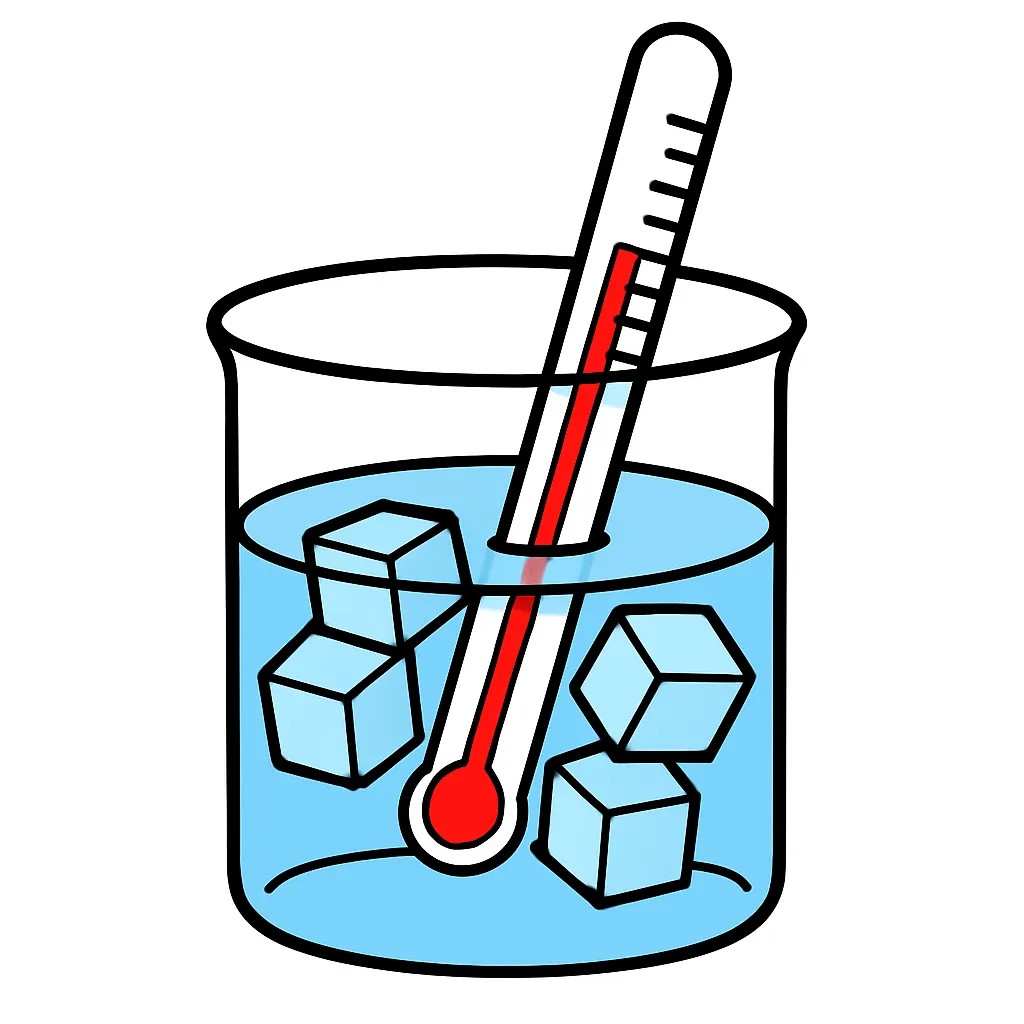
Ice and water are stirred together in a beaker on a warm bench. The thermometer reads 0 degrees Celsius while the ice slowly melts. What happens to the temperature while ice is still melting?
When a solid melts, the particles themselves stay the same size, and only their arrangement and motion change.
The particles in a solid are frozen in place and do not move at all.
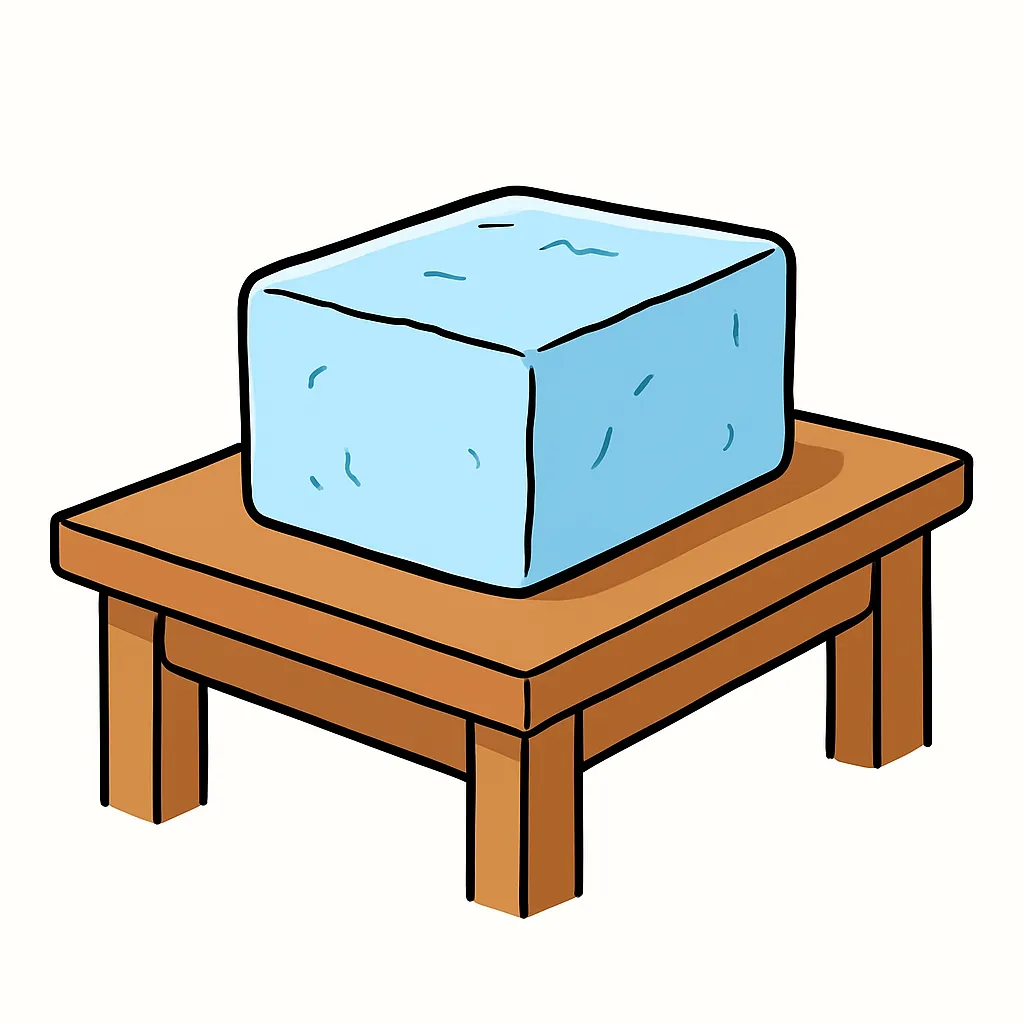
A student mixes sand into water. The sand sinks to the bottom while clear water stays on top, and the two layers can be seen with the eye. How should this mixture be classified?
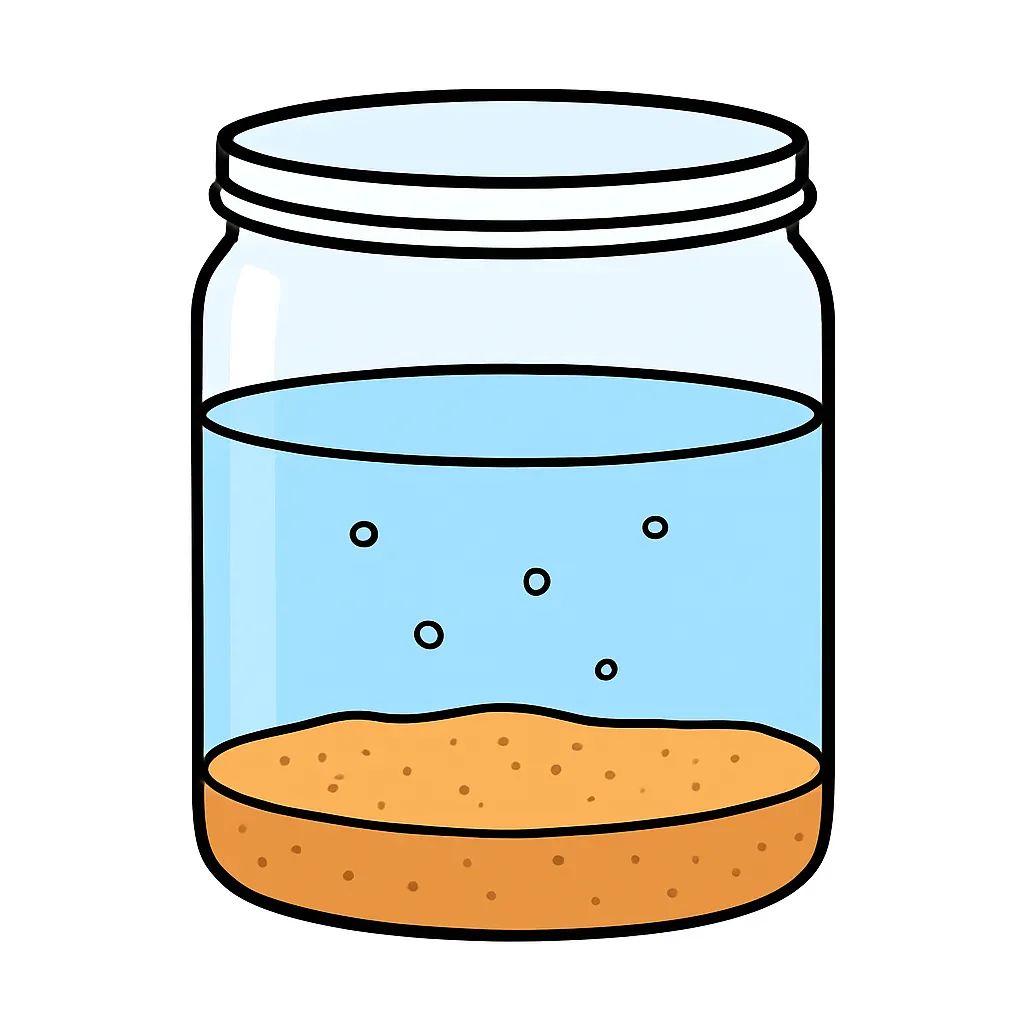
A student pours dry sand from a jar into a bowl, and the sand settles into the bowl's shape. Sand is still classified as a solid. Why?
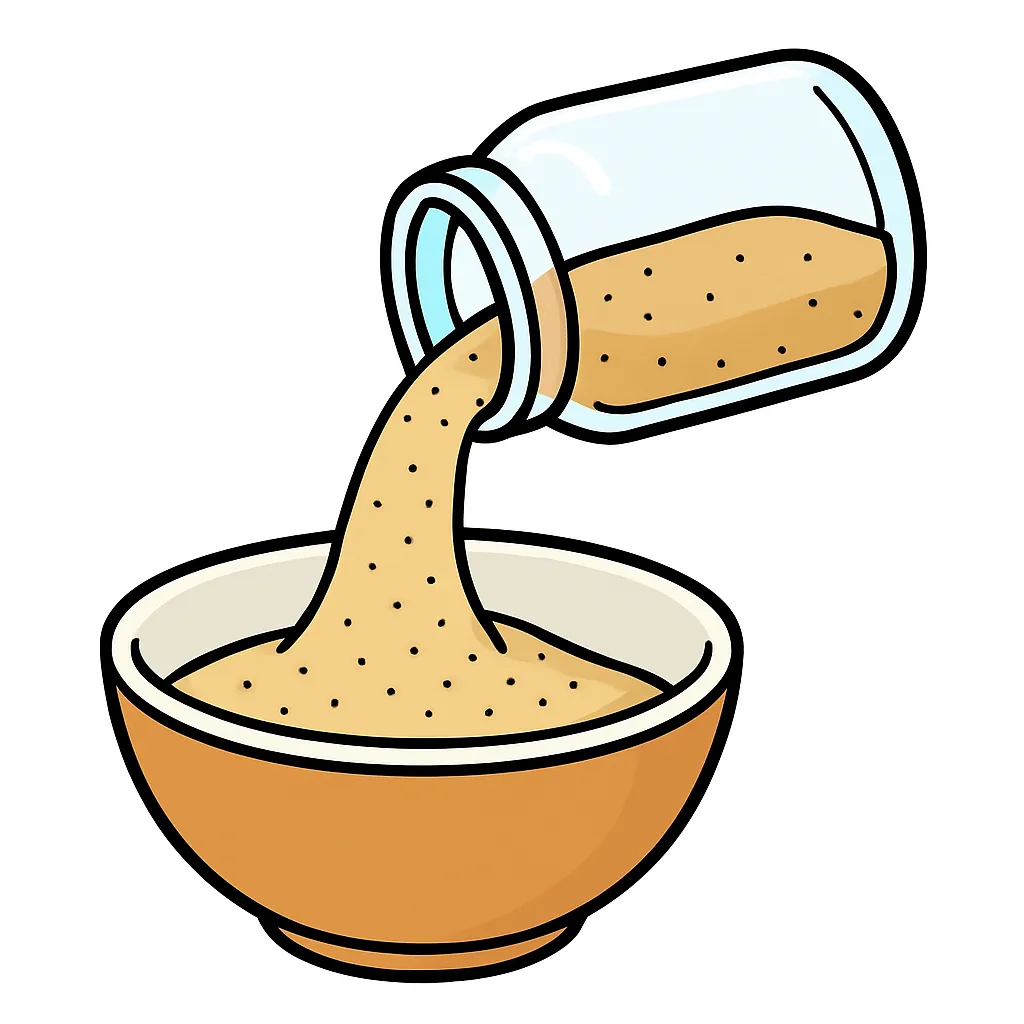
Water is studied as ice at -10 degrees Celsius, as liquid water at 20 degrees Celsius, and as steam at 110 degrees Celsius. In which sample do the particles have the greatest average kinetic energy?
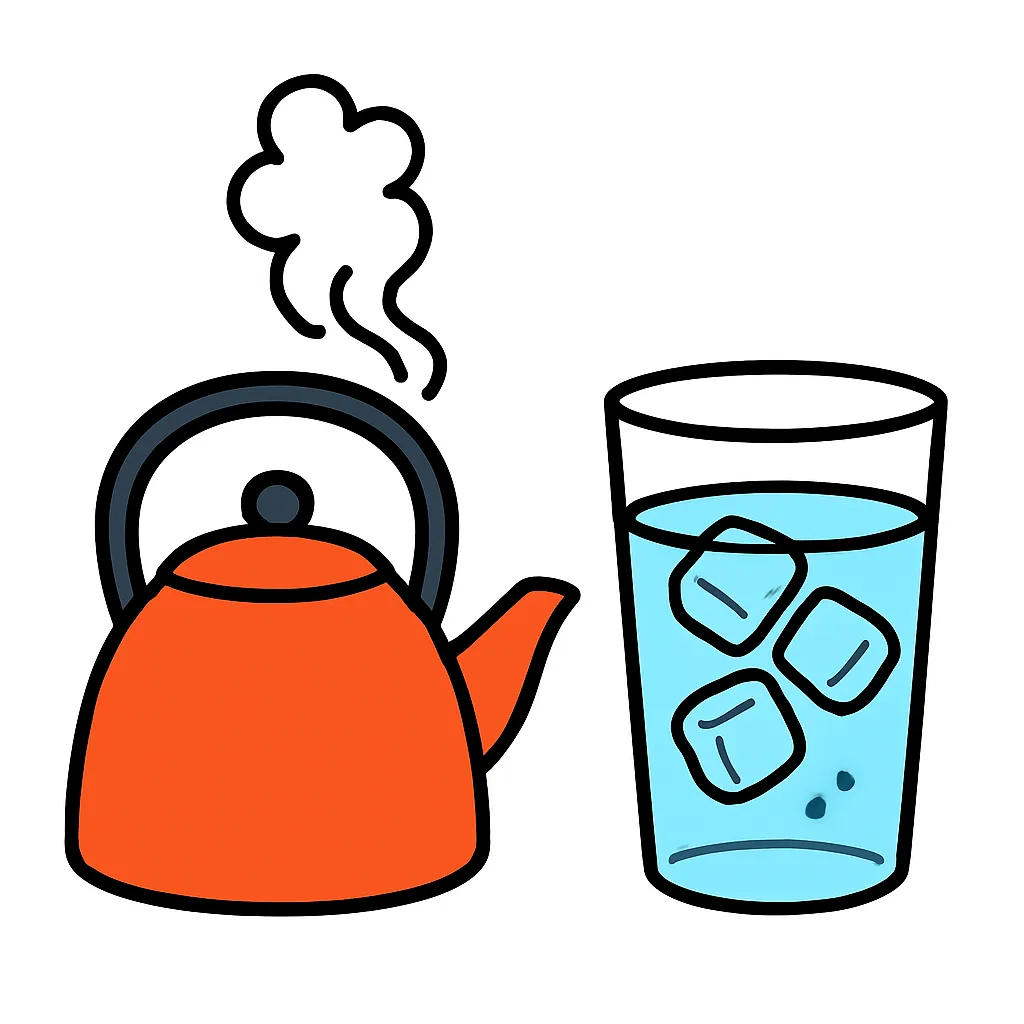
A teacher opens a bottle of scented oil in one corner of a still classroom. Minutes later, students across the room can smell it. Which property of a gas best explains this?
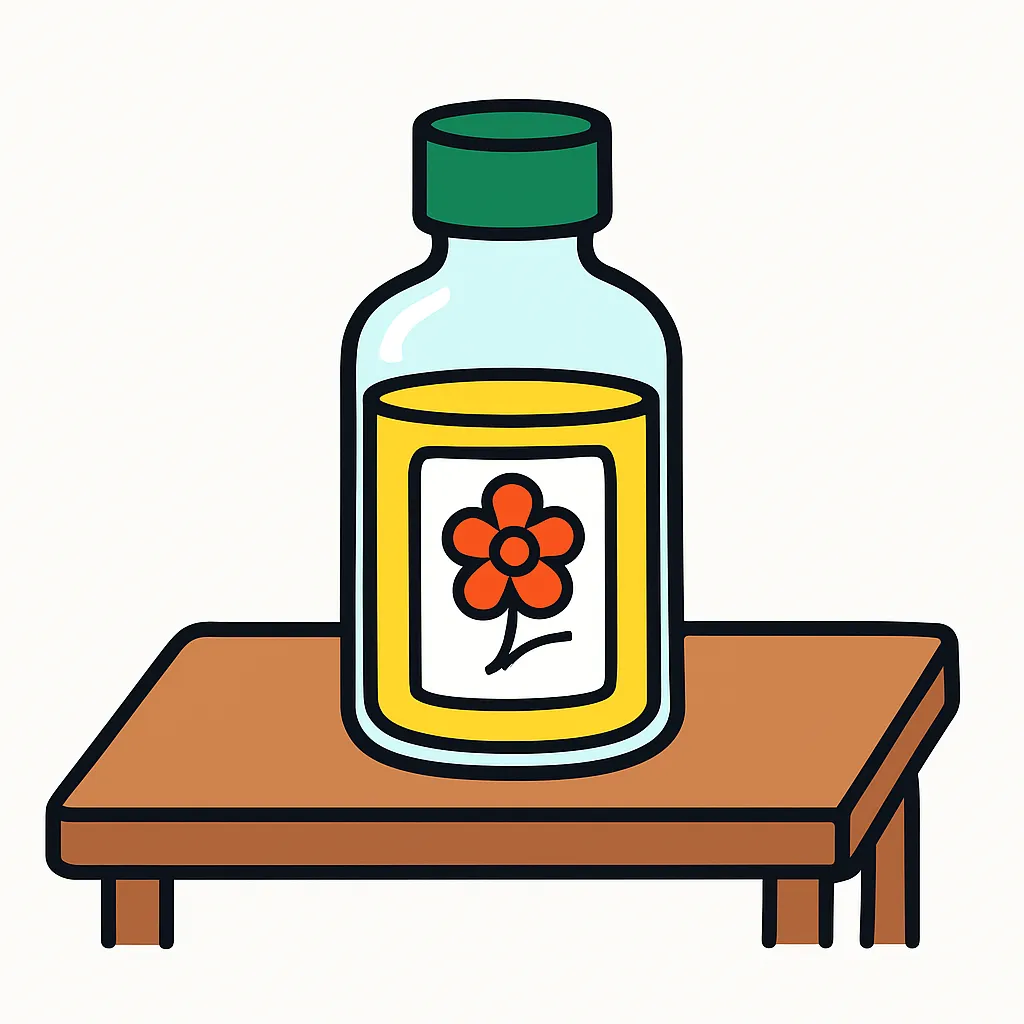
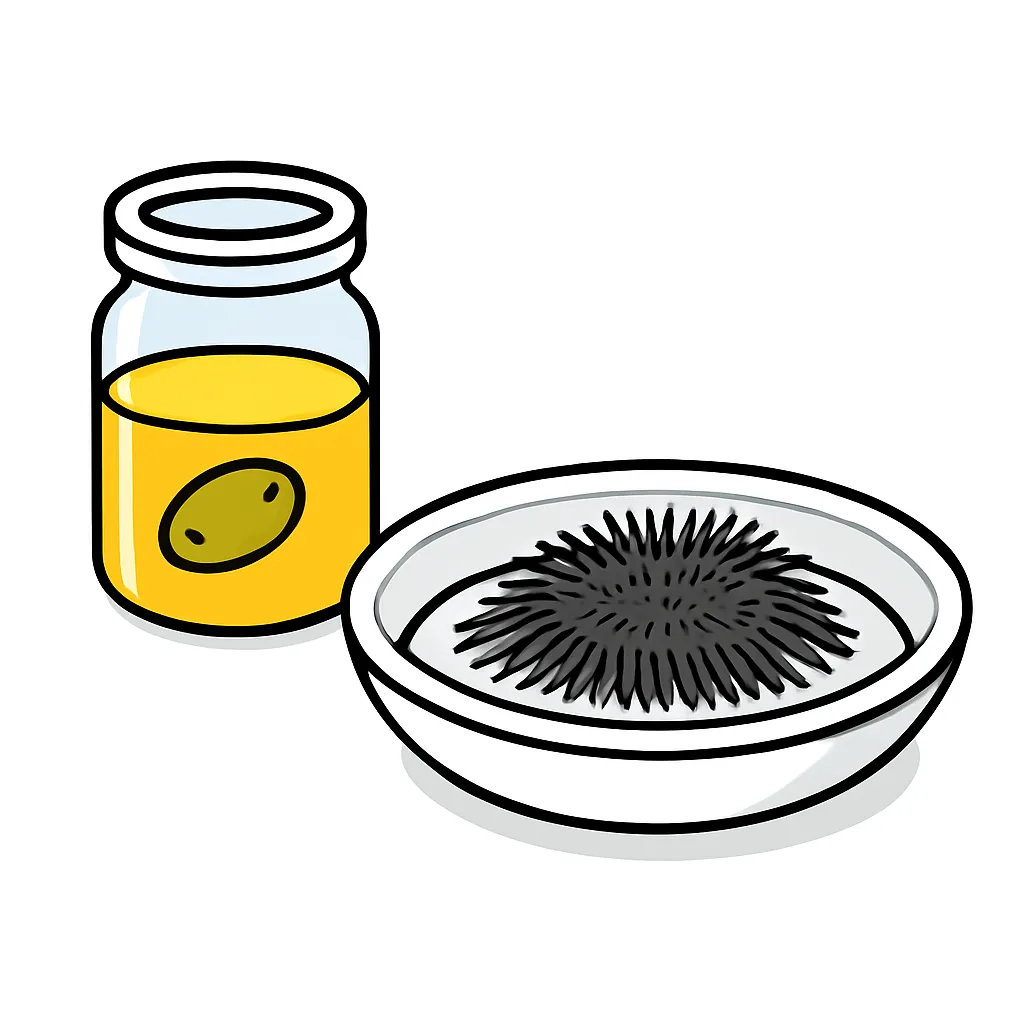
A class compares three sealed samples: iron filings, olive oil, and carbon dioxide gas. Which sample has particles arranged in a fixed, orderly structure?
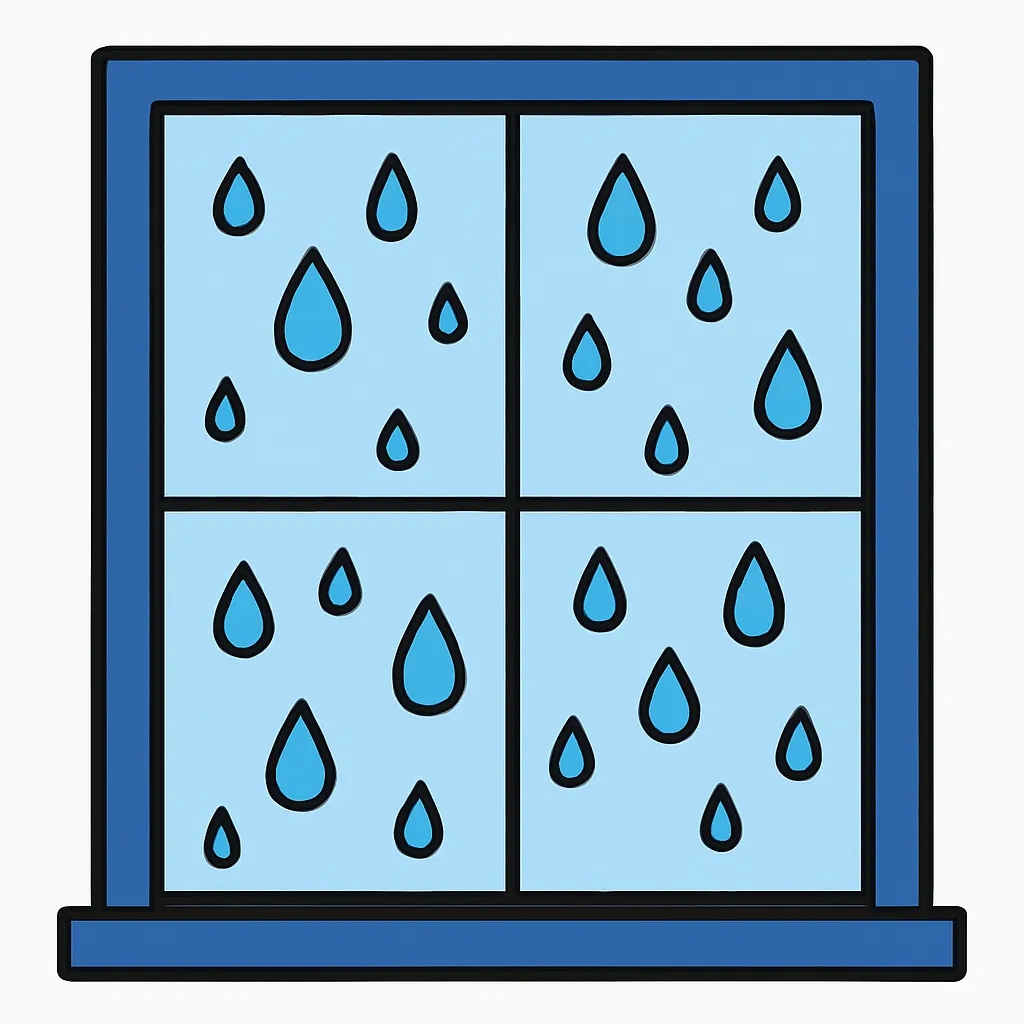
Warm water vapor in the air touches a cold window, and droplets of liquid water form on the glass. What happens to the particles of water vapor?
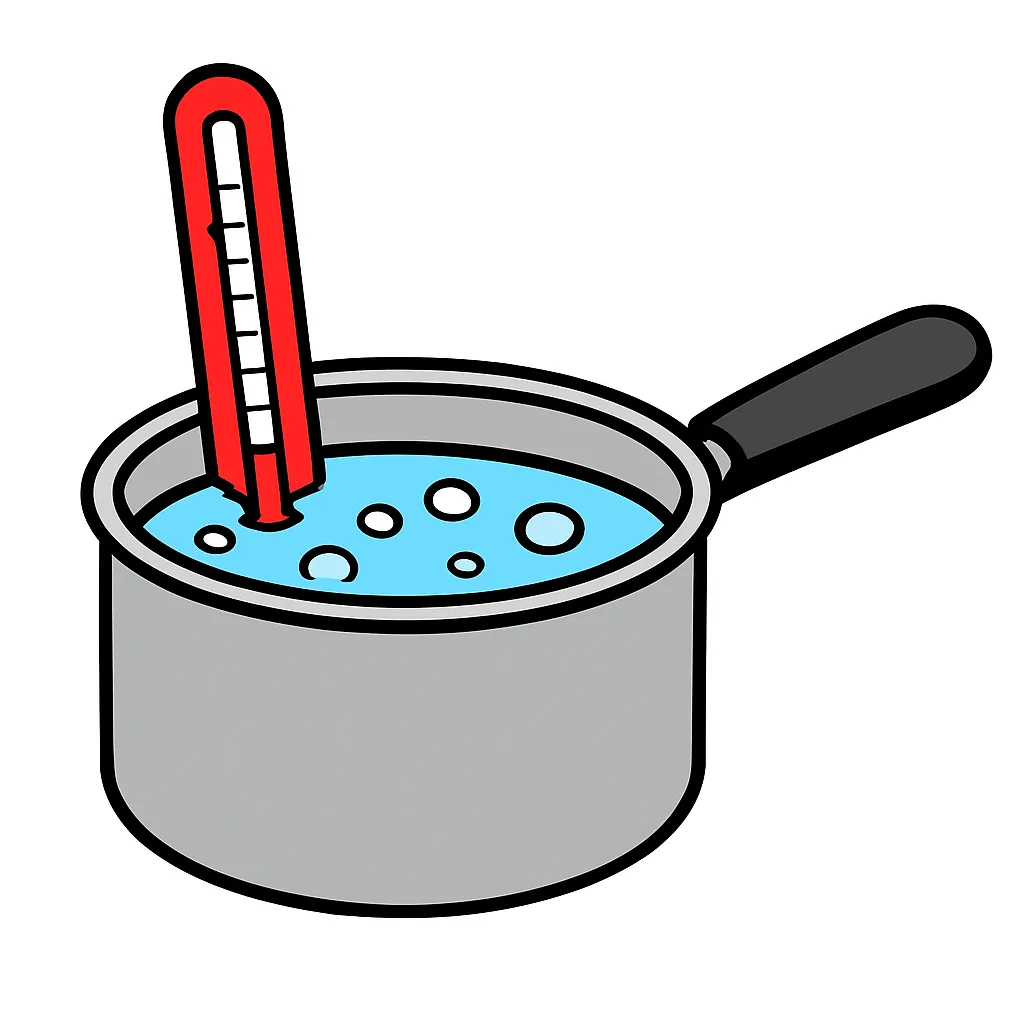
Water boils in an open pot on a hot stove. The thermometer holds at 100 degrees Celsius for several minutes while the water level drops. What is the energy from the stove doing during that time?
A student stirs salt into water until it fully dissolves. The mixture looks the same throughout, but evaporating a sample later leaves solid salt behind. How should the salt water be classified?
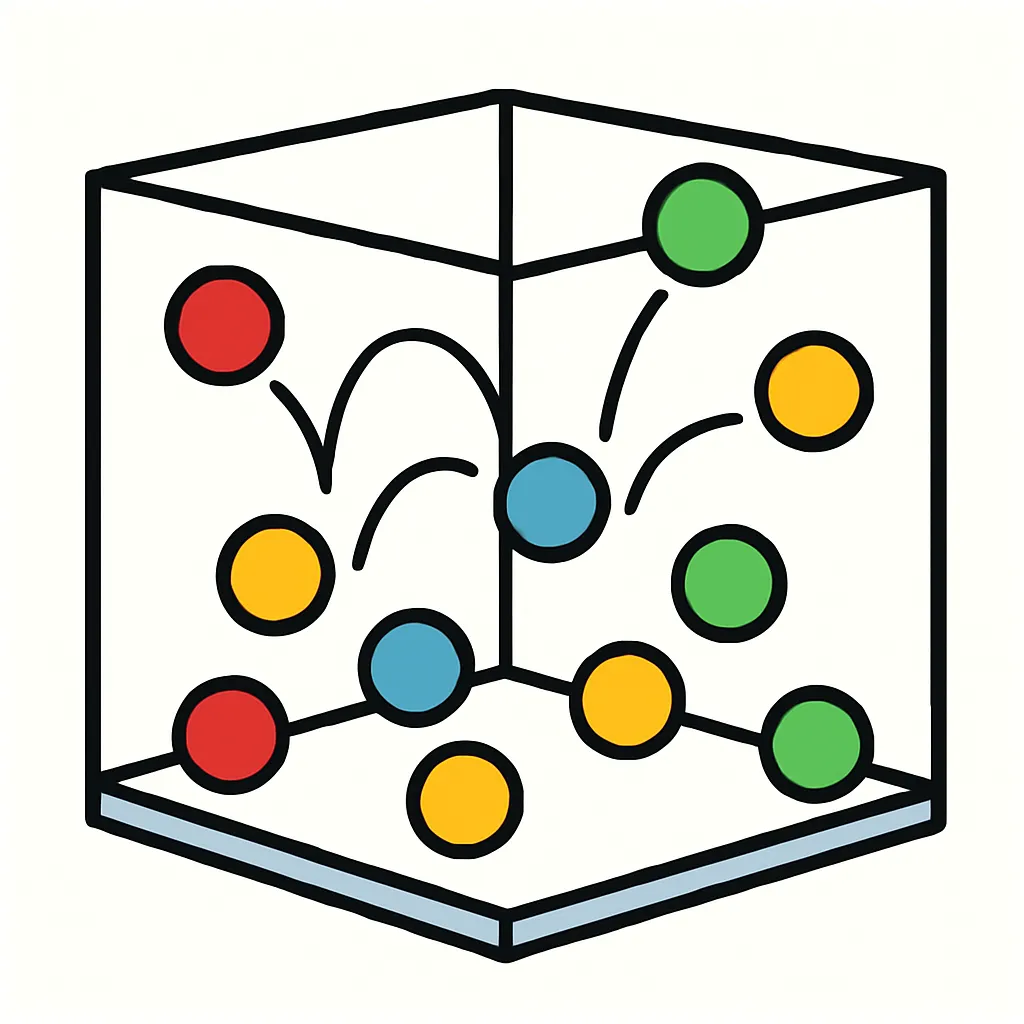
A sealed rigid box holds a gas. The gas pushes outward on every inside wall of the box. What causes this push?
Crack the passcode before the zombies get in.
Answer, then swat bugs for bonus points.
Race through questions at your own speed.
Same question on every screen. Fastest wins.

Pick a tile, answer, hit bonuses and steals.
Metals, Nonmetals, Metalloids, and Rare Earth Elements
20 questions