Loading
by BlastRoom
Compare a substance's density to a named fluid to predict whether it floats or sinks.
#matter#us_grade_6_science
20 questions
One question set, multiple game modes. Tap any game to see it in action. Not sure which to pick?
Answer to place stones and capture territory.
Outrun the snow together.
Earn blasts, then hunt the other team.
Answer to earn energy, then climb.

The class blasts through walls together.
Bid on mystery lots. Most money wins.
Sell tours. Nice, standard, or a total scam.

Answer, restock, and serve the rush.
More correct answers pulls the rope your way.
Answer, then shoot down the alien wave.
Answer, then tap to leap the frozen ridge.
A student measures a plastic cube on a balance and finds a mass of 20 g. The cube has a volume of 10 mL. What is the density of the cube?

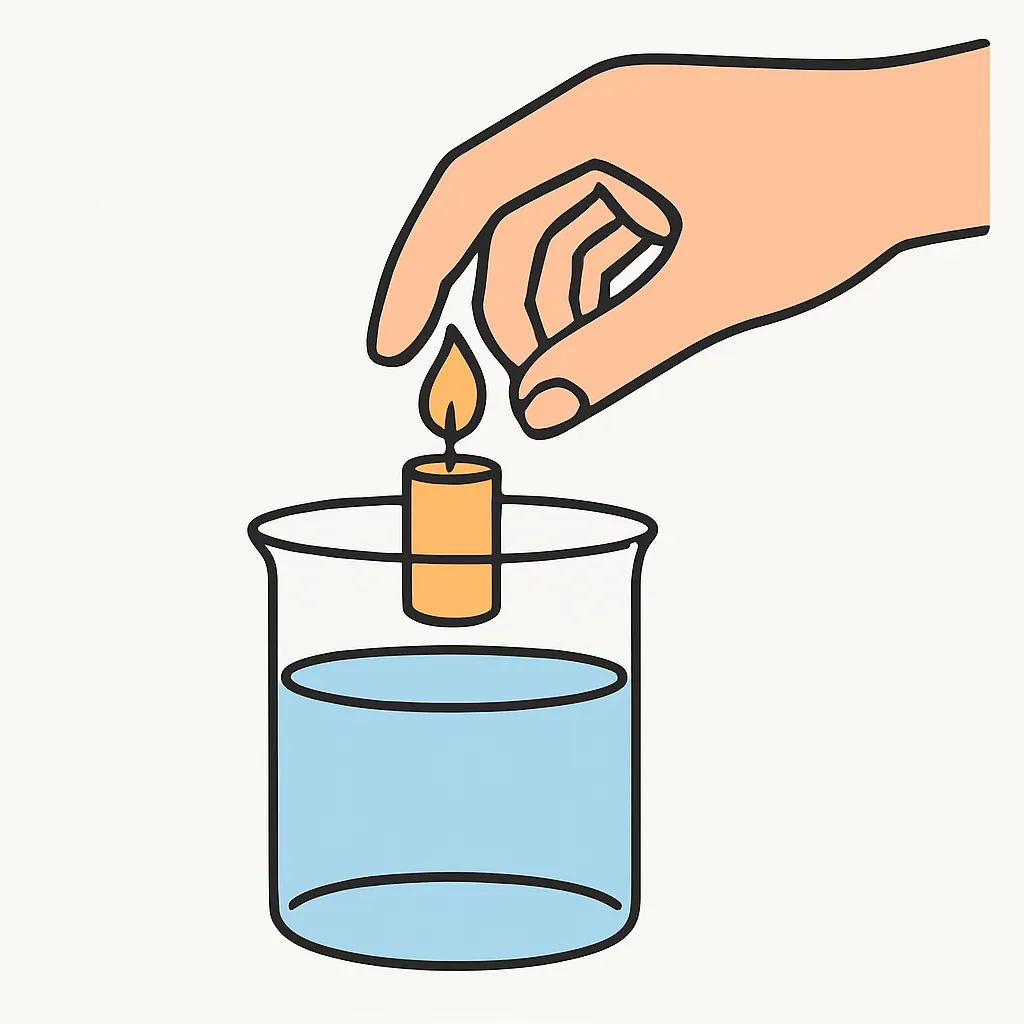
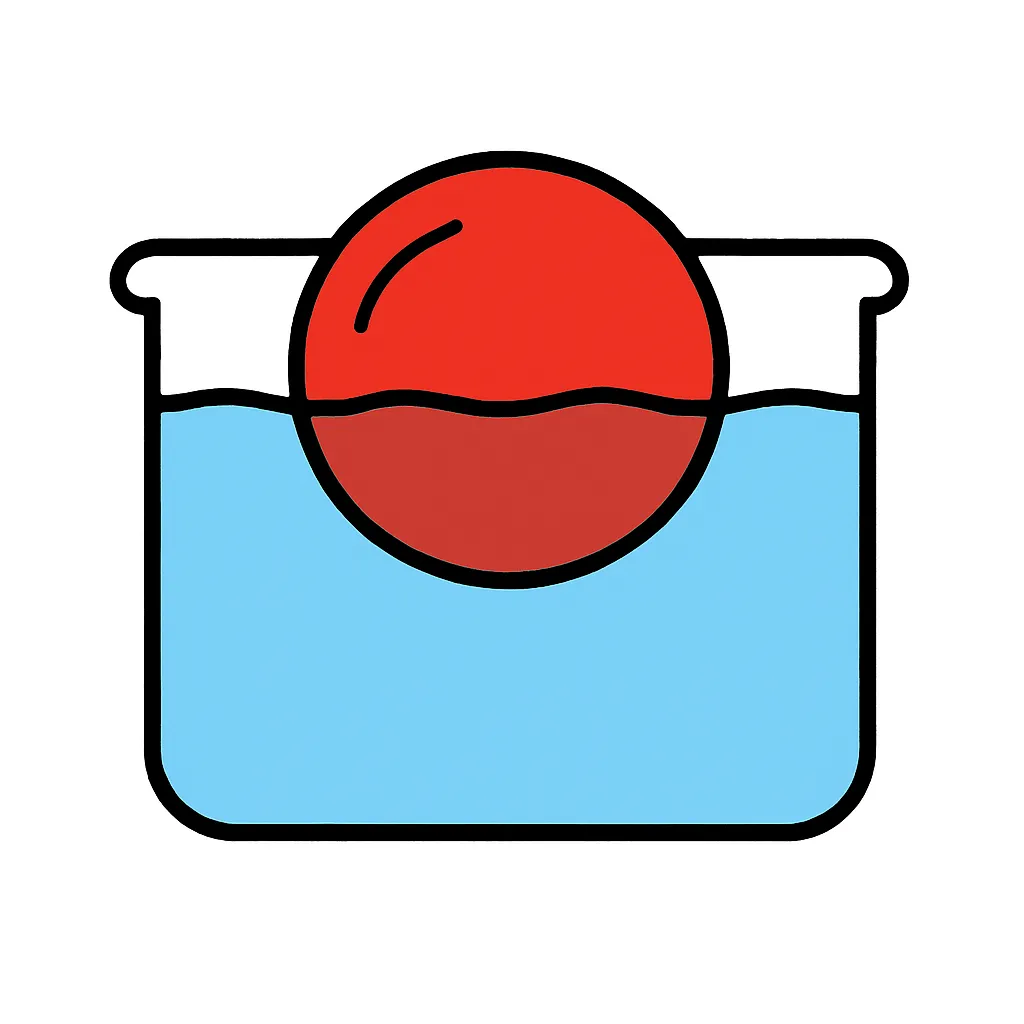
A wax candle stub has a density of 0.9 g/mL. It is lowered into a beaker of water, and water has a density of 1.0 g/mL. What does the wax do?
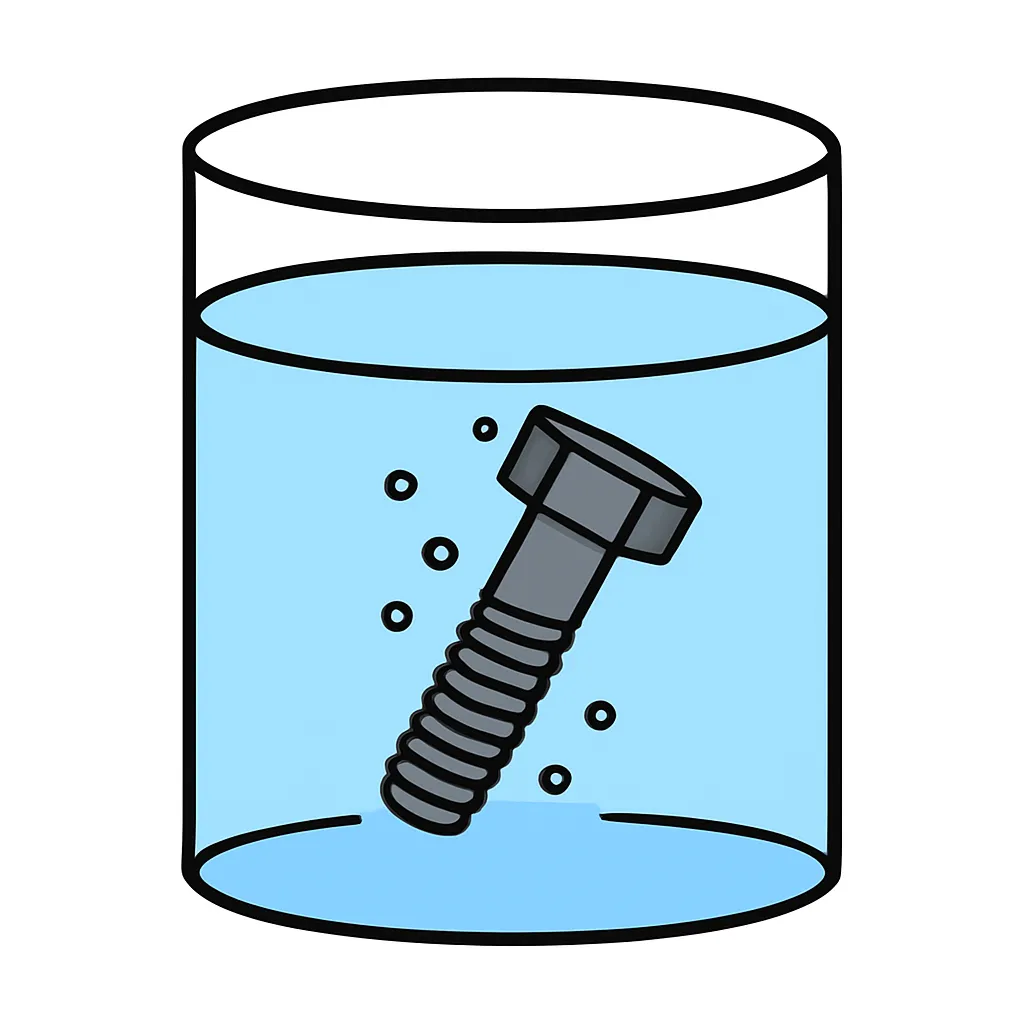
A metal bolt has a mass of 60 g and a volume of 20 mL. Water has a density of 1 g/mL. Predict what the bolt does when it is dropped into a tank of water.
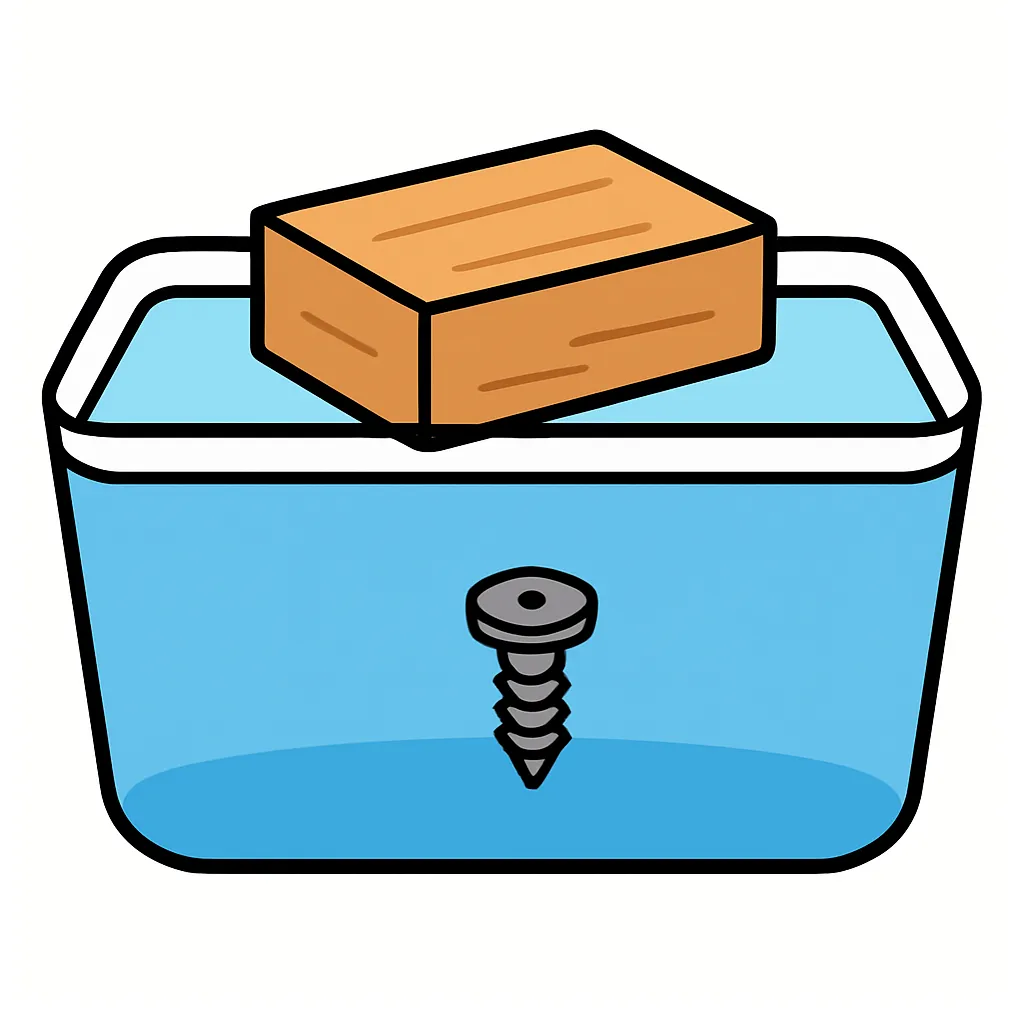
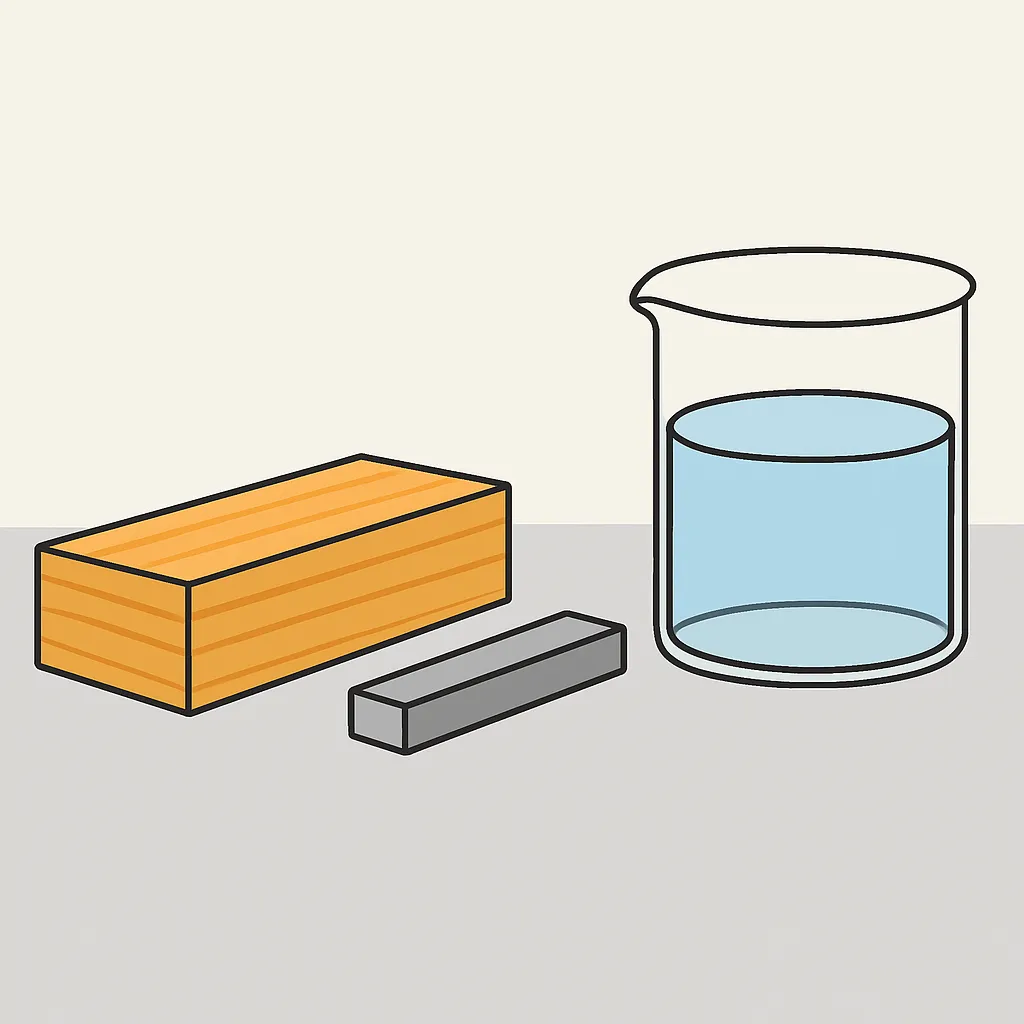
In a demonstration, a 300 g block of oak floats in water while a 5 g steel screw sinks. What best explains this result?
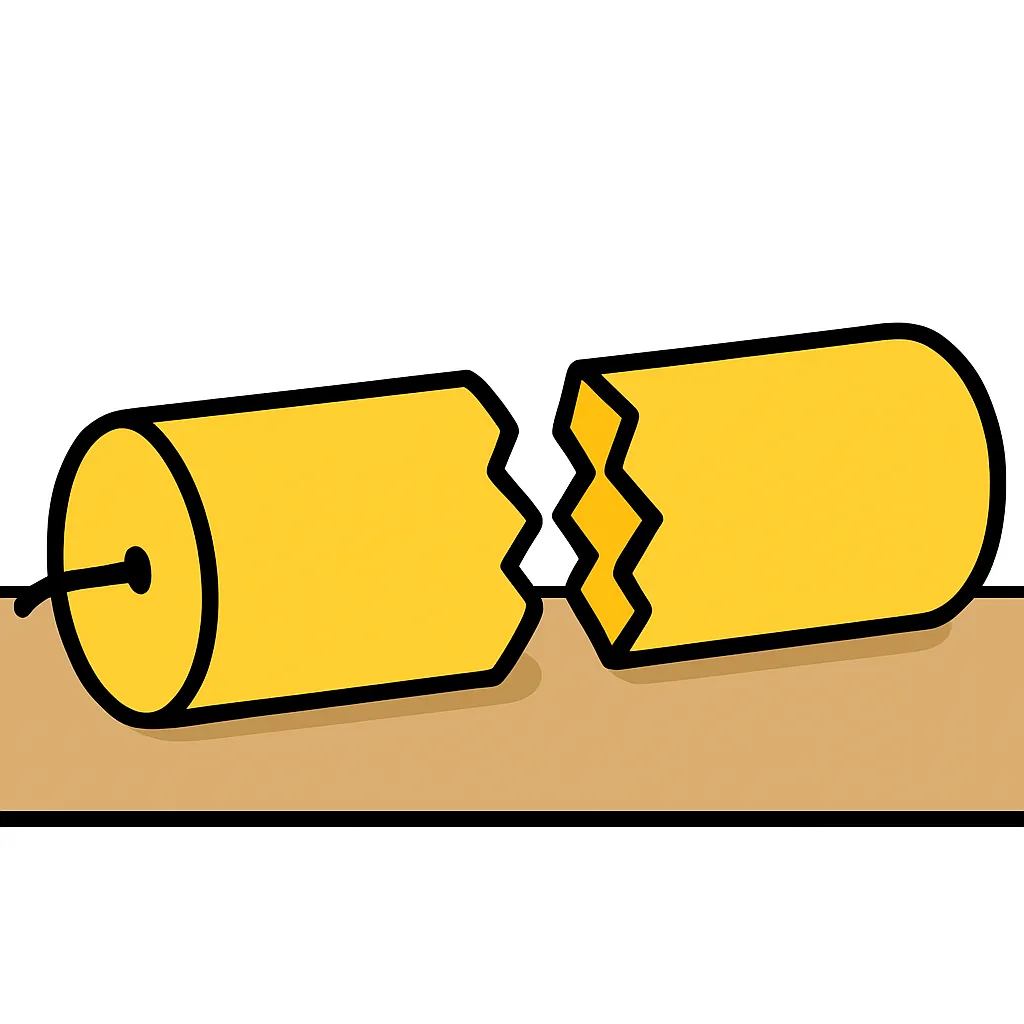
A student cuts a candle exactly in half. How does the density of one half compare with the density of the whole candle?
Water exerts an upward push on any object placed in it, whether the object floats or sinks. What is this upward push called?
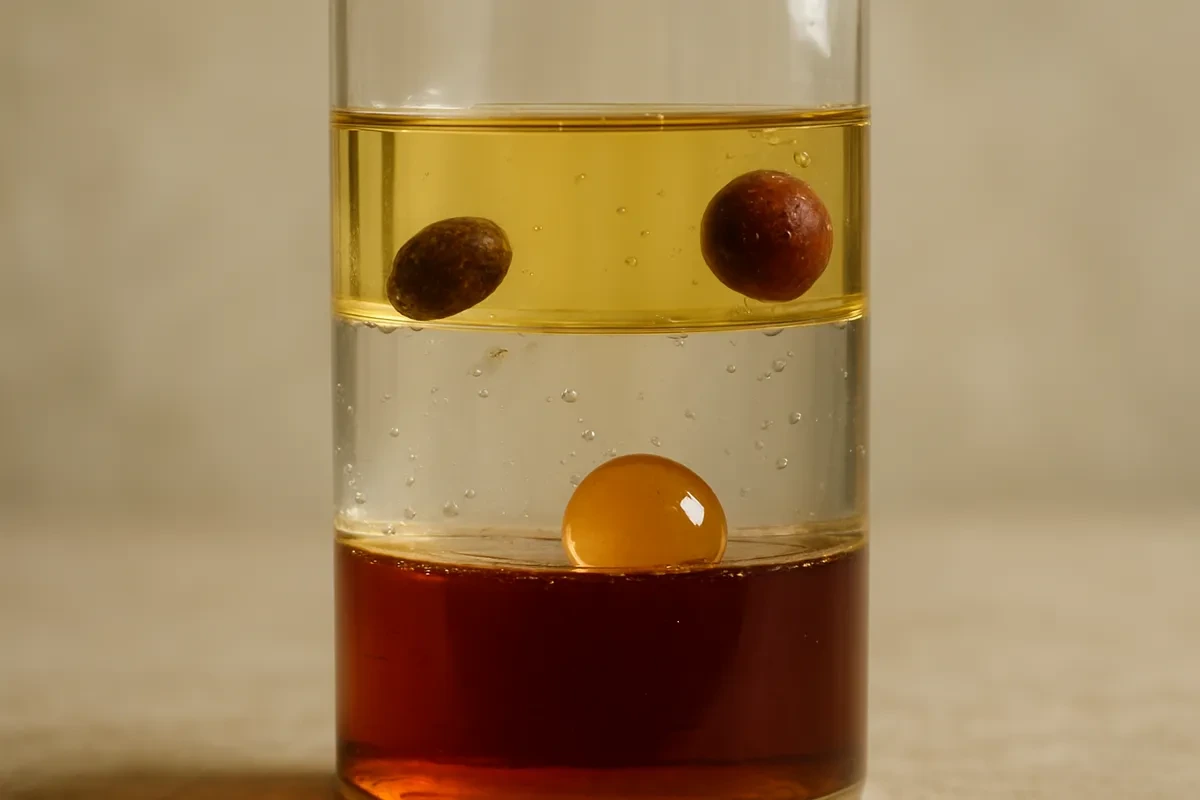
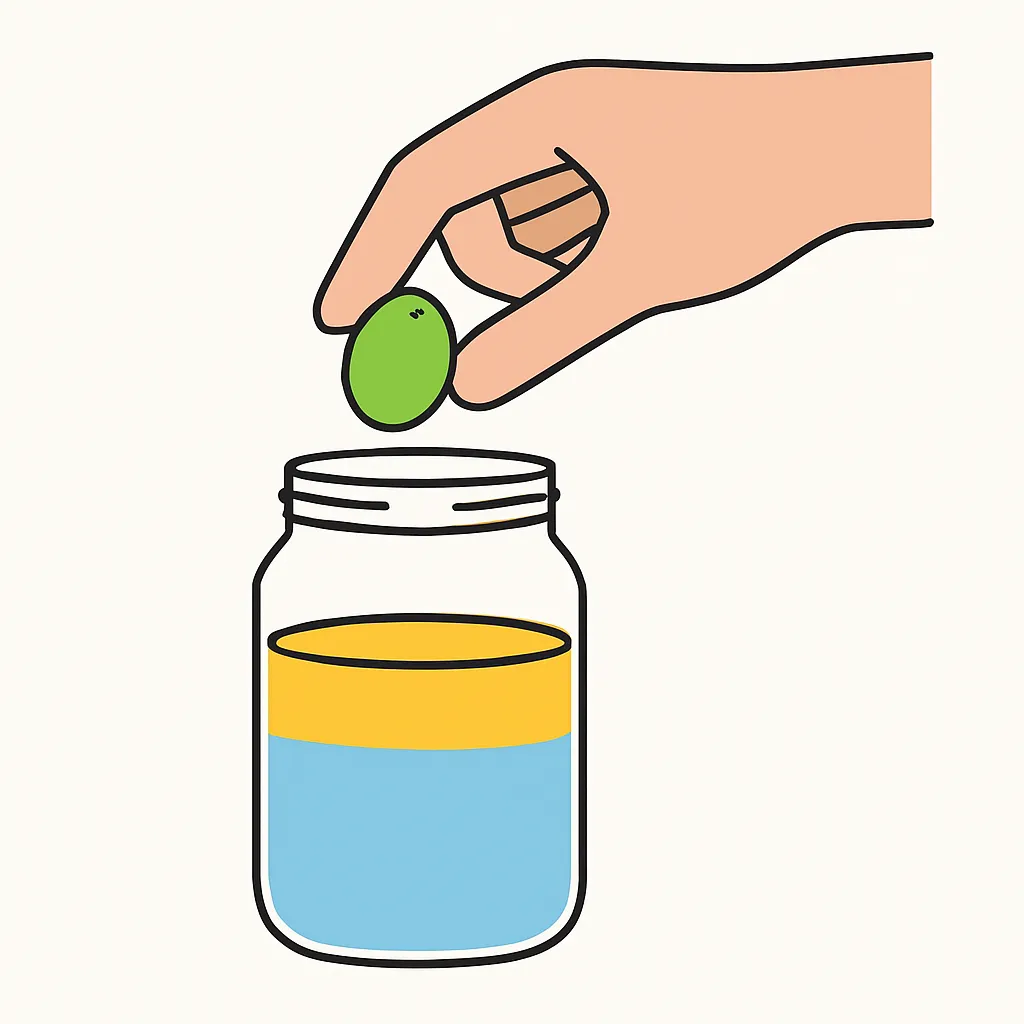
A jar holds a layer of vegetable oil, density 0.9 g/mL, above a layer of water, density 1.0 g/mL. A grape with a density of 1.1 g/mL is dropped in. Where does the grape end up?
An object floats in corn syrup, which has a density of 1.4 g/mL, but sinks in water, which has a density of 1.0 g/mL. What density could the object have?

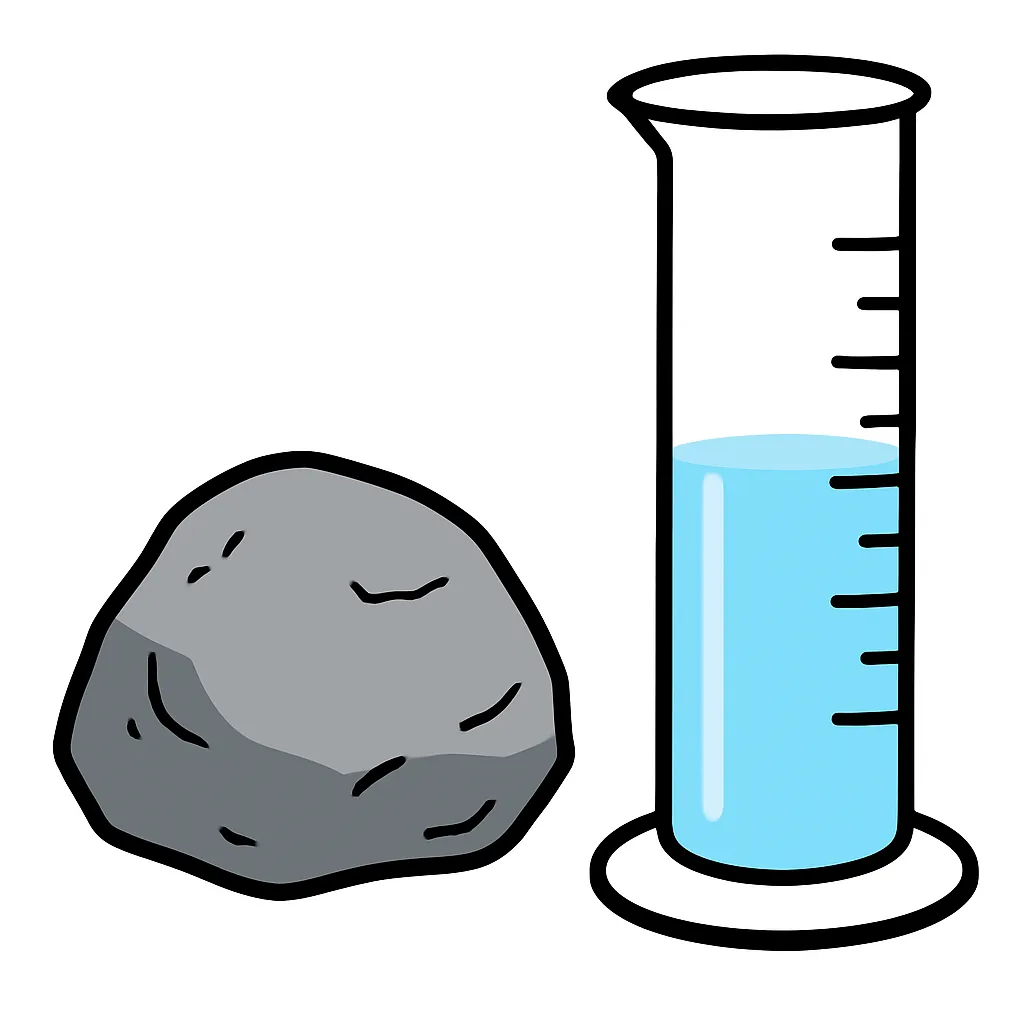
A rock has a mass of 45 g. A graduated cylinder holds 30 mL of water, and the level rises to 45 mL when the rock is lowered in. What is the density of the rock?
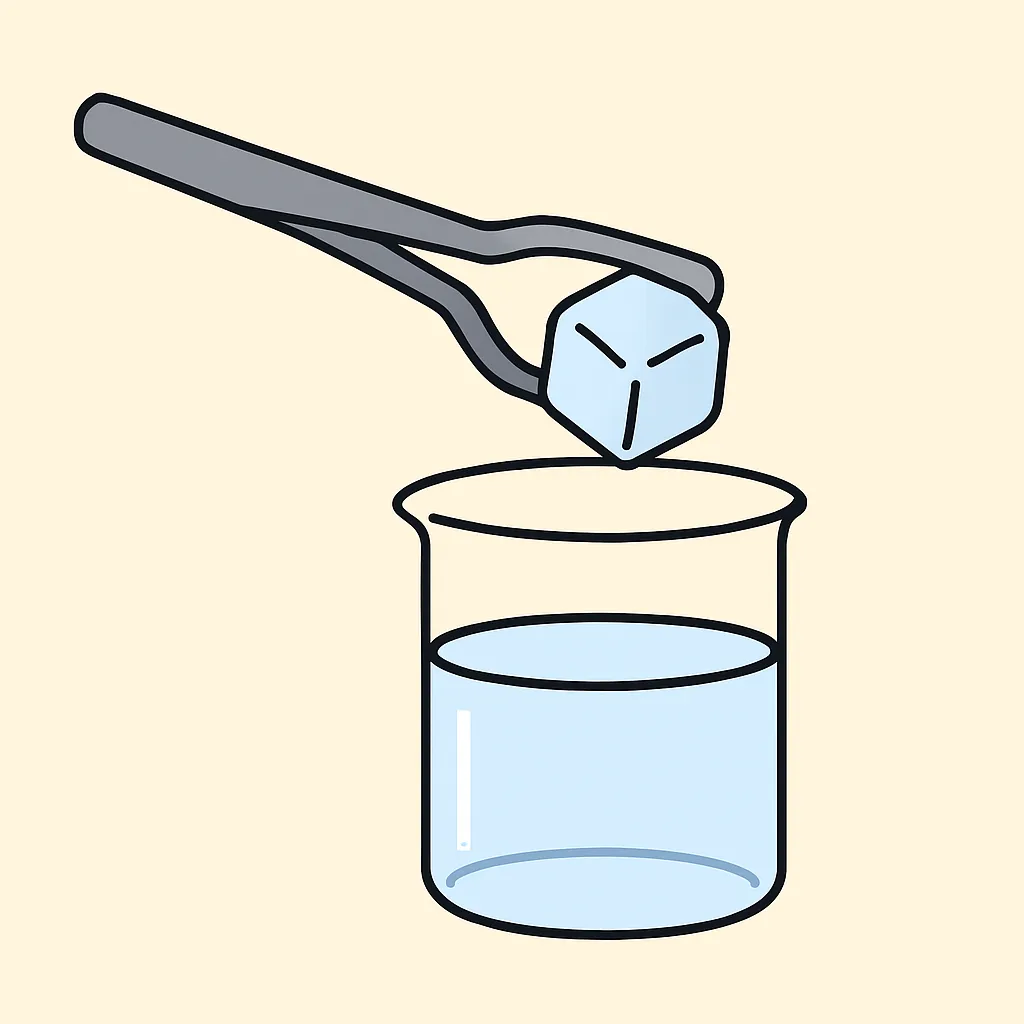
Rubbing alcohol has a density of 0.8 g/mL and an ice cube has a density of 0.9 g/mL. What happens when the ice cube is placed in a beaker of rubbing alcohol?
A student says a cargo ship should sink because steel is much denser than water. The ship still floats. What is the best explanation?

A student needs the volume of a small irregular pebble in order to find its density. Which method gives that volume?
Three liquids are poured into one clear tube and allowed to settle: honey at 1.4 g/mL, water at 1.0 g/mL, and oil at 0.9 g/mL. Which liquid settles at the bottom?

A block of foam has a mass of 6 g and a volume of 60 mL. Water has a density of 1 g/mL. What does the foam do when it is placed in water?
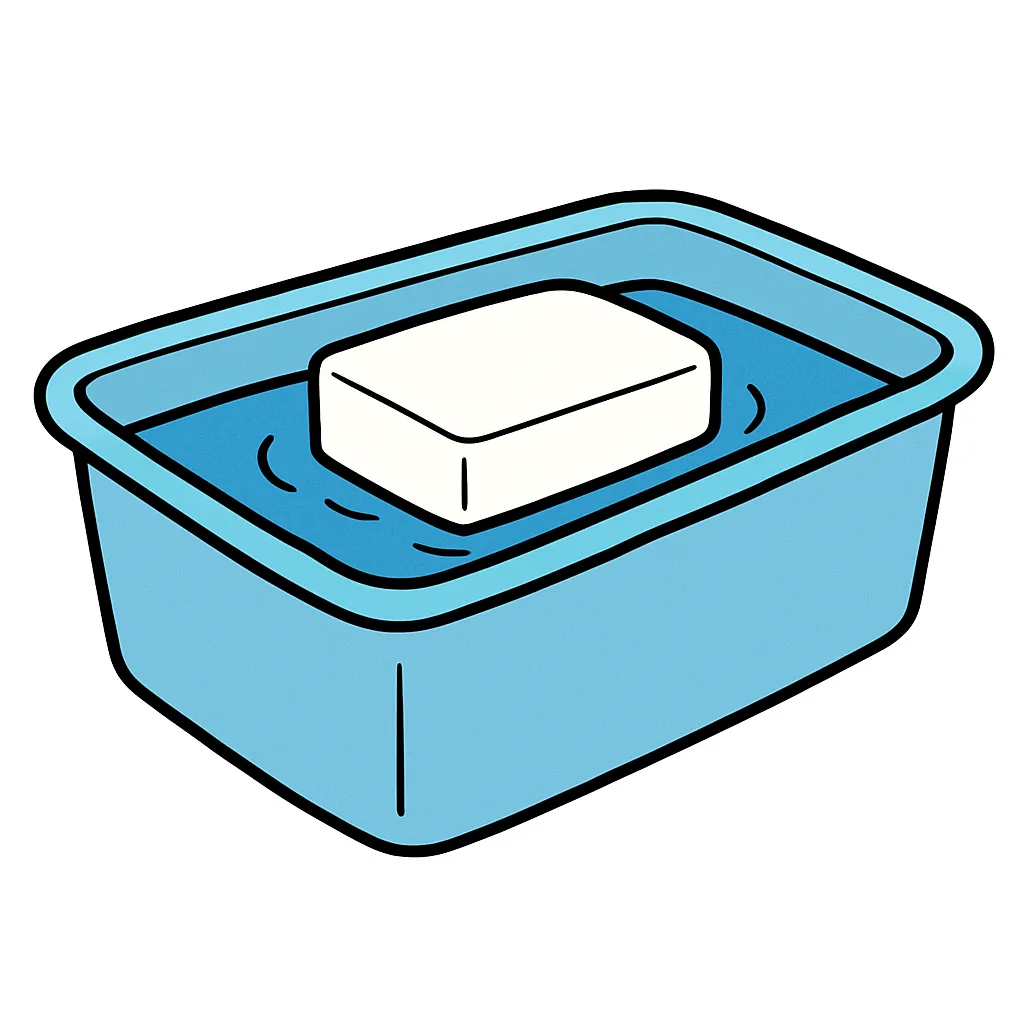
Object A has a mass of 40 g and a volume of 80 mL. Object B has a mass of 40 g and a volume of 20 mL. Which object is more dense, and why?
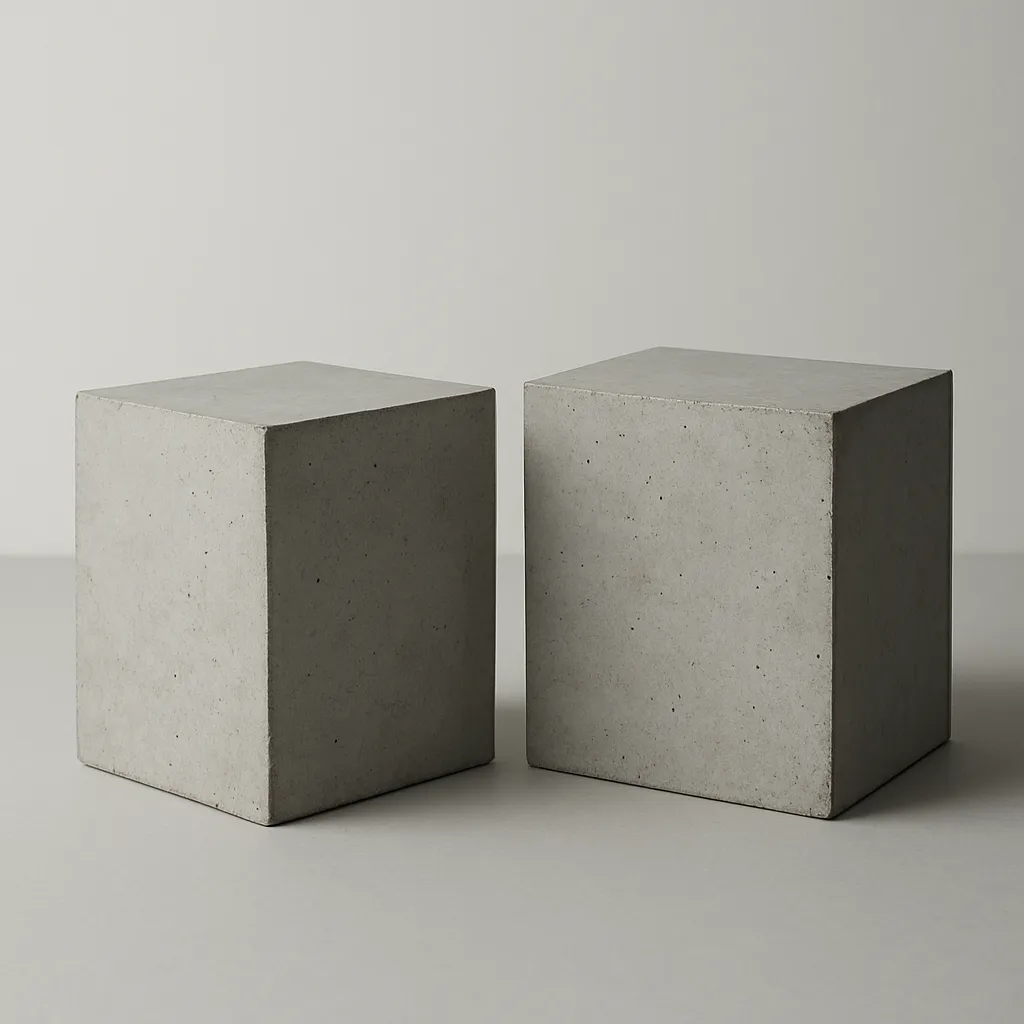
An object that floats in salt water will always float in fresh water too.
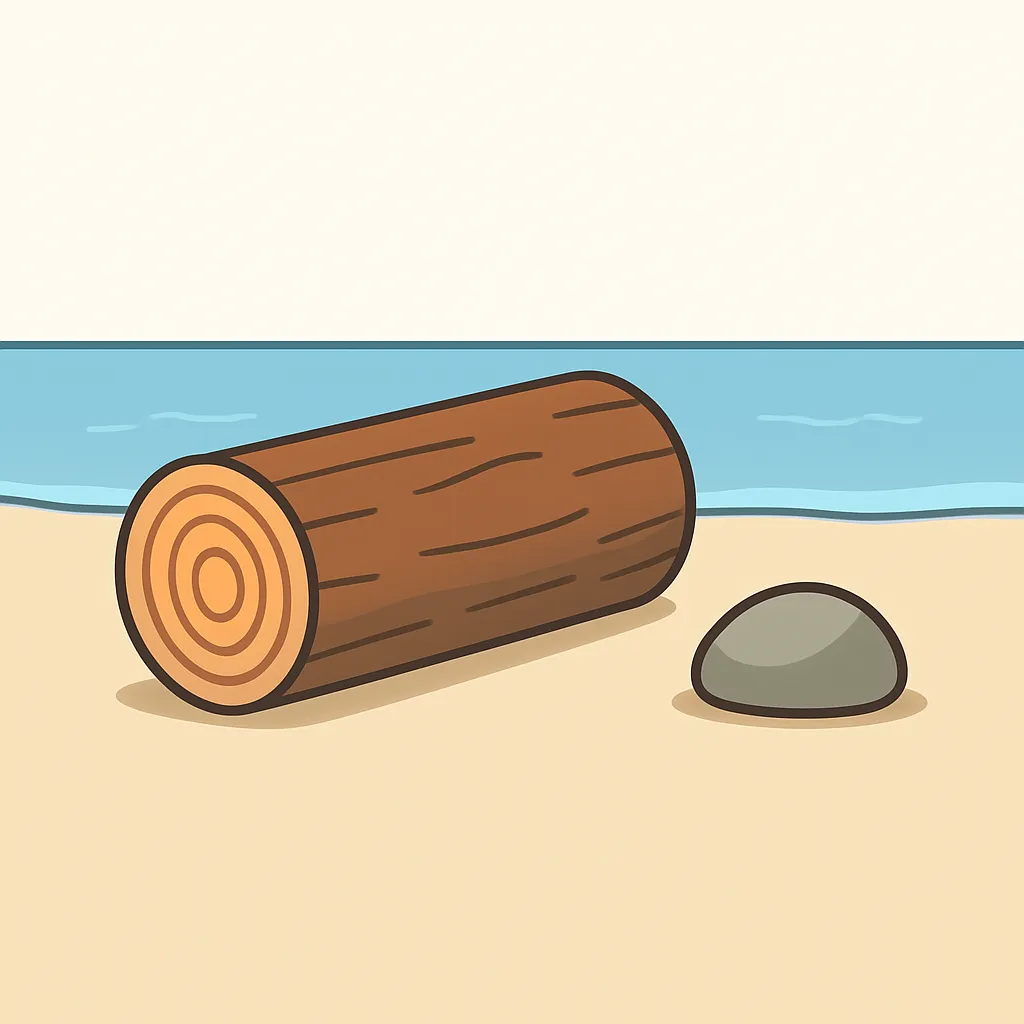
Salt water in a lab tank has a density of 1.03 g/mL. A sealed plastic egg with a density of 1.02 g/mL is lowered into the tank. What happens to the egg?
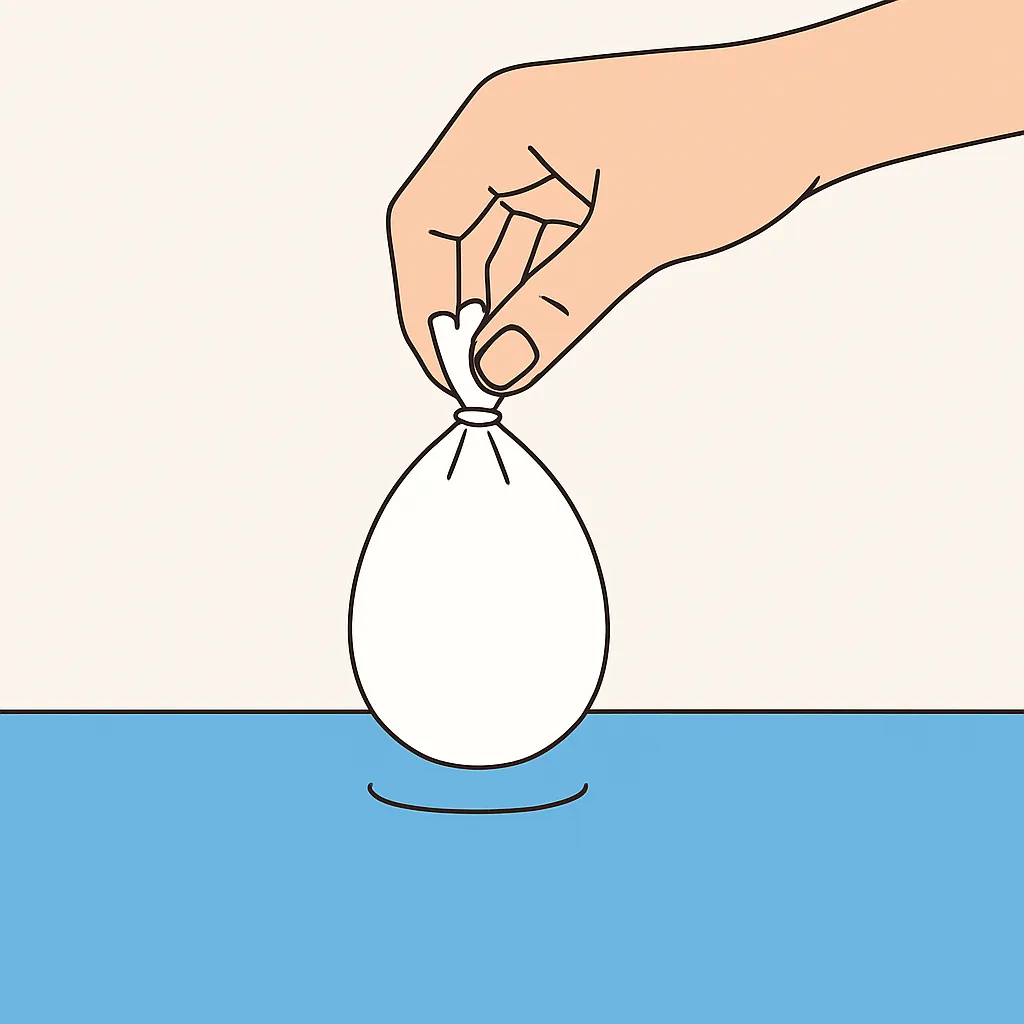
A class wants evidence for whether a new packing material will float in water. Which measurements should they take?
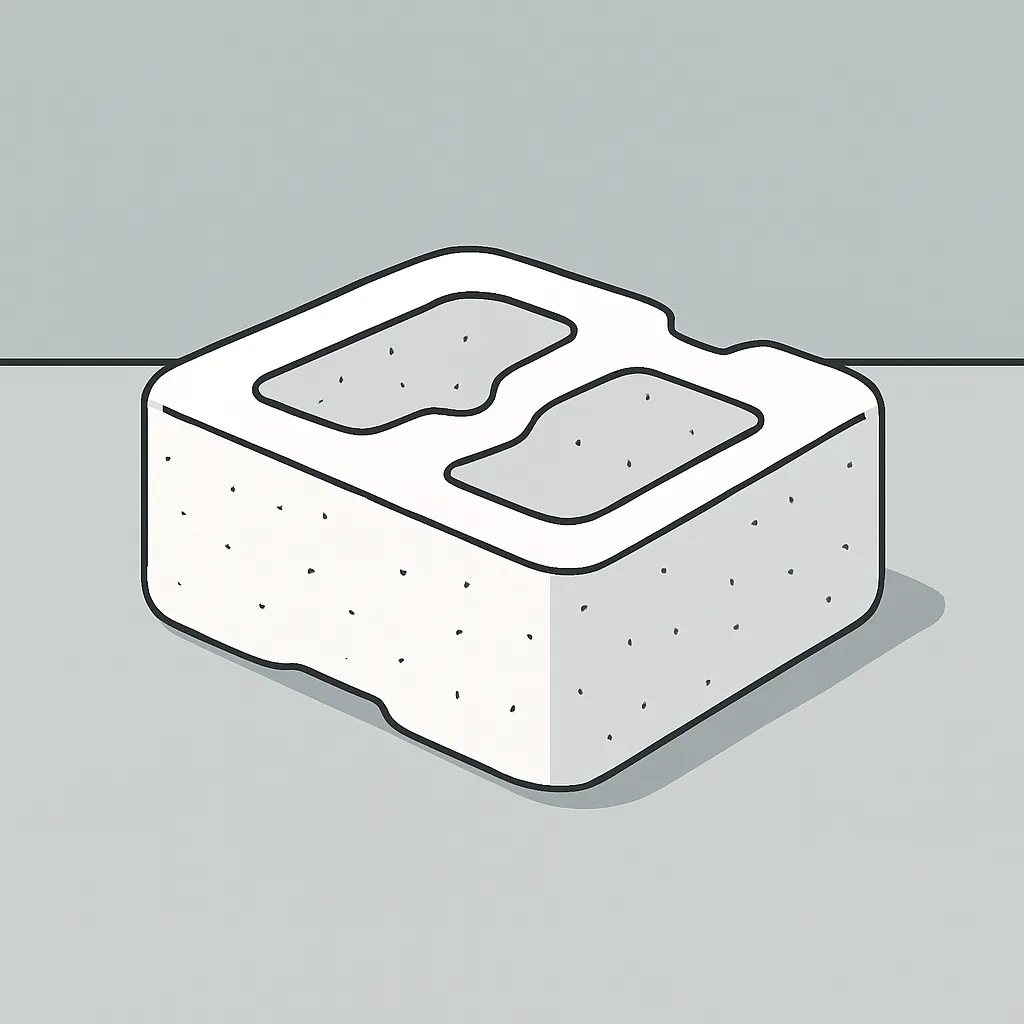
Two identical cups are filled to the brim, one with water at 1.0 g/mL and one with vegetable oil at 0.9 g/mL. Which cup holds more mass, and why?

A sample of aluminum has a density of 2.7 g/mL and a piece of pine wood has a density of 0.4 g/mL. Both are placed in a tank of water with a density of 1 g/mL. What happens?
Crack the passcode before the zombies get in.
Answer, then swat bugs for bonus points.
Race through questions at your own speed.
Same question on every screen. Fastest wins.

Pick a tile, answer, hit bonuses and steals.
Gravity, Friction, Magnetic, Applied, and Normal Forces
40 questions