Loading
by BlastRoom
Use gas production, thermal energy change, precipitates, and color change to tell a chemical change from a physical change.
#matter#us_grade_6_science
20 questions
One question set, multiple game modes. Tap any game to see it in action. Not sure which to pick?
Answer to place stones and capture territory.
Outrun the snow together.
Earn blasts, then hunt the other team.
Answer to earn energy, then climb.

The class blasts through walls together.
Bid on mystery lots. Most money wins.
Sell tours. Nice, standard, or a total scam.

Answer, restock, and serve the rush.
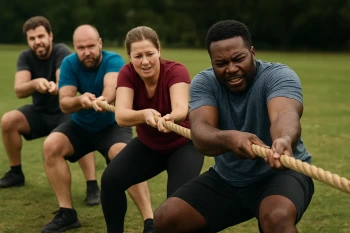
More correct answers pulls the rope your way.
Answer, then shoot down the alien wave.
Answer, then tap to leap the frozen ridge.
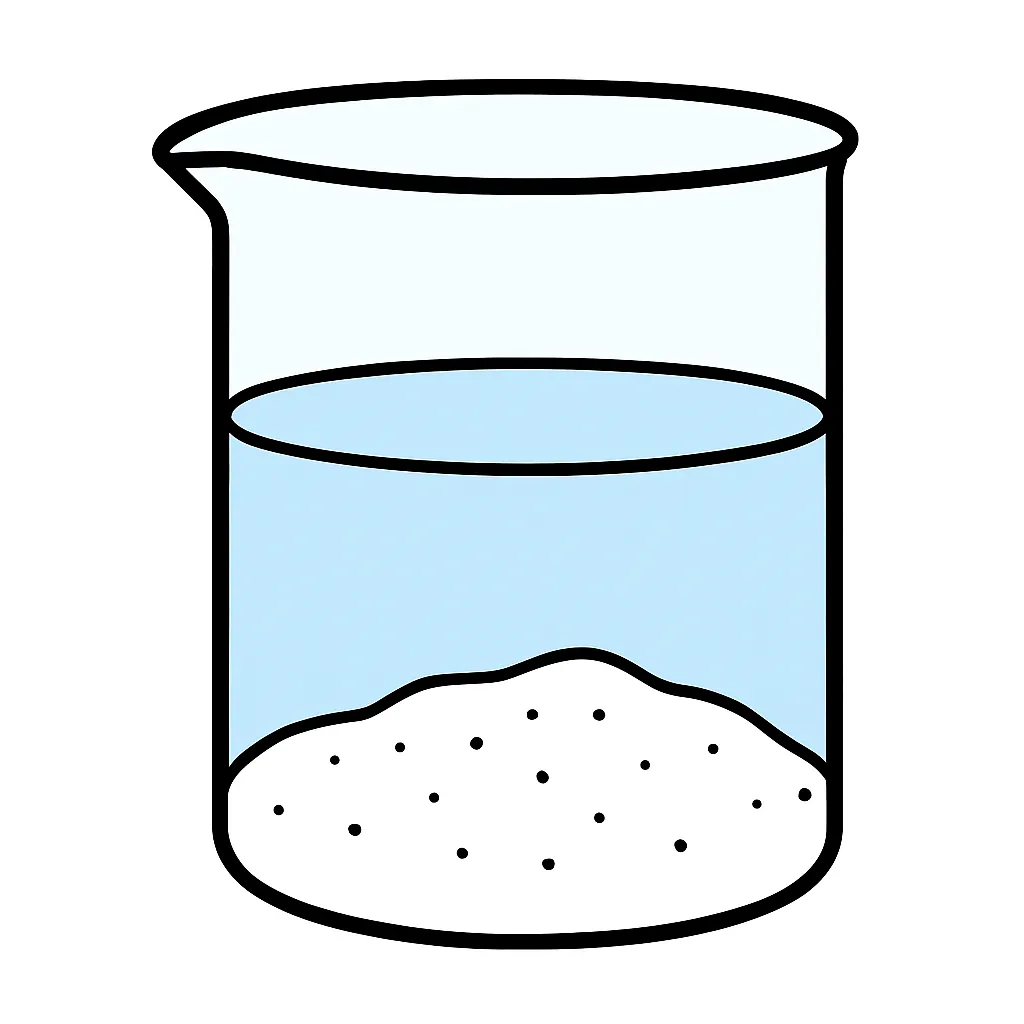
A student pours two clear liquids together in a beaker. A cloudy white solid appears and slowly settles on the bottom. Which evidence of a chemical change did the student observe?
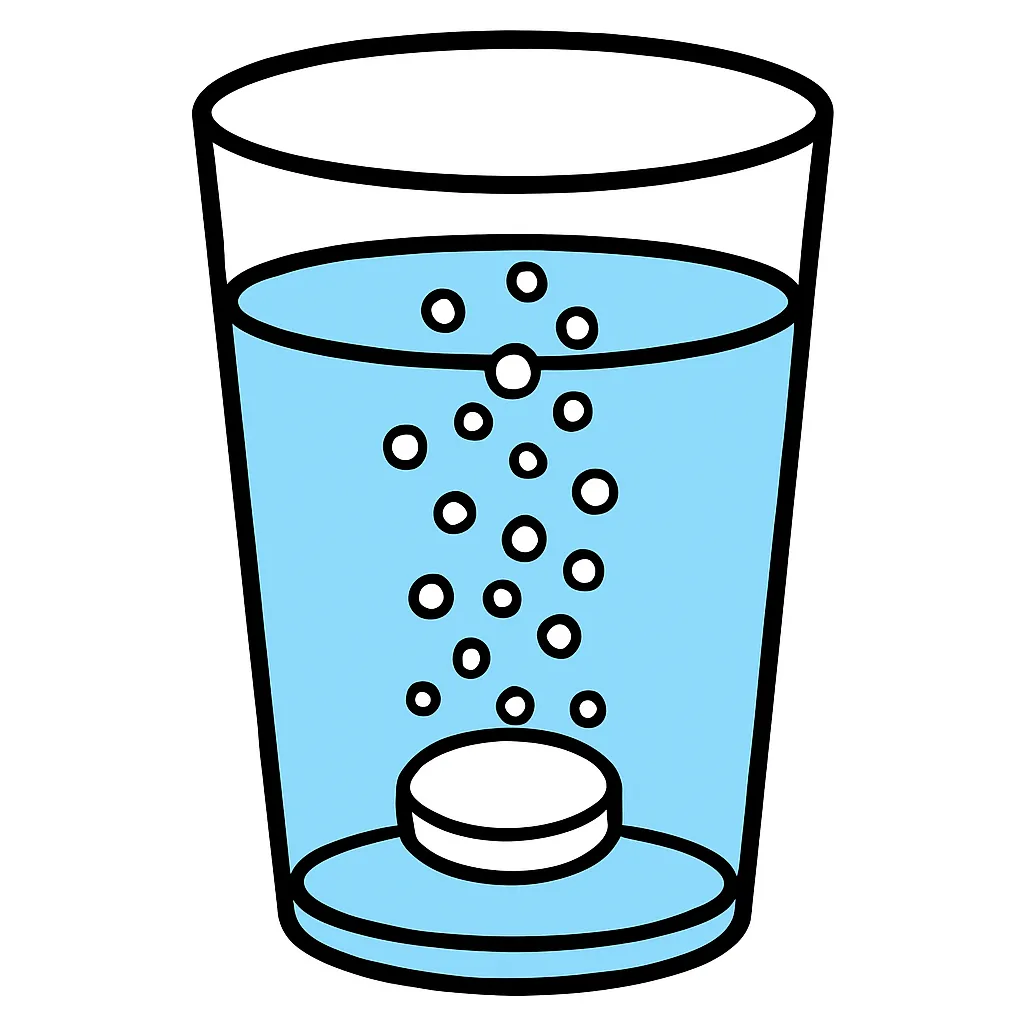
An antacid tablet is dropped into a glass of water. Bubbles stream upward for about a minute until the tablet is gone. Which evidence of a chemical change is this?
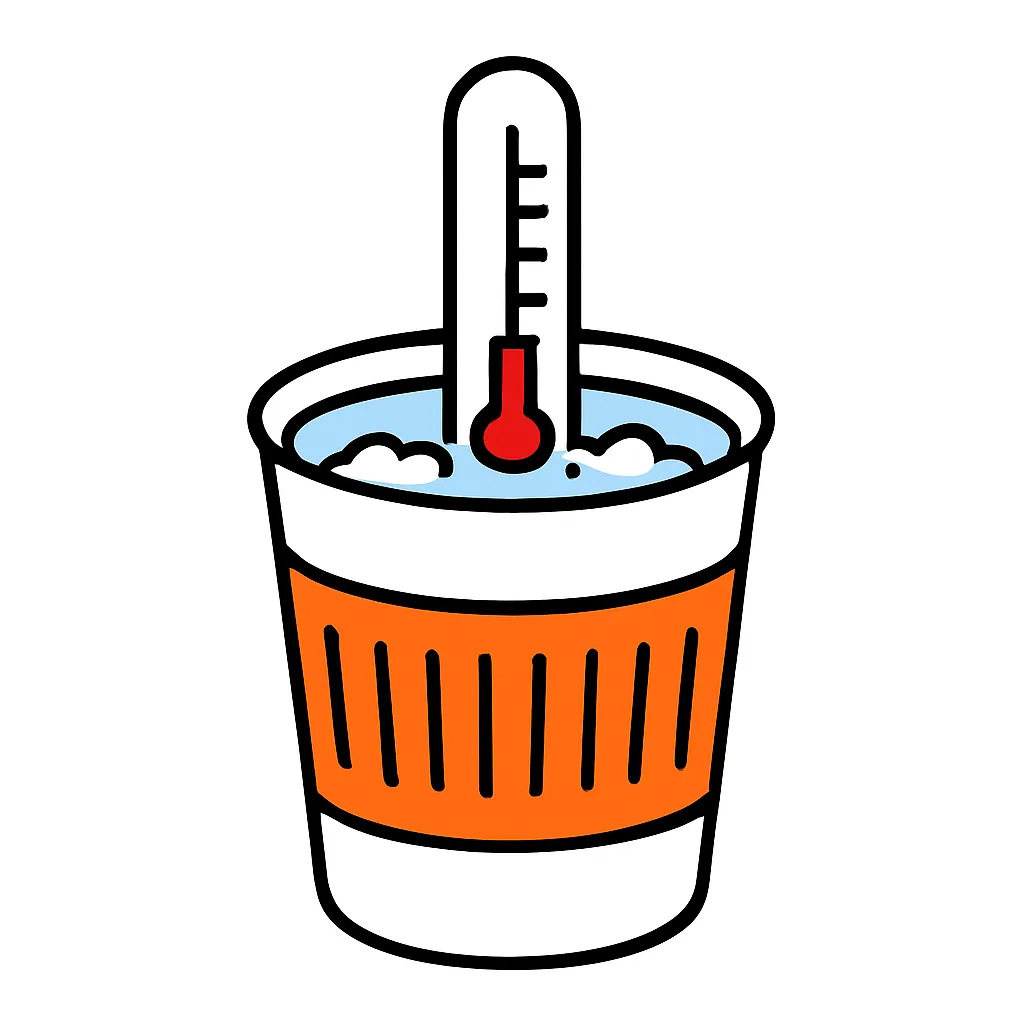
Two powders are stirred into water in an insulated cup with no heater nearby. The thermometer reads 21 degrees Celsius at the start and 34 degrees Celsius one minute later. What does this best show?
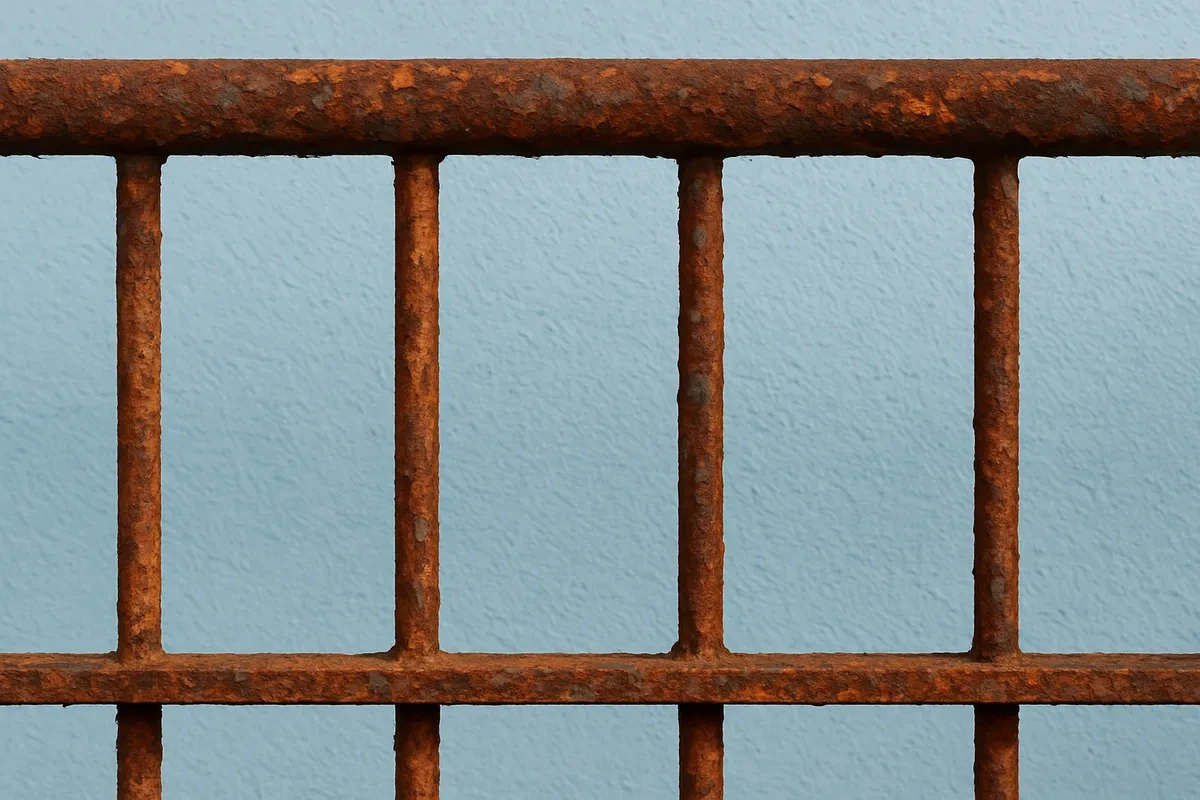
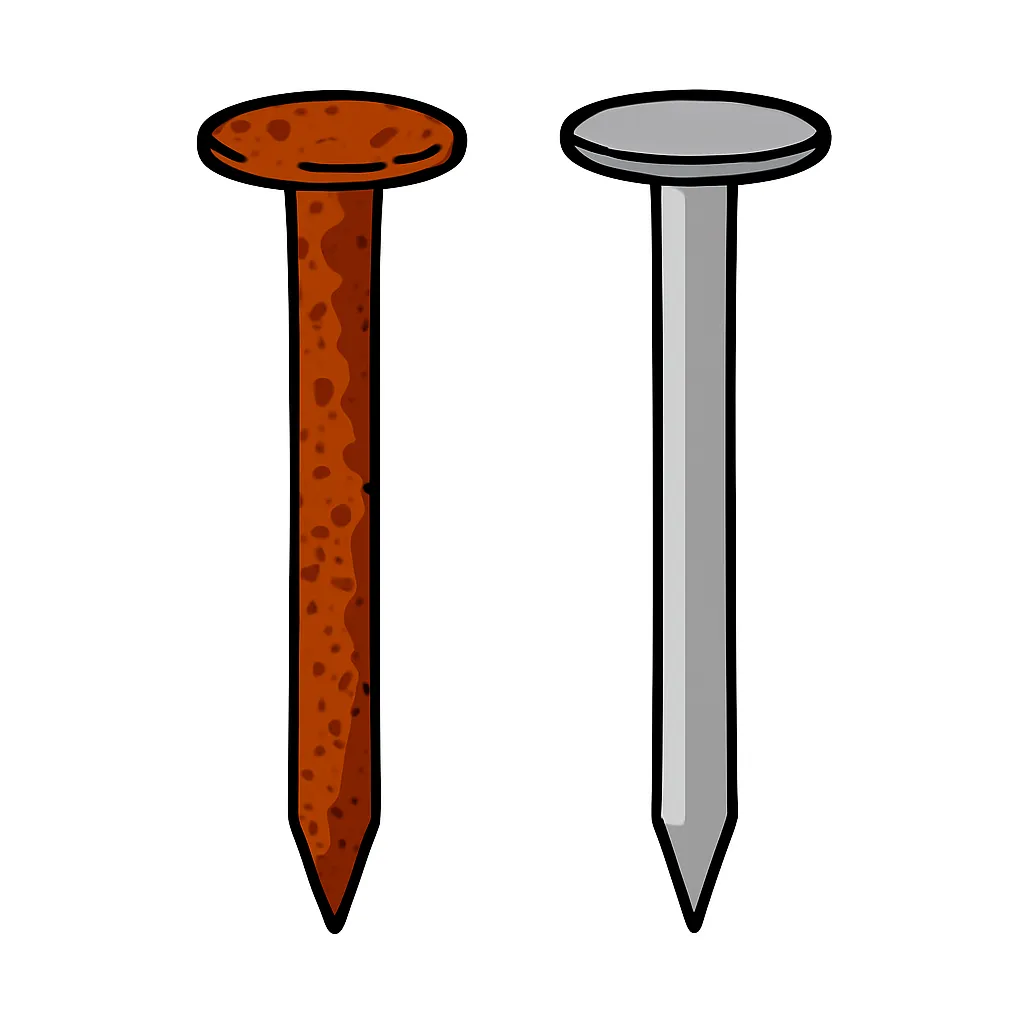
A shiny iron nail is left in damp air for two weeks. It becomes coated with a flaky orange-brown solid that crumbles when scraped. Which explanation is best supported?
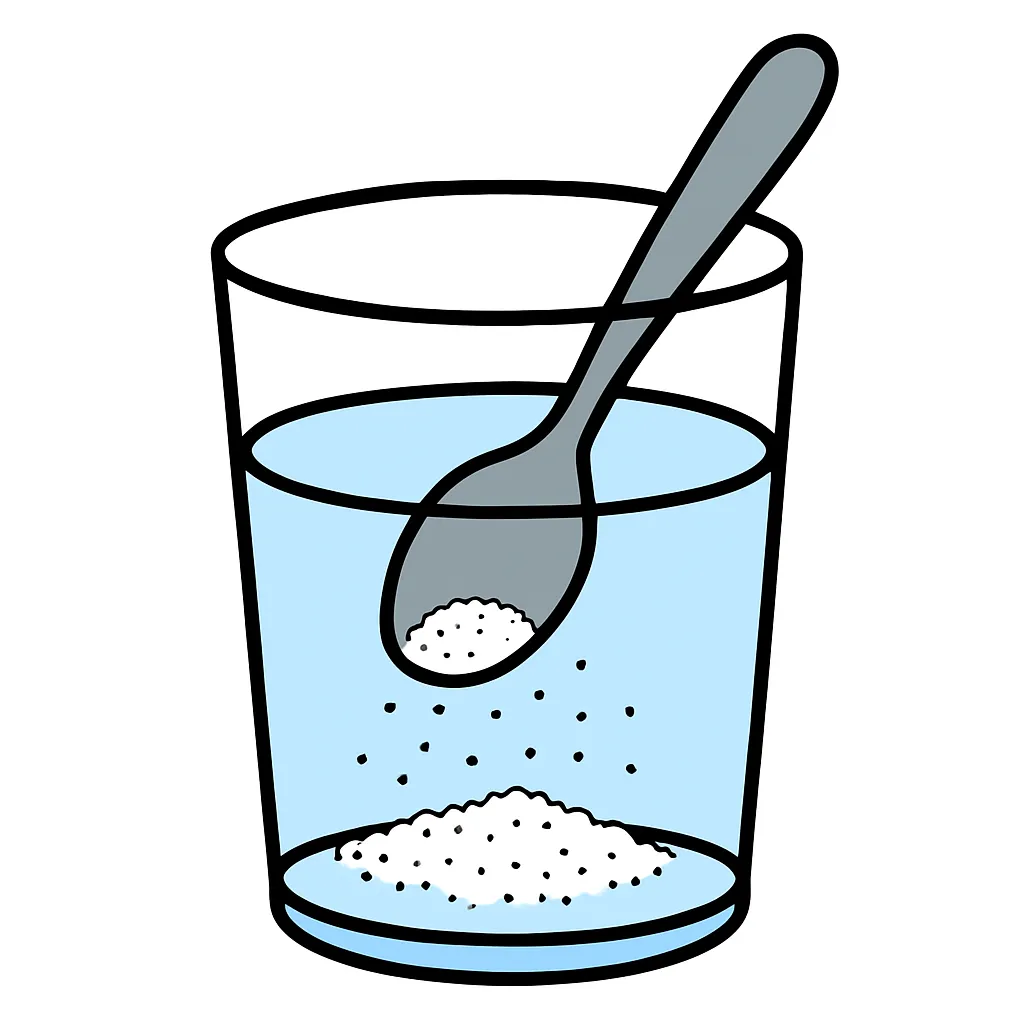
A spoonful of sugar is stirred into warm water until the liquid looks clear again. The sweet taste is still there. How should this change be classified?
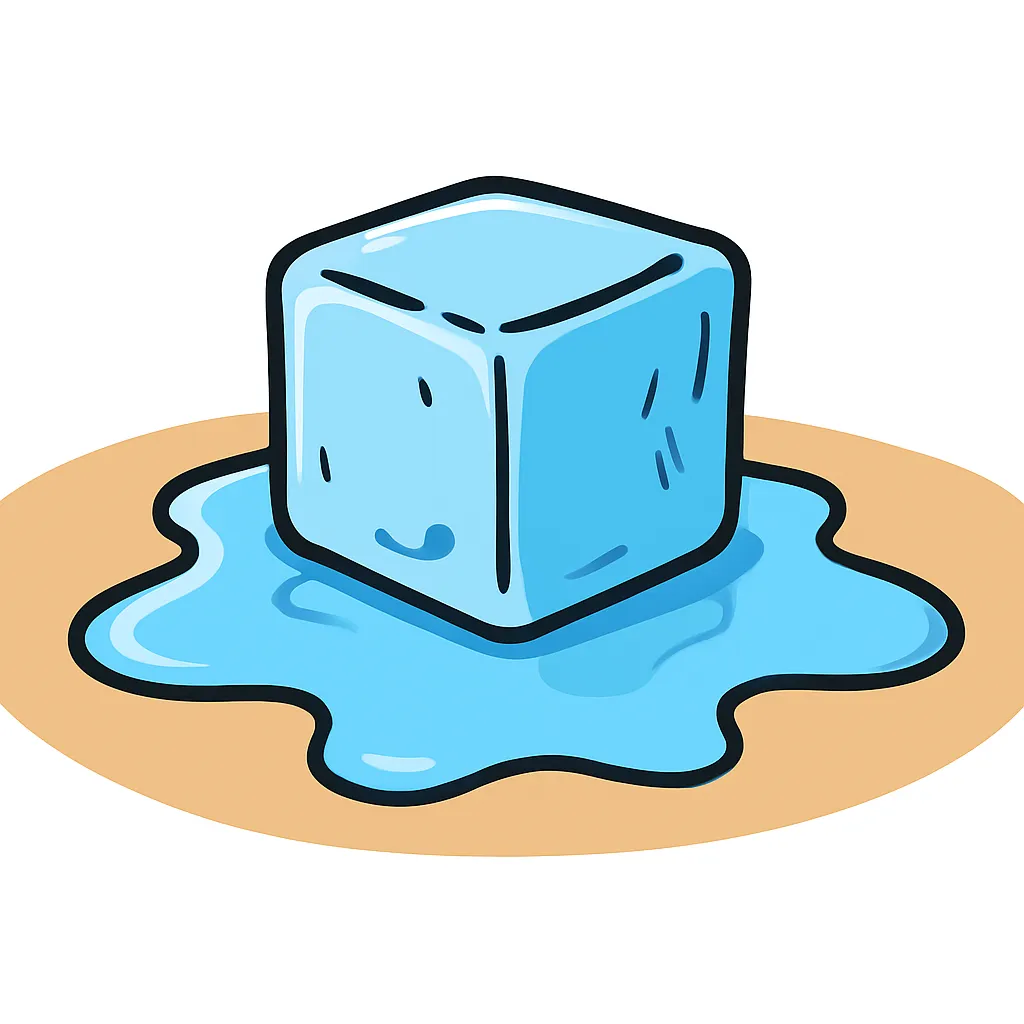
An ice cube in a warm room turns into a puddle of liquid water. A student says a new substance formed. Why is that claim wrong?
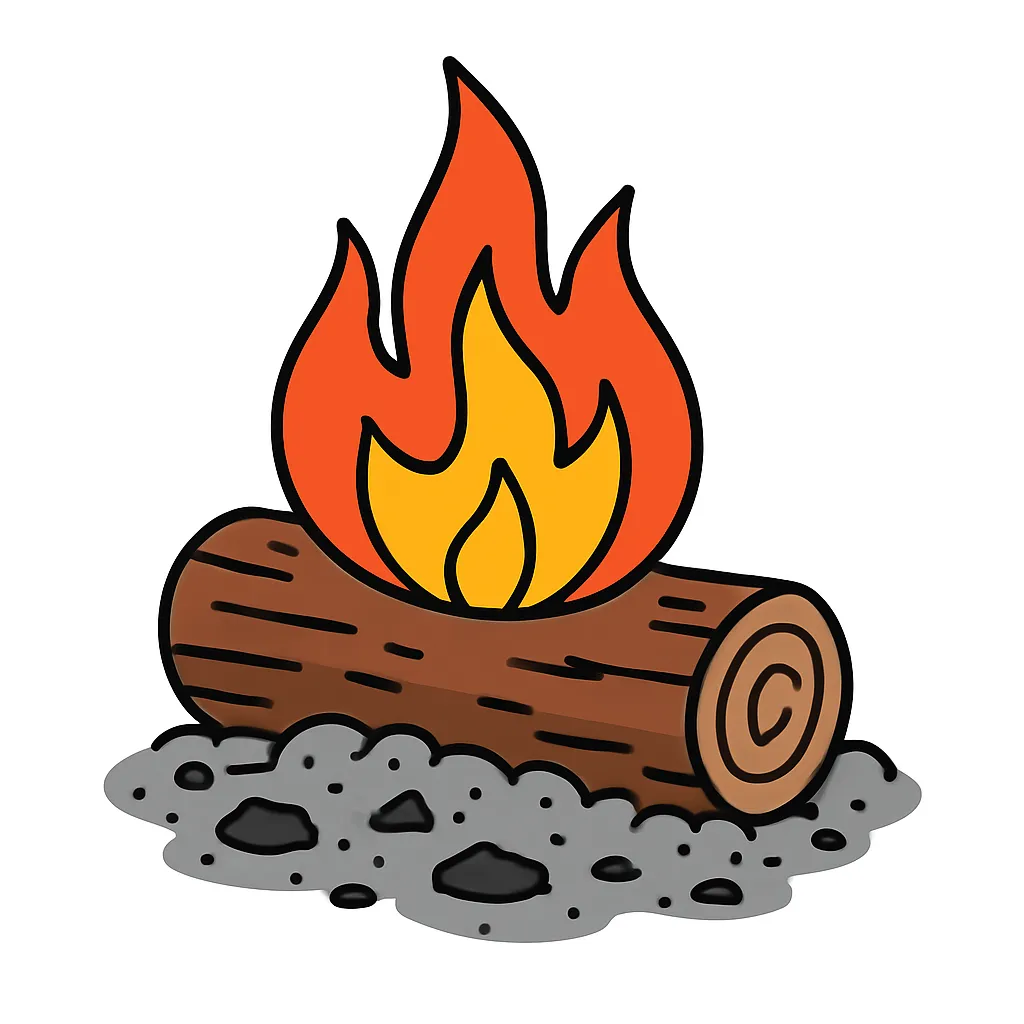
A log burns in a campfire. Afterward there is gray ash, and smoke and gases have gone into the air. What kind of change happened, and why?
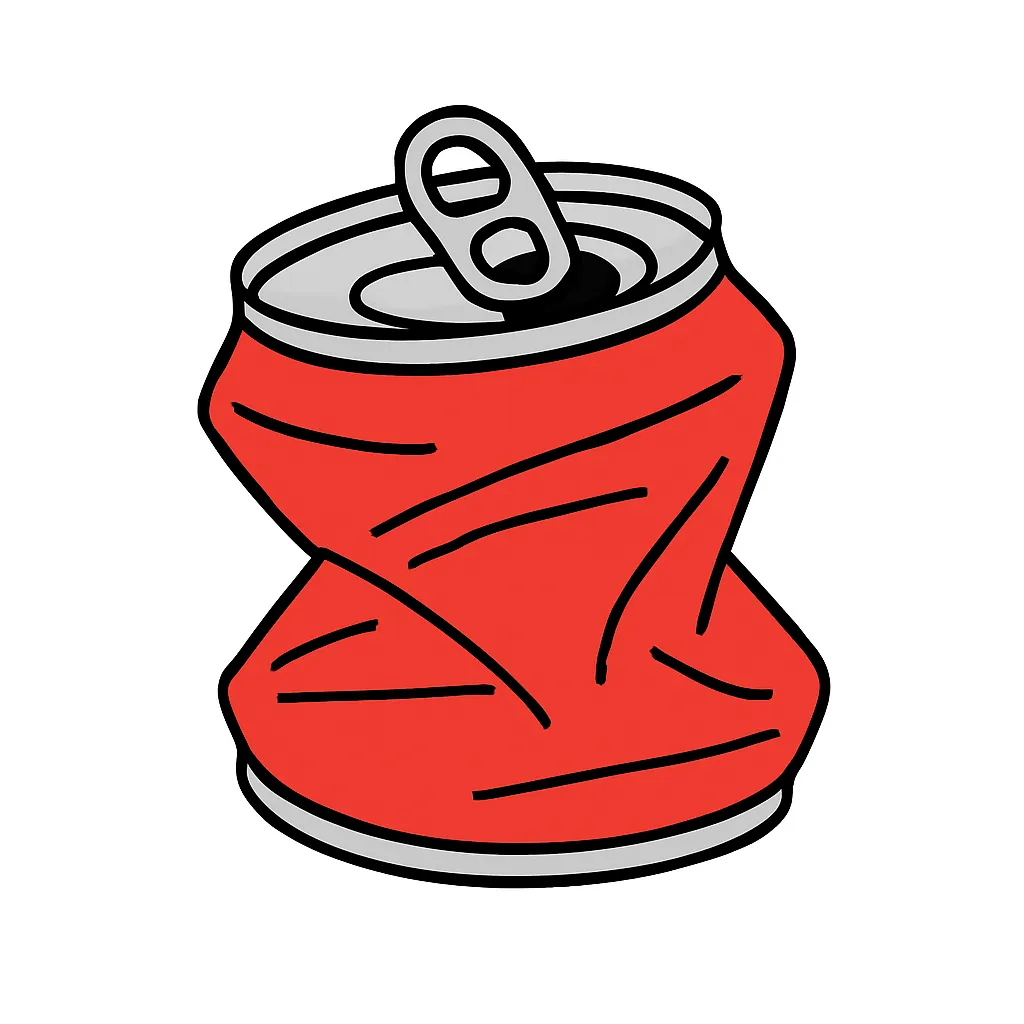
An empty aluminum can is stepped on and flattened. Its shape and volume change. What kind of change is this, and why?
Red paint and blue paint are stirred together and the mixture looks purple. A student claims the color change proves a chemical change. What is the strongest response?

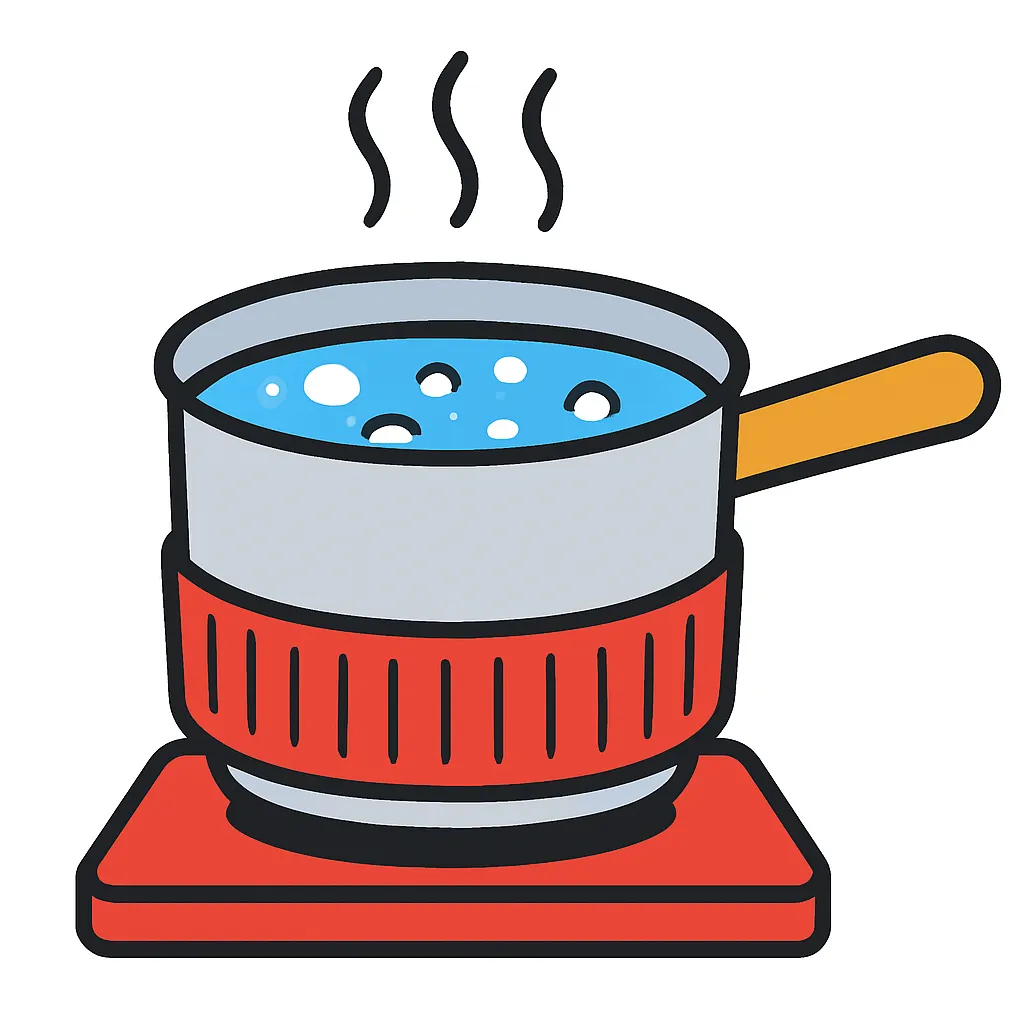
Water in a covered pot boils and bubbles rise fast to the surface. A student says the bubbles are evidence of a chemical change. Why is this reasoning weak?
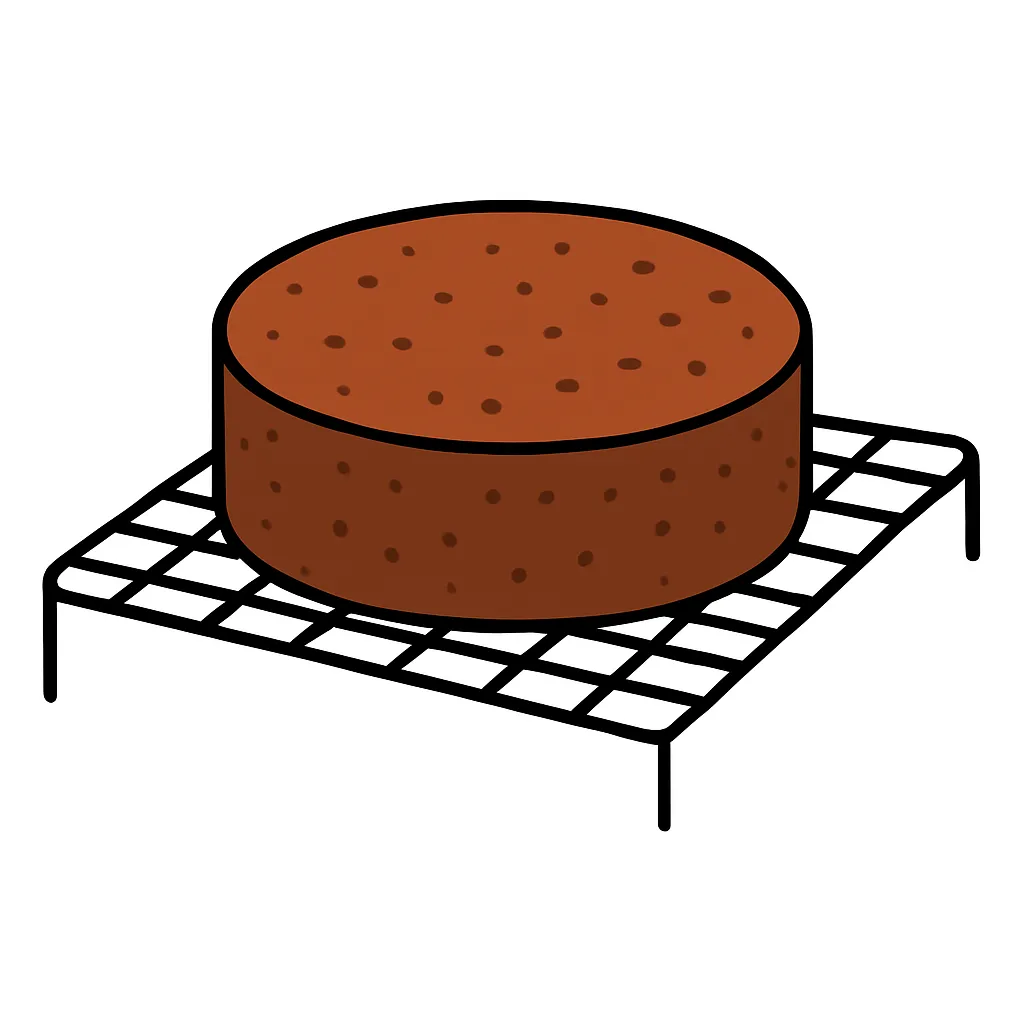
A cake batter of flour, eggs, and baking soda goes into an oven and comes out as a spongy brown cake that cannot be stirred back into batter. What is the best evidence a chemical change occurred?
Which piece of evidence is the strongest sign that a chemical change took place?
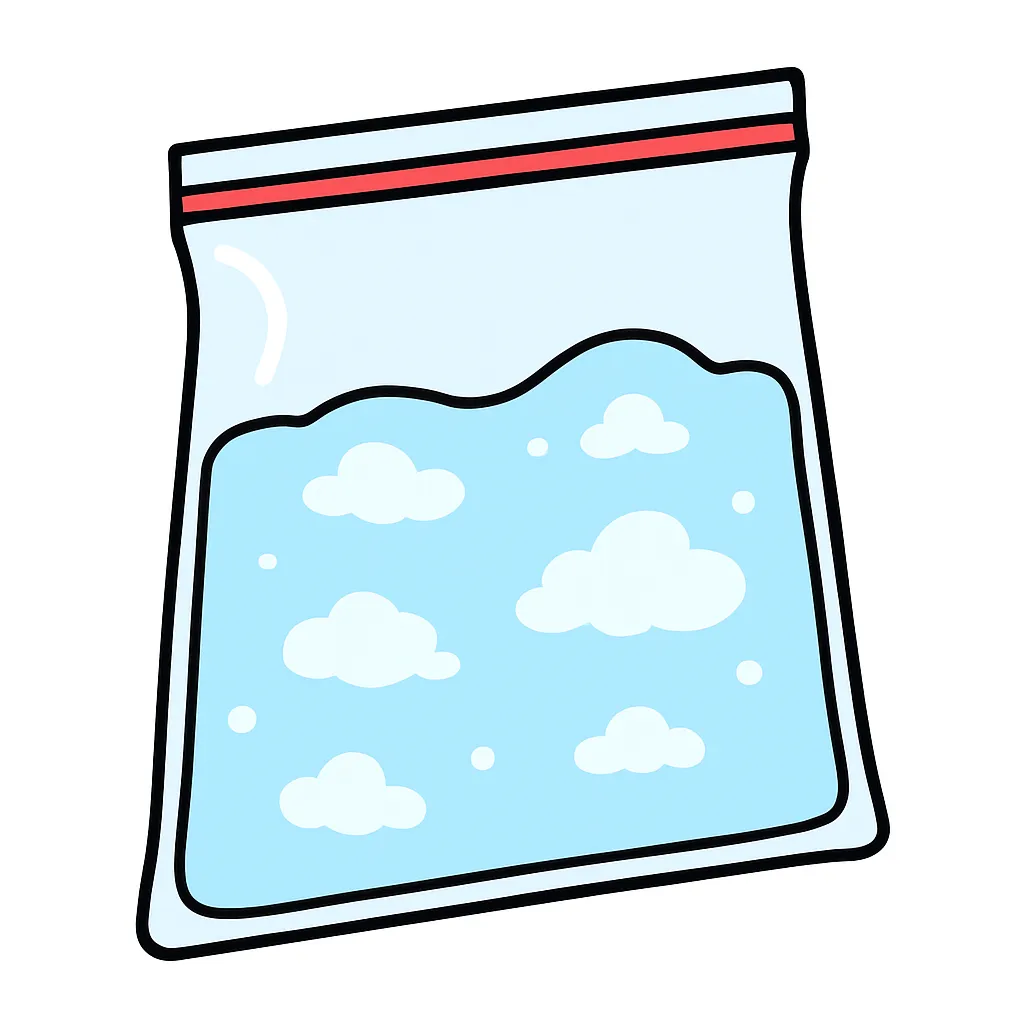
A sealed bag of clear liquid and white powder is squeezed to mix them. Bubbles fill the bag and the thermometer strip drops from 22 degrees Celsius to 9 degrees Celsius. What happened?
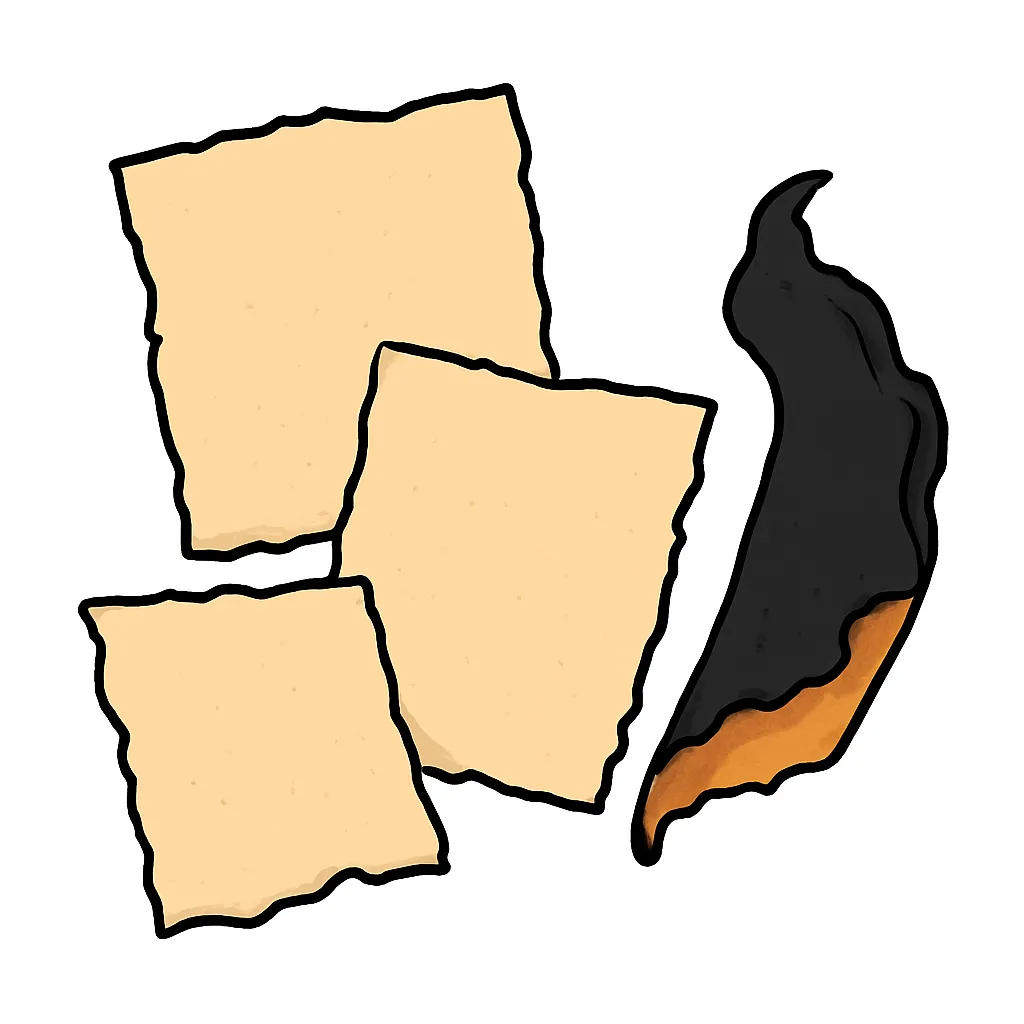
A sheet of paper is torn into small pieces. A second identical sheet is burned and leaves black ash and smoke. Which comparison is correct?
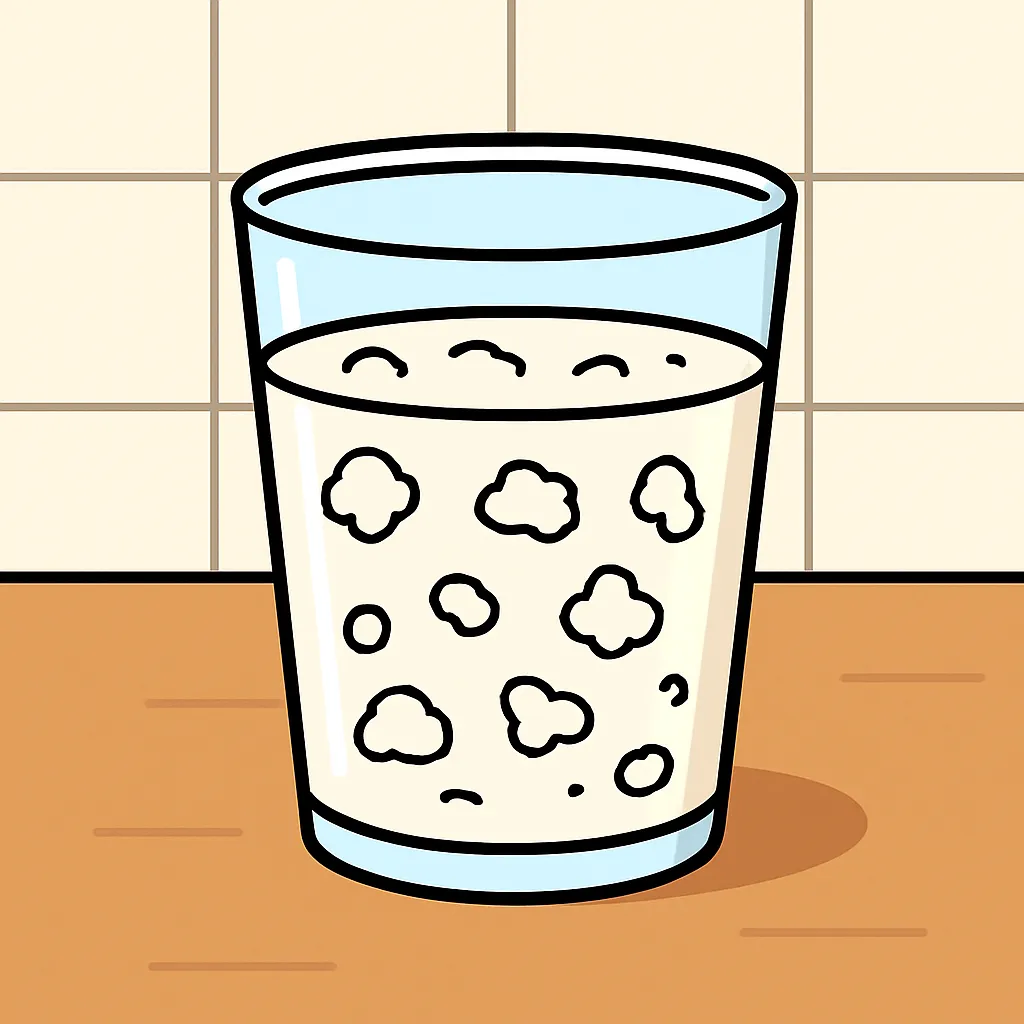
Milk left out of the refrigerator for two days smells sour and has thick lumps in it. What does the new smell and texture indicate?
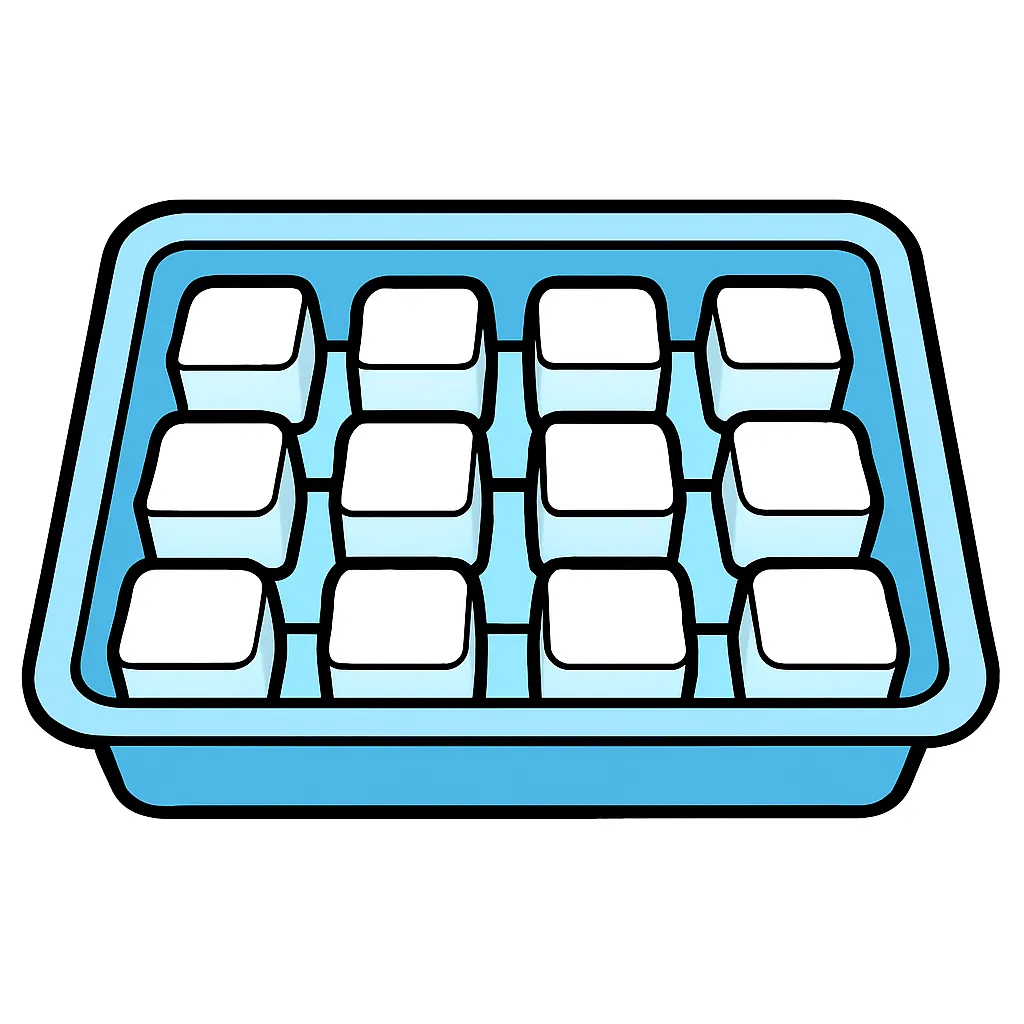
Liquid water in a tray is put in a freezer and becomes solid ice. The ice can be melted back into the same water. How is this change classified, and why?
A sliced apple is left on the counter, and within an hour its white surface turns brown. No paint or dye touched it. What does this color change best show?
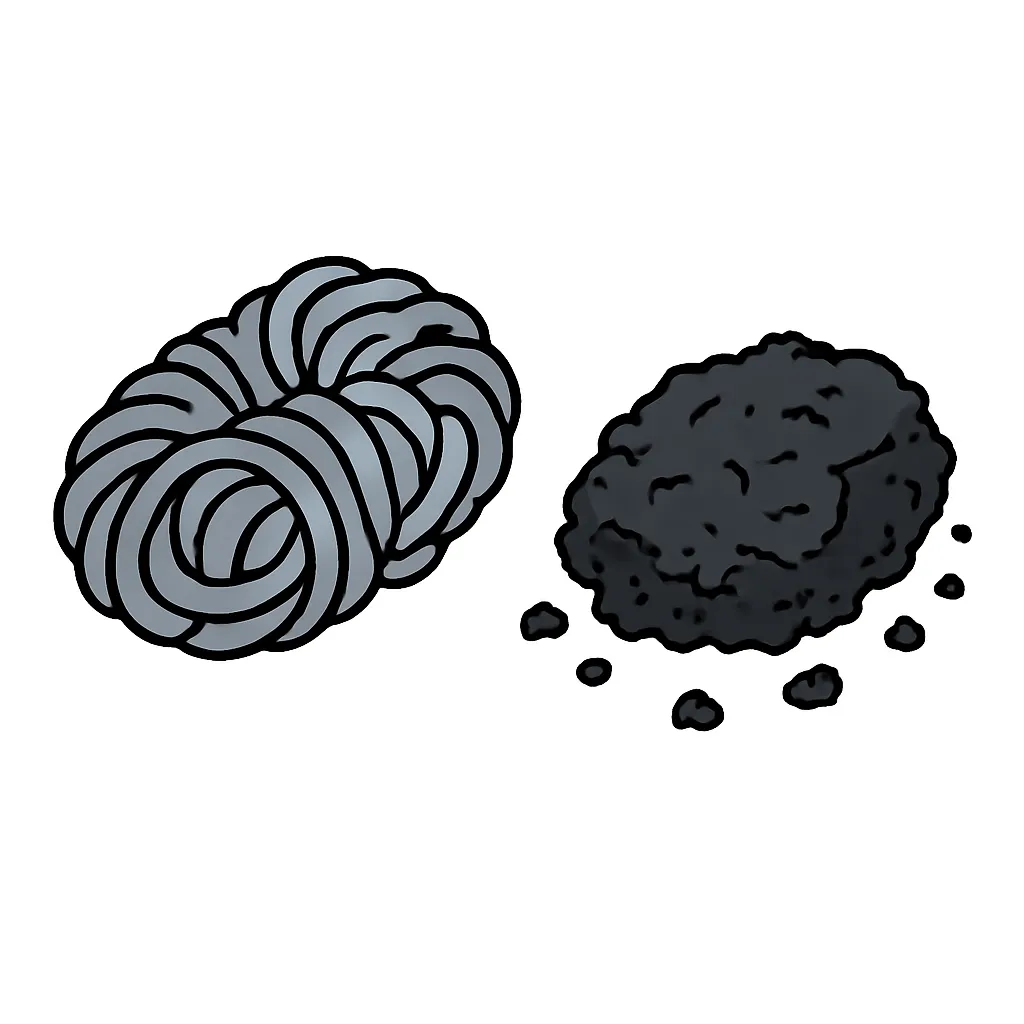
Steel wool is heated until it glows and turns into a crumbly gray-black solid that no longer bends like the original wire. This is a chemical change, because a new substance with new properties formed.
Butter melting in a warm pan is a physical change, because the melted butter is still butter in a liquid state.

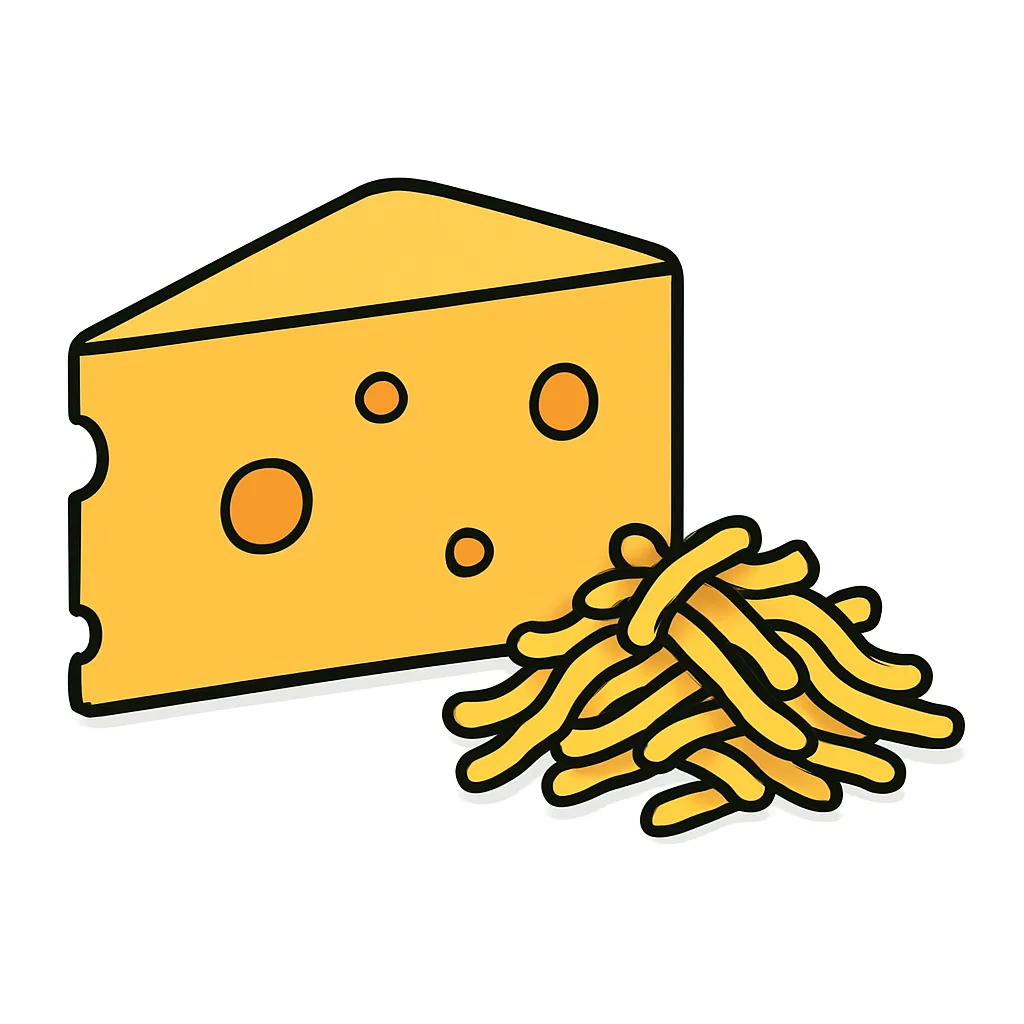
A block of cheese is grated into thin shreds. The shreds are still cheese, with the same taste and the same melting point as before. What kind of change is this, and why?
Crack the passcode before the zombies get in.
Answer, then swat bugs for bonus points.
Race through questions at your own speed.
Same question on every screen. Fastest wins.

Pick a tile, answer, hit bonuses and steals.
Net Force, Balanced, and Unbalanced Forces
20 questions