Loading
by BlastRoom
Compare materials and devices that speed up or slow down thermal energy transfer.
#thermal_energy#us_grade_6_science
20 questions
One question set, multiple game modes. Tap any game to see it in action. Not sure which to pick?
Answer to place stones and capture territory.
Outrun the snow together.
Earn blasts, then hunt the other team.
Answer to earn energy, then climb.

The class blasts through walls together.
Bid on mystery lots. Most money wins.
Sell tours. Nice, standard, or a total scam.

Answer, restock, and serve the rush.
More correct answers pulls the rope your way.
Answer, then shoot down the alien wave.
Answer, then tap to leap the frozen ridge.
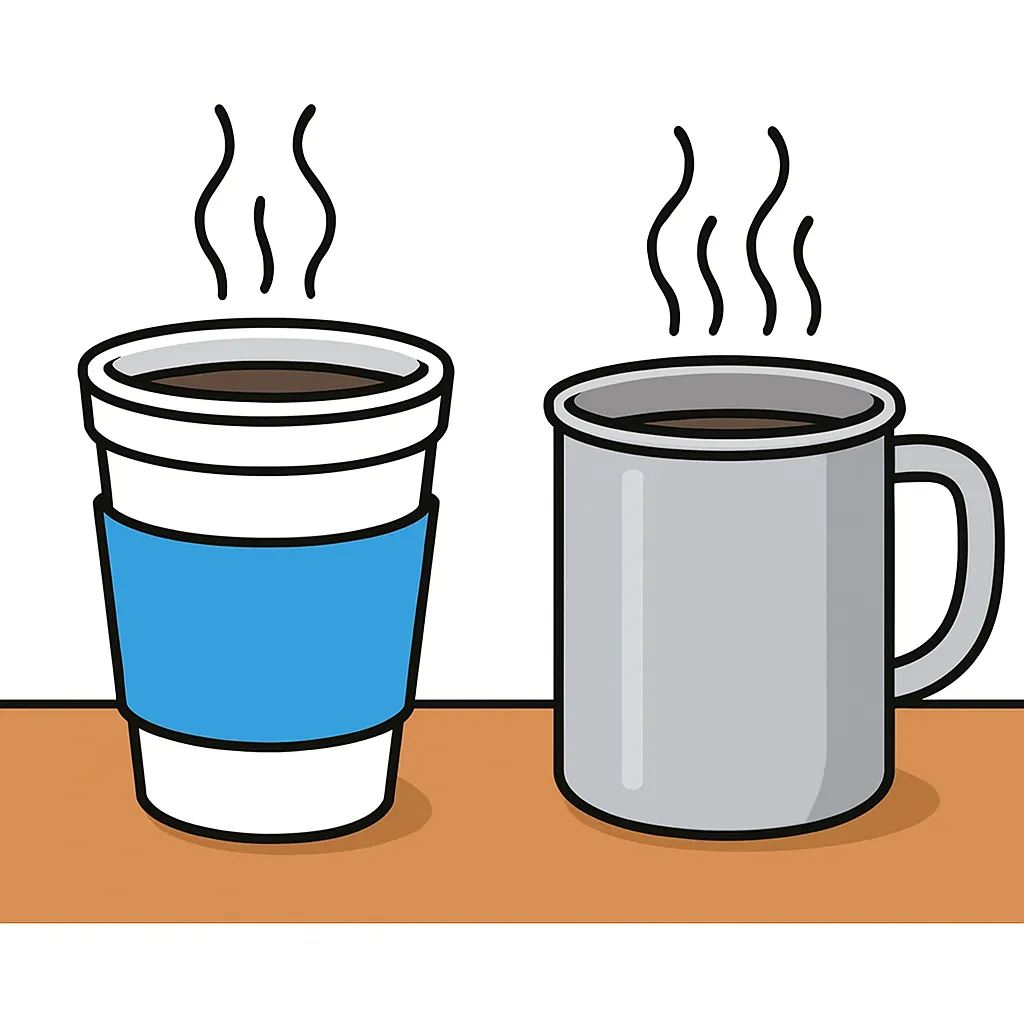
A class fills a metal cup and a foam cup with hot water at 80 degrees Celsius. After 15 minutes the metal cup reads 52 degrees Celsius and the foam cup reads 71 degrees Celsius. Why?
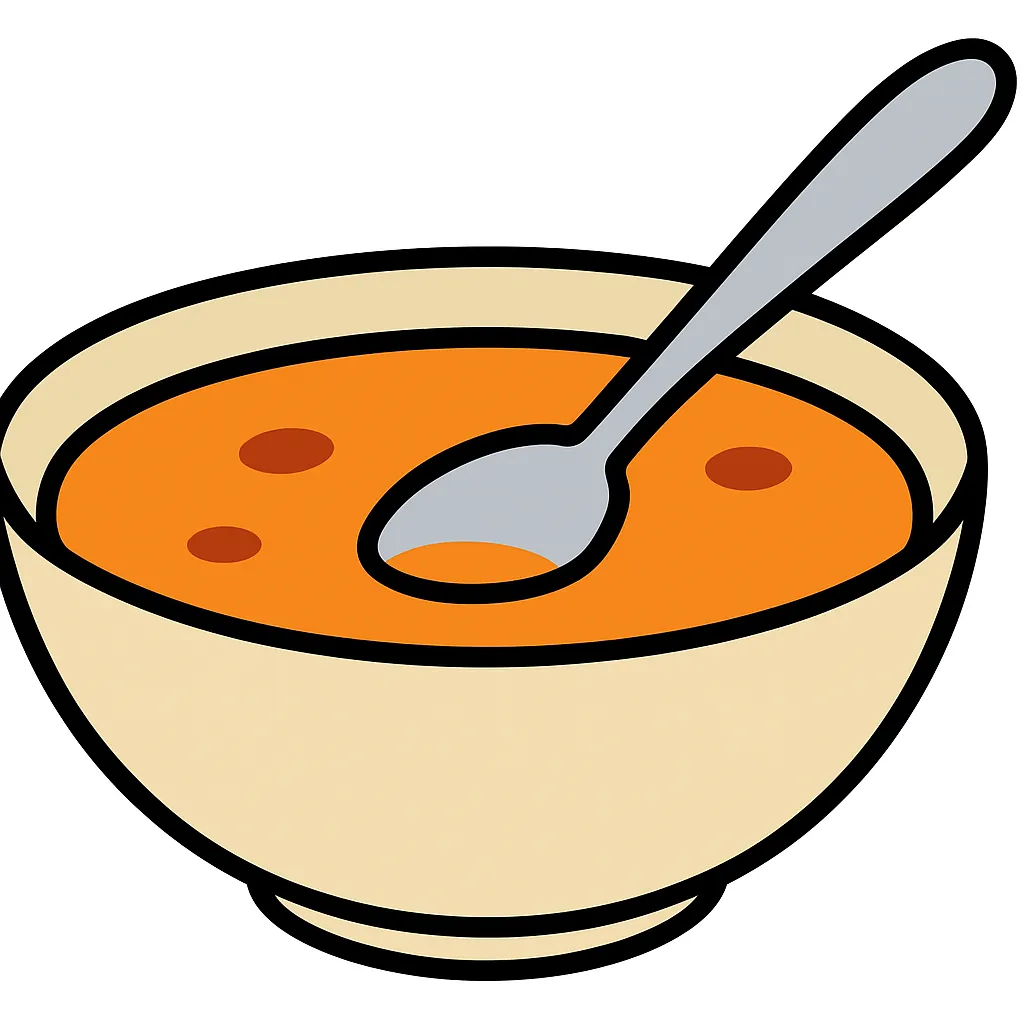
A metal spoon at 22 degrees Celsius is placed in a bowl of soup at 70 degrees Celsius. Describe the energy transfer during the first minute.
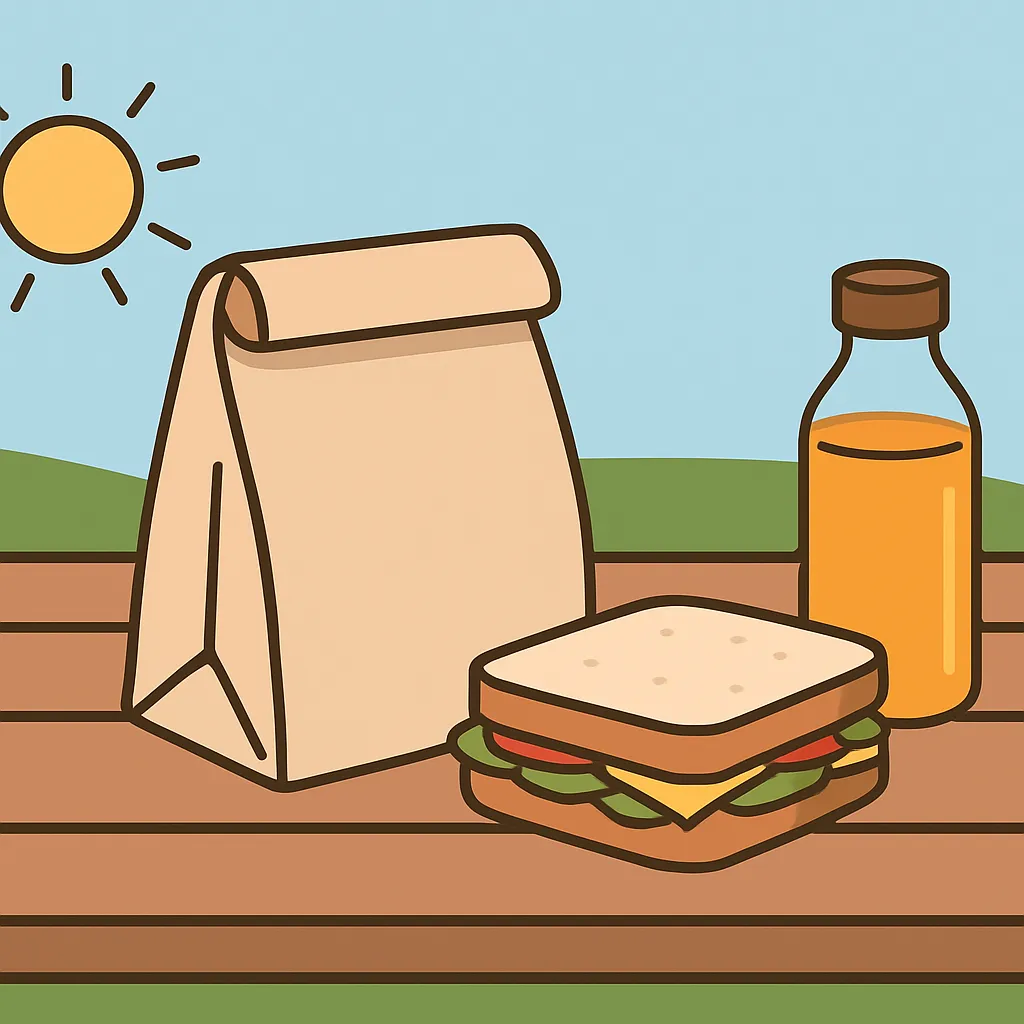
A camping company wants a lunch bag that keeps packed food cold on a warm day. What lining should the bag have to slow energy transfer?
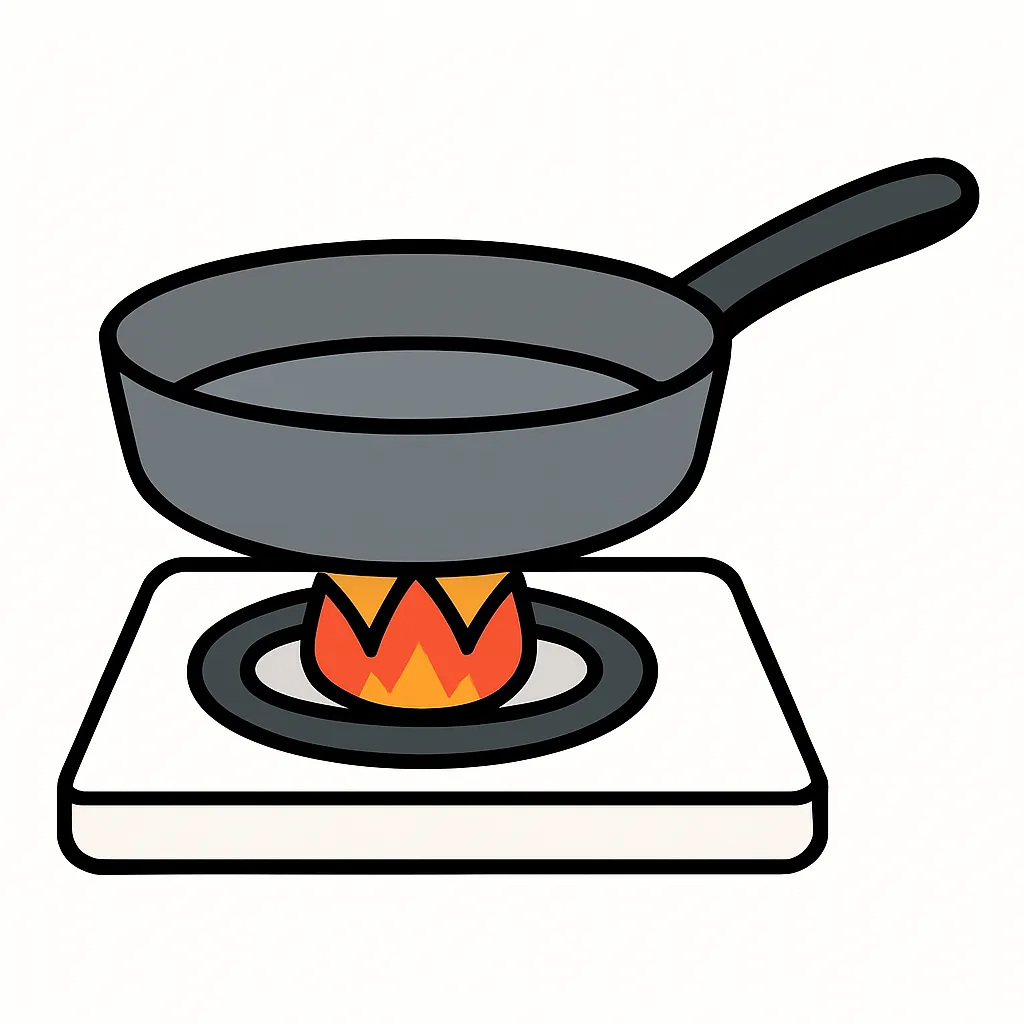
A cook wants a pan that heats food as quickly as possible on a stove. What property should the pan's material have?
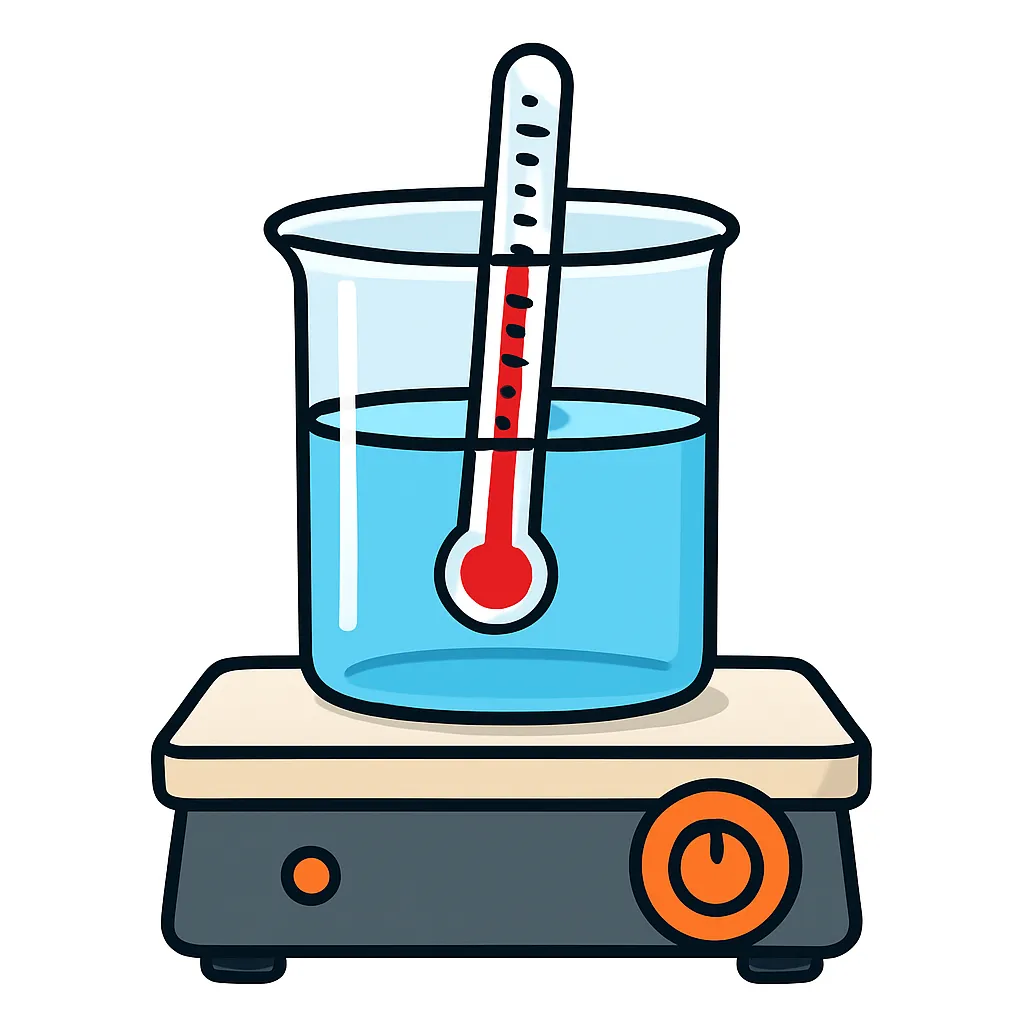
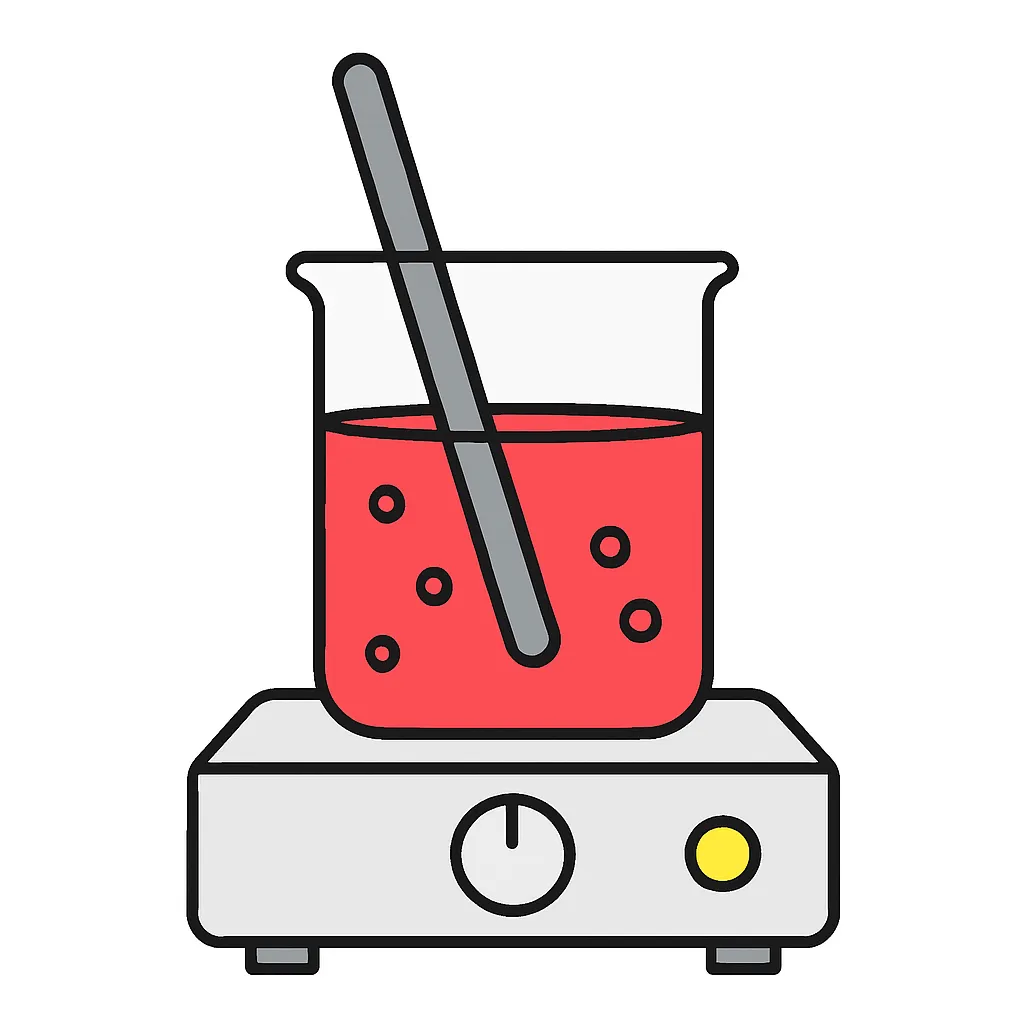
A beaker of water is warmed on a hot plate from 20 degrees Celsius to 60 degrees Celsius. What happens to the water particles?
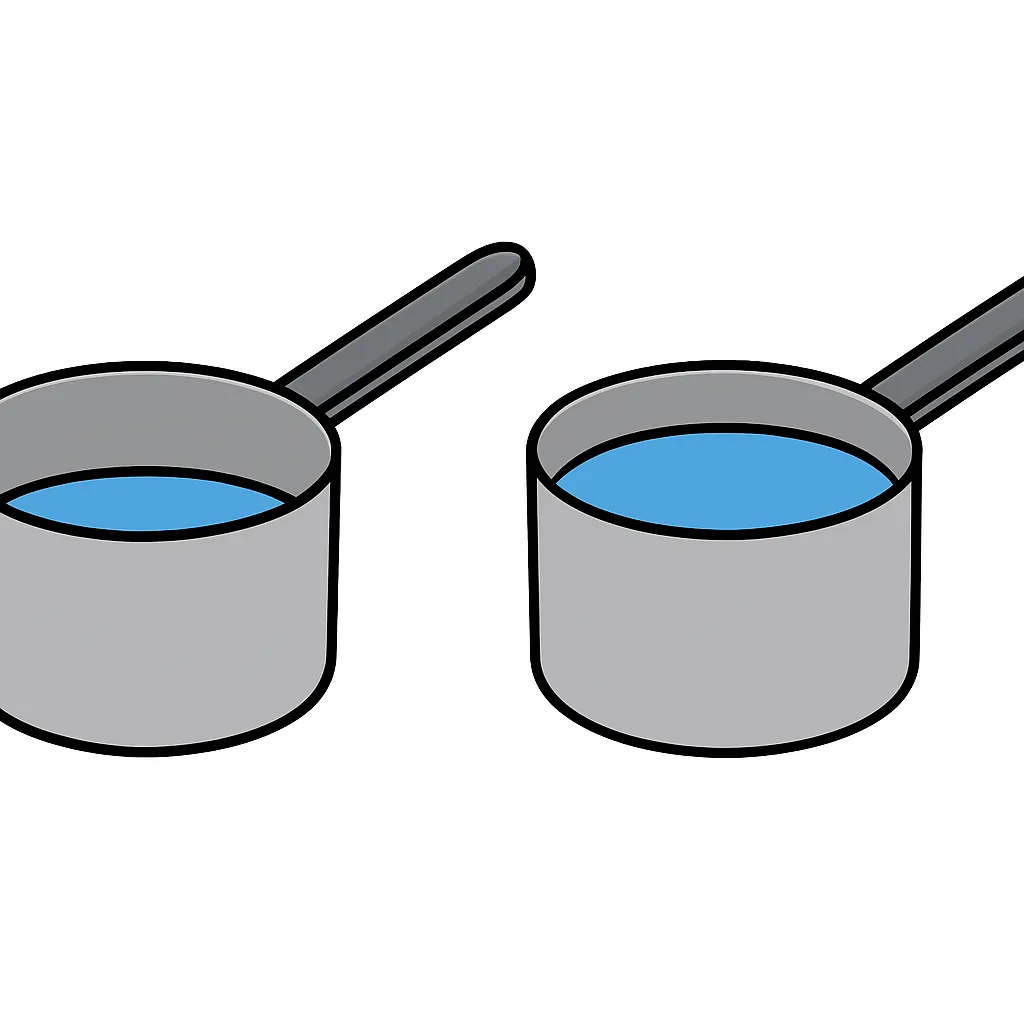
Two identical pans hold water at 25 degrees Celsius. Pan A holds 100 grams of water and Pan B holds 400 grams. Compare the total thermal energy of the two samples.
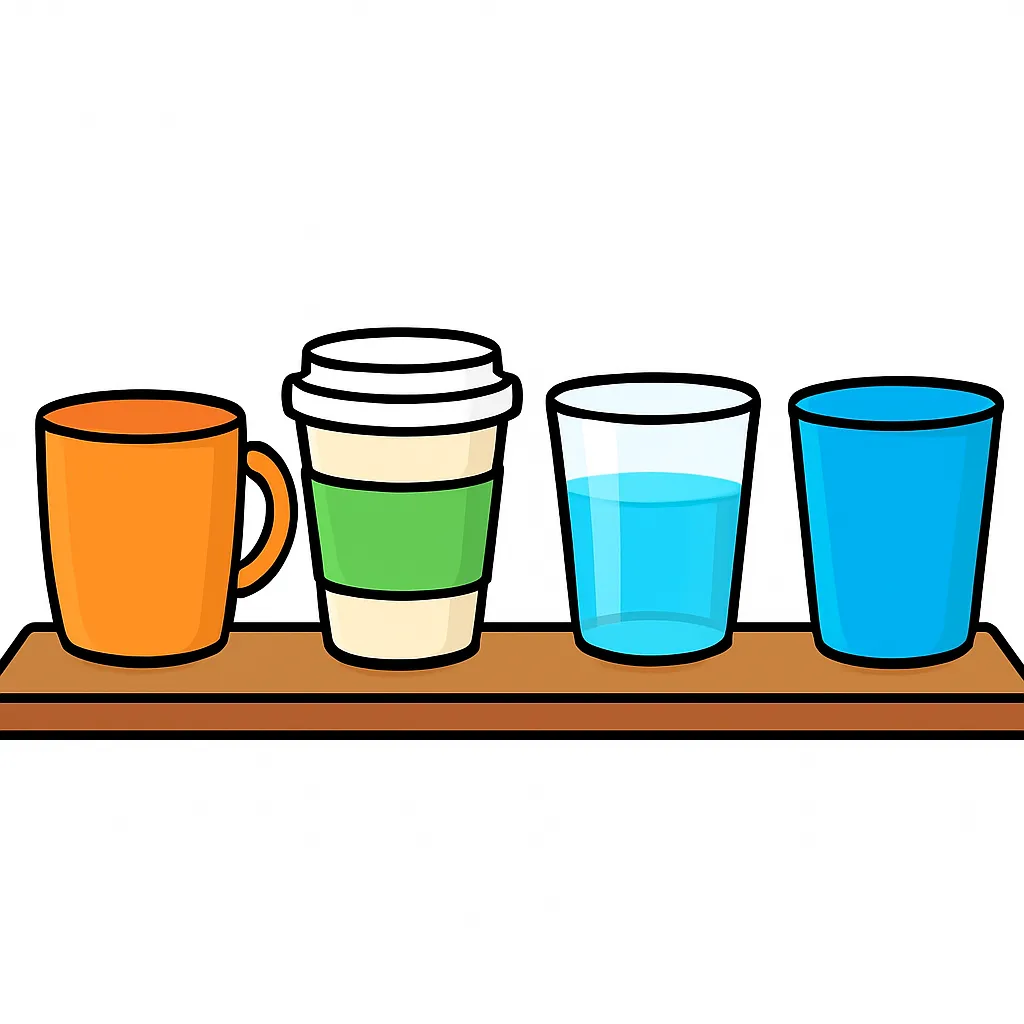
Students test four cup materials by pouring the same amount of water at the same starting temperature into each cup and reading the temperature after 10 minutes. Name the independent variable.
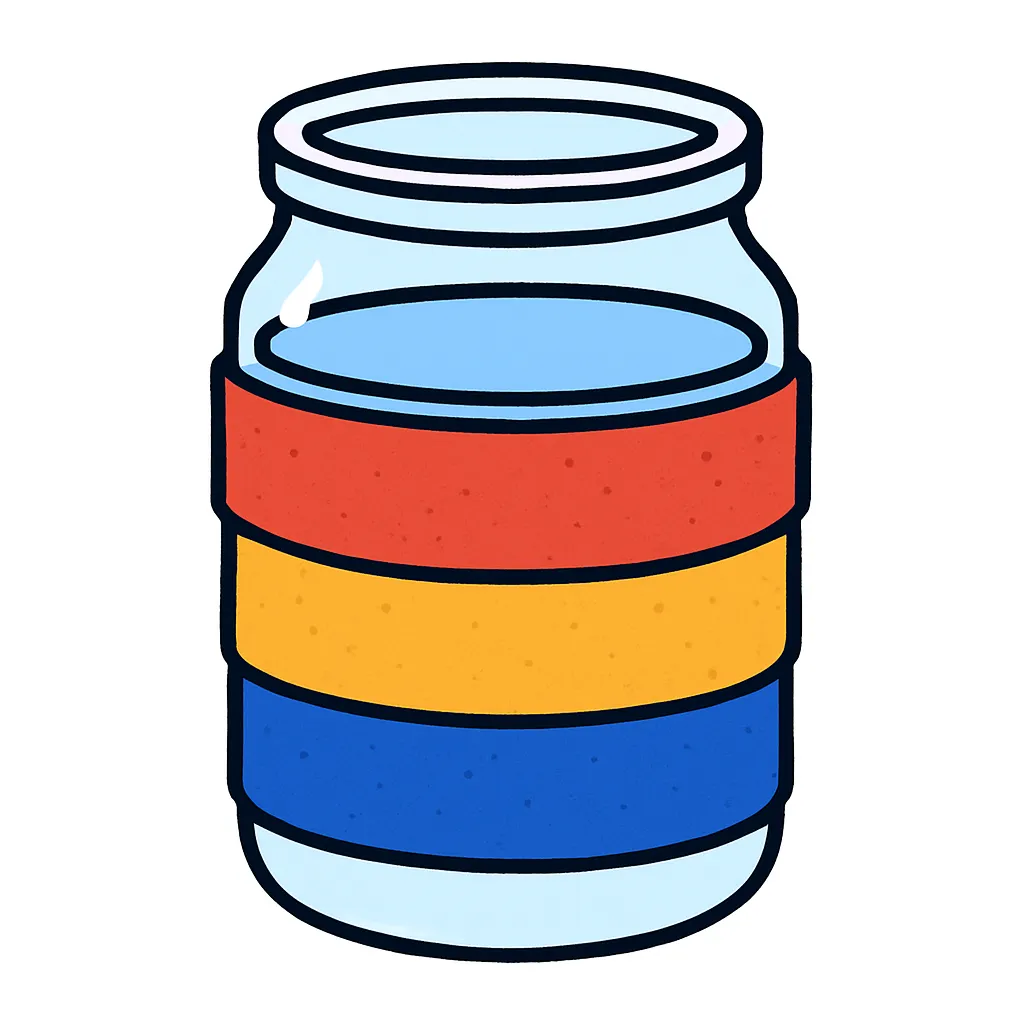
A team wraps identical jars in 1, 2, 3, or 4 layers of felt and records how far each jar's water temperature drops in 30 minutes. Name the dependent variable.
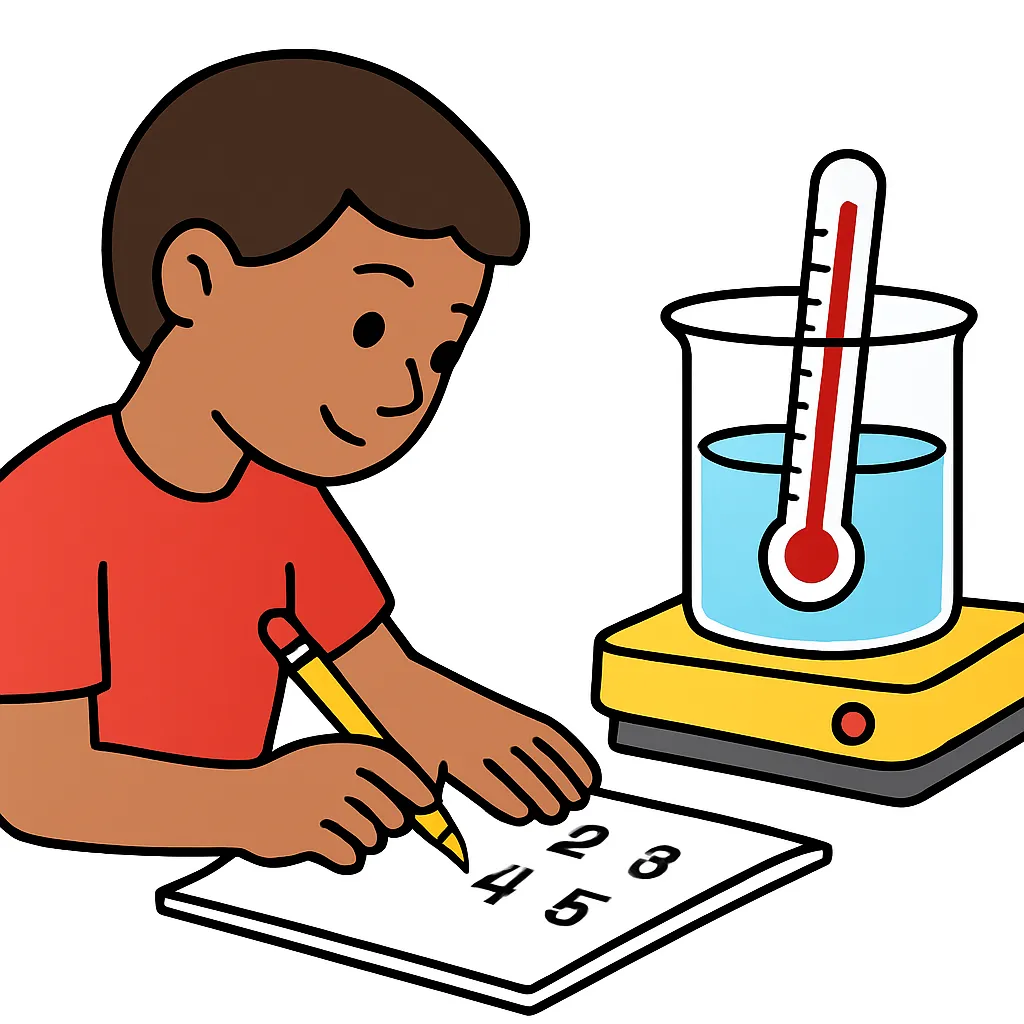
A class repeats an insulation test five times with each material and takes the mean. Why is the mean of five trials better evidence than a single trial?
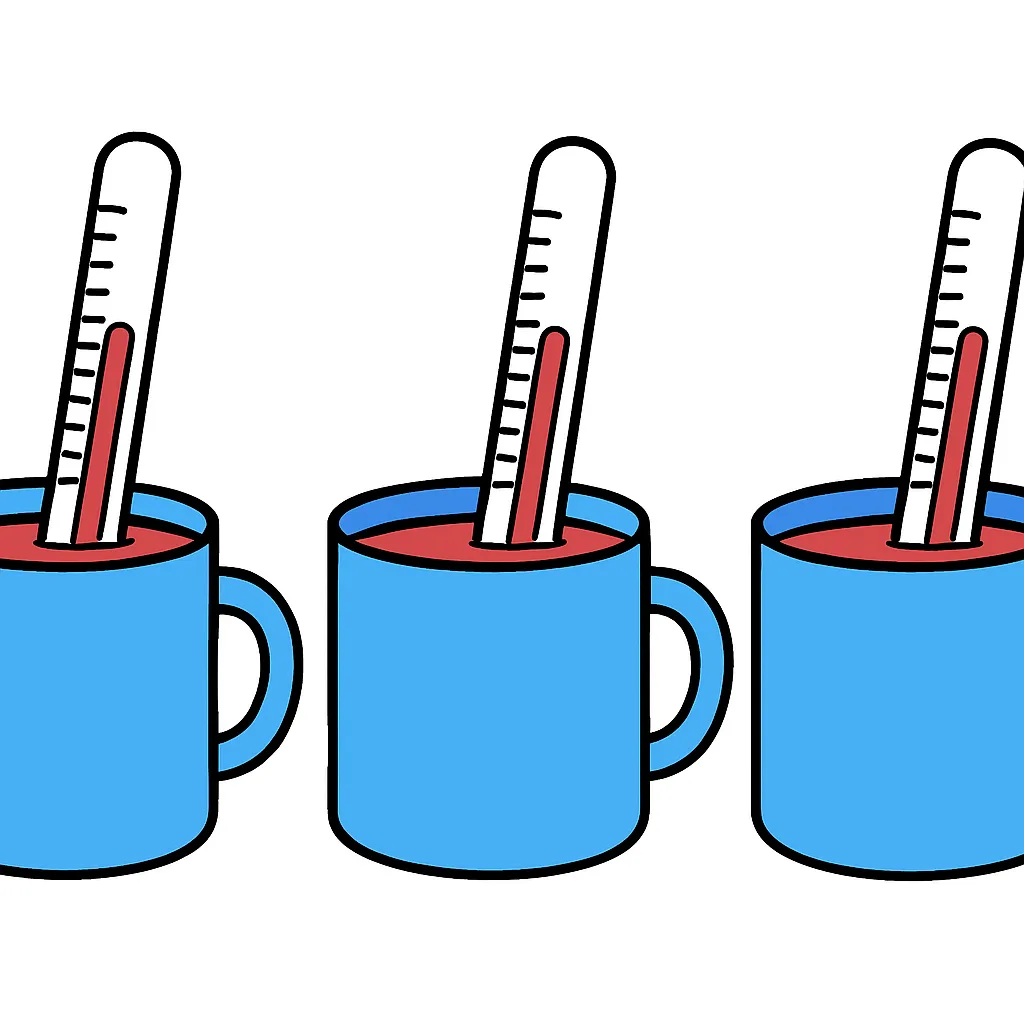
Water starting at 80 degrees Celsius sits for 20 minutes in three cups. Cup A ends at 60 degrees Celsius, Cup B at 71 degrees Celsius, and Cup C at 48 degrees Celsius. Whose material transferred energy out slowest?
A student rests one end of a metal rod in hot water. A minute later the far end of the rod feels warm. What best explains this?
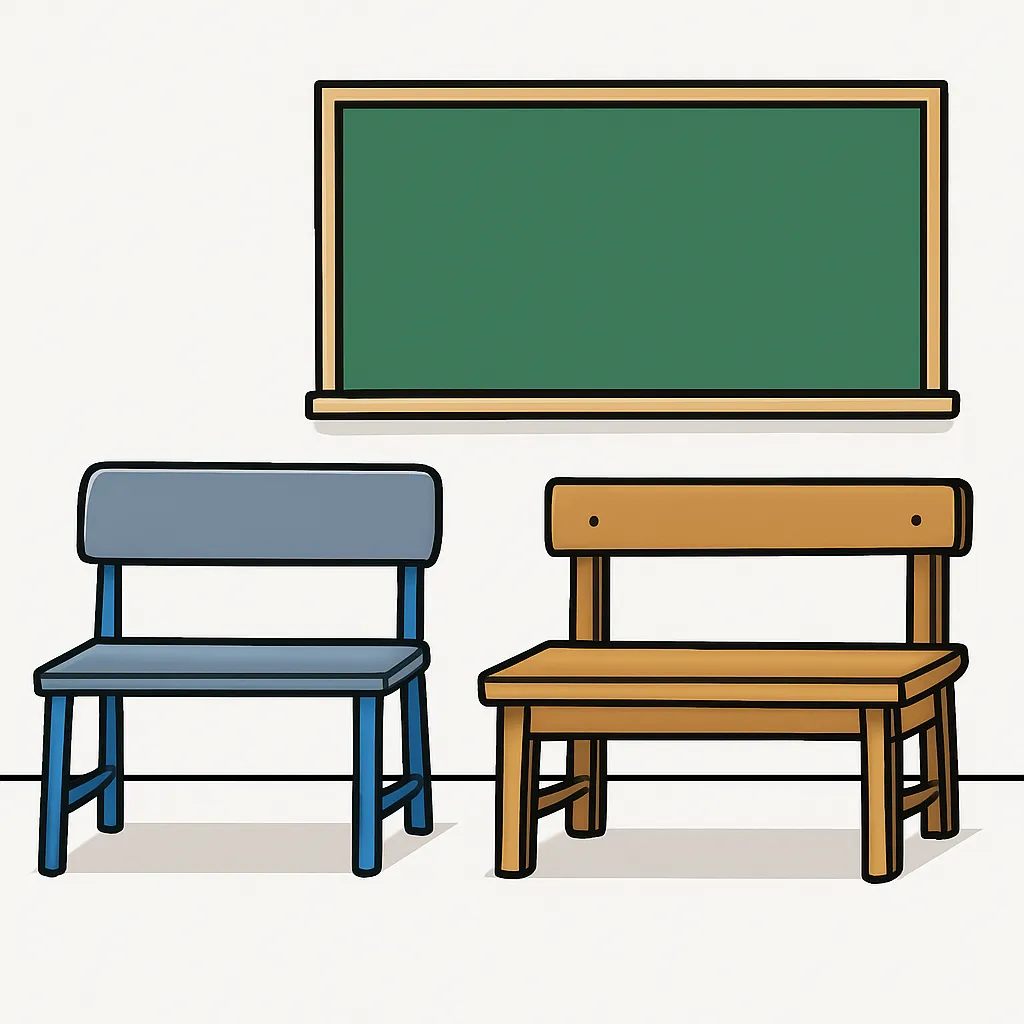
In the same classroom at 20 degrees Celsius, a metal bench feels colder to the hand than a wooden bench. What is the best explanation?
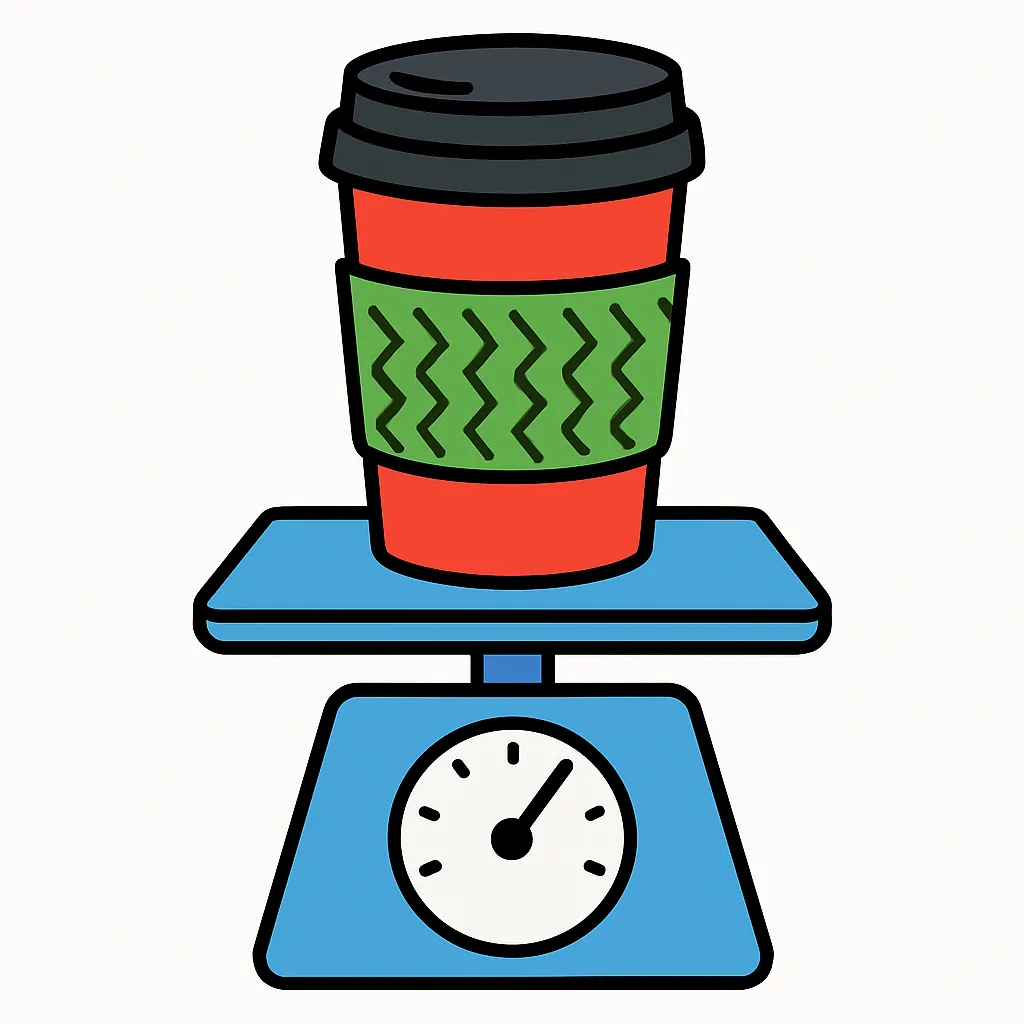
A team must build a drink holder that keeps liquid hot for 3 hours and weighs under 200 grams. Their holder keeps liquid hot for 3 hours but weighs 350 grams. What is the problem?
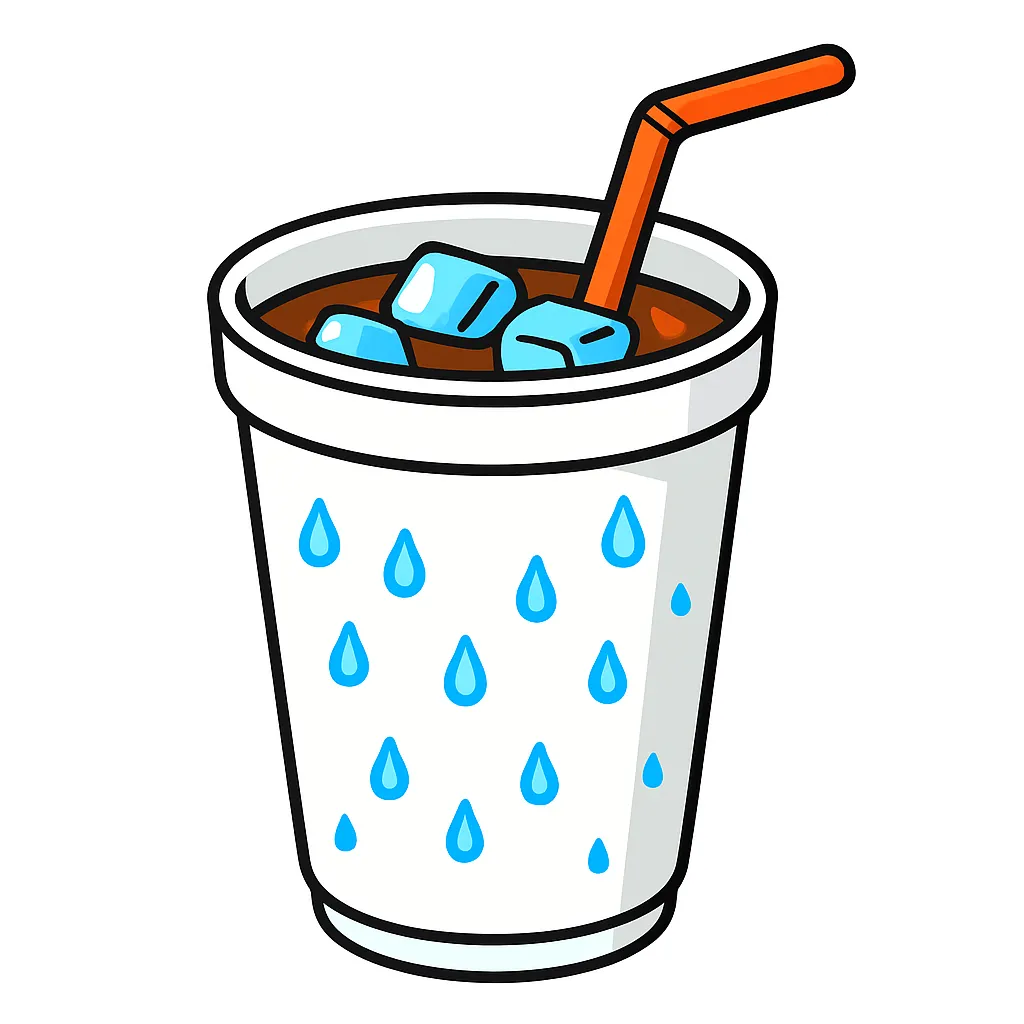
A cold drink at 4 degrees Celsius sits in a foam cup in a room at 25 degrees Celsius. What is the foam cup doing?
Identical samples of hot water are placed in a wooden box, a plastic box, a foam box, and an aluminum box in the same room. Whose water cools fastest?
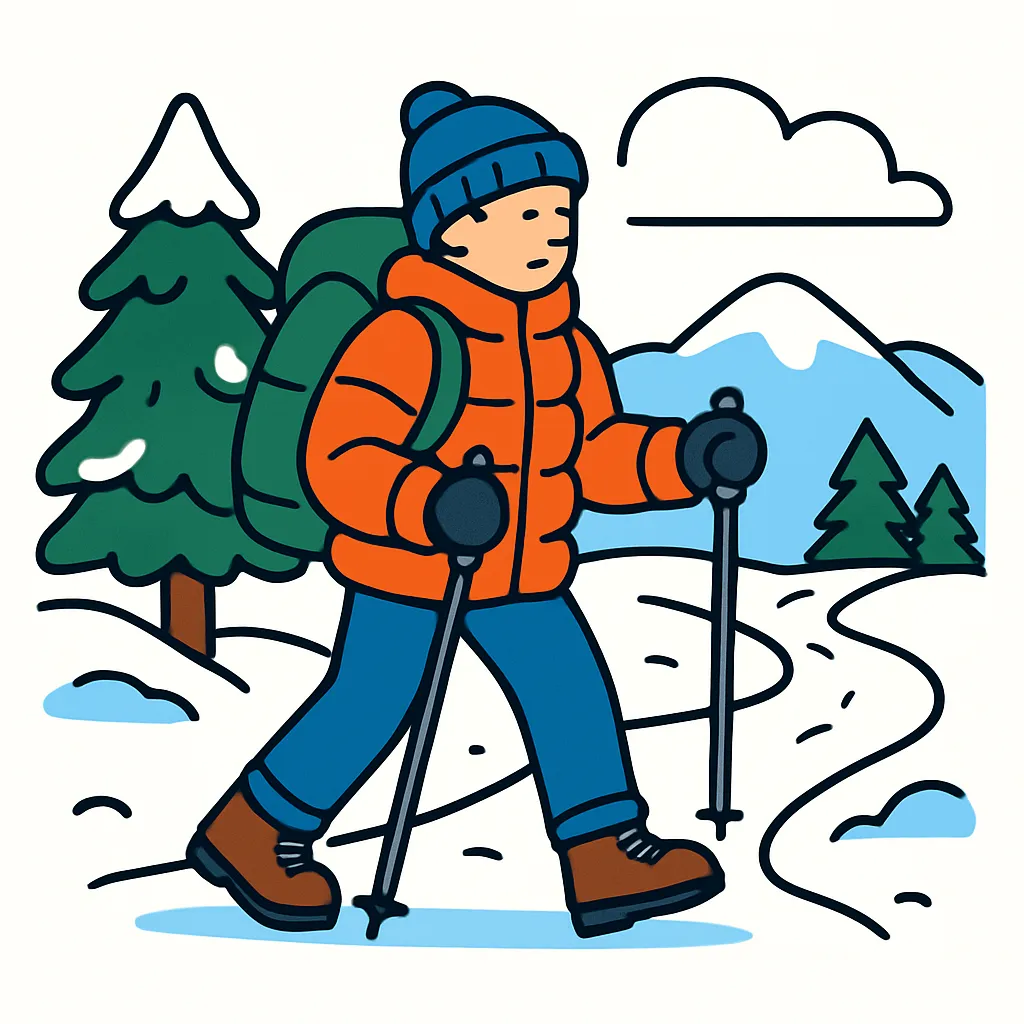
A hiker wears a thick puffy jacket on a cold morning and stays warm. What feature of the jacket does the most to keep the hiker warm?
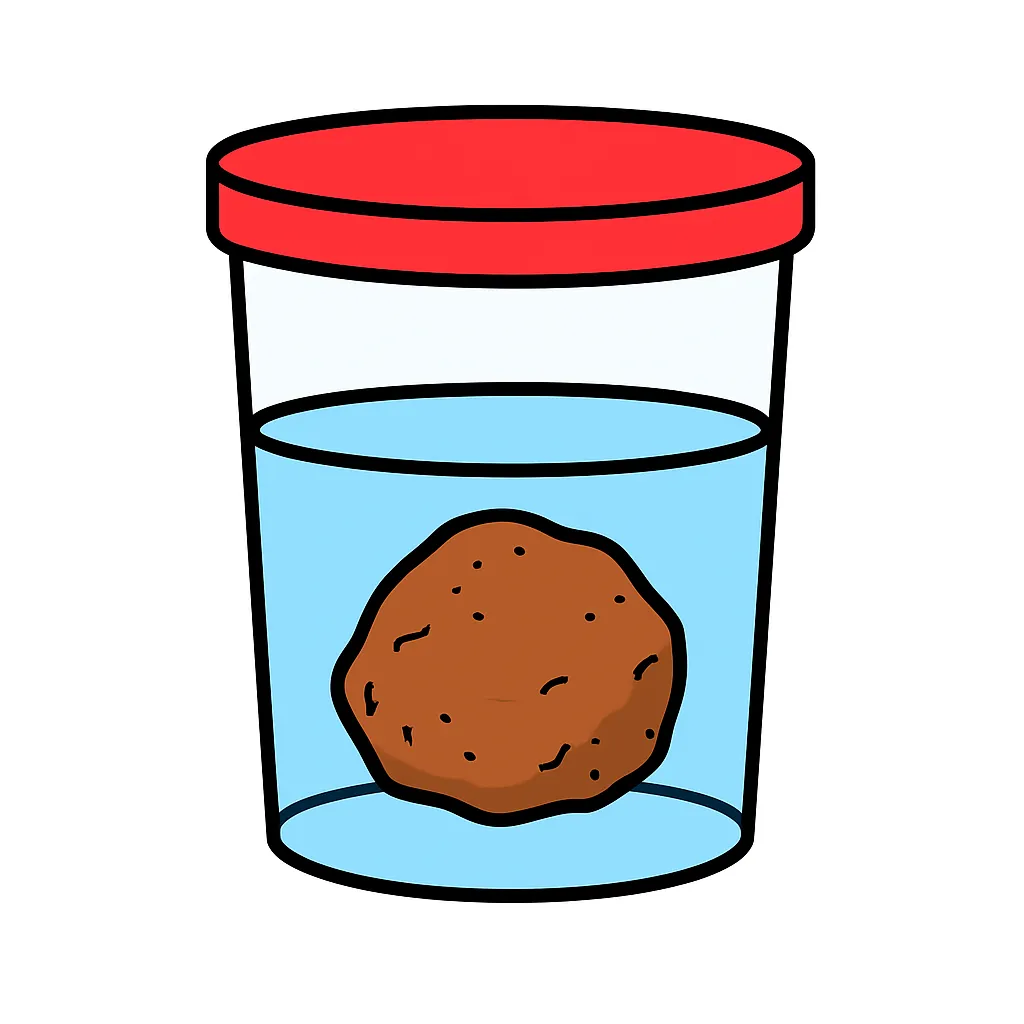
A warm rock at 40 degrees Celsius is placed in water at 20 degrees Celsius inside a closed insulated container. What happens over the next hour?
Thermal energy can move only between objects that touch each other.
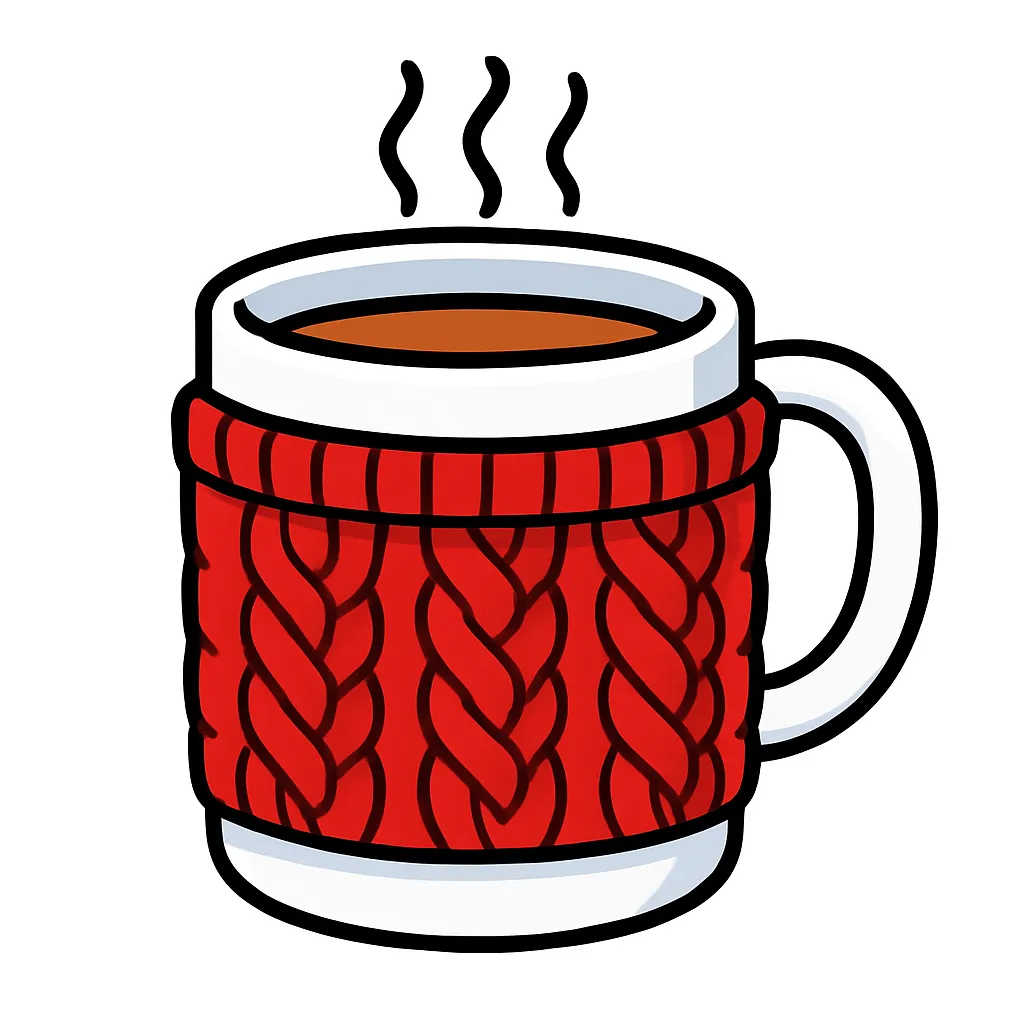
A hot drink in a wool sleeve stays hot longer than it would unwrapped. After two hours, it has cooled to room temperature. Where did its thermal energy go?
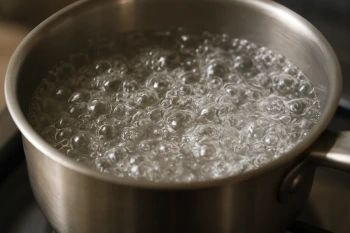
When water in a pot is heated from below, warmer water rises and cooler water sinks, carrying thermal energy around the pot. This transfer is called convection.
Crack the passcode before the zombies get in.
Answer, then swat bugs for bonus points.
Race through questions at your own speed.
Same question on every screen. Fastest wins.

Pick a tile, answer, hit bonuses and steals.
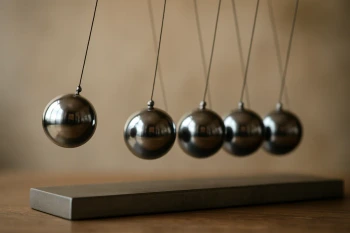
Kinetic Energy Change as Evidence of Energy Transfer
20 questions