Loading
by BlastRoom
Name the rock type from the way the rock formed.
#earth_systems#us_grade_6_science
40 questions
One question set, multiple game modes. Tap any game to see it in action. Not sure which to pick?
Answer to place stones and capture territory.
Outrun the snow together.
Earn blasts, then hunt the other team.
Answer to earn energy, then climb.

The class blasts through walls together.
Bid on mystery lots. Most money wins.
Sell tours. Nice, standard, or a total scam.

Answer, restock, and serve the rush.
More correct answers pulls the rope your way.
Answer, then shoot down the alien wave.
Answer, then tap to leap the frozen ridge.
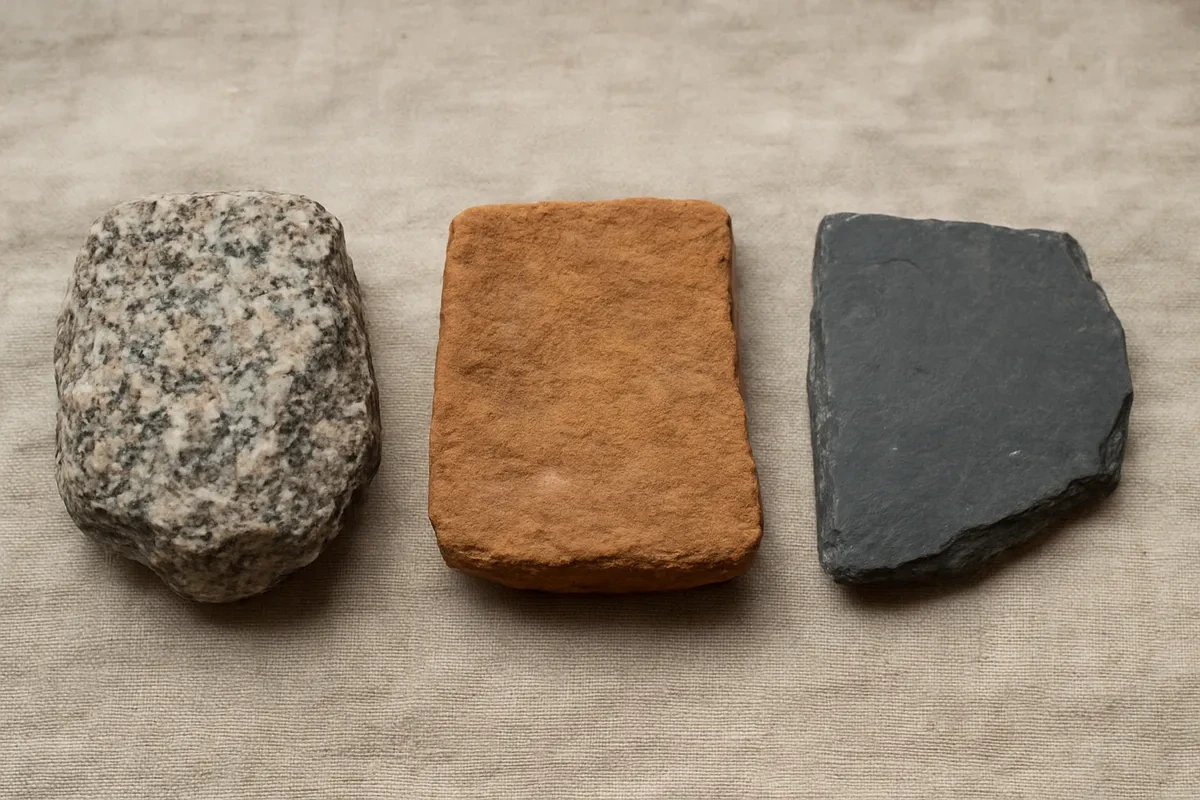
A class studies a sample of granite that is made of large, interlocking crystals. Which rock type is granite, and how did it form?
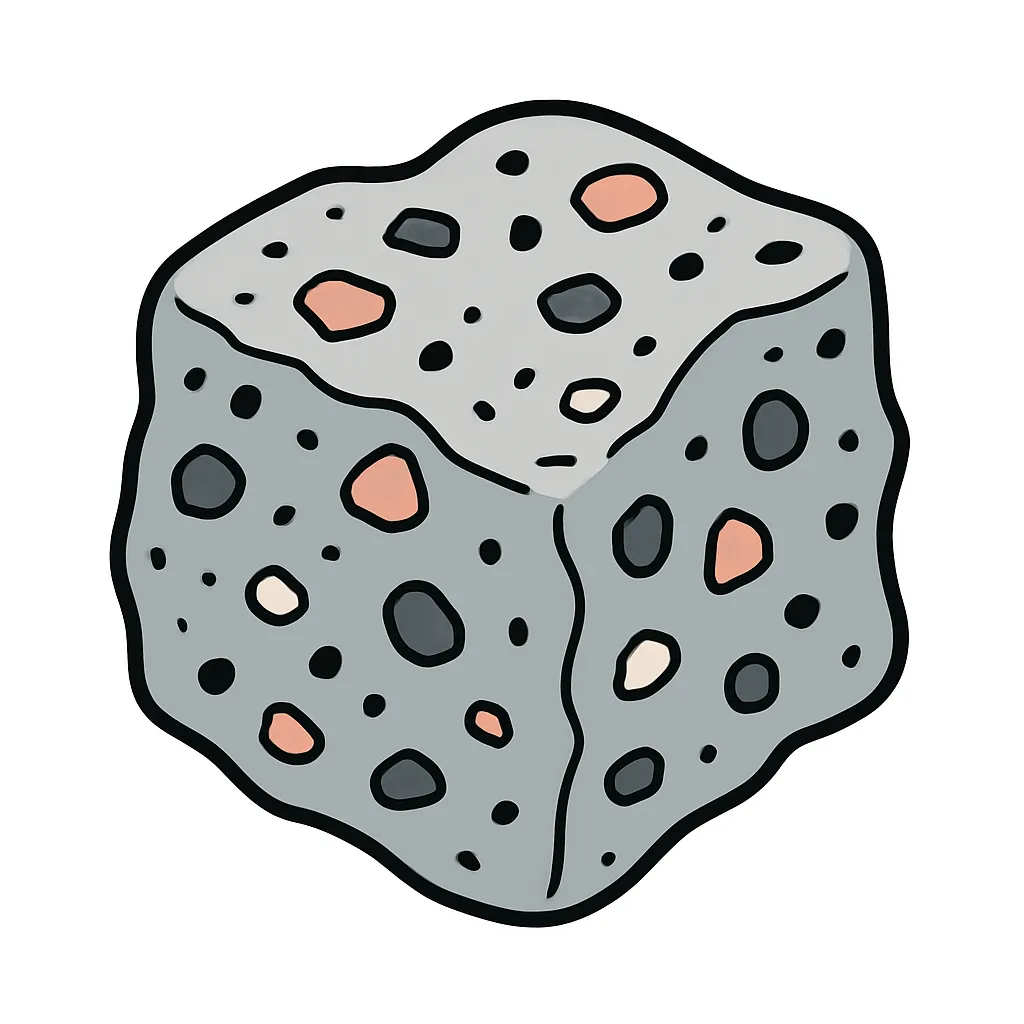
Basalt is a dark rock with crystals far too small to see without a hand lens, and it makes up much of the ocean floor. Which rock type is basalt, and how did it form?
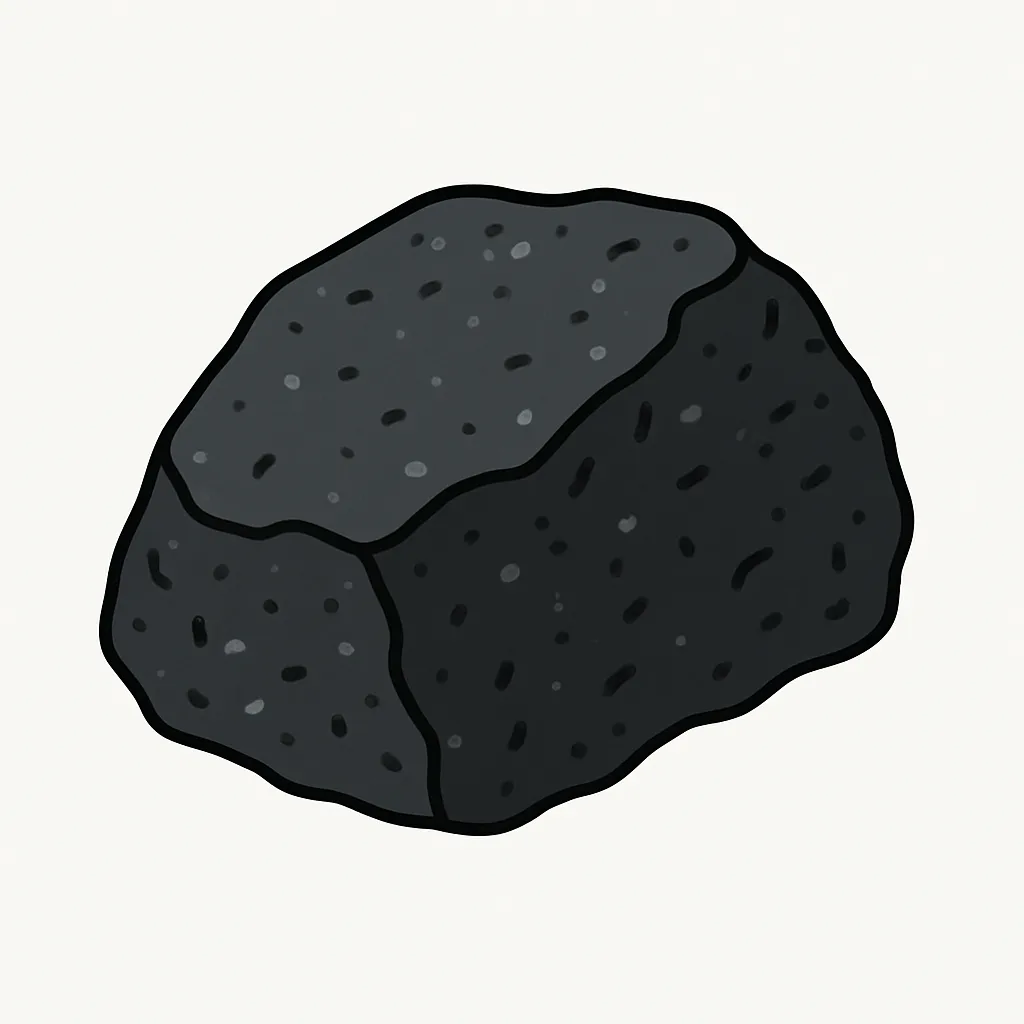
Obsidian is smooth and glassy and has no crystals at all. Which rock type is obsidian, and how did it form?
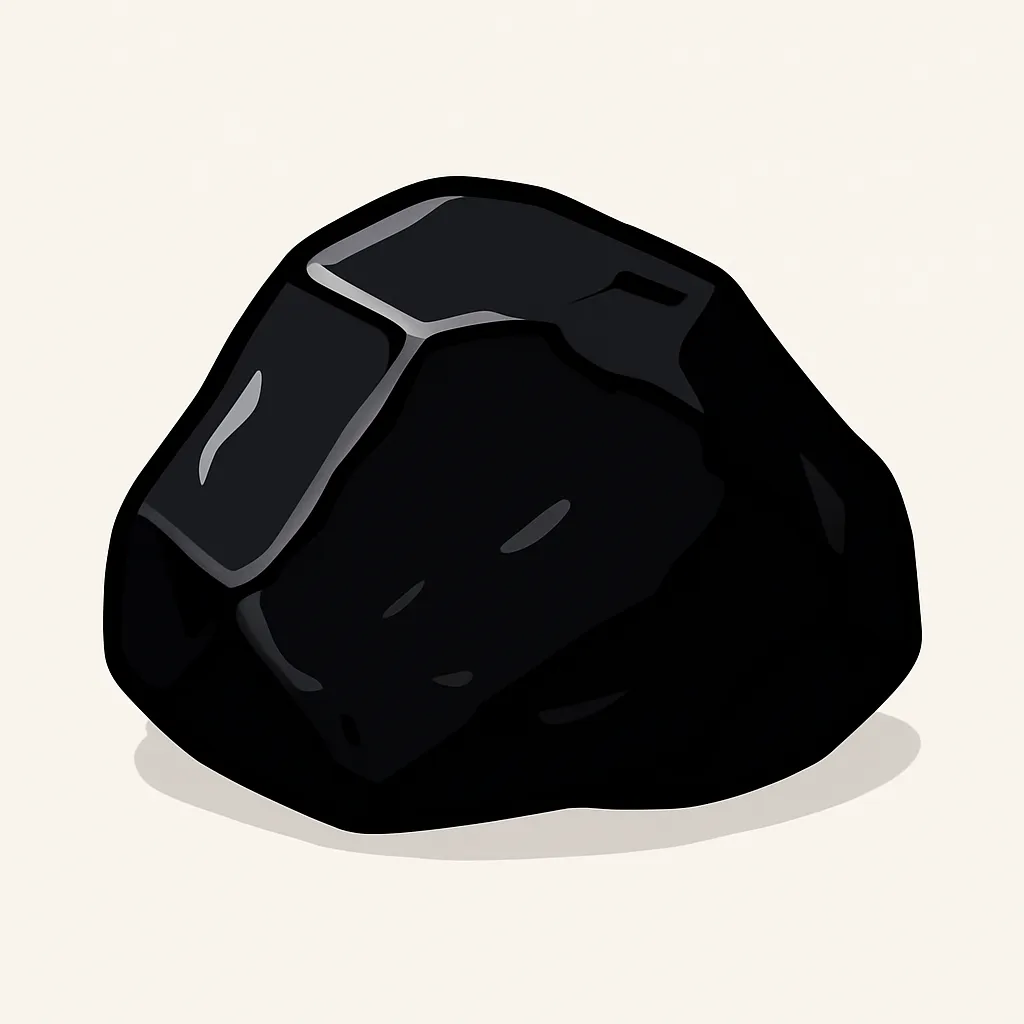
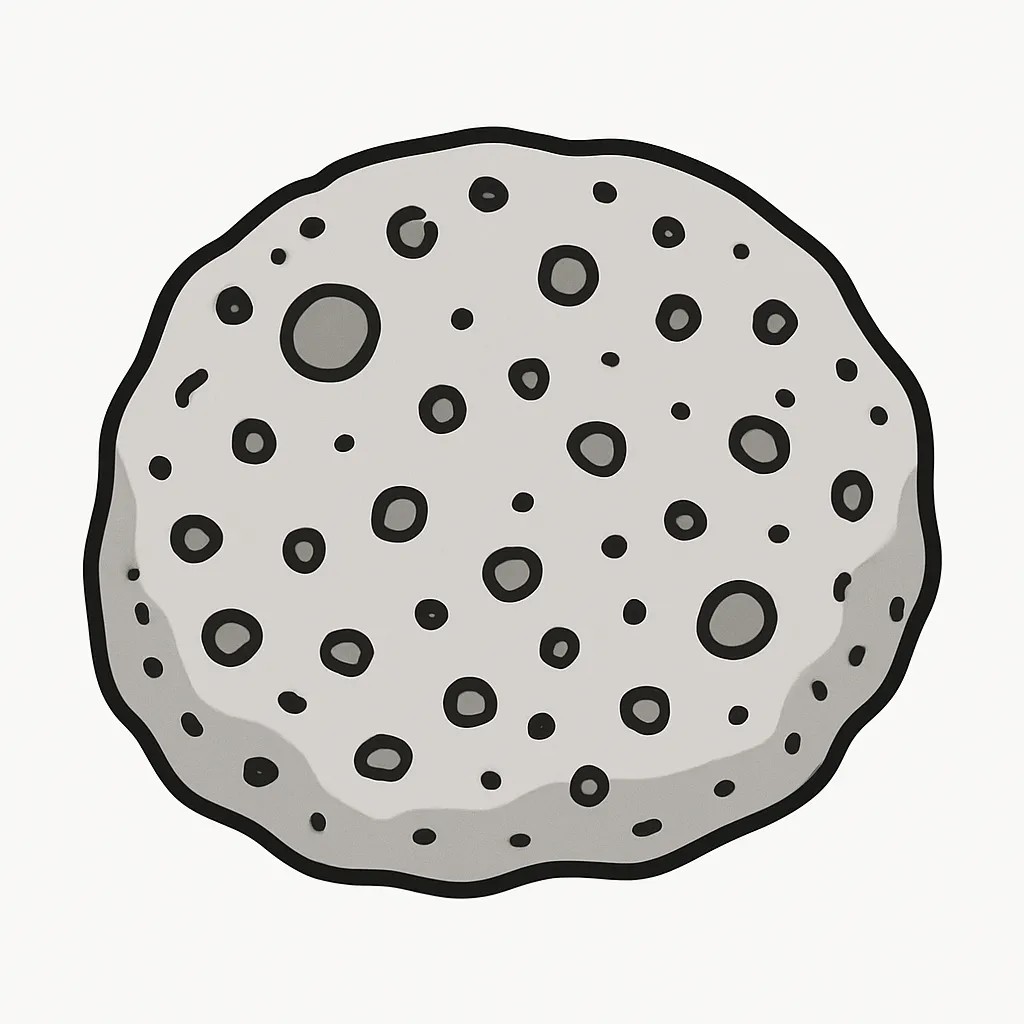
Pumice is so full of gas holes that a piece of it can float on water. Which rock type is pumice, and how did it form?
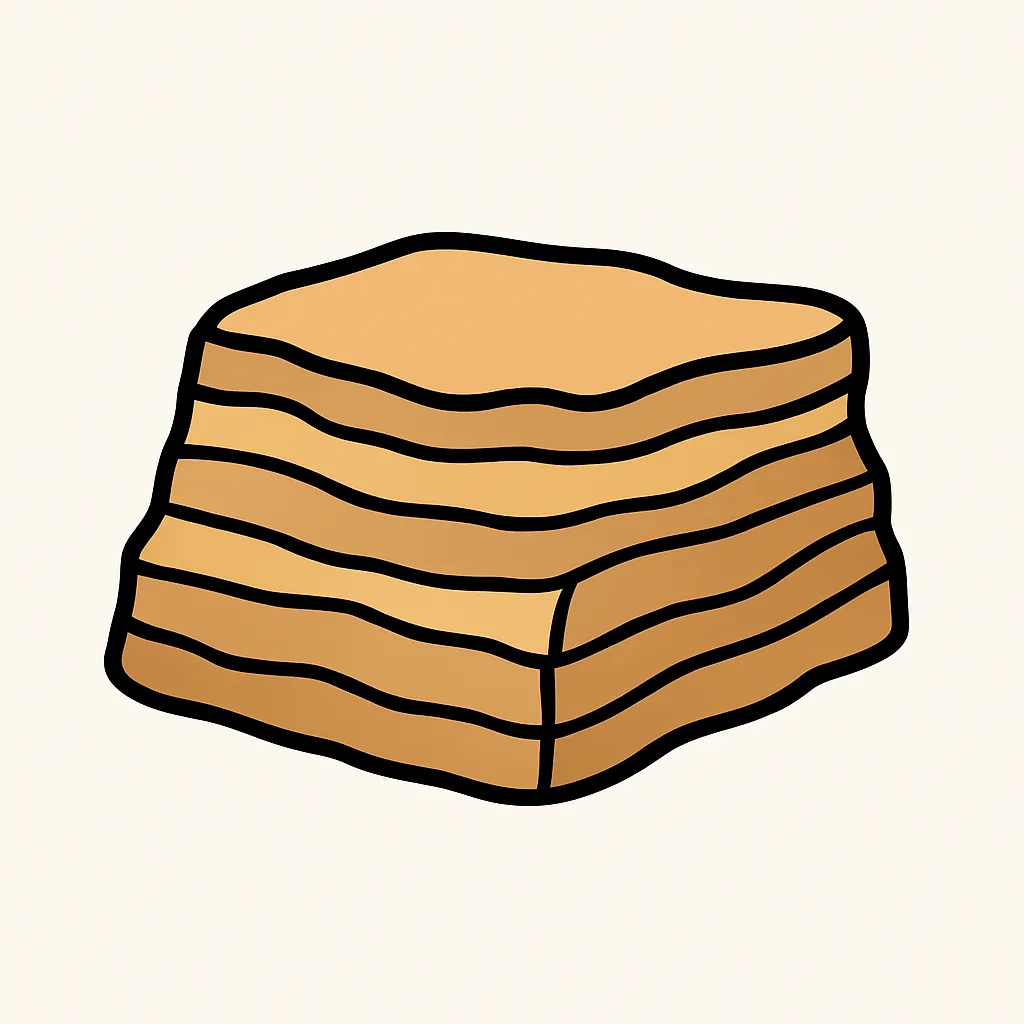
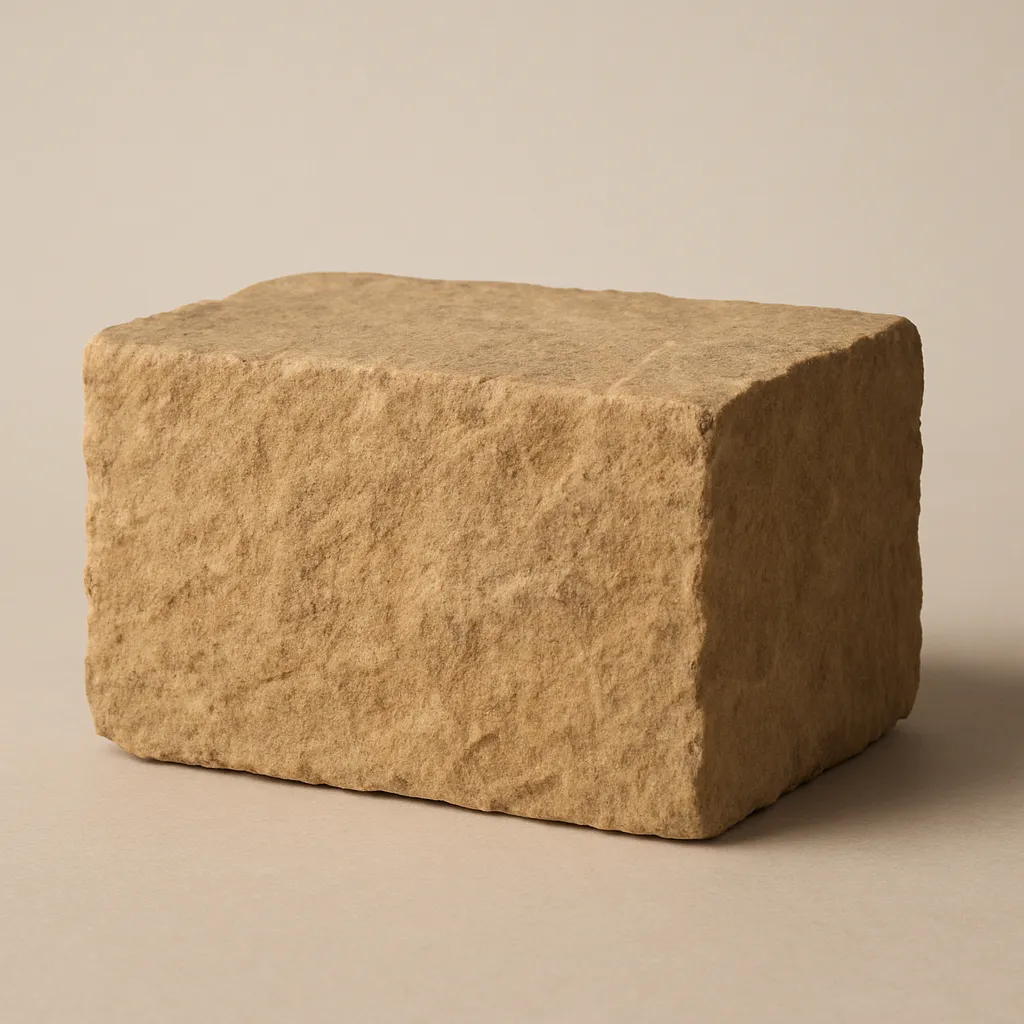
Sandstone is made of sand grains cemented together, often in layers you can see from across the room. Which rock type is sandstone, and how did it form?
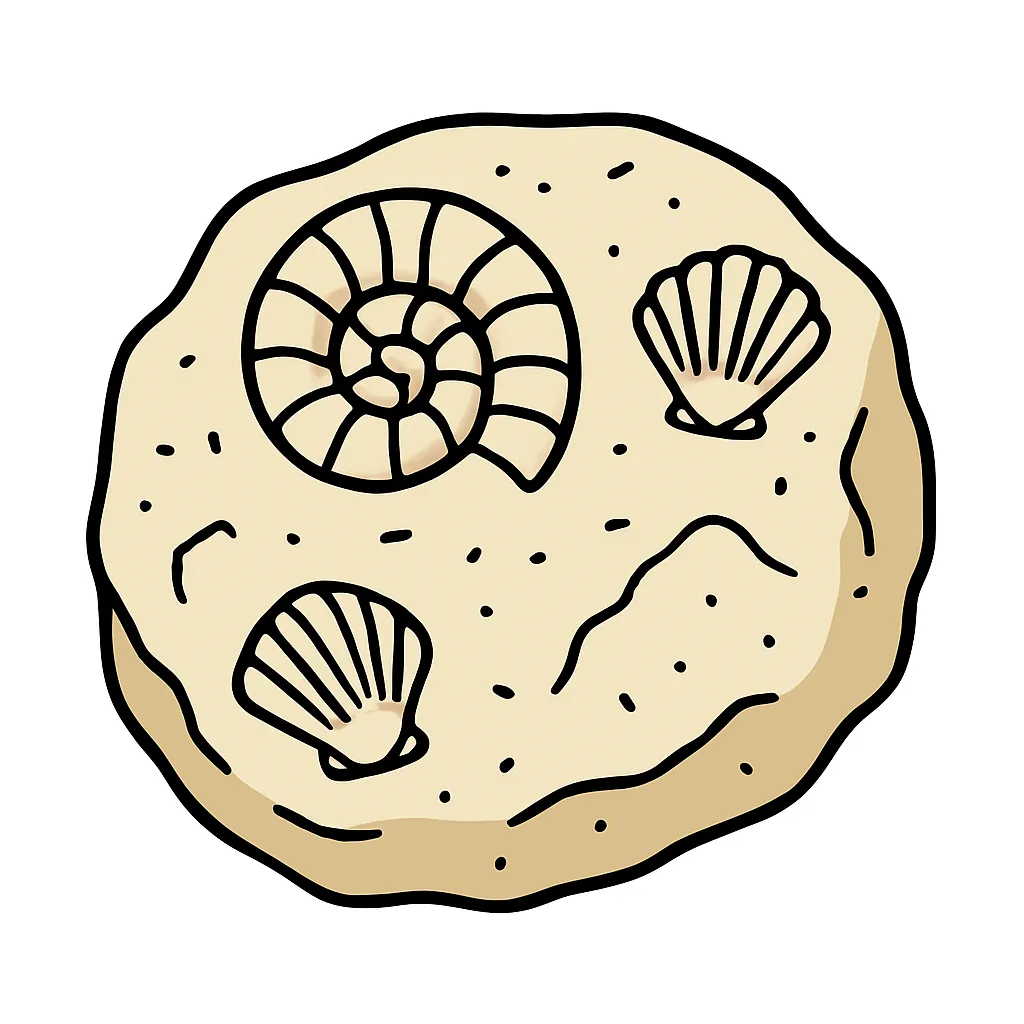
Limestone often contains the shells of ocean animals packed close together. Which rock type is limestone, and how did it form?
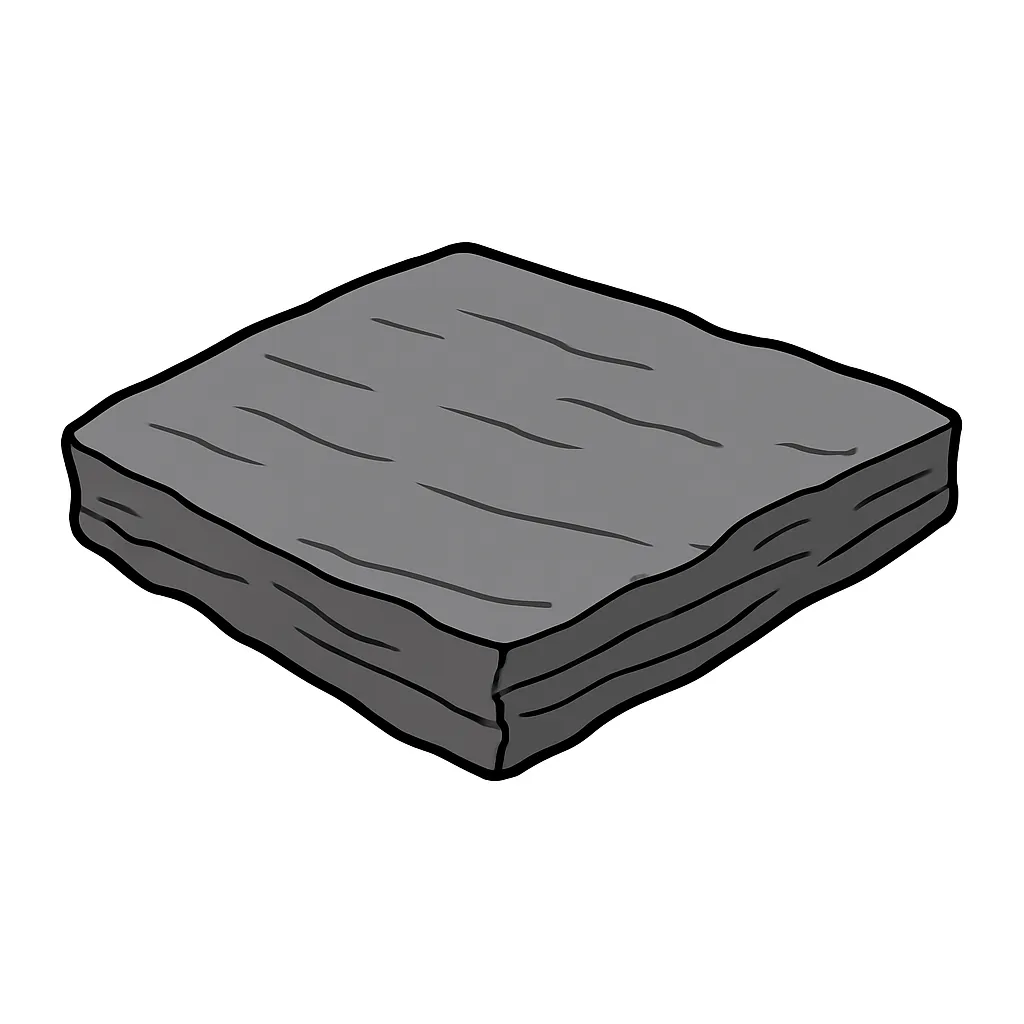
Shale is made of very fine mud particles and splits into thin, flat sheets. Which rock type is shale, and how did it form?
A sculptor works with marble, a rock that begins as limestone before it is buried deep in the crust. Which rock type is marble, and what changed it?

Roofers use slate, a rock that begins as the sedimentary rock shale before deep burial in the crust. Which rock type is slate, and what changed it?
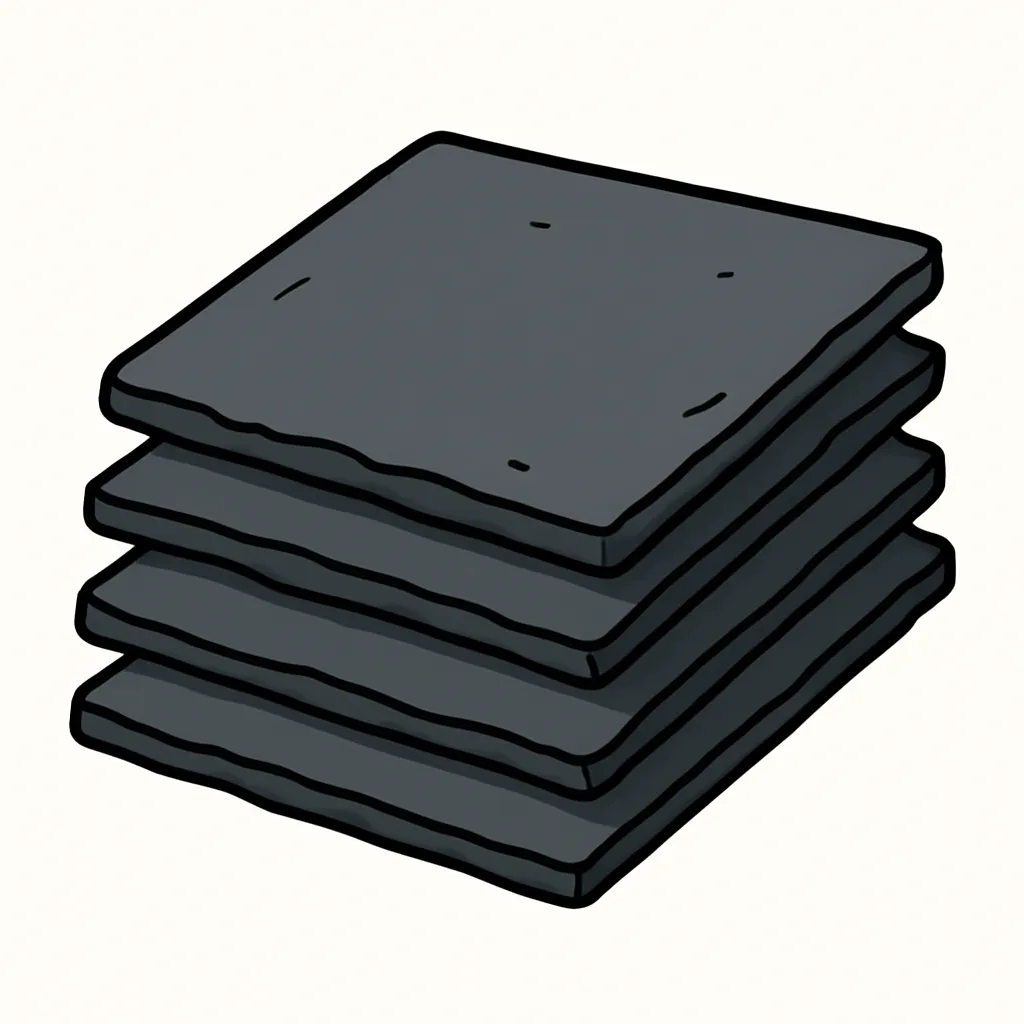
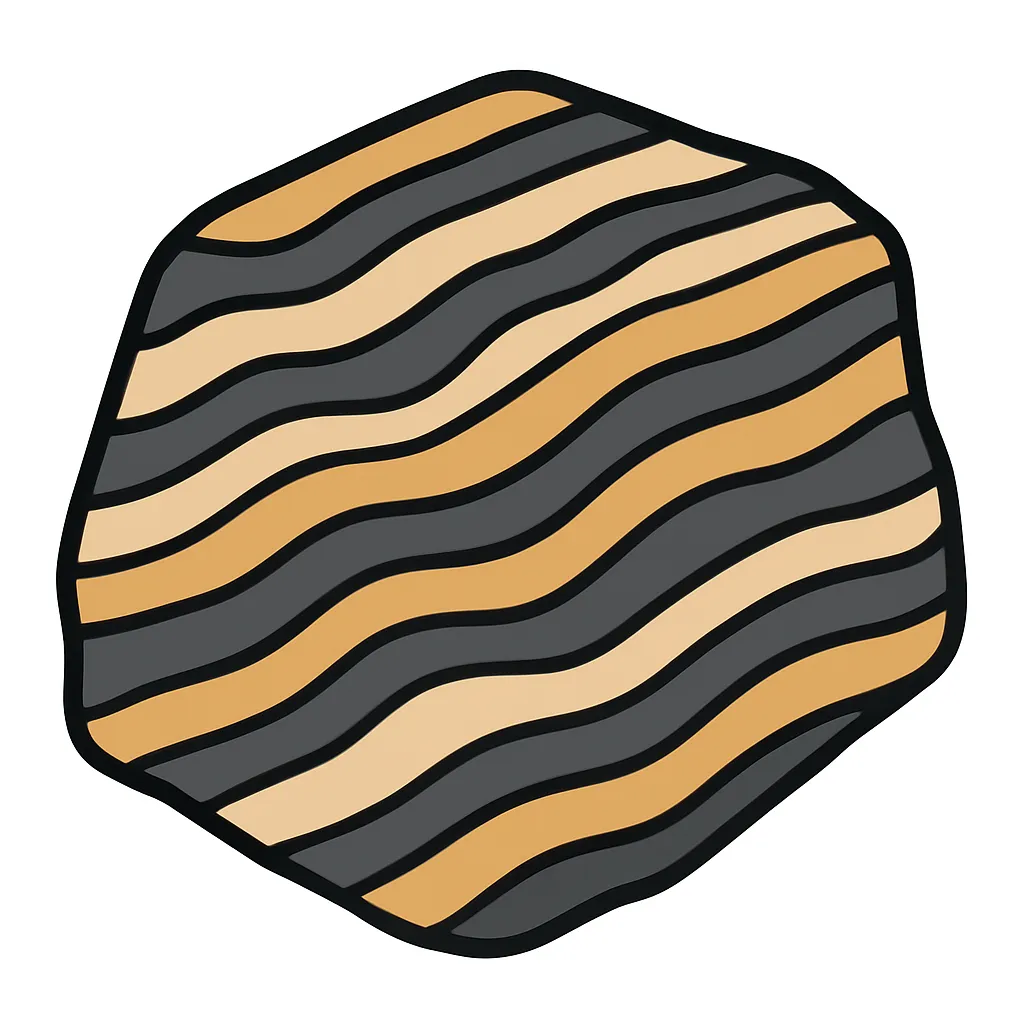
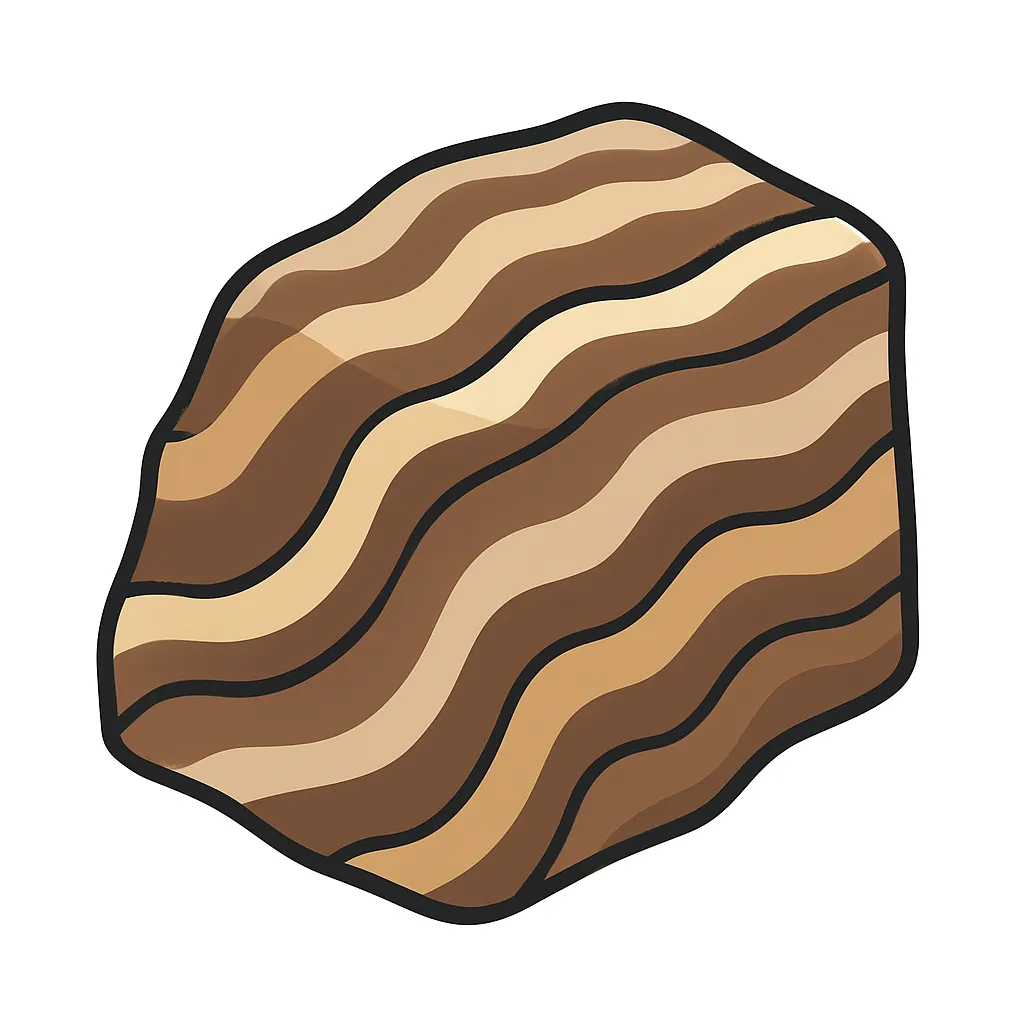
Gneiss has light and dark minerals stretched into wavy bands. Which rock type is gneiss, and how did it form?
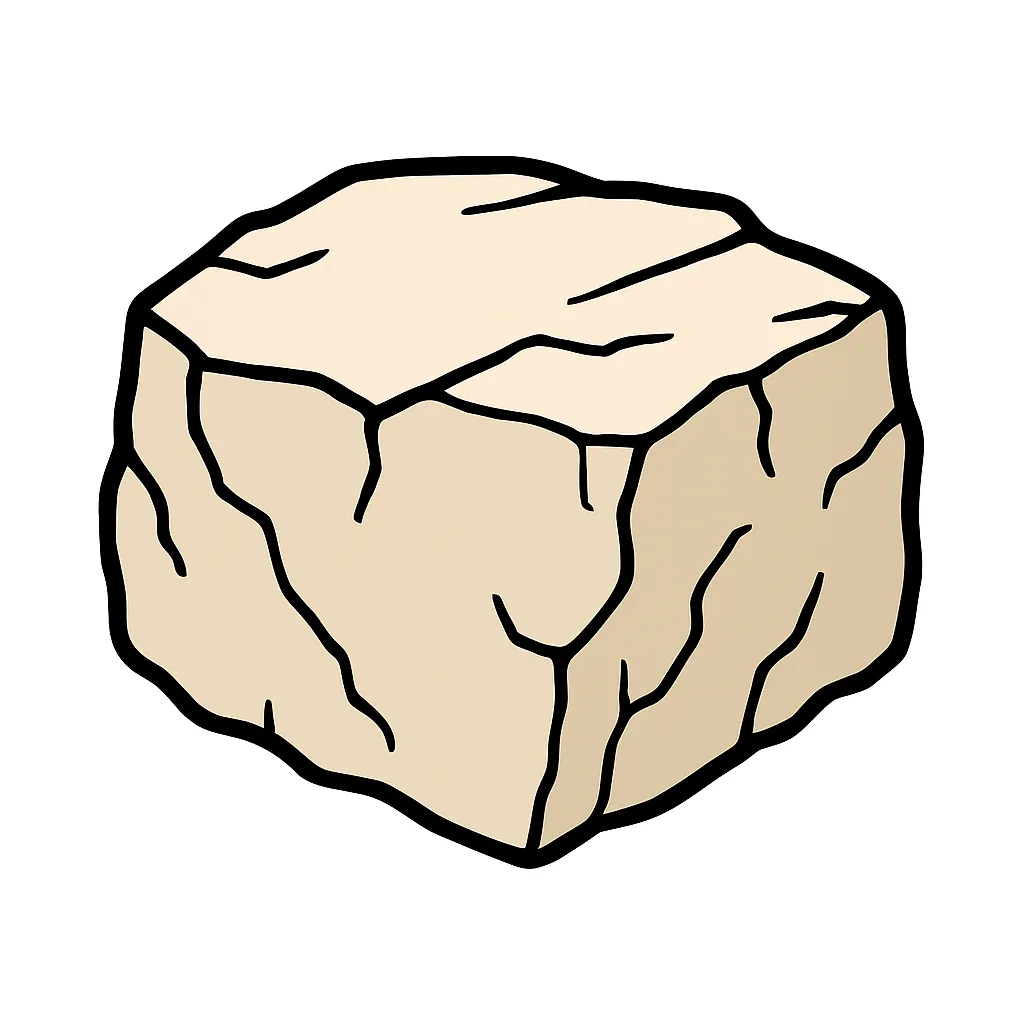
Quartzite is an extremely hard rock that begins as sandstone before it is buried deep in the crust. Which rock type is quartzite, and what changed it?
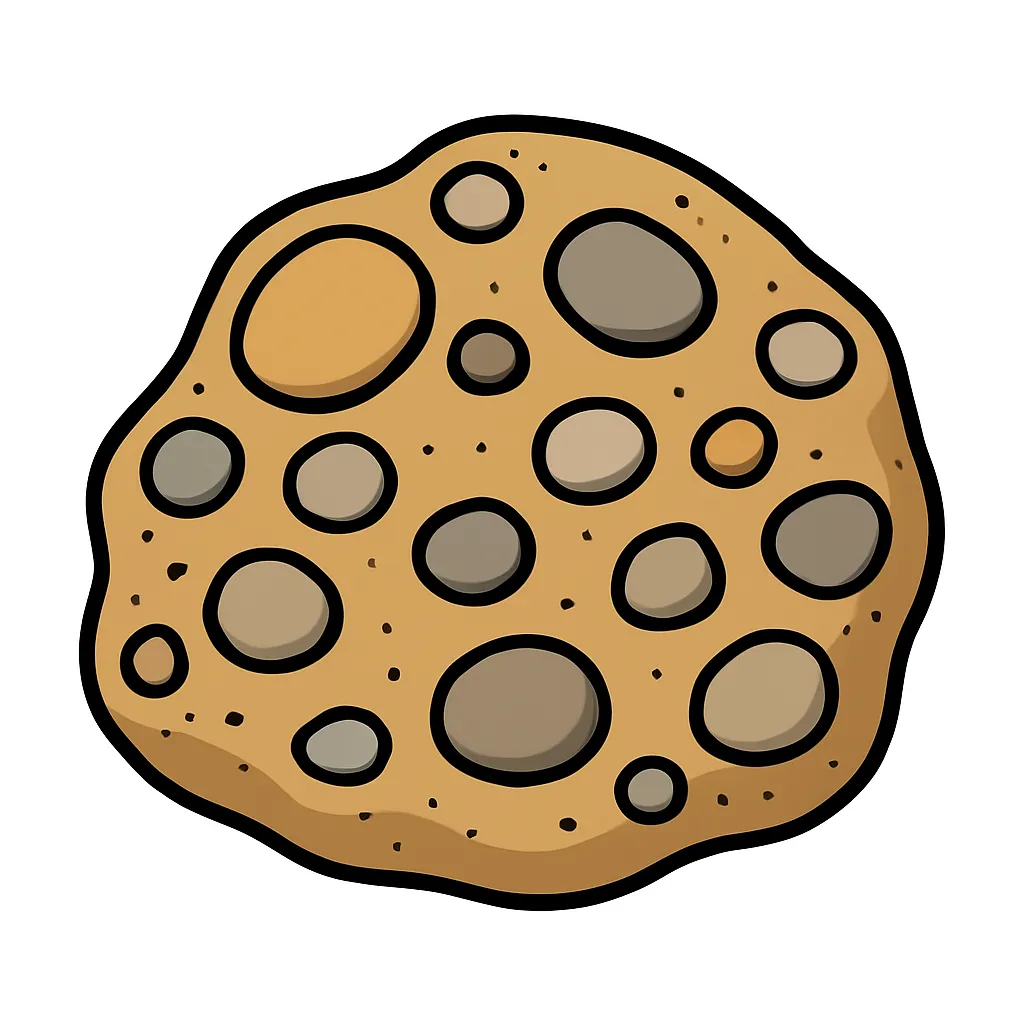
A rock sample is made of rounded pebbles held in place by fine sand, with no crystals anywhere. Which rock type is it, and how did it form?
Melted rock in a chamber under a volcano cools and hardens slowly over thousands of years. Which rock type forms, and what feature would you expect?
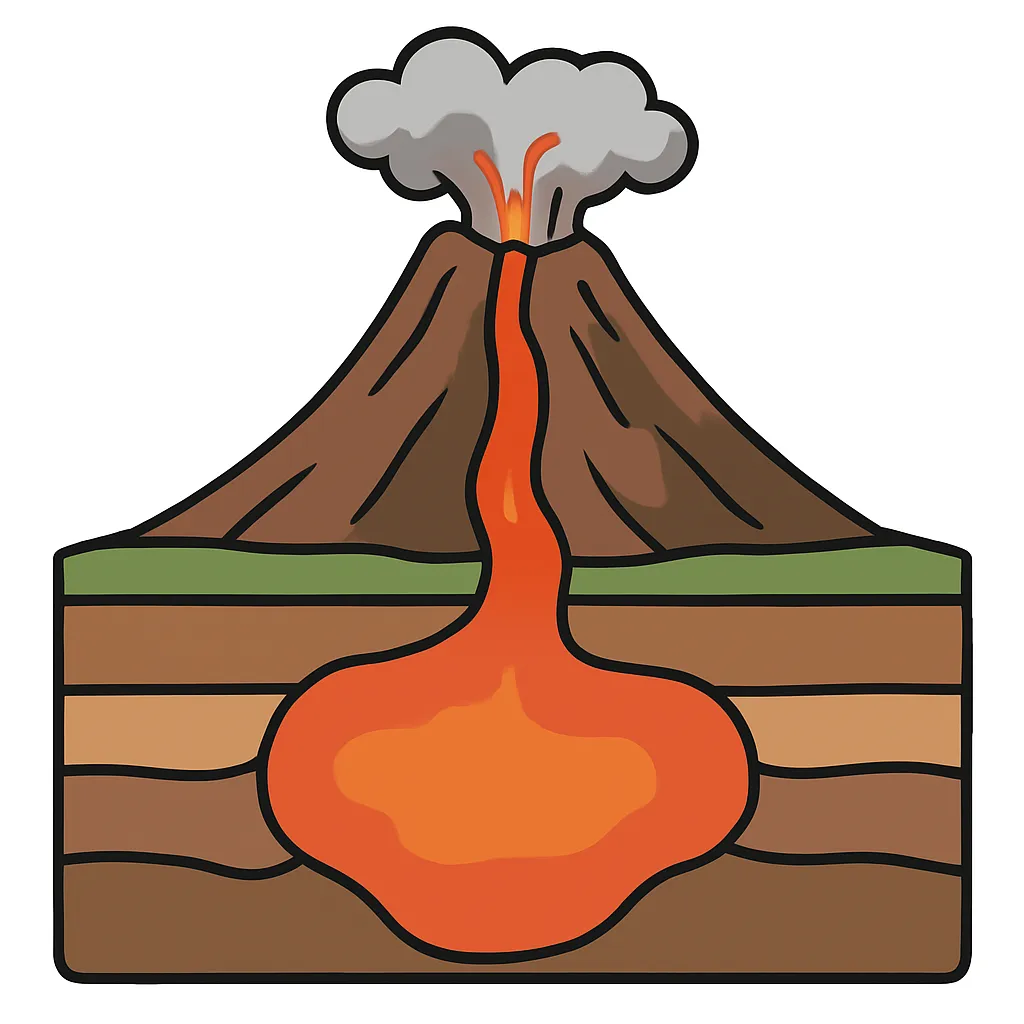
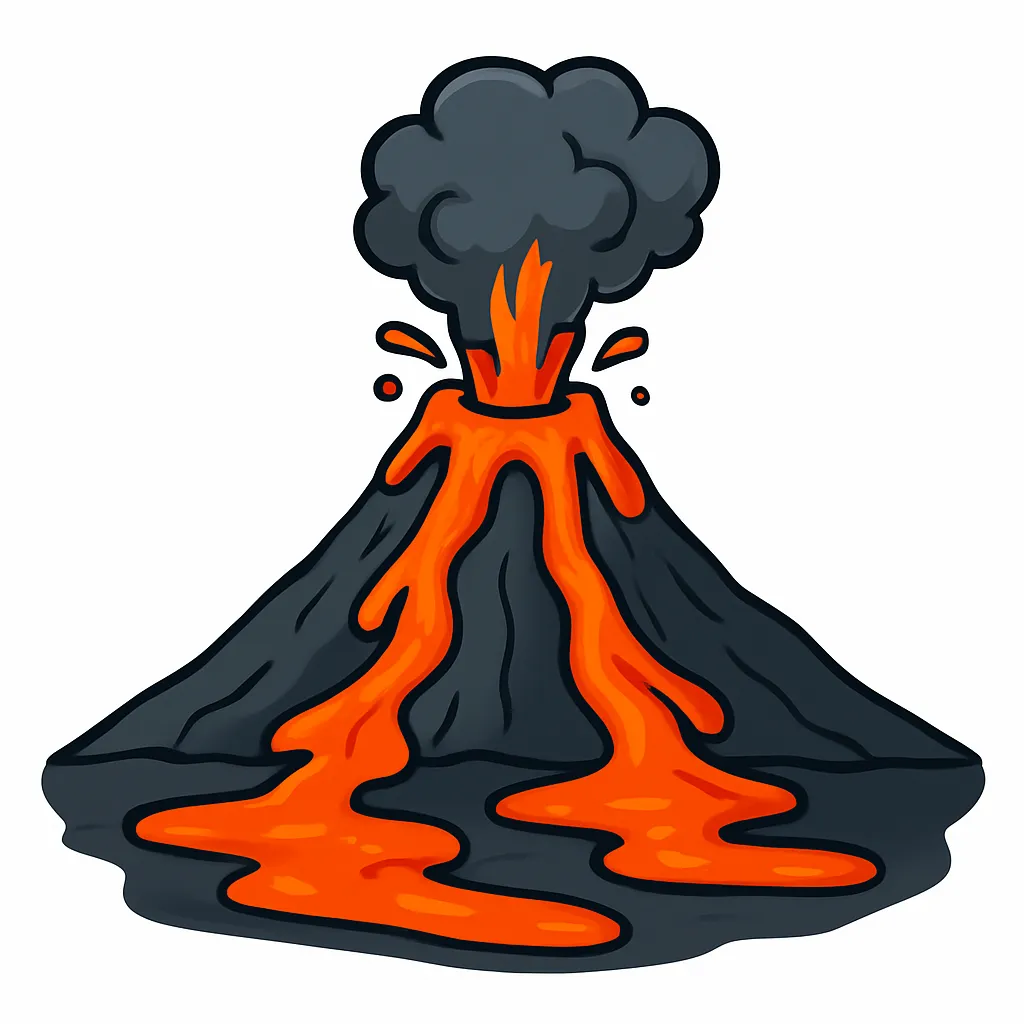
Lava pours from a volcano onto the ground and hardens within a few days. Which rock type forms, and what feature would you expect?
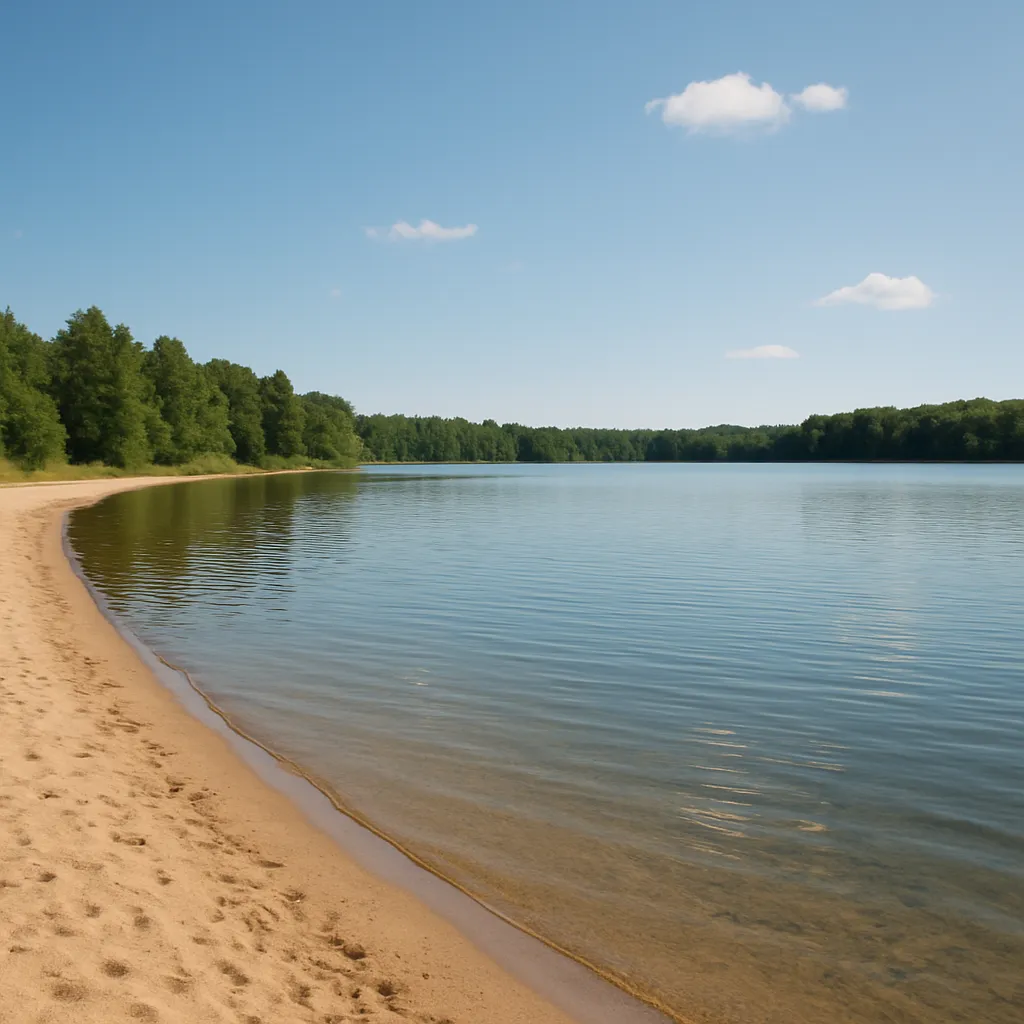
Sand and mud settle on a lake bottom for thousands of years, then are buried and pressed together. Which rock type forms, and what feature would you expect?
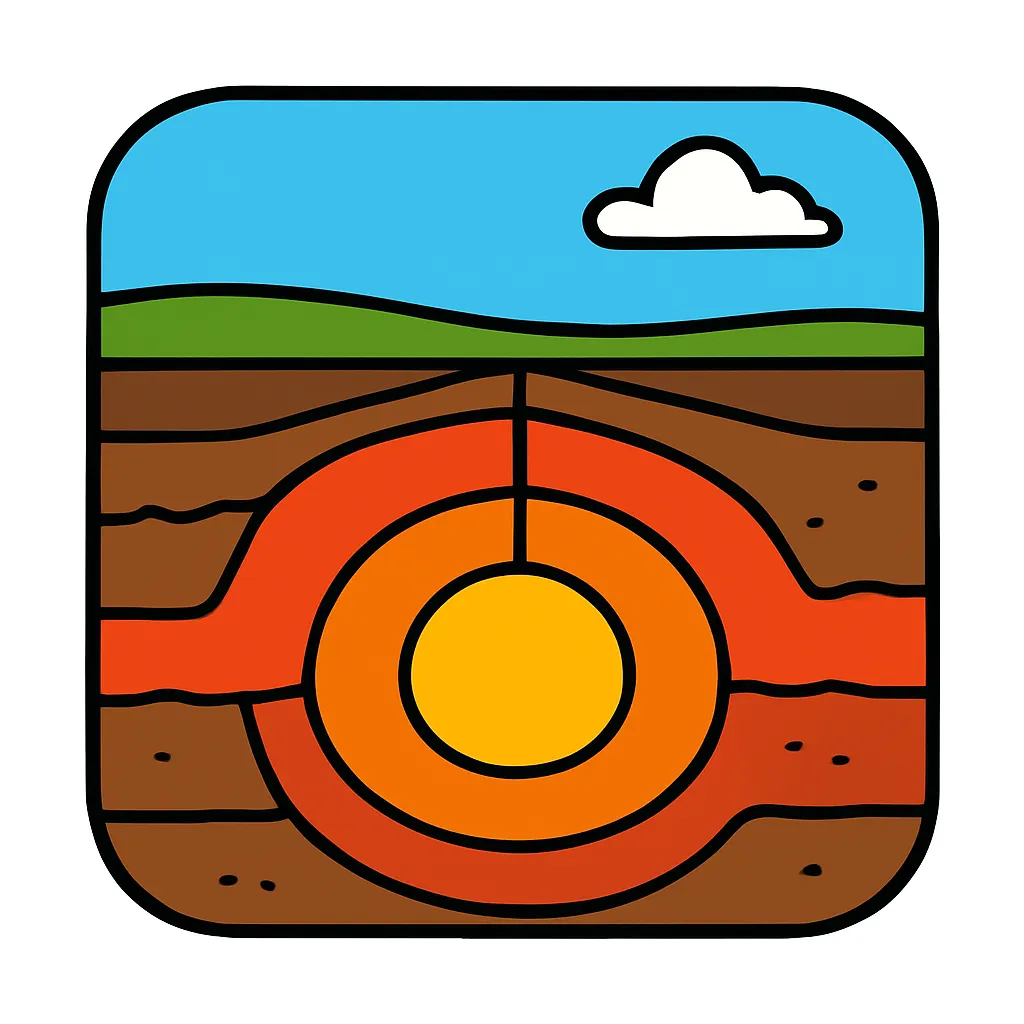
A rock buried deep in the crust is squeezed and heated for millions of years but never melts. Which rock type does it become, and what feature would you expect?
Fossils of ancient sea animals are almost always found in one rock type. Which type is it, and why?
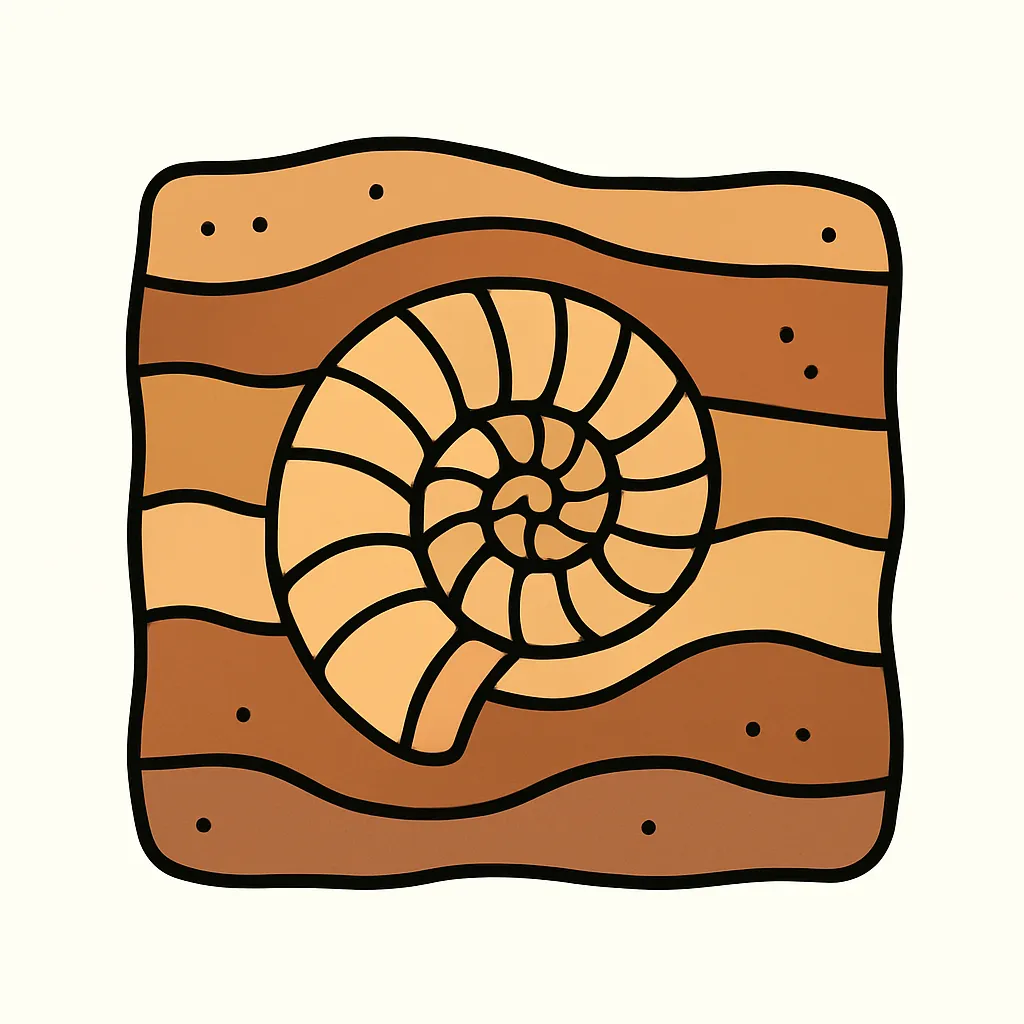
Hot magma pushes into a body of rock and bakes the rock beside it. That rock does not melt, but it becomes harder and denser. What has it become?
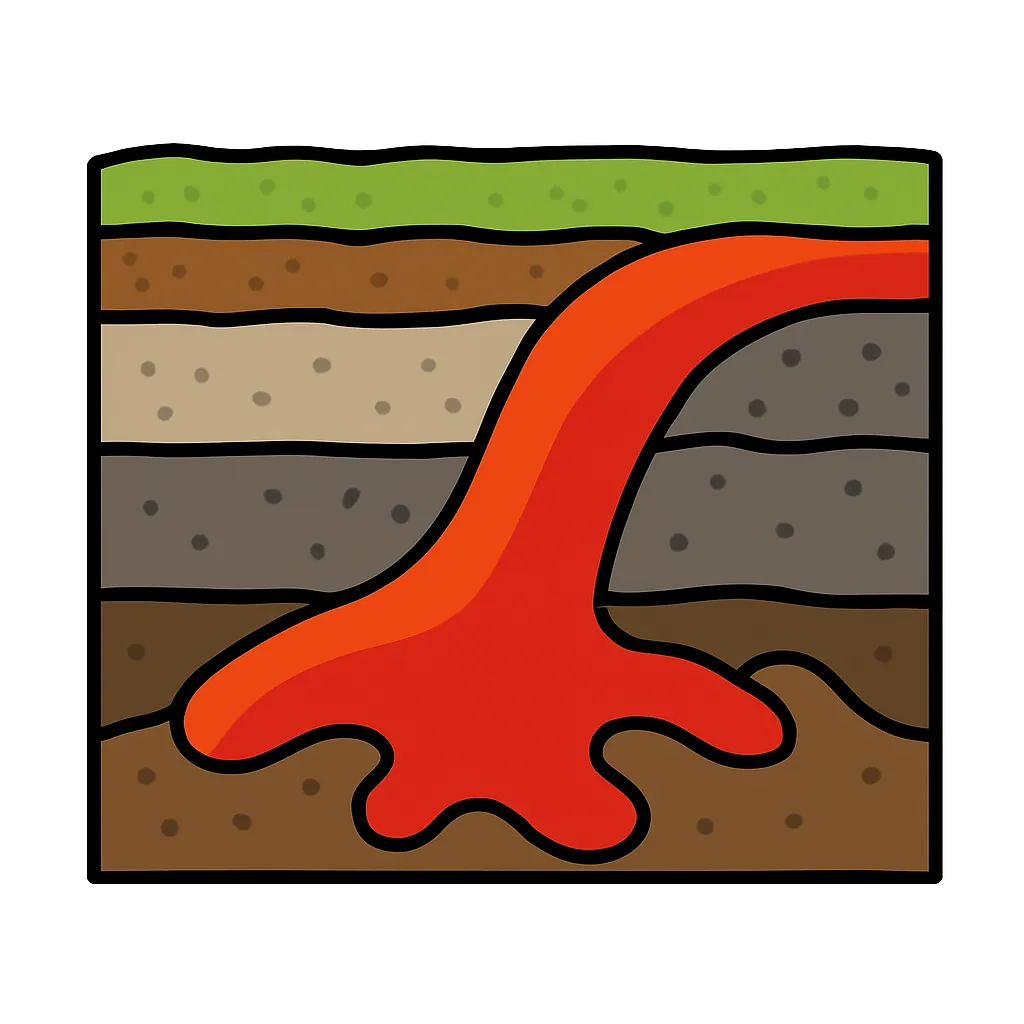
Limestone is buried deep in the crust and is squeezed and heated for millions of years. What rock does it become?
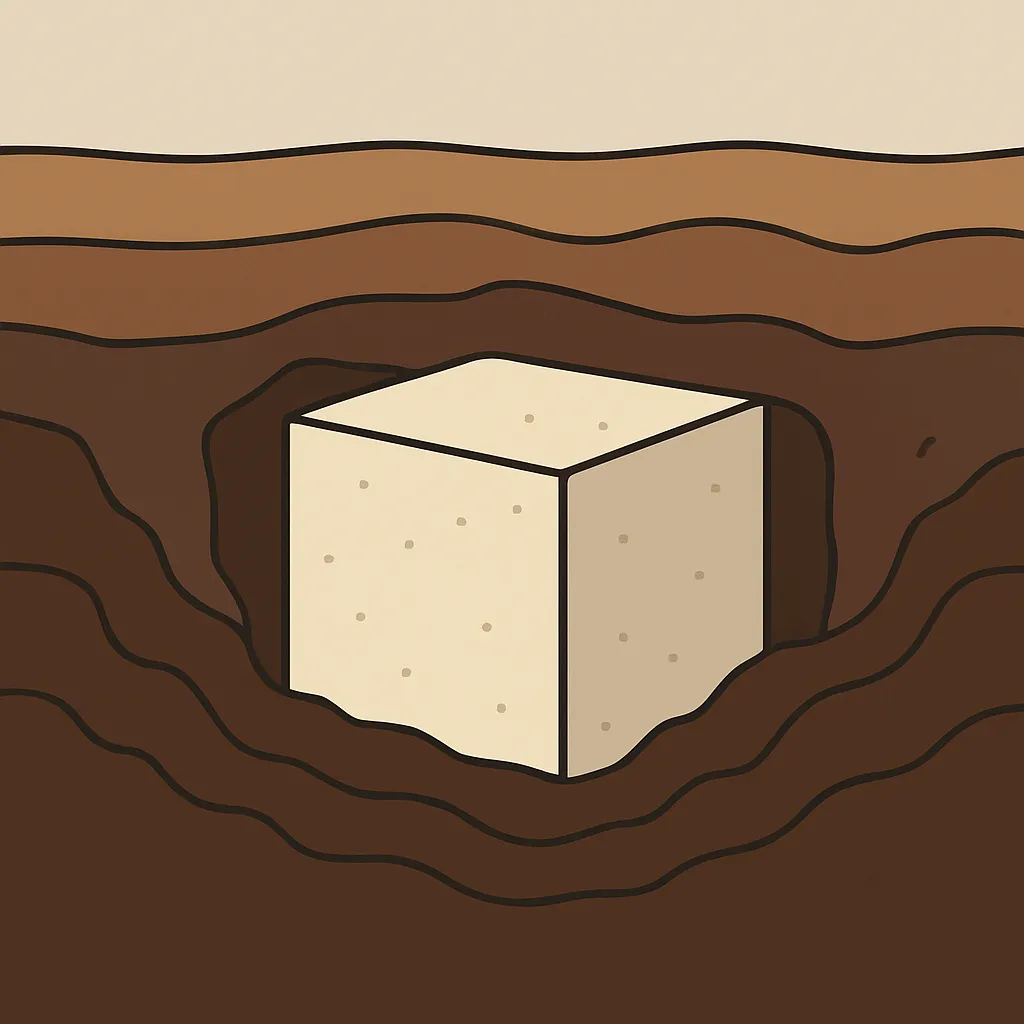
Shale is buried deep in the crust, where heat and pressure change it into a harder rock that splits into flat sheets. What rock does it become?
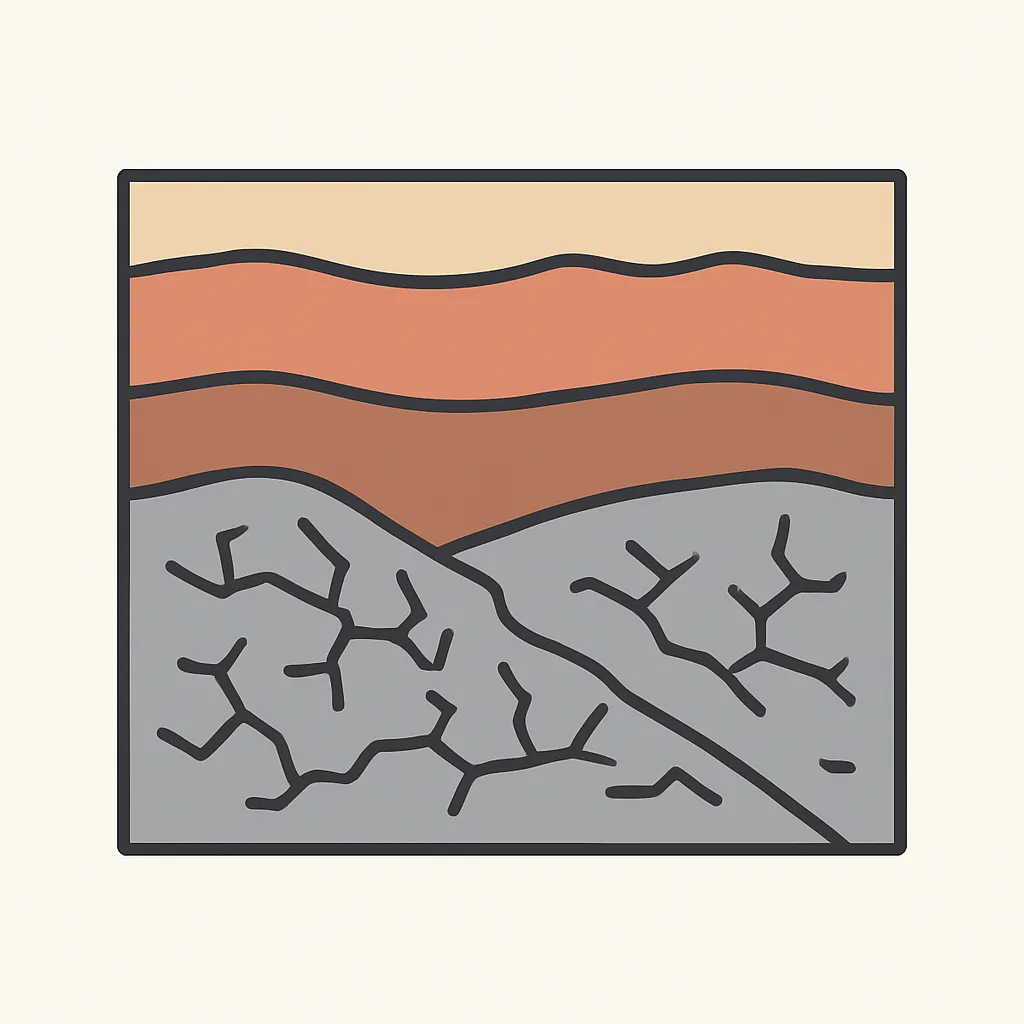
Sandstone is buried deep in the crust, where heat and pressure fuse its grains into a very hard rock. What rock does it become?
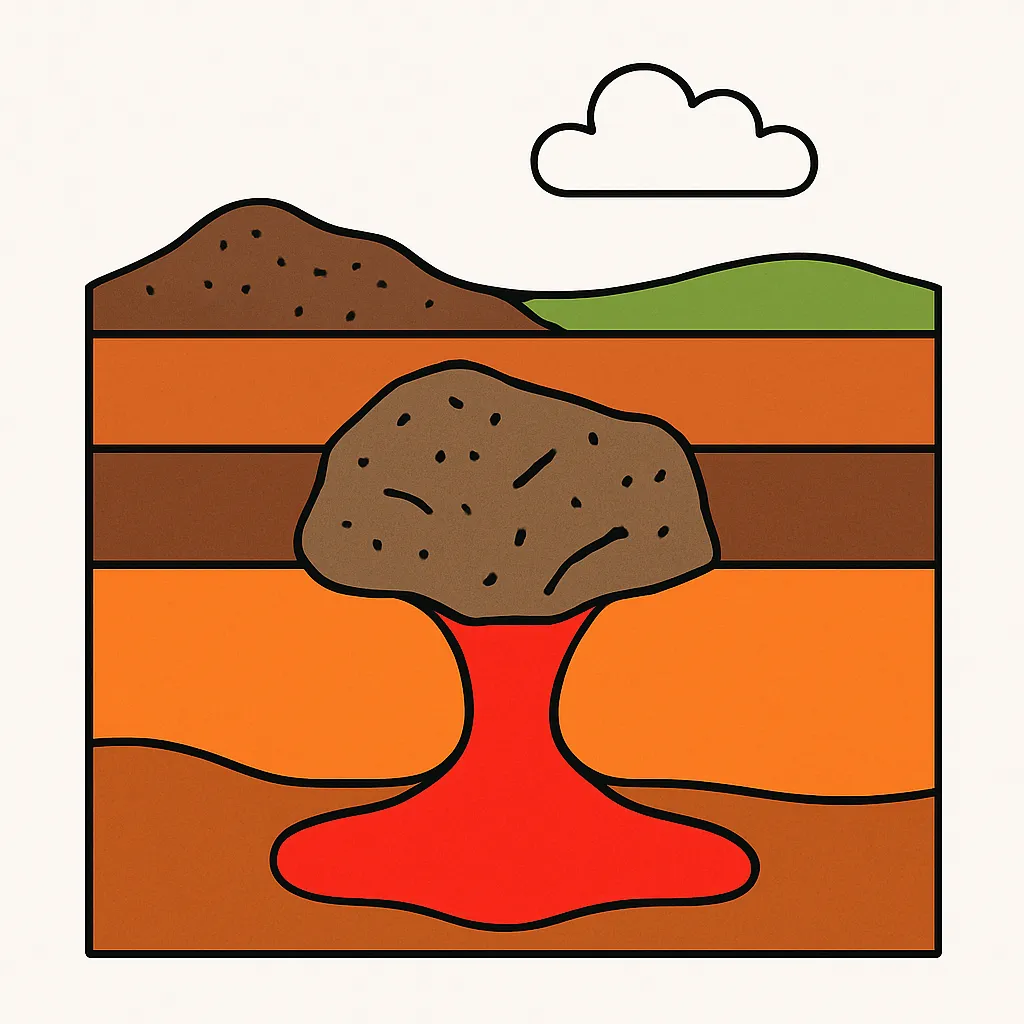
A metamorphic rock is pushed so deep that it melts into magma, and much later that magma cools and hardens. Which rock type is the new rock?
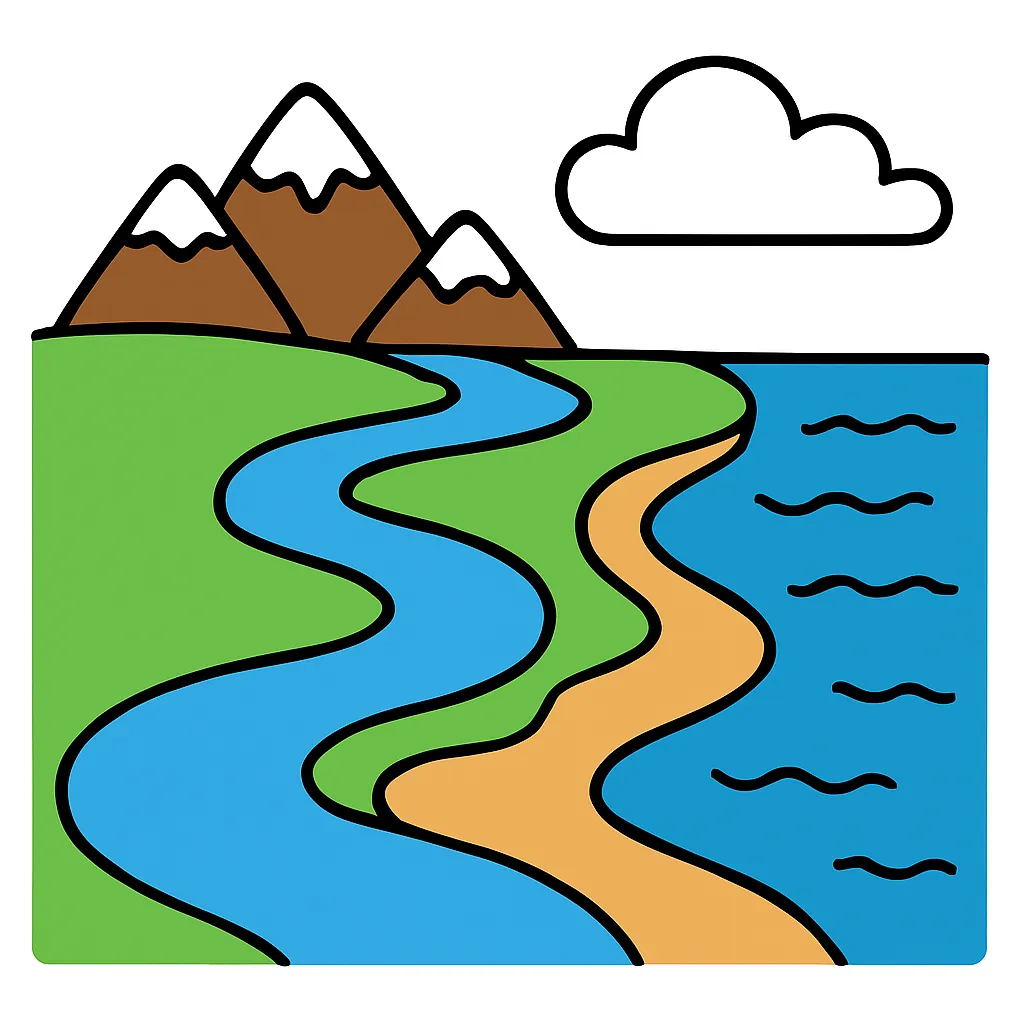
Wind and rain break a granite cliff into sand, and a river carries the sand to the sea. What must happen next for that sand to become sedimentary rock?
Melting, cooling, weathering, burial, heat, and pressure slowly turn one kind of Earth material into another. What is this whole set of processes called?
Water freezes in the cracks of a boulder and widens them until pieces break off, but the pieces stay right where they fell. Which process is that?
A fast river carries broken rock pieces far downstream, away from the cliff they came from. Which process is that?
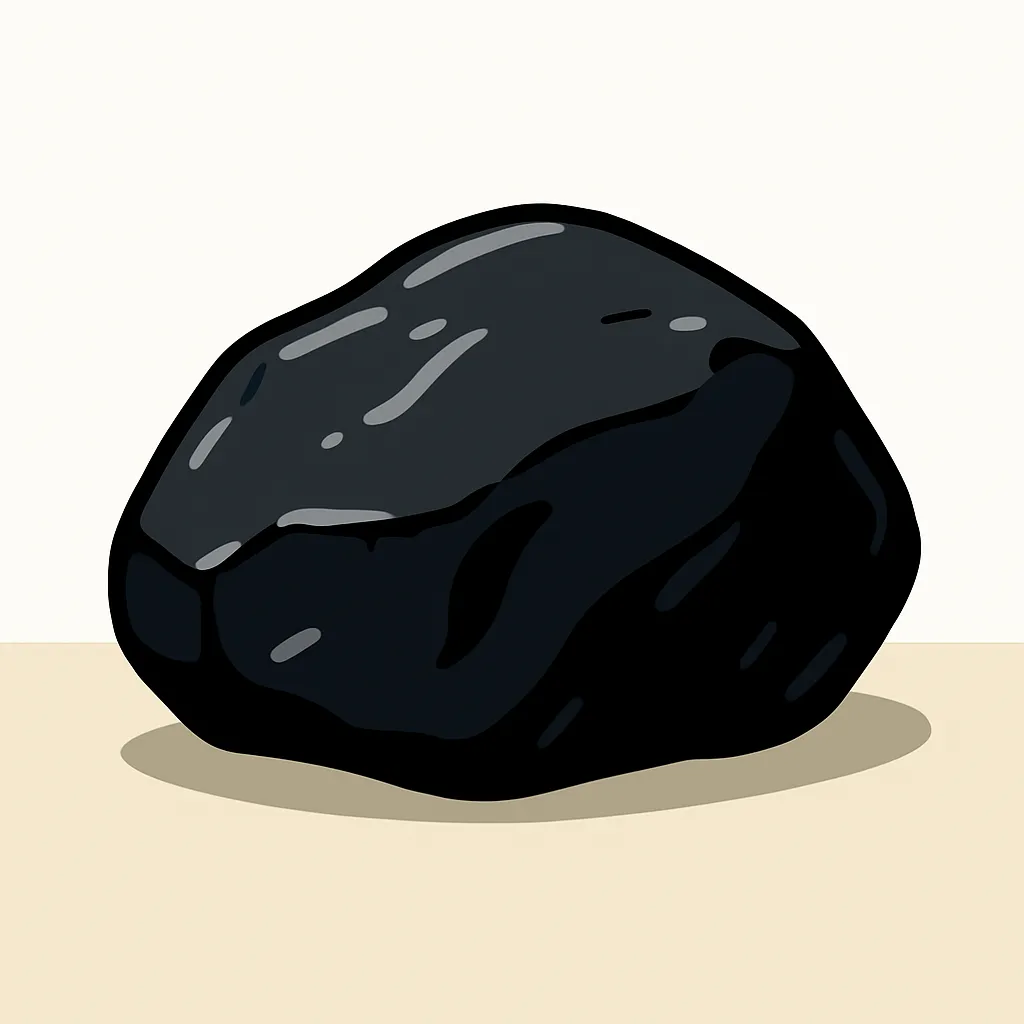
A black rock forms from layers of dead swamp plants that were buried and pressed for millions of years. Which rock type is it, and why?
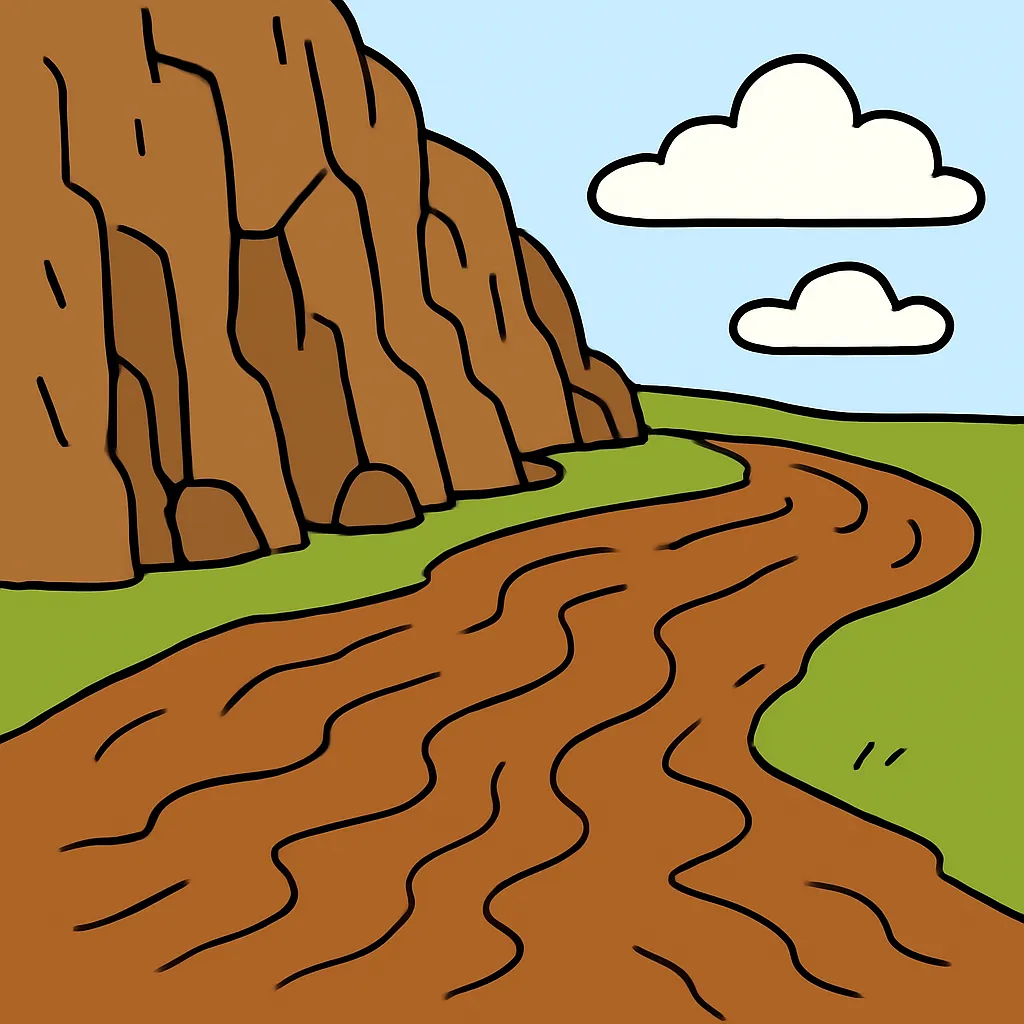
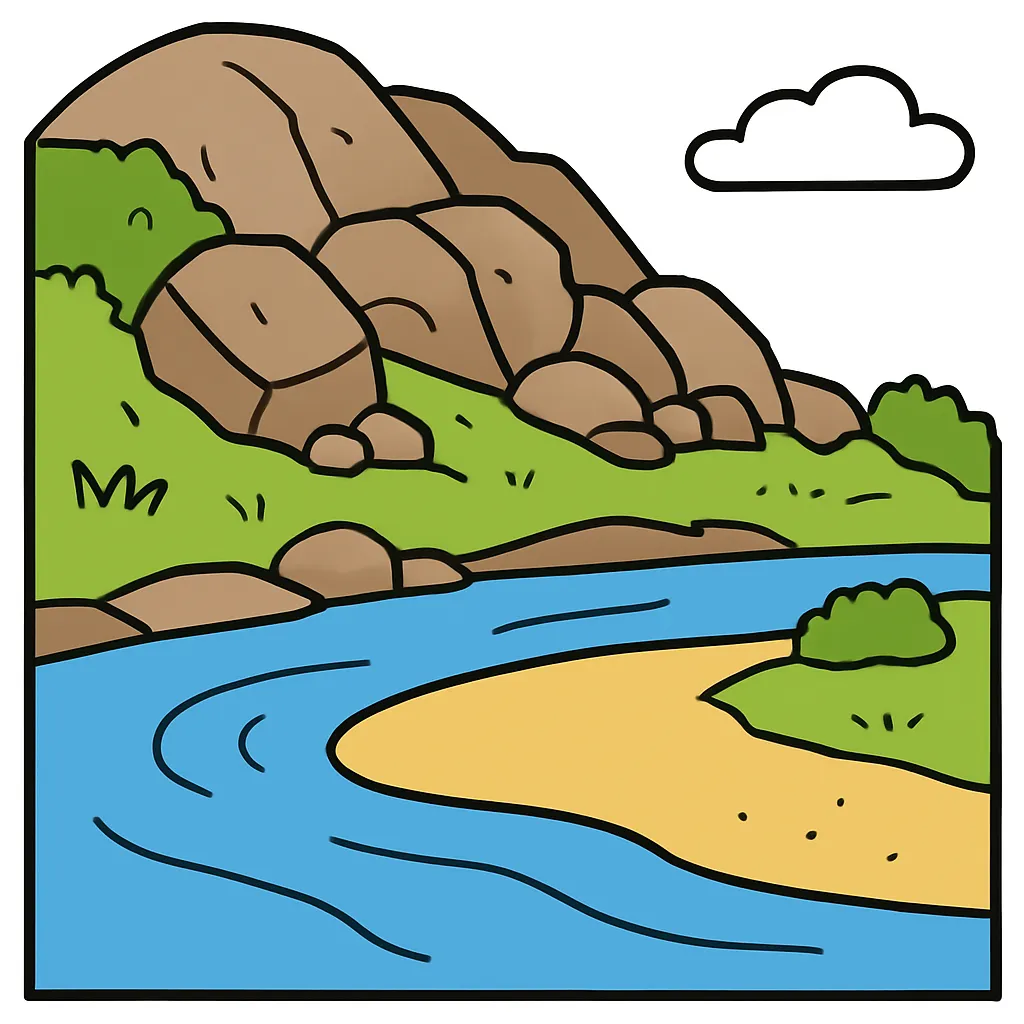
Rain breaks pieces off a rock face, a stream carries the pieces away, and the pieces settle on a sandbar. In what order did the three processes happen?
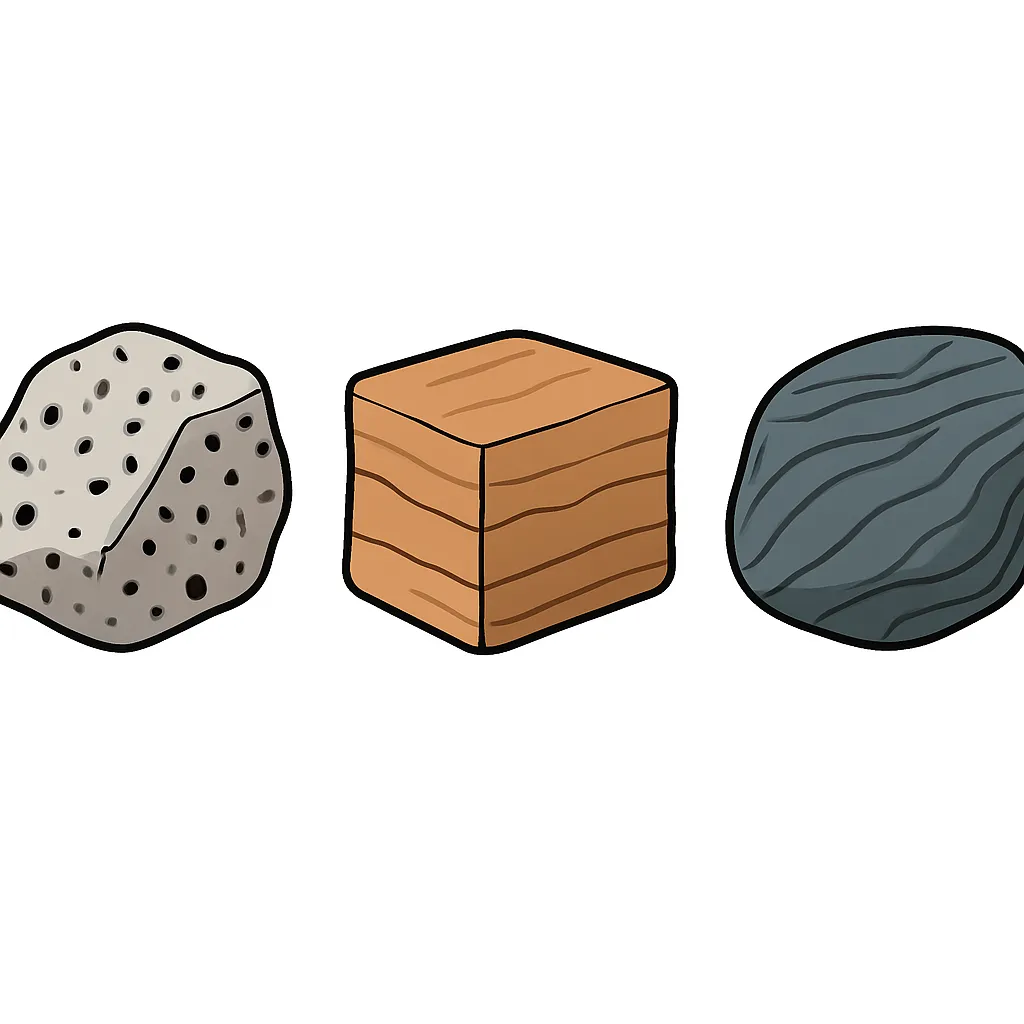
Igneous, sedimentary, and metamorphic rocks are all part of which of Earth's major systems?
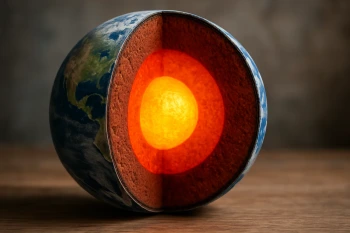
The magma that cools to form igneous rock rises from a hot layer inside Earth. Which layer supplies most of that magma?
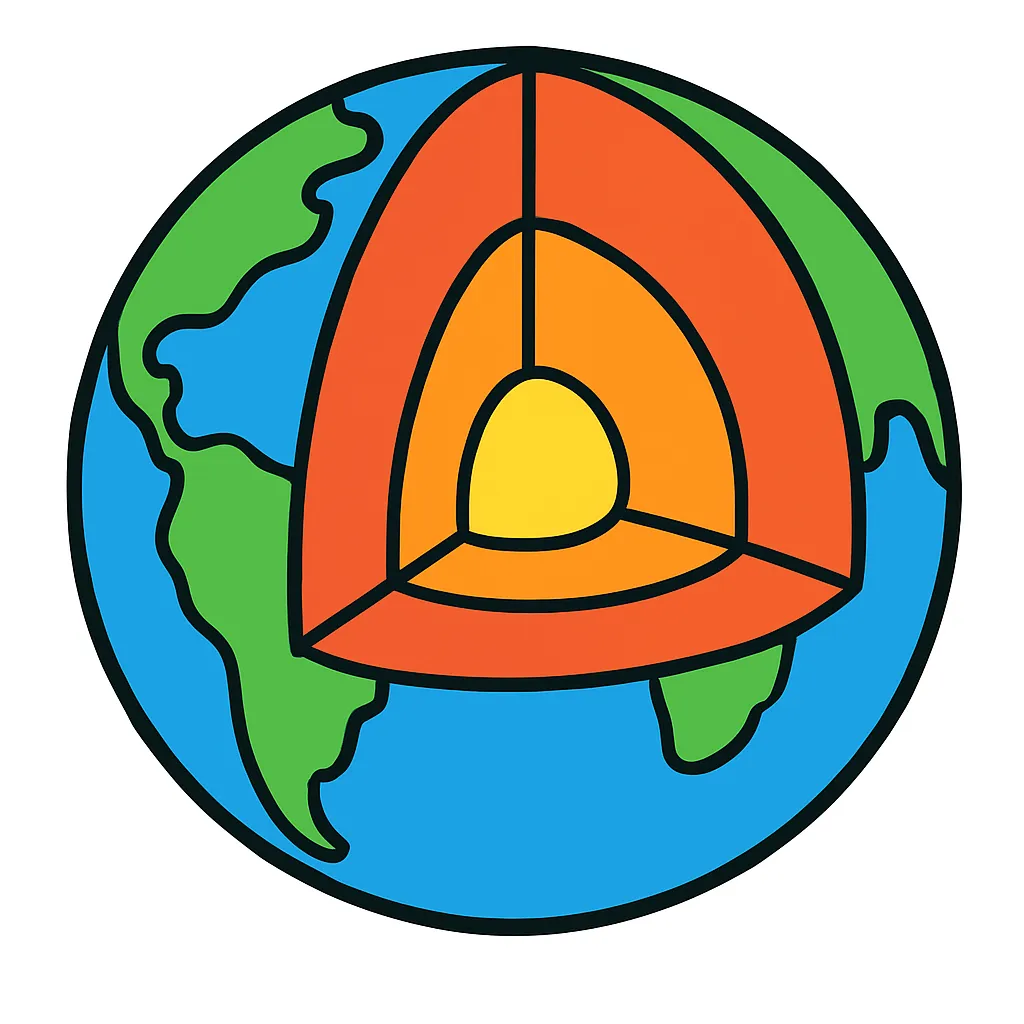
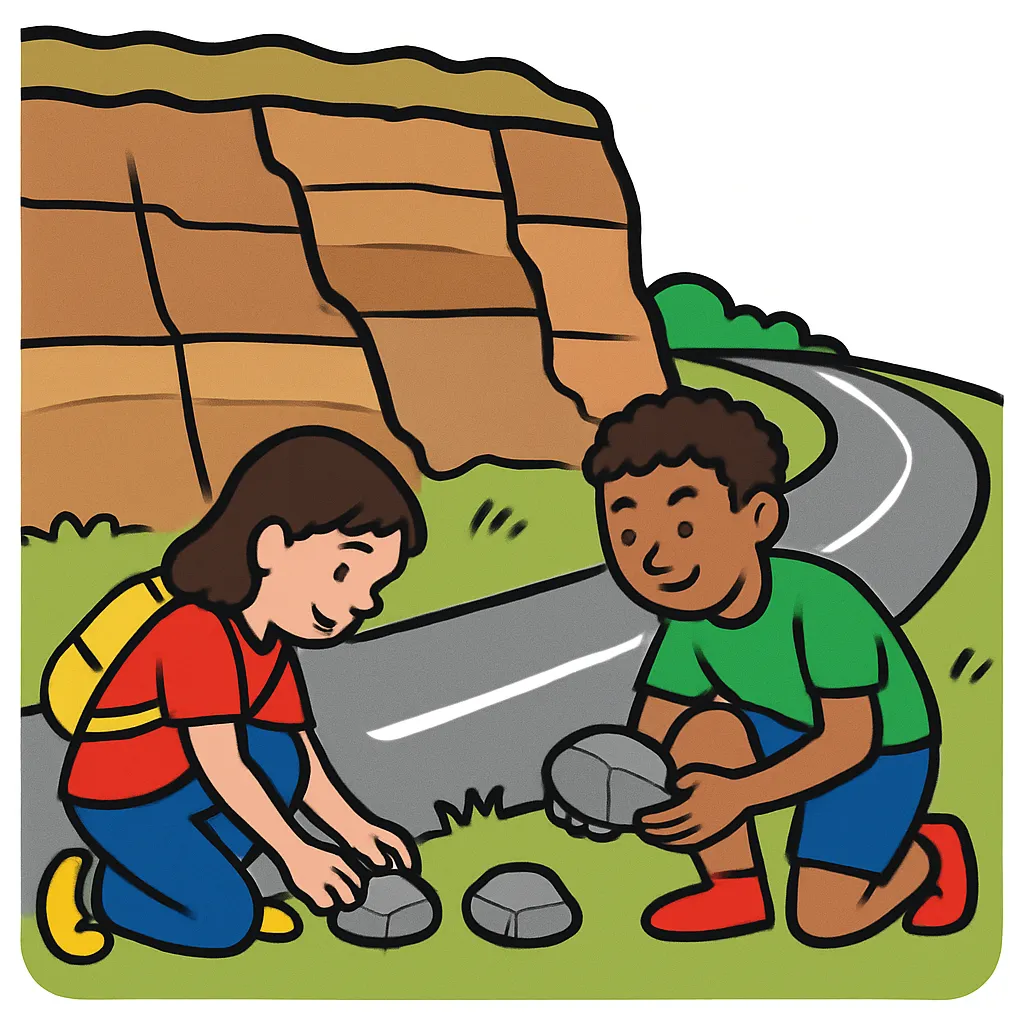
Students collect rock samples from a hillside and a road cut. All of those rocks come from which layer of Earth?
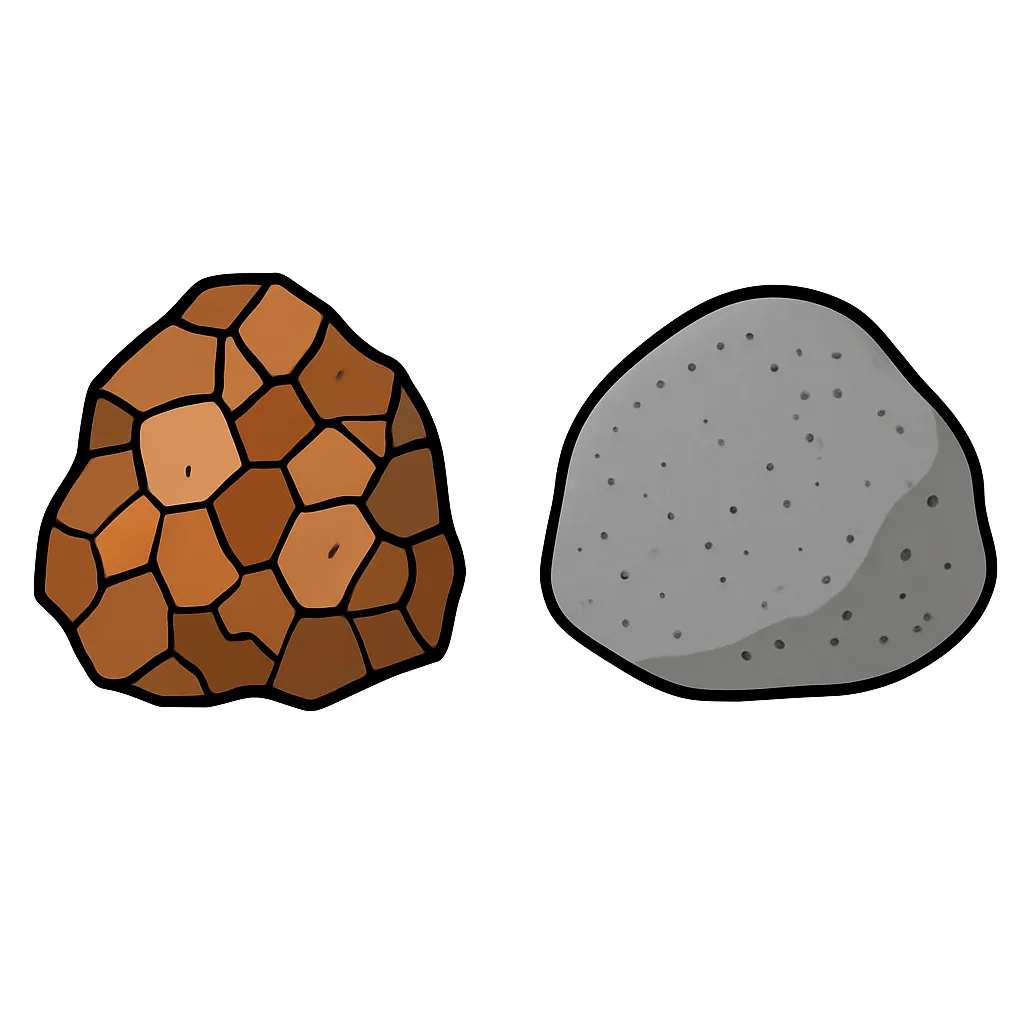
Two igneous rocks came from the same magma, but one has large crystals and the other has crystals too small to see. What best explains the difference?
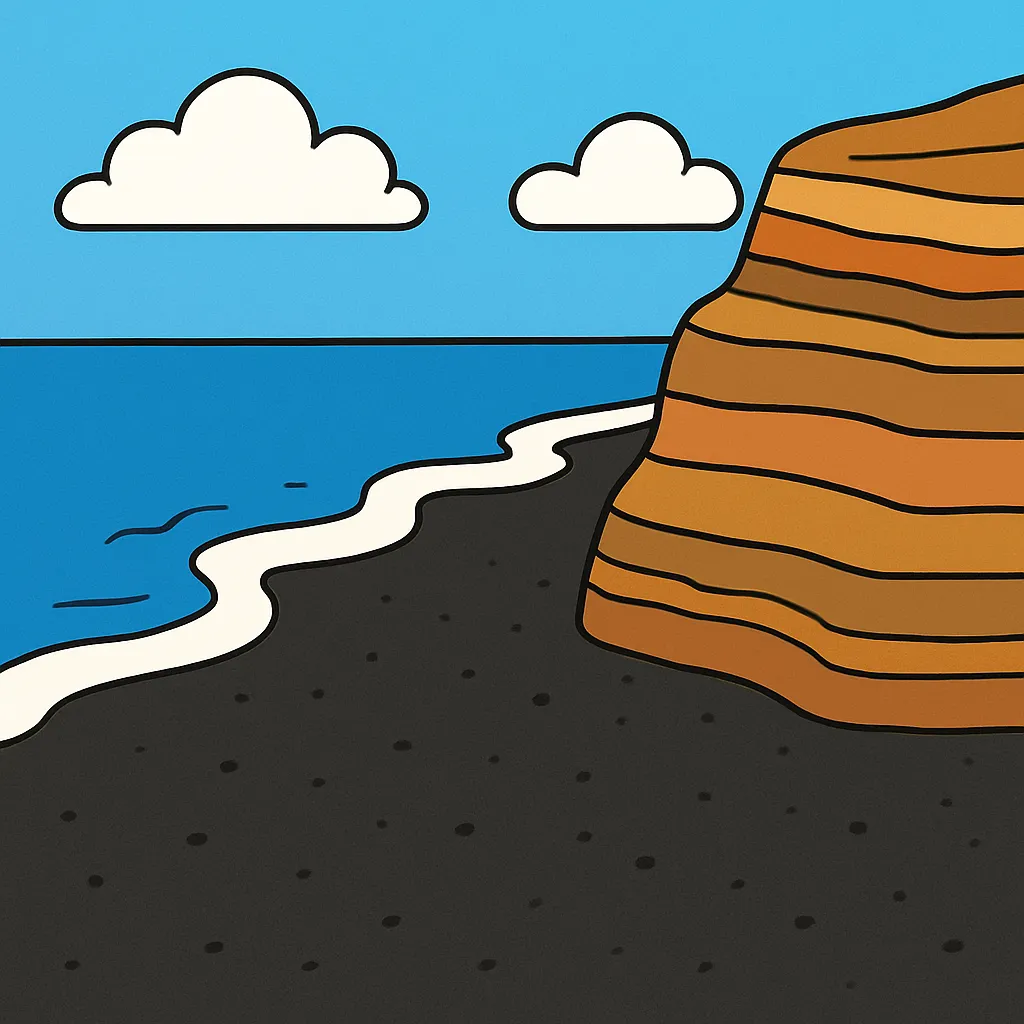
A rock formed from cooled lava is later broken into sand, and that sand is buried and cemented into a new rock. Which rock type is the new rock?
A student says a banded rock must be sedimentary because it has stripes. Why is a banded rock that formed deep in the crust classified as metamorphic instead?
A classroom rock kit holds a piece of granite collected from a mountaintop. Granite forms from magma that cools deep underground. How did this granite end up at Earth's surface?
Igneous rock can form either deep underground or at Earth's surface.
Deposition happens when moving water or wind slows down and drops the sediment it carries.
Metamorphic rock is too hard to ever be broken down into sediment.
A rock must melt completely before it can become metamorphic rock.
A rock in the rock cycle can change into a different rock type more than once.
Crack the passcode before the zombies get in.
Answer, then swat bugs for bonus points.
Race through questions at your own speed.
Same question on every screen. Fastest wins.

Pick a tile, answer, hit bonuses and steals.
Thermal Energy Transfer and Insulation
20 questions