Loading
by BlastRoom
Trace a water molecule along long, less obvious pathways through Earth's water cycle.
#water_cycle#us_grade_6_science
20 questions
One question set, multiple game modes. Tap any game to see it in action. Not sure which to pick?
Answer to place stones and capture territory.
Outrun the snow together.
Earn blasts, then hunt the other team.
Answer to earn energy, then climb.

The class blasts through walls together.
Bid on mystery lots. Most money wins.
Sell tours. Nice, standard, or a total scam.

Answer, restock, and serve the rush.
More correct answers pulls the rope your way.
Answer, then shoot down the alien wave.
Answer, then tap to leap the frozen ridge.
A molecule leaves a lake surface, joins a cloud, falls as snow on a peak, and sits in a glacier for 300 years. Which process moved it from the lake into the air?
Water evaporates from the ocean, condenses into a cloud, falls as rain on a hill, soaks into the soil, then sinks through pore spaces to the water table below. In this pathway, which two steps are driven mainly by gravity?

Average times water stays in a store: atmosphere about 9 days, rivers about 3 months, glaciers about 100 years, deep groundwater about 10,000 years. Which store holds a molecule longest?
Groundwater is pumped up, sprayed on a wheat field, taken in by roots, and later released as vapor from the leaves. Which process returns that water to the atmosphere?

A water molecule can evaporate from the ocean, fall as snow on a glacier, stay locked in that ice for 200 years, then melt and flow down a river to the sea.
A water molecule taken up by a tree's roots can leave the leaves as vapor, join a cloud, and fall as rain many kilometers from that tree.
Ice frozen in a glacier for 400 years melts, and the meltwater runs down a valley stream and collects behind a dam. What name best fits that dammed lake in the water cycle?
Vapor rises from a warm ocean, cools high above it, forms tiny droplets, and later falls as snow that joins a mountain glacier. Which process formed the droplets, and which energy source lifted the water into the air?

A class poured 500 milliliters of water on bare soil and on grassy soil. Bare soil lost 300 milliliters to surface flow; grassy soil lost 80 milliliters. Which soil sent more water to groundwater?

Two molecules leave the same ocean on the same day. One falls back into the ocean four days later; the other stays locked in a glacier for 800 years. What does this best show?
Rain soaks into a hillside, moves slowly through pore spaces in the rock for 60 years, then seeps out into a spring that feeds a river running to the sea. Which step of that pathway is groundwater flow?

Cloud droplets are carried above a cold mountain, turn into ice crystals, land on the summit as snow, and stay in the glacier there for 300 years. Which pair of processes brought the water onto the summit, in order?
A town paves over fields that once soaked up rain. After heavy storms, the river now rises much faster than before. Which change in the water's pathway best explains that?
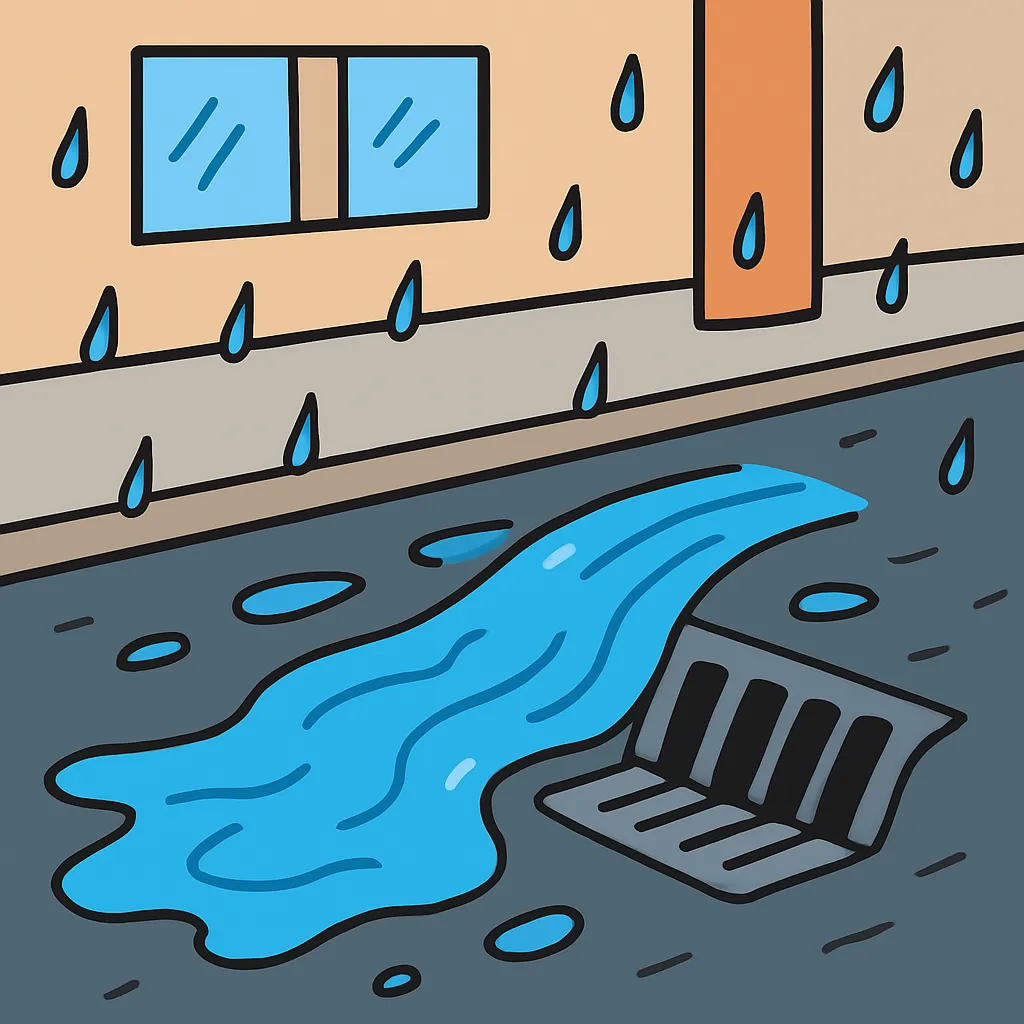
A molecule evaporates from a lake, falls as snow on a mountain, sits in the glacier for 150 years, then melts and sinks through cracks into the rock below the valley. Which pair of processes ended this path, in order?

Water at the base of a glacier melts, flows into a lake, evaporates into the air, and later condenses in a cloud drifting over that same glacier. Which process would next return that water to the glacier?
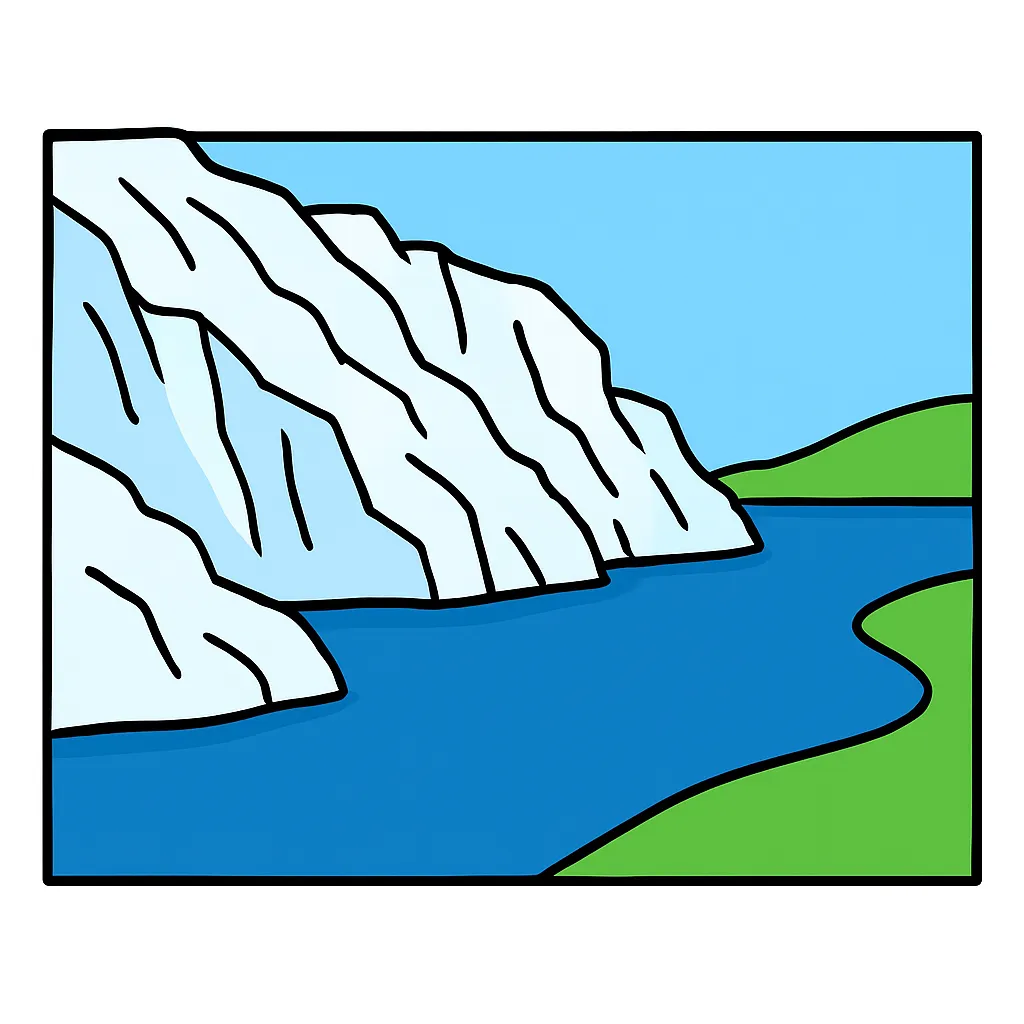
Groundwater can reach the ocean without ever appearing on the surface again.
A model shows Earth's water as oceans 96.5 percent, glaciers 1.7 percent, groundwater 1.7 percent, and lakes and rivers about 0.01 percent. A molecule picked at random is most likely in which store?
One student says a glacier is not part of the water cycle because its ice barely moves. Which evidence best weakens that claim?
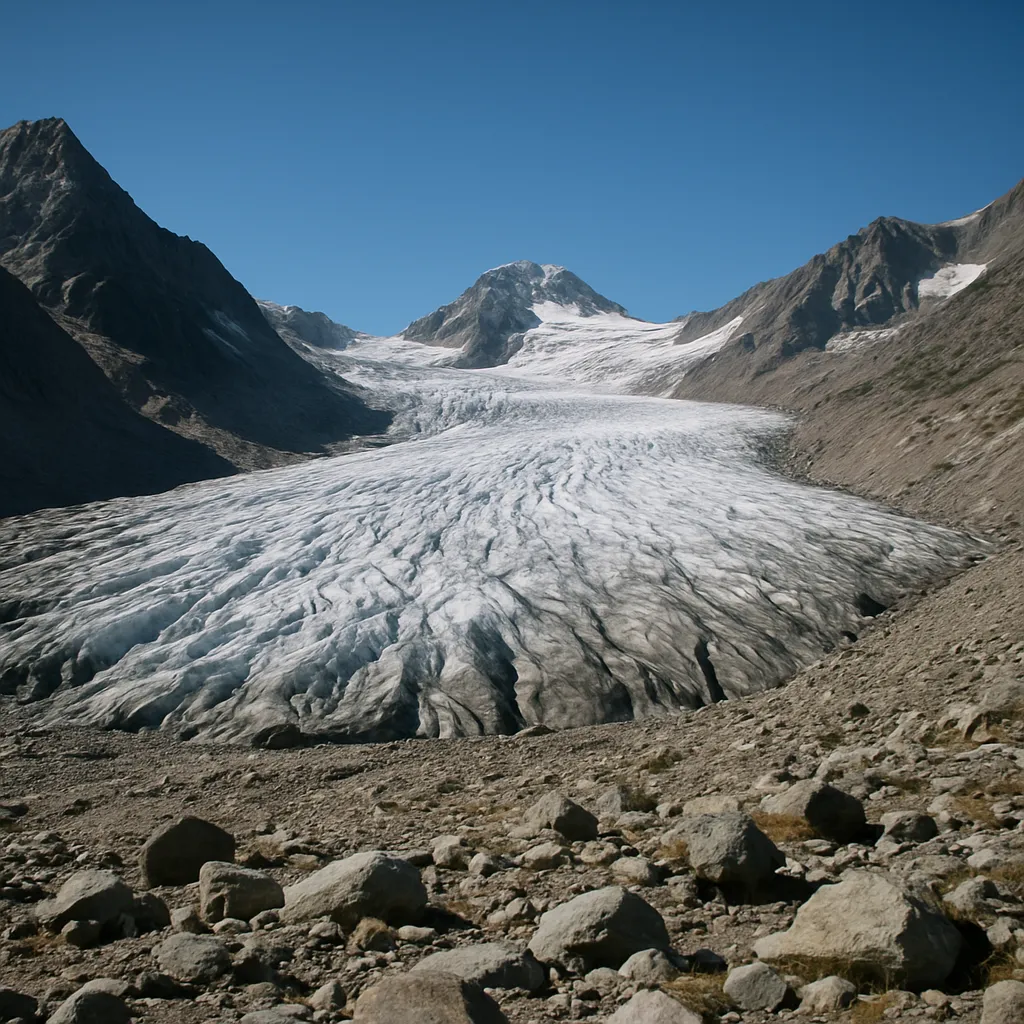
A model of the water cycle draws one arrow: ocean to cloud to river to ocean. A student adds a long-term ice store. Which revision matches the evidence best?
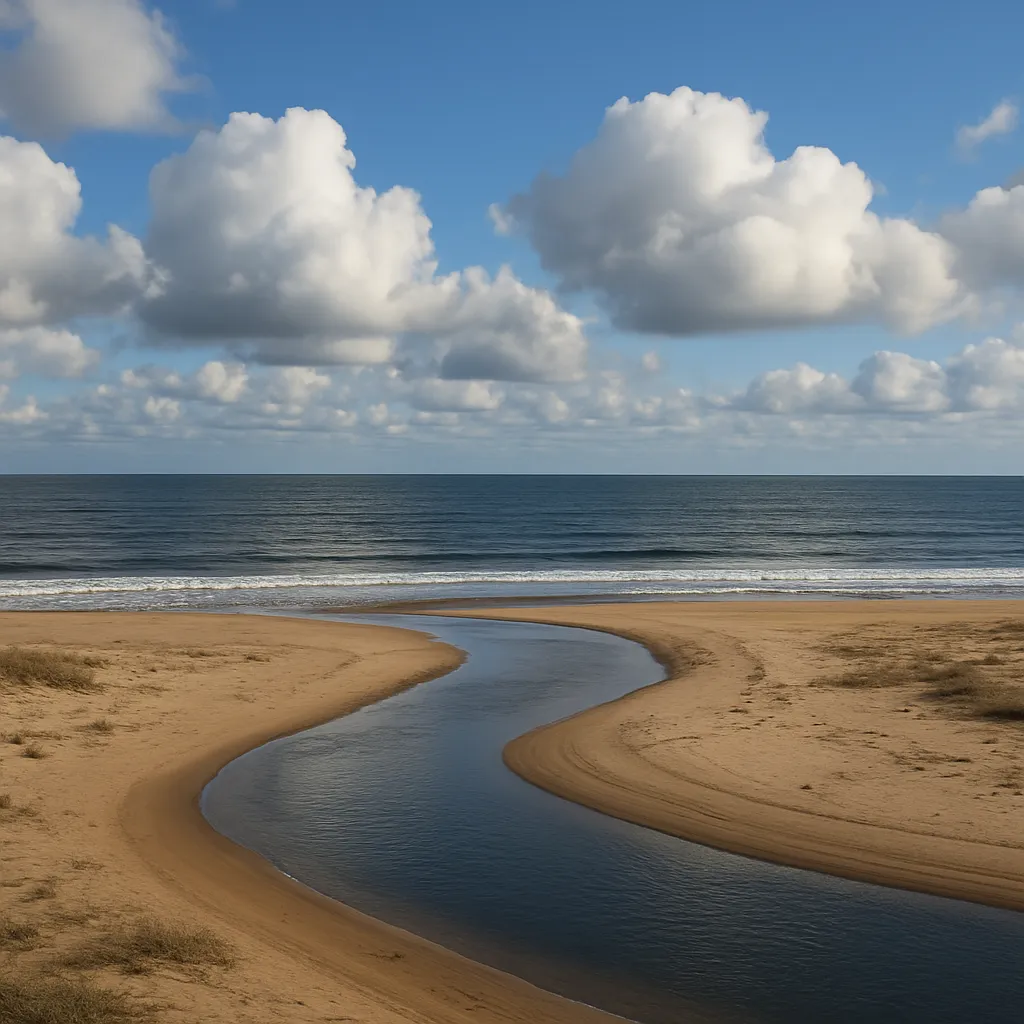
A reservoir behind a dam drops 20 centimeters in a hot, dry, sunny week with no rain and no water released. Which explanation best fits that evidence?

Crack the passcode before the zombies get in.
Answer, then swat bugs for bonus points.
Race through questions at your own speed.
Same question on every screen. Fastest wins.

Pick a tile, answer, hit bonuses and steals.
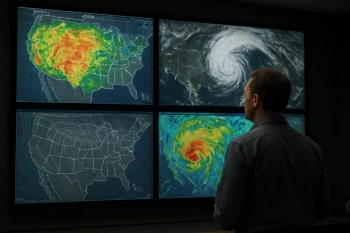
Weather Prediction as a Range of Probability
20 questions