Loading
by BlastRoom
Trace how one change in a biotic or abiotic factor ripples through several ecosystem interactions at once.
#ecosystems#us_grade_6_science
20 questions
One question set, multiple game modes. Tap any game to see it in action. Not sure which to pick?
Answer to place stones and capture territory.
Outrun the snow together.
Earn blasts, then hunt the other team.
Answer to earn energy, then climb.

The class blasts through walls together.
Bid on mystery lots. Most money wins.
Sell tours. Nice, standard, or a total scam.

Answer, restock, and serve the rush.
More correct answers pulls the rope your way.
Answer, then shoot down the alien wave.
Answer, then tap to leap the frozen ridge.
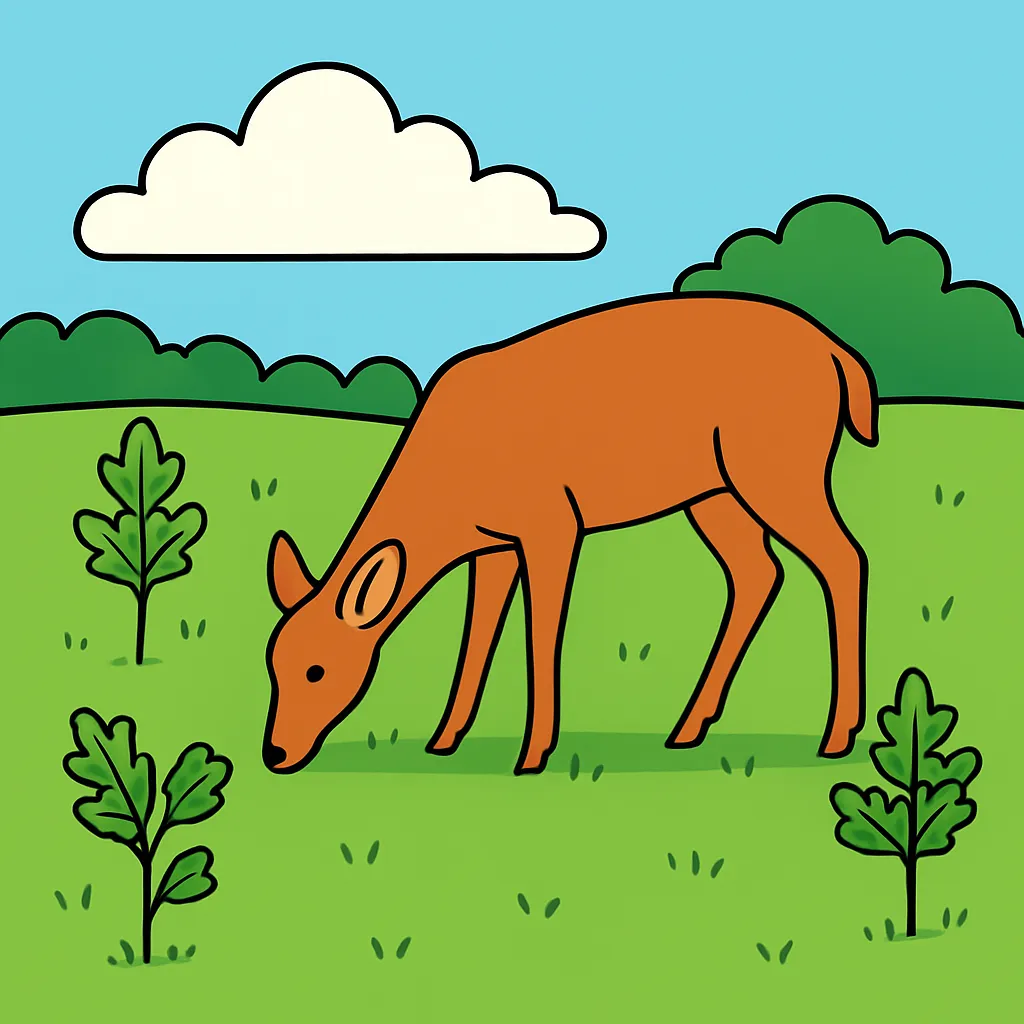
In a meadow, wolf numbers fell from 40 to 8 over five years. Deer rose from 120 to 400, and young oak saplings dropped from 900 to 150. What best explains the sapling drop?
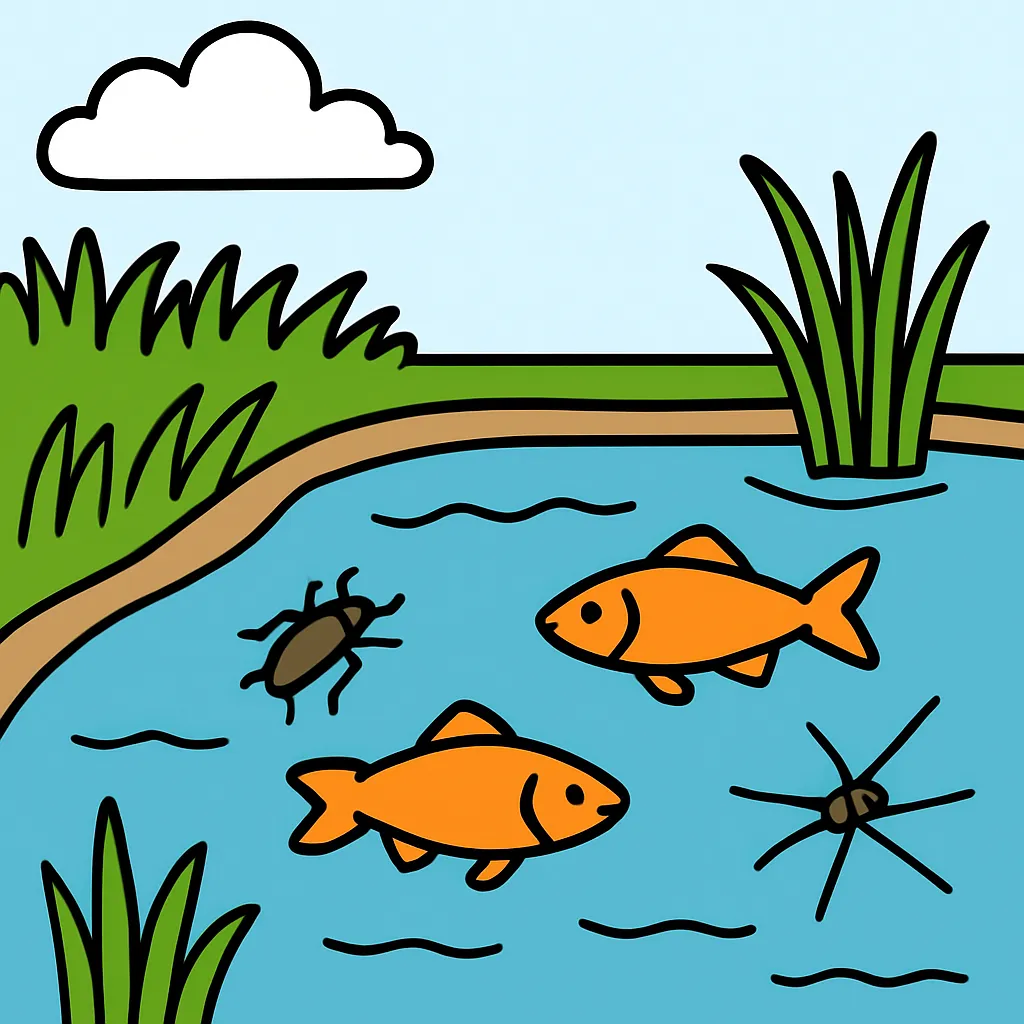
In a pond the summer temperature range widened. Fish eggs hatched two weeks early, before the insects the hatchlings eat had appeared, and hatchling survival fell by half. What best explains the drop in survival?
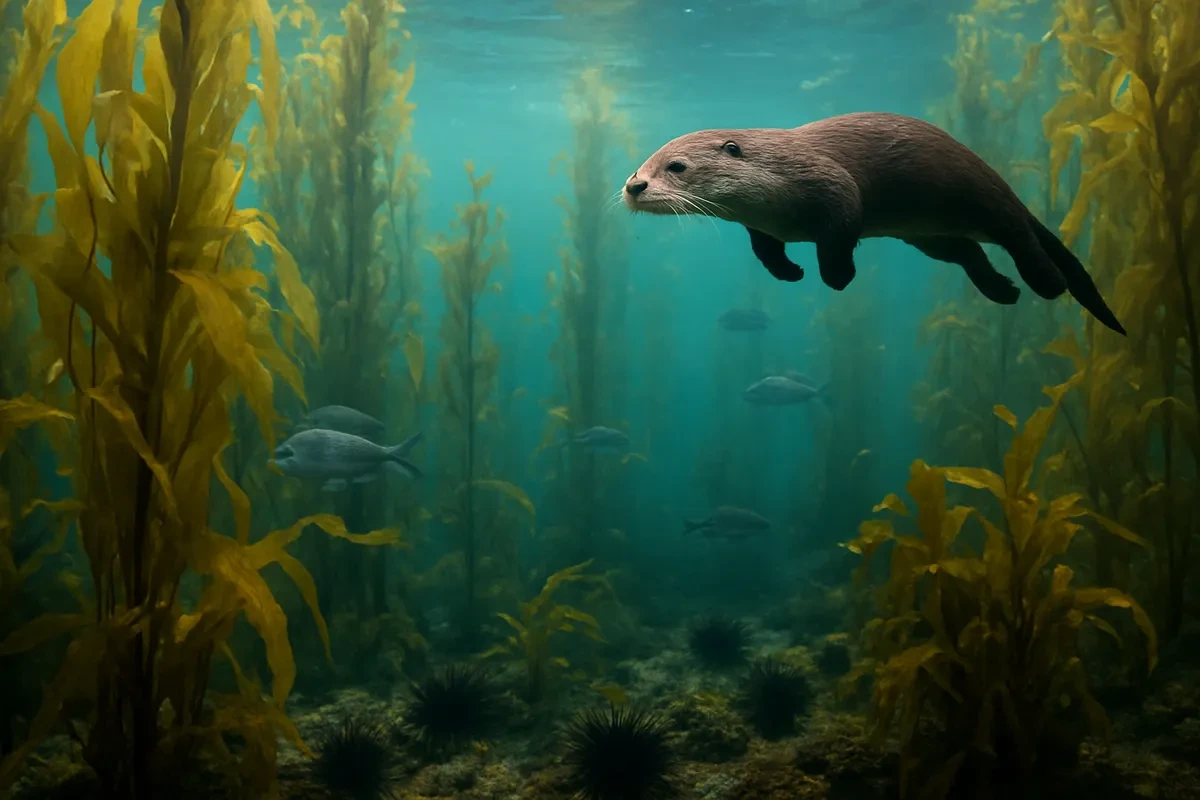
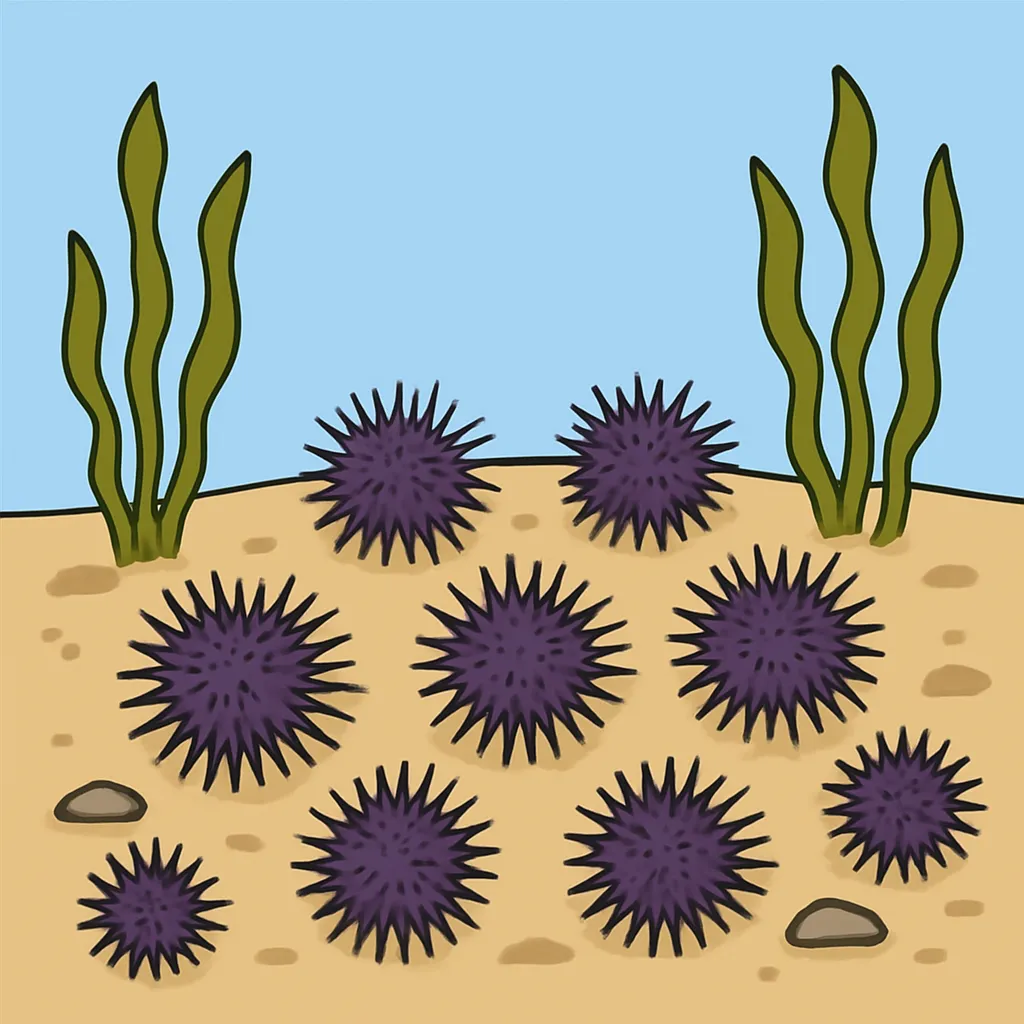
A bay holds 300 sea otters, 40,000 sea urchins that graze kelp, and 12 kelp species that shelter young fish. A disease then cuts the otters to 30. What is the most likely result for the young fish?

Cleaner shrimp pick parasites off reef fish and eat them. A storm swept most shrimp off one reef, and over the next year the fish there carried more parasites and grew more slowly. What explains the slower growth?

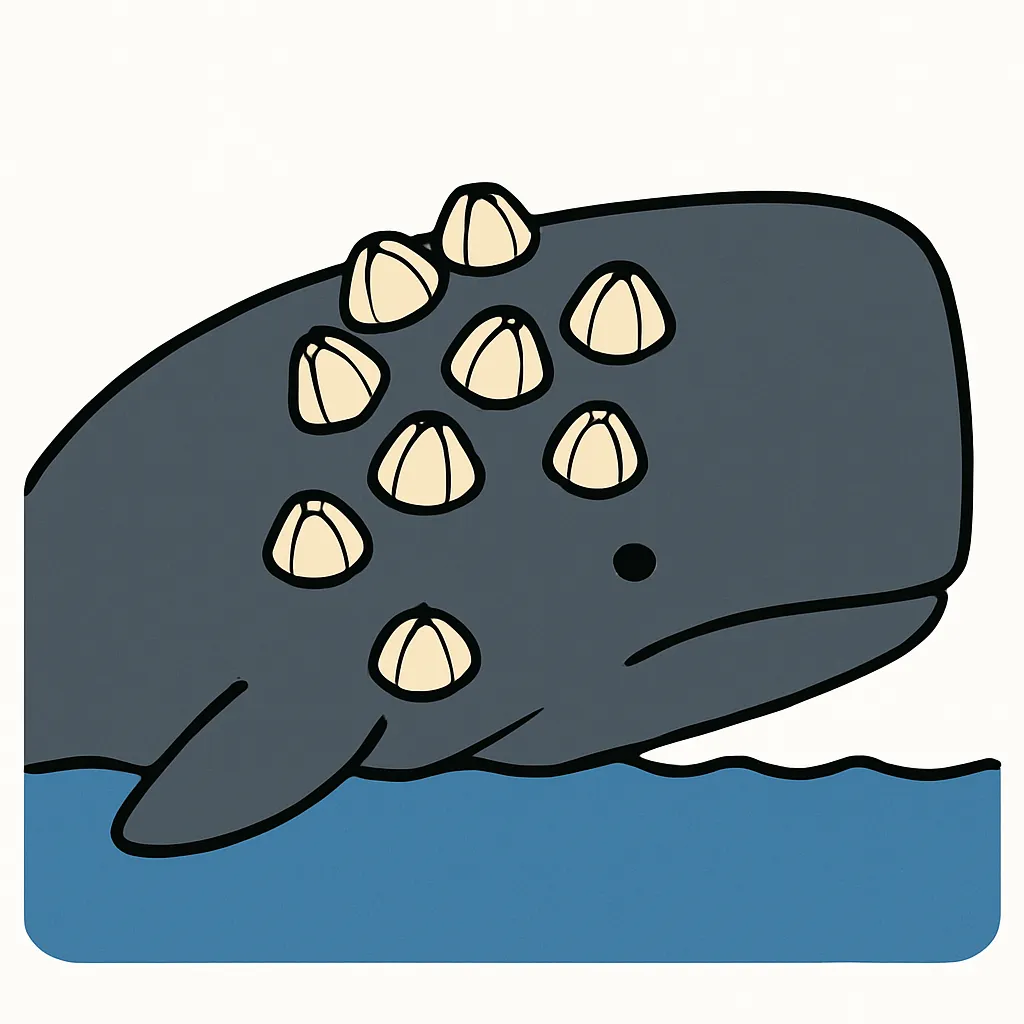
Barnacles ride on a whale's skin, reaching richer feeding water while ten years of records show the whale's growth unchanged. Small fish gather to pick at those barnacles. If a whale sheds most of its barnacles, what happens next?
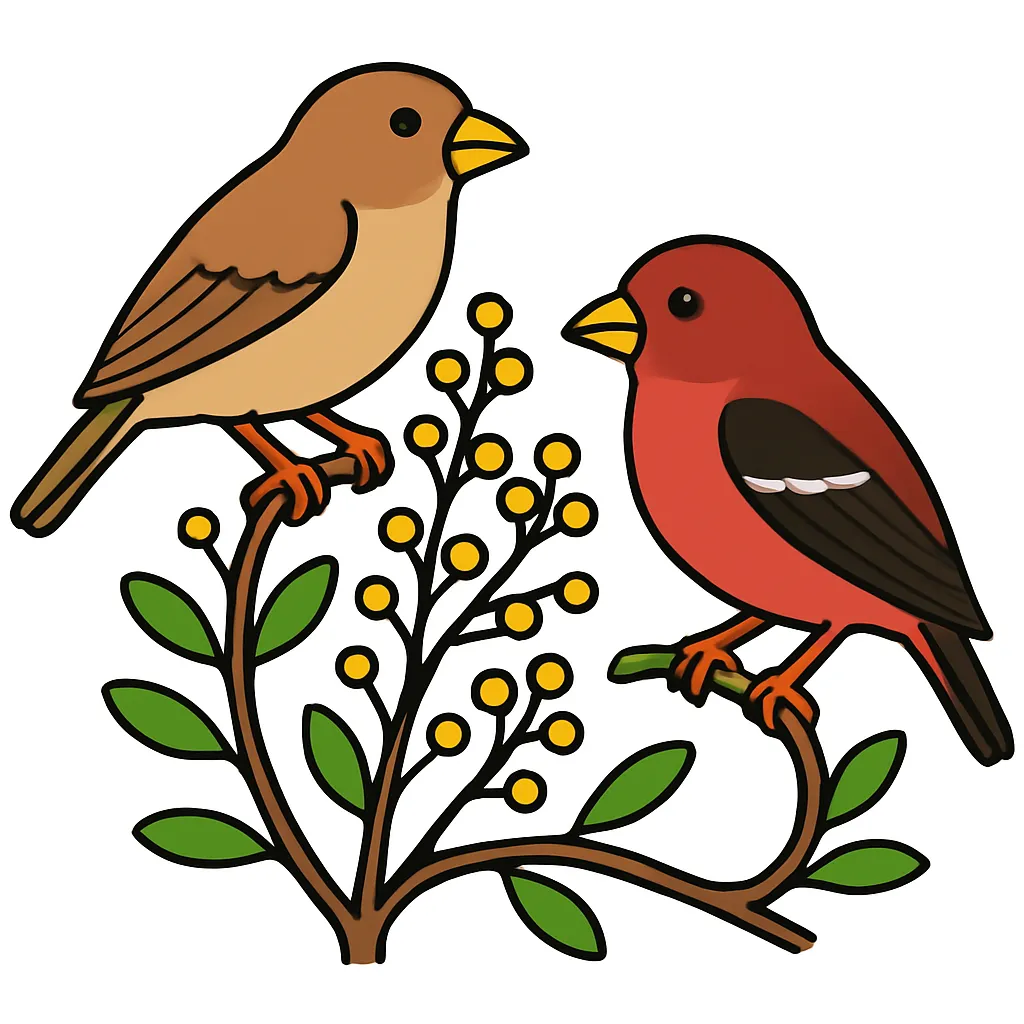
Two bird species eat the same seeds. On islands holding both, each eats a narrower range of seed sizes than on islands holding one. On a both-species island, seeds of the sizes neither bird now takes grow common. Why?
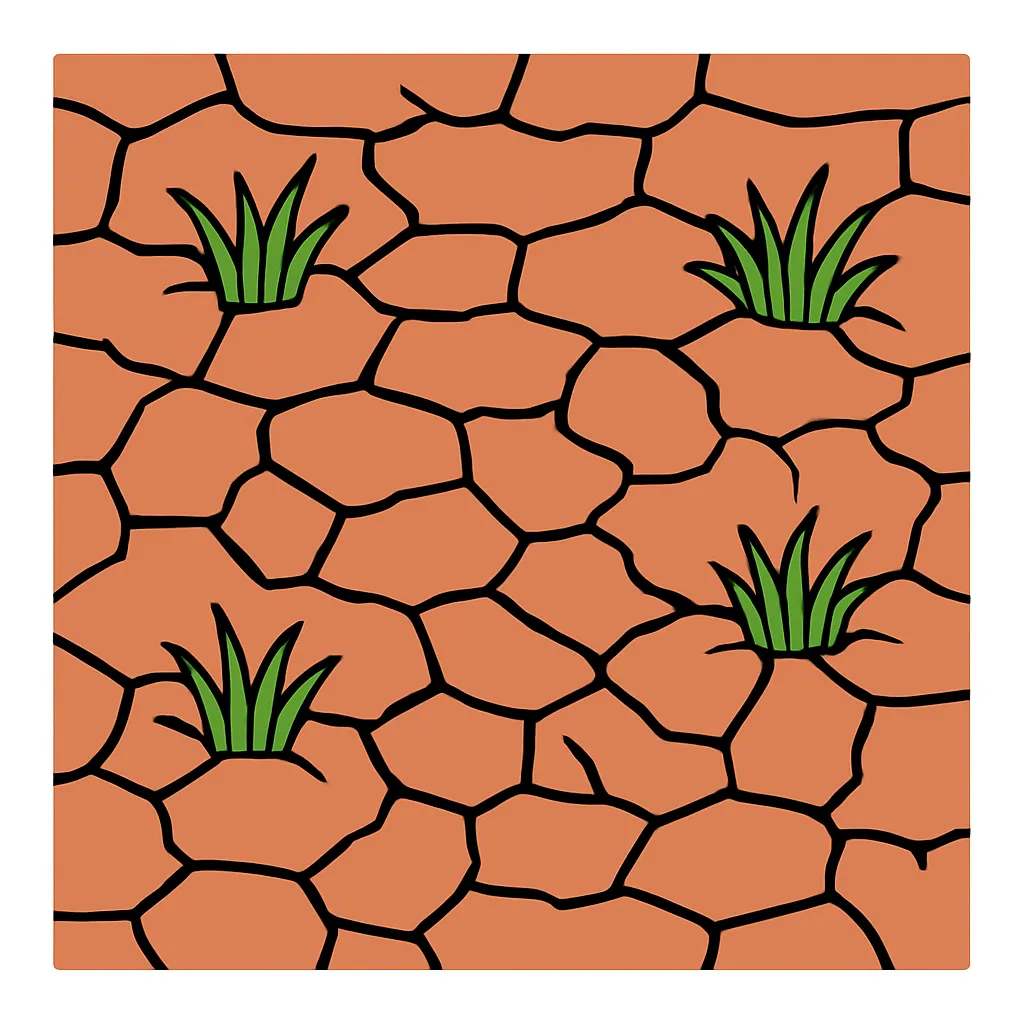
A field's soil composition shifted to heavy clay that drains poorly. Deep-rooted grasses died, the insects that fed on them declined, and ground-nesting birds left the field. What started this chain?
A stream's summer temperature range rose by 4 degrees Celsius. Cold-water insect larvae declined, trout that eat the larvae lost mass, and otters that eat trout moved away. How many populations were affected indirectly?
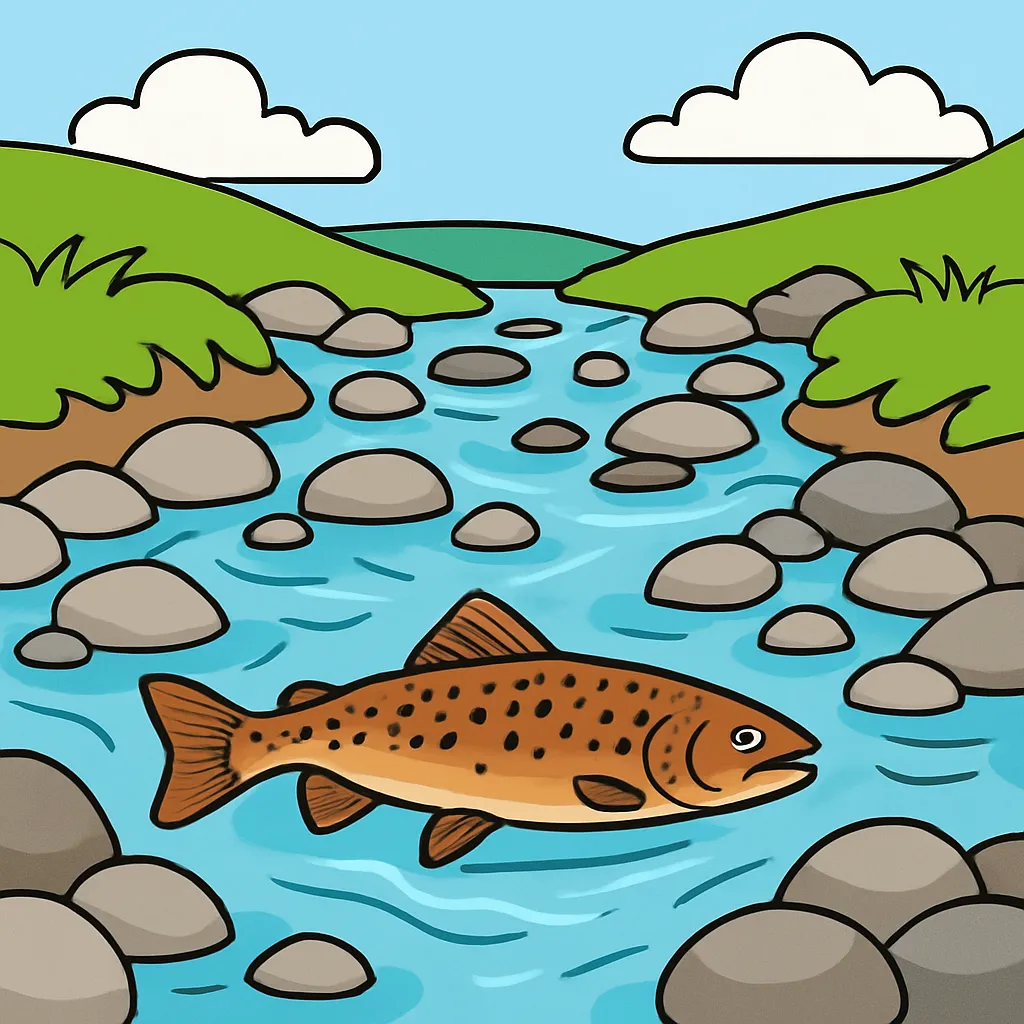
A pond's spring water warmed by 5 C. Mayfly larvae fell from 900 to 200, and the sunfish that eat them dropped from 60 to 25. This shows one abiotic change lowering two populations along a feeding chain.
In a grassland food web, grasshoppers eat grass, mice eat grasshoppers, and hawks eat mice. A drought cuts the grass by half for one season. Which population feels the change last?
Acacia ants live in an acacia tree's thorns and attack animals that browse it, while the tree feeds them sugar. On one tree an insecticide killed the ants. Giraffes then browsed that tree heavily and it grew slowly. Why?
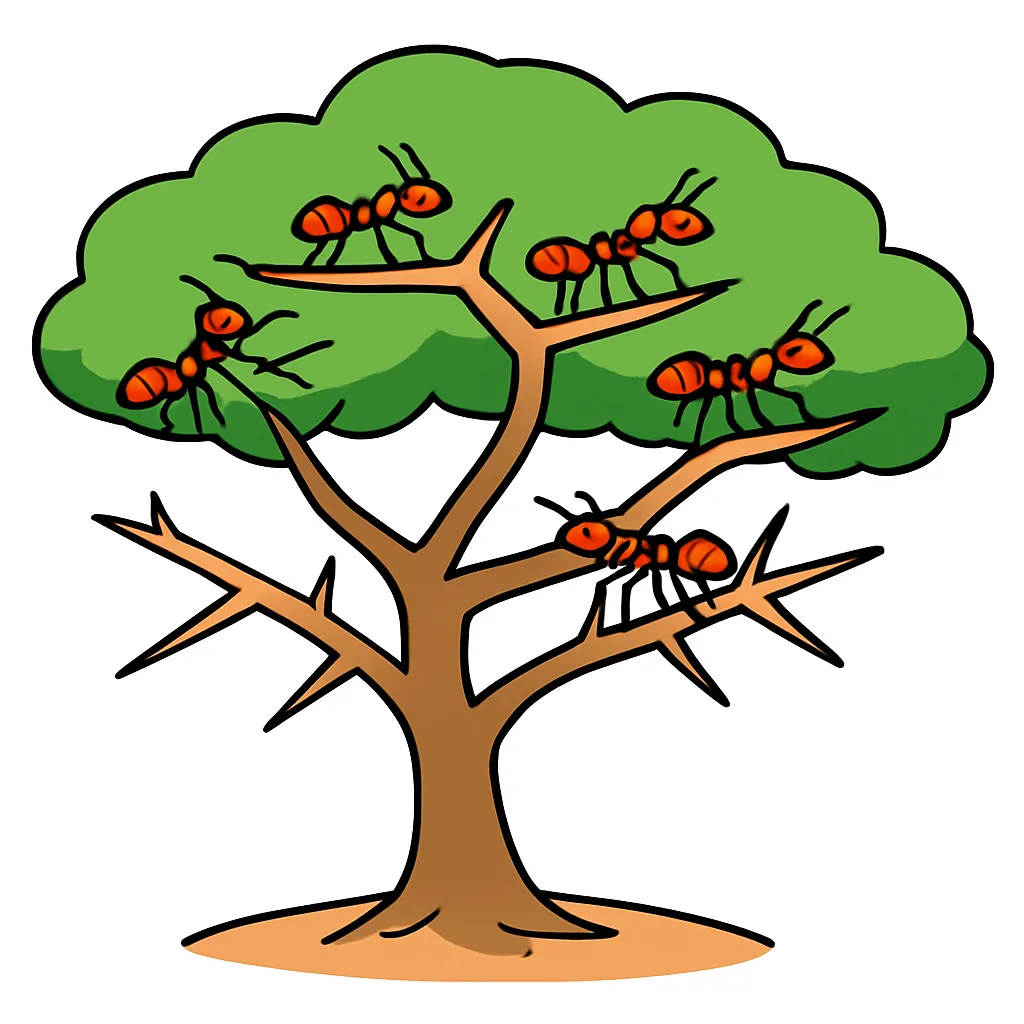
A lake held 8 fish species, 30 plant species and many insect species. After a warm-water fish was released there, 3 of the native fish species disappeared. Which level of organization changed most directly, and why?
A lake's summer water warmed past what trout tolerate. Trout fell from 400 to 90, the mayflies that trout eat rose from 2,000 to 9,000, and the algae the mayflies graze thinned. An abiotic change began this chain.
Farmers added lime, raising the soil pH of a field. A native grass that grows poorly in acid soil spread fast and shaded out a wildflower. Which two factors together explain the wildflower's decline?

Bay records: with 200 sea otters there were 5,000 urchins and dense kelp. After otters fell to 20, urchins reached 60,000 and the kelp nearly vanished. Which chain explains the kelp loss?
In one woodland, ticks slowly drained blood from the deer herd, and the weakened deer browsed less. Oak seedlings then rose from 300 to 1,100. A parasite's slow drain on its host can change a plant population.
Two lizard species share a hillside. Warm years favor species A, and cool years favor species B. After ten warm years, species B is found only in shaded gullies. What best explains this?

A fungicide killed most soil fungi in a forest plot. Leaf litter piled up, soil nutrients dropped, and tree growth slowed. Which role were those fungi mainly filling in this community?

A town drained part of a wetland. Mosquito numbers fell, and the bats that feed on those mosquitoes declined soon after. What best describes the bats' decline?
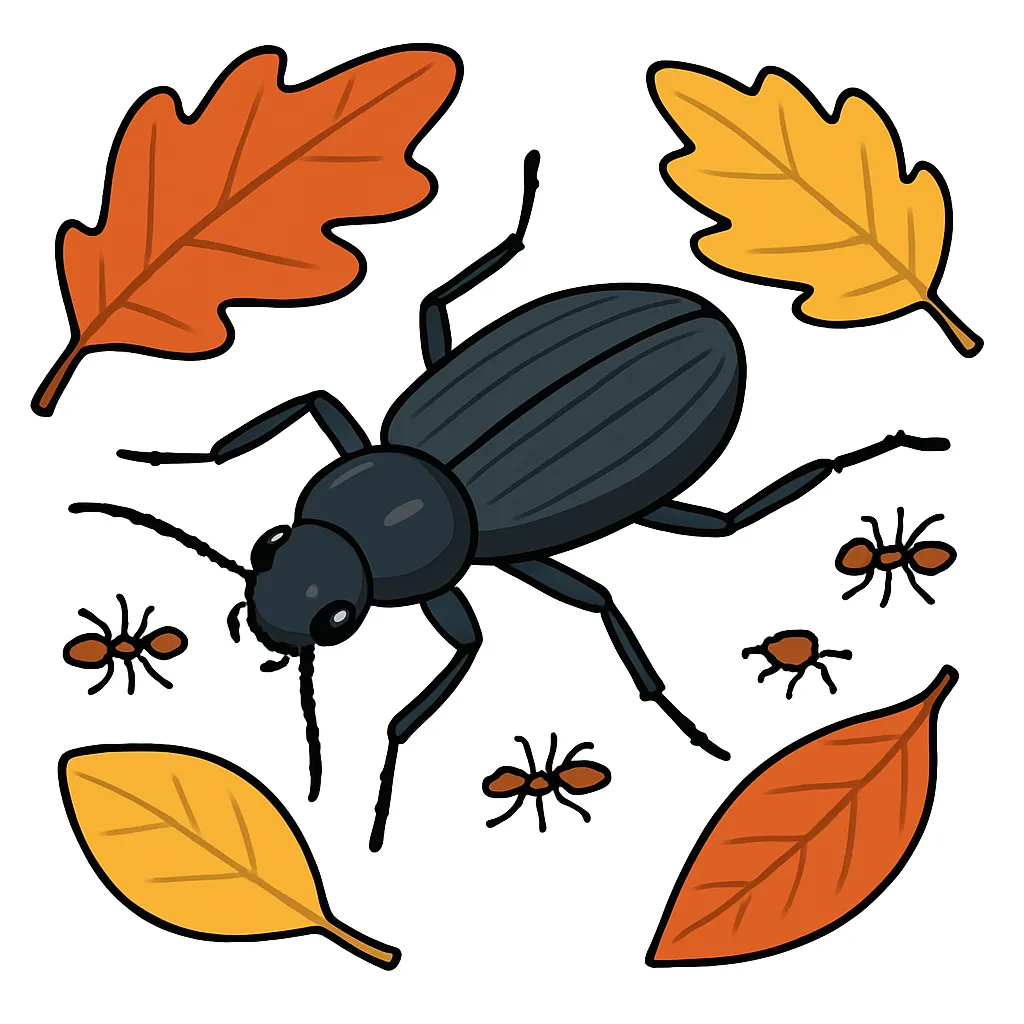
Beetles counted per plot: Plot 1, bare soil, 12 beetles. Plot 2, leaf litter, 48 beetles. Plot 3, leaf litter with ants present, 9 beetles. What best explains Plot 3's low count?
Crack the passcode before the zombies get in.
Answer, then swat bugs for bonus points.
Race through questions at your own speed.
Same question on every screen. Fastest wins.

Pick a tile, answer, hit bonuses and steals.
The Water Cycle: Going Further
20 questions