Loading
by BlastRoom
Decide what a described way of reproducing predicts about offspring traits and variation.
#growth_and_reproduction#us_grade_6_science
20 questions
One question set, multiple game modes. Tap any game to see it in action. Not sure which to pick?
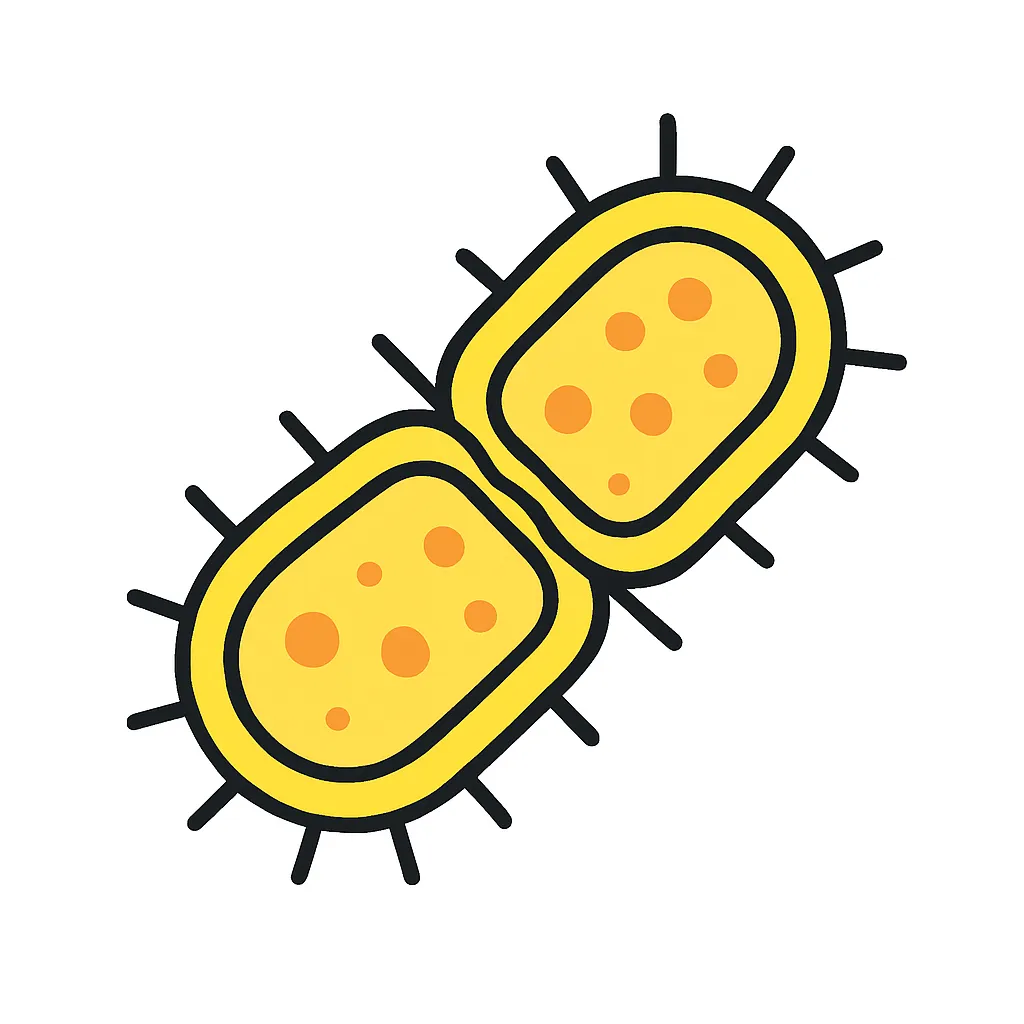
A single bacterium in warm broth splits into two new cells by binary fission. What does this predict about the genetic information in the two new cells?
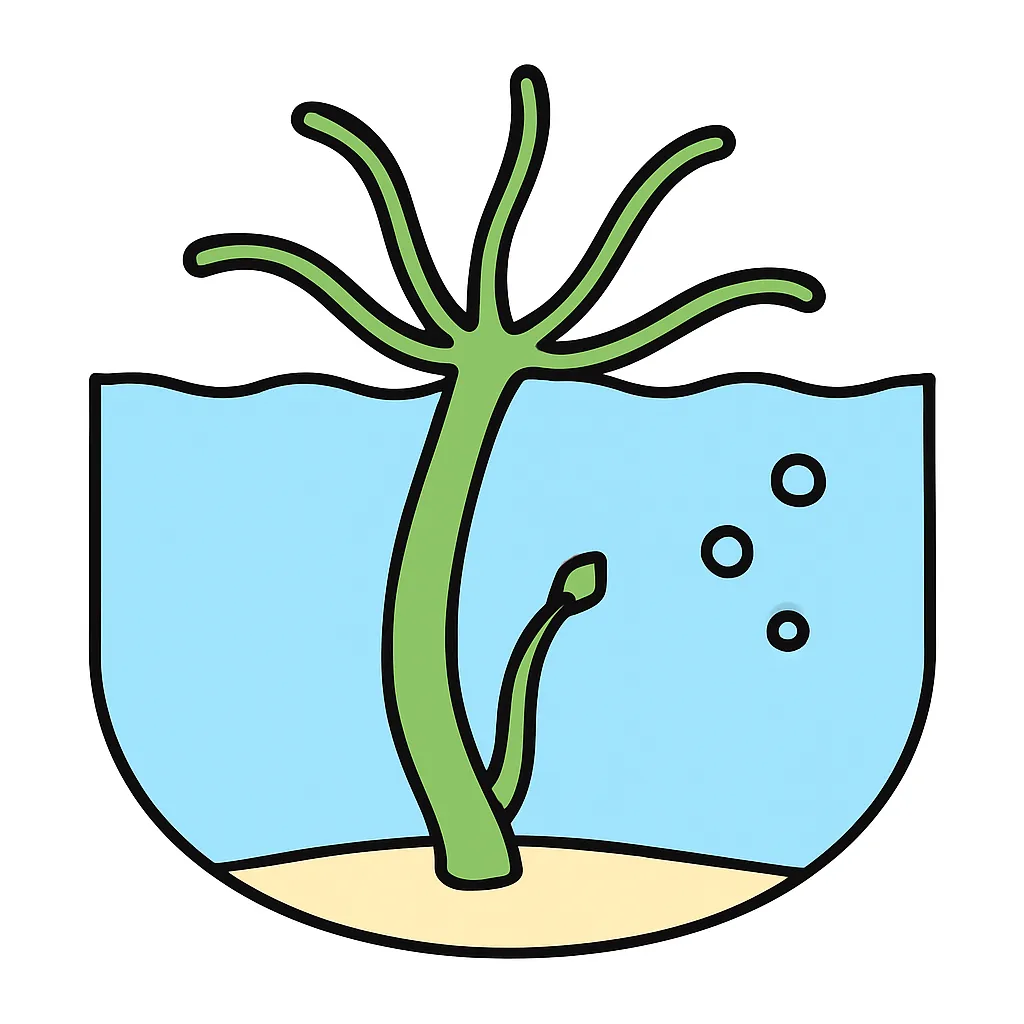
A hydra in a pond grows a small bud on its side. The bud enlarges and then breaks away as a separate hydra. What does budding predict about the new hydra?
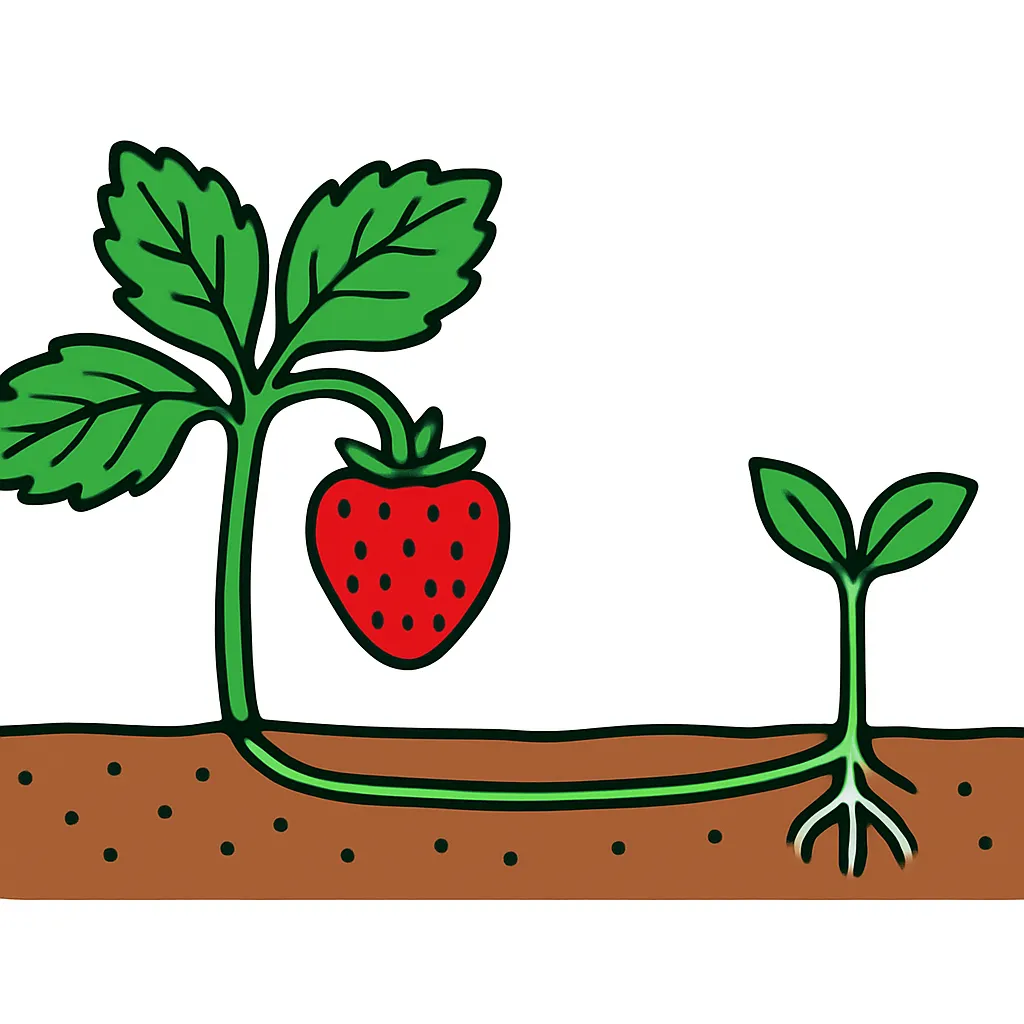
A strawberry plant sends out a runner that roots in the soil and grows into a new plant. What does this way of reproducing predict about the new plant's traits?
Two parent frogs produce a clutch of eggs that develop into many young frogs. What does sexual reproduction predict about those young frogs?
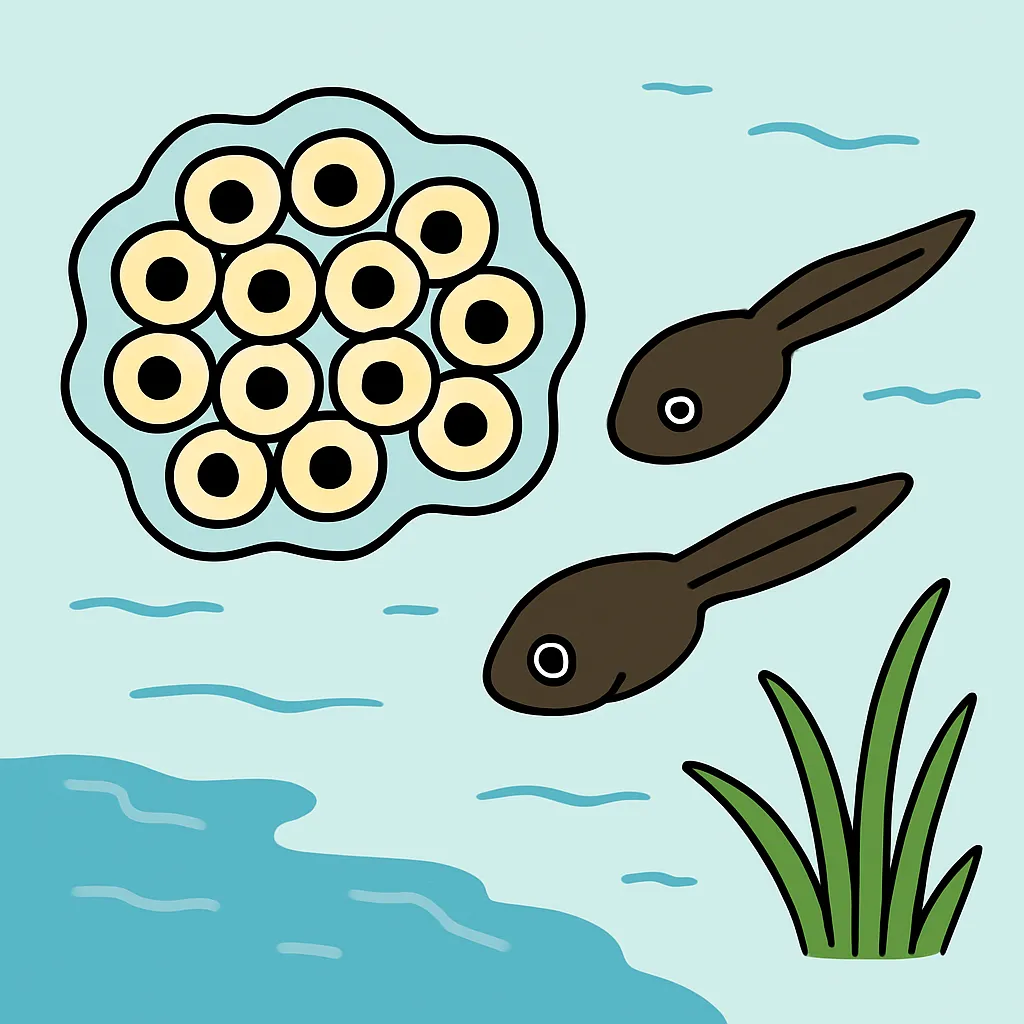
A biologist grows one yeast cell into a large colony by budding. A new food source appears that only cells with a rare trait can use. Why is the colony unlikely to contain such cells?

A piece of a fungus's thread-like body breaks off and grows into a separate, complete fungus. How is this fungus reproducing?
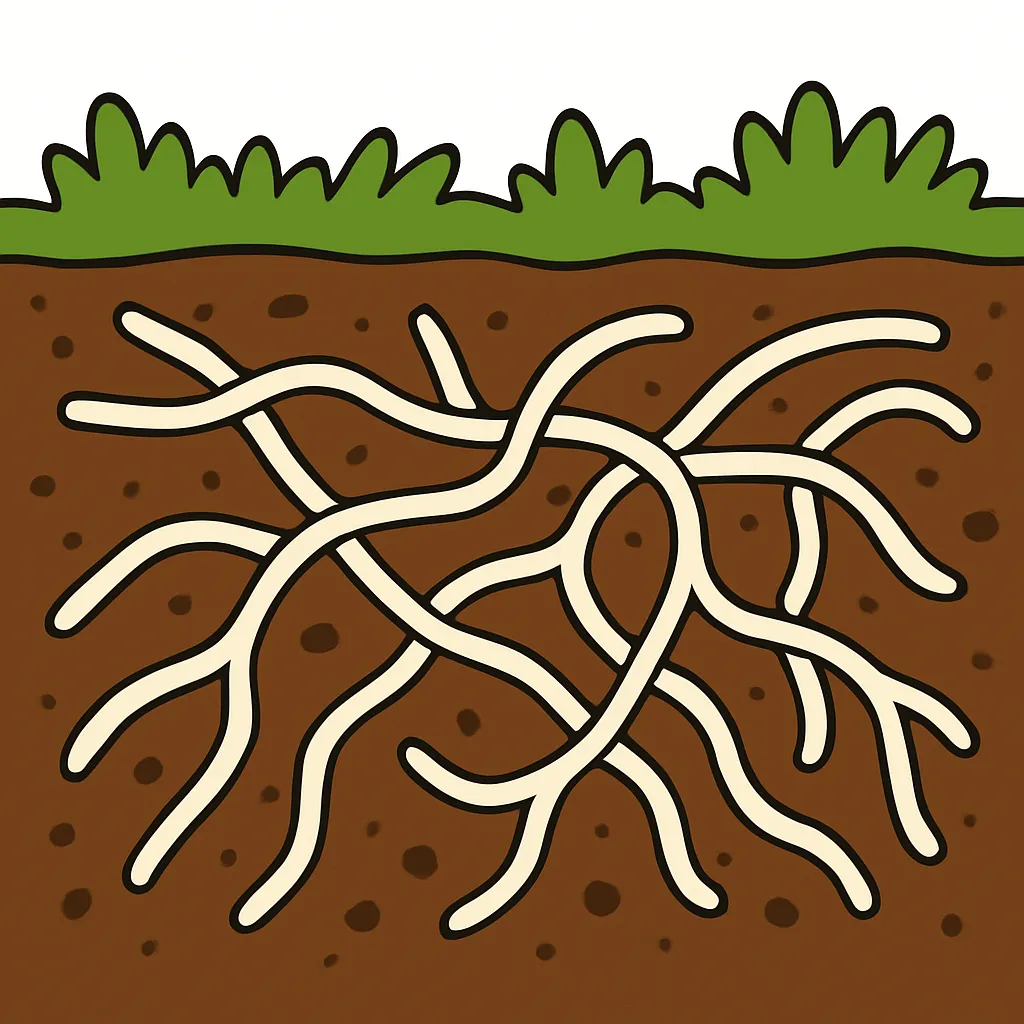
A pond holds two water flea populations. One grew from a single parent by asexual reproduction. The other came from two parents. A new disease reaches the pond. Which population more likely has survivors?
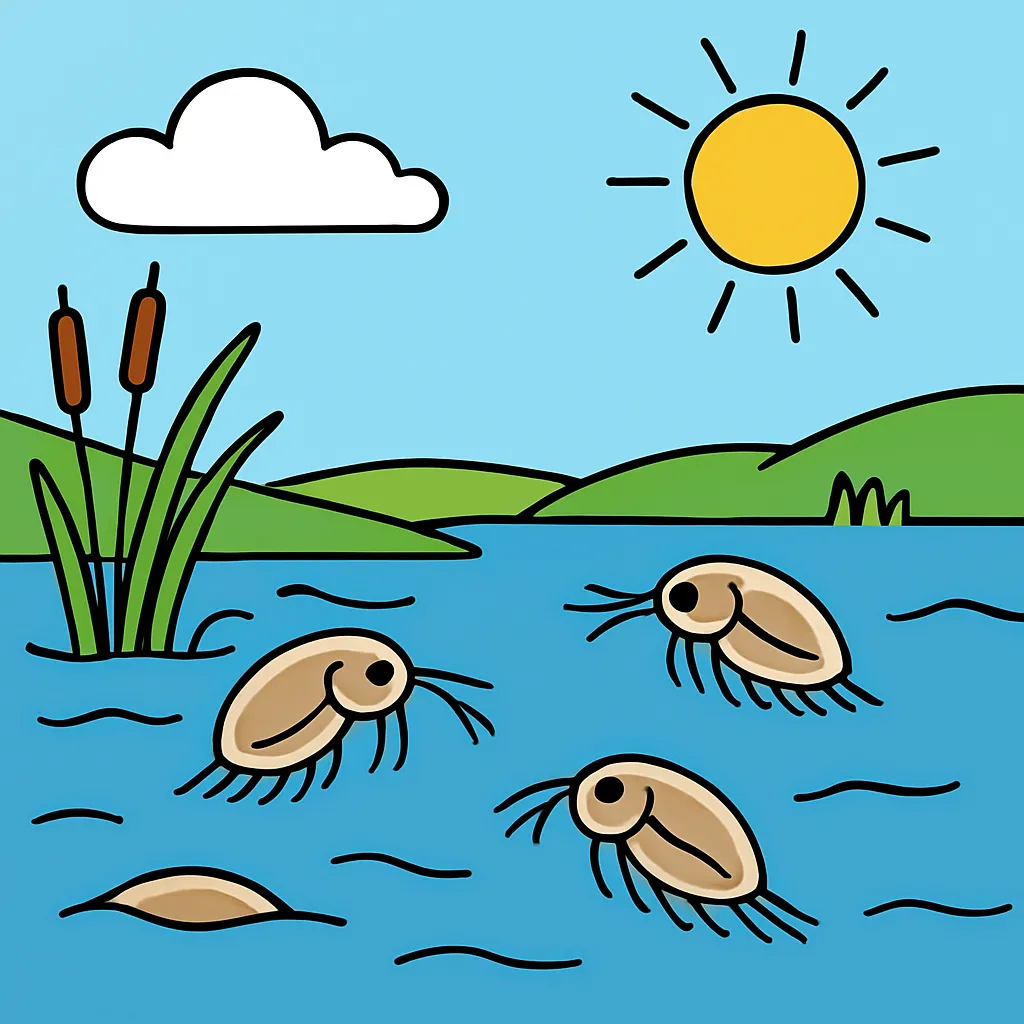
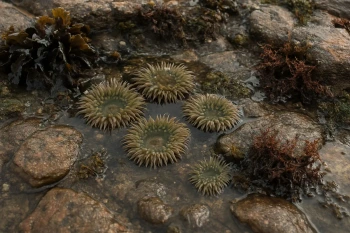
A sea anemone sits alone on a rock far from any other anemone, and it reproduces asexually. What advantage does asexual reproduction give it in this situation?
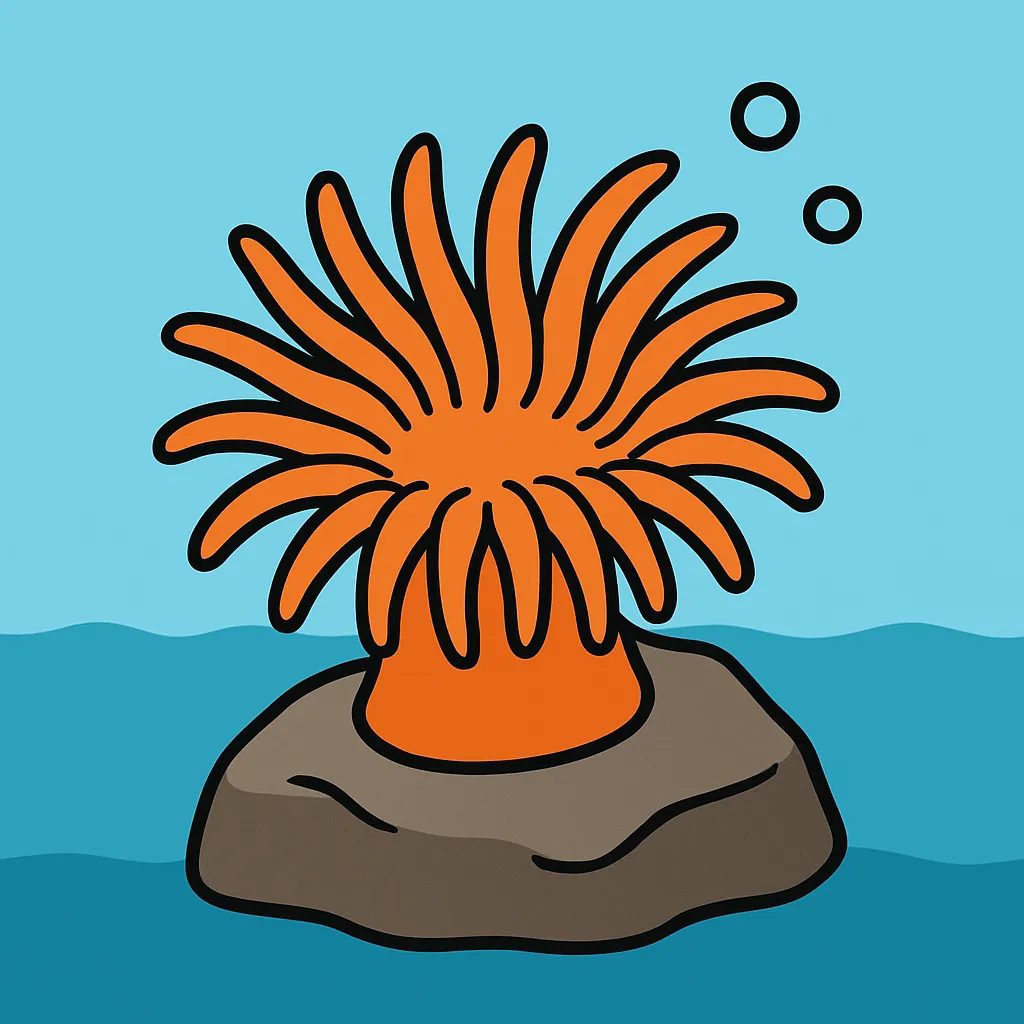
Budding, binary fission, and growing from runners are all kinds of asexual reproduction.
In sexual reproduction, each offspring gets half of its genetic information from each parent.
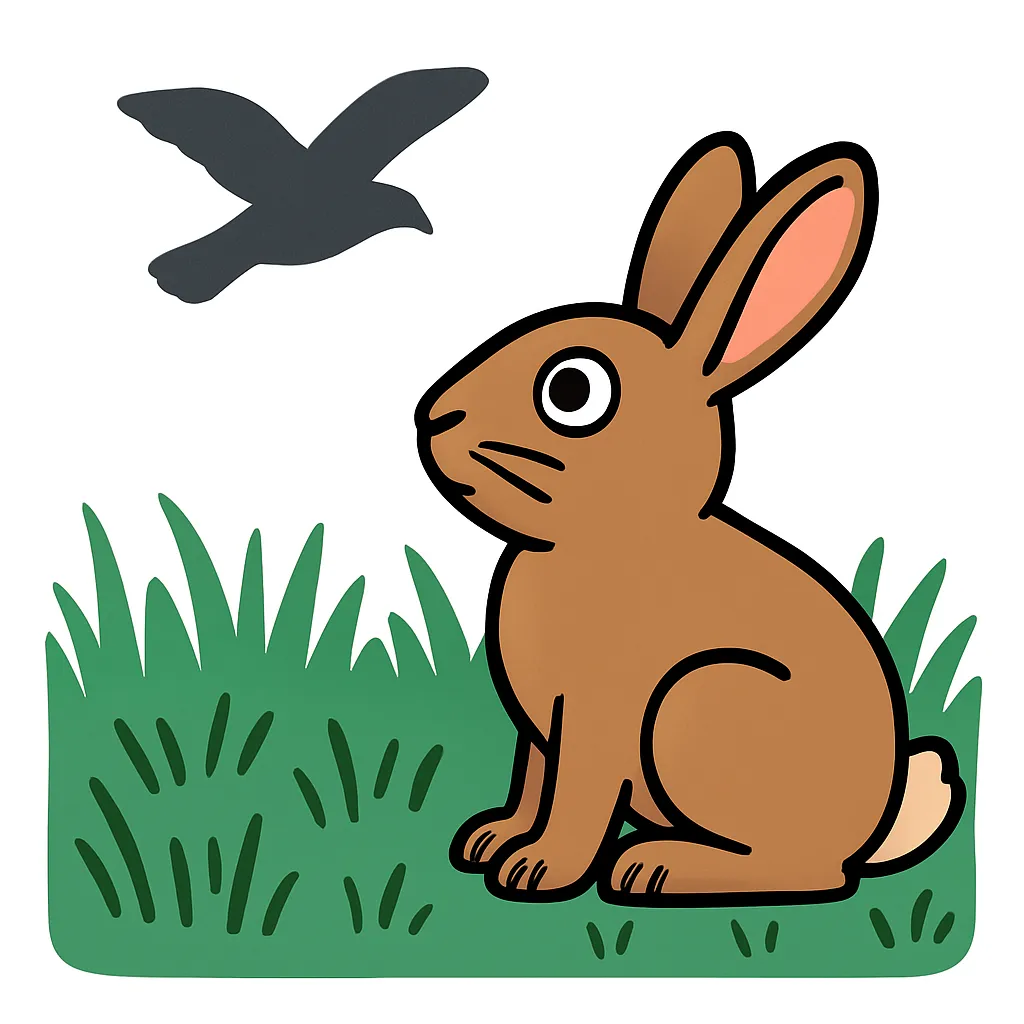
A rabbit's sensory receptor detects a moving shadow overhead, and a signal travels to the rabbit's brain, causing the rabbit to freeze still. Which part of this chain is the sensory receptor's job?
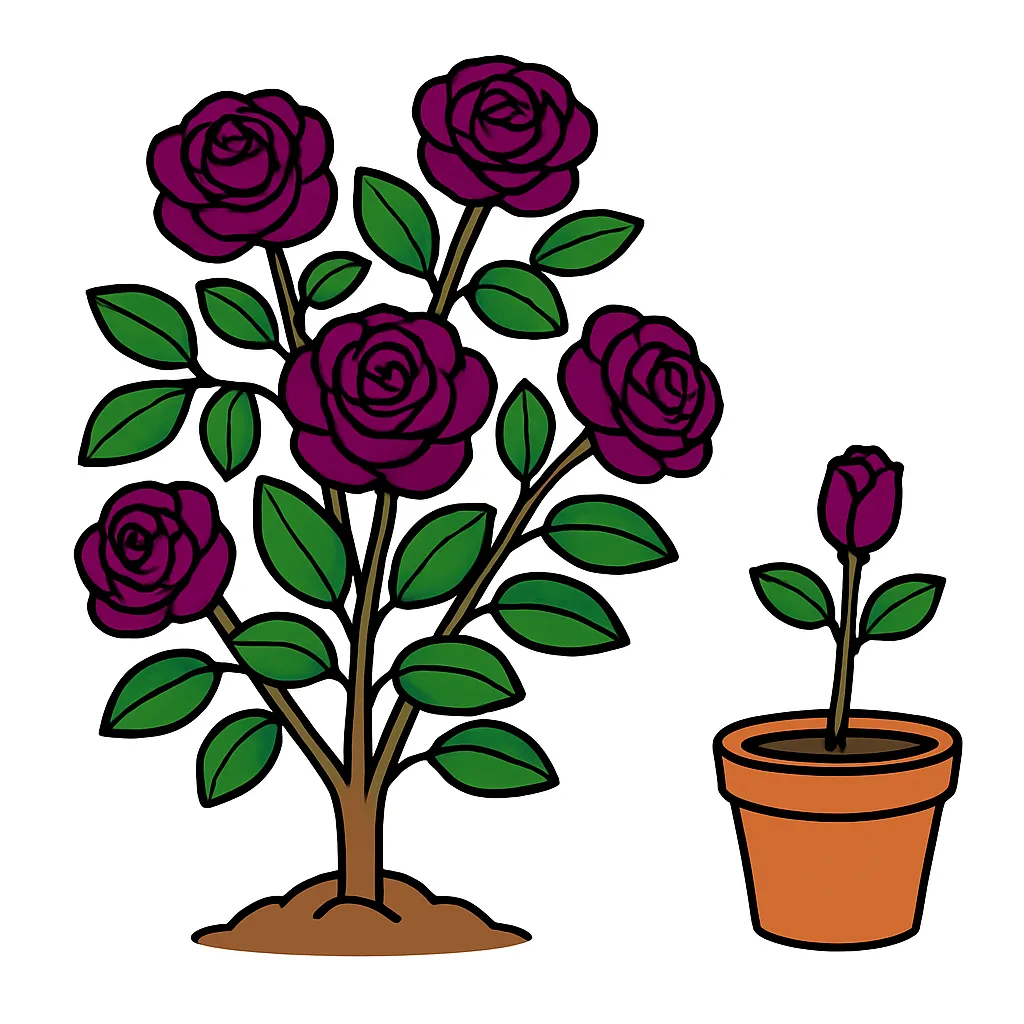
A gardener has a rose bush with an unusual flower color and wants new bushes with exactly that color. Should she grow them from cuttings or from seeds, and why?
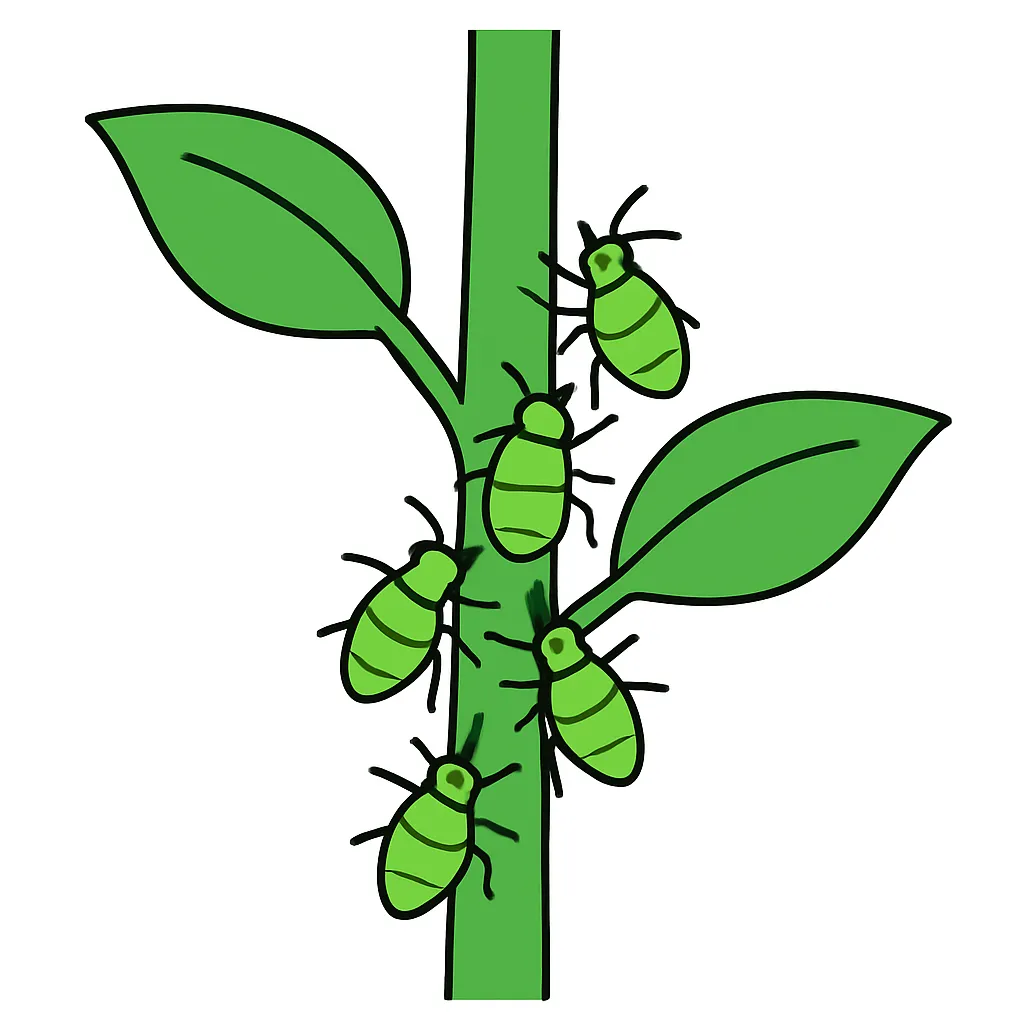
In summer, some aphids produce young from a single parent with no partner involved. What does this predict about those young aphids?
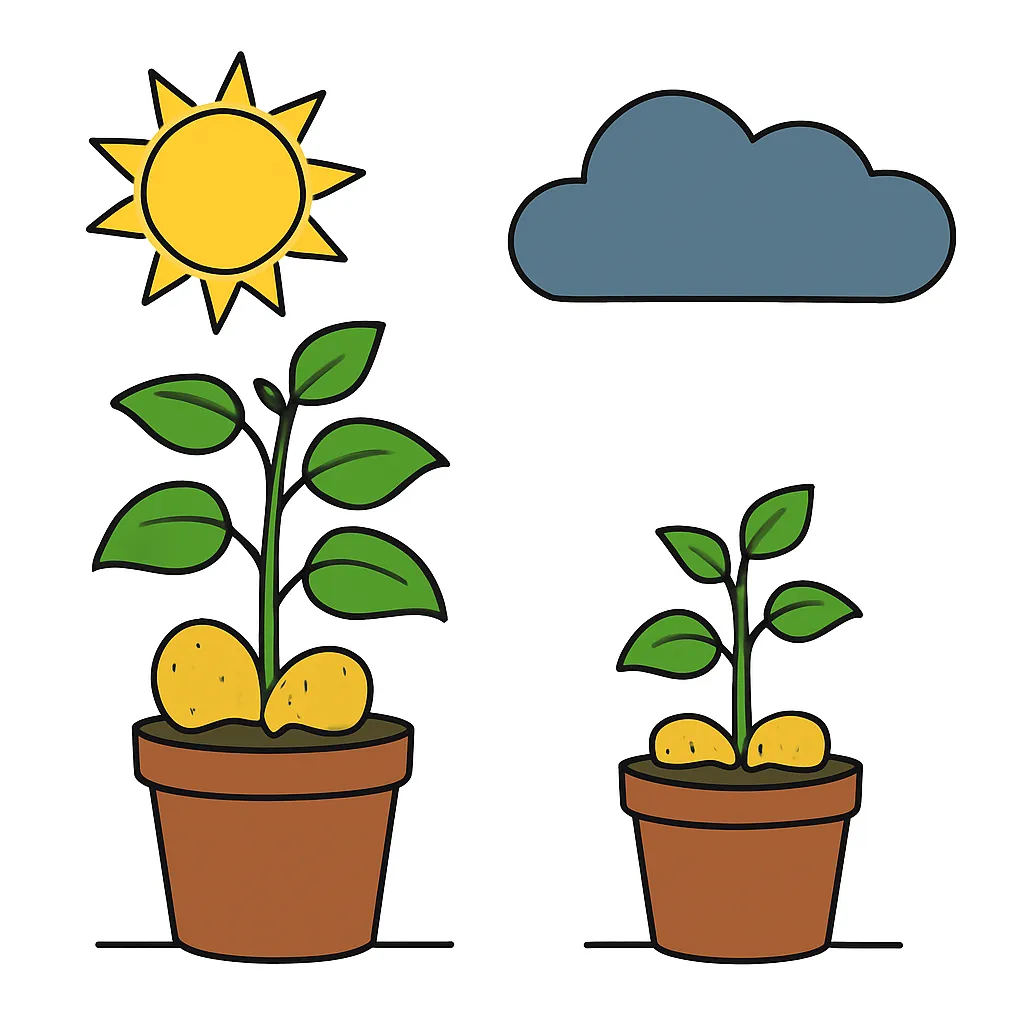
Two potato plants grown from pieces of the same potato carry identical genetic information. One is kept in bright light and grows tall; the other is kept in dim light and stays short. What best explains the difference?
An apple tree's flowers attract more bees than a neighboring tree's flowers do, so more of its flowers are fertilized and more seeds form. What has this trait increased for that tree?
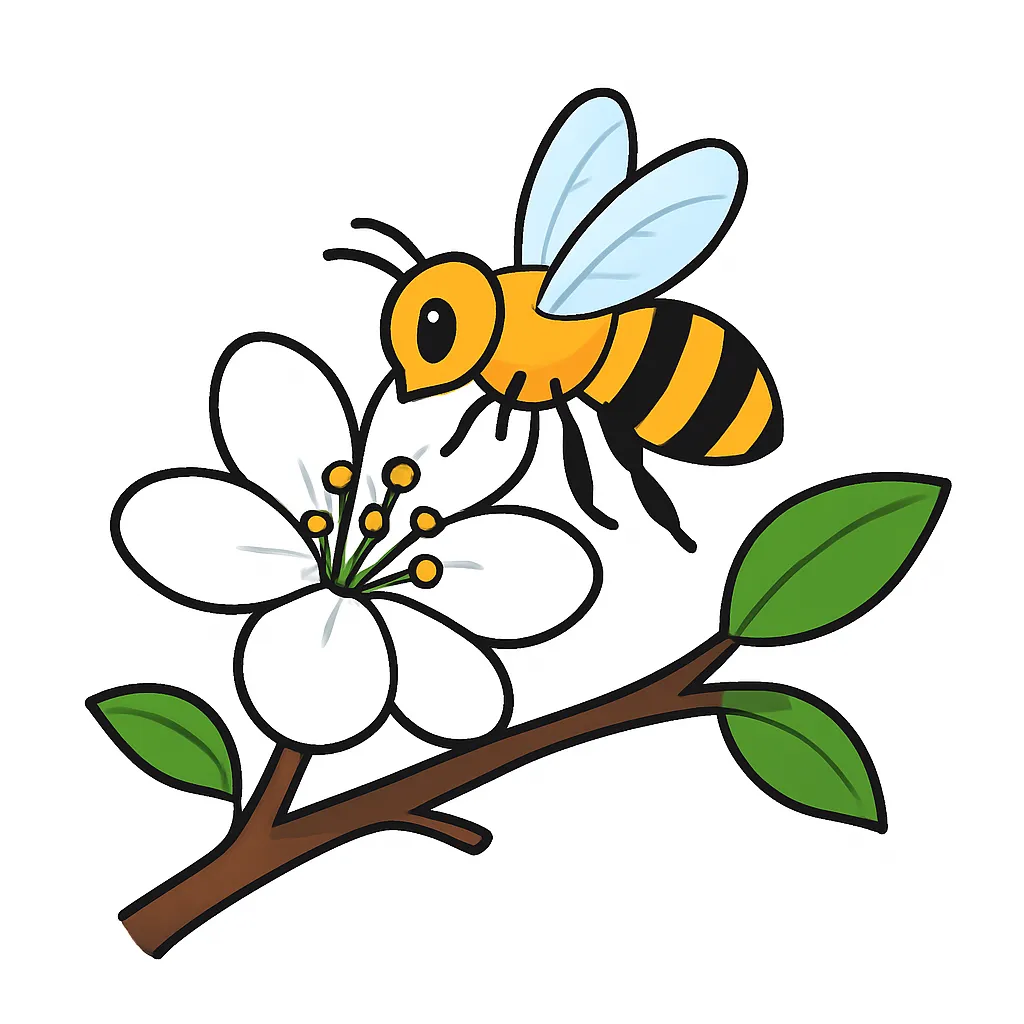
A coral polyp can bud new polyps onto the reef, and the same coral can also release eggs and sperm into the water. Which way of reproducing produces offspring that vary from the parent?
A farmer plants a whole field using cuttings taken from one banana plant. A fungus that attacks that plant's traits reaches the field. Why is the entire field at risk?
A flatworm splits its body in two, and each half grows into a complete flatworm. How many parents do the new flatworms have, and how does their genetic information compare with the parent's?

A class wants a group of bean plants whose offspring show variation, so they can compare traits. What should the class grow the new plants from?
On a small island, a scientist finds a group of snails in which every individual carries identical genetic information. What can she conclude about how these snails reproduce?
Crack the passcode before the zombies get in.

Pick a tile, answer, hit bonuses and steals.
Predation, Competition, Mutualism, Parasitism, and Commensalism
40 questions