Loading
by BlastRoom
Sort described parts of ponds, forests, deserts, grasslands and coasts as biotic or abiotic, and name competition for food, light and water.
#ecosystems#us_grade_6_science
40 questions
One question set, multiple game modes. Tap any game to see it in action. Not sure which to pick?
Answer to place stones and capture territory.
Outrun the snow together.
Earn blasts, then hunt the other team.
Answer to earn energy, then climb.

The class blasts through walls together.
Bid on mystery lots. Most money wins.
Sell tours. Nice, standard, or a total scam.

Answer, restock, and serve the rush.
More correct answers pulls the rope your way.
Answer, then shoot down the alien wave.
Answer, then tap to leap the frozen ridge.
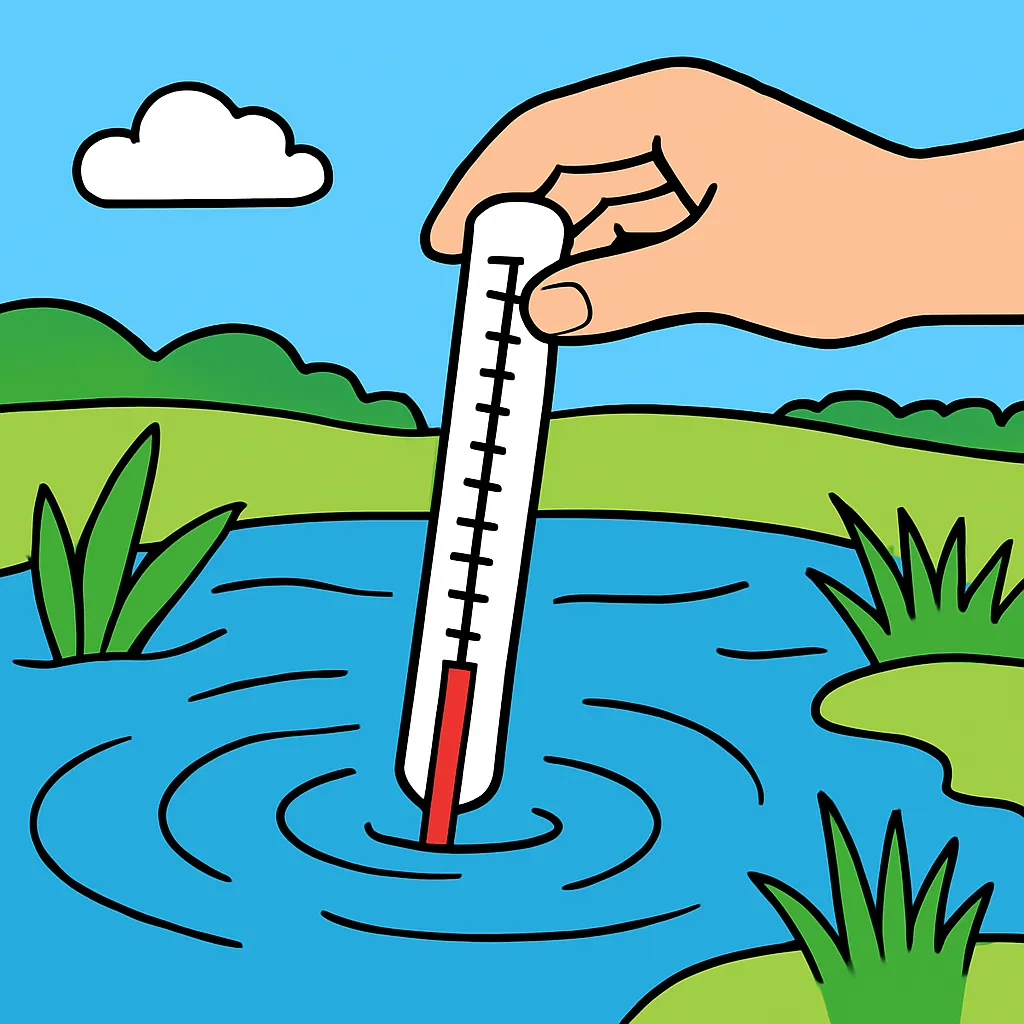
A class measures a pond all year and finds the water temperature range stays between 12 C and 15 C. What kind of factor of the pond ecosystem is this temperature range?
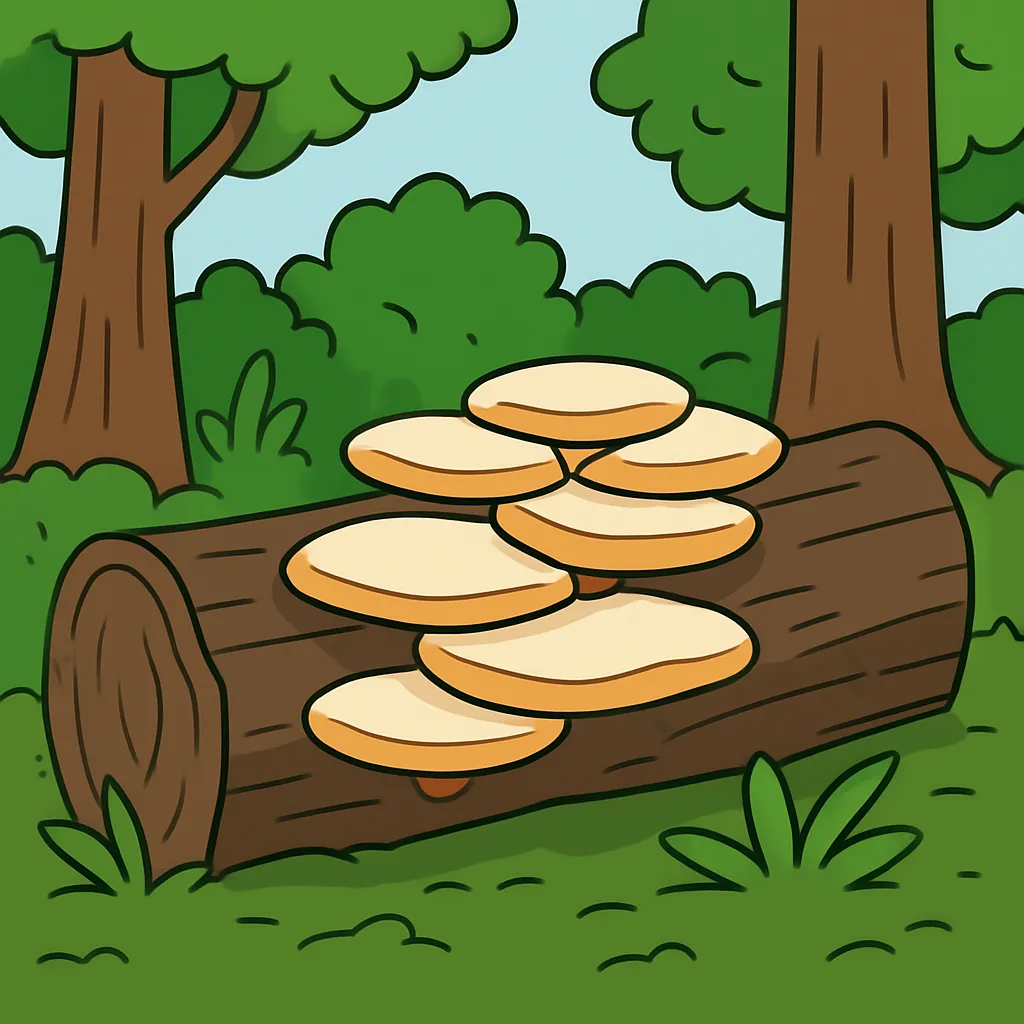
On a forest floor, shelf mushrooms grow across a fallen tree trunk and slowly break the wood down. What kind of factor of the forest ecosystem are the mushrooms?
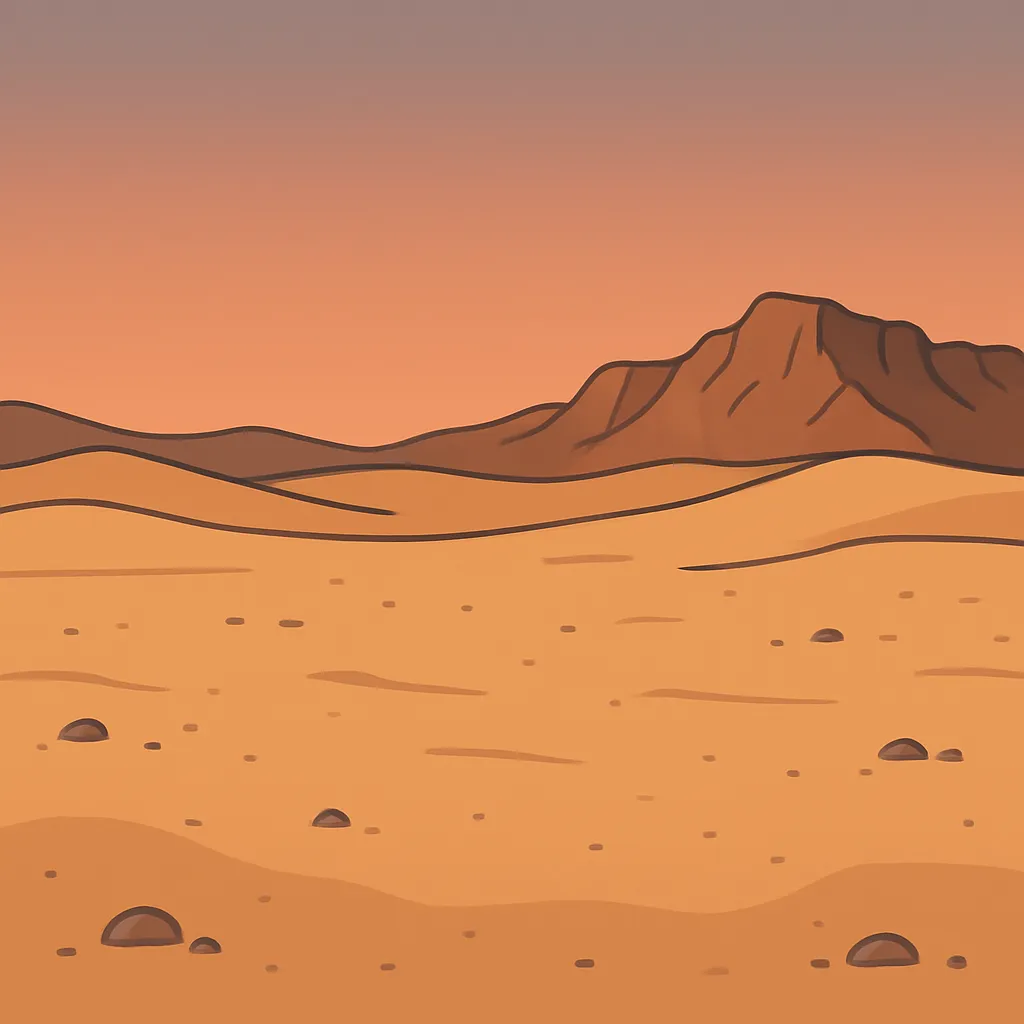
A desert survey records four things: sandy soil, a night air temperature of 8 C, kangaroo rats, and yearly rainfall of 6 cm. Which recorded item is a biotic factor?
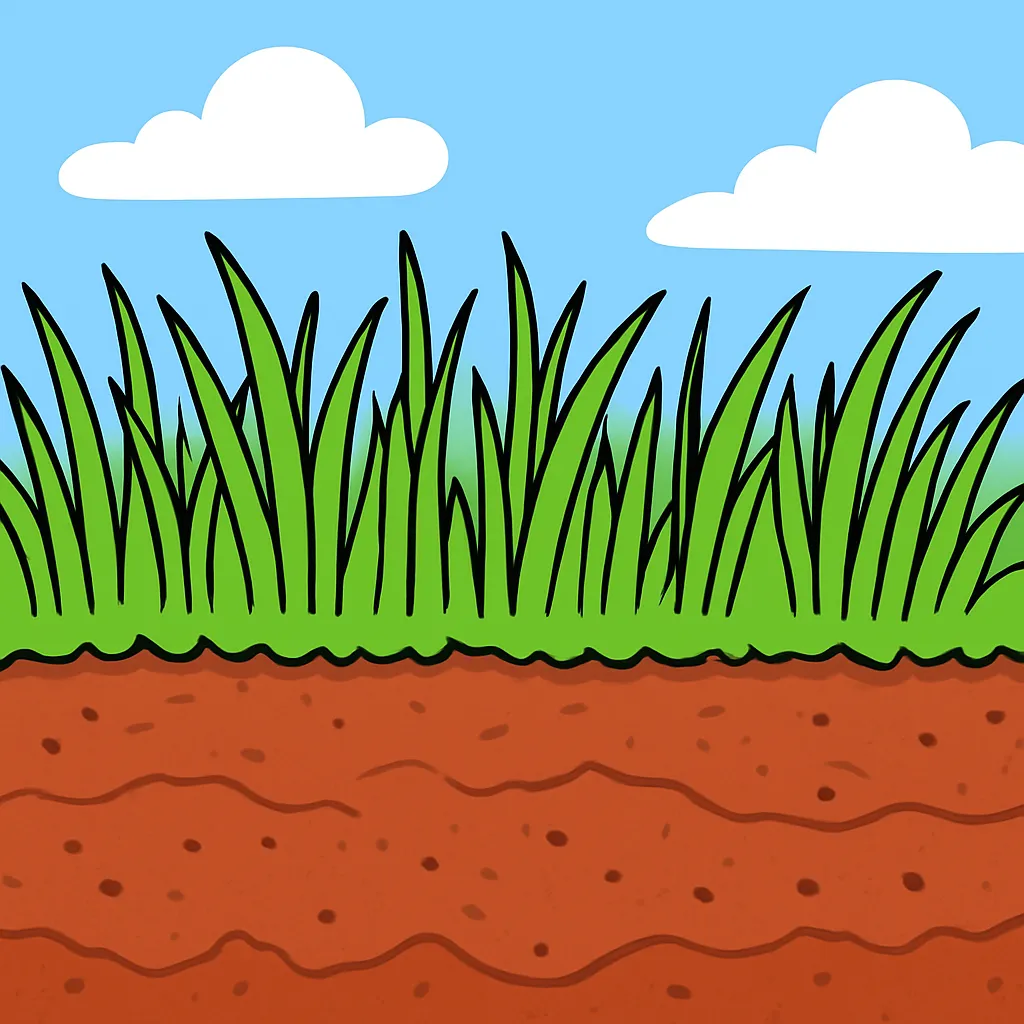
A grassland plot is described as holding tall grasses, grasshoppers, hawks, and clay-rich soil. Which described part of the plot is an abiotic factor?
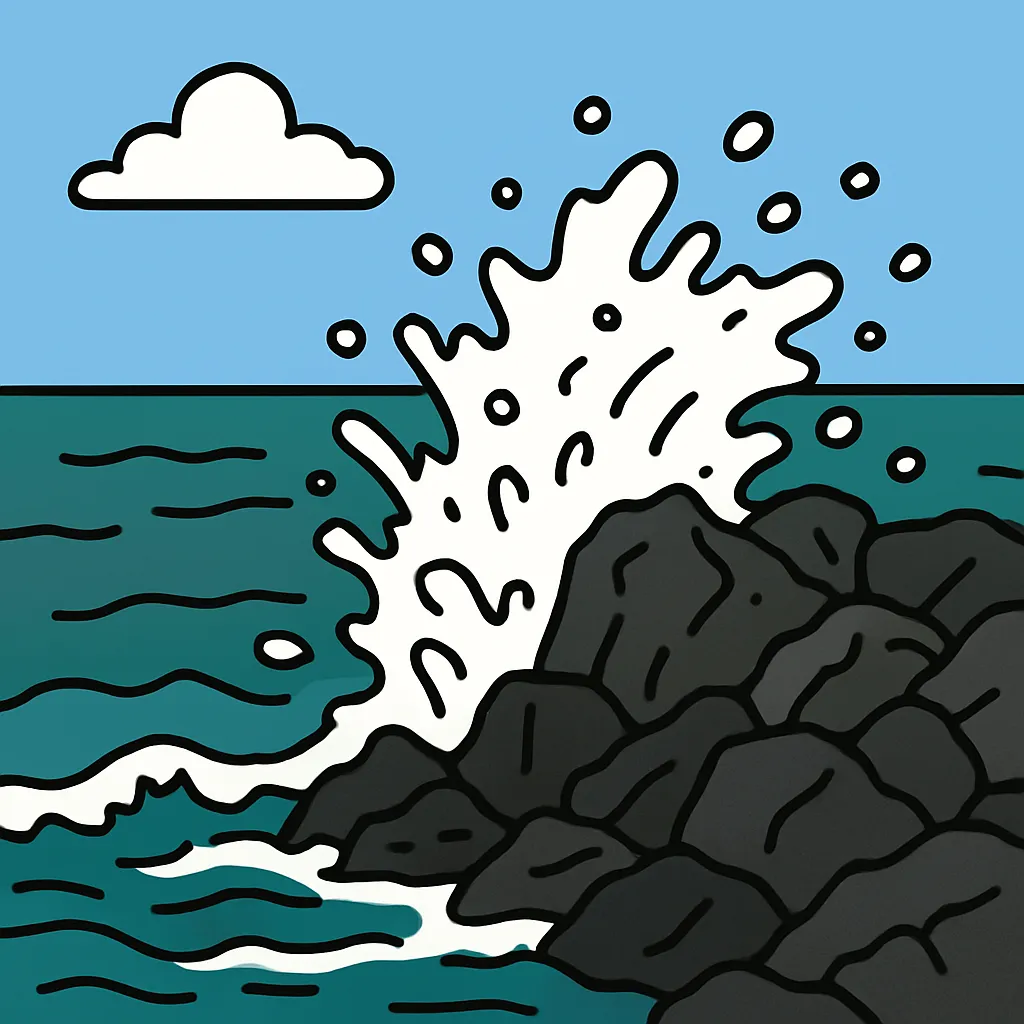
Waves throw salt spray onto the bare rocks of a coast, and only a few plants can grow where the spray lands. What kind of factor of this coastal ecosystem is the salt spray?
Sunlight falls across a pond each day, and the pond plants need it to grow. What kind of factor is sunlight in this pond ecosystem?

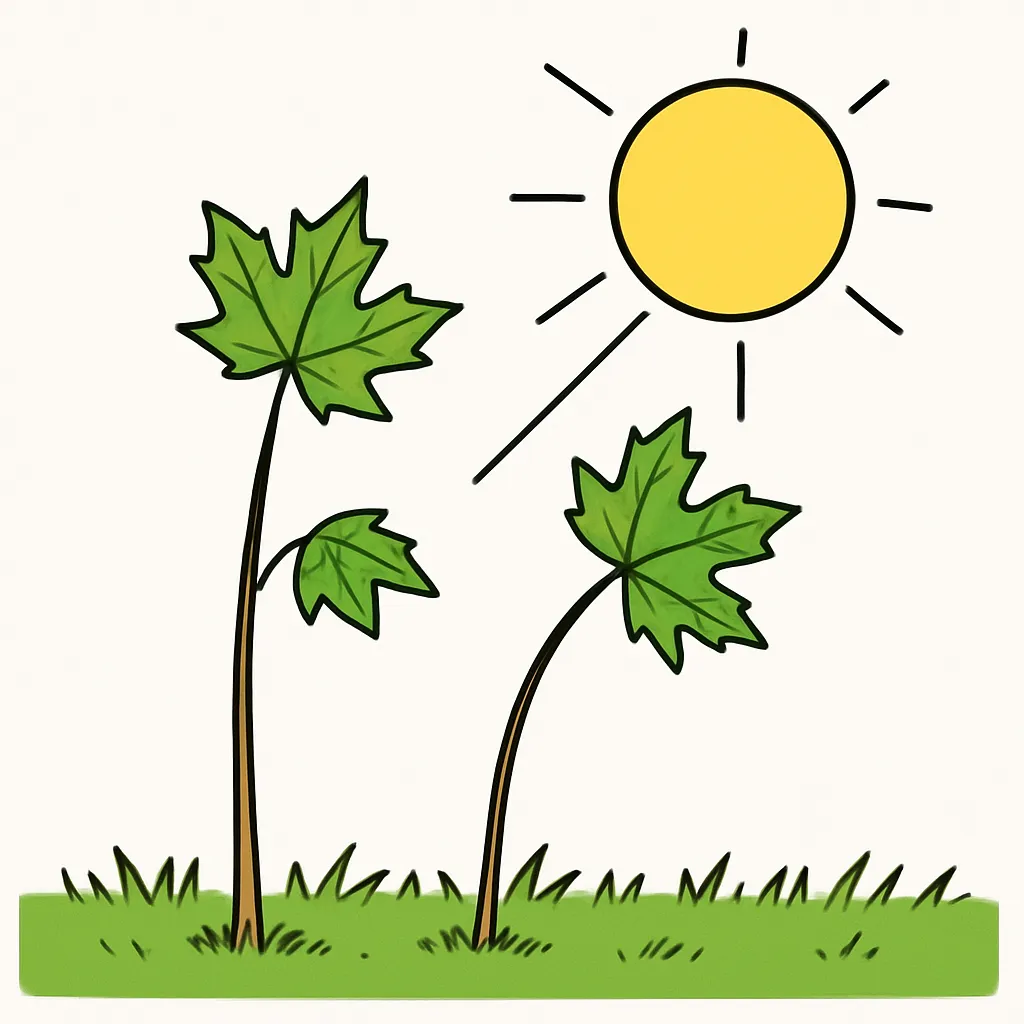
Two young maple trees grow one meter apart in a forest gap. Both spread branches toward the same patch of sunlight, and the shaded tree grows much more slowly. What interaction does this describe?
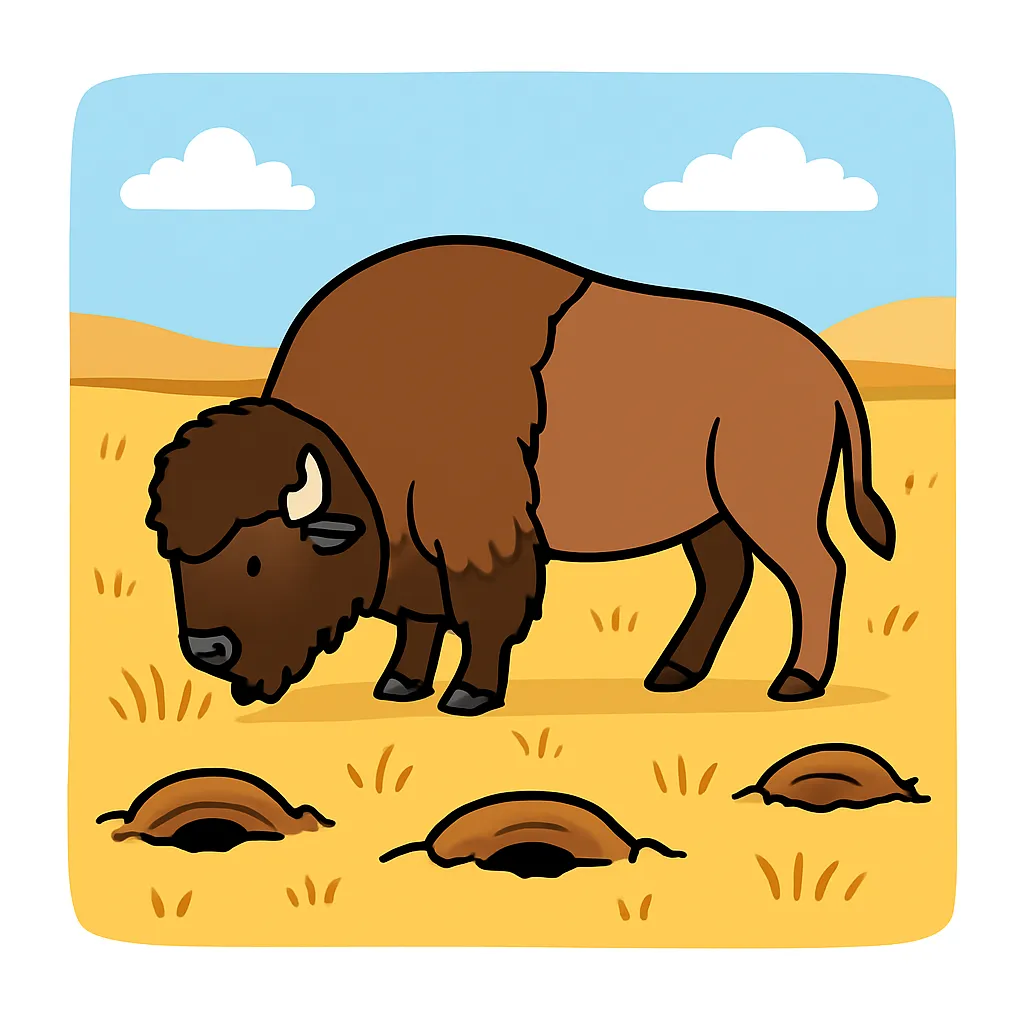
In a dry grassland summer, a bison herd and a prairie dog colony feed on the same short grasses, and the grass is running out. What resource are these two groups competing for?
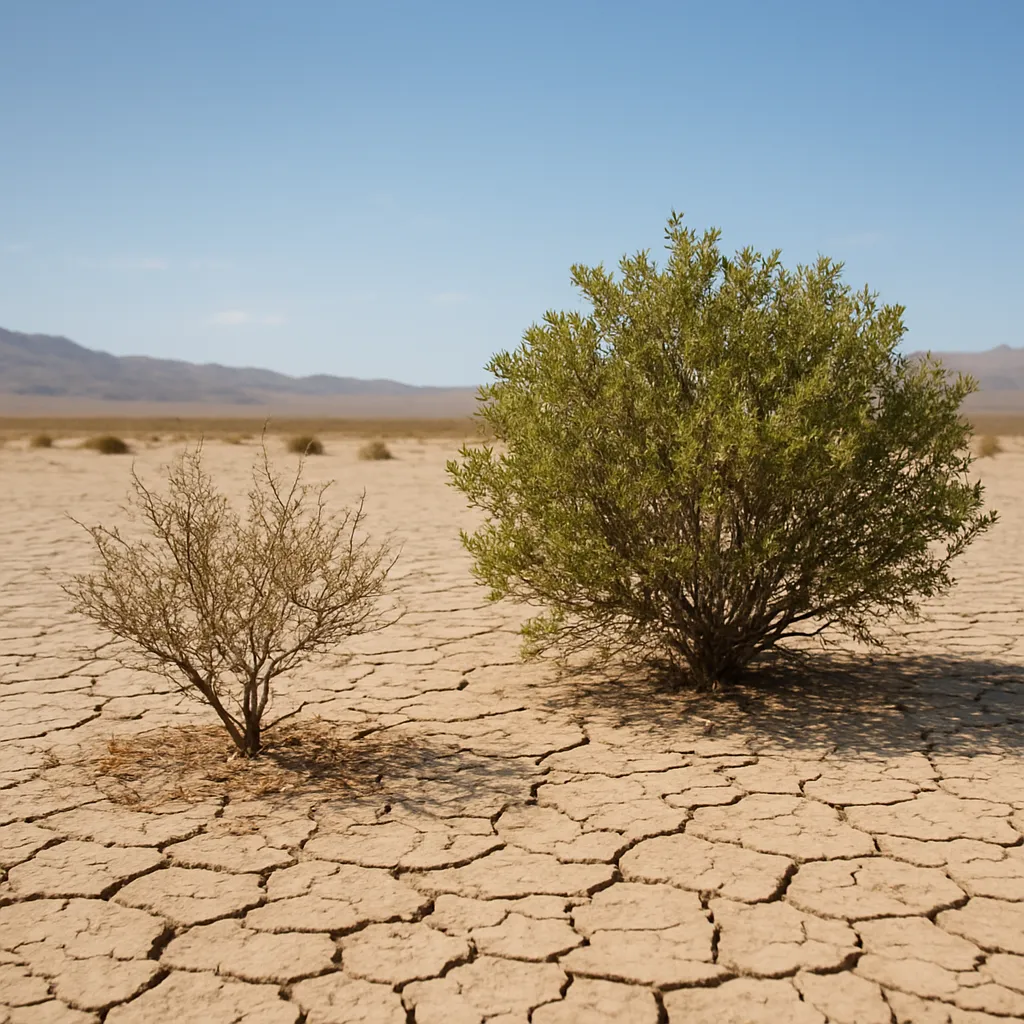
Two creosote bushes in a desert spread wide, shallow roots through the same patch of ground. Rain falls only twice a year, and the smaller bush drops many leaves. What resource are the bushes competing for?
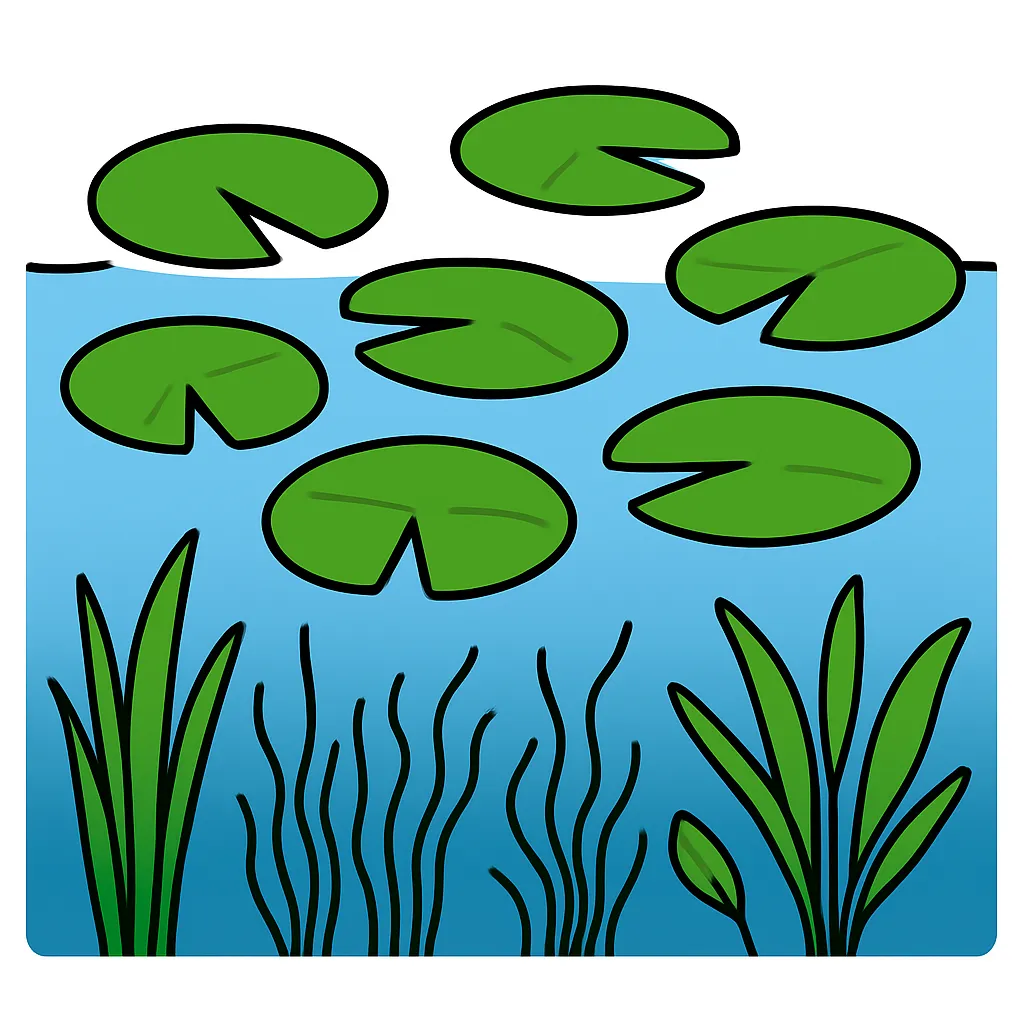
Lily pads spread until they cover most of a pond's surface. Under them, the submerged water plants grow thin and pale. What resource are these plants competing for?
In one forest, gray squirrels and chipmunks both eat acorns. One autumn the oak trees produce very few acorns. What is the most likely result for these animals?
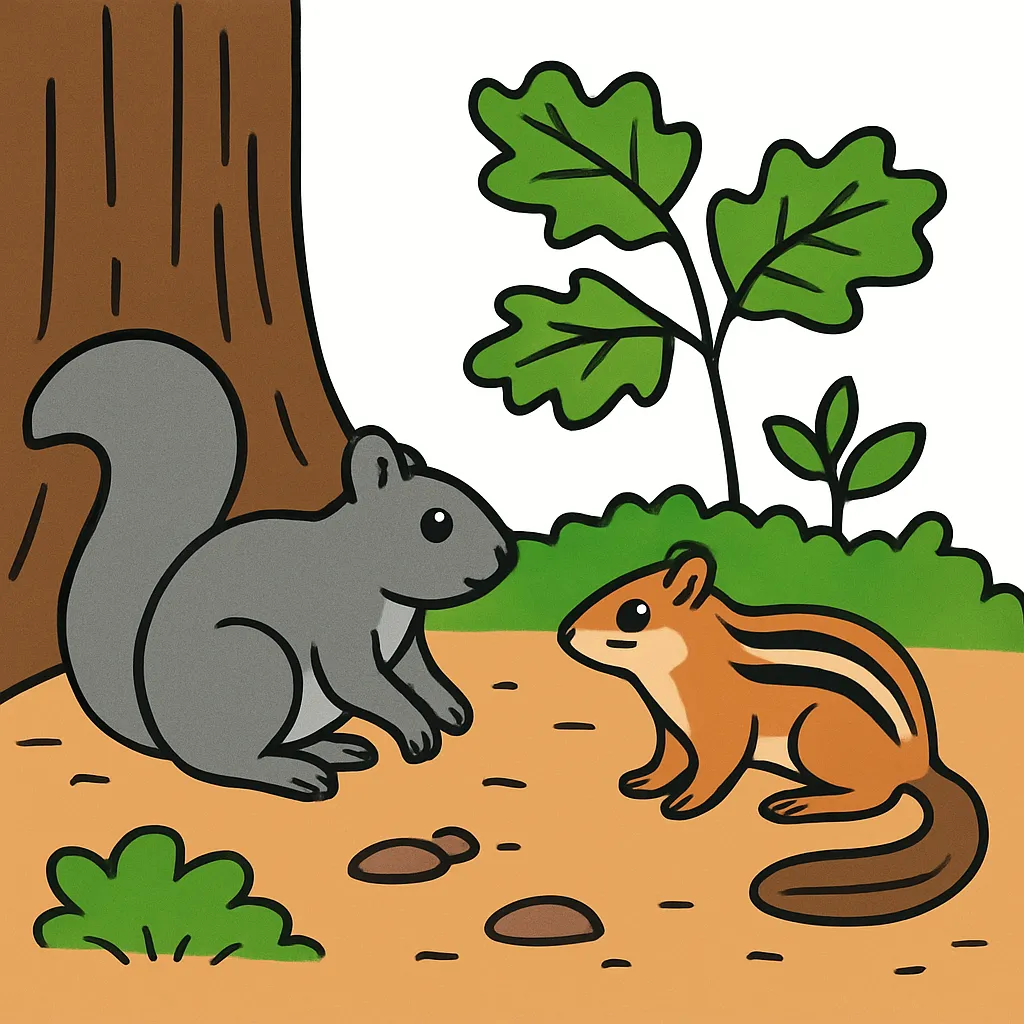
A pond study counts 40 bullfrogs, all of the same species, living in the same pond at the same time. What term names this group of 40 bullfrogs?
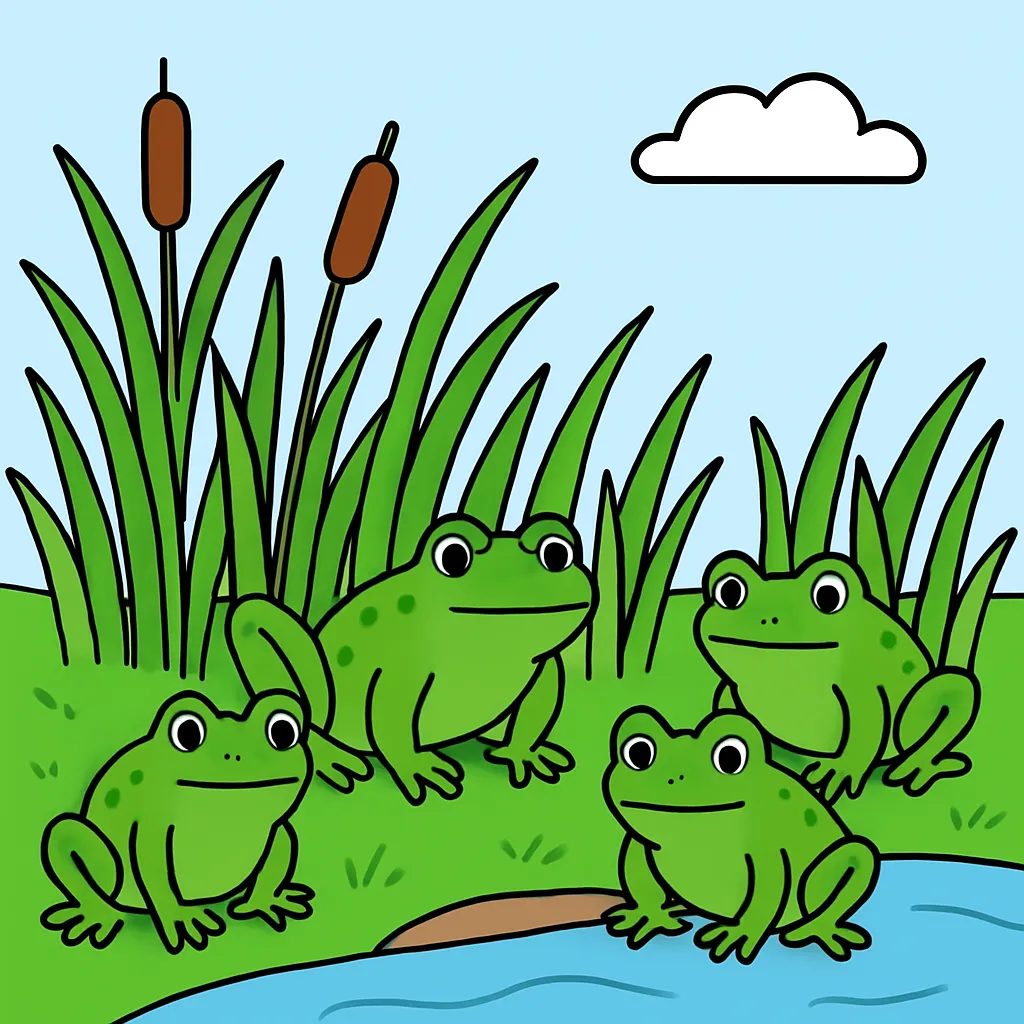
A marsh survey lists every living thing in the marsh together: cattails, frogs, herons, insects and bacteria. It does not include the water, mud or air. What term names this group?
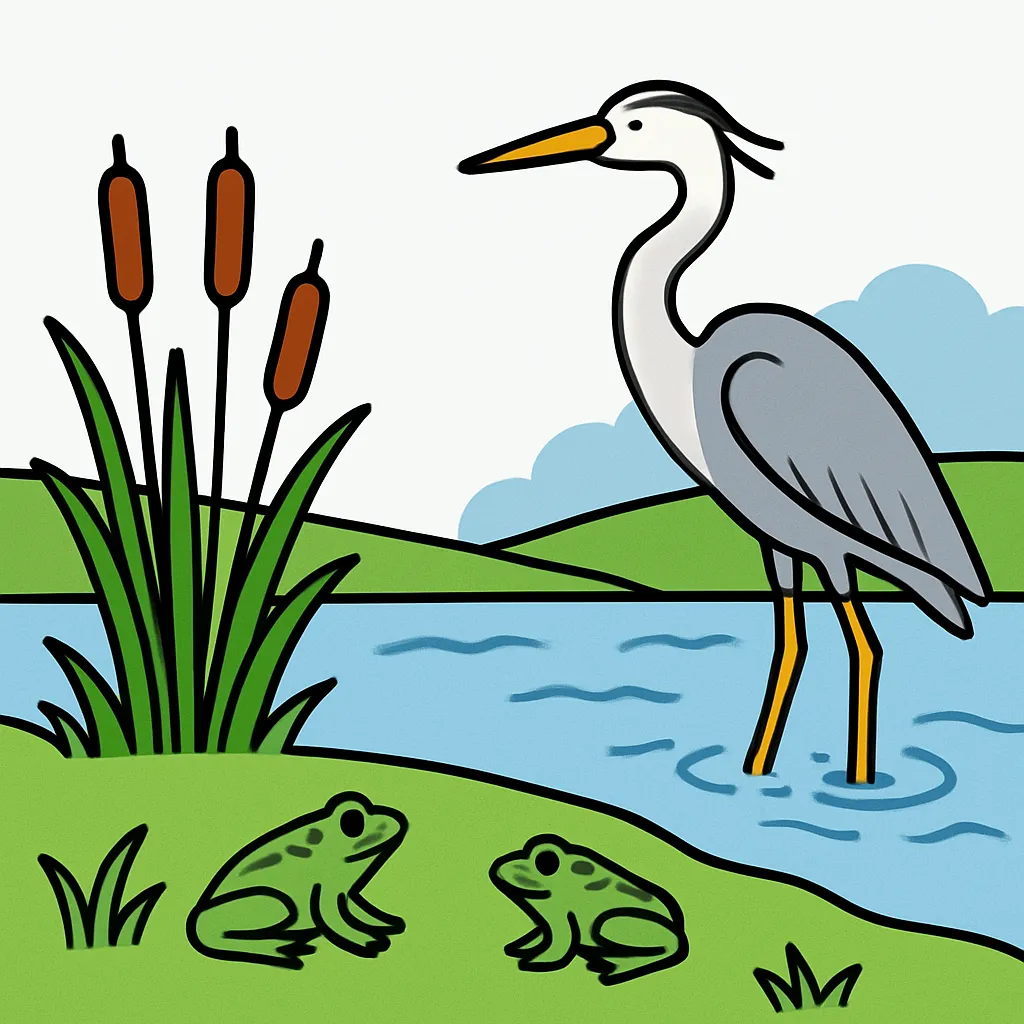
The soil in one grassland is thin and low in nutrients, so the grasses growing there stay short and thin all season. What kind of factor is limiting the grasses?
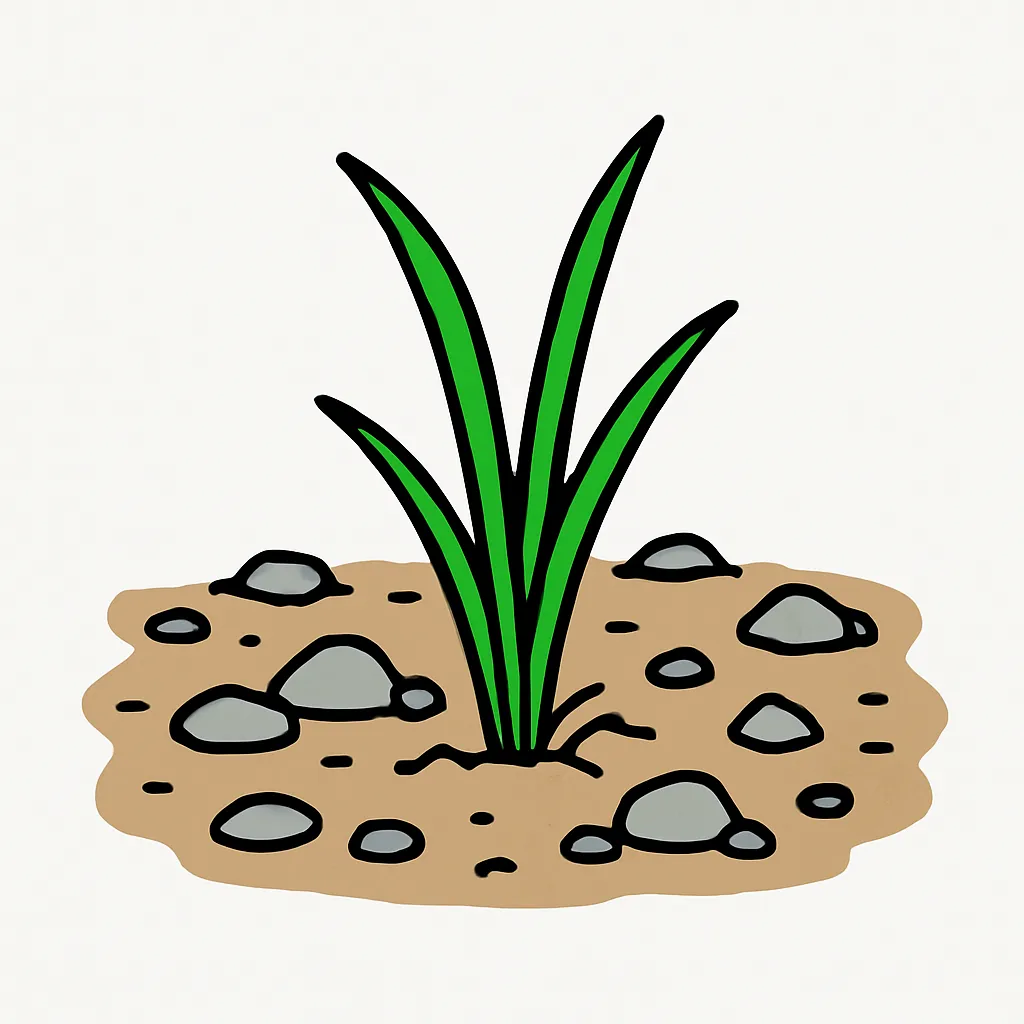
Soil composition is an abiotic factor of a desert ecosystem.
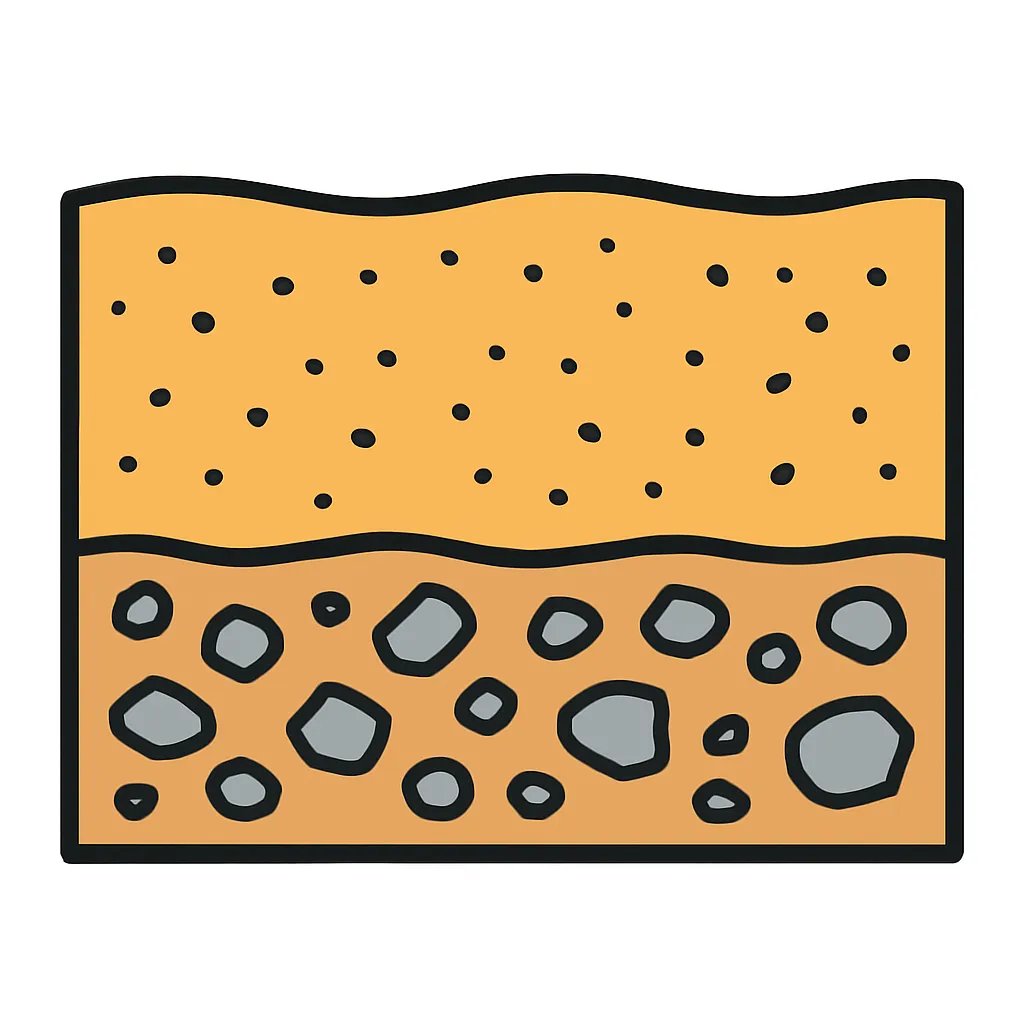
Two plants growing side by side in the same small pot both draw water from the same soil, and one begins to wilt. This is an example of competition.

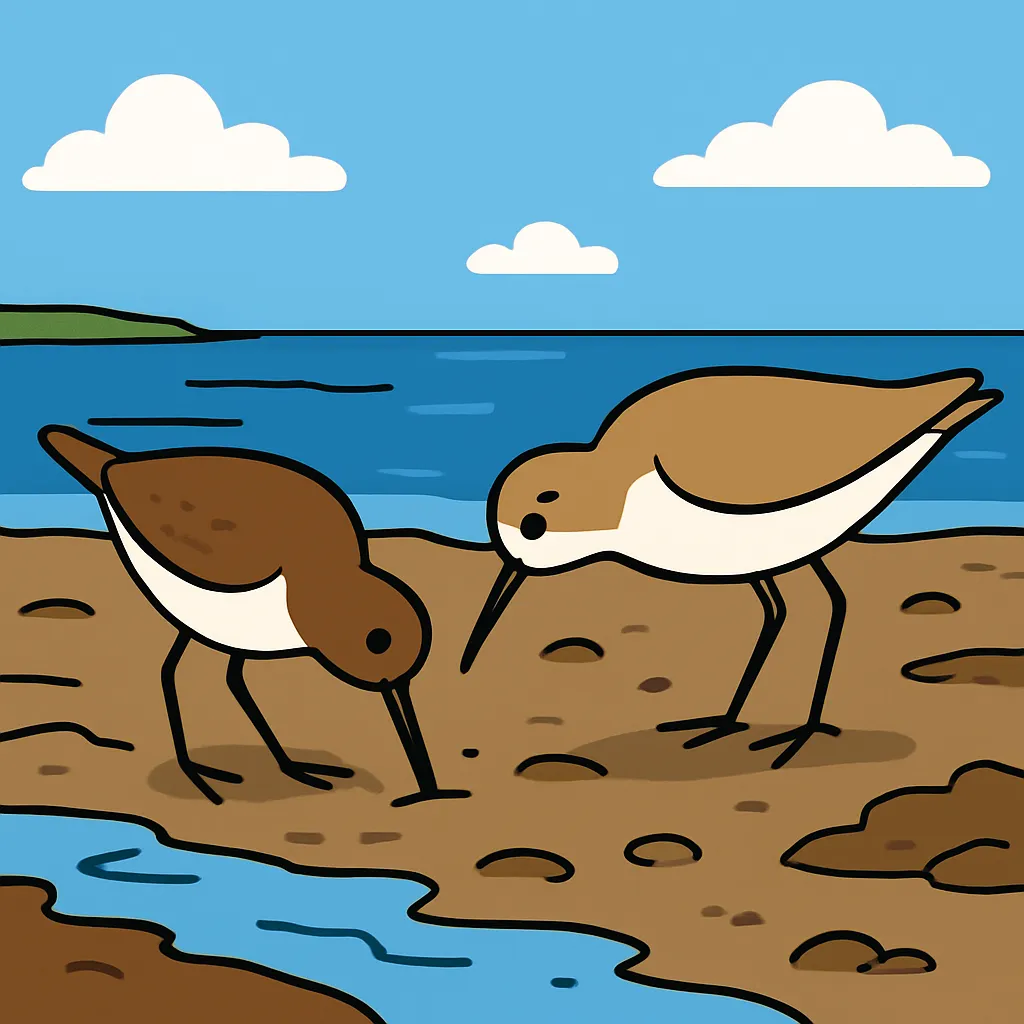
Sandpipers and plovers probe the same mudflat for worms. A student calls all of these birds one population. Why is that wrong?
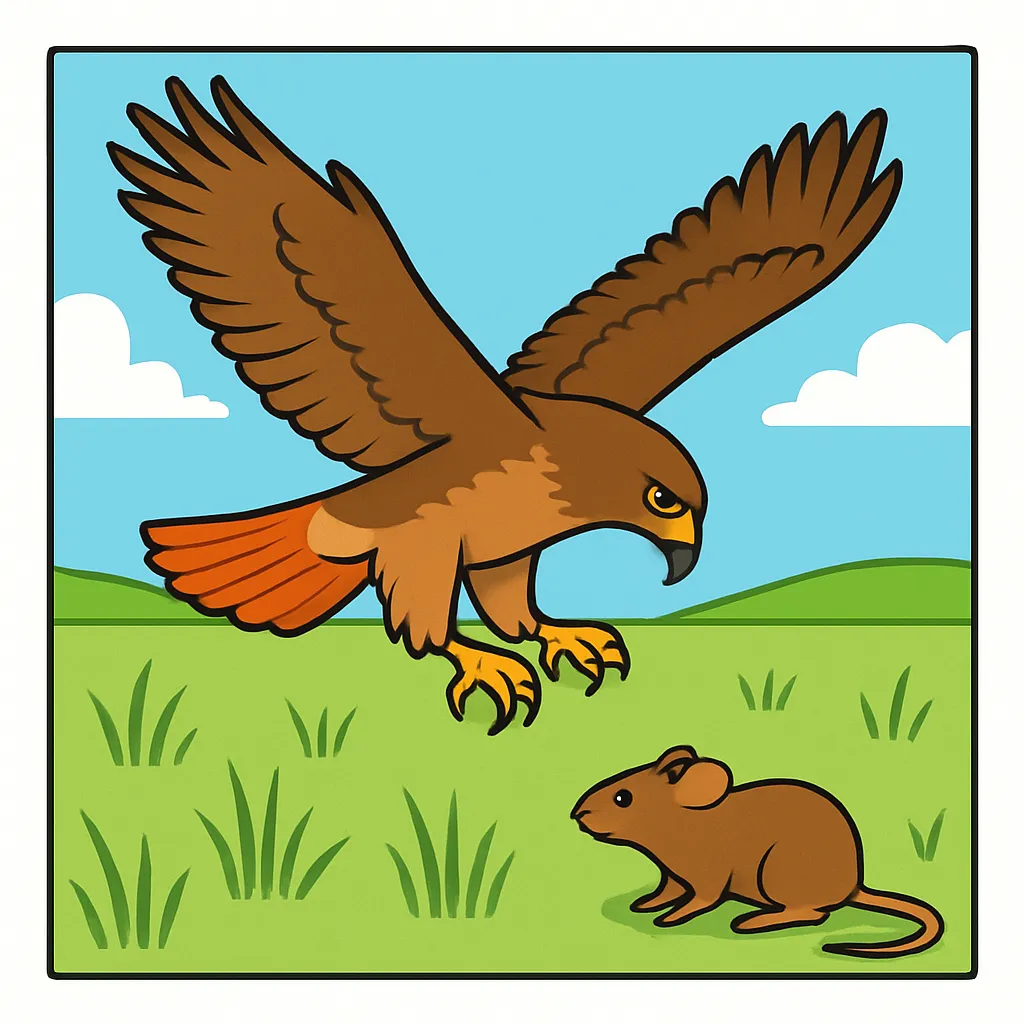
A red-tailed hawk dives from a tree branch and catches a field mouse to eat. What interaction does this describe between the hawk and the mouse?
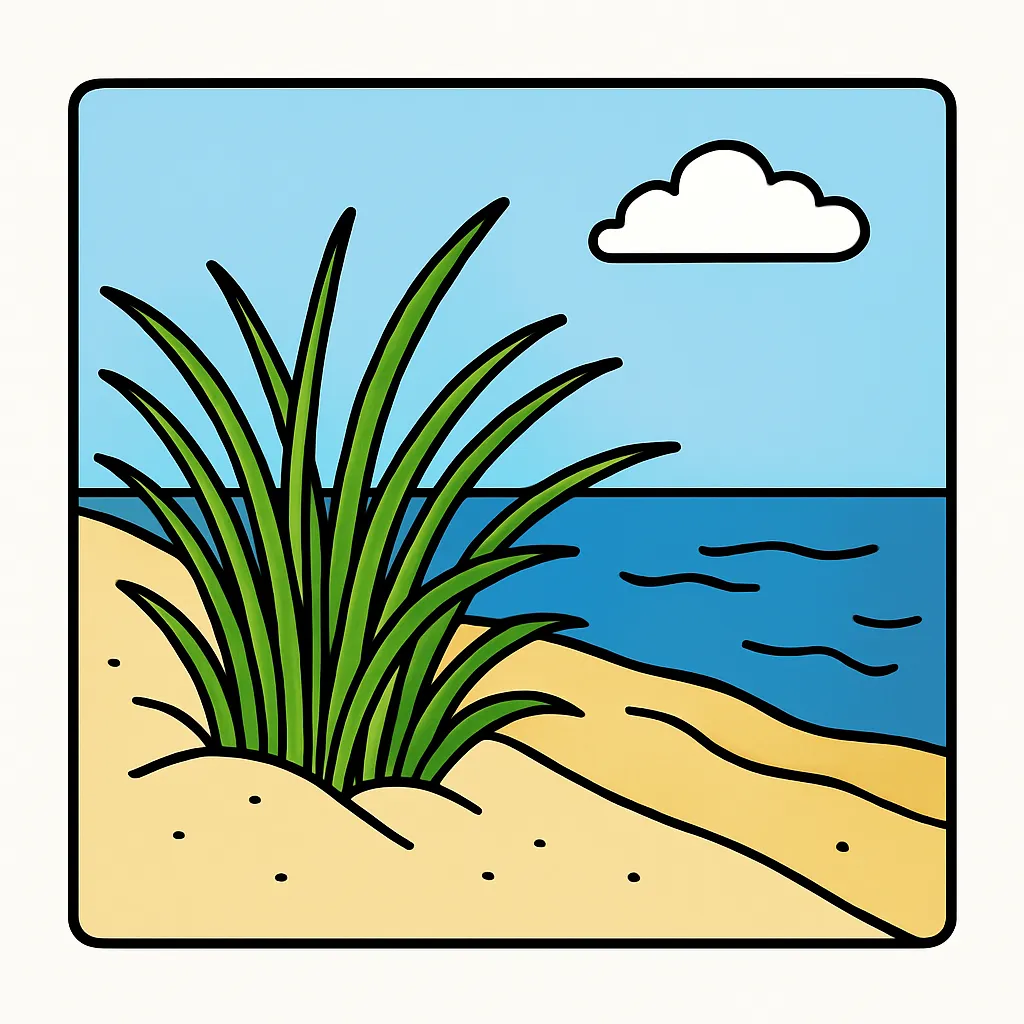
On a coastal dune, beach grass sends roots through the loose sand and helps hold the dune in place. Which part of this description is a biotic factor?
Two hawk populations hunt the same field mice over one grassland, and the mice are getting harder to find. If one hawk population moves away, what is most likely to happen to the hawks that stay?
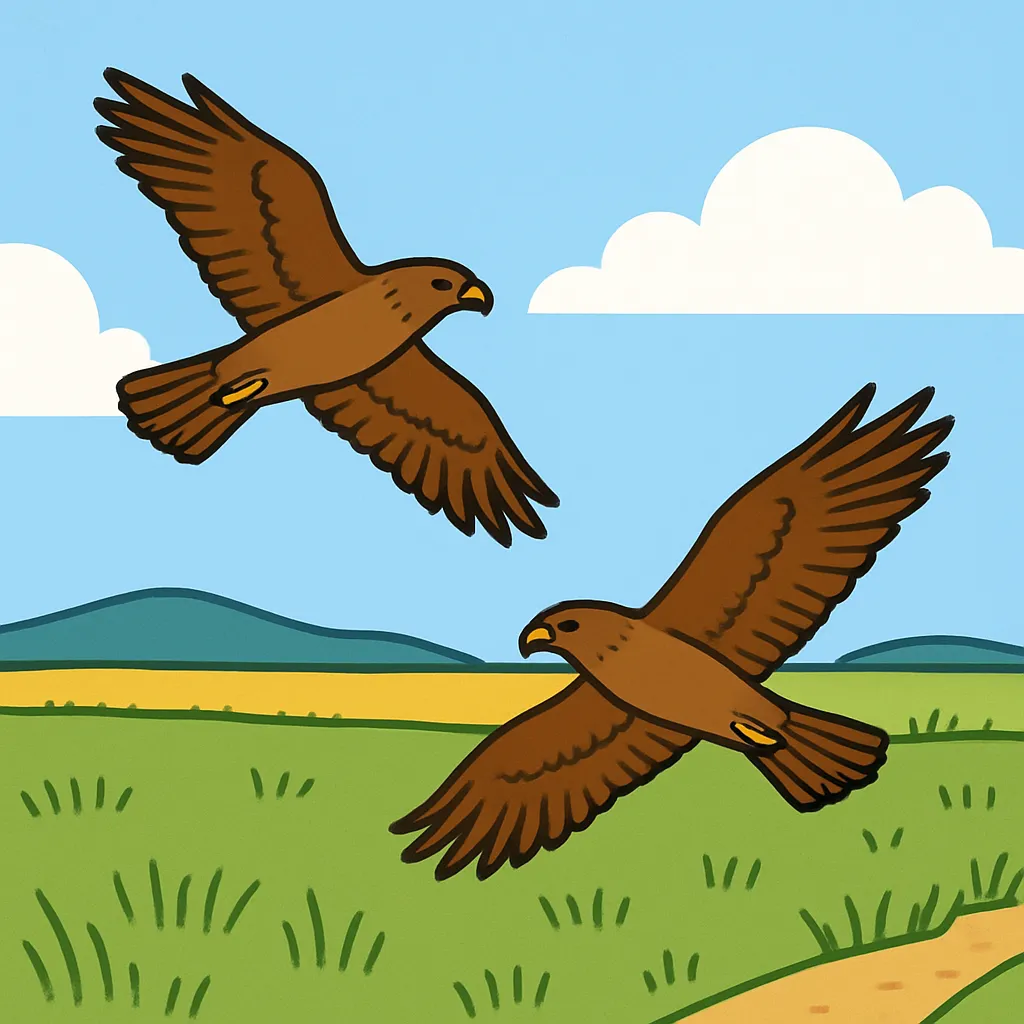
A stream survey measures the amount of oxygen dissolved in the water and finds it drops on warm afternoons. What kind of factor of the stream ecosystem is the dissolved oxygen?
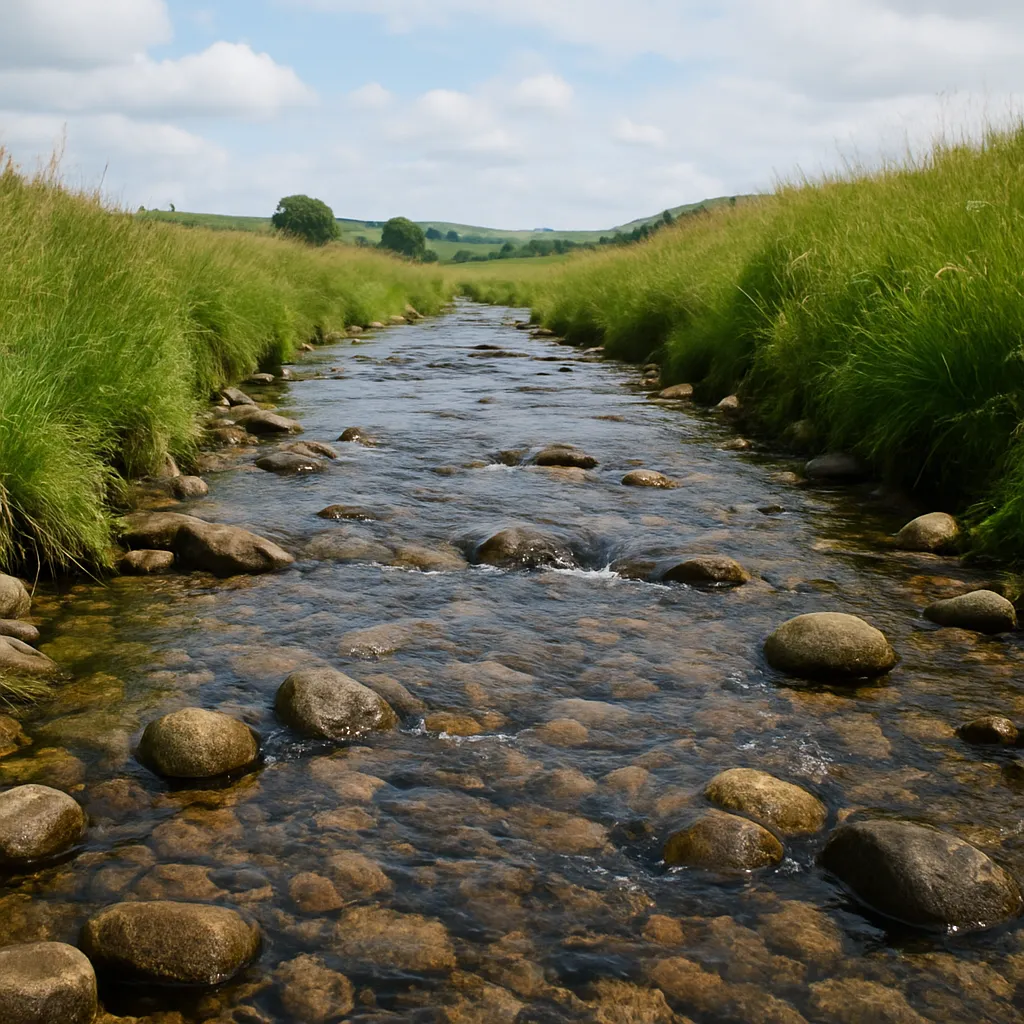
On an exposed ridge, steady wind bends the growing trees and dries the soil. What kind of factor of that ridge ecosystem is the wind?
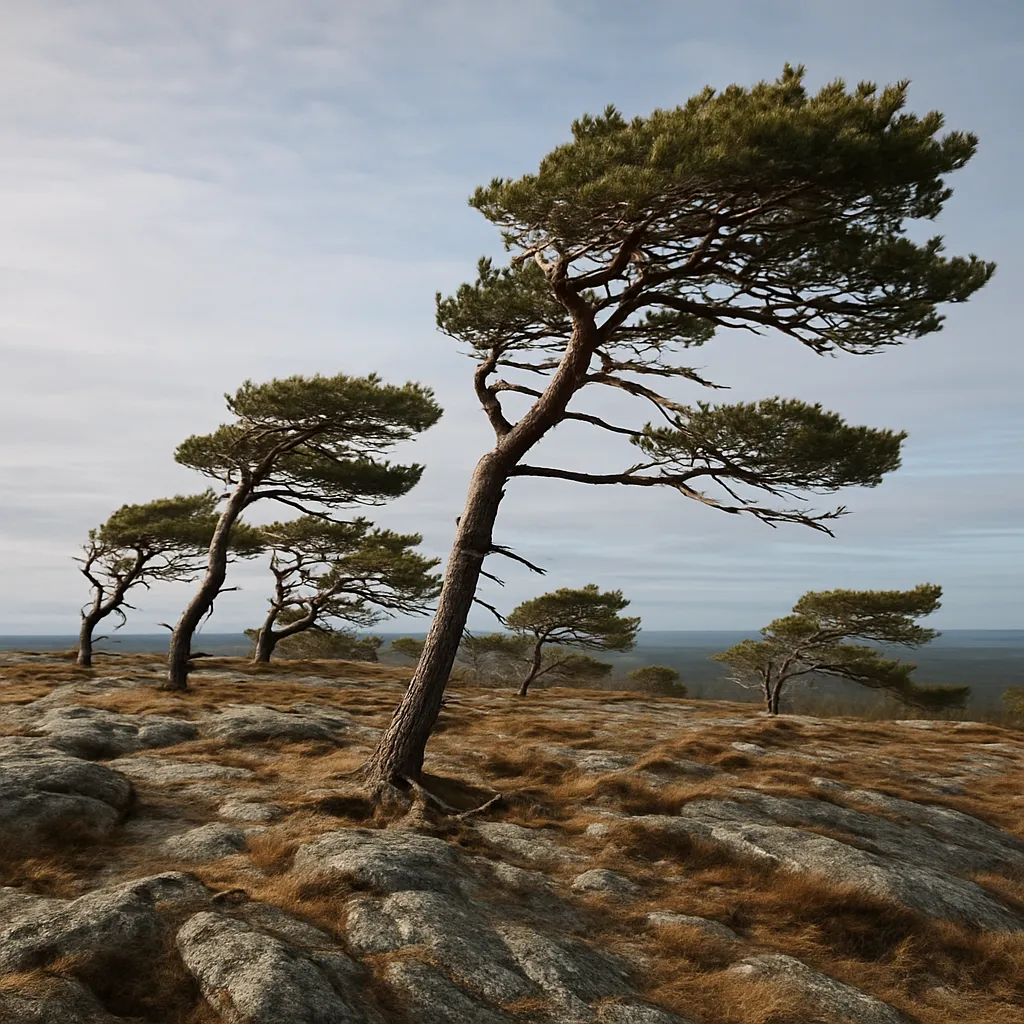
A cave survey lists four things: bats roosting on the ceiling, a steady air temperature of 11 C, dripping water, and bare limestone walls. Which listed item is a biotic factor?
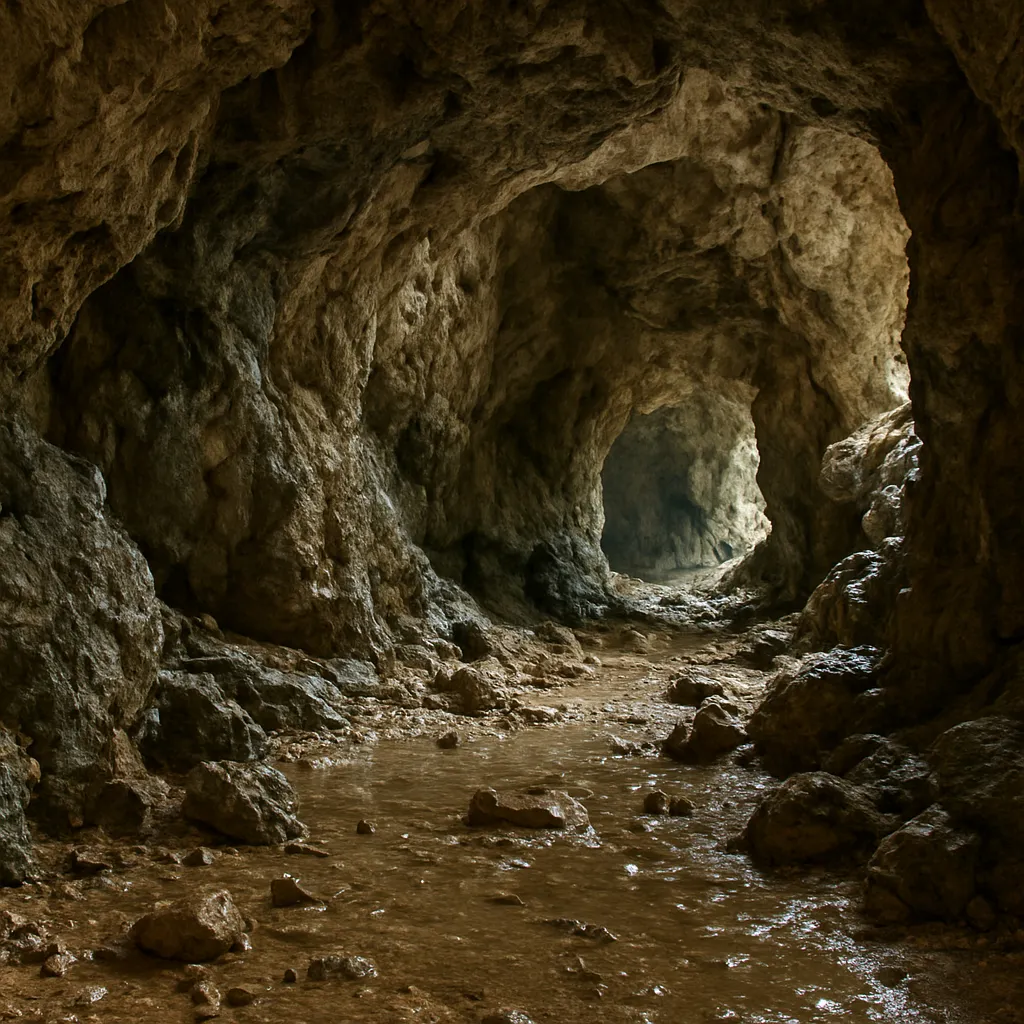
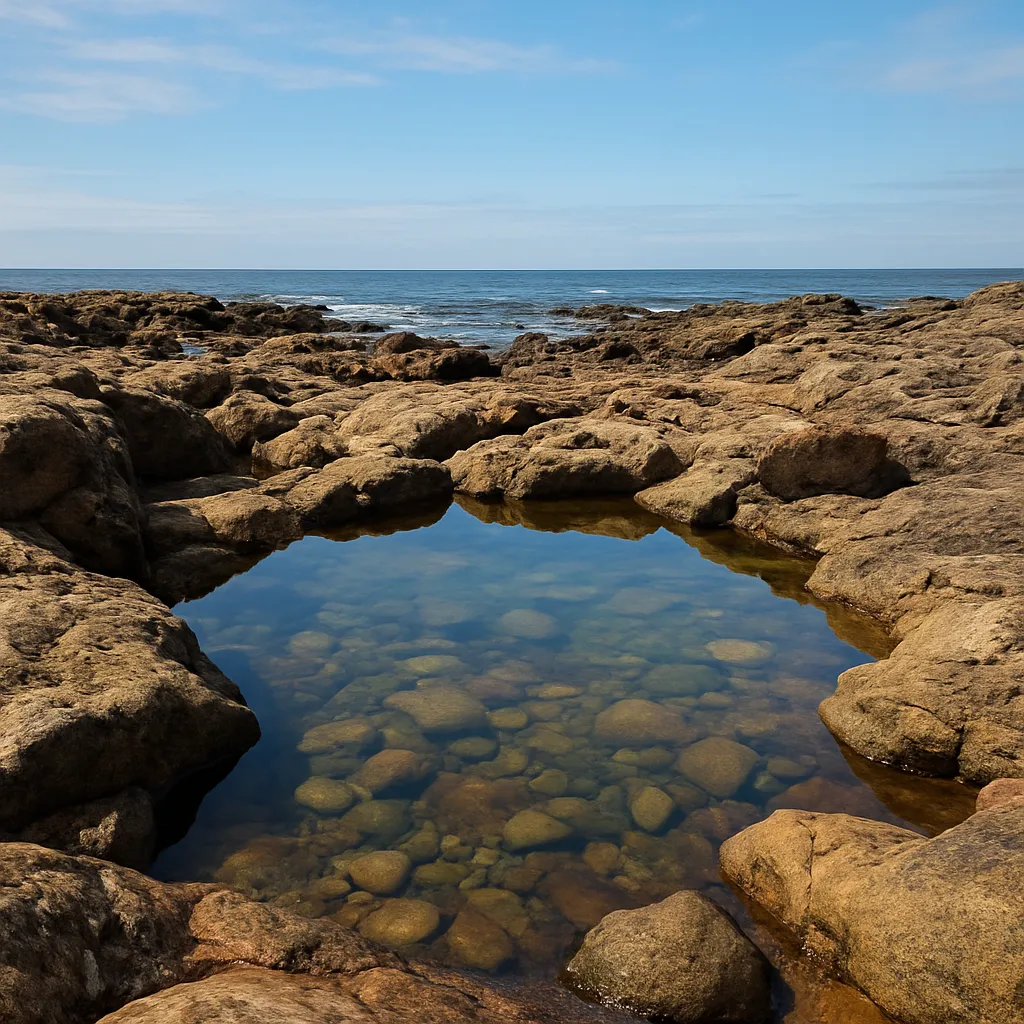
A tide pool is described as holding barnacles, seaweed, cold seawater, and smooth granite rock. Which described part of the pool is an abiotic factor?
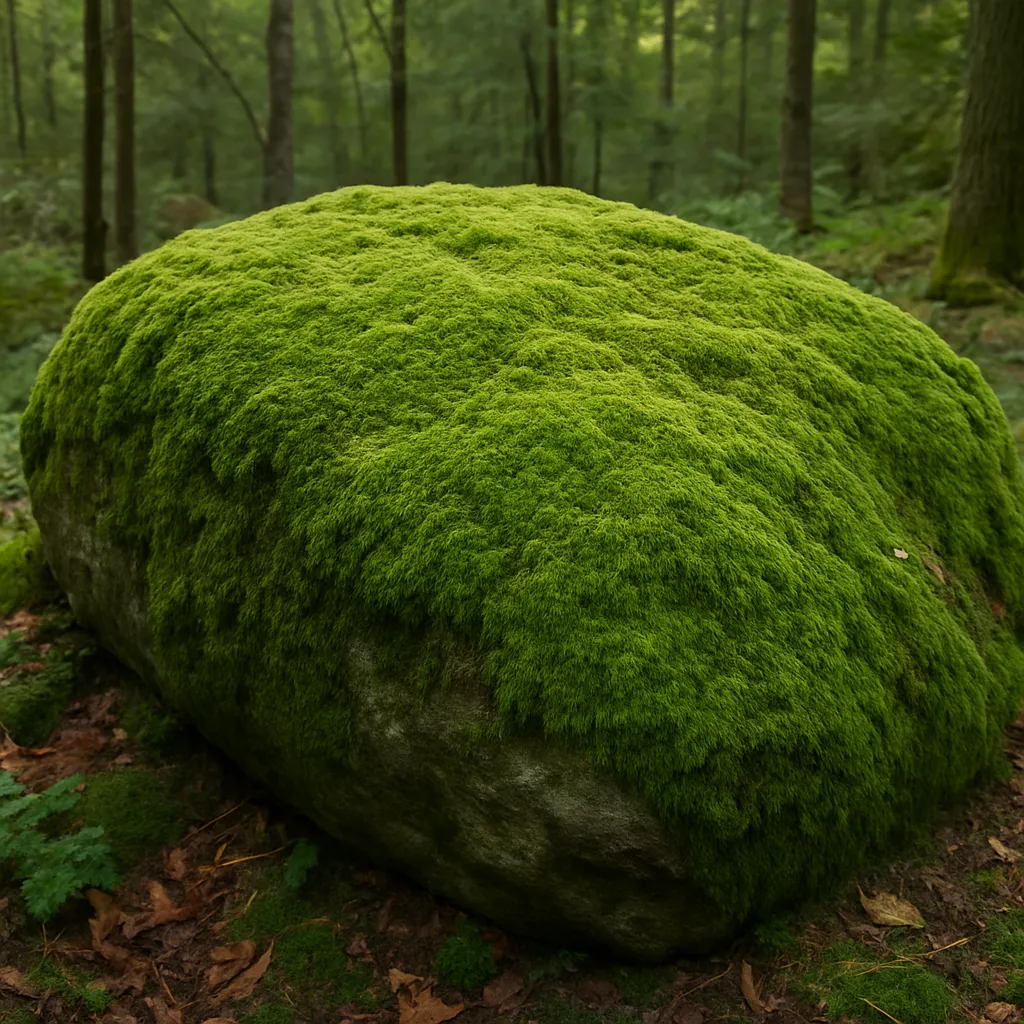
Thick mats of moss cover the shaded north side of boulders in a damp forest. What kind of factor of that forest ecosystem is the moss?
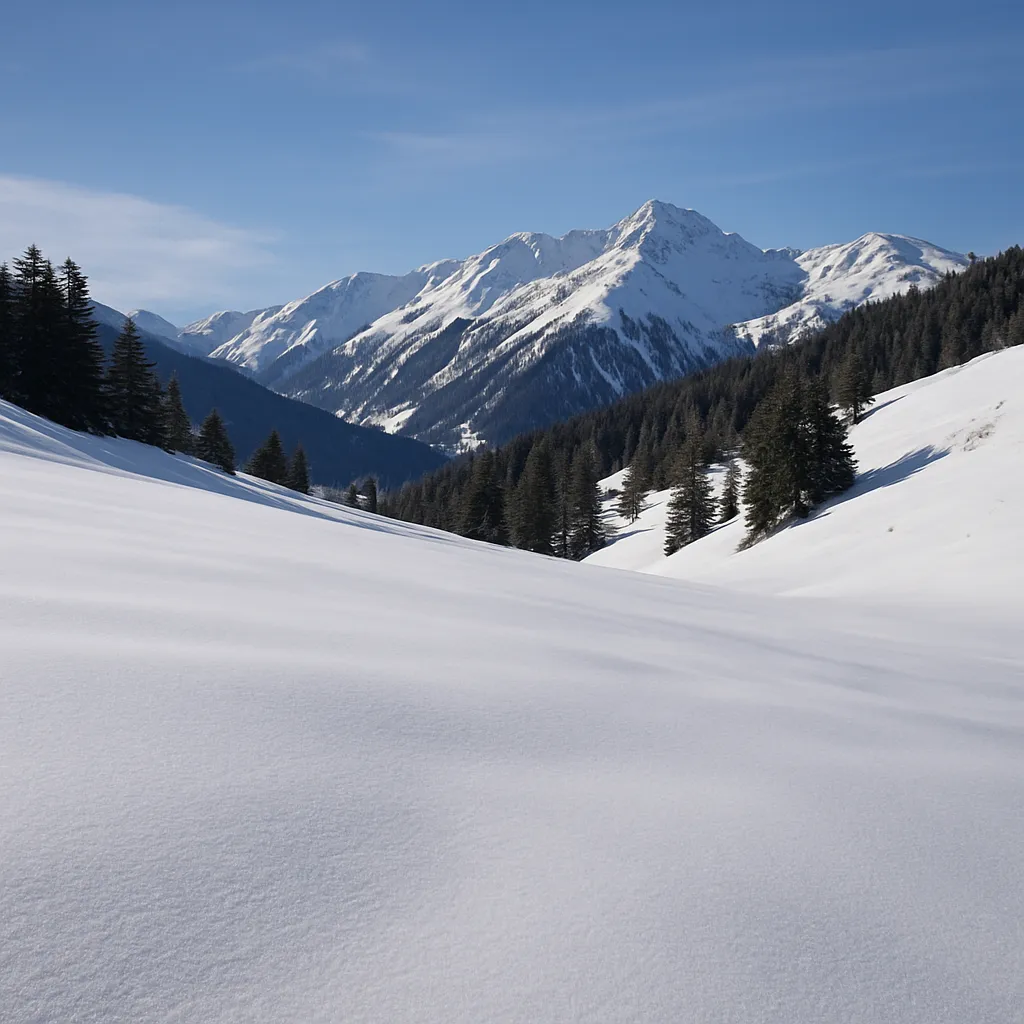
A mountain study records that snow lies on the ground for five months of the year, keeping the soil frozen. What kind of factor is the length of snow cover?
Bacteria in the soil of a meadow break down dead plant material and release nutrients back into the ground. What kind of factor of the meadow are those bacteria?

A lake study records the fish, plants and insects in a lake along with its water, mud and temperature range. What term names all of these parts together?
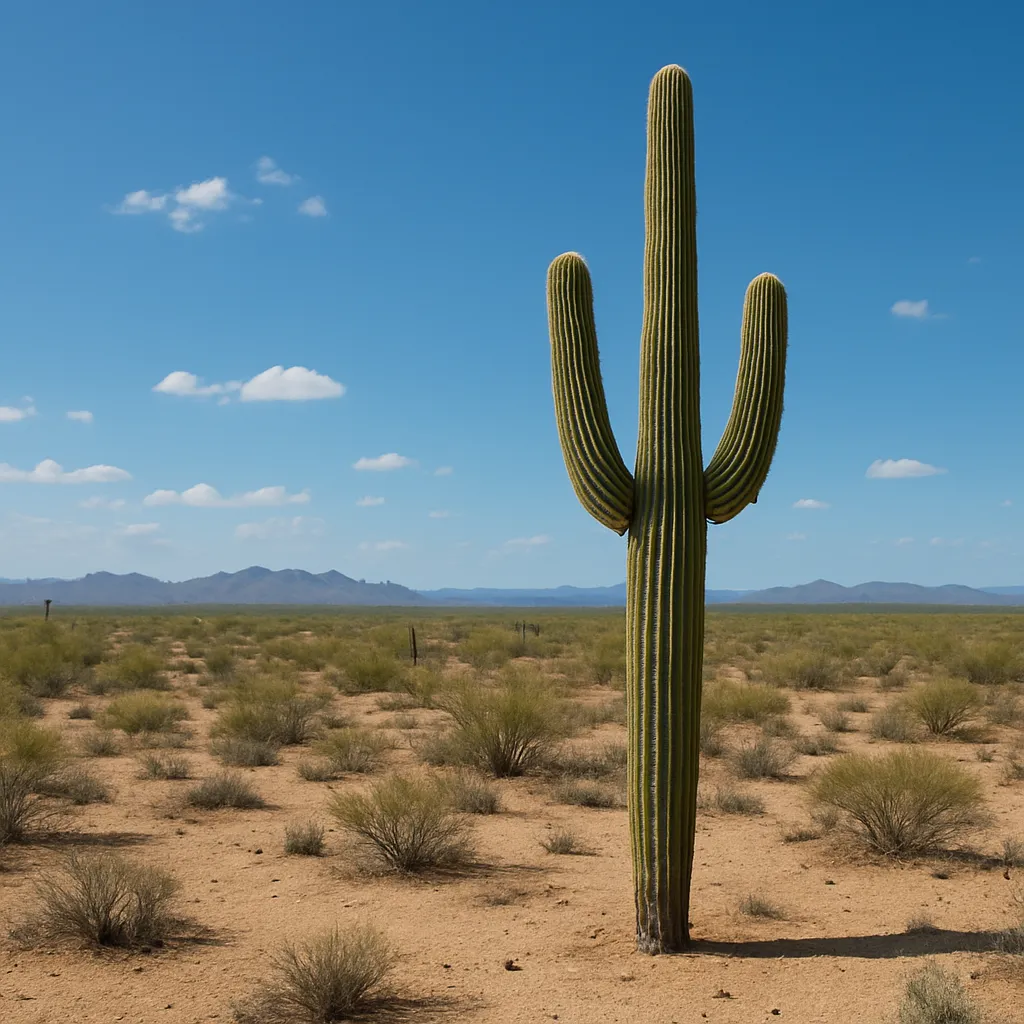
After a desert storm, a saguaro cactus swells its thick, pleated stem, then slowly shrinks over the dry months that follow. Which abiotic factor is the cactus storing?
Trout in a mountain stream grow fastest in stretches where mayfly larvae are plentiful. Which factor are the trout depending on most here?
Two barn owl pairs hunt over the same small field, and both need holes in old trees to nest in. Only three suitable holes exist. What are the two pairs competing for?
Thick leaves in a forest canopy block most sunlight from reaching the forest floor, so few small plants grow there. How should the canopy leaves be classified?
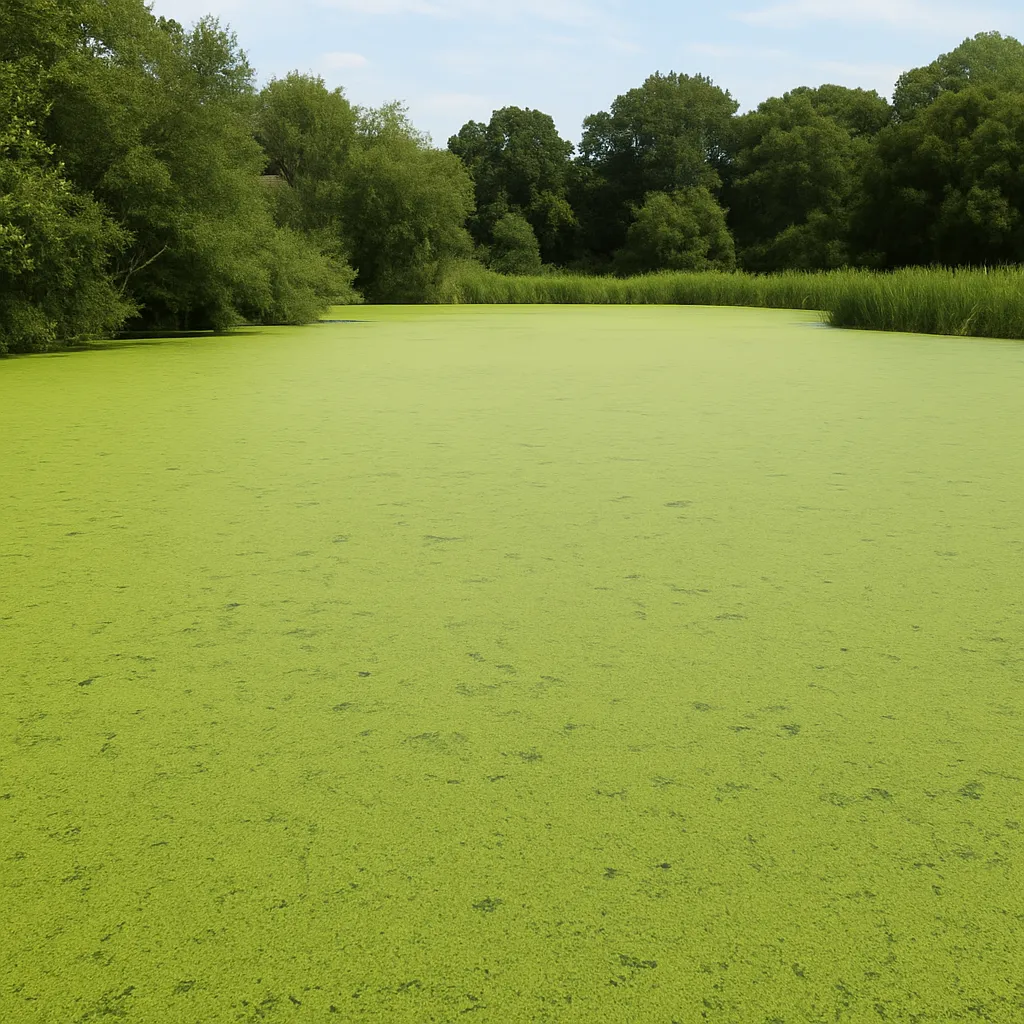
A pond fills with duckweed that covers the surface. A student says the duckweed is an abiotic factor because it is not an animal. What is wrong with that reasoning?
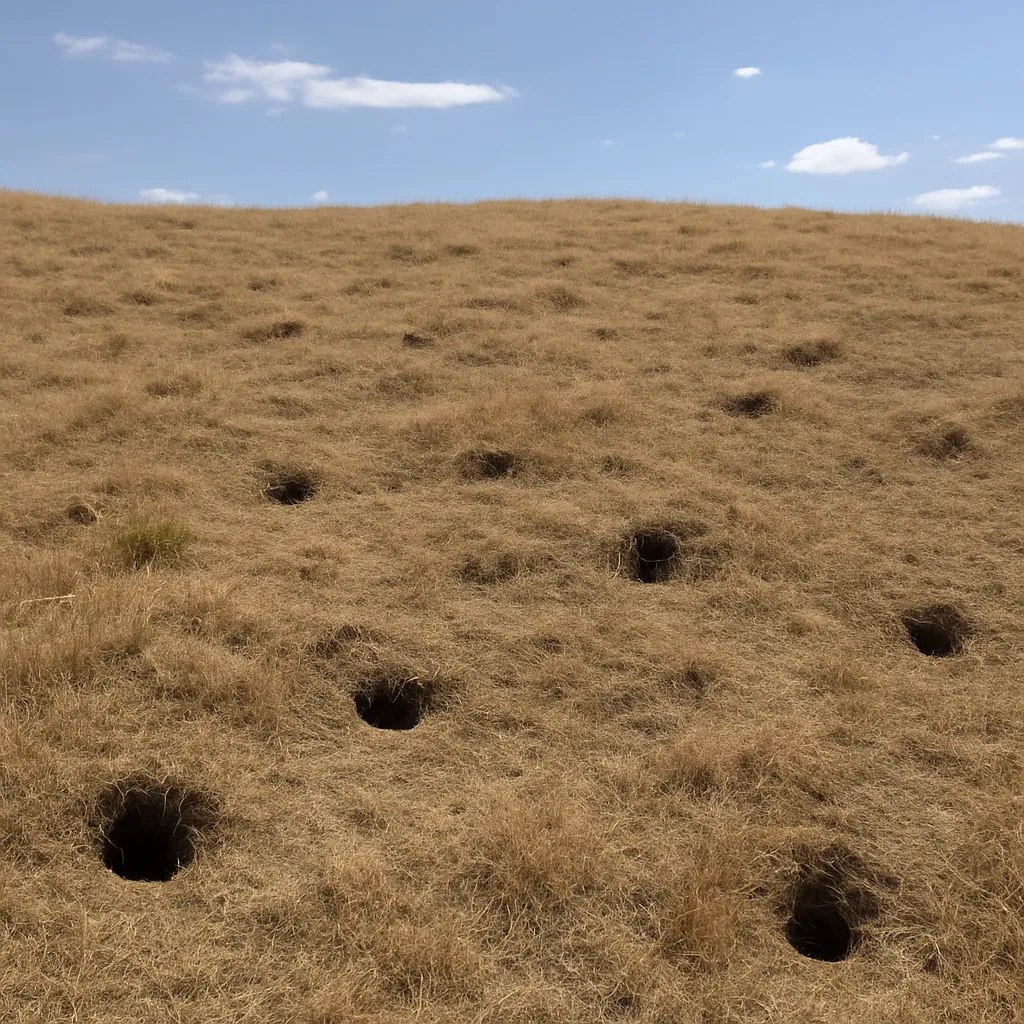
Two colonies of ground squirrels dig on the same hillside and both feed on the seeds of the same grasses. In a year with plenty of seeds, what is the most likely result?
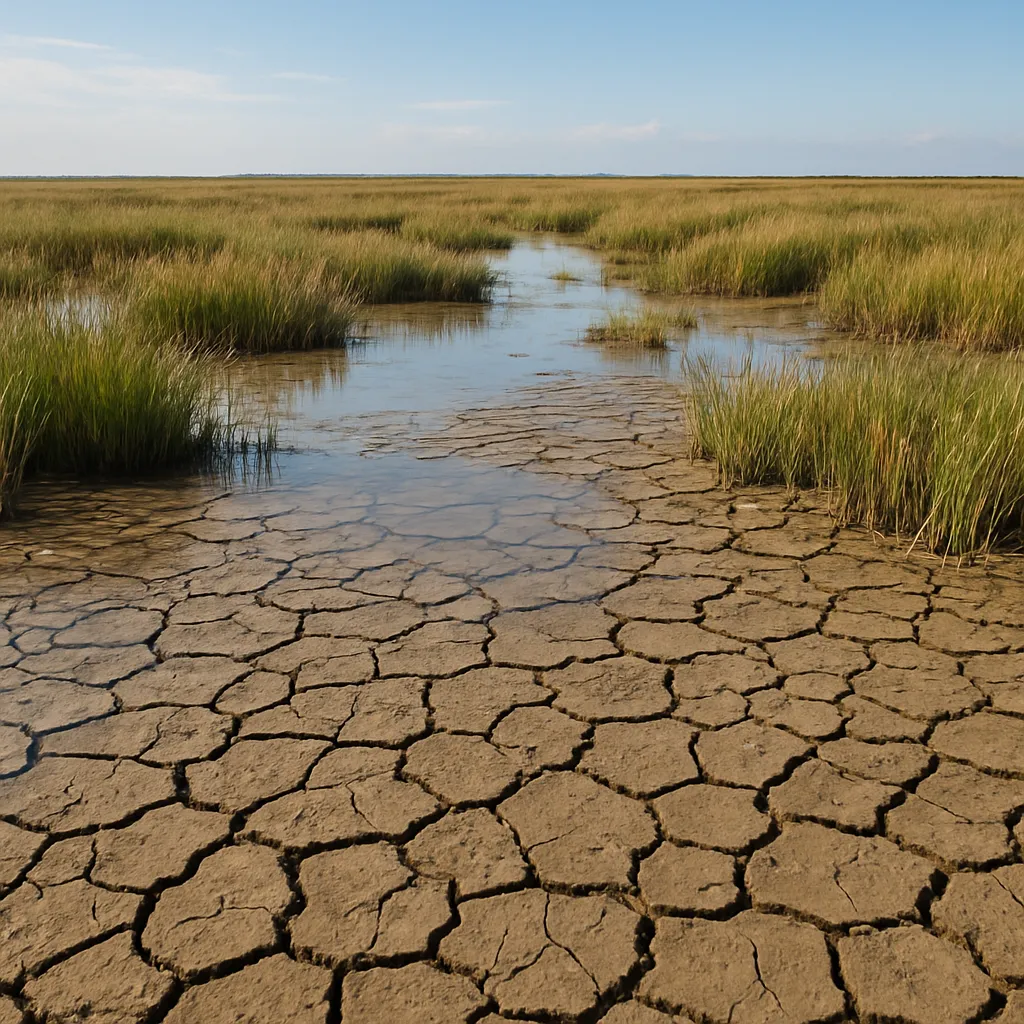
A drought drops a marsh's water level for two summers in a row. What is the most likely effect on the marsh's frog population, and why?
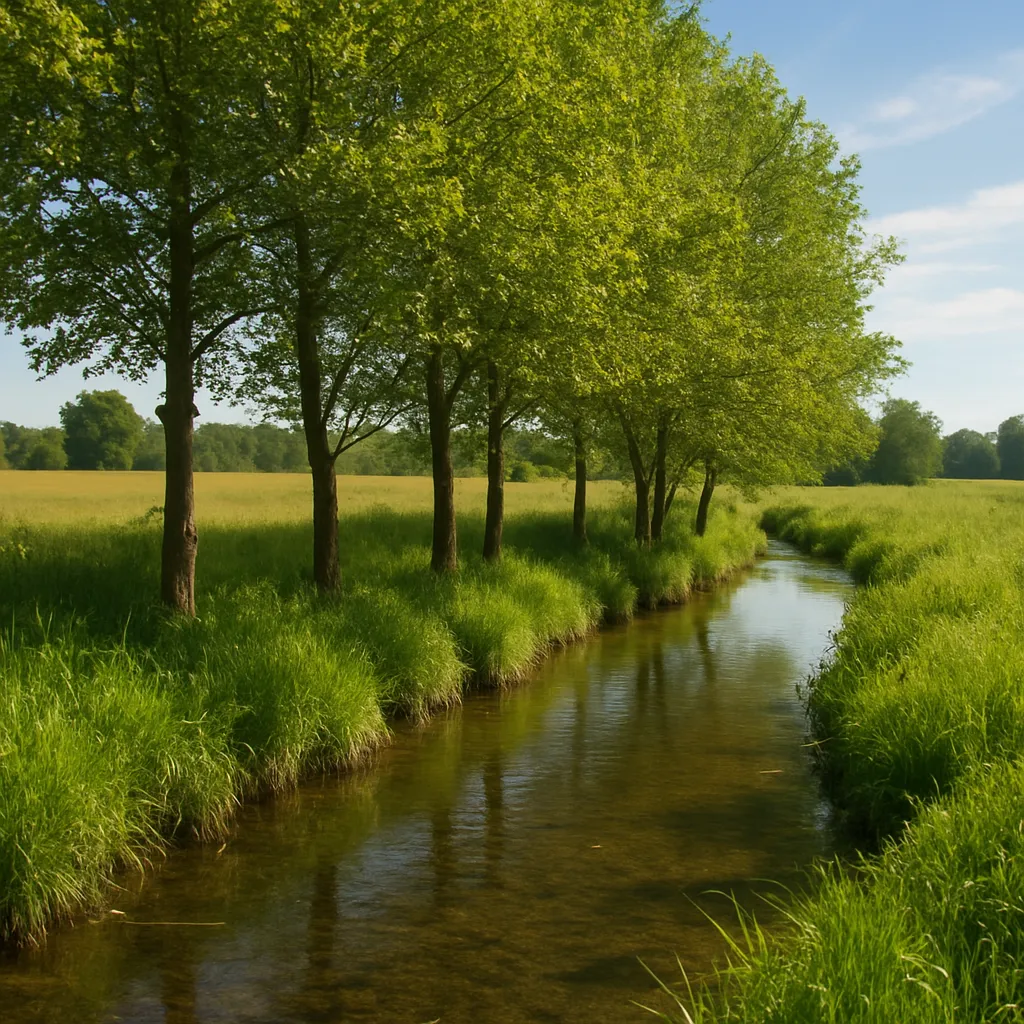
A row of young trees is planted along a sunny stream, and within a few years they shade the water. What is the most likely effect on the algae growing in that stream?
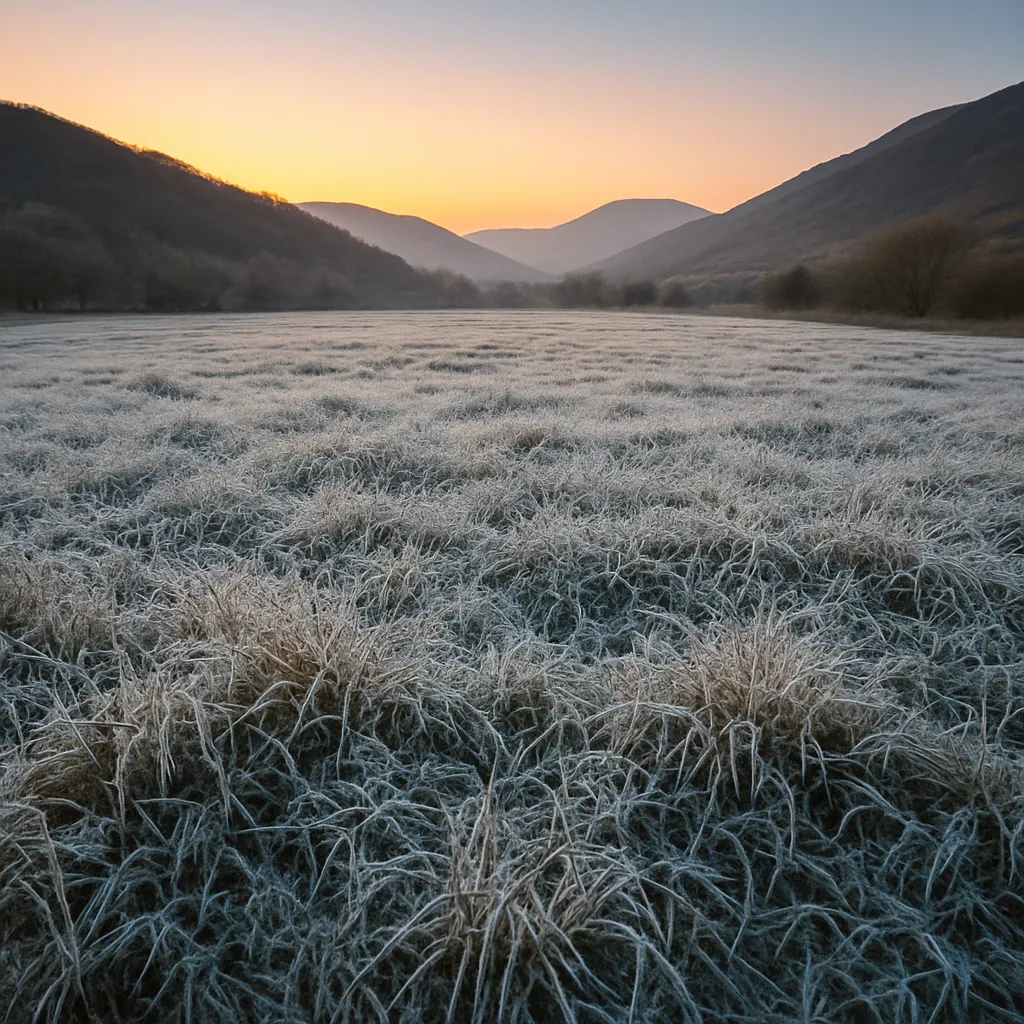
One winter is far colder than usual in a valley, and the ground stays frozen weeks longer. What is the most likely effect on the valley's insect population that spring?
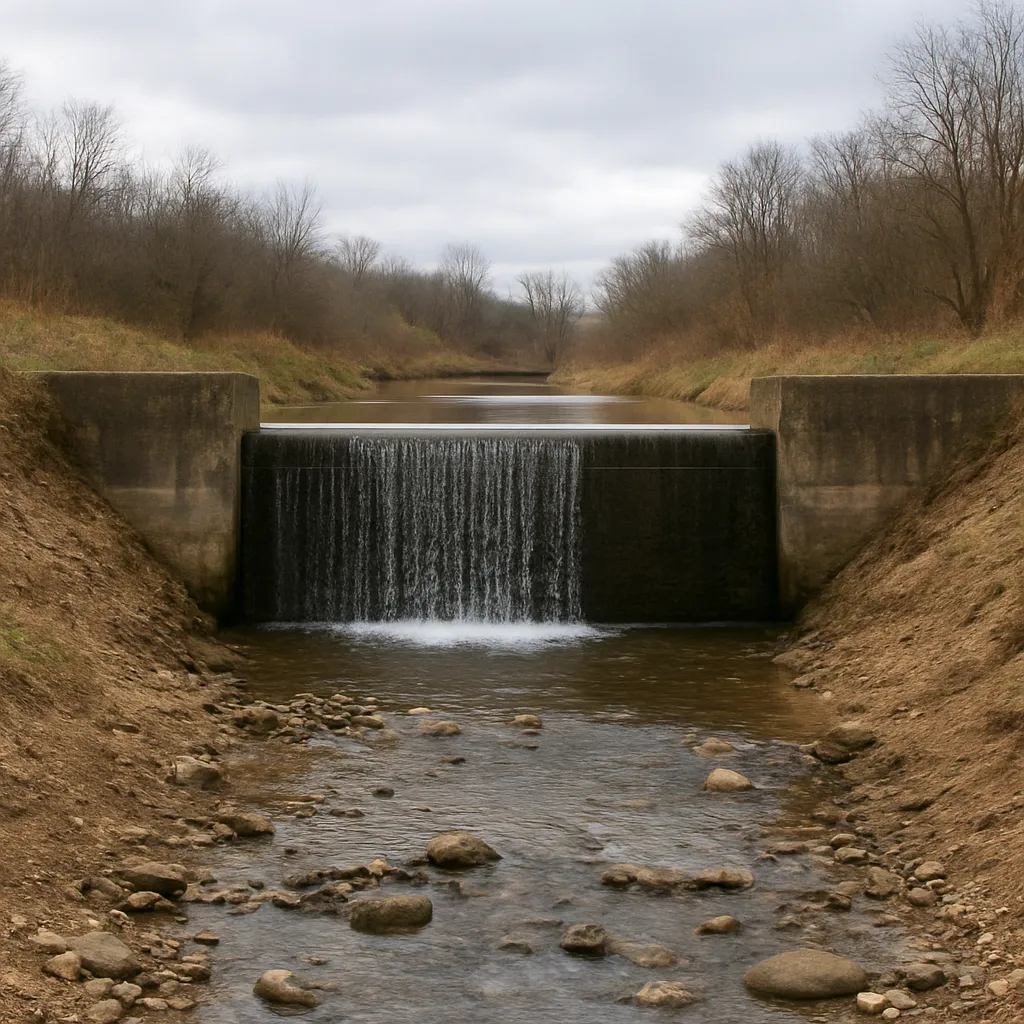
A stream is dammed and the flow below the dam drops sharply for a year. What is the most likely effect on the cattails growing along the lower banks?
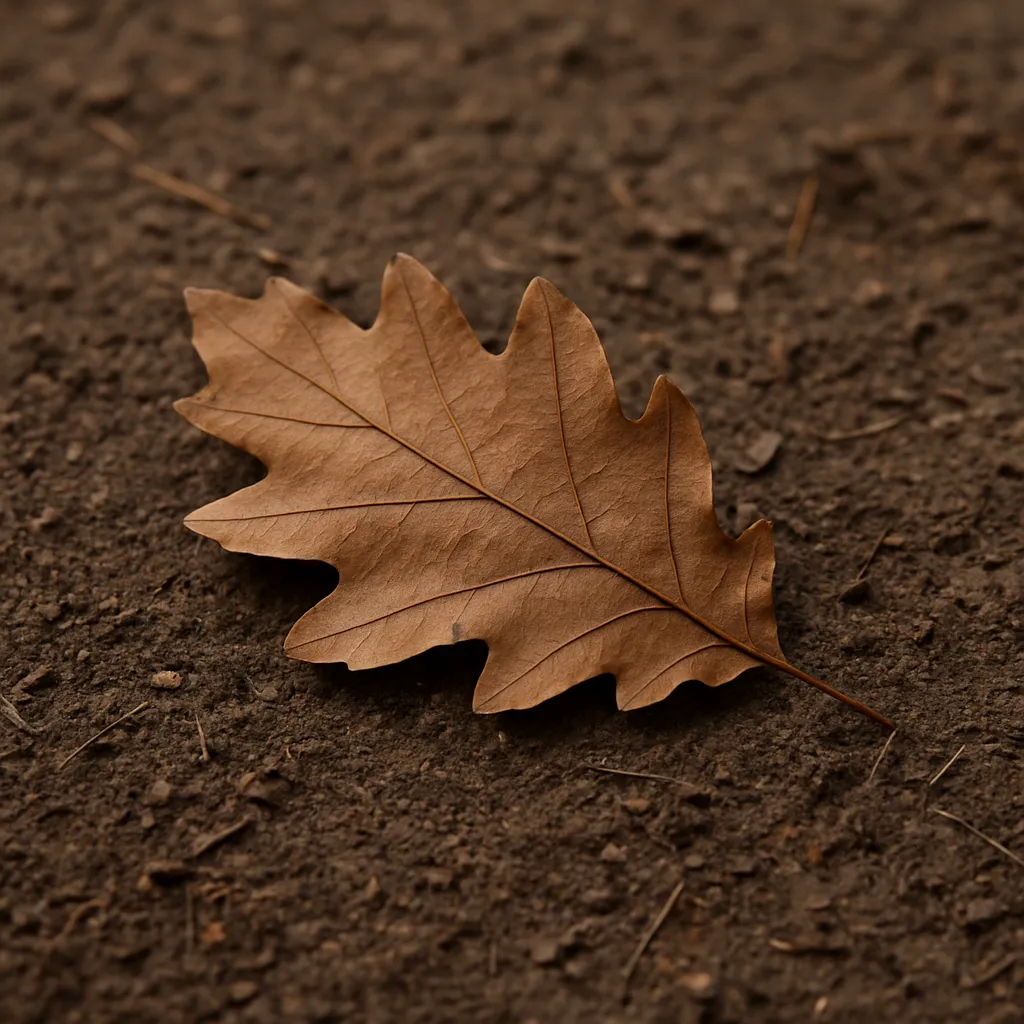
A fallen oak leaf lies brown and dry on the forest floor. A student must classify it as a biotic or an abiotic factor. Which classification fits, and why?
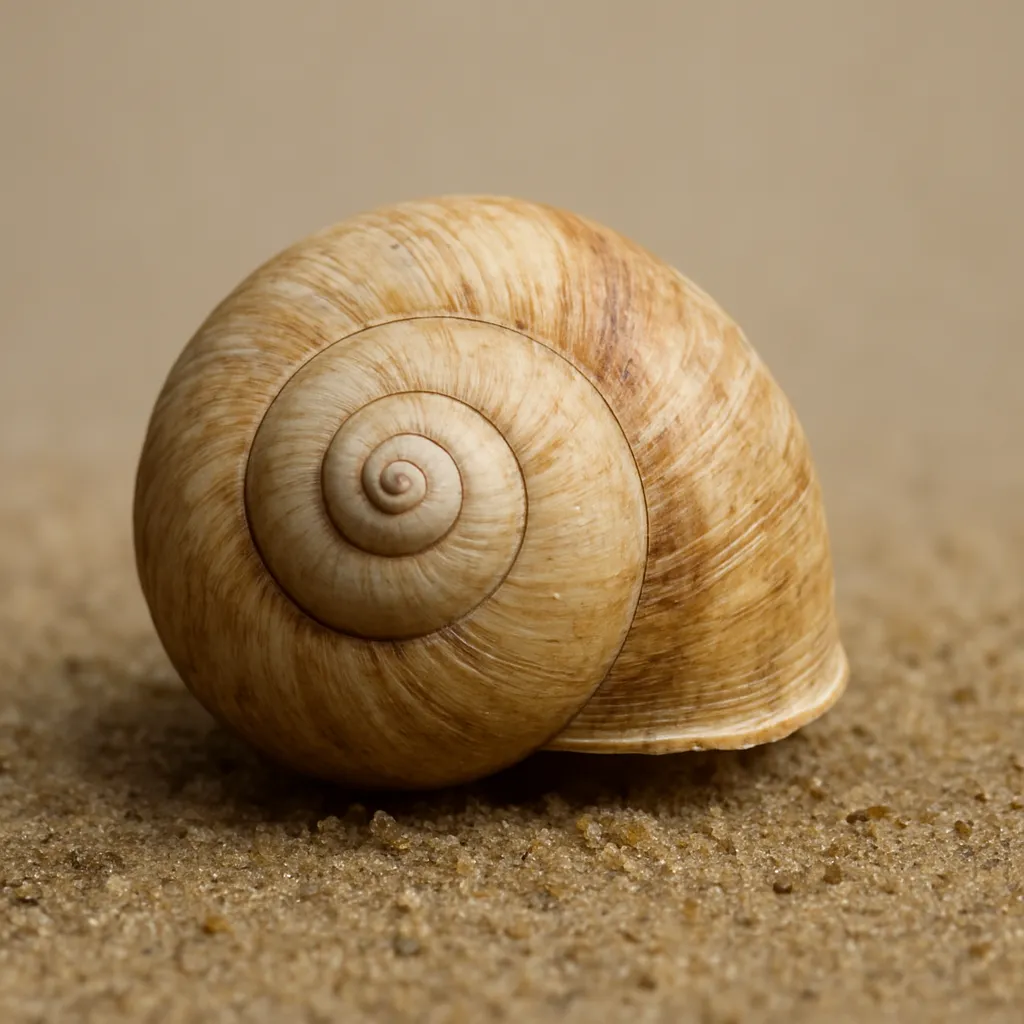
An empty snail shell found on a beach is part of the beach ecosystem. How should it be classified?
Crack the passcode before the zombies get in.
Answer, then swat bugs for bonus points.
Race through questions at your own speed.
Same question on every screen. Fastest wins.

Pick a tile, answer, hit bonuses and steals.
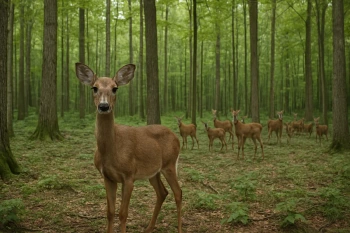
Organism, Population, and Community
40 questions