Loading
by BlastRoom
Place described groups of living things at the organism, population, or community level and name the interactions between them.
#ecosystems#us_grade_6_science
40 questions
One question set, multiple game modes. Tap any game to see it in action. Not sure which to pick?
Answer to place stones and capture territory.
Outrun the snow together.
Earn blasts, then hunt the other team.
Answer to earn energy, then climb.

The class blasts through walls together.
Bid on mystery lots. Most money wins.
Sell tours. Nice, standard, or a total scam.

Answer, restock, and serve the rush.
More correct answers pulls the rope your way.
Answer, then shoot down the alien wave.
Answer, then tap to leap the frozen ridge.
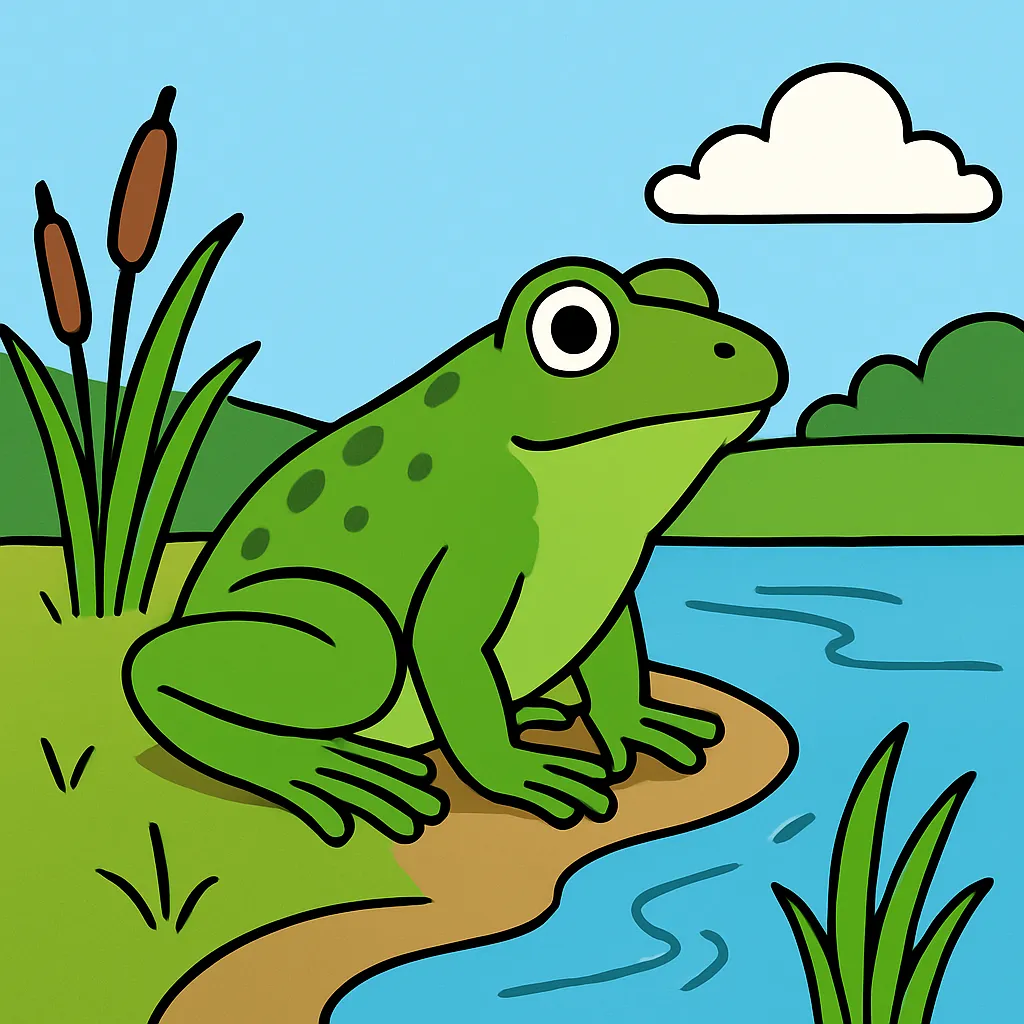
A student watches one bullfrog in a pond and records its mass, its skin color, and how long it stays underwater. What level of organization is this student studying?
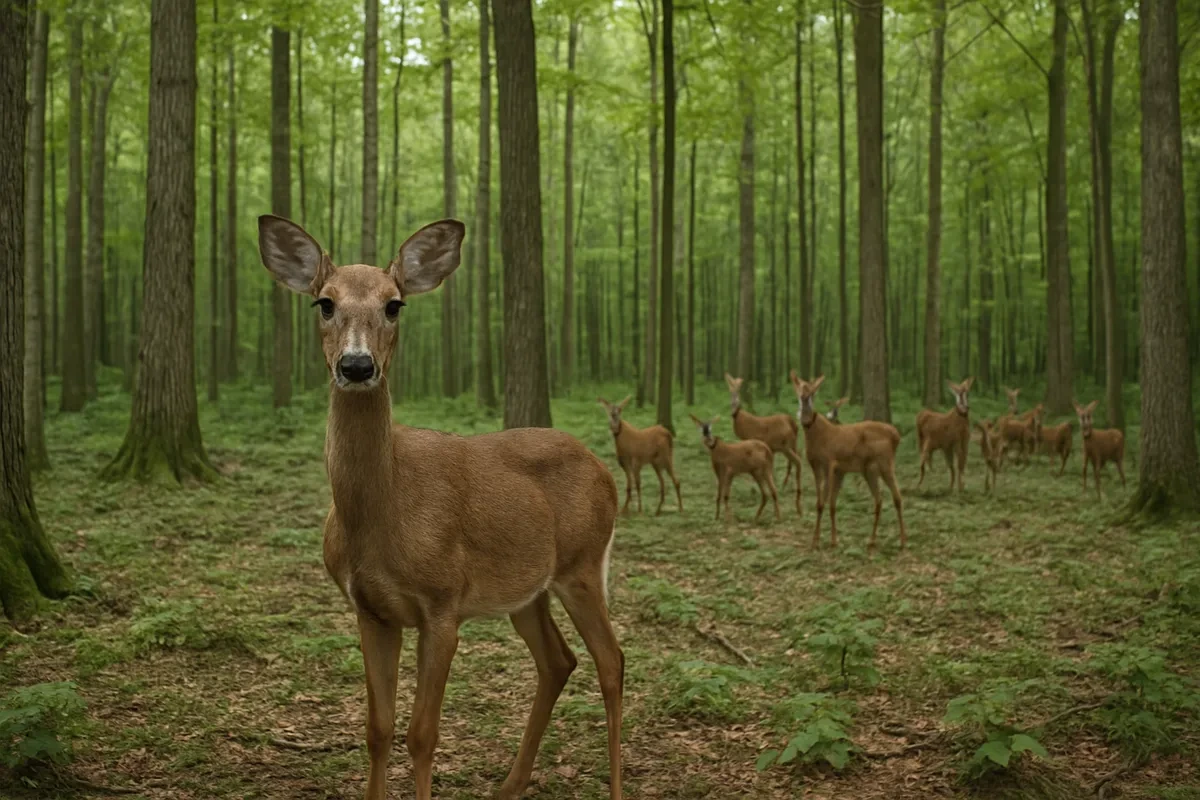
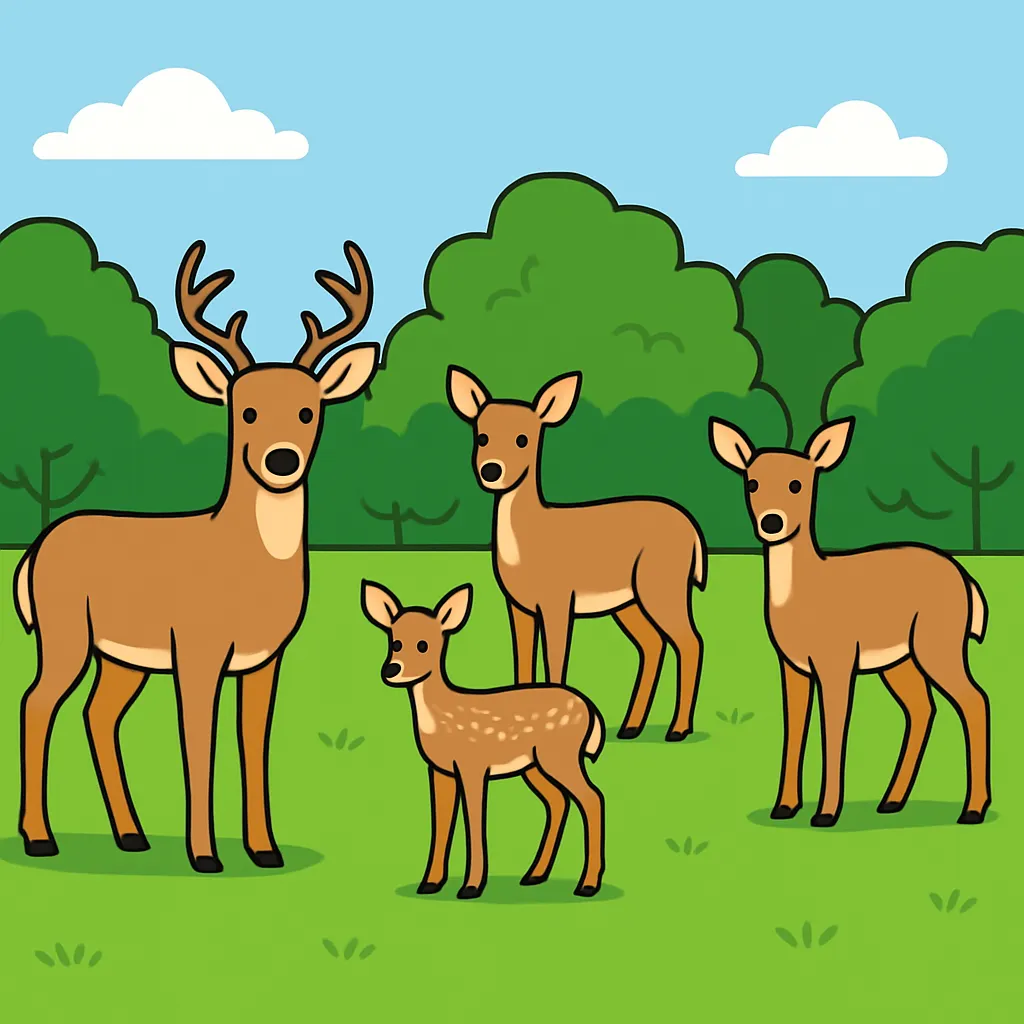
Rangers count every white-tailed deer living in one state park and record 148 animals. All 148 belong to the same species and live in the same area. What level of organization does this group show?
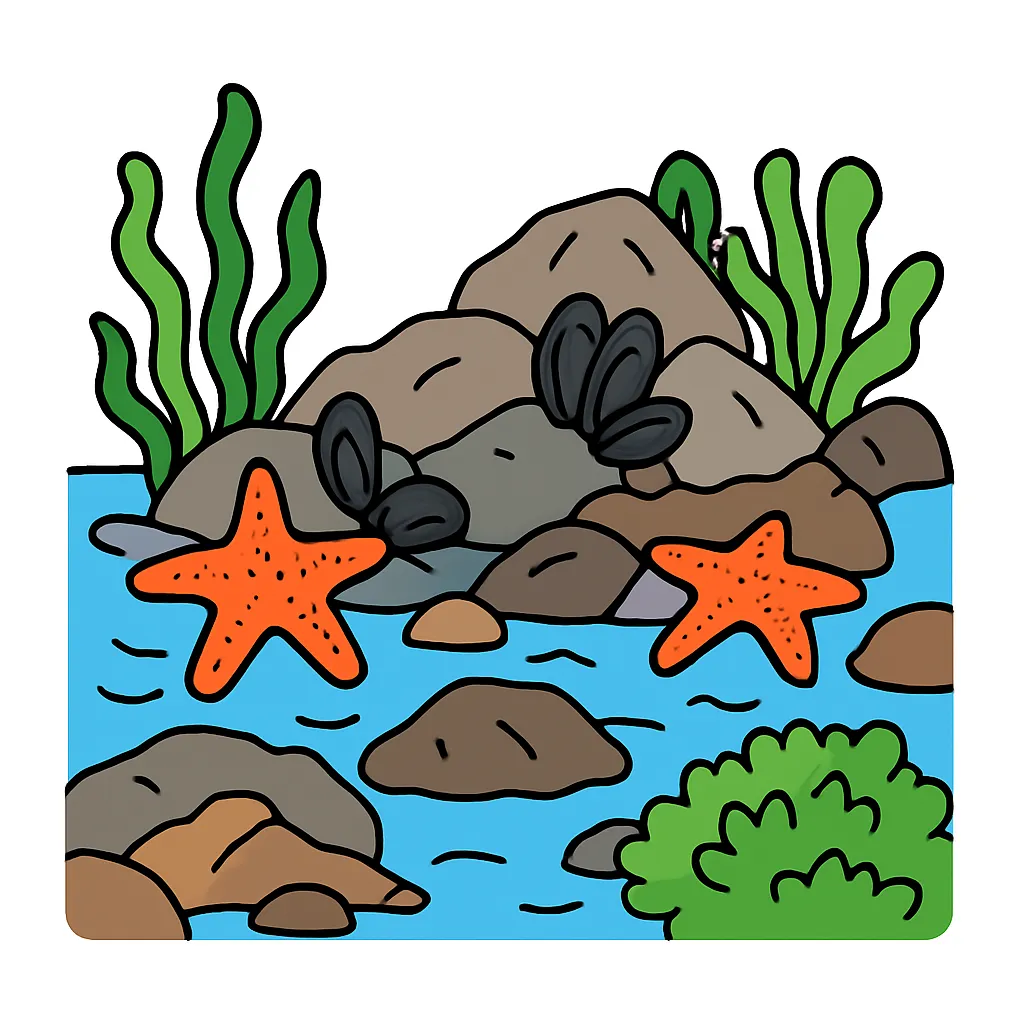
A team lists every living thing found in one tide pool: sea stars, mussels, barnacles, crabs, and algae, all interacting in that pool. What level of organization does this list describe?
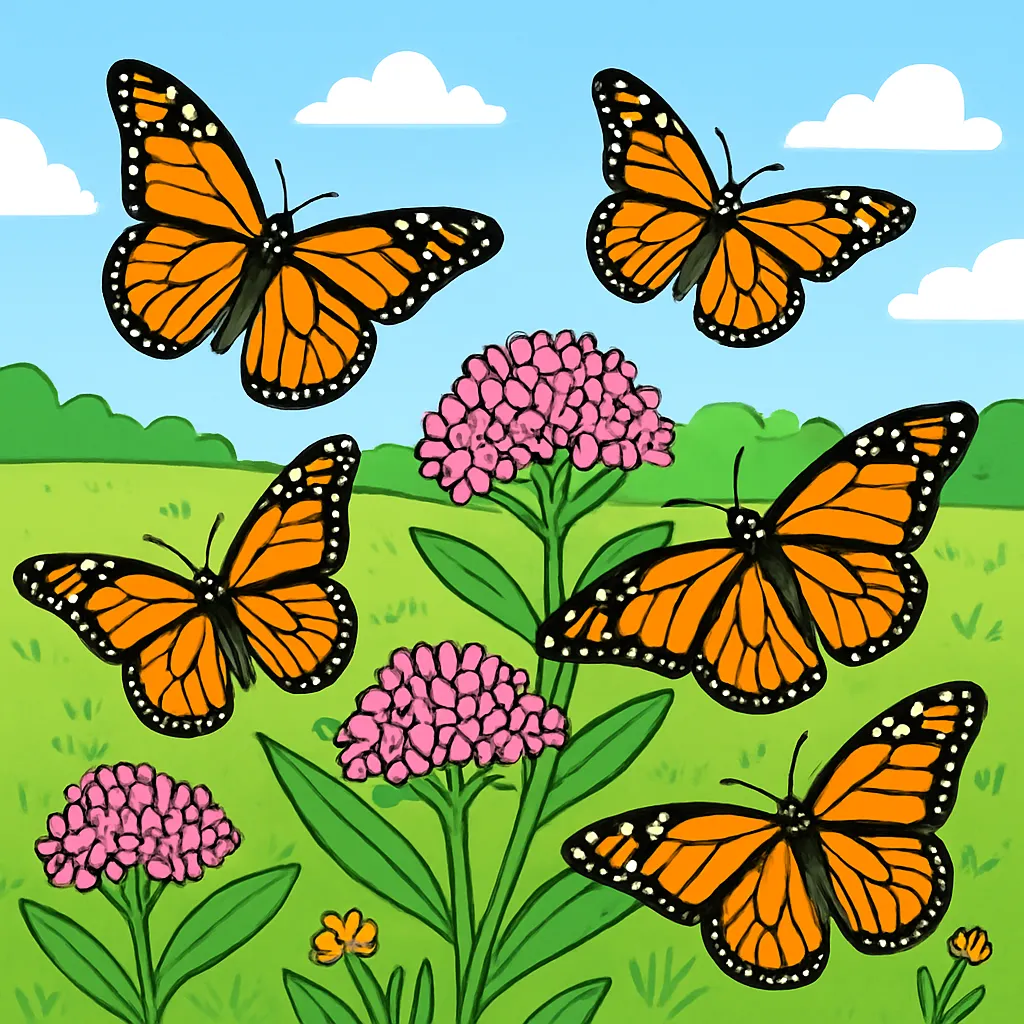
A meadow study counts all the monarch butterflies living in one meadow and records 210 of them, every one the same species. What level of organization does this counted group show?
A pond study describes the fish, painted turtles, algae, and insects that live and interact together in one pond. What level of organization does this described group show?
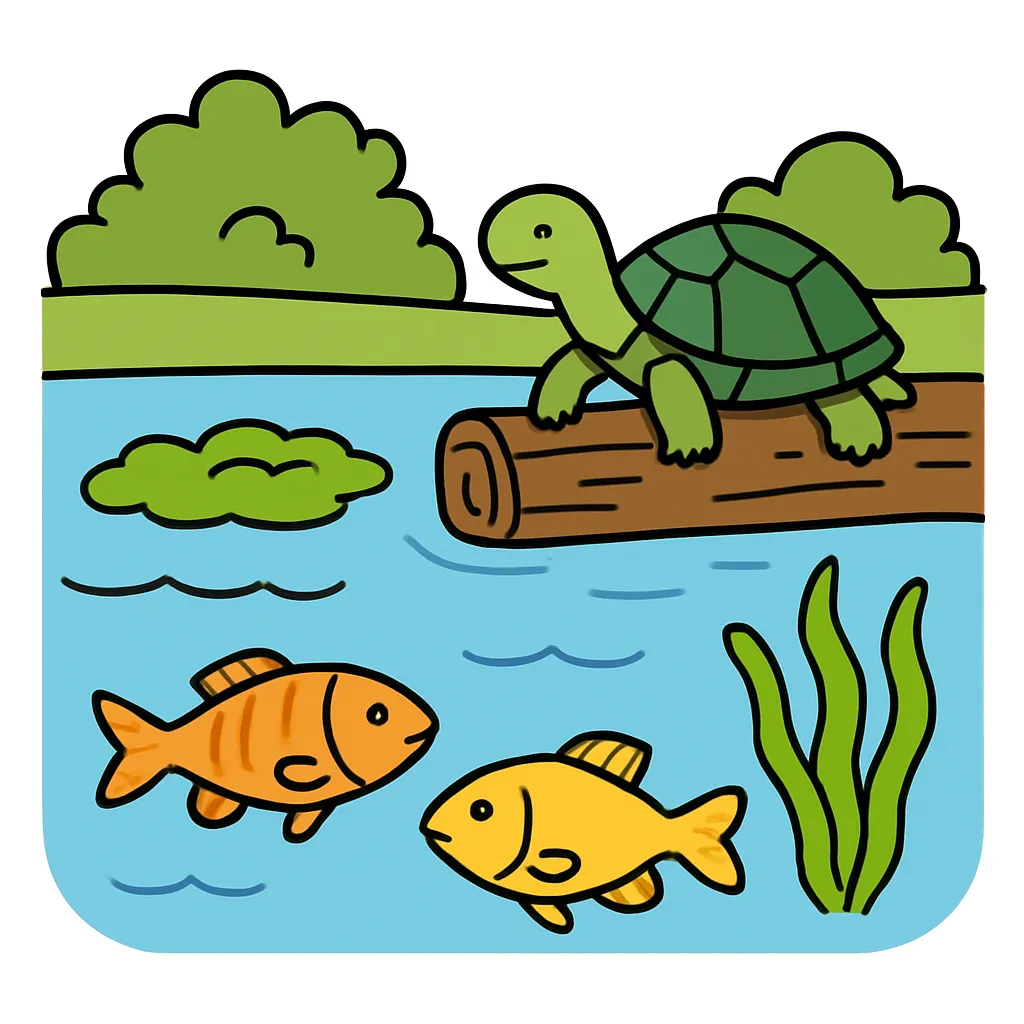
A group of 500 sockeye salmon, all the same species, swimming in one river is best described as a population.
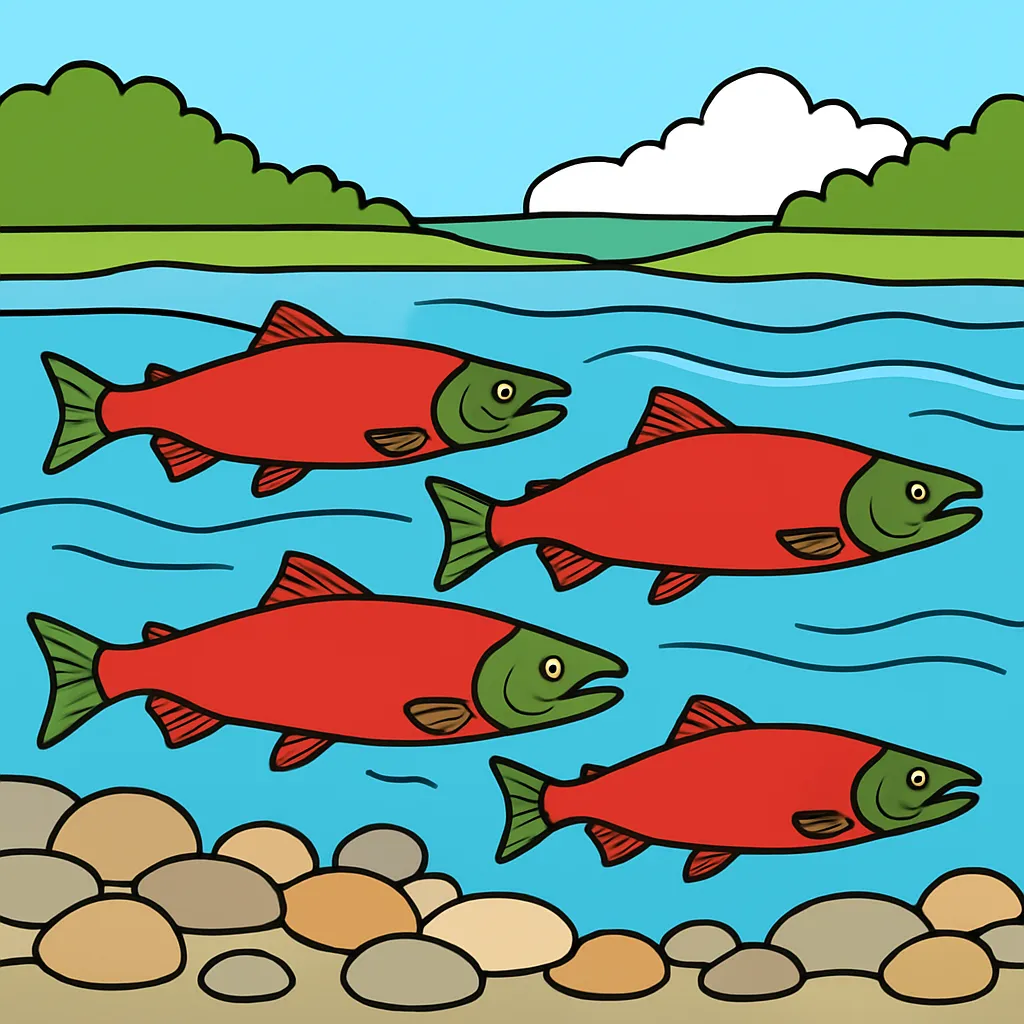
A marsh holds 40 red-winged blackbirds. Over one spring, many pairs raise young, and the count grows to 70. What made this population grow?
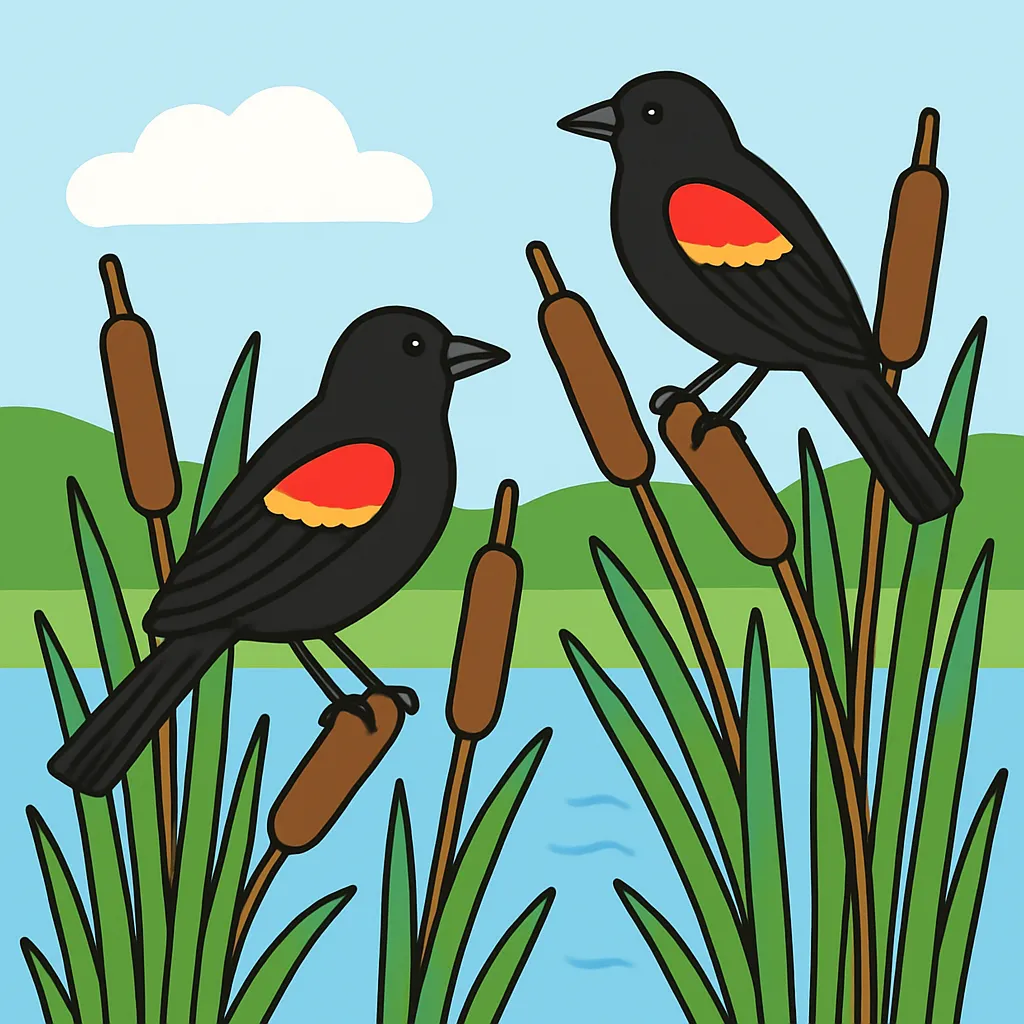
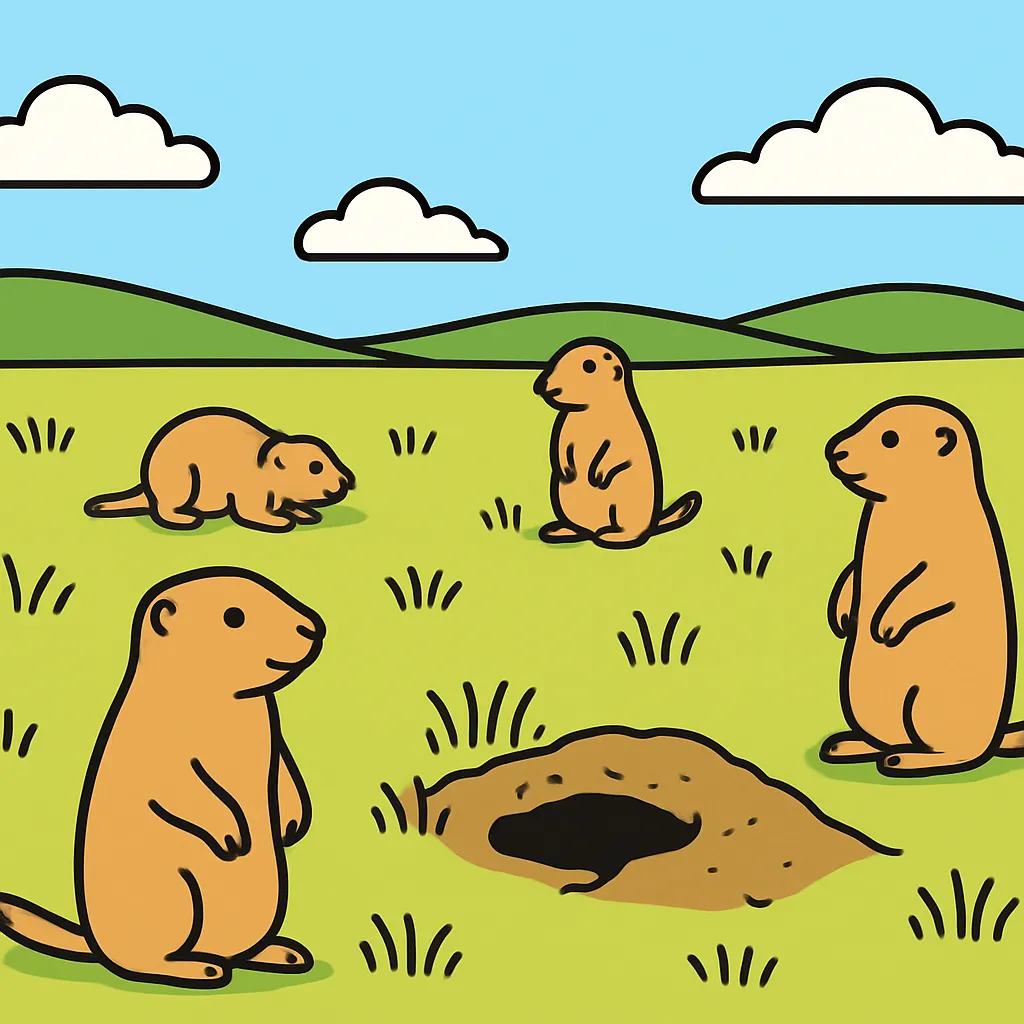
A prairie holds 60 black-tailed prairie dogs, all of the same species, living together in one colony. This group is a community.
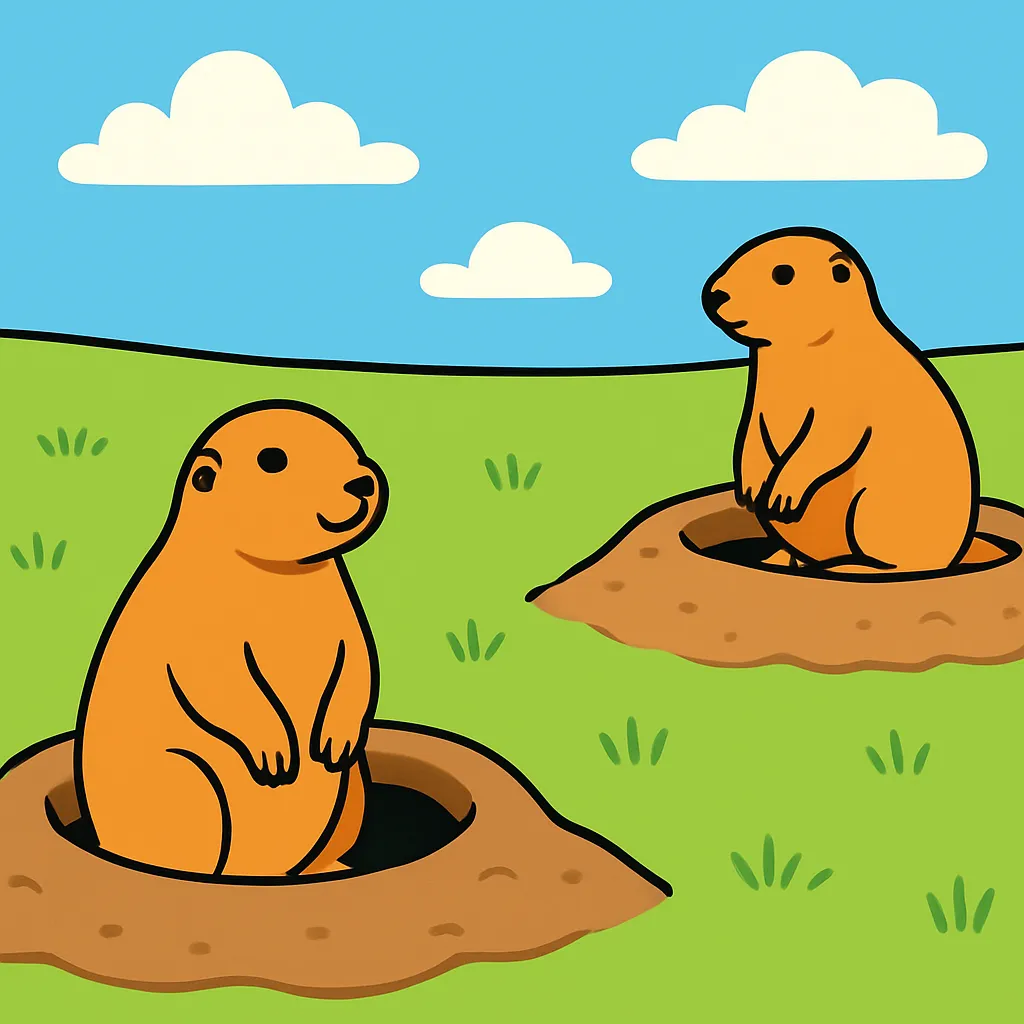
A team records the temperature range and the soil composition of a prairie, then counts the prairie dogs living there. How are the temperature range and soil composition classified?
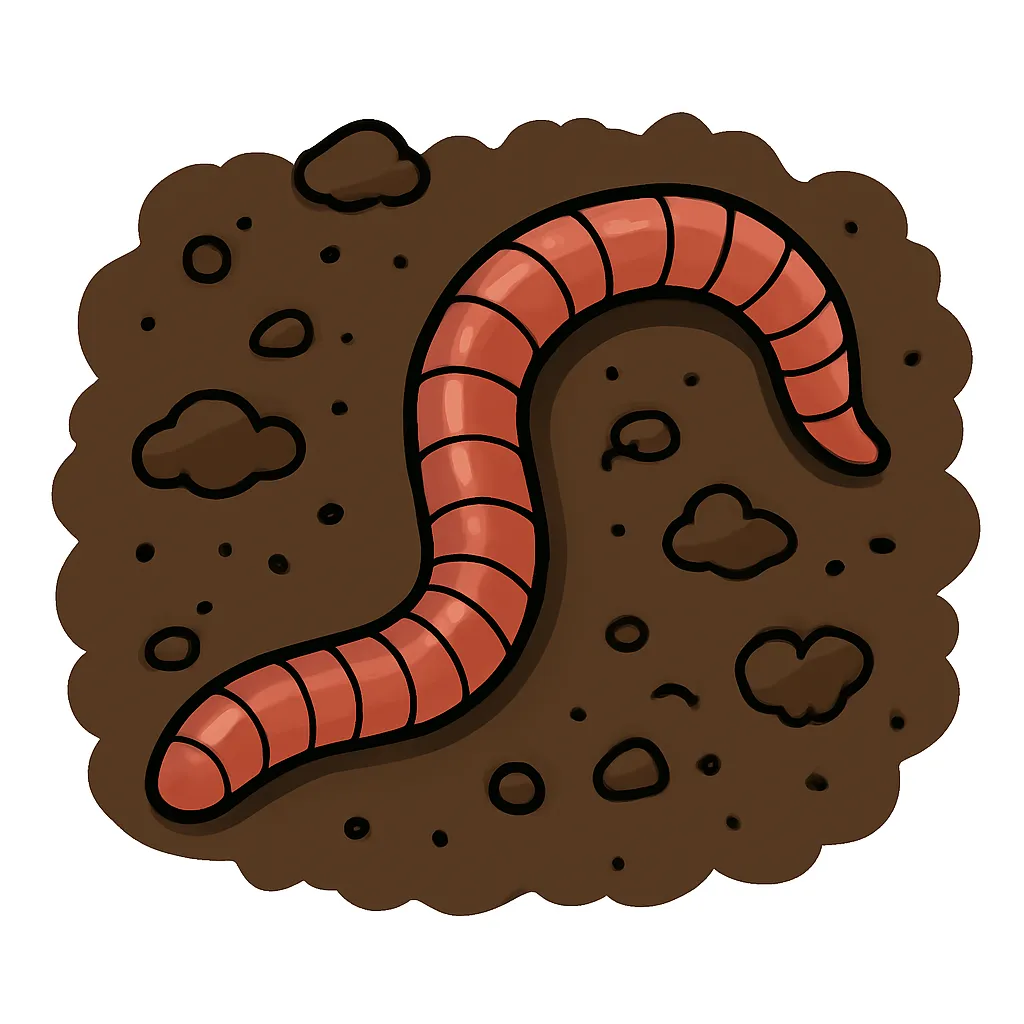
Earthworms tunnel through the soil of a garden bed, mixing it as they move. How is one earthworm classified in that garden?
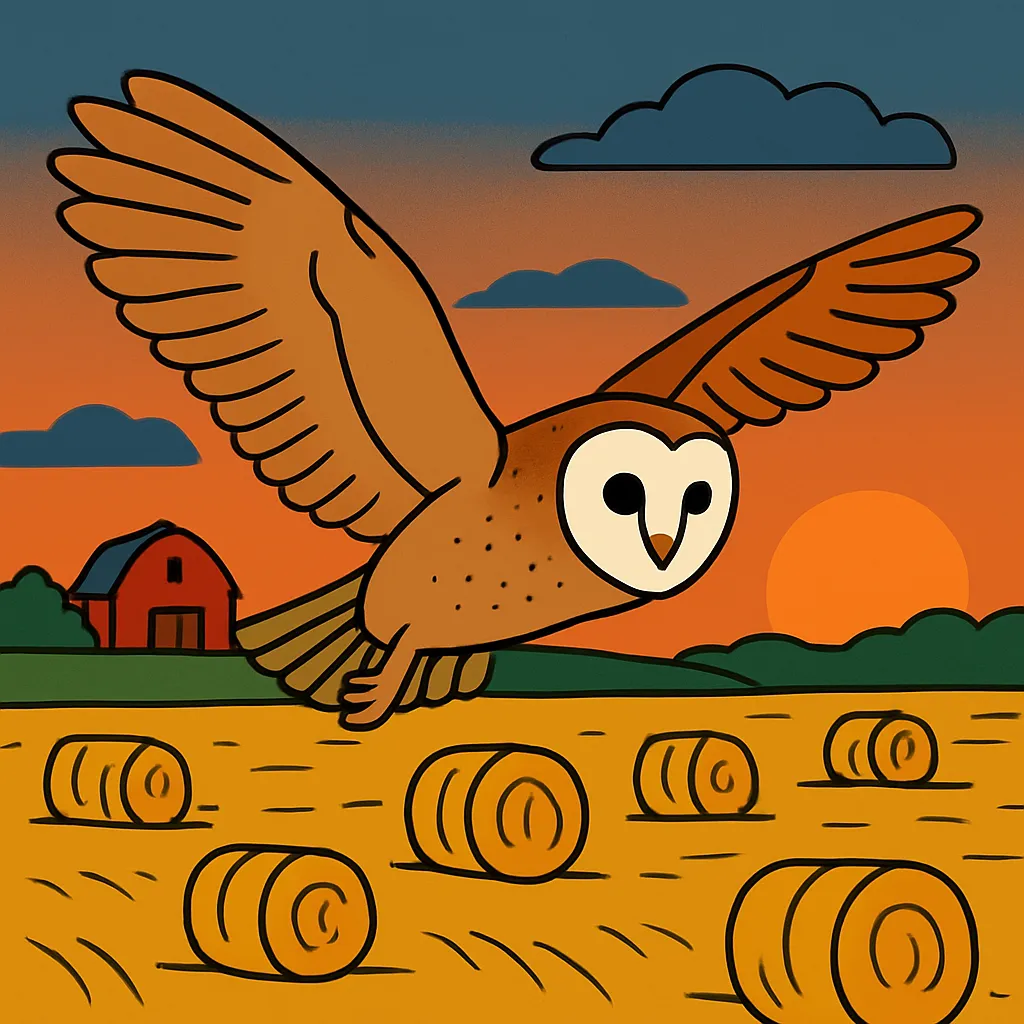
A barn owl hunts field mice at night in a hayfield, catching and eating them. What interaction between the owl and the mice does this describe?
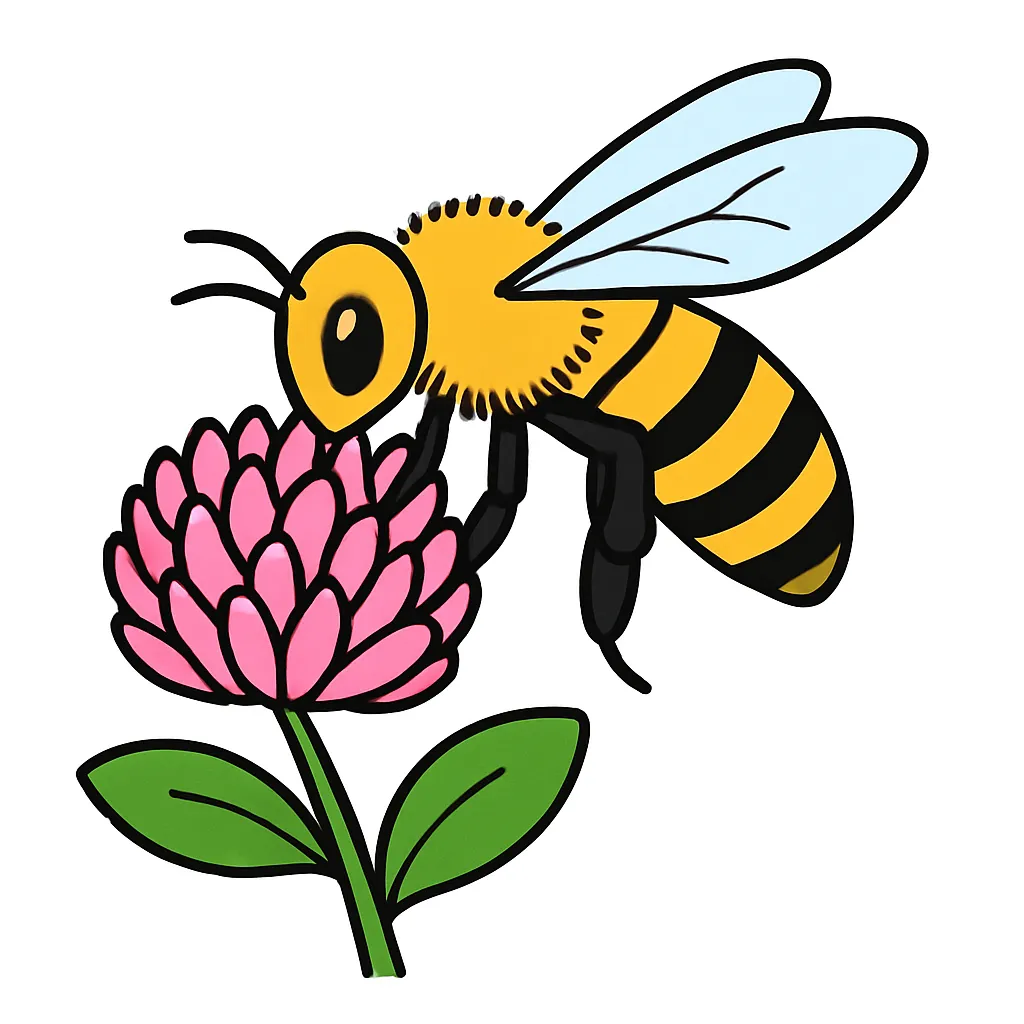
A bee drinks nectar from a clover flower and carries pollen from that flower to other clover plants, which then make seeds. What interaction does this describe?
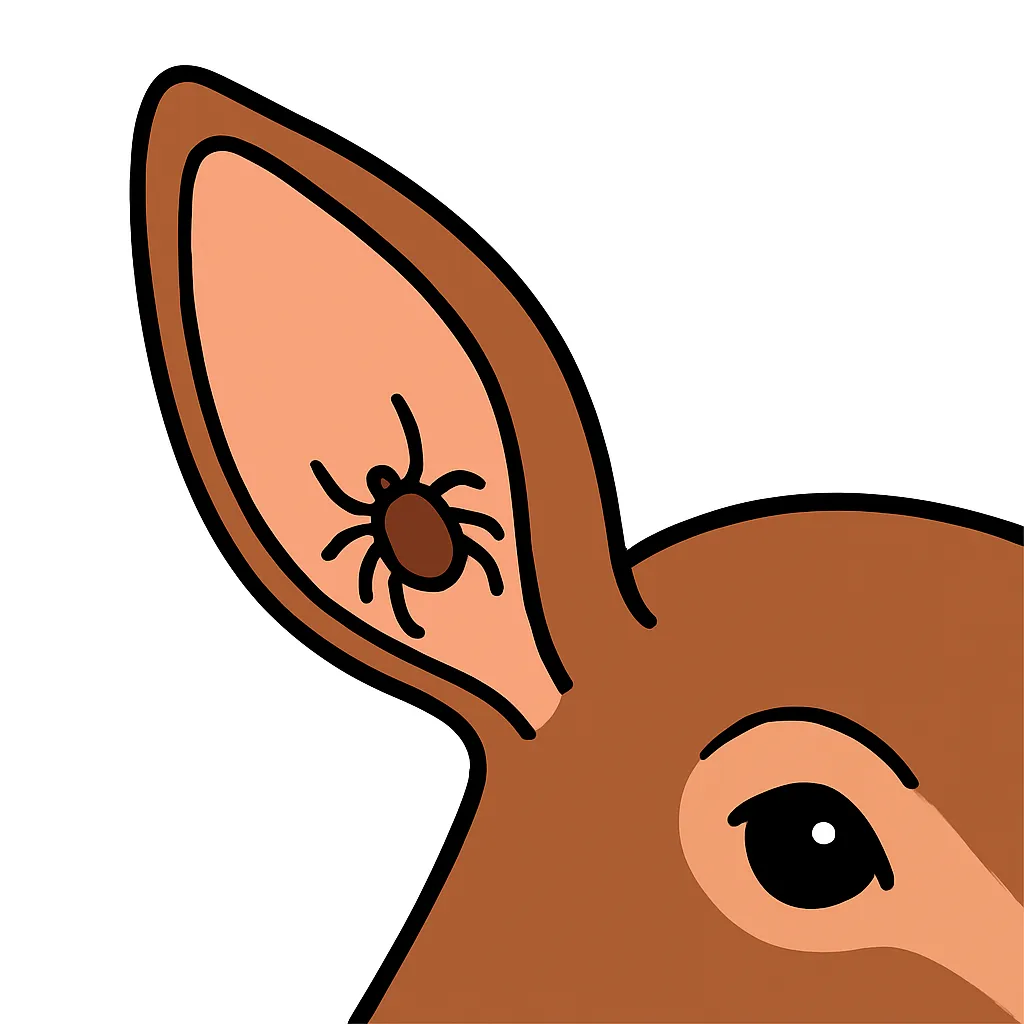
A tick attaches to a deer, feeds on the deer's blood for several days, and the deer grows weaker. What interaction does this describe?
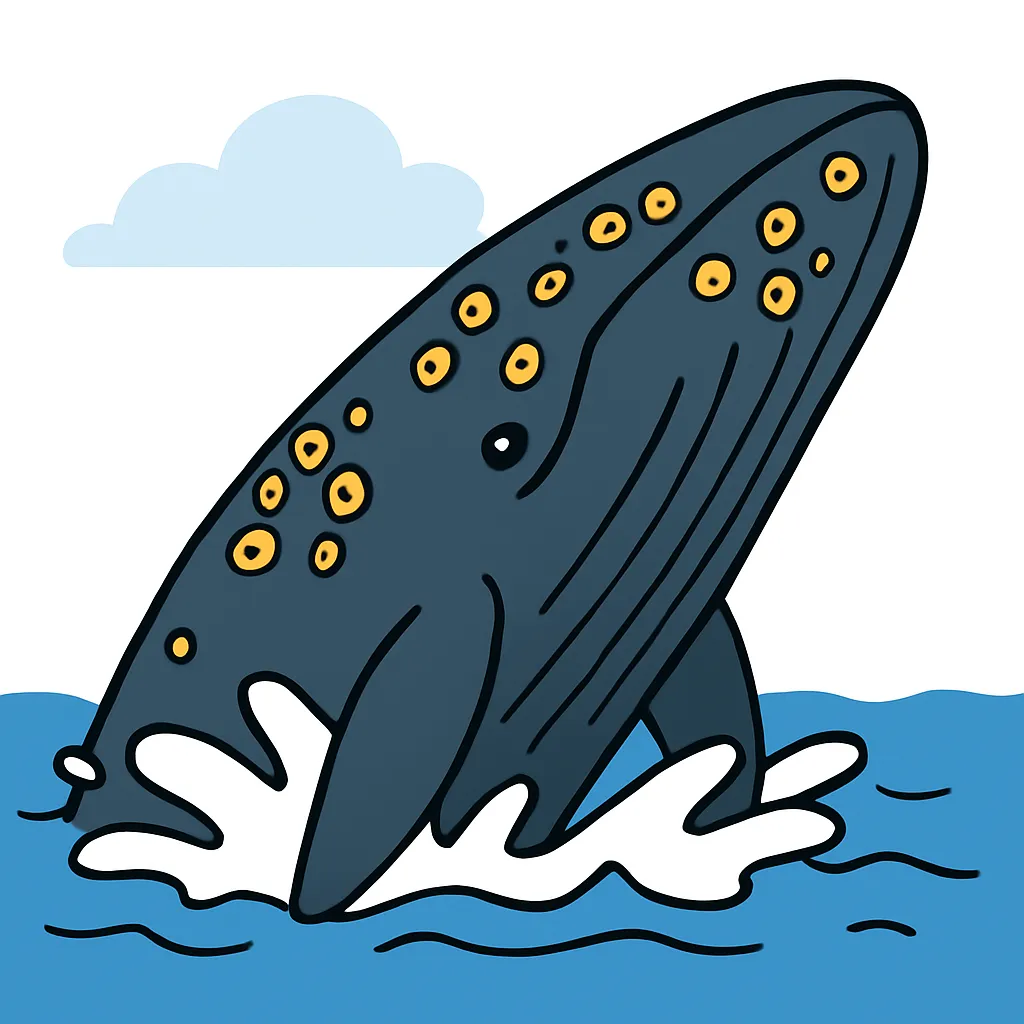
Barnacles attach to a whale's skin and are carried to water rich in food. The whale is neither helped nor harmed by them. What interaction does this describe?
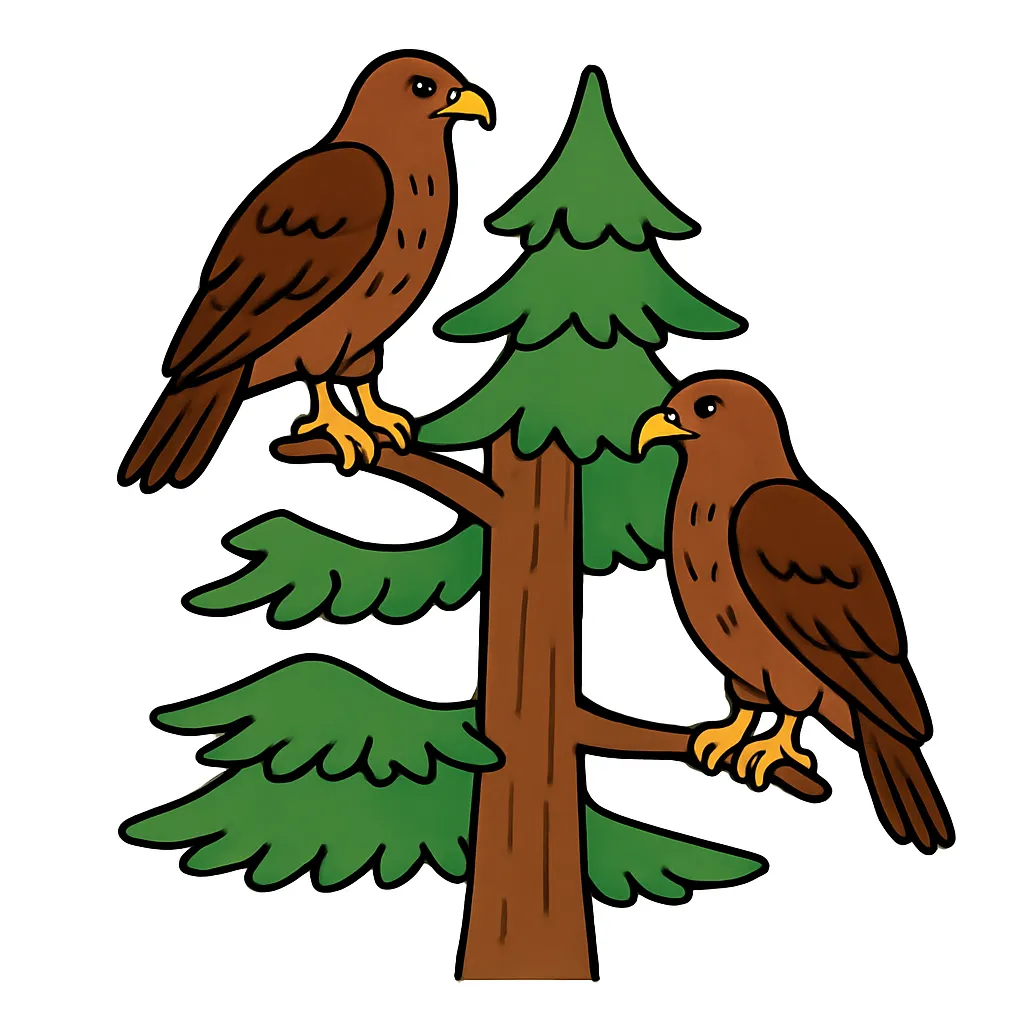
Two hawk species share one forest, and both depend on the same limited supply of rabbits for food. What interaction between the two hawk species does this describe?
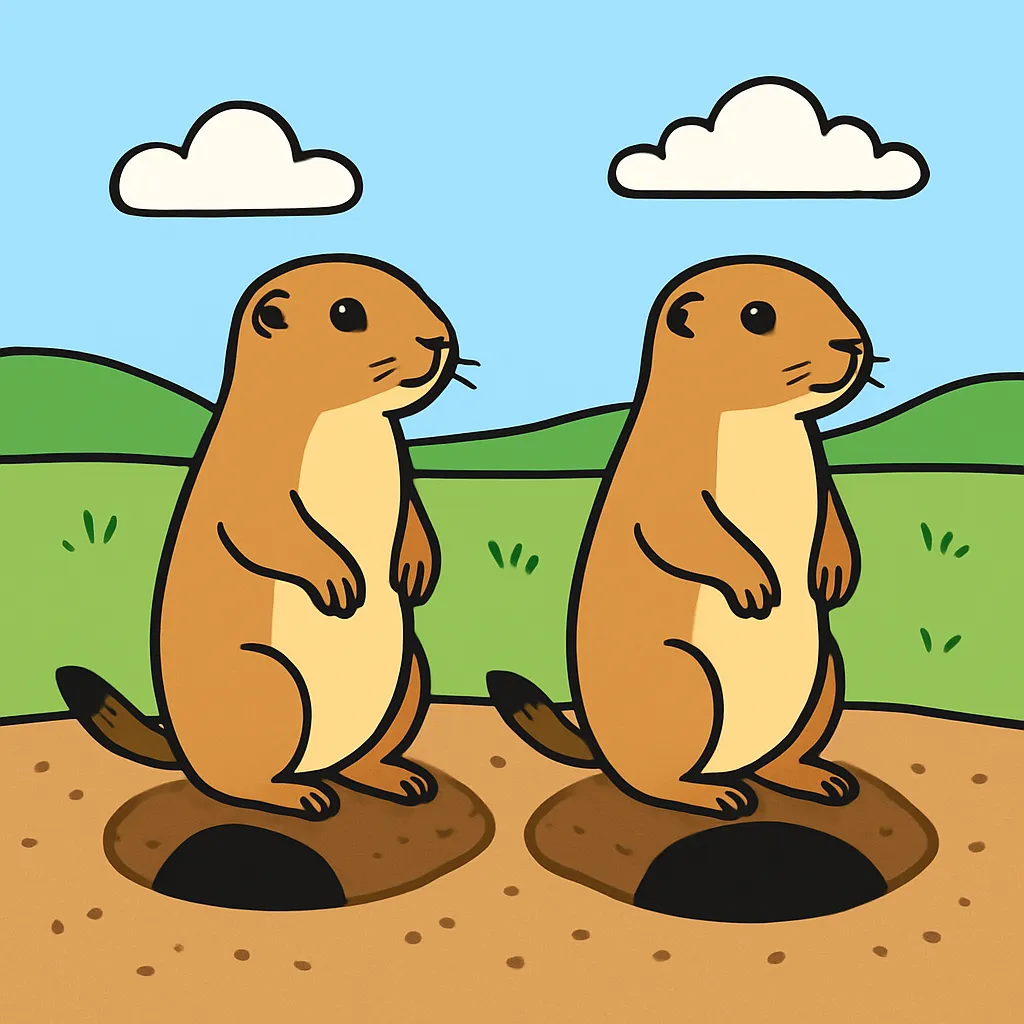
Every spring, scientists count the black-tailed prairie dogs in one colony. In a year when more badgers hunt in the colony, the count is most likely to ___ .
A field notebook entry describes a single saguaro cactus: 4.2 m tall, five arms, and about 60 years old. What level of organization does this entry describe?

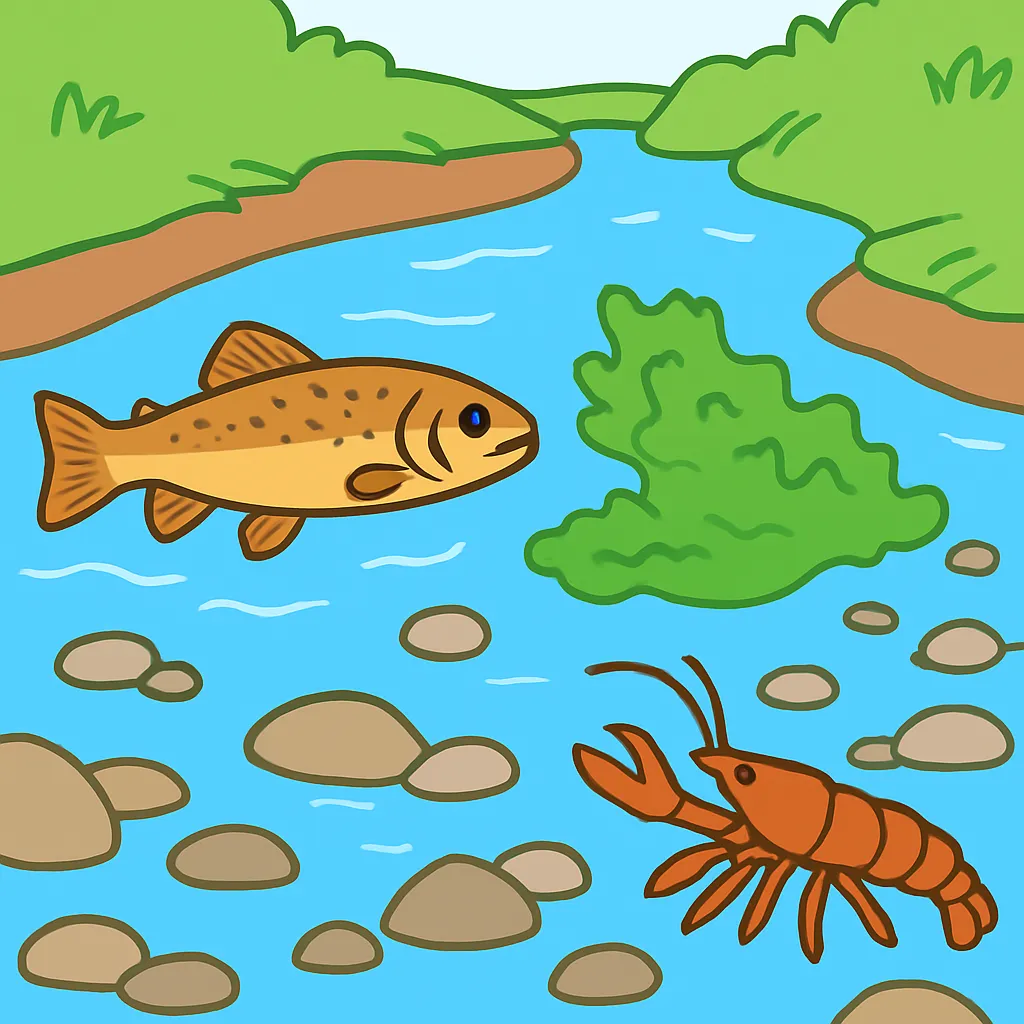
A class first counts the 120 mayfly larvae in a stream. The class then adds the trout, algae, and crayfish that interact with the larvae. Which level does the class reach once these other species are included?
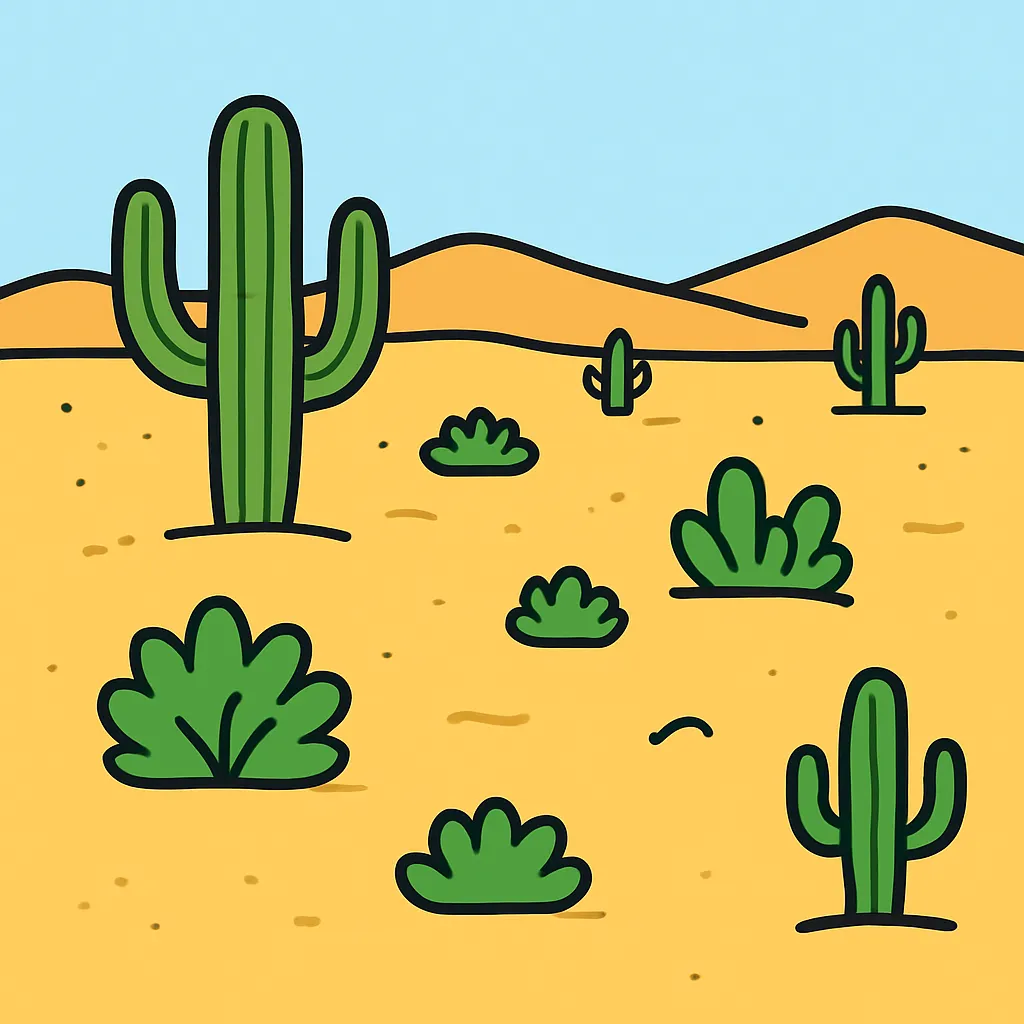
A desert survey lists every species found in one plot and also records the plot's rainfall, soil composition, and temperature range. What does the completed survey describe?
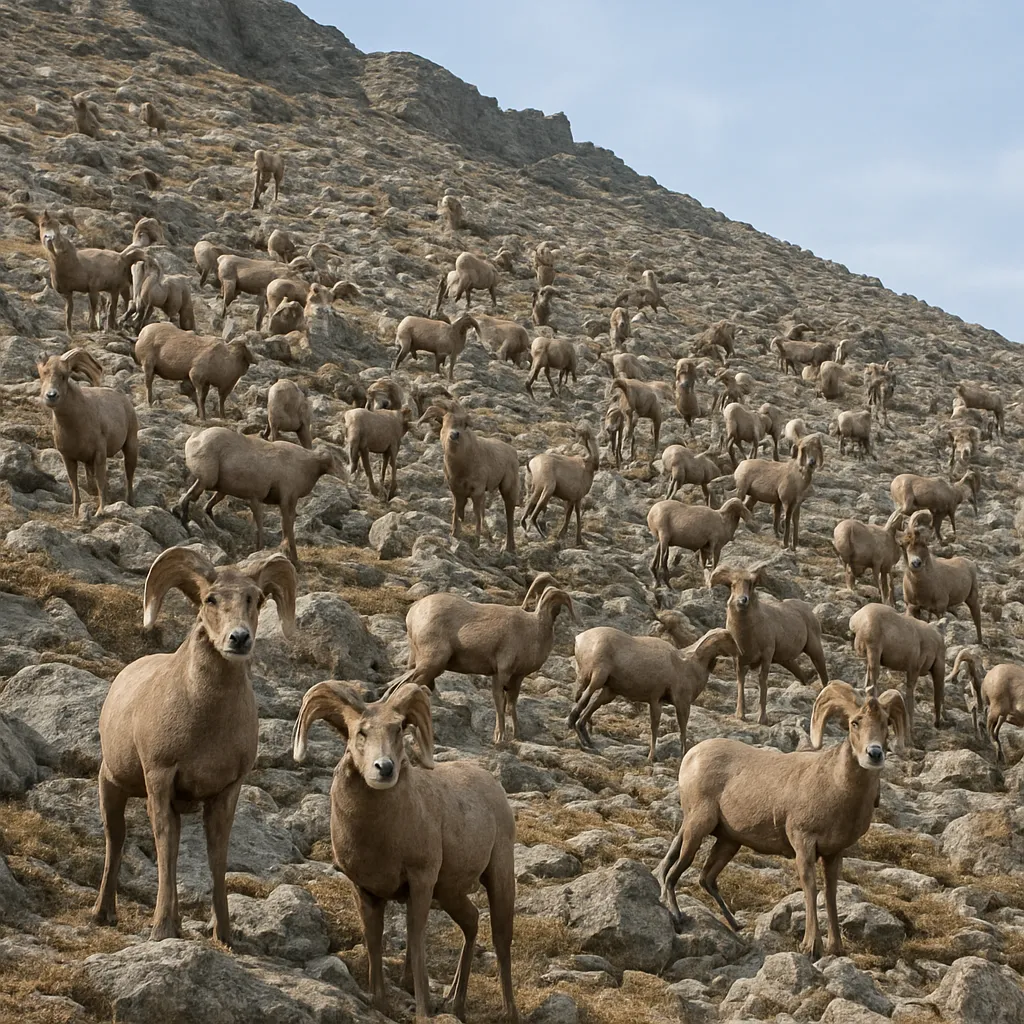
Biologists count 210 bighorn sheep in one mountain range in the first year and 165 sheep in the same range the next year. What level of organization are the biologists tracking over time?
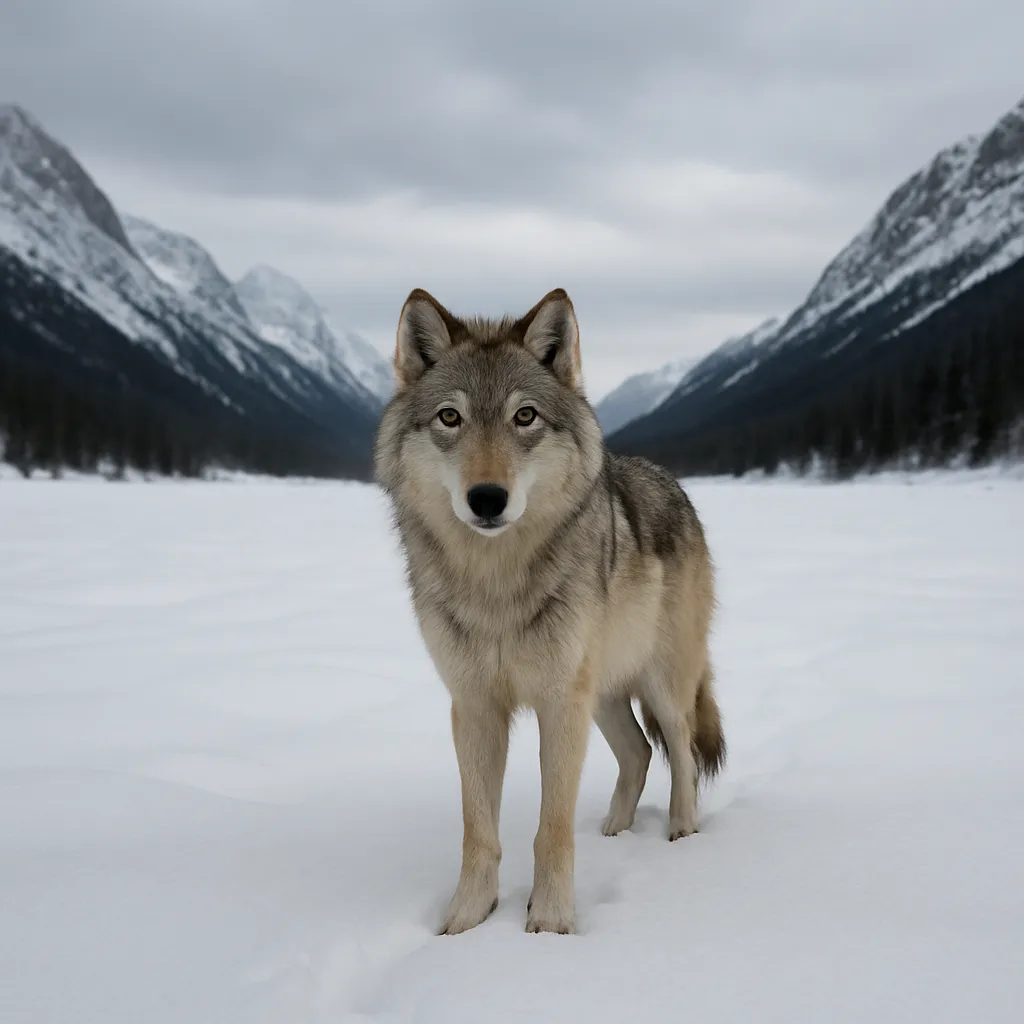
A biologist follows one gray wolf across a valley for a season, recording its mass, its hunting range, and how far it travels each night. What level of organization is being studied?
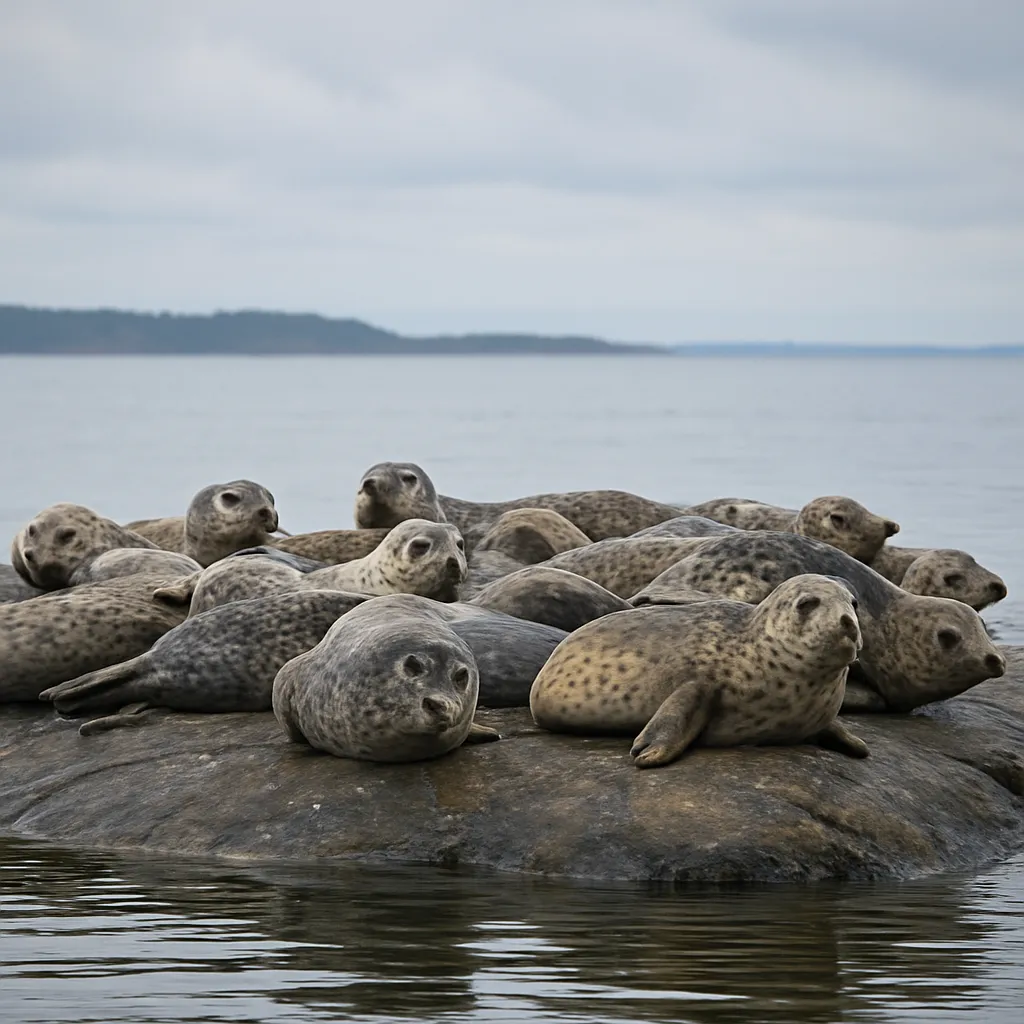
A survey counts 74 harbor seals hauled out on one rocky island. Every animal counted is a harbor seal and all of them use that same island. What level of organization does the count show?
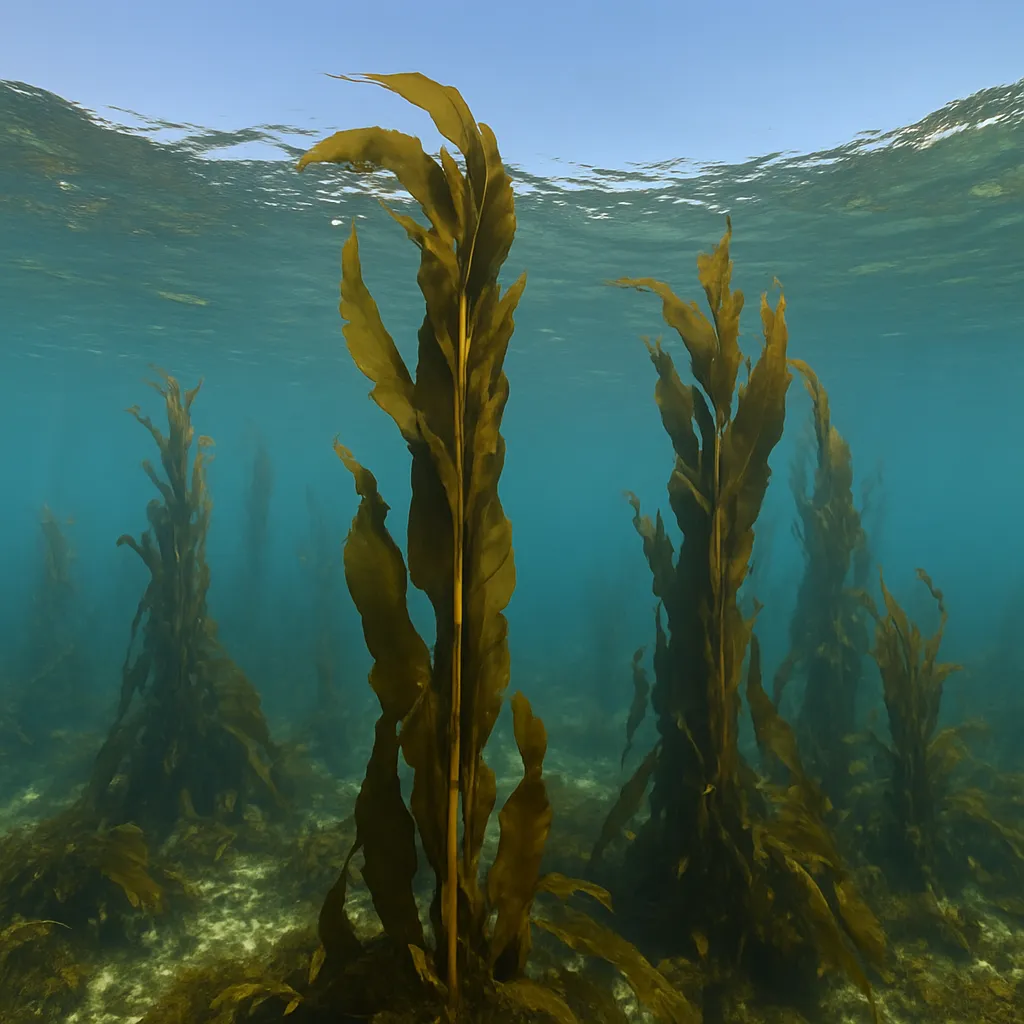
A kelp forest survey lists sea otters, kelp, sea urchins, rockfish, and crabs, all living in one bay and depending on one another. What level of organization does the completed list describe?
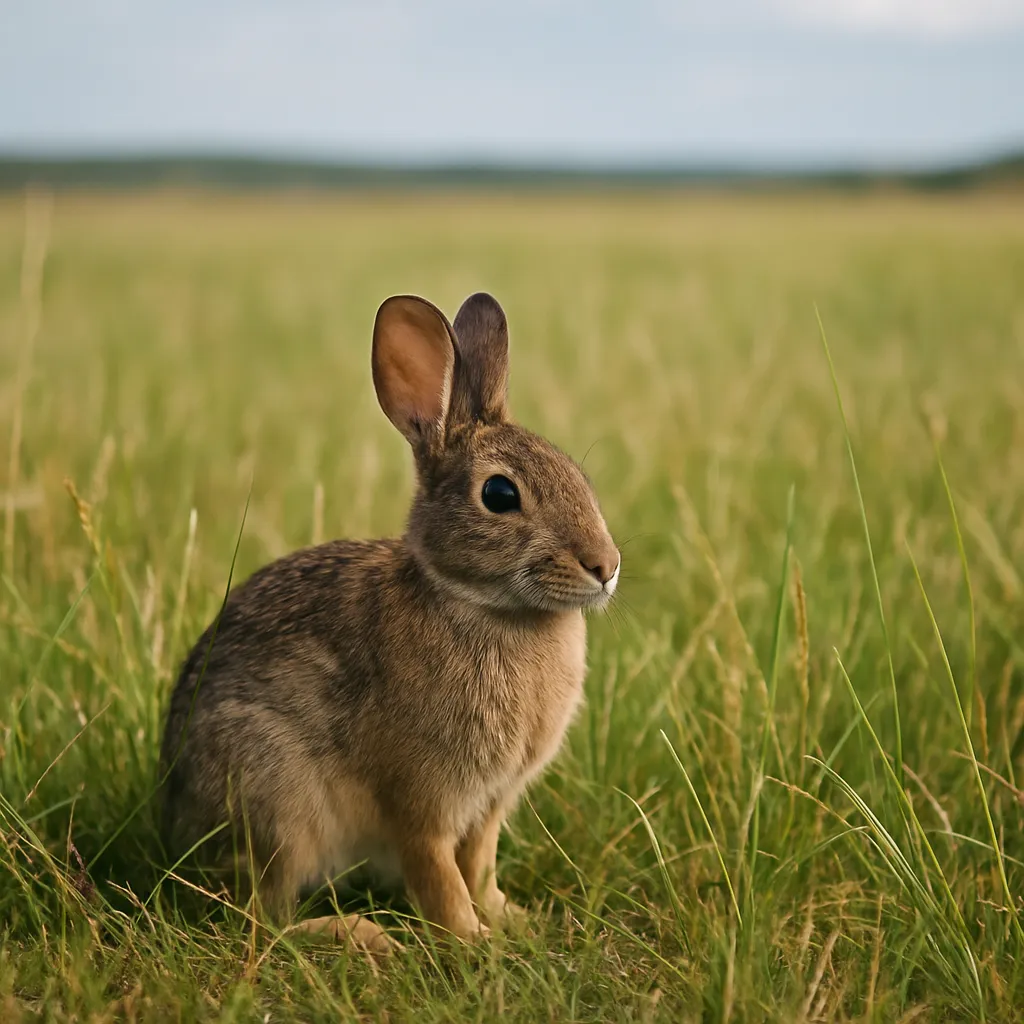
A class studies the cottontail rabbits of one field, then decides to move up exactly one level. Which level do they move to?
A textbook diagram places community at the top of a three-level column. Which level sits directly below community?
In a marsh study, which order runs correctly from the smallest level of organization to the largest?
A researcher studying a bat community narrows the work to just the little brown bats roosting in one barn. Which level has the work moved down to?
A stream team counts the 90 sunfish in one stretch of stream, then adds the dragonflies, crayfish, and water plants living in that same stretch. Which level has the team now reached?
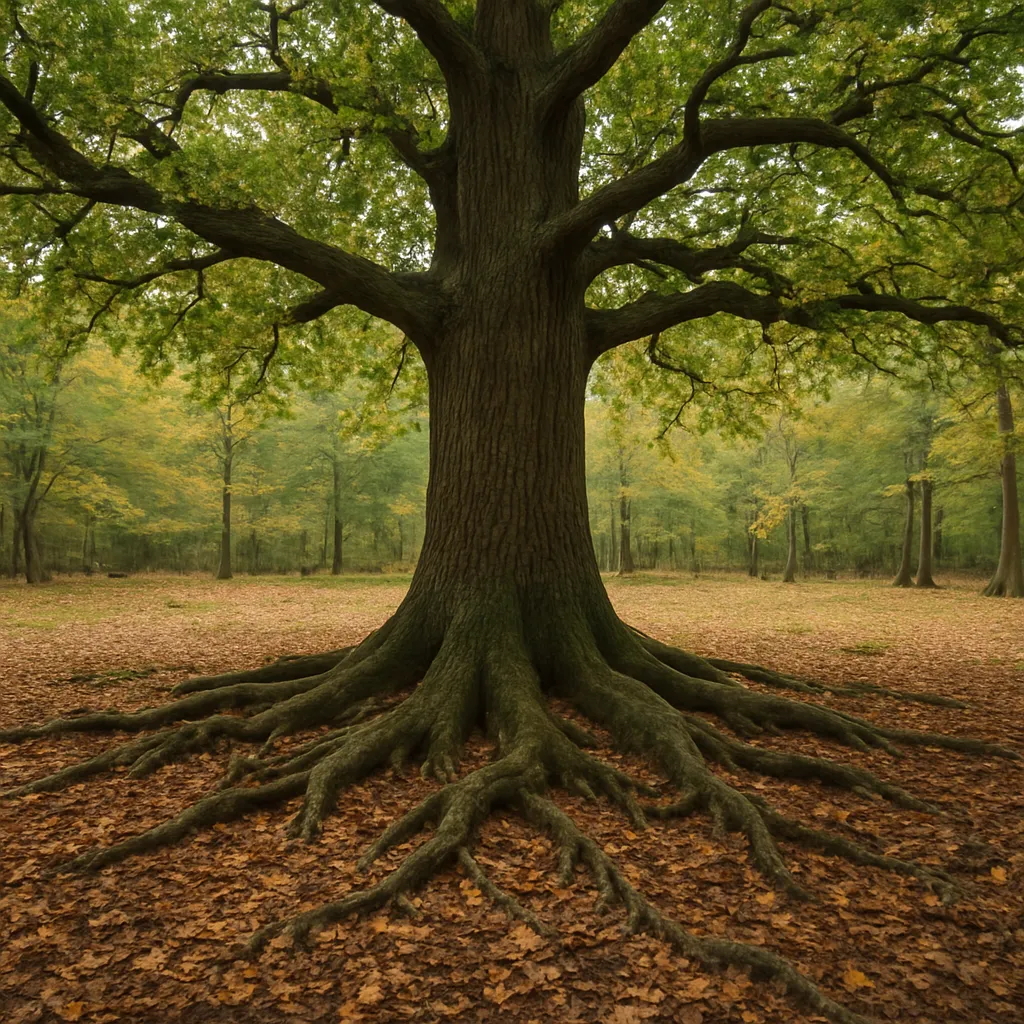
A ponderosa pine forest holds many populations of different species. What does a single population within that forest contain?
Starting from one bison, a study adds every other bison in the same herd, then adds the grasses, prairie dogs, and hawks that share the range. Which order of levels does the study follow?
A field guide states that a community is built from populations. What must be added to one population to reach the community level?

A coral reef survey records the level directly above organism. Which level did the survey record?
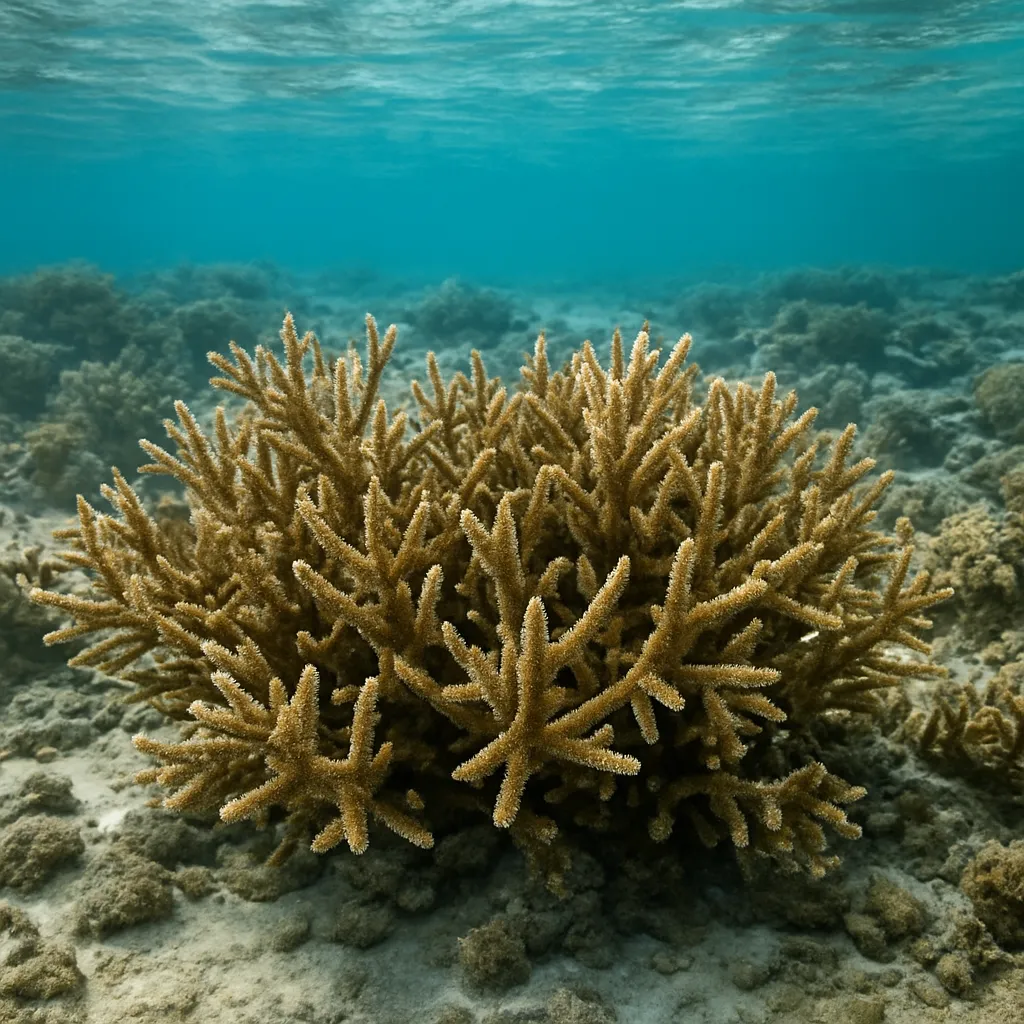
Two students argue about a wood. One says a community is one very large population. Which correction is accurate?
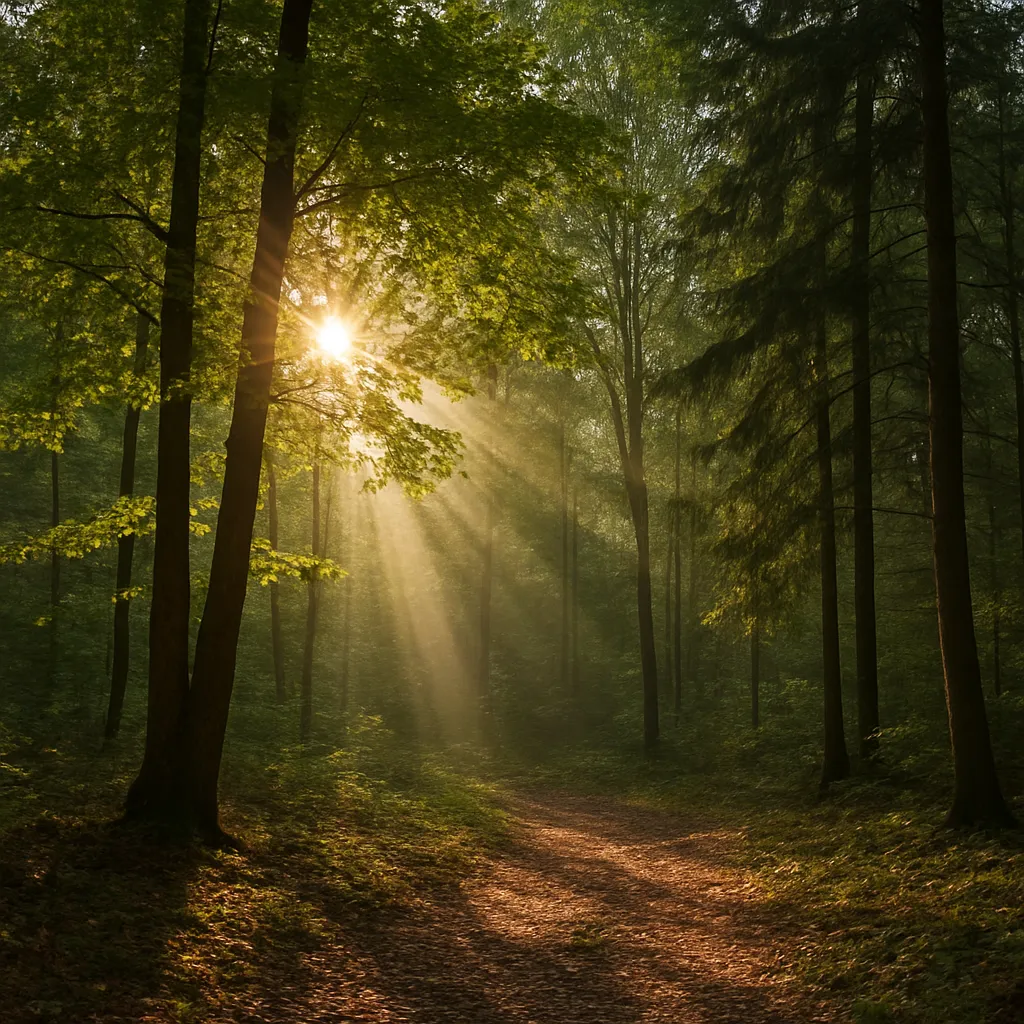
A pond holds 12 mallard ducks and 300 water fleas. A student calls the 12 mallards a population and the 300 water fleas an organism because there are more of them. What is wrong with that reasoning?
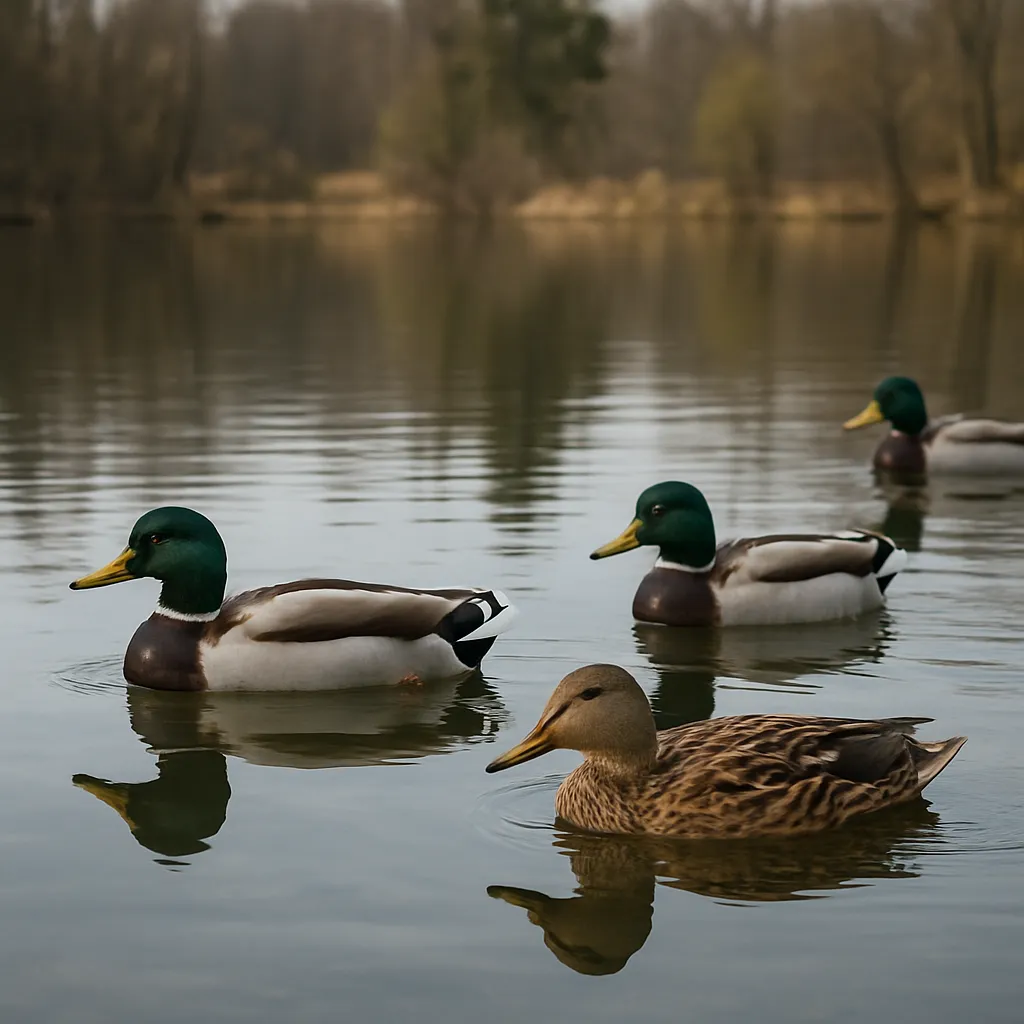
A meadow holds 3 red foxes, the only foxes for many kilometers. A student says three animals are too few to be a population. Is that correct?
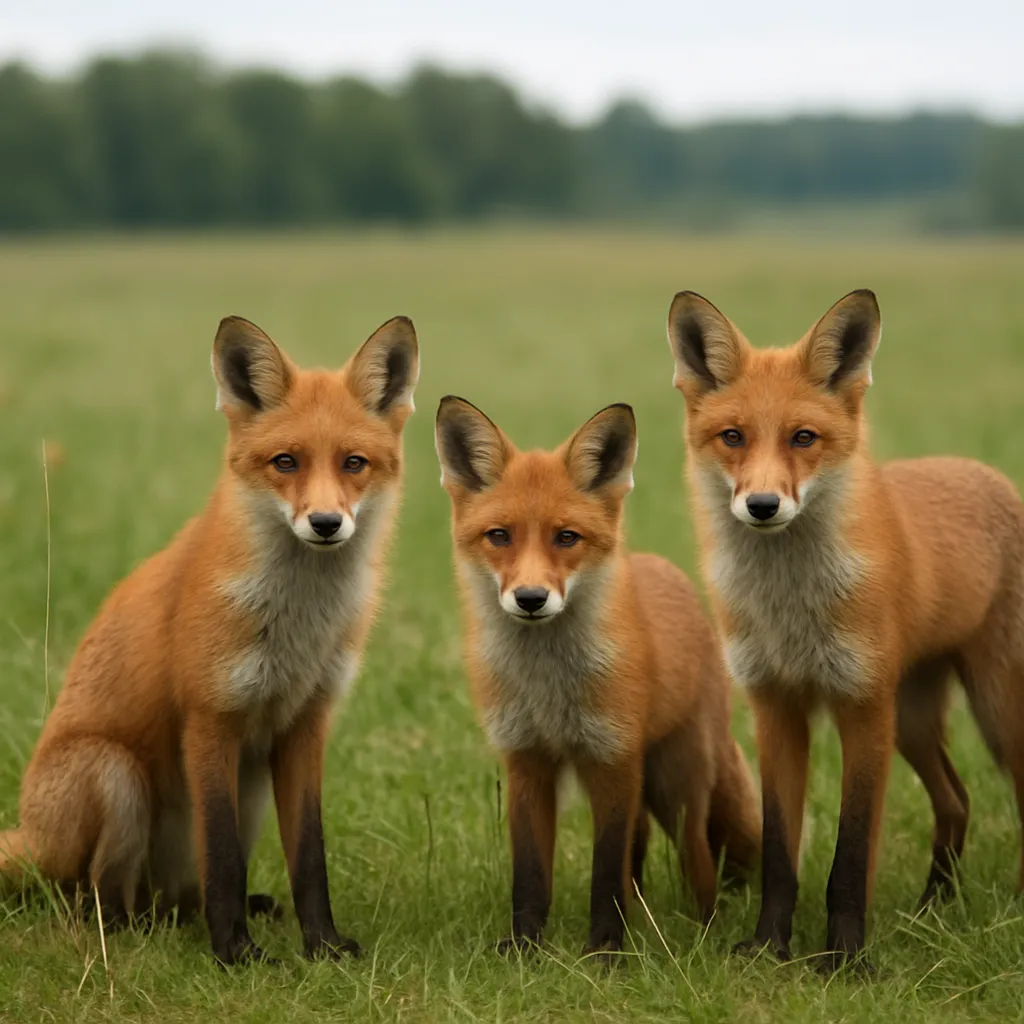
A survey counts the herring gulls and the common terns nesting on one island and calls the combined count a population. Why is that label wrong?
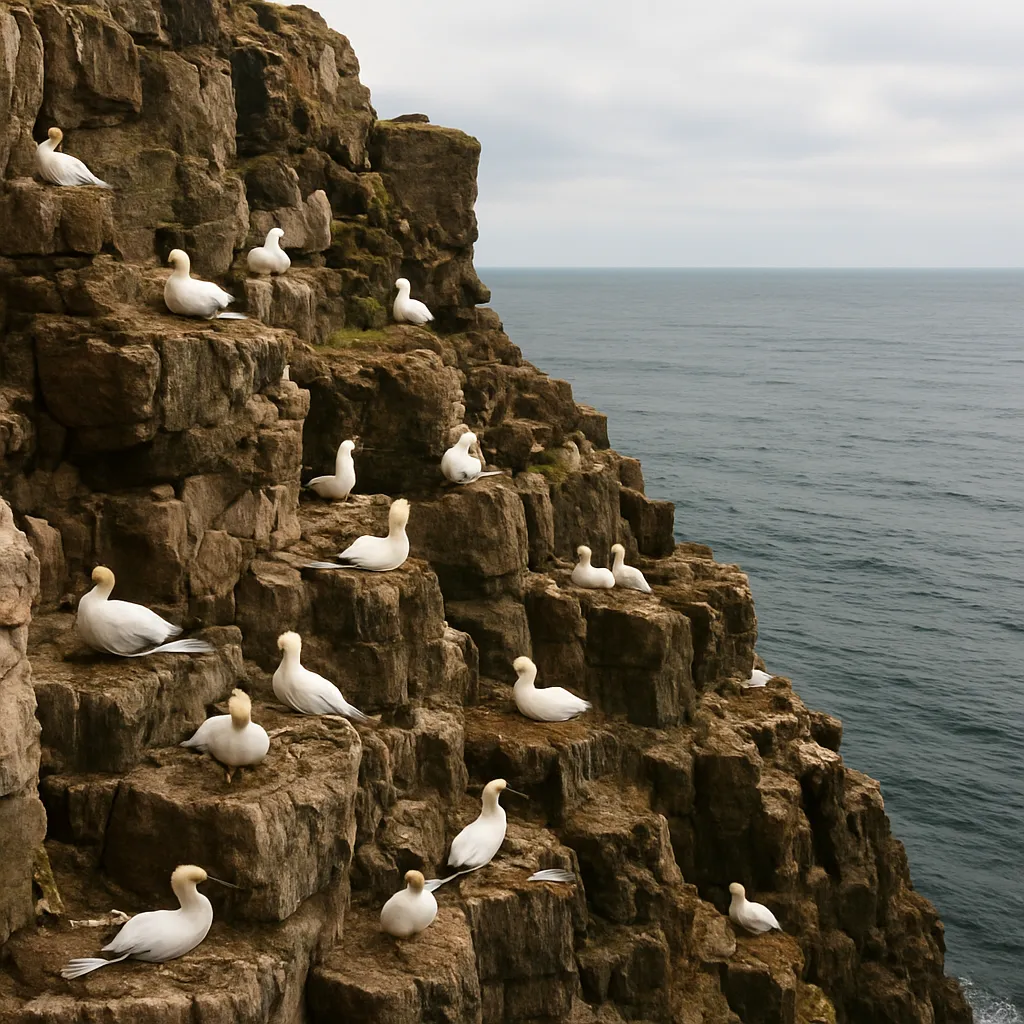
An oak wood holds oaks, squirrels, beetles, and fungi living together. A student adds the wood's soil and rainfall to the description. Why is the description no longer just a community?
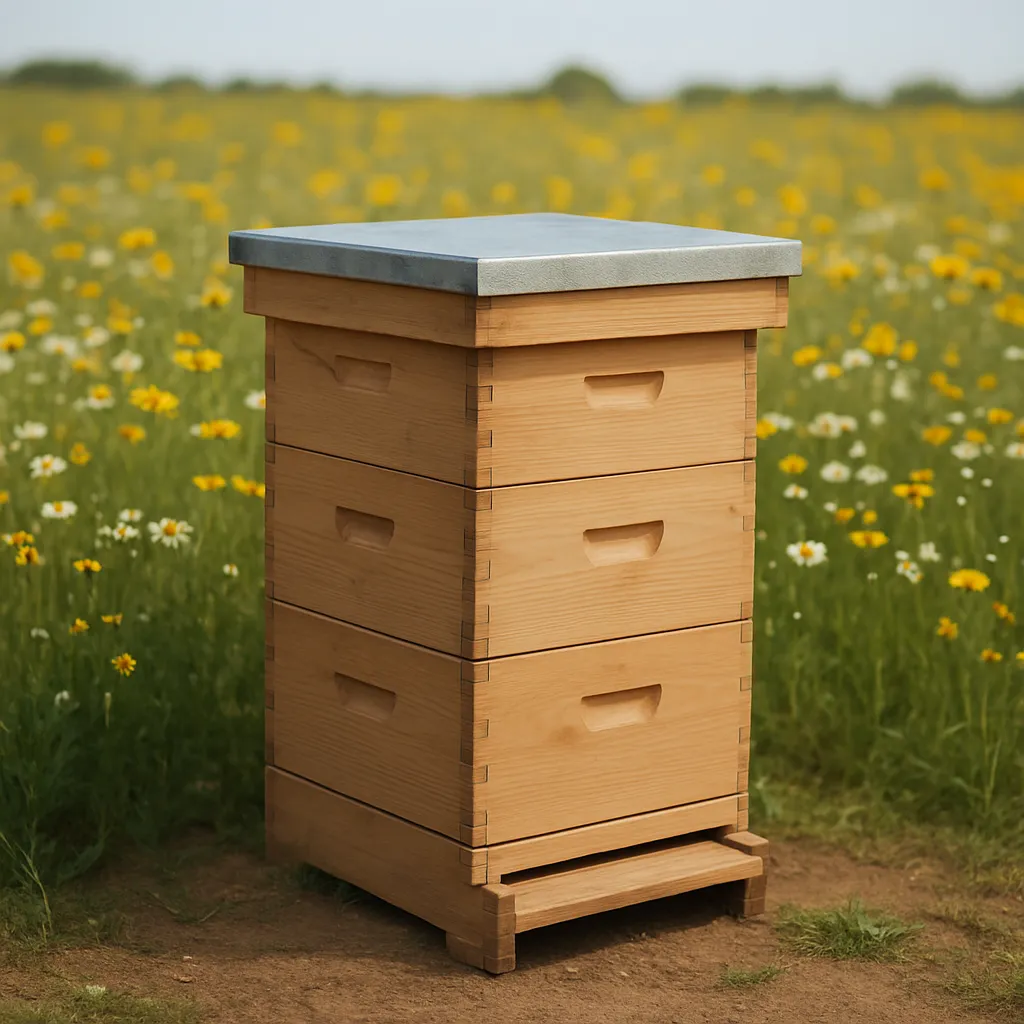
A student writes that one honeybee hive holding 20,000 bees is a community because so many bees live in it. Which correction fits the levels of organization?
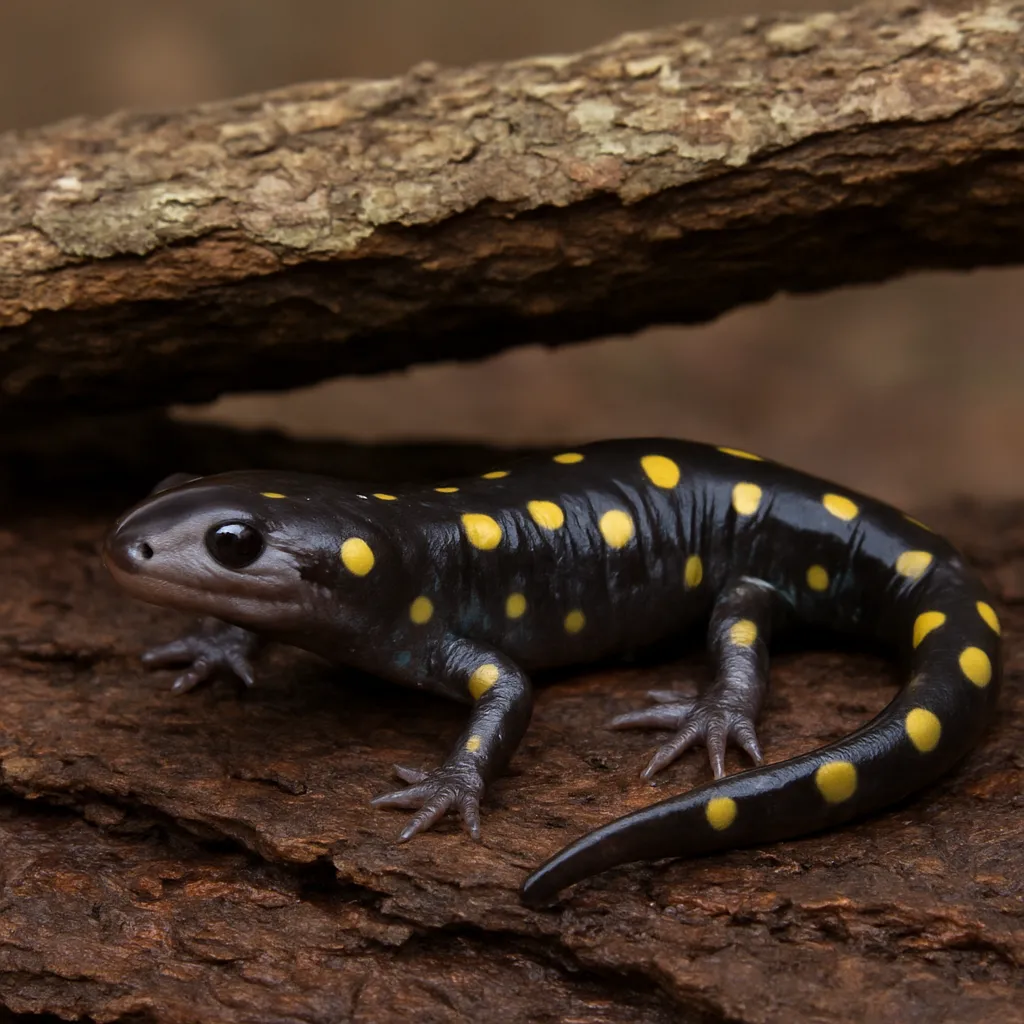
A salamander is found under one log. A researcher wants to study the population instead. What must the researcher record?
A desert study reports on the cactus wrens of one canyon, and a second study reports on every species living in that canyon. Which pair of levels do the two studies describe, in that order?
Crack the passcode before the zombies get in.
Answer, then swat bugs for bonus points.
Race through questions at your own speed.
Same question on every screen. Fastest wins.

Pick a tile, answer, hit bonuses and steals.

The Water Cycle: Multiple Pathways
20 questions